










What is the time range in which one can say the prayer of Shema at night? Why did the mishna start in mid topic? Why with the night prayer and not the morning prayer of Shema? Why did they describe the time based on an action and not in a time frame connected to the sun (from when three stars come out)? The gemara brings several braitot that deal with the same question but bring different answers and the gemara tries to figure out what the different times are and how these different sources work together.
This month’s learning is sponsored by Marci Glazer in loving memory of her teacher and chevruta, Rachel Brodie, Rachel Aviva bat Devora Chana, on her 4th yahrzeit. “She brought her love of Torah to thousands of people in her all-too-short life. A lover of Midrash, she still invited me on this Daf Yomi journey.”
Want to dedicate learning? Get started here:
English
עברית

0:00
0:00
0:00
0:00
Today’s daily daf tools:
This month’s learning is sponsored by Marci Glazer in loving memory of her teacher and chevruta, Rachel Brodie, Rachel Aviva bat Devora Chana, on her 4th yahrzeit. “She brought her love of Torah to thousands of people in her all-too-short life. A lover of Midrash, she still invited me on this Daf Yomi journey.”
Berakhot 2
מֵאֵימָתַי קוֹרִין אֶת שְׁמַע בָּעֲרָבִין? מִשָּׁעָה שֶׁהַכֹּהֲנִים נִכְנָסִים לֶאֱכוֹל בִּתְרוּמָתָן. עַד סוֹף הָאַשְׁמוּרָה הָרִאשׁוֹנָה. דִּבְרֵי רַבִּי אֱלִיעֶזֶר.
The beginning of tractate Berakhot, the first tractate in the first of the six orders of Mishna, opens with a discussion of the recitation of Shema, as the recitation of Shema encompasses an acceptance of the yoke of Heaven and of the mitzvot, and as such, forms the basis for all subsequent teachings. The Mishna opens with the laws regarding the appropriate time to recite Shema:
MISHNA: From when, that is, from what time, does one recite Shema in the evening? From the time when the priests enter to partake of their teruma. Until when does the time for the recitation of the evening Shema extend? Until the end of the first watch. The term used in the Torah (Deuteronomy 6:7) to indicate the time for the recitation of the evening Shema is beshokhbekha, when you lie down, which refers to the time in which individuals go to sleep. Therefore, the time for the recitation of Shema is the first portion of the night, when individuals typically prepare for sleep. That is the statement of Rabbi Eliezer.
וַחֲכָמִים אוֹמְרִים: עַד חֲצוֹת.
The Rabbis say: The time for the recitation of the evening Shema is until midnight.
רַבָּן גַּמְלִיאֵל אוֹמֵר עַד שֶׁיַּעֲלֶה עַמּוּד הַשַּׁחַר.
Rabban Gamliel says: One may recite Shema until dawn, indicating that beshokhbekha is to be understood as a reference to the entire time people sleep in their beds, the whole night.
מַעֲשֶׂה וּבָאוּ בָנָיו מִבֵּית הַמִּשְׁתֶּה, אָמְרוּ לוֹ: לֹא קָרִינוּ אֶת שְׁמַע, אָמַר לָהֶם: אִם לֹא עָלָה עַמּוּד הַשַּׁחַר חַיָּיבִין אַתֶּם לִקְרוֹת. וְלֹא זוֹ בִּלְבַד אָמְרוּ, אֶלָּא כָּל מַה שֶּׁאָמְרוּ חֲכָמִים ״עַד חֲצוֹת״, מִצְוָתָן עַד שֶׁיַּעֲלֶה עַמּוּד הַשַּׁחַר.
The mishna relates that Rabban Gamliel practiced in accordance with his ruling. There was an incident where Rabban Gamliel’s sons returned very late from a wedding hall. They said to him, as they had been preoccupied with celebrating with the groom and bride: We did not recite Shema. He said to them: If the dawn has not yet arrived, you are obligated to recite Shema. Since Rabban Gamliel’s opinion disagreed with that of the Rabbis, he explained to his sons that the Rabbis actually agree with him, and that it is not only with regard to the halakha of the recitation of Shema, but rather, wherever the Sages say until midnight, the mitzva may be performed until dawn.
הֶקְטֵר חֲלָבִים וְאֵבָרִים, מִצְוָתָן עַד שֶׁיַּעֲלֶה עַמּוּד הַשַּׁחַר וְכָל הַנֶּאֱכָלִים לְיוֹם אֶחָד, מִצְוָתָן עַד שֶׁיַּעֲלֶה עַמּוּד הַשַּׁחַר. אִם כֵּן, לָמָה אָמְרוּ חֲכָמִים ״עַד חֲצוֹת״ — כְּדֵי לְהַרְחִיק אָדָם מִן הָעֲבֵירָה:
Rabban Gamliel cites several cases in support of his claim, such as the burning of fats and limbs on the altar. Due to the quantity of offerings each day, the priests were often unable to complete the burning of all of the fats and limbs, so they continued to be burned into the night, as it is written: “This is the law of the burnt offering: The burnt offering shall remain upon the pyre on the altar all night until morning, while the fire on the altar burns it” (Leviticus 6:2). And, with regard to all sacrifices, such as the sin-offerings and the guilt-offerings that are eaten for one day and night; although the Sages state that they may be eaten only until midnight, by Torah law they may be eaten until dawn. This is in accordance with the verse: “On the day on which it is offered must you eat. Do not leave it until the morning” (Leviticus 7:15). If so, why did the Sages say that they may be eaten only until midnight? This is in order to distance a person from transgression, as if one believes that he has until dawn to perform the mitzva, he might be negligent and postpone it until the opportunity to perform the mitzva has passed.
גְּמָ׳ תַּנָּא הֵיכָא קָאֵי דְּקָתָנֵי ״מֵאֵימָתַי״?
GEMARA: The Mishna opens with the laws concerning the appropriate time to recite Shema with the question: From when does one recite Shema in the evening? With regard to this question, the Gemara asks: On the basis of what prior knowledge does the tanna of our mishna ask: From when? It would seem from his question that the obligation to recite Shema in the evening was already established, and that the tanna seeks only to clarify details that relate to it. But our mishna is the very first mishna in the Talmud.
וְתוּ: מַאי שְׁנָא דְּתָנֵי בְּעַרְבִית בְּרֵישָׁא? לִתְנֵי דְּשַׁחֲרִית בְּרֵישָׁא!
The Gemara asks: And furthermore, what distinguishes the evening Shema, that it was taught first? Let the tanna teach regarding the recitation of the morning Shema first. Since most mitzvot apply during the day, the tanna should discuss the morning Shema before discussing the evening Shema, just as the daily morning offering is discussed before the evening offering (Tosefot HaRosh).
תַּנָּא אַקְּרָא קָאֵי, דִּכְתִיב: ״בְּשָׁכְבְּךָ וּבְקוּמֶךָ״. וְהָכִי קָתָנֵי: זְמַן קְרִיאַת שְׁמַע דִּשְׁכִיבָה אֵימַת? — מִשָּׁעָה שֶׁהַכֹּהֲנִים נִכְנָסִין לֶאֱכוֹל בִּתְרוּמָתָן.
The Gemara offers a single response to both questions: The tanna bases himself on the verse as it is written: “You will talk of them when you sit in your home, and when you walk along the way, when you lie down, and when you arise” (Deuteronomy 6:7). By teaching the laws of the evening Shema first, the tanna has established that the teachings of the Oral Torah correspond to that which is taught in the Written Torah. And based on the Written Torah, the tanna teaches the oral law: When is the time for the recitation of Shema of lying down as commanded in the Torah? From when the priests enter to partake of their teruma. Just as the Written Torah begins with the evening Shema, so too must the Oral Torah.
וְאִי בָּעֵית אֵימָא: יָלֵיף מִבְּרִיָּיתוֹ שֶׁל עוֹלָם, דִּכְתִיב: ״וַיְהִי עֶרֶב וַיְהִי בֹקֶר יוֹם אֶחָד״.
However, there is another possible explanation for why the mishna opens with the evening Shema rather than with the morning Shema. If you wish, you could say instead that the tanna derives the precedence of the evening Shema from the order of the creation of the world. As it is written in the story of creation: “And there was evening, and there was morning, one day” (Genesis 1:5). According to this verse, day begins with the evening and not the morning. For both of these reasons it was appropriate to open the discussion of the laws of the recitation of Shema with the evening Shema.
אִי הָכִי, סֵיפָא דְּקָתָנֵי ״בַּשַּׁחַר מְבָרֵךְ שְׁתַּיִם לְפָנֶיהָ וְאַחַת לְאַחֲרֶיהָ, בָּעֶרֶב מְבָרֵךְ שְׁתַּיִם לְפָנֶיהָ וּשְׁתַּיִם לְאַחֲרֶיהָ״, לִתְנֵי דְּעַרְבִית בְּרֵישָׁא!
The Gemara asks: If so, why does the latter clause of the mishna, which appears later in the chapter, teach: In the morning one recites two blessings before Shema and one blessing afterward, and in the evening one recites two blessings before Shema and two afterward? Based upon the above reasoning, the mishna should have taught the blessing recited before and after the evening Shema first.
תַּנָּא פָּתַח בְּעַרְבִית, וַהֲדַר תָּנֵי בְּשַׁחֲרִית, עַד דְּקָאֵי בְּשַׁחֲרִית, פָּרֵישׁ מִילֵּי דְשַׁחֲרִית, וַהֲדַר פָּרֵישׁ מִילֵּי דְעַרְבִית.
The Gemara answers: Indeed, the tanna began by discussing the laws regarding the recitation of the evening Shema, and then taught the laws regarding the recitation of the morning Shema. Once he was already dealing with the morning Shema, he explained the matters of the morning Shema, and then explained the matters of the evening Shema.
אָמַר מָר מִשָּׁעָה שֶׁהַכֹּהֲנִים נִכְנָסִים לֶאֱכוֹל בִּתְרוּמָתָן. מִכְּדִי כֹּהֲנִים אֵימַת קָא אָכְלִי תְּרוּמָה? — מִשְּׁעַת צֵאת הַכּוֹכָבִים, לִתְנֵי: ״מִשְּׁעַת צֵאת הַכּוֹכָבִים״!
The Gemara proceeds to clarify the rest of the mishna. The Master said in the mishna that the beginning of the period when one recites Shema in the evening is when the priests enter to partake of their teruma. However, this does not specify a definitive time. When do the priests enter to partake of their teruma? From the time of the emergence of the stars. If that is the case, then let the tanna teach that the time for the recitation of the evening Shema is from the time of the emergence of the stars.
מִלְּתָא אַגַּב אוֹרְחֵיהּ קָמַשְׁמַע לַן — כֹּהֲנִים אֵימַת קָא אָכְלִי בִּתְרוּמָה — מִשְּׁעַת צֵאת הַכּוֹכָבִים. וְהָא קָמַשְׁמַע לַן דְּכַפָּרָה לָא מְעַכְּבָא. כִּדְתַנְיָא: ״וּבָא הַשֶּׁמֶשׁ וְטָהֵר״ — בִּיאַת שִׁמְשׁוֹ מְעַכַּבְתּוֹ מִלֶּאֱכוֹל בִּתְרוּמָה, וְאֵין כַּפָּרָתוֹ מְעַכַּבְתּוֹ מִלֶּאֱכוֹל בִּתְרוּמָה.
The Gemara responds: Indeed it would have been simpler to say that the time for the recitation of the evening Shema begins with the emergence of the stars, but the particular expression used by the tanna teaches us another matter in passing: When do priests partake of their teruma? From the time of the emergence of the stars. And the tanna teaches us a new halakha parenthetically: failure to bring an atonement offering does not prevent a priest from eating teruma. In cases where an impure priest is required to immerse himself in a ritual bath and bring an atonement offering, even if he already immersed himself, he is not completely ritually pure until he brings the atonement offering. Nevertheless, he is still permitted to partake of teruma. Taught in passing in our mishna, this is articulated fully in a baraita, based on a close reading of the biblical passages. As it was taught in a baraita with regard to the laws of ritual impurity, it is said: “One who touches it remains impure until evening. He should not eat of the consecrated items and he must wash his flesh with water. And the sun sets and it is purified. Afterwards, he may eat from the teruma, for it is his bread” (Leviticus 22:6–7). From the passage: “And the sun sets and it is purified,” that the absence of the setting of his sun prevents him from partaking of teruma, but failure to bring the atonement offering does not prevent him from partaking of teruma, may be inferred.
וּמִמַּאי דְּהַאי ״וּבָא הַשֶּׁמֶשׁ״ בִּיאַת הַשֶּׁמֶשׁ, וְהַאי ״וְטָהֵר״ — טְהַר יוֹמָא.
The Gemara discusses the proof offered in the baraita: From where do we know that the phrase: “And the sun sets” refers to the complete setting of the sun, and therefore, “and it is purified” refers to the fact that the day is pure, i.e., and the sun sets and it is purified is one phrase meaning that the sun will set, the air will clear, and the stars will emerge (Rav Hai Gaon)?
דִּילְמָא בִּיאַת אוֹרוֹ הוּא, וּמַאי ״וְטָהֵר״ — טְהַר גַּבְרָא?!
Perhaps the expression: “And the sun sets and it is purified” refers to the very beginning of sunset, the setting of the sun’s light. According to that explanation, what does the expression and it is purified mean? It means that the person will become purified. After immersing, he will wait until the beginning of sunset, and only then will he be able to eat of his teruma (Tosafot).
אָמַר רַבָּהּ בַּר רַב שֵׁילָא: אִם כֵּן, לֵימָא קְרָא: ״וְיִטְהָר״, מַאי ״וְטָהֵר״ — טְהַר יוֹמָא, כִּדְאָמְרִי אִינָשֵׁי: ״אִיעֲרַב שִׁמְשָׁא וְאִדַּכִּי יוֹמָא״.
Rabba bar Rav Sheila said: If so, that: And it is purified, means that the priest goes and purifies himself, then let the verse say unambiguously: And he will become purified. Since the Torah does not employ that language, the conclusion is: What is the meaning of the expression: And it is purified? It means the day is pure, no residue of day remains, as people say colloquially: The sun has set and the day is purified.
בְּמַעֲרָבָא, הָא דְּרַבָּהּ בַּר רַב שֵׁילָא לָא שְׁמִיעַ לְהוּ, וּבְעוֹ לַהּ מִיבַּעְיָא: הַאי ״וּבָא הַשֶּׁמֶשׁ״ בִּיאַת שִׁמְשׁוֹ הוּא, וּמַאי ״וְטָהֵר״ — טְהַר יוֹמָא, אוֹ דִילְמָא בִּיאַת אוֹרוֹ הוּא, וּמַאי ״וְטָהֵר״ — טְהַר גַּבְרָא.
In the West, Eretz Yisrael, they did not hear this explanation given by Rabba bar Rav Sheila. They raised the dilemma: Does the expression: And the sun sets, refer to the actual setting of the sun, and does: And it is purified, mean the day clears away? Or perhaps it refers to the setting of its light at sunset, in which case what is the meaning of: And it is purified? It refers to the purification of the person. In other words, in Eretz Yisrael, they attempted to clarify the halakha based on the biblical passage, but were unable to do so.
וַהֲדַר פָּשְׁטוּ לַהּ מִבָּרַיְיתָא. מִדְּקָתָנֵי בְּבָרַיְיתָא, סִימָן לַדָּבָר — צֵאת הַכּוֹכָבִים. שְׁמַע מִינַּהּ — בִּיאַת שִׁמְשׁוֹ הוּא, וּמַאי ״וְטָהֵר״ — טְהַר יוֹמָא.
Ultimately they resolved this dilemma from a baraita. It was taught in a baraita that the time for the recitation of the evening Shema corresponds to the time when priests are permitted to eat of their teruma, a sign for which is the emergence of the stars. Therefore, derive from here that “and the sun sets” refers to the complete sunset, and the expression “and it is purified” means the day clears away, as the Sages in Babylonia concluded.
אָמַר מָר מִשָּׁעָה שֶׁהַכֹּהֲנִים נִכְנָסִין לֶאֱכוֹל בִּתְרוּמָתָן. וּרְמִינְהוּ: מֵאֵימָתַי קוֹרִין אֶת שְׁמַע בָּעֲרָבִין — מִשֶּׁהֶעָנִי נִכְנָס לֶאֱכוֹל פִּתּוֹ בְּמֶלַח, עַד שָׁעָה שֶׁעוֹמֵד לִיפָּטֵר מִתּוֹךְ סְעוּדָּתוֹ.
In our mishna, the Master said: The beginning of the time for the recitation of the evening Shema is: From the time when the priests enter to partake of their teruma. The Gemara raises a contradiction to this opinion from a baraita that states that the time for the recitation of the evening Shema is: From when a poor person enters to eat his bread with salt until he rises from his meal.
סֵיפָא, וַדַּאי פְּלִיגָא אַמַּתְנִיתִין. רֵישָׁא, מִי לֵימָא פְּלִיגִי אַמַּתְנִיתִין?
The Gemara begins its analysis by clarifying whether there is an actual contradiction here, or whether different expressions are being employed to describe the same time. The latter clause of the baraita, which established that the time for the recitation of the evening Shema ends when a poor person rises from his meal, certainly disagrees with our mishna. Since the poor person clearly does not continue eating until the end of the first watch, this baraita certainly contradicts our mishna. With regard to the first clause of the baraita, however, which establishes the beginning of the time for the recitation of the evening Shema, shall we say that it disagrees with our mishna?
לָא, עָנִי וְכֹהֵן חַד שִׁיעוּרָא הוּא.
The Gemara immediately rejects this idea: No, the time when the poor person eats and the time when the priest is purified and permitted to partake of his teruma are one and the same time.
וּרְמִינְהוּ: מֵאֵימָתַי מַתְחִילִין לִקְרוֹת קְרִיאַת שְׁמַע בְּעַרְבִית — מִשָּׁעָה שֶׁבְּנֵי אָדָם נִכְנָסִין לֶאֱכוֹל פִּתָּן בְּעַרְבֵי שַׁבָּתוֹת, דִּבְרֵי רַבִּי מֵאִיר. וַחֲכָמִים אוֹמְרִים: מִשָּׁעָה שֶׁהַכֹּהֲנִים זַכָּאִין לֶאֱכוֹל בִּתְרוּמָתָן. סִימָן לַדָּבָר: צֵאת הַכּוֹכָבִים. וְאַף עַל פִּי שֶׁאֵין רְאָיָה לַדָּבָר, זֵכֶר לַדָּבָר, שֶׁנֶּאֱמַר: ״וַאֲנַחְנוּ עֹשִׂים בַּמְּלָאכָה וְחֶצְיָם מַחֲזִיקִים בָּרְמָחִים מֵעֲלוֹת הַשַּׁחַר עַד צֵאת הַכּוֹכָבִים״, וְאוֹמֵר: ״וְהָיוּ לָנוּ הַלַּיְלָה מִשְׁמָר וְהַיּוֹם מְלָאכָה״.
The Gemara raises a contradiction from the Tosefta: From when does one begin to recite Shema in the evening? From the time when people enter to eat their bread on Shabbat eve. This is the statement of Rabbi Meir. As they do in our mishna, the Rabbis say: From the time when the priests are eligible to partake of their teruma, a sign for which is the emergence of the stars. And although there is no explicit proof that the emergence of the stars is when one may begin to recite the evening Shema, there is an allusion in the book of Nehemiah to the fact that the emergence of the stars is generally considered the beginning of the night. As it is stated with regard to the building of the walls of Jerusalem: “And we perform the work, and half of them grasp their spears from dawn until the emergence of the stars” (Nehemiah 4:15). And it says: “That in the night they may be a guard to us, and may labor in the day” (Nehemiah 4:16). From here we ascertain that the day ends with the emergence of the stars.
מַאי ״וְאוֹמֵר״?
Even before analyzing these sources, the Gemara seeks to clarify a confusing element in the Tosefta. In their biblical proof, the Rabbis do not suffice with one verse, but rather they say: And it says…and they cite an additional verse. What is added by this use of: And it says? It seems superfluous, as the entire proof appears in the first verse.
וְכִי תֵּימָא מִכִּי עָרְבָא שִׁמְשָׁא, לֵילְיָא הוּא, וְאִינְהוּ דְּמַחְשְׁכִי וּמַקְדְּמִי, תָּא שְׁמַע ״וְהָיוּ לָנוּ הַלַּיְלָה מִשְׁמָר וְהַיּוֹם מְלָאכָה״.
The Gemara answers that the first verse was not sufficient. As, if you say that night begins when the sun sets, but the workers stayed late and arrived early; i.e., due to the importance of their task they worked even into the night. In anticipation of this objection, the second verse was cited to teach: Come and hear, as it is stated: “That in the night they may be a guard to us, and may labor in the day,” the time between dawn and the emergence of the stars is explicitly referred to as “day,” proving that night begins with the emergence of the stars.
קָא סָלְקָא דַּעְתָּךְ דְּעָנִי וּבְנֵי אָדָם חַד שִׁעוּרָא הוּא. וְאִי אָמְרַתְּ עָנִי וְכֹהֵן חַד שִׁעוּרָא הוּא, חֲכָמִים הַיְינוּ רַבִּי מֵאִיר?
In analyzing the three opinions regarding the beginning of the period for the recitation of the evening Shema, the Gemara begins with the supposition: It might enter your mind to say that the time when the poor person typically eats his meal and the time when ordinary people eat their Shabbat evening meal are one and the same time, since in both cases those eating would seek to begin their meals as early as possible, as, for different reasons, they are unable to kindle additional lights to illuminate their meal. And, if you say that the time of the poor person’s meal and the time when the priest is purified and permitted to partake of his teruma are one and the same time, then the opinion of the Rabbis is identical to that of Rabbi Meir. What is their disagreement?
אֶלָּא, שְׁמַע מִינַּהּ עָנִי שִׁעוּרָא לְחוּד וְכֹהֵן שִׁעוּרָא לְחוּד. לָא, עָנִי וְכֹהֵן חַד שִׁעוּרָא הוּא, וְעָנִי וּבְנֵי אָדָם לָאו חַד שִׁעוּרָא הוּא.
Rather, what we said previously must be rejected, and instead learn from this that there is a separate time for the poor person and a separate time for the priest. However, this conclusion is based on the assumption that the time of the poor person and the time of people are the same. That too can be rejected with the assertion that, no, the time of the poor person and the priest are one and the same time, and the time of the poor person and people are not the same. Accordingly, the opinion expressed by the tanna in our baraita is identical to that of the other tanna’im, and only Rabbi Meir disagrees with them.
וְעָנִי וְכֹהֵן חַד שִׁעוּרָא הוּא? וּרְמִינְהוּ: מֵאֵימָתַי מַתְחִילִין לִקְרוֹת שְׁמַע בָּעֲרָבִין — מִשָּׁעָה שֶׁקָּדַשׁ הַיּוֹם בְּעַרְבֵי שַׁבָּתוֹת, דִּבְרֵי רַבִּי אֱלִיעֶזֶר. רַבִּי יְהוֹשֻׁעַ אוֹמֵר: מִשָּׁעָה שֶׁהַכֹּהֲנִים מְטוֹהָרִים לֶאֱכוֹל בִּתְרוּמָתָן. רַבִּי מֵאִיר אוֹמֵר, מִשָּׁעָה שֶׁהַכֹּהֲנִים טוֹבְלִין לֶאֱכוֹל בִּתְרוּמָתָן. אָמַר לוֹ רַבִּי יְהוּדָה: וַהֲלֹא כֹּהֲנִים מִבְּעוֹד יוֹם הֵם טוֹבְלִים? רַבִּי חֲנִינָא אוֹמֵר מִשָּׁעָה שֶׁעָנִי נִכְנָס לֶאֱכוֹל פִּתּוֹ בְּמֶלַח. רַבִּי אַחַאי וְאָמְרִי לַהּ רַבִּי אַחָא אוֹמֵר: מִשָּׁעָה שֶׁרוֹב בְּנֵי אָדָם נִכְנָסִין לְהָסֵב.
And is the time of the poor person and the priest the same? The Gemara raises a contradiction to this approach from another baraita, in which other opinions regarding the time for the recitation of the evening Shema are cited: From when does one begin to recite the evening Shema?
From the time when the day becomes sanctified on the eve of Shabbat, this is the statement of Rabbi Eliezer, who established an earlier time for Shema.
Rabbi Yehoshua, like our mishna, says: From the time when the priests are eligible to partake of their teruma.
Rabbi Meir says: The time for the recitation of Shema begins before the priests were purified, from when the priests immerse themselves in order to partake of their teruma.
Rabbi Yehuda said to Rabbi Meir: How is it possible that the time for the recitation of the evening Shema corresponds to the time of the priests’ immersion? Do the priests not immerse themselves during the day, so that with nightfall and the onset of a new day they will be purified? If so, how can that time be called night?
Rabbi Ḥanina says that the time for the recitation of the evening Shema begins when the poor person enters to eat his bread with salt.
But Rabbi Aḥai, and some say Rabbi Aḥa, says: From the time when most people enter to recline at their meal during the week.
וְאִי אָמְרַתְּ עָנִי וְכֹהֵן חַד שִׁעוּרָא הוּא, רַבִּי חֲנִינָא הַיְינוּ רַבִּי יְהוֹשֻׁעַ!
The preceding was the text of the baraita. Returning to our question, if you say that the time of the poor person and the priest are one and the same time, then the opinion of Rabbi Ḥanina is identical to that of Rabbi Yehoshua. However, the fact that they are cited together indicates that they are not, in fact, the same.
אֶלָּא לָאו שְׁמַע מִינַּהּ שִׁעוּרָא דְּעָנִי לְחוּד וְשִׁעוּרָא דְּכֹהֵן לְחוּד, שְׁמַע מִינַּהּ.
Rather, must one not conclude from this the time for the poor person is separate and the time for the priest is separate? Since no objection is raised, the Gemara concedes: Indeed, conclude from this.
הֵי מִינַּיְיהוּ מְאוּחָר? מִסְתַּבְּרָא דְּעָנִי מְאוּחָר דְּאִי אָמְרַתְּ דְּעָנִי מוּקְדָּם רַבִּי חֲנִינָא הַיְינוּ רַבִּי אֱלִיעֶזֶר. אֶלָּא לָאו שְׁמַע מִינַּהּ דְּעָנִי מְאוּחָר. שְׁמַע מִינַּהּ.
Having established that the time of the poor person and that of the priest are different, the Gemara seeks to determine: which one is later? The Gemara suggests that it is reasonable to conclude that the time of the poor person is later. As if you say that the poor person is earlier, it would be impossible to establish a time earlier than that established by Rabbi Yehoshua, unless we hold that night begins with sunset, in which case the opinion of Rabbi Ḥanina is identical to that of Rabbi Eliezer. Rather, must one not conclude from this that the poor person is later? The Gemara notes: Indeed, conclude from this.
אָמַר מָר. אֲמַר לֵיהּ רַבִּי יְהוּדָה: וַהֲלֹא כֹּהֲנִים מִבְּעוֹד יוֹם הֵם טוֹבְלִים!
We learned that the Master said in a baraita that the time for the recitation of the evening Shema according to Rabbi Meir begins with the time of the immersion of the priests. Regarding this, Rabbi Yehuda said to Rabbi Meir: Do the priests not immerse themselves during the day?
שַׁפִּיר קָאָמַר לֵיהּ רַבִּי יְהוּדָה לְרַבִּי מֵאִיר?
The Gemara notes: What Rabbi Yehuda said to Rabbi Meir seems correct, and how can Rabbi Meir respond? Rabbi Meir’s response is connected to the fundamental dispute over when night begins. After sunset, a period begins which is neither day nor night. The tanna’im disagree over the precise duration of this period known as twilight [bein hashemashot]. Rabbi Yehuda holds that twilight extends a full hour after sunset. Rabbi Neḥemya agrees in principle, though he disagrees over the specifics. Rabbi Yosei maintains that twilight is very brief, and occurs immediately before the emergence of the stars, which marks the beginning of the night. Regarding Rabbi Meir’s argument, Rabbi Yehuda asks that since the priests immerse themselves before twilight, they have a long wait until nightfall; clearly their immersion takes place while it is still day.
וְרַבִּי מֵאִיר הָכִי קָאָמַר לֵיהּ: מִי סָבְרַתְּ דַּאֲנָא אַבֵּין הַשְּׁמָשׁוֹת דִּידָךְ קָא אָמֵינָא? אֲנָא אַבֵּין הַשְּׁמָשׁוֹת דְּרַבִּי יוֹסֵי קָא אָמֵינָא, דְּאָמַר רַבִּי יוֹסֵי בֵּין הַשְּׁמָשׁוֹת כְּהֶרֶף עַיִן, זֶה — נִכְנָס, וְזֶה — יוֹצֵא, וְאִי אֶפְשָׁר לַעֲמוֹד עָלָיו.
The Gemara answers that Rabbi Meir said to Rabbi Yehuda as follows: Do you maintain that I am speaking of your definition of twilight? I am speaking of Rabbi Yosei’s definition of twilight, as Rabbi Yosei said: Twilight is like the blink of an eye; night begins and day ends and the time between them is so brief, it is impossible to quantify. According to this opinion, the priests immerse themselves just before the emergence of the stars, when it is already considered night.
Follow 
Today’s daily daf tools:
Delve Deeper
Broaden your understanding of the topics on this daf with classes and podcasts from top women Talmud scholars.
New to Talmud?
Check out our resources designed to help you navigate a page of Talmud – and study at the pace, level and style that fits you.
The Hadran Women’s Tapestry
Meet the diverse women learning Gemara at Hadran and hear their stories.
I started learning after the siyum hashas for women and my daily learning has been a constant over the last two years. It grounded me during the chaos of Corona while providing me with a community of fellow learners. The Daf can be challenging but it’s filled with life’s lessons, struggles and hope for a better world. It’s not about the destination but rather about the journey. Thank you Hadran!

Dena Lehrman
אפרת, Israel
I saw an elderly man at the shul kiddush in early March 2020, celebrating the siyyum of masechet brachot which he had been learning with a young yeshiva student. I thought, if he can do it, I can do it! I began to learn masechet Shabbat the next day, Making up masechet brachot myself, which I had missed. I haven’t missed a day since, thanks to the ease of listening to Hadran’s podcast!
Judith Shapiro
Minnesota, United States
I started with Ze Kollel in Berlin, directed by Jeremy Borowitz for Hillel Deutschland. We read Masechet Megillah chapter 4 and each participant wrote his commentary on a Sugia that particularly impressed him. I wrote six poems about different Sugiot! Fascinated by the discussions on Talmud I continued to learn with Rabanit Michelle Farber and am currently taking part in the Tikun Olam course.
Yael Merlini
Berlin, Germany
Since I started in January of 2020, Daf Yomi has changed my life. It connects me to Jews all over the world, especially learned women. It makes cooking, gardening, and folding laundry into acts of Torah study. Daf Yomi enables me to participate in a conversation with and about our heritage that has been going on for more than 2000 years.
Shira Eliaser
Skokie, IL, United States
I’ve been learning since January 2020, and in June I started drawing a phrase from each daf. Sometimes it’s easy (e.g. plants), sometimes it’s very hard (e.g. korbanot), and sometimes it’s loads of fun (e.g. bird racing) to find something to draw. I upload my pictures from each masechet to #DafYomiArt. I am enjoying every step of the journey.

Gila Loike
Ashdod, Israel
I tried Daf Yomi in the middle of the last cycle after realizing I could listen to Michelle’s shiurim online. It lasted all of 2 days! Then the new cycle started just days before my father’s first yahrzeit and my youngest daughter’s bat mitzvah. It seemed the right time for a new beginning. My family, friends, colleagues are immensely supportive!
Catriella Freedman
Zichron Yaakov, Israel
I decided to learn one masechet, Brachot, but quickly fell in love and never stopped! It has been great, everyone is always asking how it’s going and chering me on, and my students are always making sure I did the day’s daf.
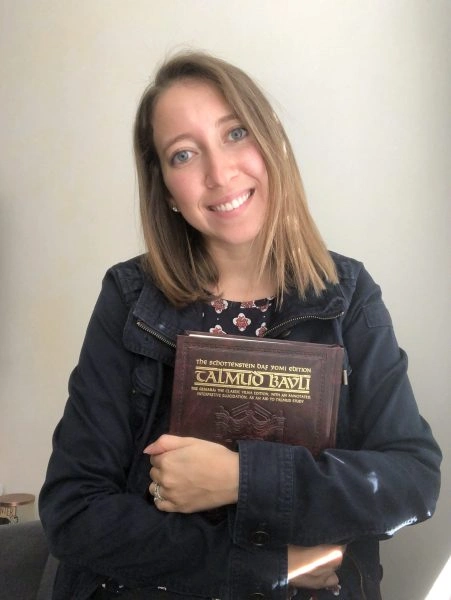
Yafit Fishbach
Memphis, Tennessee, United States
After enthusing to my friend Ruth Kahan about how much I had enjoyed remote Jewish learning during the earlier part of the pandemic, she challenged me to join her in learning the daf yomi cycle. I had always wanted to do daf yomi but now had no excuse. The beginning was particularly hard as I had never studied Talmud but has become easier, as I have gained some familiarity with it.

Susan Vishner
Brookline, United States
After being so inspired by the siyum shas two years ago, I began tentatively learning daf yomi, like Rabbanut Michelle kept saying – taking one daf at a time. I’m still taking it one daf at a time, one masechet at a time, but I’m loving it and am still so inspired by Rabbanit Michelle and the Hadran community, and yes – I am proud to be finishing Seder Mo’ed.

Caroline Graham-Ofstein
Bet Shemesh, Israel
I read Ilana Kurshan’s “If All the Seas Were Ink” which inspired me. Then the Women’s Siyum in Jerusalem in 2020 convinced me, I knew I had to join! I have loved it- it’s been a constant in my life daily, many of the sugiyot connect to our lives. My family and friends all are so supportive. It’s incredible being part of this community and love how diverse it is! I am so excited to learn more!
Shira Jacobowitz
Jerusalem, Israel
While vacationing in San Diego, Rabbi Leah Herz asked if I’d be interested in being in hevruta with her to learn Daf Yomi through Hadran. Why not? I had loved learning Gemara in college in 1971 but hadn’t returned. With the onset of covid, Daf Yomi and Rabbanit Michelle centered me each day. Thank-you for helping me grow and enter this amazing world of learning.

Meryll Page
Minneapolis, MN, United States
After experiences over the years of asking to join gemara shiurim for men and either being refused by the maggid shiur or being the only women there, sometimes behind a mechitza, I found out about Hadran sometime during the tail end of Masechet Shabbat, I think. Life has been much better since then.
Madeline Cohen
London, United Kingdom
The start of my journey is not so exceptional. I was between jobs and wanted to be sure to get out every day (this was before corona). Well, I was hooked after about a month and from then on only looked for work-from-home jobs so I could continue learning the Daf. Daf has been a constant in my life, though hurricanes, death, illness/injury, weddings. My new friends are Rav, Shmuel, Ruth, Joanna.

Judi Felber
Raanana, Israel
When I began the previous cycle, I promised myself that if I stuck with it, I would reward myself with a trip to Israel. Little did I know that the trip would involve attending the first ever women’s siyum and being inspired by so many learners. I am now over 2 years into my second cycle and being part of this large, diverse, fascinating learning family has enhanced my learning exponentially.

Shira Krebs
Minnesota, United States
I began my journey two years ago at the beginning of this cycle of the daf yomi. It has been an incredible, challenging experience and has given me a new perspective of Torah Sh’baal Peh and the role it plays in our lives
linda kalish-marcus
Efrat, Israel
Since I started in January of 2020, Daf Yomi has changed my life. It connects me to Jews all over the world, especially learned women. It makes cooking, gardening, and folding laundry into acts of Torah study. Daf Yomi enables me to participate in a conversation with and about our heritage that has been going on for more than 2000 years.
Shira Eliaser
Skokie, IL, United States
Retirement and Covid converged to provide me with the opportunity to commit to daily Talmud study in October 2020. I dove into the middle of Eruvin and continued to navigate Seder Moed, with Rabannit Michelle as my guide. I have developed more confidence in my learning as I completed each masechet and look forward to completing the Daf Yomi cycle so that I can begin again!

Rhona Fink
San Diego, United States
I had dreamed of doing daf yomi since I had my first serious Talmud class 18 years ago at Pardes with Rahel Berkovitz, and then a couple of summers with Leah Rosenthal. There is no way I would be able to do it without another wonderful teacher, Michelle, and the Hadran organization. I wake up and am excited to start each day with the next daf.

Beth Elster
Irvine, United States
After reading the book, “ If All The Seas Were Ink “ by Ileana Kurshan I started studying Talmud. I searched and studied with several teachers until I found Michelle Farber. I have been studying with her for two years. I look forward every day to learn from her.

Janine Rubens
Virginia, United States
My husband learns Daf, my son learns Daf, my son-in-law learns Daf.
When I read about Hadran’s Siyyum HaShas 2 years ago, I thought- I can learn Daf too!
I had learned Gemara in Hillel HS in NJ, & I remembered loving it.
Rabbanit Michelle & Hadran have opened my eyes & expanding my learning so much in the past few years. We can now discuss Gemara as a family.
This was a life saver during Covid
Renee Braha
Brooklyn, NY, United States
Berakhot 2
מֵאֵימָתַי קוֹרִין אֶת שְׁמַע בָּעֲרָבִין? מִשָּׁעָה שֶׁהַכֹּהֲנִים נִכְנָסִים לֶאֱכוֹל בִּתְרוּמָתָן. עַד סוֹף הָאַשְׁמוּרָה הָרִאשׁוֹנָה. דִּבְרֵי רַבִּי אֱלִיעֶזֶר.
The beginning of tractate Berakhot, the first tractate in the first of the six orders of Mishna, opens with a discussion of the recitation of Shema, as the recitation of Shema encompasses an acceptance of the yoke of Heaven and of the mitzvot, and as such, forms the basis for all subsequent teachings. The Mishna opens with the laws regarding the appropriate time to recite Shema:
MISHNA: From when, that is, from what time, does one recite Shema in the evening? From the time when the priests enter to partake of their teruma. Until when does the time for the recitation of the evening Shema extend? Until the end of the first watch. The term used in the Torah (Deuteronomy 6:7) to indicate the time for the recitation of the evening Shema is beshokhbekha, when you lie down, which refers to the time in which individuals go to sleep. Therefore, the time for the recitation of Shema is the first portion of the night, when individuals typically prepare for sleep. That is the statement of Rabbi Eliezer.
וַחֲכָמִים אוֹמְרִים: עַד חֲצוֹת.
The Rabbis say: The time for the recitation of the evening Shema is until midnight.
רַבָּן גַּמְלִיאֵל אוֹמֵר עַד שֶׁיַּעֲלֶה עַמּוּד הַשַּׁחַר.
Rabban Gamliel says: One may recite Shema until dawn, indicating that beshokhbekha is to be understood as a reference to the entire time people sleep in their beds, the whole night.
מַעֲשֶׂה וּבָאוּ בָנָיו מִבֵּית הַמִּשְׁתֶּה, אָמְרוּ לוֹ: לֹא קָרִינוּ אֶת שְׁמַע, אָמַר לָהֶם: אִם לֹא עָלָה עַמּוּד הַשַּׁחַר חַיָּיבִין אַתֶּם לִקְרוֹת. וְלֹא זוֹ בִּלְבַד אָמְרוּ, אֶלָּא כָּל מַה שֶּׁאָמְרוּ חֲכָמִים ״עַד חֲצוֹת״, מִצְוָתָן עַד שֶׁיַּעֲלֶה עַמּוּד הַשַּׁחַר.
The mishna relates that Rabban Gamliel practiced in accordance with his ruling. There was an incident where Rabban Gamliel’s sons returned very late from a wedding hall. They said to him, as they had been preoccupied with celebrating with the groom and bride: We did not recite Shema. He said to them: If the dawn has not yet arrived, you are obligated to recite Shema. Since Rabban Gamliel’s opinion disagreed with that of the Rabbis, he explained to his sons that the Rabbis actually agree with him, and that it is not only with regard to the halakha of the recitation of Shema, but rather, wherever the Sages say until midnight, the mitzva may be performed until dawn.
הֶקְטֵר חֲלָבִים וְאֵבָרִים, מִצְוָתָן עַד שֶׁיַּעֲלֶה עַמּוּד הַשַּׁחַר וְכָל הַנֶּאֱכָלִים לְיוֹם אֶחָד, מִצְוָתָן עַד שֶׁיַּעֲלֶה עַמּוּד הַשַּׁחַר. אִם כֵּן, לָמָה אָמְרוּ חֲכָמִים ״עַד חֲצוֹת״ — כְּדֵי לְהַרְחִיק אָדָם מִן הָעֲבֵירָה:
Rabban Gamliel cites several cases in support of his claim, such as the burning of fats and limbs on the altar. Due to the quantity of offerings each day, the priests were often unable to complete the burning of all of the fats and limbs, so they continued to be burned into the night, as it is written: “This is the law of the burnt offering: The burnt offering shall remain upon the pyre on the altar all night until morning, while the fire on the altar burns it” (Leviticus 6:2). And, with regard to all sacrifices, such as the sin-offerings and the guilt-offerings that are eaten for one day and night; although the Sages state that they may be eaten only until midnight, by Torah law they may be eaten until dawn. This is in accordance with the verse: “On the day on which it is offered must you eat. Do not leave it until the morning” (Leviticus 7:15). If so, why did the Sages say that they may be eaten only until midnight? This is in order to distance a person from transgression, as if one believes that he has until dawn to perform the mitzva, he might be negligent and postpone it until the opportunity to perform the mitzva has passed.
גְּמָ׳ תַּנָּא הֵיכָא קָאֵי דְּקָתָנֵי ״מֵאֵימָתַי״?
GEMARA: The Mishna opens with the laws concerning the appropriate time to recite Shema with the question: From when does one recite Shema in the evening? With regard to this question, the Gemara asks: On the basis of what prior knowledge does the tanna of our mishna ask: From when? It would seem from his question that the obligation to recite Shema in the evening was already established, and that the tanna seeks only to clarify details that relate to it. But our mishna is the very first mishna in the Talmud.
וְתוּ: מַאי שְׁנָא דְּתָנֵי בְּעַרְבִית בְּרֵישָׁא? לִתְנֵי דְּשַׁחֲרִית בְּרֵישָׁא!
The Gemara asks: And furthermore, what distinguishes the evening Shema, that it was taught first? Let the tanna teach regarding the recitation of the morning Shema first. Since most mitzvot apply during the day, the tanna should discuss the morning Shema before discussing the evening Shema, just as the daily morning offering is discussed before the evening offering (Tosefot HaRosh).
תַּנָּא אַקְּרָא קָאֵי, דִּכְתִיב: ״בְּשָׁכְבְּךָ וּבְקוּמֶךָ״. וְהָכִי קָתָנֵי: זְמַן קְרִיאַת שְׁמַע דִּשְׁכִיבָה אֵימַת? — מִשָּׁעָה שֶׁהַכֹּהֲנִים נִכְנָסִין לֶאֱכוֹל בִּתְרוּמָתָן.
The Gemara offers a single response to both questions: The tanna bases himself on the verse as it is written: “You will talk of them when you sit in your home, and when you walk along the way, when you lie down, and when you arise” (Deuteronomy 6:7). By teaching the laws of the evening Shema first, the tanna has established that the teachings of the Oral Torah correspond to that which is taught in the Written Torah. And based on the Written Torah, the tanna teaches the oral law: When is the time for the recitation of Shema of lying down as commanded in the Torah? From when the priests enter to partake of their teruma. Just as the Written Torah begins with the evening Shema, so too must the Oral Torah.
וְאִי בָּעֵית אֵימָא: יָלֵיף מִבְּרִיָּיתוֹ שֶׁל עוֹלָם, דִּכְתִיב: ״וַיְהִי עֶרֶב וַיְהִי בֹקֶר יוֹם אֶחָד״.
However, there is another possible explanation for why the mishna opens with the evening Shema rather than with the morning Shema. If you wish, you could say instead that the tanna derives the precedence of the evening Shema from the order of the creation of the world. As it is written in the story of creation: “And there was evening, and there was morning, one day” (Genesis 1:5). According to this verse, day begins with the evening and not the morning. For both of these reasons it was appropriate to open the discussion of the laws of the recitation of Shema with the evening Shema.
אִי הָכִי, סֵיפָא דְּקָתָנֵי ״בַּשַּׁחַר מְבָרֵךְ שְׁתַּיִם לְפָנֶיהָ וְאַחַת לְאַחֲרֶיהָ, בָּעֶרֶב מְבָרֵךְ שְׁתַּיִם לְפָנֶיהָ וּשְׁתַּיִם לְאַחֲרֶיהָ״, לִתְנֵי דְּעַרְבִית בְּרֵישָׁא!
The Gemara asks: If so, why does the latter clause of the mishna, which appears later in the chapter, teach: In the morning one recites two blessings before Shema and one blessing afterward, and in the evening one recites two blessings before Shema and two afterward? Based upon the above reasoning, the mishna should have taught the blessing recited before and after the evening Shema first.
תַּנָּא פָּתַח בְּעַרְבִית, וַהֲדַר תָּנֵי בְּשַׁחֲרִית, עַד דְּקָאֵי בְּשַׁחֲרִית, פָּרֵישׁ מִילֵּי דְשַׁחֲרִית, וַהֲדַר פָּרֵישׁ מִילֵּי דְעַרְבִית.
The Gemara answers: Indeed, the tanna began by discussing the laws regarding the recitation of the evening Shema, and then taught the laws regarding the recitation of the morning Shema. Once he was already dealing with the morning Shema, he explained the matters of the morning Shema, and then explained the matters of the evening Shema.
אָמַר מָר מִשָּׁעָה שֶׁהַכֹּהֲנִים נִכְנָסִים לֶאֱכוֹל בִּתְרוּמָתָן. מִכְּדִי כֹּהֲנִים אֵימַת קָא אָכְלִי תְּרוּמָה? — מִשְּׁעַת צֵאת הַכּוֹכָבִים, לִתְנֵי: ״מִשְּׁעַת צֵאת הַכּוֹכָבִים״!
The Gemara proceeds to clarify the rest of the mishna. The Master said in the mishna that the beginning of the period when one recites Shema in the evening is when the priests enter to partake of their teruma. However, this does not specify a definitive time. When do the priests enter to partake of their teruma? From the time of the emergence of the stars. If that is the case, then let the tanna teach that the time for the recitation of the evening Shema is from the time of the emergence of the stars.
מִלְּתָא אַגַּב אוֹרְחֵיהּ קָמַשְׁמַע לַן — כֹּהֲנִים אֵימַת קָא אָכְלִי בִּתְרוּמָה — מִשְּׁעַת צֵאת הַכּוֹכָבִים. וְהָא קָמַשְׁמַע לַן דְּכַפָּרָה לָא מְעַכְּבָא. כִּדְתַנְיָא: ״וּבָא הַשֶּׁמֶשׁ וְטָהֵר״ — בִּיאַת שִׁמְשׁוֹ מְעַכַּבְתּוֹ מִלֶּאֱכוֹל בִּתְרוּמָה, וְאֵין כַּפָּרָתוֹ מְעַכַּבְתּוֹ מִלֶּאֱכוֹל בִּתְרוּמָה.
The Gemara responds: Indeed it would have been simpler to say that the time for the recitation of the evening Shema begins with the emergence of the stars, but the particular expression used by the tanna teaches us another matter in passing: When do priests partake of their teruma? From the time of the emergence of the stars. And the tanna teaches us a new halakha parenthetically: failure to bring an atonement offering does not prevent a priest from eating teruma. In cases where an impure priest is required to immerse himself in a ritual bath and bring an atonement offering, even if he already immersed himself, he is not completely ritually pure until he brings the atonement offering. Nevertheless, he is still permitted to partake of teruma. Taught in passing in our mishna, this is articulated fully in a baraita, based on a close reading of the biblical passages. As it was taught in a baraita with regard to the laws of ritual impurity, it is said: “One who touches it remains impure until evening. He should not eat of the consecrated items and he must wash his flesh with water. And the sun sets and it is purified. Afterwards, he may eat from the teruma, for it is his bread” (Leviticus 22:6–7). From the passage: “And the sun sets and it is purified,” that the absence of the setting of his sun prevents him from partaking of teruma, but failure to bring the atonement offering does not prevent him from partaking of teruma, may be inferred.
וּמִמַּאי דְּהַאי ״וּבָא הַשֶּׁמֶשׁ״ בִּיאַת הַשֶּׁמֶשׁ, וְהַאי ״וְטָהֵר״ — טְהַר יוֹמָא.
The Gemara discusses the proof offered in the baraita: From where do we know that the phrase: “And the sun sets” refers to the complete setting of the sun, and therefore, “and it is purified” refers to the fact that the day is pure, i.e., and the sun sets and it is purified is one phrase meaning that the sun will set, the air will clear, and the stars will emerge (Rav Hai Gaon)?
דִּילְמָא בִּיאַת אוֹרוֹ הוּא, וּמַאי ״וְטָהֵר״ — טְהַר גַּבְרָא?!
Perhaps the expression: “And the sun sets and it is purified” refers to the very beginning of sunset, the setting of the sun’s light. According to that explanation, what does the expression and it is purified mean? It means that the person will become purified. After immersing, he will wait until the beginning of sunset, and only then will he be able to eat of his teruma (Tosafot).
אָמַר רַבָּהּ בַּר רַב שֵׁילָא: אִם כֵּן, לֵימָא קְרָא: ״וְיִטְהָר״, מַאי ״וְטָהֵר״ — טְהַר יוֹמָא, כִּדְאָמְרִי אִינָשֵׁי: ״אִיעֲרַב שִׁמְשָׁא וְאִדַּכִּי יוֹמָא״.
Rabba bar Rav Sheila said: If so, that: And it is purified, means that the priest goes and purifies himself, then let the verse say unambiguously: And he will become purified. Since the Torah does not employ that language, the conclusion is: What is the meaning of the expression: And it is purified? It means the day is pure, no residue of day remains, as people say colloquially: The sun has set and the day is purified.
בְּמַעֲרָבָא, הָא דְּרַבָּהּ בַּר רַב שֵׁילָא לָא שְׁמִיעַ לְהוּ, וּבְעוֹ לַהּ מִיבַּעְיָא: הַאי ״וּבָא הַשֶּׁמֶשׁ״ בִּיאַת שִׁמְשׁוֹ הוּא, וּמַאי ״וְטָהֵר״ — טְהַר יוֹמָא, אוֹ דִילְמָא בִּיאַת אוֹרוֹ הוּא, וּמַאי ״וְטָהֵר״ — טְהַר גַּבְרָא.
In the West, Eretz Yisrael, they did not hear this explanation given by Rabba bar Rav Sheila. They raised the dilemma: Does the expression: And the sun sets, refer to the actual setting of the sun, and does: And it is purified, mean the day clears away? Or perhaps it refers to the setting of its light at sunset, in which case what is the meaning of: And it is purified? It refers to the purification of the person. In other words, in Eretz Yisrael, they attempted to clarify the halakha based on the biblical passage, but were unable to do so.
וַהֲדַר פָּשְׁטוּ לַהּ מִבָּרַיְיתָא. מִדְּקָתָנֵי בְּבָרַיְיתָא, סִימָן לַדָּבָר — צֵאת הַכּוֹכָבִים. שְׁמַע מִינַּהּ — בִּיאַת שִׁמְשׁוֹ הוּא, וּמַאי ״וְטָהֵר״ — טְהַר יוֹמָא.
Ultimately they resolved this dilemma from a baraita. It was taught in a baraita that the time for the recitation of the evening Shema corresponds to the time when priests are permitted to eat of their teruma, a sign for which is the emergence of the stars. Therefore, derive from here that “and the sun sets” refers to the complete sunset, and the expression “and it is purified” means the day clears away, as the Sages in Babylonia concluded.
אָמַר מָר מִשָּׁעָה שֶׁהַכֹּהֲנִים נִכְנָסִין לֶאֱכוֹל בִּתְרוּמָתָן. וּרְמִינְהוּ: מֵאֵימָתַי קוֹרִין אֶת שְׁמַע בָּעֲרָבִין — מִשֶּׁהֶעָנִי נִכְנָס לֶאֱכוֹל פִּתּוֹ בְּמֶלַח, עַד שָׁעָה שֶׁעוֹמֵד לִיפָּטֵר מִתּוֹךְ סְעוּדָּתוֹ.
In our mishna, the Master said: The beginning of the time for the recitation of the evening Shema is: From the time when the priests enter to partake of their teruma. The Gemara raises a contradiction to this opinion from a baraita that states that the time for the recitation of the evening Shema is: From when a poor person enters to eat his bread with salt until he rises from his meal.
סֵיפָא, וַדַּאי פְּלִיגָא אַמַּתְנִיתִין. רֵישָׁא, מִי לֵימָא פְּלִיגִי אַמַּתְנִיתִין?
The Gemara begins its analysis by clarifying whether there is an actual contradiction here, or whether different expressions are being employed to describe the same time. The latter clause of the baraita, which established that the time for the recitation of the evening Shema ends when a poor person rises from his meal, certainly disagrees with our mishna. Since the poor person clearly does not continue eating until the end of the first watch, this baraita certainly contradicts our mishna. With regard to the first clause of the baraita, however, which establishes the beginning of the time for the recitation of the evening Shema, shall we say that it disagrees with our mishna?
לָא, עָנִי וְכֹהֵן חַד שִׁיעוּרָא הוּא.
The Gemara immediately rejects this idea: No, the time when the poor person eats and the time when the priest is purified and permitted to partake of his teruma are one and the same time.
וּרְמִינְהוּ: מֵאֵימָתַי מַתְחִילִין לִקְרוֹת קְרִיאַת שְׁמַע בְּעַרְבִית — מִשָּׁעָה שֶׁבְּנֵי אָדָם נִכְנָסִין לֶאֱכוֹל פִּתָּן בְּעַרְבֵי שַׁבָּתוֹת, דִּבְרֵי רַבִּי מֵאִיר. וַחֲכָמִים אוֹמְרִים: מִשָּׁעָה שֶׁהַכֹּהֲנִים זַכָּאִין לֶאֱכוֹל בִּתְרוּמָתָן. סִימָן לַדָּבָר: צֵאת הַכּוֹכָבִים. וְאַף עַל פִּי שֶׁאֵין רְאָיָה לַדָּבָר, זֵכֶר לַדָּבָר, שֶׁנֶּאֱמַר: ״וַאֲנַחְנוּ עֹשִׂים בַּמְּלָאכָה וְחֶצְיָם מַחֲזִיקִים בָּרְמָחִים מֵעֲלוֹת הַשַּׁחַר עַד צֵאת הַכּוֹכָבִים״, וְאוֹמֵר: ״וְהָיוּ לָנוּ הַלַּיְלָה מִשְׁמָר וְהַיּוֹם מְלָאכָה״.
The Gemara raises a contradiction from the Tosefta: From when does one begin to recite Shema in the evening? From the time when people enter to eat their bread on Shabbat eve. This is the statement of Rabbi Meir. As they do in our mishna, the Rabbis say: From the time when the priests are eligible to partake of their teruma, a sign for which is the emergence of the stars. And although there is no explicit proof that the emergence of the stars is when one may begin to recite the evening Shema, there is an allusion in the book of Nehemiah to the fact that the emergence of the stars is generally considered the beginning of the night. As it is stated with regard to the building of the walls of Jerusalem: “And we perform the work, and half of them grasp their spears from dawn until the emergence of the stars” (Nehemiah 4:15). And it says: “That in the night they may be a guard to us, and may labor in the day” (Nehemiah 4:16). From here we ascertain that the day ends with the emergence of the stars.
מַאי ״וְאוֹמֵר״?
Even before analyzing these sources, the Gemara seeks to clarify a confusing element in the Tosefta. In their biblical proof, the Rabbis do not suffice with one verse, but rather they say: And it says…and they cite an additional verse. What is added by this use of: And it says? It seems superfluous, as the entire proof appears in the first verse.
וְכִי תֵּימָא מִכִּי עָרְבָא שִׁמְשָׁא, לֵילְיָא הוּא, וְאִינְהוּ דְּמַחְשְׁכִי וּמַקְדְּמִי, תָּא שְׁמַע ״וְהָיוּ לָנוּ הַלַּיְלָה מִשְׁמָר וְהַיּוֹם מְלָאכָה״.
The Gemara answers that the first verse was not sufficient. As, if you say that night begins when the sun sets, but the workers stayed late and arrived early; i.e., due to the importance of their task they worked even into the night. In anticipation of this objection, the second verse was cited to teach: Come and hear, as it is stated: “That in the night they may be a guard to us, and may labor in the day,” the time between dawn and the emergence of the stars is explicitly referred to as “day,” proving that night begins with the emergence of the stars.
קָא סָלְקָא דַּעְתָּךְ דְּעָנִי וּבְנֵי אָדָם חַד שִׁעוּרָא הוּא. וְאִי אָמְרַתְּ עָנִי וְכֹהֵן חַד שִׁעוּרָא הוּא, חֲכָמִים הַיְינוּ רַבִּי מֵאִיר?
In analyzing the three opinions regarding the beginning of the period for the recitation of the evening Shema, the Gemara begins with the supposition: It might enter your mind to say that the time when the poor person typically eats his meal and the time when ordinary people eat their Shabbat evening meal are one and the same time, since in both cases those eating would seek to begin their meals as early as possible, as, for different reasons, they are unable to kindle additional lights to illuminate their meal. And, if you say that the time of the poor person’s meal and the time when the priest is purified and permitted to partake of his teruma are one and the same time, then the opinion of the Rabbis is identical to that of Rabbi Meir. What is their disagreement?
אֶלָּא, שְׁמַע מִינַּהּ עָנִי שִׁעוּרָא לְחוּד וְכֹהֵן שִׁעוּרָא לְחוּד. לָא, עָנִי וְכֹהֵן חַד שִׁעוּרָא הוּא, וְעָנִי וּבְנֵי אָדָם לָאו חַד שִׁעוּרָא הוּא.
Rather, what we said previously must be rejected, and instead learn from this that there is a separate time for the poor person and a separate time for the priest. However, this conclusion is based on the assumption that the time of the poor person and the time of people are the same. That too can be rejected with the assertion that, no, the time of the poor person and the priest are one and the same time, and the time of the poor person and people are not the same. Accordingly, the opinion expressed by the tanna in our baraita is identical to that of the other tanna’im, and only Rabbi Meir disagrees with them.
וְעָנִי וְכֹהֵן חַד שִׁעוּרָא הוּא? וּרְמִינְהוּ: מֵאֵימָתַי מַתְחִילִין לִקְרוֹת שְׁמַע בָּעֲרָבִין — מִשָּׁעָה שֶׁקָּדַשׁ הַיּוֹם בְּעַרְבֵי שַׁבָּתוֹת, דִּבְרֵי רַבִּי אֱלִיעֶזֶר. רַבִּי יְהוֹשֻׁעַ אוֹמֵר: מִשָּׁעָה שֶׁהַכֹּהֲנִים מְטוֹהָרִים לֶאֱכוֹל בִּתְרוּמָתָן. רַבִּי מֵאִיר אוֹמֵר, מִשָּׁעָה שֶׁהַכֹּהֲנִים טוֹבְלִין לֶאֱכוֹל בִּתְרוּמָתָן. אָמַר לוֹ רַבִּי יְהוּדָה: וַהֲלֹא כֹּהֲנִים מִבְּעוֹד יוֹם הֵם טוֹבְלִים? רַבִּי חֲנִינָא אוֹמֵר מִשָּׁעָה שֶׁעָנִי נִכְנָס לֶאֱכוֹל פִּתּוֹ בְּמֶלַח. רַבִּי אַחַאי וְאָמְרִי לַהּ רַבִּי אַחָא אוֹמֵר: מִשָּׁעָה שֶׁרוֹב בְּנֵי אָדָם נִכְנָסִין לְהָסֵב.
And is the time of the poor person and the priest the same? The Gemara raises a contradiction to this approach from another baraita, in which other opinions regarding the time for the recitation of the evening Shema are cited: From when does one begin to recite the evening Shema?
From the time when the day becomes sanctified on the eve of Shabbat, this is the statement of Rabbi Eliezer, who established an earlier time for Shema.
Rabbi Yehoshua, like our mishna, says: From the time when the priests are eligible to partake of their teruma.
Rabbi Meir says: The time for the recitation of Shema begins before the priests were purified, from when the priests immerse themselves in order to partake of their teruma.
Rabbi Yehuda said to Rabbi Meir: How is it possible that the time for the recitation of the evening Shema corresponds to the time of the priests’ immersion? Do the priests not immerse themselves during the day, so that with nightfall and the onset of a new day they will be purified? If so, how can that time be called night?
Rabbi Ḥanina says that the time for the recitation of the evening Shema begins when the poor person enters to eat his bread with salt.
But Rabbi Aḥai, and some say Rabbi Aḥa, says: From the time when most people enter to recline at their meal during the week.
וְאִי אָמְרַתְּ עָנִי וְכֹהֵן חַד שִׁעוּרָא הוּא, רַבִּי חֲנִינָא הַיְינוּ רַבִּי יְהוֹשֻׁעַ!
The preceding was the text of the baraita. Returning to our question, if you say that the time of the poor person and the priest are one and the same time, then the opinion of Rabbi Ḥanina is identical to that of Rabbi Yehoshua. However, the fact that they are cited together indicates that they are not, in fact, the same.
אֶלָּא לָאו שְׁמַע מִינַּהּ שִׁעוּרָא דְּעָנִי לְחוּד וְשִׁעוּרָא דְּכֹהֵן לְחוּד, שְׁמַע מִינַּהּ.
Rather, must one not conclude from this the time for the poor person is separate and the time for the priest is separate? Since no objection is raised, the Gemara concedes: Indeed, conclude from this.
הֵי מִינַּיְיהוּ מְאוּחָר? מִסְתַּבְּרָא דְּעָנִי מְאוּחָר דְּאִי אָמְרַתְּ דְּעָנִי מוּקְדָּם רַבִּי חֲנִינָא הַיְינוּ רַבִּי אֱלִיעֶזֶר. אֶלָּא לָאו שְׁמַע מִינַּהּ דְּעָנִי מְאוּחָר. שְׁמַע מִינַּהּ.
Having established that the time of the poor person and that of the priest are different, the Gemara seeks to determine: which one is later? The Gemara suggests that it is reasonable to conclude that the time of the poor person is later. As if you say that the poor person is earlier, it would be impossible to establish a time earlier than that established by Rabbi Yehoshua, unless we hold that night begins with sunset, in which case the opinion of Rabbi Ḥanina is identical to that of Rabbi Eliezer. Rather, must one not conclude from this that the poor person is later? The Gemara notes: Indeed, conclude from this.
אָמַר מָר. אֲמַר לֵיהּ רַבִּי יְהוּדָה: וַהֲלֹא כֹּהֲנִים מִבְּעוֹד יוֹם הֵם טוֹבְלִים!
We learned that the Master said in a baraita that the time for the recitation of the evening Shema according to Rabbi Meir begins with the time of the immersion of the priests. Regarding this, Rabbi Yehuda said to Rabbi Meir: Do the priests not immerse themselves during the day?
שַׁפִּיר קָאָמַר לֵיהּ רַבִּי יְהוּדָה לְרַבִּי מֵאִיר?
The Gemara notes: What Rabbi Yehuda said to Rabbi Meir seems correct, and how can Rabbi Meir respond? Rabbi Meir’s response is connected to the fundamental dispute over when night begins. After sunset, a period begins which is neither day nor night. The tanna’im disagree over the precise duration of this period known as twilight [bein hashemashot]. Rabbi Yehuda holds that twilight extends a full hour after sunset. Rabbi Neḥemya agrees in principle, though he disagrees over the specifics. Rabbi Yosei maintains that twilight is very brief, and occurs immediately before the emergence of the stars, which marks the beginning of the night. Regarding Rabbi Meir’s argument, Rabbi Yehuda asks that since the priests immerse themselves before twilight, they have a long wait until nightfall; clearly their immersion takes place while it is still day.
וְרַבִּי מֵאִיר הָכִי קָאָמַר לֵיהּ: מִי סָבְרַתְּ דַּאֲנָא אַבֵּין הַשְּׁמָשׁוֹת דִּידָךְ קָא אָמֵינָא? אֲנָא אַבֵּין הַשְּׁמָשׁוֹת דְּרַבִּי יוֹסֵי קָא אָמֵינָא, דְּאָמַר רַבִּי יוֹסֵי בֵּין הַשְּׁמָשׁוֹת כְּהֶרֶף עַיִן, זֶה — נִכְנָס, וְזֶה — יוֹצֵא, וְאִי אֶפְשָׁר לַעֲמוֹד עָלָיו.
The Gemara answers that Rabbi Meir said to Rabbi Yehuda as follows: Do you maintain that I am speaking of your definition of twilight? I am speaking of Rabbi Yosei’s definition of twilight, as Rabbi Yosei said: Twilight is like the blink of an eye; night begins and day ends and the time between them is so brief, it is impossible to quantify. According to this opinion, the priests immerse themselves just before the emergence of the stars, when it is already considered night.
Follow

