Search

Chagigah 27

Want to dedicate learning? Get started here:

English
עברית
podcast placeholder

0:00
0:00


podcast placeholder

0:00
0:00


Summary

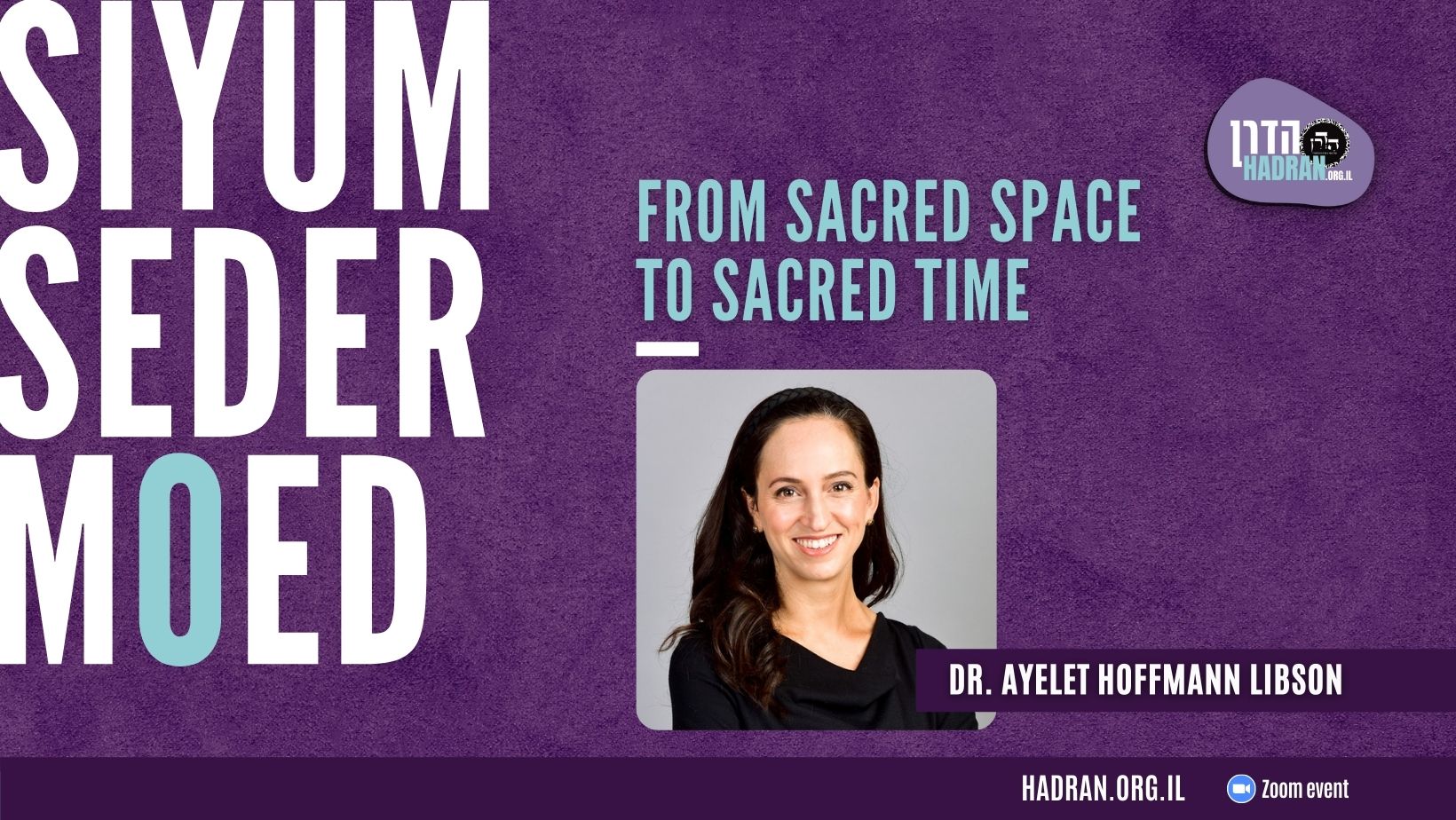
Siyum Chagiga & Moed is sponsored by the Ahuza Women’s Shabbat Shiur in loving memory of Rabbanit Dr. Naomi Cohen, who passed away on Sunday February 13. “She was a woman ahead of her time. She taught a Gemara class to women in Haifa, starting in 1978, way before any other class of women studying Talmud. Courageously, she made Aliyah alone at the age of 19, right after the war of independence. She was a university professor, a mother, a founding member of Kolech, an educator, and also a rabbanit: the wife of the chief rabbi of Haifa Sha’ar Yeshuv Cohen. Our study group, who had the great honor to study with the Rabbanit on Shabbat afternoons, and in some cases, learn with her Gemara, believe that sponsoring a siyum in her memory a fitting tribute to an amazing woman. May all women studying at Hadran find Rabbanit Dr. Naomi Cohen a role model and may her memory be a blessing to all.”

Siyum Chagiga & Moed is sponsored by Michael Fishbane and sons, Eitan Fishbane and Elisha Russ-Fishbane in honor of Mona Fishbane’s 75th birthday. “With gratitude to Michelle Farber for the wonderful daily podcasts which guide Mona on her daf yomi journey.”

A verse is brought from Ezekiel 41:22 to show that the table is considered wood even though it is covered in gold. The verse there opens by calling the table “altar” and ends by calling it a table. We can learn from here that when there is no Temple, the table is our altar, meaning opening our table to guests, etc. is our way to receive atonement. All the vessels in the Temple have substitute vessels other than the altars as they are considered like the ground. From where is this derived? The rabbis said the altars are covered and therefore didn’t have substitutes. The Gemara tries to understand that cryptic line and suggests some other possibilities as to how to read it. The Masechet ends with two different statements about types of people to whom the fire of hell does not reach – either Torah scholars as their bodies burn from the fire of Torah or the sinners of Israel as despite their being sinners, they all full of mitzvot/good deeds like a pomegranate is full of seeds.

HADRAN ALACH MASECHET CHAGIGAH – Download the text for the completion of the masechet: The Hadran.

Today’s daily daf tools:

Chagigah 27

דְּרַחֲמָנָא קַרְיֵיהּ ״עֵץ״, דִּכְתִיב: ״הַמִּזְבֵּחַ עֵץ שָׁלֹשׁ אַמּוֹת גָּבוֹהַּ וְאׇרְכּוֹ שְׁתַּיִם אַמּוֹת וּמִקְצֹעוֹתָיו לוֹ וְאׇרְכּוֹ וְקִירוֹתָיו עֵץ וַיְדַבֵּר אֵלַי זֶה הַשֻּׁלְחָן אֲשֶׁר לִפְנֵי ה׳״.

because the Merciful One called it: “Wood,” as it is written with regard to the table of the shewbread: “The altar, three cubits high, and its length two cubits, was of wood, and so its corners, its length, and its walls were also of wood, and he said to me: This is the table that is before the Lord” (Ezekiel 41:22). This verse indicates that even though the table was coated, its identity as a wooden vessel was preserved, which means that, like all wooden vessels, it would not be susceptible to impurity were it not for the fact that they took it out to show to the pilgrims.

פָּתַח בְּמִזְבֵּחַ וְסִיֵּים בְּשֻׁלְחָן! רַבִּי יוֹחָנָן וְרֵישׁ לָקִישׁ דְּאָמְרִי תַּרְוַיְיהוּ: בִּזְמַן שֶׁבֵּית הַמִּקְדָּשׁ קַיָּים — מִזְבֵּחַ מְכַפֵּר עַל אָדָם, עַכְשָׁיו — שֻׁלְחָנוֹ שֶׁל אָדָם מְכַפֵּר עָלָיו.

As the Gemara has cited the above verse, it clarifies a puzzling aspect of it: The verse began with the word “altar” and ended with the word “table,” both words describing the same item. Rabbi Yoḥanan and Reish Lakish both say the following exposition: When the Temple is standing the altar atones for a person; now that the Temple has been destroyed, it is a person’s table that atones for him, for his feeding of needy guests atones for his sins.

כׇּל הַכֵּלִים שֶׁבַּמִּקְדָּשׁ יֵשׁ לָהֶם שְׁנִיִּים כּוּ׳. מִזְבַּח הַנְּחוֹשֶׁת, דִּכְתִיב: ״מִזְבַּח אֲדָמָה תַּעֲשֶׂה לִּי״. מִזְבַּח הַזָּהָב, דִּכְתִיב: ״הַמְּנוֹרָה וְהַמִּזְבְּחוֹת״ — אִיתַּקּוּשׁ מִזְבְּחוֹת זֶה לָזֶה.

§ The mishna taught: All the vessels that were in the Temple had second and third substitute vessels, etc. All the vessels that were in the Temple required immersion, apart from the golden altar and the bronze altar, because they are considered like the ground. The Gemara cites the relevant sources: The bronze altar is considered like the ground, as it written concerning this altar: “An altar of earth you shall make for Me” (Exodus 20:21). The golden altar is considered like the ground, as it is written: “The candelabrum and the altars” (Numbers 3:31). The plural word “altars” indicates that the two altars of the Temple, the bronze one and the golden one, are compared to each other, teaching that just as the bronze altar is like the ground in that it cannot contract impurity, the same applies to the golden altar.

וַחֲכָמִים אוֹמְרִים: מִפְּנֵי שֶׁהֵן מְצוּפִּין. אַדְּרַבָּה: כֵּיוָן דִּמְצוּפִּין נִינְהוּ — מִיטַּמְּאוּ! אֵימָא, וַחֲכָמִים: מְטַמְּאִין, מִפְּנֵי שֶׁהֵן מְצוּפִּין.

§ According to the mishna, Rabbi Eliezer maintains that the altars are pure because they are like the ground, and the Rabbis say: It is because they are coated. The mishna seems to be saying that the Rabbis are offering a different reason for the altars not being susceptible to impurity, namely, that they are coated. The Gemara is puzzled by this: On the contrary, since they are coated with gold or bronze that is a reason that they should contract impurity, as the metal coating makes the entire altar considered as a metal vessel, as stated above, and metal is susceptible to impurity. The Gemara answers: Say and emend the mishna text as follows: And the Rabbis disagree with Rabbi Eliezer altogether, and declare the altars to be susceptible to impurity, because they are coated.

וְאִיבָּעֵית אֵימָא: רַבָּנַן לְרַבִּי אֱלִיעֶזֶר קָאָמְרִי: מַאי דַּעְתָּיךְ, מִשּׁוּם דִּמְצוּפִּין —

And if you wish, say that our text of the mishna is correct, and we should understand that the Rabbis were saying their statement in response to Rabbi Eliezer: What is your reasoning for stating that the altars are not susceptible to impurity because they are like the ground? Why didn’t you say simply that they are wooden vessels fixed in one place? For that is sufficient reason for them not to be susceptible to impurity. Is it because they are coated with metal, and therefore they would be considered metal vessels rather than wooden ones, and susceptible to impurity, were it not for the fact that they are considered like the ground?

מִיבְטָל בָּטֵיל צִפּוּיָין גַּבַּיְיהוּ.

This is a mistake, for the coating is not important, and their coating is nullified and considered subordinate to them, so that they are indeed considered wooden vessels in a fixed place and therefore not susceptible to impurity. Although generally the status of a vessel does follow its coating, the Temple table and its altars are exceptions, as derived from the verse in Ezekiel cited above (41:22). There is therefore no need to mention that they are compared to the ground. Since these altars are made of wood they do not contract impurity, irrespective of whether or not they are attached to the ground.

אָמַר רַבִּי אֲבָהוּ אָמַר רַבִּי אֶלְעָזָר: תַּלְמִידֵי חֲכָמִים אֵין אוּר שֶׁל גֵּיהִנָּם שׁוֹלֶטֶת בָּהֶן, קַל וָחוֹמֶר מִסָּלָמַנְדְּרָא: וּמָה סָלָמַנְדְּרָא שֶׁתּוֹלֶדֶת אֵשׁ הִיא — הַסָּךְ מִדָּמָהּ אֵין אוּר שׁוֹלֶטֶת בּוֹ, תַּלְמִידֵי חֲכָמִים שֶׁכׇּל גּוּפָן אֵשׁ, דִּכְתִיב: ״הֲלוֹא כֹה דְבָרִי כָּאֵשׁ נְאֻם ה׳״ — עַל אַחַת כַּמָּה וְכַמָּה.

§ Apropos the coating of the altar, the Gemara cites an Aggadic teaching: Rabbi Abbahu said that Rabbi Elazar said: The fire of Gehenna has no power over Torah scholars. This can be derived by an a fortiori inference from the salamander [salamandra], a creature created out of fire and immune to its effects, and whose blood is fireproof: If a salamander, which is merely a product of fire, and nevertheless when one anoints his body with its blood, fire has no power over him, all the more so should fire not have any power over Torah scholars, whose entire bodies are fire, as it is written: “Surely My words are as fire, says the Lord” (Jeremiah 23:29), and the words of Torah become part of the Torah scholars’ very bodies.

אָמַר רֵישׁ לָקִישׁ: אֵין אוּר שֶׁל גֵּיהִנָּם שׁוֹלֶטֶת בְּפוֹשְׁעֵי יִשְׂרָאֵל, קַל וָחוֹמֶר מִמִּזְבַּח הַזָּהָב: מָה מִזְבַּח הַזָּהָב שֶׁאֵין עָלָיו אֶלָּא כְּעוֹבִי דִּינַר זָהָב — כַּמָּה שָׁנִים אֵין הָאוּר שׁוֹלֶטֶת בּוֹ, פּוֹשְׁעֵי יִשְׂרָאֵל שֶׁמְּלֵאִין מִצְוֹת כְּרִמּוֹן, דִּכְתִיב: ״כְּפֶלַח הָרִמּוֹן רַקָּתֵךְ״, אַל תִּקְרֵי ״רַקָּתֵךְ״, אֶלָּא: רֵקָנִין שֶׁבָּךְ — עַל אַחַת כַּמָּה וְכַמָּה.

Reish Lakish said: The fire of Gehenna has no power over the sinners of Israel either. This can be derived by an a fortiori inference from the golden altar: If the golden altar, which has on it a coating that is no more than the thickness of a gold dinar, and which has incense burning on it for many years and yet fire has no power over it, as the gold miraculously remained undamaged, all the more so should immunity from fire be granted to the sinners of Israel, who are filled with good deeds as a pomegranate is full of seeds, as it is written: “Your temples [rakatekh] are like a pomegranate split open” (Song of Songs 4:3), which is to be expounded as follows: Do not read this word as rakatekh, rather read it as reikanin shebakh, meaning the empty, worthless people among you; even these people are as full of good deeds as a pomegranate is full of seeds.


הֲדַרַן עֲלָךְ חוֹמֶר בַּקּוֹדֶשׁ וּסְלִיקָא לַהּ מַסֶּכֶת חֲגִיגָה

Today’s daily daf tools:

Delve Deeper

Broaden your understanding of the topics on this daf with classes and podcasts from top women Talmud scholars.

For the Beyond the Daf shiurim offered in Hebrew, see here.

New to Talmud?

Check out our resources designed to help you navigate a page of Talmud – and study at the pace, level and style that fits you. 

The Hadran Women’s Tapestry

Meet the diverse women learning Gemara at Hadran and hear their stories. 

A Gemara shiur previous to the Hadran Siyum, was the impetus to attend it.It was highly inspirational and I was smitten. The message for me was התלמוד בידינו. I had decided along with my Chahsmonaim group to to do the daf and take it one daf at time- without any expectations at all. There has been a wealth of information, insights and halachik ideas. It is truly exercise of the mind, heart & Soul

Phyllis Hecht.jpeg
Phyllis Hecht

Hashmonaim, Israel

See video

Susan Fisher
Susan Fisher

Raanana, Israel

I tried Daf Yomi in the middle of the last cycle after realizing I could listen to Michelle’s shiurim online. It lasted all of 2 days! Then the new cycle started just days before my father’s first yahrzeit and my youngest daughter’s bat mitzvah. It seemed the right time for a new beginning. My family, friends, colleagues are immensely supportive!

Catriella-Freedman-jpeg
Catriella Freedman

Zichron Yaakov, Israel

I have joined the community of daf yomi learners at the start of this cycle. I have studied in different ways – by reading the page, translating the page, attending a local shiur and listening to Rabbanit Farber’s podcasts, depending on circumstances and where I was at the time. The reactions have been positive throughout – with no exception!

Silke Goldberg
Silke Goldberg

Guildford, United Kingdom

I started at the beginning of this cycle. No 1 reason, but here’s 5.
In 2019 I read about the upcoming siyum hashas.
There was a sermon at shul about how anyone can learn Talmud.
Talmud references come up when I am studying. I wanted to know more.
Yentl was on telly. Not a great movie but it’s about studying Talmud.
I went to the Hadran website: A new cycle is starting. I’m gonna do this

Denise Neapolitan
Denise Neapolitan

Cambridge, United Kingdom

I started learning Jan 2020 when I heard the new cycle was starting. I had tried during the last cycle and didn’t make it past a few weeks. Learning online from old men didn’t speak to my soul and I knew Talmud had to be a soul journey for me. Enter Hadran! Talmud from Rabbanit Michelle Farber from a woman’s perspective, a mother’s perspective and a modern perspective. Motivated to continue!

Keren Carter
Keren Carter

Brentwood, California, United States

I started learning after the siyum hashas for women and my daily learning has been a constant over the last two years. It grounded me during the chaos of Corona while providing me with a community of fellow learners. The Daf can be challenging but it’s filled with life’s lessons, struggles and hope for a better world. It’s not about the destination but rather about the journey. Thank you Hadran!

Dena Lehrman
Dena Lehrman

אפרת, Israel

I never thought I’d be able to do Daf Yomi till I saw the video of Hadran’s Siyum HaShas. Now, 2 years later, I’m about to participate in Siyum Seder Mo’ed with my Hadran community. It has been an incredible privilege to learn with Rabbanit Michelle and to get to know so many caring, talented and knowledgeable women. I look forward with great anticipation and excitement to learning Seder Nashim.

Caroline-Ben-Ari-Tapestry
Caroline Ben-Ari

Karmiel, Israel

I started learning Daf Yomi to fill what I saw as a large gap in my Jewish education. I also hope to inspire my three daughters to ensure that they do not allow the same Talmud-sized gap to form in their own educations. I am so proud to be a part of the Hadran community, and I have loved learning so many of the stories and halachot that we have seen so far. I look forward to continuing!
Dora Chana Haar
Dora Chana Haar

Oceanside NY, United States

What a great experience to learn with Rabbanit Michelle Farber. I began with this cycle in January 2020 and have been comforted by the consistency and energy of this process throughout the isolation period of Covid. Week by week, I feel like I am exploring a treasure chest with sparkling gems and puzzling antiquities. The hunt is exhilarating.

Marian Frankston
Marian Frankston

Pennsylvania, United States

Jill Shames
Jill Shames

Jerusalem, Israel

I began Daf Yomi with the last cycle. I was inspired by the Hadran Siyum in Yerushalayim to continue with this cycle. I have learned Daf Yomi with Rabanit Michelle in over 25 countries on 6 continents ( missing Australia)

Barbara-Goldschlag
Barbara Goldschlag

Silver Spring, MD, United States

I started learning after the siyum hashas for women and my daily learning has been a constant over the last two years. It grounded me during the chaos of Corona while providing me with a community of fellow learners. The Daf can be challenging but it’s filled with life’s lessons, struggles and hope for a better world. It’s not about the destination but rather about the journey. Thank you Hadran!

Dena Lehrman
Dena Lehrman

אפרת, Israel

I started with Ze Kollel in Berlin, directed by Jeremy Borowitz for Hillel Deutschland. We read Masechet Megillah chapter 4 and each participant wrote his commentary on a Sugia that particularly impressed him. I wrote six poems about different Sugiot! Fascinated by the discussions on Talmud I continued to learn with Rabanit Michelle Farber and am currently taking part in the Tikun Olam course.
Yael Merlini
Yael Merlini

Berlin, Germany

In early January of 2020, I learned about Siyyum HaShas and Daf Yomi via Tablet Magazine’s brief daily podcast about the Daf. I found it compelling and fascinating. Soon I discovered Hadran; since then I have learned the Daf daily with Rabbanit Michelle Cohen Farber. The Daf has permeated my every hour, and has transformed and magnified my place within the Jewish Universe.

Lisa Berkelhammer
Lisa Berkelhammer

San Francisco, CA , United States

I am a Reform rabbi and took Talmud courses in rabbinical school, but I knew there was so much more to learn. It felt inauthentic to serve as a rabbi without having read the entire Talmud, so when the opportunity arose to start Daf Yomi in 2020, I dove in! Thanks to Hadran, Daf Yomi has enriched my understanding of rabbinic Judaism and deepened my love of Jewish text & tradition. Todah rabbah!

Rabbi Nicki Greninger

California, United States

I started learning Jan 2020 when I heard the new cycle was starting. I had tried during the last cycle and didn’t make it past a few weeks. Learning online from old men didn’t speak to my soul and I knew Talmud had to be a soul journey for me. Enter Hadran! Talmud from Rabbanit Michelle Farber from a woman’s perspective, a mother’s perspective and a modern perspective. Motivated to continue!

Keren Carter
Keren Carter

Brentwood, California, United States

It has been a pleasure keeping pace with this wonderful and scholarly group of women.

Janice Block
Janice Block

Beit Shemesh, Israel

I began my journey with Rabbanit Michelle more than five years ago. My friend came up with a great idea for about 15 of us to learn the daf and one of us would summarize weekly what we learned.
It was fun but after 2-3 months people began to leave. I have continued. Since the cycle began Again I have joined the Teaneck women.. I find it most rewarding in so many ways. Thank you

Dena Heller
Dena Heller

New Jersey, United States

I heard the new Daf Yomi cycle was starting and I was curious, so I searched online for a women’s class and was pleasently surprised to find Rabanit Michelle’s great class reviews in many online articles. It has been a splendid journey. It is a way to fill my days with Torah, learning so many amazing things I have never heard before during my Tanach learning at High School. Thanks so much .

Martha Tarazi
Martha Tarazi

Panama, Panama

Chagigah 27

דְּרַחֲמָנָא קַרְיֵיהּ ״עֵץ״, דִּכְתִיב: ״הַמִּזְבֵּחַ עֵץ שָׁלֹשׁ אַמּוֹת גָּבוֹהַּ וְאׇרְכּוֹ שְׁתַּיִם אַמּוֹת וּמִקְצֹעוֹתָיו לוֹ וְאׇרְכּוֹ וְקִירוֹתָיו עֵץ וַיְדַבֵּר אֵלַי זֶה הַשֻּׁלְחָן אֲשֶׁר לִפְנֵי ה׳״.

because the Merciful One called it: “Wood,” as it is written with regard to the table of the shewbread: “The altar, three cubits high, and its length two cubits, was of wood, and so its corners, its length, and its walls were also of wood, and he said to me: This is the table that is before the Lord” (Ezekiel 41:22). This verse indicates that even though the table was coated, its identity as a wooden vessel was preserved, which means that, like all wooden vessels, it would not be susceptible to impurity were it not for the fact that they took it out to show to the pilgrims.

פָּתַח בְּמִזְבֵּחַ וְסִיֵּים בְּשֻׁלְחָן! רַבִּי יוֹחָנָן וְרֵישׁ לָקִישׁ דְּאָמְרִי תַּרְוַיְיהוּ: בִּזְמַן שֶׁבֵּית הַמִּקְדָּשׁ קַיָּים — מִזְבֵּחַ מְכַפֵּר עַל אָדָם, עַכְשָׁיו — שֻׁלְחָנוֹ שֶׁל אָדָם מְכַפֵּר עָלָיו.

As the Gemara has cited the above verse, it clarifies a puzzling aspect of it: The verse began with the word “altar” and ended with the word “table,” both words describing the same item. Rabbi Yoḥanan and Reish Lakish both say the following exposition: When the Temple is standing the altar atones for a person; now that the Temple has been destroyed, it is a person’s table that atones for him, for his feeding of needy guests atones for his sins.

כׇּל הַכֵּלִים שֶׁבַּמִּקְדָּשׁ יֵשׁ לָהֶם שְׁנִיִּים כּוּ׳. מִזְבַּח הַנְּחוֹשֶׁת, דִּכְתִיב: ״מִזְבַּח אֲדָמָה תַּעֲשֶׂה לִּי״. מִזְבַּח הַזָּהָב, דִּכְתִיב: ״הַמְּנוֹרָה וְהַמִּזְבְּחוֹת״ — אִיתַּקּוּשׁ מִזְבְּחוֹת זֶה לָזֶה.

§ The mishna taught: All the vessels that were in the Temple had second and third substitute vessels, etc. All the vessels that were in the Temple required immersion, apart from the golden altar and the bronze altar, because they are considered like the ground. The Gemara cites the relevant sources: The bronze altar is considered like the ground, as it written concerning this altar: “An altar of earth you shall make for Me” (Exodus 20:21). The golden altar is considered like the ground, as it is written: “The candelabrum and the altars” (Numbers 3:31). The plural word “altars” indicates that the two altars of the Temple, the bronze one and the golden one, are compared to each other, teaching that just as the bronze altar is like the ground in that it cannot contract impurity, the same applies to the golden altar.

וַחֲכָמִים אוֹמְרִים: מִפְּנֵי שֶׁהֵן מְצוּפִּין. אַדְּרַבָּה: כֵּיוָן דִּמְצוּפִּין נִינְהוּ — מִיטַּמְּאוּ! אֵימָא, וַחֲכָמִים: מְטַמְּאִין, מִפְּנֵי שֶׁהֵן מְצוּפִּין.

§ According to the mishna, Rabbi Eliezer maintains that the altars are pure because they are like the ground, and the Rabbis say: It is because they are coated. The mishna seems to be saying that the Rabbis are offering a different reason for the altars not being susceptible to impurity, namely, that they are coated. The Gemara is puzzled by this: On the contrary, since they are coated with gold or bronze that is a reason that they should contract impurity, as the metal coating makes the entire altar considered as a metal vessel, as stated above, and metal is susceptible to impurity. The Gemara answers: Say and emend the mishna text as follows: And the Rabbis disagree with Rabbi Eliezer altogether, and declare the altars to be susceptible to impurity, because they are coated.

וְאִיבָּעֵית אֵימָא: רַבָּנַן לְרַבִּי אֱלִיעֶזֶר קָאָמְרִי: מַאי דַּעְתָּיךְ, מִשּׁוּם דִּמְצוּפִּין —

And if you wish, say that our text of the mishna is correct, and we should understand that the Rabbis were saying their statement in response to Rabbi Eliezer: What is your reasoning for stating that the altars are not susceptible to impurity because they are like the ground? Why didn’t you say simply that they are wooden vessels fixed in one place? For that is sufficient reason for them not to be susceptible to impurity. Is it because they are coated with metal, and therefore they would be considered metal vessels rather than wooden ones, and susceptible to impurity, were it not for the fact that they are considered like the ground?

מִיבְטָל בָּטֵיל צִפּוּיָין גַּבַּיְיהוּ.

This is a mistake, for the coating is not important, and their coating is nullified and considered subordinate to them, so that they are indeed considered wooden vessels in a fixed place and therefore not susceptible to impurity. Although generally the status of a vessel does follow its coating, the Temple table and its altars are exceptions, as derived from the verse in Ezekiel cited above (41:22). There is therefore no need to mention that they are compared to the ground. Since these altars are made of wood they do not contract impurity, irrespective of whether or not they are attached to the ground.

אָמַר רַבִּי אֲבָהוּ אָמַר רַבִּי אֶלְעָזָר: תַּלְמִידֵי חֲכָמִים אֵין אוּר שֶׁל גֵּיהִנָּם שׁוֹלֶטֶת בָּהֶן, קַל וָחוֹמֶר מִסָּלָמַנְדְּרָא: וּמָה סָלָמַנְדְּרָא שֶׁתּוֹלֶדֶת אֵשׁ הִיא — הַסָּךְ מִדָּמָהּ אֵין אוּר שׁוֹלֶטֶת בּוֹ, תַּלְמִידֵי חֲכָמִים שֶׁכׇּל גּוּפָן אֵשׁ, דִּכְתִיב: ״הֲלוֹא כֹה דְבָרִי כָּאֵשׁ נְאֻם ה׳״ — עַל אַחַת כַּמָּה וְכַמָּה.

§ Apropos the coating of the altar, the Gemara cites an Aggadic teaching: Rabbi Abbahu said that Rabbi Elazar said: The fire of Gehenna has no power over Torah scholars. This can be derived by an a fortiori inference from the salamander [salamandra], a creature created out of fire and immune to its effects, and whose blood is fireproof: If a salamander, which is merely a product of fire, and nevertheless when one anoints his body with its blood, fire has no power over him, all the more so should fire not have any power over Torah scholars, whose entire bodies are fire, as it is written: “Surely My words are as fire, says the Lord” (Jeremiah 23:29), and the words of Torah become part of the Torah scholars’ very bodies.

אָמַר רֵישׁ לָקִישׁ: אֵין אוּר שֶׁל גֵּיהִנָּם שׁוֹלֶטֶת בְּפוֹשְׁעֵי יִשְׂרָאֵל, קַל וָחוֹמֶר מִמִּזְבַּח הַזָּהָב: מָה מִזְבַּח הַזָּהָב שֶׁאֵין עָלָיו אֶלָּא כְּעוֹבִי דִּינַר זָהָב — כַּמָּה שָׁנִים אֵין הָאוּר שׁוֹלֶטֶת בּוֹ, פּוֹשְׁעֵי יִשְׂרָאֵל שֶׁמְּלֵאִין מִצְוֹת כְּרִמּוֹן, דִּכְתִיב: ״כְּפֶלַח הָרִמּוֹן רַקָּתֵךְ״, אַל תִּקְרֵי ״רַקָּתֵךְ״, אֶלָּא: רֵקָנִין שֶׁבָּךְ — עַל אַחַת כַּמָּה וְכַמָּה.

Reish Lakish said: The fire of Gehenna has no power over the sinners of Israel either. This can be derived by an a fortiori inference from the golden altar: If the golden altar, which has on it a coating that is no more than the thickness of a gold dinar, and which has incense burning on it for many years and yet fire has no power over it, as the gold miraculously remained undamaged, all the more so should immunity from fire be granted to the sinners of Israel, who are filled with good deeds as a pomegranate is full of seeds, as it is written: “Your temples [rakatekh] are like a pomegranate split open” (Song of Songs 4:3), which is to be expounded as follows: Do not read this word as rakatekh, rather read it as reikanin shebakh, meaning the empty, worthless people among you; even these people are as full of good deeds as a pomegranate is full of seeds.

הֲדַרַן עֲלָךְ חוֹמֶר בַּקּוֹדֶשׁ וּסְלִיקָא לַהּ מַסֶּכֶת חֲגִיגָה

Want to follow content and continue where you left off?

Create an account today to track your progress, mark what you’ve learned, and follow the shiurim that speak to you.

Clear all items from this list?

This will remove ALL the items in this section. You will lose any progress or history connected to them. This is irreversible.

Cancel
Yes, clear all

Are you sure you want to delete this item?

You will lose any progress or history connected to this item.

Cancel
Yes, delete