










If one has meat and he didn’t watch it, it’s possible a raven came and swapped it with another piece of non kosher meat. However one can rely on saying he/she recognizes that it was the same piece or by identifiable features (simanim). In what situations do we trust one who claims to recognize something more than one who uses simanim to identify? In what areas of halacha do we not allow one to claim he/she recognizes it? Does one need to remove the entire nerve or just the part near the “spoon of the thigh”? Does one need to eat an olive bulk in order to receive lashes? If the nerve was cooked with the thigh, it forbids the thigh if the flavor permeated. How does one assess? What if the scitic nerve was cooked with other permitted nerves?
This week’s learning is sponsored for the merit and safety of Haymanut (Emuna) Kasau, who was 9 years old when she disappeared from her home in Tzfat two years ago, on the 16th of Adar, 5784 (February 25, 2024), and whose whereabouts remain unknown.
This week’s learning is dedicated of the safety of our nation, the soldiers and citizens of Israel, and for the liberation of the Iranian people. May we soon see the realization of “ליהודים היתה אורה ושמחה וששון ויקר”.
This week’s learning is sponsored for the merit and safety of Haymanut (Emuna) Kasau, who was 9 years old when she disappeared from her home in Tzfat two years ago, on the 16th of Adar, 5784 (February 25, 2024), and whose whereabouts remain unknown.
Want to dedicate learning? Get started here:
English
עברית

0:00
0:00
0:00
0:00
Today’s daily daf tools:
This week’s learning is sponsored for the merit and safety of Haymanut (Emuna) Kasau, who was 9 years old when she disappeared from her home in Tzfat two years ago, on the 16th of Adar, 5784 (February 25, 2024), and whose whereabouts remain unknown.
This week’s learning is dedicated of the safety of our nation, the soldiers and citizens of Israel, and for the liberation of the Iranian people. May we soon see the realization of “ליהודים היתה אורה ושמחה וששון ויקר”.
This week’s learning is sponsored for the merit and safety of Haymanut (Emuna) Kasau, who was 9 years old when she disappeared from her home in Tzfat two years ago, on the 16th of Adar, 5784 (February 25, 2024), and whose whereabouts remain unknown.
Chullin 96
ולא מהדרינן בטביעות עינא השתא דשמעתינהו להני שמעתתא אמינא טביעות עינא עדיפא
but we do not return a lost item to one who claims to be its owner based solely on visual recognition. But now that I have heard these statements pertaining to meat or sky-blue wool that were obscured from sight and then permitted based upon visual recognition, I say that visual recognition is preferable to a distinguishing mark.
דאי לא תימא הכי היאך סומא מותר באשתו ובני אדם איך מותרין בנשותיהן בלילה אלא בטביעות עינא דקלא הכא נמי בטביעות עינא
Furthermore, one must hold that sensory recognition is reliable even without identifying marks, for if you do not say so, how is it that a blind man permitted to engage in sexual intercourse with his wife despite the fact that he cannot identify her by means of her identifying marks? And similarly, how are any men permitted to engage in intercourse with their wives at night, when it is dark and they cannot see their wives’ identifying marks? Rather, one must say that they identify their wives based on voice recognition. Here too, in these cases of lost meat and sky-blue wool, they remain permitted based on visual recognition.
אמר רב יצחק בריה דרב משרשיא תדע דאילו אתו בתרי ואמרי פלניא דהאי סימניה והאי סימניה קטל נפשא לא קטלינן ליה ואילו אמרי אית לן טביעות עינא בגויה קטלינן ליה
Rav Yitzḥak, son of Rav Mesharshiyya, said: You can know that visual recognition is preferable to a distinguishing mark, because if two witnesses come to court and say: So-and-so, who has this distinguishing mark and that distinguishing mark, killed a person, we would not kill him based on this testimony. But if the two witnesses say: We have visual recognition of him, and they confirm that the accused individual committed murder, we kill him based on their testimony.
אמר רב אשי תדע דאילו א”ל איניש לשלוחיה קרייה לפלניא דהאי סימניה והאי סימניה ספק ידע ליה ספק לא ידע ליה ואילו אית ליה טביעות עינא בגויה כי חזי ליה ידע ליה:
Rav Ashi said: You can know that visual recognition is preferable to a distinguishing mark, because if a man says to his agent: Call so-and-so, who has this distinguishing mark and that distinguishing mark, it is uncertain whether the agent will recognize him and know whom to call or whether he will not know him. But if he has visual recognition of him, when he sees him he will know it is him.
מתני׳ הנוטל גיד הנשה צריך שיטול את כולו ר’ יהודה אומר כדי לקיים בו מצות נטילה
MISHNA: One who removes the sciatic nerve must scrape away the flesh in the area surrounding the nerve to ensure that he will remove all of it. Rabbi Yehuda says: Scraping is not required; it is sufficient to excise it from the area above the rounded protrusion in order to thereby fulfill the mitzva of removal of the sciatic nerve.
האוכל מגיד הנשה כזית סופג ארבעים אכלו ואין בו כזית חייב אכל מזה כזית ומזה כזית סופג שמונים ר’ יהודה אומר אינו סופג אלא ארבעים:
One who eats an olive-bulk of the sciatic nerve incurs forty lashes. If one eats an entire sciatic nerve and it does not constitute an olive-bulk, he is nevertheless liable to receive lashes, because a complete sciatic nerve is a complete entity. If one ate an olive-bulk from this sciatic nerve in the right leg, and an olive-bulk from that sciatic nerve in the left leg, he incurs [sofeg] eighty lashes. Rabbi Yehuda says: He incurs only forty lashes, for eating the olive-bulk from the right leg, and he is exempt for eating the olive-bulk from the left leg.
גמ׳ בר פיולי הוה קאי קמיה דשמואל וקא מנקר אטמא הוה קא גאים ליה א”ל חות ביה טפי השתא לא חזיתך ספיתא לי איסורא
GEMARA: A man known as bar Peyoli was standing before Shmuel and was removing the sciatic nerve from the leg of an animal. He was cutting out the nerve without scraping away the surrounding flesh, in accordance with the opinion of Rabbi Yehuda. Shmuel said to him: Go down further and scrape away the flesh in order to remove the entire nerve. Now, if I would not have seen you and instructed you in the process of removing the sciatic nerve, you would have fed me forbidden meat.
אירתת נפל סכינא מידיה א”ל לא תירתת דאורי לך כרבי יהודה אורי לך
Bar Peyoli became afraid due to Shmuel’s rebuke and the knife fell from his hand. Shmuel said to him: Do not be afraid. I do not think that you are an ignoramus or a wicked person. You are removing the sciatic nerve as you were taught; the person who taught you must hold in accordance with the opinion of Rabbi Yehuda, and this is how he taught you to remove the sciatic nerve. But I hold that the entire sciatic nerve must be removed, in accordance with the opinion of the first tanna.
אמר רב ששת מאי דשקל בר פיולי דאורייתא לרבי יהודה מכלל דשייר דרבנן לר’ יהודה אלא דאורי ליה כמאן אורי ליה
Rav Sheshet said in explanation of this incident: That which bar Peyoli removed was the section of the sciatic nerve one is required to remove by Torah law according to the opinion of Rabbi Yehuda. The Gemara asks: Based upon this statement, one can derive by inference that he left behind the section of the sciatic nerve one is required to remove by rabbinic law according to the opinion of Rabbi Yehuda. But if so, in accordance with whose opinion did the person who taught him how to remove the sciatic nerve teach him? Even according to Rabbi Yehuda he would have transgressed a rabbinic prohibition.
אלא אמר רב ששת מאי דשקל בר פיולי דאורייתא ומאי דשייר דרבנן לר”מ דאי רבי יהודה אפילו מדרבנן שרי:
Rather, Rav Sheshet said: That which bar Peyoli removed was the section of the sciatic nerve that is forbidden by Torah law. And that which he left over is forbidden by rabbinic law according to the opinion of Rabbi Meir, as explained above (92b) in a baraita; as if one were to follow the opinion of Rabbi Yehuda, the section that bar Peyoli left over is permitted even by rabbinic law.
האוכל מגיד הנשה [וכו’]: אמר שמואל לא אסרה תורה אלא שעל הכף בלבד שנאמר (בראשית לב, לג) על כף הירך
§ The mishna teaches: One who eats an olive-bulk of the sciatic nerve incurs forty lashes. Shmuel says: The Torah prohibits only the part of the sciatic nerve that is on the rounded protrusion of flesh shaped like a spoon that is near the end of the femur. This is as it is stated in the verse: “Therefore the children of Israel eat not the sciatic nerve that is upon the spoon of the thigh” (Genesis 32:33).
אמר רב פפא כתנאי אכלו ואין בו כזית חייב רבי יהודה אומר עד שיהא בו כזית
Rav Pappa says: This statement of Shmuel is subject to a dispute between tanna’im, as it is taught in a baraita: If one ate the entire sciatic nerve and it did not contain an olive-bulk, he is nevertheless liable to be flogged. Rabbi Yehuda says: He is not liable unless it has a volume of at least an olive-bulk.
מ”ט דרבנן בריה (בפני עצמה) היא
Rav Pappa explains how this relates to Shmuel’s statement. What is the reason for the opinion of the Rabbis, who disagree with Rabbi Yehuda? They hold that the sciatic nerve is a distinct entity. Therefore, even if one eats less than an olive-bulk it is a significant act of eating, and one is liable.
ור’ יהודה אכילה כתיבה ביה ורבנן ההיא אכילה דכי אית ביה ארבעה וחמשה זיתים ואכל חד כזית מיחייב
And what does Rabbi Yehuda hold? He holds that since the term: Eating, is written with regard to the sciatic nerve, and a significant act of eating is generally defined as eating an olive-bulk, one is liable only if he eats an olive-bulk. And what do the Rabbis derive from this term? That usage of the term eating indicates that in a case where the sciatic nerve contains four or five olive-bulks and one ate only one olive-bulk, he is liable. Nevertheless, if one eats the entire sciatic nerve, he is liable even if it contains less than an olive-bulk.
ורבי יהודה מאשר על כף הירך נפקא
And according to Rabbi Yehuda, from where is it derived that one is liable for eating one olive-bulk of a larger sciatic nerve? He holds that it is derived from the phrase “that is upon the spoon of the thigh,” which indicates that even if one eats only the part of the sciatic nerve that is upon the spoon of the thigh, rather than the entire sciatic nerve, he is liable.
ורבנן ההוא מיבעי ליה לכדשמואל דאמר שמואל לא אסרה תורה אלא שעל כף הירך ור’ יהודה הירך כתיב דכולה ירך
And how do the Rabbis interpret that phrase? That phrase is necessary to teach the halakha stated by Shmuel, as Shmuel said: The Torah prohibits only the part of the sciatic nerve that is on the rounded protrusion of flesh shaped like a spoon. And what does Rabbi Yehuda hold with regard to the halakha stated by Shmuel? He derives from the fact that it is written: “The spoon of the thigh,” that the sciatic nerve of the entire thigh is forbidden, not just the part that is on the rounded protrusion of flesh shaped like a spoon.
ורבנן ההוא דפשיט איסוריה בכוליה ירך לאפוקי חיצון דלא ולעולם שעל הכף
And how do the Rabbis interpret “the spoon of the thigh”? According to the Rabbis, this expression indicates that the prohibition of the sciatic nerve applies to the nerve that extends throughout the entire thigh, i.e., the inner nerve, which serves to exclude the outer nerve, which is not forbidden by Torah law; but in fact, only the part of the inner nerve that is on the protrusion of flesh shaped like a spoon is forbidden, not the entire inner nerve.
והאי כף מיבעי ליה למעוטי עוף דלית ליה כף תרי כף כתיבי:
The Gemara objects: But this term “spoon” is required to exclude the sciatic nerve of a bird, which does not have a rounded protrusion on its thigh bone that can be described as the spoon of the thigh, as taught in the mishna (89b). The Gemara explains: There are two usages of the term “spoon” written in the verse, and therefore two separate halakhot can be derived from this term.
מתני׳ ירך שנתבשל בה גיד הנשה אם יש בה בנותן טעם הרי זו אסורה כיצד משערין אותה כבשר בלפת
MISHNA: In the case of a thigh that was cooked with the sciatic nerve in it, if there is enough of the sciatic nerve in it to impart its flavor to the thigh, the entire thigh is forbidden for consumption. How does one measure whether there is enough sciatic nerve to impart flavor to the meat of the entire thigh? One relates to it as though the sciatic nerve were meat imparting flavor to a turnip. If meat the volume of the sciatic nerve would impart flavor to a turnip the volume of the thigh when they were cooked together, then the entire thigh is forbidden.
גיד הנשה שנתבשל עם הגידים בזמן שמכירו בנותן טעם ואם לאו כולן אסורין והרוטב בנותן טעם
With regard to a sciatic nerve that was cooked with other sinews, when one identifies the sciatic nerve and removes it, the other sinews are forbidden if the sciatic nerve was large enough to impart flavor. And if he does not identify it, all the sinews are forbidden because each one could be the sciatic nerve; but the broth is forbidden only if the sciatic nerve imparts flavor to the broth.
וכן חתיכה של נבלה וכן חתיכה של דג טמא שנתבשלה עם החתיכות בזמן שמכירן בנותן טעם ואם לאו כולן אסורות והרוטב בנותן טעם:
And similarly, in the case of a piece of an animal carcass or a piece of non-kosher fish that was cooked with similar pieces of kosher meat or fish, when one identifies the forbidden piece and removes it, the rest of the meat or fish is forbidden only if the forbidden piece was large enough to impart flavor to the entire mixture. And if he does not identify and remove the forbidden piece, all the pieces are forbidden, due to the possibility that each piece one selects might be the forbidden piece; but the broth is forbidden only if the forbidden piece imparts flavor to the broth.
גמ׳ אמר שמואל לא שנו אלא שנתבשל בה אבל נצלה בה קולף ואוכל עד שמגיע לגיד
GEMARA: The mishna teaches that a thigh that was cooked with the sciatic nerve is forbidden if the nerve imparts flavor to the thigh. Shmuel says: The Sages taught that the thigh is entirely forbidden only when it was cooked with the sciatic nerve inside it. But if the sciatic nerve was roasted inside the thigh, one may peel away the meat and eat it until he reaches the sciatic nerve, and then he removes the nerve.
איני והאמר רב הונא גדי שצלאו בחלבו אסור לאכול אפילו מראש אזנו
The Gemara challenges: Is that so? But doesn’t Rav Huna say: With regard to a kid that was roasted with its forbidden fat, it is prohibited to eat any part of the animal, even from the top of its ear? This proves that roasting, like cooking, spreads the flavor of the forbidden fat throughout the entire animal.
Follow 
Today’s daily daf tools:
Delve Deeper
Broaden your understanding of the topics on this daf with classes and podcasts from top women Talmud scholars.

New to Talmud?
Check out our resources designed to help you navigate a page of Talmud – and study at the pace, level and style that fits you.
The Hadran Women’s Tapestry
Meet the diverse women learning Gemara at Hadran and hear their stories.
A few years back, after reading Ilana Kurshan’s book, “If All The Seas Were Ink,” I began pondering the crazy, outlandish idea of beginning the Daf Yomi cycle. Beginning in December, 2019, a month before the previous cycle ended, I “auditioned” 30 different podcasts in 30 days, and ultimately chose to take the plunge with Hadran and Rabbanit Michelle. Such joy!

Cindy Dolgin
HUNTINGTON, United States
I had dreamed of doing daf yomi since I had my first serious Talmud class 18 years ago at Pardes with Rahel Berkovitz, and then a couple of summers with Leah Rosenthal. There is no way I would be able to do it without another wonderful teacher, Michelle, and the Hadran organization. I wake up and am excited to start each day with the next daf.

Beth Elster
Irvine, United States
I started learning Daf Yomi because my sister, Ruth Leah Kahan, attended Michelle’s class in person and suggested I listen remotely. She always sat near Michelle and spoke up during class so that I could hear her voice. Our mom had just died unexpectedly and it made me feel connected to hear Ruth Leah’s voice, and now to know we are both listening to the same thing daily, continents apart.

Jessica Shklar
Philadelphia, United States
In early 2020, I began the process of a stem cell transplant. The required extreme isolation forced me to leave work and normal life but gave me time to delve into Jewish text study. I did not feel isolated. I began Daf Yomi at the start of this cycle, with family members joining me online from my hospital room. I’ve used my newly granted time to to engage, grow and connect through this learning.

Reena Slovin
Worcester, United States
I started with Ze Kollel in Berlin, directed by Jeremy Borowitz for Hillel Deutschland. We read Masechet Megillah chapter 4 and each participant wrote his commentary on a Sugia that particularly impressed him. I wrote six poems about different Sugiot! Fascinated by the discussions on Talmud I continued to learn with Rabanit Michelle Farber and am currently taking part in the Tikun Olam course.

Yael Merlini
Berlin, Germany
A beautiful world of Talmudic sages now fill my daily life with discussion and debate.
bringing alive our traditions and texts that has brought new meaning to my life.
I am a מגילת אסתר reader for women . the words in the Mishna of מסכת megillah 17a
הקורא את המגילה למפרע לא יצא were powerful to me.
I hope to have the zchut to complete the cycle for my 70th birthday.

Sheila Hauser
Jerusalem, Israel
I am grateful for the structure of the Daf Yomi. When I am freer to learn to my heart’s content, I learn other passages in addition. But even in times of difficulty, I always know that I can rely on the structure and social support of Daf Yomi learners all over the world.
I am also grateful for this forum. It is very helpful to learn with a group of enthusiastic and committed women.

Janice Block
Beit Shemesh, Israel
About a year into learning more about Judaism on a path to potential conversion, I saw an article about the upcoming Siyum HaShas in January of 2020. My curiosity was piqued and I immediately started investigating what learning the Daf actually meant. Daily learning? Just what I wanted. Seven and a half years? I love a challenge! So I dove in head first and I’ve enjoyed every moment!!

Nickie Matthews
Blacksburg, United States
My curiosity was peaked after seeing posts about the end of the last cycle. I am always looking for opportunities to increase my Jewish literacy & I am someone that is drawn to habit and consistency. Dinnertime includes a “Guess what I learned on the daf” segment for my husband and 18 year old twins. I also love the feelings of connection with my colleagues who are also learning.

Diana Bloom
Tampa, United States
Margo
I started my Talmud journey in 7th grade at Akiba Jewish Day School in Chicago. I started my Daf Yomi journey after hearing Erica Brown speak at the Hadran Siyum about marking the passage of time through Daf Yomi.
Carolyn
I started my Talmud journey post-college in NY with a few classes. I started my Daf Yomi journey after the Hadran Siyum, which inspired both my son and myself.
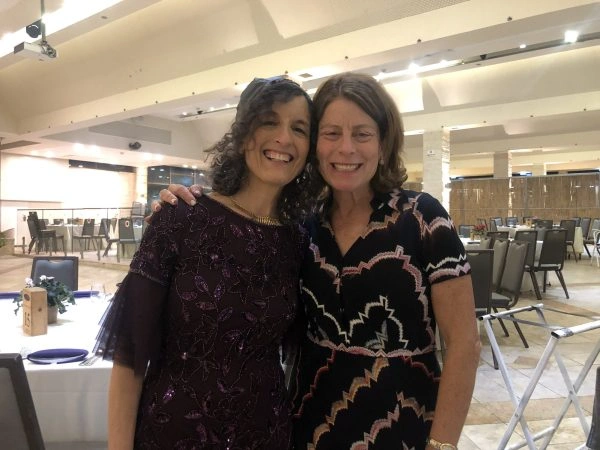
Carolyn Hochstadter and Margo Kossoff Shizgal
Merion Station, USA
Beit Shemesh, Israel
After being so inspired by the siyum shas two years ago, I began tentatively learning daf yomi, like Rabbanut Michelle kept saying – taking one daf at a time. I’m still taking it one daf at a time, one masechet at a time, but I’m loving it and am still so inspired by Rabbanit Michelle and the Hadran community, and yes – I am proud to be finishing Seder Mo’ed.

Caroline Graham-Ofstein
Bet Shemesh, Israel
I had dreamed of doing daf yomi since I had my first serious Talmud class 18 years ago at Pardes with Rahel Berkovitz, and then a couple of summers with Leah Rosenthal. There is no way I would be able to do it without another wonderful teacher, Michelle, and the Hadran organization. I wake up and am excited to start each day with the next daf.
Beth Elster
Irvine, United States
Retirement and Covid converged to provide me with the opportunity to commit to daily Talmud study in October 2020. I dove into the middle of Eruvin and continued to navigate Seder Moed, with Rabannit Michelle as my guide. I have developed more confidence in my learning as I completed each masechet and look forward to completing the Daf Yomi cycle so that I can begin again!

Rhona Fink
San Diego, United States
I started the daf at the beginning of this cycle in January 2020. My husband, my children, grandchildren and siblings have been very supportive. As someone who learned and taught Tanach and mefarshim for many years, it has been an amazing adventure to complete the six sedarim of Mishnah, and now to study Talmud on a daily basis along with Rabbanit Michelle and the wonderful women of Hadran.
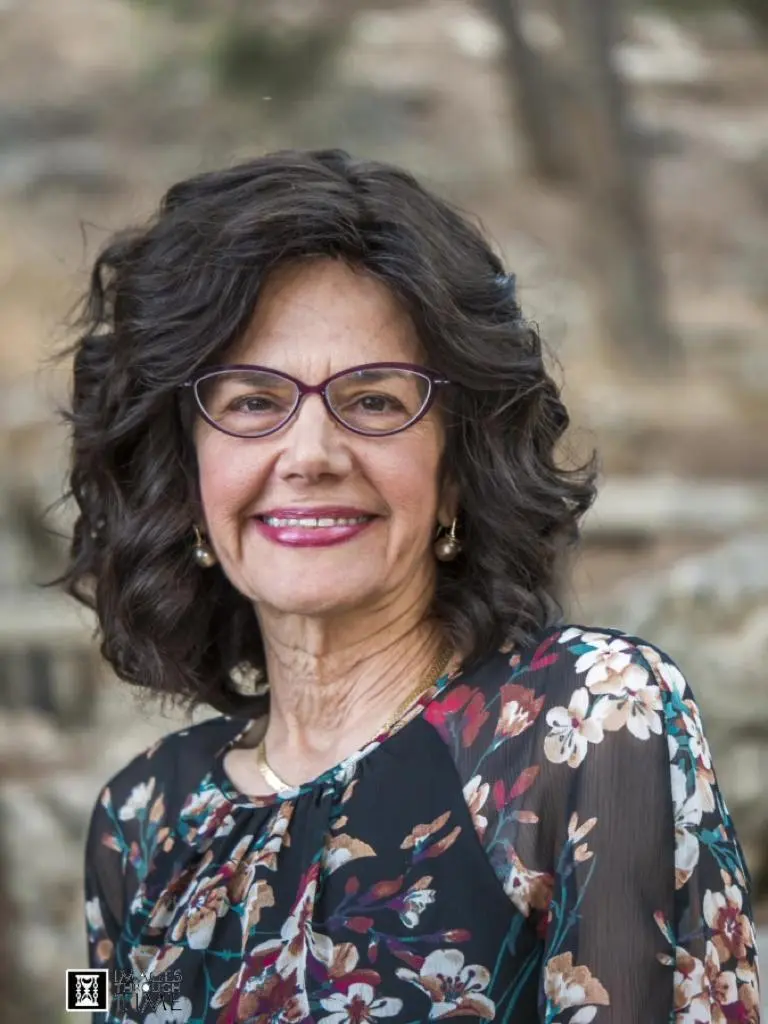
Rookie Billet
Jerusalem, Israel
It’s hard to believe it has been over two years. Daf yomi has changed my life in so many ways and has been sustaining during this global sea change. Each day means learning something new, digging a little deeper, adding another lens, seeing worlds with new eyes. Daf has also fostered new friendships and deepened childhood connections, as long time friends have unexpectedly become havruta.

Joanna Rom
Northwest Washington, United States
Hadran entered my life after the last Siyum Hashaas, January 2020. I was inspired and challenged simultaneously, having never thought of learning Gemara. With my family’s encouragement, I googled “daf yomi for women”. A perfecr fit!
I especially enjoy when Rabbanit Michelle connects the daf to contemporary issues to share at the shabbat table e.g: looking at the Kohen during duchaning. Toda rabba

Marsha Wasserman
Jerusalem, Israel
Michelle has been an inspiration for years, but I only really started this cycle after the moving and uplifting siyum in Jerusalem. It’s been an wonderful to learn and relearn the tenets of our religion and to understand how the extraordinary efforts of a band of people to preserve Judaism after the fall of the beit hamikdash is still bearing fruits today. I’m proud to be part of the chain!
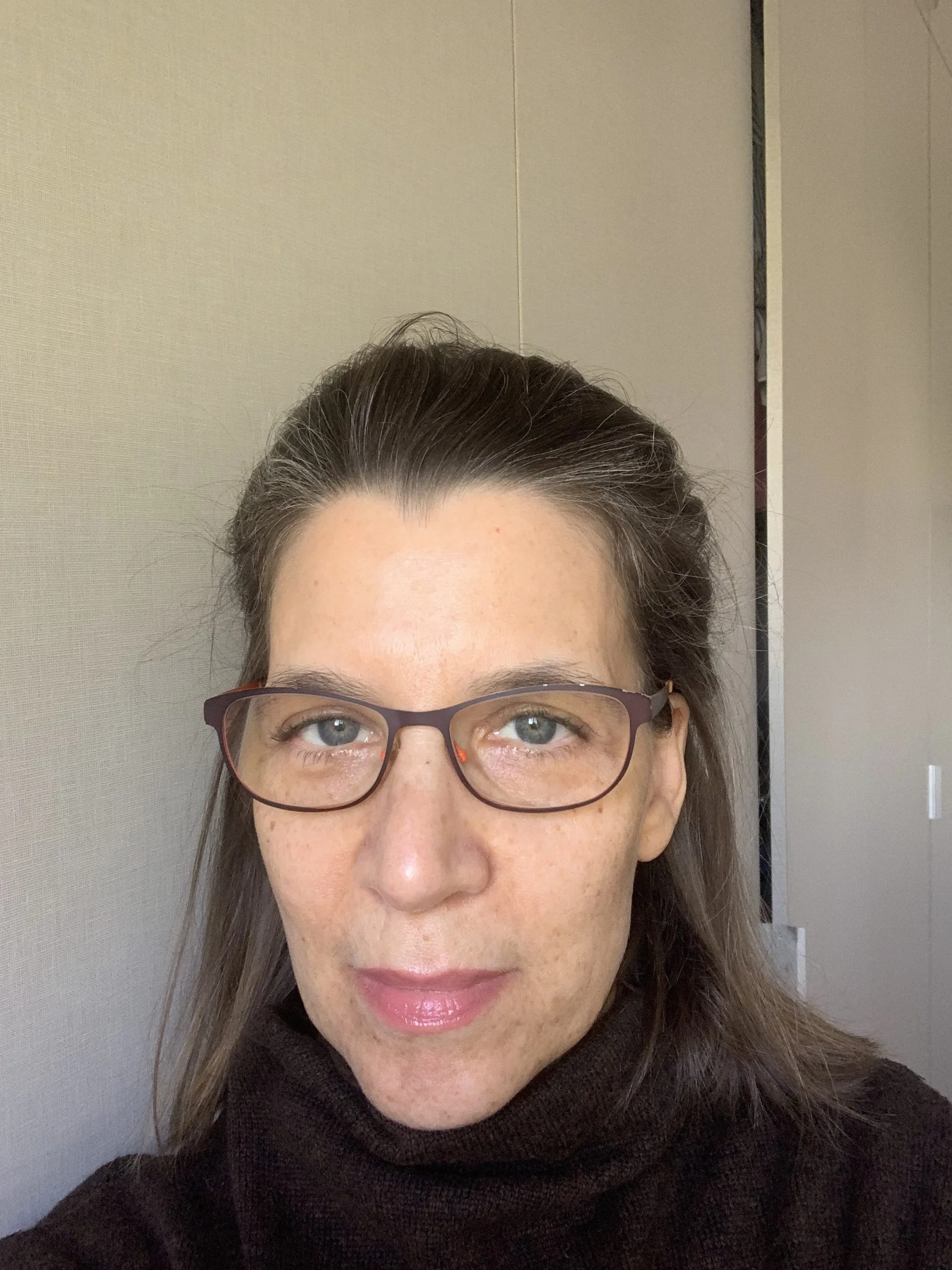
Judith Weil
Raanana, Israel
I started to listen to Michelle’s podcasts four years ago. The minute I started I was hooked. I’m so excited to learn the entire Talmud, and think I will continue always. I chose the quote “while a woman is engaged in conversation she also holds the spindle”. (Megillah 14b). It reminds me of all of the amazing women I learn with every day who multi-task, think ahead and accomplish so much.
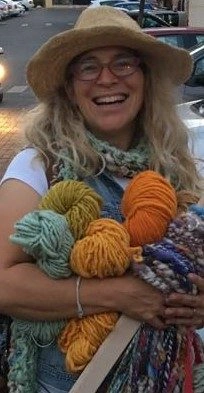
Julie Mendelsohn
Zichron Yakov, Israel
I started learning at the beginning of the cycle after a friend persuaded me that it would be right up my alley. I was lucky enough to learn at Rabbanit Michelle’s house before it started on zoom and it was quickly part of my daily routine. I find it so important to see for myself where halachot were derived, where stories were told and to get more insight into how the Rabbis interacted.

Deborah Dickson
Ra’anana, Israel
I’ve been studying Talmud since the ’90s, and decided to take on Daf Yomi two years ago. I wanted to attempt the challenge of a day-to-day, very Jewish activity. Some days are so interesting and some days are so boring. But I’m still here.
Sarene Shanus
Mamaroneck, NY, United States
Chullin 96
ולא מהדרינן בטביעות עינא השתא דשמעתינהו להני שמעתתא אמינא טביעות עינא עדיפא
but we do not return a lost item to one who claims to be its owner based solely on visual recognition. But now that I have heard these statements pertaining to meat or sky-blue wool that were obscured from sight and then permitted based upon visual recognition, I say that visual recognition is preferable to a distinguishing mark.
דאי לא תימא הכי היאך סומא מותר באשתו ובני אדם איך מותרין בנשותיהן בלילה אלא בטביעות עינא דקלא הכא נמי בטביעות עינא
Furthermore, one must hold that sensory recognition is reliable even without identifying marks, for if you do not say so, how is it that a blind man permitted to engage in sexual intercourse with his wife despite the fact that he cannot identify her by means of her identifying marks? And similarly, how are any men permitted to engage in intercourse with their wives at night, when it is dark and they cannot see their wives’ identifying marks? Rather, one must say that they identify their wives based on voice recognition. Here too, in these cases of lost meat and sky-blue wool, they remain permitted based on visual recognition.
אמר רב יצחק בריה דרב משרשיא תדע דאילו אתו בתרי ואמרי פלניא דהאי סימניה והאי סימניה קטל נפשא לא קטלינן ליה ואילו אמרי אית לן טביעות עינא בגויה קטלינן ליה
Rav Yitzḥak, son of Rav Mesharshiyya, said: You can know that visual recognition is preferable to a distinguishing mark, because if two witnesses come to court and say: So-and-so, who has this distinguishing mark and that distinguishing mark, killed a person, we would not kill him based on this testimony. But if the two witnesses say: We have visual recognition of him, and they confirm that the accused individual committed murder, we kill him based on their testimony.
אמר רב אשי תדע דאילו א”ל איניש לשלוחיה קרייה לפלניא דהאי סימניה והאי סימניה ספק ידע ליה ספק לא ידע ליה ואילו אית ליה טביעות עינא בגויה כי חזי ליה ידע ליה:
Rav Ashi said: You can know that visual recognition is preferable to a distinguishing mark, because if a man says to his agent: Call so-and-so, who has this distinguishing mark and that distinguishing mark, it is uncertain whether the agent will recognize him and know whom to call or whether he will not know him. But if he has visual recognition of him, when he sees him he will know it is him.
מתני׳ הנוטל גיד הנשה צריך שיטול את כולו ר’ יהודה אומר כדי לקיים בו מצות נטילה
MISHNA: One who removes the sciatic nerve must scrape away the flesh in the area surrounding the nerve to ensure that he will remove all of it. Rabbi Yehuda says: Scraping is not required; it is sufficient to excise it from the area above the rounded protrusion in order to thereby fulfill the mitzva of removal of the sciatic nerve.
האוכל מגיד הנשה כזית סופג ארבעים אכלו ואין בו כזית חייב אכל מזה כזית ומזה כזית סופג שמונים ר’ יהודה אומר אינו סופג אלא ארבעים:
One who eats an olive-bulk of the sciatic nerve incurs forty lashes. If one eats an entire sciatic nerve and it does not constitute an olive-bulk, he is nevertheless liable to receive lashes, because a complete sciatic nerve is a complete entity. If one ate an olive-bulk from this sciatic nerve in the right leg, and an olive-bulk from that sciatic nerve in the left leg, he incurs [sofeg] eighty lashes. Rabbi Yehuda says: He incurs only forty lashes, for eating the olive-bulk from the right leg, and he is exempt for eating the olive-bulk from the left leg.
גמ׳ בר פיולי הוה קאי קמיה דשמואל וקא מנקר אטמא הוה קא גאים ליה א”ל חות ביה טפי השתא לא חזיתך ספיתא לי איסורא
GEMARA: A man known as bar Peyoli was standing before Shmuel and was removing the sciatic nerve from the leg of an animal. He was cutting out the nerve without scraping away the surrounding flesh, in accordance with the opinion of Rabbi Yehuda. Shmuel said to him: Go down further and scrape away the flesh in order to remove the entire nerve. Now, if I would not have seen you and instructed you in the process of removing the sciatic nerve, you would have fed me forbidden meat.
אירתת נפל סכינא מידיה א”ל לא תירתת דאורי לך כרבי יהודה אורי לך
Bar Peyoli became afraid due to Shmuel’s rebuke and the knife fell from his hand. Shmuel said to him: Do not be afraid. I do not think that you are an ignoramus or a wicked person. You are removing the sciatic nerve as you were taught; the person who taught you must hold in accordance with the opinion of Rabbi Yehuda, and this is how he taught you to remove the sciatic nerve. But I hold that the entire sciatic nerve must be removed, in accordance with the opinion of the first tanna.
אמר רב ששת מאי דשקל בר פיולי דאורייתא לרבי יהודה מכלל דשייר דרבנן לר’ יהודה אלא דאורי ליה כמאן אורי ליה
Rav Sheshet said in explanation of this incident: That which bar Peyoli removed was the section of the sciatic nerve one is required to remove by Torah law according to the opinion of Rabbi Yehuda. The Gemara asks: Based upon this statement, one can derive by inference that he left behind the section of the sciatic nerve one is required to remove by rabbinic law according to the opinion of Rabbi Yehuda. But if so, in accordance with whose opinion did the person who taught him how to remove the sciatic nerve teach him? Even according to Rabbi Yehuda he would have transgressed a rabbinic prohibition.
אלא אמר רב ששת מאי דשקל בר פיולי דאורייתא ומאי דשייר דרבנן לר”מ דאי רבי יהודה אפילו מדרבנן שרי:
Rather, Rav Sheshet said: That which bar Peyoli removed was the section of the sciatic nerve that is forbidden by Torah law. And that which he left over is forbidden by rabbinic law according to the opinion of Rabbi Meir, as explained above (92b) in a baraita; as if one were to follow the opinion of Rabbi Yehuda, the section that bar Peyoli left over is permitted even by rabbinic law.
האוכל מגיד הנשה [וכו’]: אמר שמואל לא אסרה תורה אלא שעל הכף בלבד שנאמר (בראשית לב, לג) על כף הירך
§ The mishna teaches: One who eats an olive-bulk of the sciatic nerve incurs forty lashes. Shmuel says: The Torah prohibits only the part of the sciatic nerve that is on the rounded protrusion of flesh shaped like a spoon that is near the end of the femur. This is as it is stated in the verse: “Therefore the children of Israel eat not the sciatic nerve that is upon the spoon of the thigh” (Genesis 32:33).
אמר רב פפא כתנאי אכלו ואין בו כזית חייב רבי יהודה אומר עד שיהא בו כזית
Rav Pappa says: This statement of Shmuel is subject to a dispute between tanna’im, as it is taught in a baraita: If one ate the entire sciatic nerve and it did not contain an olive-bulk, he is nevertheless liable to be flogged. Rabbi Yehuda says: He is not liable unless it has a volume of at least an olive-bulk.
מ”ט דרבנן בריה (בפני עצמה) היא
Rav Pappa explains how this relates to Shmuel’s statement. What is the reason for the opinion of the Rabbis, who disagree with Rabbi Yehuda? They hold that the sciatic nerve is a distinct entity. Therefore, even if one eats less than an olive-bulk it is a significant act of eating, and one is liable.
ור’ יהודה אכילה כתיבה ביה ורבנן ההיא אכילה דכי אית ביה ארבעה וחמשה זיתים ואכל חד כזית מיחייב
And what does Rabbi Yehuda hold? He holds that since the term: Eating, is written with regard to the sciatic nerve, and a significant act of eating is generally defined as eating an olive-bulk, one is liable only if he eats an olive-bulk. And what do the Rabbis derive from this term? That usage of the term eating indicates that in a case where the sciatic nerve contains four or five olive-bulks and one ate only one olive-bulk, he is liable. Nevertheless, if one eats the entire sciatic nerve, he is liable even if it contains less than an olive-bulk.
ורבי יהודה מאשר על כף הירך נפקא
And according to Rabbi Yehuda, from where is it derived that one is liable for eating one olive-bulk of a larger sciatic nerve? He holds that it is derived from the phrase “that is upon the spoon of the thigh,” which indicates that even if one eats only the part of the sciatic nerve that is upon the spoon of the thigh, rather than the entire sciatic nerve, he is liable.
ורבנן ההוא מיבעי ליה לכדשמואל דאמר שמואל לא אסרה תורה אלא שעל כף הירך ור’ יהודה הירך כתיב דכולה ירך
And how do the Rabbis interpret that phrase? That phrase is necessary to teach the halakha stated by Shmuel, as Shmuel said: The Torah prohibits only the part of the sciatic nerve that is on the rounded protrusion of flesh shaped like a spoon. And what does Rabbi Yehuda hold with regard to the halakha stated by Shmuel? He derives from the fact that it is written: “The spoon of the thigh,” that the sciatic nerve of the entire thigh is forbidden, not just the part that is on the rounded protrusion of flesh shaped like a spoon.
ורבנן ההוא דפשיט איסוריה בכוליה ירך לאפוקי חיצון דלא ולעולם שעל הכף
And how do the Rabbis interpret “the spoon of the thigh”? According to the Rabbis, this expression indicates that the prohibition of the sciatic nerve applies to the nerve that extends throughout the entire thigh, i.e., the inner nerve, which serves to exclude the outer nerve, which is not forbidden by Torah law; but in fact, only the part of the inner nerve that is on the protrusion of flesh shaped like a spoon is forbidden, not the entire inner nerve.
והאי כף מיבעי ליה למעוטי עוף דלית ליה כף תרי כף כתיבי:
The Gemara objects: But this term “spoon” is required to exclude the sciatic nerve of a bird, which does not have a rounded protrusion on its thigh bone that can be described as the spoon of the thigh, as taught in the mishna (89b). The Gemara explains: There are two usages of the term “spoon” written in the verse, and therefore two separate halakhot can be derived from this term.
מתני׳ ירך שנתבשל בה גיד הנשה אם יש בה בנותן טעם הרי זו אסורה כיצד משערין אותה כבשר בלפת
MISHNA: In the case of a thigh that was cooked with the sciatic nerve in it, if there is enough of the sciatic nerve in it to impart its flavor to the thigh, the entire thigh is forbidden for consumption. How does one measure whether there is enough sciatic nerve to impart flavor to the meat of the entire thigh? One relates to it as though the sciatic nerve were meat imparting flavor to a turnip. If meat the volume of the sciatic nerve would impart flavor to a turnip the volume of the thigh when they were cooked together, then the entire thigh is forbidden.
גיד הנשה שנתבשל עם הגידים בזמן שמכירו בנותן טעם ואם לאו כולן אסורין והרוטב בנותן טעם
With regard to a sciatic nerve that was cooked with other sinews, when one identifies the sciatic nerve and removes it, the other sinews are forbidden if the sciatic nerve was large enough to impart flavor. And if he does not identify it, all the sinews are forbidden because each one could be the sciatic nerve; but the broth is forbidden only if the sciatic nerve imparts flavor to the broth.
וכן חתיכה של נבלה וכן חתיכה של דג טמא שנתבשלה עם החתיכות בזמן שמכירן בנותן טעם ואם לאו כולן אסורות והרוטב בנותן טעם:
And similarly, in the case of a piece of an animal carcass or a piece of non-kosher fish that was cooked with similar pieces of kosher meat or fish, when one identifies the forbidden piece and removes it, the rest of the meat or fish is forbidden only if the forbidden piece was large enough to impart flavor to the entire mixture. And if he does not identify and remove the forbidden piece, all the pieces are forbidden, due to the possibility that each piece one selects might be the forbidden piece; but the broth is forbidden only if the forbidden piece imparts flavor to the broth.
גמ׳ אמר שמואל לא שנו אלא שנתבשל בה אבל נצלה בה קולף ואוכל עד שמגיע לגיד
GEMARA: The mishna teaches that a thigh that was cooked with the sciatic nerve is forbidden if the nerve imparts flavor to the thigh. Shmuel says: The Sages taught that the thigh is entirely forbidden only when it was cooked with the sciatic nerve inside it. But if the sciatic nerve was roasted inside the thigh, one may peel away the meat and eat it until he reaches the sciatic nerve, and then he removes the nerve.
איני והאמר רב הונא גדי שצלאו בחלבו אסור לאכול אפילו מראש אזנו
The Gemara challenges: Is that so? But doesn’t Rav Huna say: With regard to a kid that was roasted with its forbidden fat, it is prohibited to eat any part of the animal, even from the top of its ear? This proves that roasting, like cooking, spreads the flavor of the forbidden fat throughout the entire animal.
Follow

