Search

Eruvin 20

Want to dedicate learning? Get started here:

English
עברית
podcast placeholder

0:00
0:00


podcast placeholder

0:00
0:00


Summary

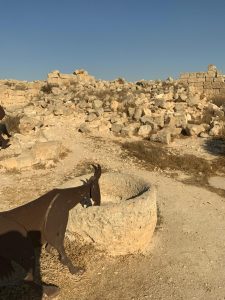
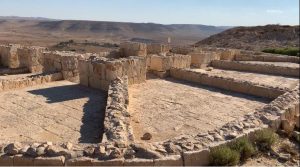
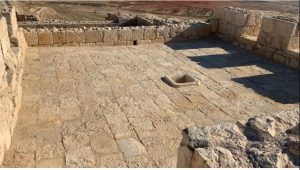
Pictures for today’s daf

Abaye asks Rabba more questions regarding the case of a well. Other issues are discussed – are these posts considered a real mechitza? In order for a person to drink from a well (without the posts), one’s head and the majority of the body need to be in the private space of the well. Is the same true for an animal? This question appears in two variations. Attempts ar emade to learn this from our mishna but are unsuccessful.


Today’s daily daf tools:

Eruvin 20

תְּרֵי גַוְונֵי אִילָן? הָכָא נָמֵי, תְּרֵי גַוְונֵי גָּדֵר.

that the baraita teaches two types of tree; here too, then, you can say that it teaches two types of fence, and therefore no proof can be brought from this baraita.

בְּעָא מִינֵּיהּ אַבָּיֵי מֵרַבָּה: חָצֵר שֶׁרֹאשָׁהּ נִכְנָס לְבֵין הַפַּסִּין — מַהוּ לְטַלְטֵל מִתּוֹכָהּ לְבֵין הַפַּסִּין, וּמִבֵּין הַפַּסִּין לְתוֹכָהּ? אֲמַר לֵיהּ: מוּתָּר.

And Abaye further inquired of Rabba: With regard to a courtyard, the open end of which interposed between the boards surrounding a well, what is the law with regard to carrying from inside the courtyard to the area between the upright boards, and from the area between the boards into the courtyard? Rabba said to him: It is permitted.

שְׁתַּיִם, מַאי? אֲמַר לֵיהּ: אָסוּר.

Abaye then asked him: And if two adjacent courtyards interposed between the boards surrounding a well, what is the law? Is it permitted to carry from inside them to the area between the boards, and vice versa? Rabba said to him in response: It is prohibited.

אָמַר רַב הוּנָא: שְׁתַּיִם אֲסוּרִין, וַאֲפִילּוּ עֵירְבוּ. גְּזֵירָה שֶׁמָּא יֹאמְרוּ ״עֵירוּב מוֹעִיל לְבֵין הַפַּסִּין״. רָבָא אָמַר: עֵירְבוּ מוּתָּר.

Rav Huna said: In the case of two courtyards, it is prohibited to carry, even if the residents of the two courtyards made an eiruv together. This is because of a decree lest they come to say that an eiruv is effective for the area between the upright boards. Rava, however, disagreed and said: If they made an eiruv together, it is permitted to carry between the courtyards and the area between the boards, and vice versa; with the preparation of the eiruv, the two courtyards are regarded as one.

אֲמַר לֵיהּ אַבָּיֵי לְרָבָא: תַּנְיָא דִּמְסַיַּיע לָךְ — חָצֵר שֶׁרֹאשָׁהּ אֶחָד נִכְנָס לְבֵין הַפַּסִּין מוּתָּר לְטַלְטֵל מִתּוֹכָהּ לְבֵין הַפַּסִּין וּמִבֵּין הַפַּסִּין לְתוֹכָהּ, אֲבָל שְׁתַּיִם אָסוּר. בַּמֶּה דְּבָרִים אֲמוּרִים שֶׁלֹּא עֵירְבוּ, אֲבָל עֵירְבוּ מוּתָּרִין.

Abaye said to Rava: What was taught in a baraita supports your opinion, for the baraita states: In the case of a courtyard, one end of which interposes between the upright boards surrounding a well, it is permitted to carry from inside the courtyard to the area between the upright boards, and from the area between the upright boards into the courtyard, but if there were two adjacent courtyards, this is prohibited. With regard to which case was this statement made? The statement applies where the residents of the two courtyards did not make an eiruv together; but if they made an eiruv together, it is permitted to carry between the courtyards and the area between the boards, and vice versa.

לֵימָא תֶּיהְוֵי תְּיוּבְתָּא דְּרַב הוּנָא?! אָמַר לְךָ רַב הוּנָא: הָתָם דְּהָדְרָן וְעָרְבָן.

The Gemara asks: Shall we say that this is a refutation of the opinion of Rav Huna, for the baraita explicitly contradicts his opinion? The Gemara rejects this argument: Rav Huna could have said to you: There, the baraita is dealing with a case where the two courtyards later became joined by means of the wall that separated them being breached, and it is clear to all that it is a single courtyard, so that there is no concern that people will say that an eiruv is effective for the area between the boards.

בְּעָא מִינֵּיהּ אַבָּיֵי מֵרַבָּה: יָבְשׁוּ מַיִם בְּשַׁבָּת מַהוּ? אֲמַר לֵיהּ: כְּלוּם נַעֲשֵׂית מְחִיצָה אֶלָּא בִּשְׁבִיל מַיִם, מַיִם אֵין כָּאן מְחִיצָה אֵין כָּאן.

Abaye asked Rabba yet another question: If the water in the cistern dried up on Shabbat, what is the law? Is it still permitted to carry between the boards? Rabba said to him: The boards are considered a valid partition only on account of the water; since there is no longer any water here, there is also no longer a valid partition here.

בָּעֵי רָבִין: יָבְשׁוּ מַיִם בְּשַׁבָּת וּבָאוּ בְּשַׁבָּת מַהוּ? אֲמַר לֵיהּ אַבָּיֵי: יָבְשׁוּ בְּשַׁבָּת לָא תִּיבְּעֵי לָךְ, דִּבְעַי מִינֵּיהּ דְּמָר וּפְשֵׁיט לִי דַּאֲסִיר.

Ravin raised a dilemma: If the water in the well dried up on Shabbat, and then on the same Shabbat it rained and other water came in its place, what is the law? Is the original allowance to carry restored? Abaye said to him: The case where the water dried up on Shabbat should not be a dilemma for you, for I already raised this dilemma before my Master, Rabba, and he resolved for me that it is prohibited to carry in the enclosed area.

בָּאוּ נָמֵי לָא תִּיבְּעֵי לָךְ — דְּהָוֵה לֵיהּ מְחִיצָה הָעֲשׂוּיָה בְּשַׁבָּת, וְתַנְיָא: כׇּל מְחִיצָה הָעֲשׂוּיָה בְּשַׁבָּת, בֵּין בְּשׁוֹגֵג בֵּין בְּמֵזִיד בֵּין בְּאוֹנֶס בֵּין בִּרְצוֹן — שְׁמָהּ מְחִיצָה.

The case where other water came on Shabbat should also not be a dilemma for you, for this is a case of a partition erected on Shabbat, and it was already taught in a baraita: Any partition erected on Shabbat, whether it was erected unwittingly, or whether intentionally, whether by unavoidable accident, or whether willingly, it is called a valid partition. The fact that it was erected in a prohibited manner, in violation of prohibitions related to building, does not negate its effectiveness.

וְלָאו אִיתְּמַר עֲלַהּ, אָמַר רַב נַחְמָן: לֹא שָׁנוּ אֶלָּא לִזְרוֹק, אֲבָל לְטַלְטֵל — לֹא.

Ravin raised a difficulty: Was it not stated with regard to this halakha that Rav Naḥman said: They only taught that such a partition is called a partition as a stringency; it is prohibited by Torah law to throw objects from an area enclosed by such a partition into the public domain and vice versa, but to carry in it as a full-fledged private domain is not permitted by the Sages?

כִּי אִיתְּמַר דְּרַב נַחְמָן — אַמֵּזִיד אִיתְּמַר.

The Gemara refutes this objection: Rav Naḥman’s statement applies only in a case where the partition was erected intentionally. Since the partition was erected intentionally on Shabbat, the Sages imposed a penalty that it is prohibited to carry within the enclosed area. However, in the case of a partition that was erected unwittingly or that arose by itself, no such penalty was imposed, and it is permitted to carry there.

אָמַר רַבִּי אֶלְעָזָר: הַזּוֹרֵק לְבֵין פַּסֵּי הַבֵּירָאוֹת חַיָּיב. פְּשִׁיטָא, אִי לָאו מְחִיצָה הִיא — הֵיכִי מִשְׁתְּרֵי לֵיהּ לְמַלּאוֹת?!

Rabbi Elazar said: One who throws an object from the public domain into the area between the upright boards surrounding a well is liable. The Gemara asks: This is obvious, for were it not a valid partition, how could he be permitted to draw water from the well? This shows that it is a full-fledged private domain.

לָא צְרִיכָא, דַּעֲבַד כְּעֵין פַּסֵּי בֵירָאוֹת בִּרְשׁוּת הָרַבִּים, וְזָרַק לְתוֹכָהּ — חַיָּיב.

The Gemara answers: Rabbi Elazar’s ruling is only necessary to teach that in the case where one arrange an enclosure similar to the upright boards surrounding a well in the public domain, in a place where there was no well, and threw an object into it from the public domain, he is liable.

הָא נָמֵי פְּשִׁיטָא! אִי לָאו דִּבְעָלְמָא מְחִיצָה הִיא — גַּבֵּי בוֹר הֵיכִי מִשְׁתְּרֵי לֵיהּ לְטַלְטֹלֵי? לָא צְרִיכָא, אַף עַל גַּב דְּקָא בָּקְעִי בָּהּ רַבִּים.

The Gemara raises a difficulty: Isn’t this obvious as well? As, were it not regarded as a partition in general, how could he be permitted to carry in the case of a cistern? The Gemara explains: It is only necessary to teach you that even though such a partition does not bar entry and many people pass through it, it is nonetheless considered a partition in regard to Shabbat.

וּמַאי קָא מַשְׁמַע לַן — דְּלָא אָתוּ רַבִּים וּמְבַטְּלִי מְחִיצְתָּא, הָא אֲמַר רַבִּי אֶלְעָזָר חֲדָא זִימְנָא!

The Gemara asks: And what is he teaching us by this statement, that the passage of many people does not come and negate the effectiveness of a partition? But Rabbi Elazar stated this idea once before.

דִּתְנַן, רַבִּי יְהוּדָה אוֹמֵר: אִם הָיְתָה דֶּרֶךְ רְשׁוּת הָרַבִּים מַפְסַקְתָּן — יְסַלְּקֶנָּה לִצְדָדִין, וַחֲכָמִים אוֹמְרִים: אֵינוֹ צָרִיךְ. רַבִּי יוֹחָנָן וְרַבִּי אֶלְעָזָר דְּאָמְרִי תַּרְוַויְיהוּ: כָּאן הוֹדִיעֲךָ כֹּחָן שֶׁל מְחִיצּוֹת.

As we learned in a mishna: Rabbi Yehuda says the following with regard to the upright boards surrounding a well: If the path of the public domain passes through the area of the wells and the posts and obstructs them, he must divert it to the sides, or else the partition is invalid. And the Rabbis say: He need not divert the path of the public domain, for even if many people pass through there, the partition is valid. With regard to this mishna, Rabbi Yoḥanan and Rabbi Elazar both said: Here, the Rabbis informed you of the strength of partitions. Therefore, we see that Rabbi Elazar already expressed his opinion that the validity of a partition is not canceled by the passage of many people through it.

אִי מֵהָתָם, הֲוָה אָמֵינָא ׳כָּאן׳ — וְלָא סְבִירָא לֵיהּ. קָא מַשְׁמַע לַן ׳כָּאן׳ — וּסְבִירָא לֵיהּ.

The Gemara answers: If it was derived from there alone, I would have said that what Rabbi Elazar meant is that here the Rabbis informed you of the strength of partitions, but he, Rabbi Elazar, does not agree with them. He therefore teaches us in his present ruling that what he meant is that here they informed you of this law and he agrees with them.

וְלֵימָא הָא, וְלָא בָּעֵי הָךְ! חֲדָא מִכְּלַל חֲבֶירְתָּהּ אִיתְּמַר.

The Gemara asks: If so, let Rabbi Elazar say this ruling that one who throws an object into the area enclosed by upright boards is liable, and he would not have need to make his other comment that here the Rabbis informed you of the strength of partitions. The Gemara answers: Rabbi Elazar did not in fact make two statements, but rather one was stated by inference from the other. He only made one of these statements explicitly; the other was reported by his students in his name based on an inference from what he had said.

מוּתָּר לְהַקְרִיב לַבְּאֵר וְכוּ׳. תְּנַן הָתָם: לֹא יַעֲמוֹד אָדָם בִּרְשׁוּת הָרַבִּים וְיִשְׁתֶּה בִּרְשׁוּת הַיָּחִיד, בִּרְשׁוּת הַיָּחִיד וְיִשְׁתֶּה בִּרְשׁוּת הָרַבִּים, אֶלָּא אִם כֵּן מַכְנִיס רֹאשׁוֹ וְרוּבּוֹ לִמְקוֹם שֶׁהוּא שׁוֹתֶה.

We learned in the mishna: It is permitted to bring the upright boards closer to the well, provided that the enclosed area is large enough for a cow to stand in and drink, with its head and most of its body inside the partitioned space. Similarly, we learned there in a mishna: A person may not stand in a public domain and drink in the private domain, and likewise he may not stand in the private domain and drink in a public domain, unless he brings his head and most of his body into the place where he is drinking.

וְכֵן בַּגַּת.

And the law is likewise in a winepress with respect to tithes. As long as one’s head and most of his body is in the winepress, he may drink from the wine without first separating tithes because drinking wine in a winepress is considered incidental drinking, which does not require tithing. The activity of harvesting and ingathering grapes is not considered completed as long as the grapes are in the winepress, since the grapes are still intended for making wine. Consequently, at this stage one may consume the produce in a casual, incidental manner. Once the work has been completed, however, one must tithe the produce before consuming any of it.

גַּבֵּי אָדָם — הָא אָמַר דְּבָעֵי רֹאשׁוֹ וְרוּבּוֹ. גַּבֵּי פָּרָה — מִי בָּעִינַן לַהּ רֹאשָׁהּ וְרוּבָּהּ אוֹ לָא?

The Gemara clarifies several laws related to this issue: With regard to a person, it was said in connection to these laws that it is necessary that his head and most of his body be inside the domain from which he is drinking. However, a question may be raised with regard to a cow standing in a public domain and drinking from a private domain, or vice versa: Is it necessary that its head and most of its body be inside the domain from which it is drinking, or not?

כֹּל הֵיכָא דְּקָא נָקֵיט מָנָא וְלָא נָקֵיט לַהּ — לָא תִּיבְּעֵי לָךְ דְּבָעֵי רֹאשָׁהּ וְרוּבָּהּ מִלְּגָיו. כִּי תִּבְּעֵי לָךְ — הֵיכָא דְּנָקֵיט מָנָא וְנָקֵיט לַהּ, מַאי?

The Gemara clarifies: Wherever one holds the bucket from which the cow is drinking but does not hold the animal, there should not be a dilemma for you, for it is certainly necessary for its head and most of its body to be inside, as the cow might move backward and pull the bucket with it, causing him to carry it from one domain to the other. Where there should be a dilemma for you is where he holds the bucket and also holds the animal. What is the law in such a case?

אֲמַר לֵיהּ, תְּנֵיתוּהָ: וּבִלְבַד שֶׁתְּהֵא הַפָּרָה רֹאשָׁהּ וְרוּבָּהּ מִבִּפְנִים וְשׁוֹתָה. מַאי לָאו, דְּנָקֵיט לַהּ וְנָקֵיט מָנָא? לָא, דְּנָקֵיט מָנָא וְלָא נָקֵיט לַהּ.

He said to him: We already learned a resolution to this dilemma, for we have learned in the mishna: It is permitted to bring the upright boards closer to the well, provided that the enclosed area is large enough for a cow to stand in, with its head and most of its body inside the partitioned space and drink. Does this not refer even to a case where one holds the cow and also holds the bucket? The Gemara rejects this argument: No, this may refer exclusively to the case where he holds the bucket but does not hold the animal.

וְכִי נָקֵיט מָנָא וְלָא נָקֵיט לַהּ, מִי שְׁרֵי? וְהָתַנְיָא: לֹא יְמַלֵּא אָדָם מַיִם וְיִתֵּן בְּשַׁבָּת לִפְנֵי בְהֶמְתּוֹ, אֲבָל מְמַלֵּא הוּא וְשׁוֹפֵךְ, וְהִיא שׁוֹתָה מֵאֵילֶיהָ!

The Gemara raises a difficulty: And where he holds the bucket but does not hold the animal, is it permitted to give his animal to drink in such a fashion? Wasn’t it taught in the following baraita: A person may not fill a bucket with water and hold it before his animal on Shabbat; but he may fill it and pour it out into a trough, and it, i.e., the animal, drinks of its own accord? Consequently, we see that it is prohibited to give an animal to drink from a bucket if he does not hold the animal.

הָא אִתְּמַר עֲלַהּ: אָמַר אַבָּיֵי, הָכָא בְּאֵבוּס הָעוֹמֵד בִּרְשׁוּת הָרַבִּים גָּבוֹהַּ עֲשָׂרָה טְפָחִים וְרוֹחַב אַרְבָּעָה, וְרֹאשׁוֹ אֶחָד נִכְנָס לְבֵין הַפַּסִּין.

The Gemara refutes this: Wasn’t it stated with regard to this baraita that Abaye said: Here we are dealing with a cow standing inside a house with windows open to the public domain, eating from a manger or trough that stands in the public domain that is ten handbreadths high and four handbreadths wide, i.e., it constitutes a private domain, and one end of this manger interposes into the area between the upright boards surrounding a well?

גְּזֵרָה דִּילְמָא חָזֵי לֵיהּ לְאֵבוּס דִּמְקַלְקַל וְאָתֵי לְתַקּוֹנֵיהּ, וְדָרֵא לֵיהּ לְדַוְולָא בַּהֲדֵיהּ, וְקָא מַפֵּיק מֵרְשׁוּת הַיָּחִיד לִרְשׁוּת הָרַבִּים.

In such a case, it is prohibited to fill a bucket with water in the area enclosed by the upright boards and hold it before his animal, unless the animal is within the enclosed area. This is a rabbinical decree, lest one see that the manger was damaged on the side in the public domain and go to fix it, and he might take the bucket with him, thereby carrying it from the private domain to the public domain. Rather, he must pour out the water into the manger, so that it reaches the animal on its own.

וְכִי הַאי גַּוְונָא מִי מִיחַיַּיב? וְהָאָמַר רַב סָפְרָא אָמַר רַבִּי אַמֵּי אָמַר רַבִּי יוֹחָנָן: הַמְפַנֶּה חֲפָצָיו מִזָּוִית לְזָוִית, וְנִמְלַךְ עֲלֵיהֶן וְהוֹצִיאָן — פָּטוּר, שֶׁלֹּא הָיְתָה עֲקִירָה מִשָּׁעָה רִאשׁוֹנָה לְכָךְ.

The Gemara asks: Even if he carried the bucket into the public domain, would he be liable in such a case? Didn’t Rav Safra say that Rabbi Ami said that Rabbi Yoḥanan said: With regard to one who transfers objects from corner to corner in a house, and changed his mind about them while carrying them and carried them out to the public domain, he is exempt because the lifting at the first moment was not for that purpose of carrying out to a different domain; when he picked them up, he intended merely to move them around his house. Here too, then, one should not be liable, since when he picked up the bucket he did not intend from the outset to carry it into the public domain; accordingly, there is no room for such a decree.

אֶלָּא: זִמְנִין דִּמְתַקֵּן לֵיהּ וַהֲדַר מְעַיֵּיל לֵיהּ, וְקָא מְעַיֵּיל מֵרְשׁוּת הָרַבִּים לִרְשׁוּת הַיָּחִיד.

Rather, say that the decree is due to a different concern, that at times one would fix the manger and then bring the bucket back in again, thereby carrying from the public domain into the private domain. In this case one picks up the bucket from the outset with the intention of carrying it from a public domain into a private domain.

אִיכָּא דְּאָמְרִי: גַּבֵּי אָדָם הָא קָאָמְרִינַן דְּסַגִּי לֵיהּ בְּרֹאשׁוֹ וְרוּבּוֹ. גַּבֵּי פָרָה מִי סַגִּי לַהּ בְּרֹאשָׁהּ וְרוּבָּהּ, אוֹ לָא?

Some say a different version of the previous discussion. With regard to a person, we said that it is sufficient if his head and most of his body are inside the domain from which he is drinking. But a question may be raised with regard to a cow standing in a public domain and drinking from a private domain, or vice versa: Is it sufficient if its head and most of its body are inside the domain from which it is drinking, or not? Perhaps all of the cow must be in that domain.

הֵיכָא דְּנָקֵיט מָנָא וְנָקֵיט לַהּ — לָא תִּיבְּעֵי לָךְ דְּסַגִּי לַהּ בְּרֹאשָׁהּ וְרוּבָּהּ, אֶלָּא כִּי תִּיבְּעֵי לָךְ דְּנָקֵיט מָנָא וְלָא נָקֵיט לַהּ, מַאי?

The Gemara clarifies the question. The case where one holds the bucket from which the cow is drinking and also holds the animal should not be a dilemma for you, as it is certainly enough if its head and most of its body are in the domain. Rather, the case where there should be a dilemma for you is where he holds the bucket but does not hold the animal. What is the halakha in such a case?

אֲמַר לֵיהּ, תְּנֵיתוּהָ: וּבִלְבַד שֶׁתְּהֵא פָּרָה רֹאשָׁהּ וְרוּבָּהּ מִבִּפְנִים וְשׁוֹתָה. מַאי לָאו דְּנָקֵיט מָנָא וְלָא נָקֵיט לַהּ: לָא, דְּנָקֵיט מָנָא וְנָקֵיט לַהּ.

He said to him: We already learned a resolution to this dilemma in the mishna: It is permitted to bring the upright boards closer to the well, provided that the enclosed area is large enough for a cow to stand in, with its head and most of its body inside the partitioned space, and drink. Doesn’t this refer even to a case where one holds the bucket but does not hold the animal? The Gemara rejects this argument: No, this may refer only to the case where he holds the bucket and also holds the animal.

וְהָכִי נָמֵי מִסְתַּבְּרָא, דְּאִי נָקֵיט מָנָא וְלָא נָקֵיט לַהּ, מִי שְׁרֵי? וְהָתַנְיָא: לֹא יְמַלֵּא אָדָם מַיִם וְיִתֵּן לִפְנֵי בְּהֶמְתּוֹ, אֲבָל מְמַלֵּא וְשׁוֹפֵךְ וְהִיא שׁוֹתָה מֵאֵילֶיהָ!

The Gemara comments: So too, it is reasonable to say this, for if one holds the bucket but does not hold the animal, is it in fact permitted to give his animal to drink in such a fashion? Wasn’t it taught in a baraita: A person may not fill a bucket with water and hold it before his animal on Shabbat. But he may fill it and pour it out into a trough, and the animal drinks of its own accord.

הָא אִיתְּמַר עֲלַהּ אָמַר אַבָּיֵי: הָכָא בְּאֵבוּס הָעוֹמֵד בִּרְשׁוּת הָרַבִּים גָּבוֹהַּ עֲשָׂרָה טְפָחִים וְרוֹחַב אַרְבָּעָה, וְרֹאשׁוֹ נִכְנָס לְבֵין הַפַּסִּין, דְּזִמְנִין דְּחָזֵי לֵיהּ לְאֵבוּס דִּמְקַלְקַל וְאָתֵי לְתַקּוֹנֵיהּ, וְדָרֵי לֵיהּ לְדַוְולָא בַּהֲדֵיהּ, וְקָא מַפֵּיק מֵרְשׁוּת הַיָּחִיד לִרְשׁוּת הָרַבִּים.

The Gemara refutes this argument: Wasn’t it stated with regard to this baraita that Abaye said: Here, we are dealing with a manger that stands in the public domain, and it is ten handbreadths high and four handbreadths wide, i.e., it constitutes a private domain, and one end of the manger interposes into the area between the upright boards surrounding a well, and the animal is standing at the other end in the public domain. In such a case, it is prohibited to fill a bucket with water in the area enclosed by the boards and hold it before his animal, unless the animal is within the enclosed area. This is a rabbinical decree, lest at times one see that the manger was damaged on the side in the public domain and go to fix it and take the bucket with him, thereby carrying it from the private domain into the public domain.

וְכִי הַאי גַּוְונָא מִי מִיחַיַּיב? וְהָאָמַר רַב סָפְרָא אָמַר רַבִּי אַמֵּי אָמַר רַבִּי יוֹחָנָן: הַמְפַנֶּה חֲפָצָיו מִזָּוִית לְזָוִית וְנִמְלַךְ עֲלֵיהֶן וְהוֹצִיאָן — פָּטוּר, שֶׁלֹּא הָיְתָה עֲקִירָה מִשָּׁעָה רִאשׁוֹנָה לְכָךְ!

The Gemara asks: But would he be liable in such a case? Didn’t Rav Safra say that Rabbi Ami said that Rabbi Yoḥanan said: With regard to one who transfers objects from corner to corner in a house, and changed his mind about them while carrying them and took them out to the public domain, he is exempt because the lifting at the first moment was not for that purpose of carrying out to a different domain; when he picked them up, he intended merely to move them around his house. Here too, then, he should not be liable, since when he picked up the bucket he did not intend from the outset to carry it into the public domain; accordingly, there is no room for such a decree.

אֶלָּא: זִמְנִין דִּמְתַקֵּן לֵיהּ וַהֲדַר מְעַיֵּיל לֵיהּ, וְקָא מְעַיֵּיל לֵיהּ מֵרְשׁוּת הָרַבִּים לִרְשׁוּת הַיָּחִיד.

Rather, we must say that the decree is due to a different concern, that at times one would fix the manger and then bring the bucket back in again, carrying from the public domain into the private domain. In this case, he picks up the bucket with the intention of carrying it from a public domain into a private domain. In any case, no proof can be brought from this source.

תָּא שְׁמַע: גָּמָל שֶׁרֹאשׁוֹ וְרוּבּוֹ מִבִּפְנִים אוֹבְסִין אוֹתוֹ מִבִּפְנִים, וְהָא אִיבּוּס כְּמַאן דְּנָקֵיט מָנָא וְנָקֵיט לַהּ דָּמְיָא, וְקָא בָּעִינַן רֹאשָׁהּ וְרוּבָּהּ!

The Gemara cites a different proof. Come and hear the following baraita: A camel whose head and most of its body are inside a private domain may be force-fed from inside the private domain. Now, force-feeding is like the case where he holds the bucket and also holds the animal, as one cannot force-feed an animal without holding it by its neck, and nonetheless we require that its head and most of its body be inside the domain where it is eating.

אָמַר רַב אַחָא בַּר רַב הוּנָא אָמַר רַב שֵׁשֶׁת: שָׁאנֵי גָּמָל, הוֹאִיל וְצַוָּארוֹ אָרוֹךְ.

Rav Aḥa bar Rav Huna said that Rav Sheshet said: A camel is different, as since its neck is long, its head and most of its body must be inside; otherwise it could stretch its neck into the public domain, and the one feeding it might come to carry the bucket from the private domain into the public domain. In the case of other animals, however, there is no reason for such stringency.

תָּא שְׁמַע: בְּהֵמָה שֶׁרֹאשָׁהּ וְרוּבָּהּ בִּפְנִים אוֹבְסִין אוֹתָהּ מִבִּפְנִים. וְהָא אֵבוּס כְּמַאן דְּנָקֵיט מָנָא וְנָקֵיט לַהּ, וְקָא בָּעִינַן רֹאשׁוֹ וְרוּבּוֹ! מַאי ׳בְּהֵמָה׳ נָמֵי דְּקָתָנֵי — גָּמָל.

The Gemara attempts to cite yet another proof. Come and hear the following baraita: An animal whose head and most of its body were inside a private domain may be force-fed from inside the private domain. Now, as stated above, force-feeding is like the case where he holds the bucket and also holds the animal, and nonetheless we require that its head and most of its body be inside the domain where it is eating. The Gemara refutes this argument: What is this animal that is taught in this baraita? It is also a camel.

וְהָתַנְיָא ׳בְּהֵמָה׳ וְהָתַנְיָא ׳גָּמָל׳!

The Gemara objects: Wasn’t it taught as animal in one baraita, and wasn’t it taught as camel in the other baraita? The implication is that this law applies not only to camels, but to other animals as well.

מִידֵּי גַּבֵּי הֲדָדֵי תַּנְיָא?! תַּנְיָא נָמֵי הָכִי: רַבִּי אֶלְעָזָר אוֹסֵר בְּגָמָל, הוֹאִיל וְצַוָּארוֹ אָרוֹךְ.

The Gemara answers: Were these two baraitot taught next to each other? Had both of these baraitot been taught together, we would indeed expect the tanna not to teach the same law using different formulations. However, since these two baraitot come from different sources, it is possible that one of the tanna’im referred to a camel with the generic term animal, and hence no proof can be brought from here. This same idea that a camel is different was also taught in another baraita: Rabbi Eliezer prohibits this in the case of a camel, since its neck is long.

אָמַר רַבִּי יִצְחָק בַּר אַדָּא: לֹא הוּתְּרוּ פַּסֵּי בֵירָאוֹת אֶלָּא לְעוֹלֵי רְגָלִים בִּלְבַד. וְהָתַנְיָא: לֹא הוּתְּרוּ פַּסֵּי בֵירָאוֹת אֶלָּא לְגַבֵּי בְהֵמָה בִּלְבַד! מַאי בְּהֵמָה — בֶּהֱמַת עוֹלֵי רְגָלִים. אֲבָל אָדָם

Rabbi Yitzḥak bar Adda said: Upright boards surrounding wells were only permitted to Festival pilgrims. The Gemara raises a difficulty: Wasn’t it taught in a baraita that boards surrounding wells were permitted only for cattle? The Gemara answers: What is the cattle mentioned here? It means the cattle of festival pilgrims. However, a person

Today’s daily daf tools:

Delve Deeper

Broaden your understanding of the topics on this daf with classes and podcasts from top women Talmud scholars.

For the Beyond the Daf shiurim offered in Hebrew, see here.

New to Talmud?

Check out our resources designed to help you navigate a page of Talmud – and study at the pace, level and style that fits you. 

The Hadran Women’s Tapestry

Meet the diverse women learning Gemara at Hadran and hear their stories. 

In January 2020 on a Shabbaton to Baltimore I heard about the new cycle of Daf Yomi after the siyum celebration in NYC stadium. I started to read “ a daily dose of Talmud “ and really enjoyed it . It led me to google “ do Orthodox women study Talmud? “ and found HADRAN! Since then I listen to the podcast every morning, participate in classes and siyum. I love to learn, this is amazing! Thank you

Sandrine Simons
Sandrine Simons

Atlanta, United States

“I got my job through the NY Times” was an ad campaign when I was growing up. I can headline “I got my daily Daf shiur and Hadran through the NY Times”. I read the January 4, 2020 feature on Reb. Michelle Farber and Hadran and I have been participating ever since. Thanks NY Times & Hadran!
Deborah Aschheim
Deborah Aschheim

New York, United States

I graduated college in December 2019 and received a set of shas as a present from my husband. With my long time dream of learning daf yomi, I had no idea that a new cycle was beginning just one month later, in January 2020. I have been learning the daf ever since with Michelle Farber… Through grad school, my first job, my first baby, and all the other incredible journeys over the past few years!
Sigal Spitzer Flamholz

Bronx, United States

I started learning with rabbis. I needed to know more than the stories. My first teacher to show me “the way of the Talmud” as well as the stories was Samara Schwartz.
Michelle Farber started the new cycle 2 yrs ago and I jumped on for the ride.
I do not look back.

Jenifer Nech
Jenifer Nech

Houston, United States

After reading the book, “ If All The Seas Were Ink “ by Ileana Kurshan I started studying Talmud. I searched and studied with several teachers until I found Michelle Farber. I have been studying with her for two years. I look forward every day to learn from her.

Janine Rubens
Janine Rubens

Virginia, United States

I heard the new Daf Yomi cycle was starting and I was curious, so I searched online for a women’s class and was pleasently surprised to find Rabanit Michelle’s great class reviews in many online articles. It has been a splendid journey. It is a way to fill my days with Torah, learning so many amazing things I have never heard before during my Tanach learning at High School. Thanks so much .

Martha Tarazi
Martha Tarazi

Panama, Panama

תמיד רציתי. למדתי גמרא בבית ספר בטורונטו קנדה. עליתי ארצה ולמדתי שזה לא מקובל. הופתעתי.
יצאתי לגימלאות לפני שנתיים וזה מאפשר את המחוייבות לדף יומי.
עבורי ההתמדה בלימוד מעגן אותי בקשר שלי ליהדות. אני תמיד מחפשת ותמיד. מוצאת מקור לקשר. ללימוד חדש ומחדש. קשר עם נשים לומדות מעמיק את החוויה ומשמעותית מאוד.

Vitti Kones
Vitti Kones

מיתר, ישראל

Having never learned Talmud before, I started Daf Yomi in hopes of connecting to the Rabbinic tradition, sharing a daily idea on Instagram (@dafyomiadventures). With Hadran and Sefaria, I slowly gained confidence in my skills and understanding. Now, part of the Pardes Jewish Educators Program, I can’t wait to bring this love of learning with me as I continue to pass it on to my future students.

Hannah-G-pic
Hannah Greenberg

Pennsylvania, United States

I was exposed to Talmud in high school, but I was truly inspired after my daughter and I decided to attend the Women’s Siyum Shas in 2020. We knew that this was a historic moment. We were blown away, overcome with emotion at the euphoria of the revolution. Right then, I knew I would continue. My commitment deepened with the every-morning Virtual Beit Midrash on Zoom with R. Michelle.

Adina Hagege
Adina Hagege

Zichron Yaakov, Israel

I decided to learn one masechet, Brachot, but quickly fell in love and never stopped! It has been great, everyone is always asking how it’s going and chering me on, and my students are always making sure I did the day’s daf.

Yafit Fishbach
Yafit Fishbach

Memphis, Tennessee, United States

I had no formal learning in Talmud until I began my studies in the Joint Program where in 1976 I was one of the few, if not the only, woman talmud major. It was superior training for law school and enabled me to approach my legal studies with a foundation . In 2018, I began daf yomi listening to Rabbanit MIchelle’s pod cast and my daily talmud studies are one of the highlights of my life.

Krivosha_Terri_Bio
Terri Krivosha

Minneapolis, United States

See video

Susan Fisher
Susan Fisher

Raanana, Israel

I started learning Jan 2020 when I heard the new cycle was starting. I had tried during the last cycle and didn’t make it past a few weeks. Learning online from old men didn’t speak to my soul and I knew Talmud had to be a soul journey for me. Enter Hadran! Talmud from Rabbanit Michelle Farber from a woman’s perspective, a mother’s perspective and a modern perspective. Motivated to continue!

Keren Carter
Keren Carter

Brentwood, California, United States

I started last year after completing the Pesach Sugiyot class. Masechet Yoma might seem like a difficult set of topics, but for me made Yom Kippur and the Beit HaMikdash come alive. Liturgy I’d always had trouble connecting with took on new meaning as I gained a sense of real people moving through specific spaces in particular ways. It was the perfect introduction; I am so grateful for Hadran!

Debbie Engelen-Eigles

Minnesota, United States

It’s hard to believe it has been over two years. Daf yomi has changed my life in so many ways and has been sustaining during this global sea change. Each day means learning something new, digging a little deeper, adding another lens, seeing worlds with new eyes. Daf has also fostered new friendships and deepened childhood connections, as long time friends have unexpectedly become havruta.

Joanna Rom
Joanna Rom

Northwest Washington, United States

Shortly after the death of my father, David Malik z”l, I made the commitment to Daf Yomi. While riding to Ben Gurion airport in January, Siyum HaShas was playing on the radio; that was the nudge I needed to get started. The “everyday-ness” of the Daf has been a meaningful spiritual practice, especial after COVID began & I was temporarily unable to say Kaddish at daily in-person minyanim.

Lisa S. Malik
Lisa S. Malik

Wynnewood, United States

In early 2020, I began the process of a stem cell transplant. The required extreme isolation forced me to leave work and normal life but gave me time to delve into Jewish text study. I did not feel isolated. I began Daf Yomi at the start of this cycle, with family members joining me online from my hospital room. I’ve used my newly granted time to to engage, grow and connect through this learning.

Reena Slovin
Reena Slovin

Worcester, United States

I started learning after the siyum hashas for women and my daily learning has been a constant over the last two years. It grounded me during the chaos of Corona while providing me with a community of fellow learners. The Daf can be challenging but it’s filled with life’s lessons, struggles and hope for a better world. It’s not about the destination but rather about the journey. Thank you Hadran!

Dena Lehrman
Dena Lehrman

אפרת, Israel

I started at the beginning of this cycle. No 1 reason, but here’s 5.
In 2019 I read about the upcoming siyum hashas.
There was a sermon at shul about how anyone can learn Talmud.
Talmud references come up when I am studying. I wanted to know more.
Yentl was on telly. Not a great movie but it’s about studying Talmud.
I went to the Hadran website: A new cycle is starting. I’m gonna do this

Denise Neapolitan
Denise Neapolitan

Cambridge, United Kingdom

My curiosity was peaked after seeing posts about the end of the last cycle. I am always looking for opportunities to increase my Jewish literacy & I am someone that is drawn to habit and consistency. Dinnertime includes a “Guess what I learned on the daf” segment for my husband and 18 year old twins. I also love the feelings of connection with my colleagues who are also learning.

Diana Bloom
Diana Bloom

Tampa, United States

Eruvin 20

תְּרֵי גַוְונֵי אִילָן? הָכָא נָמֵי, תְּרֵי גַוְונֵי גָּדֵר.

that the baraita teaches two types of tree; here too, then, you can say that it teaches two types of fence, and therefore no proof can be brought from this baraita.

בְּעָא מִינֵּיהּ אַבָּיֵי מֵרַבָּה: חָצֵר שֶׁרֹאשָׁהּ נִכְנָס לְבֵין הַפַּסִּין — מַהוּ לְטַלְטֵל מִתּוֹכָהּ לְבֵין הַפַּסִּין, וּמִבֵּין הַפַּסִּין לְתוֹכָהּ? אֲמַר לֵיהּ: מוּתָּר.

And Abaye further inquired of Rabba: With regard to a courtyard, the open end of which interposed between the boards surrounding a well, what is the law with regard to carrying from inside the courtyard to the area between the upright boards, and from the area between the boards into the courtyard? Rabba said to him: It is permitted.

שְׁתַּיִם, מַאי? אֲמַר לֵיהּ: אָסוּר.

Abaye then asked him: And if two adjacent courtyards interposed between the boards surrounding a well, what is the law? Is it permitted to carry from inside them to the area between the boards, and vice versa? Rabba said to him in response: It is prohibited.

אָמַר רַב הוּנָא: שְׁתַּיִם אֲסוּרִין, וַאֲפִילּוּ עֵירְבוּ. גְּזֵירָה שֶׁמָּא יֹאמְרוּ ״עֵירוּב מוֹעִיל לְבֵין הַפַּסִּין״. רָבָא אָמַר: עֵירְבוּ מוּתָּר.

Rav Huna said: In the case of two courtyards, it is prohibited to carry, even if the residents of the two courtyards made an eiruv together. This is because of a decree lest they come to say that an eiruv is effective for the area between the upright boards. Rava, however, disagreed and said: If they made an eiruv together, it is permitted to carry between the courtyards and the area between the boards, and vice versa; with the preparation of the eiruv, the two courtyards are regarded as one.

אֲמַר לֵיהּ אַבָּיֵי לְרָבָא: תַּנְיָא דִּמְסַיַּיע לָךְ — חָצֵר שֶׁרֹאשָׁהּ אֶחָד נִכְנָס לְבֵין הַפַּסִּין מוּתָּר לְטַלְטֵל מִתּוֹכָהּ לְבֵין הַפַּסִּין וּמִבֵּין הַפַּסִּין לְתוֹכָהּ, אֲבָל שְׁתַּיִם אָסוּר. בַּמֶּה דְּבָרִים אֲמוּרִים שֶׁלֹּא עֵירְבוּ, אֲבָל עֵירְבוּ מוּתָּרִין.

Abaye said to Rava: What was taught in a baraita supports your opinion, for the baraita states: In the case of a courtyard, one end of which interposes between the upright boards surrounding a well, it is permitted to carry from inside the courtyard to the area between the upright boards, and from the area between the upright boards into the courtyard, but if there were two adjacent courtyards, this is prohibited. With regard to which case was this statement made? The statement applies where the residents of the two courtyards did not make an eiruv together; but if they made an eiruv together, it is permitted to carry between the courtyards and the area between the boards, and vice versa.

לֵימָא תֶּיהְוֵי תְּיוּבְתָּא דְּרַב הוּנָא?! אָמַר לְךָ רַב הוּנָא: הָתָם דְּהָדְרָן וְעָרְבָן.

The Gemara asks: Shall we say that this is a refutation of the opinion of Rav Huna, for the baraita explicitly contradicts his opinion? The Gemara rejects this argument: Rav Huna could have said to you: There, the baraita is dealing with a case where the two courtyards later became joined by means of the wall that separated them being breached, and it is clear to all that it is a single courtyard, so that there is no concern that people will say that an eiruv is effective for the area between the boards.

בְּעָא מִינֵּיהּ אַבָּיֵי מֵרַבָּה: יָבְשׁוּ מַיִם בְּשַׁבָּת מַהוּ? אֲמַר לֵיהּ: כְּלוּם נַעֲשֵׂית מְחִיצָה אֶלָּא בִּשְׁבִיל מַיִם, מַיִם אֵין כָּאן מְחִיצָה אֵין כָּאן.

Abaye asked Rabba yet another question: If the water in the cistern dried up on Shabbat, what is the law? Is it still permitted to carry between the boards? Rabba said to him: The boards are considered a valid partition only on account of the water; since there is no longer any water here, there is also no longer a valid partition here.

בָּעֵי רָבִין: יָבְשׁוּ מַיִם בְּשַׁבָּת וּבָאוּ בְּשַׁבָּת מַהוּ? אֲמַר לֵיהּ אַבָּיֵי: יָבְשׁוּ בְּשַׁבָּת לָא תִּיבְּעֵי לָךְ, דִּבְעַי מִינֵּיהּ דְּמָר וּפְשֵׁיט לִי דַּאֲסִיר.

Ravin raised a dilemma: If the water in the well dried up on Shabbat, and then on the same Shabbat it rained and other water came in its place, what is the law? Is the original allowance to carry restored? Abaye said to him: The case where the water dried up on Shabbat should not be a dilemma for you, for I already raised this dilemma before my Master, Rabba, and he resolved for me that it is prohibited to carry in the enclosed area.

בָּאוּ נָמֵי לָא תִּיבְּעֵי לָךְ — דְּהָוֵה לֵיהּ מְחִיצָה הָעֲשׂוּיָה בְּשַׁבָּת, וְתַנְיָא: כׇּל מְחִיצָה הָעֲשׂוּיָה בְּשַׁבָּת, בֵּין בְּשׁוֹגֵג בֵּין בְּמֵזִיד בֵּין בְּאוֹנֶס בֵּין בִּרְצוֹן — שְׁמָהּ מְחִיצָה.

The case where other water came on Shabbat should also not be a dilemma for you, for this is a case of a partition erected on Shabbat, and it was already taught in a baraita: Any partition erected on Shabbat, whether it was erected unwittingly, or whether intentionally, whether by unavoidable accident, or whether willingly, it is called a valid partition. The fact that it was erected in a prohibited manner, in violation of prohibitions related to building, does not negate its effectiveness.

וְלָאו אִיתְּמַר עֲלַהּ, אָמַר רַב נַחְמָן: לֹא שָׁנוּ אֶלָּא לִזְרוֹק, אֲבָל לְטַלְטֵל — לֹא.

Ravin raised a difficulty: Was it not stated with regard to this halakha that Rav Naḥman said: They only taught that such a partition is called a partition as a stringency; it is prohibited by Torah law to throw objects from an area enclosed by such a partition into the public domain and vice versa, but to carry in it as a full-fledged private domain is not permitted by the Sages?

כִּי אִיתְּמַר דְּרַב נַחְמָן — אַמֵּזִיד אִיתְּמַר.

The Gemara refutes this objection: Rav Naḥman’s statement applies only in a case where the partition was erected intentionally. Since the partition was erected intentionally on Shabbat, the Sages imposed a penalty that it is prohibited to carry within the enclosed area. However, in the case of a partition that was erected unwittingly or that arose by itself, no such penalty was imposed, and it is permitted to carry there.

אָמַר רַבִּי אֶלְעָזָר: הַזּוֹרֵק לְבֵין פַּסֵּי הַבֵּירָאוֹת חַיָּיב. פְּשִׁיטָא, אִי לָאו מְחִיצָה הִיא — הֵיכִי מִשְׁתְּרֵי לֵיהּ לְמַלּאוֹת?!

Rabbi Elazar said: One who throws an object from the public domain into the area between the upright boards surrounding a well is liable. The Gemara asks: This is obvious, for were it not a valid partition, how could he be permitted to draw water from the well? This shows that it is a full-fledged private domain.

לָא צְרִיכָא, דַּעֲבַד כְּעֵין פַּסֵּי בֵירָאוֹת בִּרְשׁוּת הָרַבִּים, וְזָרַק לְתוֹכָהּ — חַיָּיב.

The Gemara answers: Rabbi Elazar’s ruling is only necessary to teach that in the case where one arrange an enclosure similar to the upright boards surrounding a well in the public domain, in a place where there was no well, and threw an object into it from the public domain, he is liable.

הָא נָמֵי פְּשִׁיטָא! אִי לָאו דִּבְעָלְמָא מְחִיצָה הִיא — גַּבֵּי בוֹר הֵיכִי מִשְׁתְּרֵי לֵיהּ לְטַלְטֹלֵי? לָא צְרִיכָא, אַף עַל גַּב דְּקָא בָּקְעִי בָּהּ רַבִּים.

The Gemara raises a difficulty: Isn’t this obvious as well? As, were it not regarded as a partition in general, how could he be permitted to carry in the case of a cistern? The Gemara explains: It is only necessary to teach you that even though such a partition does not bar entry and many people pass through it, it is nonetheless considered a partition in regard to Shabbat.

וּמַאי קָא מַשְׁמַע לַן — דְּלָא אָתוּ רַבִּים וּמְבַטְּלִי מְחִיצְתָּא, הָא אֲמַר רַבִּי אֶלְעָזָר חֲדָא זִימְנָא!

The Gemara asks: And what is he teaching us by this statement, that the passage of many people does not come and negate the effectiveness of a partition? But Rabbi Elazar stated this idea once before.

דִּתְנַן, רַבִּי יְהוּדָה אוֹמֵר: אִם הָיְתָה דֶּרֶךְ רְשׁוּת הָרַבִּים מַפְסַקְתָּן — יְסַלְּקֶנָּה לִצְדָדִין, וַחֲכָמִים אוֹמְרִים: אֵינוֹ צָרִיךְ. רַבִּי יוֹחָנָן וְרַבִּי אֶלְעָזָר דְּאָמְרִי תַּרְוַויְיהוּ: כָּאן הוֹדִיעֲךָ כֹּחָן שֶׁל מְחִיצּוֹת.

As we learned in a mishna: Rabbi Yehuda says the following with regard to the upright boards surrounding a well: If the path of the public domain passes through the area of the wells and the posts and obstructs them, he must divert it to the sides, or else the partition is invalid. And the Rabbis say: He need not divert the path of the public domain, for even if many people pass through there, the partition is valid. With regard to this mishna, Rabbi Yoḥanan and Rabbi Elazar both said: Here, the Rabbis informed you of the strength of partitions. Therefore, we see that Rabbi Elazar already expressed his opinion that the validity of a partition is not canceled by the passage of many people through it.

אִי מֵהָתָם, הֲוָה אָמֵינָא ׳כָּאן׳ — וְלָא סְבִירָא לֵיהּ. קָא מַשְׁמַע לַן ׳כָּאן׳ — וּסְבִירָא לֵיהּ.

The Gemara answers: If it was derived from there alone, I would have said that what Rabbi Elazar meant is that here the Rabbis informed you of the strength of partitions, but he, Rabbi Elazar, does not agree with them. He therefore teaches us in his present ruling that what he meant is that here they informed you of this law and he agrees with them.

וְלֵימָא הָא, וְלָא בָּעֵי הָךְ! חֲדָא מִכְּלַל חֲבֶירְתָּהּ אִיתְּמַר.

The Gemara asks: If so, let Rabbi Elazar say this ruling that one who throws an object into the area enclosed by upright boards is liable, and he would not have need to make his other comment that here the Rabbis informed you of the strength of partitions. The Gemara answers: Rabbi Elazar did not in fact make two statements, but rather one was stated by inference from the other. He only made one of these statements explicitly; the other was reported by his students in his name based on an inference from what he had said.

מוּתָּר לְהַקְרִיב לַבְּאֵר וְכוּ׳. תְּנַן הָתָם: לֹא יַעֲמוֹד אָדָם בִּרְשׁוּת הָרַבִּים וְיִשְׁתֶּה בִּרְשׁוּת הַיָּחִיד, בִּרְשׁוּת הַיָּחִיד וְיִשְׁתֶּה בִּרְשׁוּת הָרַבִּים, אֶלָּא אִם כֵּן מַכְנִיס רֹאשׁוֹ וְרוּבּוֹ לִמְקוֹם שֶׁהוּא שׁוֹתֶה.

We learned in the mishna: It is permitted to bring the upright boards closer to the well, provided that the enclosed area is large enough for a cow to stand in and drink, with its head and most of its body inside the partitioned space. Similarly, we learned there in a mishna: A person may not stand in a public domain and drink in the private domain, and likewise he may not stand in the private domain and drink in a public domain, unless he brings his head and most of his body into the place where he is drinking.

וְכֵן בַּגַּת.

And the law is likewise in a winepress with respect to tithes. As long as one’s head and most of his body is in the winepress, he may drink from the wine without first separating tithes because drinking wine in a winepress is considered incidental drinking, which does not require tithing. The activity of harvesting and ingathering grapes is not considered completed as long as the grapes are in the winepress, since the grapes are still intended for making wine. Consequently, at this stage one may consume the produce in a casual, incidental manner. Once the work has been completed, however, one must tithe the produce before consuming any of it.

גַּבֵּי אָדָם — הָא אָמַר דְּבָעֵי רֹאשׁוֹ וְרוּבּוֹ. גַּבֵּי פָּרָה — מִי בָּעִינַן לַהּ רֹאשָׁהּ וְרוּבָּהּ אוֹ לָא?

The Gemara clarifies several laws related to this issue: With regard to a person, it was said in connection to these laws that it is necessary that his head and most of his body be inside the domain from which he is drinking. However, a question may be raised with regard to a cow standing in a public domain and drinking from a private domain, or vice versa: Is it necessary that its head and most of its body be inside the domain from which it is drinking, or not?

כֹּל הֵיכָא דְּקָא נָקֵיט מָנָא וְלָא נָקֵיט לַהּ — לָא תִּיבְּעֵי לָךְ דְּבָעֵי רֹאשָׁהּ וְרוּבָּהּ מִלְּגָיו. כִּי תִּבְּעֵי לָךְ — הֵיכָא דְּנָקֵיט מָנָא וְנָקֵיט לַהּ, מַאי?

The Gemara clarifies: Wherever one holds the bucket from which the cow is drinking but does not hold the animal, there should not be a dilemma for you, for it is certainly necessary for its head and most of its body to be inside, as the cow might move backward and pull the bucket with it, causing him to carry it from one domain to the other. Where there should be a dilemma for you is where he holds the bucket and also holds the animal. What is the law in such a case?

אֲמַר לֵיהּ, תְּנֵיתוּהָ: וּבִלְבַד שֶׁתְּהֵא הַפָּרָה רֹאשָׁהּ וְרוּבָּהּ מִבִּפְנִים וְשׁוֹתָה. מַאי לָאו, דְּנָקֵיט לַהּ וְנָקֵיט מָנָא? לָא, דְּנָקֵיט מָנָא וְלָא נָקֵיט לַהּ.

He said to him: We already learned a resolution to this dilemma, for we have learned in the mishna: It is permitted to bring the upright boards closer to the well, provided that the enclosed area is large enough for a cow to stand in, with its head and most of its body inside the partitioned space and drink. Does this not refer even to a case where one holds the cow and also holds the bucket? The Gemara rejects this argument: No, this may refer exclusively to the case where he holds the bucket but does not hold the animal.

וְכִי נָקֵיט מָנָא וְלָא נָקֵיט לַהּ, מִי שְׁרֵי? וְהָתַנְיָא: לֹא יְמַלֵּא אָדָם מַיִם וְיִתֵּן בְּשַׁבָּת לִפְנֵי בְהֶמְתּוֹ, אֲבָל מְמַלֵּא הוּא וְשׁוֹפֵךְ, וְהִיא שׁוֹתָה מֵאֵילֶיהָ!

The Gemara raises a difficulty: And where he holds the bucket but does not hold the animal, is it permitted to give his animal to drink in such a fashion? Wasn’t it taught in the following baraita: A person may not fill a bucket with water and hold it before his animal on Shabbat; but he may fill it and pour it out into a trough, and it, i.e., the animal, drinks of its own accord? Consequently, we see that it is prohibited to give an animal to drink from a bucket if he does not hold the animal.

הָא אִתְּמַר עֲלַהּ: אָמַר אַבָּיֵי, הָכָא בְּאֵבוּס הָעוֹמֵד בִּרְשׁוּת הָרַבִּים גָּבוֹהַּ עֲשָׂרָה טְפָחִים וְרוֹחַב אַרְבָּעָה, וְרֹאשׁוֹ אֶחָד נִכְנָס לְבֵין הַפַּסִּין.

The Gemara refutes this: Wasn’t it stated with regard to this baraita that Abaye said: Here we are dealing with a cow standing inside a house with windows open to the public domain, eating from a manger or trough that stands in the public domain that is ten handbreadths high and four handbreadths wide, i.e., it constitutes a private domain, and one end of this manger interposes into the area between the upright boards surrounding a well?

גְּזֵרָה דִּילְמָא חָזֵי לֵיהּ לְאֵבוּס דִּמְקַלְקַל וְאָתֵי לְתַקּוֹנֵיהּ, וְדָרֵא לֵיהּ לְדַוְולָא בַּהֲדֵיהּ, וְקָא מַפֵּיק מֵרְשׁוּת הַיָּחִיד לִרְשׁוּת הָרַבִּים.

In such a case, it is prohibited to fill a bucket with water in the area enclosed by the upright boards and hold it before his animal, unless the animal is within the enclosed area. This is a rabbinical decree, lest one see that the manger was damaged on the side in the public domain and go to fix it, and he might take the bucket with him, thereby carrying it from the private domain to the public domain. Rather, he must pour out the water into the manger, so that it reaches the animal on its own.

וְכִי הַאי גַּוְונָא מִי מִיחַיַּיב? וְהָאָמַר רַב סָפְרָא אָמַר רַבִּי אַמֵּי אָמַר רַבִּי יוֹחָנָן: הַמְפַנֶּה חֲפָצָיו מִזָּוִית לְזָוִית, וְנִמְלַךְ עֲלֵיהֶן וְהוֹצִיאָן — פָּטוּר, שֶׁלֹּא הָיְתָה עֲקִירָה מִשָּׁעָה רִאשׁוֹנָה לְכָךְ.

The Gemara asks: Even if he carried the bucket into the public domain, would he be liable in such a case? Didn’t Rav Safra say that Rabbi Ami said that Rabbi Yoḥanan said: With regard to one who transfers objects from corner to corner in a house, and changed his mind about them while carrying them and carried them out to the public domain, he is exempt because the lifting at the first moment was not for that purpose of carrying out to a different domain; when he picked them up, he intended merely to move them around his house. Here too, then, one should not be liable, since when he picked up the bucket he did not intend from the outset to carry it into the public domain; accordingly, there is no room for such a decree.

אֶלָּא: זִמְנִין דִּמְתַקֵּן לֵיהּ וַהֲדַר מְעַיֵּיל לֵיהּ, וְקָא מְעַיֵּיל מֵרְשׁוּת הָרַבִּים לִרְשׁוּת הַיָּחִיד.

Rather, say that the decree is due to a different concern, that at times one would fix the manger and then bring the bucket back in again, thereby carrying from the public domain into the private domain. In this case one picks up the bucket from the outset with the intention of carrying it from a public domain into a private domain.

אִיכָּא דְּאָמְרִי: גַּבֵּי אָדָם הָא קָאָמְרִינַן דְּסַגִּי לֵיהּ בְּרֹאשׁוֹ וְרוּבּוֹ. גַּבֵּי פָרָה מִי סַגִּי לַהּ בְּרֹאשָׁהּ וְרוּבָּהּ, אוֹ לָא?

Some say a different version of the previous discussion. With regard to a person, we said that it is sufficient if his head and most of his body are inside the domain from which he is drinking. But a question may be raised with regard to a cow standing in a public domain and drinking from a private domain, or vice versa: Is it sufficient if its head and most of its body are inside the domain from which it is drinking, or not? Perhaps all of the cow must be in that domain.

הֵיכָא דְּנָקֵיט מָנָא וְנָקֵיט לַהּ — לָא תִּיבְּעֵי לָךְ דְּסַגִּי לַהּ בְּרֹאשָׁהּ וְרוּבָּהּ, אֶלָּא כִּי תִּיבְּעֵי לָךְ דְּנָקֵיט מָנָא וְלָא נָקֵיט לַהּ, מַאי?

The Gemara clarifies the question. The case where one holds the bucket from which the cow is drinking and also holds the animal should not be a dilemma for you, as it is certainly enough if its head and most of its body are in the domain. Rather, the case where there should be a dilemma for you is where he holds the bucket but does not hold the animal. What is the halakha in such a case?

אֲמַר לֵיהּ, תְּנֵיתוּהָ: וּבִלְבַד שֶׁתְּהֵא פָּרָה רֹאשָׁהּ וְרוּבָּהּ מִבִּפְנִים וְשׁוֹתָה. מַאי לָאו דְּנָקֵיט מָנָא וְלָא נָקֵיט לַהּ: לָא, דְּנָקֵיט מָנָא וְנָקֵיט לַהּ.

He said to him: We already learned a resolution to this dilemma in the mishna: It is permitted to bring the upright boards closer to the well, provided that the enclosed area is large enough for a cow to stand in, with its head and most of its body inside the partitioned space, and drink. Doesn’t this refer even to a case where one holds the bucket but does not hold the animal? The Gemara rejects this argument: No, this may refer only to the case where he holds the bucket and also holds the animal.

וְהָכִי נָמֵי מִסְתַּבְּרָא, דְּאִי נָקֵיט מָנָא וְלָא נָקֵיט לַהּ, מִי שְׁרֵי? וְהָתַנְיָא: לֹא יְמַלֵּא אָדָם מַיִם וְיִתֵּן לִפְנֵי בְּהֶמְתּוֹ, אֲבָל מְמַלֵּא וְשׁוֹפֵךְ וְהִיא שׁוֹתָה מֵאֵילֶיהָ!

The Gemara comments: So too, it is reasonable to say this, for if one holds the bucket but does not hold the animal, is it in fact permitted to give his animal to drink in such a fashion? Wasn’t it taught in a baraita: A person may not fill a bucket with water and hold it before his animal on Shabbat. But he may fill it and pour it out into a trough, and the animal drinks of its own accord.

הָא אִיתְּמַר עֲלַהּ אָמַר אַבָּיֵי: הָכָא בְּאֵבוּס הָעוֹמֵד בִּרְשׁוּת הָרַבִּים גָּבוֹהַּ עֲשָׂרָה טְפָחִים וְרוֹחַב אַרְבָּעָה, וְרֹאשׁוֹ נִכְנָס לְבֵין הַפַּסִּין, דְּזִמְנִין דְּחָזֵי לֵיהּ לְאֵבוּס דִּמְקַלְקַל וְאָתֵי לְתַקּוֹנֵיהּ, וְדָרֵי לֵיהּ לְדַוְולָא בַּהֲדֵיהּ, וְקָא מַפֵּיק מֵרְשׁוּת הַיָּחִיד לִרְשׁוּת הָרַבִּים.

The Gemara refutes this argument: Wasn’t it stated with regard to this baraita that Abaye said: Here, we are dealing with a manger that stands in the public domain, and it is ten handbreadths high and four handbreadths wide, i.e., it constitutes a private domain, and one end of the manger interposes into the area between the upright boards surrounding a well, and the animal is standing at the other end in the public domain. In such a case, it is prohibited to fill a bucket with water in the area enclosed by the boards and hold it before his animal, unless the animal is within the enclosed area. This is a rabbinical decree, lest at times one see that the manger was damaged on the side in the public domain and go to fix it and take the bucket with him, thereby carrying it from the private domain into the public domain.

וְכִי הַאי גַּוְונָא מִי מִיחַיַּיב? וְהָאָמַר רַב סָפְרָא אָמַר רַבִּי אַמֵּי אָמַר רַבִּי יוֹחָנָן: הַמְפַנֶּה חֲפָצָיו מִזָּוִית לְזָוִית וְנִמְלַךְ עֲלֵיהֶן וְהוֹצִיאָן — פָּטוּר, שֶׁלֹּא הָיְתָה עֲקִירָה מִשָּׁעָה רִאשׁוֹנָה לְכָךְ!

The Gemara asks: But would he be liable in such a case? Didn’t Rav Safra say that Rabbi Ami said that Rabbi Yoḥanan said: With regard to one who transfers objects from corner to corner in a house, and changed his mind about them while carrying them and took them out to the public domain, he is exempt because the lifting at the first moment was not for that purpose of carrying out to a different domain; when he picked them up, he intended merely to move them around his house. Here too, then, he should not be liable, since when he picked up the bucket he did not intend from the outset to carry it into the public domain; accordingly, there is no room for such a decree.

אֶלָּא: זִמְנִין דִּמְתַקֵּן לֵיהּ וַהֲדַר מְעַיֵּיל לֵיהּ, וְקָא מְעַיֵּיל לֵיהּ מֵרְשׁוּת הָרַבִּים לִרְשׁוּת הַיָּחִיד.

Rather, we must say that the decree is due to a different concern, that at times one would fix the manger and then bring the bucket back in again, carrying from the public domain into the private domain. In this case, he picks up the bucket with the intention of carrying it from a public domain into a private domain. In any case, no proof can be brought from this source.

תָּא שְׁמַע: גָּמָל שֶׁרֹאשׁוֹ וְרוּבּוֹ מִבִּפְנִים אוֹבְסִין אוֹתוֹ מִבִּפְנִים, וְהָא אִיבּוּס כְּמַאן דְּנָקֵיט מָנָא וְנָקֵיט לַהּ דָּמְיָא, וְקָא בָּעִינַן רֹאשָׁהּ וְרוּבָּהּ!

The Gemara cites a different proof. Come and hear the following baraita: A camel whose head and most of its body are inside a private domain may be force-fed from inside the private domain. Now, force-feeding is like the case where he holds the bucket and also holds the animal, as one cannot force-feed an animal without holding it by its neck, and nonetheless we require that its head and most of its body be inside the domain where it is eating.

אָמַר רַב אַחָא בַּר רַב הוּנָא אָמַר רַב שֵׁשֶׁת: שָׁאנֵי גָּמָל, הוֹאִיל וְצַוָּארוֹ אָרוֹךְ.

Rav Aḥa bar Rav Huna said that Rav Sheshet said: A camel is different, as since its neck is long, its head and most of its body must be inside; otherwise it could stretch its neck into the public domain, and the one feeding it might come to carry the bucket from the private domain into the public domain. In the case of other animals, however, there is no reason for such stringency.

תָּא שְׁמַע: בְּהֵמָה שֶׁרֹאשָׁהּ וְרוּבָּהּ בִּפְנִים אוֹבְסִין אוֹתָהּ מִבִּפְנִים. וְהָא אֵבוּס כְּמַאן דְּנָקֵיט מָנָא וְנָקֵיט לַהּ, וְקָא בָּעִינַן רֹאשׁוֹ וְרוּבּוֹ! מַאי ׳בְּהֵמָה׳ נָמֵי דְּקָתָנֵי — גָּמָל.

The Gemara attempts to cite yet another proof. Come and hear the following baraita: An animal whose head and most of its body were inside a private domain may be force-fed from inside the private domain. Now, as stated above, force-feeding is like the case where he holds the bucket and also holds the animal, and nonetheless we require that its head and most of its body be inside the domain where it is eating. The Gemara refutes this argument: What is this animal that is taught in this baraita? It is also a camel.

וְהָתַנְיָא ׳בְּהֵמָה׳ וְהָתַנְיָא ׳גָּמָל׳!

The Gemara objects: Wasn’t it taught as animal in one baraita, and wasn’t it taught as camel in the other baraita? The implication is that this law applies not only to camels, but to other animals as well.

מִידֵּי גַּבֵּי הֲדָדֵי תַּנְיָא?! תַּנְיָא נָמֵי הָכִי: רַבִּי אֶלְעָזָר אוֹסֵר בְּגָמָל, הוֹאִיל וְצַוָּארוֹ אָרוֹךְ.

The Gemara answers: Were these two baraitot taught next to each other? Had both of these baraitot been taught together, we would indeed expect the tanna not to teach the same law using different formulations. However, since these two baraitot come from different sources, it is possible that one of the tanna’im referred to a camel with the generic term animal, and hence no proof can be brought from here. This same idea that a camel is different was also taught in another baraita: Rabbi Eliezer prohibits this in the case of a camel, since its neck is long.

אָמַר רַבִּי יִצְחָק בַּר אַדָּא: לֹא הוּתְּרוּ פַּסֵּי בֵירָאוֹת אֶלָּא לְעוֹלֵי רְגָלִים בִּלְבַד. וְהָתַנְיָא: לֹא הוּתְּרוּ פַּסֵּי בֵירָאוֹת אֶלָּא לְגַבֵּי בְהֵמָה בִּלְבַד! מַאי בְּהֵמָה — בֶּהֱמַת עוֹלֵי רְגָלִים. אֲבָל אָדָם

Rabbi Yitzḥak bar Adda said: Upright boards surrounding wells were only permitted to Festival pilgrims. The Gemara raises a difficulty: Wasn’t it taught in a baraita that boards surrounding wells were permitted only for cattle? The Gemara answers: What is the cattle mentioned here? It means the cattle of festival pilgrims. However, a person

Want to follow content and continue where you left off?

Create an account today to track your progress, mark what you’ve learned, and follow the shiurim that speak to you.

Clear all items from this list?

This will remove ALL the items in this section. You will lose any progress or history connected to them. This is irreversible.

Cancel
Yes, clear all

Are you sure you want to delete this item?

You will lose any progress or history connected to this item.

Cancel
Yes, delete