Search

Eruvin 23

Want to dedicate learning? Get started here:

English
עברית
podcast placeholder

0:00
0:00


podcast placeholder

0:00
0:00


Summary

Pictures for Eruvin 23

Today’s daf is sponsored by Medinah Korn in memory of her dear mother, Rosalie Katchen, Shoshana Raizl bat Avraham Yehoshua ve-Baila Toiba, z”l, on her 20th Yahrzeit. She loved to learn Torah and connect with people and would have loved the incredible work Hadran is doing in promoting both of those values. And in honor of all the teachers and students who are starting school in these uniquely complicated circumstances.

We hold like Rabbi Yehuda ben Bava and only permit posts around a well if it is a well with fresh running water and communal. The mishna beings many different opinions regarding under what circumstances one could carry in an enclosure that is beit saatayim – is it only if it is used for living purposes and if so, what constitutes living purposes? Does it need to be square shaped or can it be rectangular and if a rectangle, only if its length is not more than double its width. If a square, the measurement if 70 and 2/3. From where is this measurement and the square shape derived? If an enclusure is surrounded with walls and then part of it is planted, what are the laws regarding carrying in this space? Rav Huna son of Rabbi Yehoshua limits this law – how and according to who?

Today’s daily daf tools:

Eruvin 23

גְּמָ׳ אָמַר רַב יוֹסֵף אָמַר רַב יְהוּדָה אָמַר שְׁמוּאֵל: הֲלָכָה כְּרַבִּי יְהוּדָה בֶּן בָּבָא. וְאָמַר רַב יוֹסֵף אָמַר רַב יְהוּדָה אָמַר שְׁמוּאֵל: לֹא הוּתְּרוּ פַּסֵּי בֵירָאוֹת אֶלָּא לִבְאֵר מַיִם חַיִּים בִּלְבַד.

GEMARA: Rav Yosef said that Rav Yehuda said that Shmuel said: The halakha is in accordance with the opinion of Rabbi Yehuda ben Bava. And Rav Yosef also said that Rav Yehuda said that Shmuel said: Upright boards surrounding a well were permitted only in the case of a well containing potable, running spring water.

וּצְרִיכָא: דְּאִי אַשְׁמְעִינַן הֲלָכָה כְּרַבִּי יְהוּדָה בֶּן בָּבָא, הֲוָה אָמֵינָא: דְּרַבִּים — וַאֲפִילּוּ מְכוּנָּסִין,

The Gemara comments: And it was necessary to cite both of these statements, even though their content appears to be the same. As had he taught us only that the halakha is in accordance with the opinion of Rabbi Yehuda ben Bava that upright boards may only be set arranged for a well, I would have said that with regard to water belonging to the public, upright boards are permitted not only in the case of spring water, but even in the case of water collected in a cistern.

וְהַאי דְּקָתָנֵי בְּאֵר הָרַבִּים — לְאַפּוֹקֵי מִדְּרַבִּי עֲקִיבָא. קָא מַשְׁמַע לַן דְּלֹא הוּתְּרוּ פַּסֵּי בֵירָאוֹת אֶלָּא לִבְאֵר מַיִם חַיִּים.

And that which was taught: One may only arrange boards for a public well, that was to exclude the opinion of Rabbi Akiva that upright boards may be arranged even for a private well, but not to allow us to infer that boards may not be arranged for a public cistern filled with collected water. Therefore, Shmuel teaches us that boards surrounding a well were permitted only in the case of a well of spring water.

וְאִי אַשְׁמְעִינַן בְּאֵר מַיִם חַיִּים, הֲוָה אָמֵינָא: לָא שְׁנָא דְּרַבִּים וְלָא שְׁנָא דְּיָחִיד, קָא מַשְׁמַע לַן: הֲלָכָה כְּרַבִּי יְהוּדָה בֶּן בָּבָא.

And in the opposite direction, had he taught us that upright boards may only be arranged for a well containing potable, running spring water, I would have said that there is no difference whether it is a public well and there is no difference whether it is a private well. Shmuel therefore teaches us that the halakha is in accordance with the opinion of Rabbi Yehuda ben Bava, who says that upright boards may be arranged only for a public well, but not for one that belongs to an individual.

מַתְנִי׳ וְעוֹד אָמַר רַבִּי יְהוּדָה בֶּן בָּבָא: הַגִּינָּה וְהַקַּרְפֵּף שֶׁהֵן שִׁבְעִים אַמָּה וְשִׁירַיִים עַל שִׁבְעִים אַמָּה וְשִׁירַיִים הַמּוּקָּפוֹת גָּדֵר גָּבוֹהַּ עֲשָׂרָה טְפָחִים — מְטַלְטְלִין בְּתוֹכָהּ, וּבִלְבַד שֶׁיְּהֵא בָּהּ שׁוֹמֵירָה אוֹ בֵּית דִּירָה, אוֹ שֶׁתְּהֵא סְמוּכָה לָעִיר.

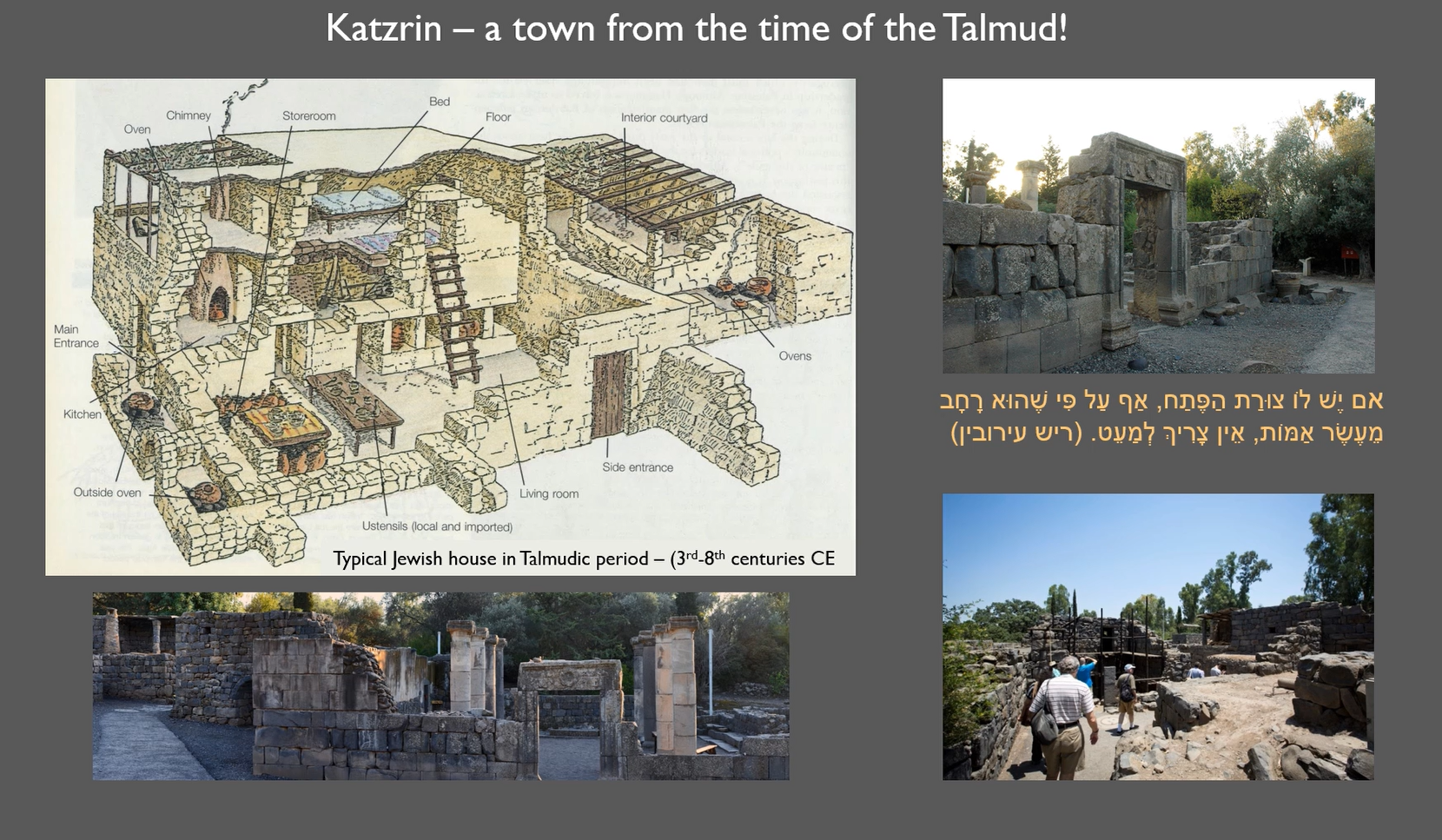
MISHNA: And furthermore, Rabbi Yehuda ben Bava said: With regard to a garden or a karpef, an enclosed courtyard used for storage, that is not more than seventy cubits and a remainder, a little more, as will be explained below, by seventy cubits and a remainder, and is surrounded by a wall ten handbreadths high, one may carry inside it, as it constitutes a proper private domain. This is provided that it contains a watchman’s booth or a dwelling place, or it is near the town in which its owner lives, so that he uses it and it is treated like a dwelling.

רַבִּי יְהוּדָה אוֹמֵר: אֲפִילּוּ אֵין בָּהּ אֶלָּא בּוֹר וְשִׁיחַ וּמְעָרָה מְטַלְטְלִין בְּתוֹכָהּ. רַבִּי עֲקִיבָא אוֹמֵר: אֲפִילּוּ אֵין בָּהּ אַחַת מִכׇּל אֵלּוּ מְטַלְטְלִין בְּתוֹכָהּ, וּבִלְבַד שֶׁיְּהֵא בָּהּ שִׁבְעִים אַמָּה וְשִׁירַיִים עַל שִׁבְעִים אַמָּה וְשִׁירַיִים.

Rabbi Yehuda says: This is not necessary, for even if it contains only a water cistern, an elongated water ditch, or a cave, i.e., a covered pit containing water, one may carry inside it, as the water bestows upon it the status of a dwelling. Rabbi Akiva says: Even if it has none of these one may carry inside it, provided that it measures not more than seventy cubits and a remainder by seventy cubits and a remainder.

רַבִּי אֱלִיעֶזֶר אוֹמֵר: אִם הָיְתָה אׇרְכָּהּ יָתֵר עַל רׇחְבָּהּ אֲפִילּוּ אַמָּה אַחַת — אֵין מְטַלְטְלִין בְּתוֹכָהּ. רַבִּי יוֹסֵי אוֹמֵר: אֲפִילּוּ אׇרְכָּהּ פִּי שְׁנַיִם בְּרׇחְבָּהּ — מְטַלְטְלִין בְּתוֹכָהּ.

Rabbi Eliezer says: If its length is greater than its breadth, even by one cubit, one may not carry inside it, even though its total area does not exceed an area of two beit se’a, because in an area that was enclosed not for the purpose of residence, carrying is only permitted if the area is perfectly square. Rabbi Yosei says: Even if its length is double its breadth, one may carry inside it, and there is no need to be particular about a square shape.

אָמַר רַבִּי אִלְעַאי: שָׁמַעְתִּי מֵרַבִּי אֶלְעָזָר, וַאֲפִילּוּ הִיא כְּבֵית כּוֹר.

Rabbi Elai said: I heard from Rabbi Eliezer that one is permitted to carry in a garden or karpef, even if the garden is an area of a beit kor, i.e., thirty times larger than the area of a beit se’a.

וְכֵן שָׁמַעְתִּי מִמֶּנּוּ: אַנְשֵׁי חָצֵר שֶׁשָּׁכַח אֶחָד מֵהֶן וְלֹא עֵירַב — בֵּיתוֹ אָסוּר מִלְּהַכְנִיס וּלְהוֹצִיא לוֹ, אֲבָל לָהֶם מוּתָּר.

Incidentally, he adds: And I also heard from him another halakha: If one of the residents of a courtyard forgot and did not join in an eiruv with the other residents when they established an eiruv, and on Shabbat he ceded ownership of his part in the courtyard to the other residents, then it is prohibited for him, the one who forgot to establish an eiruv, to bring in objects or take them out from his house to the courtyard; however, it is permitted to them, the other residents, to bring objects from their houses to that person’s house via the courtyard, and vice versa. We do not say that the failure of one resident to join in the eiruv nullifies the validity of the eiruv for the entire courtyard.

וְכֵן שָׁמַעְתִּי מִמֶּנּוּ: שֶׁיּוֹצְאִין בְּעַרְקַבָּלִין בַּפֶּסַח. וְחָזַרְתִּי עַל כׇּל תַּלְמִידָיו וּבִקַּשְׁתִּי לִי חָבֵר, וְלֹא מָצָאתִי.

And I also heard from him another halakha, that one may fulfill his obligation to eat bitter herbs on Passover with arkablin, a certain bitter herb. With regard to all three rulings, I circulated among all of Rabbi Eliezer’s disciples, seeking a colleague who had also heard these matters from him, but I could not find one.

גְּמָ׳ מַאי תַּנָּא דְּקָתָנֵי ״וְעוֹד״.

GEMARA: The Gemara first analyzes the wording of this mishna: What was taught previously, that the tanna teaches in this mishna: And furthermore Rabbi Yehuda ben Bava said, which implies a continuation of the previous mishna?

אִילֵּימָא מִשּׁוּם דִּתְנָא לֵיהּ חֲדָא לְחוּמְרָא וְקָתָנֵי אַחֲרִיתִי, מִשּׁוּם הָכִי קָתָנֵי ״וְעוֹד״ — וְהָא רַבִּי יְהוּדָה דִּתְנָא לֵיהּ חֲדָא לְחוּמְרָא וְקָתָנֵי אַחֲרִיתִי, וְלָא קָתָנֵי ״וְעוֹד״!

If you say that because he first taught one stringency concerning the upright boards surrounding a well, and then he teaches another stringency about an enclosure, and for that reason the tanna of the mishna teaches: And furthermore, then there is a difficulty. Didn’t Rabbi Yehuda also teach one stringency and then teach another stringency, and yet the tanna of the mishna does not teach: And furthermore Rabbi Yehuda said?

הָתָם אַפְסְקוּהּ רַבָּנַן, הָכָא לָא אַפְסְקוּהּ רַבָּנַן.

The Gemara answers that the cases are different: There, the Rabbis interrupted Rabbi Yehuda’s statements in order to disagree with him, and hence it is not possible to say: And furthermore Rabbi Yehuda said. Here, however, the Rabbis did not interrupt him, as the two statements of Rabbi Yehuda ben Bava immediately follow one another.

וְכׇל הֵיכָא דְּאַפְסְקוּהּ רַבָּנַן לָא קָתָנֵי ״וְעוֹד״? וְהָא רַבִּי אֱלִיעֶזֶר דְּסוּכָּה, דְּאַפְסְקוּהּ רַבָּנַן, וְקָתָנֵי ״וְעוֹד״?

The Gemara raises a difficulty: Does this mean that wherever the disputing Rabbis interrupt their colleague, the tanna does not teach: And furthermore? But with regard to Rabbi Eliezer in a mishna in tractate Sukka (27a), where the Rabbis interrupted his statements, nonetheless the tanna teaches: And furthermore.

הָתָם, בְּמִילְּתֵיהּ הוּא דְּאַפְסְקוּהּ. הָכָא, בְּמִילְּתָא אַחֲרִיתִי אַפְסְקוּהּ.

The Gemara answers: It is not the same; there, they interrupted Rabbi Eliezer with a ruling with regard to his own topic; here, however, they interrupted Rabbi Yehuda with a ruling with regard to an altogether different matter. Consequently, his first statement had already been forgotten, and it is not the Mishna’s style to join together statements where the sequential link between them has already been severed.

רַבִּי עֲקִיבָא אוֹמֵר: אֲפִילּוּ אֵין בָּהּ אֶחָד מִכׇּל אֵלּוּ מְטַלְטְלִין בְּתוֹכָהּ.

We learned in the mishna: Rabbi Akiva said: Even if the courtyard has none of these elements that indicate dwelling stipulated by the other Rabbis, one may carry inside it, provided that it measures no more than seventy cubits and a remainder by seventy cubits and a remainder.

רַבִּי עֲקִיבָא הַיְינוּ תַּנָּא קַמָּא!

The Gemara asks: But the view of Rabbi Akiva is the same as that of the first tanna, i.e., Rabbi Yehuda ben Bava, who maintains that in the case of a garden that was not enclosed for the purpose of residence, one is only permitted to carry if the area of the enclosed area is no more than two beit se’a. Rabbi Akiva disagrees only about whether we require a watchman’s booth or a dwelling place as well, but the two agree with regard to the size of the garden. Therefore, Rabbi Akiva’s stipulation: Provided that it measures not more than seventy cubits and a remainder by seventy cubits and a remainder, is superfluous.

אִיכָּא בֵּינַיְיהוּ דָּבָר מוּעָט. דְּתַנְיָא, רַבִּי יְהוּדָה אוֹמֵר: דָּבָר מוּעָט יֵשׁ עַל שִׁבְעִים אַמָּה וְשִׁירַיִם, וְלֹא נָתְנוּ חֲכָמִים בּוֹ שִׁיעוּר.

The Gemara answers: There is a practical difference between them with regard to a tiny amount. And what is this tiny amount? It is as it was taught in a baraita: Rabbi Yehuda says: It is by a tiny amount that one of the sides of a square measuring two beit se’a exceeds seventy cubits and a remainder, but the Sages did not give its exact measurement, owing to its small size and because it is impossible to be absolutely precise about the matter.

וְכַמָּה שִׁיעוּר סָאתַיִם? כַּחֲצַר הַמִּשְׁכָּן.

And what is the measure of the area of two beit se’a? It is as large as the courtyard of the Tabernacle, which was fifty cubits by one hundred cubits. The first tanna and Rabbi Akiva dispute this issue: The first tanna maintains that the garden may have an area as large as two beit se’a, whereas Rabbi Akiva says that it must not exceed seventy and two-thirds cubits squared.

מְנָא הָנֵי מִילֵּי?

The Gemara asks: From where are these matters derived? The matters referred to are that we must square the courtyard of the Tabernacle in order to reach the size of garden or similar enclosure in which one is permitted to carry on Shabbat.

אָמַר רַב יְהוּדָה, דְּאָמַר קְרָא: ״אֹרֶךְ הֶחָצֵר מֵאָה בָאַמָּה וְרֹחַב חֲמִשִּׁים בַּחֲמִשִּׁים״. אָמְרָה תּוֹרָה: טוֹל חֲמִשִּׁים, וְסַבֵּב חֲמִשִּׁים.

The Gemara answers: Rav Yehuda said: This is learned from the verse that stated: “The length of the courtyard shall be a hundred cubits, and the breadth fifty by fifty, and the height, five cubits of fine twined linen, and their sockets of brass” (Exodus 27:18). The Torah said: Take a square of fifty cubits by fifty cubits, and surround it with the remaining fifty cubits until they form a square, each side of which measures seventy cubits and a remainder.

פְּשָׁטֵיהּ דִּקְרָא בְּמַאי כְּתִיב?! אָמַר אַבָּיֵי: הַעֲמֵד מִשְׁכָּן עַל שְׂפַת חֲמִשִּׁים, כְּדֵי שֶׁיְּהֵא חֲמִשִּׁים אַמָּה לְפָנָיו וְעֶשְׂרִים אַמָּה לְכׇל רוּחַ וָרוּחַ.

The Gemara asks: But to what does the plain meaning of the verse refer? The plain sense of the text cannot be coming to teach us the laws of carrying. Abaye said that it means as follows: The Tabernacle was thirty cubits long and ten cubits wide. The courtyard was a hundred cubits long and fifty cubits wide. Position the Tabernacle in the middle of the courtyard at the edge of fifty cubits, so that there is a space of fifty cubits in front of it, and a space of twenty cubits in every direction, on each of the two sides and behind it.

רַבִּי אֱלִיעֶזֶר אוֹמֵר: אִם הָיְתָה אׇרְכָּהּ כּוּ׳. וְהָתַנְיָא, רַבִּי אֱלִיעֶזֶר אוֹמֵר: אִם הָיְתָה אׇרְכָּהּ יָתֵר עַל פִּי שְׁנַיִם בְּרׇחְבָּהּ אֲפִילּוּ אַמָּה אַחַת — אֵין מְטַלְטְלִין בְּתוֹכָהּ!

We learned in the mishna that Rabbi Eliezer says: If its length is greater than its breadth, even by one cubit, one may not carry inside it. The Gemara asks: Wasn’t it taught in a baraita that Rabbi Eliezer says: If its length is more than double its breadth, even by one cubit, one may not carry inside it?

אָמַר רַב בִּיבִי בַּר אַבָּיֵי: כִּי תְּנַן נָמֵי מַתְנִיתִין — [יָתֵר עַל] פִּי שְׁנַיִם בְּרׇחְבָּהּ תְּנַן. אִי הָכִי, הַיְינוּ רַבִּי יוֹסֵי?!

Rav Beivai bar Abaye said: When we learned this in the mishna, we also learned that it refers to a case where the length of the enclosure is more than double its breadth. The Gemara raises a difficulty: If so, this is the same as the opinion of Rabbi Yosei, who stated that one is permitted to carry in the garden or karpef even if its length is double its width.

אִיכָּא בֵּינַיְיהוּ רִיבּוּעָא דְּרִיבְּעוּהָ רַבָּנַן.

The Gemara answers: There is a difference between them with regard to the square that the Sages squared it, because the Sages calculated squares with the diagonal. According to the opinion of Rabbi Eliezer, if the diagonal is more than double the breadth, even though the length may not be more than double the breadth, it is prohibited to carry within the enclosure. According to Rabbi Yosei, however, it is permitted (Rabbeinu Ḥananel).

רַבִּי יוֹסֵי אוֹמֵר כּוּ׳. אִיתְּמַר, אָמַר רַב יוֹסֵף אָמַר רַב יְהוּדָה אָמַר שְׁמוּאֵל: הֲלָכָה כְּרַבִּי יוֹסֵי. וְרַב בִּיבִי אָמַר רַב יְהוּדָה אָמַר שְׁמוּאֵל: הֲלָכָה כְּרַבִּי עֲקִיבָא.

We learned in the mishna that Rabbi Yosei says: Even if its length is double its breadth, one may carry inside it. It was stated that the amora’im disagreed on the following matter: Rav Yosef said that Rav Yehuda said that Shmuel said: The halakha is in accordance with the opinion of Rabbi Yosei. And Rav Beivai said that Rav Yehuda said that Shmuel said: The halakha is in accordance with the opinion of Rabbi Akiva.

וְתַרְוַיְיהוּ לְקוּלָּא. וּצְרִיכָא, דְּאִי אַשְׁמְעִינַן הֲלָכָה כְּרַבִּי יוֹסֵי, הֲוָה אָמֵינָא עַד דְּאִיכָּא שׁוֹמֵירָה אוֹ בֵּית דִּירָה. קָא מַשְׁמַע לַן הֲלָכָה כְּרַבִּי עֲקִיבָא.

The Gemara explains that both rulings are stated leniently, and that both were necessary. As had the Gemara taught only that the halakha is in accordance with the opinion of Rabbi Yosei, I would have said that one is not permitted to carry unless the place contains a watchman’s booth or a dwelling place, for Rabbi Yosei did not specify that these are not required. Therefore, the Gemara teaches us that the halakha is in accordance with Rabbi Akiva, who is particular only about the courtyard’s size, but not that it be enclosed for the purpose of residence.

וְאִי אַשְׁמְעִינַן הֲלָכָה כְּרַבִּי עֲקִיבָא, הֲוָה אָמֵינָא דַּאֲרִיךְ וְקַטִּין — לָא. קָא מַשְׁמַע לַן הֲלָכָה כְּרַבִּי יוֹסֵי.

And, on the other hand, had the Gemara taught only that the halakha is in accordance with the opinion of Rabbi Akiva, I would have said that if the courtyard is long and narrow, one is not permitted to carry. Therefore, the Gemara teaches that the halakha is in accordance with the opinion of Rabbi Yosei, who clearly states that the courtyard need not be square.

קַרְפֵּף שֶׁהוּא יוֹתֵר מִבֵּית סָאתַיִם שֶׁהוּקַּף לְדִירָה, נִזְרַע רוּבּוֹ הֲרֵי הוּא כְּגִינָּה, וְאָסוּר.

The Sages taught: Within a karpef that is greater than two beit se’a, but which was enclosed from the outset for the purpose of residence, carrying is permitted regardless of its size; however, if subsequently the greater part of it was sown with seed crops, it is considered like a garden, which is not a place of dwelling, and it is prohibited to carry anything within it.

נָטַע רוּבּוֹ הֲרֵי הוּא כְּחָצֵר, וּמוּתָּר.

However, if the greater part of it was planted with trees, it is considered like a courtyard, which is a place of dwelling, and one is permitted to carry. The reason for this distinction is that the presence of trees does not nullify the status of the karpef as a place of residence, because people normally plant trees even in their courtyards. However, people ordinarily plant seed crops only in gardens at some distance from their houses, in places they do not use for dwelling; therefore, the presence of seed crops does nullify the residential status of the karpef.

נִזְרַע רוּבּוֹ, אָמַר רַב הוּנָא בְּרֵיהּ דְּרַב יְהוֹשֻׁעַ: לָא אֲמַרַן אֶלָּא יוֹתֵר מִבֵּית סָאתַיִם. אֲבָל בֵּית סָאתַיִם — מוּתָּר.

It was stated above that if the greater part of the karpef was sown with seed crops, it is prohibited to carry in it. Rav Huna, son of Rav Yehoshua, said: We only said this in a case where the sown section is greater than two beit se’a, but if it is no more than two beit se’a, it is permitted.

כְּמַאן? כְּרַבִּי שִׁמְעוֹן. דִּתְנַן, רַבִּי שִׁמְעוֹן אוֹמֵר: אֶחָד גַּגּוֹת וְאֶחָד חֲצֵירוֹת וְאֶחָד קַרְפֵּיפוֹת רְשׁוּת אַחַת הֵן לְכֵלִים שֶׁשָּׁבְתוּ בְּתוֹכָן, וְלֹא לְכֵלִים שֶׁשָּׁבְתוּ בְּתוֹךְ הַבַּיִת.

The Gemara comments: In accordance with whose opinion was this stated? It was stated in accordance with the opinion of Rabbi Shimon, as we learned in a mishna: Rabbi Shimon says: Roofs, courtyards, and karpeifot are all one domain with regard to utensils that began Shabbat in them, even if the utensils belong to different people. Since these are not proper dwelling places, setting an eiruv is unnecessary, and objects may be carried from place to place within them. But they are not one domain with regard to utensils that began Shabbat in the house and that were later taken outside. This shows that the unsown part of a karpef and the sown part, which has the status of a garden, are considered a single domain, in which one is permitted to carry, as the garden section does not prohibit the karpef section.

לְרַבִּי שִׁמְעוֹן נָמֵי, כֵּיוָן דְּנִזְרַע רוּבּוֹ — הָוֵי הָהוּא מִעוּטָא

The Gemara rejects this argument: Even according to the opinion of Rabbi Shimon, since the greater part of the karpef is sown, the minor part

Today’s daily daf tools:

Delve Deeper

Broaden your understanding of the topics on this daf with classes and podcasts from top women Talmud scholars.

For the Beyond the Daf shiurim offered in Hebrew, see here.

New to Talmud?

Check out our resources designed to help you navigate a page of Talmud – and study at the pace, level and style that fits you. 

The Hadran Women’s Tapestry

Meet the diverse women learning Gemara at Hadran and hear their stories. 

In January 2020, my teaching partner at IDC suggested we do daf yomi. Thanks to her challenge, I started learning daily from Rabbanit Michelle. It’s a joy to be part of the Hadran community. (It’s also a tikkun: in 7th grade, my best friend and I tied for first place in a citywide gemara exam, but we weren’t invited to the celebration because girls weren’t supposed to be learning gemara).

Sara-Averick-photo-scaled
Sara Averick

Jerusalem, Israel

I started last year after completing the Pesach Sugiyot class. Masechet Yoma might seem like a difficult set of topics, but for me made Yom Kippur and the Beit HaMikdash come alive. Liturgy I’d always had trouble connecting with took on new meaning as I gained a sense of real people moving through specific spaces in particular ways. It was the perfect introduction; I am so grateful for Hadran!

Debbie Engelen-Eigles

Minnesota, United States

About a year into learning more about Judaism on a path to potential conversion, I saw an article about the upcoming Siyum HaShas in January of 2020. My curiosity was piqued and I immediately started investigating what learning the Daf actually meant. Daily learning? Just what I wanted. Seven and a half years? I love a challenge! So I dove in head first and I’ve enjoyed every moment!!
Nickie Matthews
Nickie Matthews

Blacksburg, United States

I started the daf at the beginning of this cycle in January 2020. My husband, my children, grandchildren and siblings have been very supportive. As someone who learned and taught Tanach and mefarshim for many years, it has been an amazing adventure to complete the six sedarim of Mishnah, and now to study Talmud on a daily basis along with Rabbanit Michelle and the wonderful women of Hadran.

Rookie Billet
Rookie Billet

Jerusalem, Israel

It has been a pleasure keeping pace with this wonderful and scholarly group of women.

Janice Block
Janice Block

Beit Shemesh, Israel

Having never learned Talmud before, I started Daf Yomi in hopes of connecting to the Rabbinic tradition, sharing a daily idea on Instagram (@dafyomiadventures). With Hadran and Sefaria, I slowly gained confidence in my skills and understanding. Now, part of the Pardes Jewish Educators Program, I can’t wait to bring this love of learning with me as I continue to pass it on to my future students.

Hannah-G-pic
Hannah Greenberg

Pennsylvania, United States

I started learning after the siyum hashas for women and my daily learning has been a constant over the last two years. It grounded me during the chaos of Corona while providing me with a community of fellow learners. The Daf can be challenging but it’s filled with life’s lessons, struggles and hope for a better world. It’s not about the destination but rather about the journey. Thank you Hadran!

Dena Lehrman
Dena Lehrman

אפרת, Israel

I had no formal learning in Talmud until I began my studies in the Joint Program where in 1976 I was one of the few, if not the only, woman talmud major. It was superior training for law school and enabled me to approach my legal studies with a foundation . In 2018, I began daf yomi listening to Rabbanit MIchelle’s pod cast and my daily talmud studies are one of the highlights of my life.

Krivosha_Terri_Bio
Terri Krivosha

Minneapolis, United States

In January 2020 on a Shabbaton to Baltimore I heard about the new cycle of Daf Yomi after the siyum celebration in NYC stadium. I started to read “ a daily dose of Talmud “ and really enjoyed it . It led me to google “ do Orthodox women study Talmud? “ and found HADRAN! Since then I listen to the podcast every morning, participate in classes and siyum. I love to learn, this is amazing! Thank you

Sandrine Simons
Sandrine Simons

Atlanta, United States

Geri Goldstein got me started learning daf yomi when I was in Israel 2 years ago. It’s been a challenge and I’ve learned a lot though I’m sure I miss a lot. I quilt as I listen and I want to share what I’ve been working on.

Rebecca Stulberg
Rebecca Stulberg

Ottawa, Canada

After experiences over the years of asking to join gemara shiurim for men and either being refused by the maggid shiur or being the only women there, sometimes behind a mechitza, I found out about Hadran sometime during the tail end of Masechet Shabbat, I think. Life has been much better since then.

Madeline Cohen
Madeline Cohen

London, United Kingdom

With Rabbanit Dr. Naomi Cohen in the Women’s Talmud class, over 30 years ago. It was a “known” class and it was accepted, because of who taught. Since then I have also studied with Avigail Gross-Gelman and Dr. Gabriel Hazut for about a year). Years ago, in a shiur in my shul, I did know about Persians doing 3 things with their clothes on. They opened the shiur to woman after that!

Sharon Mink
Sharon Mink

Haifa, Israel

I went to day school in Toronto but really began to learn when I attended Brovenders back in the early 1980’s. Last year after talking to my sister who was learning Daf Yomi, inspired, I looked on the computer and the Hadran site came up. I have been listening to each days shiur in the morning as I work. I emphasis listening since I am not sitting with a Gamara. I listen while I work in my studio.

Rachel Rotenberg
Rachel Rotenberg

Tekoa, Israel

In early January of 2020, I learned about Siyyum HaShas and Daf Yomi via Tablet Magazine’s brief daily podcast about the Daf. I found it compelling and fascinating. Soon I discovered Hadran; since then I have learned the Daf daily with Rabbanit Michelle Cohen Farber. The Daf has permeated my every hour, and has transformed and magnified my place within the Jewish Universe.

Lisa Berkelhammer
Lisa Berkelhammer

San Francisco, CA , United States

A few years back, after reading Ilana Kurshan’s book, “If All The Seas Were Ink,” I began pondering the crazy, outlandish idea of beginning the Daf Yomi cycle. Beginning in December, 2019, a month before the previous cycle ended, I “auditioned” 30 different podcasts in 30 days, and ultimately chose to take the plunge with Hadran and Rabbanit Michelle. Such joy!

Cindy Dolgin
Cindy Dolgin

HUNTINGTON, United States

After being so inspired by the siyum shas two years ago, I began tentatively learning daf yomi, like Rabbanut Michelle kept saying – taking one daf at a time. I’m still taking it one daf at a time, one masechet at a time, but I’m loving it and am still so inspired by Rabbanit Michelle and the Hadran community, and yes – I am proud to be finishing Seder Mo’ed.

Caroline Graham-Ofstein

Bet Shemesh, Israel

After all the hype on the 2020 siyum I became inspired by a friend to begin learning as the new cycle began.with no background in studying Talmud it was a bit daunting in the beginning. my husband began at the same time so we decided to study on shabbat together. The reaction from my 3 daughters has been fantastic. They are very proud. It’s been a great challenge for my brain which is so healthy!

Stacey Goodstein Ashtamker

Modi’in, Israel

I learned Talmud as a student in Yeshivat Ramaz and felt at the time that Talmud wasn’t for me. After reading Ilana Kurshan’s book I was intrigued and after watching the great siyum in Yerushalayim it ignited the spark to begin this journey. It has been a transformative life experience for me as a wife, mother, Savta and member of Klal Yisrael.
Elana Storch
Elana Storch

Phoenix, Arizona, United States

Margo
I started my Talmud journey in 7th grade at Akiba Jewish Day School in Chicago. I started my Daf Yomi journey after hearing Erica Brown speak at the Hadran Siyum about marking the passage of time through Daf Yomi.

Carolyn
I started my Talmud journey post-college in NY with a few classes. I started my Daf Yomi journey after the Hadran Siyum, which inspired both my son and myself.

Carolyn Hochstadter and Margo Kossoff Shizgal

Merion Station,  USA

Beit Shemesh, Israel

I started at the beginning of this cycle. No 1 reason, but here’s 5.
In 2019 I read about the upcoming siyum hashas.
There was a sermon at shul about how anyone can learn Talmud.
Talmud references come up when I am studying. I wanted to know more.
Yentl was on telly. Not a great movie but it’s about studying Talmud.
I went to the Hadran website: A new cycle is starting. I’m gonna do this

Denise Neapolitan
Denise Neapolitan

Cambridge, United Kingdom

Eruvin 23

גְּמָ׳ אָמַר רַב יוֹסֵף אָמַר רַב יְהוּדָה אָמַר שְׁמוּאֵל: הֲלָכָה כְּרַבִּי יְהוּדָה בֶּן בָּבָא. וְאָמַר רַב יוֹסֵף אָמַר רַב יְהוּדָה אָמַר שְׁמוּאֵל: לֹא הוּתְּרוּ פַּסֵּי בֵירָאוֹת אֶלָּא לִבְאֵר מַיִם חַיִּים בִּלְבַד.

GEMARA: Rav Yosef said that Rav Yehuda said that Shmuel said: The halakha is in accordance with the opinion of Rabbi Yehuda ben Bava. And Rav Yosef also said that Rav Yehuda said that Shmuel said: Upright boards surrounding a well were permitted only in the case of a well containing potable, running spring water.

וּצְרִיכָא: דְּאִי אַשְׁמְעִינַן הֲלָכָה כְּרַבִּי יְהוּדָה בֶּן בָּבָא, הֲוָה אָמֵינָא: דְּרַבִּים — וַאֲפִילּוּ מְכוּנָּסִין,

The Gemara comments: And it was necessary to cite both of these statements, even though their content appears to be the same. As had he taught us only that the halakha is in accordance with the opinion of Rabbi Yehuda ben Bava that upright boards may only be set arranged for a well, I would have said that with regard to water belonging to the public, upright boards are permitted not only in the case of spring water, but even in the case of water collected in a cistern.

וְהַאי דְּקָתָנֵי בְּאֵר הָרַבִּים — לְאַפּוֹקֵי מִדְּרַבִּי עֲקִיבָא. קָא מַשְׁמַע לַן דְּלֹא הוּתְּרוּ פַּסֵּי בֵירָאוֹת אֶלָּא לִבְאֵר מַיִם חַיִּים.

And that which was taught: One may only arrange boards for a public well, that was to exclude the opinion of Rabbi Akiva that upright boards may be arranged even for a private well, but not to allow us to infer that boards may not be arranged for a public cistern filled with collected water. Therefore, Shmuel teaches us that boards surrounding a well were permitted only in the case of a well of spring water.

וְאִי אַשְׁמְעִינַן בְּאֵר מַיִם חַיִּים, הֲוָה אָמֵינָא: לָא שְׁנָא דְּרַבִּים וְלָא שְׁנָא דְּיָחִיד, קָא מַשְׁמַע לַן: הֲלָכָה כְּרַבִּי יְהוּדָה בֶּן בָּבָא.

And in the opposite direction, had he taught us that upright boards may only be arranged for a well containing potable, running spring water, I would have said that there is no difference whether it is a public well and there is no difference whether it is a private well. Shmuel therefore teaches us that the halakha is in accordance with the opinion of Rabbi Yehuda ben Bava, who says that upright boards may be arranged only for a public well, but not for one that belongs to an individual.

מַתְנִי׳ וְעוֹד אָמַר רַבִּי יְהוּדָה בֶּן בָּבָא: הַגִּינָּה וְהַקַּרְפֵּף שֶׁהֵן שִׁבְעִים אַמָּה וְשִׁירַיִים עַל שִׁבְעִים אַמָּה וְשִׁירַיִים הַמּוּקָּפוֹת גָּדֵר גָּבוֹהַּ עֲשָׂרָה טְפָחִים — מְטַלְטְלִין בְּתוֹכָהּ, וּבִלְבַד שֶׁיְּהֵא בָּהּ שׁוֹמֵירָה אוֹ בֵּית דִּירָה, אוֹ שֶׁתְּהֵא סְמוּכָה לָעִיר.

MISHNA: And furthermore, Rabbi Yehuda ben Bava said: With regard to a garden or a karpef, an enclosed courtyard used for storage, that is not more than seventy cubits and a remainder, a little more, as will be explained below, by seventy cubits and a remainder, and is surrounded by a wall ten handbreadths high, one may carry inside it, as it constitutes a proper private domain. This is provided that it contains a watchman’s booth or a dwelling place, or it is near the town in which its owner lives, so that he uses it and it is treated like a dwelling.

רַבִּי יְהוּדָה אוֹמֵר: אֲפִילּוּ אֵין בָּהּ אֶלָּא בּוֹר וְשִׁיחַ וּמְעָרָה מְטַלְטְלִין בְּתוֹכָהּ. רַבִּי עֲקִיבָא אוֹמֵר: אֲפִילּוּ אֵין בָּהּ אַחַת מִכׇּל אֵלּוּ מְטַלְטְלִין בְּתוֹכָהּ, וּבִלְבַד שֶׁיְּהֵא בָּהּ שִׁבְעִים אַמָּה וְשִׁירַיִים עַל שִׁבְעִים אַמָּה וְשִׁירַיִים.

Rabbi Yehuda says: This is not necessary, for even if it contains only a water cistern, an elongated water ditch, or a cave, i.e., a covered pit containing water, one may carry inside it, as the water bestows upon it the status of a dwelling. Rabbi Akiva says: Even if it has none of these one may carry inside it, provided that it measures not more than seventy cubits and a remainder by seventy cubits and a remainder.

רַבִּי אֱלִיעֶזֶר אוֹמֵר: אִם הָיְתָה אׇרְכָּהּ יָתֵר עַל רׇחְבָּהּ אֲפִילּוּ אַמָּה אַחַת — אֵין מְטַלְטְלִין בְּתוֹכָהּ. רַבִּי יוֹסֵי אוֹמֵר: אֲפִילּוּ אׇרְכָּהּ פִּי שְׁנַיִם בְּרׇחְבָּהּ — מְטַלְטְלִין בְּתוֹכָהּ.

Rabbi Eliezer says: If its length is greater than its breadth, even by one cubit, one may not carry inside it, even though its total area does not exceed an area of two beit se’a, because in an area that was enclosed not for the purpose of residence, carrying is only permitted if the area is perfectly square. Rabbi Yosei says: Even if its length is double its breadth, one may carry inside it, and there is no need to be particular about a square shape.

אָמַר רַבִּי אִלְעַאי: שָׁמַעְתִּי מֵרַבִּי אֶלְעָזָר, וַאֲפִילּוּ הִיא כְּבֵית כּוֹר.

Rabbi Elai said: I heard from Rabbi Eliezer that one is permitted to carry in a garden or karpef, even if the garden is an area of a beit kor, i.e., thirty times larger than the area of a beit se’a.

וְכֵן שָׁמַעְתִּי מִמֶּנּוּ: אַנְשֵׁי חָצֵר שֶׁשָּׁכַח אֶחָד מֵהֶן וְלֹא עֵירַב — בֵּיתוֹ אָסוּר מִלְּהַכְנִיס וּלְהוֹצִיא לוֹ, אֲבָל לָהֶם מוּתָּר.

Incidentally, he adds: And I also heard from him another halakha: If one of the residents of a courtyard forgot and did not join in an eiruv with the other residents when they established an eiruv, and on Shabbat he ceded ownership of his part in the courtyard to the other residents, then it is prohibited for him, the one who forgot to establish an eiruv, to bring in objects or take them out from his house to the courtyard; however, it is permitted to them, the other residents, to bring objects from their houses to that person’s house via the courtyard, and vice versa. We do not say that the failure of one resident to join in the eiruv nullifies the validity of the eiruv for the entire courtyard.

וְכֵן שָׁמַעְתִּי מִמֶּנּוּ: שֶׁיּוֹצְאִין בְּעַרְקַבָּלִין בַּפֶּסַח. וְחָזַרְתִּי עַל כׇּל תַּלְמִידָיו וּבִקַּשְׁתִּי לִי חָבֵר, וְלֹא מָצָאתִי.

And I also heard from him another halakha, that one may fulfill his obligation to eat bitter herbs on Passover with arkablin, a certain bitter herb. With regard to all three rulings, I circulated among all of Rabbi Eliezer’s disciples, seeking a colleague who had also heard these matters from him, but I could not find one.

גְּמָ׳ מַאי תַּנָּא דְּקָתָנֵי ״וְעוֹד״.

GEMARA: The Gemara first analyzes the wording of this mishna: What was taught previously, that the tanna teaches in this mishna: And furthermore Rabbi Yehuda ben Bava said, which implies a continuation of the previous mishna?

אִילֵּימָא מִשּׁוּם דִּתְנָא לֵיהּ חֲדָא לְחוּמְרָא וְקָתָנֵי אַחֲרִיתִי, מִשּׁוּם הָכִי קָתָנֵי ״וְעוֹד״ — וְהָא רַבִּי יְהוּדָה דִּתְנָא לֵיהּ חֲדָא לְחוּמְרָא וְקָתָנֵי אַחֲרִיתִי, וְלָא קָתָנֵי ״וְעוֹד״!

If you say that because he first taught one stringency concerning the upright boards surrounding a well, and then he teaches another stringency about an enclosure, and for that reason the tanna of the mishna teaches: And furthermore, then there is a difficulty. Didn’t Rabbi Yehuda also teach one stringency and then teach another stringency, and yet the tanna of the mishna does not teach: And furthermore Rabbi Yehuda said?

הָתָם אַפְסְקוּהּ רַבָּנַן, הָכָא לָא אַפְסְקוּהּ רַבָּנַן.

The Gemara answers that the cases are different: There, the Rabbis interrupted Rabbi Yehuda’s statements in order to disagree with him, and hence it is not possible to say: And furthermore Rabbi Yehuda said. Here, however, the Rabbis did not interrupt him, as the two statements of Rabbi Yehuda ben Bava immediately follow one another.

וְכׇל הֵיכָא דְּאַפְסְקוּהּ רַבָּנַן לָא קָתָנֵי ״וְעוֹד״? וְהָא רַבִּי אֱלִיעֶזֶר דְּסוּכָּה, דְּאַפְסְקוּהּ רַבָּנַן, וְקָתָנֵי ״וְעוֹד״?

The Gemara raises a difficulty: Does this mean that wherever the disputing Rabbis interrupt their colleague, the tanna does not teach: And furthermore? But with regard to Rabbi Eliezer in a mishna in tractate Sukka (27a), where the Rabbis interrupted his statements, nonetheless the tanna teaches: And furthermore.

הָתָם, בְּמִילְּתֵיהּ הוּא דְּאַפְסְקוּהּ. הָכָא, בְּמִילְּתָא אַחֲרִיתִי אַפְסְקוּהּ.

The Gemara answers: It is not the same; there, they interrupted Rabbi Eliezer with a ruling with regard to his own topic; here, however, they interrupted Rabbi Yehuda with a ruling with regard to an altogether different matter. Consequently, his first statement had already been forgotten, and it is not the Mishna’s style to join together statements where the sequential link between them has already been severed.

רַבִּי עֲקִיבָא אוֹמֵר: אֲפִילּוּ אֵין בָּהּ אֶחָד מִכׇּל אֵלּוּ מְטַלְטְלִין בְּתוֹכָהּ.

We learned in the mishna: Rabbi Akiva said: Even if the courtyard has none of these elements that indicate dwelling stipulated by the other Rabbis, one may carry inside it, provided that it measures no more than seventy cubits and a remainder by seventy cubits and a remainder.

רַבִּי עֲקִיבָא הַיְינוּ תַּנָּא קַמָּא!

The Gemara asks: But the view of Rabbi Akiva is the same as that of the first tanna, i.e., Rabbi Yehuda ben Bava, who maintains that in the case of a garden that was not enclosed for the purpose of residence, one is only permitted to carry if the area of the enclosed area is no more than two beit se’a. Rabbi Akiva disagrees only about whether we require a watchman’s booth or a dwelling place as well, but the two agree with regard to the size of the garden. Therefore, Rabbi Akiva’s stipulation: Provided that it measures not more than seventy cubits and a remainder by seventy cubits and a remainder, is superfluous.

אִיכָּא בֵּינַיְיהוּ דָּבָר מוּעָט. דְּתַנְיָא, רַבִּי יְהוּדָה אוֹמֵר: דָּבָר מוּעָט יֵשׁ עַל שִׁבְעִים אַמָּה וְשִׁירַיִם, וְלֹא נָתְנוּ חֲכָמִים בּוֹ שִׁיעוּר.

The Gemara answers: There is a practical difference between them with regard to a tiny amount. And what is this tiny amount? It is as it was taught in a baraita: Rabbi Yehuda says: It is by a tiny amount that one of the sides of a square measuring two beit se’a exceeds seventy cubits and a remainder, but the Sages did not give its exact measurement, owing to its small size and because it is impossible to be absolutely precise about the matter.

וְכַמָּה שִׁיעוּר סָאתַיִם? כַּחֲצַר הַמִּשְׁכָּן.

And what is the measure of the area of two beit se’a? It is as large as the courtyard of the Tabernacle, which was fifty cubits by one hundred cubits. The first tanna and Rabbi Akiva dispute this issue: The first tanna maintains that the garden may have an area as large as two beit se’a, whereas Rabbi Akiva says that it must not exceed seventy and two-thirds cubits squared.

מְנָא הָנֵי מִילֵּי?

The Gemara asks: From where are these matters derived? The matters referred to are that we must square the courtyard of the Tabernacle in order to reach the size of garden or similar enclosure in which one is permitted to carry on Shabbat.

אָמַר רַב יְהוּדָה, דְּאָמַר קְרָא: ״אֹרֶךְ הֶחָצֵר מֵאָה בָאַמָּה וְרֹחַב חֲמִשִּׁים בַּחֲמִשִּׁים״. אָמְרָה תּוֹרָה: טוֹל חֲמִשִּׁים, וְסַבֵּב חֲמִשִּׁים.

The Gemara answers: Rav Yehuda said: This is learned from the verse that stated: “The length of the courtyard shall be a hundred cubits, and the breadth fifty by fifty, and the height, five cubits of fine twined linen, and their sockets of brass” (Exodus 27:18). The Torah said: Take a square of fifty cubits by fifty cubits, and surround it with the remaining fifty cubits until they form a square, each side of which measures seventy cubits and a remainder.

פְּשָׁטֵיהּ דִּקְרָא בְּמַאי כְּתִיב?! אָמַר אַבָּיֵי: הַעֲמֵד מִשְׁכָּן עַל שְׂפַת חֲמִשִּׁים, כְּדֵי שֶׁיְּהֵא חֲמִשִּׁים אַמָּה לְפָנָיו וְעֶשְׂרִים אַמָּה לְכׇל רוּחַ וָרוּחַ.

The Gemara asks: But to what does the plain meaning of the verse refer? The plain sense of the text cannot be coming to teach us the laws of carrying. Abaye said that it means as follows: The Tabernacle was thirty cubits long and ten cubits wide. The courtyard was a hundred cubits long and fifty cubits wide. Position the Tabernacle in the middle of the courtyard at the edge of fifty cubits, so that there is a space of fifty cubits in front of it, and a space of twenty cubits in every direction, on each of the two sides and behind it.

רַבִּי אֱלִיעֶזֶר אוֹמֵר: אִם הָיְתָה אׇרְכָּהּ כּוּ׳. וְהָתַנְיָא, רַבִּי אֱלִיעֶזֶר אוֹמֵר: אִם הָיְתָה אׇרְכָּהּ יָתֵר עַל פִּי שְׁנַיִם בְּרׇחְבָּהּ אֲפִילּוּ אַמָּה אַחַת — אֵין מְטַלְטְלִין בְּתוֹכָהּ!

We learned in the mishna that Rabbi Eliezer says: If its length is greater than its breadth, even by one cubit, one may not carry inside it. The Gemara asks: Wasn’t it taught in a baraita that Rabbi Eliezer says: If its length is more than double its breadth, even by one cubit, one may not carry inside it?

אָמַר רַב בִּיבִי בַּר אַבָּיֵי: כִּי תְּנַן נָמֵי מַתְנִיתִין — [יָתֵר עַל] פִּי שְׁנַיִם בְּרׇחְבָּהּ תְּנַן. אִי הָכִי, הַיְינוּ רַבִּי יוֹסֵי?!

Rav Beivai bar Abaye said: When we learned this in the mishna, we also learned that it refers to a case where the length of the enclosure is more than double its breadth. The Gemara raises a difficulty: If so, this is the same as the opinion of Rabbi Yosei, who stated that one is permitted to carry in the garden or karpef even if its length is double its width.

אִיכָּא בֵּינַיְיהוּ רִיבּוּעָא דְּרִיבְּעוּהָ רַבָּנַן.

The Gemara answers: There is a difference between them with regard to the square that the Sages squared it, because the Sages calculated squares with the diagonal. According to the opinion of Rabbi Eliezer, if the diagonal is more than double the breadth, even though the length may not be more than double the breadth, it is prohibited to carry within the enclosure. According to Rabbi Yosei, however, it is permitted (Rabbeinu Ḥananel).

רַבִּי יוֹסֵי אוֹמֵר כּוּ׳. אִיתְּמַר, אָמַר רַב יוֹסֵף אָמַר רַב יְהוּדָה אָמַר שְׁמוּאֵל: הֲלָכָה כְּרַבִּי יוֹסֵי. וְרַב בִּיבִי אָמַר רַב יְהוּדָה אָמַר שְׁמוּאֵל: הֲלָכָה כְּרַבִּי עֲקִיבָא.

We learned in the mishna that Rabbi Yosei says: Even if its length is double its breadth, one may carry inside it. It was stated that the amora’im disagreed on the following matter: Rav Yosef said that Rav Yehuda said that Shmuel said: The halakha is in accordance with the opinion of Rabbi Yosei. And Rav Beivai said that Rav Yehuda said that Shmuel said: The halakha is in accordance with the opinion of Rabbi Akiva.

וְתַרְוַיְיהוּ לְקוּלָּא. וּצְרִיכָא, דְּאִי אַשְׁמְעִינַן הֲלָכָה כְּרַבִּי יוֹסֵי, הֲוָה אָמֵינָא עַד דְּאִיכָּא שׁוֹמֵירָה אוֹ בֵּית דִּירָה. קָא מַשְׁמַע לַן הֲלָכָה כְּרַבִּי עֲקִיבָא.

The Gemara explains that both rulings are stated leniently, and that both were necessary. As had the Gemara taught only that the halakha is in accordance with the opinion of Rabbi Yosei, I would have said that one is not permitted to carry unless the place contains a watchman’s booth or a dwelling place, for Rabbi Yosei did not specify that these are not required. Therefore, the Gemara teaches us that the halakha is in accordance with Rabbi Akiva, who is particular only about the courtyard’s size, but not that it be enclosed for the purpose of residence.

וְאִי אַשְׁמְעִינַן הֲלָכָה כְּרַבִּי עֲקִיבָא, הֲוָה אָמֵינָא דַּאֲרִיךְ וְקַטִּין — לָא. קָא מַשְׁמַע לַן הֲלָכָה כְּרַבִּי יוֹסֵי.

And, on the other hand, had the Gemara taught only that the halakha is in accordance with the opinion of Rabbi Akiva, I would have said that if the courtyard is long and narrow, one is not permitted to carry. Therefore, the Gemara teaches that the halakha is in accordance with the opinion of Rabbi Yosei, who clearly states that the courtyard need not be square.

קַרְפֵּף שֶׁהוּא יוֹתֵר מִבֵּית סָאתַיִם שֶׁהוּקַּף לְדִירָה, נִזְרַע רוּבּוֹ הֲרֵי הוּא כְּגִינָּה, וְאָסוּר.

The Sages taught: Within a karpef that is greater than two beit se’a, but which was enclosed from the outset for the purpose of residence, carrying is permitted regardless of its size; however, if subsequently the greater part of it was sown with seed crops, it is considered like a garden, which is not a place of dwelling, and it is prohibited to carry anything within it.

נָטַע רוּבּוֹ הֲרֵי הוּא כְּחָצֵר, וּמוּתָּר.

However, if the greater part of it was planted with trees, it is considered like a courtyard, which is a place of dwelling, and one is permitted to carry. The reason for this distinction is that the presence of trees does not nullify the status of the karpef as a place of residence, because people normally plant trees even in their courtyards. However, people ordinarily plant seed crops only in gardens at some distance from their houses, in places they do not use for dwelling; therefore, the presence of seed crops does nullify the residential status of the karpef.

נִזְרַע רוּבּוֹ, אָמַר רַב הוּנָא בְּרֵיהּ דְּרַב יְהוֹשֻׁעַ: לָא אֲמַרַן אֶלָּא יוֹתֵר מִבֵּית סָאתַיִם. אֲבָל בֵּית סָאתַיִם — מוּתָּר.

It was stated above that if the greater part of the karpef was sown with seed crops, it is prohibited to carry in it. Rav Huna, son of Rav Yehoshua, said: We only said this in a case where the sown section is greater than two beit se’a, but if it is no more than two beit se’a, it is permitted.

כְּמַאן? כְּרַבִּי שִׁמְעוֹן. דִּתְנַן, רַבִּי שִׁמְעוֹן אוֹמֵר: אֶחָד גַּגּוֹת וְאֶחָד חֲצֵירוֹת וְאֶחָד קַרְפֵּיפוֹת רְשׁוּת אַחַת הֵן לְכֵלִים שֶׁשָּׁבְתוּ בְּתוֹכָן, וְלֹא לְכֵלִים שֶׁשָּׁבְתוּ בְּתוֹךְ הַבַּיִת.

The Gemara comments: In accordance with whose opinion was this stated? It was stated in accordance with the opinion of Rabbi Shimon, as we learned in a mishna: Rabbi Shimon says: Roofs, courtyards, and karpeifot are all one domain with regard to utensils that began Shabbat in them, even if the utensils belong to different people. Since these are not proper dwelling places, setting an eiruv is unnecessary, and objects may be carried from place to place within them. But they are not one domain with regard to utensils that began Shabbat in the house and that were later taken outside. This shows that the unsown part of a karpef and the sown part, which has the status of a garden, are considered a single domain, in which one is permitted to carry, as the garden section does not prohibit the karpef section.

לְרַבִּי שִׁמְעוֹן נָמֵי, כֵּיוָן דְּנִזְרַע רוּבּוֹ — הָוֵי הָהוּא מִעוּטָא

The Gemara rejects this argument: Even according to the opinion of Rabbi Shimon, since the greater part of the karpef is sown, the minor part

Want to follow content and continue where you left off?

Create an account today to track your progress, mark what you’ve learned, and follow the shiurim that speak to you.

Clear all items from this list?

This will remove ALL the items in this section. You will lose any progress or history connected to them. This is irreversible.

Cancel
Yes, clear all

Are you sure you want to delete this item?

You will lose any progress or history connected to this item.

Cancel
Yes, delete