








Eruvin 32

Share this shiur:
This week’s learning is sponsored by Tina Lamm for the refuah shleima for מעין ליאורה בת שלומית פייגא. “Our precious Maya”
Want to dedicate learning? Get started here:


Today’s daily daf tools:
This week’s learning is sponsored by Tina Lamm for the refuah shleima for מעין ליאורה בת שלומית פייגא. “Our precious Maya”
Eruvin 32
בְּשֶׁל סוֹפְרִים — חֲזָקָה שָׁלִיחַ עוֹשֶׂה שְׁלִיחוּתוֹ. וְרַב שֵׁשֶׁת אָמַר: אֶחָד זֶה וְאֶחָד זֶה — חֲזָקָה שָׁלִיחַ עוֹשֶׂה שְׁלִיחוּתוֹ.
However, with regard to rabbinic laws, we do rely on the presumption that an agent fulfills his agency. And Rav Sheshet disagreed and said: With regard to both this, Torah law, and that, rabbinic law, we rely on the presumption that an agent fulfills his agency.
אָמַר רַב שֵׁשֶׁת: מְנָא אָמֵינָא לַהּ, דִּתְנַן: מִשֶּׁקָּרַב הָעוֹמֶר, הוּתַּר הֶחָדָשׁ מִיָּד.
Rav Sheshet said: From where do I say this? As we learned in a mishna: Once the omer has been offered, the grain from the new crop is immediately permitted. The Torah prohibits eating from the new crop of grain until the omer sacrifice is offered on the second day of Passover (Leviticus 23:14); once the omer is offered, it is immediately permitted to partake of the new grain.
וְהָרְחוֹקִים מוּתָּרִים מֵחֲצוֹת הַיּוֹם וְאֵילָךְ. וְהָא חָדָשׁ דְּאוֹרָיְיתָא הוּא, וְקָתָנֵי: הָרְחוֹקִים מוּתָּרִין מֵחֲצוֹת הַיּוֹם וְאֵילָךְ. לָאו מִשּׁוּם חֲזָקָה שָׁלִיחַ עוֹשֶׂה שְׁלִיחוּתוֹ?
And those far from Jerusalem, who do not know whether or not the omer has already been offered, are permitted to eat from the new crop from midday and on, as the omer must surely have been offered by this time. Isn’t the prohibition to eat from the new crop a Torah law? And nevertheless, it was taught: And those far from Jerusalem are permitted to eat from the new crop from midday and on. Is this not because we may rely on the presumption that an agent fulfills his agency? The priests in the Temple serve as the agents of the entire Jewish people, and it may be assumed that they have performed the mission entrusted to them.
וְרַב נַחְמָן? הָתָם כִּדְקָתָנֵי טַעְמָא — לְפִי שֶׁיּוֹדְעִין שֶׁאֵין בֵּית דִּין מִתְעַצְּלִין בּוֹ.
The Gemara asks: And how does Rav Naḥman, who holds that with respect to Torah laws we may not rely on the presumption that an agent fulfills his agency, refute this proof? He can respond as follows: There, the agents may be trusted for the reason that was explicitly taught: Because we know that the court will not be indolent in offering the omer sacrifice; however, the same cannot be said of ordinary agents.
וְאִיכָּא דְּאָמְרִי, אָמַר רַב נַחְמָן: מְנָא אָמֵינָא לַהּ, דְּקָתָנֵי טַעְמָא לְפִי שֶׁיּוֹדְעִין שֶׁאֵין בֵּית דִּין מִתְעַצְּלִין בּוֹ. בֵּית דִּין הוּא דְּלָא מִתְעַצְּלִין בּוֹ — הָא שְׁלִיחַ מִתְעַצֵּל בּוֹ!
And some say a different version of this response: Rav Naḥman said: From where do I say this principle? As it was taught that the reason is because we know that the court will not be indolent in offering the omer past midday. From this we may infer: It is the court that will not be indolent with regard to missions entrusted to it, but an ordinary agent may indeed be indolent with regard to his mission. Therefore, we cannot rely upon an ordinary agent.
וְרַב שֵׁשֶׁת אָמַר לָךְ: בֵּית דִּין עַד פַּלְגֵיהּ דְּיוֹמָא, שָׁלִיחַ כּוּלֵּי יוֹמָא.
And Rav Sheshet could have said to you that this is not the correct inference; rather, we should infer as follows: It is only the court that is presumed to have executed its mission by midday, even though the mitzva to bring the omer offering lasts all day. However, an ordinary agent, who is not as diligent, is only presumed to have completed his mission by the end of the entire day.
אָמַר רַב שֵׁשֶׁת: מְנָא אָמֵינָא לַהּ, דְּתַנְיָא: הָאִשָּׁה שֶׁיֵּשׁ עָלֶיהָ לֵידָה אוֹ זִיבָה, מְבִיאָה מָעוֹת וְנוֹתֶנֶת בַּשּׁוֹפָר, וְטוֹבֶלֶת וְאוֹכֶלֶת בַּקֳּדָשִׁים לָעֶרֶב. מַאי טַעְמָא — לָאו מִשּׁוּם דְּאָמְרִינַן חֲזָקָה שָׁלִיחַ עוֹשֶׂה שְׁלִיחוּתוֹ.
Rav Sheshet said: From where do I say my opinion? As it was taught in a baraita: A woman who is responsible to offer sacrifices following childbirth or after experiencing ziva (Leviticus 12, 15) brings money and puts it in the appropriate collection box in the Temple, immerses in a ritual bath, and she may then eat sacrificial food at nightfall. What is the reason that she is permitted to eat immediately at nightfall? Is it not because we say that there is a presumption that an agent fulfills his agency, and the priests certainly purchased the appropriate sacrifices with her money and offered them during the day?
וְרַב נַחְמָן? הָתָם כִּדְרַב שְׁמַעְיָה, דְּאָמַר רַב שְׁמַעְיָה: חֲזָקָה אֵין בֵּית דִּין שֶׁל כֹּהֲנִים עוֹמְדִים מִשָּׁם עַד שֶׁיִּכְלוּ כׇּל מָעוֹת שֶׁבַּשּׁוֹפָר.
The Gemara asks: And how does Rav Naḥman counter this proof? There, in the case of a woman who put money in the box, the reason she may rely on agency is in accordance with the statement of Rav Shemaya, as Rav Shemaya said: There is a legal presumption that the court of priests would not leave the Temple until all the money in the collection box has been spent on the purchase of sacrifices. We may rely only on the special court appointed to carry out this task, as it can be trusted. However, no proof may be brought from here with regard to an ordinary agent.
אָמַר רַב שֵׁשֶׁת: מְנָא אָמֵינָא לַהּ, דְּתַנְיָא: הָאוֹמֵר לַחֲבֵירוֹ ״צֵא וְלַקֵּט לְךָ תְּאֵנִים מִתְּאֵנָתִי״ — אוֹכֵל מֵהֶן עֲרַאי וּמְעַשְּׂרָן וַדַּאי. ״מַלֵּא לְךָ כַּלְכַּלָּה זֹה תְּאֵנִים מִתְּאֵנָתִי״ — אוֹכֵל מֵהֶן עֲרַאי וּמְעַשְּׂרָן דְּמַאי.
Rav Sheshet said another proof: From where do I say this? As it was taught in a baraita: One who says to another person: Go and gather for yourself figs from my fig tree, if he does not specify the amount that he should take, the gatherer may eat casually from them even without separating tithes. However, if one wishes to eat the figs as a regular, set meal, he must first tithe them as fruit that is known with certainty not to previously be tithed. In this case, it may be assumed that the owner of the fig tree did not separate tithes to exempt these figs, as he did not know how many the gatherer would take. However, if the owner of the fig tree said to him: Fill this basket for yourself with figs from my fig tree, he may eat from them casually without tithing, and before eating them as a regular meal, he must tithe them as demai, produce with regard to which we are unsure if the appropriate tithes have been separated. Since the owner of the tree knows how many figs the gatherer will take, it is possible that he has already separated tithes for these figs.
בַּמֶּה דְּבָרִים אֲמוּרִים — בְּעַם הָאָרֶץ, אֲבָל בְּחָבֵר — אוֹכֵל וְאֵינוֹ צָרִיךְ לְעַשֵּׂר, דִּבְרֵי רַבִּי. רַבָּן שִׁמְעוֹן בֶּן גַּמְלִיאֵל אוֹמֵר: בַּמֶּה דְּבָרִים אֲמוּרִים — בְּעַם הָאָרֶץ, אֲבָל בְּחָבֵר — אֵינוֹ אוֹכֵל עַד שֶׁיְּעַשֵּׂר, לְפִי שֶׁלֹּא נֶחְשְׁדוּ חֲבֵרִים לִתְרוֹם שֶׁלֹּא מִן הַמּוּקָּף.
In what case is this statement said? Where the owner of the fig tree is an am ha’aretz. But if he is a ḥaver, the gatherer may eat the figs, and he need not tithe them even as demai, as the owner certainly separated tithes for them from other produce; this is the statement of Rabbi Yehuda HaNasi. His father, Rabban Shimon ben Gamliel, says the opposite: In what case is this statement said? Where the owner of the fig tree is an am ha’aretz. But if he is a ḥaver, the gatherer may not eat the fruit until he tithes them because ḥaverim, who are meticulous in their observance of halakha, are not suspected of separating teruma and tithes from produce that is not adjacent to the produce they seek to exempt. Since the figs that have been picked are not adjacent to the owner’s other figs, he has certainly not separated teruma and tithes on their account.
אָמַר רַבִּי: נִרְאִין דְּבָרַי מִדִּבְרֵי אַבָּא. מוּטָב שֶׁיֵּחָשְׁדוּ חֲבֵרִים לִתְרוֹם שֶׁלֹּא מִן הַמּוּקָּף, וְלֹא יַאֲכִילוּ לְעַמֵּי הָאָרֶץ טְבָלִים.
Rabbi Yehuda HaNasi said: My statement appears to be more correct than Father’s statement: It is better that ḥaverim should be suspected of separating teruma and tithes from produce that is not adjacent to the produce they seek to exempt, and they should not feed amei ha’aretz produce that is tevel.
עַד כָּאן לָא פְּלִיגִי אֶלָּא דְּמָר סָבַר: נֶחְשְׁדוּ, וּמָר סָבַר: לֹא נֶחְשְׁדוּ. אֲבָל כּוּלֵּי עָלְמָא: חֲזָקָה שָׁלִיחַ עוֹשֶׂה שְׁלִיחוּתוֹ.
The Gemara infers: The tanna’im disagreed only with regard to the following point: That one Sage, Rabbi Yehuda HaNasi, holds that ḥaverim are suspected of tithing with produce that is not adjacent to the produce it comes to exempt, and one Sage, Rabban Shimon ben Gamliel, holds that they are not suspected of that. But all agree that we may rely on the presumption that an agent fulfills his agency, i.e., that the owner, who is regarded as an agent to tithe his produce so that no one will eat tevel on his account, can be relied upon to separate the tithes.
וְרַב נַחְמָן, הָתָם כִּדְרַב חֲנִינָא חוֹזָאָה, דְּאָמַר רַב חֲנִינָא חוֹזָאָה: חֲזָקָה הוּא עַל חָבֵר שֶׁאֵינוֹ מוֹצִיא דָּבָר שֶׁאֵינוֹ מְתוּקָּן מִתַּחַת יָדוֹ.
And Rav Naḥman can respond as follows: There, the owner can be trusted, in accordance with the statement of Rav Ḥanina Ḥoza’a, as Rav Ḥanina Ḥoza’a said: There is a legal presumption with regard to a ḥaver that he does not release anything that is not tithed from his possession. Therefore, we are not relying on a general presumption with regard to agents but on a presumption with regard to ḥaverim.
אָמַר מָר: בַּמֶּה דְּבָרִים אֲמוּרִים — בְּעַם הָאָרֶץ, אֲבָל בְּחָבֵר — אוֹכֵל וְאֵינוֹ צָרִיךְ לְעַשֵּׂר, דִּבְרֵי רַבִּי.
The previous baraita contained several puzzling elements. Now that the Gemara has completed its primary discussion, namely the presumption that an agent carries out his mission, it turns to a discussion of the baraita itself. The Master said: If one said to his fellow: Go and gather for yourself figs, in what case is this statement said? It is in a case where the owner of the fig tree is an am ha’aretz. However, if he is a ḥaver, the gatherer may eat the figs, and he need not tithe them; this is the statement of Rabbi Yehuda HaNasi.
הַאי עַם הָאָרֶץ, דְּקָאֲמַר לֵיהּ לְמַאן? אִילֵימָא דְּקָאָמַר לְעַם הָאָרֶץ חַבְרֵיהּ — מְעַשְּׂרָן דְּמַאי, מִי צָיֵית? אֶלָּא בְּעַם הָאָרֶץ דְּקָאֲמַר לֵיהּ לְחָבֵר. אֵימָא סֵיפָא: נִרְאִין דְּבָרַי מִדִּבְרֵי אַבָּא, מוּטָב שֶׁיֵּחָשְׁדוּ חֲבֵרִים לִתְרוֹם שֶׁלֹּא מִן הַמּוּקָּף וְאַל יַאֲכִילוּ לְעַמֵּי הָאָרֶץ טְבָלִין. עַמֵּי הָאָרֶץ מַאי בָּעֵי הָתָם?
The Gemara asks: This am ha’aretz, who addressed his fellow man, to whom did he speak? If you say that he spoke to his fellow am ha’aretz, if so, how are we to understand the statement that follows: He must tithe them as demai? Would an am ha’aretz comply with the admonition of the Sages to suspect that the produce of his fellow am ha’aretz may not have been tithed? Rather, this must be referring to an am ha’aretz who told a ḥaver to gather figs from his fig tree, and the ḥaver will certainly tithe them. However, say that the latter clause of this baraita: My statement appears to be more correct than Father’s statement, means the following: It is better that ḥaverim should be suspected of separating teruma and tithes from produce that is not adjacent to the produce they seek to exempt, and they should not feed amei ha’aretz produce that is tevel. What is the relevance of amei ha’aretz there? According to that explanation, the situation is the opposite. The person eating the figs is a ḥaver, and the owner of the fig tree is an am ha’aretz.
אָמַר רָבִינָא: רֵישָׁא — בְּעַם הָאָרֶץ שֶׁאָמַר לְחָבֵר, סֵיפָא — בְּחָבֵר שֶׁאָמַר לְעַם הָאָרֶץ, וְחָבֵר אַחֵר שׁוֹמְעוֹ. רַבִּי
Ravina said: The first clause is referring to an am ha’aretz who spoke to a ḥaver, while the latter clause is referring to a ḥaver who spoke to an am ha’aretz, and a different ḥaver heard him speak, and the discussion relates not to the one gathering the figs but to whether the second ḥaver may partake of the figs if they are offered to him. The Gemara explains the disagreement according to this understanding: Rabbi Yehuda HaNasi
סָבַר: אוֹתוֹ חָבֵר אוֹכֵל וְאֵינוֹ צָרִיךְ לְעַשֵּׂר, דְּוַדַּאי עַישּׂוֹרֵי מְעַשַּׂר הָהוּא חָבֵר קַמָּא עִילָּוֵיהּ. וְרַבָּן שִׁמְעוֹן בֶּן גַּמְלִיאֵל אוֹמֵר: לֹא יֹאכַל עַד שֶׁיְּעַשֵּׂר, לְפִי שֶׁלֹּא נֶחְשְׁדוּ חֲבֵרִים לִתְרוֹם שֶׁלֹּא מִן הַמּוּקָּף. וַאֲמַר לֵיהּ רַבִּי: מוּטָב שֶׁיֵּחָשְׁדוּ חֲבֵרִים לִתְרוֹם שֶׁלֹּא מִן הַמּוּקָּף וְאַל יַאֲכִילוּ עַמֵּי הָאָרֶץ טְבָלִים.
holds: That ḥaver, who heard the first ḥaver speaking to the am ha’aretz, may immediately eat from the basket, and he is not required to tithe the produce, as the first ḥaver certainly separated tithes for the person who picked the figs, as he would not have caused an am ha’aretz to eat tevel. And Rabban Shimon ben Gamliel disagrees and says: That ḥaver may not eat of the fruit until he has tithed them, for ḥaverim are not suspected of separating teruma and tithes from produce that is not adjacent to the produce they seek to exempt. And Rabbi Yehuda HaNasi said to him: It is better that ḥaverim should be suspected of separating teruma and tithes from produce that is not adjacent to the produce they seek to exempt, and they should not feed amei ha’aretz produce that is tevel.
בְּמַאי קָמִיפַּלְגִי? רַבִּי סָבַר: נִיחָא לֵיהּ לְחָבֵר דְּלֶעֱבֵיד הוּא אִיסּוּרָא קַלִּילָא וְלָא לֶיעֱבֵד עַם הָאָרֶץ אִיסּוּרָא רַבָּה. וְרַבָּן שִׁמְעוֹן בֶּן גַּמְלִיאֵל סָבַר: נִיחָא לֵיהּ לְחָבֵר דְּלֶיעֱבֵד עַם הָאָרֶץ אִיסּוּרָא רַבָּה, וְאִיהוּ אֲפִילּוּ אִיסּוּרָא קַלִּילָא לָא לֶיעֱבֵד.
The Gemara asks: With regard to what principle do they disagree? The Gemara answers: Rabbi Yehuda HaNasi holds: It is preferable to a ḥaver that he commit a minor transgression, namely separating tithes from produce that is not adjacent to the produce they seek to exempt, so that an am ha’aretz will not commit the major transgression of eating tevel on his account. And Rabban Shimon ben Gamliel holds: It is preferable to a ḥaver that an am ha’aretz commit a major transgression, and that he himself not commit even a minor transgression.
מַתְנִי׳ נְתָנוֹ בְּאִילָן, לְמַעְלָה מֵעֲשָׂרָה טְפָחִים — אֵין עֵירוּבוֹ עֵירוּב, לְמַטָּה מֵעֲשָׂרָה טְפָחִים — עֵירוּבוֹ עֵירוּב. נְתָנוֹ בְּבוֹר, אֲפִילּוּ עָמוֹק מֵאָה אַמָּה — עֵירוּבוֹ עֵירוּב.
MISHNA: If one placed his eiruv in a tree above ten handbreadths from the ground, his eiruv is not a valid eiruv; if it is below ten handbreadths, his eiruv is a valid eiruv. If he placed the eiruv in a pit, even if it was a hundred cubits deep, his eiruv is a valid eiruv.
גְּמָ׳ יָתֵיב רַבִּי חִיָּיא בַּר אַבָּא וְרַבִּי אַסִּי וְרָבָא בַּר נָתָן, וְיָתֵיב רַב נַחְמָן גַּבַּיְיהוּ, וְיָתְבִי וְקָאָמְרִי: הַאי אִילָן, דְּקָאֵי הֵיכָא? אִילֵּימָא דְּקָאֵי בִּרְשׁוּת הַיָּחִיד, מָה לִי לְמַעְלָה מָה לִי לְמַטָּה? רְשׁוּת הַיָּחִיד עוֹלָה עַד לָרָקִיעַ.
GEMARA: Rabbi Ḥiyya bar Abba sat, and with him sat Rabbi Asi and Rava bar Natan, and Rav Naḥman sat beside them, and they sat and said: This tree mentioned in the mishna, where does it stand? If you say it stands in the private domain, what is the difference to me whether the eiruv is placed above ten handbreadths or below ten handbreadths? The private domain ascends to the sky, and there is no difference whether an object is above or below ten handbreadths.
וְאֶלָּא דְּקָאֵי בִּרְשׁוּת הָרַבִּים. דְּמִתְכַּוֵּין לִשְׁבּוֹת הֵיכָא? אִילֵּימָא דְּנִתְכַּוֵּון לִשְׁבּוֹת לְמַעְלָה — הוּא וְעֵירוּבוֹ בִּמְקוֹם אֶחָד הוּא. אֶלָּא נִתְכַּוֵּון לִשְׁבּוֹת לְמַטָּה — וְהָא קָא מִשְׁתַּמֵּשׁ בְּאִילָן!
Rather, say that the tree stands in the public domain; but in that case the question arises: Where did the person intend to establish his Shabbat residence? If you say that he intended to establish his Shabbat residence in the tree above, he and his eiruv are in one place. Consequently, the eiruv should be valid, even if is at a height of more than ten handbreadths. Rather, say that he intended to establish his Shabbat residence on the ground below; but isn’t he making use of the tree if he accesses his eiruv? It is prohibited to make use of a tree on Shabbat, and therefore his eiruv should invalid even if it is less than ten handbreadths above the ground because it is inaccessible to him.
לְעוֹלָם דְּקָאֵי בִּרְשׁוּת הָרַבִּים, וְנִתְכַּוֵּון לִשְׁבּוֹת לְמַטָּה. וְרַבִּי הִיא, דְּאָמַר: כׇּל דָּבָר שֶׁהוּא מִשּׁוּם שְׁבוּת לֹא גָּזְרוּ עָלָיו בֵּין הַשְּׁמָשׁוֹת.
The Gemara answers: Actually, we can accept the latter assumption that the tree stands in the public domain, and that he intended to establish his Shabbat residence on the ground below, in the public domain. And with regard to the prohibition against making use of a tree, this mishna is in accordance with the opinion of Rabbi Yehuda HaNasi, who said: Anything that is prohibited on Shabbat not by Torah law, but rather due to a rabbinic decree [shevut], the Sages did not issue the decree to apply during twilight, which is neither definitively day nor definitively night. Since using a tree is only prohibited due to a shevut, it is permitted to make use of the tree and remove one’s eiruv from it during the twilight period, which is when the eiruv establishes the person’s Shabbat residence. Therefore, the eiruv is valid, provided that it is below ten handbreadths. If, however, the eiruv is above ten handbreadths, it is invalid. At that height, removing the eiruv from the tree entails violation of the Torah prohibition of carrying from a private domain to a public domain, which is prohibited even during twilight.
אֲמַר לְהוּ רַב נַחְמָן: יִשַׁר, וְכֵן אָמַר שְׁמוּאֵל. אֲמַרוּ לֵיהּ: פָּתְרִיתוּ בָּהּ כּוּלֵּי הַאי?! אִינְהוּ נָמֵי הָכִי קָא פָּתְרִי בָּהּ! [אֶלָּא הָכִי] אֲמַרוּ לֵיהּ: קָבְעִיתוּ לֵיהּ בִּגְמָרָא? אֲמַר לְהוּ: אִין. אִתְּמַר נָמֵי, אָמַר רַב נַחְמָן אָמַר שְׁמוּאֵל: הָכָא בָּאִילָן הָעוֹמֵד בִּרְשׁוּת הָרַבִּים עָסְקִינַן, גָּבוֹהַּ עֲשָׂרָה וְרָחָב אַרְבָּעָה, וְנִתְכַּוֵּון לִשְׁבּוֹת לְמַטָּה, וְרַבִּי הִיא, דְּאָמַר: כׇּל דָּבָר שֶׁהוּא מִשּׁוּם שְׁבוּת לֹא גָּזְרוּ עָלָיו בֵּין הַשְּׁמָשׁוֹת.
Rav Naḥman said to them: Well said, and Shmuel said similarly with regard to this issue. They said to him: Have you, the Sages of Babylonia, gone so far in your explanation of the mishna? The Gemara asks: Why were the Sages of Eretz Yisrael so surprised? They, too, explained the mishna in this manner. Rather, this is what they said to Rav Naḥman: Have you established this explanation as part of your regular study of the mishna? He said to them: Yes. Indeed, it was also explicitly stated that Rav Naḥman said that Shmuel said: Here, we are dealing with a tree standing in the public domain, and the tree is ten handbreadths high and four handbreadths wide. It thereby constitutes a private domain, and one intended to establish his Shabbat residence below in the public domain. And the mishna is in accordance with the opinion of Rabbi Yehuda HaNasi, who said: Anything that is prohibited on Shabbat not by Torah law, but rather due to a rabbinic decree, the Sages did not issue the decree to apply during twilight.
אָמַר רָבָא: לֹא שָׁנוּ אֶלָּא בְּאִילָן הָעוֹמֵד חוּץ לְעִיבּוּרָהּ שֶׁל עִיר, אֲבָל אִילָן הָעוֹמֵד בְּתוֹךְ עִיבּוּרָהּ שֶׁל עִיר — אֲפִילּוּ לְמַעְלָה מֵעֲשָׂרָה הֲרֵי זֶה עֵירוּב, דְּמָתָא כְּמַאן דְּמַלְיָא דָּמְיָא.
Rava said in continuation of this discussion: They only taught this law with regard to a tree that stands beyond the outskirts of the city, i.e., outside a radius of seventy and two-thirds cubits around the city. However, with regard to a tree that stands within the outskirts of the city, even if the eiruv was placed above ten handbreadths, it is a valid eiruv, as the city is considered as though it were filled in with earth, so that anything located at any height within the town itself or its outskirts is regarded as being in the same domain. Even though the person intended to establish his Shabbat residence below the tree in the public domain, we view the ground as raised to the height of the eiruv, and his eiruv is therefore valid even though he cannot actually remove it from the tree during the twilight period.
אִי הָכִי, חוּץ לְעִיבּוּרָהּ שֶׁל עִיר נָמֵי, כֵּיוָן דְּאָמַר רָבָא: הַנּוֹתֵן עֵירוּבוֹ יֵשׁ לוֹ אַרְבַּע אַמּוֹת, הָוְיָא לַהּ רְשׁוּת הַיָּחִיד — וּרְשׁוּת הַיָּחִיד עוֹלָה עַד לָרָקִיעַ!
The Gemara asks: If so, if the tree stood beyond the outskirts of the town, there should also be no difference whether the eiruv is above or below the height of ten handbreadths. Since Rava himself said: One who places his eiruv in a particular location has four cubits surrounding him that are considered as a private domain, here too, the area should be considered a private domain; and a private domain rises to the sky. Since the tree stands within this area, all parts of the tree should be regarded as a private domain regardless of their height.
אָמַר רַב יִצְחָק בְּרֵיהּ דְּרַב מְשַׁרְשְׁיָא: הָכָא בָּאִילָן הַנּוֹטֶה חוּץ לְאַרְבַּע אַמּוֹת עָסְקִינַן,
Rav Yitzḥak, son of Rav Mesharshiya, said: Here, we are dealing with a tree that leans out horizontally beyond four cubits from its trunk, and one placed the eiruv on a section that is beyond four cubits,

Today’s daily daf tools:
Delve Deeper
Broaden your understanding of the topics on this daf with classes and podcasts from top women Talmud scholars.

Eruvin 101-105 and Pesachim 2-3 – Daf Yomi: One Week at a Time
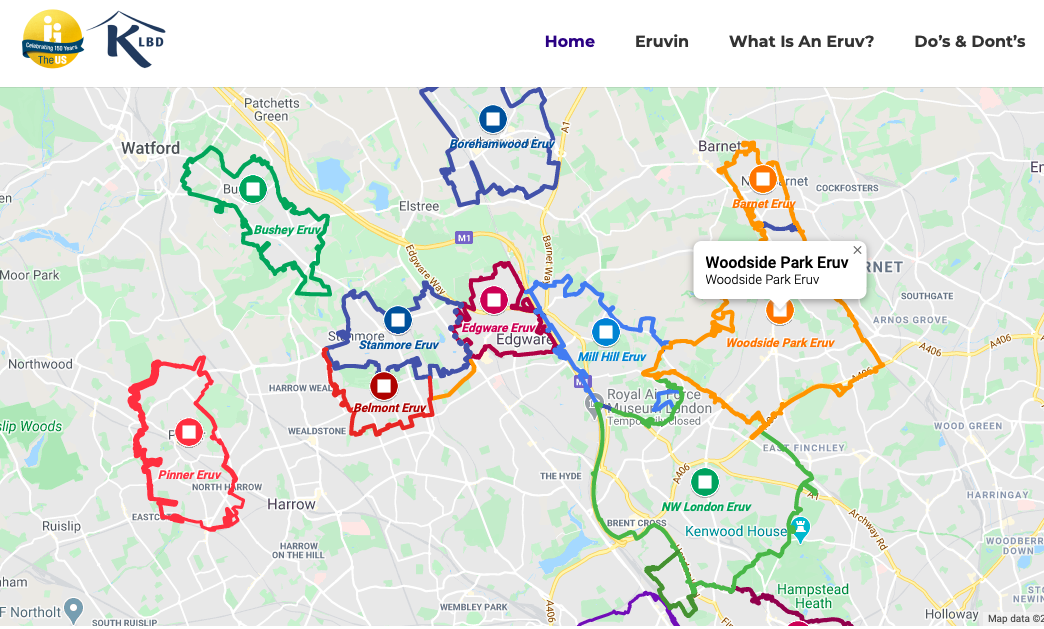

#FinishingEruvin – Our community of women completing Masechet Eruvin!













New to Talmud?
Check out our resources designed to help you navigate a page of Talmud – and study at the pace, level and style that fits you.
The Hadran Women’s Tapestry
Meet the diverse women learning Gemara at Hadran and hear their stories.

Richmond, CA, United States
Having never learned Talmud before, I started Daf Yomi in hopes of connecting to the Rabbinic tradition, sharing a daily idea on Instagram (@dafyomiadventures). With Hadran and Sefaria, I slowly gained confidence in my skills and understanding. Now, part of the Pardes Jewish Educators Program, I can’t wait to bring this love of learning with me as I continue to pass it on to my future students.

Pennsylvania, United States

Phoenix, Arizona, United States
I started learning Daf Yomi in January 2020 after watching my grandfather, Mayer Penstein z”l, finish shas with the previous cycle. My grandfather made learning so much fun was so proud that his grandchildren wanted to join him. I was also inspired by Ilana Kurshan’s book, If All the Seas Were Ink. Two years in, I can say that it has enriched my life in so many ways.

New York, United States
Ive been learning Gmara since 5th grade and always loved it. Have always wanted to do Daf Yomi and now with Michelle Farber’s online classes it made it much easier to do! Really enjoying the experience thank you!!

Neve Daniel, Israel
When I began learning Daf Yomi at the beginning of the current cycle, I was preparing for an upcoming surgery and thought that learning the Daf would be something positive I could do each day during my recovery, even if I accomplished nothing else. I had no idea what a lifeline learning the Daf would turn out to be in so many ways.

Lexington, MA, United States
I’ve been learning since January 2020, and in June I started drawing a phrase from each daf. Sometimes it’s easy (e.g. plants), sometimes it’s very hard (e.g. korbanot), and sometimes it’s loads of fun (e.g. bird racing) to find something to draw. I upload my pictures from each masechet to #DafYomiArt. I am enjoying every step of the journey.

Ashdod, Israel
Michelle has been an inspiration for years, but I only really started this cycle after the moving and uplifting siyum in Jerusalem. It’s been an wonderful to learn and relearn the tenets of our religion and to understand how the extraordinary efforts of a band of people to preserve Judaism after the fall of the beit hamikdash is still bearing fruits today. I’m proud to be part of the chain!

Raanana, Israel
What a great experience to learn with Rabbanit Michelle Farber. I began with this cycle in January 2020 and have been comforted by the consistency and energy of this process throughout the isolation period of Covid. Week by week, I feel like I am exploring a treasure chest with sparkling gems and puzzling antiquities. The hunt is exhilarating.

Pennsylvania, United States
I was moved to tears by the Hadran Siyyum HaShas. I have learned Torah all my life, but never connected to learning Gemara on a regular basis until then. Seeing the sheer joy Talmud Torah at the siyyum, I felt compelled to be part of it, and I haven’t missed a day!
It’s not always easy, but it is so worthwhile, and it has strengthened my love of learning. It is part of my life now.

Beit Shemesh, Israel
What a great experience to learn with Rabbanit Michelle Farber. I began with this cycle in January 2020 and have been comforted by the consistency and energy of this process throughout the isolation period of Covid. Week by week, I feel like I am exploring a treasure chest with sparkling gems and puzzling antiquities. The hunt is exhilarating.
Pennsylvania, United States
I decided to learn one masechet, Brachot, but quickly fell in love and never stopped! It has been great, everyone is always asking how it’s going and chering me on, and my students are always making sure I did the day’s daf.
Memphis, Tennessee, United States
After being so inspired by the siyum shas two years ago, I began tentatively learning daf yomi, like Rabbanut Michelle kept saying – taking one daf at a time. I’m still taking it one daf at a time, one masechet at a time, but I’m loving it and am still so inspired by Rabbanit Michelle and the Hadran community, and yes – I am proud to be finishing Seder Mo’ed.

Bet Shemesh, Israel

Oceanside NY, United States
After experiences over the years of asking to join gemara shiurim for men and either being refused by the maggid shiur or being the only women there, sometimes behind a mechitza, I found out about Hadran sometime during the tail end of Masechet Shabbat, I think. Life has been much better since then.
London, United Kingdom
Michelle has been an inspiration for years, but I only really started this cycle after the moving and uplifting siyum in Jerusalem. It’s been an wonderful to learn and relearn the tenets of our religion and to understand how the extraordinary efforts of a band of people to preserve Judaism after the fall of the beit hamikdash is still bearing fruits today. I’m proud to be part of the chain!
Raanana, Israel
Hearing and reading about the siyumim at the completion of the 13 th cycle Daf Yomi asked our shul rabbi about starting the Daf – he directed me to another shiur in town he thought would allow a woman to join, and so I did! Love seeing the sources for the Divrei Torah I’ve been hearing for the past decades of living an observant life and raising 5 children .

Pittsburgh, Pennsylvania, United States
I started at the beginning of this cycle. No 1 reason, but here’s 5.
In 2019 I read about the upcoming siyum hashas.
There was a sermon at shul about how anyone can learn Talmud.
Talmud references come up when I am studying. I wanted to know more.
Yentl was on telly. Not a great movie but it’s about studying Talmud.
I went to the Hadran website: A new cycle is starting. I’m gonna do this
Cambridge, United Kingdom
I am a Reform rabbi and took Talmud courses in rabbinical school, but I knew there was so much more to learn. It felt inauthentic to serve as a rabbi without having read the entire Talmud, so when the opportunity arose to start Daf Yomi in 2020, I dove in! Thanks to Hadran, Daf Yomi has enriched my understanding of rabbinic Judaism and deepened my love of Jewish text & tradition. Todah rabbah!
California, United States
Retirement and Covid converged to provide me with the opportunity to commit to daily Talmud study in October 2020. I dove into the middle of Eruvin and continued to navigate Seder Moed, with Rabannit Michelle as my guide. I have developed more confidence in my learning as I completed each masechet and look forward to completing the Daf Yomi cycle so that I can begin again!

San Diego, United States
Eruvin 32
בְּשֶׁל סוֹפְרִים — חֲזָקָה שָׁלִיחַ עוֹשֶׂה שְׁלִיחוּתוֹ. וְרַב שֵׁשֶׁת אָמַר: אֶחָד זֶה וְאֶחָד זֶה — חֲזָקָה שָׁלִיחַ עוֹשֶׂה שְׁלִיחוּתוֹ.
However, with regard to rabbinic laws, we do rely on the presumption that an agent fulfills his agency. And Rav Sheshet disagreed and said: With regard to both this, Torah law, and that, rabbinic law, we rely on the presumption that an agent fulfills his agency.
אָמַר רַב שֵׁשֶׁת: מְנָא אָמֵינָא לַהּ, דִּתְנַן: מִשֶּׁקָּרַב הָעוֹמֶר, הוּתַּר הֶחָדָשׁ מִיָּד.
Rav Sheshet said: From where do I say this? As we learned in a mishna: Once the omer has been offered, the grain from the new crop is immediately permitted. The Torah prohibits eating from the new crop of grain until the omer sacrifice is offered on the second day of Passover (Leviticus 23:14); once the omer is offered, it is immediately permitted to partake of the new grain.
וְהָרְחוֹקִים מוּתָּרִים מֵחֲצוֹת הַיּוֹם וְאֵילָךְ. וְהָא חָדָשׁ דְּאוֹרָיְיתָא הוּא, וְקָתָנֵי: הָרְחוֹקִים מוּתָּרִין מֵחֲצוֹת הַיּוֹם וְאֵילָךְ. לָאו מִשּׁוּם חֲזָקָה שָׁלִיחַ עוֹשֶׂה שְׁלִיחוּתוֹ?
And those far from Jerusalem, who do not know whether or not the omer has already been offered, are permitted to eat from the new crop from midday and on, as the omer must surely have been offered by this time. Isn’t the prohibition to eat from the new crop a Torah law? And nevertheless, it was taught: And those far from Jerusalem are permitted to eat from the new crop from midday and on. Is this not because we may rely on the presumption that an agent fulfills his agency? The priests in the Temple serve as the agents of the entire Jewish people, and it may be assumed that they have performed the mission entrusted to them.
וְרַב נַחְמָן? הָתָם כִּדְקָתָנֵי טַעְמָא — לְפִי שֶׁיּוֹדְעִין שֶׁאֵין בֵּית דִּין מִתְעַצְּלִין בּוֹ.
The Gemara asks: And how does Rav Naḥman, who holds that with respect to Torah laws we may not rely on the presumption that an agent fulfills his agency, refute this proof? He can respond as follows: There, the agents may be trusted for the reason that was explicitly taught: Because we know that the court will not be indolent in offering the omer sacrifice; however, the same cannot be said of ordinary agents.
וְאִיכָּא דְּאָמְרִי, אָמַר רַב נַחְמָן: מְנָא אָמֵינָא לַהּ, דְּקָתָנֵי טַעְמָא לְפִי שֶׁיּוֹדְעִין שֶׁאֵין בֵּית דִּין מִתְעַצְּלִין בּוֹ. בֵּית דִּין הוּא דְּלָא מִתְעַצְּלִין בּוֹ — הָא שְׁלִיחַ מִתְעַצֵּל בּוֹ!
And some say a different version of this response: Rav Naḥman said: From where do I say this principle? As it was taught that the reason is because we know that the court will not be indolent in offering the omer past midday. From this we may infer: It is the court that will not be indolent with regard to missions entrusted to it, but an ordinary agent may indeed be indolent with regard to his mission. Therefore, we cannot rely upon an ordinary agent.
וְרַב שֵׁשֶׁת אָמַר לָךְ: בֵּית דִּין עַד פַּלְגֵיהּ דְּיוֹמָא, שָׁלִיחַ כּוּלֵּי יוֹמָא.
And Rav Sheshet could have said to you that this is not the correct inference; rather, we should infer as follows: It is only the court that is presumed to have executed its mission by midday, even though the mitzva to bring the omer offering lasts all day. However, an ordinary agent, who is not as diligent, is only presumed to have completed his mission by the end of the entire day.
אָמַר רַב שֵׁשֶׁת: מְנָא אָמֵינָא לַהּ, דְּתַנְיָא: הָאִשָּׁה שֶׁיֵּשׁ עָלֶיהָ לֵידָה אוֹ זִיבָה, מְבִיאָה מָעוֹת וְנוֹתֶנֶת בַּשּׁוֹפָר, וְטוֹבֶלֶת וְאוֹכֶלֶת בַּקֳּדָשִׁים לָעֶרֶב. מַאי טַעְמָא — לָאו מִשּׁוּם דְּאָמְרִינַן חֲזָקָה שָׁלִיחַ עוֹשֶׂה שְׁלִיחוּתוֹ.
Rav Sheshet said: From where do I say my opinion? As it was taught in a baraita: A woman who is responsible to offer sacrifices following childbirth or after experiencing ziva (Leviticus 12, 15) brings money and puts it in the appropriate collection box in the Temple, immerses in a ritual bath, and she may then eat sacrificial food at nightfall. What is the reason that she is permitted to eat immediately at nightfall? Is it not because we say that there is a presumption that an agent fulfills his agency, and the priests certainly purchased the appropriate sacrifices with her money and offered them during the day?
וְרַב נַחְמָן? הָתָם כִּדְרַב שְׁמַעְיָה, דְּאָמַר רַב שְׁמַעְיָה: חֲזָקָה אֵין בֵּית דִּין שֶׁל כֹּהֲנִים עוֹמְדִים מִשָּׁם עַד שֶׁיִּכְלוּ כׇּל מָעוֹת שֶׁבַּשּׁוֹפָר.
The Gemara asks: And how does Rav Naḥman counter this proof? There, in the case of a woman who put money in the box, the reason she may rely on agency is in accordance with the statement of Rav Shemaya, as Rav Shemaya said: There is a legal presumption that the court of priests would not leave the Temple until all the money in the collection box has been spent on the purchase of sacrifices. We may rely only on the special court appointed to carry out this task, as it can be trusted. However, no proof may be brought from here with regard to an ordinary agent.
אָמַר רַב שֵׁשֶׁת: מְנָא אָמֵינָא לַהּ, דְּתַנְיָא: הָאוֹמֵר לַחֲבֵירוֹ ״צֵא וְלַקֵּט לְךָ תְּאֵנִים מִתְּאֵנָתִי״ — אוֹכֵל מֵהֶן עֲרַאי וּמְעַשְּׂרָן וַדַּאי. ״מַלֵּא לְךָ כַּלְכַּלָּה זֹה תְּאֵנִים מִתְּאֵנָתִי״ — אוֹכֵל מֵהֶן עֲרַאי וּמְעַשְּׂרָן דְּמַאי.
Rav Sheshet said another proof: From where do I say this? As it was taught in a baraita: One who says to another person: Go and gather for yourself figs from my fig tree, if he does not specify the amount that he should take, the gatherer may eat casually from them even without separating tithes. However, if one wishes to eat the figs as a regular, set meal, he must first tithe them as fruit that is known with certainty not to previously be tithed. In this case, it may be assumed that the owner of the fig tree did not separate tithes to exempt these figs, as he did not know how many the gatherer would take. However, if the owner of the fig tree said to him: Fill this basket for yourself with figs from my fig tree, he may eat from them casually without tithing, and before eating them as a regular meal, he must tithe them as demai, produce with regard to which we are unsure if the appropriate tithes have been separated. Since the owner of the tree knows how many figs the gatherer will take, it is possible that he has already separated tithes for these figs.
בַּמֶּה דְּבָרִים אֲמוּרִים — בְּעַם הָאָרֶץ, אֲבָל בְּחָבֵר — אוֹכֵל וְאֵינוֹ צָרִיךְ לְעַשֵּׂר, דִּבְרֵי רַבִּי. רַבָּן שִׁמְעוֹן בֶּן גַּמְלִיאֵל אוֹמֵר: בַּמֶּה דְּבָרִים אֲמוּרִים — בְּעַם הָאָרֶץ, אֲבָל בְּחָבֵר — אֵינוֹ אוֹכֵל עַד שֶׁיְּעַשֵּׂר, לְפִי שֶׁלֹּא נֶחְשְׁדוּ חֲבֵרִים לִתְרוֹם שֶׁלֹּא מִן הַמּוּקָּף.
In what case is this statement said? Where the owner of the fig tree is an am ha’aretz. But if he is a ḥaver, the gatherer may eat the figs, and he need not tithe them even as demai, as the owner certainly separated tithes for them from other produce; this is the statement of Rabbi Yehuda HaNasi. His father, Rabban Shimon ben Gamliel, says the opposite: In what case is this statement said? Where the owner of the fig tree is an am ha’aretz. But if he is a ḥaver, the gatherer may not eat the fruit until he tithes them because ḥaverim, who are meticulous in their observance of halakha, are not suspected of separating teruma and tithes from produce that is not adjacent to the produce they seek to exempt. Since the figs that have been picked are not adjacent to the owner’s other figs, he has certainly not separated teruma and tithes on their account.
אָמַר רַבִּי: נִרְאִין דְּבָרַי מִדִּבְרֵי אַבָּא. מוּטָב שֶׁיֵּחָשְׁדוּ חֲבֵרִים לִתְרוֹם שֶׁלֹּא מִן הַמּוּקָּף, וְלֹא יַאֲכִילוּ לְעַמֵּי הָאָרֶץ טְבָלִים.
Rabbi Yehuda HaNasi said: My statement appears to be more correct than Father’s statement: It is better that ḥaverim should be suspected of separating teruma and tithes from produce that is not adjacent to the produce they seek to exempt, and they should not feed amei ha’aretz produce that is tevel.
עַד כָּאן לָא פְּלִיגִי אֶלָּא דְּמָר סָבַר: נֶחְשְׁדוּ, וּמָר סָבַר: לֹא נֶחְשְׁדוּ. אֲבָל כּוּלֵּי עָלְמָא: חֲזָקָה שָׁלִיחַ עוֹשֶׂה שְׁלִיחוּתוֹ.
The Gemara infers: The tanna’im disagreed only with regard to the following point: That one Sage, Rabbi Yehuda HaNasi, holds that ḥaverim are suspected of tithing with produce that is not adjacent to the produce it comes to exempt, and one Sage, Rabban Shimon ben Gamliel, holds that they are not suspected of that. But all agree that we may rely on the presumption that an agent fulfills his agency, i.e., that the owner, who is regarded as an agent to tithe his produce so that no one will eat tevel on his account, can be relied upon to separate the tithes.
וְרַב נַחְמָן, הָתָם כִּדְרַב חֲנִינָא חוֹזָאָה, דְּאָמַר רַב חֲנִינָא חוֹזָאָה: חֲזָקָה הוּא עַל חָבֵר שֶׁאֵינוֹ מוֹצִיא דָּבָר שֶׁאֵינוֹ מְתוּקָּן מִתַּחַת יָדוֹ.
And Rav Naḥman can respond as follows: There, the owner can be trusted, in accordance with the statement of Rav Ḥanina Ḥoza’a, as Rav Ḥanina Ḥoza’a said: There is a legal presumption with regard to a ḥaver that he does not release anything that is not tithed from his possession. Therefore, we are not relying on a general presumption with regard to agents but on a presumption with regard to ḥaverim.
אָמַר מָר: בַּמֶּה דְּבָרִים אֲמוּרִים — בְּעַם הָאָרֶץ, אֲבָל בְּחָבֵר — אוֹכֵל וְאֵינוֹ צָרִיךְ לְעַשֵּׂר, דִּבְרֵי רַבִּי.
The previous baraita contained several puzzling elements. Now that the Gemara has completed its primary discussion, namely the presumption that an agent carries out his mission, it turns to a discussion of the baraita itself. The Master said: If one said to his fellow: Go and gather for yourself figs, in what case is this statement said? It is in a case where the owner of the fig tree is an am ha’aretz. However, if he is a ḥaver, the gatherer may eat the figs, and he need not tithe them; this is the statement of Rabbi Yehuda HaNasi.
הַאי עַם הָאָרֶץ, דְּקָאֲמַר לֵיהּ לְמַאן? אִילֵימָא דְּקָאָמַר לְעַם הָאָרֶץ חַבְרֵיהּ — מְעַשְּׂרָן דְּמַאי, מִי צָיֵית? אֶלָּא בְּעַם הָאָרֶץ דְּקָאֲמַר לֵיהּ לְחָבֵר. אֵימָא סֵיפָא: נִרְאִין דְּבָרַי מִדִּבְרֵי אַבָּא, מוּטָב שֶׁיֵּחָשְׁדוּ חֲבֵרִים לִתְרוֹם שֶׁלֹּא מִן הַמּוּקָּף וְאַל יַאֲכִילוּ לְעַמֵּי הָאָרֶץ טְבָלִין. עַמֵּי הָאָרֶץ מַאי בָּעֵי הָתָם?
The Gemara asks: This am ha’aretz, who addressed his fellow man, to whom did he speak? If you say that he spoke to his fellow am ha’aretz, if so, how are we to understand the statement that follows: He must tithe them as demai? Would an am ha’aretz comply with the admonition of the Sages to suspect that the produce of his fellow am ha’aretz may not have been tithed? Rather, this must be referring to an am ha’aretz who told a ḥaver to gather figs from his fig tree, and the ḥaver will certainly tithe them. However, say that the latter clause of this baraita: My statement appears to be more correct than Father’s statement, means the following: It is better that ḥaverim should be suspected of separating teruma and tithes from produce that is not adjacent to the produce they seek to exempt, and they should not feed amei ha’aretz produce that is tevel. What is the relevance of amei ha’aretz there? According to that explanation, the situation is the opposite. The person eating the figs is a ḥaver, and the owner of the fig tree is an am ha’aretz.
אָמַר רָבִינָא: רֵישָׁא — בְּעַם הָאָרֶץ שֶׁאָמַר לְחָבֵר, סֵיפָא — בְּחָבֵר שֶׁאָמַר לְעַם הָאָרֶץ, וְחָבֵר אַחֵר שׁוֹמְעוֹ. רַבִּי
Ravina said: The first clause is referring to an am ha’aretz who spoke to a ḥaver, while the latter clause is referring to a ḥaver who spoke to an am ha’aretz, and a different ḥaver heard him speak, and the discussion relates not to the one gathering the figs but to whether the second ḥaver may partake of the figs if they are offered to him. The Gemara explains the disagreement according to this understanding: Rabbi Yehuda HaNasi
סָבַר: אוֹתוֹ חָבֵר אוֹכֵל וְאֵינוֹ צָרִיךְ לְעַשֵּׂר, דְּוַדַּאי עַישּׂוֹרֵי מְעַשַּׂר הָהוּא חָבֵר קַמָּא עִילָּוֵיהּ. וְרַבָּן שִׁמְעוֹן בֶּן גַּמְלִיאֵל אוֹמֵר: לֹא יֹאכַל עַד שֶׁיְּעַשֵּׂר, לְפִי שֶׁלֹּא נֶחְשְׁדוּ חֲבֵרִים לִתְרוֹם שֶׁלֹּא מִן הַמּוּקָּף. וַאֲמַר לֵיהּ רַבִּי: מוּטָב שֶׁיֵּחָשְׁדוּ חֲבֵרִים לִתְרוֹם שֶׁלֹּא מִן הַמּוּקָּף וְאַל יַאֲכִילוּ עַמֵּי הָאָרֶץ טְבָלִים.
holds: That ḥaver, who heard the first ḥaver speaking to the am ha’aretz, may immediately eat from the basket, and he is not required to tithe the produce, as the first ḥaver certainly separated tithes for the person who picked the figs, as he would not have caused an am ha’aretz to eat tevel. And Rabban Shimon ben Gamliel disagrees and says: That ḥaver may not eat of the fruit until he has tithed them, for ḥaverim are not suspected of separating teruma and tithes from produce that is not adjacent to the produce they seek to exempt. And Rabbi Yehuda HaNasi said to him: It is better that ḥaverim should be suspected of separating teruma and tithes from produce that is not adjacent to the produce they seek to exempt, and they should not feed amei ha’aretz produce that is tevel.
בְּמַאי קָמִיפַּלְגִי? רַבִּי סָבַר: נִיחָא לֵיהּ לְחָבֵר דְּלֶעֱבֵיד הוּא אִיסּוּרָא קַלִּילָא וְלָא לֶיעֱבֵד עַם הָאָרֶץ אִיסּוּרָא רַבָּה. וְרַבָּן שִׁמְעוֹן בֶּן גַּמְלִיאֵל סָבַר: נִיחָא לֵיהּ לְחָבֵר דְּלֶיעֱבֵד עַם הָאָרֶץ אִיסּוּרָא רַבָּה, וְאִיהוּ אֲפִילּוּ אִיסּוּרָא קַלִּילָא לָא לֶיעֱבֵד.
The Gemara asks: With regard to what principle do they disagree? The Gemara answers: Rabbi Yehuda HaNasi holds: It is preferable to a ḥaver that he commit a minor transgression, namely separating tithes from produce that is not adjacent to the produce they seek to exempt, so that an am ha’aretz will not commit the major transgression of eating tevel on his account. And Rabban Shimon ben Gamliel holds: It is preferable to a ḥaver that an am ha’aretz commit a major transgression, and that he himself not commit even a minor transgression.
מַתְנִי׳ נְתָנוֹ בְּאִילָן, לְמַעְלָה מֵעֲשָׂרָה טְפָחִים — אֵין עֵירוּבוֹ עֵירוּב, לְמַטָּה מֵעֲשָׂרָה טְפָחִים — עֵירוּבוֹ עֵירוּב. נְתָנוֹ בְּבוֹר, אֲפִילּוּ עָמוֹק מֵאָה אַמָּה — עֵירוּבוֹ עֵירוּב.
MISHNA: If one placed his eiruv in a tree above ten handbreadths from the ground, his eiruv is not a valid eiruv; if it is below ten handbreadths, his eiruv is a valid eiruv. If he placed the eiruv in a pit, even if it was a hundred cubits deep, his eiruv is a valid eiruv.
גְּמָ׳ יָתֵיב רַבִּי חִיָּיא בַּר אַבָּא וְרַבִּי אַסִּי וְרָבָא בַּר נָתָן, וְיָתֵיב רַב נַחְמָן גַּבַּיְיהוּ, וְיָתְבִי וְקָאָמְרִי: הַאי אִילָן, דְּקָאֵי הֵיכָא? אִילֵּימָא דְּקָאֵי בִּרְשׁוּת הַיָּחִיד, מָה לִי לְמַעְלָה מָה לִי לְמַטָּה? רְשׁוּת הַיָּחִיד עוֹלָה עַד לָרָקִיעַ.
GEMARA: Rabbi Ḥiyya bar Abba sat, and with him sat Rabbi Asi and Rava bar Natan, and Rav Naḥman sat beside them, and they sat and said: This tree mentioned in the mishna, where does it stand? If you say it stands in the private domain, what is the difference to me whether the eiruv is placed above ten handbreadths or below ten handbreadths? The private domain ascends to the sky, and there is no difference whether an object is above or below ten handbreadths.
וְאֶלָּא דְּקָאֵי בִּרְשׁוּת הָרַבִּים. דְּמִתְכַּוֵּין לִשְׁבּוֹת הֵיכָא? אִילֵּימָא דְּנִתְכַּוֵּון לִשְׁבּוֹת לְמַעְלָה — הוּא וְעֵירוּבוֹ בִּמְקוֹם אֶחָד הוּא. אֶלָּא נִתְכַּוֵּון לִשְׁבּוֹת לְמַטָּה — וְהָא קָא מִשְׁתַּמֵּשׁ בְּאִילָן!
Rather, say that the tree stands in the public domain; but in that case the question arises: Where did the person intend to establish his Shabbat residence? If you say that he intended to establish his Shabbat residence in the tree above, he and his eiruv are in one place. Consequently, the eiruv should be valid, even if is at a height of more than ten handbreadths. Rather, say that he intended to establish his Shabbat residence on the ground below; but isn’t he making use of the tree if he accesses his eiruv? It is prohibited to make use of a tree on Shabbat, and therefore his eiruv should invalid even if it is less than ten handbreadths above the ground because it is inaccessible to him.
לְעוֹלָם דְּקָאֵי בִּרְשׁוּת הָרַבִּים, וְנִתְכַּוֵּון לִשְׁבּוֹת לְמַטָּה. וְרַבִּי הִיא, דְּאָמַר: כׇּל דָּבָר שֶׁהוּא מִשּׁוּם שְׁבוּת לֹא גָּזְרוּ עָלָיו בֵּין הַשְּׁמָשׁוֹת.
The Gemara answers: Actually, we can accept the latter assumption that the tree stands in the public domain, and that he intended to establish his Shabbat residence on the ground below, in the public domain. And with regard to the prohibition against making use of a tree, this mishna is in accordance with the opinion of Rabbi Yehuda HaNasi, who said: Anything that is prohibited on Shabbat not by Torah law, but rather due to a rabbinic decree [shevut], the Sages did not issue the decree to apply during twilight, which is neither definitively day nor definitively night. Since using a tree is only prohibited due to a shevut, it is permitted to make use of the tree and remove one’s eiruv from it during the twilight period, which is when the eiruv establishes the person’s Shabbat residence. Therefore, the eiruv is valid, provided that it is below ten handbreadths. If, however, the eiruv is above ten handbreadths, it is invalid. At that height, removing the eiruv from the tree entails violation of the Torah prohibition of carrying from a private domain to a public domain, which is prohibited even during twilight.
אֲמַר לְהוּ רַב נַחְמָן: יִשַׁר, וְכֵן אָמַר שְׁמוּאֵל. אֲמַרוּ לֵיהּ: פָּתְרִיתוּ בָּהּ כּוּלֵּי הַאי?! אִינְהוּ נָמֵי הָכִי קָא פָּתְרִי בָּהּ! [אֶלָּא הָכִי] אֲמַרוּ לֵיהּ: קָבְעִיתוּ לֵיהּ בִּגְמָרָא? אֲמַר לְהוּ: אִין. אִתְּמַר נָמֵי, אָמַר רַב נַחְמָן אָמַר שְׁמוּאֵל: הָכָא בָּאִילָן הָעוֹמֵד בִּרְשׁוּת הָרַבִּים עָסְקִינַן, גָּבוֹהַּ עֲשָׂרָה וְרָחָב אַרְבָּעָה, וְנִתְכַּוֵּון לִשְׁבּוֹת לְמַטָּה, וְרַבִּי הִיא, דְּאָמַר: כׇּל דָּבָר שֶׁהוּא מִשּׁוּם שְׁבוּת לֹא גָּזְרוּ עָלָיו בֵּין הַשְּׁמָשׁוֹת.
Rav Naḥman said to them: Well said, and Shmuel said similarly with regard to this issue. They said to him: Have you, the Sages of Babylonia, gone so far in your explanation of the mishna? The Gemara asks: Why were the Sages of Eretz Yisrael so surprised? They, too, explained the mishna in this manner. Rather, this is what they said to Rav Naḥman: Have you established this explanation as part of your regular study of the mishna? He said to them: Yes. Indeed, it was also explicitly stated that Rav Naḥman said that Shmuel said: Here, we are dealing with a tree standing in the public domain, and the tree is ten handbreadths high and four handbreadths wide. It thereby constitutes a private domain, and one intended to establish his Shabbat residence below in the public domain. And the mishna is in accordance with the opinion of Rabbi Yehuda HaNasi, who said: Anything that is prohibited on Shabbat not by Torah law, but rather due to a rabbinic decree, the Sages did not issue the decree to apply during twilight.
אָמַר רָבָא: לֹא שָׁנוּ אֶלָּא בְּאִילָן הָעוֹמֵד חוּץ לְעִיבּוּרָהּ שֶׁל עִיר, אֲבָל אִילָן הָעוֹמֵד בְּתוֹךְ עִיבּוּרָהּ שֶׁל עִיר — אֲפִילּוּ לְמַעְלָה מֵעֲשָׂרָה הֲרֵי זֶה עֵירוּב, דְּמָתָא כְּמַאן דְּמַלְיָא דָּמְיָא.
Rava said in continuation of this discussion: They only taught this law with regard to a tree that stands beyond the outskirts of the city, i.e., outside a radius of seventy and two-thirds cubits around the city. However, with regard to a tree that stands within the outskirts of the city, even if the eiruv was placed above ten handbreadths, it is a valid eiruv, as the city is considered as though it were filled in with earth, so that anything located at any height within the town itself or its outskirts is regarded as being in the same domain. Even though the person intended to establish his Shabbat residence below the tree in the public domain, we view the ground as raised to the height of the eiruv, and his eiruv is therefore valid even though he cannot actually remove it from the tree during the twilight period.
אִי הָכִי, חוּץ לְעִיבּוּרָהּ שֶׁל עִיר נָמֵי, כֵּיוָן דְּאָמַר רָבָא: הַנּוֹתֵן עֵירוּבוֹ יֵשׁ לוֹ אַרְבַּע אַמּוֹת, הָוְיָא לַהּ רְשׁוּת הַיָּחִיד — וּרְשׁוּת הַיָּחִיד עוֹלָה עַד לָרָקִיעַ!
The Gemara asks: If so, if the tree stood beyond the outskirts of the town, there should also be no difference whether the eiruv is above or below the height of ten handbreadths. Since Rava himself said: One who places his eiruv in a particular location has four cubits surrounding him that are considered as a private domain, here too, the area should be considered a private domain; and a private domain rises to the sky. Since the tree stands within this area, all parts of the tree should be regarded as a private domain regardless of their height.
אָמַר רַב יִצְחָק בְּרֵיהּ דְּרַב מְשַׁרְשְׁיָא: הָכָא בָּאִילָן הַנּוֹטֶה חוּץ לְאַרְבַּע אַמּוֹת עָסְקִינַן,
Rav Yitzḥak, son of Rav Mesharshiya, said: Here, we are dealing with a tree that leans out horizontally beyond four cubits from its trunk, and one placed the eiruv on a section that is beyond four cubits,

