Search

Eruvin 89

Want to dedicate learning? Get started here:

English
עברית
podcast placeholder

0:00
0:00


podcast placeholder

0:00
0:00


Summary
Today’s Daf is sponsored by Stacey Goodstein Ashtamker in loving Memory of her much-missed mother Arlene Goodstein, Enya Bat Chana v’ Moshe’s 5th yahrzeit. “My mother’s presence is felt every day with all the wonderful things she taught us, her love of Judaism and Israel, and all the strength she gave us. She would be very proud of her daughter studying Talmud.”
Can one carry from roof to roof or enclosure to enclosure or courtyard to courtyard? There are three opinions. What is the background to these approaches? According to the rabbis, the roof follows the house and one cannot carry from one to the other. Rav and Shmuel debate whether according to the rabbis one could carry on the roof itself or only 4 cubits?  Their argument depends on using imaginary walls (gut asik mechitzta) – in what situations can we use that principle?


Today’s daily daf tools:

Eruvin 89

לֹא שָׁנוּ אֶלָּא שֶׁלֹּא עֵירְבוּ, אֲבָל עֵירְבוּ — מוּתָּרִין.

They taught this halakha only with regard to a case where the residents of the two upper stories did not establish an eiruv together, but if they established a joint eiruv, they are all permitted to pour water into the courtyard.

וְכִי לֹא עֵירְבוּ, מַאי טַעְמָא לָא? אָמַר רַב אָשֵׁי: גְּזֵירָה דִּילְמָא אָתֵי לְאַפּוֹקֵי מִמָּאנֵי דְבָתִּים לְהָתָם.

The Gemara asks: And where they did not establish an eiruv, what is the reason that the residents who did not dig a pit may not pour water into the courtyard? Rav Ashi said: It is a decree, lest people come to take out vessels filled with water from their houses into the courtyard, to pour into the pit. In the absence of an eiruv, this practice is prohibited.


הַדְרָן עֲלָךְ כֵּיצַד מִשְׁתַּתְּפִין

מַתְנִי׳ כָּל גַּגּוֹת הָעִיר רְשׁוּת אַחַת, וּבִלְבַד שֶׁלֹּא יְהֵא גַּג גָּבוֹהַּ עֲשָׂרָה אוֹ נָמוּךְ עֲשָׂרָה, דִּבְרֵי רַבִּי מֵאִיר. וַחֲכָמִים אוֹמְרִים: כָּל אֶחָד וְאֶחָד רְשׁוּת בִּפְנֵי עַצְמוֹ.

MISHNA: All the roofs of the city are considered one domain. It is permitted to carry from one roof to another, even if the residents of the houses did not establish an eiruv between them. The Sages did not prohibit carrying between roofs, as it is rare to transfer an item from one roof to another. However, it is only permitted to transfer objects between roofs provided that one roof is neither ten handbreadths higher nor ten handbreadths lower than the adjacent roof. This is the statement of Rabbi Meir. And the Rabbis say: Each and every one of the roofs is a domain in and of itself. It is permitted to carry from one to the other only if the residents of both houses established an eiruv.

רַבִּי שִׁמְעוֹן אוֹמֵר: אֶחָד גַּגּוֹת וְאֶחָד חֲצֵירוֹת וְאֶחָד קַרְפֵּיפוֹת — רְשׁוּת אַחַת הֵן לְכֵלִים שֶׁשָּׁבְתוּ לְתוֹכָן, וְלֹא לְכֵלִים שֶׁשָּׁבְתוּ בְּתוֹךְ הַבַּיִת.

Rabbi Shimon says: Roofs, courtyards, and enclosures are all one domain with regard to vessels that were inside them when Shabbat began, and one may therefore carry from one of these areas to another. However, they are not one domain with regard to vessels that were inside the house when Shabbat began and were later taken into one of the above domains. A vessel that was inside the house when Shabbat began and subsequently carried to one of these areas may be carried from one roof, courtyard, or enclosure to another only if an eiruv had been established between the domains.

גְּמָ׳ יָתֵיב אַבָּיֵי בַּר אָבִין וְרַבִּי חֲנִינָא בַּר אָבִין, וְיָתֵיב אַבָּיֵי גַּבַּיְיהוּ, וְיָתְבִי וְקָאָמְרִי: בִּשְׁלָמָא רַבָּנַן סָבְרִי כְּשֵׁם שֶׁדִּיּוּרִין חֲלוּקִין לְמַטָּה, כָּךְ דִּיּוּרִין חֲלוּקִין לְמַעְלָה.

GEMARA: Abaye bar Avin and Rabbi Ḥanina bar Avin were sitting, and Abaye was sitting beside them, and they sat and said: Granted, the Rabbis maintain: Just as residents are divided into separate domains below, and they may not carry from house to house without an eiruv, so are residents divided into separate domains above, on the rooftops, and it is prohibited to carry from one roof to another without an eiruv.

אֶלָּא רַבִּי מֵאִיר מַאי קָסָבַר? אִי קָסָבַר: כְּשֵׁם שֶׁדִּיּוּרִין חֲלוּקִין לְמַטָּה, כָּךְ דִּיּוּרִין חֲלוּקִין לְמַעְלָה, אַמַּאי רְשׁוּת אַחַת הֵן? וְאִי קָסָבַר אֵין חֲלוּקִין, דְּכׇל לְמַעְלָה מֵעֲשָׂרָה רְשׁוּת אַחַת הִיא — אֲפִילּוּ גַּג גָּבוֹהַּ עֲשָׂרָה וְנָמוּךְ עֲשָׂרָה, נָמֵי!

However, Rabbi Meir, what does he maintain; what is the rationale for his opinion? If he maintains that just as residents are divided into separate domains below, so are residents divided into separate domains above, why, in his opinion, are they considered one domain? And if he maintains that they are not divided into separate domains, as any place above ten handbreadths off the ground is considered one domain, even if a roof is ten handbreadths higher or ten handbreadths lower than the adjacent roof, it should likewise be permitted to carry from one roof to the other.

אֲמַר לְהוּ אַבָּיֵי: לָא שְׁמִיעַ לְכוּ הָא דְּאָמַר רַב יִצְחָק בַּר אַבְדִּימִי, אוֹמֵר הָיָה רַבִּי מֵאִיר: כָּל מָקוֹם שֶׁאַתָּה מוֹצֵא שְׁתֵּי רְשׁוּיוֹת וְהֵן רְשׁוּת אַחַת, כְּגוֹן עַמּוּד בִּרְשׁוּת הַיָּחִיד גָּבוֹהַּ עֲשָׂרָה וְרָחָב אַרְבָּעָה — אָסוּר לְכַתֵּף עָלָיו, גְּזֵירָה מִשּׁוּם תֵּל בִּרְשׁוּת הָרַבִּים. הָכִי נָמֵי, גְּזֵירָה מִשּׁוּם תֵּל בִּרְשׁוּת הָרַבִּים.

Abaye said to them: Have you not heard that which Rav Yitzḥak bar Avdimi said that Rabbi Meir would say: Any place that you find two domains, i.e., places set apart from each other by disparity in height or by boundaries, and yet they are halakhically one domain, for example, a pillar ten handbreadths high and four handbreadths wide situated in a private domain, it is prohibited to adjust a burden on one’s shoulders upon it, by rabbinic decree, due to the concern lest he come to do the same thing on a mound in the public domain. The legal status of a mound ten handbreadths high and four handbreadths wide located in a public domain is that of a private domain. In that case, it is prohibited by Torah law to transfer an object from the public domain to the mound. Here too, in the case of roofs, Rabbi Meir prohibited transferring objects between roofs with a height disparity of ten handbreadths, by rabbinic decree, due to the concern lest one come to transfer an object from the public domain to a mound in a public domain.

סְבוּר מִינָּה אֲפִילּוּ מַכְתֶּשֶׁת וַאֲפִילּוּ גִּיגִית.

Abaye and Ḥanina bar Avin understood by inference from this ruling that in the opinion of Rabbi Meir, it would be prohibited to adjust one’s burden even on a mortar and even on a vat that were overturned in a private domain and that are large enough to constitute private domains in their own right.

אֲמַר לְהוּ אַבָּיֵי, הָכִי אָמַר מָר: לֹא אָמַר רַבִּי מֵאִיר אֶלָּא עַמּוּד וְאַמַּת הָרֵיחַיִם, הוֹאִיל וְאָדָם קוֹבֵעַ לָהֶן מָקוֹם.

Abaye said to them: The Master, Rabba, said as follows: Rabbi Meir spoke only in the case of a pillar or the raised base of a millstone. Since a person fixes a place for them they are comparable to a mound in a public domain in that they are rarely moved. However, the Sages did not issue a decree in the case of portable objects.

וַהֲרֵי כּוֹתֶל שֶׁבֵּין שְׁתֵּי חֲצֵירוֹת, דְּקָבוּעַ, וְאָמַר רַב יְהוּדָה: כְּשֶׁתִּימְצֵי לוֹמַר, לְדִבְרֵי רַבִּי מֵאִיר: גַּגִּין רְשׁוּת לְעַצְמָן, חֲצֵירוֹת רְשׁוּת לְעַצְמָן, קַרְפֵּיפוֹת רְשׁוּת לְעַצְמָן.

The Gemara raises a difficulty. There is the case of a wall that is between two courtyards, which is fixed, and nevertheless Rav Yehuda said: When you analyze the matter, you will find that according to Rabbi Meir all roofs form a single domain in and of themselves, and likewise all courtyards form a single domain in and of themselves, and all enclosures form a single domain in and of themselves. It is permitted to carry from one courtyard to another, although it is not permitted to carry from a courtyard to a roof.

מַאי לָאו, דִּשְׁרֵי לְטַלְטוֹלֵי דֶּרֶךְ כּוֹתֶל!

What, is it not that it is permitted to move objects from one courtyard to another via a dividing wall, even though it is ten handbreadths high? This poses a difficulty to the opinion of Rabbi Meir, who prohibits the transfer of an object from one place to a place ten handbreadths higher or lower.

אָמַר רַב הוּנָא בַּר יְהוּדָה אָמַר רַב שֵׁשֶׁת: לָא, לְהַכְנִיס וּלְהוֹצִיא דֶּרֶךְ פְּתָחִים.

Rav Huna bar Yehuda said that Rav Sheshet said: No, that explanation is incorrect, as Rav Yehuda meant to say that according to Rabbi Meir it is permitted to carry in and carry out between one courtyard and another, or from one enclosure to another, via the openings between them. However, Rabbi Meir concedes that one may not transfer objects over the wall that separates the two domains, as the wall is considered a domain in and of itself.

וַחֲכָמִים אוֹמְרִים כָּל אֶחָד וְאֶחָד רְשׁוּת בִּפְנֵי עַצְמוֹ. אִיתְּמַר, רַב אָמַר: אֵין מְטַלְטְלִין בּוֹ אֶלָּא בְּאַרְבַּע אַמּוֹת, וּשְׁמוּאֵל אָמַר: מוּתָּר לְטַלְטֵל בְּכוּלּוֹ.

We learned in the mishna: And the Rabbis say that each and every one of the roofs is a domain in and of itself. It was stated that amora’im disagreed about the following issue. Rav said: According to the Rabbis, one may move objects on each roof only within four cubits. As, according to the Rabbis, the legal status of roofs is like that of courtyards, in that it is prohibited to carry from one roof to another, and each roof is fully open to a domain into which carrying is prohibited. Therefore, it is also prohibited to carry objects farther than four cubits on each roof. And Shmuel said: It is permitted to move objects throughout each entire roof.

בִּמְחִיצוֹת הַנִּיכָּרוֹת — דְּכוּלֵּי עָלְמָא לָא פְּלִיגִי. כִּי פְּלִיגִי — בִּמְחִיצוֹת שֶׁאֵינָן נִיכָּרוֹת.

The Gemara comments: With regard to partitions that are conspicuous, i.e., detached houses whose walls are distinct, everyone agrees that it is permitted to carry throughout each roof. Where they disagree is with regard to partitions that are not conspicuous, i.e., attached houses, which appear as though they share a common roof although they are owned by different people.

רַב אָמַר: אֵין מְטַלְטְלִין בּוֹ אֶלָּא בְּאַרְבַּע אַמּוֹת — לָא אָמַר: ״גּוּד אַסֵּיק מְחִיצְתָּא״. וּשְׁמוּאֵל אָמַר: מוּתָּר לְטַלְטֵל בְּכוּלּוֹ — דְּאָמַר: ״גּוּד אַסֵּיק מְחִיצְתָּא״.

Rav said: One may carry on each roof only within four cubits. Rav does not state the principle: Extend and raise the partitions between the houses below, which states that the walls of the houses are considered to extend upward and create partitions between the roofs. And Shmuel said: It is permitted to carry throughout each entire roof, as he states the principle: Extend and raise the partitions.

תְּנַן, וַחֲכָמִים אוֹמְרִים: כָּל אֶחָד וְאֶחָד

The Gemara asks a question based on that which we learned in the mishna: And the Rabbis say that each and every one of the roofs

רְשׁוּת לְעַצְמוֹ. בִּשְׁלָמָא לִשְׁמוּאֵל נִיחָא, אֶלָּא לְרַב קַשְׁיָא.

is a domain in and of itself. This indicates that each roof constitutes a discrete domain, and one may carry throughout this entire domain. Granted according to the opinion of Shmuel, this works out well, but according to the opinion of Rav, it is difficult.

אָמְרִי בֵּי רַב מִשְּׁמֵיהּ דְּרַב: שֶׁלֹּא יְטַלְטֵל שְׁתֵּי אַמּוֹת בְּגַג זֶה, וּשְׁתֵּי אַמּוֹת בְּגַג זֶה.

The Gemara answers that the Sages of the school of Rav said in the name of Rav: The ruling in the mishna is not a leniency permitting one to carry throughout the entire roof; rather, it is a stringency, ruling that one may not move an object two cubits on this roof and two cubits on that roof. The tanna rules that even the allowance to carry within four cubits is restricted to a single roof.

וְהָא אָמַר רַבִּי אֶלְעָזָר: כִּי הֲוֵינַן בְּבָבֶל הֲוָה אָמְרִינַן: בֵּי רַב מִשְּׁמֵיהּ דְּרַב אָמְרוּ: אֵין מְטַלְטְלִין בּוֹ אֶלָּא בְּאַרְבַּע אַמּוֹת, וְהָנֵי דְּבֵי שְׁמוּאֵל תָּנוּ: אֵין לָהֶן אֶלָּא גַּגָּן.

The Gemara raises a difficulty. But didn’t Rabbi Elazar say: When we were in Babylonia we would say that the Sages of the school of Rav said in the name of Rav: One may move an object on each roof only within four cubits, and those Sages of the school of Shmuel taught a baraita in accordance with their opinion: They have only their own roof.

מַאי ״אֵין לָהֶן אֶלָּא גַּגָּן״, לָאו דִּשְׁרוּ לְטַלְטוֹלֵי בְּכוּלֵּיהּ? וּמִי אַלִּימָא מִמַּתְנִיתִין, דְּאוֹקֵימְנָא שֶׁלֹּא יְטַלְטֵל שְׁתֵּי אַמּוֹת בְּגַג זֶה וּשְׁתֵּי אַמּוֹת בְּגַג זֶה?! הָכִי נָמֵי, שְׁתֵּי אַמּוֹת בְּגַג זֶה וּשְׁתֵּי אַמּוֹת בְּגַג זֶה.

The Gemara seeks to clarify this baraita. What is the meaning of the statement: They have only their own roof? Is it not that they are permitted to move an object throughout each entire roof? This baraita poses a difficulty to Rav. The Gemara rejects this contention: And is this baraita any stronger a proof than our mishna, which we established as a stringency, that one may not move an object two cubits on this roof and two cubits on that roof? So too, this baraita is teaching that one may not carry two cubits on this roof and two cubits on that roof.

אָמַר רַב יוֹסֵף: לָא שְׁמִיעַ לִי הָא שְׁמַעְתָּא. אֲמַר לֵיהּ אַבָּיֵי: אַתְּ אֲמַרְתְּ נִיהֲלַן, וְאַהָא אֲמַרְתְּ נִיהֲלַן: גַּג גָּדוֹל הַסָּמוּךְ לְקָטָן — הַגָּדוֹל מוּתָּר, וְהַקָּטָן אָסוּר.

Rav Yosef said, after an illness had caused him to forget his knowledge: I have not heard this halakha of Shmuel’s with regard to roofs. His student Abaye said to him: You yourself said it to us, and it was about this that you said it to us: With regard to a large roof that is adjacent to a small one, carrying on the large one is permitted, as its partitions are distinct where it extends beyond the small one, and carrying on the small one is prohibited, as it is breached along its entire length into the other roof, onto which it is prohibited to carry.

וַאֲמַרְתְּ לַן עֲלַהּ: אָמַר רַב יְהוּדָה אָמַר שְׁמוּאֵל: לֹא שָׁנוּ אֶלָּא שֶׁיֵּשׁ דִּיּוּרִין עַל זֶה וְדִיּוּרִין עַל זֶה, דְּהָוְיָא לַהּ הָא דְּקָטָן מְחִיצָה נִדְרֶסֶת.

And you said to us about it: Rav Yehuda said that Shmuel said: They only taught this halakha in a case where there are residents on this roof and residents on that roof, as the extended, virtual partition of the small roof is considered a trampled partition. The residents trample this virtual partition as they move from one roof to the other, and the entire length of the small roof is considered breached into the large one.

אֲבָל אֵין דִּיּוּרִין עַל זֶה וְעַל זֶה — שְׁנֵיהֶן מוּתָּרִין.

However, if there are no residents on this roof and none on that one, carrying on both roofs is permitted. Presumably, Shmuel’s reasoning is that in this case the walls of the houses below extend upward and form partitions between the roofs, in accordance with the principle: Extend and raise the partitions.

אֲמַר לֵיהּ: אֲנָא הָכִי אֲמַרִי לְכוּ: לֹא שָׁנוּ אֶלָּא שֶׁיֵּשׁ מְחִיצָה עַל זֶה וּמְחִיצָה עַל זֶה, דְּגָדוֹל מִישְׁתְּרֵי בְּגִיפּוּפֵי, וְקָטָן נִפְרָץ בִּמְלוֹאוֹ. אֲבָל אֵין מְחִיצָה לֹא עַל זֶה וְלֹא עַל זֶה — שְׁנֵיהֶן אֲסוּרִין.

Rav Yosef said to him: I remember it now. I said to you as follows: They taught this halakha, that carrying is prohibited on the small roof, only with regard to a case where there was an actual partition on all sides of this roof and an actual partition on all sides of that roof, not only between the two roofs. In that case, carrying on the large roof is permitted by means of the remnants of the partition on either side of the opening, and carrying on the small roof is prohibited because it is fully breached into the larger one. However, if there is no partition, neither on all sides of this roof nor on all sides of that roof, carrying on both of them is prohibited.

וְהָא דִּיּוּרִין אֲמַרְתְּ לַן! אִי אֲמַרִי לְכוּ דִּיּוּרִין, הָכִי אֲמַרִי לְכוּ: לֹא שָׁנוּ אֶלָּא שֶׁיֵּשׁ מְחִיצָה רְאוּיָה לְדִירָה עַל זֶה וּמְחִיצָה רְאוּיָה לְדִירָה עַל זֶה, דְּגָדוֹל מִישְׁתְּרֵי בְּגִיפּוּפֵי וְקָטָן נִפְרָץ בִּמְלוֹאוֹ.

Abaye raised a difficulty: But didn’t you speak to us of residents? Rav Yosef replied: If I spoke to you of residents, this is what I said to you: They taught this halakha, that carrying is prohibited on the small roof, only in a case where there is an actual partition that renders the area fit for residence on all sides of this roof, and an actual partition that renders the area fit for residence on all sides of that roof, as carrying on the large roof is permitted by means of the remnants of the partition on either side of the opening, and carrying on the small roof is prohibited because it is fully breached into the larger one.

אֲבָל יֵשׁ מְחִיצָה רְאוּיָה לְדִירָה עַל הַגָּדוֹל, וְאֵין רְאוּיָה לְדִירָה עַל הַקָּטָן — אֲפִילּוּ קָטָן שְׁרֵי לִבְנֵי גָדוֹל. מַאי טַעְמָא? כֵּיוָן דְּלָא עֲבוּד מְחִיצָה, סַלּוֹקֵי סַלִּיקוּ נַפְשַׁיְיהוּ מֵהָכָא.

However, if there is a partition that renders the area fit for a residence on all sides of the large roof, but there is no partition that renders the area fit for a residence on the small roof, carrying even on the small roof is permitted for the residents of the large roof. What is the reason for this? Since the residents of the small roof did not erect a partition around their roof, they thereby removed themselves from here and transferred the right to their domain to the residents of the large roof.

כְּהָא דְּאָמַר רַב נַחְמָן: עָשָׂה סוּלָּם קָבוּעַ לְגַגּוֹ — הוּתַּר בְּכׇל הַגַּגִּין כּוּלָּן.

This is in accordance with that which Rav Naḥman said: If one affixed a permanent ladder to his roof, while the owners of the neighboring roofs did not do so, it is permitted for him to carry on all the roofs. The failure of the other owners to erect a ladder indicates that they relinquished the right to their roofs to the one who affixed the permanent ladder.

אָמַר אַבָּיֵי: בָּנָה עֲלִיָּיה עַל גַּבֵּי בֵּיתוֹ וְעָשָׂה לְפָנֶיהָ דַּקָּה אַרְבַּע — הוּתַּר בְּכׇל הַגַּגִּין כּוּלָּן.

Abaye said: If a person built an upper story atop his house, by surrounding the roof with walls, and erected before its entrance a small partition [dakka] four cubits high that opens to other roofs, it is permitted for him to carry on all the roofs. His construction of the partition is indicative of his plans to utilize the other roofs, while the failure of the other owners to do so indicates that they conceded use of their roofs to him.

אָמַר רָבָא: פְּעָמִים שֶׁהַדַּקָּה לְאִיסּוּר, הֵיכִי דָּמֵי — דַּעֲבִידָא לַהֲדֵי תַּרְבִּיצָא דְבֵיתֵיהּ, דְּאָמַר

Rava said: Sometimes the small partition leads to prohibition. What are the circumstances of this case? It is a case where the partition was erected facing toward the garden of his house and the sides facing the other roofs were sealed. The reason is that through his actions he said

Today’s daily daf tools:

Delve Deeper

Broaden your understanding of the topics on this daf with classes and podcasts from top women Talmud scholars.

For the Beyond the Daf shiurim offered in Hebrew, see here.

New to Talmud?

Check out our resources designed to help you navigate a page of Talmud – and study at the pace, level and style that fits you. 

The Hadran Women’s Tapestry

Meet the diverse women learning Gemara at Hadran and hear their stories. 

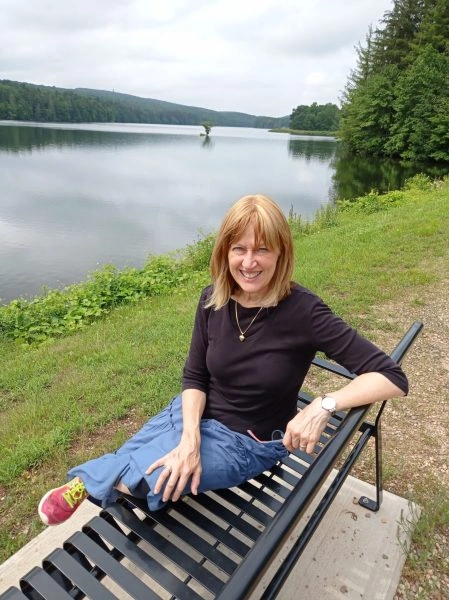
About a year into learning more about Judaism on a path to potential conversion, I saw an article about the upcoming Siyum HaShas in January of 2020. My curiosity was piqued and I immediately started investigating what learning the Daf actually meant. Daily learning? Just what I wanted. Seven and a half years? I love a challenge! So I dove in head first and I’ve enjoyed every moment!!
Nickie Matthews
Nickie Matthews

Blacksburg, United States

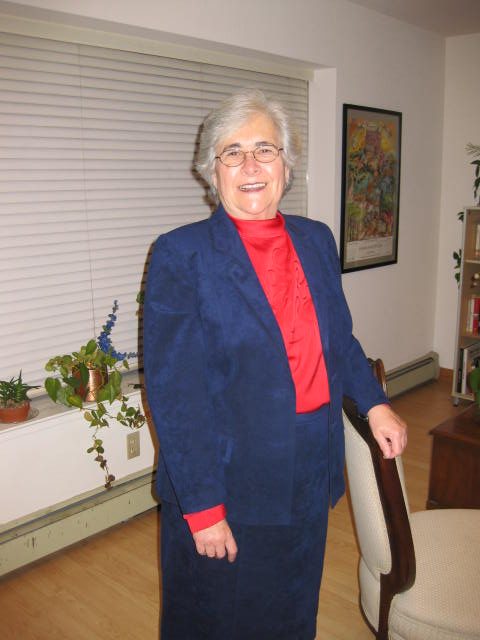
Jill Shames
Jill Shames

Jerusalem, Israel

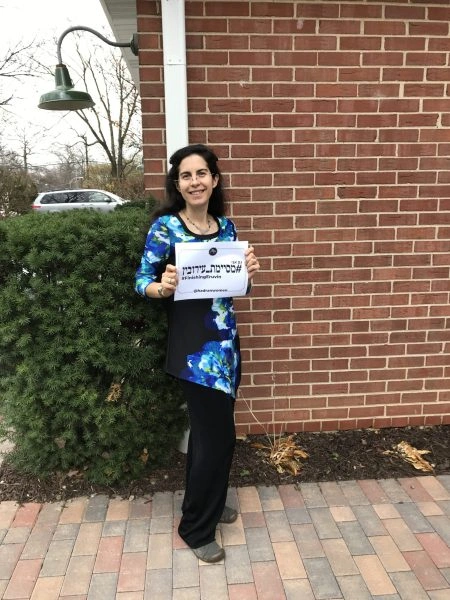
I saw an elderly man at the shul kiddush in early March 2020, celebrating the siyyum of masechet brachot which he had been learning with a young yeshiva student. I thought, if he can do it, I can do it! I began to learn masechet Shabbat the next day, Making up masechet brachot myself, which I had missed. I haven’t missed a day since, thanks to the ease of listening to Hadran’s podcast!
Judith Shapiro
Judith Shapiro

Minnesota, United States

I started learning with rabbis. I needed to know more than the stories. My first teacher to show me “the way of the Talmud” as well as the stories was Samara Schwartz.
Michelle Farber started the new cycle 2 yrs ago and I jumped on for the ride.
I do not look back.

Jenifer Nech
Jenifer Nech

Houston, United States

When I began the previous cycle, I promised myself that if I stuck with it, I would reward myself with a trip to Israel. Little did I know that the trip would involve attending the first ever women’s siyum and being inspired by so many learners. I am now over 2 years into my second cycle and being part of this large, diverse, fascinating learning family has enhanced my learning exponentially.

Shira Krebs
Shira Krebs

Minnesota, United States

I attended the Siyum so that I could tell my granddaughter that I had been there. Then I decided to listen on Spotify and after the siyum of Brachot, Covid and zoom began. It gave structure to my day. I learn with people from all over the world who are now my friends – yet most of us have never met. I can’t imagine life without it. Thank you Rabbanit Michelle.

Emma Rinberg
Emma Rinberg

Raanana, Israel

I started learning Gemara at the Yeshivah of Flatbush. And I resumed ‘ברוך ה decades later with Rabbanit Michele at Hadran. I started from Brachot and have had an exciting, rewarding experience throughout seder Moed!

Anne Mirsky (1)
Anne Mirsky

Maale Adumim, Israel

I learned daf more off than on 40 years ago. At the beginning of the current cycle, I decided to commit to learning daf regularly. Having Rabanit Michelle available as a learning partner has been amazing. Sometimes I learn with Hadran, sometimes with my husband, and sometimes on my own. It’s been fun to be part of an extended learning community.

Miriam Pollack
Miriam Pollack

Honolulu, Hawaii, United States

I’ve been learning since January 2020, and in June I started drawing a phrase from each daf. Sometimes it’s easy (e.g. plants), sometimes it’s very hard (e.g. korbanot), and sometimes it’s loads of fun (e.g. bird racing) to find something to draw. I upload my pictures from each masechet to #DafYomiArt. I am enjoying every step of the journey.

Gila Loike
Gila Loike

Ashdod, Israel

The start of my journey is not so exceptional. I was between jobs and wanted to be sure to get out every day (this was before corona). Well, I was hooked after about a month and from then on only looked for work-from-home jobs so I could continue learning the Daf. Daf has been a constant in my life, though hurricanes, death, illness/injury, weddings. My new friends are Rav, Shmuel, Ruth, Joanna.
Judi Felber
Judi Felber

Raanana, Israel

In early 2020, I began the process of a stem cell transplant. The required extreme isolation forced me to leave work and normal life but gave me time to delve into Jewish text study. I did not feel isolated. I began Daf Yomi at the start of this cycle, with family members joining me online from my hospital room. I’ve used my newly granted time to to engage, grow and connect through this learning.

Reena Slovin
Reena Slovin

Worcester, United States

Since I started in January of 2020, Daf Yomi has changed my life. It connects me to Jews all over the world, especially learned women. It makes cooking, gardening, and folding laundry into acts of Torah study. Daf Yomi enables me to participate in a conversation with and about our heritage that has been going on for more than 2000 years.

Shira Eliaser
Shira Eliaser

Skokie, IL, United States

I started learning Dec 2019 after reading “If all the Seas Were Ink”. I found
Daily daf sessions of Rabbanit Michelle in her house teaching, I then heard about the siyum and a new cycle starting wow I am in! Afternoon here in Sydney, my family and friends know this is my sacred time to hide away to live zoom and learn. Often it’s hard to absorb and relate then a gem shines touching my heart.

Dianne Kuchar
Dianne Kuchar

Dover Heights, Australia

A few years back, after reading Ilana Kurshan’s book, “If All The Seas Were Ink,” I began pondering the crazy, outlandish idea of beginning the Daf Yomi cycle. Beginning in December, 2019, a month before the previous cycle ended, I “auditioned” 30 different podcasts in 30 days, and ultimately chose to take the plunge with Hadran and Rabbanit Michelle. Such joy!

Cindy Dolgin
Cindy Dolgin

HUNTINGTON, United States

I’ve been wanting to do Daf Yomi for years, but always wanted to start at the beginning and not in the middle of things. When the opportunity came in 2020, I decided: “this is now the time!” I’ve been posting my journey daily on social media, tracking my progress (#DafYomi); now it’s fully integrated into my daily routines. I’ve also inspired my partner to join, too!

Joséphine Altzman
Joséphine Altzman

Teaneck, United States

I read Ilana Kurshan’s “If All the Seas Were Ink” which inspired me. Then the Women’s Siyum in Jerusalem in 2020 convinced me, I knew I had to join! I have loved it- it’s been a constant in my life daily, many of the sugiyot connect to our lives. My family and friends all are so supportive. It’s incredible being part of this community and love how diverse it is! I am so excited to learn more!

Shira Jacobowitz
Shira Jacobowitz

Jerusalem, Israel

In January 2020 on a Shabbaton to Baltimore I heard about the new cycle of Daf Yomi after the siyum celebration in NYC stadium. I started to read “ a daily dose of Talmud “ and really enjoyed it . It led me to google “ do Orthodox women study Talmud? “ and found HADRAN! Since then I listen to the podcast every morning, participate in classes and siyum. I love to learn, this is amazing! Thank you

Sandrine Simons
Sandrine Simons

Atlanta, United States

“I got my job through the NY Times” was an ad campaign when I was growing up. I can headline “I got my daily Daf shiur and Hadran through the NY Times”. I read the January 4, 2020 feature on Reb. Michelle Farber and Hadran and I have been participating ever since. Thanks NY Times & Hadran!
Deborah Aschheim
Deborah Aschheim

New York, United States

I had no formal learning in Talmud until I began my studies in the Joint Program where in 1976 I was one of the few, if not the only, woman talmud major. It was superior training for law school and enabled me to approach my legal studies with a foundation . In 2018, I began daf yomi listening to Rabbanit MIchelle’s pod cast and my daily talmud studies are one of the highlights of my life.

Krivosha_Terri_Bio
Terri Krivosha

Minneapolis, United States

My first Talmud class experience was a weekly group in 1971 studying Taanit. In 2007 I resumed Talmud study with a weekly group I continue learning with. January 2020, I was inspired to try learning Daf Yomi. A friend introduced me to Daf Yomi for Women and Rabbanit Michelle Farber, I have kept with this program and look forward, G- willing, to complete the entire Shas with Hadran.
Lorri Lewis
Lorri Lewis

Palo Alto, CA, United States

Eruvin 89

לֹא שָׁנוּ אֶלָּא שֶׁלֹּא עֵירְבוּ, אֲבָל עֵירְבוּ — מוּתָּרִין.

They taught this halakha only with regard to a case where the residents of the two upper stories did not establish an eiruv together, but if they established a joint eiruv, they are all permitted to pour water into the courtyard.

וְכִי לֹא עֵירְבוּ, מַאי טַעְמָא לָא? אָמַר רַב אָשֵׁי: גְּזֵירָה דִּילְמָא אָתֵי לְאַפּוֹקֵי מִמָּאנֵי דְבָתִּים לְהָתָם.

The Gemara asks: And where they did not establish an eiruv, what is the reason that the residents who did not dig a pit may not pour water into the courtyard? Rav Ashi said: It is a decree, lest people come to take out vessels filled with water from their houses into the courtyard, to pour into the pit. In the absence of an eiruv, this practice is prohibited.

הַדְרָן עֲלָךְ כֵּיצַד מִשְׁתַּתְּפִין

מַתְנִי׳ כָּל גַּגּוֹת הָעִיר רְשׁוּת אַחַת, וּבִלְבַד שֶׁלֹּא יְהֵא גַּג גָּבוֹהַּ עֲשָׂרָה אוֹ נָמוּךְ עֲשָׂרָה, דִּבְרֵי רַבִּי מֵאִיר. וַחֲכָמִים אוֹמְרִים: כָּל אֶחָד וְאֶחָד רְשׁוּת בִּפְנֵי עַצְמוֹ.

MISHNA: All the roofs of the city are considered one domain. It is permitted to carry from one roof to another, even if the residents of the houses did not establish an eiruv between them. The Sages did not prohibit carrying between roofs, as it is rare to transfer an item from one roof to another. However, it is only permitted to transfer objects between roofs provided that one roof is neither ten handbreadths higher nor ten handbreadths lower than the adjacent roof. This is the statement of Rabbi Meir. And the Rabbis say: Each and every one of the roofs is a domain in and of itself. It is permitted to carry from one to the other only if the residents of both houses established an eiruv.

רַבִּי שִׁמְעוֹן אוֹמֵר: אֶחָד גַּגּוֹת וְאֶחָד חֲצֵירוֹת וְאֶחָד קַרְפֵּיפוֹת — רְשׁוּת אַחַת הֵן לְכֵלִים שֶׁשָּׁבְתוּ לְתוֹכָן, וְלֹא לְכֵלִים שֶׁשָּׁבְתוּ בְּתוֹךְ הַבַּיִת.

Rabbi Shimon says: Roofs, courtyards, and enclosures are all one domain with regard to vessels that were inside them when Shabbat began, and one may therefore carry from one of these areas to another. However, they are not one domain with regard to vessels that were inside the house when Shabbat began and were later taken into one of the above domains. A vessel that was inside the house when Shabbat began and subsequently carried to one of these areas may be carried from one roof, courtyard, or enclosure to another only if an eiruv had been established between the domains.

גְּמָ׳ יָתֵיב אַבָּיֵי בַּר אָבִין וְרַבִּי חֲנִינָא בַּר אָבִין, וְיָתֵיב אַבָּיֵי גַּבַּיְיהוּ, וְיָתְבִי וְקָאָמְרִי: בִּשְׁלָמָא רַבָּנַן סָבְרִי כְּשֵׁם שֶׁדִּיּוּרִין חֲלוּקִין לְמַטָּה, כָּךְ דִּיּוּרִין חֲלוּקִין לְמַעְלָה.

GEMARA: Abaye bar Avin and Rabbi Ḥanina bar Avin were sitting, and Abaye was sitting beside them, and they sat and said: Granted, the Rabbis maintain: Just as residents are divided into separate domains below, and they may not carry from house to house without an eiruv, so are residents divided into separate domains above, on the rooftops, and it is prohibited to carry from one roof to another without an eiruv.

אֶלָּא רַבִּי מֵאִיר מַאי קָסָבַר? אִי קָסָבַר: כְּשֵׁם שֶׁדִּיּוּרִין חֲלוּקִין לְמַטָּה, כָּךְ דִּיּוּרִין חֲלוּקִין לְמַעְלָה, אַמַּאי רְשׁוּת אַחַת הֵן? וְאִי קָסָבַר אֵין חֲלוּקִין, דְּכׇל לְמַעְלָה מֵעֲשָׂרָה רְשׁוּת אַחַת הִיא — אֲפִילּוּ גַּג גָּבוֹהַּ עֲשָׂרָה וְנָמוּךְ עֲשָׂרָה, נָמֵי!

However, Rabbi Meir, what does he maintain; what is the rationale for his opinion? If he maintains that just as residents are divided into separate domains below, so are residents divided into separate domains above, why, in his opinion, are they considered one domain? And if he maintains that they are not divided into separate domains, as any place above ten handbreadths off the ground is considered one domain, even if a roof is ten handbreadths higher or ten handbreadths lower than the adjacent roof, it should likewise be permitted to carry from one roof to the other.

אֲמַר לְהוּ אַבָּיֵי: לָא שְׁמִיעַ לְכוּ הָא דְּאָמַר רַב יִצְחָק בַּר אַבְדִּימִי, אוֹמֵר הָיָה רַבִּי מֵאִיר: כָּל מָקוֹם שֶׁאַתָּה מוֹצֵא שְׁתֵּי רְשׁוּיוֹת וְהֵן רְשׁוּת אַחַת, כְּגוֹן עַמּוּד בִּרְשׁוּת הַיָּחִיד גָּבוֹהַּ עֲשָׂרָה וְרָחָב אַרְבָּעָה — אָסוּר לְכַתֵּף עָלָיו, גְּזֵירָה מִשּׁוּם תֵּל בִּרְשׁוּת הָרַבִּים. הָכִי נָמֵי, גְּזֵירָה מִשּׁוּם תֵּל בִּרְשׁוּת הָרַבִּים.

Abaye said to them: Have you not heard that which Rav Yitzḥak bar Avdimi said that Rabbi Meir would say: Any place that you find two domains, i.e., places set apart from each other by disparity in height or by boundaries, and yet they are halakhically one domain, for example, a pillar ten handbreadths high and four handbreadths wide situated in a private domain, it is prohibited to adjust a burden on one’s shoulders upon it, by rabbinic decree, due to the concern lest he come to do the same thing on a mound in the public domain. The legal status of a mound ten handbreadths high and four handbreadths wide located in a public domain is that of a private domain. In that case, it is prohibited by Torah law to transfer an object from the public domain to the mound. Here too, in the case of roofs, Rabbi Meir prohibited transferring objects between roofs with a height disparity of ten handbreadths, by rabbinic decree, due to the concern lest one come to transfer an object from the public domain to a mound in a public domain.

סְבוּר מִינָּה אֲפִילּוּ מַכְתֶּשֶׁת וַאֲפִילּוּ גִּיגִית.

Abaye and Ḥanina bar Avin understood by inference from this ruling that in the opinion of Rabbi Meir, it would be prohibited to adjust one’s burden even on a mortar and even on a vat that were overturned in a private domain and that are large enough to constitute private domains in their own right.

אֲמַר לְהוּ אַבָּיֵי, הָכִי אָמַר מָר: לֹא אָמַר רַבִּי מֵאִיר אֶלָּא עַמּוּד וְאַמַּת הָרֵיחַיִם, הוֹאִיל וְאָדָם קוֹבֵעַ לָהֶן מָקוֹם.

Abaye said to them: The Master, Rabba, said as follows: Rabbi Meir spoke only in the case of a pillar or the raised base of a millstone. Since a person fixes a place for them they are comparable to a mound in a public domain in that they are rarely moved. However, the Sages did not issue a decree in the case of portable objects.

וַהֲרֵי כּוֹתֶל שֶׁבֵּין שְׁתֵּי חֲצֵירוֹת, דְּקָבוּעַ, וְאָמַר רַב יְהוּדָה: כְּשֶׁתִּימְצֵי לוֹמַר, לְדִבְרֵי רַבִּי מֵאִיר: גַּגִּין רְשׁוּת לְעַצְמָן, חֲצֵירוֹת רְשׁוּת לְעַצְמָן, קַרְפֵּיפוֹת רְשׁוּת לְעַצְמָן.

The Gemara raises a difficulty. There is the case of a wall that is between two courtyards, which is fixed, and nevertheless Rav Yehuda said: When you analyze the matter, you will find that according to Rabbi Meir all roofs form a single domain in and of themselves, and likewise all courtyards form a single domain in and of themselves, and all enclosures form a single domain in and of themselves. It is permitted to carry from one courtyard to another, although it is not permitted to carry from a courtyard to a roof.

מַאי לָאו, דִּשְׁרֵי לְטַלְטוֹלֵי דֶּרֶךְ כּוֹתֶל!

What, is it not that it is permitted to move objects from one courtyard to another via a dividing wall, even though it is ten handbreadths high? This poses a difficulty to the opinion of Rabbi Meir, who prohibits the transfer of an object from one place to a place ten handbreadths higher or lower.

אָמַר רַב הוּנָא בַּר יְהוּדָה אָמַר רַב שֵׁשֶׁת: לָא, לְהַכְנִיס וּלְהוֹצִיא דֶּרֶךְ פְּתָחִים.

Rav Huna bar Yehuda said that Rav Sheshet said: No, that explanation is incorrect, as Rav Yehuda meant to say that according to Rabbi Meir it is permitted to carry in and carry out between one courtyard and another, or from one enclosure to another, via the openings between them. However, Rabbi Meir concedes that one may not transfer objects over the wall that separates the two domains, as the wall is considered a domain in and of itself.

וַחֲכָמִים אוֹמְרִים כָּל אֶחָד וְאֶחָד רְשׁוּת בִּפְנֵי עַצְמוֹ. אִיתְּמַר, רַב אָמַר: אֵין מְטַלְטְלִין בּוֹ אֶלָּא בְּאַרְבַּע אַמּוֹת, וּשְׁמוּאֵל אָמַר: מוּתָּר לְטַלְטֵל בְּכוּלּוֹ.

We learned in the mishna: And the Rabbis say that each and every one of the roofs is a domain in and of itself. It was stated that amora’im disagreed about the following issue. Rav said: According to the Rabbis, one may move objects on each roof only within four cubits. As, according to the Rabbis, the legal status of roofs is like that of courtyards, in that it is prohibited to carry from one roof to another, and each roof is fully open to a domain into which carrying is prohibited. Therefore, it is also prohibited to carry objects farther than four cubits on each roof. And Shmuel said: It is permitted to move objects throughout each entire roof.

בִּמְחִיצוֹת הַנִּיכָּרוֹת — דְּכוּלֵּי עָלְמָא לָא פְּלִיגִי. כִּי פְּלִיגִי — בִּמְחִיצוֹת שֶׁאֵינָן נִיכָּרוֹת.

The Gemara comments: With regard to partitions that are conspicuous, i.e., detached houses whose walls are distinct, everyone agrees that it is permitted to carry throughout each roof. Where they disagree is with regard to partitions that are not conspicuous, i.e., attached houses, which appear as though they share a common roof although they are owned by different people.

רַב אָמַר: אֵין מְטַלְטְלִין בּוֹ אֶלָּא בְּאַרְבַּע אַמּוֹת — לָא אָמַר: ״גּוּד אַסֵּיק מְחִיצְתָּא״. וּשְׁמוּאֵל אָמַר: מוּתָּר לְטַלְטֵל בְּכוּלּוֹ — דְּאָמַר: ״גּוּד אַסֵּיק מְחִיצְתָּא״.

Rav said: One may carry on each roof only within four cubits. Rav does not state the principle: Extend and raise the partitions between the houses below, which states that the walls of the houses are considered to extend upward and create partitions between the roofs. And Shmuel said: It is permitted to carry throughout each entire roof, as he states the principle: Extend and raise the partitions.

תְּנַן, וַחֲכָמִים אוֹמְרִים: כָּל אֶחָד וְאֶחָד

The Gemara asks a question based on that which we learned in the mishna: And the Rabbis say that each and every one of the roofs

רְשׁוּת לְעַצְמוֹ. בִּשְׁלָמָא לִשְׁמוּאֵל נִיחָא, אֶלָּא לְרַב קַשְׁיָא.

is a domain in and of itself. This indicates that each roof constitutes a discrete domain, and one may carry throughout this entire domain. Granted according to the opinion of Shmuel, this works out well, but according to the opinion of Rav, it is difficult.

אָמְרִי בֵּי רַב מִשְּׁמֵיהּ דְּרַב: שֶׁלֹּא יְטַלְטֵל שְׁתֵּי אַמּוֹת בְּגַג זֶה, וּשְׁתֵּי אַמּוֹת בְּגַג זֶה.

The Gemara answers that the Sages of the school of Rav said in the name of Rav: The ruling in the mishna is not a leniency permitting one to carry throughout the entire roof; rather, it is a stringency, ruling that one may not move an object two cubits on this roof and two cubits on that roof. The tanna rules that even the allowance to carry within four cubits is restricted to a single roof.

וְהָא אָמַר רַבִּי אֶלְעָזָר: כִּי הֲוֵינַן בְּבָבֶל הֲוָה אָמְרִינַן: בֵּי רַב מִשְּׁמֵיהּ דְּרַב אָמְרוּ: אֵין מְטַלְטְלִין בּוֹ אֶלָּא בְּאַרְבַּע אַמּוֹת, וְהָנֵי דְּבֵי שְׁמוּאֵל תָּנוּ: אֵין לָהֶן אֶלָּא גַּגָּן.

The Gemara raises a difficulty. But didn’t Rabbi Elazar say: When we were in Babylonia we would say that the Sages of the school of Rav said in the name of Rav: One may move an object on each roof only within four cubits, and those Sages of the school of Shmuel taught a baraita in accordance with their opinion: They have only their own roof.

מַאי ״אֵין לָהֶן אֶלָּא גַּגָּן״, לָאו דִּשְׁרוּ לְטַלְטוֹלֵי בְּכוּלֵּיהּ? וּמִי אַלִּימָא מִמַּתְנִיתִין, דְּאוֹקֵימְנָא שֶׁלֹּא יְטַלְטֵל שְׁתֵּי אַמּוֹת בְּגַג זֶה וּשְׁתֵּי אַמּוֹת בְּגַג זֶה?! הָכִי נָמֵי, שְׁתֵּי אַמּוֹת בְּגַג זֶה וּשְׁתֵּי אַמּוֹת בְּגַג זֶה.

The Gemara seeks to clarify this baraita. What is the meaning of the statement: They have only their own roof? Is it not that they are permitted to move an object throughout each entire roof? This baraita poses a difficulty to Rav. The Gemara rejects this contention: And is this baraita any stronger a proof than our mishna, which we established as a stringency, that one may not move an object two cubits on this roof and two cubits on that roof? So too, this baraita is teaching that one may not carry two cubits on this roof and two cubits on that roof.

אָמַר רַב יוֹסֵף: לָא שְׁמִיעַ לִי הָא שְׁמַעְתָּא. אֲמַר לֵיהּ אַבָּיֵי: אַתְּ אֲמַרְתְּ נִיהֲלַן, וְאַהָא אֲמַרְתְּ נִיהֲלַן: גַּג גָּדוֹל הַסָּמוּךְ לְקָטָן — הַגָּדוֹל מוּתָּר, וְהַקָּטָן אָסוּר.

Rav Yosef said, after an illness had caused him to forget his knowledge: I have not heard this halakha of Shmuel’s with regard to roofs. His student Abaye said to him: You yourself said it to us, and it was about this that you said it to us: With regard to a large roof that is adjacent to a small one, carrying on the large one is permitted, as its partitions are distinct where it extends beyond the small one, and carrying on the small one is prohibited, as it is breached along its entire length into the other roof, onto which it is prohibited to carry.

וַאֲמַרְתְּ לַן עֲלַהּ: אָמַר רַב יְהוּדָה אָמַר שְׁמוּאֵל: לֹא שָׁנוּ אֶלָּא שֶׁיֵּשׁ דִּיּוּרִין עַל זֶה וְדִיּוּרִין עַל זֶה, דְּהָוְיָא לַהּ הָא דְּקָטָן מְחִיצָה נִדְרֶסֶת.

And you said to us about it: Rav Yehuda said that Shmuel said: They only taught this halakha in a case where there are residents on this roof and residents on that roof, as the extended, virtual partition of the small roof is considered a trampled partition. The residents trample this virtual partition as they move from one roof to the other, and the entire length of the small roof is considered breached into the large one.

אֲבָל אֵין דִּיּוּרִין עַל זֶה וְעַל זֶה — שְׁנֵיהֶן מוּתָּרִין.

However, if there are no residents on this roof and none on that one, carrying on both roofs is permitted. Presumably, Shmuel’s reasoning is that in this case the walls of the houses below extend upward and form partitions between the roofs, in accordance with the principle: Extend and raise the partitions.

אֲמַר לֵיהּ: אֲנָא הָכִי אֲמַרִי לְכוּ: לֹא שָׁנוּ אֶלָּא שֶׁיֵּשׁ מְחִיצָה עַל זֶה וּמְחִיצָה עַל זֶה, דְּגָדוֹל מִישְׁתְּרֵי בְּגִיפּוּפֵי, וְקָטָן נִפְרָץ בִּמְלוֹאוֹ. אֲבָל אֵין מְחִיצָה לֹא עַל זֶה וְלֹא עַל זֶה — שְׁנֵיהֶן אֲסוּרִין.

Rav Yosef said to him: I remember it now. I said to you as follows: They taught this halakha, that carrying is prohibited on the small roof, only with regard to a case where there was an actual partition on all sides of this roof and an actual partition on all sides of that roof, not only between the two roofs. In that case, carrying on the large roof is permitted by means of the remnants of the partition on either side of the opening, and carrying on the small roof is prohibited because it is fully breached into the larger one. However, if there is no partition, neither on all sides of this roof nor on all sides of that roof, carrying on both of them is prohibited.

וְהָא דִּיּוּרִין אֲמַרְתְּ לַן! אִי אֲמַרִי לְכוּ דִּיּוּרִין, הָכִי אֲמַרִי לְכוּ: לֹא שָׁנוּ אֶלָּא שֶׁיֵּשׁ מְחִיצָה רְאוּיָה לְדִירָה עַל זֶה וּמְחִיצָה רְאוּיָה לְדִירָה עַל זֶה, דְּגָדוֹל מִישְׁתְּרֵי בְּגִיפּוּפֵי וְקָטָן נִפְרָץ בִּמְלוֹאוֹ.

Abaye raised a difficulty: But didn’t you speak to us of residents? Rav Yosef replied: If I spoke to you of residents, this is what I said to you: They taught this halakha, that carrying is prohibited on the small roof, only in a case where there is an actual partition that renders the area fit for residence on all sides of this roof, and an actual partition that renders the area fit for residence on all sides of that roof, as carrying on the large roof is permitted by means of the remnants of the partition on either side of the opening, and carrying on the small roof is prohibited because it is fully breached into the larger one.

אֲבָל יֵשׁ מְחִיצָה רְאוּיָה לְדִירָה עַל הַגָּדוֹל, וְאֵין רְאוּיָה לְדִירָה עַל הַקָּטָן — אֲפִילּוּ קָטָן שְׁרֵי לִבְנֵי גָדוֹל. מַאי טַעְמָא? כֵּיוָן דְּלָא עֲבוּד מְחִיצָה, סַלּוֹקֵי סַלִּיקוּ נַפְשַׁיְיהוּ מֵהָכָא.

However, if there is a partition that renders the area fit for a residence on all sides of the large roof, but there is no partition that renders the area fit for a residence on the small roof, carrying even on the small roof is permitted for the residents of the large roof. What is the reason for this? Since the residents of the small roof did not erect a partition around their roof, they thereby removed themselves from here and transferred the right to their domain to the residents of the large roof.

כְּהָא דְּאָמַר רַב נַחְמָן: עָשָׂה סוּלָּם קָבוּעַ לְגַגּוֹ — הוּתַּר בְּכׇל הַגַּגִּין כּוּלָּן.

This is in accordance with that which Rav Naḥman said: If one affixed a permanent ladder to his roof, while the owners of the neighboring roofs did not do so, it is permitted for him to carry on all the roofs. The failure of the other owners to erect a ladder indicates that they relinquished the right to their roofs to the one who affixed the permanent ladder.

אָמַר אַבָּיֵי: בָּנָה עֲלִיָּיה עַל גַּבֵּי בֵּיתוֹ וְעָשָׂה לְפָנֶיהָ דַּקָּה אַרְבַּע — הוּתַּר בְּכׇל הַגַּגִּין כּוּלָּן.

Abaye said: If a person built an upper story atop his house, by surrounding the roof with walls, and erected before its entrance a small partition [dakka] four cubits high that opens to other roofs, it is permitted for him to carry on all the roofs. His construction of the partition is indicative of his plans to utilize the other roofs, while the failure of the other owners to do so indicates that they conceded use of their roofs to him.

אָמַר רָבָא: פְּעָמִים שֶׁהַדַּקָּה לְאִיסּוּר, הֵיכִי דָּמֵי — דַּעֲבִידָא לַהֲדֵי תַּרְבִּיצָא דְבֵיתֵיהּ, דְּאָמַר

Rava said: Sometimes the small partition leads to prohibition. What are the circumstances of this case? It is a case where the partition was erected facing toward the garden of his house and the sides facing the other roofs were sealed. The reason is that through his actions he said

Want to follow content and continue where you left off?

Create an account today to track your progress, mark what you’ve learned, and follow the shiurim that speak to you.

Clear all items from this list?

This will remove ALL the items in this section. You will lose any progress or history connected to them. This is irreversible.

Cancel
Yes, clear all

Are you sure you want to delete this item?

You will lose any progress or history connected to this item.

Cancel
Yes, delete