Search

Gittin 6

Want to dedicate learning? Get started here:

English
עברית
podcast placeholder

0:00
0:00


podcast placeholder

0:00
0:00


Summary

Today’s daf is sponsored by the Hadran Zoom Family in honor of their three dear friends, “each of whom revel in the glories of Hashem’s world. Marsha Morman scaled to the base camp of Everest, Daf Yomi in her hand and Rabbanit Michelle in her ear. Judi Felber finished Shas, climbing through reams of pages over 7 years. And Debbie Gvir reclaimed her health again. Aleina (literally) v’hitzlachna!

Today’s daf is sponsored by Laurence and Michelle Berkowitz in loving memory of Joy Rochwarger Balsam on her 19th yahrzeit. “A pioneer in women’s Torah learning, whereby hundreds of her students continue to spread the light of the Torah. Yehi zichra baruch!

Is Babylonia considered like Israel for gittin and therefore one who brings from place to place in Babylonia would not need to say “in front of me it was written…”? Rav and Shmuel disagree about this. First, they suggest that the root of the debate is based on the debate between Rava and Raba, but they reject it and explain that it is because there are now yeshivot in Babylonia. Rav holds that since they now travel from place to place to learn, they recognize signatures. Shmuel holds that they are busy learning and therefore do not recognize the signatures of others. What are the boundaries of Babylonia? Some places have unique laws related to this that are dependent on the nature of the places and whether or not people from one place would recognize the signatures of the other. Rav Kahana brought a get from one big city in Babylonia to the other and Rav told him that he did not need to say “In front of me it was written…” but if he did, it would help – in the event that the husband will try to claim it was not a valid get, as can be learned from a different story told in a braita of Rabbi Yishmael. Rabbi Evyatar ruled that there is no need to say the declaration if bringing a get from Babylonia to Israel as there are always people traveling from one place to the other. Is Rabbi Evyatar someone who can be relied on in his rulings?

Today’s daily daf tools:

Gittin 6

אֲפִילּוּ קַן קוּלְמוֹסָא וְקַן מְגִילְּתָא.

Even if he heard the sound of the quill [kulmusa] and the sound of the scroll when the scribe was writing the bill of divorce for the sake of that woman, this is sufficient.

תַּנְיָא כְּווֹתֵיהּ דְּרַב אָשֵׁי: הַמֵּבִיא גֵּט מִמְּדִינַת הַיָּם – אֲפִילּוּ הוּא בַּבַּיִת וְסוֹפֵר בָּעֲלִיָּיה, הוּא בָּעֲלִיָּיה וְסוֹפֵר בַּבַּיִת – אֲפִילּוּ נִכְנָס וְיוֹצֵא כָּל הַיּוֹם כּוּלּוֹ, כָּשֵׁר.

It is taught in a baraita in accordance with the opinion of Rav Ashi: With regard to one who brings a bill of divorce from a country overseas, even if he was in the house but the scribe was in the loft writing the bill of divorce, or if he was in the loft and the scribe was in the house writing the bill of divorce, and even if he was entering and exiting the entire day the bill of divorce is valid and he can testify that it was written properly.

הוּא בַּבַּיִת וְסוֹפֵר בָּעֲלִיָּיה?! הָא לָא קָא חָזֵי לֵיהּ! אֶלָּא לָאו כְּגוֹן דִּשְׁמַע קַן קוּלְמוֹסָא וְקַן מְגִילְּתָא.

The Gemara notes: If he was in the house and the scribe was in the loft, he does not see him at all. Rather, is it not correct to say that the baraita is speaking about a case where he heard the sound of the quill and the sound of the scroll? This is a proof which supports the statement of Rav Ashi.

אָמַר מָר: אֲפִילּוּ נִכְנָס וְיוֹצֵא כָּל הַיּוֹם כּוּלּוֹ – כָּשֵׁר. מַאן? אִילֵימָא שָׁלִיחַ, הַשְׁתָּא הוּא בַּבַּיִת וְסוֹפֵר בָּעֲלִיָּיה, דְּלָא חָזֵי לֵיהּ – אָמְרַתְּ כָּשֵׁר, נִכְנָס וְיוֹצֵא מִיבַּעְיָא?! אֶלָּא סוֹפֵר? פְּשִׁיטָא! מִשּׁוּם דְּנִכְנָס וְיוֹצֵא נִפְסְלִינֵּיהּ?!

The Master said above, in the baraita: Even if he was entering and exiting the entire day, the bill of divorce is valid. The Gemara asks: Who is the one entering and exiting? If we say that this is referring to the agent, who is required to later testify about the bill of divorce, now that in the case where he was in the house and the scribe was in the loft, when the agent does not see the scribe at all and nevertheless you said that the bill of divorce is valid, is it necessary to say that it is valid when he was entering and exiting the place where the bill of divorce was written? Rather, perhaps this is referring to the scribe himself, i.e., he enters and exits all day and does not write the bill of divorce in one uninterrupted act. The Gemara asks: This halakha is obvious, as would we render the bill of divorce invalid merely because he was entering and exiting?

לָא צְרִיכָא, דִּנְפַק לְשׁוּקָא וַאֲתָא; מַהוּ דְּתֵימָא, אִינִישׁ אַחֲרִינָא אַשְׁכְּחֵיהּ וַאֲמַר לֵיהּ, קָא מַשְׁמַע לַן.

The Gemara answers: No, it is necessary to teach the halakha in a case where the scribe exited the house to go to the market and returned to continue writing the bill of divorce. Lest you say that perhaps while he was in the market another person found him and told him to write a bill of divorce on his behalf, and he is now writing a bill of divorce for the sake of a woman other than the one for which he was writing it at the outset, the baraita therefore teaches us that this possibility is disregarded and the bill of divorce is valid.

אִיתְּמַר: בָּבֶל; רַב אָמַר: כְּאֶרֶץ יִשְׂרָאֵל לְגִיטִּין, וּשְׁמוּאֵל אָמַר: כְּחוּצָה לָאָרֶץ.

§ It was stated that the amora’im disagreed concerning the status of Babylonia with regard to the halakhot of bills of divorce: Rav says that Babylonia is considered to be like Eretz Yisrael with regard to bills of divorce, and Shmuel says that it is considered like outside of Eretz Yisrael.

לֵימָא בְּהָא קָא מִיפַּלְגִי: דְּמָר סָבַר לְפִי שֶׁאֵין בְּקִיאִין לִשְׁמָהּ, וְהָנֵי גְּמִירִי; וּמָר סָבַר לְפִי שֶׁאֵין עֵדִים מְצוּיִין לְקַיְּימוֹ, וְהָנֵי נָמֵי לָא שְׁכִיחִי.

The Gemara suggests: Shall we say that Rav and Shmuel disagree with regard to this, that one Sage, Rav, holds that the reason an agent is required to say: It was written in my presence and it was signed in my presence, is because they are not experts in writing a bill of divorce for her sake, and these Babylonians are learned. And one Sage, Shmuel, holds that the reason is because there are no witnesses available to ratify it, and these Babylonians are also not frequently available.

וְתִסְבְּרָא?! הָא רַבָּה אִית לֵיהּ דְּרָבָא!

The Gemara rejects this suggestion: And can you understand it that way? But it was already stated above that Rabba, who says that the concern is whether the document was written for her sake, is of the opinion that the reason is also in accordance with the opinion of Rava, who maintains that witnesses are also required to ratify the bill of divorce. Therefore, even if Babylonians are knowledgeable about writing a bill of divorce for the woman’s sake, Babylonia should be treated like anywhere else outside of Eretz Yisrael because witnesses are not readily available.

אֶלָּא, דְּכוּלֵּי עָלְמָא בָּעֵינַן לְקַיְּימוֹ; רַב סָבַר: כֵּיוָן דְּאִיכָּא מְתִיבָתָא, מִישְׁכָּח שְׁכִיחִי; וּשְׁמוּאֵל סָבַר: מְתִיבָתָא בְּגִירְסַיְיהוּ טְרִידִי.

Rather, everyone agrees that we require witnesses to ratify it, and they disagree with regard to this: Rav holds that since there are central academies where people study, witnesses are frequently available to ratify bills of divorce. And Shmuel holds that those studying in the academies are preoccupied by their studies; therefore, they cannot be used as witnesses to confirm a bill of divorce, as they will not recognize peoples’ signatures.

אִיתְּמַר נָמֵי, אָמַר רַבִּי אַבָּא אָמַר רַב הוּנָא: עָשִׂינוּ עַצְמֵינוּ בְּבָבֶל כְּאֶרֶץ יִשְׂרָאֵל לְגִיטִּין, מִכִּי אֲתָא רַב לְבָבֶל.

It was also stated that Rabbi Abba says that Rav Huna says: We made ourselves in Babylonia like Eretz Yisrael with regard to bills of divorce, from the time when Rav came to Babylonia.

מֵתִיב רַבִּי יִרְמְיָה: רַבִּי יְהוּדָה אוֹמֵר: מֵרְקָם לְמִזְרָח, וּרְקָם – כַּמִּזְרָח, מֵאַשְׁקְלוֹן לַדָּרוֹם, וְאַשְׁקְלוֹן – כַּדָּרוֹם, מֵעַכּוֹ לַצָּפוֹן, וְעַכּוֹ – כַּצָּפוֹן. וְהָא בָּבֶל לִצְפוֹנָהּ דְּאֶרֶץ יִשְׂרָאֵל קָיְימָא, דִּכְתִיב: ״וַיֹּאמֶר ה׳ אֵלָי מִצָּפוֹן תִּפָּתַח הָרָעָה״,

Rabbi Yirmeya raises an objection from the mishna: Rabbi Yehuda says: From Rekem eastward is considered to be part of the overseas country, and Rekem itself is like east of Eretz Yisrael. From Ashkelon southward is outside of Eretz Yisrael, and Ashkelon itself is like south of Eretz Yisrael. From Akko northward is outside of Eretz Yisrael, and Akko itself is like north of Eretz Yisrael. Rabbi Yirmeya explains his objection: But Babylonia is situated north of Eretz Yisrael, as it is written with regard to the destruction that will come through Babylonia: “Then the Lord said to me: Out of the north the evil shall break forth” (Jeremiah 1:14).

וּתְנַן, רַבִּי מֵאִיר אוֹמֵר: עַכּוֹ – כְּאֶרֶץ יִשְׂרָאֵל לְגִיטִּין; וַאֲפִילּוּ רַבִּי מֵאִיר לָא קָאָמַר אֶלָּא בְּעַכּוֹ דִּמְקָרְבָא, אֲבָל בָּבֶל דִּמְרַחֲקָא, לָא! הוּא מוֹתֵיב לַהּ וְהוּא מְפָרֵק לַהּ: לְבַר מִבָּבֶל.

And we further learned in the mishna that Rabbi Meir says: Akko is like Eretz Yisrael with regard to bills of divorce, and even Rabbi Meir said this only with regard to Akko, which is close to Eretz Yisrael. However, with regard to Babylonia, which is far from Eretz Yisrael, no, he did not dispute the ruling that it is not considered part of Eretz Yisrael. The Gemara explains: Rabbi Yirmeya raised the objection and he resolved it himself: This border of Eretz Yisrael was stated with the exception of Babylonia.

עַד הֵיכָן הִיא בָּבֶל? אָמַר רַב פָּפָּא: כְּמַחֲלוֹקֶת לְיוּחֲסִין, כָּךְ מַחֲלוֹקֶת לְגִיטִּין. וְרַב יוֹסֵף אָמַר: מַחֲלוֹקֶת לְיוּחֲסִין, אֲבָל לְגִיטִּין דִּבְרֵי הַכֹּל עַד אַרְבָּא תִּנְיָינָא דְּגִישְׁרָא.

The Gemara inquires: Until where is Babylonia? In other words, what are the boundaries of Babylonia with regard to this issue? Rav Pappa says: Just as there is a dispute concerning the boundaries of Babylonia with regard to lineage (Kiddushin 72a), as Babylonian Jews were considered to have a more prestigious lineage than those of Eretz Yisrael, so is there the same dispute with regard to bills of divorce. And Rav Yosef says: The dispute that is stated there applies only to lineage. However, with regard to bills of divorce, everyone agrees that the boundary of Babylonia is until the second arch of the bridge over the Euphrates River.

רַב חִסְדָּא מַצְרֵיךְ מֵאַקְטֵיסְפוֹן לְבֵי אַרְדָּשִׁיר, וּמִבֵּי אַרְדָּשִׁיר לְאַקְטֵיסְפוֹן לָא מַצְרֵיךְ. לֵימָא קָסָבַר לְפִי שֶׁאֵין בְּקִיאִין לִשְׁמָהּ, וְהָנֵי גְּמִירִי?

The Gemara relates: Rav Ḥisda required even those who delivered bills of divorce from Akteisfon to Bei Ardeshir to say: It was written in my presence and it was signed in my presence. But for bills of divorce brought from Bei Ardeshir to Akteisfon he did not require this declaration. The Gemara asks: Shall we say that he holds that the reason an agent is required to say that it was written and it was signed in his presence, is because they are not experts in writing a bill of divorce for her sake, and these residents of Bei Ardeshir are learned in this matter?

וְתִסְבְּרָא?! וְהָא רַבָּה אִית לֵיהּ דְּרָבָא! אֶלָּא דְּכוּלֵּי עָלְמָא בָּעֵינַן לְקַיְּימוֹ; וְהָנֵי, כֵּיוָן דְּאָזְלִי לְשׁוּקָא לְהָתָם – הָנָךְ יָדְעִי בַּחֲתִימוֹת יְדָא דְּהָנֵי,

The Gemara asks: And can you understand it that way? But Rabba is of the opinion that the reason is also in accordance with the opinion of Rava, that it is necessary to ratify a bill of divorce. Rather, everyone agrees that we require the presence of two witnesses to ratify the document, and with regard to these residents of Bei Ardeshir, since they go to the market there, in Akteisfon, these residents of Akteisfon recognize the signatures of these inhabitants of Bei Ardeshir.

וְהָנֵי בִּדְהָנָךְ לָא יָדְעִי. מַאי טַעְמָא? בְּשׁוּקַיְיהוּ טְרִידִי.

But these residents of Bei Ardeshir do not recognize the signatures of these residents of Akteisfon. What is the reason for this? They are preoccupied by their market business, as they are buying and selling their merchandise, and therefore they are not familiar with the signatures of the residents of Akteisfon.

רַבָּה בַּר אֲבוּהּ מַצְרֵיךְ מֵעַרְסָא לְעַרְסָא, רַב שֵׁשֶׁת מַצְרֵיךְ מִשְּׁכוּנָה לִשְׁכוּנָה, וְרָבָא מַצְרֵיךְ בְּאוֹתָהּ שְׁכוּנָה.

§ The Gemara relates that Rabba bar Avuh would require that an agent state the declaration even when transmitting a bill of divorce from one side of the public domain to the other side [me’arsa le’arsa]. Rav Sheshet required that an agent state the declaration even when transmitting a bill of divorce from one group of houses to another group of houses on the same side of the public domain. And Rava required that an agent state the declaration even when transmitting a bill of divorce within the same group of houses.

וְהָא רָבָא הוּא דְּאָמַר לְפִי שֶׁאֵין עֵדִים מְצוּיִין לְקַיְּימוֹ? שָׁאנֵי בְּנֵי מָחוֹזָא, דְּנָיְידִי.

The Gemara asks: But Rava is the one who said that the reason an agent must state the declaration is because there are no witnesses available to ratify it, so why would he require the declaration even when transmitting a bill of divorce within the same group of houses? The Gemara explains: Rava issued this decree only with regard to his city of Meḥoza. The reason is that the residents of Meḥoza are different, as they are constantly mobile, and do not stay in one place. Therefore, it is possible that the witnesses who were present when the bill of divorce was written have already moved elsewhere.

רַב חָנִין מִישְׁתַּעֵי: רַב כָּהֲנָא אַיְיתִי גִּיטָּא, וְלָא יָדַעְנָא אִי מִסּוּרָא לִנְהַרְדְּעָא, אִי מִנְּהַרְדְּעָא לְסוּרָא. אֲתָא לְקַמֵּיהּ דְּרַב, אֲמַר לֵיהּ: צְרִיכְנָא לְמֵימַר ״בְּפָנַי נִכְתַּב וּבְפָנַי נֶחְתַּם״, אוֹ לָא צְרִיכְנָא? אֲמַר לֵיהּ: לָא צְרִיכַתְּ,

Rav Ḥanin relates: Rav Kahana brought a bill of divorce, and I do not know if he brought it from Sura to Neharde’a or if he brought it from Neharde’a to Sura. He came before Rav and said to him: Am I required to say: It was written in my presence and it was signed in my presence, or am I not required to state this declaration? Rav said to him: You are not required to do so.

וְאִי עֲבַדְתְּ – אַהְנֵית. מַאי ״אִי עֲבַדְתְּ אַהְנֵית״? דְּאִי אָתֵי בַּעַל מְעַרְעַר, לָא מַשְׁגְּחִינַן בֵּיהּ.

But if you do this then you provide benefit. The Gemara asks: What is the meaning of the expression: If you do this you provide benefit? This means that if the husband comes to contest the validity of the bill of divorce, we pay no attention to him and his claim.

כִּדְתַנְיָא: מַעֲשֶׂה בְּאָדָם אֶחָד שֶׁהֵבִיא גֵּט לִפְנֵי רַבִּי יִשְׁמָעֵאל, אָמַר לוֹ: צָרִיךְ אֲנִי לוֹמַר ״בְּפָנַי נִכְתַּב וּבְפָנַי נֶחְתַּם״, אוֹ אֵינִי צָרִיךְ? אָמַר לוֹ: בְּנִי, מֵהֵיכָן אַתָּה? אָמַר לוֹ: רַבִּי, מִכְּפַר סִיסַאי אָנִי. אָמַר לוֹ: צָרִיךְ אַתָּה לוֹמַר ״בְּפָנַי נִכְתַּב וּבְפָנַי נֶחְתַּם״, שֶׁלֹּא תִּיזָּקֵק לְעֵדִים.

As it is taught in the Tosefta (1:3): An incident occurred involving a man who brought a bill of divorce before Rabbi Yishmael, and said to him: Am I required to say: It was written in my presence and it was signed in my presence, or am I not required to state that declaration? Rabbi Yishmael said to him: My son, where are you from? He said to Rabbi Yishmael: My teacher, I am from the village of Sisai. Rabbi Yishmael said to him: You are required to say: It was written in my presence and it was signed in my presence, so that you will not cause the woman to need to find witnesses if the husband contests its validity.

לְאַחַר שֶׁיָּצָא, נִכְנַס לְפָנָיו רַבִּי אִלְעַאי, אָמַר לוֹ: רַבִּי, וַהֲלֹא כְּפַר סִיסַאי מוּבְלַעַת בִּתְחוּם אֶרֶץ יִשְׂרָאֵל, וּקְרוֹבָה לְצִיפּוֹרִי יוֹתֵר מֵעַכּוֹ; וּתְנַן, רַבִּי מֵאִיר אוֹמֵר: עַכּוֹ – כְּאֶרֶץ יִשְׂרָאֵל לְגִיטִּין, וַאֲפִילּוּ רַבָּנַן לָא פְּלִיגִי עֲלֵיהּ דְּרַבִּי מֵאִיר אֶלָּא בְּעַכּוֹ דִּמְרַחֲקָא, אֲבָל כְּפַר סִיסַאי דִּמְקָרְבָא – לָא!

After that man left, Rabbi Elai entered before Rabbi Yishmael and said to him: My teacher, but isn’t the village of Sisai located within the boundary of Eretz Yisrael, and it is even closer to Tzippori, which is within the main portion of Eretz Yisrael, more so than Akko. And we learned in the mishna that Rabbi Meir says: Akko is like Eretz Yisrael with regard to bills of divorce. And even the Rabbis disagree with Rabbi Meir only with regard to Akko, which is distant. However, with regard to the village of Sisai, which is close, no, they do not dispute the ruling of Rabbi Meir.

אָמַר לוֹ: שְׁתוֹק בְּנִי, שְׁתוֹק, הוֹאִיל וְיָצָא הַדָּבָר בְּהֶיתֵּר – יָצָא.

Rabbi Yishmael said to Rabbi Elai: Be silent my son, be silent. Since the matter of her divorce was issued as permitted, it was issued, and her divorce is valid. This incident proves that the declaration: It was written in my presence and it was signed in my presence, is effective to the extent that the divorce is considered to have been performed in an entirely permitted manner, and the husband cannot contest its validity at a later stage.

הָא אִיהוּ נָמֵי, ״שֶׁלֹּא תִּיזָּקֵק לְעֵדִים״ קָאָמַר לֵיהּ! לָא סַיְּימוּהָ קַמֵּיהּ.

The Gemara asks: Why was it necessary for Rabbi Yishmael to explain the meaning of his ruling to Rabbi Elai? But after all, when he issued his ruling Rabbi Yishmael also stated his reason, as he said to the man: Do this so that you will not cause the woman to need to find witnesses. The Gemara answers: Those who were present did not conclude Rabbi Yishmael’s statement before Rabbi Elai. Rabbi Elai was unaware of Rabbi Yishmael’s reasoning, and therefore he questioned him.

שְׁלַח לֵיהּ רַבִּי אֶבְיָתָר לְרַב חִסְדָּא: גִּיטִּין הַבָּאִים מִשָּׁם לְכָאן, אֵין צָרִיךְ לוֹמַר ״בְּפָנַי נִכְתַּב וּבְפָנַי נֶחְתַּם״. לֵימָא קָסָבַר לְפִי שֶׁאֵין בְּקִיאִין לִשְׁמָהּ, וְהָנֵי גְּמִירִי?

§ The Gemara relates that Rabbi Evyatar sent a letter from Eretz Yisrael to Babylonia to Rav Ḥisda in which he wrote the following: With regard to bills of divorce that come from there, Babylonia, to here, Eretz Yisrael, the agent is not required to say: It was written in my presence and it was signed in my presence. The Gemara asks: Shall we say that Rabbi Evyatar holds that the reason for the declaration: It was written in my presence and it was signed in my presence, is because they are not experts in writing a bill of divorce for her sake, and these residents of Babylonia are learned with regard to this issue?

וְתִסְבְּרָא?! וְהָא רַבָּה אִית לֵיהּ דְּרָבָא! אֶלָּא, דְּכוּלֵּי עָלְמָא בָּעֵינַן לְקַיְּימוֹ, וְכֵיוָן דְּאִיכָּא רַבִּים דְּסָלְקִי וְנָחֲתִי – מִישְׁכָּח שְׁכִיחִי.

The Gemara challenges: And can you understand it in this way? After all, Rabba is of the opinion that the reason is also in accordance with the opinion of Rava, that the declaration serves to ratify the bill of divorce. Rather, everyone agrees that we require the declaration to ratify the document. But since there are many people who ascend to Eretz Yisrael and descend from there to Babylonia, witnesses are frequently available, and there is no reason to be concerned about the ratification of the bill of divorce.

אָמַר רַב יוֹסֵף: מַאן לֵימָא לַן דְּרַבִּי אֶבְיָתָר בַּר סַמְכָא הוּא? וְעוֹד, הָא אִיהוּ דִּשְׁלַח לֵיהּ לְרַב יְהוּדָה: בְּנֵי אָדָם הָעוֹלִין מִשָּׁם לְכָאן, הֵן קִיְּימוּ בְּעַצְמָן: ״וַיִּתְּנוּ (אֶת) הַיֶּלֶד בַּזּוֹנָה וְהַיַּלְדָּה מָכְרוּ בַיַּיִן וַיִּשְׁתּוּ״, וּכְתַב לֵיהּ בְּלָא שִׂירְטוּט;

Rav Yosef said: Who will tell us that Rabbi Evyatar is a reliable authority? And furthermore, there is good reason to question his statement: He is the one who sent a letter to Rav Yehuda, and wrote: People who ascend from there, Babylonia, to here, Eretz Yisrael, fulfill by themselves the verse: “And they have given a boy for a prostitute, and sold a girl for wine, and have drunk” (Joel 4:3), i.e., these people abandon their families. And Rabbi Evyatar wrote him this verse without scoring, i.e., etching lines into, the parchment upon which he wrote the letter.

וְאָמַר רַבִּי יִצְחָק: שְׁתַּיִם כּוֹתְבִין, שָׁלֹשׁ אֵין כּוֹתְבִין; בְּמַתְנִיתָא תָּנָא: שָׁלֹשׁ כּוֹתְבִין, אַרְבַּע אֵין כּוֹתְבִין!

And Rabbi Yitzḥak says with regard to the writing of a verse from the Torah: One may write two words without scoring the parchment, but one may not write three words without scoring the parchment. Instead, one scores the parchment before writing the verse, as one does when writing a Torah scroll. This ensures that the writing will be done on a straight line, thereby rendering it more beautiful. And it was taught in a baraita: One may write three, but one may not write four. Since Rabbi Evyatar wrote more than three words from a verse without scoring the parchment, his halakhic rulings are evidently unreliable.

אֲמַר לֵיהּ אַבָּיֵי: אַטּוּ כֹּל דְּלָא יָדַע הָא דְּרַבִּי יִצְחָק, לָאו גַּבְרָא רַבָּה הוּא?! בִּשְׁלָמָא מִילְּתָא דְתַלְיָא בִּסְבָרָא – לְחַיֵּי; הָא – גְּמָרָא הִיא, וּגְמָרָא לָא שְׁמִיעַ לֵיהּ.

Abaye said to him: Is that to say that anyone who does not know this halakha of Rabbi Yitzḥak is not a great man? Granted, with regard to a matter that depends on reasoning, it is well, as it is possible to say that an individual who does not know a halakha that can be inferred by logical reasoning cannot be considered a reliable authority. However, this halakha is a tradition, and it is possible that Rabbi Evyatar simply did not hear this tradition.

וְעוֹד, הָא רַבִּי אֶבְיָתָר הוּא דְּאַסְכֵּים מָרֵיהּ עַל יְדֵיהּ; דִּכְתִיב: ״וַתִּזְנֶה עָלָיו פִּילַגְשׁוֹ״, רַבִּי אֶבְיָתָר אָמַר: זְבוּב מָצָא לָהּ. רַבִּי יוֹנָתָן אָמַר: נִימָא מָצָא לָהּ.

And furthermore, Rabbi Evyatar is the one that his Master, the Holy One, Blessed be He, agreed with in his interpretation of a verse, as it is written with regard to the episode involving the concubine in Gibeah: “And his concubine went away from him” (Judges 19:2). The Sages discussed what occurred that caused her husband to become so angry with her that she left him, and Rabbi Evyatar says: He found her responsible for a fly in the food that she prepared for him, while Rabbi Yonatan says: He found her responsible for a hair [nima].

וְאַשְׁכְּחֵיהּ רַבִּי אֶבְיָתָר לְאֵלִיָּהוּ, אֲמַר לֵיהּ: מַאי קָא עָבֵיד הַקָּדוֹשׁ בָּרוּךְ הוּא? אֲמַר לֵיהּ: עָסֵיק בְּפִילֶגֶשׁ בַּגִּבְעָה. וּמַאי קָאָמַר? אֲמַר לֵיהּ: אֶבְיָתָר בְּנִי כָּךְ הוּא אוֹמֵר, יוֹנָתָן בְּנִי כָּךְ הוּא אוֹמֵר.

And Rabbi Evyatar found Elijah the prophet and said to him: What is the Holy One, Blessed be He, doing now? Elijah said to him: He is currently engaged in studying the episode of the concubine in Gibeah. Rabbi Evyatar asked him: And what is He saying about it? Elijah said to him that God is saying the following: Evyatar, My son, says this and Yonatan, My son, says that. It is seen here that God saw fit to cite the statement of Rabbi Evyatar.

אֲמַר לֵיהּ: חַס וְשָׁלוֹם, וּמִי אִיכָּא סְפֵיקָא קַמֵּי שְׁמַיָּא?! אֲמַר לֵיהּ: אֵלּוּ וָאֵלּוּ דִּבְרֵי אֱלֹהִים חַיִּים הֵן – זְבוּב מָצָא וְלֹא הִקְפִּיד, נִימָא מָצָא וְהִקְפִּיד.

Rabbi Evyatar said to him: God forbid, is there uncertainty before Heaven? Doesn’t God know what happened? Why does He mention both opinions? Elijah said to him: Both these and those are the words of the living God, i.e., both incidents happened. The incident occurred in the following manner: He found a fly in his food and did not take umbrage, and later he found a hair and took umbrage.

אָמַר רַב יְהוּדָה: זְבוּב בַּקְּעָרָה, וְנִימָא בְּאוֹתוֹ מָקוֹם; זְבוּב – מְאִיסוּתָא, וְנִימָא – סַכַּנְתָּא. אִיכָּא דְּאָמְרִי: אִידֵּי וְאִידֵּי בַּקְּעָרָה; זְבוּב – אוּנְסָא, וְנִימָא – פְּשִׁיעוּתָא.

Rav Yehuda says a different explanation: The man found a fly in the dish that she cooked for him, and he found a hair in that place, i.e., in her genital area. When he found a fly it produced a reaction of disgust, and he did not grow angry with her, but the hair was a matter of danger, as he might be hurt by it, and therefore he became angry with her. There are those who say: This and that were found in a dish. The difference is that the fly was a result of circumstances beyond her control, as it fell into the dish on its own, but the hair was found in the dish due to her negligence.

אָמַר רַב חִסְדָּא: לְעוֹלָם אַל יָטִיל אָדָם אֵימָה יְתֵירָה בְּתוֹךְ בֵּיתוֹ, שֶׁהֲרֵי פִּילֶגֶשׁ בַּגִּבְעָה הֵטִיל עָלֶיהָ בַּעֲלָהּ אֵימָה יְתֵירָה, וְהִפִּילָה כַּמָּה רְבָבוֹת מִיִּשְׂרָאֵל.

Rav Ḥisda says: A person should never impose excessive fear upon the members of his household, as the husband of the concubine of Gibeah imposed excessive fear upon her and this ultimately caused the downfall of many tens of thousands of Jews in the resulting war (see Judges 19–20).

אָמַר רַב יְהוּדָה אָמַר רַב: כׇּל הַמֵּטִיל אֵימָה יְתֵירָה בְּתוֹךְ בֵּיתוֹ, סוֹף הוּא בָּא לִידֵי שָׁלֹשׁ עֲבֵירוֹת: גִּילּוּי עֲרָיוֹת, וּשְׁפִיכוּת דָּמִים, וְחִילּוּל שַׁבָּת.

Rav Yehuda says that Rav says: Anyone who imposes excessive fear upon the members of his household will ultimately come to commit three sins: Engaging in forbidden sexual intercourse, as the wife will be so fearful of her husband that she will sometimes tell him that she has immersed in a ritual bath after her menstruation has ended when she has not done so; and he will also end up committing bloodshed, as she is likely to run away from him and expose herself to dangers; and desecration of Shabbat, as she will cook for him on Shabbat because she is scared that he will be angry with her for neglecting to do so beforehand.

אָמַר רַבָּה בַּר בַּר חָנָה: הָא דְּאָמְרִי רַבָּנַן: שְׁלֹשָׁה דְּבָרִים צָרִיךְ אָדָם לוֹמַר בְּתוֹךְ בֵּיתוֹ עֶרֶב שַׁבָּת עִם חֲשֵׁיכָה: עִשַּׂרְתֶּם? עֵרַבְתֶּם? הַדְלִיקוּ אֶת הַנֵּר! צָרִיךְ

Rabba bar bar Ḥana said a halakha with regard to this statement that the Sages said: There are three matters a person must say in his home on Shabbat eve at nightfall. He should ask the members of his household: Have you tithed the produce that required tithing? Have you placed the eiruv for joining the courtyards? If you have already done so, light the lamp in honor of Shabbat. Rabba bar bar Ḥana said that one must

Today’s daily daf tools:

Delve Deeper

Broaden your understanding of the topics on this daf with classes and podcasts from top women Talmud scholars.

For the Beyond the Daf shiurim offered in Hebrew, see here.

New to Talmud?

Check out our resources designed to help you navigate a page of Talmud – and study at the pace, level and style that fits you. 

The Hadran Women’s Tapestry

Meet the diverse women learning Gemara at Hadran and hear their stories. 

I started learning at the beginning of this cycle more than 2 years ago, and I have not missed a day or a daf. It’s been challenging and enlightening and even mind-numbing at times, but the learning and the shared experience have all been worth it. If you are open to it, there’s no telling what might come into your life.

Patti Evans
Patti Evans

Phoenix, Arizona, United States

I started last year after completing the Pesach Sugiyot class. Masechet Yoma might seem like a difficult set of topics, but for me made Yom Kippur and the Beit HaMikdash come alive. Liturgy I’d always had trouble connecting with took on new meaning as I gained a sense of real people moving through specific spaces in particular ways. It was the perfect introduction; I am so grateful for Hadran!

Debbie Engelen-Eigles

Minnesota, United States

I learned Talmud as a student in Yeshivat Ramaz and felt at the time that Talmud wasn’t for me. After reading Ilana Kurshan’s book I was intrigued and after watching the great siyum in Yerushalayim it ignited the spark to begin this journey. It has been a transformative life experience for me as a wife, mother, Savta and member of Klal Yisrael.
Elana Storch
Elana Storch

Phoenix, Arizona, United States

In January 2020 on a Shabbaton to Baltimore I heard about the new cycle of Daf Yomi after the siyum celebration in NYC stadium. I started to read “ a daily dose of Talmud “ and really enjoyed it . It led me to google “ do Orthodox women study Talmud? “ and found HADRAN! Since then I listen to the podcast every morning, participate in classes and siyum. I love to learn, this is amazing! Thank you

Sandrine Simons
Sandrine Simons

Atlanta, United States

After enthusing to my friend Ruth Kahan about how much I had enjoyed remote Jewish learning during the earlier part of the pandemic, she challenged me to join her in learning the daf yomi cycle. I had always wanted to do daf yomi but now had no excuse. The beginning was particularly hard as I had never studied Talmud but has become easier, as I have gained some familiarity with it.

Susan-Vishner-Hadran-photo-scaled
Susan Vishner

Brookline, United States

Jill Shames
Jill Shames

Jerusalem, Israel

A few years back, after reading Ilana Kurshan’s book, “If All The Seas Were Ink,” I began pondering the crazy, outlandish idea of beginning the Daf Yomi cycle. Beginning in December, 2019, a month before the previous cycle ended, I “auditioned” 30 different podcasts in 30 days, and ultimately chose to take the plunge with Hadran and Rabbanit Michelle. Such joy!

Cindy Dolgin
Cindy Dolgin

HUNTINGTON, United States

When I started studying Hebrew at Brown University’s Hillel, I had no idea that almost 38 years later, I’m doing Daf Yomi. My Shabbat haburah is led by Rabbanit Leah Sarna. The women are a hoot. I’m tracking the completion of each tractate by reading Ilana Kurshan’s memoir, If All the Seas Were Ink.

Hannah Lee
Hannah Lee

Pennsylvania, United States

Since I started in January of 2020, Daf Yomi has changed my life. It connects me to Jews all over the world, especially learned women. It makes cooking, gardening, and folding laundry into acts of Torah study. Daf Yomi enables me to participate in a conversation with and about our heritage that has been going on for more than 2000 years.

Shira Eliaser
Shira Eliaser

Skokie, IL, United States

Inspired by Hadran’s first Siyum ha Shas L’Nashim two years ago, I began daf yomi right after for the next cycle. As to this extraordinary journey together with Hadran..as TS Eliot wrote “We must not cease from exploration and the end of all our exploring will be to arrive where we began and to know the place for the first time.

Susan Handelman
Susan Handelman

Jerusalem, Israel

I began to learn this cycle of Daf Yomi after my husband passed away 2 1/2 years ago. It seemed a good way to connect to him. Even though I don’t know whether he would have encouraged women learning Gemara, it would have opened wonderful conversations. It also gives me more depth for understanding my frum children and grandchildren. Thank you Hadran and Rabbanit Michelle Farber!!

Harriet Hartman
Harriet Hartman

Tzur Hadassah, Israel

I LOVE learning the Daf. I started with Shabbat. I join the morning Zoom with Reb Michelle and it totally grounds my day. When Corona hit us in Israel, I decided that I would use the Daf to keep myself sane, especially during the days when we could not venture out more than 300 m from our home. Now my husband and I have so much new material to talk about! It really is the best part of my day!

Batsheva Pava
Batsheva Pava

Hashmonaim, Israel

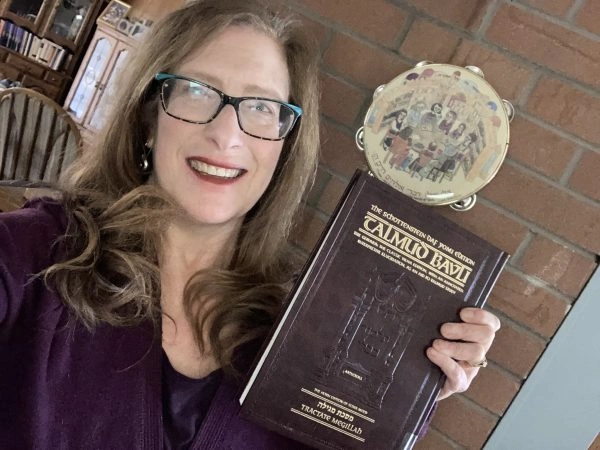
I started to listen to Michelle’s podcasts four years ago. The minute I started I was hooked. I’m so excited to learn the entire Talmud, and think I will continue always. I chose the quote “while a woman is engaged in conversation she also holds the spindle”. (Megillah 14b). It reminds me of all of the amazing women I learn with every day who multi-task, think ahead and accomplish so much.

Julie Mendelsohn
Julie Mendelsohn

Zichron Yakov, Israel

I started with Ze Kollel in Berlin, directed by Jeremy Borowitz for Hillel Deutschland. We read Masechet Megillah chapter 4 and each participant wrote his commentary on a Sugia that particularly impressed him. I wrote six poems about different Sugiot! Fascinated by the discussions on Talmud I continued to learn with Rabanit Michelle Farber and am currently taking part in the Tikun Olam course.
Yael Merlini
Yael Merlini

Berlin, Germany

I decided to learn one masechet, Brachot, but quickly fell in love and never stopped! It has been great, everyone is always asking how it’s going and chering me on, and my students are always making sure I did the day’s daf.

Yafit Fishbach
Yafit Fishbach

Memphis, Tennessee, United States

Attending the Siyyum in Jerusalem 26 months ago inspired me to become part of this community of learners. So many aspects of Jewish life have been illuminated by what we have learned in Seder Moed. My day is not complete without daf Yomi. I am so grateful to Rabbanit Michelle and the Hadran Community.

Nancy Kolodny
Nancy Kolodny

Newton, United States

Shortly after the death of my father, David Malik z”l, I made the commitment to Daf Yomi. While riding to Ben Gurion airport in January, Siyum HaShas was playing on the radio; that was the nudge I needed to get started. The “everyday-ness” of the Daf has been a meaningful spiritual practice, especial after COVID began & I was temporarily unable to say Kaddish at daily in-person minyanim.

Lisa S. Malik
Lisa S. Malik

Wynnewood, United States

Margo
I started my Talmud journey in 7th grade at Akiba Jewish Day School in Chicago. I started my Daf Yomi journey after hearing Erica Brown speak at the Hadran Siyum about marking the passage of time through Daf Yomi.

Carolyn
I started my Talmud journey post-college in NY with a few classes. I started my Daf Yomi journey after the Hadran Siyum, which inspired both my son and myself.

Carolyn Hochstadter and Margo Kossoff Shizgal

Merion Station,  USA

Beit Shemesh, Israel

A beautiful world of Talmudic sages now fill my daily life with discussion and debate.
bringing alive our traditions and texts that has brought new meaning to my life.
I am a מגילת אסתר reader for women . the words in the Mishna of מסכת megillah 17a
הקורא את המגילה למפרע לא יצא were powerful to me.
I hope to have the zchut to complete the cycle for my 70th birthday.

Sheila Hauser
Sheila Hauser

Jerusalem, Israel

I start learning Daf Yomi in January 2020. The daily learning with Rabbanit Michelle has kept me grounded in this very uncertain time. Despite everything going on – the Pandemic, my personal life, climate change, war, etc… I know I can count on Hadran’s podcast to bring a smile to my face.
Deb Engel
Deb Engel

Los Angeles, United States

Gittin 6

אֲפִילּוּ קַן קוּלְמוֹסָא וְקַן מְגִילְּתָא.

Even if he heard the sound of the quill [kulmusa] and the sound of the scroll when the scribe was writing the bill of divorce for the sake of that woman, this is sufficient.

תַּנְיָא כְּווֹתֵיהּ דְּרַב אָשֵׁי: הַמֵּבִיא גֵּט מִמְּדִינַת הַיָּם – אֲפִילּוּ הוּא בַּבַּיִת וְסוֹפֵר בָּעֲלִיָּיה, הוּא בָּעֲלִיָּיה וְסוֹפֵר בַּבַּיִת – אֲפִילּוּ נִכְנָס וְיוֹצֵא כָּל הַיּוֹם כּוּלּוֹ, כָּשֵׁר.

It is taught in a baraita in accordance with the opinion of Rav Ashi: With regard to one who brings a bill of divorce from a country overseas, even if he was in the house but the scribe was in the loft writing the bill of divorce, or if he was in the loft and the scribe was in the house writing the bill of divorce, and even if he was entering and exiting the entire day the bill of divorce is valid and he can testify that it was written properly.

הוּא בַּבַּיִת וְסוֹפֵר בָּעֲלִיָּיה?! הָא לָא קָא חָזֵי לֵיהּ! אֶלָּא לָאו כְּגוֹן דִּשְׁמַע קַן קוּלְמוֹסָא וְקַן מְגִילְּתָא.

The Gemara notes: If he was in the house and the scribe was in the loft, he does not see him at all. Rather, is it not correct to say that the baraita is speaking about a case where he heard the sound of the quill and the sound of the scroll? This is a proof which supports the statement of Rav Ashi.

אָמַר מָר: אֲפִילּוּ נִכְנָס וְיוֹצֵא כָּל הַיּוֹם כּוּלּוֹ – כָּשֵׁר. מַאן? אִילֵימָא שָׁלִיחַ, הַשְׁתָּא הוּא בַּבַּיִת וְסוֹפֵר בָּעֲלִיָּיה, דְּלָא חָזֵי לֵיהּ – אָמְרַתְּ כָּשֵׁר, נִכְנָס וְיוֹצֵא מִיבַּעְיָא?! אֶלָּא סוֹפֵר? פְּשִׁיטָא! מִשּׁוּם דְּנִכְנָס וְיוֹצֵא נִפְסְלִינֵּיהּ?!

The Master said above, in the baraita: Even if he was entering and exiting the entire day, the bill of divorce is valid. The Gemara asks: Who is the one entering and exiting? If we say that this is referring to the agent, who is required to later testify about the bill of divorce, now that in the case where he was in the house and the scribe was in the loft, when the agent does not see the scribe at all and nevertheless you said that the bill of divorce is valid, is it necessary to say that it is valid when he was entering and exiting the place where the bill of divorce was written? Rather, perhaps this is referring to the scribe himself, i.e., he enters and exits all day and does not write the bill of divorce in one uninterrupted act. The Gemara asks: This halakha is obvious, as would we render the bill of divorce invalid merely because he was entering and exiting?

לָא צְרִיכָא, דִּנְפַק לְשׁוּקָא וַאֲתָא; מַהוּ דְּתֵימָא, אִינִישׁ אַחֲרִינָא אַשְׁכְּחֵיהּ וַאֲמַר לֵיהּ, קָא מַשְׁמַע לַן.

The Gemara answers: No, it is necessary to teach the halakha in a case where the scribe exited the house to go to the market and returned to continue writing the bill of divorce. Lest you say that perhaps while he was in the market another person found him and told him to write a bill of divorce on his behalf, and he is now writing a bill of divorce for the sake of a woman other than the one for which he was writing it at the outset, the baraita therefore teaches us that this possibility is disregarded and the bill of divorce is valid.

אִיתְּמַר: בָּבֶל; רַב אָמַר: כְּאֶרֶץ יִשְׂרָאֵל לְגִיטִּין, וּשְׁמוּאֵל אָמַר: כְּחוּצָה לָאָרֶץ.

§ It was stated that the amora’im disagreed concerning the status of Babylonia with regard to the halakhot of bills of divorce: Rav says that Babylonia is considered to be like Eretz Yisrael with regard to bills of divorce, and Shmuel says that it is considered like outside of Eretz Yisrael.

לֵימָא בְּהָא קָא מִיפַּלְגִי: דְּמָר סָבַר לְפִי שֶׁאֵין בְּקִיאִין לִשְׁמָהּ, וְהָנֵי גְּמִירִי; וּמָר סָבַר לְפִי שֶׁאֵין עֵדִים מְצוּיִין לְקַיְּימוֹ, וְהָנֵי נָמֵי לָא שְׁכִיחִי.

The Gemara suggests: Shall we say that Rav and Shmuel disagree with regard to this, that one Sage, Rav, holds that the reason an agent is required to say: It was written in my presence and it was signed in my presence, is because they are not experts in writing a bill of divorce for her sake, and these Babylonians are learned. And one Sage, Shmuel, holds that the reason is because there are no witnesses available to ratify it, and these Babylonians are also not frequently available.

וְתִסְבְּרָא?! הָא רַבָּה אִית לֵיהּ דְּרָבָא!

The Gemara rejects this suggestion: And can you understand it that way? But it was already stated above that Rabba, who says that the concern is whether the document was written for her sake, is of the opinion that the reason is also in accordance with the opinion of Rava, who maintains that witnesses are also required to ratify the bill of divorce. Therefore, even if Babylonians are knowledgeable about writing a bill of divorce for the woman’s sake, Babylonia should be treated like anywhere else outside of Eretz Yisrael because witnesses are not readily available.

אֶלָּא, דְּכוּלֵּי עָלְמָא בָּעֵינַן לְקַיְּימוֹ; רַב סָבַר: כֵּיוָן דְּאִיכָּא מְתִיבָתָא, מִישְׁכָּח שְׁכִיחִי; וּשְׁמוּאֵל סָבַר: מְתִיבָתָא בְּגִירְסַיְיהוּ טְרִידִי.

Rather, everyone agrees that we require witnesses to ratify it, and they disagree with regard to this: Rav holds that since there are central academies where people study, witnesses are frequently available to ratify bills of divorce. And Shmuel holds that those studying in the academies are preoccupied by their studies; therefore, they cannot be used as witnesses to confirm a bill of divorce, as they will not recognize peoples’ signatures.

אִיתְּמַר נָמֵי, אָמַר רַבִּי אַבָּא אָמַר רַב הוּנָא: עָשִׂינוּ עַצְמֵינוּ בְּבָבֶל כְּאֶרֶץ יִשְׂרָאֵל לְגִיטִּין, מִכִּי אֲתָא רַב לְבָבֶל.

It was also stated that Rabbi Abba says that Rav Huna says: We made ourselves in Babylonia like Eretz Yisrael with regard to bills of divorce, from the time when Rav came to Babylonia.

מֵתִיב רַבִּי יִרְמְיָה: רַבִּי יְהוּדָה אוֹמֵר: מֵרְקָם לְמִזְרָח, וּרְקָם – כַּמִּזְרָח, מֵאַשְׁקְלוֹן לַדָּרוֹם, וְאַשְׁקְלוֹן – כַּדָּרוֹם, מֵעַכּוֹ לַצָּפוֹן, וְעַכּוֹ – כַּצָּפוֹן. וְהָא בָּבֶל לִצְפוֹנָהּ דְּאֶרֶץ יִשְׂרָאֵל קָיְימָא, דִּכְתִיב: ״וַיֹּאמֶר ה׳ אֵלָי מִצָּפוֹן תִּפָּתַח הָרָעָה״,

Rabbi Yirmeya raises an objection from the mishna: Rabbi Yehuda says: From Rekem eastward is considered to be part of the overseas country, and Rekem itself is like east of Eretz Yisrael. From Ashkelon southward is outside of Eretz Yisrael, and Ashkelon itself is like south of Eretz Yisrael. From Akko northward is outside of Eretz Yisrael, and Akko itself is like north of Eretz Yisrael. Rabbi Yirmeya explains his objection: But Babylonia is situated north of Eretz Yisrael, as it is written with regard to the destruction that will come through Babylonia: “Then the Lord said to me: Out of the north the evil shall break forth” (Jeremiah 1:14).

וּתְנַן, רַבִּי מֵאִיר אוֹמֵר: עַכּוֹ – כְּאֶרֶץ יִשְׂרָאֵל לְגִיטִּין; וַאֲפִילּוּ רַבִּי מֵאִיר לָא קָאָמַר אֶלָּא בְּעַכּוֹ דִּמְקָרְבָא, אֲבָל בָּבֶל דִּמְרַחֲקָא, לָא! הוּא מוֹתֵיב לַהּ וְהוּא מְפָרֵק לַהּ: לְבַר מִבָּבֶל.

And we further learned in the mishna that Rabbi Meir says: Akko is like Eretz Yisrael with regard to bills of divorce, and even Rabbi Meir said this only with regard to Akko, which is close to Eretz Yisrael. However, with regard to Babylonia, which is far from Eretz Yisrael, no, he did not dispute the ruling that it is not considered part of Eretz Yisrael. The Gemara explains: Rabbi Yirmeya raised the objection and he resolved it himself: This border of Eretz Yisrael was stated with the exception of Babylonia.

עַד הֵיכָן הִיא בָּבֶל? אָמַר רַב פָּפָּא: כְּמַחֲלוֹקֶת לְיוּחֲסִין, כָּךְ מַחֲלוֹקֶת לְגִיטִּין. וְרַב יוֹסֵף אָמַר: מַחֲלוֹקֶת לְיוּחֲסִין, אֲבָל לְגִיטִּין דִּבְרֵי הַכֹּל עַד אַרְבָּא תִּנְיָינָא דְּגִישְׁרָא.

The Gemara inquires: Until where is Babylonia? In other words, what are the boundaries of Babylonia with regard to this issue? Rav Pappa says: Just as there is a dispute concerning the boundaries of Babylonia with regard to lineage (Kiddushin 72a), as Babylonian Jews were considered to have a more prestigious lineage than those of Eretz Yisrael, so is there the same dispute with regard to bills of divorce. And Rav Yosef says: The dispute that is stated there applies only to lineage. However, with regard to bills of divorce, everyone agrees that the boundary of Babylonia is until the second arch of the bridge over the Euphrates River.

רַב חִסְדָּא מַצְרֵיךְ מֵאַקְטֵיסְפוֹן לְבֵי אַרְדָּשִׁיר, וּמִבֵּי אַרְדָּשִׁיר לְאַקְטֵיסְפוֹן לָא מַצְרֵיךְ. לֵימָא קָסָבַר לְפִי שֶׁאֵין בְּקִיאִין לִשְׁמָהּ, וְהָנֵי גְּמִירִי?

The Gemara relates: Rav Ḥisda required even those who delivered bills of divorce from Akteisfon to Bei Ardeshir to say: It was written in my presence and it was signed in my presence. But for bills of divorce brought from Bei Ardeshir to Akteisfon he did not require this declaration. The Gemara asks: Shall we say that he holds that the reason an agent is required to say that it was written and it was signed in his presence, is because they are not experts in writing a bill of divorce for her sake, and these residents of Bei Ardeshir are learned in this matter?

וְתִסְבְּרָא?! וְהָא רַבָּה אִית לֵיהּ דְּרָבָא! אֶלָּא דְּכוּלֵּי עָלְמָא בָּעֵינַן לְקַיְּימוֹ; וְהָנֵי, כֵּיוָן דְּאָזְלִי לְשׁוּקָא לְהָתָם – הָנָךְ יָדְעִי בַּחֲתִימוֹת יְדָא דְּהָנֵי,

The Gemara asks: And can you understand it that way? But Rabba is of the opinion that the reason is also in accordance with the opinion of Rava, that it is necessary to ratify a bill of divorce. Rather, everyone agrees that we require the presence of two witnesses to ratify the document, and with regard to these residents of Bei Ardeshir, since they go to the market there, in Akteisfon, these residents of Akteisfon recognize the signatures of these inhabitants of Bei Ardeshir.

וְהָנֵי בִּדְהָנָךְ לָא יָדְעִי. מַאי טַעְמָא? בְּשׁוּקַיְיהוּ טְרִידִי.

But these residents of Bei Ardeshir do not recognize the signatures of these residents of Akteisfon. What is the reason for this? They are preoccupied by their market business, as they are buying and selling their merchandise, and therefore they are not familiar with the signatures of the residents of Akteisfon.

רַבָּה בַּר אֲבוּהּ מַצְרֵיךְ מֵעַרְסָא לְעַרְסָא, רַב שֵׁשֶׁת מַצְרֵיךְ מִשְּׁכוּנָה לִשְׁכוּנָה, וְרָבָא מַצְרֵיךְ בְּאוֹתָהּ שְׁכוּנָה.

§ The Gemara relates that Rabba bar Avuh would require that an agent state the declaration even when transmitting a bill of divorce from one side of the public domain to the other side [me’arsa le’arsa]. Rav Sheshet required that an agent state the declaration even when transmitting a bill of divorce from one group of houses to another group of houses on the same side of the public domain. And Rava required that an agent state the declaration even when transmitting a bill of divorce within the same group of houses.

וְהָא רָבָא הוּא דְּאָמַר לְפִי שֶׁאֵין עֵדִים מְצוּיִין לְקַיְּימוֹ? שָׁאנֵי בְּנֵי מָחוֹזָא, דְּנָיְידִי.

The Gemara asks: But Rava is the one who said that the reason an agent must state the declaration is because there are no witnesses available to ratify it, so why would he require the declaration even when transmitting a bill of divorce within the same group of houses? The Gemara explains: Rava issued this decree only with regard to his city of Meḥoza. The reason is that the residents of Meḥoza are different, as they are constantly mobile, and do not stay in one place. Therefore, it is possible that the witnesses who were present when the bill of divorce was written have already moved elsewhere.

רַב חָנִין מִישְׁתַּעֵי: רַב כָּהֲנָא אַיְיתִי גִּיטָּא, וְלָא יָדַעְנָא אִי מִסּוּרָא לִנְהַרְדְּעָא, אִי מִנְּהַרְדְּעָא לְסוּרָא. אֲתָא לְקַמֵּיהּ דְּרַב, אֲמַר לֵיהּ: צְרִיכְנָא לְמֵימַר ״בְּפָנַי נִכְתַּב וּבְפָנַי נֶחְתַּם״, אוֹ לָא צְרִיכְנָא? אֲמַר לֵיהּ: לָא צְרִיכַתְּ,

Rav Ḥanin relates: Rav Kahana brought a bill of divorce, and I do not know if he brought it from Sura to Neharde’a or if he brought it from Neharde’a to Sura. He came before Rav and said to him: Am I required to say: It was written in my presence and it was signed in my presence, or am I not required to state this declaration? Rav said to him: You are not required to do so.

וְאִי עֲבַדְתְּ – אַהְנֵית. מַאי ״אִי עֲבַדְתְּ אַהְנֵית״? דְּאִי אָתֵי בַּעַל מְעַרְעַר, לָא מַשְׁגְּחִינַן בֵּיהּ.

But if you do this then you provide benefit. The Gemara asks: What is the meaning of the expression: If you do this you provide benefit? This means that if the husband comes to contest the validity of the bill of divorce, we pay no attention to him and his claim.

כִּדְתַנְיָא: מַעֲשֶׂה בְּאָדָם אֶחָד שֶׁהֵבִיא גֵּט לִפְנֵי רַבִּי יִשְׁמָעֵאל, אָמַר לוֹ: צָרִיךְ אֲנִי לוֹמַר ״בְּפָנַי נִכְתַּב וּבְפָנַי נֶחְתַּם״, אוֹ אֵינִי צָרִיךְ? אָמַר לוֹ: בְּנִי, מֵהֵיכָן אַתָּה? אָמַר לוֹ: רַבִּי, מִכְּפַר סִיסַאי אָנִי. אָמַר לוֹ: צָרִיךְ אַתָּה לוֹמַר ״בְּפָנַי נִכְתַּב וּבְפָנַי נֶחְתַּם״, שֶׁלֹּא תִּיזָּקֵק לְעֵדִים.

As it is taught in the Tosefta (1:3): An incident occurred involving a man who brought a bill of divorce before Rabbi Yishmael, and said to him: Am I required to say: It was written in my presence and it was signed in my presence, or am I not required to state that declaration? Rabbi Yishmael said to him: My son, where are you from? He said to Rabbi Yishmael: My teacher, I am from the village of Sisai. Rabbi Yishmael said to him: You are required to say: It was written in my presence and it was signed in my presence, so that you will not cause the woman to need to find witnesses if the husband contests its validity.

לְאַחַר שֶׁיָּצָא, נִכְנַס לְפָנָיו רַבִּי אִלְעַאי, אָמַר לוֹ: רַבִּי, וַהֲלֹא כְּפַר סִיסַאי מוּבְלַעַת בִּתְחוּם אֶרֶץ יִשְׂרָאֵל, וּקְרוֹבָה לְצִיפּוֹרִי יוֹתֵר מֵעַכּוֹ; וּתְנַן, רַבִּי מֵאִיר אוֹמֵר: עַכּוֹ – כְּאֶרֶץ יִשְׂרָאֵל לְגִיטִּין, וַאֲפִילּוּ רַבָּנַן לָא פְּלִיגִי עֲלֵיהּ דְּרַבִּי מֵאִיר אֶלָּא בְּעַכּוֹ דִּמְרַחֲקָא, אֲבָל כְּפַר סִיסַאי דִּמְקָרְבָא – לָא!

After that man left, Rabbi Elai entered before Rabbi Yishmael and said to him: My teacher, but isn’t the village of Sisai located within the boundary of Eretz Yisrael, and it is even closer to Tzippori, which is within the main portion of Eretz Yisrael, more so than Akko. And we learned in the mishna that Rabbi Meir says: Akko is like Eretz Yisrael with regard to bills of divorce. And even the Rabbis disagree with Rabbi Meir only with regard to Akko, which is distant. However, with regard to the village of Sisai, which is close, no, they do not dispute the ruling of Rabbi Meir.

אָמַר לוֹ: שְׁתוֹק בְּנִי, שְׁתוֹק, הוֹאִיל וְיָצָא הַדָּבָר בְּהֶיתֵּר – יָצָא.

Rabbi Yishmael said to Rabbi Elai: Be silent my son, be silent. Since the matter of her divorce was issued as permitted, it was issued, and her divorce is valid. This incident proves that the declaration: It was written in my presence and it was signed in my presence, is effective to the extent that the divorce is considered to have been performed in an entirely permitted manner, and the husband cannot contest its validity at a later stage.

הָא אִיהוּ נָמֵי, ״שֶׁלֹּא תִּיזָּקֵק לְעֵדִים״ קָאָמַר לֵיהּ! לָא סַיְּימוּהָ קַמֵּיהּ.

The Gemara asks: Why was it necessary for Rabbi Yishmael to explain the meaning of his ruling to Rabbi Elai? But after all, when he issued his ruling Rabbi Yishmael also stated his reason, as he said to the man: Do this so that you will not cause the woman to need to find witnesses. The Gemara answers: Those who were present did not conclude Rabbi Yishmael’s statement before Rabbi Elai. Rabbi Elai was unaware of Rabbi Yishmael’s reasoning, and therefore he questioned him.

שְׁלַח לֵיהּ רַבִּי אֶבְיָתָר לְרַב חִסְדָּא: גִּיטִּין הַבָּאִים מִשָּׁם לְכָאן, אֵין צָרִיךְ לוֹמַר ״בְּפָנַי נִכְתַּב וּבְפָנַי נֶחְתַּם״. לֵימָא קָסָבַר לְפִי שֶׁאֵין בְּקִיאִין לִשְׁמָהּ, וְהָנֵי גְּמִירִי?

§ The Gemara relates that Rabbi Evyatar sent a letter from Eretz Yisrael to Babylonia to Rav Ḥisda in which he wrote the following: With regard to bills of divorce that come from there, Babylonia, to here, Eretz Yisrael, the agent is not required to say: It was written in my presence and it was signed in my presence. The Gemara asks: Shall we say that Rabbi Evyatar holds that the reason for the declaration: It was written in my presence and it was signed in my presence, is because they are not experts in writing a bill of divorce for her sake, and these residents of Babylonia are learned with regard to this issue?

וְתִסְבְּרָא?! וְהָא רַבָּה אִית לֵיהּ דְּרָבָא! אֶלָּא, דְּכוּלֵּי עָלְמָא בָּעֵינַן לְקַיְּימוֹ, וְכֵיוָן דְּאִיכָּא רַבִּים דְּסָלְקִי וְנָחֲתִי – מִישְׁכָּח שְׁכִיחִי.

The Gemara challenges: And can you understand it in this way? After all, Rabba is of the opinion that the reason is also in accordance with the opinion of Rava, that the declaration serves to ratify the bill of divorce. Rather, everyone agrees that we require the declaration to ratify the document. But since there are many people who ascend to Eretz Yisrael and descend from there to Babylonia, witnesses are frequently available, and there is no reason to be concerned about the ratification of the bill of divorce.

אָמַר רַב יוֹסֵף: מַאן לֵימָא לַן דְּרַבִּי אֶבְיָתָר בַּר סַמְכָא הוּא? וְעוֹד, הָא אִיהוּ דִּשְׁלַח לֵיהּ לְרַב יְהוּדָה: בְּנֵי אָדָם הָעוֹלִין מִשָּׁם לְכָאן, הֵן קִיְּימוּ בְּעַצְמָן: ״וַיִּתְּנוּ (אֶת) הַיֶּלֶד בַּזּוֹנָה וְהַיַּלְדָּה מָכְרוּ בַיַּיִן וַיִּשְׁתּוּ״, וּכְתַב לֵיהּ בְּלָא שִׂירְטוּט;

Rav Yosef said: Who will tell us that Rabbi Evyatar is a reliable authority? And furthermore, there is good reason to question his statement: He is the one who sent a letter to Rav Yehuda, and wrote: People who ascend from there, Babylonia, to here, Eretz Yisrael, fulfill by themselves the verse: “And they have given a boy for a prostitute, and sold a girl for wine, and have drunk” (Joel 4:3), i.e., these people abandon their families. And Rabbi Evyatar wrote him this verse without scoring, i.e., etching lines into, the parchment upon which he wrote the letter.

וְאָמַר רַבִּי יִצְחָק: שְׁתַּיִם כּוֹתְבִין, שָׁלֹשׁ אֵין כּוֹתְבִין; בְּמַתְנִיתָא תָּנָא: שָׁלֹשׁ כּוֹתְבִין, אַרְבַּע אֵין כּוֹתְבִין!

And Rabbi Yitzḥak says with regard to the writing of a verse from the Torah: One may write two words without scoring the parchment, but one may not write three words without scoring the parchment. Instead, one scores the parchment before writing the verse, as one does when writing a Torah scroll. This ensures that the writing will be done on a straight line, thereby rendering it more beautiful. And it was taught in a baraita: One may write three, but one may not write four. Since Rabbi Evyatar wrote more than three words from a verse without scoring the parchment, his halakhic rulings are evidently unreliable.

אֲמַר לֵיהּ אַבָּיֵי: אַטּוּ כֹּל דְּלָא יָדַע הָא דְּרַבִּי יִצְחָק, לָאו גַּבְרָא רַבָּה הוּא?! בִּשְׁלָמָא מִילְּתָא דְתַלְיָא בִּסְבָרָא – לְחַיֵּי; הָא – גְּמָרָא הִיא, וּגְמָרָא לָא שְׁמִיעַ לֵיהּ.

Abaye said to him: Is that to say that anyone who does not know this halakha of Rabbi Yitzḥak is not a great man? Granted, with regard to a matter that depends on reasoning, it is well, as it is possible to say that an individual who does not know a halakha that can be inferred by logical reasoning cannot be considered a reliable authority. However, this halakha is a tradition, and it is possible that Rabbi Evyatar simply did not hear this tradition.

וְעוֹד, הָא רַבִּי אֶבְיָתָר הוּא דְּאַסְכֵּים מָרֵיהּ עַל יְדֵיהּ; דִּכְתִיב: ״וַתִּזְנֶה עָלָיו פִּילַגְשׁוֹ״, רַבִּי אֶבְיָתָר אָמַר: זְבוּב מָצָא לָהּ. רַבִּי יוֹנָתָן אָמַר: נִימָא מָצָא לָהּ.

And furthermore, Rabbi Evyatar is the one that his Master, the Holy One, Blessed be He, agreed with in his interpretation of a verse, as it is written with regard to the episode involving the concubine in Gibeah: “And his concubine went away from him” (Judges 19:2). The Sages discussed what occurred that caused her husband to become so angry with her that she left him, and Rabbi Evyatar says: He found her responsible for a fly in the food that she prepared for him, while Rabbi Yonatan says: He found her responsible for a hair [nima].

וְאַשְׁכְּחֵיהּ רַבִּי אֶבְיָתָר לְאֵלִיָּהוּ, אֲמַר לֵיהּ: מַאי קָא עָבֵיד הַקָּדוֹשׁ בָּרוּךְ הוּא? אֲמַר לֵיהּ: עָסֵיק בְּפִילֶגֶשׁ בַּגִּבְעָה. וּמַאי קָאָמַר? אֲמַר לֵיהּ: אֶבְיָתָר בְּנִי כָּךְ הוּא אוֹמֵר, יוֹנָתָן בְּנִי כָּךְ הוּא אוֹמֵר.

And Rabbi Evyatar found Elijah the prophet and said to him: What is the Holy One, Blessed be He, doing now? Elijah said to him: He is currently engaged in studying the episode of the concubine in Gibeah. Rabbi Evyatar asked him: And what is He saying about it? Elijah said to him that God is saying the following: Evyatar, My son, says this and Yonatan, My son, says that. It is seen here that God saw fit to cite the statement of Rabbi Evyatar.

אֲמַר לֵיהּ: חַס וְשָׁלוֹם, וּמִי אִיכָּא סְפֵיקָא קַמֵּי שְׁמַיָּא?! אֲמַר לֵיהּ: אֵלּוּ וָאֵלּוּ דִּבְרֵי אֱלֹהִים חַיִּים הֵן – זְבוּב מָצָא וְלֹא הִקְפִּיד, נִימָא מָצָא וְהִקְפִּיד.

Rabbi Evyatar said to him: God forbid, is there uncertainty before Heaven? Doesn’t God know what happened? Why does He mention both opinions? Elijah said to him: Both these and those are the words of the living God, i.e., both incidents happened. The incident occurred in the following manner: He found a fly in his food and did not take umbrage, and later he found a hair and took umbrage.

אָמַר רַב יְהוּדָה: זְבוּב בַּקְּעָרָה, וְנִימָא בְּאוֹתוֹ מָקוֹם; זְבוּב – מְאִיסוּתָא, וְנִימָא – סַכַּנְתָּא. אִיכָּא דְּאָמְרִי: אִידֵּי וְאִידֵּי בַּקְּעָרָה; זְבוּב – אוּנְסָא, וְנִימָא – פְּשִׁיעוּתָא.

Rav Yehuda says a different explanation: The man found a fly in the dish that she cooked for him, and he found a hair in that place, i.e., in her genital area. When he found a fly it produced a reaction of disgust, and he did not grow angry with her, but the hair was a matter of danger, as he might be hurt by it, and therefore he became angry with her. There are those who say: This and that were found in a dish. The difference is that the fly was a result of circumstances beyond her control, as it fell into the dish on its own, but the hair was found in the dish due to her negligence.

אָמַר רַב חִסְדָּא: לְעוֹלָם אַל יָטִיל אָדָם אֵימָה יְתֵירָה בְּתוֹךְ בֵּיתוֹ, שֶׁהֲרֵי פִּילֶגֶשׁ בַּגִּבְעָה הֵטִיל עָלֶיהָ בַּעֲלָהּ אֵימָה יְתֵירָה, וְהִפִּילָה כַּמָּה רְבָבוֹת מִיִּשְׂרָאֵל.

Rav Ḥisda says: A person should never impose excessive fear upon the members of his household, as the husband of the concubine of Gibeah imposed excessive fear upon her and this ultimately caused the downfall of many tens of thousands of Jews in the resulting war (see Judges 19–20).

אָמַר רַב יְהוּדָה אָמַר רַב: כׇּל הַמֵּטִיל אֵימָה יְתֵירָה בְּתוֹךְ בֵּיתוֹ, סוֹף הוּא בָּא לִידֵי שָׁלֹשׁ עֲבֵירוֹת: גִּילּוּי עֲרָיוֹת, וּשְׁפִיכוּת דָּמִים, וְחִילּוּל שַׁבָּת.

Rav Yehuda says that Rav says: Anyone who imposes excessive fear upon the members of his household will ultimately come to commit three sins: Engaging in forbidden sexual intercourse, as the wife will be so fearful of her husband that she will sometimes tell him that she has immersed in a ritual bath after her menstruation has ended when she has not done so; and he will also end up committing bloodshed, as she is likely to run away from him and expose herself to dangers; and desecration of Shabbat, as she will cook for him on Shabbat because she is scared that he will be angry with her for neglecting to do so beforehand.

אָמַר רַבָּה בַּר בַּר חָנָה: הָא דְּאָמְרִי רַבָּנַן: שְׁלֹשָׁה דְּבָרִים צָרִיךְ אָדָם לוֹמַר בְּתוֹךְ בֵּיתוֹ עֶרֶב שַׁבָּת עִם חֲשֵׁיכָה: עִשַּׂרְתֶּם? עֵרַבְתֶּם? הַדְלִיקוּ אֶת הַנֵּר! צָרִיךְ

Rabba bar bar Ḥana said a halakha with regard to this statement that the Sages said: There are three matters a person must say in his home on Shabbat eve at nightfall. He should ask the members of his household: Have you tithed the produce that required tithing? Have you placed the eiruv for joining the courtyards? If you have already done so, light the lamp in honor of Shabbat. Rabba bar bar Ḥana said that one must

Want to follow content and continue where you left off?

Create an account today to track your progress, mark what you’ve learned, and follow the shiurim that speak to you.

Clear all items from this list?

This will remove ALL the items in this section. You will lose any progress or history connected to them. This is irreversible.

Cancel
Yes, clear all

Are you sure you want to delete this item?

You will lose any progress or history connected to this item.

Cancel
Yes, delete