










One cannot accuse witnesses to be zomemim unless they are present. However, there is a debate regarding witnesses who come to contradict a different group of witnesses – can they be done not in their presence? This affects a case where the witnesses signed on a document die. It is derived from a braita that to verify the signatures of witnesses from other documents, it must be from a document that one had raised doubts about its veracity. Other criteria for verification of documents are brought. If one writes down something one witnessed, can one testify years later, based on their written testimony? On what does it depend? What other methods of jogging one’s memory can be/not be employed? If there are mounds of dirt near the city or the roads, one needs to be concerned that there are bodies buried there. What is considered near? If the mounds are far from the city, it depends if they are old or new. This is because regarding the old ones, we can assume that if people were buried there, no one would remember. After how many years can we assume that people no longer remember? Can witnesses verify their own signatures? Do they need another witness together with them in order to verify their signature?
Want to dedicate learning? Get started here:

Today’s daily daf tools:
Ketubot 20
וּכְשֵׁם שֶׁאֵין מְזִימִּין אֶת הָעֵדִים אֶלָּא בִּפְנֵיהֶם, כָּךְ אֵין מַכְחִישִׁין אֶת הָעֵדִים אֶלָּא בִּפְנֵיהֶם.
And just as witnesses render other witnesses false, conspiring witnesses only in their presence, because with their testimony they render them liable to be punished, so too, witnesses contradict the testimony of other witnesses only in their presence. Since the signatories to the document are dead, their testimony cannot be contradicted.
אֲמַר לֵיהּ רַב נַחְמָן: אִילּוּ הֲווֹ קַמַּן וּמַכְחִישִׁין לְהוּ, הֲוָה הַכְחָשָׁה, וְלָא הֲוָה מַשְׁגִּיחִין בְּהוּ. דְּהָוְיָ[א] לַהּ עֵדוּת מוּכְחֶשֶׁת. הַשְׁתָּא דְּלֵיתַנְהוּ, דְּאִילּוּ הֲווֹ לְקַמַּן דִּלְמָא הֲווֹ מוֹדוּ לְהוּ, מְהֵימְנִי?!
Rav Naḥman said to Rav Sheshet: If the first pair of witnesses was before us and the second pair would contradict their testimony, that is contradiction, and we would not consider their testimony and would not collect money with the document, as it is contradicted testimony. Now that they are not before us, and in a case where if they were before us perhaps they would have admitted to the second witnesses that the testimony of the second witnesses is correct, are they deemed credible, and the document that they signed valid?
אֶלָּא אָמַר רַב נַחְמָן: אוֹקֵי תְּרֵי לַהֲדֵי תְּרֵי, וְאוֹקֵי מָמוֹנָא בְּחֶזְקַת מָרֵיהּ, מִידֵּי דְּהָוֵה אַנִּכְסֵי דְּבַר שָׁטְיָא. דְּבַר שָׁטְיָא זַבֵּין נִכְסֵי. אֲתוֹ בֵּי תְרֵי, אָמְרִי: כְּשֶׁהוּא שׁוֹטֶה זַבֵּין, וַאֲתוֹ בֵּי תְרֵי וְאָמְרִי: כְּשֶׁהוּא חָלִים זַבֵּין.
Rather, Rav Naḥman said in the case where the testimony of the first witnesses is contradicted not in their presence, the ruling is: Establish two witnesses against the two witnesses who contradict their testimony, thereby neutralizing both testimonies, and establish the money in the possession of its owner, just as it was in the case of the property of bar Shatya. As when bar Shatya, a man who suffered from periodic bouts of insanity, sold his property, two witnesses came and said: He sold it when he was insane; and two other witnesses came and said: He sold it when he was sane.
אָמַר רַב אָשֵׁי: אוֹקֵי תְּרֵי לַהֲדֵי תְּרֵי, וְאוֹקִי מָמוֹנָא בְּחֶזְקַת בַּר שָׁטְיָא. וְלָא אֲמַרַן אֶלָּא דְּאִית לֵיהּ חֲזָקָה דַאֲבָהָתֵיהּ. אֲבָל לֵית לֵיהּ חֲזָקָה דַאֲבָהָתֵיהּ, אָמְרִינַן: כְּשֶׁהוּא שׁוֹטֶה זְבַן, וּכְשֶׁהוּא שׁוֹטֶה זַבֵּין.
Rav Ashi said in that case: Establish two witnesses against the two witnesses who contradict the testimony of the first pair, and establish the money in the possession of bar Shatya. The Gemara notes: We say that the property remains in the possession of bar Shatya only when he has possession of the property based on the possession of his fathers. However, if he does not have possession of the property based on the possession of his fathers, but he acquired the property himself, we say: He purchased his properties when he was insane, and he sold them when he was insane. He does not have presumptive ownership of them. Therefore, the property remains in the possession of the person to whom bar Shatya sold it.
אָמַר רַבִּי אֲבָהוּ: אֵין מְזִימִּין אֶת הָעֵדִים אֶלָּא בִּפְנֵיהֶן, וּמַכְחִישִׁין אֶת הָעֵדִים שֶׁלֹּא בִּפְנֵיהֶן. וַהֲזָמָה שֶׁלֹּא בִּפְנֵיהֶן, נְהִי דַּהֲזָמָה לָא הָוְיָא — הַכְחָשָׁה מִיהָא הָוְיָא.
Rabbi Abbahu disagrees with the opinion of Rav Sheshet and says: Witnesses render other witnesses false, conspiring witnesses only in their presence, but witnesses contradict the testimony of other witnesses not in their presence. And with regard to rendering other witnesses false, conspiring witnesses not in their presence, although it is not effective in rendering them false, conspiring witnesses in the sense that they are punished for their false testimony, in any case, it is a contradiction of their testimony.
אָמַר מָר: אִם יֵשׁ עֵדִים שֶׁכְּתַב יָדָם הוּא זֶה, אוֹ שֶׁהָיָה כְּתַב יָדָם יוֹצֵא מִמָּקוֹם אַחֵר, מִשְּׁטָר שֶׁקָּרָא עָלָיו עַרְעָר וְהוּחְזַק בְּבֵית דִּין — אֵין נֶאֱמָנִין. קָרָא עָלָיו עַרְעָר — אִין, לֹא קָרָא עָלָיו עַרְעָר — לָא, מְסַיַּיע לֵיהּ לְרַבִּי אַסִּי. דְּאָמַר רַבִּי אַסִּי: אֵין מְקַיְּימִין אֶת הַשְּׁטָר אֶלָּא מִשְּׁטָר שֶׁקָּרָא עָלָיו עַרְעָר וְהוּחְזַק בְּבֵית דִּין.
§ The Master said in the baraita cited previously: If there are other witnesses who testify that it is their handwriting, or if their handwriting emerges from another place, from a document that one challenged and that was deemed valid in court, these witnesses are not deemed credible. The Gemara infers: From a document that one challenged, yes, the signatures are authenticated and the testimony of the other witnesses is not accepted; however, if one did not challenge the document, no, the document cannot be used to authenticate their signatures. This supports the statement of Rabbi Asi, as Rabbi Asi said: One ratifies a document by authenticating the witnesses’ signatures only from a document that someone challenged and that was deemed valid in court.
אָמְרִי נְהַרְדָּעֵי: אֵין מְקַיְּימִין אֶת הַשְּׁטָר אֶלָּא מִשְׁתֵּי כְּתוּבּוֹת, [אוֹ] מִשְּׁתֵּי שָׂדוֹת, וְהוּא שֶׁאֲכָלוּם בַּעֲלֵיהֶן שָׁלֹשׁ שָׁנִים, וּבְשׁוֹפִי.
The Sages of Neharde’a say: One ratifies a document by authenticating the witnesses’ signatures only from two marriage contracts or from the bills of sale for two fields that those witnesses signed. And those bills of sale are effective only in a case where their owner ate their produce for three years, the requisite period to establish presumptive ownership of the field, and in peace, undisturbed by protest. In that case we can rely on the signatures, and the documents are considered valid.
אָמַר רַב שִׁימִי בַּר אָשֵׁי: וּבְיוֹצֵא מִתַּחַת יַד אַחֵר. אֲבָל מִיַּד עַצְמוֹ — לָא. מַאי שְׁנָא תַּחַת יַד עַצְמוֹ דְּלָא, דִּלְמָא זַיּוֹפֵי מְזַיֵּיף. מִתַּחַת יְדֵי אַחֵר נָמֵי: דִּלְמָא אֲזַל וַחֲזָא, אֲתָא וְזַיֵּיף! כּוּלֵּי הַאי לָא מָצֵי מְכַוֵּין.
Rav Shimi bar Ashi said: Authentication of signatures by comparison to other documents can be accomplished specifically when the documents emerge from the possession of another. However, when the documents emerge from the possession of the litigant himself, no, they may not be used to authenticate the signatures. The Gemara asks: What is different in a case where the documents emerge from the possession of the litigant himself that they may not be used to authenticate the signatures? It is that perhaps while the documents were in his possession he learned how to copy the signatures and forged them. If so, also in a case where the documents emerge from the possession of another, perhaps he went and saw the signatures, and came back and forged them. The Gemara answers: In that case, he would not be able to accurately reproduce the signatures to that extent based on memory alone.
תָּנוּ רַבָּנַן: כּוֹתֵב אָדָם עֵדוּתוֹ עַל הַשְּׁטָר, וּמֵעִיד עָלֶיהָ אֲפִילּוּ לְאַחַר כַּמָּה שָׁנִים. אָמַר רַב הוּנָא: וְהוּא שֶׁזּוֹכְרָהּ מֵעַצְמוֹ. רַבִּי יוֹחָנָן אָמַר: אַף עַל פִּי שֶׁאֵין זוֹכְרָהּ מֵעַצְמוֹ. אָמַר רַבָּה: שְׁמַע מִינַּהּ מִדְּרַבִּי יוֹחָנָן: הָנֵי בֵּי תְרֵי דְּיָדְעִי סָהֲדוּתָא וּמִנְּשֵׁי חַד מִנַּיְיהוּ, מַדְכַּר חַד לְחַבְרֵיהּ.
§ The Sages taught: A person may write his testimony in a document and testify on its basis even after several years have passed. Rav Huna said: And that is the halakha only if he remembers the testimony on his own and he uses the document merely to refresh his memory with regard to certain details. Rabbi Yoḥanan said: One may rely on that written testimony even if he does not remember the testimony by himself at all. Rabba said: Conclude from this statement of Rabbi Yoḥanan: With regard to these two witnesses who know testimony in a certain case, and one of them forgot the testimony, one witness may remind his fellow witness of the testimony, as according to Rabbi Yoḥanan, even if the witness remembers the testimony only by means of an external stimulus, the testimony is valid.
אִיבַּעְיָא לְהוּ: עַצְמוֹ, מַאי? רַב חֲבִיבָא אָמַר: אֲפִילּוּ עַצְמוֹ. מָר בְּרֵיהּ דְּרַב אָשֵׁי אָמַר: עַצְמוֹ לֹא. וְהִלְכְתָא עַצְמוֹ לֹא.
A dilemma was raised before the Sages: If the litigant himself reminds the witness of the testimony, what is the ruling? Rav Ḥaviva said: Even if the litigant himself reminds the witness, he may testify. Mar, son of Rav Ashi, said: If the litigant himself reminds the witness, he may not testify. And the Gemara concludes that the halakha is that if the litigant himself reminds the witness of the testimony, the witness may not testify, due to the concern that the litigant influenced the nature of his testimony.
וְאִי צוּרְבָּא מֵרַבָּנַן הוּא, אֲפִילּוּ עַצְמוֹ. כִּי הָא דְּרַב אָשֵׁי הֲוָה יְדִיעַ לֵיהּ בְּסָהֲדוּתָא לְרַב כָּהֲנָא. אֲמַר לֵיהּ: מִי דְּכִיר מָר הַאי סָהֲדוּתָא? אֲמַר לֵיהּ: לָא. וְלָאו הָכִי וְהָכִי הֲוָה? אֲמַר לֵיהּ: לָא יָדַעְנָא, לְסוֹף אִידְּכַר רַב אָשֵׁי, אַסְהֵיד לֵיהּ. חַזְיֵיהּ לְרַב כָּהֲנָא דַּהֲוָה מְחַסֵּם. אֲמַר לֵיהּ: מִי סָבְרַתְּ עֲלָךְ קָא סְמִיכְנָא? אֲנָא הוּא דִּרְמַאי אַנַּפְשַׁאי וְאִדַּכְרִי.
And if the witness is a Torah scholar, then even if the litigant himself jogged the witness’s memory, the witness may testify. A Torah scholar would not testify if he did not actually remember the testimony himself, as in that case involving Rav Ashi, who knew testimony relating to Rav Kahana. Rav Kahana said to Rav Ashi: Does the Master remember this testimony? Rav Ashi said to him: No. Rav Kahana said to him: Didn’t the incident transpire in such and such a manner? Rav Ashi said to him: I don’t know. Ultimately, Rav Ashi remembered the testimony and testified for Rav Kahana. He saw that Rav Kahana was hesitant [meḥassem] with regard to accepting his testimony, concerned that he had influenced the content of Rav Ashi’s testimony. Rav Ashi said to him: Do you think that I am relying on you? I made an effort, and I remembered the incident.
תְּנַן הָתָם: הַתְּלוּלִיּוֹת הַקְּרוֹבוֹת בֵּין לָעִיר וּבֵין לַדֶּרֶךְ, אֶחָד חֲדָשׁוֹת וְאֶחָד יְשָׁנוֹת — טְמֵאוֹת. הָרְחוֹקוֹת, חֲדָשׁוֹת — טְהוֹרוֹת, יְשָׁנוֹת — טְמֵאוֹת. אֵיזוֹהִי קְרוֹבָה — חֲמִשִּׁים אַמָּה, וְאֵיזוֹ הִיא יְשָׁנָה — שִׁשִּׁים שָׁנָה, דִּבְרֵי רַבִּי מֵאִיר. רַבִּי יְהוּדָה אוֹמֵר: קְרוֹבָה — שֶׁאֵין קְרוֹבָה הֵימֶנָּה, יְשָׁנָה — שֶׁאֵין אָדָם זוֹכְרָהּ.
§ Apropos recalling testimony, the Gemara adds that we learned there in a mishna (Oholot 16:2): Mounds of dirt that are near either to a city or a path, whether these mounds are new or whether they are old, are ritually impure due to the concern that a corpse is buried there. With regard to the mounds that are distant from the city: If they are new they are ritually pure, as, were there a corpse buried there, someone would remember, and if they are old they are impure. The mishna elaborates: What is a mound that is near? It is one at a distance of up to fifty cubits. And what is a mound that is old? It is one that was there for more than sixty years; this is the statement of Rabbi Meir. Rabbi Yehuda says: A mound that is near is one that there is no mound closer than it. Old is referring to a mound that no one remembers. According to Rabbi Yehuda, the parameters are not quantifiable.
מַאי ״עִיר״ וּמַאי ״דֶּרֶךְ״? אִילֵימָא ״עִיר״ — עִיר מַמָּשׁ, ״דֶּרֶךְ״ — דֶּרֶךְ מַמָּשׁ, מִסְּפֵיקָא מִי מַחְזְקִינַן טוּמְאָה? וְהָאָמַר רֵישׁ לָקִישׁ: עִילָּה מָצְאוּ וְטִהֲרוּ אֶרֶץ יִשְׂרָאֵל. אָמַר רַבִּי זֵירָא: ״עִיר״ — עִיר הַסְּמוּכָה לְבֵית הַקְּבָרוֹת, וְ״דֶרֶךְ״ — דֶּרֶךְ בֵּית הַקְּבָרוֹת.
The Gemara asks: What is a city and what is a path in this context? If you say city means an actual city and a path is an actual path and the mishna is referring to any city or path, the question arises: Do we presume the existence of ritual impurity in Eretz Yisrael? But didn’t Reish Lakish say in explaining how the Sages, based on meager proof, deemed an area in Eretz Yisrael ritually pure where uncertainty arose with regard to its purity: They found a pretext and deemed Eretz Yisrael ritually pure. Apparently, one does not presume ritual impurity in Eretz Yisrael. Why, then, does the mishna declare that every mound of dirt near a city or a path is impure? Rabbi Zeira said: The word city in the mishna is referring to a city adjacent to the cemetery, and the word path is referring to the path leading to the cemetery. Therefore, the concern that a corpse may be buried in the mound is a reasonable one.
בִּשְׁלָמָא דֶּרֶךְ בֵּית הַקְּבָרוֹת, דְּזִמְנִין דְּמִתְרְמֵי בֵּין הַשְּׁמָשׁוֹת וּמִקְּרוּ קָבְרוּ בְּתֵל. אֶלָּא עִיר הַסְּמוּכָה לְבֵית הַקְּבָרוֹת, כּוּלְּהִי לְבֵית הַקְּבָרוֹת אָזְלִי?
The Gemara asks: Granted, with regard to a mound located adjacent to the path leading to the cemetery, there is concern that a corpse is buried in the mound, as sometimes one happens to go to bury the corpse on Shabbat eve at twilight, and to avoid desecrating Shabbat, it happened that they buried the corpse in a mound on the path. However, with regard to a city adjacent to the cemetery, everyone goes to the cemetery to bury their dead. Why would anyone bury a corpse in a mound adjacent to the city?
אָמַר רַבִּי חֲנִינָא: מִתּוֹךְ שֶׁהַנָּשִׁים קוֹבְרוֹת שָׁם נִפְלֵיהֶן, וּמוּכֵּי שְׁחִין זְרוֹעוֹתֵיהֶם — עַד חֲמִשִּׁים אַמָּה אָזְלָא אִיהִי לְחוּדַּהּ. טְפֵי — דָּבְרָא אִינִישׁ בַּהֲדַהּ, וּלְבֵית הַקְּבָרוֹת אָזְלָא. הִלְכָּךְ, טוּמְאָה בְּאֶרֶץ יִשְׂרָאֵל לָא מַחְזְקִינַן.
Rabbi Ḥanina said: The mounds could be impure, since women bury their stillborn babies adjacent to the city, as there is no funeral in that case, and because those afflicted with boils bury their arms that withered and fell from their bodies. Until a distance of fifty cubits from the city, the woman goes alone and buries the stillborn in a mound. More than that distance, she takes a person with her, as she fears going alone, and she goes to the cemetery. Therefore, we are not presuming the existence of ritual impurity in Eretz Yisrael. The case of the mounds is an exception, as there is basis for deeming them impure.
אָמַר רַב חִסְדָּא: שְׁמַע מִינַּהּ מֵרַבִּי מֵאִיר, הַאי סָהֲדוּתָא עַד שִׁיתִּין שְׁנִין — מִידְּכַר, טְפֵי — לָא מִידְּכַר. וְלָא הִיא, הָתָם הוּא דְּלָא רַמְיָא עֲלֵיהּ. אֲבָל הָכָא, כֵּיוָן דְּרָמֵי עֲלֵיהּ, אֲפִילּוּ טוּבָא נָמֵי.
Rav Ḥisda said: Conclude from the statement of Rabbi Meir, who established a time limit beyond which a mound is considered an old mound, that with regard to testimony, until sixty years have passed, it is remembered, and if more than sixty years have passed, it is not remembered. And the Gemara rejects that conclusion: That is not so. There, with regard to the mounds, it is a case where responsibility to attest to the status of the mound was not imposed upon him, and the matter is forgotten after the passage of sixty years. However, here, with regard to testimony in general, since responsibility to testify was imposed upon him, he remembers the testimony even after a greater period of time than sixty years has passed.
מַתְנִי׳ זֶה אוֹמֵר: כְּתַב יָדִי, וְזֶה כְּתַב יָדוֹ שֶׁל חֲבֵירִי. וְזֶה אוֹמֵר: זֶה כְּתַב יָדִי, וְזֶה כְּתַב יָדוֹ שֶׁל חֲבֵירִי — הֲרֵי אֵלּוּ נֶאֱמָנִין. זֶה אוֹמֵר: זֶה כְּתַב יָדִי, וְזֶה אוֹמֵר: זֶה כְּתַב יָדִי — צְרִיכִין לְצָרֵף עִמָּהֶם אַחֵר, דִּבְרֵי רַבִּי. וַחֲכָמִים אוֹמְרִים: אֵינָם צְרִיכִין לְצָרֵף עִמָּהֶן אַחֵר, אֶלָּא נֶאֱמָן אָדָם לוֹמַר זֶה כְּתַב יָדִי.
MISHNA: If this witness whose name is signed on a document says: This is my handwriting and this is the handwriting of my fellow witness, and that witness says: This is my handwriting and that is the handwriting of my fellow witness, these witnesses are deemed credible and the document is ratified, as together they provide testimony authenticating both signatures. If this witness says: This is my handwriting, and that witness says: This is my handwriting, and neither testifies with regard to the signature of the other, they must add another witness with them who will authenticate the signatures of the two witnesses, as otherwise, each of the witnesses would be testifying with regard to half the sum in the document; this is the statement of Rabbi Yehuda HaNasi. And the Rabbis say: They need not add another witness with them. Rather, a person is deemed credible to say: This is my handwriting. The testimony of the two signatories about their own signatures is sufficient.
גְּמָ׳ כְּשֶׁתִּימְצֵי לוֹמַר, לְדִבְרֵי רַבִּי
GEMARA: The Gemara says: When you analyze the reasoning for the opinions of the tanna’im, say that according to the statement of Rabbi Yehuda HaNasi,

Today’s daily daf tools:
Delve Deeper
Broaden your understanding of the topics on this daf with classes and podcasts from top women Talmud scholars.
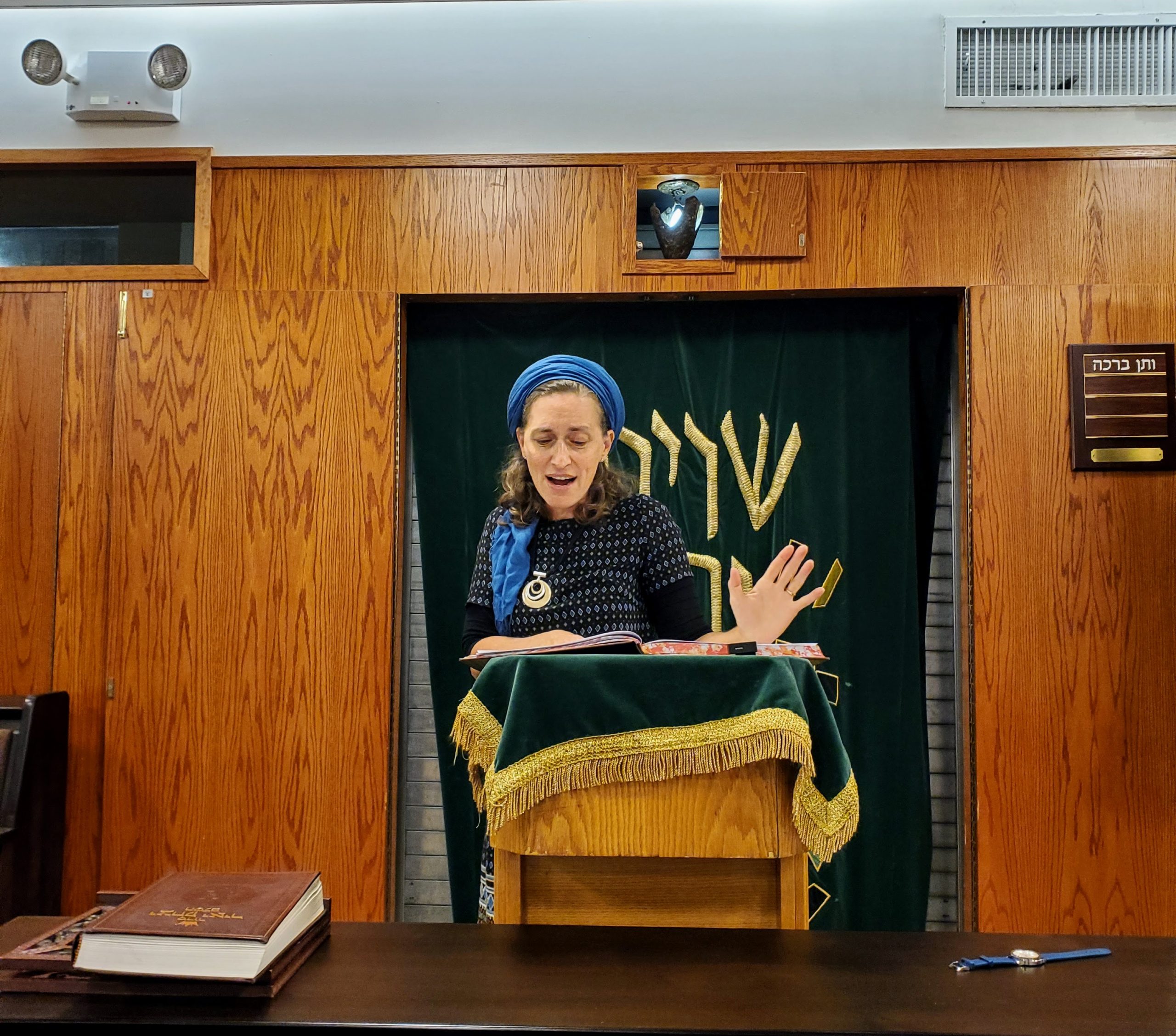
Ketubot 20: Memory and Its Effect on Halacha – Young Israel of Jamaica Estates (USA Summer Tour)
New to Talmud?
Check out our resources designed to help you navigate a page of Talmud – and study at the pace, level and style that fits you.
The Hadran Women’s Tapestry
Meet the diverse women learning Gemara at Hadran and hear their stories.
I am a Reform rabbi and took Talmud courses in rabbinical school, but I knew there was so much more to learn. It felt inauthentic to serve as a rabbi without having read the entire Talmud, so when the opportunity arose to start Daf Yomi in 2020, I dove in! Thanks to Hadran, Daf Yomi has enriched my understanding of rabbinic Judaism and deepened my love of Jewish text & tradition. Todah rabbah!

California, United States
Margo
I started my Talmud journey in 7th grade at Akiba Jewish Day School in Chicago. I started my Daf Yomi journey after hearing Erica Brown speak at the Hadran Siyum about marking the passage of time through Daf Yomi.
Carolyn
I started my Talmud journey post-college in NY with a few classes. I started my Daf Yomi journey after the Hadran Siyum, which inspired both my son and myself.
Merion Station, USA
Beit Shemesh, Israel
I started learning at the beginning of the cycle after a friend persuaded me that it would be right up my alley. I was lucky enough to learn at Rabbanit Michelle’s house before it started on zoom and it was quickly part of my daily routine. I find it so important to see for myself where halachot were derived, where stories were told and to get more insight into how the Rabbis interacted.
Ra’anana, Israel
I started learning Dec 2019 after reading “If all the Seas Were Ink”. I found
Daily daf sessions of Rabbanit Michelle in her house teaching, I then heard about the siyum and a new cycle starting wow I am in! Afternoon here in Sydney, my family and friends know this is my sacred time to hide away to live zoom and learn. Often it’s hard to absorb and relate then a gem shines touching my heart.
Dover Heights, Australia
When I began the previous cycle, I promised myself that if I stuck with it, I would reward myself with a trip to Israel. Little did I know that the trip would involve attending the first ever women’s siyum and being inspired by so many learners. I am now over 2 years into my second cycle and being part of this large, diverse, fascinating learning family has enhanced my learning exponentially.

Minnesota, United States
I was exposed to Talmud in high school, but I was truly inspired after my daughter and I decided to attend the Women’s Siyum Shas in 2020. We knew that this was a historic moment. We were blown away, overcome with emotion at the euphoria of the revolution. Right then, I knew I would continue. My commitment deepened with the every-morning Virtual Beit Midrash on Zoom with R. Michelle.

Zichron Yaakov, Israel
Having never learned Talmud before, I started Daf Yomi in hopes of connecting to the Rabbinic tradition, sharing a daily idea on Instagram (@dafyomiadventures). With Hadran and Sefaria, I slowly gained confidence in my skills and understanding. Now, part of the Pardes Jewish Educators Program, I can’t wait to bring this love of learning with me as I continue to pass it on to my future students.
Pennsylvania, United States
I started to listen to Michelle’s podcasts four years ago. The minute I started I was hooked. I’m so excited to learn the entire Talmud, and think I will continue always. I chose the quote “while a woman is engaged in conversation she also holds the spindle”. (Megillah 14b). It reminds me of all of the amazing women I learn with every day who multi-task, think ahead and accomplish so much.
Zichron Yakov, Israel
I’ve been wanting to do Daf Yomi for years, but always wanted to start at the beginning and not in the middle of things. When the opportunity came in 2020, I decided: “this is now the time!” I’ve been posting my journey daily on social media, tracking my progress (#DafYomi); now it’s fully integrated into my daily routines. I’ve also inspired my partner to join, too!

Teaneck, United States
In January 2020, my teaching partner at IDC suggested we do daf yomi. Thanks to her challenge, I started learning daily from Rabbanit Michelle. It’s a joy to be part of the Hadran community. (It’s also a tikkun: in 7th grade, my best friend and I tied for first place in a citywide gemara exam, but we weren’t invited to the celebration because girls weren’t supposed to be learning gemara).

Jerusalem, Israel

Berlin, Germany
Minneapolis, MN, United States
I started learning Dec 2019 after reading “If all the Seas Were Ink”. I found
Daily daf sessions of Rabbanit Michelle in her house teaching, I then heard about the siyum and a new cycle starting wow I am in! Afternoon here in Sydney, my family and friends know this is my sacred time to hide away to live zoom and learn. Often it’s hard to absorb and relate then a gem shines touching my heart.
Dover Heights, Australia
With Rabbanit Dr. Naomi Cohen in the Women’s Talmud class, over 30 years ago. It was a “known” class and it was accepted, because of who taught. Since then I have also studied with Avigail Gross-Gelman and Dr. Gabriel Hazut for about a year). Years ago, in a shiur in my shul, I did know about Persians doing 3 things with their clothes on. They opened the shiur to woman after that!
Haifa, Israel
When I was working and taking care of my children, learning was never on the list. Now that I have more time I have two different Gemora classes and the nach yomi as well as the mishna yomi daily.
Jerusalem, Israel
I attended the Siyum so that I could tell my granddaughter that I had been there. Then I decided to listen on Spotify and after the siyum of Brachot, Covid and zoom began. It gave structure to my day. I learn with people from all over the world who are now my friends – yet most of us have never met. I can’t imagine life without it. Thank you Rabbanit Michelle.
Raanana, Israel
Raanana, Israel
I started learning at the beginning of this Daf Yomi cycle because I heard a lot about the previous cycle coming to an end and thought it would be a good thing to start doing. My husband had already bought several of the Koren Talmud Bavli books and they were just sitting on the shelf, not being used, so here was an opportunity to start using them and find out exactly what was in them. Loving it!
Borehamwood, United Kingdom
It has been a pleasure keeping pace with this wonderful and scholarly group of women.

Beit Shemesh, Israel
When I began learning Daf Yomi at the beginning of the current cycle, I was preparing for an upcoming surgery and thought that learning the Daf would be something positive I could do each day during my recovery, even if I accomplished nothing else. I had no idea what a lifeline learning the Daf would turn out to be in so many ways.

Lexington, MA, United States
Ketubot 20
וּכְשֵׁם שֶׁאֵין מְזִימִּין אֶת הָעֵדִים אֶלָּא בִּפְנֵיהֶם, כָּךְ אֵין מַכְחִישִׁין אֶת הָעֵדִים אֶלָּא בִּפְנֵיהֶם.
And just as witnesses render other witnesses false, conspiring witnesses only in their presence, because with their testimony they render them liable to be punished, so too, witnesses contradict the testimony of other witnesses only in their presence. Since the signatories to the document are dead, their testimony cannot be contradicted.
אֲמַר לֵיהּ רַב נַחְמָן: אִילּוּ הֲווֹ קַמַּן וּמַכְחִישִׁין לְהוּ, הֲוָה הַכְחָשָׁה, וְלָא הֲוָה מַשְׁגִּיחִין בְּהוּ. דְּהָוְיָ[א] לַהּ עֵדוּת מוּכְחֶשֶׁת. הַשְׁתָּא דְּלֵיתַנְהוּ, דְּאִילּוּ הֲווֹ לְקַמַּן דִּלְמָא הֲווֹ מוֹדוּ לְהוּ, מְהֵימְנִי?!
Rav Naḥman said to Rav Sheshet: If the first pair of witnesses was before us and the second pair would contradict their testimony, that is contradiction, and we would not consider their testimony and would not collect money with the document, as it is contradicted testimony. Now that they are not before us, and in a case where if they were before us perhaps they would have admitted to the second witnesses that the testimony of the second witnesses is correct, are they deemed credible, and the document that they signed valid?
אֶלָּא אָמַר רַב נַחְמָן: אוֹקֵי תְּרֵי לַהֲדֵי תְּרֵי, וְאוֹקֵי מָמוֹנָא בְּחֶזְקַת מָרֵיהּ, מִידֵּי דְּהָוֵה אַנִּכְסֵי דְּבַר שָׁטְיָא. דְּבַר שָׁטְיָא זַבֵּין נִכְסֵי. אֲתוֹ בֵּי תְרֵי, אָמְרִי: כְּשֶׁהוּא שׁוֹטֶה זַבֵּין, וַאֲתוֹ בֵּי תְרֵי וְאָמְרִי: כְּשֶׁהוּא חָלִים זַבֵּין.
Rather, Rav Naḥman said in the case where the testimony of the first witnesses is contradicted not in their presence, the ruling is: Establish two witnesses against the two witnesses who contradict their testimony, thereby neutralizing both testimonies, and establish the money in the possession of its owner, just as it was in the case of the property of bar Shatya. As when bar Shatya, a man who suffered from periodic bouts of insanity, sold his property, two witnesses came and said: He sold it when he was insane; and two other witnesses came and said: He sold it when he was sane.
אָמַר רַב אָשֵׁי: אוֹקֵי תְּרֵי לַהֲדֵי תְּרֵי, וְאוֹקִי מָמוֹנָא בְּחֶזְקַת בַּר שָׁטְיָא. וְלָא אֲמַרַן אֶלָּא דְּאִית לֵיהּ חֲזָקָה דַאֲבָהָתֵיהּ. אֲבָל לֵית לֵיהּ חֲזָקָה דַאֲבָהָתֵיהּ, אָמְרִינַן: כְּשֶׁהוּא שׁוֹטֶה זְבַן, וּכְשֶׁהוּא שׁוֹטֶה זַבֵּין.
Rav Ashi said in that case: Establish two witnesses against the two witnesses who contradict the testimony of the first pair, and establish the money in the possession of bar Shatya. The Gemara notes: We say that the property remains in the possession of bar Shatya only when he has possession of the property based on the possession of his fathers. However, if he does not have possession of the property based on the possession of his fathers, but he acquired the property himself, we say: He purchased his properties when he was insane, and he sold them when he was insane. He does not have presumptive ownership of them. Therefore, the property remains in the possession of the person to whom bar Shatya sold it.
אָמַר רַבִּי אֲבָהוּ: אֵין מְזִימִּין אֶת הָעֵדִים אֶלָּא בִּפְנֵיהֶן, וּמַכְחִישִׁין אֶת הָעֵדִים שֶׁלֹּא בִּפְנֵיהֶן. וַהֲזָמָה שֶׁלֹּא בִּפְנֵיהֶן, נְהִי דַּהֲזָמָה לָא הָוְיָא — הַכְחָשָׁה מִיהָא הָוְיָא.
Rabbi Abbahu disagrees with the opinion of Rav Sheshet and says: Witnesses render other witnesses false, conspiring witnesses only in their presence, but witnesses contradict the testimony of other witnesses not in their presence. And with regard to rendering other witnesses false, conspiring witnesses not in their presence, although it is not effective in rendering them false, conspiring witnesses in the sense that they are punished for their false testimony, in any case, it is a contradiction of their testimony.
אָמַר מָר: אִם יֵשׁ עֵדִים שֶׁכְּתַב יָדָם הוּא זֶה, אוֹ שֶׁהָיָה כְּתַב יָדָם יוֹצֵא מִמָּקוֹם אַחֵר, מִשְּׁטָר שֶׁקָּרָא עָלָיו עַרְעָר וְהוּחְזַק בְּבֵית דִּין — אֵין נֶאֱמָנִין. קָרָא עָלָיו עַרְעָר — אִין, לֹא קָרָא עָלָיו עַרְעָר — לָא, מְסַיַּיע לֵיהּ לְרַבִּי אַסִּי. דְּאָמַר רַבִּי אַסִּי: אֵין מְקַיְּימִין אֶת הַשְּׁטָר אֶלָּא מִשְּׁטָר שֶׁקָּרָא עָלָיו עַרְעָר וְהוּחְזַק בְּבֵית דִּין.
§ The Master said in the baraita cited previously: If there are other witnesses who testify that it is their handwriting, or if their handwriting emerges from another place, from a document that one challenged and that was deemed valid in court, these witnesses are not deemed credible. The Gemara infers: From a document that one challenged, yes, the signatures are authenticated and the testimony of the other witnesses is not accepted; however, if one did not challenge the document, no, the document cannot be used to authenticate their signatures. This supports the statement of Rabbi Asi, as Rabbi Asi said: One ratifies a document by authenticating the witnesses’ signatures only from a document that someone challenged and that was deemed valid in court.
אָמְרִי נְהַרְדָּעֵי: אֵין מְקַיְּימִין אֶת הַשְּׁטָר אֶלָּא מִשְׁתֵּי כְּתוּבּוֹת, [אוֹ] מִשְּׁתֵּי שָׂדוֹת, וְהוּא שֶׁאֲכָלוּם בַּעֲלֵיהֶן שָׁלֹשׁ שָׁנִים, וּבְשׁוֹפִי.
The Sages of Neharde’a say: One ratifies a document by authenticating the witnesses’ signatures only from two marriage contracts or from the bills of sale for two fields that those witnesses signed. And those bills of sale are effective only in a case where their owner ate their produce for three years, the requisite period to establish presumptive ownership of the field, and in peace, undisturbed by protest. In that case we can rely on the signatures, and the documents are considered valid.
אָמַר רַב שִׁימִי בַּר אָשֵׁי: וּבְיוֹצֵא מִתַּחַת יַד אַחֵר. אֲבָל מִיַּד עַצְמוֹ — לָא. מַאי שְׁנָא תַּחַת יַד עַצְמוֹ דְּלָא, דִּלְמָא זַיּוֹפֵי מְזַיֵּיף. מִתַּחַת יְדֵי אַחֵר נָמֵי: דִּלְמָא אֲזַל וַחֲזָא, אֲתָא וְזַיֵּיף! כּוּלֵּי הַאי לָא מָצֵי מְכַוֵּין.
Rav Shimi bar Ashi said: Authentication of signatures by comparison to other documents can be accomplished specifically when the documents emerge from the possession of another. However, when the documents emerge from the possession of the litigant himself, no, they may not be used to authenticate the signatures. The Gemara asks: What is different in a case where the documents emerge from the possession of the litigant himself that they may not be used to authenticate the signatures? It is that perhaps while the documents were in his possession he learned how to copy the signatures and forged them. If so, also in a case where the documents emerge from the possession of another, perhaps he went and saw the signatures, and came back and forged them. The Gemara answers: In that case, he would not be able to accurately reproduce the signatures to that extent based on memory alone.
תָּנוּ רַבָּנַן: כּוֹתֵב אָדָם עֵדוּתוֹ עַל הַשְּׁטָר, וּמֵעִיד עָלֶיהָ אֲפִילּוּ לְאַחַר כַּמָּה שָׁנִים. אָמַר רַב הוּנָא: וְהוּא שֶׁזּוֹכְרָהּ מֵעַצְמוֹ. רַבִּי יוֹחָנָן אָמַר: אַף עַל פִּי שֶׁאֵין זוֹכְרָהּ מֵעַצְמוֹ. אָמַר רַבָּה: שְׁמַע מִינַּהּ מִדְּרַבִּי יוֹחָנָן: הָנֵי בֵּי תְרֵי דְּיָדְעִי סָהֲדוּתָא וּמִנְּשֵׁי חַד מִנַּיְיהוּ, מַדְכַּר חַד לְחַבְרֵיהּ.
§ The Sages taught: A person may write his testimony in a document and testify on its basis even after several years have passed. Rav Huna said: And that is the halakha only if he remembers the testimony on his own and he uses the document merely to refresh his memory with regard to certain details. Rabbi Yoḥanan said: One may rely on that written testimony even if he does not remember the testimony by himself at all. Rabba said: Conclude from this statement of Rabbi Yoḥanan: With regard to these two witnesses who know testimony in a certain case, and one of them forgot the testimony, one witness may remind his fellow witness of the testimony, as according to Rabbi Yoḥanan, even if the witness remembers the testimony only by means of an external stimulus, the testimony is valid.
אִיבַּעְיָא לְהוּ: עַצְמוֹ, מַאי? רַב חֲבִיבָא אָמַר: אֲפִילּוּ עַצְמוֹ. מָר בְּרֵיהּ דְּרַב אָשֵׁי אָמַר: עַצְמוֹ לֹא. וְהִלְכְתָא עַצְמוֹ לֹא.
A dilemma was raised before the Sages: If the litigant himself reminds the witness of the testimony, what is the ruling? Rav Ḥaviva said: Even if the litigant himself reminds the witness, he may testify. Mar, son of Rav Ashi, said: If the litigant himself reminds the witness, he may not testify. And the Gemara concludes that the halakha is that if the litigant himself reminds the witness of the testimony, the witness may not testify, due to the concern that the litigant influenced the nature of his testimony.
וְאִי צוּרְבָּא מֵרַבָּנַן הוּא, אֲפִילּוּ עַצְמוֹ. כִּי הָא דְּרַב אָשֵׁי הֲוָה יְדִיעַ לֵיהּ בְּסָהֲדוּתָא לְרַב כָּהֲנָא. אֲמַר לֵיהּ: מִי דְּכִיר מָר הַאי סָהֲדוּתָא? אֲמַר לֵיהּ: לָא. וְלָאו הָכִי וְהָכִי הֲוָה? אֲמַר לֵיהּ: לָא יָדַעְנָא, לְסוֹף אִידְּכַר רַב אָשֵׁי, אַסְהֵיד לֵיהּ. חַזְיֵיהּ לְרַב כָּהֲנָא דַּהֲוָה מְחַסֵּם. אֲמַר לֵיהּ: מִי סָבְרַתְּ עֲלָךְ קָא סְמִיכְנָא? אֲנָא הוּא דִּרְמַאי אַנַּפְשַׁאי וְאִדַּכְרִי.
And if the witness is a Torah scholar, then even if the litigant himself jogged the witness’s memory, the witness may testify. A Torah scholar would not testify if he did not actually remember the testimony himself, as in that case involving Rav Ashi, who knew testimony relating to Rav Kahana. Rav Kahana said to Rav Ashi: Does the Master remember this testimony? Rav Ashi said to him: No. Rav Kahana said to him: Didn’t the incident transpire in such and such a manner? Rav Ashi said to him: I don’t know. Ultimately, Rav Ashi remembered the testimony and testified for Rav Kahana. He saw that Rav Kahana was hesitant [meḥassem] with regard to accepting his testimony, concerned that he had influenced the content of Rav Ashi’s testimony. Rav Ashi said to him: Do you think that I am relying on you? I made an effort, and I remembered the incident.
תְּנַן הָתָם: הַתְּלוּלִיּוֹת הַקְּרוֹבוֹת בֵּין לָעִיר וּבֵין לַדֶּרֶךְ, אֶחָד חֲדָשׁוֹת וְאֶחָד יְשָׁנוֹת — טְמֵאוֹת. הָרְחוֹקוֹת, חֲדָשׁוֹת — טְהוֹרוֹת, יְשָׁנוֹת — טְמֵאוֹת. אֵיזוֹהִי קְרוֹבָה — חֲמִשִּׁים אַמָּה, וְאֵיזוֹ הִיא יְשָׁנָה — שִׁשִּׁים שָׁנָה, דִּבְרֵי רַבִּי מֵאִיר. רַבִּי יְהוּדָה אוֹמֵר: קְרוֹבָה — שֶׁאֵין קְרוֹבָה הֵימֶנָּה, יְשָׁנָה — שֶׁאֵין אָדָם זוֹכְרָהּ.
§ Apropos recalling testimony, the Gemara adds that we learned there in a mishna (Oholot 16:2): Mounds of dirt that are near either to a city or a path, whether these mounds are new or whether they are old, are ritually impure due to the concern that a corpse is buried there. With regard to the mounds that are distant from the city: If they are new they are ritually pure, as, were there a corpse buried there, someone would remember, and if they are old they are impure. The mishna elaborates: What is a mound that is near? It is one at a distance of up to fifty cubits. And what is a mound that is old? It is one that was there for more than sixty years; this is the statement of Rabbi Meir. Rabbi Yehuda says: A mound that is near is one that there is no mound closer than it. Old is referring to a mound that no one remembers. According to Rabbi Yehuda, the parameters are not quantifiable.
מַאי ״עִיר״ וּמַאי ״דֶּרֶךְ״? אִילֵימָא ״עִיר״ — עִיר מַמָּשׁ, ״דֶּרֶךְ״ — דֶּרֶךְ מַמָּשׁ, מִסְּפֵיקָא מִי מַחְזְקִינַן טוּמְאָה? וְהָאָמַר רֵישׁ לָקִישׁ: עִילָּה מָצְאוּ וְטִהֲרוּ אֶרֶץ יִשְׂרָאֵל. אָמַר רַבִּי זֵירָא: ״עִיר״ — עִיר הַסְּמוּכָה לְבֵית הַקְּבָרוֹת, וְ״דֶרֶךְ״ — דֶּרֶךְ בֵּית הַקְּבָרוֹת.
The Gemara asks: What is a city and what is a path in this context? If you say city means an actual city and a path is an actual path and the mishna is referring to any city or path, the question arises: Do we presume the existence of ritual impurity in Eretz Yisrael? But didn’t Reish Lakish say in explaining how the Sages, based on meager proof, deemed an area in Eretz Yisrael ritually pure where uncertainty arose with regard to its purity: They found a pretext and deemed Eretz Yisrael ritually pure. Apparently, one does not presume ritual impurity in Eretz Yisrael. Why, then, does the mishna declare that every mound of dirt near a city or a path is impure? Rabbi Zeira said: The word city in the mishna is referring to a city adjacent to the cemetery, and the word path is referring to the path leading to the cemetery. Therefore, the concern that a corpse may be buried in the mound is a reasonable one.
בִּשְׁלָמָא דֶּרֶךְ בֵּית הַקְּבָרוֹת, דְּזִמְנִין דְּמִתְרְמֵי בֵּין הַשְּׁמָשׁוֹת וּמִקְּרוּ קָבְרוּ בְּתֵל. אֶלָּא עִיר הַסְּמוּכָה לְבֵית הַקְּבָרוֹת, כּוּלְּהִי לְבֵית הַקְּבָרוֹת אָזְלִי?
The Gemara asks: Granted, with regard to a mound located adjacent to the path leading to the cemetery, there is concern that a corpse is buried in the mound, as sometimes one happens to go to bury the corpse on Shabbat eve at twilight, and to avoid desecrating Shabbat, it happened that they buried the corpse in a mound on the path. However, with regard to a city adjacent to the cemetery, everyone goes to the cemetery to bury their dead. Why would anyone bury a corpse in a mound adjacent to the city?
אָמַר רַבִּי חֲנִינָא: מִתּוֹךְ שֶׁהַנָּשִׁים קוֹבְרוֹת שָׁם נִפְלֵיהֶן, וּמוּכֵּי שְׁחִין זְרוֹעוֹתֵיהֶם — עַד חֲמִשִּׁים אַמָּה אָזְלָא אִיהִי לְחוּדַּהּ. טְפֵי — דָּבְרָא אִינִישׁ בַּהֲדַהּ, וּלְבֵית הַקְּבָרוֹת אָזְלָא. הִלְכָּךְ, טוּמְאָה בְּאֶרֶץ יִשְׂרָאֵל לָא מַחְזְקִינַן.
Rabbi Ḥanina said: The mounds could be impure, since women bury their stillborn babies adjacent to the city, as there is no funeral in that case, and because those afflicted with boils bury their arms that withered and fell from their bodies. Until a distance of fifty cubits from the city, the woman goes alone and buries the stillborn in a mound. More than that distance, she takes a person with her, as she fears going alone, and she goes to the cemetery. Therefore, we are not presuming the existence of ritual impurity in Eretz Yisrael. The case of the mounds is an exception, as there is basis for deeming them impure.
אָמַר רַב חִסְדָּא: שְׁמַע מִינַּהּ מֵרַבִּי מֵאִיר, הַאי סָהֲדוּתָא עַד שִׁיתִּין שְׁנִין — מִידְּכַר, טְפֵי — לָא מִידְּכַר. וְלָא הִיא, הָתָם הוּא דְּלָא רַמְיָא עֲלֵיהּ. אֲבָל הָכָא, כֵּיוָן דְּרָמֵי עֲלֵיהּ, אֲפִילּוּ טוּבָא נָמֵי.
Rav Ḥisda said: Conclude from the statement of Rabbi Meir, who established a time limit beyond which a mound is considered an old mound, that with regard to testimony, until sixty years have passed, it is remembered, and if more than sixty years have passed, it is not remembered. And the Gemara rejects that conclusion: That is not so. There, with regard to the mounds, it is a case where responsibility to attest to the status of the mound was not imposed upon him, and the matter is forgotten after the passage of sixty years. However, here, with regard to testimony in general, since responsibility to testify was imposed upon him, he remembers the testimony even after a greater period of time than sixty years has passed.
מַתְנִי׳ זֶה אוֹמֵר: כְּתַב יָדִי, וְזֶה כְּתַב יָדוֹ שֶׁל חֲבֵירִי. וְזֶה אוֹמֵר: זֶה כְּתַב יָדִי, וְזֶה כְּתַב יָדוֹ שֶׁל חֲבֵירִי — הֲרֵי אֵלּוּ נֶאֱמָנִין. זֶה אוֹמֵר: זֶה כְּתַב יָדִי, וְזֶה אוֹמֵר: זֶה כְּתַב יָדִי — צְרִיכִין לְצָרֵף עִמָּהֶם אַחֵר, דִּבְרֵי רַבִּי. וַחֲכָמִים אוֹמְרִים: אֵינָם צְרִיכִין לְצָרֵף עִמָּהֶן אַחֵר, אֶלָּא נֶאֱמָן אָדָם לוֹמַר זֶה כְּתַב יָדִי.
MISHNA: If this witness whose name is signed on a document says: This is my handwriting and this is the handwriting of my fellow witness, and that witness says: This is my handwriting and that is the handwriting of my fellow witness, these witnesses are deemed credible and the document is ratified, as together they provide testimony authenticating both signatures. If this witness says: This is my handwriting, and that witness says: This is my handwriting, and neither testifies with regard to the signature of the other, they must add another witness with them who will authenticate the signatures of the two witnesses, as otherwise, each of the witnesses would be testifying with regard to half the sum in the document; this is the statement of Rabbi Yehuda HaNasi. And the Rabbis say: They need not add another witness with them. Rather, a person is deemed credible to say: This is my handwriting. The testimony of the two signatories about their own signatures is sufficient.
גְּמָ׳ כְּשֶׁתִּימְצֵי לוֹמַר, לְדִבְרֵי רַבִּי
GEMARA: The Gemara says: When you analyze the reasoning for the opinions of the tanna’im, say that according to the statement of Rabbi Yehuda HaNasi,

