Search

Kiddushin 46

Want to dedicate learning? Get started here:

English
עברית
podcast placeholder

0:00
0:00


podcast placeholder

0:00
0:00


Summary

Today’s daf is sponsored by Glenda Sacks in honor of Sari Esserman’s birthday and in memory of Sari’s beloved mother.

Today’s daf is sponsored by The Hadran Zoom Family in honor of the marriage of Shirli Noiman to Amitai Levy, the son of our co-learner, Dahlia Levy. “בין כסה לעשור, we continue to learn and celebrate! Mazel tov!”

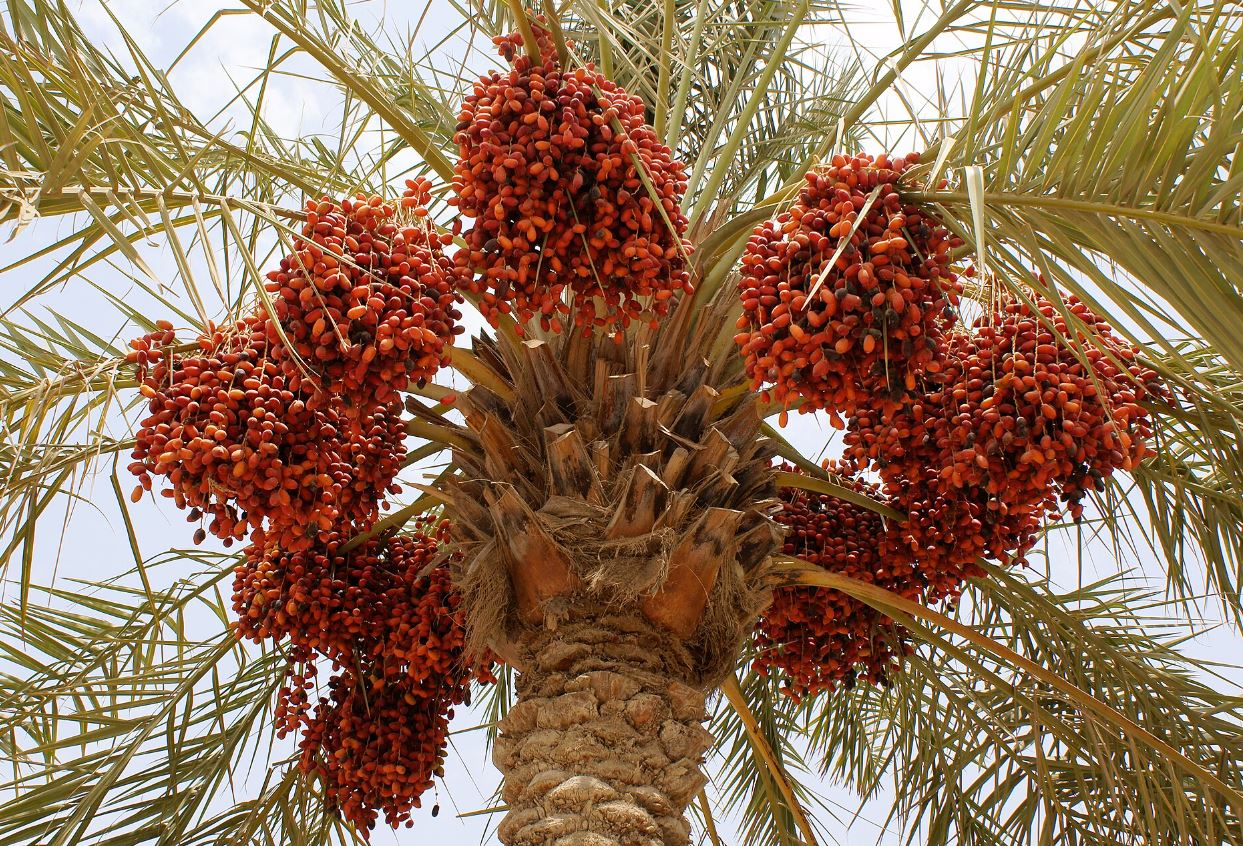
A minor who was betrothed and married to a kohen without her father’s consent, can she eat truma? How is this case different from the previous cases? A man who betrothed a woman with dates and with each date he gave her, said “You will be betrothed to me with this date, be betrothed to me with this date,” if one of them is worth a pruta, it is a valid betrothal. If he said, “You will be betrothed to me with this date and this date and this date,” then if there is a value of a pruta between all the dates, she is betrothed. If she ate each date as he gave it to her, there needs to be the value of a pruta in one of them. This last ruling is said about the first case or about the second case (“be betrothed to me with this date, be betrothed to me with this date,” or “with this date and this date and this date”). If one betroths his sister, do we assume he gave her the money as a deposit (and she must return it) or as a gift (and she does not have to return it)? Rav and Shmuel disagree. A difficulty is raised against Shmuuel from a Mishna in Halla 2:5, but is resolved.

Today’s daily daf tools:

Kiddushin 46

נִרְאִין דִּבְרֵי תַלְמִיד. אָמַר רָבָא: מַאי טַעְמָא דְּרַב הוּנָא – הוֹאִיל וְנַעֲשָׂה בָּהּ מַעֲשֵׂה יְתוֹמָה בְּחַיֵּי הָאָב.

Rather, the statement of the student seems reasonable. Although Rav Yirmeya bar Abba was like a student compared with Rav Huna, his opinion makes more sense. Rava said: What is the reason of Rav Huna? Since an action was done with her that renders her like an orphan in the lifetime of her father, she is considered married and may partake of teruma. The fact that her father ignored both her betrothal and her marriage indicates that he has waived his rights to control whom she marries. She is therefore considered like an orphan, whose marriage is valid with her own consent.

אִיתְּמַר: קְטַנָּה שֶׁנִּתְקַדְּשָׁה שֶׁלֹּא לְדַעַת אָבִיהָ, אָמַר רַב: בֵּין הִיא וּבֵין אָבִיהָ יְכוֹלִין לְעַכֵּב. וְרַב אַסִּי אָמַר: אָבִיהָ וְלֹא הִיא. אֵיתִיבֵיהּ רַב הוּנָא לְרַב אַסִּי, וְאָמְרִי לַהּ חִיָּיא בַּר רַב לְרַב אַסִּי: ״אִם מָאֵן יְמָאֵן אָבִיהָ״, אֵין לִי אֶלָּא אָבִיהָ, הִיא עַצְמָהּ מִנַּיִן? תַּלְמוּד לוֹמַר: ״אִם מָאֵן יְמָאֵן״ – מִכׇּל מָקוֹם.

§ It was stated that amora’im disputed the following issue: In the case of a minor girl who became betrothed without her father’s consent, Rav says: Either she or her father is able to prevent the betrothal from taking effect. And Rav Asi says: Her father can prevent it but not she, since she initially agreed. Rav Huna raised an objection to Rav Asi, and some say it was Ḥiyya bar Rav who raised an objection to Rav Asi: The baraita states in the case of a seduced woman: “If her father refuses to give her to him, he shall pay money according to the dowry of virgins” (Exodus 22:16). The Sages expounded: I have derived only the halakha that her father can refuse to give her to the seducer in marriage; from where do I derive that she herself can also refuse? The verse states: “If he refuses [ma’en yema’en].” The repetition of the verb indicates that the right of refusal exists in any case. Despite the fact that she was seduced, she can change her mind and say that she does not want to marry him.

אֲמַר לְהוּ רַב: לָא תֵּיזְלוּ בָּתַר אִיפְּכָא. יָכֵול לְשַׁנּוֹיֵי לְכוּ: כְּגוֹן שֶׁפִּיתָּהּ שֶׁלֹּא לְשׁוּם אִישׁוּת. פִּיתָּהּ שֶׁלֹּא לְשׁוּם אִישׁוּת קְרָא בָּעֵי? אָמַר רַב נַחְמָן בַּר יִצְחָק: לוֹמַר שֶׁמְּשַׁלֵּם קְנָס כִּמְפוּתָּה.

Rav said to those who tried to offer support for his opinion: Do not go after the opposite, i.e., do not cite a proof from a source that could be understood in the opposite manner. Rav Asi can answer your argument by claiming that the baraita is referring to a case where he initially seduced her not for the sake of marriage. Their initial act of intercourse was not performed in order to effect betrothal, so they are not betrothed. The Gemara questions this: In the case of a seduction that is not for the sake of marriage, is a verse required to teach that she can refuse to marry him? Rav Naḥman bar Yitzḥak says: It serves to say that if she refuses to marry him despite her father’s consent to the match, the seducer nevertheless pays the fine like a standard case of a seduced woman. The obligation to pay the fine is not only for a case where her father refuses to let her marry the seducer.

אֲמַר לֵיהּ רַב יוֹסֵף: אִי הָכִי, הַיְינוּ דִּתְנֵינָא: ״מָהֹר יִמְהָרֶנָּה לּוֹ לְאִשָּׁה״ – שֶׁצְּרִיכָה הֵימֶנּוּ קִידּוּשִׁין. וְאִם פִּיתָּהּ לְשׁוּם אִישׁוּת, קִידּוּשִׁין לְמָה לִי? אֲמַר לֵיהּ אַבָּיֵי: צְרִיכָה קִידּוּשִׁין לְדַעַת אָבִיהָ.

Rav Yosef said to him: If so, if the baraita is discussing a case where intercourse was not performed to effect betrothal, this is what we learned in a baraita with regard to a seduced woman: “He shall pay a dowry for her to be his wife” (Exodus 22:15). This teaches that she requires betrothal from him. And if the verse is speaking of one who seduced her for the sake of marriage, why do I need betrothal? The act of intercourse can serve as the betrothal. Rather, the baraita must be referring to a case where he seduced her not for the sake of marriage. Abaye said to him: Even if he seduced her for the sake of marriage, she requires an additional betrothal with her father’s consent, since she is a minor and became betrothed without it.

מַתְנִי׳ הָאוֹמֵר לְאִשָּׁה ״הִתְקַדְּשִׁי לִי בִּתְמָרָה זוֹ״, ״הִתְקַדְּשִׁי לִי בָּזוֹ״ אִם יֵשׁ בְּאַחַת מֵהֶן שָׁוֶה פְּרוּטָה – מְקוּדֶּשֶׁת, וְאִם לָאו – אֵינָהּ מְקוּדֶּשֶׁת. ״בָּזוֹ וּבָזוֹ וּבָזוֹ״ אִם יֵשׁ שָׁוֶה פְּרוּטָה בְּכוּלָּן – מְקוּדֶּשֶׁת, וְאִם לָאו – אֵינָהּ מְקוּדֶּשֶׁת. הָיְתָה אוֹכֶלֶת רִאשׁוֹנָה רִאשׁוֹנָה – אֵינָהּ מְקוּדֶּשֶׁת, עַד שֶׁיְּהֵא בְּאַחַת מֵהֶן שָׁוֶה פְּרוּטָה.

MISHNA: In the case of one who says to a woman: Be betrothed to me with this date, and adds: Be betrothed to me with that one, then if one of the dates is worth one peruta she is betrothed, but if not, she is not betrothed, since he mentioned betrothal in connection with each date. But if he said: Be betrothed to me with this one, and with this one, and with this one, then even if all of them together are worth one peruta she is betrothed, but if not, she is not betrothed. If he gave her dates with the intention of betrothing her with them, and she was eating them one by one as she received them, she is not betrothed unless one of them is worth one peruta.

גְּמָ׳ מַאן תְּנָא ״הִתְקַדְּשִׁי״ ״הִתְקַדְּשִׁי״? אָמַר רַבָּה: רַבִּי שִׁמְעוֹן הִיא, דְּאָמַר עַד שֶׁיֹּאמַר שְׁבוּעָה לְכׇל אֶחָד וְאֶחָד.

GEMARA: Who is the tanna who taught that it is only if he says: Be betrothed to me, be betrothed to me, in connection with each date that each act of betrothal is considered distinct? Rabba says: It is the opinion of Rabbi Shimon, who said in the context of the laws of deposit oaths: He is never liable to bring more than one offering unless he will state an expression of an oath to each and every one.

״בָּזוֹ וּבָזוֹ וּבָזוֹ״ אִם יֵשׁ בְּכוּלָּן שָׁוֶה פְּרוּטָה כּוּ׳. אַהֵיָיא? אִילֵּימָא אַרֵישָׁא, מַאי אִירְיָא אוֹכֶלֶת? אֲפִילּוּ מִנְחַת נָמֵי, דְּהָא ״הִתְקַדְּשִׁי לִי בָּזוֹ״ קָאָמַר! אֶלָּא אַסֵּיפָא.

The mishna teaches: If one said: With this one, and with this one, and with this one, she is betrothed even if all of them together are worth one peruta. The mishna subsequently states that if she was eating the dates one by one, she is betrothed only if one of them is worth one peruta. The Gemara asks: To which clause of the mishna is the case of the woman eating the dates one by one referring? If we say it is referring to the first clause of the mishna, when he betrothed her separately with each date, why would the mishna specifically state that she ate them? Even if she placed them down without eating them the same halakha would also apply, as he said: Be betrothed to me with this date, so each date must be worth one peruta. Rather, it must be referring to the latter clause, when he said that he is betrothing her with all the dates. In such a situation, if she ate them one by one, she is betrothed only if one of them is worth one peruta.

וַאֲפִילּוּ בְּקַמַּיְיתָא? וְהָא מִלְוָה הִיא! אָמַר רַבִּי יוֹחָנָן: הֲרֵי שֻׁלְחָן, וַהֲרֵי בָּשָׂר, וַהֲרֵי סַכִּין, וְאֵין לָנוּ [פֶּה] לֶאֱכוֹל!

The Gemara proceeds to ask: And is she betrothed even if the first date is worth one peruta? But until he has given her all the dates for the betrothal, each individual date is considered to be a loan, because if he were to retract his betrothal before giving her all of the dates she would have to return them to him, and one cannot betroth a woman by giving her a loan. By the time he finishes giving her the dates, the first one has already been eaten, so it is not able to effect the betrothal. With regard to this difficulty Rabbi Yoḥanan says: There is a table, and there is meat, and there is a knife, and we have nothing to eat. In other words, everything in the mishna is explicit yet we cannot explain it.

רַב וּשְׁמוּאֵל אָמְרִי תַּרְוַיְיהוּ: לְעוֹלָם אַרֵישָׁא, וְלָא מִיבַּעְיָא קָאָמַר: לָא מִיבַּעְיָא מַנַּחַת, דְּאִי אִיכָּא שָׁוֶה פְּרוּטָה – אִין, אִי לָא – לָא. אֲבָל אוֹכֶלֶת, הוֹאִיל וּמִיקָּרְבָא הֲנָיָיתַהּ, אֵימָא גָּמְרָה וּמַקְנְיָא נַפְשַׁהּ, קָא מַשְׁמַע לַן.

Rav and Shmuel both said: Actually, the case of the woman eating the dates one by one is referring to the first clause of the mishna, where one betrothed the woman with each date separately, and it is speaking utilizing the style of: It is not necessary. The mishna stated, for stylistic reasons, a halakha that it did not need to state, and should be understood as follows: It is not necessary to state the halakha in the case of a woman who placed the dates down, that if one of them is worth one peruta, yes, she is betrothed, and if not, she is not betrothed. But in a case where she was eating them, one might think that since her benefit is immediate, say that she has decided to transfer herself to him by means of that date, although it is worth less than one peruta. The mishna therefore teaches us that she is nevertheless not betrothed.

רַבִּי אַמֵּי אָמַר: לְעוֹלָם אַסֵּיפָא, וּמַאי ״עַד שֶׁיְּהֵא בְּאַחַת מֵהֶן שָׁוֶה פְּרוּטָה״ – עַד שֶׁיְּהֵא בָּאַחֲרוֹנָה שָׁוֶה פְּרוּטָה.

Rabbi Ami said a different explanation: Actually, the case of the woman eating the dates one by one is referring to the latter clause of the mishna, where he betrothed her by giving her all of the dates. And what is the meaning of: Unless one of them is worth one peruta? It means: Unless the last of them is worth one peruta. But if one of the other dates is worth one peruta she is not betrothed, since they are considered a loan until all the dates have been given.

אָמַר רָבָא: שְׁמַע מִינַּהּ מִדְּרַבִּי אַמֵּי תְּלָת. שְׁמַע מִינַּהּ: הַמְקַדֵּשׁ בְּמִלְוָה אֵינָהּ מְקוּדֶּשֶׁת, וּשְׁמַע מִינַּהּ: הַמְקַדֵּשׁ בְּמִלְוָה וּפְרוּטָה, דַּעְתַּהּ אַפְּרוּטָה,

Rava says: Conclude three conclusions from this statement of Rabbi Ami: Conclude from it that in the case of one who betroths a woman with a loan, she is not betrothed, since she is not betrothed with a date that she has already eaten. And conclude from it that in the case of one who betroths a woman by forgiving a loan and giving her one peruta, her mind is focused on the peruta although the debt is far larger, and she will be betrothed. In the latter case, although the value of the dates she ate was more than the value of the last date, which was merely worth one peruta, she is nevertheless betrothed.

וּשְׁמַע מִינַּהּ: מָעוֹת בְּעָלְמָא – חוֹזְרִים.

And conclude from it that generally, money that was given for a betrothal that did not take effect is returned. It is not viewed as a gift, but as a loan that must be repaid. This is evident from the fact that all the dates except the last one are considered a loan that must be repaid.

אִיתְּמַר: הַמְקַדֵּשׁ אֲחוֹתוֹ, רַב אָמַר: מָעוֹת חוֹזְרִים. וּשְׁמוּאֵל אָמַר: מָעוֹת מַתָּנָה. רַב אָמַר: מָעוֹת חוֹזְרִים – אָדָם יוֹדֵעַ שֶׁאֵין קִידּוּשִׁין תּוֹפְסִין בַּאֲחוֹתוֹ, וְגָמַר וְנָתַן לְשׁוּם פִּקָּדוֹן. וְלֵימָא לַהּ לְשׁוּם פִּקָּדוֹן! סָבַר לָא מְקַבְּלָה.

§ It was stated: In the case of one who betroths his sister by giving her money, Rav says: The money of the betrothal must be returned by his sister, as this betrothal does not take effect. And Shmuel says: This money is considered to be a gift that she may keep. The Gemara clarifies their respective opinions. Rav says: The money must be returned, since a person knows that betrothal does not take effect with his sister, and he decided to give the money to her for the sake of a deposit. The Gemara raises a difficulty: And let him explicitly say to her that he is giving her the money for the sake of a deposit. The Gemara answers: He thought she would not accept it from him.

וּשְׁמוּאֵל סָבַר: מָעוֹת מַתָּנָה – אָדָם יוֹדֵעַ שֶׁאֵין קִידּוּשִׁין תּוֹפְסִין בַּאֲחוֹתוֹ, וְגָמַר וְנָתַן לְשׁוּם מַתָּנָה. וְנֵימָא לַהּ לְשׁוּם מַתָּנָה! סָבַר: כְּסִיפָא לַהּ מִילְּתָא.

And Shmuel maintains: The money is considered to be a gift, because a person knows that betrothal does not take effect with his sister, and he decided to give the money to her for the sake of a gift. The Gemara again raises a difficulty: And let him explicitly say to her that he is giving it to her for the sake of a gift. The Gemara answers: He thought it would be embarrassing to her and she would refuse to accept the money. He therefore attempted to give it to her by an alternative method.

מֵתִיב רָבִינָא: הַמַּפְרִישׁ חַלָּתוֹ קֶמַח – אֵינָהּ חַלָּה, וְגָזֵל בְּיַד כֹּהֵן. וְאַמַּאי גָּזֵל בְּיַד כֹּהֵן? נֵימָא: אָדָם יוֹדֵעַ שֶׁאֵין מַפְרִישִׁים חַלָּה קֶמַח, וְנָתַן לְשֵׁם מַתָּנָה!

Ravina raises an objection from a mishna (Ḥalla 2:5): In the case of one who separates his ḥalla, the portion of dough that must be given to a priest, from flour, before it has been made into dough, the portion he has separated is not ḥalla. Since the Torah states: “Of the first of your dough you shall set apart” (Numbers 15:20), ḥalla can be separated only from dough. And if the priest fails to return the flour it is considered stolen property in the priest’s possession. Ravina asks: And why is it stolen property in the priest’s possession? In this case too, let us say as Shmuel does: A person knows that one cannot separate ḥalla from flour, and he gave the flour for the sake of a gift.

שָׁאנֵי הָתָם, דְּנָפֵיק חוּרְבָּה מִינַּהּ – זִימְנִין דְּאִית לֵיהּ לְכֹהֵן פָּחוֹת מֵחָמֵשׁ רְבָעִים קֶמַח, וְהַאי אָלֵישׁ לֵיהּ בַּהֲדֵי הֲדָדֵי, וְקָסָבַר נִתַּקְּנָה עִיסָּתוֹ, וְאָתֵי לְמֵיכְלַהּ בְּטִיבְלַהּ.

The Gemara answers: There it is different. The priest must return the flour because otherwise a ruinous situation may emerge from it. How so? Sometimes the priest has, on his own, less than five-fourths of a kav of flour, i.e., he has less than the amount necessitating the separation of ḥalla, and he also has this flour, which gives him a total of more than five-fourths of a kav, the amount necessitating the separation of ḥalla. He will knead all this flour together and will think his dough has been made ready with regard to ḥalla, since he did not have enough of his own flour to require the separation of ḥalla and he had added flour that had been separated as ḥalla to it. And he will then come to eat it in its untithed state, as the flour he received was not in fact ḥalla. Therefore, the Sages required him to return the flour.

וְהָאָמְרַתְּ: אָדָם יוֹדֵעַ שֶׁאֵין מַפְרִישִׁים חַלָּה קֶמַח! יוֹדֵעַ וְאֵינוֹ יוֹדֵעַ. יוֹדֵעַ שֶׁאֵין מַפְרִישׁ חַלָּה קֶמַח, וְאֵינוֹ יוֹדֵעַ, דְּסָבַר: טַעְמַיְיהוּ מַאי – מִשּׁוּם טִירְחָא דְכֹהֵן וְטִירְחָא דְכֹהֵן אַחֵילְתֵּיהּ.

The Gemara asks: But didn’t you say that a person knows that one may not separate ḥalla from flour? How can the priest make such an error? The Gemara answers: He knows the halakha but he does not know the reason for the halakha. He knows that one cannot separate ḥalla from flour, but he does not know the reason, as he thinks: What is the reason one may not separate ḥalla from flour? Due to the labor of the priest, i.e., to prevent the priest from having to knead it himself. And as far as the labor of the priest goes, he thinks: I have relinquished the right to have the non-priest knead it for me.

וְתִיהְוֵי תְּרוּמָה, וְלֹא תֵּאָכֵל עַד שֶׁיּוֹצִיא עָלֶיהָ חַלָּה מִמָּקוֹם אַחֵר. מִי לָא תְּנַן: מִן הַנָּקוּב עַל שֶׁאֵינוֹ נָקוּב – תְּרוּמָה, וְלֹא תֵּאָכֵל עַד שֶׁיּוֹצִיא עָלֶיהָ תְּרוּמָה וּמַעֲשֵׂר מִמָּקוֹם אַחֵר?

The Gemara asks a question based on a comparison to a similar case: But why must the priest go to the effort of returning the flour to its owner? Let the separated flour be considered teruma, i.e., ḥalla, by rabbinic law, and it should not be eaten by the priest until he removes ḥalla for it from somewhere else, in order to make it ready to be eaten. Didn’t we learn in a mishna (Demai 5:10): If one separated teruma from produce grown in a perforated pot, which is obligated in terumot and tithes by Torah law, for produce that had grown in a non-perforated pot, which is not obligated in terumot and tithes according to Torah law; although the separating of teruma did not take effect, and the putative teruma is still untithed produce, it is considered to be teruma and remains in the possession of the priest, and it may not be eaten until he removes teruma and tithes for it from somewhere else. The same halakha should apply in the case of the ḥalla.

בִּתְרֵי מָנֵי – צָאֵית, בְּחַד מָנָא – לָא צָאֵית.

The Gemara answers: With regard to things that are in two separate containers, the priest will listen. Since the priest is well aware of the difference between a perforated and a non-perforated pot, he will accept the ruling of the Sages to separate teruma an additional time. With regard to something that is in one container, he will not listen. He does not see any difference between receiving flour or dough, and he will not accept the ruling of the Sages to separate ḥalla an additional time. Consequently, they required him to return the flour.

וְאִיבָּעֵית אֵימָא: לְעוֹלָם כֹּהֵן מֵיצָת צָיֵית, וְקָסָבַר בַּעַל הַבַּיִת נִתַּקְּנָה עִיסָּתוֹ, וְאָתֵי לְמֵיכַל בְּטִיבְלָא.

And if you wish, say that the tanna has a different concern: Actually, a priest will listen even with regard to something in a single container, and the concern is that the prior owner of the flour will think that his dough has been made ready to eat and he will come to eat it in its untithed state.

וְהָאָמְרַתְּ: אָדָם יוֹדֵעַ שֶׁאֵין מַפְרִישִׁין חַלָּה קֶמַח! יוֹדֵעַ וְאֵינוֹ יוֹדֵעַ. יוֹדֵעַ שֶׁאֵין מַפְרִישִׁין חַלָּה קֶמַח, וְאֵינוֹ יוֹדֵעַ, דְּסָבַר טַעְמָא מַאי – מִשּׁוּם טִירְחָא דְכֹהֵן, טִירְחָא דְכֹהֵן קַבְּלַהּ עֲלֵיהּ.

The Gemara asks: But didn’t you say that a person knows that one may not separate ḥalla from flour? The Gemara answers: He knows the halakha but he does not know the reason for the halakha. He knows that one cannot separate ḥalla from flour, but he does not know the reason, as he thinks: What is the reason one may not separate ḥalla from flour? It is due to the labor of the priest. And as far as the labor of the priest goes, he thinks: The priest has accepted that task upon himself.

וְתִיהְוֵי תְּרוּמָה, וְיַחְזוֹר וְיִתְרוֹם. מִי לָא תְּנַן: מִשֶּׁאֵינוֹ נָקוּב עַל הַנָּקוּב – תְּרוּמָה, וְיַחְזוֹר וְיִתְרוֹם! הָא אוֹקֵימְנָא: בִּתְרֵי מָאנֵי צָאֵית, בְּחַד מָנָא לָא צָאֵית.

The Gemara makes a suggestion based on a comparison to a similar case: But let it be teruma, i.e., ḥalla, and he should separate teruma again. Didn’t we learn a similar idea in a mishna (Demai 5:10): If one separated teruma from produce grown in a non-perforated pot for the produce of a perforated pot, it is teruma by rabbinic law, but he must separate teruma again to render the produce grown in the perforated pot ready to eat. The Gemara answers: We have already established that with regard to things that are in two separate containers, one will listen, but with regard to something that is in one container, one will not listen.

וְלָא צָאֵית?! וְהָתְנַן: הַתּוֹרֵם קִישּׁוּת וְנִמְצָא מָרָה, אֲבַטִּיחַ וְנִמְצֵאת סָרוּחַ – תְּרוּמָה, וְיַחֲזוֹר וְיִתְרוֹם! שָׁאנֵי הָתָם, דְּמִדְּאוֹרָיְיתָא תְּרוּמָה מְעַלְּיָא הִיא,

The Gemara questions this assumption: And will one not listen to a ruling to separate teruma a second time from a single container? But didn’t we learn in a mishna (Terumot 3:1): In the case of one who separated a cucumber as teruma to give to a priest, and that cucumber was found to be so bitter that it was inedible, or if he separated a melon and it was found to be spoiled, his separation is still teruma, but he must separate teruma again? The Gemara answers: There it is different, as it is full-fledged teruma by Torah law, and even if he does not listen and separate teruma again, no Torah law will be violated.

מִדְּרַבִּי אִלְעַאי. דְּאָמַר רַבִּי אִלְעַאי: מִנַּיִן לַתּוֹרֵם מִן הָרָעָה עַל הַיָּפָה שֶׁתְּרוּמָתוֹ תְּרוּמָה? שֶׁנֶּאֱמַר: ״וְלֹא תִשְׂאוּ עָלָיו חֵטְא בַּהֲרִימְכֶם אֶת חֶלְבּוֹ״ – אִם אֵינוֹ קָדוֹשׁ, נְשִׂיאוּת חֵטְא לָמָּה? מִכָּאן לַתּוֹרֵם מִן הָרָעָה עַל הַיָּפָה שֶׁתְּרוּמָתוֹ תְּרוּמָה.

What is the source from which it is extrapolated that it is full-fledged teruma by Torah law? It is from a statement of Rabbi Ilai, for Rabbi Ilai says: From where is it derived that one who separates teruma from poor-quality produce for superior-quality produce, i.e., in order to fulfill the obligation of separating teruma from the high-quality produce, that his teruma is teruma? As it is stated with regard to teruma: “And you shall bear no sin by reason of it, seeing that you have set apart from it the best thereof” (Numbers 18:32). The verse is saying to give the best part as teruma, and one who gives a bad portion has committed a transgression. Nevertheless, the verse indicates that the separated produce is teruma; if it were not sacred as teruma why would one bear a sin? If one’s action were to no effect, he has not sinned. From here it is derived that if one separates teruma from poor-quality produce for superior-quality produce, his teruma is teruma.

אָמַר רָבָא:

Rava said:

Today’s daily daf tools:

Delve Deeper

Broaden your understanding of the topics on this daf with classes and podcasts from top women Talmud scholars.

For the Beyond the Daf shiurim offered in Hebrew, see here.

New to Talmud?

Check out our resources designed to help you navigate a page of Talmud – and study at the pace, level and style that fits you. 

The Hadran Women’s Tapestry

Meet the diverse women learning Gemara at Hadran and hear their stories. 

In January 2020, my chevruta suggested that we “up our game. Let’s do Daf Yomi” – and she sent me the Hadran link. I lost my job (and went freelance), there was a pandemic, and I am still opening the podcast with my breakfast coffee, or after Shabbat with popcorn. My Aramaic is improving. I will need a new bookcase, though.

Rhondda May
Rhondda May

Atlanta, Georgia, United States

After experiences over the years of asking to join gemara shiurim for men and either being refused by the maggid shiur or being the only women there, sometimes behind a mechitza, I found out about Hadran sometime during the tail end of Masechet Shabbat, I think. Life has been much better since then.

Madeline Cohen
Madeline Cohen

London, United Kingdom

While vacationing in San Diego, Rabbi Leah Herz asked if I’d be interested in being in hevruta with her to learn Daf Yomi through Hadran. Why not? I had loved learning Gemara in college in 1971 but hadn’t returned. With the onset of covid, Daf Yomi and Rabbanit Michelle centered me each day. Thank-you for helping me grow and enter this amazing world of learning.
Meryll Page
Meryll Page

Minneapolis, MN, United States

I started learning after the siyum hashas for women and my daily learning has been a constant over the last two years. It grounded me during the chaos of Corona while providing me with a community of fellow learners. The Daf can be challenging but it’s filled with life’s lessons, struggles and hope for a better world. It’s not about the destination but rather about the journey. Thank you Hadran!

Dena Lehrman
Dena Lehrman

אפרת, Israel

I’ve been studying Talmud since the ’90s, and decided to take on Daf Yomi two years ago. I wanted to attempt the challenge of a day-to-day, very Jewish activity. Some days are so interesting and some days are so boring. But I’m still here.
Sarene Shanus
Sarene Shanus

Mamaroneck, NY, United States

Hadran entered my life after the last Siyum Hashaas, January 2020. I was inspired and challenged simultaneously, having never thought of learning Gemara. With my family’s encouragement, I googled “daf yomi for women”. A perfecr fit!
I especially enjoy when Rabbanit Michelle connects the daf to contemporary issues to share at the shabbat table e.g: looking at the Kohen during duchaning. Toda rabba

Marsha Wasserman
Marsha Wasserman

Jerusalem, Israel

I was inspired to start learning after attending the 2020 siyum in Binyanei Hauma. It has been a great experience for me. It’s amazing to see the origins of stories I’ve heard and rituals I’ve participated in my whole life. Even when I don’t understand the daf itself, I believe that the commitment to learning every day is valuable and has multiple benefits. And there will be another daf tomorrow!

Khaya Eisenberg
Khaya Eisenberg

Jerusalem, Israel

Retirement and Covid converged to provide me with the opportunity to commit to daily Talmud study in October 2020. I dove into the middle of Eruvin and continued to navigate Seder Moed, with Rabannit Michelle as my guide. I have developed more confidence in my learning as I completed each masechet and look forward to completing the Daf Yomi cycle so that I can begin again!

Rhona Fink
Rhona Fink

San Diego, United States

I started the daf at the beginning of this cycle in January 2020. My husband, my children, grandchildren and siblings have been very supportive. As someone who learned and taught Tanach and mefarshim for many years, it has been an amazing adventure to complete the six sedarim of Mishnah, and now to study Talmud on a daily basis along with Rabbanit Michelle and the wonderful women of Hadran.

Rookie Billet
Rookie Billet

Jerusalem, Israel

It happened without intent (so am I yotzei?!) – I watched the women’s siyum live and was so moved by it that the next morning, I tuned in to Rabbanit Michelle’s shiur, and here I am, still learning every day, over 2 years later. Some days it all goes over my head, but others I grasp onto an idea or a story, and I ‘get it’ and that’s the best feeling in the world. So proud to be a Hadran learner.

Jeanne Yael Klempner

Zichron Yaakov, Israel

My Daf journey began in August 2012 after participating in the Siyum Hashas where I was blessed as an “enabler” of others.  Galvanized into my own learning I recited the Hadran on Shas in January 2020 with Rabbanit Michelle. That Siyum was a highlight in my life.  Now, on round two, Daf has become my spiritual anchor to which I attribute manifold blessings.

Rina Goldberg
Rina Goldberg

Englewood NJ, United States

I began Daf Yomi with the last cycle. I was inspired by the Hadran Siyum in Yerushalayim to continue with this cycle. I have learned Daf Yomi with Rabanit Michelle in over 25 countries on 6 continents ( missing Australia)

Barbara-Goldschlag
Barbara Goldschlag

Silver Spring, MD, United States

It’s hard to believe it has been over two years. Daf yomi has changed my life in so many ways and has been sustaining during this global sea change. Each day means learning something new, digging a little deeper, adding another lens, seeing worlds with new eyes. Daf has also fostered new friendships and deepened childhood connections, as long time friends have unexpectedly become havruta.

Joanna Rom
Joanna Rom

Northwest Washington, United States

I had no formal learning in Talmud until I began my studies in the Joint Program where in 1976 I was one of the few, if not the only, woman talmud major. It was superior training for law school and enabled me to approach my legal studies with a foundation . In 2018, I began daf yomi listening to Rabbanit MIchelle’s pod cast and my daily talmud studies are one of the highlights of my life.

Krivosha_Terri_Bio
Terri Krivosha

Minneapolis, United States

I am a Reform rabbi and took Talmud courses in rabbinical school, but I knew there was so much more to learn. It felt inauthentic to serve as a rabbi without having read the entire Talmud, so when the opportunity arose to start Daf Yomi in 2020, I dove in! Thanks to Hadran, Daf Yomi has enriched my understanding of rabbinic Judaism and deepened my love of Jewish text & tradition. Todah rabbah!

Rabbi Nicki Greninger

California, United States

I started learning at the beginning of the cycle after a friend persuaded me that it would be right up my alley. I was lucky enough to learn at Rabbanit Michelle’s house before it started on zoom and it was quickly part of my daily routine. I find it so important to see for myself where halachot were derived, where stories were told and to get more insight into how the Rabbis interacted.

Deborah Dickson
Deborah Dickson

Ra’anana, Israel

Hearing and reading about the siyumim at the completion of the 13 th cycle Daf Yomi asked our shul rabbi about starting the Daf – he directed me to another shiur in town he thought would allow a woman to join, and so I did! Love seeing the sources for the Divrei Torah I’ve been hearing for the past decades of living an observant life and raising 5 children .

Jill Felder
Jill Felder

Pittsburgh, Pennsylvania, United States

I began my journey two years ago at the beginning of this cycle of the daf yomi. It has been an incredible, challenging experience and has given me a new perspective of Torah Sh’baal Peh and the role it plays in our lives

linda kalish-marcus
linda kalish-marcus

Efrat, Israel

The first month I learned Daf Yomi by myself in secret, because I wasn’t sure how my husband would react, but after the siyyum on Masechet Brachot I discovered Hadran and now sometimes my husband listens to the daf with me. He and I also learn mishnayot together and are constantly finding connections between the different masechtot.

Laura Warshawsky
Laura Warshawsky

Silver Spring, Maryland, United States

I started learning Gemara at the Yeshivah of Flatbush. And I resumed ‘ברוך ה decades later with Rabbanit Michele at Hadran. I started from Brachot and have had an exciting, rewarding experience throughout seder Moed!

Anne Mirsky (1)
Anne Mirsky

Maale Adumim, Israel

Kiddushin 46

נִרְאִין דִּבְרֵי תַלְמִיד. אָמַר רָבָא: מַאי טַעְמָא דְּרַב הוּנָא – הוֹאִיל וְנַעֲשָׂה בָּהּ מַעֲשֵׂה יְתוֹמָה בְּחַיֵּי הָאָב.

Rather, the statement of the student seems reasonable. Although Rav Yirmeya bar Abba was like a student compared with Rav Huna, his opinion makes more sense. Rava said: What is the reason of Rav Huna? Since an action was done with her that renders her like an orphan in the lifetime of her father, she is considered married and may partake of teruma. The fact that her father ignored both her betrothal and her marriage indicates that he has waived his rights to control whom she marries. She is therefore considered like an orphan, whose marriage is valid with her own consent.

אִיתְּמַר: קְטַנָּה שֶׁנִּתְקַדְּשָׁה שֶׁלֹּא לְדַעַת אָבִיהָ, אָמַר רַב: בֵּין הִיא וּבֵין אָבִיהָ יְכוֹלִין לְעַכֵּב. וְרַב אַסִּי אָמַר: אָבִיהָ וְלֹא הִיא. אֵיתִיבֵיהּ רַב הוּנָא לְרַב אַסִּי, וְאָמְרִי לַהּ חִיָּיא בַּר רַב לְרַב אַסִּי: ״אִם מָאֵן יְמָאֵן אָבִיהָ״, אֵין לִי אֶלָּא אָבִיהָ, הִיא עַצְמָהּ מִנַּיִן? תַּלְמוּד לוֹמַר: ״אִם מָאֵן יְמָאֵן״ – מִכׇּל מָקוֹם.

§ It was stated that amora’im disputed the following issue: In the case of a minor girl who became betrothed without her father’s consent, Rav says: Either she or her father is able to prevent the betrothal from taking effect. And Rav Asi says: Her father can prevent it but not she, since she initially agreed. Rav Huna raised an objection to Rav Asi, and some say it was Ḥiyya bar Rav who raised an objection to Rav Asi: The baraita states in the case of a seduced woman: “If her father refuses to give her to him, he shall pay money according to the dowry of virgins” (Exodus 22:16). The Sages expounded: I have derived only the halakha that her father can refuse to give her to the seducer in marriage; from where do I derive that she herself can also refuse? The verse states: “If he refuses [ma’en yema’en].” The repetition of the verb indicates that the right of refusal exists in any case. Despite the fact that she was seduced, she can change her mind and say that she does not want to marry him.

אֲמַר לְהוּ רַב: לָא תֵּיזְלוּ בָּתַר אִיפְּכָא. יָכֵול לְשַׁנּוֹיֵי לְכוּ: כְּגוֹן שֶׁפִּיתָּהּ שֶׁלֹּא לְשׁוּם אִישׁוּת. פִּיתָּהּ שֶׁלֹּא לְשׁוּם אִישׁוּת קְרָא בָּעֵי? אָמַר רַב נַחְמָן בַּר יִצְחָק: לוֹמַר שֶׁמְּשַׁלֵּם קְנָס כִּמְפוּתָּה.

Rav said to those who tried to offer support for his opinion: Do not go after the opposite, i.e., do not cite a proof from a source that could be understood in the opposite manner. Rav Asi can answer your argument by claiming that the baraita is referring to a case where he initially seduced her not for the sake of marriage. Their initial act of intercourse was not performed in order to effect betrothal, so they are not betrothed. The Gemara questions this: In the case of a seduction that is not for the sake of marriage, is a verse required to teach that she can refuse to marry him? Rav Naḥman bar Yitzḥak says: It serves to say that if she refuses to marry him despite her father’s consent to the match, the seducer nevertheless pays the fine like a standard case of a seduced woman. The obligation to pay the fine is not only for a case where her father refuses to let her marry the seducer.

אֲמַר לֵיהּ רַב יוֹסֵף: אִי הָכִי, הַיְינוּ דִּתְנֵינָא: ״מָהֹר יִמְהָרֶנָּה לּוֹ לְאִשָּׁה״ – שֶׁצְּרִיכָה הֵימֶנּוּ קִידּוּשִׁין. וְאִם פִּיתָּהּ לְשׁוּם אִישׁוּת, קִידּוּשִׁין לְמָה לִי? אֲמַר לֵיהּ אַבָּיֵי: צְרִיכָה קִידּוּשִׁין לְדַעַת אָבִיהָ.

Rav Yosef said to him: If so, if the baraita is discussing a case where intercourse was not performed to effect betrothal, this is what we learned in a baraita with regard to a seduced woman: “He shall pay a dowry for her to be his wife” (Exodus 22:15). This teaches that she requires betrothal from him. And if the verse is speaking of one who seduced her for the sake of marriage, why do I need betrothal? The act of intercourse can serve as the betrothal. Rather, the baraita must be referring to a case where he seduced her not for the sake of marriage. Abaye said to him: Even if he seduced her for the sake of marriage, she requires an additional betrothal with her father’s consent, since she is a minor and became betrothed without it.

מַתְנִי׳ הָאוֹמֵר לְאִשָּׁה ״הִתְקַדְּשִׁי לִי בִּתְמָרָה זוֹ״, ״הִתְקַדְּשִׁי לִי בָּזוֹ״ אִם יֵשׁ בְּאַחַת מֵהֶן שָׁוֶה פְּרוּטָה – מְקוּדֶּשֶׁת, וְאִם לָאו – אֵינָהּ מְקוּדֶּשֶׁת. ״בָּזוֹ וּבָזוֹ וּבָזוֹ״ אִם יֵשׁ שָׁוֶה פְּרוּטָה בְּכוּלָּן – מְקוּדֶּשֶׁת, וְאִם לָאו – אֵינָהּ מְקוּדֶּשֶׁת. הָיְתָה אוֹכֶלֶת רִאשׁוֹנָה רִאשׁוֹנָה – אֵינָהּ מְקוּדֶּשֶׁת, עַד שֶׁיְּהֵא בְּאַחַת מֵהֶן שָׁוֶה פְּרוּטָה.

MISHNA: In the case of one who says to a woman: Be betrothed to me with this date, and adds: Be betrothed to me with that one, then if one of the dates is worth one peruta she is betrothed, but if not, she is not betrothed, since he mentioned betrothal in connection with each date. But if he said: Be betrothed to me with this one, and with this one, and with this one, then even if all of them together are worth one peruta she is betrothed, but if not, she is not betrothed. If he gave her dates with the intention of betrothing her with them, and she was eating them one by one as she received them, she is not betrothed unless one of them is worth one peruta.

גְּמָ׳ מַאן תְּנָא ״הִתְקַדְּשִׁי״ ״הִתְקַדְּשִׁי״? אָמַר רַבָּה: רַבִּי שִׁמְעוֹן הִיא, דְּאָמַר עַד שֶׁיֹּאמַר שְׁבוּעָה לְכׇל אֶחָד וְאֶחָד.

GEMARA: Who is the tanna who taught that it is only if he says: Be betrothed to me, be betrothed to me, in connection with each date that each act of betrothal is considered distinct? Rabba says: It is the opinion of Rabbi Shimon, who said in the context of the laws of deposit oaths: He is never liable to bring more than one offering unless he will state an expression of an oath to each and every one.

״בָּזוֹ וּבָזוֹ וּבָזוֹ״ אִם יֵשׁ בְּכוּלָּן שָׁוֶה פְּרוּטָה כּוּ׳. אַהֵיָיא? אִילֵּימָא אַרֵישָׁא, מַאי אִירְיָא אוֹכֶלֶת? אֲפִילּוּ מִנְחַת נָמֵי, דְּהָא ״הִתְקַדְּשִׁי לִי בָּזוֹ״ קָאָמַר! אֶלָּא אַסֵּיפָא.

The mishna teaches: If one said: With this one, and with this one, and with this one, she is betrothed even if all of them together are worth one peruta. The mishna subsequently states that if she was eating the dates one by one, she is betrothed only if one of them is worth one peruta. The Gemara asks: To which clause of the mishna is the case of the woman eating the dates one by one referring? If we say it is referring to the first clause of the mishna, when he betrothed her separately with each date, why would the mishna specifically state that she ate them? Even if she placed them down without eating them the same halakha would also apply, as he said: Be betrothed to me with this date, so each date must be worth one peruta. Rather, it must be referring to the latter clause, when he said that he is betrothing her with all the dates. In such a situation, if she ate them one by one, she is betrothed only if one of them is worth one peruta.

וַאֲפִילּוּ בְּקַמַּיְיתָא? וְהָא מִלְוָה הִיא! אָמַר רַבִּי יוֹחָנָן: הֲרֵי שֻׁלְחָן, וַהֲרֵי בָּשָׂר, וַהֲרֵי סַכִּין, וְאֵין לָנוּ [פֶּה] לֶאֱכוֹל!

The Gemara proceeds to ask: And is she betrothed even if the first date is worth one peruta? But until he has given her all the dates for the betrothal, each individual date is considered to be a loan, because if he were to retract his betrothal before giving her all of the dates she would have to return them to him, and one cannot betroth a woman by giving her a loan. By the time he finishes giving her the dates, the first one has already been eaten, so it is not able to effect the betrothal. With regard to this difficulty Rabbi Yoḥanan says: There is a table, and there is meat, and there is a knife, and we have nothing to eat. In other words, everything in the mishna is explicit yet we cannot explain it.

רַב וּשְׁמוּאֵל אָמְרִי תַּרְוַיְיהוּ: לְעוֹלָם אַרֵישָׁא, וְלָא מִיבַּעְיָא קָאָמַר: לָא מִיבַּעְיָא מַנַּחַת, דְּאִי אִיכָּא שָׁוֶה פְּרוּטָה – אִין, אִי לָא – לָא. אֲבָל אוֹכֶלֶת, הוֹאִיל וּמִיקָּרְבָא הֲנָיָיתַהּ, אֵימָא גָּמְרָה וּמַקְנְיָא נַפְשַׁהּ, קָא מַשְׁמַע לַן.

Rav and Shmuel both said: Actually, the case of the woman eating the dates one by one is referring to the first clause of the mishna, where one betrothed the woman with each date separately, and it is speaking utilizing the style of: It is not necessary. The mishna stated, for stylistic reasons, a halakha that it did not need to state, and should be understood as follows: It is not necessary to state the halakha in the case of a woman who placed the dates down, that if one of them is worth one peruta, yes, she is betrothed, and if not, she is not betrothed. But in a case where she was eating them, one might think that since her benefit is immediate, say that she has decided to transfer herself to him by means of that date, although it is worth less than one peruta. The mishna therefore teaches us that she is nevertheless not betrothed.

רַבִּי אַמֵּי אָמַר: לְעוֹלָם אַסֵּיפָא, וּמַאי ״עַד שֶׁיְּהֵא בְּאַחַת מֵהֶן שָׁוֶה פְּרוּטָה״ – עַד שֶׁיְּהֵא בָּאַחֲרוֹנָה שָׁוֶה פְּרוּטָה.

Rabbi Ami said a different explanation: Actually, the case of the woman eating the dates one by one is referring to the latter clause of the mishna, where he betrothed her by giving her all of the dates. And what is the meaning of: Unless one of them is worth one peruta? It means: Unless the last of them is worth one peruta. But if one of the other dates is worth one peruta she is not betrothed, since they are considered a loan until all the dates have been given.

אָמַר רָבָא: שְׁמַע מִינַּהּ מִדְּרַבִּי אַמֵּי תְּלָת. שְׁמַע מִינַּהּ: הַמְקַדֵּשׁ בְּמִלְוָה אֵינָהּ מְקוּדֶּשֶׁת, וּשְׁמַע מִינַּהּ: הַמְקַדֵּשׁ בְּמִלְוָה וּפְרוּטָה, דַּעְתַּהּ אַפְּרוּטָה,

Rava says: Conclude three conclusions from this statement of Rabbi Ami: Conclude from it that in the case of one who betroths a woman with a loan, she is not betrothed, since she is not betrothed with a date that she has already eaten. And conclude from it that in the case of one who betroths a woman by forgiving a loan and giving her one peruta, her mind is focused on the peruta although the debt is far larger, and she will be betrothed. In the latter case, although the value of the dates she ate was more than the value of the last date, which was merely worth one peruta, she is nevertheless betrothed.

וּשְׁמַע מִינַּהּ: מָעוֹת בְּעָלְמָא – חוֹזְרִים.

And conclude from it that generally, money that was given for a betrothal that did not take effect is returned. It is not viewed as a gift, but as a loan that must be repaid. This is evident from the fact that all the dates except the last one are considered a loan that must be repaid.

אִיתְּמַר: הַמְקַדֵּשׁ אֲחוֹתוֹ, רַב אָמַר: מָעוֹת חוֹזְרִים. וּשְׁמוּאֵל אָמַר: מָעוֹת מַתָּנָה. רַב אָמַר: מָעוֹת חוֹזְרִים – אָדָם יוֹדֵעַ שֶׁאֵין קִידּוּשִׁין תּוֹפְסִין בַּאֲחוֹתוֹ, וְגָמַר וְנָתַן לְשׁוּם פִּקָּדוֹן. וְלֵימָא לַהּ לְשׁוּם פִּקָּדוֹן! סָבַר לָא מְקַבְּלָה.

§ It was stated: In the case of one who betroths his sister by giving her money, Rav says: The money of the betrothal must be returned by his sister, as this betrothal does not take effect. And Shmuel says: This money is considered to be a gift that she may keep. The Gemara clarifies their respective opinions. Rav says: The money must be returned, since a person knows that betrothal does not take effect with his sister, and he decided to give the money to her for the sake of a deposit. The Gemara raises a difficulty: And let him explicitly say to her that he is giving her the money for the sake of a deposit. The Gemara answers: He thought she would not accept it from him.

וּשְׁמוּאֵל סָבַר: מָעוֹת מַתָּנָה – אָדָם יוֹדֵעַ שֶׁאֵין קִידּוּשִׁין תּוֹפְסִין בַּאֲחוֹתוֹ, וְגָמַר וְנָתַן לְשׁוּם מַתָּנָה. וְנֵימָא לַהּ לְשׁוּם מַתָּנָה! סָבַר: כְּסִיפָא לַהּ מִילְּתָא.

And Shmuel maintains: The money is considered to be a gift, because a person knows that betrothal does not take effect with his sister, and he decided to give the money to her for the sake of a gift. The Gemara again raises a difficulty: And let him explicitly say to her that he is giving it to her for the sake of a gift. The Gemara answers: He thought it would be embarrassing to her and she would refuse to accept the money. He therefore attempted to give it to her by an alternative method.

מֵתִיב רָבִינָא: הַמַּפְרִישׁ חַלָּתוֹ קֶמַח – אֵינָהּ חַלָּה, וְגָזֵל בְּיַד כֹּהֵן. וְאַמַּאי גָּזֵל בְּיַד כֹּהֵן? נֵימָא: אָדָם יוֹדֵעַ שֶׁאֵין מַפְרִישִׁים חַלָּה קֶמַח, וְנָתַן לְשֵׁם מַתָּנָה!

Ravina raises an objection from a mishna (Ḥalla 2:5): In the case of one who separates his ḥalla, the portion of dough that must be given to a priest, from flour, before it has been made into dough, the portion he has separated is not ḥalla. Since the Torah states: “Of the first of your dough you shall set apart” (Numbers 15:20), ḥalla can be separated only from dough. And if the priest fails to return the flour it is considered stolen property in the priest’s possession. Ravina asks: And why is it stolen property in the priest’s possession? In this case too, let us say as Shmuel does: A person knows that one cannot separate ḥalla from flour, and he gave the flour for the sake of a gift.

שָׁאנֵי הָתָם, דְּנָפֵיק חוּרְבָּה מִינַּהּ – זִימְנִין דְּאִית לֵיהּ לְכֹהֵן פָּחוֹת מֵחָמֵשׁ רְבָעִים קֶמַח, וְהַאי אָלֵישׁ לֵיהּ בַּהֲדֵי הֲדָדֵי, וְקָסָבַר נִתַּקְּנָה עִיסָּתוֹ, וְאָתֵי לְמֵיכְלַהּ בְּטִיבְלַהּ.

The Gemara answers: There it is different. The priest must return the flour because otherwise a ruinous situation may emerge from it. How so? Sometimes the priest has, on his own, less than five-fourths of a kav of flour, i.e., he has less than the amount necessitating the separation of ḥalla, and he also has this flour, which gives him a total of more than five-fourths of a kav, the amount necessitating the separation of ḥalla. He will knead all this flour together and will think his dough has been made ready with regard to ḥalla, since he did not have enough of his own flour to require the separation of ḥalla and he had added flour that had been separated as ḥalla to it. And he will then come to eat it in its untithed state, as the flour he received was not in fact ḥalla. Therefore, the Sages required him to return the flour.

וְהָאָמְרַתְּ: אָדָם יוֹדֵעַ שֶׁאֵין מַפְרִישִׁים חַלָּה קֶמַח! יוֹדֵעַ וְאֵינוֹ יוֹדֵעַ. יוֹדֵעַ שֶׁאֵין מַפְרִישׁ חַלָּה קֶמַח, וְאֵינוֹ יוֹדֵעַ, דְּסָבַר: טַעְמַיְיהוּ מַאי – מִשּׁוּם טִירְחָא דְכֹהֵן וְטִירְחָא דְכֹהֵן אַחֵילְתֵּיהּ.

The Gemara asks: But didn’t you say that a person knows that one may not separate ḥalla from flour? How can the priest make such an error? The Gemara answers: He knows the halakha but he does not know the reason for the halakha. He knows that one cannot separate ḥalla from flour, but he does not know the reason, as he thinks: What is the reason one may not separate ḥalla from flour? Due to the labor of the priest, i.e., to prevent the priest from having to knead it himself. And as far as the labor of the priest goes, he thinks: I have relinquished the right to have the non-priest knead it for me.

וְתִיהְוֵי תְּרוּמָה, וְלֹא תֵּאָכֵל עַד שֶׁיּוֹצִיא עָלֶיהָ חַלָּה מִמָּקוֹם אַחֵר. מִי לָא תְּנַן: מִן הַנָּקוּב עַל שֶׁאֵינוֹ נָקוּב – תְּרוּמָה, וְלֹא תֵּאָכֵל עַד שֶׁיּוֹצִיא עָלֶיהָ תְּרוּמָה וּמַעֲשֵׂר מִמָּקוֹם אַחֵר?

The Gemara asks a question based on a comparison to a similar case: But why must the priest go to the effort of returning the flour to its owner? Let the separated flour be considered teruma, i.e., ḥalla, by rabbinic law, and it should not be eaten by the priest until he removes ḥalla for it from somewhere else, in order to make it ready to be eaten. Didn’t we learn in a mishna (Demai 5:10): If one separated teruma from produce grown in a perforated pot, which is obligated in terumot and tithes by Torah law, for produce that had grown in a non-perforated pot, which is not obligated in terumot and tithes according to Torah law; although the separating of teruma did not take effect, and the putative teruma is still untithed produce, it is considered to be teruma and remains in the possession of the priest, and it may not be eaten until he removes teruma and tithes for it from somewhere else. The same halakha should apply in the case of the ḥalla.

בִּתְרֵי מָנֵי – צָאֵית, בְּחַד מָנָא – לָא צָאֵית.

The Gemara answers: With regard to things that are in two separate containers, the priest will listen. Since the priest is well aware of the difference between a perforated and a non-perforated pot, he will accept the ruling of the Sages to separate teruma an additional time. With regard to something that is in one container, he will not listen. He does not see any difference between receiving flour or dough, and he will not accept the ruling of the Sages to separate ḥalla an additional time. Consequently, they required him to return the flour.

וְאִיבָּעֵית אֵימָא: לְעוֹלָם כֹּהֵן מֵיצָת צָיֵית, וְקָסָבַר בַּעַל הַבַּיִת נִתַּקְּנָה עִיסָּתוֹ, וְאָתֵי לְמֵיכַל בְּטִיבְלָא.

And if you wish, say that the tanna has a different concern: Actually, a priest will listen even with regard to something in a single container, and the concern is that the prior owner of the flour will think that his dough has been made ready to eat and he will come to eat it in its untithed state.

וְהָאָמְרַתְּ: אָדָם יוֹדֵעַ שֶׁאֵין מַפְרִישִׁין חַלָּה קֶמַח! יוֹדֵעַ וְאֵינוֹ יוֹדֵעַ. יוֹדֵעַ שֶׁאֵין מַפְרִישִׁין חַלָּה קֶמַח, וְאֵינוֹ יוֹדֵעַ, דְּסָבַר טַעְמָא מַאי – מִשּׁוּם טִירְחָא דְכֹהֵן, טִירְחָא דְכֹהֵן קַבְּלַהּ עֲלֵיהּ.

The Gemara asks: But didn’t you say that a person knows that one may not separate ḥalla from flour? The Gemara answers: He knows the halakha but he does not know the reason for the halakha. He knows that one cannot separate ḥalla from flour, but he does not know the reason, as he thinks: What is the reason one may not separate ḥalla from flour? It is due to the labor of the priest. And as far as the labor of the priest goes, he thinks: The priest has accepted that task upon himself.

וְתִיהְוֵי תְּרוּמָה, וְיַחְזוֹר וְיִתְרוֹם. מִי לָא תְּנַן: מִשֶּׁאֵינוֹ נָקוּב עַל הַנָּקוּב – תְּרוּמָה, וְיַחְזוֹר וְיִתְרוֹם! הָא אוֹקֵימְנָא: בִּתְרֵי מָאנֵי צָאֵית, בְּחַד מָנָא לָא צָאֵית.

The Gemara makes a suggestion based on a comparison to a similar case: But let it be teruma, i.e., ḥalla, and he should separate teruma again. Didn’t we learn a similar idea in a mishna (Demai 5:10): If one separated teruma from produce grown in a non-perforated pot for the produce of a perforated pot, it is teruma by rabbinic law, but he must separate teruma again to render the produce grown in the perforated pot ready to eat. The Gemara answers: We have already established that with regard to things that are in two separate containers, one will listen, but with regard to something that is in one container, one will not listen.

וְלָא צָאֵית?! וְהָתְנַן: הַתּוֹרֵם קִישּׁוּת וְנִמְצָא מָרָה, אֲבַטִּיחַ וְנִמְצֵאת סָרוּחַ – תְּרוּמָה, וְיַחֲזוֹר וְיִתְרוֹם! שָׁאנֵי הָתָם, דְּמִדְּאוֹרָיְיתָא תְּרוּמָה מְעַלְּיָא הִיא,

The Gemara questions this assumption: And will one not listen to a ruling to separate teruma a second time from a single container? But didn’t we learn in a mishna (Terumot 3:1): In the case of one who separated a cucumber as teruma to give to a priest, and that cucumber was found to be so bitter that it was inedible, or if he separated a melon and it was found to be spoiled, his separation is still teruma, but he must separate teruma again? The Gemara answers: There it is different, as it is full-fledged teruma by Torah law, and even if he does not listen and separate teruma again, no Torah law will be violated.

מִדְּרַבִּי אִלְעַאי. דְּאָמַר רַבִּי אִלְעַאי: מִנַּיִן לַתּוֹרֵם מִן הָרָעָה עַל הַיָּפָה שֶׁתְּרוּמָתוֹ תְּרוּמָה? שֶׁנֶּאֱמַר: ״וְלֹא תִשְׂאוּ עָלָיו חֵטְא בַּהֲרִימְכֶם אֶת חֶלְבּוֹ״ – אִם אֵינוֹ קָדוֹשׁ, נְשִׂיאוּת חֵטְא לָמָּה? מִכָּאן לַתּוֹרֵם מִן הָרָעָה עַל הַיָּפָה שֶׁתְּרוּמָתוֹ תְּרוּמָה.

What is the source from which it is extrapolated that it is full-fledged teruma by Torah law? It is from a statement of Rabbi Ilai, for Rabbi Ilai says: From where is it derived that one who separates teruma from poor-quality produce for superior-quality produce, i.e., in order to fulfill the obligation of separating teruma from the high-quality produce, that his teruma is teruma? As it is stated with regard to teruma: “And you shall bear no sin by reason of it, seeing that you have set apart from it the best thereof” (Numbers 18:32). The verse is saying to give the best part as teruma, and one who gives a bad portion has committed a transgression. Nevertheless, the verse indicates that the separated produce is teruma; if it were not sacred as teruma why would one bear a sin? If one’s action were to no effect, he has not sinned. From here it is derived that if one separates teruma from poor-quality produce for superior-quality produce, his teruma is teruma.

אָמַר רָבָא:

Rava said:

Want to follow content and continue where you left off?

Create an account today to track your progress, mark what you’ve learned, and follow the shiurim that speak to you.

Clear all items from this list?

This will remove ALL the items in this section. You will lose any progress or history connected to them. This is irreversible.

Cancel
Yes, clear all

Are you sure you want to delete this item?

You will lose any progress or history connected to this item.

Cancel
Yes, delete