Search

Megillah 27

Want to dedicate learning? Get started here:

English
עברית
podcast placeholder

0:00
0:00


podcast placeholder

0:00
0:00


Summary

Can a shul be sold to be a beit midrash or can a beit midrash sold to be a shul? Can an old sefer Torah be sold to buy a new one? The Gemara brings five sources to try to answer this question but all answers are rejected and there is no conclusion. Money left over from a sale of sanctified items, after a new item has been purchased, has the same status as the whole sum of money. However, there are exceptions to this rule. If a group of people go from one city to another and are asked to give charity, when they leave the city, they can ask for the money back to give to poor people in their city. But this is not the case of an individual. Rabbi Meir holds that an item (or shul) belonging to many cannot be sold to be used for an individual. The rabbis disagree. If one sells a shul, is the sale final or do the original owners have rights to buy it back? If so, why is this not an issue of loaning on interest as when they buy it back for the same price, the seller gets his money back and also had use of the building in the meantime? This is called “tzad eched b’ribit” – interest that is not definitely going to be collected and according to Rabbi Yehuda this is permitted. A source is brought to prove Rabbi Yehuda holds this way, but the proof is rejected. Laws are brought regarding the sanctity of an area where one prays as regarding using the space as a bathroom. A number of rabbis were asked why they were blessed to have lived a long life and they each list a number of things they did for which they believed they were rewarded.


Today’s daily daf tools:

Megillah 27

כְּווֹתֵיהּ דְּרַב פַּפֵּי מִסְתַּבְּרָא, דְּאָמַר רַבִּי יְהוֹשֻׁעַ בֶּן לֵוִי: בֵּית הַכְּנֶסֶת — מוּתָּר לַעֲשׂוֹתוֹ בֵּית הַמִּדְרָשׁ. שְׁמַע מִינַּהּ.

It stands to reason to rule in accordance with the opinion of Rav Pappi, as Rabbi Yehoshua ben Levi said: It is permitted for a synagogue to be made into a study hall. The Gemara concludes: Indeed, learn from it that the opinion of Rav Pappi is correct.

דָּרַשׁ בַּר קַפָּרָא, מַאי דִּכְתִיב: ״וַיִּשְׂרֹף אֶת בֵּית ה׳ וְאֶת בֵּית הַמֶּלֶךְ וְאֵת כׇּל בָּתֵּי יְרוּשָׁלִַם וְאֶת כׇּל בֵּית גָּדוֹל שָׂרַף בָּאֵשׁ״. ״בֵּית ה׳״ — זֶה בֵּית הַמִּקְדָּשׁ. ״בֵּית הַמֶּלֶךְ״ — אֵלּוּ פַּלְטֵרִין שֶׁל מֶלֶךְ. ״וְאֵת כׇּל בָּתֵּי יְרוּשָׁלִַם״ — כְּמַשְׁמָעָן. ״וְאֶת כׇּל בֵּית גָּדוֹל שָׂרַף בָּאֵשׁ״ — רַבִּי יוֹחָנָן וְרַבִּי יְהוֹשֻׁעַ בֶּן לֵוִי, חַד אָמַר: מָקוֹם שֶׁמְּגַדְּלִין בּוֹ תּוֹרָה, וְחַד אָמַר: מָקוֹם שֶׁמְּגַדְּלִין בּוֹ תְּפִלָּה.

§ Bar Kappara interpreted a verse homiletically: What is the meaning of that which is written: “And he burnt the house of the Lord, and the king’s house, and all the houses of Jerusalem, and every great house he burnt with fire” (II Kings 25:9)? He explained: “The house of the Lord”; this is the Holy Temple. “The king’s house”; these are the king’s palaces [palterin]. “And all the houses of Jerusalem”; as understood in its literal sense. With regard to the final phrase: “And every great house he burnt with fire,” Rabbi Yoḥanan and Rabbi Yehoshua ben Levi disagree about the meaning of “great house”: One of them said: It is referring to a place where the Torah is made great, i.e., the study hall; and the other one said: It is referring to a place where prayer is made great, i.e., the synagogue.

מַאן דְּאָמַר תּוֹרָה, דִּכְתִיב: ״ה׳ חָפֵץ לְמַעַן צִדְקוֹ יַגְדִּיל תּוֹרָה וְיַאְדִּיר״. וּמַאן דְּאָמַר תְּפִלָּה, דִּכְתִיב: ״סַפְּרָה נָּא הַגְּדוֹלוֹת אֲשֶׁר עָשָׂה אֱלִישָׁע״, וֶאֱלִישָׁע דַּעֲבַד — בְּרַחֲמֵי הוּא דַּעֲבַד.

The Gemara explains their respective opinions: The one who said that the reference is to where the Torah is made great bases his opinion on a verse that describes Torah study as great, as it is written: “The Lord was pleased, for His righteousness’ sake, to make Torah great and glorious” (Isaiah 42:21). And the one who said that the reference is to where prayer is made great bases his opinion on a verse that describes prayer as great, as it is written: “Tell me, I pray you, all the great things that Elisha has done” (II Kings 8:4), and that which Elisha did, i.e., restored a boy to life, he did through prayer.

תִּסְתַּיֵּים דְּרַבִּי יְהוֹשֻׁעַ בֶּן לֵוִי הוּא דְּאָמַר מָקוֹם שֶׁמְּגַדְּלִין בּוֹ תּוֹרָה, דְּאָמַר רַבִּי יְהוֹשֻׁעַ בֶּן לֵוִי: בֵּית הַכְּנֶסֶת מוּתָּר לַעֲשׂוֹתוֹ בֵּית הַמִּדְרָשׁ. שְׁמַע מִינַּהּ.

The Gemara comments: Conclude that Rabbi Yehoshua ben Levi is the one who said that “great house” is referring to a place where the Torah is made great, as Rabbi Yehoshua ben Levi said elsewhere: It is permitted for a synagogue to be made into a study hall. This ruling indicates that he holds that a study hall has a higher degree of sanctity than a synagogue. It is therefore reasonable that he assumes that “great house” is referring specifically to a study hall. The Gemara concludes: Indeed, learn from it that he was the one who said the term is referring to a place where the Torah is made great.

אֲבָל מָכְרוּ תּוֹרָה לֹא יִקְחוּ סְפָרִים וְכוּ׳. אִיבַּעְיָא לְהוּ: מַהוּ לִמְכּוֹר סֵפֶר תּוֹרָה יָשָׁן לִיקַּח בּוֹ חָדָשׁ? כֵּיוָן דְּלָא מְעַלֵּי לֵיהּ — אָסוּר, אוֹ דִלְמָא: כֵּיוָן דְּלֵיכָּא לְעַלּוֹיֵי עִילּוּיָיא אַחֲרִינָא — שַׁפִּיר דָּמֵי?

§ The mishna states: However, if they sold a Torah scroll, they may not use the proceeds to purchase scrolls of the Prophets and the Writings. Similarly, the proceeds of the sale of any sacred item may not be used to purchase an item of a lesser degree of sanctity. A dilemma was raised before the Sages: What is the halakha with regard to whether it is permitted to sell an old Torah scroll in order to purchase a new one? The Gemara explains the sides of the dilemma: On the one hand, since the proceeds are not raised to a higher degree of sanctity by doing so, maybe it is prohibited; or, perhaps in this case, since there is no possibility of raising it to another, higher degree of sanctity, it seems well and should be permitted?

תָּא שְׁמַע: אֲבָל מָכְרוּ תּוֹרָה לֹא יִקְחוּ סְפָרִים. סְפָרִים הוּא דְּלָא, הָא תּוֹרָה בְּתוֹרָה — שַׁפִּיר דָּמֵי. מַתְנִיתִין דִּיעֲבַד. כִּי קָא מִיבַּעְיָא לַן, לְכַתְּחִלָּה.

Come and hear a resolution to this dilemma from the mishna: However, if they sold a Torah scroll, they may not use the proceeds to purchase scrolls of the Prophets and the Writings. One may infer: It is only scrolls of the Prophets and the Writings that may not be purchased with the proceeds, but to purchase a new Torah scroll with the proceeds of an old Torah scroll seems well and is permitted. The Gemara rejects this proof: The mishna discusses the halakha that applies only after the fact that a Torah scroll was sold. Perhaps it is only in that case where the proceeds may be used to purchase another Torah scroll. When the dilemma was raised to us, it was with respect to permitting the sale of one Torah scroll in order to purchase another ab initio.

תָּא שְׁמַע: גּוֹלְלִין סֵפֶר תּוֹרָה בְּמִטְפְּחוֹת חוּמָּשִׁין, וְחוּמָּשִׁין בְּמִטְפְּחוֹת נְבִיאִים וּכְתוּבִים. אֲבָל לֹא נְבִיאִים וּכְתוּבִים בְּמִטְפְּחוֹת חוּמָּשִׁין, וְלֹא חוּמָּשִׁין בְּמִטְפְּחוֹת סֵפֶר תּוֹרָה.

Come and hear a resolution to this dilemma from a baraita: A Torah scroll may be rolled up in wrapping cloths that are used for scrolls of one of the five books of the Torah. And scrolls of one of the five books of the Torah may be rolled up in wrapping cloths that are used for scrolls of the Prophets or Writings, since in each case the wrapping cloths are being used for something with a greater degree of sanctity. However, a scroll of the Prophets or Writings may not be rolled up in wrapping cloths that are used for scrolls of one of the five books of the Torah, and scrolls of one of the five books of the Torah may not be rolled up in wrapping cloths that are used for a Torah scroll.

קָתָנֵי מִיהַת: גּוֹלְלִים סֵפֶר תּוֹרָה בְּמִטְפְּחוֹת חוּמָּשִׁין, מִטְפְּחוֹת חוּמָּשִׁין — אִין, מִטְפְּחוֹת סֵפֶר תּוֹרָה — לָא.

The Gemara explains the proof: In any event, the baraita is teaching: A Torah scroll may be rolled up in wrapping cloths that are used for scrolls of one of the five books of the Torah. One may infer: A Torah scroll may be rolled up only in wrapping cloths that are used for scrolls of one of the five books of the Torah; but to roll it up in wrapping cloths of another Torah scroll, no, it is not permitted. By extension, one Torah scroll may certainly not be sold in order to purchase another.

אֵימָא סֵיפָא: וְלֹא חוּמָּשִׁין בְּמִטְפְּחוֹת סֵפֶר תּוֹרָה. הָא תּוֹרָה בְּתוֹרָה — שַׁפִּיר דָּמֵי! אֶלָּא מֵהָא לֵיכָּא לְמִישְׁמַע מִינַּהּ.

The Gemara rejects the proof: If this inference is valid, one should be able to say the latter clause and make a similar inference from it. The latter clause teaches: And scrolls of one of the five books of the Torah may not be rolled up in wrapping cloths that are used for a Torah scroll. It may be inferred from this that it is prohibited only to roll up scrolls of one of the five books of the Torah in wrapping cloths that are used for a Torah scroll, but to roll up one Torah scroll in the wrapping cloths of another Torah scroll seems well. By extension, one should be permitted to sell a Torah scroll to purchase another. Rather, perforce one must conclude that no inference beyond its basic meaning can be deduced from the baraita, as the inferences are contradictory.

תָּא שְׁמַע: מַנִּיחִין סֵפֶר תּוֹרָה עַל גַּבֵּי תּוֹרָה, וְתוֹרָה עַל גַּבֵּי חוּמָּשִׁין, וְחוּמָּשִׁין עַל גַּבֵּי נְבִיאִים וּכְתוּבִים. אֲבָל לֹא נְבִיאִים וּכְתוּבִים עַל גַּבֵּי חוּמָּשִׁין, וְלֹא חוּמָּשִׁין עַל גַּבֵּי תוֹרָה.

Come and hear a resolution to this dilemma from the Tosefta (Megilla 3:12): A Torah scroll may be placed upon another Torah scroll, and a Torah scroll may be placed upon scrolls of one of the five books of the Torah, and scrolls of one of the five books of the Torah may be placed upon scrolls of the Prophets or Writings. However, scrolls of the Prophets or Writings may not be placed upon scrolls of one of the five books of the Torah, and scrolls of one of the five books of the Torah may not be placed upon a Torah scroll. From the first clause, it is apparent that one Torah scroll may be used for the sake of another. By extension, it should be permitted to sell one Torah scroll to purchase another.

הַנָּחָה קָאָמְרַתְּ? שָׁאנֵי הַנָּחָה, דְּלָא אֶפְשָׁר. דְּאִי לָא תֵּימָא הָכִי, מִיכְרָךְ הֵיכִי כָּרְכִינַן? וְהָא קָא יָתֵיב דַּפָּא אַחַבְרֵיהּ! אֶלָּא כֵּיוָן דְּלָא אֶפְשָׁר — שְׁרֵי. הָכָא נָמֵי, כֵּיוָן דְּלָא אֶפְשָׁר — שְׁרֵי.

The Gemara rejects this proof: Can you say a proof from the halakha of placing one Torah scroll upon another? The halakha of placing scrolls upon one another is different, because it is impossible to place them in any other way, as they must be laid one atop the other when placed in the ark. As, if you do not say so, that it is indeed permitted when in an unavoidable situation, how could we furl a Torah scroll at all? Does one sheet of parchment not rest upon another? Rather, since it is impossible to furl the scroll in any other way, it is permitted. Here too, since it is impossible to place the scrolls in the ark in any other way, it is permitted.

תָּא שְׁמַע: דְּאָמַר רַבָּה בַּר בַּר חָנָה אָמַר רַבִּי יוֹחָנָן מִשּׁוּם רַבָּן שִׁמְעוֹן בֶּן גַּמְלִיאֵל: לֹא יִמְכּוֹר אָדָם סֵפֶר תּוֹרָה יָשָׁן לִיקַּח בּוֹ חָדָשׁ.

Come and hear a resolution to this dilemma from a baraita: As Rabba bar bar Ḥana said that Rabbi Yoḥanan said in the name of Rabban Shimon ben Gamliel: A person may not sell an old Torah scroll in order to purchase a new one.

הָתָם — מִשּׁוּם פְּשִׁיעוּתָא. כִּי קָאָמְרִינַן: כְּגוֹן דִּכְתִיב וּמַנַּח לְאִיפְּרוֹקֵי, מַאי?

The Gemara rejects this proof. There, in the case of the baraita, it is prohibited because of a concern for negligence. The old one might be sold and a new one never bought. However, when we speak, it is of a case where the new scroll is already written and waiting to be redeemed immediately with the proceeds of the sale. Therefore, the question remains: What is the halakha in this case?

תָּא שְׁמַע, דְּאָמַר רַבִּי יוֹחָנָן מִשּׁוּם רַבִּי מֵאִיר: אֵין מוֹכְרִין סֵפֶר תּוֹרָה אֶלָּא לִלְמוֹד תּוֹרָה וְלִישָּׂא אִשָּׁה.

Come and hear a resolution to this dilemma from a baraita: As Rabbi Yoḥanan said in the name of Rabbi Meir: A Torah scroll may be sold only if the seller needs the money in order to study Torah or to marry a woman.

שְׁמַע מִינַּהּ תּוֹרָה בְּתוֹרָה שַׁפִּיר דָּמֵי. דִּלְמָא שָׁאנֵי תַּלְמוּד, שֶׁהַתַּלְמוּד מֵבִיא לִידֵי מַעֲשֶׂה. אִשָּׁה נָמֵי: ״לָא תֹהוּ בְרָאָהּ לָשֶׁבֶת יְצָרָהּ״, אֲבָל תּוֹרָה בְּתוֹרָה — לָא.

Learn from this baraita that exchanging one entity of Torah, i.e., a Torah scroll, for another entity of Torah, i.e., Torah study, seems well, and by extension, it should be permitted to sell one Torah scroll to purchase another. The Gemara rejects the proof: Perhaps Torah study is different, as the study of Torah leads to action, i.e., the fulfillment of the mitzvot, and perhaps it is only due to its great importance of Torah study that it is permitted to sell a Torah scroll for it. Similarly, marrying a woman is also of utmost importance, as it is stated with regard to Creation: “He created it not a waste; He formed it to be inhabited” (Isaiah 45:18). This indicates that marrying and having children fulfills a primary goal of Creation. But selling an old Torah in order to buy a new Torah might not be permitted.

תָּנוּ רַבָּנַן: לֹא יִמְכּוֹר אָדָם סֵפֶר תּוֹרָה אַף עַל פִּי שֶׁאֵינוֹ צָרִיךְ לוֹ. יָתֵר עַל כֵּן אָמַר רַבָּן שִׁמְעוֹן בֶּן גַּמְלִיאֵל: אֲפִילּוּ אֵין לוֹ מַה יֹּאכַל וּמָכַר סֵפֶר תּוֹרָה אוֹ בִּתּוֹ — אֵינוֹ רוֹאֶה סִימַן בְּרָכָה לְעוֹלָם.

On the same topic, the Sages taught in a baraita: A person may not sell a Torah scroll, even if he does not need it. Furthermore, Rabban Shimon ben Gamliel said: Even if a person has nothing to eat, and out of his need he sold a Torah scroll or he sold his daughter to be a maidservant, he never sees a sign of blessing from the proceeds of either sale. Clearly, it is never appropriate to sell a Torah scroll for any purpose.

וְכֵן בְּמוֹתְרֵיהֶן. אָמַר רָבָא: לֹא שָׁנוּ אֶלָּא שֶׁמָּכְרוּ וְהוֹתִירוּ, אֲבָל גָּבוּ וְהוֹתִירוּ — מוּתָּר.

The mishna states: And similarly, the same limitation applies to any surplus funds from the sale of sacred items. Rava said: They taught that the surplus funds have sanctity only in a case where the community sold a sacred object and then used the proceeds to purchase something with a greater degree of sanctity, and there was money left over. However, if the community collected money from its members in order to purchase a sacred object, and there was extra money left over beyond the price of the object, that extra money is permitted to be used for any purpose, as the money was never sanctified.

אֵיתִיבֵיהּ אַבָּיֵי: בַּמָּה דְּבָרִים אֲמוּרִים — שֶׁלֹּא הִתְנוּ, אֲבָל הִתְנוּ — אֲפִילּוּ לְדוּכְסוּסְיָא מוּתָּר.

Abaye raised an objection to Rava from a baraita: In what case is this statement of the mishna said? When they did not explicitly stipulate that they would do with the surplus funds as they see fit. However, if they made such a stipulation, then even to use the money for a dukhsusya is permitted. The Gemara will explain the meaning of the term dukhsusya.

הֵיכִי דָמֵי? אִילֵּימָא שֶׁמָּכְרוּ וְהוֹתִירוּ, כִּי הִתְנוּ מַאי הָוֵי? אֶלָּא שֶׁגָּבוּ וְהוֹתִירוּ. טַעְמָא דְּהִתְנוּ, הָא לֹא הִתְנוּ — לָא!

Abaye explains the challenge: What are the circumstances of this stipulation? If we say that they sold a sacred object and after using the proceeds to purchase another sacred object there was money left over, then even when they made a stipulation, of what avail is it? How can a stipulation desanctify the money? Rather, the mishna must be referring to a case where they collected money to purchase a sacred object and there was money left over after they made the purchase. In such a case, the reason that it is permitted to use the extra money for any purpose is that they made an explicit stipulation. However, if they did not make a stipulation, no, it would not be permitted.

לְעוֹלָם שֶׁמָּכְרוּ וְהוֹתִירוּ, וְהָכִי קָאָמַר: בַּמָּה דְּבָרִים אֲמוּרִים — שֶׁלֹּא הִתְנוּ שִׁבְעָה טוֹבֵי הָעִיר בְּמַעֲמַד אַנְשֵׁי הָעִיר, אֲבָל הִתְנוּ שִׁבְעָה טוֹבֵי הָעִיר בְּמַעֲמַד אַנְשֵׁי הָעִיר — אֲפִילּוּ לְדוּכְסוּסְיָא נָמֵי מוּתָּר.

Rava rejects this argument: Actually, you can explain that the mishna is referring to a case where they sold a sacred object and there was money left over after purchasing a new one, and this is what the baraita is saying: In what case is this statement of the mishna said? In a case where the seven representatives of the town did not explicitly stipulate that they could use the money as they see fit, in an assembly of the residents of the town. However, if the seven representatives of the town made such a stipulation in an assembly of the residents of the town, then even to use the money for a dukhsusya would also be permitted.

אֲמַר לֵיהּ אַבָּיֵי לְהָהוּא מֵרַבָּנַן דַּהֲוָה מְסַדַּר מַתְנְיָתָא קַמֵּיהּ דְּרַב שֵׁשֶׁת: מִי שְׁמִיעַ לָךְ מֵרַב שֵׁשֶׁת מַאי ״דּוּכְסוּסְיָא״? אֲמַר לֵיהּ, הָכִי אָמַר רַב שֵׁשֶׁת: פָּרָשָׁא דְמָתָא.

Abaye said to one of the Sages who would arrange the Mishna before Rav Sheshet: Did you hear anything from Rav Sheshet with regard to what the meaning of the term dukhsusya is? He said to him: This is what Rav Sheshet said: It is the town horseman who would serve the townspeople as a sentry and for public dispatches.

אָמַר אַבָּיֵי: הִלְכָּךְ, הַאי צוּרְבָּא מֵרַבָּנַן דִּשְׁמִעַ לֵיהּ מִילְּתָא וְלָא יָדַע פֵּירוּשַׁאּ, לִישַׁיְּילַהּ (קַמֵּיהּ) [לְמַאן] דִּשְׁכִיחַ קַמֵּי(ה) רַבָּנַן, דְּלָא אֶפְשָׁר דְּלָא שְׁמִיעַ לֵיהּ מִן גַּבְרָא רַבָּה.

The Gemara introduces a parenthetical comment: Abaye said: Accordingly, one can learn from this incident that with regard to this young Torah scholar who has heard something and does not know the meaning of it, he should inquire of its meaning before somebody who is frequently before the Sages, as it is impossible that such a person did not hear something about it from some great man.

אָמַר רַבִּי יוֹחָנָן מִשּׁוּם רַבִּי מֵאִיר: בְּנֵי הָעִיר שֶׁהָלְכוּ לְעִיר אַחֶרֶת וּפָסְקוּ עֲלֵיהֶן צְדָקָה — נוֹתְנִין, וּכְשֶׁהֵן בָּאִין, מְבִיאִין אוֹתָהּ עִמָּהֶן וּמְפַרְנְסִין בָּהּ עֲנִיֵּי עִירָן.

§ Rabbi Yoḥanan said in the name of Rabbi Meir: In the case of residents of a town who collectively went to another town and, while there, the charity collectors in that town made them pledge a certain sum for charity, they must give the promised sum to the town’s charity collector, so as not to be suspected of reneging. But when they go home, their money is returned to them, and they bring it back with them, and with it they finance the poor of their own town.

תַּנְיָא נָמֵי הָכִי: בְּנֵי הָעִיר שֶׁהָלְכוּ לְעִיר אַחֶרֶת וּפָסְקוּ עֲלֵיהֶן צְדָקָה — נוֹתְנִין, וּכְשֶׁהֵן בָּאִין, מְבִיאִין אוֹתָהּ עִמָּהֶן. וְיָחִיד שֶׁהָלַךְ לְעִיר אַחֶרֶת וּפָסְקוּ עָלָיו צְדָקָה — תִּנָּתֵן לַעֲנִיֵּי אוֹתָהּ הָעִיר.

The Gemara comments: That is also taught in a baraita: In the case of residents of a town who collectively went to another town and, while there, the local charity collectors made them pledge a certain sum for charity, they must give the promised sum to the town’s charity collector. But when they go home, their money is returned to them, and they bring it back with them. But in the case of an individual who went from his hometown to another town and, while there, the local charity collectors made him pledge a certain sum for charity, he should give it to the poor of that town.

רַב הוּנָא גְּזַר תַּעֲנִיתָא. עָל לְגַבֵּיהּ רַב חָנָה בַּר חֲנִילַאי וְכֹל בְּנֵי מָתֵיהּ, רְמוֹ עֲלַיְיהוּ צְדָקָה וִיהַבוּ. כִּי בָּעוּ לְמֵיתֵי, אֲמַרוּ לֵיהּ: נִותְּבַהּ לַן מָר וְנֵיזִיל וּנְפַרְנֵס בַּהּ עַנְיֵי מָאתִין.

The Gemara relates: Rav Huna once decreed a fast day. On the day of the fast, Rav Ḥana bar Ḥanilai and all the people of his town came to Rav Huna. A certain sum of charity was imposed upon them and they gave it. When they wanted to go home, they said to Rav Huna: May our Master give to us the charity that we gave, and we will go back, and with it we will finance the poor of our own town.

אֲמַר לְהוּ, תְּנֵינָא: בַּמָּה דְּבָרִים אֲמוּרִים — בְּשֶׁאֵין שָׁם

He said to them: It was taught in a baraita: In what case is this statement, that the money is returned when the people leave, said? When there is no

חֲבֵר עִיר, אֲבָל יֵשׁ שָׁם חֲבֵר עִיר — תִּינָּתֵן לַחֲבֵר עִיר. וְכׇל שֶׁכֵּן דְּעַנְיֵי דִּידִי וְדִידְכוּ עֲלַי סְמִיכִי.

town scholar supervising the handling of the community’s needs, in the town in which the charity was collected. However, if there is a town scholar there, the money should be given to the town scholar, and he may use it as he sees fit. Since, in this case, the money had been given to Rav Huna, the use of the money should be up to his discretion. Rav Huna added: And all the more so in this instance, as both my poor in my town and your poor in your town rely upon me and my collections of charity. Rav Huna was also in charge of distributing charity for the surrounding area. It was certainly proper to leave the money with him, so that he could distribute it among all those in need.

מַתְנִי׳ אֵין מוֹכְרִין אֶת שֶׁל רַבִּים לְיָחִיד, מִפְּנֵי שֶׁמּוֹרִידִין אוֹתוֹ מִקְּדוּשָּׁתוֹ, דִּבְרֵי רַבִּי מֵאִיר. אָמְרוּ לוֹ: אִם כֵּן אַף לֹא מֵעִיר גְּדוֹלָה לְעִיר קְטַנָּה.

MISHNA: They may not sell a sacred object belonging to the community to an individual, even if the object will still be used for the same purpose, due to the fact that by doing so they downgrade its degree of sanctity, as an item used by fewer people is considered to have a lower degree of sanctity than one used by many; this is the statement of Rabbi Meir. The Rabbis said to him: If so, by your logic, it should also not be permitted to sell a sacred object from a large town to a small town. However, such a sale is certainly permitted, and therefore it must also be permitted to sell such an object to an individual.

גְּמָ׳ שַׁפִּיר קָאָמְרִי לֵיהּ רַבָּנַן לְרַבִּי מֵאִיר! וְרַבִּי מֵאִיר, מֵעִיר גְּדוֹלָה לְעִיר קְטַנָּה — מֵעִיקָּרָא קַדִּישָׁא, הַשְׁתָּא נָמֵי קַדִּישָׁא. מֵרַבִּים לְיָחִיד לֵיכָּא קְדוּשָּׁה.

GEMARA: The Gemara asks: The Rabbis are saying well to Rabbi Meir, as they provided a rational argument for their opinion. How could Rabbi Meir counter their claim? The Gemara answers: Rabbi Meir holds that when a sacred object is transferred from a large town to a small town, there is no significant downgrade in the degree of sanctity, as at the outset it was sacred for a community and now too it is sacred for a community. But when it is transferred from a community to an individual, there is a significant downgrade in the degree of sanctity, as there is no longer the degree of sanctity that existed beforehand.

וְרַבָּנַן — אִי אִיכָּא לְמֵיחַשׁ, כִּי הַאי גַוְונָא נָמֵי אִיכָּא לְמֵיחַשׁ, מִשּׁוּם ״בְּרוֹב עָם הַדְרַת מֶלֶךְ״.

And the Rabbis, how could they respond to Rabbi Meir’s claim? If there is cause to be concerned about the decrease in the number of people who will use the object when it is transferred from a community to an individual, then in a case like this as well, where the object is transferred to a smaller community, there should be cause to be concerned about this due to the principle expressed in the verse: “In the multitude of people is the king’s glory” (Proverbs 14:28). The verse teaches that the larger the assembly involved in a mitzva, the greater the honor to God. However, it is apparent that this principle does not prevent the sale of a synagogue to a smaller community, and therefore it should not prevent the selling of a synagogue to an individual.

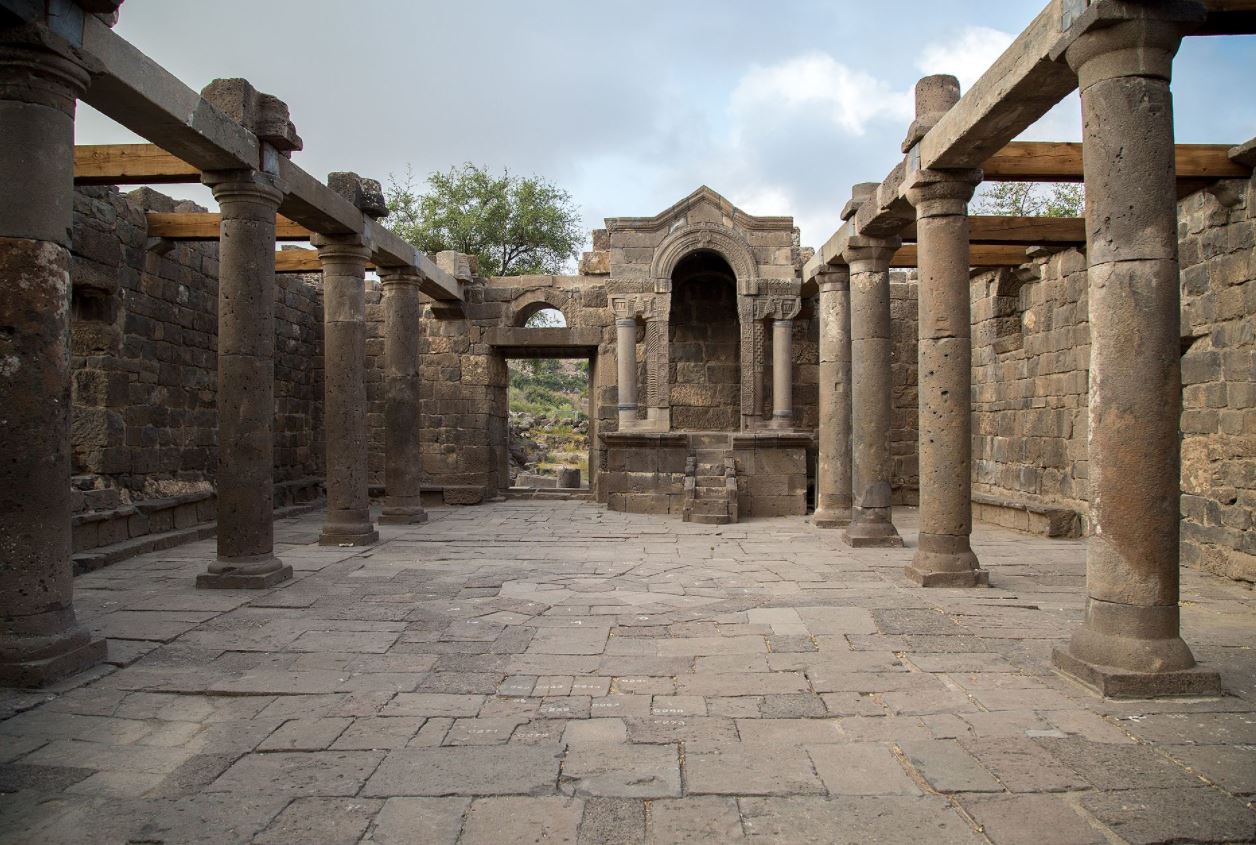
מַתְנִי׳ אֵין מוֹכְרִין בֵּית הַכְּנֶסֶת אֶלָּא עַל תְּנַאי, שֶׁאִם יִרְצוּ יַחְזִירוּהוּ, דִּבְרֵי רַבִּי מֵאִיר. וַחֲכָמִים אוֹמְרִים: מוֹכְרִין אוֹתוֹ מִמְכַּר עוֹלָם, חוּץ מֵאַרְבָּעָה דְּבָרִים: לְמֶרְחָץ, וּלְבוּרְסְקִי, לִטְבִילָה, וּלְבֵית הַמַּיִם. רַבִּי יְהוּדָה אוֹמֵר: מוֹכְרִין אוֹתָהּ לְשֵׁם חָצֵר, וְהַלּוֹקֵחַ — מַה שֶּׁיִּרְצֶה יַעֲשֶׂה.

MISHNA: They may sell a synagogue only with a stipulation that if the sellers so desire it, the buyers will return it to them; this is the statement of Rabbi Meir. And the Rabbis say: They may sell a synagogue with a permanent sale for any usage, except the following four things, which would be an affront to the synagogue’s previous sanctity: For a bathhouse, where people stand undressed; or for a tannery [burseki], due to the foul smell; for immersion, i.e., to be used as a ritual bath, where people also stand undressed; or for a lavatory. Rabbi Yehuda says: They may sell a synagogue for the generic purpose of serving as a courtyard, and then the buyer may then do with it as he wishes, even if that is one of the above four purposes.

גְּמָ׳ וּלְרַבִּי מֵאִיר, הֵיכִי דָּיְירִי בַּהּ? הָא הָוְיָא לַהּ רִבִּית!

GEMARA: The Gemara asks: But according to Rabbi Meir, how may those who purchased the synagogue live in it? Isn’t living there tantamount to taking interest? If the sellers demand the synagogue’s return, the payment given for it would be returned to the buyers. Accordingly, in a broad view of things, that sum of money may be considered as a loan that was given from the buyers to the sellers, until the synagogue was demanded back. The buyers benefited from giving that loan by being able to live in the synagogue building. However, gaining any benefit from a loan is prohibited as interest.

אָמַר רַבִּי יוֹחָנָן: רַבִּי מֵאִיר בְּשִׁיטַת רַבִּי יְהוּדָה אֲמָרָהּ, דְּאָמַר: צַד אֶחָד בְּרִבִּית מוּתָּר.

Rabbi Yoḥanan said: Rabbi Meir stated his opinion in accordance with the opinion of Rabbi Yehuda, who said: Uncertain interest, i.e., a transaction that will not certainly result in a situation of interest, is permitted.

דְּתַנְיָא: הֲרֵי שֶׁהָיָה נוֹשֶׁה בַּחֲבֵירוֹ מָנֶה, וְעָשָׂה לוֹ שָׂדֵהוּ מֶכֶר, בִּזְמַן שֶׁמּוֹכֵר אוֹכֵל פֵּירוֹת — מוּתָּר, לוֹקֵחַ אוֹכֵל פֵּירוֹת — אָסוּר.

In the case of the mishna, the sale might never be undone, and then there would be no loan to speak of. It should therefore be permitted as a case of uncertain interest, as it is taught in a baraita: If one had a debt of one hundred dinars against his fellow, and the borrower made a conditional sale of his field because he did not have any money to repay the loan, stipulating that if he later comes into the possession of money with which to repay the loan, the field reverts back to his ownership, then as long as the seller of the field consumes the produce of that field, such an arrangement is permitted. If the buyer consumes the produce, the arrangement is prohibited, as if the sale were to be reverted, then the money given for it would be considered a loan from the buyer to the seller, and therefore any benefit the buyer gains due to that loan should be prohibited as interest.

רַבִּי יְהוּדָה אוֹמֵר: אֲפִילּוּ לוֹקֵחַ אוֹכֵל פֵּירוֹת — מוּתָּר. וְאָמַר רַבִּי יְהוּדָה: מַעֲשֶׂה בְּבַיְתוֹס בֶּן זוֹנִן שֶׁעָשָׂה שָׂדֵהוּ מֶכֶר עַל פִּי רַבִּי אֶלְעָזָר בֶּן עֲזַרְיָה, וְלוֹקֵחַ אוֹכֵל פֵּירוֹת הָיָה. אָמְרוּ לוֹ: מִשָּׁם רְאָיָה?! מוֹכֵר אוֹכֵל פֵּירוֹת הָיָה וְלֹא לוֹקֵחַ.

Rabbi Yehuda says: Even if the buyer consumes the produce, it is permitted. Since it is possible that the sale might never be undone, in which case there would be no loan to speak of, it is a case of uncertain interest, which is permitted. And Rabbi Yehuda said: There was an incident involving Baitos ben Zunen, who made a conditional sale of his field in a similar arrangement under the direction of Rabbi Elazar ben Azarya, and the buyer was consuming the produce in accordance with Rabbi Yehuda’s ruling. The Rabbis said to him: Do you seek to bring a proof from there? In that case, it was actually the seller who was consuming the produce and not the buyer.

מַאי בֵּינַיְיהוּ? צַד אֶחָד בְּרִבִּית אִיכָּא בֵּינַיְיהוּ. מָר סָבַר: צַד אֶחָד בְּרִבִּית מוּתָּר, וּמָר סָבַר: צַד אֶחָד בְּרִבִּית אָסוּר.

The Gemara analyses the dispute: What is the practical difference between them? The permissibility of an uncertain interest agreement is the practical difference between them. One Sage, Rabbi Yehuda, holds that uncertain interest is permitted and one Sage, i.e., the Rabbis, holds that uncertain interest is prohibited.

רָבָא אָמַר: דְּכוּלֵּי עָלְמָא צַד אֶחָד בְּרִבִּית אָסוּר, וְהָכָא רִבִּית עַל מְנָת לְהַחֲזִיר אִיכָּא בֵּינַיְיהוּ. מָר סָבַר: רִבִּית עַל מְנָת לְהַחֲזִיר מוּתָּר, וּמָר סָבַר: אָסוּר.

Rava said a different explanation of the dispute: According to everyone, uncertain interest is prohibited, and here it is the question of the permissibility of interest given on the condition that it will be returned that is the practical difference between them. In addition to the arrangement described in the baraita, the parties in this case agreed that the buyer would consume the produce; if the sale would later be reverted, then the buyer would reimburse the seller for the value of the produce. One Sage, Rabbi Yehuda, holds that interest that is given on condition that it will be returned is permitted; this is because even if the sale is reverted and the sale becomes a loan retroactively, the buyer-lender will not benefit from that loan since he reimbursed the seller-borrower for the value of the produce. And one Sage, i.e., the Rabbis, holds that it is prohibited.

וַחֲכָמִים אוֹמְרִים מוֹכְרִין אוֹתוֹ מִמְכַּר עוֹלָם וְכוּ׳. אָמַר רַב יְהוּדָה אָמַר שְׁמוּאֵל: מוּתָּר לָאָדָם לְהַשְׁתִּין מַיִם בְּתוֹךְ אַרְבַּע אַמּוֹת שֶׁל תְּפִלָּה.

§ The mishna states: And the Rabbis say: They may sell a synagogue with a permanent sale. However, it may not be sold if it will be used for activities that would be an affront to the synagogue’s previous sanctity. The Gemara considers a related halakha: Rav Yehuda said that Shmuel said: It is permitted for a person to urinate within four cubits of where one has just offered a prayer, i.e., one may urinate even in the same place as he prays.

אָמַר רַב יוֹסֵף: מַאי קָא מַשְׁמַע לַן? תְּנֵינָא, רַבִּי יְהוּדָה אוֹמֵר: מוֹכְרִין אוֹתָהּ לְשׁוּם חָצֵר, וְלוֹקֵחַ — מַה שֶּׁיִּרְצֶה יַעֲשֶׂה. וַאֲפִילּוּ רַבָּנַן לָא קָאָמְרִי אֶלָּא בֵּית הַכְּנֶסֶת, דִּקְבִיעַ קְדוּשְׁתֵּיהּ. אֲבָל אַרְבַּע אַמּוֹת, דְּלָא קְבִיעַ קְדוּשְׁתַּיְיהוּ — לָא.

Rav Yosef said: What is he teaching us? We already learned this in the mishna: Rabbi Yehuda says: They may sell a synagogue for the generic purpose of serving as a courtyard, and the buyer may then do with it as he wishes, even if he wishes to make it into a lavatory. And even the Rabbis, who disagree with Rabbi Yehuda, say their ruling only with regard to a synagogue whose sanctity is permanent. However, with regard to the four cubits of where one happened to stand in prayer, whose sanctity is not permanent, no, even the Rabbis would be lenient.

תָּנֵי תַּנָּא קַמֵּיהּ דְּרַב נַחְמָן: הַמִּתְפַּלֵּל — מַרְחִיק אַרְבַּע אַמּוֹת וּמַשְׁתִּין, וְהַמַּשְׁתִּין — מַרְחִיק אַרְבַּע אַמּוֹת וּמִתְפַּלֵּל.

A tanna taught a baraita before Rav Naḥman: One who prayed should distance himself four cubits from where he was standing, and only then may he urinate. And one who urinated should distance himself four cubits, and only then may he pray.

אֲמַר לֵיהּ: בִּשְׁלָמָא הַמַּשְׁתִּין מַרְחִיק אַרְבַּע אַמּוֹת וּמִתְפַּלֵּל — תְּנֵינָא: כַּמָּה יַרְחִיק מֵהֶן וּמִן הַצּוֹאָה, אַרְבַּע אַמּוֹת.

Rav Naḥman said to him: Granted, the second clause of the baraita, that one who urinated should distance himself four cubits and only then may he pray, makes sense, as we already learned in a mishna (Berakhot 22b): How far must one distance oneself from urine and excrement? Four cubits.

אֶלָּא: הַמִּתְפַּלֵּל מַרְחִיק אַרְבַּע אַמּוֹת וּמַשְׁתִּין לְמָה לִי? אִי הָכִי, קַדֵּשְׁתִּינְהוּ לְכוּלְּהוּ שְׁבִילֵי דִנְהַרְדְּעָא. תְּנִי: יִשְׁהֶה.

But the first clause of the baraita, that one who prayed should distance himself four cubits from where he was standing and only then may he urinate, why should I require this? How could there be such a halakha? If that is so, you have sanctified all the streets of the city of Neharde’a, for people have certainly prayed on every one of its streets. According to this halakha, it should be prohibited to urinate everywhere. The Gemara answers: Emend and teach the baraita as saying not that one should distance himself four cubits, but that one should wait the time it takes to walk four cubits.

בִּשְׁלָמָא מַשְׁתִּין יִשְׁהֶה כְּדֵי הִילּוּךְ אַרְבַּע אַמּוֹת, מִשּׁוּם נִיצוֹצוֹת. אֶלָּא: מִתְפַּלֵּל יִשְׁהֶה כְּדֵי הִילּוּךְ אַרְבַּע אַמּוֹת, לְמָה לִי? אָמַר רַב אָשֵׁי: שֶׁכֹּל אַרְבַּע אַמּוֹת תְּפִלָּתוֹ סְדוּרָה בְּפִיו, וְרַחוֹשֵׁי מְרַחֲשָׁן שִׂפְווֹתֵיהּ.

The Gemara addresses the emended version of the baraita: Granted, its second clause, that one who urinated waits the time it takes to walk four cubits and only then may he pray, makes sense. This is due to the droplets of urine that may still be issuing from him; he should wait until they cease entirely. However, with regard to the first clause, that one who prayed should wait the time it takes to walk four cubits and only then may he urinate, why should I require this? Rav Ashi said: Because for all the time it takes to walk four cubits, his prayer is still arranged in his mouth, and his lips are still articulating them.

זַלְפָ״‎ן סִימָן.

§ The Gemara cites a series of Sages who explained the reasons they were blessed with longevity and provides a mnemonic device, indicating the order in which the Sages are cited: Zayin, lamed, peh, nun. Zayin for Rabbi Zakkai; lamed for Rabbi Elazar; peh for Rabbi Perida; nun for Rabbi Neḥunya.

שָׁאֲלוּ תַּלְמִידָיו אֶת רַבִּי זַכַּאי: בַּמָּה הֶאֱרַכְתָּ יָמִים? אָמַר לָהֶם: מִיָּמַי לֹא הִשְׁתַּנְתִּי מַיִם בְּתוֹךְ אַרְבַּע אַמּוֹת שֶׁל תְּפִלָּה, וְלֹא כִּנִּיתִי שֵׁם לַחֲבֵירִי, וְלֹא בִּיטַּלְתִּי קִידּוּשׁ הַיּוֹם. אִמָּא זְקֵינָה הָיְתָה לִי, פַּעַם אַחַת מָכְרָה כִּפָּה שֶׁבְּרֹאשָׁהּ וְהֵבִיאָה לִי קִידּוּשׁ הַיּוֹם.

The Gemara presents the first incident: Rabbi Zakkai was once asked by his disciples: In the merit of which virtue were you blessed with longevity? He said to them: In all my days, I never urinated within four cubits of a place that had been used for prayer. Nor did I ever call my fellow by a nickname. And I never neglected the mitzva of sanctifying the day of Shabbat over wine. I was meticulous about this mitzva to the extent that I had an elderly mother, and once, when I did not have wine, she sold the kerchief that was on her head, and from the proceeds she brought me wine upon which to do the mitzva of sanctifying the day.

תָּנָא: כְּשֶׁמֵּתָה, הַנִּיחָה לוֹ שְׁלוֹשׁ מֵאוֹת גַּרְבֵי יַיִן. כְּשֶׁמֵּת הוּא, הִנִּיחַ לְבָנָיו שְׁלֹשֶׁת אֲלָפִים גַּרְבֵי יַיִן.

It was taught concerning Rabbi Zakkai: When his mother died, she left him three hundred barrels of wine. When he died, he left his sons three thousand barrels of wine. Since they were so meticulous in the mitzva of sanctifying the day of Shabbat with wine, God rewarded them with wealth and an abundance of wine.

רַב הוּנָא הֲוָה אָסַר רִיתָא וְקָאֵי קַמֵּיהּ דְּרַב, אָמַר לֵיהּ: מַאי הַאי? אֲמַר לֵיהּ: לָא הֲוָה לִי קִידּוּשָׁא, וּמַשְׁכַּנְתֵּיהּ לְהֶמְיָינַאי וְאֵתַאי בֵּיהּ קִידּוּשָׁא. אֲמַר לֵיהּ: יְהֵא רַעֲוָא דְּתִיטּוּם בְּשִׁירָאֵי.

In a related incident, it once happened that Rav Huna was girded with a piece of straw [rita] and was standing before Rav. Rav said to him: What is this? Why are you dressed in this way? He said to him: I had no wine for sanctifying the day of Shabbat, so I pawned my belt [hemyanai], and with the proceeds I brought wine for sanctifying the day. Rav said to him: May it be God’s will that you be enveloped in silk [shira’ei] in reward for such dedication.

כִּי אִיכַּלַּל רַבָּה בְּרֵיהּ, רַב הוּנָא אִינִישׁ גּוּצָא הֲוָה, גְּנָא אַפּוּרְיָא. אָתְיָין בְּנָתֵיהּ וְכַלָּתֵיהּ שָׁלְחָן וְשָׁדְיָין מָנַיְיהוּ עֲלֵיהּ עַד דְּאִיטּוּם בְּשִׁירָאֵי. שְׁמַע רַב וְאִיקְּפַד, אֲמַר: מַאי טַעְמָא לָא אֲמַרְתְּ לִי כִּי בָּרֵכְתָּיךְ: ״וְכֵן לְמָר״.

When Rabba, his son, was married, Rav Huna, who was a short man, was lying on his bed, and owing to his diminutive size he went unnoticed. His daughters and daughters-in-law came into the room and removed and threw their silk garments upon him until he was entirely enveloped in silk. With this, Rav’s blessing was fulfilled to the letter. When Rav heard about this, he became angry with Rav Huna, and said: What is the reason that when I blessed you, you did not respond in kind and say to me: And likewise to the Master? Had you done so, I would have also benefitted from the blessing.

שָׁאֲלוּ תַּלְמִידָיו אֶת רַבִּי אֶלְעָזָר בֶּן שַׁמּוּעַ: בַּמָּה הֶאֱרַכְתָּ יָמִים? אָמַר לָהֶם: מִיָּמַי לֹא עָשִׂיתִי קַפֶּנְדַּרְיָא לְבֵית הַכְּנֶסֶת, וְלֹא פָּסַעְתִּי עַל רָאשֵׁי עַם קָדוֹשׁ, וְלֹא נָשָׂאתִי כַּפַּי בְּלֹא בְּרָכָה.

The Gemara discusses the second occasion where a Sage explained his longevity: Rabbi Elazar ben Shammua was once asked by his disciples: In the merit of which virtue were you blessed with longevity? He said to them: In all my days, I never made a shortcut through a synagogue. Nor did I ever stride over the heads of the sacred people, i.e., I never stepped over people sitting in the study hall in order to reach my place, so as not to appear scornful of them. And I never raised my hands in the Priestly Benediction without reciting a blessing beforehand.

שָׁאֲלוּ תַּלְמִידָיו אֶת רַבִּי פְּרִידָא: בַּמָּה הֶאֱרַכְתָּ יָמִים? אָמַר לָהֶם: מִיָּמַי לֹא קְדָמַנִי אָדָם לְבֵית הַמִּדְרָשׁ,

On the third occasion, Rabbi Perida was once asked by his disciples: In the merit of which virtue were you blessed with longevity? He said to them: In all my days, no person ever arrived before me to the study hall, as I was always the first to arrive.

Today’s daily daf tools:

Delve Deeper

Broaden your understanding of the topics on this daf with classes and podcasts from top women Talmud scholars.

For the Beyond the Daf shiurim offered in Hebrew, see here.

New to Talmud?

Check out our resources designed to help you navigate a page of Talmud – and study at the pace, level and style that fits you. 

The Hadran Women’s Tapestry

Meet the diverse women learning Gemara at Hadran and hear their stories. 

I started learning Daf Yomi inspired by תָּפַסְתָּ מְרוּבֶּה לֹא תָּפַסְתָּ, תָּפַסְתָּ מוּעָט תָּפַסְתָּ. I thought I’d start the first page, and then see. I was swept up into the enthusiasm of the Hadran Siyum, and from there the momentum kept building. Rabbanit Michelle’s shiur gives me an anchor, a connection to an incredible virtual community, and an energy to face whatever the day brings.

Medinah Korn
Medinah Korn

בית שמש, Israel

I went to day school in Toronto but really began to learn when I attended Brovenders back in the early 1980’s. Last year after talking to my sister who was learning Daf Yomi, inspired, I looked on the computer and the Hadran site came up. I have been listening to each days shiur in the morning as I work. I emphasis listening since I am not sitting with a Gamara. I listen while I work in my studio.

Rachel Rotenberg
Rachel Rotenberg

Tekoa, Israel

A beautiful world of Talmudic sages now fill my daily life with discussion and debate.
bringing alive our traditions and texts that has brought new meaning to my life.
I am a מגילת אסתר reader for women . the words in the Mishna of מסכת megillah 17a
הקורא את המגילה למפרע לא יצא were powerful to me.
I hope to have the zchut to complete the cycle for my 70th birthday.

Sheila Hauser
Sheila Hauser

Jerusalem, Israel

Having never learned Talmud before, I started Daf Yomi in hopes of connecting to the Rabbinic tradition, sharing a daily idea on Instagram (@dafyomiadventures). With Hadran and Sefaria, I slowly gained confidence in my skills and understanding. Now, part of the Pardes Jewish Educators Program, I can’t wait to bring this love of learning with me as I continue to pass it on to my future students.

Hannah-G-pic
Hannah Greenberg

Pennsylvania, United States

Last cycle, I listened to parts of various מסכתות. When the הדרן סיום was advertised, I listened to Michelle on נידה. I knew that בע”ה with the next cycle I was in (ב”נ). As I entered the סיום (early), I saw the signs and was overcome with emotion. I was randomly seated in the front row, and I cried many times that night. My choice to learn דף יומי was affirmed. It is one of the best I have made!

Miriam Tannenbaum
Miriam Tannenbaum

אפרת, Israel

I had no formal learning in Talmud until I began my studies in the Joint Program where in 1976 I was one of the few, if not the only, woman talmud major. It was superior training for law school and enabled me to approach my legal studies with a foundation . In 2018, I began daf yomi listening to Rabbanit MIchelle’s pod cast and my daily talmud studies are one of the highlights of my life.

Krivosha_Terri_Bio
Terri Krivosha

Minneapolis, United States

Ive been learning Gmara since 5th grade and always loved it. Have always wanted to do Daf Yomi and now with Michelle Farber’s online classes it made it much easier to do! Really enjoying the experience thank you!!

Lisa Lawrence
Lisa Lawrence

Neve Daniel, Israel

My curiosity was peaked after seeing posts about the end of the last cycle. I am always looking for opportunities to increase my Jewish literacy & I am someone that is drawn to habit and consistency. Dinnertime includes a “Guess what I learned on the daf” segment for my husband and 18 year old twins. I also love the feelings of connection with my colleagues who are also learning.

Diana Bloom
Diana Bloom

Tampa, United States

I started learning Daf in Jan 2020 with Brachot b/c I had never seen the Jewish people united around something so positive, and I wanted to be a part of it. Also, I wanted to broaden my background in Torah Shebal Peh- Maayanot gave me a great gemara education, but I knew that I could hold a conversation in most parts of tanach but almost no TSB. I’m so thankful for Daf and have gained immensely.

Meira Shapiro
Meira Shapiro

NJ, United States

I started learning when my brother sent me the news clip of the celebration of the last Daf Yomi cycle. I was so floored to see so many women celebrating that I wanted to be a part of it. It has been an enriching experience studying a text in a language I don’t speak, using background knowledge that I don’t have. It is stretching my learning in unexpected ways, bringing me joy and satisfaction.

Jodi Gladstone
Jodi Gladstone

Warwick, Rhode Island, United States

After enthusing to my friend Ruth Kahan about how much I had enjoyed remote Jewish learning during the earlier part of the pandemic, she challenged me to join her in learning the daf yomi cycle. I had always wanted to do daf yomi but now had no excuse. The beginning was particularly hard as I had never studied Talmud but has become easier, as I have gained some familiarity with it.

Susan-Vishner-Hadran-photo-scaled
Susan Vishner

Brookline, United States

I started at the beginning of this cycle. No 1 reason, but here’s 5.
In 2019 I read about the upcoming siyum hashas.
There was a sermon at shul about how anyone can learn Talmud.
Talmud references come up when I am studying. I wanted to know more.
Yentl was on telly. Not a great movie but it’s about studying Talmud.
I went to the Hadran website: A new cycle is starting. I’m gonna do this

Denise Neapolitan
Denise Neapolitan

Cambridge, United Kingdom

It has been a pleasure keeping pace with this wonderful and scholarly group of women.

Janice Block
Janice Block

Beit Shemesh, Israel

I started learning daf in January, 2020, being inspired by watching the Siyyum Hashas in Binyanei Haumah. I wasn’t sure I would be able to keep up with the task. When I went to school, Gemara was not an option. Fast forward to March, 2022, and each day starts with the daf. The challenge is now learning the intricacies of delving into the actual learning. Hadran community, thank you!

Rochel Cheifetz
Rochel Cheifetz

Riverdale, NY, United States

I started learning with rabbis. I needed to know more than the stories. My first teacher to show me “the way of the Talmud” as well as the stories was Samara Schwartz.
Michelle Farber started the new cycle 2 yrs ago and I jumped on for the ride.
I do not look back.

Jenifer Nech
Jenifer Nech

Houston, United States

I started learning Jan 2020 when I heard the new cycle was starting. I had tried during the last cycle and didn’t make it past a few weeks. Learning online from old men didn’t speak to my soul and I knew Talmud had to be a soul journey for me. Enter Hadran! Talmud from Rabbanit Michelle Farber from a woman’s perspective, a mother’s perspective and a modern perspective. Motivated to continue!

Keren Carter
Keren Carter

Brentwood, California, United States

In January 2020, my teaching partner at IDC suggested we do daf yomi. Thanks to her challenge, I started learning daily from Rabbanit Michelle. It’s a joy to be part of the Hadran community. (It’s also a tikkun: in 7th grade, my best friend and I tied for first place in a citywide gemara exam, but we weren’t invited to the celebration because girls weren’t supposed to be learning gemara).

Sara-Averick-photo-scaled
Sara Averick

Jerusalem, Israel

I started learning Talmud with R’ Haramati in Yeshivah of Flatbush. But after a respite of 60 years, Rabbanit Michelle lit my fire – after attending the last three world siyumim in Miami Beach, Meadowlands and Boca Raton, and now that I’m retired, I decided – “I can do this!” It has been an incredible journey so far, and I look forward to learning Daf everyday – Mazal Tov to everyone!

Roslyn Jaffe
Roslyn Jaffe

Florida, United States

After being so inspired by the siyum shas two years ago, I began tentatively learning daf yomi, like Rabbanut Michelle kept saying – taking one daf at a time. I’m still taking it one daf at a time, one masechet at a time, but I’m loving it and am still so inspired by Rabbanit Michelle and the Hadran community, and yes – I am proud to be finishing Seder Mo’ed.

Caroline Graham-Ofstein

Bet Shemesh, Israel

I had dreamed of doing daf yomi since I had my first serious Talmud class 18 years ago at Pardes with Rahel Berkovitz, and then a couple of summers with Leah Rosenthal. There is no way I would be able to do it without another wonderful teacher, Michelle, and the Hadran organization. I wake up and am excited to start each day with the next daf.

Beth Elster
Beth Elster

Irvine, United States

Megillah 27

כְּווֹתֵיהּ דְּרַב פַּפֵּי מִסְתַּבְּרָא, דְּאָמַר רַבִּי יְהוֹשֻׁעַ בֶּן לֵוִי: בֵּית הַכְּנֶסֶת — מוּתָּר לַעֲשׂוֹתוֹ בֵּית הַמִּדְרָשׁ. שְׁמַע מִינַּהּ.

It stands to reason to rule in accordance with the opinion of Rav Pappi, as Rabbi Yehoshua ben Levi said: It is permitted for a synagogue to be made into a study hall. The Gemara concludes: Indeed, learn from it that the opinion of Rav Pappi is correct.

דָּרַשׁ בַּר קַפָּרָא, מַאי דִּכְתִיב: ״וַיִּשְׂרֹף אֶת בֵּית ה׳ וְאֶת בֵּית הַמֶּלֶךְ וְאֵת כׇּל בָּתֵּי יְרוּשָׁלִַם וְאֶת כׇּל בֵּית גָּדוֹל שָׂרַף בָּאֵשׁ״. ״בֵּית ה׳״ — זֶה בֵּית הַמִּקְדָּשׁ. ״בֵּית הַמֶּלֶךְ״ — אֵלּוּ פַּלְטֵרִין שֶׁל מֶלֶךְ. ״וְאֵת כׇּל בָּתֵּי יְרוּשָׁלִַם״ — כְּמַשְׁמָעָן. ״וְאֶת כׇּל בֵּית גָּדוֹל שָׂרַף בָּאֵשׁ״ — רַבִּי יוֹחָנָן וְרַבִּי יְהוֹשֻׁעַ בֶּן לֵוִי, חַד אָמַר: מָקוֹם שֶׁמְּגַדְּלִין בּוֹ תּוֹרָה, וְחַד אָמַר: מָקוֹם שֶׁמְּגַדְּלִין בּוֹ תְּפִלָּה.

§ Bar Kappara interpreted a verse homiletically: What is the meaning of that which is written: “And he burnt the house of the Lord, and the king’s house, and all the houses of Jerusalem, and every great house he burnt with fire” (II Kings 25:9)? He explained: “The house of the Lord”; this is the Holy Temple. “The king’s house”; these are the king’s palaces [palterin]. “And all the houses of Jerusalem”; as understood in its literal sense. With regard to the final phrase: “And every great house he burnt with fire,” Rabbi Yoḥanan and Rabbi Yehoshua ben Levi disagree about the meaning of “great house”: One of them said: It is referring to a place where the Torah is made great, i.e., the study hall; and the other one said: It is referring to a place where prayer is made great, i.e., the synagogue.

מַאן דְּאָמַר תּוֹרָה, דִּכְתִיב: ״ה׳ חָפֵץ לְמַעַן צִדְקוֹ יַגְדִּיל תּוֹרָה וְיַאְדִּיר״. וּמַאן דְּאָמַר תְּפִלָּה, דִּכְתִיב: ״סַפְּרָה נָּא הַגְּדוֹלוֹת אֲשֶׁר עָשָׂה אֱלִישָׁע״, וֶאֱלִישָׁע דַּעֲבַד — בְּרַחֲמֵי הוּא דַּעֲבַד.

The Gemara explains their respective opinions: The one who said that the reference is to where the Torah is made great bases his opinion on a verse that describes Torah study as great, as it is written: “The Lord was pleased, for His righteousness’ sake, to make Torah great and glorious” (Isaiah 42:21). And the one who said that the reference is to where prayer is made great bases his opinion on a verse that describes prayer as great, as it is written: “Tell me, I pray you, all the great things that Elisha has done” (II Kings 8:4), and that which Elisha did, i.e., restored a boy to life, he did through prayer.

תִּסְתַּיֵּים דְּרַבִּי יְהוֹשֻׁעַ בֶּן לֵוִי הוּא דְּאָמַר מָקוֹם שֶׁמְּגַדְּלִין בּוֹ תּוֹרָה, דְּאָמַר רַבִּי יְהוֹשֻׁעַ בֶּן לֵוִי: בֵּית הַכְּנֶסֶת מוּתָּר לַעֲשׂוֹתוֹ בֵּית הַמִּדְרָשׁ. שְׁמַע מִינַּהּ.

The Gemara comments: Conclude that Rabbi Yehoshua ben Levi is the one who said that “great house” is referring to a place where the Torah is made great, as Rabbi Yehoshua ben Levi said elsewhere: It is permitted for a synagogue to be made into a study hall. This ruling indicates that he holds that a study hall has a higher degree of sanctity than a synagogue. It is therefore reasonable that he assumes that “great house” is referring specifically to a study hall. The Gemara concludes: Indeed, learn from it that he was the one who said the term is referring to a place where the Torah is made great.

אֲבָל מָכְרוּ תּוֹרָה לֹא יִקְחוּ סְפָרִים וְכוּ׳. אִיבַּעְיָא לְהוּ: מַהוּ לִמְכּוֹר סֵפֶר תּוֹרָה יָשָׁן לִיקַּח בּוֹ חָדָשׁ? כֵּיוָן דְּלָא מְעַלֵּי לֵיהּ — אָסוּר, אוֹ דִלְמָא: כֵּיוָן דְּלֵיכָּא לְעַלּוֹיֵי עִילּוּיָיא אַחֲרִינָא — שַׁפִּיר דָּמֵי?

§ The mishna states: However, if they sold a Torah scroll, they may not use the proceeds to purchase scrolls of the Prophets and the Writings. Similarly, the proceeds of the sale of any sacred item may not be used to purchase an item of a lesser degree of sanctity. A dilemma was raised before the Sages: What is the halakha with regard to whether it is permitted to sell an old Torah scroll in order to purchase a new one? The Gemara explains the sides of the dilemma: On the one hand, since the proceeds are not raised to a higher degree of sanctity by doing so, maybe it is prohibited; or, perhaps in this case, since there is no possibility of raising it to another, higher degree of sanctity, it seems well and should be permitted?

תָּא שְׁמַע: אֲבָל מָכְרוּ תּוֹרָה לֹא יִקְחוּ סְפָרִים. סְפָרִים הוּא דְּלָא, הָא תּוֹרָה בְּתוֹרָה — שַׁפִּיר דָּמֵי. מַתְנִיתִין דִּיעֲבַד. כִּי קָא מִיבַּעְיָא לַן, לְכַתְּחִלָּה.

Come and hear a resolution to this dilemma from the mishna: However, if they sold a Torah scroll, they may not use the proceeds to purchase scrolls of the Prophets and the Writings. One may infer: It is only scrolls of the Prophets and the Writings that may not be purchased with the proceeds, but to purchase a new Torah scroll with the proceeds of an old Torah scroll seems well and is permitted. The Gemara rejects this proof: The mishna discusses the halakha that applies only after the fact that a Torah scroll was sold. Perhaps it is only in that case where the proceeds may be used to purchase another Torah scroll. When the dilemma was raised to us, it was with respect to permitting the sale of one Torah scroll in order to purchase another ab initio.

תָּא שְׁמַע: גּוֹלְלִין סֵפֶר תּוֹרָה בְּמִטְפְּחוֹת חוּמָּשִׁין, וְחוּמָּשִׁין בְּמִטְפְּחוֹת נְבִיאִים וּכְתוּבִים. אֲבָל לֹא נְבִיאִים וּכְתוּבִים בְּמִטְפְּחוֹת חוּמָּשִׁין, וְלֹא חוּמָּשִׁין בְּמִטְפְּחוֹת סֵפֶר תּוֹרָה.

Come and hear a resolution to this dilemma from a baraita: A Torah scroll may be rolled up in wrapping cloths that are used for scrolls of one of the five books of the Torah. And scrolls of one of the five books of the Torah may be rolled up in wrapping cloths that are used for scrolls of the Prophets or Writings, since in each case the wrapping cloths are being used for something with a greater degree of sanctity. However, a scroll of the Prophets or Writings may not be rolled up in wrapping cloths that are used for scrolls of one of the five books of the Torah, and scrolls of one of the five books of the Torah may not be rolled up in wrapping cloths that are used for a Torah scroll.

קָתָנֵי מִיהַת: גּוֹלְלִים סֵפֶר תּוֹרָה בְּמִטְפְּחוֹת חוּמָּשִׁין, מִטְפְּחוֹת חוּמָּשִׁין — אִין, מִטְפְּחוֹת סֵפֶר תּוֹרָה — לָא.

The Gemara explains the proof: In any event, the baraita is teaching: A Torah scroll may be rolled up in wrapping cloths that are used for scrolls of one of the five books of the Torah. One may infer: A Torah scroll may be rolled up only in wrapping cloths that are used for scrolls of one of the five books of the Torah; but to roll it up in wrapping cloths of another Torah scroll, no, it is not permitted. By extension, one Torah scroll may certainly not be sold in order to purchase another.

אֵימָא סֵיפָא: וְלֹא חוּמָּשִׁין בְּמִטְפְּחוֹת סֵפֶר תּוֹרָה. הָא תּוֹרָה בְּתוֹרָה — שַׁפִּיר דָּמֵי! אֶלָּא מֵהָא לֵיכָּא לְמִישְׁמַע מִינַּהּ.

The Gemara rejects the proof: If this inference is valid, one should be able to say the latter clause and make a similar inference from it. The latter clause teaches: And scrolls of one of the five books of the Torah may not be rolled up in wrapping cloths that are used for a Torah scroll. It may be inferred from this that it is prohibited only to roll up scrolls of one of the five books of the Torah in wrapping cloths that are used for a Torah scroll, but to roll up one Torah scroll in the wrapping cloths of another Torah scroll seems well. By extension, one should be permitted to sell a Torah scroll to purchase another. Rather, perforce one must conclude that no inference beyond its basic meaning can be deduced from the baraita, as the inferences are contradictory.

תָּא שְׁמַע: מַנִּיחִין סֵפֶר תּוֹרָה עַל גַּבֵּי תּוֹרָה, וְתוֹרָה עַל גַּבֵּי חוּמָּשִׁין, וְחוּמָּשִׁין עַל גַּבֵּי נְבִיאִים וּכְתוּבִים. אֲבָל לֹא נְבִיאִים וּכְתוּבִים עַל גַּבֵּי חוּמָּשִׁין, וְלֹא חוּמָּשִׁין עַל גַּבֵּי תוֹרָה.

Come and hear a resolution to this dilemma from the Tosefta (Megilla 3:12): A Torah scroll may be placed upon another Torah scroll, and a Torah scroll may be placed upon scrolls of one of the five books of the Torah, and scrolls of one of the five books of the Torah may be placed upon scrolls of the Prophets or Writings. However, scrolls of the Prophets or Writings may not be placed upon scrolls of one of the five books of the Torah, and scrolls of one of the five books of the Torah may not be placed upon a Torah scroll. From the first clause, it is apparent that one Torah scroll may be used for the sake of another. By extension, it should be permitted to sell one Torah scroll to purchase another.

הַנָּחָה קָאָמְרַתְּ? שָׁאנֵי הַנָּחָה, דְּלָא אֶפְשָׁר. דְּאִי לָא תֵּימָא הָכִי, מִיכְרָךְ הֵיכִי כָּרְכִינַן? וְהָא קָא יָתֵיב דַּפָּא אַחַבְרֵיהּ! אֶלָּא כֵּיוָן דְּלָא אֶפְשָׁר — שְׁרֵי. הָכָא נָמֵי, כֵּיוָן דְּלָא אֶפְשָׁר — שְׁרֵי.

The Gemara rejects this proof: Can you say a proof from the halakha of placing one Torah scroll upon another? The halakha of placing scrolls upon one another is different, because it is impossible to place them in any other way, as they must be laid one atop the other when placed in the ark. As, if you do not say so, that it is indeed permitted when in an unavoidable situation, how could we furl a Torah scroll at all? Does one sheet of parchment not rest upon another? Rather, since it is impossible to furl the scroll in any other way, it is permitted. Here too, since it is impossible to place the scrolls in the ark in any other way, it is permitted.

תָּא שְׁמַע: דְּאָמַר רַבָּה בַּר בַּר חָנָה אָמַר רַבִּי יוֹחָנָן מִשּׁוּם רַבָּן שִׁמְעוֹן בֶּן גַּמְלִיאֵל: לֹא יִמְכּוֹר אָדָם סֵפֶר תּוֹרָה יָשָׁן לִיקַּח בּוֹ חָדָשׁ.

Come and hear a resolution to this dilemma from a baraita: As Rabba bar bar Ḥana said that Rabbi Yoḥanan said in the name of Rabban Shimon ben Gamliel: A person may not sell an old Torah scroll in order to purchase a new one.

הָתָם — מִשּׁוּם פְּשִׁיעוּתָא. כִּי קָאָמְרִינַן: כְּגוֹן דִּכְתִיב וּמַנַּח לְאִיפְּרוֹקֵי, מַאי?

The Gemara rejects this proof. There, in the case of the baraita, it is prohibited because of a concern for negligence. The old one might be sold and a new one never bought. However, when we speak, it is of a case where the new scroll is already written and waiting to be redeemed immediately with the proceeds of the sale. Therefore, the question remains: What is the halakha in this case?

תָּא שְׁמַע, דְּאָמַר רַבִּי יוֹחָנָן מִשּׁוּם רַבִּי מֵאִיר: אֵין מוֹכְרִין סֵפֶר תּוֹרָה אֶלָּא לִלְמוֹד תּוֹרָה וְלִישָּׂא אִשָּׁה.

Come and hear a resolution to this dilemma from a baraita: As Rabbi Yoḥanan said in the name of Rabbi Meir: A Torah scroll may be sold only if the seller needs the money in order to study Torah or to marry a woman.

שְׁמַע מִינַּהּ תּוֹרָה בְּתוֹרָה שַׁפִּיר דָּמֵי. דִּלְמָא שָׁאנֵי תַּלְמוּד, שֶׁהַתַּלְמוּד מֵבִיא לִידֵי מַעֲשֶׂה. אִשָּׁה נָמֵי: ״לָא תֹהוּ בְרָאָהּ לָשֶׁבֶת יְצָרָהּ״, אֲבָל תּוֹרָה בְּתוֹרָה — לָא.

Learn from this baraita that exchanging one entity of Torah, i.e., a Torah scroll, for another entity of Torah, i.e., Torah study, seems well, and by extension, it should be permitted to sell one Torah scroll to purchase another. The Gemara rejects the proof: Perhaps Torah study is different, as the study of Torah leads to action, i.e., the fulfillment of the mitzvot, and perhaps it is only due to its great importance of Torah study that it is permitted to sell a Torah scroll for it. Similarly, marrying a woman is also of utmost importance, as it is stated with regard to Creation: “He created it not a waste; He formed it to be inhabited” (Isaiah 45:18). This indicates that marrying and having children fulfills a primary goal of Creation. But selling an old Torah in order to buy a new Torah might not be permitted.

תָּנוּ רַבָּנַן: לֹא יִמְכּוֹר אָדָם סֵפֶר תּוֹרָה אַף עַל פִּי שֶׁאֵינוֹ צָרִיךְ לוֹ. יָתֵר עַל כֵּן אָמַר רַבָּן שִׁמְעוֹן בֶּן גַּמְלִיאֵל: אֲפִילּוּ אֵין לוֹ מַה יֹּאכַל וּמָכַר סֵפֶר תּוֹרָה אוֹ בִּתּוֹ — אֵינוֹ רוֹאֶה סִימַן בְּרָכָה לְעוֹלָם.

On the same topic, the Sages taught in a baraita: A person may not sell a Torah scroll, even if he does not need it. Furthermore, Rabban Shimon ben Gamliel said: Even if a person has nothing to eat, and out of his need he sold a Torah scroll or he sold his daughter to be a maidservant, he never sees a sign of blessing from the proceeds of either sale. Clearly, it is never appropriate to sell a Torah scroll for any purpose.

וְכֵן בְּמוֹתְרֵיהֶן. אָמַר רָבָא: לֹא שָׁנוּ אֶלָּא שֶׁמָּכְרוּ וְהוֹתִירוּ, אֲבָל גָּבוּ וְהוֹתִירוּ — מוּתָּר.

The mishna states: And similarly, the same limitation applies to any surplus funds from the sale of sacred items. Rava said: They taught that the surplus funds have sanctity only in a case where the community sold a sacred object and then used the proceeds to purchase something with a greater degree of sanctity, and there was money left over. However, if the community collected money from its members in order to purchase a sacred object, and there was extra money left over beyond the price of the object, that extra money is permitted to be used for any purpose, as the money was never sanctified.

אֵיתִיבֵיהּ אַבָּיֵי: בַּמָּה דְּבָרִים אֲמוּרִים — שֶׁלֹּא הִתְנוּ, אֲבָל הִתְנוּ — אֲפִילּוּ לְדוּכְסוּסְיָא מוּתָּר.

Abaye raised an objection to Rava from a baraita: In what case is this statement of the mishna said? When they did not explicitly stipulate that they would do with the surplus funds as they see fit. However, if they made such a stipulation, then even to use the money for a dukhsusya is permitted. The Gemara will explain the meaning of the term dukhsusya.

הֵיכִי דָמֵי? אִילֵּימָא שֶׁמָּכְרוּ וְהוֹתִירוּ, כִּי הִתְנוּ מַאי הָוֵי? אֶלָּא שֶׁגָּבוּ וְהוֹתִירוּ. טַעְמָא דְּהִתְנוּ, הָא לֹא הִתְנוּ — לָא!

Abaye explains the challenge: What are the circumstances of this stipulation? If we say that they sold a sacred object and after using the proceeds to purchase another sacred object there was money left over, then even when they made a stipulation, of what avail is it? How can a stipulation desanctify the money? Rather, the mishna must be referring to a case where they collected money to purchase a sacred object and there was money left over after they made the purchase. In such a case, the reason that it is permitted to use the extra money for any purpose is that they made an explicit stipulation. However, if they did not make a stipulation, no, it would not be permitted.

לְעוֹלָם שֶׁמָּכְרוּ וְהוֹתִירוּ, וְהָכִי קָאָמַר: בַּמָּה דְּבָרִים אֲמוּרִים — שֶׁלֹּא הִתְנוּ שִׁבְעָה טוֹבֵי הָעִיר בְּמַעֲמַד אַנְשֵׁי הָעִיר, אֲבָל הִתְנוּ שִׁבְעָה טוֹבֵי הָעִיר בְּמַעֲמַד אַנְשֵׁי הָעִיר — אֲפִילּוּ לְדוּכְסוּסְיָא נָמֵי מוּתָּר.

Rava rejects this argument: Actually, you can explain that the mishna is referring to a case where they sold a sacred object and there was money left over after purchasing a new one, and this is what the baraita is saying: In what case is this statement of the mishna said? In a case where the seven representatives of the town did not explicitly stipulate that they could use the money as they see fit, in an assembly of the residents of the town. However, if the seven representatives of the town made such a stipulation in an assembly of the residents of the town, then even to use the money for a dukhsusya would also be permitted.

אֲמַר לֵיהּ אַבָּיֵי לְהָהוּא מֵרַבָּנַן דַּהֲוָה מְסַדַּר מַתְנְיָתָא קַמֵּיהּ דְּרַב שֵׁשֶׁת: מִי שְׁמִיעַ לָךְ מֵרַב שֵׁשֶׁת מַאי ״דּוּכְסוּסְיָא״? אֲמַר לֵיהּ, הָכִי אָמַר רַב שֵׁשֶׁת: פָּרָשָׁא דְמָתָא.

Abaye said to one of the Sages who would arrange the Mishna before Rav Sheshet: Did you hear anything from Rav Sheshet with regard to what the meaning of the term dukhsusya is? He said to him: This is what Rav Sheshet said: It is the town horseman who would serve the townspeople as a sentry and for public dispatches.

אָמַר אַבָּיֵי: הִלְכָּךְ, הַאי צוּרְבָּא מֵרַבָּנַן דִּשְׁמִעַ לֵיהּ מִילְּתָא וְלָא יָדַע פֵּירוּשַׁאּ, לִישַׁיְּילַהּ (קַמֵּיהּ) [לְמַאן] דִּשְׁכִיחַ קַמֵּי(ה) רַבָּנַן, דְּלָא אֶפְשָׁר דְּלָא שְׁמִיעַ לֵיהּ מִן גַּבְרָא רַבָּה.

The Gemara introduces a parenthetical comment: Abaye said: Accordingly, one can learn from this incident that with regard to this young Torah scholar who has heard something and does not know the meaning of it, he should inquire of its meaning before somebody who is frequently before the Sages, as it is impossible that such a person did not hear something about it from some great man.

אָמַר רַבִּי יוֹחָנָן מִשּׁוּם רַבִּי מֵאִיר: בְּנֵי הָעִיר שֶׁהָלְכוּ לְעִיר אַחֶרֶת וּפָסְקוּ עֲלֵיהֶן צְדָקָה — נוֹתְנִין, וּכְשֶׁהֵן בָּאִין, מְבִיאִין אוֹתָהּ עִמָּהֶן וּמְפַרְנְסִין בָּהּ עֲנִיֵּי עִירָן.

§ Rabbi Yoḥanan said in the name of Rabbi Meir: In the case of residents of a town who collectively went to another town and, while there, the charity collectors in that town made them pledge a certain sum for charity, they must give the promised sum to the town’s charity collector, so as not to be suspected of reneging. But when they go home, their money is returned to them, and they bring it back with them, and with it they finance the poor of their own town.

תַּנְיָא נָמֵי הָכִי: בְּנֵי הָעִיר שֶׁהָלְכוּ לְעִיר אַחֶרֶת וּפָסְקוּ עֲלֵיהֶן צְדָקָה — נוֹתְנִין, וּכְשֶׁהֵן בָּאִין, מְבִיאִין אוֹתָהּ עִמָּהֶן. וְיָחִיד שֶׁהָלַךְ לְעִיר אַחֶרֶת וּפָסְקוּ עָלָיו צְדָקָה — תִּנָּתֵן לַעֲנִיֵּי אוֹתָהּ הָעִיר.

The Gemara comments: That is also taught in a baraita: In the case of residents of a town who collectively went to another town and, while there, the local charity collectors made them pledge a certain sum for charity, they must give the promised sum to the town’s charity collector. But when they go home, their money is returned to them, and they bring it back with them. But in the case of an individual who went from his hometown to another town and, while there, the local charity collectors made him pledge a certain sum for charity, he should give it to the poor of that town.

רַב הוּנָא גְּזַר תַּעֲנִיתָא. עָל לְגַבֵּיהּ רַב חָנָה בַּר חֲנִילַאי וְכֹל בְּנֵי מָתֵיהּ, רְמוֹ עֲלַיְיהוּ צְדָקָה וִיהַבוּ. כִּי בָּעוּ לְמֵיתֵי, אֲמַרוּ לֵיהּ: נִותְּבַהּ לַן מָר וְנֵיזִיל וּנְפַרְנֵס בַּהּ עַנְיֵי מָאתִין.

The Gemara relates: Rav Huna once decreed a fast day. On the day of the fast, Rav Ḥana bar Ḥanilai and all the people of his town came to Rav Huna. A certain sum of charity was imposed upon them and they gave it. When they wanted to go home, they said to Rav Huna: May our Master give to us the charity that we gave, and we will go back, and with it we will finance the poor of our own town.

אֲמַר לְהוּ, תְּנֵינָא: בַּמָּה דְּבָרִים אֲמוּרִים — בְּשֶׁאֵין שָׁם

He said to them: It was taught in a baraita: In what case is this statement, that the money is returned when the people leave, said? When there is no

חֲבֵר עִיר, אֲבָל יֵשׁ שָׁם חֲבֵר עִיר — תִּינָּתֵן לַחֲבֵר עִיר. וְכׇל שֶׁכֵּן דְּעַנְיֵי דִּידִי וְדִידְכוּ עֲלַי סְמִיכִי.

town scholar supervising the handling of the community’s needs, in the town in which the charity was collected. However, if there is a town scholar there, the money should be given to the town scholar, and he may use it as he sees fit. Since, in this case, the money had been given to Rav Huna, the use of the money should be up to his discretion. Rav Huna added: And all the more so in this instance, as both my poor in my town and your poor in your town rely upon me and my collections of charity. Rav Huna was also in charge of distributing charity for the surrounding area. It was certainly proper to leave the money with him, so that he could distribute it among all those in need.

מַתְנִי׳ אֵין מוֹכְרִין אֶת שֶׁל רַבִּים לְיָחִיד, מִפְּנֵי שֶׁמּוֹרִידִין אוֹתוֹ מִקְּדוּשָּׁתוֹ, דִּבְרֵי רַבִּי מֵאִיר. אָמְרוּ לוֹ: אִם כֵּן אַף לֹא מֵעִיר גְּדוֹלָה לְעִיר קְטַנָּה.

MISHNA: They may not sell a sacred object belonging to the community to an individual, even if the object will still be used for the same purpose, due to the fact that by doing so they downgrade its degree of sanctity, as an item used by fewer people is considered to have a lower degree of sanctity than one used by many; this is the statement of Rabbi Meir. The Rabbis said to him: If so, by your logic, it should also not be permitted to sell a sacred object from a large town to a small town. However, such a sale is certainly permitted, and therefore it must also be permitted to sell such an object to an individual.

גְּמָ׳ שַׁפִּיר קָאָמְרִי לֵיהּ רַבָּנַן לְרַבִּי מֵאִיר! וְרַבִּי מֵאִיר, מֵעִיר גְּדוֹלָה לְעִיר קְטַנָּה — מֵעִיקָּרָא קַדִּישָׁא, הַשְׁתָּא נָמֵי קַדִּישָׁא. מֵרַבִּים לְיָחִיד לֵיכָּא קְדוּשָּׁה.

GEMARA: The Gemara asks: The Rabbis are saying well to Rabbi Meir, as they provided a rational argument for their opinion. How could Rabbi Meir counter their claim? The Gemara answers: Rabbi Meir holds that when a sacred object is transferred from a large town to a small town, there is no significant downgrade in the degree of sanctity, as at the outset it was sacred for a community and now too it is sacred for a community. But when it is transferred from a community to an individual, there is a significant downgrade in the degree of sanctity, as there is no longer the degree of sanctity that existed beforehand.

וְרַבָּנַן — אִי אִיכָּא לְמֵיחַשׁ, כִּי הַאי גַוְונָא נָמֵי אִיכָּא לְמֵיחַשׁ, מִשּׁוּם ״בְּרוֹב עָם הַדְרַת מֶלֶךְ״.

And the Rabbis, how could they respond to Rabbi Meir’s claim? If there is cause to be concerned about the decrease in the number of people who will use the object when it is transferred from a community to an individual, then in a case like this as well, where the object is transferred to a smaller community, there should be cause to be concerned about this due to the principle expressed in the verse: “In the multitude of people is the king’s glory” (Proverbs 14:28). The verse teaches that the larger the assembly involved in a mitzva, the greater the honor to God. However, it is apparent that this principle does not prevent the sale of a synagogue to a smaller community, and therefore it should not prevent the selling of a synagogue to an individual.

מַתְנִי׳ אֵין מוֹכְרִין בֵּית הַכְּנֶסֶת אֶלָּא עַל תְּנַאי, שֶׁאִם יִרְצוּ יַחְזִירוּהוּ, דִּבְרֵי רַבִּי מֵאִיר. וַחֲכָמִים אוֹמְרִים: מוֹכְרִין אוֹתוֹ מִמְכַּר עוֹלָם, חוּץ מֵאַרְבָּעָה דְּבָרִים: לְמֶרְחָץ, וּלְבוּרְסְקִי, לִטְבִילָה, וּלְבֵית הַמַּיִם. רַבִּי יְהוּדָה אוֹמֵר: מוֹכְרִין אוֹתָהּ לְשֵׁם חָצֵר, וְהַלּוֹקֵחַ — מַה שֶּׁיִּרְצֶה יַעֲשֶׂה.

MISHNA: They may sell a synagogue only with a stipulation that if the sellers so desire it, the buyers will return it to them; this is the statement of Rabbi Meir. And the Rabbis say: They may sell a synagogue with a permanent sale for any usage, except the following four things, which would be an affront to the synagogue’s previous sanctity: For a bathhouse, where people stand undressed; or for a tannery [burseki], due to the foul smell; for immersion, i.e., to be used as a ritual bath, where people also stand undressed; or for a lavatory. Rabbi Yehuda says: They may sell a synagogue for the generic purpose of serving as a courtyard, and then the buyer may then do with it as he wishes, even if that is one of the above four purposes.

גְּמָ׳ וּלְרַבִּי מֵאִיר, הֵיכִי דָּיְירִי בַּהּ? הָא הָוְיָא לַהּ רִבִּית!

GEMARA: The Gemara asks: But according to Rabbi Meir, how may those who purchased the synagogue live in it? Isn’t living there tantamount to taking interest? If the sellers demand the synagogue’s return, the payment given for it would be returned to the buyers. Accordingly, in a broad view of things, that sum of money may be considered as a loan that was given from the buyers to the sellers, until the synagogue was demanded back. The buyers benefited from giving that loan by being able to live in the synagogue building. However, gaining any benefit from a loan is prohibited as interest.

אָמַר רַבִּי יוֹחָנָן: רַבִּי מֵאִיר בְּשִׁיטַת רַבִּי יְהוּדָה אֲמָרָהּ, דְּאָמַר: צַד אֶחָד בְּרִבִּית מוּתָּר.

Rabbi Yoḥanan said: Rabbi Meir stated his opinion in accordance with the opinion of Rabbi Yehuda, who said: Uncertain interest, i.e., a transaction that will not certainly result in a situation of interest, is permitted.

דְּתַנְיָא: הֲרֵי שֶׁהָיָה נוֹשֶׁה בַּחֲבֵירוֹ מָנֶה, וְעָשָׂה לוֹ שָׂדֵהוּ מֶכֶר, בִּזְמַן שֶׁמּוֹכֵר אוֹכֵל פֵּירוֹת — מוּתָּר, לוֹקֵחַ אוֹכֵל פֵּירוֹת — אָסוּר.

In the case of the mishna, the sale might never be undone, and then there would be no loan to speak of. It should therefore be permitted as a case of uncertain interest, as it is taught in a baraita: If one had a debt of one hundred dinars against his fellow, and the borrower made a conditional sale of his field because he did not have any money to repay the loan, stipulating that if he later comes into the possession of money with which to repay the loan, the field reverts back to his ownership, then as long as the seller of the field consumes the produce of that field, such an arrangement is permitted. If the buyer consumes the produce, the arrangement is prohibited, as if the sale were to be reverted, then the money given for it would be considered a loan from the buyer to the seller, and therefore any benefit the buyer gains due to that loan should be prohibited as interest.

רַבִּי יְהוּדָה אוֹמֵר: אֲפִילּוּ לוֹקֵחַ אוֹכֵל פֵּירוֹת — מוּתָּר. וְאָמַר רַבִּי יְהוּדָה: מַעֲשֶׂה בְּבַיְתוֹס בֶּן זוֹנִן שֶׁעָשָׂה שָׂדֵהוּ מֶכֶר עַל פִּי רַבִּי אֶלְעָזָר בֶּן עֲזַרְיָה, וְלוֹקֵחַ אוֹכֵל פֵּירוֹת הָיָה. אָמְרוּ לוֹ: מִשָּׁם רְאָיָה?! מוֹכֵר אוֹכֵל פֵּירוֹת הָיָה וְלֹא לוֹקֵחַ.

Rabbi Yehuda says: Even if the buyer consumes the produce, it is permitted. Since it is possible that the sale might never be undone, in which case there would be no loan to speak of, it is a case of uncertain interest, which is permitted. And Rabbi Yehuda said: There was an incident involving Baitos ben Zunen, who made a conditional sale of his field in a similar arrangement under the direction of Rabbi Elazar ben Azarya, and the buyer was consuming the produce in accordance with Rabbi Yehuda’s ruling. The Rabbis said to him: Do you seek to bring a proof from there? In that case, it was actually the seller who was consuming the produce and not the buyer.

מַאי בֵּינַיְיהוּ? צַד אֶחָד בְּרִבִּית אִיכָּא בֵּינַיְיהוּ. מָר סָבַר: צַד אֶחָד בְּרִבִּית מוּתָּר, וּמָר סָבַר: צַד אֶחָד בְּרִבִּית אָסוּר.

The Gemara analyses the dispute: What is the practical difference between them? The permissibility of an uncertain interest agreement is the practical difference between them. One Sage, Rabbi Yehuda, holds that uncertain interest is permitted and one Sage, i.e., the Rabbis, holds that uncertain interest is prohibited.

רָבָא אָמַר: דְּכוּלֵּי עָלְמָא צַד אֶחָד בְּרִבִּית אָסוּר, וְהָכָא רִבִּית עַל מְנָת לְהַחֲזִיר אִיכָּא בֵּינַיְיהוּ. מָר סָבַר: רִבִּית עַל מְנָת לְהַחֲזִיר מוּתָּר, וּמָר סָבַר: אָסוּר.

Rava said a different explanation of the dispute: According to everyone, uncertain interest is prohibited, and here it is the question of the permissibility of interest given on the condition that it will be returned that is the practical difference between them. In addition to the arrangement described in the baraita, the parties in this case agreed that the buyer would consume the produce; if the sale would later be reverted, then the buyer would reimburse the seller for the value of the produce. One Sage, Rabbi Yehuda, holds that interest that is given on condition that it will be returned is permitted; this is because even if the sale is reverted and the sale becomes a loan retroactively, the buyer-lender will not benefit from that loan since he reimbursed the seller-borrower for the value of the produce. And one Sage, i.e., the Rabbis, holds that it is prohibited.

וַחֲכָמִים אוֹמְרִים מוֹכְרִין אוֹתוֹ מִמְכַּר עוֹלָם וְכוּ׳. אָמַר רַב יְהוּדָה אָמַר שְׁמוּאֵל: מוּתָּר לָאָדָם לְהַשְׁתִּין מַיִם בְּתוֹךְ אַרְבַּע אַמּוֹת שֶׁל תְּפִלָּה.

§ The mishna states: And the Rabbis say: They may sell a synagogue with a permanent sale. However, it may not be sold if it will be used for activities that would be an affront to the synagogue’s previous sanctity. The Gemara considers a related halakha: Rav Yehuda said that Shmuel said: It is permitted for a person to urinate within four cubits of where one has just offered a prayer, i.e., one may urinate even in the same place as he prays.

אָמַר רַב יוֹסֵף: מַאי קָא מַשְׁמַע לַן? תְּנֵינָא, רַבִּי יְהוּדָה אוֹמֵר: מוֹכְרִין אוֹתָהּ לְשׁוּם חָצֵר, וְלוֹקֵחַ — מַה שֶּׁיִּרְצֶה יַעֲשֶׂה. וַאֲפִילּוּ רַבָּנַן לָא קָאָמְרִי אֶלָּא בֵּית הַכְּנֶסֶת, דִּקְבִיעַ קְדוּשְׁתֵּיהּ. אֲבָל אַרְבַּע אַמּוֹת, דְּלָא קְבִיעַ קְדוּשְׁתַּיְיהוּ — לָא.

Rav Yosef said: What is he teaching us? We already learned this in the mishna: Rabbi Yehuda says: They may sell a synagogue for the generic purpose of serving as a courtyard, and the buyer may then do with it as he wishes, even if he wishes to make it into a lavatory. And even the Rabbis, who disagree with Rabbi Yehuda, say their ruling only with regard to a synagogue whose sanctity is permanent. However, with regard to the four cubits of where one happened to stand in prayer, whose sanctity is not permanent, no, even the Rabbis would be lenient.

תָּנֵי תַּנָּא קַמֵּיהּ דְּרַב נַחְמָן: הַמִּתְפַּלֵּל — מַרְחִיק אַרְבַּע אַמּוֹת וּמַשְׁתִּין, וְהַמַּשְׁתִּין — מַרְחִיק אַרְבַּע אַמּוֹת וּמִתְפַּלֵּל.

A tanna taught a baraita before Rav Naḥman: One who prayed should distance himself four cubits from where he was standing, and only then may he urinate. And one who urinated should distance himself four cubits, and only then may he pray.

אֲמַר לֵיהּ: בִּשְׁלָמָא הַמַּשְׁתִּין מַרְחִיק אַרְבַּע אַמּוֹת וּמִתְפַּלֵּל — תְּנֵינָא: כַּמָּה יַרְחִיק מֵהֶן וּמִן הַצּוֹאָה, אַרְבַּע אַמּוֹת.

Rav Naḥman said to him: Granted, the second clause of the baraita, that one who urinated should distance himself four cubits and only then may he pray, makes sense, as we already learned in a mishna (Berakhot 22b): How far must one distance oneself from urine and excrement? Four cubits.

אֶלָּא: הַמִּתְפַּלֵּל מַרְחִיק אַרְבַּע אַמּוֹת וּמַשְׁתִּין לְמָה לִי? אִי הָכִי, קַדֵּשְׁתִּינְהוּ לְכוּלְּהוּ שְׁבִילֵי דִנְהַרְדְּעָא. תְּנִי: יִשְׁהֶה.

But the first clause of the baraita, that one who prayed should distance himself four cubits from where he was standing and only then may he urinate, why should I require this? How could there be such a halakha? If that is so, you have sanctified all the streets of the city of Neharde’a, for people have certainly prayed on every one of its streets. According to this halakha, it should be prohibited to urinate everywhere. The Gemara answers: Emend and teach the baraita as saying not that one should distance himself four cubits, but that one should wait the time it takes to walk four cubits.

בִּשְׁלָמָא מַשְׁתִּין יִשְׁהֶה כְּדֵי הִילּוּךְ אַרְבַּע אַמּוֹת, מִשּׁוּם נִיצוֹצוֹת. אֶלָּא: מִתְפַּלֵּל יִשְׁהֶה כְּדֵי הִילּוּךְ אַרְבַּע אַמּוֹת, לְמָה לִי? אָמַר רַב אָשֵׁי: שֶׁכֹּל אַרְבַּע אַמּוֹת תְּפִלָּתוֹ סְדוּרָה בְּפִיו, וְרַחוֹשֵׁי מְרַחֲשָׁן שִׂפְווֹתֵיהּ.

The Gemara addresses the emended version of the baraita: Granted, its second clause, that one who urinated waits the time it takes to walk four cubits and only then may he pray, makes sense. This is due to the droplets of urine that may still be issuing from him; he should wait until they cease entirely. However, with regard to the first clause, that one who prayed should wait the time it takes to walk four cubits and only then may he urinate, why should I require this? Rav Ashi said: Because for all the time it takes to walk four cubits, his prayer is still arranged in his mouth, and his lips are still articulating them.

זַלְפָ״‎ן סִימָן.

§ The Gemara cites a series of Sages who explained the reasons they were blessed with longevity and provides a mnemonic device, indicating the order in which the Sages are cited: Zayin, lamed, peh, nun. Zayin for Rabbi Zakkai; lamed for Rabbi Elazar; peh for Rabbi Perida; nun for Rabbi Neḥunya.

שָׁאֲלוּ תַּלְמִידָיו אֶת רַבִּי זַכַּאי: בַּמָּה הֶאֱרַכְתָּ יָמִים? אָמַר לָהֶם: מִיָּמַי לֹא הִשְׁתַּנְתִּי מַיִם בְּתוֹךְ אַרְבַּע אַמּוֹת שֶׁל תְּפִלָּה, וְלֹא כִּנִּיתִי שֵׁם לַחֲבֵירִי, וְלֹא בִּיטַּלְתִּי קִידּוּשׁ הַיּוֹם. אִמָּא זְקֵינָה הָיְתָה לִי, פַּעַם אַחַת מָכְרָה כִּפָּה שֶׁבְּרֹאשָׁהּ וְהֵבִיאָה לִי קִידּוּשׁ הַיּוֹם.

The Gemara presents the first incident: Rabbi Zakkai was once asked by his disciples: In the merit of which virtue were you blessed with longevity? He said to them: In all my days, I never urinated within four cubits of a place that had been used for prayer. Nor did I ever call my fellow by a nickname. And I never neglected the mitzva of sanctifying the day of Shabbat over wine. I was meticulous about this mitzva to the extent that I had an elderly mother, and once, when I did not have wine, she sold the kerchief that was on her head, and from the proceeds she brought me wine upon which to do the mitzva of sanctifying the day.

תָּנָא: כְּשֶׁמֵּתָה, הַנִּיחָה לוֹ שְׁלוֹשׁ מֵאוֹת גַּרְבֵי יַיִן. כְּשֶׁמֵּת הוּא, הִנִּיחַ לְבָנָיו שְׁלֹשֶׁת אֲלָפִים גַּרְבֵי יַיִן.

It was taught concerning Rabbi Zakkai: When his mother died, she left him three hundred barrels of wine. When he died, he left his sons three thousand barrels of wine. Since they were so meticulous in the mitzva of sanctifying the day of Shabbat with wine, God rewarded them with wealth and an abundance of wine.

רַב הוּנָא הֲוָה אָסַר רִיתָא וְקָאֵי קַמֵּיהּ דְּרַב, אָמַר לֵיהּ: מַאי הַאי? אֲמַר לֵיהּ: לָא הֲוָה לִי קִידּוּשָׁא, וּמַשְׁכַּנְתֵּיהּ לְהֶמְיָינַאי וְאֵתַאי בֵּיהּ קִידּוּשָׁא. אֲמַר לֵיהּ: יְהֵא רַעֲוָא דְּתִיטּוּם בְּשִׁירָאֵי.

In a related incident, it once happened that Rav Huna was girded with a piece of straw [rita] and was standing before Rav. Rav said to him: What is this? Why are you dressed in this way? He said to him: I had no wine for sanctifying the day of Shabbat, so I pawned my belt [hemyanai], and with the proceeds I brought wine for sanctifying the day. Rav said to him: May it be God’s will that you be enveloped in silk [shira’ei] in reward for such dedication.

כִּי אִיכַּלַּל רַבָּה בְּרֵיהּ, רַב הוּנָא אִינִישׁ גּוּצָא הֲוָה, גְּנָא אַפּוּרְיָא. אָתְיָין בְּנָתֵיהּ וְכַלָּתֵיהּ שָׁלְחָן וְשָׁדְיָין מָנַיְיהוּ עֲלֵיהּ עַד דְּאִיטּוּם בְּשִׁירָאֵי. שְׁמַע רַב וְאִיקְּפַד, אֲמַר: מַאי טַעְמָא לָא אֲמַרְתְּ לִי כִּי בָּרֵכְתָּיךְ: ״וְכֵן לְמָר״.

When Rabba, his son, was married, Rav Huna, who was a short man, was lying on his bed, and owing to his diminutive size he went unnoticed. His daughters and daughters-in-law came into the room and removed and threw their silk garments upon him until he was entirely enveloped in silk. With this, Rav’s blessing was fulfilled to the letter. When Rav heard about this, he became angry with Rav Huna, and said: What is the reason that when I blessed you, you did not respond in kind and say to me: And likewise to the Master? Had you done so, I would have also benefitted from the blessing.

שָׁאֲלוּ תַּלְמִידָיו אֶת רַבִּי אֶלְעָזָר בֶּן שַׁמּוּעַ: בַּמָּה הֶאֱרַכְתָּ יָמִים? אָמַר לָהֶם: מִיָּמַי לֹא עָשִׂיתִי קַפֶּנְדַּרְיָא לְבֵית הַכְּנֶסֶת, וְלֹא פָּסַעְתִּי עַל רָאשֵׁי עַם קָדוֹשׁ, וְלֹא נָשָׂאתִי כַּפַּי בְּלֹא בְּרָכָה.

The Gemara discusses the second occasion where a Sage explained his longevity: Rabbi Elazar ben Shammua was once asked by his disciples: In the merit of which virtue were you blessed with longevity? He said to them: In all my days, I never made a shortcut through a synagogue. Nor did I ever stride over the heads of the sacred people, i.e., I never stepped over people sitting in the study hall in order to reach my place, so as not to appear scornful of them. And I never raised my hands in the Priestly Benediction without reciting a blessing beforehand.

שָׁאֲלוּ תַּלְמִידָיו אֶת רַבִּי פְּרִידָא: בַּמָּה הֶאֱרַכְתָּ יָמִים? אָמַר לָהֶם: מִיָּמַי לֹא קְדָמַנִי אָדָם לְבֵית הַמִּדְרָשׁ,

On the third occasion, Rabbi Perida was once asked by his disciples: In the merit of which virtue were you blessed with longevity? He said to them: In all my days, no person ever arrived before me to the study hall, as I was always the first to arrive.

Want to follow content and continue where you left off?

Create an account today to track your progress, mark what you’ve learned, and follow the shiurim that speak to you.

Clear all items from this list?

This will remove ALL the items in this section. You will lose any progress or history connected to them. This is irreversible.

Cancel
Yes, clear all

Are you sure you want to delete this item?

You will lose any progress or history connected to this item.

Cancel
Yes, delete