








Students asked various rabbis in what merit did they gain long life? If a shul is destroyed, the space where it once stood still has sanctity and cannot be used for certain things. One should also not pull out weeds so that others see and pray for the shul to be rebuilt. One has to treat a shul respectfully and not eat and drink there, eulogize people, and a number of other things. However, shuls in Babylonia were built with a stipulation that they may be used for other things. One still cannot use them for business dealings. In what cases can eulogies be done in a shul? One cannot be served by someone who is a Torah scholar unless it is one’s student. One who studies halakha is promised a place in the World-to-Come.
Megillah 28

January 09, 2022 | ז׳ בשבט תשפ״ב
Share this shiur:
Megillah
Masechet Megilah is sponsored by Jordana and Kalman Schoor on behalf of their daughter Daria Esther who is completing Masechet Megilla in honor of her Bat Mitzva. Mazal tov!
Want to dedicate learning? Get started here:
English
עברית

0:00
0:00
0:00
0:00
Today’s daily daf tools:
Megillah
Masechet Megilah is sponsored by Jordana and Kalman Schoor on behalf of their daughter Daria Esther who is completing Masechet Megilla in honor of her Bat Mitzva. Mazal tov!
Megillah 28
וְלֹא בֵּרַכְתִּי לִפְנֵי כֹהֵן, וְלֹא אָכַלְתִּי מִבְּהֵמָה שֶׁלֹּא הוּרְמוּ מַתְּנוֹתֶיהָ.
And I never recited Grace after Meals in the presence of a priest, but rather I gave him the privilege to lead. And I never ate from an animal whose priestly portions, i.e., the foreleg, the jaw, and the maw, had not already been set aside.
דְּאָמַר רַבִּי יִצְחָק אָמַר רַבִּי יוֹחָנָן: אָסוּר לֶאֱכוֹל מִבְּהֵמָה שֶׁלֹּא הוּרְמוּ מַתְּנוֹתֶיהָ. וְאָמַר רַבִּי יִצְחָק: כׇּל הָאוֹכֵל מִבְּהֵמָה שֶׁלֹּא הוּרְמוּ מַתְּנוֹתֶיהָ, כְּאִילּוּ אוֹכֵל טְבָלִים. וְלֵית הִלְכְתָא כְּווֹתֵיהּ.
Another example of Rabbi Perida’s meticulous behavior is based on that which Rabbi Yitzḥak said that Rabbi Yoḥanan said: It is prohibited to eat meat from an animal whose priestly portions have not been set aside. And Rabbi Yitzḥak said: Anyone who eats meat from an animal whose priestly portions have not been set aside is regarded as if he were eating untithed produce. The Gemara comments: And the halakha is not in accordance with his opinion. Rather, it is permitted to eat meat from such an animal. Nevertheless, Rabbi Perida acted stringently and did not eat from it.
וְלֹא בֵּרַכְתִּי לִפְנֵי כֹהֵן,
The Gemara considers another of Rabbi Perida’s actions: He said: And I never blessed Grace after Meals in the presence of a priest, but rather I gave him the privilege to lead.
לְמֵימְרָא דִּמְעַלְּיוּתָא הִיא? וְהָא אָמַר רַבִּי יוֹחָנָן: כׇּל תַּלְמִיד חָכָם שֶׁמְּבָרֵךְ לְפָנָיו, אֲפִילּוּ כֹּהֵן גָּדוֹל עַם הָאָרֶץ — אוֹתוֹ תַּלְמִיד חָכָם חַיָּיב מִיתָה, שֶׁנֶּאֱמַר: ״כׇּל מְשַׂנְאַי אָהֲבוּ מָוֶת״. אַל תִּקְרֵי ״מְשַׂנְאַי״, אֶלָּא ״מַשְׂנִיאַי״.
Is this to say that doing so is especially virtuous? But hasn’t Rabbi Yoḥanan said: Any Torah scholar who allows someone else to bless Grace after Meals in his presence, i.e., to lead for him, even if that person is a High Priest who is an ignoramus, then that Torah scholar is liable to receive the death penalty for belittling his own honor? This is as it is stated: “All those who hate me, love death” (Proverbs 8:36). Do not read it as “those who hate Me [mesan’ai],” rather read it as though it said: Those who make Me hated [masni’ai]. The honor due to a Torah scholar is representative of the honor of God in the world. Therefore, by belittling his own honor, he causes others to fail to respect God, which can ultimately develop into hate. If so, why did Rabbi Perida consider his behavior to be so deserving of praise?
כִּי קָאָמַר אִיהוּ, בְּשָׁוִין.
The Gemara answers: When Rabbi Perida says this, he was speaking of people of equal stature. He was particular to honor the priesthood only when the priest was also a Torah scholar.
שָׁאֲלוּ תַּלְמִידָיו אֶת רַבִּי נְחוּנְיָא בֶּן הַקָּנָה: בַּמֶּה הֶאֱרַכְתָּ יָמִים? אָמַר לָהֶם: מִיָּמַי לֹא נִתְכַּבַּדְתִּי בִּקְלוֹן חֲבֵרִי, וְלֹא עָלְתָה עַל מִטָּתִי קִלְלַת חֲבֵרִי, וּוַתְּרָן בְּמָמוֹנִי הָיִיתִי.
The Gemara discusses the fourth Sage who was blessed with longevity: Rabbi Neḥunya ben HaKana was once asked by his disciples: In the merit of which virtue were you blessed with longevity? He said to them: In all my days, I never attained veneration at the expense of my fellow’s degradation. Nor did my fellow’s curse ever go up with me upon my bed. If ever I offended someone, I made sure to appease him that day. Therefore, when I went to bed I knew that no one had any grievances against me. And I was always openhanded with my money.
לֹא נִתְכַּבַּדְתִּי בִּקְלוֹן חֲבֵרִי — כִּי הָא דְּרַב הוּנָא דָּרֵי מָרָא אַכַּתְפֵּיהּ. אֲתָא רַב חָנָא בַּר חֲנִילַאי וְקָא דָרֵי מִינֵּיהּ. אֲמַר לֵיהּ: אִי רְגִילַתְּ דְּדָרֵית בְּמָאתָיךְ — דְּרִי, וְאִי לָא, אִתְיַיקּוֹרֵי אֲנָא בְּזִילוּתָא דִּידָךְ לָא נִיחָא לִי.
The Gemara clarifies the meaning of his statement: Rabbi Neḥunya said: I never attained veneration at the expense of my fellow’s denigration. This is referring to conduct such as that of Rav Huna, who was carrying a hoe over his shoulder as he returned from his work. Rav Ḥana bar Ḥanilai came and, out of respect for his teacher, took the hoe from him to carry it for him. Rav Huna said to him: If you are accustomed to carry such objects in your own city, you may carry it; but if not, then for me to be venerated through your denigration is not pleasing for me.
וְלֹא עָלְתָה עַל מִטָּתִי קִלְלַת חֲבֵרִי — כִּי הָא דְּמַר זוּטְרָא כִּי הֲוָה סָלֵיק לְפוּרְיֵיהּ, אֲמַר: שְׁרֵי לֵיהּ לְכׇל מַאן דְּצַעֲרָן.
Rabbi Neḥunya also said: Nor did I ever allow the resentment caused by my fellow’s curse to go up with me upon my bed. This is referring to conduct such as that of Mar Zutra. When he would go to bed at night, he would first say: I forgive anyone who has vexed me.
וּוַתְּרָן בְּמָמוֹנִי הָיִיתִי — דְּאָמַר מָר: אִיּוֹב וַותְּרָן בְּמָמוֹנֵיהּ הֲוָה, שֶׁהָיָה מַנִּיחַ פְּרוּטָה לַחֶנְוָנִי מִמָּמוֹנֵיהּ.
Lastly, Rabbi Neḥunya said: And I was always openhanded with my money. This is referring to conduct such as that which the Master said: Job was openhanded with his money, as he would always leave at least a peruta of his money with the shopkeeper. He never demanded the change from his transactions.
שָׁאַל רַבִּי עֲקִיבָא אֶת רַבִּי נְחוּנְיָא הַגָּדוֹל (אָמַר לוֹ): בַּמֶּה הֶאֱרַכְתָּ יָמִים? אֲתוֹ גַּוּוֹזֵי וְקָא מָחוּ לֵיהּ. סְלֵיק, יְתֵיב אַרֵישָׁא דְּדִיקְלָא. אֲמַר לֵיהּ, רַבִּי: אִם נֶאֱמַר ״כֶּבֶשׂ״ לָמָּה נֶאֱמַר ״אֶחָד״? אָמַר לְהוּ: צוּרְבָּא מִדְּרַבָּנַן הוּא, שִׁבְקוּהוּ.
On a similar occasion, Rabbi Akiva asked Rabbi Neḥunya the Great; he said to him: In the merit of which virtue were you blessed with longevity? Rabbi Neḥunya’s attendants [gavzei] came and started beating Rabbi Akiva, for they felt that he was acting disrespectfully by highlighting Rabbi Neḥunya’s old age. Rabbi Akiva ran away from them, and he climbed up and sat upon the top of a date palm. From there, he said to Rabbi Neḥunya: My teacher, I have a question about the verse concerning the daily offering that states “one lamb” (Numbers 28:4). If it is stated “lamb” in the singular, why is it also stated “one”; isn’t this superfluous? Upon hearing Rabbi Akiva’s scholarly question, Rabbi Neḥunya said to his attendants: He is clearly a young Torah scholar, let him be.
אֲמַר לֵיהּ: ״אֶחָד״ — מְיוּחָד שֶׁבְּעֶדְרוֹ.
Rabbi Neḥunya then addressed Rabbi Akiva’s questions. With regard to the second question, he said to him: The word “one” teaches that the lamb should be the unique one of its flock, i.e., only the best quality lamb should be used.
אֲמַר לֵיהּ: מִיָּמַי לֹא קִבַּלְתִּי מַתָּנוֹת, וְלֹא עָמַדְתִּי עַל מִדּוֹתַי, וּוַתְּרָן בְּמָמוֹנִי הָיִיתִי.
With regard to the original question, Rabbi Neḥunya said to him: In all my days I never accepted gifts. Nor was I ever inflexible by exacting a measure of retribution against those who wronged me. And I was always openhanded with my money.
לֹא קִבַּלְתִּי מַתָּנוֹת, כִּי הָא דְּרַבִּי אֶלְעָזָר כִּי הֲווֹ מְשַׁדְּרִי לֵיהּ מַתָּנוֹת מִבֵּי נְשִׂיאָה — לָא הֲוָה שָׁקֵיל. כִּי הֲוָה מְזַמְּנִי לֵיהּ — לָא הֲוָה אָזֵיל, אֲמַר לְהוּ: לָא נִיחָא לְכוּ דְּאֶחְיֶה, דִּכְתִיב: ״שׂוֹנֵא מַתָּנוֹת יִחְיֶה״. רַבִּי זֵירָא כִּי הֲווֹ מְשַׁדְּרִי לֵיהּ מִבֵּי נְשִׂיאָה — לָא הֲוָה שָׁקֵיל. כִּי הֲוָה מְזַמְּנִי לֵיהּ — אָזֵיל. אֲמַר: אִתְיַיקּוֹרֵי דְּמִתְיַיקְּרִי בִּי.
The Gemara explains: I never accepted gifts; this is referring to conduct such as that of Rabbi Elazar. When they would send him gifts from the house of the Nasi, he would not take them, and when they would invite him, he would not go there, as he considered hospitality to be a type of gift. He would say to them: Is it not pleasing to you that I should live, as it is written: “He that hates gifts shall live” (Proverbs 15:27)? In contrast, it was reported about Rabbi Zeira that when they would send him gifts from the house of the Nasi, he would not accept them, but when they would invite him, he would go there. He said: They are honored by my presence; therefore my visiting is not considered like I am taking a gift from them.
וְלֹא עָמַדְתִּי עַל מִדּוֹתַי — דְּאָמַר רָבָא: כׇּל הַמַּעֲבִיר עַל מִדּוֹתָיו — מַעֲבִירִין מִמֶּנּוּ כׇּל פְּשָׁעָיו, שֶׁנֶּאֱמַר: ״נוֹשֵׂא עָוֹן וְעוֹבֵר עַל פֶּשַׁע״. לְמִי נוֹשֵׂא עָוֹן — לְמִי שֶׁעוֹבֵר עַל פֶּשַׁע.
He also said: Nor was I ever inflexible in exacting a measure of retribution against those who wronged me. This is referring to conduct such as that which Rava said: Anyone who overlooks exacting a measure of retribution against those who wronged him, all his transgressions are removed from him, as it is stated: “He pardons iniquity and overlooks transgression” (Micah 7:18), which is homiletically read as saying: For whom does He pardon iniquity? For he who overlooks transgressions that others have committed against him.
שָׁאַל רַבִּי אֶת רַבִּי יְהוֹשֻׁעַ בֶּן קׇרְחָה: בַּמָּה הֶאֱרַכְתָּ יָמִים? אָמַר לוֹ: קַצְתָּ בְּחַיַּי? אָמַר לוֹ: רַבִּי, תּוֹרָה הִיא וְלִלְמוֹד אֲנִי צָרִיךְ. אָמַר לוֹ: מִיָּמַי לֹא נִסְתַּכַּלְתִּי בִּדְמוּת אָדָם רָשָׁע. דְּאָמַר רַבִּי יוֹחָנָן: אָסוּר לְאָדָם לְהִסְתַּכֵּל בְּצֶלֶם דְּמוּת אָדָם רָשָׁע, שֶׁנֶּאֱמַר: ״לוּלֵא פְּנֵי יְהוֹשָׁפָט מֶלֶךְ יְהוּדָה אֲנִי נוֹשֵׂא אִם אַבִּיט אֵלֶיךָ וְאִם אֶרְאֶךָּ״.
In a similar incident, Rabbi Yehuda HaNasi once asked Rabbi Yehoshua ben Korḥa: In the merit of which virtue were you blessed with longevity? He said to him: Why do you ask me, are you wearied of my long life? Rabbi Yehuda HaNasi said to him: My teacher, it is Torah and so I must learn it. Rabbi Yehoshua ben Korḥa said to him: In all my days I never gazed at the likeness of a wicked man, as Rabbi Yoḥanan said: It is prohibited for a person to gaze in the image of the likeness of a wicked man, as it is stated that the prophet Elisha said to Jehoram king of Israel: “Were it not that I regard the presence of Jehoshaphat, the king of Judea, I would not look toward you, nor see you” (II Kings 3:14).
רַבִּי אֶלְעָזָר אָמַר: עֵינָיו כֵּהוֹת, שֶׁנֶּאֱמַר: ״וַיְהִי כִּי זָקֵן יִצְחָק וַתִּכְהֶיןָ עֵינָיו מֵרְאוֹת״, מִשּׁוּם דְּאִסְתַּכַּל בְּעֵשָׂו הָרָשָׁע.
Rabbi Elazar said: One who gazes at the likeness of an evil man, his eyes become dim, as it is stated: “And it came to pass, that when Isaac was old, and his eyes were dim so that he could not see” (Genesis 27:1). This happened because he gazed at the wicked Esau.
וְהָא גְּרַמָא לֵיהּ? וְהָאָמַר רַבִּי יִצְחָק: לְעוֹלָם אַל תְּהִי קִלְלַת הֶדְיוֹט קַלָּה בְּעֵינֶיךָ, שֶׁהֲרֵי אֲבִימֶלֶךְ קִלֵּל אֶת שָׂרָה, וְנִתְקַיֵּים בְּזַרְעָהּ, שֶׁנֶּאֱמַר: ״הִנֵּה הוּא לָךְ כְּסוּת עֵינַיִם״: אַל תִּקְרֵי ״כְּסוּת״, אֶלָּא ״כְּסִיַּית עֵינַיִם״!
The Gemara asks: Did this cause Isaac’s blindness? Didn’t Rabbi Yitzḥak say: A curse of an ordinary person should not be lightly regarded in your eyes, because Abimelech cursed Sarah, and although he was not a righteous man, his curse was nevertheless fulfilled, albeit in her descendant. As it is stated that Abimelech said to Sarah with regard to the gift that he gave to Abraham: “Behold, it is for you a covering of the eyes” (Genesis 20:16). Do not read it as “a covering [kesut] of the eyes,” but rather read it as: A blindness [kesiat] of the eyes. Abimelech’s words were a veiled curse for Sarah to suffer from blindness. While she herself did not suffer, the curse was apparently fulfilled in the blindness of her son, Isaac.
הָא וְהָא גְּרַמָא לֵיהּ. רָבָא אָמַר, מֵהָכָא: ״שְׂאֵת פְּנֵי רָשָׁע לֹא טוֹב״.
According to Rabbi Yitzḥak, Abimelech’s curse was the cause of Isaac’s blindness, and it was not, as Rabbi Elazar suggested, the fact he gazed at Esau. The Gemara explains: Both this and that jointly caused it. Rava said: The prohibition against gazing at the likeness of a wicked person is derived from here: “It is not good to raise the face of the wicked” (Proverbs 18:5).
בִּשְׁעַת פְּטִירָתוֹ, אָמַר לוֹ: [רַבִּי] בָּרְכֵנִי! אָמַר לוֹ: יְהִי רָצוֹן שֶׁתַּגִּיעַ לַחֲצִי יָמַי. וּלְכוּלְּהוּ לָא? אָמַר לוֹ: הַבָּאִים אַחֲרֶיךָ — בְּהֵמָה יִרְעוּ?!
At the time of Rabbi Yehoshua ben Korḥa’s departure from this world, Rabbi Yehuda HaNasi said to him: My teacher, bless me. He said to him: May it be God’s will that you live to reach to half of my days. When Rabbi Yehuda HaNasi heard this, he asked in astonishment: Are you saying that to the entirety of your days I should not reach? Why? Rabbi Yehoshua ben Korḥa said to him: Shall those who come after you just tend cattle? If you live as long as me, your sons will never be able to succeed you in the position of Nasi. As such, they will never achieve greatness in Torah, and it will be as if they just tended cattle throughout their lives. It is therefore better that your life not be so prolonged, so that they have the opportunity to rise to eminence.
אֲבוּהּ בַּר אִיהִי וּמִנְיָמִן בַּר אִיהִי, חַד אָמַר: תֵּיתֵי לִי דְּלָא אִסְתַּכַּלִי בְּגוֹי, וְחַד אָמַר: תֵּיתֵי לִי דְּלָא עֲבַדִי שׁוּתָּפוּת בַּהֲדֵי גּוֹי.
Avuh bar Ihi and Minyamin bar Ihi both spoke on this topic: One of them said: May a blessing come to me for I never gazed at a wicked gentile. And the other one said: May a blessing come to me for I never formed a partnership with a wicked gentile, so as not to have any association with a wicked person.
שָׁאֲלוּ תַּלְמִידָיו אֶת רַבִּי זֵירָא: בַּמָּה הֶאֱרַכְתָּ יָמִים? אָמַר לָהֶם: מִיָּמַי לֹא הִקְפַּדְתִּי בְּתוֹךְ בֵּיתִי, וְלֹא צָעַדְתִּי בִּפְנֵי מִי שֶׁגָּדוֹל מִמֶּנִּי, וְלֹא הִרְהַרְתִּי בִּמְבוֹאוֹת הַמְטוּנָּפוֹת, וְלֹא הָלַכְתִּי אַרְבַּע אַמּוֹת בְּלֹא תּוֹרָה וּבְלֹא תְּפִילִּין, וְלֹא יָשַׁנְתִּי בְּבֵית הַמִּדְרָשׁ לֹא שֵׁינַת קֶבַע וְלֹא שֵׁינַת עֲרַאי, וְלֹא שַׂשְׂתִּי בְּתַקָּלַת חֲבֵירִי, וְלֹא קָרָאתִי לַחֲבֵירִי (בַּחֲנִיכָתוֹ), וְאָמְרִי לַהּ: (בַּחֲכִינָתוֹ).
The Gemara presents a similar incident: Rabbi Zeira was once asked by his disciples: In the merit of which virtue were you blessed with longevity? He said to them: In all my days, I was never angry inside my house with members of my household who acted against my wishes. Nor did I ever walk ahead of someone who was a greater Torah scholar than me. Nor did I ever meditate upon words of Torah in filthy alleyways, as doing so is a disgrace to the Torah. Nor did I ever walk four cubits without meditating on words of Torah or without wearing phylacteries. Nor did I ever sleep in a study hall, neither a deep sleep or a brief nap. Nor did I ever rejoice when my fellow stumbled. Nor did I ever call my fellow by his derogatory nickname [ḥanikhato]. And some say that he said: I never called my fellow by his nickname [ḥakhinato], i.e., even one that is not derogatory.
מַתְנִי׳ וְעוֹד אָמַר רַבִּי יְהוּדָה: בֵּית הַכְּנֶסֶת שֶׁחָרַב — אֵין מַסְפִּידִין בְּתוֹכוֹ, וְאֵין מַפְשִׁילִין בְּתוֹכוֹ חֲבָלִים, וְאֵין פּוֹרְשִׂין לְתוֹכוֹ מְצוּדוֹת, וְאֵין שׁוֹטְחִין עַל גַּגּוֹ פֵּירוֹת, וְאֵין עוֹשִׂין אוֹתוֹ קַפֶּנְדַּרְיָא,
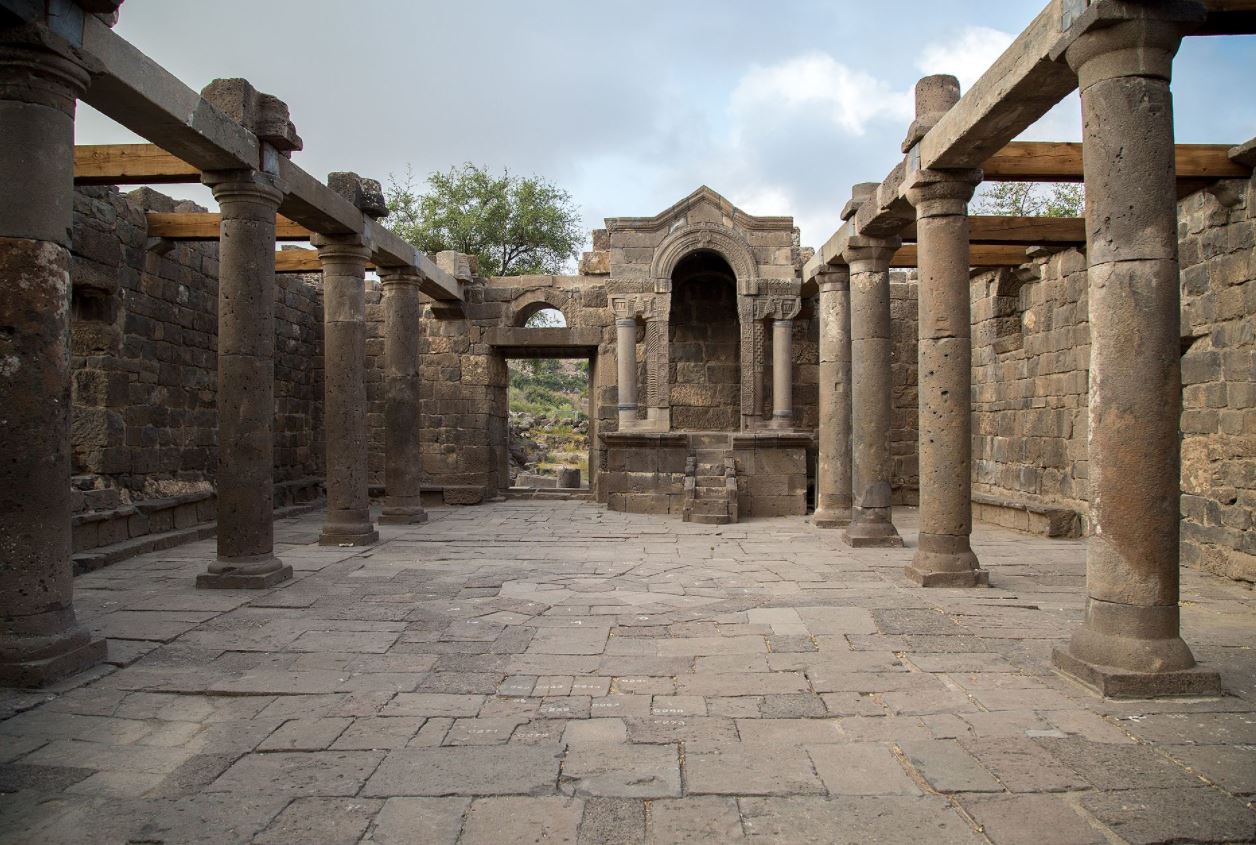
MISHNA: And Rabbi Yehuda said further: A synagogue that fell into ruin still may not be used for a mundane purpose. Therefore, one may not eulogize in it. And nor may one stretch out and repair ropes in it. The wide expanse of the synagogue would have been particularly suitable for this. And nor may one spread animal traps within it. And nor may one spread out produce upon its roof to dry. And nor may one make it into a shortcut.
שֶׁנֶּאֱמַר: ״וַהֲשִׁמּוֹתִי אֶת מִקְדְּשֵׁיכֶם״ — קְדוּשָּׁתָן אַף כְּשֶׁהֵן שׁוֹמְמִין.
The halakha that a synagogue in disrepair still may not be used for mundane purposes is derived from a verse, as it is stated: “And I will bring desolation to your sanctuaries” (Leviticus 26:31). The fact that the word “sanctuaries” appears after the word “desolation” indicates that their sanctity remains upon them even when they are desolate.
עָלוּ בּוֹ עֲשָׂבִים לֹא יִתְלוֹשׁ, מִפְּנֵי עׇגְמַת נֶפֶשׁ.
However, if grass sprang up of its own accord in the ruined synagogue, although it is not befitting its sanctity, one should not pick it, due to the anguish that it will bring to those who see it. It will remind them of the disrepair of the synagogue and the need to rebuild it.
גְּמָ׳ תָּנוּ רַבָּנַן: בָּתֵּי כְנֵסִיּוֹת אֵין נוֹהֲגִין בָּהֶן קַלּוּת רֹאשׁ. אֵין אוֹכְלִין בָּהֶן, וְאֵין שׁוֹתִין בָּהֶן,
GEMARA: The Sages taught in a baraita: With regard to synagogues: One may not act inside them with frivolity. Therefore, one may not eat in them; nor may one drink in them;
וְאֵין נֵיאוֹתִין בָּהֶם, וְאֵין מְטַיְּילִין בָּהֶם, וְאֵין נִכְנָסִין בָּהֶן בַּחַמָּה מִפְּנֵי הַחַמָּה, וּבַגְּשָׁמִים מִפְּנֵי הַגְּשָׁמִים. וְאֵין מַסְפִּידִין בָּהֶן הֶסְפֵּד שֶׁל יָחִיד. אֲבָל קוֹרִין בָּהֶן, וְשׁוֹנִין בָּהֶן, וּמַסְפִּידִין בָּהֶן הֶסְפֵּד שֶׁל רַבִּים,
and one may not adorn oneself inside them; nor may one wander about inside them; nor may one enter them in the sun for protection from the sun, or in the rain to find shelter from the rain; nor may one offer a eulogy inside them for an individual, which is a private event. However, one may read the Bible inside them, and one may study halakhot inside them, and one may offer a eulogy inside them for a Torah scholar, if the public attends the eulogy.
אָמַר רַבִּי יְהוּדָה: אֵימָתַי — בְּיִשּׁוּבָן, אֲבָל בְּחוּרְבָּנָן — מַנִּיחִין אוֹתָן וְעוֹלִין בָּהֶן עֲשָׂבִים, וְלֹא יִתְלוֹשׁ מִפְּנֵי עׇגְמַת נֶפֶשׁ.
Rabbi Yehuda said: When does this apply? When the synagogues are occupied by the people using them. But when they are in a state of ruin, they should be left alone so that grass will sprout up inside them. And that grass should not be picked and removed, due to the anguish that it will bring to those who see it. It will remind them of the disrepair of the synagogue and the need to rebuild it.
עֲשָׂבִים מַאן דְּכַר שְׁמַיְיהוּ? חַסּוֹרֵי מִיחַסְּרָא וְהָכִי קָתָנֵי: וּמְכַבְּדִין אוֹתָן וּמַרְבִּיצִין אוֹתָן כְּדֵי שֶׁלֹּא יַעֲלוּ בָּהֶן עֲשָׂבִים. אָמַר רַבִּי יְהוּדָה: אֵימָתַי — בְּיִשּׁוּבָן, אֲבָל בְּחוּרְבָּנָן — מַנִּיחִין אוֹתָן לַעֲלוֹת. עָלוּ בָּהֶן עֲשָׂבִים — לֹא יִתְלוֹשׁ, מִפְּנֵי עׇגְמַת נֶפֶשׁ.
The Gemara asks: Why did Rabbi Yehuda discuss the halakha about grass? Who mentioned anything about it? The Gemara explains: The text of the baraita is incomplete and is teaching the following: And among the other things that may be done in synagogues, they should also be sure to sweep them and to sprinkle their floors with water, in order that grass not sprout up in them. Rabbi Yehuda said: When does this apply? When the synagogues are occupied by the people using them, but when they are in a state of ruin, they should be left alone so that grass will sprout up inside them. If grass did sprout up, it should not be removed, due to the anguish that this will bring to those who see it.
אָמַר רַב אַסִּי: בָּתֵּי כְנֵסִיּוֹת שֶׁבְּבָבֶל, עַל תְּנַאי הֵן עֲשׂוּיִין. וְאַף עַל פִּי כֵן, אֵין נוֹהֲגִין בָּהֶן קַלּוּת רֹאשׁ. וּמַאי נִיהוּ — חֶשְׁבּוֹנוֹת.
Rav Asi said: Synagogues in Babylonia are built from the outset with a stipulation that they not have the full sanctity of a synagogue, in order that it be permitted to use them for the community’s general needs. But nevertheless, one should not act inside them with frivolity. The Gemara explains: What is meant by this? One should not make business calculations in a synagogue.
אָמַר רַב אַסִּי: בֵּית הַכְּנֶסֶת שֶׁמְּחַשְּׁבִין בּוֹ חֶשְׁבּוֹנוֹת — מְלִינִין בּוֹ אֶת הַמֵּת. מְלִינִין סָלְקָא דַעְתָּךְ? לָא סַגִּי דְּלָאו הָכִי? אֶלָּא, לְסוֹף שֶׁיָּלִינוּ בּוֹ מֵת מִצְוָה.
Rav Asi said: With regard to a synagogue in which people make business calculations, they will eventually keep a corpse inside it overnight. The Gemara questions the wording of this dictum: Can it really enter your mind to say that they will ever actually keep a corpse inside it overnight? Could it really be that there will not be any other alternative? Rather, Rav Asi means that as a punishment for acting with frivolity people in the community will die, including those who have no family, and so ultimately they will have to keep a corpse with no one to bury it [met mitzva] overnight in the synagogue.
וְאֵין נֵיאוֹתִין בָּהֶן. אָמַר רָבָא: חֲכָמִים וְתַלְמִידֵיהֶם מוּתָּרִין, דְּאָמַר רַבִּי יְהוֹשֻׁעַ בֶּן לֵוִי: מַאי בֵּי רַבָּנַן — בֵּיתָא דְרַבָּנַן.
§ The baraita taught: And one may not adorn oneself inside them. Rava said: The prohibition applies only to laypeople, but Torah scholars and their disciples are permitted to do so, as Rabbi Yehoshua ben Levi said: What is the meaning of the term: Bei of the Sages, which is used to describe a study hall? It is a shortened form of house [beita] of the Sages. In order to facilitate the constant presence of the Torah scholars in the study hall, it is permitted for them to use the hall as though it were their home.
וְאֵין נִכְנָסִין בָּהֶן בַּחַמָּה מִפְּנֵי הַחַמָּה וּבַגְּשָׁמִים מִפְּנֵי הַגְּשָׁמִים. כִּי הָא דְּרָבִינָא וְרַב אַדָּא בַּר מַתְנָה הֲווֹ קָיְימִי וְשָׁאֲלִי שְׁאֵילְתָּא מֵרָבָא, אֲתָא זִילְחָא דְמִיטְרָא, עָיְילִי לְבֵי כְנִישְׁתָּא אָמְרִי: הַאי דְּעָיְילִינַן לְבֵי כְנִישְׁתָּא לָאו מִשּׁוּם מִיטְרָא, אֶלָּא מִשּׁוּם דִּשְׁמַעְתָּא בָּעֲיָא צִילּוּתָא כְּיוֹמָא דְאִסְתָּנָא.
The baraita continued: And nor may one enter them in the sun for protection from the sun, or in the rain to find shelter from the rain. The Gemara explains: This is similar to that case of Ravina and Rav Adda bar Mattana. They were standing and asking a question of Rava, when a shower [zilḥa] of rain began to fall upon them. They all entered the synagogue, saying: Our having entered the synagogue is not due to the rain, that we stay dry; rather, it is due to the fact that the halakha we were discussing requires clarity like the day the north wind [istena] blows and the sky is perfectly clear. Therefore, we are entering the synagogue for the sake of studying Torah, which is certainly permitted.
אֲמַר לֵיהּ רַב אַחָא בְּרֵיהּ דְּרָבָא לְרַב אָשֵׁי: אִי אִצְטְרִיךְ לֵיהּ לְאִינִישׁ לְמִיקְרֵי גַּבְרָא מִבֵּי כְנִישְׁתָּא, מַאי? אֲמַר לֵיהּ: אִי צוּרְבָּא מֵרַבָּנַן הוּא — לֵימָא הִלְכְתָא, וְאִי תַּנָּא הוּא — לֵימָא מַתְנִיתִין, וְאִי קָרָא הוּא — לֵימָא פְּסוּקָא. וְאִי לָא, לֵימָא לֵיהּ לְיָנוֹקָא: אֵימָא לִי פְּסוּקָיךְ. אִי נָמֵי, נִישְׁהֵי פּוּרְתָּא וְנֵיקוּם.
Rav Aḥa, son of Rava, said to Rav Ashi: If a person needs to summon an individual from inside a synagogue, what should he do, since it is not permitted to enter a synagogue just for that purpose? Rav Ashi said to him: If he is a young Torah scholar, let him recite a halakha upon entering the synagogue; and if he is a tanna who memorizes large numbers of mishnayot, let him recite various mishnayot; and if he is an expert in the Bible, let him recite a verse; and if he is not able to do even this, let him say to a child: Recite for me a verse that you have learned today. Alternatively, he should remain in the synagogue for a short time and only afterward stand up and leave.
וּמַסְפִּידִין בָּהֶן הֶסְפֵּד שֶׁל רַבִּים. הֵיכִי דָּמֵי הֶסְפֵּידָא דְרַבִּים? מַחְוֵי רַב חִסְדָּא: כְּגוֹן הֶסְפֵּידָא דְּקָאֵי בֵּיהּ רַב שֵׁשֶׁת. מַחְוֵי רַב שֵׁשֶׁת: כְּגוֹן הֶסְפֵּידָא דְּקָאֵי בֵּיהּ רַב חִסְדָּא.
The baraita continues: And one may offer a eulogy inside them for a Torah scholar if the public attends the eulogy. The Gemara asks: What are the circumstances of a eulogy for the public? Rav Ḥisda depicted a case: For example, a eulogy for a Torah scholar at which Rav Sheshet is present. Owing to his presence, many people will come. Rav Sheshet himself depicted another case: For example, a eulogy at which Rav Ḥisda is present.
רַפְרָם אַסְפְּדַהּ לְכַלְּתֵיהּ בְּבֵי כְנִישְׁתָּא, אָמַר: מִשּׁוּם יְקָרָא דִּידִי וּדְמִיתָא אָתוּ כּוּלֵּיהּ עָלְמָא. רַבִּי זֵירָא סַפְדֵיהּ לְהָהוּא מֵרַבָּנַן בְּבֵי כְנִישְׁתָּא, אֲמַר: אִי מִשּׁוּם יְקָרָא דִּידִי, אִי מִשּׁוּם יְקָרָא (דִּידֵיהּ) דְּמִיתָא, אָתוּ כּוּלֵּי עָלְמָא.
The Gemara offers another example: Rafram once eulogized his daughter-in-law inside a synagogue. He said: Due to my honor and the honor of the deceased, everyone will come to the eulogy. It will consequently be a public event, and it is therefore permitted to hold it in a synagogue. Similarly, Rabbi Zeira once eulogized a certain Sage inside a synagogue. He said: Whether due to my honor, or whether due to the honor of the deceased, everyone will come to the eulogy.
רֵישׁ לָקִישׁ סַפְדֵיהּ לְהָהוּא צוּרְבָּא מֵרַבָּנַן דִּשְׁכִיחַ בְּאַרְעָא דְיִשְׂרָאֵל דַּהֲוָה תָּנֵי הִלְכָתָא בְּעֶשְׂרִים וְאַרְבַּע שׁוּרָתָא, אֲמַר: וַוי חָסְרָא אַרְעָא דְיִשְׂרָאֵל גַּבְרָא רַבָּה.
Reish Lakish once eulogized a certain young Torah scholar who was frequently present in Eretz Yisrael and who used to study halakha in the twenty-fourth row of the study hall. He sat so far back because he was not one of the principal scholars. Nevertheless, when he died, Reish Lakish said: Alas, Eretz Yisrael has lost a great man.
הָהוּא דַּהֲוָה תָּנֵי הִלְכְתָא סִיפְרָא וְסִיפְרֵי וְתוֹסֶפְתָּא וּשְׁכֵיב, אֲתוֹ וַאֲמַרוּ לֵיהּ לְרַב נַחְמָן: לִיסְפְּדֵיהּ מָר! אֲמַר: הֵיכִי נִסְפְּדֵיהּ? הֵי צַנָּא דִּמְלֵי סִיפְרֵי דַּחֲסַר?!
In contrast, there was a certain man who used to study halakha, the Sifra, and the Sifrei, and the Tosefta, and he died. People came and said to Rav Naḥman: Let the Master eulogize him. He said to them: How can I eulogize him? Should I say: Alas, a basket filled with books is lost? This would not be true. Although the man studied many areas of Torah, he was not proficient in them.
תָּא חֲזִי מָה בֵּין תַּקִּיפֵי דְּאַרְעָא דְיִשְׂרָאֵל לַחֲסִידֵי דְבָבֶל.
The Gemara compares the conduct of Reish Lakish in Eretz Yisrael to that of Rav Naḥman in Babylonia. Come and see what the difference is between the harsh scholars of Eretz Yisrael and the saintly ones of Babylonia. Although Reish Lakish was known for his harsh nature, he was still more respectful than Rav Naḥman, who was known for his saintliness.
תְּנַן הָתָם: וּדְאִשְׁתַּמַּשׁ בְּתָגָא — חָלֵף. תָּנֵי רֵישׁ לָקִישׁ: זֶה הַמִּשְׁתַּמֵּשׁ בְּמִי שֶׁשּׁוֹנֶה הֲלָכוֹת כִּתְרָהּ שֶׁל תּוֹרָה.
We learned in a mishna there (Avot 1:13): And one who makes use of the crown [taga] of Torah learning will perish from the world. Reish Lakish taught: This is referring to one who allows himself to be served by one who studies halakhot, which is the crown of the Torah.
וְאָמַר עוּלָּא: לִשְׁתַּמַּשׁ אִינִישׁ בְּמַאן דְּתָנֵי אַרְבְּעָה, וְלָא לִשְׁתַּמַּשׁ בְּמַאן דְּמַתְנֵי אַרְבְּעָה. כִּי הָא דְּרֵישׁ לָקִישׁ הֲוָה אָזֵיל בְּאוֹרְחָא מְטָא עוּרְקְמָא דְמַיָּא, אֲתָא הָהוּא גַּבְרָא אַרְכְּבֵיהּ אַכַּתְפֵּיהּ וְקָא מְעַבַּר לֵיהּ. אֲמַר לֵיהּ: קְרֵית? אֲמַר לֵיהּ: קָרֵינָא. תְּנֵית? תָּנֵינָא אַרְבָּעָה סִידְרֵי מִשְׁנָה. אֲמַר לֵיהּ: פְּסַלְתְּ לָךְ אַרְבְּעָה טוּרֵי וְטָעֲנַתְּ בַּר לָקִישׁ אַכַּתְפָּךְ?! שְׁדִי בַּר לָקִישָׁא בְּמַיָּא!
And Ulla said: It is better that a person should be served by one who studies four orders of the Mishna, and he should not allow himself to be served by one who teaches to others four orders of the Mishna, as in that case of Reish Lakish. He was traveling along the road when he reached a deep puddle of water. A certain man came and placed him upon his shoulders and began transferring him to the other side. Reish Lakish said to him: Have you read the Bible? He said to him: I have read it. He then asked: Have you studied the Mishna? He answered him: I have studied four orders of the Mishna. Reish Lakish then said to him: You have hewn these four mountains and yet you bear the weight of the son of Lakish upon your shoulders? It is inappropriate for you to carry me; throw the son of Lakish into the water.
אֲמַר לֵיהּ: נִיחָא לִי דַּאֲשַׁמְּעֵיהּ לְמָר. אִי הָכִי, גְּמוֹר מִינִּי הָא מִלְּתָא דְּאָמַר רַבִּי זֵירָא: בְּנוֹת יִשְׂרָאֵל הֵן הֶחֱמִירוּ עַל עַצְמָן שֶׁאֲפִילּוּ רוֹאוֹת טִיפַּת דָּם כְּחַרְדָּל יוֹשְׁבוֹת עָלָיו שִׁבְעָה נְקִיִּים.
The man said to Reish Lakish: It is pleasing for me to serve the Master in this way. Reish Lakish said to him: If so, learn from me this matter that Rabbi Zeira said. In this way you will be considered my disciple, and it will then be appropriate for you to serve me. Jewish women were strict upon themselves in that even if they see a spot of menstrual blood that is only the size of a mustard seed they wait on its account seven clean days before immersing themselves in a ritual bath to purify themselves.
תָּנָא דְּבֵי אֵלִיָּהוּ: כׇּל הַשּׁוֹנֶה הֲלָכוֹת, מוּבְטָח לוֹ שֶׁהוּא בֶּן עוֹלָם הַבָּא, שֶׁנֶּאֱמַר: ״הֲלִיכוֹת עוֹלָם לוֹ״, אַל תִּקְרֵי ״הֲלִיכוֹת״ אֶלָּא ״הֲלָכוֹת״.
The school of Eliyahu taught: Anyone who studies halakhot every day, he is guaranteed that he is destined for the World-to-Come, as it is stated: “His ways [halikhot] are eternal” (Habakkuk 3:6): Do not read the verse as halikhot [ways]; rather, read it as halakhot. Consequently, the verse indicates that the study of the halakhot brings one to eternal life.
תָּנוּ רַבָּנַן:
The Sages taught in a baraita:
Follow 
Today’s daily daf tools:
Delve Deeper
Broaden your understanding of the topics on this daf with classes and podcasts from top women Talmud scholars.

New to Talmud?
Check out our resources designed to help you navigate a page of Talmud – and study at the pace, level and style that fits you.
The Hadran Women’s Tapestry
Meet the diverse women learning Gemara at Hadran and hear their stories.
I started learning the daf during Covid. I’d always wanted to learn Talmud but that wasn’t an option for girls in the small town I grew up in and I struggled to help my younger kids with Hebrew homework let alone read a Hebrew text. I decided to start small by listening to the daf podcast on the way to work each morning. Then I joined the Long Island WhatsApp group. Now I go to the siyyums.

Shoshana Bazini
Long Island, United States
I started learning Daf Yomi because my sister, Ruth Leah Kahan, attended Michelle’s class in person and suggested I listen remotely. She always sat near Michelle and spoke up during class so that I could hear her voice. Our mom had just died unexpectedly and it made me feel connected to hear Ruth Leah’s voice, and now to know we are both listening to the same thing daily, continents apart.

Jessica Shklar
Philadelphia, United States
Studying has changed my life view on הלכה and יהדות and time. It has taught me bonudaries of the human nature and honesty of our sages in their discourse to try and build a nation of caring people .

Goldie Gilad
Kfar Saba, Israel
I began to learn this cycle of Daf Yomi after my husband passed away 2 1/2 years ago. It seemed a good way to connect to him. Even though I don’t know whether he would have encouraged women learning Gemara, it would have opened wonderful conversations. It also gives me more depth for understanding my frum children and grandchildren. Thank you Hadran and Rabbanit Michelle Farber!!

Harriet Hartman
Tzur Hadassah, Israel
I started learning at the beginning of this cycle more than 2 years ago, and I have not missed a day or a daf. It’s been challenging and enlightening and even mind-numbing at times, but the learning and the shared experience have all been worth it. If you are open to it, there’s no telling what might come into your life.

Patti Evans
Phoenix, Arizona, United States
In January 2020, my teaching partner at IDC suggested we do daf yomi. Thanks to her challenge, I started learning daily from Rabbanit Michelle. It’s a joy to be part of the Hadran community. (It’s also a tikkun: in 7th grade, my best friend and I tied for first place in a citywide gemara exam, but we weren’t invited to the celebration because girls weren’t supposed to be learning gemara).

Sara Averick
Jerusalem, Israel
“I got my job through the NY Times” was an ad campaign when I was growing up. I can headline “I got my daily Daf shiur and Hadran through the NY Times”. I read the January 4, 2020 feature on Reb. Michelle Farber and Hadran and I have been participating ever since. Thanks NY Times & Hadran!

Deborah Aschheim
New York, United States
When I began the previous cycle, I promised myself that if I stuck with it, I would reward myself with a trip to Israel. Little did I know that the trip would involve attending the first ever women’s siyum and being inspired by so many learners. I am now over 2 years into my second cycle and being part of this large, diverse, fascinating learning family has enhanced my learning exponentially.

Shira Krebs
Minnesota, United States
When I began learning Daf Yomi at the beginning of the current cycle, I was preparing for an upcoming surgery and thought that learning the Daf would be something positive I could do each day during my recovery, even if I accomplished nothing else. I had no idea what a lifeline learning the Daf would turn out to be in so many ways.

Laura Shechter
Lexington, MA, United States

Robin Zeiger
Tel Aviv, Israel
I started learning daf in January, 2020, being inspired by watching the Siyyum Hashas in Binyanei Haumah. I wasn’t sure I would be able to keep up with the task. When I went to school, Gemara was not an option. Fast forward to March, 2022, and each day starts with the daf. The challenge is now learning the intricacies of delving into the actual learning. Hadran community, thank you!

Rochel Cheifetz
Riverdale, NY, United States
In early January of 2020, I learned about Siyyum HaShas and Daf Yomi via Tablet Magazine’s brief daily podcast about the Daf. I found it compelling and fascinating. Soon I discovered Hadran; since then I have learned the Daf daily with Rabbanit Michelle Cohen Farber. The Daf has permeated my every hour, and has transformed and magnified my place within the Jewish Universe.

Lisa Berkelhammer
San Francisco, CA , United States
I started with Ze Kollel in Berlin, directed by Jeremy Borowitz for Hillel Deutschland. We read Masechet Megillah chapter 4 and each participant wrote his commentary on a Sugia that particularly impressed him. I wrote six poems about different Sugiot! Fascinated by the discussions on Talmud I continued to learn with Rabanit Michelle Farber and am currently taking part in the Tikun Olam course.

Yael Merlini
Berlin, Germany
Ive been learning Gmara since 5th grade and always loved it. Have always wanted to do Daf Yomi and now with Michelle Farber’s online classes it made it much easier to do! Really enjoying the experience thank you!!

Lisa Lawrence
Neve Daniel, Israel
תמיד רציתי. למדתי גמרא בבית ספר בטורונטו קנדה. עליתי ארצה ולמדתי שזה לא מקובל. הופתעתי.
יצאתי לגימלאות לפני שנתיים וזה מאפשר את המחוייבות לדף יומי.
עבורי ההתמדה בלימוד מעגן אותי בקשר שלי ליהדות. אני תמיד מחפשת ותמיד. מוצאת מקור לקשר. ללימוד חדש ומחדש. קשר עם נשים לומדות מעמיק את החוויה ומשמעותית מאוד.
Vitti Kones
מיתר, ישראל
Margo
I started my Talmud journey in 7th grade at Akiba Jewish Day School in Chicago. I started my Daf Yomi journey after hearing Erica Brown speak at the Hadran Siyum about marking the passage of time through Daf Yomi.
Carolyn
I started my Talmud journey post-college in NY with a few classes. I started my Daf Yomi journey after the Hadran Siyum, which inspired both my son and myself.

Carolyn Hochstadter and Margo Kossoff Shizgal
Merion Station, USA
Beit Shemesh, Israel
I learned Talmud as a student in Yeshivat Ramaz and felt at the time that Talmud wasn’t for me. After reading Ilana Kurshan’s book I was intrigued and after watching the great siyum in Yerushalayim it ignited the spark to begin this journey. It has been a transformative life experience for me as a wife, mother, Savta and member of Klal Yisrael.

Elana Storch
Phoenix, Arizona, United States
Geri Goldstein got me started learning daf yomi when I was in Israel 2 years ago. It’s been a challenge and I’ve learned a lot though I’m sure I miss a lot. I quilt as I listen and I want to share what I’ve been working on.

Rebecca Stulberg
Ottawa, Canada
I started learning Daf Yomi to fill what I saw as a large gap in my Jewish education. I also hope to inspire my three daughters to ensure that they do not allow the same Talmud-sized gap to form in their own educations. I am so proud to be a part of the Hadran community, and I have loved learning so many of the stories and halachot that we have seen so far. I look forward to continuing!

Dora Chana Haar
Oceanside NY, United States
I am a Reform rabbi and took Talmud courses in rabbinical school, but I knew there was so much more to learn. It felt inauthentic to serve as a rabbi without having read the entire Talmud, so when the opportunity arose to start Daf Yomi in 2020, I dove in! Thanks to Hadran, Daf Yomi has enriched my understanding of rabbinic Judaism and deepened my love of Jewish text & tradition. Todah rabbah!

Rabbi Nicki Greninger
California, United States
Megillah 28
וְלֹא בֵּרַכְתִּי לִפְנֵי כֹהֵן, וְלֹא אָכַלְתִּי מִבְּהֵמָה שֶׁלֹּא הוּרְמוּ מַתְּנוֹתֶיהָ.
And I never recited Grace after Meals in the presence of a priest, but rather I gave him the privilege to lead. And I never ate from an animal whose priestly portions, i.e., the foreleg, the jaw, and the maw, had not already been set aside.
דְּאָמַר רַבִּי יִצְחָק אָמַר רַבִּי יוֹחָנָן: אָסוּר לֶאֱכוֹל מִבְּהֵמָה שֶׁלֹּא הוּרְמוּ מַתְּנוֹתֶיהָ. וְאָמַר רַבִּי יִצְחָק: כׇּל הָאוֹכֵל מִבְּהֵמָה שֶׁלֹּא הוּרְמוּ מַתְּנוֹתֶיהָ, כְּאִילּוּ אוֹכֵל טְבָלִים. וְלֵית הִלְכְתָא כְּווֹתֵיהּ.
Another example of Rabbi Perida’s meticulous behavior is based on that which Rabbi Yitzḥak said that Rabbi Yoḥanan said: It is prohibited to eat meat from an animal whose priestly portions have not been set aside. And Rabbi Yitzḥak said: Anyone who eats meat from an animal whose priestly portions have not been set aside is regarded as if he were eating untithed produce. The Gemara comments: And the halakha is not in accordance with his opinion. Rather, it is permitted to eat meat from such an animal. Nevertheless, Rabbi Perida acted stringently and did not eat from it.
וְלֹא בֵּרַכְתִּי לִפְנֵי כֹהֵן,
The Gemara considers another of Rabbi Perida’s actions: He said: And I never blessed Grace after Meals in the presence of a priest, but rather I gave him the privilege to lead.
לְמֵימְרָא דִּמְעַלְּיוּתָא הִיא? וְהָא אָמַר רַבִּי יוֹחָנָן: כׇּל תַּלְמִיד חָכָם שֶׁמְּבָרֵךְ לְפָנָיו, אֲפִילּוּ כֹּהֵן גָּדוֹל עַם הָאָרֶץ — אוֹתוֹ תַּלְמִיד חָכָם חַיָּיב מִיתָה, שֶׁנֶּאֱמַר: ״כׇּל מְשַׂנְאַי אָהֲבוּ מָוֶת״. אַל תִּקְרֵי ״מְשַׂנְאַי״, אֶלָּא ״מַשְׂנִיאַי״.
Is this to say that doing so is especially virtuous? But hasn’t Rabbi Yoḥanan said: Any Torah scholar who allows someone else to bless Grace after Meals in his presence, i.e., to lead for him, even if that person is a High Priest who is an ignoramus, then that Torah scholar is liable to receive the death penalty for belittling his own honor? This is as it is stated: “All those who hate me, love death” (Proverbs 8:36). Do not read it as “those who hate Me [mesan’ai],” rather read it as though it said: Those who make Me hated [masni’ai]. The honor due to a Torah scholar is representative of the honor of God in the world. Therefore, by belittling his own honor, he causes others to fail to respect God, which can ultimately develop into hate. If so, why did Rabbi Perida consider his behavior to be so deserving of praise?
כִּי קָאָמַר אִיהוּ, בְּשָׁוִין.
The Gemara answers: When Rabbi Perida says this, he was speaking of people of equal stature. He was particular to honor the priesthood only when the priest was also a Torah scholar.
שָׁאֲלוּ תַּלְמִידָיו אֶת רַבִּי נְחוּנְיָא בֶּן הַקָּנָה: בַּמֶּה הֶאֱרַכְתָּ יָמִים? אָמַר לָהֶם: מִיָּמַי לֹא נִתְכַּבַּדְתִּי בִּקְלוֹן חֲבֵרִי, וְלֹא עָלְתָה עַל מִטָּתִי קִלְלַת חֲבֵרִי, וּוַתְּרָן בְּמָמוֹנִי הָיִיתִי.
The Gemara discusses the fourth Sage who was blessed with longevity: Rabbi Neḥunya ben HaKana was once asked by his disciples: In the merit of which virtue were you blessed with longevity? He said to them: In all my days, I never attained veneration at the expense of my fellow’s degradation. Nor did my fellow’s curse ever go up with me upon my bed. If ever I offended someone, I made sure to appease him that day. Therefore, when I went to bed I knew that no one had any grievances against me. And I was always openhanded with my money.
לֹא נִתְכַּבַּדְתִּי בִּקְלוֹן חֲבֵרִי — כִּי הָא דְּרַב הוּנָא דָּרֵי מָרָא אַכַּתְפֵּיהּ. אֲתָא רַב חָנָא בַּר חֲנִילַאי וְקָא דָרֵי מִינֵּיהּ. אֲמַר לֵיהּ: אִי רְגִילַתְּ דְּדָרֵית בְּמָאתָיךְ — דְּרִי, וְאִי לָא, אִתְיַיקּוֹרֵי אֲנָא בְּזִילוּתָא דִּידָךְ לָא נִיחָא לִי.
The Gemara clarifies the meaning of his statement: Rabbi Neḥunya said: I never attained veneration at the expense of my fellow’s denigration. This is referring to conduct such as that of Rav Huna, who was carrying a hoe over his shoulder as he returned from his work. Rav Ḥana bar Ḥanilai came and, out of respect for his teacher, took the hoe from him to carry it for him. Rav Huna said to him: If you are accustomed to carry such objects in your own city, you may carry it; but if not, then for me to be venerated through your denigration is not pleasing for me.
וְלֹא עָלְתָה עַל מִטָּתִי קִלְלַת חֲבֵרִי — כִּי הָא דְּמַר זוּטְרָא כִּי הֲוָה סָלֵיק לְפוּרְיֵיהּ, אֲמַר: שְׁרֵי לֵיהּ לְכׇל מַאן דְּצַעֲרָן.
Rabbi Neḥunya also said: Nor did I ever allow the resentment caused by my fellow’s curse to go up with me upon my bed. This is referring to conduct such as that of Mar Zutra. When he would go to bed at night, he would first say: I forgive anyone who has vexed me.
וּוַתְּרָן בְּמָמוֹנִי הָיִיתִי — דְּאָמַר מָר: אִיּוֹב וַותְּרָן בְּמָמוֹנֵיהּ הֲוָה, שֶׁהָיָה מַנִּיחַ פְּרוּטָה לַחֶנְוָנִי מִמָּמוֹנֵיהּ.
Lastly, Rabbi Neḥunya said: And I was always openhanded with my money. This is referring to conduct such as that which the Master said: Job was openhanded with his money, as he would always leave at least a peruta of his money with the shopkeeper. He never demanded the change from his transactions.
שָׁאַל רַבִּי עֲקִיבָא אֶת רַבִּי נְחוּנְיָא הַגָּדוֹל (אָמַר לוֹ): בַּמֶּה הֶאֱרַכְתָּ יָמִים? אֲתוֹ גַּוּוֹזֵי וְקָא מָחוּ לֵיהּ. סְלֵיק, יְתֵיב אַרֵישָׁא דְּדִיקְלָא. אֲמַר לֵיהּ, רַבִּי: אִם נֶאֱמַר ״כֶּבֶשׂ״ לָמָּה נֶאֱמַר ״אֶחָד״? אָמַר לְהוּ: צוּרְבָּא מִדְּרַבָּנַן הוּא, שִׁבְקוּהוּ.
On a similar occasion, Rabbi Akiva asked Rabbi Neḥunya the Great; he said to him: In the merit of which virtue were you blessed with longevity? Rabbi Neḥunya’s attendants [gavzei] came and started beating Rabbi Akiva, for they felt that he was acting disrespectfully by highlighting Rabbi Neḥunya’s old age. Rabbi Akiva ran away from them, and he climbed up and sat upon the top of a date palm. From there, he said to Rabbi Neḥunya: My teacher, I have a question about the verse concerning the daily offering that states “one lamb” (Numbers 28:4). If it is stated “lamb” in the singular, why is it also stated “one”; isn’t this superfluous? Upon hearing Rabbi Akiva’s scholarly question, Rabbi Neḥunya said to his attendants: He is clearly a young Torah scholar, let him be.
אֲמַר לֵיהּ: ״אֶחָד״ — מְיוּחָד שֶׁבְּעֶדְרוֹ.
Rabbi Neḥunya then addressed Rabbi Akiva’s questions. With regard to the second question, he said to him: The word “one” teaches that the lamb should be the unique one of its flock, i.e., only the best quality lamb should be used.
אֲמַר לֵיהּ: מִיָּמַי לֹא קִבַּלְתִּי מַתָּנוֹת, וְלֹא עָמַדְתִּי עַל מִדּוֹתַי, וּוַתְּרָן בְּמָמוֹנִי הָיִיתִי.
With regard to the original question, Rabbi Neḥunya said to him: In all my days I never accepted gifts. Nor was I ever inflexible by exacting a measure of retribution against those who wronged me. And I was always openhanded with my money.
לֹא קִבַּלְתִּי מַתָּנוֹת, כִּי הָא דְּרַבִּי אֶלְעָזָר כִּי הֲווֹ מְשַׁדְּרִי לֵיהּ מַתָּנוֹת מִבֵּי נְשִׂיאָה — לָא הֲוָה שָׁקֵיל. כִּי הֲוָה מְזַמְּנִי לֵיהּ — לָא הֲוָה אָזֵיל, אֲמַר לְהוּ: לָא נִיחָא לְכוּ דְּאֶחְיֶה, דִּכְתִיב: ״שׂוֹנֵא מַתָּנוֹת יִחְיֶה״. רַבִּי זֵירָא כִּי הֲווֹ מְשַׁדְּרִי לֵיהּ מִבֵּי נְשִׂיאָה — לָא הֲוָה שָׁקֵיל. כִּי הֲוָה מְזַמְּנִי לֵיהּ — אָזֵיל. אֲמַר: אִתְיַיקּוֹרֵי דְּמִתְיַיקְּרִי בִּי.
The Gemara explains: I never accepted gifts; this is referring to conduct such as that of Rabbi Elazar. When they would send him gifts from the house of the Nasi, he would not take them, and when they would invite him, he would not go there, as he considered hospitality to be a type of gift. He would say to them: Is it not pleasing to you that I should live, as it is written: “He that hates gifts shall live” (Proverbs 15:27)? In contrast, it was reported about Rabbi Zeira that when they would send him gifts from the house of the Nasi, he would not accept them, but when they would invite him, he would go there. He said: They are honored by my presence; therefore my visiting is not considered like I am taking a gift from them.
וְלֹא עָמַדְתִּי עַל מִדּוֹתַי — דְּאָמַר רָבָא: כׇּל הַמַּעֲבִיר עַל מִדּוֹתָיו — מַעֲבִירִין מִמֶּנּוּ כׇּל פְּשָׁעָיו, שֶׁנֶּאֱמַר: ״נוֹשֵׂא עָוֹן וְעוֹבֵר עַל פֶּשַׁע״. לְמִי נוֹשֵׂא עָוֹן — לְמִי שֶׁעוֹבֵר עַל פֶּשַׁע.
He also said: Nor was I ever inflexible in exacting a measure of retribution against those who wronged me. This is referring to conduct such as that which Rava said: Anyone who overlooks exacting a measure of retribution against those who wronged him, all his transgressions are removed from him, as it is stated: “He pardons iniquity and overlooks transgression” (Micah 7:18), which is homiletically read as saying: For whom does He pardon iniquity? For he who overlooks transgressions that others have committed against him.
שָׁאַל רַבִּי אֶת רַבִּי יְהוֹשֻׁעַ בֶּן קׇרְחָה: בַּמָּה הֶאֱרַכְתָּ יָמִים? אָמַר לוֹ: קַצְתָּ בְּחַיַּי? אָמַר לוֹ: רַבִּי, תּוֹרָה הִיא וְלִלְמוֹד אֲנִי צָרִיךְ. אָמַר לוֹ: מִיָּמַי לֹא נִסְתַּכַּלְתִּי בִּדְמוּת אָדָם רָשָׁע. דְּאָמַר רַבִּי יוֹחָנָן: אָסוּר לְאָדָם לְהִסְתַּכֵּל בְּצֶלֶם דְּמוּת אָדָם רָשָׁע, שֶׁנֶּאֱמַר: ״לוּלֵא פְּנֵי יְהוֹשָׁפָט מֶלֶךְ יְהוּדָה אֲנִי נוֹשֵׂא אִם אַבִּיט אֵלֶיךָ וְאִם אֶרְאֶךָּ״.
In a similar incident, Rabbi Yehuda HaNasi once asked Rabbi Yehoshua ben Korḥa: In the merit of which virtue were you blessed with longevity? He said to him: Why do you ask me, are you wearied of my long life? Rabbi Yehuda HaNasi said to him: My teacher, it is Torah and so I must learn it. Rabbi Yehoshua ben Korḥa said to him: In all my days I never gazed at the likeness of a wicked man, as Rabbi Yoḥanan said: It is prohibited for a person to gaze in the image of the likeness of a wicked man, as it is stated that the prophet Elisha said to Jehoram king of Israel: “Were it not that I regard the presence of Jehoshaphat, the king of Judea, I would not look toward you, nor see you” (II Kings 3:14).
רַבִּי אֶלְעָזָר אָמַר: עֵינָיו כֵּהוֹת, שֶׁנֶּאֱמַר: ״וַיְהִי כִּי זָקֵן יִצְחָק וַתִּכְהֶיןָ עֵינָיו מֵרְאוֹת״, מִשּׁוּם דְּאִסְתַּכַּל בְּעֵשָׂו הָרָשָׁע.
Rabbi Elazar said: One who gazes at the likeness of an evil man, his eyes become dim, as it is stated: “And it came to pass, that when Isaac was old, and his eyes were dim so that he could not see” (Genesis 27:1). This happened because he gazed at the wicked Esau.
וְהָא גְּרַמָא לֵיהּ? וְהָאָמַר רַבִּי יִצְחָק: לְעוֹלָם אַל תְּהִי קִלְלַת הֶדְיוֹט קַלָּה בְּעֵינֶיךָ, שֶׁהֲרֵי אֲבִימֶלֶךְ קִלֵּל אֶת שָׂרָה, וְנִתְקַיֵּים בְּזַרְעָהּ, שֶׁנֶּאֱמַר: ״הִנֵּה הוּא לָךְ כְּסוּת עֵינַיִם״: אַל תִּקְרֵי ״כְּסוּת״, אֶלָּא ״כְּסִיַּית עֵינַיִם״!
The Gemara asks: Did this cause Isaac’s blindness? Didn’t Rabbi Yitzḥak say: A curse of an ordinary person should not be lightly regarded in your eyes, because Abimelech cursed Sarah, and although he was not a righteous man, his curse was nevertheless fulfilled, albeit in her descendant. As it is stated that Abimelech said to Sarah with regard to the gift that he gave to Abraham: “Behold, it is for you a covering of the eyes” (Genesis 20:16). Do not read it as “a covering [kesut] of the eyes,” but rather read it as: A blindness [kesiat] of the eyes. Abimelech’s words were a veiled curse for Sarah to suffer from blindness. While she herself did not suffer, the curse was apparently fulfilled in the blindness of her son, Isaac.
הָא וְהָא גְּרַמָא לֵיהּ. רָבָא אָמַר, מֵהָכָא: ״שְׂאֵת פְּנֵי רָשָׁע לֹא טוֹב״.
According to Rabbi Yitzḥak, Abimelech’s curse was the cause of Isaac’s blindness, and it was not, as Rabbi Elazar suggested, the fact he gazed at Esau. The Gemara explains: Both this and that jointly caused it. Rava said: The prohibition against gazing at the likeness of a wicked person is derived from here: “It is not good to raise the face of the wicked” (Proverbs 18:5).
בִּשְׁעַת פְּטִירָתוֹ, אָמַר לוֹ: [רַבִּי] בָּרְכֵנִי! אָמַר לוֹ: יְהִי רָצוֹן שֶׁתַּגִּיעַ לַחֲצִי יָמַי. וּלְכוּלְּהוּ לָא? אָמַר לוֹ: הַבָּאִים אַחֲרֶיךָ — בְּהֵמָה יִרְעוּ?!
At the time of Rabbi Yehoshua ben Korḥa’s departure from this world, Rabbi Yehuda HaNasi said to him: My teacher, bless me. He said to him: May it be God’s will that you live to reach to half of my days. When Rabbi Yehuda HaNasi heard this, he asked in astonishment: Are you saying that to the entirety of your days I should not reach? Why? Rabbi Yehoshua ben Korḥa said to him: Shall those who come after you just tend cattle? If you live as long as me, your sons will never be able to succeed you in the position of Nasi. As such, they will never achieve greatness in Torah, and it will be as if they just tended cattle throughout their lives. It is therefore better that your life not be so prolonged, so that they have the opportunity to rise to eminence.
אֲבוּהּ בַּר אִיהִי וּמִנְיָמִן בַּר אִיהִי, חַד אָמַר: תֵּיתֵי לִי דְּלָא אִסְתַּכַּלִי בְּגוֹי, וְחַד אָמַר: תֵּיתֵי לִי דְּלָא עֲבַדִי שׁוּתָּפוּת בַּהֲדֵי גּוֹי.
Avuh bar Ihi and Minyamin bar Ihi both spoke on this topic: One of them said: May a blessing come to me for I never gazed at a wicked gentile. And the other one said: May a blessing come to me for I never formed a partnership with a wicked gentile, so as not to have any association with a wicked person.
שָׁאֲלוּ תַּלְמִידָיו אֶת רַבִּי זֵירָא: בַּמָּה הֶאֱרַכְתָּ יָמִים? אָמַר לָהֶם: מִיָּמַי לֹא הִקְפַּדְתִּי בְּתוֹךְ בֵּיתִי, וְלֹא צָעַדְתִּי בִּפְנֵי מִי שֶׁגָּדוֹל מִמֶּנִּי, וְלֹא הִרְהַרְתִּי בִּמְבוֹאוֹת הַמְטוּנָּפוֹת, וְלֹא הָלַכְתִּי אַרְבַּע אַמּוֹת בְּלֹא תּוֹרָה וּבְלֹא תְּפִילִּין, וְלֹא יָשַׁנְתִּי בְּבֵית הַמִּדְרָשׁ לֹא שֵׁינַת קֶבַע וְלֹא שֵׁינַת עֲרַאי, וְלֹא שַׂשְׂתִּי בְּתַקָּלַת חֲבֵירִי, וְלֹא קָרָאתִי לַחֲבֵירִי (בַּחֲנִיכָתוֹ), וְאָמְרִי לַהּ: (בַּחֲכִינָתוֹ).
The Gemara presents a similar incident: Rabbi Zeira was once asked by his disciples: In the merit of which virtue were you blessed with longevity? He said to them: In all my days, I was never angry inside my house with members of my household who acted against my wishes. Nor did I ever walk ahead of someone who was a greater Torah scholar than me. Nor did I ever meditate upon words of Torah in filthy alleyways, as doing so is a disgrace to the Torah. Nor did I ever walk four cubits without meditating on words of Torah or without wearing phylacteries. Nor did I ever sleep in a study hall, neither a deep sleep or a brief nap. Nor did I ever rejoice when my fellow stumbled. Nor did I ever call my fellow by his derogatory nickname [ḥanikhato]. And some say that he said: I never called my fellow by his nickname [ḥakhinato], i.e., even one that is not derogatory.
מַתְנִי׳ וְעוֹד אָמַר רַבִּי יְהוּדָה: בֵּית הַכְּנֶסֶת שֶׁחָרַב — אֵין מַסְפִּידִין בְּתוֹכוֹ, וְאֵין מַפְשִׁילִין בְּתוֹכוֹ חֲבָלִים, וְאֵין פּוֹרְשִׂין לְתוֹכוֹ מְצוּדוֹת, וְאֵין שׁוֹטְחִין עַל גַּגּוֹ פֵּירוֹת, וְאֵין עוֹשִׂין אוֹתוֹ קַפֶּנְדַּרְיָא,
MISHNA: And Rabbi Yehuda said further: A synagogue that fell into ruin still may not be used for a mundane purpose. Therefore, one may not eulogize in it. And nor may one stretch out and repair ropes in it. The wide expanse of the synagogue would have been particularly suitable for this. And nor may one spread animal traps within it. And nor may one spread out produce upon its roof to dry. And nor may one make it into a shortcut.
שֶׁנֶּאֱמַר: ״וַהֲשִׁמּוֹתִי אֶת מִקְדְּשֵׁיכֶם״ — קְדוּשָּׁתָן אַף כְּשֶׁהֵן שׁוֹמְמִין.
The halakha that a synagogue in disrepair still may not be used for mundane purposes is derived from a verse, as it is stated: “And I will bring desolation to your sanctuaries” (Leviticus 26:31). The fact that the word “sanctuaries” appears after the word “desolation” indicates that their sanctity remains upon them even when they are desolate.
עָלוּ בּוֹ עֲשָׂבִים לֹא יִתְלוֹשׁ, מִפְּנֵי עׇגְמַת נֶפֶשׁ.
However, if grass sprang up of its own accord in the ruined synagogue, although it is not befitting its sanctity, one should not pick it, due to the anguish that it will bring to those who see it. It will remind them of the disrepair of the synagogue and the need to rebuild it.
גְּמָ׳ תָּנוּ רַבָּנַן: בָּתֵּי כְנֵסִיּוֹת אֵין נוֹהֲגִין בָּהֶן קַלּוּת רֹאשׁ. אֵין אוֹכְלִין בָּהֶן, וְאֵין שׁוֹתִין בָּהֶן,
GEMARA: The Sages taught in a baraita: With regard to synagogues: One may not act inside them with frivolity. Therefore, one may not eat in them; nor may one drink in them;
וְאֵין נֵיאוֹתִין בָּהֶם, וְאֵין מְטַיְּילִין בָּהֶם, וְאֵין נִכְנָסִין בָּהֶן בַּחַמָּה מִפְּנֵי הַחַמָּה, וּבַגְּשָׁמִים מִפְּנֵי הַגְּשָׁמִים. וְאֵין מַסְפִּידִין בָּהֶן הֶסְפֵּד שֶׁל יָחִיד. אֲבָל קוֹרִין בָּהֶן, וְשׁוֹנִין בָּהֶן, וּמַסְפִּידִין בָּהֶן הֶסְפֵּד שֶׁל רַבִּים,
and one may not adorn oneself inside them; nor may one wander about inside them; nor may one enter them in the sun for protection from the sun, or in the rain to find shelter from the rain; nor may one offer a eulogy inside them for an individual, which is a private event. However, one may read the Bible inside them, and one may study halakhot inside them, and one may offer a eulogy inside them for a Torah scholar, if the public attends the eulogy.
אָמַר רַבִּי יְהוּדָה: אֵימָתַי — בְּיִשּׁוּבָן, אֲבָל בְּחוּרְבָּנָן — מַנִּיחִין אוֹתָן וְעוֹלִין בָּהֶן עֲשָׂבִים, וְלֹא יִתְלוֹשׁ מִפְּנֵי עׇגְמַת נֶפֶשׁ.
Rabbi Yehuda said: When does this apply? When the synagogues are occupied by the people using them. But when they are in a state of ruin, they should be left alone so that grass will sprout up inside them. And that grass should not be picked and removed, due to the anguish that it will bring to those who see it. It will remind them of the disrepair of the synagogue and the need to rebuild it.
עֲשָׂבִים מַאן דְּכַר שְׁמַיְיהוּ? חַסּוֹרֵי מִיחַסְּרָא וְהָכִי קָתָנֵי: וּמְכַבְּדִין אוֹתָן וּמַרְבִּיצִין אוֹתָן כְּדֵי שֶׁלֹּא יַעֲלוּ בָּהֶן עֲשָׂבִים. אָמַר רַבִּי יְהוּדָה: אֵימָתַי — בְּיִשּׁוּבָן, אֲבָל בְּחוּרְבָּנָן — מַנִּיחִין אוֹתָן לַעֲלוֹת. עָלוּ בָּהֶן עֲשָׂבִים — לֹא יִתְלוֹשׁ, מִפְּנֵי עׇגְמַת נֶפֶשׁ.
The Gemara asks: Why did Rabbi Yehuda discuss the halakha about grass? Who mentioned anything about it? The Gemara explains: The text of the baraita is incomplete and is teaching the following: And among the other things that may be done in synagogues, they should also be sure to sweep them and to sprinkle their floors with water, in order that grass not sprout up in them. Rabbi Yehuda said: When does this apply? When the synagogues are occupied by the people using them, but when they are in a state of ruin, they should be left alone so that grass will sprout up inside them. If grass did sprout up, it should not be removed, due to the anguish that this will bring to those who see it.
אָמַר רַב אַסִּי: בָּתֵּי כְנֵסִיּוֹת שֶׁבְּבָבֶל, עַל תְּנַאי הֵן עֲשׂוּיִין. וְאַף עַל פִּי כֵן, אֵין נוֹהֲגִין בָּהֶן קַלּוּת רֹאשׁ. וּמַאי נִיהוּ — חֶשְׁבּוֹנוֹת.
Rav Asi said: Synagogues in Babylonia are built from the outset with a stipulation that they not have the full sanctity of a synagogue, in order that it be permitted to use them for the community’s general needs. But nevertheless, one should not act inside them with frivolity. The Gemara explains: What is meant by this? One should not make business calculations in a synagogue.
אָמַר רַב אַסִּי: בֵּית הַכְּנֶסֶת שֶׁמְּחַשְּׁבִין בּוֹ חֶשְׁבּוֹנוֹת — מְלִינִין בּוֹ אֶת הַמֵּת. מְלִינִין סָלְקָא דַעְתָּךְ? לָא סַגִּי דְּלָאו הָכִי? אֶלָּא, לְסוֹף שֶׁיָּלִינוּ בּוֹ מֵת מִצְוָה.
Rav Asi said: With regard to a synagogue in which people make business calculations, they will eventually keep a corpse inside it overnight. The Gemara questions the wording of this dictum: Can it really enter your mind to say that they will ever actually keep a corpse inside it overnight? Could it really be that there will not be any other alternative? Rather, Rav Asi means that as a punishment for acting with frivolity people in the community will die, including those who have no family, and so ultimately they will have to keep a corpse with no one to bury it [met mitzva] overnight in the synagogue.
וְאֵין נֵיאוֹתִין בָּהֶן. אָמַר רָבָא: חֲכָמִים וְתַלְמִידֵיהֶם מוּתָּרִין, דְּאָמַר רַבִּי יְהוֹשֻׁעַ בֶּן לֵוִי: מַאי בֵּי רַבָּנַן — בֵּיתָא דְרַבָּנַן.
§ The baraita taught: And one may not adorn oneself inside them. Rava said: The prohibition applies only to laypeople, but Torah scholars and their disciples are permitted to do so, as Rabbi Yehoshua ben Levi said: What is the meaning of the term: Bei of the Sages, which is used to describe a study hall? It is a shortened form of house [beita] of the Sages. In order to facilitate the constant presence of the Torah scholars in the study hall, it is permitted for them to use the hall as though it were their home.
וְאֵין נִכְנָסִין בָּהֶן בַּחַמָּה מִפְּנֵי הַחַמָּה וּבַגְּשָׁמִים מִפְּנֵי הַגְּשָׁמִים. כִּי הָא דְּרָבִינָא וְרַב אַדָּא בַּר מַתְנָה הֲווֹ קָיְימִי וְשָׁאֲלִי שְׁאֵילְתָּא מֵרָבָא, אֲתָא זִילְחָא דְמִיטְרָא, עָיְילִי לְבֵי כְנִישְׁתָּא אָמְרִי: הַאי דְּעָיְילִינַן לְבֵי כְנִישְׁתָּא לָאו מִשּׁוּם מִיטְרָא, אֶלָּא מִשּׁוּם דִּשְׁמַעְתָּא בָּעֲיָא צִילּוּתָא כְּיוֹמָא דְאִסְתָּנָא.
The baraita continued: And nor may one enter them in the sun for protection from the sun, or in the rain to find shelter from the rain. The Gemara explains: This is similar to that case of Ravina and Rav Adda bar Mattana. They were standing and asking a question of Rava, when a shower [zilḥa] of rain began to fall upon them. They all entered the synagogue, saying: Our having entered the synagogue is not due to the rain, that we stay dry; rather, it is due to the fact that the halakha we were discussing requires clarity like the day the north wind [istena] blows and the sky is perfectly clear. Therefore, we are entering the synagogue for the sake of studying Torah, which is certainly permitted.
אֲמַר לֵיהּ רַב אַחָא בְּרֵיהּ דְּרָבָא לְרַב אָשֵׁי: אִי אִצְטְרִיךְ לֵיהּ לְאִינִישׁ לְמִיקְרֵי גַּבְרָא מִבֵּי כְנִישְׁתָּא, מַאי? אֲמַר לֵיהּ: אִי צוּרְבָּא מֵרַבָּנַן הוּא — לֵימָא הִלְכְתָא, וְאִי תַּנָּא הוּא — לֵימָא מַתְנִיתִין, וְאִי קָרָא הוּא — לֵימָא פְּסוּקָא. וְאִי לָא, לֵימָא לֵיהּ לְיָנוֹקָא: אֵימָא לִי פְּסוּקָיךְ. אִי נָמֵי, נִישְׁהֵי פּוּרְתָּא וְנֵיקוּם.
Rav Aḥa, son of Rava, said to Rav Ashi: If a person needs to summon an individual from inside a synagogue, what should he do, since it is not permitted to enter a synagogue just for that purpose? Rav Ashi said to him: If he is a young Torah scholar, let him recite a halakha upon entering the synagogue; and if he is a tanna who memorizes large numbers of mishnayot, let him recite various mishnayot; and if he is an expert in the Bible, let him recite a verse; and if he is not able to do even this, let him say to a child: Recite for me a verse that you have learned today. Alternatively, he should remain in the synagogue for a short time and only afterward stand up and leave.
וּמַסְפִּידִין בָּהֶן הֶסְפֵּד שֶׁל רַבִּים. הֵיכִי דָּמֵי הֶסְפֵּידָא דְרַבִּים? מַחְוֵי רַב חִסְדָּא: כְּגוֹן הֶסְפֵּידָא דְּקָאֵי בֵּיהּ רַב שֵׁשֶׁת. מַחְוֵי רַב שֵׁשֶׁת: כְּגוֹן הֶסְפֵּידָא דְּקָאֵי בֵּיהּ רַב חִסְדָּא.
The baraita continues: And one may offer a eulogy inside them for a Torah scholar if the public attends the eulogy. The Gemara asks: What are the circumstances of a eulogy for the public? Rav Ḥisda depicted a case: For example, a eulogy for a Torah scholar at which Rav Sheshet is present. Owing to his presence, many people will come. Rav Sheshet himself depicted another case: For example, a eulogy at which Rav Ḥisda is present.
רַפְרָם אַסְפְּדַהּ לְכַלְּתֵיהּ בְּבֵי כְנִישְׁתָּא, אָמַר: מִשּׁוּם יְקָרָא דִּידִי וּדְמִיתָא אָתוּ כּוּלֵּיהּ עָלְמָא. רַבִּי זֵירָא סַפְדֵיהּ לְהָהוּא מֵרַבָּנַן בְּבֵי כְנִישְׁתָּא, אֲמַר: אִי מִשּׁוּם יְקָרָא דִּידִי, אִי מִשּׁוּם יְקָרָא (דִּידֵיהּ) דְּמִיתָא, אָתוּ כּוּלֵּי עָלְמָא.
The Gemara offers another example: Rafram once eulogized his daughter-in-law inside a synagogue. He said: Due to my honor and the honor of the deceased, everyone will come to the eulogy. It will consequently be a public event, and it is therefore permitted to hold it in a synagogue. Similarly, Rabbi Zeira once eulogized a certain Sage inside a synagogue. He said: Whether due to my honor, or whether due to the honor of the deceased, everyone will come to the eulogy.
רֵישׁ לָקִישׁ סַפְדֵיהּ לְהָהוּא צוּרְבָּא מֵרַבָּנַן דִּשְׁכִיחַ בְּאַרְעָא דְיִשְׂרָאֵל דַּהֲוָה תָּנֵי הִלְכָתָא בְּעֶשְׂרִים וְאַרְבַּע שׁוּרָתָא, אֲמַר: וַוי חָסְרָא אַרְעָא דְיִשְׂרָאֵל גַּבְרָא רַבָּה.
Reish Lakish once eulogized a certain young Torah scholar who was frequently present in Eretz Yisrael and who used to study halakha in the twenty-fourth row of the study hall. He sat so far back because he was not one of the principal scholars. Nevertheless, when he died, Reish Lakish said: Alas, Eretz Yisrael has lost a great man.
הָהוּא דַּהֲוָה תָּנֵי הִלְכְתָא סִיפְרָא וְסִיפְרֵי וְתוֹסֶפְתָּא וּשְׁכֵיב, אֲתוֹ וַאֲמַרוּ לֵיהּ לְרַב נַחְמָן: לִיסְפְּדֵיהּ מָר! אֲמַר: הֵיכִי נִסְפְּדֵיהּ? הֵי צַנָּא דִּמְלֵי סִיפְרֵי דַּחֲסַר?!
In contrast, there was a certain man who used to study halakha, the Sifra, and the Sifrei, and the Tosefta, and he died. People came and said to Rav Naḥman: Let the Master eulogize him. He said to them: How can I eulogize him? Should I say: Alas, a basket filled with books is lost? This would not be true. Although the man studied many areas of Torah, he was not proficient in them.
תָּא חֲזִי מָה בֵּין תַּקִּיפֵי דְּאַרְעָא דְיִשְׂרָאֵל לַחֲסִידֵי דְבָבֶל.
The Gemara compares the conduct of Reish Lakish in Eretz Yisrael to that of Rav Naḥman in Babylonia. Come and see what the difference is between the harsh scholars of Eretz Yisrael and the saintly ones of Babylonia. Although Reish Lakish was known for his harsh nature, he was still more respectful than Rav Naḥman, who was known for his saintliness.
תְּנַן הָתָם: וּדְאִשְׁתַּמַּשׁ בְּתָגָא — חָלֵף. תָּנֵי רֵישׁ לָקִישׁ: זֶה הַמִּשְׁתַּמֵּשׁ בְּמִי שֶׁשּׁוֹנֶה הֲלָכוֹת כִּתְרָהּ שֶׁל תּוֹרָה.
We learned in a mishna there (Avot 1:13): And one who makes use of the crown [taga] of Torah learning will perish from the world. Reish Lakish taught: This is referring to one who allows himself to be served by one who studies halakhot, which is the crown of the Torah.
וְאָמַר עוּלָּא: לִשְׁתַּמַּשׁ אִינִישׁ בְּמַאן דְּתָנֵי אַרְבְּעָה, וְלָא לִשְׁתַּמַּשׁ בְּמַאן דְּמַתְנֵי אַרְבְּעָה. כִּי הָא דְּרֵישׁ לָקִישׁ הֲוָה אָזֵיל בְּאוֹרְחָא מְטָא עוּרְקְמָא דְמַיָּא, אֲתָא הָהוּא גַּבְרָא אַרְכְּבֵיהּ אַכַּתְפֵּיהּ וְקָא מְעַבַּר לֵיהּ. אֲמַר לֵיהּ: קְרֵית? אֲמַר לֵיהּ: קָרֵינָא. תְּנֵית? תָּנֵינָא אַרְבָּעָה סִידְרֵי מִשְׁנָה. אֲמַר לֵיהּ: פְּסַלְתְּ לָךְ אַרְבְּעָה טוּרֵי וְטָעֲנַתְּ בַּר לָקִישׁ אַכַּתְפָּךְ?! שְׁדִי בַּר לָקִישָׁא בְּמַיָּא!
And Ulla said: It is better that a person should be served by one who studies four orders of the Mishna, and he should not allow himself to be served by one who teaches to others four orders of the Mishna, as in that case of Reish Lakish. He was traveling along the road when he reached a deep puddle of water. A certain man came and placed him upon his shoulders and began transferring him to the other side. Reish Lakish said to him: Have you read the Bible? He said to him: I have read it. He then asked: Have you studied the Mishna? He answered him: I have studied four orders of the Mishna. Reish Lakish then said to him: You have hewn these four mountains and yet you bear the weight of the son of Lakish upon your shoulders? It is inappropriate for you to carry me; throw the son of Lakish into the water.
אֲמַר לֵיהּ: נִיחָא לִי דַּאֲשַׁמְּעֵיהּ לְמָר. אִי הָכִי, גְּמוֹר מִינִּי הָא מִלְּתָא דְּאָמַר רַבִּי זֵירָא: בְּנוֹת יִשְׂרָאֵל הֵן הֶחֱמִירוּ עַל עַצְמָן שֶׁאֲפִילּוּ רוֹאוֹת טִיפַּת דָּם כְּחַרְדָּל יוֹשְׁבוֹת עָלָיו שִׁבְעָה נְקִיִּים.
The man said to Reish Lakish: It is pleasing for me to serve the Master in this way. Reish Lakish said to him: If so, learn from me this matter that Rabbi Zeira said. In this way you will be considered my disciple, and it will then be appropriate for you to serve me. Jewish women were strict upon themselves in that even if they see a spot of menstrual blood that is only the size of a mustard seed they wait on its account seven clean days before immersing themselves in a ritual bath to purify themselves.
תָּנָא דְּבֵי אֵלִיָּהוּ: כׇּל הַשּׁוֹנֶה הֲלָכוֹת, מוּבְטָח לוֹ שֶׁהוּא בֶּן עוֹלָם הַבָּא, שֶׁנֶּאֱמַר: ״הֲלִיכוֹת עוֹלָם לוֹ״, אַל תִּקְרֵי ״הֲלִיכוֹת״ אֶלָּא ״הֲלָכוֹת״.
The school of Eliyahu taught: Anyone who studies halakhot every day, he is guaranteed that he is destined for the World-to-Come, as it is stated: “His ways [halikhot] are eternal” (Habakkuk 3:6): Do not read the verse as halikhot [ways]; rather, read it as halakhot. Consequently, the verse indicates that the study of the halakhot brings one to eternal life.
תָּנוּ רַבָּנַן:
The Sages taught in a baraita:
Follow

