








Menachot 23

Share this shiur:
This month’s learning is sponsored by Marci Glazer in loving memory of her teacher and chevruta, Rachel Brodie, Rachel Aviva bat Devora Chana, on her 4th yahrzeit. “She brought her love of Torah to thousands of people in her all-too-short life. A lover of Midrash, she still invited me on this Daf Yomi journey.”
Want to dedicate learning? Get started here:

Summary

Rabbi Yochanan and Reish Lakish disagree about a case where oil was placed on the kometz of a mincha of a sinner, which is not meant to be mixed with oil. Rabbi Yochanan disqualifies it, but Reish Lakish does not, as he holds that the oil should not be mixed with the mincha before the kometz is taken, but the kometz can (and ideally should) be mixed with a little bit of oil. Rabbi Yochanan brings a tannaitic source to raise a difficulty against Reish Lakish’s position, but it is resolved.
Rava asks a question about a kometz whose oil (some of it) was absorbed onto a piece of wood. Can both be burned together to ensure that all the oil of the kometz is burned, or would this not be effective as the wood is completely separate from the kometz? Ravina questions Rava as the issue is already known as a debate between Rabbi Yochanan and Reish Lakish. But they explain why the question can be asked according to each.
The Mishna explains what to do in three different cases of mixtures of meal offerings that were at various stages – either two minchas before the kometz was taken, or a kometz with a different mincha where the kometz was not yet taken, or a kometz mixed with the remainder.
Rav Chisda and Rabbi Chanina disagree within Rabbi Yehuda’s position of min b’mino (items of the same type) is not nullified, as understood by Rabbi Chiya, that items are considered the same if the status of one can change to be like the other. Rav Chisda says it is determined by the item trying to nullify, and Rabbi Chanina by the item being nullified. The three cases in our Mishna and a fourth source regarding matza are brought as difficulties to one or both of the opinions, but all are resolved.
Today’s daily daf tools:
This month’s learning is sponsored by Marci Glazer in loving memory of her teacher and chevruta, Rachel Brodie, Rachel Aviva bat Devora Chana, on her 4th yahrzeit. “She brought her love of Torah to thousands of people in her all-too-short life. A lover of Midrash, she still invited me on this Daf Yomi journey.”
Today’s daf is sponsored by Sarah Galasko in loving memory of Nina Epstein, Pesel Bayla bat Refael on her first yahrzeit. “Nina we miss you and think about you every day.”
Today’s daf is sponsored by Judi Felber in loving memory of her father-in-law, Henry Felber. “He was a truly special man.”
Menachot 23
אָמַר רָבָא: קָסָבַר רַבִּי יְהוּדָה, כׇּל שֶׁהוּא מִין בְּמִינוֹ וְדָבָר אַחֵר – סַלֵּק אֶת מִינוֹ כְּמִי שֶׁאֵינוֹ, וְשֶׁאֵינוֹ מִינוֹ רָבֶה עָלָיו וּמְבַטְּלוֹ.
Rava said: Rabbi Yehuda holds that in the case of any mixture that consists of a substance in contact with the same type of substance as well as another type of substance, the halakha is to disregard the same substance, considering it as though it were not there, and in the event that the different type of substance is more than the first substance, the different substance nullifies the first substance. In the case of the mishna here, the handful of the meal offering is mixed with other types of meal offerings that comprise greater quantities of oil. The oil of the handful is disregarded, and the flour of the handful, which is present in greater quantities than the oil of the other meal offering that is absorbed in it, nullifies this oil of the other meal offering. That oil is now considered to be one with the oil of the handful, and therefore the oil of the handful is increased, and the handful is unfit.
אִיתְּמַר: קוֹמֶץ דְּמִנְחַת חוֹטֵא שֶׁשִּׁמְּנוֹ, רַבִּי יוֹחָנָן אוֹמֵר: פָּסוּל, וְרֵישׁ לָקִישׁ אָמַר: הוּא עַצְמוֹ מְשַׁכְשְׁכוֹ בִּשְׁיָרֵי הַלּוֹג וּמַעֲלֵהוּ.
§ It was stated that the amora’im disagreed with regard to the halakha where one added oil to the handful that is removed from the meal offering of a sinner, which does not include oil. Rabbi Yoḥanan says: It is unfit, and Reish Lakish says: The halakha of the meal offering itself is to wipe it, ab initio, in the remainder of the log of oil that remains in the vessels that were used previously for other meal offerings, and the priest then brings it up and burns it on the altar. This is done so that the meal offering will not be completely dry.
וְהָכְתִיב: ״לֹא יָשִׂים עָלֶיהָ שֶׁמֶן וְלֹא יִתֵּן עָלֶיהָ לְבוֹנָה״? הַהוּא שֶׁלֹּא יִקְבַּע לָהּ שֶׁמֶן כְּחַבְרוֹתֶיהָ.
The Gemara asks: But isn’t it written with regard to the meal offering of a sinner: “He shall put no oil upon it, neither shall he put any frankincense on it” (Leviticus 5:11)? How, then, can any oil be added? The Gemara answers: That verse teaches that one should not designate oil for it as one designates oil for the other meal offerings, but the meal offering of a sinner is not rendered unfit by the addition of a small amount of oil.
אֵיתִיבֵיהּ רַבִּי יוֹחָנָן לְרֵישׁ לָקִישׁ: חָרֵב שֶׁנִּתְעָרֵב בְּבָלוּל – יַקְרִיב, רַבִּי יְהוּדָה אוֹמֵר: לֹא יַקְרִיב. מַאי לָאו, קוֹמֶץ דְּמִנְחַת חוֹטֵא דְּאִיעָרַב בְּקוֹמֶץ דְּמִנְחַת נְדָבָה?
Rabbi Yoḥanan raised an objection to Reish Lakish from a baraita (Tosefta 4:4): In the case of a dry meal offering that was intermingled with a meal offering that was mixed with oil, the priest shall sacrifice it. Rabbi Yehuda says: The priest shall not sacrifice it. What, is the baraita not referring to a handful of the meal offering of a sinner that was intermingled with a handful of a voluntary meal offering, demonstrating that the oil invalidates the handful of a meal offering of a sinner?
לֹא, מִנְחַת פָּרִים וְאֵילִים בְּמִנְחַת כְּבָשִׂים.
Reish Lakish responded: No, the baraita is referring to the meal offering that accompanies the libations brought with the offerings of bulls or rams, for which two log of oil is mixed with a tenth of an ephah of flour, that became intermingled with the meal offering that accompanies the libations brought with the offering of sheep, for which three log of oil is mixed with a tenth of an ephah of flour, as the former is considered dry relative to the latter.
וְהָא בְּהֶדְיָא קָתָנֵי לַהּ: מִנְחַת פָּרִים וְאֵילִים בְּמִנְחַת כְּבָשִׂים, וְחָרֵב שֶׁנִּתְעָרֵב בְּבָלוּל – יִקְרַב, רַבִּי יְהוּדָה אוֹמֵר: לֹא יִקְרַב. פָּרוּשֵׁי קָמְפָרֵשׁ לַהּ.
Rabbi Yoḥanan objected: But another baraita teaches this explicitly as a separate halakha: With regard to the meal offering that accompanies the offerings of bulls or rams that became intermingled with the meal offering that accompanies the offering of sheep, and a dry meal offering that was intermingled with a meal offering that was mixed with oil, the meal offering shall be sacrificed. Rabbi Yehuda says: It shall not be sacrificed. Therefore, the latter case must be referring to other meal offerings. Reish Lakish responded: The latter clause is explaining the first clause of the baraita, teaching that the reason one may not offer a meal offering that accompanies bulls and rams that was intermingled with the meal offering that accompanies sheep is because one may not offer a dry offering that was intermingled with one that is mixed with oil.
בָּעֵי רָבָא: קוֹמֶץ שֶׁמִּיצָּה שַׁמְנוֹ עַל גַּבֵּי עֵצִים, מַהוּ? חִיבּוּרֵי עוֹלִין כְּעוֹלִין דָּמוּ, אוֹ לָאו כְּעוֹלִין דָּמוּ? אֲמַר לֵיהּ רָבִינָא לְרַב אָשֵׁי: לָאו הַיְינוּ דְּרַבִּי יוֹחָנָן וְרֵישׁ לָקִישׁ?
§ Rava raises a dilemma: In the case of a handful whose oil the priest squeezed onto the wood and only afterward he placed the handful on the wood to be burned, what is the halakha? Are substances that are contiguous to items that ascend upon the altar considered to be as part of the items that ascend upon the altar, in which case the oil that was absorbed into the wood and is contiguous to the handful of the meal offering is considered part of the handful? Or are they not considered to be as part of the items that ascend upon the altar, and the oil is not viewed as part of the handful, and therefore the handful is missing oil? Ravina said to Rav Ashi: Is this not the same disagreement as the dispute between Rabbi Yoḥanan and Reish Lakish?
דְּאִיתְּמַר: הַמַּעֲלֶה אֵבֶר שֶׁאֵין בּוֹ כְּזַיִת, וְעֶצֶם מַשְׁלִימוֹ לִכְזַיִת – רַבִּי יוֹחָנָן אָמַר: חַיָּיב, רֵישׁ לָקִישׁ אָמַר: פָּטוּר.
As it was stated: With regard to one who offers up, outside the Temple courtyard, a limb that contains less than an olive-bulk of meat, but the offering’s bone completes the measure of the offering to an olive-bulk, Rabbi Yoḥanan says: He is liable, and Reish Lakish says: He is exempt.
רַבִּי יוֹחָנָן אָמַר חַיָּיב, חִיבּוּרֵי עוֹלִין כְּעוֹלִין דָּמוּ, וְרֵישׁ לָקִישׁ אָמַר פָּטוּר, חִיבּוּרֵי עוֹלִין לָאו כְּעוֹלִין דָּמוּ.
Rabbi Yoḥanan says that one is liable because he holds that substances that are contiguous to items that ascend upon the altar are considered to be as part of the items that ascend upon the altar. Therefore, the measure of the bone is added to the measure of the meat, resulting in a total measure of an olive-bulk, which is the measure that determines liability. And Reish Lakish says that one is exempt because he holds that substances that are contiguous to items that ascend upon the altar are not considered to be as part of the items that ascend upon the altar. Since less than an olive-bulk of meat was sacrificed, he is not liable.
תִּיבְּעֵי לְרַבִּי יוֹחָנָן, וְתִיבְּעֵי לְרֵישׁ לָקִישׁ. תִּיבְּעֵי לְרַבִּי יוֹחָנָן: עַד כָּאן לָא קָא אָמַר רַבִּי יוֹחָנָן הָתָם, אֶלָּא בְּעֶצֶם, דְּמִינָא דְּבָשָׂר הוּא, אֲבָל הַאי דְּלָאו דְּמִינָא דְּקוֹמֶץ הוּא – לָא.
Rav Ashi responded: Rava’s dilemma can be raised according to Rabbi Yoḥanan, and Rava’s dilemma can be raised according to Reish Lakish. The circumstances in their dispute are not the same as in Rava’s dilemma, so their opinions in that case may not be applicable to this one. Rav Ashi elaborates: The dilemma can be raised according to Rabbi Yoḥanan, even though he holds that the bone is considered to be part of the meat to complete the measure of an olive-bulk. Perhaps Rabbi Yoḥanan says his opinion only there, in the case of a bone, because the bone is the same type as the meat, i.e., it is from the same animal, and is therefore considered to be part of the sacrificial meat. But in this case of oil, which is not the same type as the handful, it is not considered to be a part of the handful even if it is contiguous to it.
אוֹ דִלְמָא, אֲפִילּוּ לְרֵישׁ לָקִישׁ לָא קָא אָמַר אֶלָּא בְּעֶצֶם, דְּבַר מִפְרַשׁ הוּא, וְאִי פָּרֵישׁ – לָאו מִצְוָה לְאַהְדּוֹרֵי, אֲבָל שֶׁמֶן דְּלָאו בַּר מִפְרַשׁ הוּא – לָא, אוֹ דִּלְמָא לָא שְׁנָא. תֵּיקוּ.
Or perhaps, even according to Reish Lakish, he says his ruling only in the case of the bone, teaching that it does not add to the quantity of the meat. The reason is that the bone is able to be separated from the meat, and if it separated, there is no mitzva to return it to the fire. Therefore, he views it as distinct from the meat. But in this case of oil, which is not able to be separated from the handful of the meal offering, as it must be burned together with the handful, he will not hold that the oil is viewed as separate from the handful. Or perhaps there is no difference between the case of the bone and the case of the oil, and Rabbi Yoḥanan and Reish Lakish would have the same opinions, respectively, in both cases. The Gemara comments: The dilemma shall stand unresolved.
מַתְנִי׳ שְׁתֵּי מְנָחוֹת שֶׁלֹּא נִקְמְצוּ וְנִתְעָרְבוּ זוֹ בָּזוֹ, אִם יָכוֹל לִקְמוֹץ מִזּוֹ בִּפְנֵי עַצְמָהּ וּמִזּוֹ בִּפְנֵי עַצְמָהּ – כְּשֵׁירוֹת, וְאִם לָאו – פְּסוּלוֹת.
MISHNA: In the case of two meal offerings from which a handful was not removed and that were intermingled with each other, if the priest can remove a handful from this meal offering by itself and from that meal offering by itself, they are fit meal offerings, but if not, they are unfit, as the handful of each meal offering must be taken from its original source.
קוֹמֶץ שֶׁנִּתְעָרֵב בְּמִנְחָה שֶׁלֹּא נִקְמְצָה – לֹא יַקְטִיר, וְאִם הִקְטִיר – זוֹ שֶׁנִּקְמְצָה עָלַת לַבְּעָלִים, וְזוֹ שֶׁלֹּא נִקְמְצָה לֹא עָלַת לַבְּעָלִים.
In the case of a handful that was intermingled with a meal offering from which a handful was not removed, the priest should not burn the mixture on the altar. And if he burned it, this meal offering from which the handful was taken satisfies the obligation of the owner and that meal offering from which the handful was not taken does not satisfy the obligation of the owner.
נִתְעָרֵב קוּמְצָהּ בִּשְׁיָרֶיהָ, אוֹ בִּשְׁיָרֶיהָ שֶׁל חֲבֶירְתָּהּ – לֹא יַקְטִיר, וְאִם הִקְטִיר – עָלַת לַבְּעָלִים.
If, after it was removed, its handful was intermingled with its remainder or with the remainder of another meal offering, the priest should not burn the mixture on the altar, but if he burned it, it satisfies the obligation of the owner.
גְּמָ׳ אָמַר רַב חִסְדָּא: נְבֵילָה בְּטֵילָה בִּשְׁחוּטָה, שֶׁאִי אֶפְשָׁר לִשְׁחוּטָה שֶׁתֵּעָשֶׂה נְבֵילָה.
GEMARA: Rav Ḥisda says: The meat of an unslaughtered animal carcass is nullified in a larger quantity of meat of a slaughtered animal. Although meat from a carcass generally imparts impurity, if one touches the mixture of the two meats he does not become ritually impure, as the carcass meat is considered a different type of substance from the slaughtered animal and is therefore nullified. This is not considered a mixture that comprises a substance in contact with the same type of substance, because meat from a slaughtered animal cannot attain the status of a carcass, and it is therefore viewed as a different type of substance.
וּשְׁחוּטָה אֵינָהּ בְּטֵילָה בִּנְבֵילָה, שֶׁאֶפְשָׁר לִנְבֵילָה שֶׁתֵּעָשֶׂה שְׁחוּטָה, דִּלְכִי מַסְרְחָה פָּרְחָה טוּמְאָתָהּ.
By contrast, if meat of a slaughtered animal became intermingled with a larger quantity of meat of animal carcass, the meat of the slaughtered animal is not nullified in the larger quantity of meat of the carcass, as it is possible for a carcass to attain the status of a slaughtered animal with regard to the halakhot of ritual impurity, as it can lose its ability to transmit ritual impurity. This is because when a carcass rots to the extent that it is no longer edible, it loses its impure status. The halakha that the carcass meat has the ability to attain the ritually pure status of meat of a slaughtered animal renders the two meats as the same type of substance, and the mixture retains its status of intermingled carcass meat and meat of a slaughtered animal.
וְרַבִּי חֲנִינָא אָמַר: כׇּל שֶׁאֶפְשָׁר לוֹ לִהְיוֹת כָּמוֹהוּ – אֵינוֹ בָּטֵל, וְכֹל שֶׁאִי אֶפְשָׁר לוֹ לִהְיוֹת כָּמוֹהוּ – בָּטֵל.
And Rabbi Ḥanina says the opposite: Any small quantity of an item that can possibly become like the item that is present in larger quantities is not nullified when the two are intermingled, but any small quantity of an item that cannot possibly become like the item that is present in larger quantities is nullified in the larger quantity. Accordingly, a small quantity of meat of a slaughtered animal is nullified in a larger quantity of unslaughtered animal carcass meat, since the meat of a slaughtered animal cannot become like the animal carcass meat; but a small quantity of animal carcass meat is not nullified in a larger quantity of meat of a slaughtered animal, since it can lose its impure status and become akin to the meat of a slaughtered animal.
אַלִּיבָּא דְּמַאן? אִי אַלִּיבָּא דְּרַבָּנַן, הָא אָמְרִי: עוֹלִין הוּא דְּלָא מְבַטְּלִי אַהֲדָדֵי, אֲבָל מִין בְּמִינוֹ – בָּטֵל.
The Gemara asks: In accordance with whose opinion do Rabbi Ḥanina and Rav Ḥisda state their opinions? If their opinions are in accordance with the opinion of the Rabbis, this is difficult: Didn’t the Rabbis say that it is in the case of a mixture of items that ascend to the altar that the different components of the mixture do not nullify one another, but otherwise, a substance in contact with the same type of substance is nullified? Therefore, in any case where meat of a slaughtered animal becomes intermingled with unslaughtered animal carcass meat, the smaller quantity is nullified in the larger quantity.
אִי אַלִּיבָּא דְּרַבִּי יְהוּדָה, וְהָא
If their opinions are in accordance with the opinion of Rabbi Yehuda, who holds that the blood of an offering is not nullified in the blood of a non-sacred animal because the two are the same type of substance, this is difficult: But
רַבִּי יְהוּדָה בָּתַר חֲזוּתָא אָזֵיל, וְאִידֵּי וְאִידֵּי מִין בְּמִינוֹ הוּא.
Rabbi Yehuda follows the appearance of the item in determining whether the two items are the same type of substance. And therefore, this meat of a slaughtered animal and that meat of an unslaughtered carcass are viewed as a substance in contact with the same type of substance, since their appearances are identical, and neither one nullifies the other.
אֶלָּא, אַלִּיבָּא דְּרַבִּי חִיָּיא, דְּתָנֵי רַבִּי חִיָּיא: נְבֵילָה וּשְׁחוּטָה בְּטֵילוֹת זוֹ בָּזוֹ.
Rather, it must be explained that the opinions of Rav Ḥisda and Rabbi Ḥanina are in accordance with the opinion of Rabbi Ḥiyya. As Rabbi Ḥiyya teaches: The meat of an unslaughtered animal carcass and the meat of a slaughtered animal are nullified one in the other. Rav Ḥisda understands this statement to mean that the meat of an animal carcass is nullified in a larger quantity of meat of a slaughtered animal, whereas Rabbi Ḥanina understands the statement to be referring to meat of a slaughtered animal that is nullified in a larger quantity of meat of an unslaughtered animal carcass.
רַבִּי חִיָּיא אַלִּיבָּא דְּמַאן? אִי אַלִּיבָּא דְּרַבָּנַן – הָא אָמְרִי: עוֹלִין הוּא דְּלָא מְבַטְּלִי אַהֲדָדֵי, הָא מִין בְּמִינוֹ בָּטֵיל! וְאִי אַלִּיבָּא דְּרַבִּי יְהוּדָה – כׇּל מִין בְּמִינוֹ לְרַבִּי יְהוּדָה לֹא בָּטֵיל!
The Gemara asks: But then in accordance with whose opinion did Rabbi Ḥiyya himself state his opinion? If his opinion is in accordance with the opinion of the Rabbis, that is difficult: Didn’t the Rabbis say that it is in the case of a mixture of items that ascend to the altar that the different components of the mixture do not nullify one another, but in general, a substance in contact with the same type of substance is nullified? And if his statement is in accordance with the opinion of Rabbi Yehuda, that is difficult: According to the opinion of Rabbi Yehuda any substance in contact with the same type of substance is not nullified.
לְעוֹלָם אַלִּיבָּא דְּרַבִּי יְהוּדָה, וְכִי קָא אָמַר רַבִּי יְהוּדָה: מִין בְּמִינוֹ לֹא בָּטֵל – הָנֵי מִילֵּי הֵיכָא דְּאֶפְשָׁר לֵיהּ לְמִיהְוֵי כְּוָותֵיהּ, אֲבָל הֵיכָא דְּלָא אֶפְשָׁר לֵיהּ לְמִיהְוֵי כְּוָותֵיהּ – בָּטֵל.
The Gemara answers: Actually, the statement of Rabbi Ḥiyya is in accordance with the opinion of Rabbi Yehuda, and Rabbi Ḥiyya holds that when Rabbi Yehuda says that a substance in contact with the same type of substance is not nullified, this statement applies only where it is possible for one to become like the other. But where it is not possible for one to become like the other, it is nullified, since the two are not considered the same substance.
וּבְהָא קָא מִיפַּלְגִי, דְּרַב חִסְדָּא סָבַר: בָּתַר מְבַטֵּל אָזְלִינַן.
And Rav Ḥisda and Rabbi Ḥanina disagree with regard to this, as Rav Ḥisda holds that we follow the potentially nullifying substance, i.e., the larger quantity, and if it can attain the status of the smaller quantity, the two are considered identical substances and the smaller quantity is not nullified in the larger quantity. Therefore, if meat of a slaughtered animal became mingled with a larger quantity of meat of an animal carcass, the meat of the slaughtered animal is not nullified, as it is possible for a carcass to attain the status of a slaughtered animal with regard to ritual impurity, as when a carcass rots it loses its impure status.
וְרַבִּי חֲנִינָא סָבַר: בָּתַר בָּטֵל אָזְלִינַן.
And Rabbi Ḥanina holds that we follow the potentially nullified substance, i.e., the smaller quantity, and only if it can attain the status of the larger quantity, e.g., in the case of meat of an animal carcass that was intermingled with a larger quantity of meat of a slaughtered animal, the two are considered identical substances and the smaller quantity is not nullified in the larger quantity.
תְּנַן: שְׁתֵּי מְנָחוֹת שֶׁלֹּא נִקְמְצוּ וְנִתְעָרְבוּ זוֹ בְּזוֹ, אִם יָכוֹל לִקְמוֹץ מִזּוֹ בִּפְנֵי עַצְמָהּ וּמִזּוֹ בִּפְנֵי עַצְמָהּ – כְּשֵׁרוֹת, וְאִם לָאו – פְּסוּלוֹת. וְהָא הָכָא, כֵּיוָן דְּקָמֵיץ לֵיהּ מֵחֲדָא – אִידַּךְ הֲוָה לֵיהּ שִׁירַיִם, וְלָא קָא מְבַטְּלִי שִׁירַיִם לְטִיבְלָא.
The Gemara offers support for the opinion of Rabbi Ḥanina: We learned in the mishna: In the case of two meal offerings from which a handful was not removed and which were intermingled with each other, if the priest can remove a handful from this meal offering by itself and from that meal offering by itself, they are fit meal offerings, but if not, they are unfit, as the handful of each meal offering must be taken from its original source. And here, once he removes a handful from one, the rest of it becomes the remainder, which is designated for the priests, and this remainder does not nullify the other meal offering from which a handful has not yet been removed.
מַנִּי? אִי רַבָּנַן – הָא אָמְרִי: עוֹלִין הוּא דְּלָא מְבַטְּלִי הֲדָדֵי, הָא מִין בְּמִינוֹ בָּטֵל! אֶלָּא פְּשִׁיטָא – רַבִּי יְהוּדָה.
In accordance with whose opinion is the mishna? If it is in accordance with the opinion of the Rabbis, that is difficult: Didn’t the Rabbis say that it is in the case of a mixture of items that ascend to the altar that the different components of the mixture do not nullify one another, but in general, a substance in contact with the same type of substance is nullified? Therefore, the remainder of the first meal offering should nullify the second meal offering, as both consist of the same substances, flour and oil. Rather, it is obvious that the mishna is in accordance with the opinion of Rabbi Yehuda, who holds that the meal offering is not nullified in the remainder, as any substance in contact with the same type of substance is not nullified.
בִּשְׁלָמָא לְמַאן דְּאָמַר: בָּתַר בָּטֵל אָזְלִינַן, בָּטֵל הָוֵי כִּמְבַטֵּל, דִּלְכִי קָמֵיץ מֵאִידַּךְ – הָווּ לְהוּ שִׁירַיִם כִּי הָנֵי.
Now, granted, according to Rabbi Ḥanina, who is the one who says that we follow the potentially nullified substance, in the mishna’s case the potentially nullified substance can become like the potentially nullifying substance, as when the priest removes the handful from the other meal offering, the intermingled offering will become a remainder that is designated for the priests, just like that of the first meal offering. Therefore, the intermingled second meal offering is not nullified in the remainder of the first meal offering.
אֶלָּא לְמַאן דְּאָמַר בָּתַר מְבַטֵּל אָזְלִינַן, שִׁירַיִם מִי קָא הָווּ טִיבְלָא? לֵימָא אַלִּיבָּא דְּרַב חִסְדָּא, דְּלָא כְּרַבִּי חִיָּיא.
But according to Rav Ḥisda, who is the one who says that we follow the potentially nullifying substance, can the remainder of the first meal offering become a meal offering from which a handful has not yet been removed? Therefore, shall we say that according to Rav Ḥisda the mishna here is not in accordance with the opinion of Rabbi Ḥiyya with regard to Rabbi Yehuda’s opinion?
הָתָם, כִּדְרַבִּי זֵירָא, דְּאָמַר רַבִּי זֵירָא: נֶאֶמְרָה הַקְטָרָה בְּקוֹמֶץ, וְנֶאֶמְרָה הַקְטָרָה בְּשִׁירַיִם.
The Gemara answers: There, the halakha of the mishna is in accordance with the opinion of Rabbi Zeira, as Rabbi Zeira says that the verse teaches that nullification does not take place when remainders are intermingled with handfuls. He explains: The term burning is stated with regard to the handful removed from the meal offering (see Leviticus 2:2), as it is a mitzva to burn the handful, and the term burning is stated with regard to the remainder of the meal offering (see Leviticus 2:11), as it is taught that it is prohibited to burn the remainder.
מָה הַקְטָרָה הָאֲמוּרָה בַּקּוֹמֶץ – אֵין הַקּוֹמֶץ מְבַטֵּל אֶת חֲבֵירוֹ, אַף הַקְטָרָה הָאֲמוּרָה בַּשִּׁירַיִם – אֵין שִׁירַיִם מְבַטְּלִין אֶת הַקּוֹמֶץ.
This verbal analogy teaches that just as in the case of the burning that is stated with regard to the handful, if two handfuls are mixed together one handful does not nullify the other and all agree that the two are burned on the altar, so too, in the case of the burning that is stated with regard to the remainder of the meal offering, if the remainder of one offering is intermingled with another meal offering, the remainder of the meal offering does not nullify the handful or the remainder of the second meal offering.
תָּא שְׁמַע: הַקּוֹמֶץ שֶׁנִּתְעָרֵב בְּמִנְחָה שֶׁלֹּא נִקְמְצָה – לֹא יַקְטִיר, וְאִם הִקְטִיר – זוֹ שֶׁנִּקְמְצָה עָלְתָה לַבְּעָלִים, וְזוֹ שֶׁלֹּא נִקְמְצָה לֹא עָלְתָה לַבְּעָלִים, וְלָא קָא מְבַטֵּיל לֵיהּ טִיבְלָא לְקוֹמֶץ.
The Gemara suggests: Come and hear a proof from the mishna here: In the case of the handful that was intermingled with a meal offering from which a handful was not removed, the priest should not burn the mixture on the altar, and if he burned it, this meal offering from which the handful was taken satisfied the obligation of the owner and that meal offering from which the handful was not taken did not satisfy the obligation of the owner. This is a case of a mixture of identical substances, and the meal offering from which a handful has not yet been removed does not nullify the handful, since after the fact if the mixture is burned on the altar the meal offering from which the handful was taken satisfies the obligation of the owner.
מַנִּי? אִי רַבָּנַן – הָא אָמְרִי: עוֹלִין הוּא דְּלָא מְבַטְּלִי הֲדָדֵי, הָא מִין בְּמִינוֹ בְּטִיל! אֶלָּא פְּשִׁיטָא – רַבִּי יְהוּדָה.
The Gemara explains the proof: In accordance with whose opinion is the mishna? If it is in accordance with the opinion of the Rabbis, that is difficult: Didn’t the Rabbis say that it is in the case of a mixture of items that ascend to the altar that the different components of the mixture do not nullify one another, but in general, a substance in contact with the same type of substance is nullified? Rather, it is obvious that the mishna is in accordance with the opinion of Rabbi Yehuda, who holds that any substance in contact with the same type of substance is not nullified.
בִּשְׁלָמָא לְמַאן דְּאָמַר: בָּתַר מְבַטֵּל אָזְלִינַן, מְבַטֵּל הָוֵי כְּבָטֵל, דְּכֹל פּוּרְתָּא חֲזֵי לְמִקְמַץ מִינֵּיהּ, וְהָוֵי לֵיהּ מִין וּמִינוֹ, וּמִין בְּמִינוֹ לֹא בָּטֵל.
Now, granted, according to Rav Ḥisda, who is the one who says that we follow the potentially nullifying substance, in the mishna’s case the potentially nullifying substance can become like the potentially nullified substance, since every bit of the meal offering is fit to have the handful taken from it. And therefore, the mixture is considered to be one that consists of a substance in contact with the same type of substance, and a substance in contact with the same type of substance is not nullified.
אֶלָּא לְמַאן דְּאָמַר בָּתַר בָּטֵל אָזְלִינַן, קוֹמֶץ מִי קָא הָוֵי טִיבְלָא? לֵימָא דְּלָא כְּרַבִּי חִיָּיא? הָא נָמֵי כִּדְרַבִּי זֵירָא.
But according to Rabbi Ḥanina, who is the one who says that we follow the potentially nullified substance, can the handful become a meal offering from which a handful has not yet been removed, so that it would not be nullified by the other meal offering whose handful was not removed? Therefore, shall we say that according to Rabbi Ḥanina the mishna here is not in accordance with the opinion of Rabbi Ḥiyya with regard to Rabbi Yehuda’s opinion? The Gemara answers: This mishna as well is in accordance with the opinion of Rabbi Zeira, who explains that a Torah edict establishes that the remainder does not nullify the handful, and similarly, a meal offering from which a handful has not yet been removed does not nullify the handful.
תָּא שְׁמַע: נִתְעָרֵב קוּמְצָהּ בְּשִׁירַיִם שֶׁל חֲבֶרְתָּהּ – לֹא יַקְטִיר, וְאִם הִקְטִיר – עָלְתָה לַבְּעָלִים. וְהָא הָכָא דְּלָא הָוֵי מְבַטֵּל כְּבָטֵיל, וְלָא קָא מְבַטְּלִי לֵיהּ שִׁירַיִם לְקוֹמֶץ.
The Gemara suggests: Come and hear a proof from the mishna here: If, after it was removed, its handful was intermingled with the remainder of another meal offering, the priest should not burn the mixture on the altar, and if he burned it, it satisfied the obligation of the owner. The Gemara explains the proof: But here, the potentially nullifying substance cannot become like the potentially nullified substance, since the remainder of the meal offering cannot become like the handful, and the potentially nullified substance cannot become like the potentially nullifying substance, since the handful cannot become like the remainder of the meal offering; and the mishna teaches that the remainder of the meal offering does not nullify the handful.
מַנִּי? אִי רַבָּנַן וְכוּ׳.
In accordance with whose opinion is the mishna? If it is in accordance with the opinion of the Rabbis, that is difficult: Didn’t the Rabbis say that it is in the case of a mixture of items that ascend to the altar that the different components of the mixture do not nullify one another, but in general, a substance in contact with the same type of substance is nullified? Rather, it is obvious that the mishna is in accordance with the opinion of Rabbi Yehuda, who holds that any substance in contact with the same type of substance is not nullified. But in contrast to Rabbi Ḥiyya’s statement, Rabbi Yehuda apparently holds that nullification takes place even if the nullifying substance cannot become like the nullified substance, or if the nullified substance cannot become like the nullifying substance.
אָמַר רַבִּי זֵירָא: נֶאֶמְרָה הַקְטָרָה בַּקּוֹמֶץ, וְנֶאֶמְרָה הַקְטָרָה בַּשִּׁירַיִם, מָה הַקְטָרָה הָאֲמוּרָה בַּקּוֹמֶץ – אֵין קוֹמֶץ מְבַטֵּל אֶת חֲבֵירוֹ, אַף הַקְטָרָה הָאֲמוּרָה בַּשִּׁירַיִם – אֵין שִׁירַיִם מְבַטְּלִין אֶת הַקּוֹמֶץ.
Rabbi Zeira said: This mishna is an independent halakha, based on a Torah edict that nullification does not take place when remainders are intermingled with handfuls. He explains: The term burning is stated with regard to the handful removed from the meal offering, and the term burning is stated with regard to the remainder of the meal offering. This verbal analogy teaches that just as in the case of the burning that is stated with regard to the handful, if two handfuls are mixed together one handful does not nullify the other and all agree that the two are burned on the altar, so too, in the case of the burning that is stated with regard to the remainder of the meal offering, if the remainder of one offering is intermingled with another meal offering, the remainder of the meal offering does not nullify the handful or the remainder of the second meal offering.
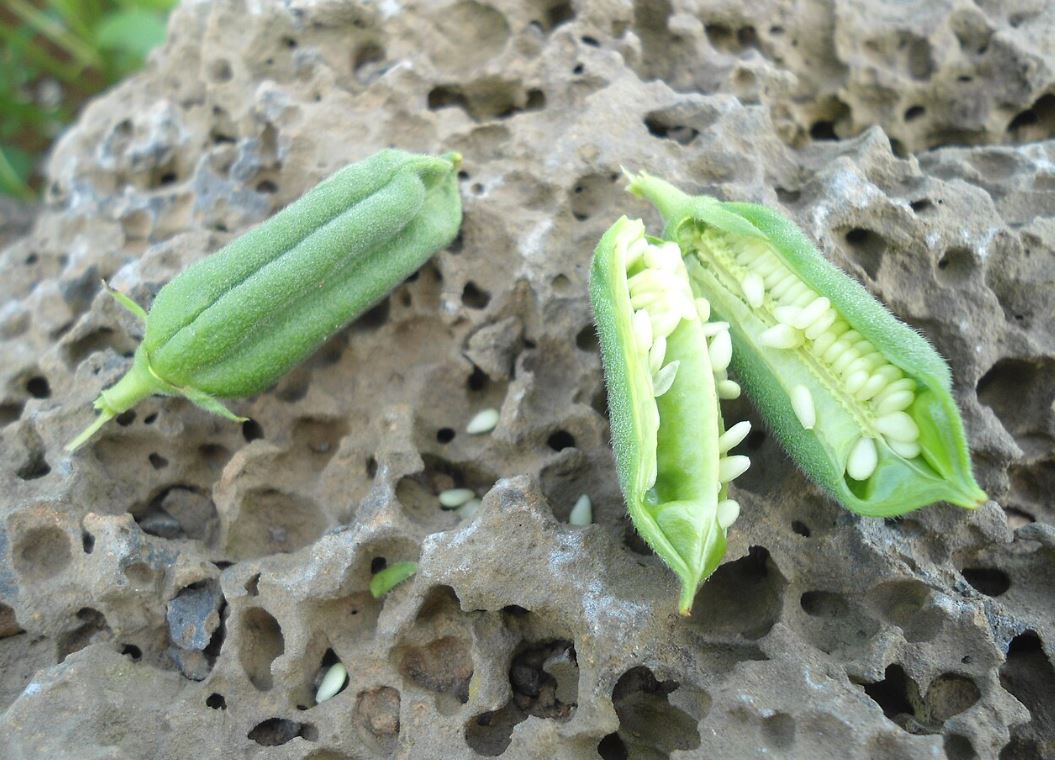
תָּא שְׁמַע: תִּיבְּלָהּ בְּקֶצַח, בְּשׁוּמְשְׁמִין, וּבְכׇל מִינֵי תַּבְלִין – כְּשֵׁרָה. מַצָּה הִיא, אֶלָּא שֶׁנִּקְרֵאת מַצָּה מְתוּבֶּלֶת. קָא סָלְקָא דַּעְתָּךְ דְּאַפֵּישׁ לַהּ תַּבְלִין טְפֵי מִמַּצָּה.
The Gemara suggests another proof from a baraita (Tosefta, Pesaḥim 2:21): Come and hear: In the case of matza that one seasoned with black cumin, with sesame, or with any type of spice, it is fit to be eaten during the festival of Passover, as it is considered matza, but it is called seasoned matza. The Gemara comments: It enters your mind to explain that this is a case where there were more spices than the matza itself.
בִּשְׁלָמָא לְמַאן דְּאָמַר בָּתַר בָּטֵל אָזְלִינַן, בָּטֵיל הָוֵי כִּמְבַטֵּל, דִּלְכִי מִעַפְּשָׁא (הוי) [הָוְיָא] לַהּ כְּתַבְלִין. אֶלָּא לְמַאן דְּאָמַר בָּתַר מְבַטֵּל אָזְלִינַן, תַּבְלִין מִי קָא הֲווֹ מַצָּה?
Now, granted, according to Rabbi Ḥanina, who is the one who says that we follow the potentially nullified substance, in the case here the potentially nullified substance can become like the potentially nullifying substance, as when the matza becomes moldy it becomes like the spices, as it is no longer fit to be used to fulfill the mitzva of eating matza. Therefore, the smaller quantity of matza is not nullified by the larger quantity of spices. But according to Rav Ḥisda, who is the one who says that we follow the potentially nullifying substance, can the spices become like the matza?
הָכָא בְּמַאי עָסְקִינַן? דְּלָא אַפִּישׁ לַהּ תַּבְלִין, דְּרוּבַּהּ מַצָּה הִיא, וְלָא בָּטְלָה. דַּיְקָא נָמֵי, דְּקָתָנֵי: מַצָּה הִיא, אֶלָּא שֶׁנִּקְרֵאת מַצָּה מְתוּבֶּלֶת, שְׁמַע מִינַּהּ.
The Gemara answers: What are we dealing with here? We are dealing with a case where there are not more spices than matza, but rather the majority is matza and therefore the matza is not nullified. The Gemara notes: According to this explanation, the language of the baraita is also precise, as it teaches: It is considered matza, but it is called seasoned matza. Learn from here that the baraita is referring to an entity whose majority is matza, and therefore it is referred to as seasoned matza.
כִּי סְלֵיק רַב כָּהֲנָא, אַשְׁכְּחִינְהוּ לִבְנֵי רַבִּי חִיָּיא דְּיָתְבִי וְקָאָמְרִי: עִשָּׂרוֹן שֶׁחִלְּקוֹ
§ The Gemara relates: When Rav Kahana ascended from Babylonia to Eretz Yisrael, he found the sons of Rabbi Ḥiyya, who were sitting and saying the following: In the case of a tenth of an ephah of a meal offering that one divided

Today’s daily daf tools:
Delve Deeper
Broaden your understanding of the topics on this daf with classes and podcasts from top women Talmud scholars.

Menahot 23: When Are Grain-offerings Not Like Animal Sacrifices?
New to Talmud?
Check out our resources designed to help you navigate a page of Talmud – and study at the pace, level and style that fits you.
The Hadran Women’s Tapestry
Meet the diverse women learning Gemara at Hadran and hear their stories.
I started Daf during the pandemic. I listened to a number of podcasts by various Rebbeim until one day, I discovered Rabbanit Farbers podcast. Subsequently I joined the Hadran family in Eruvin. Not the easiest place to begin, Rabbanit Farber made it all understandable and fun. The online live group has bonded together and have really become a supportive, encouraging family.

Edmonton, Alberta, Canada
I had dreamed of doing daf yomi since I had my first serious Talmud class 18 years ago at Pardes with Rahel Berkovitz, and then a couple of summers with Leah Rosenthal. There is no way I would be able to do it without another wonderful teacher, Michelle, and the Hadran organization. I wake up and am excited to start each day with the next daf.

Irvine, United States
In early 2020, I began the process of a stem cell transplant. The required extreme isolation forced me to leave work and normal life but gave me time to delve into Jewish text study. I did not feel isolated. I began Daf Yomi at the start of this cycle, with family members joining me online from my hospital room. I’ve used my newly granted time to to engage, grow and connect through this learning.

Worcester, United States
It happened without intent (so am I yotzei?!) – I watched the women’s siyum live and was so moved by it that the next morning, I tuned in to Rabbanit Michelle’s shiur, and here I am, still learning every day, over 2 years later. Some days it all goes over my head, but others I grasp onto an idea or a story, and I ‘get it’ and that’s the best feeling in the world. So proud to be a Hadran learner.

Zichron Yaakov, Israel
I started learning daf yomi at the beginning of this cycle. As the pandemic evolved, it’s been so helpful to me to have this discipline every morning to listen to the daf podcast after I’ve read the daf; learning about the relationships between the rabbis and the ways they were constructing our Jewish religion after the destruction of the Temple. I’m grateful to be on this journey!
Teaneck NJ, United States
I LOVE learning the Daf. I started with Shabbat. I join the morning Zoom with Reb Michelle and it totally grounds my day. When Corona hit us in Israel, I decided that I would use the Daf to keep myself sane, especially during the days when we could not venture out more than 300 m from our home. Now my husband and I have so much new material to talk about! It really is the best part of my day!

Hashmonaim, Israel
I began my journey with Rabbanit Michelle more than five years ago. My friend came up with a great idea for about 15 of us to learn the daf and one of us would summarize weekly what we learned.
It was fun but after 2-3 months people began to leave. I have continued. Since the cycle began Again I have joined the Teaneck women.. I find it most rewarding in so many ways. Thank you
New Jersey, United States
When I began the previous cycle, I promised myself that if I stuck with it, I would reward myself with a trip to Israel. Little did I know that the trip would involve attending the first ever women’s siyum and being inspired by so many learners. I am now over 2 years into my second cycle and being part of this large, diverse, fascinating learning family has enhanced my learning exponentially.

Minnesota, United States
3 years ago, I joined Rabbanit Michelle to organize the unprecedented Siyum HaShas event in Jerusalem for thousands of women. The whole experience was so inspiring that I decided then to start learning the daf and see how I would go…. and I’m still at it. I often listen to the Daf on my bike in mornings, surrounded by both the external & the internal beauty of Eretz Yisrael & Am Yisrael!

Raanana, Israel
Retirement and Covid converged to provide me with the opportunity to commit to daily Talmud study in October 2020. I dove into the middle of Eruvin and continued to navigate Seder Moed, with Rabannit Michelle as my guide. I have developed more confidence in my learning as I completed each masechet and look forward to completing the Daf Yomi cycle so that I can begin again!

San Diego, United States
I started learning Daf in Jan 2020 with Brachot b/c I had never seen the Jewish people united around something so positive, and I wanted to be a part of it. Also, I wanted to broaden my background in Torah Shebal Peh- Maayanot gave me a great gemara education, but I knew that I could hold a conversation in most parts of tanach but almost no TSB. I’m so thankful for Daf and have gained immensely.

NJ, United States
I started Daf during the pandemic. I listened to a number of podcasts by various Rebbeim until one day, I discovered Rabbanit Farbers podcast. Subsequently I joined the Hadran family in Eruvin. Not the easiest place to begin, Rabbanit Farber made it all understandable and fun. The online live group has bonded together and have really become a supportive, encouraging family.
Edmonton, Alberta, Canada
My curiosity was peaked after seeing posts about the end of the last cycle. I am always looking for opportunities to increase my Jewish literacy & I am someone that is drawn to habit and consistency. Dinnertime includes a “Guess what I learned on the daf” segment for my husband and 18 year old twins. I also love the feelings of connection with my colleagues who are also learning.

Tampa, United States
What a great experience to learn with Rabbanit Michelle Farber. I began with this cycle in January 2020 and have been comforted by the consistency and energy of this process throughout the isolation period of Covid. Week by week, I feel like I am exploring a treasure chest with sparkling gems and puzzling antiquities. The hunt is exhilarating.
Pennsylvania, United States

Raanana, Israel
Hadran entered my life after the last Siyum Hashaas, January 2020. I was inspired and challenged simultaneously, having never thought of learning Gemara. With my family’s encouragement, I googled “daf yomi for women”. A perfecr fit!
I especially enjoy when Rabbanit Michelle connects the daf to contemporary issues to share at the shabbat table e.g: looking at the Kohen during duchaning. Toda rabba

Jerusalem, Israel
New York, United States
3 years ago, I joined Rabbanit Michelle to organize the unprecedented Siyum HaShas event in Jerusalem for thousands of women. The whole experience was so inspiring that I decided then to start learning the daf and see how I would go…. and I’m still at it. I often listen to the Daf on my bike in mornings, surrounded by both the external & the internal beauty of Eretz Yisrael & Am Yisrael!
Raanana, Israel
I started learning after the siyum hashas for women and my daily learning has been a constant over the last two years. It grounded me during the chaos of Corona while providing me with a community of fellow learners. The Daf can be challenging but it’s filled with life’s lessons, struggles and hope for a better world. It’s not about the destination but rather about the journey. Thank you Hadran!

אפרת, Israel

Philadelphia, United States
Menachot 23
אָמַר רָבָא: קָסָבַר רַבִּי יְהוּדָה, כׇּל שֶׁהוּא מִין בְּמִינוֹ וְדָבָר אַחֵר – סַלֵּק אֶת מִינוֹ כְּמִי שֶׁאֵינוֹ, וְשֶׁאֵינוֹ מִינוֹ רָבֶה עָלָיו וּמְבַטְּלוֹ.
Rava said: Rabbi Yehuda holds that in the case of any mixture that consists of a substance in contact with the same type of substance as well as another type of substance, the halakha is to disregard the same substance, considering it as though it were not there, and in the event that the different type of substance is more than the first substance, the different substance nullifies the first substance. In the case of the mishna here, the handful of the meal offering is mixed with other types of meal offerings that comprise greater quantities of oil. The oil of the handful is disregarded, and the flour of the handful, which is present in greater quantities than the oil of the other meal offering that is absorbed in it, nullifies this oil of the other meal offering. That oil is now considered to be one with the oil of the handful, and therefore the oil of the handful is increased, and the handful is unfit.
אִיתְּמַר: קוֹמֶץ דְּמִנְחַת חוֹטֵא שֶׁשִּׁמְּנוֹ, רַבִּי יוֹחָנָן אוֹמֵר: פָּסוּל, וְרֵישׁ לָקִישׁ אָמַר: הוּא עַצְמוֹ מְשַׁכְשְׁכוֹ בִּשְׁיָרֵי הַלּוֹג וּמַעֲלֵהוּ.
§ It was stated that the amora’im disagreed with regard to the halakha where one added oil to the handful that is removed from the meal offering of a sinner, which does not include oil. Rabbi Yoḥanan says: It is unfit, and Reish Lakish says: The halakha of the meal offering itself is to wipe it, ab initio, in the remainder of the log of oil that remains in the vessels that were used previously for other meal offerings, and the priest then brings it up and burns it on the altar. This is done so that the meal offering will not be completely dry.
וְהָכְתִיב: ״לֹא יָשִׂים עָלֶיהָ שֶׁמֶן וְלֹא יִתֵּן עָלֶיהָ לְבוֹנָה״? הַהוּא שֶׁלֹּא יִקְבַּע לָהּ שֶׁמֶן כְּחַבְרוֹתֶיהָ.
The Gemara asks: But isn’t it written with regard to the meal offering of a sinner: “He shall put no oil upon it, neither shall he put any frankincense on it” (Leviticus 5:11)? How, then, can any oil be added? The Gemara answers: That verse teaches that one should not designate oil for it as one designates oil for the other meal offerings, but the meal offering of a sinner is not rendered unfit by the addition of a small amount of oil.
אֵיתִיבֵיהּ רַבִּי יוֹחָנָן לְרֵישׁ לָקִישׁ: חָרֵב שֶׁנִּתְעָרֵב בְּבָלוּל – יַקְרִיב, רַבִּי יְהוּדָה אוֹמֵר: לֹא יַקְרִיב. מַאי לָאו, קוֹמֶץ דְּמִנְחַת חוֹטֵא דְּאִיעָרַב בְּקוֹמֶץ דְּמִנְחַת נְדָבָה?
Rabbi Yoḥanan raised an objection to Reish Lakish from a baraita (Tosefta 4:4): In the case of a dry meal offering that was intermingled with a meal offering that was mixed with oil, the priest shall sacrifice it. Rabbi Yehuda says: The priest shall not sacrifice it. What, is the baraita not referring to a handful of the meal offering of a sinner that was intermingled with a handful of a voluntary meal offering, demonstrating that the oil invalidates the handful of a meal offering of a sinner?
לֹא, מִנְחַת פָּרִים וְאֵילִים בְּמִנְחַת כְּבָשִׂים.
Reish Lakish responded: No, the baraita is referring to the meal offering that accompanies the libations brought with the offerings of bulls or rams, for which two log of oil is mixed with a tenth of an ephah of flour, that became intermingled with the meal offering that accompanies the libations brought with the offering of sheep, for which three log of oil is mixed with a tenth of an ephah of flour, as the former is considered dry relative to the latter.
וְהָא בְּהֶדְיָא קָתָנֵי לַהּ: מִנְחַת פָּרִים וְאֵילִים בְּמִנְחַת כְּבָשִׂים, וְחָרֵב שֶׁנִּתְעָרֵב בְּבָלוּל – יִקְרַב, רַבִּי יְהוּדָה אוֹמֵר: לֹא יִקְרַב. פָּרוּשֵׁי קָמְפָרֵשׁ לַהּ.
Rabbi Yoḥanan objected: But another baraita teaches this explicitly as a separate halakha: With regard to the meal offering that accompanies the offerings of bulls or rams that became intermingled with the meal offering that accompanies the offering of sheep, and a dry meal offering that was intermingled with a meal offering that was mixed with oil, the meal offering shall be sacrificed. Rabbi Yehuda says: It shall not be sacrificed. Therefore, the latter case must be referring to other meal offerings. Reish Lakish responded: The latter clause is explaining the first clause of the baraita, teaching that the reason one may not offer a meal offering that accompanies bulls and rams that was intermingled with the meal offering that accompanies sheep is because one may not offer a dry offering that was intermingled with one that is mixed with oil.
בָּעֵי רָבָא: קוֹמֶץ שֶׁמִּיצָּה שַׁמְנוֹ עַל גַּבֵּי עֵצִים, מַהוּ? חִיבּוּרֵי עוֹלִין כְּעוֹלִין דָּמוּ, אוֹ לָאו כְּעוֹלִין דָּמוּ? אֲמַר לֵיהּ רָבִינָא לְרַב אָשֵׁי: לָאו הַיְינוּ דְּרַבִּי יוֹחָנָן וְרֵישׁ לָקִישׁ?
§ Rava raises a dilemma: In the case of a handful whose oil the priest squeezed onto the wood and only afterward he placed the handful on the wood to be burned, what is the halakha? Are substances that are contiguous to items that ascend upon the altar considered to be as part of the items that ascend upon the altar, in which case the oil that was absorbed into the wood and is contiguous to the handful of the meal offering is considered part of the handful? Or are they not considered to be as part of the items that ascend upon the altar, and the oil is not viewed as part of the handful, and therefore the handful is missing oil? Ravina said to Rav Ashi: Is this not the same disagreement as the dispute between Rabbi Yoḥanan and Reish Lakish?
דְּאִיתְּמַר: הַמַּעֲלֶה אֵבֶר שֶׁאֵין בּוֹ כְּזַיִת, וְעֶצֶם מַשְׁלִימוֹ לִכְזַיִת – רַבִּי יוֹחָנָן אָמַר: חַיָּיב, רֵישׁ לָקִישׁ אָמַר: פָּטוּר.
As it was stated: With regard to one who offers up, outside the Temple courtyard, a limb that contains less than an olive-bulk of meat, but the offering’s bone completes the measure of the offering to an olive-bulk, Rabbi Yoḥanan says: He is liable, and Reish Lakish says: He is exempt.
רַבִּי יוֹחָנָן אָמַר חַיָּיב, חִיבּוּרֵי עוֹלִין כְּעוֹלִין דָּמוּ, וְרֵישׁ לָקִישׁ אָמַר פָּטוּר, חִיבּוּרֵי עוֹלִין לָאו כְּעוֹלִין דָּמוּ.
Rabbi Yoḥanan says that one is liable because he holds that substances that are contiguous to items that ascend upon the altar are considered to be as part of the items that ascend upon the altar. Therefore, the measure of the bone is added to the measure of the meat, resulting in a total measure of an olive-bulk, which is the measure that determines liability. And Reish Lakish says that one is exempt because he holds that substances that are contiguous to items that ascend upon the altar are not considered to be as part of the items that ascend upon the altar. Since less than an olive-bulk of meat was sacrificed, he is not liable.
תִּיבְּעֵי לְרַבִּי יוֹחָנָן, וְתִיבְּעֵי לְרֵישׁ לָקִישׁ. תִּיבְּעֵי לְרַבִּי יוֹחָנָן: עַד כָּאן לָא קָא אָמַר רַבִּי יוֹחָנָן הָתָם, אֶלָּא בְּעֶצֶם, דְּמִינָא דְּבָשָׂר הוּא, אֲבָל הַאי דְּלָאו דְּמִינָא דְּקוֹמֶץ הוּא – לָא.
Rav Ashi responded: Rava’s dilemma can be raised according to Rabbi Yoḥanan, and Rava’s dilemma can be raised according to Reish Lakish. The circumstances in their dispute are not the same as in Rava’s dilemma, so their opinions in that case may not be applicable to this one. Rav Ashi elaborates: The dilemma can be raised according to Rabbi Yoḥanan, even though he holds that the bone is considered to be part of the meat to complete the measure of an olive-bulk. Perhaps Rabbi Yoḥanan says his opinion only there, in the case of a bone, because the bone is the same type as the meat, i.e., it is from the same animal, and is therefore considered to be part of the sacrificial meat. But in this case of oil, which is not the same type as the handful, it is not considered to be a part of the handful even if it is contiguous to it.
אוֹ דִלְמָא, אֲפִילּוּ לְרֵישׁ לָקִישׁ לָא קָא אָמַר אֶלָּא בְּעֶצֶם, דְּבַר מִפְרַשׁ הוּא, וְאִי פָּרֵישׁ – לָאו מִצְוָה לְאַהְדּוֹרֵי, אֲבָל שֶׁמֶן דְּלָאו בַּר מִפְרַשׁ הוּא – לָא, אוֹ דִּלְמָא לָא שְׁנָא. תֵּיקוּ.
Or perhaps, even according to Reish Lakish, he says his ruling only in the case of the bone, teaching that it does not add to the quantity of the meat. The reason is that the bone is able to be separated from the meat, and if it separated, there is no mitzva to return it to the fire. Therefore, he views it as distinct from the meat. But in this case of oil, which is not able to be separated from the handful of the meal offering, as it must be burned together with the handful, he will not hold that the oil is viewed as separate from the handful. Or perhaps there is no difference between the case of the bone and the case of the oil, and Rabbi Yoḥanan and Reish Lakish would have the same opinions, respectively, in both cases. The Gemara comments: The dilemma shall stand unresolved.
מַתְנִי׳ שְׁתֵּי מְנָחוֹת שֶׁלֹּא נִקְמְצוּ וְנִתְעָרְבוּ זוֹ בָּזוֹ, אִם יָכוֹל לִקְמוֹץ מִזּוֹ בִּפְנֵי עַצְמָהּ וּמִזּוֹ בִּפְנֵי עַצְמָהּ – כְּשֵׁירוֹת, וְאִם לָאו – פְּסוּלוֹת.
MISHNA: In the case of two meal offerings from which a handful was not removed and that were intermingled with each other, if the priest can remove a handful from this meal offering by itself and from that meal offering by itself, they are fit meal offerings, but if not, they are unfit, as the handful of each meal offering must be taken from its original source.
קוֹמֶץ שֶׁנִּתְעָרֵב בְּמִנְחָה שֶׁלֹּא נִקְמְצָה – לֹא יַקְטִיר, וְאִם הִקְטִיר – זוֹ שֶׁנִּקְמְצָה עָלַת לַבְּעָלִים, וְזוֹ שֶׁלֹּא נִקְמְצָה לֹא עָלַת לַבְּעָלִים.
In the case of a handful that was intermingled with a meal offering from which a handful was not removed, the priest should not burn the mixture on the altar. And if he burned it, this meal offering from which the handful was taken satisfies the obligation of the owner and that meal offering from which the handful was not taken does not satisfy the obligation of the owner.
נִתְעָרֵב קוּמְצָהּ בִּשְׁיָרֶיהָ, אוֹ בִּשְׁיָרֶיהָ שֶׁל חֲבֶירְתָּהּ – לֹא יַקְטִיר, וְאִם הִקְטִיר – עָלַת לַבְּעָלִים.
If, after it was removed, its handful was intermingled with its remainder or with the remainder of another meal offering, the priest should not burn the mixture on the altar, but if he burned it, it satisfies the obligation of the owner.
גְּמָ׳ אָמַר רַב חִסְדָּא: נְבֵילָה בְּטֵילָה בִּשְׁחוּטָה, שֶׁאִי אֶפְשָׁר לִשְׁחוּטָה שֶׁתֵּעָשֶׂה נְבֵילָה.
GEMARA: Rav Ḥisda says: The meat of an unslaughtered animal carcass is nullified in a larger quantity of meat of a slaughtered animal. Although meat from a carcass generally imparts impurity, if one touches the mixture of the two meats he does not become ritually impure, as the carcass meat is considered a different type of substance from the slaughtered animal and is therefore nullified. This is not considered a mixture that comprises a substance in contact with the same type of substance, because meat from a slaughtered animal cannot attain the status of a carcass, and it is therefore viewed as a different type of substance.
וּשְׁחוּטָה אֵינָהּ בְּטֵילָה בִּנְבֵילָה, שֶׁאֶפְשָׁר לִנְבֵילָה שֶׁתֵּעָשֶׂה שְׁחוּטָה, דִּלְכִי מַסְרְחָה פָּרְחָה טוּמְאָתָהּ.
By contrast, if meat of a slaughtered animal became intermingled with a larger quantity of meat of animal carcass, the meat of the slaughtered animal is not nullified in the larger quantity of meat of the carcass, as it is possible for a carcass to attain the status of a slaughtered animal with regard to the halakhot of ritual impurity, as it can lose its ability to transmit ritual impurity. This is because when a carcass rots to the extent that it is no longer edible, it loses its impure status. The halakha that the carcass meat has the ability to attain the ritually pure status of meat of a slaughtered animal renders the two meats as the same type of substance, and the mixture retains its status of intermingled carcass meat and meat of a slaughtered animal.
וְרַבִּי חֲנִינָא אָמַר: כׇּל שֶׁאֶפְשָׁר לוֹ לִהְיוֹת כָּמוֹהוּ – אֵינוֹ בָּטֵל, וְכֹל שֶׁאִי אֶפְשָׁר לוֹ לִהְיוֹת כָּמוֹהוּ – בָּטֵל.
And Rabbi Ḥanina says the opposite: Any small quantity of an item that can possibly become like the item that is present in larger quantities is not nullified when the two are intermingled, but any small quantity of an item that cannot possibly become like the item that is present in larger quantities is nullified in the larger quantity. Accordingly, a small quantity of meat of a slaughtered animal is nullified in a larger quantity of unslaughtered animal carcass meat, since the meat of a slaughtered animal cannot become like the animal carcass meat; but a small quantity of animal carcass meat is not nullified in a larger quantity of meat of a slaughtered animal, since it can lose its impure status and become akin to the meat of a slaughtered animal.
אַלִּיבָּא דְּמַאן? אִי אַלִּיבָּא דְּרַבָּנַן, הָא אָמְרִי: עוֹלִין הוּא דְּלָא מְבַטְּלִי אַהֲדָדֵי, אֲבָל מִין בְּמִינוֹ – בָּטֵל.
The Gemara asks: In accordance with whose opinion do Rabbi Ḥanina and Rav Ḥisda state their opinions? If their opinions are in accordance with the opinion of the Rabbis, this is difficult: Didn’t the Rabbis say that it is in the case of a mixture of items that ascend to the altar that the different components of the mixture do not nullify one another, but otherwise, a substance in contact with the same type of substance is nullified? Therefore, in any case where meat of a slaughtered animal becomes intermingled with unslaughtered animal carcass meat, the smaller quantity is nullified in the larger quantity.
אִי אַלִּיבָּא דְּרַבִּי יְהוּדָה, וְהָא
If their opinions are in accordance with the opinion of Rabbi Yehuda, who holds that the blood of an offering is not nullified in the blood of a non-sacred animal because the two are the same type of substance, this is difficult: But
רַבִּי יְהוּדָה בָּתַר חֲזוּתָא אָזֵיל, וְאִידֵּי וְאִידֵּי מִין בְּמִינוֹ הוּא.
Rabbi Yehuda follows the appearance of the item in determining whether the two items are the same type of substance. And therefore, this meat of a slaughtered animal and that meat of an unslaughtered carcass are viewed as a substance in contact with the same type of substance, since their appearances are identical, and neither one nullifies the other.
אֶלָּא, אַלִּיבָּא דְּרַבִּי חִיָּיא, דְּתָנֵי רַבִּי חִיָּיא: נְבֵילָה וּשְׁחוּטָה בְּטֵילוֹת זוֹ בָּזוֹ.
Rather, it must be explained that the opinions of Rav Ḥisda and Rabbi Ḥanina are in accordance with the opinion of Rabbi Ḥiyya. As Rabbi Ḥiyya teaches: The meat of an unslaughtered animal carcass and the meat of a slaughtered animal are nullified one in the other. Rav Ḥisda understands this statement to mean that the meat of an animal carcass is nullified in a larger quantity of meat of a slaughtered animal, whereas Rabbi Ḥanina understands the statement to be referring to meat of a slaughtered animal that is nullified in a larger quantity of meat of an unslaughtered animal carcass.
רַבִּי חִיָּיא אַלִּיבָּא דְּמַאן? אִי אַלִּיבָּא דְּרַבָּנַן – הָא אָמְרִי: עוֹלִין הוּא דְּלָא מְבַטְּלִי אַהֲדָדֵי, הָא מִין בְּמִינוֹ בָּטֵיל! וְאִי אַלִּיבָּא דְּרַבִּי יְהוּדָה – כׇּל מִין בְּמִינוֹ לְרַבִּי יְהוּדָה לֹא בָּטֵיל!
The Gemara asks: But then in accordance with whose opinion did Rabbi Ḥiyya himself state his opinion? If his opinion is in accordance with the opinion of the Rabbis, that is difficult: Didn’t the Rabbis say that it is in the case of a mixture of items that ascend to the altar that the different components of the mixture do not nullify one another, but in general, a substance in contact with the same type of substance is nullified? And if his statement is in accordance with the opinion of Rabbi Yehuda, that is difficult: According to the opinion of Rabbi Yehuda any substance in contact with the same type of substance is not nullified.
לְעוֹלָם אַלִּיבָּא דְּרַבִּי יְהוּדָה, וְכִי קָא אָמַר רַבִּי יְהוּדָה: מִין בְּמִינוֹ לֹא בָּטֵל – הָנֵי מִילֵּי הֵיכָא דְּאֶפְשָׁר לֵיהּ לְמִיהְוֵי כְּוָותֵיהּ, אֲבָל הֵיכָא דְּלָא אֶפְשָׁר לֵיהּ לְמִיהְוֵי כְּוָותֵיהּ – בָּטֵל.
The Gemara answers: Actually, the statement of Rabbi Ḥiyya is in accordance with the opinion of Rabbi Yehuda, and Rabbi Ḥiyya holds that when Rabbi Yehuda says that a substance in contact with the same type of substance is not nullified, this statement applies only where it is possible for one to become like the other. But where it is not possible for one to become like the other, it is nullified, since the two are not considered the same substance.
וּבְהָא קָא מִיפַּלְגִי, דְּרַב חִסְדָּא סָבַר: בָּתַר מְבַטֵּל אָזְלִינַן.
And Rav Ḥisda and Rabbi Ḥanina disagree with regard to this, as Rav Ḥisda holds that we follow the potentially nullifying substance, i.e., the larger quantity, and if it can attain the status of the smaller quantity, the two are considered identical substances and the smaller quantity is not nullified in the larger quantity. Therefore, if meat of a slaughtered animal became mingled with a larger quantity of meat of an animal carcass, the meat of the slaughtered animal is not nullified, as it is possible for a carcass to attain the status of a slaughtered animal with regard to ritual impurity, as when a carcass rots it loses its impure status.
וְרַבִּי חֲנִינָא סָבַר: בָּתַר בָּטֵל אָזְלִינַן.
And Rabbi Ḥanina holds that we follow the potentially nullified substance, i.e., the smaller quantity, and only if it can attain the status of the larger quantity, e.g., in the case of meat of an animal carcass that was intermingled with a larger quantity of meat of a slaughtered animal, the two are considered identical substances and the smaller quantity is not nullified in the larger quantity.
תְּנַן: שְׁתֵּי מְנָחוֹת שֶׁלֹּא נִקְמְצוּ וְנִתְעָרְבוּ זוֹ בְּזוֹ, אִם יָכוֹל לִקְמוֹץ מִזּוֹ בִּפְנֵי עַצְמָהּ וּמִזּוֹ בִּפְנֵי עַצְמָהּ – כְּשֵׁרוֹת, וְאִם לָאו – פְּסוּלוֹת. וְהָא הָכָא, כֵּיוָן דְּקָמֵיץ לֵיהּ מֵחֲדָא – אִידַּךְ הֲוָה לֵיהּ שִׁירַיִם, וְלָא קָא מְבַטְּלִי שִׁירַיִם לְטִיבְלָא.
The Gemara offers support for the opinion of Rabbi Ḥanina: We learned in the mishna: In the case of two meal offerings from which a handful was not removed and which were intermingled with each other, if the priest can remove a handful from this meal offering by itself and from that meal offering by itself, they are fit meal offerings, but if not, they are unfit, as the handful of each meal offering must be taken from its original source. And here, once he removes a handful from one, the rest of it becomes the remainder, which is designated for the priests, and this remainder does not nullify the other meal offering from which a handful has not yet been removed.
מַנִּי? אִי רַבָּנַן – הָא אָמְרִי: עוֹלִין הוּא דְּלָא מְבַטְּלִי הֲדָדֵי, הָא מִין בְּמִינוֹ בָּטֵל! אֶלָּא פְּשִׁיטָא – רַבִּי יְהוּדָה.
In accordance with whose opinion is the mishna? If it is in accordance with the opinion of the Rabbis, that is difficult: Didn’t the Rabbis say that it is in the case of a mixture of items that ascend to the altar that the different components of the mixture do not nullify one another, but in general, a substance in contact with the same type of substance is nullified? Therefore, the remainder of the first meal offering should nullify the second meal offering, as both consist of the same substances, flour and oil. Rather, it is obvious that the mishna is in accordance with the opinion of Rabbi Yehuda, who holds that the meal offering is not nullified in the remainder, as any substance in contact with the same type of substance is not nullified.
בִּשְׁלָמָא לְמַאן דְּאָמַר: בָּתַר בָּטֵל אָזְלִינַן, בָּטֵל הָוֵי כִּמְבַטֵּל, דִּלְכִי קָמֵיץ מֵאִידַּךְ – הָווּ לְהוּ שִׁירַיִם כִּי הָנֵי.
Now, granted, according to Rabbi Ḥanina, who is the one who says that we follow the potentially nullified substance, in the mishna’s case the potentially nullified substance can become like the potentially nullifying substance, as when the priest removes the handful from the other meal offering, the intermingled offering will become a remainder that is designated for the priests, just like that of the first meal offering. Therefore, the intermingled second meal offering is not nullified in the remainder of the first meal offering.
אֶלָּא לְמַאן דְּאָמַר בָּתַר מְבַטֵּל אָזְלִינַן, שִׁירַיִם מִי קָא הָווּ טִיבְלָא? לֵימָא אַלִּיבָּא דְּרַב חִסְדָּא, דְּלָא כְּרַבִּי חִיָּיא.
But according to Rav Ḥisda, who is the one who says that we follow the potentially nullifying substance, can the remainder of the first meal offering become a meal offering from which a handful has not yet been removed? Therefore, shall we say that according to Rav Ḥisda the mishna here is not in accordance with the opinion of Rabbi Ḥiyya with regard to Rabbi Yehuda’s opinion?
הָתָם, כִּדְרַבִּי זֵירָא, דְּאָמַר רַבִּי זֵירָא: נֶאֶמְרָה הַקְטָרָה בְּקוֹמֶץ, וְנֶאֶמְרָה הַקְטָרָה בְּשִׁירַיִם.
The Gemara answers: There, the halakha of the mishna is in accordance with the opinion of Rabbi Zeira, as Rabbi Zeira says that the verse teaches that nullification does not take place when remainders are intermingled with handfuls. He explains: The term burning is stated with regard to the handful removed from the meal offering (see Leviticus 2:2), as it is a mitzva to burn the handful, and the term burning is stated with regard to the remainder of the meal offering (see Leviticus 2:11), as it is taught that it is prohibited to burn the remainder.
מָה הַקְטָרָה הָאֲמוּרָה בַּקּוֹמֶץ – אֵין הַקּוֹמֶץ מְבַטֵּל אֶת חֲבֵירוֹ, אַף הַקְטָרָה הָאֲמוּרָה בַּשִּׁירַיִם – אֵין שִׁירַיִם מְבַטְּלִין אֶת הַקּוֹמֶץ.
This verbal analogy teaches that just as in the case of the burning that is stated with regard to the handful, if two handfuls are mixed together one handful does not nullify the other and all agree that the two are burned on the altar, so too, in the case of the burning that is stated with regard to the remainder of the meal offering, if the remainder of one offering is intermingled with another meal offering, the remainder of the meal offering does not nullify the handful or the remainder of the second meal offering.
תָּא שְׁמַע: הַקּוֹמֶץ שֶׁנִּתְעָרֵב בְּמִנְחָה שֶׁלֹּא נִקְמְצָה – לֹא יַקְטִיר, וְאִם הִקְטִיר – זוֹ שֶׁנִּקְמְצָה עָלְתָה לַבְּעָלִים, וְזוֹ שֶׁלֹּא נִקְמְצָה לֹא עָלְתָה לַבְּעָלִים, וְלָא קָא מְבַטֵּיל לֵיהּ טִיבְלָא לְקוֹמֶץ.
The Gemara suggests: Come and hear a proof from the mishna here: In the case of the handful that was intermingled with a meal offering from which a handful was not removed, the priest should not burn the mixture on the altar, and if he burned it, this meal offering from which the handful was taken satisfied the obligation of the owner and that meal offering from which the handful was not taken did not satisfy the obligation of the owner. This is a case of a mixture of identical substances, and the meal offering from which a handful has not yet been removed does not nullify the handful, since after the fact if the mixture is burned on the altar the meal offering from which the handful was taken satisfies the obligation of the owner.
מַנִּי? אִי רַבָּנַן – הָא אָמְרִי: עוֹלִין הוּא דְּלָא מְבַטְּלִי הֲדָדֵי, הָא מִין בְּמִינוֹ בְּטִיל! אֶלָּא פְּשִׁיטָא – רַבִּי יְהוּדָה.
The Gemara explains the proof: In accordance with whose opinion is the mishna? If it is in accordance with the opinion of the Rabbis, that is difficult: Didn’t the Rabbis say that it is in the case of a mixture of items that ascend to the altar that the different components of the mixture do not nullify one another, but in general, a substance in contact with the same type of substance is nullified? Rather, it is obvious that the mishna is in accordance with the opinion of Rabbi Yehuda, who holds that any substance in contact with the same type of substance is not nullified.
בִּשְׁלָמָא לְמַאן דְּאָמַר: בָּתַר מְבַטֵּל אָזְלִינַן, מְבַטֵּל הָוֵי כְּבָטֵל, דְּכֹל פּוּרְתָּא חֲזֵי לְמִקְמַץ מִינֵּיהּ, וְהָוֵי לֵיהּ מִין וּמִינוֹ, וּמִין בְּמִינוֹ לֹא בָּטֵל.
Now, granted, according to Rav Ḥisda, who is the one who says that we follow the potentially nullifying substance, in the mishna’s case the potentially nullifying substance can become like the potentially nullified substance, since every bit of the meal offering is fit to have the handful taken from it. And therefore, the mixture is considered to be one that consists of a substance in contact with the same type of substance, and a substance in contact with the same type of substance is not nullified.
אֶלָּא לְמַאן דְּאָמַר בָּתַר בָּטֵל אָזְלִינַן, קוֹמֶץ מִי קָא הָוֵי טִיבְלָא? לֵימָא דְּלָא כְּרַבִּי חִיָּיא? הָא נָמֵי כִּדְרַבִּי זֵירָא.
But according to Rabbi Ḥanina, who is the one who says that we follow the potentially nullified substance, can the handful become a meal offering from which a handful has not yet been removed, so that it would not be nullified by the other meal offering whose handful was not removed? Therefore, shall we say that according to Rabbi Ḥanina the mishna here is not in accordance with the opinion of Rabbi Ḥiyya with regard to Rabbi Yehuda’s opinion? The Gemara answers: This mishna as well is in accordance with the opinion of Rabbi Zeira, who explains that a Torah edict establishes that the remainder does not nullify the handful, and similarly, a meal offering from which a handful has not yet been removed does not nullify the handful.
תָּא שְׁמַע: נִתְעָרֵב קוּמְצָהּ בְּשִׁירַיִם שֶׁל חֲבֶרְתָּהּ – לֹא יַקְטִיר, וְאִם הִקְטִיר – עָלְתָה לַבְּעָלִים. וְהָא הָכָא דְּלָא הָוֵי מְבַטֵּל כְּבָטֵיל, וְלָא קָא מְבַטְּלִי לֵיהּ שִׁירַיִם לְקוֹמֶץ.
The Gemara suggests: Come and hear a proof from the mishna here: If, after it was removed, its handful was intermingled with the remainder of another meal offering, the priest should not burn the mixture on the altar, and if he burned it, it satisfied the obligation of the owner. The Gemara explains the proof: But here, the potentially nullifying substance cannot become like the potentially nullified substance, since the remainder of the meal offering cannot become like the handful, and the potentially nullified substance cannot become like the potentially nullifying substance, since the handful cannot become like the remainder of the meal offering; and the mishna teaches that the remainder of the meal offering does not nullify the handful.
מַנִּי? אִי רַבָּנַן וְכוּ׳.
In accordance with whose opinion is the mishna? If it is in accordance with the opinion of the Rabbis, that is difficult: Didn’t the Rabbis say that it is in the case of a mixture of items that ascend to the altar that the different components of the mixture do not nullify one another, but in general, a substance in contact with the same type of substance is nullified? Rather, it is obvious that the mishna is in accordance with the opinion of Rabbi Yehuda, who holds that any substance in contact with the same type of substance is not nullified. But in contrast to Rabbi Ḥiyya’s statement, Rabbi Yehuda apparently holds that nullification takes place even if the nullifying substance cannot become like the nullified substance, or if the nullified substance cannot become like the nullifying substance.
אָמַר רַבִּי זֵירָא: נֶאֶמְרָה הַקְטָרָה בַּקּוֹמֶץ, וְנֶאֶמְרָה הַקְטָרָה בַּשִּׁירַיִם, מָה הַקְטָרָה הָאֲמוּרָה בַּקּוֹמֶץ – אֵין קוֹמֶץ מְבַטֵּל אֶת חֲבֵירוֹ, אַף הַקְטָרָה הָאֲמוּרָה בַּשִּׁירַיִם – אֵין שִׁירַיִם מְבַטְּלִין אֶת הַקּוֹמֶץ.
Rabbi Zeira said: This mishna is an independent halakha, based on a Torah edict that nullification does not take place when remainders are intermingled with handfuls. He explains: The term burning is stated with regard to the handful removed from the meal offering, and the term burning is stated with regard to the remainder of the meal offering. This verbal analogy teaches that just as in the case of the burning that is stated with regard to the handful, if two handfuls are mixed together one handful does not nullify the other and all agree that the two are burned on the altar, so too, in the case of the burning that is stated with regard to the remainder of the meal offering, if the remainder of one offering is intermingled with another meal offering, the remainder of the meal offering does not nullify the handful or the remainder of the second meal offering.
תָּא שְׁמַע: תִּיבְּלָהּ בְּקֶצַח, בְּשׁוּמְשְׁמִין, וּבְכׇל מִינֵי תַּבְלִין – כְּשֵׁרָה. מַצָּה הִיא, אֶלָּא שֶׁנִּקְרֵאת מַצָּה מְתוּבֶּלֶת. קָא סָלְקָא דַּעְתָּךְ דְּאַפֵּישׁ לַהּ תַּבְלִין טְפֵי מִמַּצָּה.
The Gemara suggests another proof from a baraita (Tosefta, Pesaḥim 2:21): Come and hear: In the case of matza that one seasoned with black cumin, with sesame, or with any type of spice, it is fit to be eaten during the festival of Passover, as it is considered matza, but it is called seasoned matza. The Gemara comments: It enters your mind to explain that this is a case where there were more spices than the matza itself.
בִּשְׁלָמָא לְמַאן דְּאָמַר בָּתַר בָּטֵל אָזְלִינַן, בָּטֵיל הָוֵי כִּמְבַטֵּל, דִּלְכִי מִעַפְּשָׁא (הוי) [הָוְיָא] לַהּ כְּתַבְלִין. אֶלָּא לְמַאן דְּאָמַר בָּתַר מְבַטֵּל אָזְלִינַן, תַּבְלִין מִי קָא הֲווֹ מַצָּה?
Now, granted, according to Rabbi Ḥanina, who is the one who says that we follow the potentially nullified substance, in the case here the potentially nullified substance can become like the potentially nullifying substance, as when the matza becomes moldy it becomes like the spices, as it is no longer fit to be used to fulfill the mitzva of eating matza. Therefore, the smaller quantity of matza is not nullified by the larger quantity of spices. But according to Rav Ḥisda, who is the one who says that we follow the potentially nullifying substance, can the spices become like the matza?
הָכָא בְּמַאי עָסְקִינַן? דְּלָא אַפִּישׁ לַהּ תַּבְלִין, דְּרוּבַּהּ מַצָּה הִיא, וְלָא בָּטְלָה. דַּיְקָא נָמֵי, דְּקָתָנֵי: מַצָּה הִיא, אֶלָּא שֶׁנִּקְרֵאת מַצָּה מְתוּבֶּלֶת, שְׁמַע מִינַּהּ.
The Gemara answers: What are we dealing with here? We are dealing with a case where there are not more spices than matza, but rather the majority is matza and therefore the matza is not nullified. The Gemara notes: According to this explanation, the language of the baraita is also precise, as it teaches: It is considered matza, but it is called seasoned matza. Learn from here that the baraita is referring to an entity whose majority is matza, and therefore it is referred to as seasoned matza.
כִּי סְלֵיק רַב כָּהֲנָא, אַשְׁכְּחִינְהוּ לִבְנֵי רַבִּי חִיָּיא דְּיָתְבִי וְקָאָמְרִי: עִשָּׂרוֹן שֶׁחִלְּקוֹ
§ The Gemara relates: When Rav Kahana ascended from Babylonia to Eretz Yisrael, he found the sons of Rabbi Ḥiyya, who were sitting and saying the following: In the case of a tenth of an ephah of a meal offering that one divided

