









This month’s learning is sponsored by Marci Glazer in loving memory of her teacher and chevruta, Rachel Brodie, Rachel Aviva bat Devora Chana, on her 4th yahrzeit. “She brought her love of Torah to thousands of people in her all-too-short life. A lover of Midrash, she still invited me on this Daf Yomi journey.”
Want to dedicate learning? Get started here:

Summary

Rabbi Shimon and Rabbi Yehuda disagree about whether the communal sin offering is paid for by the Temple treasury or if there is a new dedicated collection from the people. Two different versions are brought regarding who held which position, and the Gemara assumes that they switched their positions at some point and concludes that Rabbi Shimon holds it is paid for by the Temple treasury, and Rabbi Yehuda by a new collection.
Rabbi Yochanan asked about the situation described in the Mishna that the kohen gadol died and there is no one yet appointed and a full issaron is brought. Is this brought twice daily in both the morning and afternoon, or only once a day? Rava brings a proof that it is brought twice daily, which is mentioned to Rabbi Yirmia, and he scoffs at it, insulting Rava as a “Bavlai tipshai” (stupid Babylonian). Rava then brings a different proof from a verse in the Torah that calls it tamid, comparing it to the tamid sacrifice which is brought twice daily. The Gemara concludes that Rava is correct, as can be seen from a braita that says so explicitly.
In a regular case where a kohen gadol brings one issaron and divides it between the morning and afternoon, there is a debate between Abba Yosi ben Dostai and the rabbis about whether two handfuls of frankincense are brought or only one. Rabbi Yochanan asks whether the frankincense would be doubled according to the rabbis in a case when the community or heirs bring it (if the kohen gadol had died) and whether the oil would be doubled according to both opinions. A braita is brought from which they understand that neither is doubled, according to both opinions.
Most mincha offerings are matza, other than the special sacrifice brought on Shavuot and ten of the loaves of the thanksgiving offering which are chametz. How was the leavening agent measured in the measuring of the flour for the offering?
Today’s daily daf tools:
This month’s learning is sponsored by Marci Glazer in loving memory of her teacher and chevruta, Rachel Brodie, Rachel Aviva bat Devora Chana, on her 4th yahrzeit. “She brought her love of Torah to thousands of people in her all-too-short life. A lover of Midrash, she still invited me on this Daf Yomi journey.”
Today’s daf is sponsored by Adam Plunka in honor of the yahrzeit of Shmaryahu Yosef Chaim ben Yaakov Yisrael – Rav Chaim Kanievsky.
Today’s daf is sponsored by Abby Flamholz in honor of the birthday of her daughter-in-law Sigal. “An exceptional role model whose dedication to Torah values and to raising her children with integrity is inspiring year after year.”
Today’s daf is sponsored by Amy Goldstein in loving memory of her grandmother, Ann Gutwillig Barnett. “She was an eshet chayil who embodied aspects of all four Imahot. She understood the needs of adolescent mental health far before the rest of the world, and her ideas and insights are sorely needed today. May her neshama have an aliya.”
Today’s daf is sponsored by Racheli Hadad Chazan in loving memory of Sara Chaya bat Bruruia, Bruria bat Sima and Efraim ben Matel Leah.
Menachot 52
בְּאֶפְרָהּ אֵין מוֹעֲלִין.
but if one derives benefit from its ashes, one is not liable for misusing consecrated property. It is clear from the baraita that by Torah law one is not liable for misuse of consecrated property if he derives benefit from the ashes of a red heifer.
אָמַר רַב אָשֵׁי: שְׁתֵּי תַּקָּנוֹת הֲוַאי, דְּאוֹרָיְיתָא – בָּהּ מוֹעֲלִין, בְּאֶפְרָהּ אֵין מוֹעֲלִין. כֵּיוָן דַּחֲזוֹ דְּקָא מְזַלְזְלִי בַּהּ, וְקָא עָבְדִי מִינֵּיהּ לְמַכָּתָן – גְּזַרוּ בֵּיהּ מְעִילָה.
Rav Ashi said in response: In fact, this halakha is by Torah law, but there were two ordinances that were enacted concerning this matter. By Torah law, if one derives benefit from it, the animal itself, he is liable for misusing consecrated property, but if he derives benefit from its ashes he is not liable for misusing consecrated property. Once the Sages saw that people were treating the ashes of the heifer disrespectfully, and making salves for their wounds from it, they decreed that it is subject to the halakhot of misuse of consecrated property and one may not derive benefit from it.
כֵּיוָן דַּחֲזוֹ דְּקָא פָּרְשִׁי מִסְּפֵק הַזָּאוֹת, אוֹקְמוּהָ אַדְּאוֹרָיְיתָא.
Once they saw that as a result of this decree people were refraining from sprinkling it in cases where there was uncertainty as to whether or not an individual was impure and required sprinkling, they revoked the decree and established it in accordance with the halakha as it is by Torah law, that one is not liable for misusing the ashes of a red heifer.
תָּנוּ רַבָּנַן: פַּר הֶעְלֵם דָּבָר שֶׁל צִיבּוּר וּשְׂעִירֵי עֲבוֹדָה זָרָה – בַּתְּחִילָּה מַגְבִּין לָהֶן, דִּבְרֵי רַבִּי יְהוּדָה. רַבִּי שִׁמְעוֹן אוֹמֵר: מִתְּרוּמַת הַלִּשְׁכָּה הֵן בָּאִין.
§ The Gemara cites a dispute between Rabbi Shimon and Rabbi Yehuda that is similar to the one cited earlier. The Sages taught in a baraita: If there is a need to sacrifice the bull for an unwitting communal sin, brought if the Sanhedrin issues an erroneous halakhic ruling concerning a prohibition for which one is liable to receive karet and the majority of the community acts upon it, or the goats brought if the Sanhedrin issues an erroneous ruling permitting idol worship and the majority of the community acts on it, a new collection of funds is organized for them. The funds are not taken from the collection of the Temple treasury chamber, unlike other communal offerings. This is the statement of Rabbi Yehuda. Rabbi Shimon says: The funds for these sacrifices come from the collection of the chamber.
וְהָתַנְיָא אִיפְּכָא, הֵי מִינַּיְיהוּ אַחְרִיתָא?
The Gemara challenges: But isn’t it taught in a baraita the opposite, i.e., that the first opinion cited above is that of Rabbi Shimon and the second is that of Rabbi Yehuda? Which of the two baraitot is the later one and therefore the more accurate and authoritative version of their opinions?
אַמְרוּהָ רַבָּנַן קַמֵּיהּ דְּרַב אָשֵׁי: לֵימָא קַמַּיְיתָא אַחְרִיתָא, דְּשָׁמְעִינַן לֵיהּ לְרַבִּי שִׁמְעוֹן דְּחָיֵישׁ לִפְשִׁיעָה.
The Sages said the following before Rav Ashi: Let us say that the first baraita cited above is the later one, as we have heard that Rabbi Shimon is concerned about the possibility of negligence. Just as Rabbi Shimon was concerned above that the heirs of the High Priest would not provide the funds for the griddle-cake offering, it is reasonable to assume that he would be concerned that people would not contribute to a new collection, and therefore the funds are taken from the collection of the chamber.
אֲמַר לְהוּ רַב אָשֵׁי: אֲפִילּוּ תֵּימָא בָּתְרָיְיתָא אַחְרִיתָא, כִּי קָא חָיֵישׁ רַבִּי שִׁמְעוֹן לִפְשִׁיעָה – מִילְּתָא דְּלֵית בְּהוּ כַּפָּרָה בְּגַוַּוהּ, בְּמִילְּתָא דְּאִית לְהוּ כַּפָּרָה בְּגַוַּוהּ – לָא חָיֵישׁ רַבִּי שִׁמְעוֹן לִפְשִׁיעָה.
Rav Ashi said to the Sages: You may even say that the latter baraita cited above is the later and more authoritative one. When Rabbi Shimon expressed that he is concerned about the possibility of people acting with negligence, that was only with regard to a matter that does not provide them with atonement, e.g., the griddle-cake offering of the deceased High Priest. But Rabbi Shimon is not concerned about the possibility of negligence with regard to a matter that does provide them with atonement, e.g., these sin offerings.
מַאי הָוֵי עֲלַהּ?
The Gemara asks, in light of the fact that the discussion above was inconclusive: What conclusion was reached about it; which baraita is later and more authoritative?
אֲמַר לֵיהּ רַבָּה זוּטֵי לְרַב אָשֵׁי: תָּא שְׁמַע, דְּתַנְיָא: ״אֶת קׇרְבָּנִי לַחְמִי לְאִשַּׁי רֵיחַ נִיחֹחִי תִּשְׁמְרוּ לְהַקְרִיב לִי בְּמוֹעֲדוֹ״ – לְרַבּוֹת פַּר הֶעְלֵם דָּבָר שֶׁל צִיבּוּר וּשְׂעִירֵי עֲבוֹדָה זָרָה שֶׁבָּאִין מִתְּרוּמַת הַלִּשְׁכָּה, דִּבְרֵי רַבִּי שִׁמְעוֹן.
Rabba Zuti said to Rav Ashi: Come and hear a resolution, as it is taught in a baraita: The verse concerning the daily sacrifice: “Command the children of Israel, and say to them: My food that is presented to Me for offerings made by fire, of a pleasing aroma to Me, you shall observe to sacrifice to Me in its due season” (Numbers 28:2), serves to include the bull for an unwitting communal sin and the goats of idol worship. This teaches that the funds for these offerings come from the collection of the chamber; this is the statement of Rabbi Shimon. This proves that it is Rabbi Shimon who holds that these sacrifices are brought from the collection of the chamber.
וּשְׁלֵימָה הָיְתָה קְרֵיבָה וְכוּ׳. אָמַר רַבִּי חִיָּיא בַּר אַבָּא: בָּעֵי רַבִּי יוֹחָנָן – שְׁלֵימָה שַׁחֲרִית וּשְׁלֵימָה בֵּין הָעַרְבַּיִם, אוֹ דִילְמָא שְׁלֵימָה שַׁחֲרִית וּבְטֵילָה בֵּין הָעַרְבַּיִם?
§ The mishna teaches: And for the duration of the period until a new High Priest is appointed, the griddle-cake offering was sacrificed as a complete tenth of an ephah of fine flour. Rabbi Ḥiyya bar Abba says that Rabbi Yoḥanan raises a dilemma: Does the mishna mean that a complete tenth of an ephah is offered in the morning and another complete tenth of an ephah is offered in the afternoon, because this offering is sacrificed twice a day and is not divided in half when it is not brought by the High Priest himself? Or does it perhaps mean that a complete tenth of an ephah is sacrificed in the morning and the offering is canceled in the afternoon?
אָמַר רָבָא תָּא שְׁמַע: שְׁמִינִי בַּחֲבִיתִּים, וְאִם אִיתָא דִּבְטֵילָה בֵּין הָעַרְבַּיִם – הָא זִמְנִין דְּלָא מַשְׁכַּח לֵיהּ שְׁמִינִי בַּחֲבִיתִּים! הֵיכִי דָּמֵי? דְּמֵת כֹּהֵן גָּדוֹל וְלֹא מִינּוּ אַחֵר תַּחְתָּיו.
Rava said: Come and hear the resolution to this dilemma from that which is taught in a mishna (Tamid 31b) describing the order of the nine priests who brought the limbs of the daily offering up to the ramp of the altar, both in the morning and in the afternoon: The eighth priest carries the griddle-cake offering of the High Priest. And if it were so that the offering is canceled in the afternoon, then sometimes one would not find the eighth priest carrying the griddle-cake offering. What are the circumstances when there would be no eighth priest? In a case where the High Priest died after he brought his griddle-cake offering in the morning and they did not yet appoint another High Priest in his stead. Therefore, it must be that a complete tenth of an ephah was also brought for the afternoon offering.
אַמְרוּהָ רַבָּנַן קַמֵּיהּ דְּרַבִּי יִרְמְיָה, אֲמַר: בַּבְלָאֵי טַפְשָׁאֵי, מִשּׁוּם (דְּיָתְבוּ) [דְּיָתְבִי] בְּאַתְרָא דַּחֲשׁוֹכָא אָמְרִי שְׁמַעְתָּתָא דִּמְחַשְּׁכָן.
The Sages stated this proof before Rabbi Yirmeya. Rabbi Yirmeya rejected it and said: Those foolish Babylonians, because they dwell in a low-lying and therefore dark land, they state halakhot that are dark, i.e., erroneous.
אֶלָּא, דְּקָתָנֵי: שְׁבִיעִי בַּסֹּלֶת, תְּשִׁיעִי בַּיַּיִן, הָכִי נָמֵי דְּלָא בָּטְלִי?
Rather, with regard to that which the same mishna teaches: The seventh priest carries the fine flour for the meal offering component of the daily offering and the ninth priest carries the wine for the libations that accompany the daily offering, is it also the case that they are never canceled?
״מִנְחָתָם וְנִסְכֵּיהֶם״ בַּלַּיְלָה, ״מִנְחָתָם וְנִסְכֵּיהֶם״ אֲפִילּוּ לְמָחָר.
That is not correct, as it is derived from the verse “Their meal offering and their libations” (Numbers 29:18) that these items may be sacrificed even at night, despite the fact that the daily offering they accompany must be sacrificed during the day. Similarly, the phrase “their meal offering and their libations” indicates that these items may be sacrificed even the next day (see 44b). Under those circumstances there would not have been fine flour and wine brought by the seventh and nine priests at the time of the daily offering.
אֶלָּא, דְּאִי לָא קָתָנֵי; הָכִי נָמֵי, דְּאִי לָא קָתָנֵי.
Rather, one must explain that the tanna does not teach cases of what if, and is speaking only about the typical case. So too with regard to Rava’s proof from the mishna, it is not compelling because the tanna does not teach cases of what if the High Priest dies and a successor has not yet been appointed.
אַהְדְּרוּהָ קַמֵּיהּ דְּרָבָא, אֲמַר: מִבִּישׁוּתִין אָמְרִי קַמַּיְיהוּ, מִטֵּיבוּתִין לָא אָמְרִי קַמַּיְיהוּ.
The Sages then brought Rabbi Yirmeya’s analysis before Rava. Rava initially said to them: You state our inferior statements, which can be refuted, before the Sages of Eretz Yisrael, but you do not state our superior statements before them?
והֲדַר אָמַר רָבָא: הָנֵי נָמֵי טֵיבוּתִין הִיא, אָמַר קְרָא: ״סֹלֶת מִנְחָה תָּמִיד״, הֲרֵי הִיא לְךָ כְּמִנְחַת תְּמִידִין.
And Rava then said to them: This statement, that the griddle-cake offering is sacrificed twice a day even if there is no High Priest, is also one of our superior statements, as the verse states concerning the griddle-cake offering of the High Priest: “Fine flour for a meal offering perpetually [tamid], half of it in the morning, and half of it in the evening” (Leviticus 6:13). This teaches that the griddle-cake offering of the High Priest is like the meal offering component of the daily offerings [temidin] and must be sacrificed in the morning and the afternoon, even if the High Priest died and was not yet replaced.
מַאי הָוֵי עֲלַהּ? אָמַר רַב נַחְמָן בַּר יִצְחָק: תָּא שְׁמַע, דְּתַנְיָא: שְׁלֵימָה שַׁחֲרִית, וּשְׁלֵימָה בֵּין הָעַרְבָּיִם.
The Gemara asks: What halakhic conclusion was reached about this matter? Rav Naḥman bar Yitzḥak said: Come and hear a resolution to Rabbi Yoḥanan’s dilemma, as it is taught explicitly in a baraita: If the High Priest died and was not yet replaced, a complete tenth of an ephah is sacrificed in the morning and another complete tenth of an ephah is sacrificed in the afternoon.
אָמַר רַבִּי יוֹחָנָן: פְּלִיגִי בַּהּ אַבָּא יוֹסֵי בֶּן דּוֹסְתַּאי וְרַבָּנַן.
§ Rabbi Yoḥanan says: Abba Yosei ben Dostai and the Rabbis disagree as to the amount of frankincense brought with the griddle-cake offering of the High Priest.
אַבָּא יוֹסֵי בֶּן דּוֹסְתַּאי אוֹמֵר: מַפְרִישׁ לָהּ שְׁנֵי קְמָצִים שֶׁל לְבוֹנָה, קוֹמֶץ שַׁחֲרִית וְקוֹמֶץ בֵּין הָעַרְבָּיִם. וְרַבָּנַן אָמְרִי: מַפְרִישׁ לָהּ קוֹמֶץ אֶחָד, חֲצִי קוֹמֶץ שַׁחֲרִית וַחֲצִי קוֹמֶץ בֵּין הָעַרְבָּיִם.
Abba Yosei ben Dostai says: The High Priest separates two handfuls of frankincense for his griddle-cake offering each day; one handful for his morning offering and one handful for his afternoon offering. And the Rabbis say: The High Priest separates one handful of frankincense each day for his griddle-cake offering. He divides it in half and brings half a handful for his morning offering and half a handful for his afternoon offering.
בְּמַאי קָמִיפַּלְגִי? אַבָּא יוֹסֵי בֶּן דּוֹסְתַּאי סָבַר: לָא אַשְׁכְּחַן חֲצִי קוֹמֶץ דְּקָרֵיב, וְרַבָּנַן סָבְרִי: לָא אַשְׁכְּחַן עִשָּׂרוֹן דְּבָעֵי שְׁנֵי קְמָצִים.
The Gemara clarifies: With regard to what principle do they disagree? Abba Yosei ben Dostai holds that since one does not find a case where the Torah explicitly states that half a handful is sacrificed, he brings a complete handful for each offering. And the Rabbis hold that since one does not find a case where a tenth of an ephah requires two handfuls of frankincense, he brings only one handful and divides it between the two offerings.
בָּעֵי רַבִּי יוֹחָנָן: כֹּהֵן גָּדוֹל שֶׁמֵּת וְלֹא מִינּוּ אַחֵר תַּחְתָּיו,
Having discussed the quantity of frankincense that is generally brought with the griddle-cake offering, the Gemara now addresses a case where the High Priest died. Rabbi Yoḥanan raises a dilemma: In the case of a High Priest who died and they did not yet appoint another in his stead,
לְרַבָּנַן הוּכְפְּלָה לְבוֹנָתוֹ, אוֹ לָא? מִי אָמְרִינַן: מִתּוֹךְ שֶׁהוּכְפְּלָה סׇלְתּוֹ הוּכְפְּלָה לְבוֹנָתוֹ, אוֹ דִילְמָא מַאי דְּגַלִּי גַּלִּי, מַאי דְּלָא גַּלִּי לָא גַּלִּי.
according to the Rabbis, who hold that generally one handful of frankincense is divided between the morning and afternoon offerings, is the amount of frankincense doubled or not? Do we say that since in this case its fine flour is doubled, as a complete tenth of an ephah of fine flour is sacrificed in both the morning and evening, its frankincense is also doubled? Or perhaps that which the verse reveals, i.e., that a complete tenth of an ephah is sacrificed in the morning and afternoon, it reveals, and that which it does not reveal, it does not reveal; and therefore, since the verse does not indicate that the amount of frankincense is doubled, only one handful is brought.
וְשֶׁמֶן, בֵּין לְאַבָּא יוֹסֵי בֶּן דּוֹסְתַּאי וּבֵין לְרַבָּנַן – מַהוּ?
And furthermore, what is the halakha concerning the oil of the griddle-cake offering in a case where the High Priest died and was not yet replaced, both according to Abba Yosei ben Dostai and according to the Rabbis? Is the required amount three log, as it is when the High Priest brings the griddle-cake offering, or is the amount of oil doubled just as the amount of fine flour is doubled?
אָמַר רָבָא תָּא שְׁמַע: חֲמִשָּׁה קְמָצִין הֵן, וְאִם אִיתָא, זִימְנִין דְּמַשְׁכַּחַתְּ לַהּ שִׁבְעָה.
Rava said: Come and hear a resolution to the dilemma concerning the quantity of frankincense that is brought in this case, based upon a mishna (106b): There are five halakhot pertaining to a handful. The halakha of the frankincense sacrificed with the griddle-cake offering of the High Priest is not included in this number, because only half a handful of frankincense is sacrificed at one time. And if it is so that when there is no High Priest a complete handful is brought in the morning and in the afternoon, then sometimes you find that there are seven halakhot pertaining to a handful.
דְּאִי לָא קָתָנֵי, יָתֵיב רַב פָּפָּא וְקָאָמַר לַהּ לְהָא שְׁמַעְתָּא. אֲמַר לֵיהּ רַב יוֹסֵף בַּר שְׁמַעְיָה לְרַב פָּפָּא: וְהָא מַעֲלֶה קוֹמֶץ בַּחוּץ, דְּאִי הֲוָה, וְקָתָנֵי.
The Gemara rejects this proof: The tanna does not teach cases of what if the High Priest died, and is speaking only about a typical case. The Gemara relates that Rav Pappa was sitting and teaching this halakha. Rav Yosef bar Shemaya said to Rav Pappa: But the mishna does list the case of one who intentionally offers up the handful from a meal offering outside the Temple courtyard, who is liable to receive karet. This is not a standard case but rather a case of what if, and nevertheless it is taught in the mishna. Accordingly, Rava’s proof is valid.
מַאי הָוֵי עֲלַהּ? אָמַר רַב נַחְמָן בַּר יִצְחָק: תָּא שְׁמַע, דְּתַנְיָא: כֹּהֵן גָּדוֹל שֶׁמֵּת וְלֹא מִינּוּ אַחֵר תַּחְתָּיו – שְׁלֵימָה שַׁחֲרִית, וּשְׁלֵימָה בֵּין הָעַרְבָּיִם, וּמַפְרִישׁ לָהּ שְׁנֵי קְמָצִין – קוֹמֶץ שַׁחֲרִית וְקוֹמֶץ בֵּין הָעַרְבָּיִם, וּמַפְרִישׁ לָהּ שְׁלֹשֶׁת לוּגִּין – לוֹג וּמֶחֱצָה שַׁחֲרִית, לוֹג וּמֶחֱצָה בֵּין הָעַרְבָּיִם.
The Gemara asks: What conclusion was reached about this matter? Rav Naḥman bar Yitzḥak said: Come and hear a resolution, as it is taught in a baraita: In the case of a High Priest who died and they did not yet appoint another in his stead, a complete tenth of an ephah of fine flour is brought for the griddle-cake offering in the morning and another complete tenth of an ephah is brought in the afternoon. And one separates two handfuls of frankincense for it, and sacrifices one handful with the morning offering and one handful with the afternoon offering. And one separates three log of oil for it, and brings a log and a half with the morning offering and a log and a half with the afternoon offering.
מַנִּי? אִילֵּימָא רַבָּנַן – מַאי שְׁנָא לְבוֹנָתָהּ דְּהוּכְפְּלָה, וּמַאי שְׁנָא שַׁמְנָהּ דְּלֹא הוּכְפְּלָה?
The Gemara asks: In accordance with whose opinion is this baraita? If we say that it is in accordance with the opinion of the Rabbis, what is different about its frankincense such that it is doubled in the case where the High Priest died, and what is different about its oil such that it is not doubled?
אֶלָּא, אַבָּא יוֹסֵי בֶּן דּוֹסְתַּאי הִיא, דְּאָמַר: חֲבִיתֵּי כֹּהֵן גָּדוֹל בְּעָלְמָא שְׁנֵי קְמָצִין בָּעֲיָא, וּלְבוֹנָה לֹא הוּכְפְּלָה, וְשֶׁמֶן לֹא הוּכְפַּל.
Rather, the baraita is in accordance with the opinion of Abba Yosei ben Dostai, who said: The griddle-cake offering of the High Priest generally requires two handfuls. And therefore when the baraita requires two handfuls of frankincense in the case where the High Priest died and another has not yet been appointed, the frankincense is not being doubled and the oil is also not doubled. Therefore, three log of oil are required, as usual.
וּמִדְּשֶׁמֶן לְאַבָּא יוֹסֵי בֶּן דּוֹסְתַּאי לֹא הוּכְפְּלָה לְבוֹנָתָהּ וְשַׁמְנָהּ, לְרַבָּנַן נָמֵי לָא הוּכְפְּלוּ.
And from the fact that according to Abba Yosei ben Dostai the requisite oil is not doubled, one can conclude that also according to the Rabbis its frankincense and its oil are not doubled.
אָמַר רַבִּי יוֹחָנָן: הֲלָכָה כְּאַבָּא יוֹסֵי בֶּן דּוֹסְתַּאי. וּמִי אָמַר רַבִּי יוֹחָנָן הָכִי? וְהָא אָמַר רַבִּי יוֹחָנָן: הֲלָכָה כִּסְתַם מִשְׁנָה, וּתְנַן: חֲמִשָּׁה קְמָצִין הֵן.
This discussion in the Gemara began with Rabbi Yoḥanan presenting the dispute between Abba Yosei ben Dostai and the Rabbis, and it concludes with his ruling concerning their dispute. Rabbi Yoḥanan says: The halakha is in accordance with the opinion of Abba Yosei ben Dostai. The Gemara asks: And did Rabbi Yoḥanan actually say this? But doesn’t Rabbi Yoḥanan state a principle that the halakha is in accordance with the ruling of an unattributed mishna, and we learned in the unattributed mishna cited earlier: There are only five halakhot pertaining to a handful. Since the mishna does not list the fact that a handful of frankincense is offered twice daily with the griddle-cake offering, how can Rabbi Yoḥanan accept that opinion?
אָמוֹרָאֵי נִינְהוּ, וְאַלִּיבָּא דְּרַבִּי יוֹחָנָן.
The Gemara answers: They are different amora’im, and they disagree with regard to the opinion of Rabbi Yoḥanan. One said that Rabbi Yoḥanan rules in accordance with Abba Yosei ben Dostai, and one said that according to Rabbi Yoḥanan the halakha is always in accordance with an unattributed mishna.
הֲדַרַן עֲלָךְ הַתְּכֵלֶת.
מַתְנִי׳ כׇּל הַמְּנָחוֹת בָּאוֹת מַצָּה, חוּץ מֵחָמֵץ שֶׁבַּתּוֹדָה וּשְׁתֵּי הַלֶּחֶם שֶׁהֵן בָּאוֹת חָמֵץ.
MISHNA: All the meal offerings come to be offered as matza, with care taken to prevent leavening, except for ten loaves of leavened bread among the forty loaves that accompany the thanks offering, and the meal offering of the two loaves that are brought on the festival of Shavuot, as they come to be offered as leavened bread.
רַבִּי מֵאִיר אוֹמֵר: הַשְּׂאוֹר בּוֹדֶה לָהֶן מִתּוֹכָן, וּמְחַמְּצָן.
The Sages disagree as to the manner in which those meal offerings are leavened. Rabbi Meir says: With regard to the leaven added to the dough to facilitate leavening, one separates [bodeh] part of the flour for the meal offerings from within the flour of the meal offerings themselves, causes it to become leaven, and leavens the meal offerings with it.
רַבִּי יְהוּדָה אוֹמֵר: אַף הִיא אֵינָהּ מִן הַמּוּבְחָר, אֶלָּא מֵבִיא אֶת הַשְּׂאוֹר וְנוֹתְנוֹ לְתוֹךְ הַמִּדָּה, וּמְמַלֵּא אֶת הַמִּדָּה. אָמְרוּ לוֹ: אַף הִיא הָיְתָה חֲסֵרָה אוֹ יְתֵרָה.
Rabbi Yehuda says: That is also not the optimal manner in which to fulfill the mitzva, as aged leaven is a more effective leavening agent. Rather, one brings the leaven from another, aged, dough and places it into the measuring vessel, and then he adds flour until he fills the measuring vessel, to ensure the appropriate measure of a tenth of an ephah of flour. The Rabbis said to Rabbi Yehuda: That too is inappropriate, as in that manner the meal offering will either be lacking the requisite measure or be greater than the required measure, as the Gemara will explain.
גְּמָ׳ בְּעָא מִינֵּיהּ רַבִּי פְּרִידָא מֵרַבִּי אַמֵּי: מִנַּיִן לְכׇל הַמְּנָחוֹת שֶׁהֵן בָּאוֹת מַצָּה? מְנָלַן? דִּכְתִיב בַּהּ – כְּתִיב בַּהּ, דְּלָא כְּתִיב בַּהּ – כְּתִיב בַּהּ
GEMARA: Rabbi Perida raised a dilemma before Rabbi Ami: From where is it derived with regard to all the meal offerings that they come to be offered as matza? Rabbi Ami was puzzled by this question, and replied: What do you mean when you say: From where do we derive this? Concerning every meal offering with regard to which it is written explicitly in the Torah that it comes as matza, it is written with regard to it, and therefore the dilemma does not arise. And concerning any meal offering where it is not written explicitly with regard to it that it must be matza, nevertheless it is written with regard to it:

Today’s daily daf tools:
Delve Deeper
Broaden your understanding of the topics on this daf with classes and podcasts from top women Talmud scholars.


New to Talmud?
Check out our resources designed to help you navigate a page of Talmud – and study at the pace, level and style that fits you.
The Hadran Women’s Tapestry
Meet the diverse women learning Gemara at Hadran and hear their stories.
Palo Alto, CA, United States
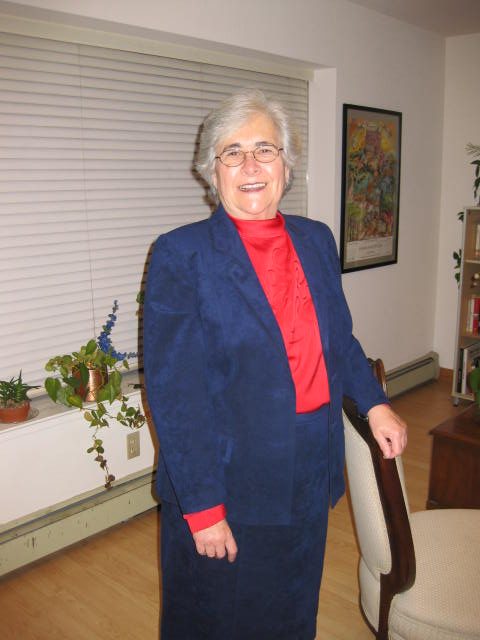
I started learning daf yomi at the beginning of this cycle. As the pandemic evolved, it’s been so helpful to me to have this discipline every morning to listen to the daf podcast after I’ve read the daf; learning about the relationships between the rabbis and the ways they were constructing our Jewish religion after the destruction of the Temple. I’m grateful to be on this journey!
Teaneck NJ, United States
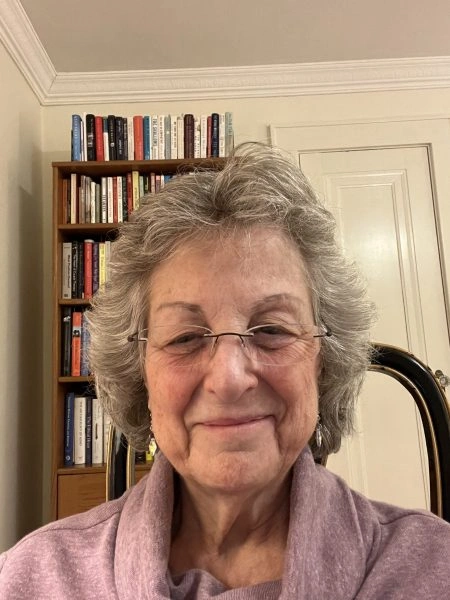
I started learning Daf in Jan 2020 with Brachot b/c I had never seen the Jewish people united around something so positive, and I wanted to be a part of it. Also, I wanted to broaden my background in Torah Shebal Peh- Maayanot gave me a great gemara education, but I knew that I could hold a conversation in most parts of tanach but almost no TSB. I’m so thankful for Daf and have gained immensely.

NJ, United States
After experiences over the years of asking to join gemara shiurim for men and either being refused by the maggid shiur or being the only women there, sometimes behind a mechitza, I found out about Hadran sometime during the tail end of Masechet Shabbat, I think. Life has been much better since then.
London, United Kingdom

Los Angeles, United States
I started learning when my brother sent me the news clip of the celebration of the last Daf Yomi cycle. I was so floored to see so many women celebrating that I wanted to be a part of it. It has been an enriching experience studying a text in a language I don’t speak, using background knowledge that I don’t have. It is stretching my learning in unexpected ways, bringing me joy and satisfaction.
Warwick, Rhode Island, United States
I began daf yomi in January 2020 with Brachot. I had made aliya 6 months before, and one of my post-aliya goals was to complete a full cycle. As a life-long Tanach teacher, I wanted to swim from one side of the Yam shel Torah to the other. Daf yomi was also my sanity through COVID. It was the way to marking the progression of time, and feel that I could grow and accomplish while time stopped.
Givat Zev, Israel

Minnesota, United States
Since I started in January of 2020, Daf Yomi has changed my life. It connects me to Jews all over the world, especially learned women. It makes cooking, gardening, and folding laundry into acts of Torah study. Daf Yomi enables me to participate in a conversation with and about our heritage that has been going on for more than 2000 years.

Skokie, IL, United States
I began Daf Yomi with the last cycle. I was inspired by the Hadran Siyum in Yerushalayim to continue with this cycle. I have learned Daf Yomi with Rabanit Michelle in over 25 countries on 6 continents ( missing Australia)

Silver Spring, MD, United States
Retirement and Covid converged to provide me with the opportunity to commit to daily Talmud study in October 2020. I dove into the middle of Eruvin and continued to navigate Seder Moed, with Rabannit Michelle as my guide. I have developed more confidence in my learning as I completed each masechet and look forward to completing the Daf Yomi cycle so that I can begin again!

San Diego, United States

Blacksburg, United States
I went to day school in Toronto but really began to learn when I attended Brovenders back in the early 1980’s. Last year after talking to my sister who was learning Daf Yomi, inspired, I looked on the computer and the Hadran site came up. I have been listening to each days shiur in the morning as I work. I emphasis listening since I am not sitting with a Gamara. I listen while I work in my studio.
Tekoa, Israel
I began learning the daf in January 2022. I initially “flew under the radar,” sharing my journey with my husband and a few close friends. I was apprehensive – who, me? Gemara? Now, 2 years in, I feel changed. The rigor of a daily commitment frames my days. The intellectual engagement enhances my knowledge. And the virtual community of learners has become a new family, weaving a glorious tapestry.
Far Rockaway, United States
I had dreamed of doing daf yomi since I had my first serious Talmud class 18 years ago at Pardes with Rahel Berkovitz, and then a couple of summers with Leah Rosenthal. There is no way I would be able to do it without another wonderful teacher, Michelle, and the Hadran organization. I wake up and am excited to start each day with the next daf.

Irvine, United States
I started learning when my brother sent me the news clip of the celebration of the last Daf Yomi cycle. I was so floored to see so many women celebrating that I wanted to be a part of it. It has been an enriching experience studying a text in a language I don’t speak, using background knowledge that I don’t have. It is stretching my learning in unexpected ways, bringing me joy and satisfaction.
Warwick, Rhode Island, United States
When we heard that R. Michelle was starting daf yomi, my 11-year-old suggested that I go. Little did she know that she would lose me every morning from then on. I remember standing at the Farbers’ door, almost too shy to enter. After that first class, I said that I would come the next day but couldn’t commit to more. A decade later, I still look forward to learning from R. Michelle every morning.

Ra’anana, Israel
I started learning Gemara at the Yeshivah of Flatbush. And I resumed ‘ברוך ה decades later with Rabbanit Michele at Hadran. I started from Brachot and have had an exciting, rewarding experience throughout seder Moed!

Maale Adumim, Israel
Years ago, I attended the local Siyum HaShas with my high school class. It was inspiring! Through that cycle and the next one, I studied masekhtot on my own and then did “daf yomi practice.” The amazing Hadran Siyum HaShas event firmed my resolve to “really do” Daf Yomi this time. It has become a family goal. We’ve supported each other through challenges, and now we’re at the Siyum of Seder Moed!

Jerusalem, Israel

Oceanside NY, United States
Menachot 52
בְּאֶפְרָהּ אֵין מוֹעֲלִין.
but if one derives benefit from its ashes, one is not liable for misusing consecrated property. It is clear from the baraita that by Torah law one is not liable for misuse of consecrated property if he derives benefit from the ashes of a red heifer.
אָמַר רַב אָשֵׁי: שְׁתֵּי תַּקָּנוֹת הֲוַאי, דְּאוֹרָיְיתָא – בָּהּ מוֹעֲלִין, בְּאֶפְרָהּ אֵין מוֹעֲלִין. כֵּיוָן דַּחֲזוֹ דְּקָא מְזַלְזְלִי בַּהּ, וְקָא עָבְדִי מִינֵּיהּ לְמַכָּתָן – גְּזַרוּ בֵּיהּ מְעִילָה.
Rav Ashi said in response: In fact, this halakha is by Torah law, but there were two ordinances that were enacted concerning this matter. By Torah law, if one derives benefit from it, the animal itself, he is liable for misusing consecrated property, but if he derives benefit from its ashes he is not liable for misusing consecrated property. Once the Sages saw that people were treating the ashes of the heifer disrespectfully, and making salves for their wounds from it, they decreed that it is subject to the halakhot of misuse of consecrated property and one may not derive benefit from it.
כֵּיוָן דַּחֲזוֹ דְּקָא פָּרְשִׁי מִסְּפֵק הַזָּאוֹת, אוֹקְמוּהָ אַדְּאוֹרָיְיתָא.
Once they saw that as a result of this decree people were refraining from sprinkling it in cases where there was uncertainty as to whether or not an individual was impure and required sprinkling, they revoked the decree and established it in accordance with the halakha as it is by Torah law, that one is not liable for misusing the ashes of a red heifer.
תָּנוּ רַבָּנַן: פַּר הֶעְלֵם דָּבָר שֶׁל צִיבּוּר וּשְׂעִירֵי עֲבוֹדָה זָרָה – בַּתְּחִילָּה מַגְבִּין לָהֶן, דִּבְרֵי רַבִּי יְהוּדָה. רַבִּי שִׁמְעוֹן אוֹמֵר: מִתְּרוּמַת הַלִּשְׁכָּה הֵן בָּאִין.
§ The Gemara cites a dispute between Rabbi Shimon and Rabbi Yehuda that is similar to the one cited earlier. The Sages taught in a baraita: If there is a need to sacrifice the bull for an unwitting communal sin, brought if the Sanhedrin issues an erroneous halakhic ruling concerning a prohibition for which one is liable to receive karet and the majority of the community acts upon it, or the goats brought if the Sanhedrin issues an erroneous ruling permitting idol worship and the majority of the community acts on it, a new collection of funds is organized for them. The funds are not taken from the collection of the Temple treasury chamber, unlike other communal offerings. This is the statement of Rabbi Yehuda. Rabbi Shimon says: The funds for these sacrifices come from the collection of the chamber.
וְהָתַנְיָא אִיפְּכָא, הֵי מִינַּיְיהוּ אַחְרִיתָא?
The Gemara challenges: But isn’t it taught in a baraita the opposite, i.e., that the first opinion cited above is that of Rabbi Shimon and the second is that of Rabbi Yehuda? Which of the two baraitot is the later one and therefore the more accurate and authoritative version of their opinions?
אַמְרוּהָ רַבָּנַן קַמֵּיהּ דְּרַב אָשֵׁי: לֵימָא קַמַּיְיתָא אַחְרִיתָא, דְּשָׁמְעִינַן לֵיהּ לְרַבִּי שִׁמְעוֹן דְּחָיֵישׁ לִפְשִׁיעָה.
The Sages said the following before Rav Ashi: Let us say that the first baraita cited above is the later one, as we have heard that Rabbi Shimon is concerned about the possibility of negligence. Just as Rabbi Shimon was concerned above that the heirs of the High Priest would not provide the funds for the griddle-cake offering, it is reasonable to assume that he would be concerned that people would not contribute to a new collection, and therefore the funds are taken from the collection of the chamber.
אֲמַר לְהוּ רַב אָשֵׁי: אֲפִילּוּ תֵּימָא בָּתְרָיְיתָא אַחְרִיתָא, כִּי קָא חָיֵישׁ רַבִּי שִׁמְעוֹן לִפְשִׁיעָה – מִילְּתָא דְּלֵית בְּהוּ כַּפָּרָה בְּגַוַּוהּ, בְּמִילְּתָא דְּאִית לְהוּ כַּפָּרָה בְּגַוַּוהּ – לָא חָיֵישׁ רַבִּי שִׁמְעוֹן לִפְשִׁיעָה.
Rav Ashi said to the Sages: You may even say that the latter baraita cited above is the later and more authoritative one. When Rabbi Shimon expressed that he is concerned about the possibility of people acting with negligence, that was only with regard to a matter that does not provide them with atonement, e.g., the griddle-cake offering of the deceased High Priest. But Rabbi Shimon is not concerned about the possibility of negligence with regard to a matter that does provide them with atonement, e.g., these sin offerings.
מַאי הָוֵי עֲלַהּ?
The Gemara asks, in light of the fact that the discussion above was inconclusive: What conclusion was reached about it; which baraita is later and more authoritative?
אֲמַר לֵיהּ רַבָּה זוּטֵי לְרַב אָשֵׁי: תָּא שְׁמַע, דְּתַנְיָא: ״אֶת קׇרְבָּנִי לַחְמִי לְאִשַּׁי רֵיחַ נִיחֹחִי תִּשְׁמְרוּ לְהַקְרִיב לִי בְּמוֹעֲדוֹ״ – לְרַבּוֹת פַּר הֶעְלֵם דָּבָר שֶׁל צִיבּוּר וּשְׂעִירֵי עֲבוֹדָה זָרָה שֶׁבָּאִין מִתְּרוּמַת הַלִּשְׁכָּה, דִּבְרֵי רַבִּי שִׁמְעוֹן.
Rabba Zuti said to Rav Ashi: Come and hear a resolution, as it is taught in a baraita: The verse concerning the daily sacrifice: “Command the children of Israel, and say to them: My food that is presented to Me for offerings made by fire, of a pleasing aroma to Me, you shall observe to sacrifice to Me in its due season” (Numbers 28:2), serves to include the bull for an unwitting communal sin and the goats of idol worship. This teaches that the funds for these offerings come from the collection of the chamber; this is the statement of Rabbi Shimon. This proves that it is Rabbi Shimon who holds that these sacrifices are brought from the collection of the chamber.
וּשְׁלֵימָה הָיְתָה קְרֵיבָה וְכוּ׳. אָמַר רַבִּי חִיָּיא בַּר אַבָּא: בָּעֵי רַבִּי יוֹחָנָן – שְׁלֵימָה שַׁחֲרִית וּשְׁלֵימָה בֵּין הָעַרְבַּיִם, אוֹ דִילְמָא שְׁלֵימָה שַׁחֲרִית וּבְטֵילָה בֵּין הָעַרְבַּיִם?
§ The mishna teaches: And for the duration of the period until a new High Priest is appointed, the griddle-cake offering was sacrificed as a complete tenth of an ephah of fine flour. Rabbi Ḥiyya bar Abba says that Rabbi Yoḥanan raises a dilemma: Does the mishna mean that a complete tenth of an ephah is offered in the morning and another complete tenth of an ephah is offered in the afternoon, because this offering is sacrificed twice a day and is not divided in half when it is not brought by the High Priest himself? Or does it perhaps mean that a complete tenth of an ephah is sacrificed in the morning and the offering is canceled in the afternoon?
אָמַר רָבָא תָּא שְׁמַע: שְׁמִינִי בַּחֲבִיתִּים, וְאִם אִיתָא דִּבְטֵילָה בֵּין הָעַרְבַּיִם – הָא זִמְנִין דְּלָא מַשְׁכַּח לֵיהּ שְׁמִינִי בַּחֲבִיתִּים! הֵיכִי דָּמֵי? דְּמֵת כֹּהֵן גָּדוֹל וְלֹא מִינּוּ אַחֵר תַּחְתָּיו.
Rava said: Come and hear the resolution to this dilemma from that which is taught in a mishna (Tamid 31b) describing the order of the nine priests who brought the limbs of the daily offering up to the ramp of the altar, both in the morning and in the afternoon: The eighth priest carries the griddle-cake offering of the High Priest. And if it were so that the offering is canceled in the afternoon, then sometimes one would not find the eighth priest carrying the griddle-cake offering. What are the circumstances when there would be no eighth priest? In a case where the High Priest died after he brought his griddle-cake offering in the morning and they did not yet appoint another High Priest in his stead. Therefore, it must be that a complete tenth of an ephah was also brought for the afternoon offering.
אַמְרוּהָ רַבָּנַן קַמֵּיהּ דְּרַבִּי יִרְמְיָה, אֲמַר: בַּבְלָאֵי טַפְשָׁאֵי, מִשּׁוּם (דְּיָתְבוּ) [דְּיָתְבִי] בְּאַתְרָא דַּחֲשׁוֹכָא אָמְרִי שְׁמַעְתָּתָא דִּמְחַשְּׁכָן.
The Sages stated this proof before Rabbi Yirmeya. Rabbi Yirmeya rejected it and said: Those foolish Babylonians, because they dwell in a low-lying and therefore dark land, they state halakhot that are dark, i.e., erroneous.
אֶלָּא, דְּקָתָנֵי: שְׁבִיעִי בַּסֹּלֶת, תְּשִׁיעִי בַּיַּיִן, הָכִי נָמֵי דְּלָא בָּטְלִי?
Rather, with regard to that which the same mishna teaches: The seventh priest carries the fine flour for the meal offering component of the daily offering and the ninth priest carries the wine for the libations that accompany the daily offering, is it also the case that they are never canceled?
״מִנְחָתָם וְנִסְכֵּיהֶם״ בַּלַּיְלָה, ״מִנְחָתָם וְנִסְכֵּיהֶם״ אֲפִילּוּ לְמָחָר.
That is not correct, as it is derived from the verse “Their meal offering and their libations” (Numbers 29:18) that these items may be sacrificed even at night, despite the fact that the daily offering they accompany must be sacrificed during the day. Similarly, the phrase “their meal offering and their libations” indicates that these items may be sacrificed even the next day (see 44b). Under those circumstances there would not have been fine flour and wine brought by the seventh and nine priests at the time of the daily offering.
אֶלָּא, דְּאִי לָא קָתָנֵי; הָכִי נָמֵי, דְּאִי לָא קָתָנֵי.
Rather, one must explain that the tanna does not teach cases of what if, and is speaking only about the typical case. So too with regard to Rava’s proof from the mishna, it is not compelling because the tanna does not teach cases of what if the High Priest dies and a successor has not yet been appointed.
אַהְדְּרוּהָ קַמֵּיהּ דְּרָבָא, אֲמַר: מִבִּישׁוּתִין אָמְרִי קַמַּיְיהוּ, מִטֵּיבוּתִין לָא אָמְרִי קַמַּיְיהוּ.
The Sages then brought Rabbi Yirmeya’s analysis before Rava. Rava initially said to them: You state our inferior statements, which can be refuted, before the Sages of Eretz Yisrael, but you do not state our superior statements before them?
והֲדַר אָמַר רָבָא: הָנֵי נָמֵי טֵיבוּתִין הִיא, אָמַר קְרָא: ״סֹלֶת מִנְחָה תָּמִיד״, הֲרֵי הִיא לְךָ כְּמִנְחַת תְּמִידִין.
And Rava then said to them: This statement, that the griddle-cake offering is sacrificed twice a day even if there is no High Priest, is also one of our superior statements, as the verse states concerning the griddle-cake offering of the High Priest: “Fine flour for a meal offering perpetually [tamid], half of it in the morning, and half of it in the evening” (Leviticus 6:13). This teaches that the griddle-cake offering of the High Priest is like the meal offering component of the daily offerings [temidin] and must be sacrificed in the morning and the afternoon, even if the High Priest died and was not yet replaced.
מַאי הָוֵי עֲלַהּ? אָמַר רַב נַחְמָן בַּר יִצְחָק: תָּא שְׁמַע, דְּתַנְיָא: שְׁלֵימָה שַׁחֲרִית, וּשְׁלֵימָה בֵּין הָעַרְבָּיִם.
The Gemara asks: What halakhic conclusion was reached about this matter? Rav Naḥman bar Yitzḥak said: Come and hear a resolution to Rabbi Yoḥanan’s dilemma, as it is taught explicitly in a baraita: If the High Priest died and was not yet replaced, a complete tenth of an ephah is sacrificed in the morning and another complete tenth of an ephah is sacrificed in the afternoon.
אָמַר רַבִּי יוֹחָנָן: פְּלִיגִי בַּהּ אַבָּא יוֹסֵי בֶּן דּוֹסְתַּאי וְרַבָּנַן.
§ Rabbi Yoḥanan says: Abba Yosei ben Dostai and the Rabbis disagree as to the amount of frankincense brought with the griddle-cake offering of the High Priest.
אַבָּא יוֹסֵי בֶּן דּוֹסְתַּאי אוֹמֵר: מַפְרִישׁ לָהּ שְׁנֵי קְמָצִים שֶׁל לְבוֹנָה, קוֹמֶץ שַׁחֲרִית וְקוֹמֶץ בֵּין הָעַרְבָּיִם. וְרַבָּנַן אָמְרִי: מַפְרִישׁ לָהּ קוֹמֶץ אֶחָד, חֲצִי קוֹמֶץ שַׁחֲרִית וַחֲצִי קוֹמֶץ בֵּין הָעַרְבָּיִם.
Abba Yosei ben Dostai says: The High Priest separates two handfuls of frankincense for his griddle-cake offering each day; one handful for his morning offering and one handful for his afternoon offering. And the Rabbis say: The High Priest separates one handful of frankincense each day for his griddle-cake offering. He divides it in half and brings half a handful for his morning offering and half a handful for his afternoon offering.
בְּמַאי קָמִיפַּלְגִי? אַבָּא יוֹסֵי בֶּן דּוֹסְתַּאי סָבַר: לָא אַשְׁכְּחַן חֲצִי קוֹמֶץ דְּקָרֵיב, וְרַבָּנַן סָבְרִי: לָא אַשְׁכְּחַן עִשָּׂרוֹן דְּבָעֵי שְׁנֵי קְמָצִים.
The Gemara clarifies: With regard to what principle do they disagree? Abba Yosei ben Dostai holds that since one does not find a case where the Torah explicitly states that half a handful is sacrificed, he brings a complete handful for each offering. And the Rabbis hold that since one does not find a case where a tenth of an ephah requires two handfuls of frankincense, he brings only one handful and divides it between the two offerings.
בָּעֵי רַבִּי יוֹחָנָן: כֹּהֵן גָּדוֹל שֶׁמֵּת וְלֹא מִינּוּ אַחֵר תַּחְתָּיו,
Having discussed the quantity of frankincense that is generally brought with the griddle-cake offering, the Gemara now addresses a case where the High Priest died. Rabbi Yoḥanan raises a dilemma: In the case of a High Priest who died and they did not yet appoint another in his stead,
לְרַבָּנַן הוּכְפְּלָה לְבוֹנָתוֹ, אוֹ לָא? מִי אָמְרִינַן: מִתּוֹךְ שֶׁהוּכְפְּלָה סׇלְתּוֹ הוּכְפְּלָה לְבוֹנָתוֹ, אוֹ דִילְמָא מַאי דְּגַלִּי גַּלִּי, מַאי דְּלָא גַּלִּי לָא גַּלִּי.
according to the Rabbis, who hold that generally one handful of frankincense is divided between the morning and afternoon offerings, is the amount of frankincense doubled or not? Do we say that since in this case its fine flour is doubled, as a complete tenth of an ephah of fine flour is sacrificed in both the morning and evening, its frankincense is also doubled? Or perhaps that which the verse reveals, i.e., that a complete tenth of an ephah is sacrificed in the morning and afternoon, it reveals, and that which it does not reveal, it does not reveal; and therefore, since the verse does not indicate that the amount of frankincense is doubled, only one handful is brought.
וְשֶׁמֶן, בֵּין לְאַבָּא יוֹסֵי בֶּן דּוֹסְתַּאי וּבֵין לְרַבָּנַן – מַהוּ?
And furthermore, what is the halakha concerning the oil of the griddle-cake offering in a case where the High Priest died and was not yet replaced, both according to Abba Yosei ben Dostai and according to the Rabbis? Is the required amount three log, as it is when the High Priest brings the griddle-cake offering, or is the amount of oil doubled just as the amount of fine flour is doubled?
אָמַר רָבָא תָּא שְׁמַע: חֲמִשָּׁה קְמָצִין הֵן, וְאִם אִיתָא, זִימְנִין דְּמַשְׁכַּחַתְּ לַהּ שִׁבְעָה.
Rava said: Come and hear a resolution to the dilemma concerning the quantity of frankincense that is brought in this case, based upon a mishna (106b): There are five halakhot pertaining to a handful. The halakha of the frankincense sacrificed with the griddle-cake offering of the High Priest is not included in this number, because only half a handful of frankincense is sacrificed at one time. And if it is so that when there is no High Priest a complete handful is brought in the morning and in the afternoon, then sometimes you find that there are seven halakhot pertaining to a handful.
דְּאִי לָא קָתָנֵי, יָתֵיב רַב פָּפָּא וְקָאָמַר לַהּ לְהָא שְׁמַעְתָּא. אֲמַר לֵיהּ רַב יוֹסֵף בַּר שְׁמַעְיָה לְרַב פָּפָּא: וְהָא מַעֲלֶה קוֹמֶץ בַּחוּץ, דְּאִי הֲוָה, וְקָתָנֵי.
The Gemara rejects this proof: The tanna does not teach cases of what if the High Priest died, and is speaking only about a typical case. The Gemara relates that Rav Pappa was sitting and teaching this halakha. Rav Yosef bar Shemaya said to Rav Pappa: But the mishna does list the case of one who intentionally offers up the handful from a meal offering outside the Temple courtyard, who is liable to receive karet. This is not a standard case but rather a case of what if, and nevertheless it is taught in the mishna. Accordingly, Rava’s proof is valid.
מַאי הָוֵי עֲלַהּ? אָמַר רַב נַחְמָן בַּר יִצְחָק: תָּא שְׁמַע, דְּתַנְיָא: כֹּהֵן גָּדוֹל שֶׁמֵּת וְלֹא מִינּוּ אַחֵר תַּחְתָּיו – שְׁלֵימָה שַׁחֲרִית, וּשְׁלֵימָה בֵּין הָעַרְבָּיִם, וּמַפְרִישׁ לָהּ שְׁנֵי קְמָצִין – קוֹמֶץ שַׁחֲרִית וְקוֹמֶץ בֵּין הָעַרְבָּיִם, וּמַפְרִישׁ לָהּ שְׁלֹשֶׁת לוּגִּין – לוֹג וּמֶחֱצָה שַׁחֲרִית, לוֹג וּמֶחֱצָה בֵּין הָעַרְבָּיִם.
The Gemara asks: What conclusion was reached about this matter? Rav Naḥman bar Yitzḥak said: Come and hear a resolution, as it is taught in a baraita: In the case of a High Priest who died and they did not yet appoint another in his stead, a complete tenth of an ephah of fine flour is brought for the griddle-cake offering in the morning and another complete tenth of an ephah is brought in the afternoon. And one separates two handfuls of frankincense for it, and sacrifices one handful with the morning offering and one handful with the afternoon offering. And one separates three log of oil for it, and brings a log and a half with the morning offering and a log and a half with the afternoon offering.
מַנִּי? אִילֵּימָא רַבָּנַן – מַאי שְׁנָא לְבוֹנָתָהּ דְּהוּכְפְּלָה, וּמַאי שְׁנָא שַׁמְנָהּ דְּלֹא הוּכְפְּלָה?
The Gemara asks: In accordance with whose opinion is this baraita? If we say that it is in accordance with the opinion of the Rabbis, what is different about its frankincense such that it is doubled in the case where the High Priest died, and what is different about its oil such that it is not doubled?
אֶלָּא, אַבָּא יוֹסֵי בֶּן דּוֹסְתַּאי הִיא, דְּאָמַר: חֲבִיתֵּי כֹּהֵן גָּדוֹל בְּעָלְמָא שְׁנֵי קְמָצִין בָּעֲיָא, וּלְבוֹנָה לֹא הוּכְפְּלָה, וְשֶׁמֶן לֹא הוּכְפַּל.
Rather, the baraita is in accordance with the opinion of Abba Yosei ben Dostai, who said: The griddle-cake offering of the High Priest generally requires two handfuls. And therefore when the baraita requires two handfuls of frankincense in the case where the High Priest died and another has not yet been appointed, the frankincense is not being doubled and the oil is also not doubled. Therefore, three log of oil are required, as usual.
וּמִדְּשֶׁמֶן לְאַבָּא יוֹסֵי בֶּן דּוֹסְתַּאי לֹא הוּכְפְּלָה לְבוֹנָתָהּ וְשַׁמְנָהּ, לְרַבָּנַן נָמֵי לָא הוּכְפְּלוּ.
And from the fact that according to Abba Yosei ben Dostai the requisite oil is not doubled, one can conclude that also according to the Rabbis its frankincense and its oil are not doubled.
אָמַר רַבִּי יוֹחָנָן: הֲלָכָה כְּאַבָּא יוֹסֵי בֶּן דּוֹסְתַּאי. וּמִי אָמַר רַבִּי יוֹחָנָן הָכִי? וְהָא אָמַר רַבִּי יוֹחָנָן: הֲלָכָה כִּסְתַם מִשְׁנָה, וּתְנַן: חֲמִשָּׁה קְמָצִין הֵן.
This discussion in the Gemara began with Rabbi Yoḥanan presenting the dispute between Abba Yosei ben Dostai and the Rabbis, and it concludes with his ruling concerning their dispute. Rabbi Yoḥanan says: The halakha is in accordance with the opinion of Abba Yosei ben Dostai. The Gemara asks: And did Rabbi Yoḥanan actually say this? But doesn’t Rabbi Yoḥanan state a principle that the halakha is in accordance with the ruling of an unattributed mishna, and we learned in the unattributed mishna cited earlier: There are only five halakhot pertaining to a handful. Since the mishna does not list the fact that a handful of frankincense is offered twice daily with the griddle-cake offering, how can Rabbi Yoḥanan accept that opinion?
אָמוֹרָאֵי נִינְהוּ, וְאַלִּיבָּא דְּרַבִּי יוֹחָנָן.
The Gemara answers: They are different amora’im, and they disagree with regard to the opinion of Rabbi Yoḥanan. One said that Rabbi Yoḥanan rules in accordance with Abba Yosei ben Dostai, and one said that according to Rabbi Yoḥanan the halakha is always in accordance with an unattributed mishna.
הֲדַרַן עֲלָךְ הַתְּכֵלֶת.
מַתְנִי׳ כׇּל הַמְּנָחוֹת בָּאוֹת מַצָּה, חוּץ מֵחָמֵץ שֶׁבַּתּוֹדָה וּשְׁתֵּי הַלֶּחֶם שֶׁהֵן בָּאוֹת חָמֵץ.
MISHNA: All the meal offerings come to be offered as matza, with care taken to prevent leavening, except for ten loaves of leavened bread among the forty loaves that accompany the thanks offering, and the meal offering of the two loaves that are brought on the festival of Shavuot, as they come to be offered as leavened bread.
רַבִּי מֵאִיר אוֹמֵר: הַשְּׂאוֹר בּוֹדֶה לָהֶן מִתּוֹכָן, וּמְחַמְּצָן.
The Sages disagree as to the manner in which those meal offerings are leavened. Rabbi Meir says: With regard to the leaven added to the dough to facilitate leavening, one separates [bodeh] part of the flour for the meal offerings from within the flour of the meal offerings themselves, causes it to become leaven, and leavens the meal offerings with it.
רַבִּי יְהוּדָה אוֹמֵר: אַף הִיא אֵינָהּ מִן הַמּוּבְחָר, אֶלָּא מֵבִיא אֶת הַשְּׂאוֹר וְנוֹתְנוֹ לְתוֹךְ הַמִּדָּה, וּמְמַלֵּא אֶת הַמִּדָּה. אָמְרוּ לוֹ: אַף הִיא הָיְתָה חֲסֵרָה אוֹ יְתֵרָה.
Rabbi Yehuda says: That is also not the optimal manner in which to fulfill the mitzva, as aged leaven is a more effective leavening agent. Rather, one brings the leaven from another, aged, dough and places it into the measuring vessel, and then he adds flour until he fills the measuring vessel, to ensure the appropriate measure of a tenth of an ephah of flour. The Rabbis said to Rabbi Yehuda: That too is inappropriate, as in that manner the meal offering will either be lacking the requisite measure or be greater than the required measure, as the Gemara will explain.
גְּמָ׳ בְּעָא מִינֵּיהּ רַבִּי פְּרִידָא מֵרַבִּי אַמֵּי: מִנַּיִן לְכׇל הַמְּנָחוֹת שֶׁהֵן בָּאוֹת מַצָּה? מְנָלַן? דִּכְתִיב בַּהּ – כְּתִיב בַּהּ, דְּלָא כְּתִיב בַּהּ – כְּתִיב בַּהּ
GEMARA: Rabbi Perida raised a dilemma before Rabbi Ami: From where is it derived with regard to all the meal offerings that they come to be offered as matza? Rabbi Ami was puzzled by this question, and replied: What do you mean when you say: From where do we derive this? Concerning every meal offering with regard to which it is written explicitly in the Torah that it comes as matza, it is written with regard to it, and therefore the dilemma does not arise. And concerning any meal offering where it is not written explicitly with regard to it that it must be matza, nevertheless it is written with regard to it:

