









This month’s learning is sponsored by Marci Glazer in loving memory of her teacher and chevruta, Rachel Brodie, Rachel Aviva bat Devora Chana, on her 4th yahrzeit. “She brought her love of Torah to thousands of people in her all-too-short life. A lover of Midrash, she still invited me on this Daf Yomi journey.”
Want to dedicate learning? Get started here:

Today’s daily daf tools:
This month’s learning is sponsored by Marci Glazer in loving memory of her teacher and chevruta, Rachel Brodie, Rachel Aviva bat Devora Chana, on her 4th yahrzeit. “She brought her love of Torah to thousands of people in her all-too-short life. A lover of Midrash, she still invited me on this Daf Yomi journey.”
Menachot 53
״זֹאת תּוֹרַת הַמִּנְחָה הַקְרֵב אֹתָהּ בְּנֵי אַהֲרֹן לִפְנֵי ה׳ אֶל פְּנֵי הַמִּזְבֵּחַ. וְהַנּוֹתֶרֶת מִמֶּנָּה יֹאכְלוּ אַהֲרֹן וּבָנָיו מַצּוֹת תֵּאָכֵל״. אֲמַר לֵיהּ: מִצְוָה לָא קָא מִיבַּעְיָא לִי, כִּי קָא מִיבַּעְיָא לִי לְעַכֵּב.
“And this is the law of the meal offering: The sons of Aaron shall sacrifice it before the Lord in front of the altar…And that which is left of it Aaron and his sons shall eat; it shall be eaten as matzot” (Leviticus 6:7–9). These verses demonstrate that there is a general requirement that meal offerings must be brought as matza. Rabbi Perida said to Rabbi Ami: I do not raise the dilemma with regard to the source of the mitzva ab initio, as that is clearly derived from these verses. Where I raise the dilemma, it is with regard to the source that indicates this requirement is indispensable, i.e., that if one violated the mitzva and brought a meal offering not as matza the offering is not valid.
אֲמַר לֵיהּ: לְעַכֵּב, נָמֵי כְּתִיב ״לֹא תֵאָפֶה חָמֵץ״, אֶלָּא מַצָּה.
Rabbi Ami said to Rabbi Perida: With regard to the halakha that the requirement that meal offerings must come as matza is indispensable, it is also written: “It shall not be baked as leavened bread” (Leviticus 6:10), but rather must come as matza. This additional verse indicates that even after the fact, if a meal offering was not made as matza it is not valid.
מַתְקֵיף לַהּ רַב חִסְדָּא: וְאֵימָא ״לֹא תֵאָפֶה חָמֵץ״, אֶלָּא שִׂיאוּר.
Rav Ḥisda objects to this: But one can say that the verse should be interpreted as follows: “It shall not be baked as leavened bread,” i.e., fully leavened, but it can be brought even if it has been leavened slightly with leavening [siur] dough. Although it does not have the status of leavened bread and is therefore not prohibited by the verse, it also does not have the status of matza.
שִׂיאוּר דְּמַאן? אִי דְּרַבִּי מֵאִיר – לְרַבִּי יְהוּדָה מַצָּה מְעַלְּיָא הִיא, אִי דְּרַבִּי יְהוּדָה – לְרַבִּי מֵאִיר חָמֵץ מְעַלְּיָא הוּא.
The Gemara analyzes Rav Ḥisda’s objection, as there is a dispute among the Sages with regard to the definition of siur (see Pesaḥim 48b). According to Rabbi Meir, siur is dough at the beginning of the leavening process, when its surface has become pale. Conversely, Rabbi Yehuda maintains that siur is dough that has been leavened to the point that it has cracks that look like the antennae of locusts. In this light, the Gemara inquires: This siur, mentioned by Rav Ḥisda in his suggested interpretation of the verse, is in accordance with whose opinion? If he is referring to siur as defined by Rabbi Meir, then according to the opinion of Rabbi Yehuda Rav Ḥisda’s objection does not arise, as Rabbi Yehuda maintains this is full-fledged matza. And if Rav Ḥisda is referring to siur as defined by Rabbi Yehuda, then according to the opinion of Rabbi Meir Rav Ḥisda’s objection does not arise either, as Rabbi Meir holds that it is full-fledged leavened bread.
אִי דְּרַבִּי מֵאִיר, לְרַבִּי מֵאִיר – מִדְּלָקֵי עֲלֵיהּ, חָמֵץ הוּא! אֶלָּא דְּרַבִּי יְהוּדָה, לְרַבִּי יְהוּדָה.
Furthermore, if Rav Ḥisda is referring to siur as defined by Rabbi Meir, then even according to the opinion of Rabbi Meir himself the objection does not arise. The reason is that from the fact that Rabbi Meir rules that one who eats this siur on Passover is flogged for it, this indicates that it is deemed full-fledged leavened bread. Rather, Rav Ḥisda’s objection arises with regard to leavening dough as defined by Rabbi Yehuda, according to the opinion of Rabbi Yehuda, who maintains that this dough is not considered full-fledged leavened bread.
מַתְקֵיף לַהּ רַב נַחְמָן בַּר יִצְחָק, וְאֵימָא: ״לֹא תֵאָפֶה חָמֵץ״ – אֶלָּא חָלוּט. חָלוּט מַאי נִיהוּ? רְבִיכָה. אִי דְּאִיכָּא רְבוּכָה – כְּתִיב בָּהּ רְבוּכָה, וְהָא לָא כְּתִיב בָּהּ רְבוּכָה.
Rav Naḥman bar Yitzḥak also objects to Rabbi Ami’s explanation: But one can say that the verse can be interpreted as follows: “It shall not be baked as leavened bread,” but one may bring a meal offering that has been boiled, as this is not leavened bread; although it is also not matza. The Gemara asks: This boiled dough, what is it? It is poached [revikha], as described in the verse: “In a pan it shall be made of oil, when it is soaked [murbekhet]” (Leviticus 6:14). If so, there is no need to derive the halakha of boiled dough from the verse: “It shall not be baked as leavened bread.” If it is a meal offering that must be poached, it is explicitly written with regard to it that it must be poached. And if it is a meal offering that is not to be poached, it is not written with regard to it that it is poached.
וְאֵימָא: דִּכְתִיב בָּהּ רְבוּכָה – מִצְוָה בִּרְבוּכָה, וּדְלָא כְּתִיב בַּהּ רְבוּכָה – אִי בָּעֵי רְבוּכָה לַיְיתֵי, אִי בָּעֵי מַצָּה לַיְיתֵי.
The Gemara challenges: But one can say that the verse: “It shall not be baked as leavened bread,” indicates that with regard to a meal offering about which it is written explicitly that it must be poached, it is a mitzva that it be poached, and with regard to a meal offering about which it is not written that it must be poached, the one who brings the offering can decide: If he wants, let him bring it poached, and if he wants, let him bring it as matza. Accordingly, Rabbi Ami’s proof from the verse is inconclusive.
מַתְקֵיף לַהּ רָבִינָא, וְאֵימָא: ״לֹא תֵאָפֶה חָמֵץ״ – לְמֵיקָם גַּבְרָא בְּלָאו בְּעָלְמָא, וְאִיפְּסוֹלֵי לָא מִיפַּסְלָא?
Ravina also objects to Rabbi Ami’s explanation: But one can say that the verse: “It shall not be baked as leavened bread,” serves to determine that this man who brings a meal offering as leavened bread is liable for violating a mere prohibition, but the meal offering itself is not invalid.
אֶלָּא מְנָלַן? כִּדְתַנְיָא: ״מַצָּה״ – יָכוֹל מִצְוָה? תַּלְמוּד לוֹמַר ״תִּהְיֶה״ – הַכָּתוּב קְבָעָהּ חוֹבָה.
All these objections indicate that the verse: “It shall not be baked as leavened bread,” can be interpreted in ways other than that suggested by Rabbi Ami. Accordingly, the Gemara asks: Rather, from where do we derive that all meal offerings not brought as matza are not valid? The Gemara answers: We derive it as it is taught in a baraita discussing a verse concerning meal offerings: “It shall be of matza” (Leviticus 2:5): One might have thought that it is only a mitzva ab initio for a meal offering to be of matza. Therefore, the verse states: “It shall be,” which indicates that the verse established it as an obligation, i.e., if the meal offering was not brought as matza it is not valid.
בְּעָא מִינַּהּ רַבִּי פְּרִידָא מֵרַבִּי אַמֵּי: מִנַּיִן לְכׇל הַמְּנָחוֹת שֶׁנִּילּוֹשׁוֹת בְּפוֹשְׁרִין, וּמְשַׁמְּרָן שֶׁלֹּא יַחֲמִיצוּ? נִלְמְדֶנָּה מִפֶּסַח, דִּכְתִיב ״וּשְׁמַרְתֶּם אֶת הַמַּצּוֹת״.
§ Rabbi Perida raised another dilemma before Rabbi Ami: From where is it derived with regard to all the meal offerings that must be brought as matza that they are kneaded with lukewarm water so that the dough will be baked well, as only a small amount of oil is added, and that one must watch over them to ensure that they do not become leavened while kneading and shaping them? Shall we derive this halakha from the prohibition concerning leavened bread on the festival of Passover, as it is written: “And you shall watch over the matzot” (Exodus 12:17), which indicates that one must watch over any dough that is supposed to be made into matza, to ensure that it does not become leavened?
אֲמַר לֵיהּ: בְּגוּפַהּ כְּתִיב ״מַצָּה תִּהְיֶה״, הַחְיֶיהָ.
Rabbi Ami said to Rabbi Perida: The halakha of meal offerings is not derived from Passover, as it is written in the context of a meal offering itself: “It shall be [tehiye] of matza” (Leviticus 2:5), which can be read as meaning: Preserve [haḥaye] matza, i.e., preserve the matza as it is, and do not let it become leavened.
וְהָא אַפֵּיקְתֵּיהּ לְעַכֵּב? אִם כֵּן, לִיכְתּוֹב קְרָא ״מַצָּה הִיא״, מַאי ״תִּהְיֶה״? שָׁמְעַתְּ מִינַּהּ תַּרְתֵּי.
The Gemara asks: But didn’t you already derive from the term “it shall be” that the requirement that a meal offering must be made as matza is indispensable? The Gemara answers: If so, that this term serves to teach only one halakha, let the verse write: It is matza. What is the reason that it writes: “It shall be of matza”? Learn from it two conclusions, both that the requirement that it be made as matza is indispensable and that one must watch over the matza to ensure that it does not become leavened.
אָמְרִי לֵיהּ רַבָּנַן לְרַבִּי פְּרִידָא: רַבִּי עֶזְרָא בַּר בְּרֵיהּ דְּרַבִּי אַבְטוֹלָס, דְּהוּא עֲשִׂירִי לְרַבִּי אֶלְעָזָר בֶּן עֲזַרְיָה, דְּהוּא עֲשִׂירִי לְעֶזְרָא, קָאֵי אַבָּבָא. אֲמַר: מַאי כּוּלֵּי הַאי?
§ The Gemara relates an incident that involves the aforementioned Rabbi Perida. The Sages said to Rabbi Perida: The Sage Rabbi Ezra, who is of especially fine lineage, a grandson of Rabbi Avtolus, who in turn is a tenth-generation descendant of Rabbi Elazar ben Azarya, who is a tenth-generation descendant of Ezra the Scribe, is standing and waiting at the gate of the house and seeks entry. Rabbi Perida said to the Sages: What is the need for all this detail about Rabbi Ezra’s lineage?
אִי בַּר אוֹרְיָין הוּא – יָאֵי, אִי בַּר אוֹרְיָין וּבַר אֲבָהָן – יָאֵי, וְאִי בַּר אֲבָהָן וְלָא בַּר אוֹרְיָין – אִישָּׁא תֵּיכְלֵיהּ. אֲמַרוּ לֵיהּ: בַּר אוֹרְיָין הוּא. אֲמַר לְהוּ: לֵיעוּל וְלֵיתֵי.
Rabbi Perida elaborated: If he is a man of Torah study, he is worthy of entry on his own account, regardless of his ancestors. And if he is both a man of Torah study and a man of lineage, he is also worthy of entry. But if he is a man of lineage and not a man of Torah, better for fire to devour him than for him to enter my house. In this case, his lineage is to his detriment, as it highlights his failure to become a Sage like his ancestors. The Sages said to Rabbi Perida: Rabbi Ezra is a man of Torah study. Rabbi Perida said to them: If so, let him enter and come.
חַזְיֵיהּ דַּהֲוָה עֲכִירָא דַּעְתֵּיהּ, פְּתַח וַאֲמַר: ״אָמַרְתְּ לַה׳ אֲדֹנָי אָתָּה טוֹבָתִי בַּל עָלֶיךָ״, אָמְרָה כְּנֶסֶת יִשְׂרָאֵל לִפְנֵי הַקָּדוֹשׁ בָּרוּךְ הוּא: רִבּוֹנוֹ שֶׁל עוֹלָם, הַחֲזֵק לִי טוֹבָה שֶׁהוֹדַעְתִּיךָ בָּעוֹלָם.
When Rabbi Ezra entered his house, Rabbi Perida saw that Rabbi Ezra’s mind was troubled with embarrassment at having to wait outside. Therefore, Rabbi Perida taught a homily to comfort Rabbi Ezra. He began and said an interpretation of the verse: “I have said to the Lord: You are my Lord; I have no good but in You [tovati bal alekha]” (Psalms 16:2). Rabbi Perida interpreted: The congregation of Israel said before the Holy One, Blessed be He: Master of the Universe, give me credit, as I made Your Name known in the world, as indicated by the phrase: “You are my Lord.”
אָמַר לָהּ: ״טוֹבָתִי בַּל עָלֶיךָ״ – אֵינִי מַחְזִיק טוֹבָה אֶלָּא לְאַבְרָהָם יִצְחָק וְיַעֲקֹב, שֶׁהוֹדִיעוּנִי תְּחִלָּה בָּעוֹלָם, שֶׁנֶּאֱמַר: ״לִקְדוֹשִׁים אֲשֶׁר בָּאָרֶץ הֵמָּה וְאַדִּירֵי כׇּל חֶפְצִי בָם״.
God said to the congregation of Israel: I give no credit to you [tovati bal alekha]. God explained: I give credit only to the three Patriarchs, Abraham, Isaac, and Jacob, who were the first who made My Name known in the world, as it is stated: “As for the holy that are in the earth, they are the excellent [ve’addirei] in whom is all My delight” (Psalms 16:3). The holy in the earth are the Patriarchs, in whom God delights. In this manner Rabbi Perida alluded to the importance of the ancestors of the Jewish people, including Ezra the Scribe, from whom Rabbi Ezra was descended.
כֵּיוָן דְּשַׁמְעֵיהּ דְּקָאָמַר ״אַדִּיר״, פָּתַח וְאָמַר: יָבֹא אַדִּיר וְיִפָּרַע לְאַדִּירִים מֵאַדִּירִים בְּאַדִּירִים.
When Rabbi Ezra heard Rabbi Perida say the word: Excellent [addir], he too began a homily, one that plays with different forms of this term, and said: Let the Addir come and exact punishment for the addirim from the addirim in the addirim.
יָבֹא אַדִּיר – זֶה הַקָּדוֹשׁ בָּרוּךְ הוּא, דִּכְתִיב: ״אַדִּיר בַּמָּרוֹם ה׳״. וְיִפָּרַע לְאַדִּירִים – אֵלּוּ יִשְׂרָאֵל, שֶׁנֶּאֱמַר: ״וְאַדִּירֵי כׇּל חֶפְצִי בָם״. מֵאַדִּירִים – אֵלּוּ הַמִּצְרִים, דִּכְתִיב: ״צָלֲלוּ כַּעוֹפֶרֶת בְּמַיִם אַדִּירִים״. בְּאַדִּירִים – אֵלּוּ מַיִם, שֶׁנֶּאֱמַר: ״מִקֹּלוֹת מַיִם רַבִּים אַדִּירִים מִשְׁבְּרֵי יָם״.
Rabbi Ezra explained this statement: With regard to Addir in the phrase: Let the Addir come, this is the Holy One, Blessed be He, as it is written: “The Lord on high is mighty [addir]” (Psalms 93:4). In the phrase: And exact punishment for the addirim, these addirim are the Jews, as it is stated: “The excellent [ve’addirei] in whom is all My delight” (Psalms 16:3). In the phrase: From the addirim, these addirim are the Egyptians, as it is written with regard to the splitting of the Red Sea: “The mighty [addirim] sank as lead in the waters” (Exodus 15:10). In the phrase: In the addirim, these addirim are the waters, as it is stated: “Above the voices of many waters, the mighty [addirim] breakers of the sea” (Psalms 93:4).
יָבֹא יָדִיד בֶּן יָדִיד, וְיִבְנֶה יָדִיד לְיָדִיד בְּחֶלְקוֹ שֶׁל יָדִיד, וְיִתְכַּפְּרוּ בּוֹ יְדִידִים.
Rabbi Ezra stated another, similar, homiletic interpretation: Let yadid, son of yadid, come and build yadid for yadid in the portion of yadid, and let yedidim achieve atonement through it.
יָבֹא יָדִיד – זֶה שְׁלֹמֹה הַמֶּלֶךְ, דִּכְתִיב: ״וַיִּשְׁלַח בְּיַד נָתָן הַנָּבִיא וַיִּקְרָא שְׁמוֹ יְדִידְיָהּ בַּעֲבוּר ה׳״.
Rabbi Ezra explained this statement: With regard to yadid in the phrase: Let yadid, this is King Solomon, as it is written after Solomon’s birth: “And He sent by the hand of Nathan the prophet, and he called his name Yedidya, for the Lord’s sake” (II Samuel 12:25).
בֶּן יָדִיד – זֶה אַבְרָהָם, דִּכְתִיב: ״מֶה לִידִידִי בְּבֵיתִי״, וְיִבְנֶה יָדִיד – זֶה בֵּית הַמִּקְדָּשׁ, דִּכְתִיב: ״מַה יְּדִידוֹת מִשְׁכְּנוֹתֶיךָ״, לְיָדִיד – זֶה הַקָּדוֹשׁ בָּרוּךְ הוּא, דִּכְתִיב: ״אָשִׁירָה נָּא לִידִידִי״,
In the phrase: Son of yadid, this yadid is Abraham, as it is written: “What has My beloved [lididi] to do in My house” (Jeremiah 11:15). This verse is referring to Abraham, as will be explained. In the phrase: And build yadid, this yadid is the Temple, as it is written: “How lovely [yedidot] are Your tabernacles” (Psalms 84:2). And with regard to the term in the phrase: For Yadid, this is the Holy One, Blessed be He, as it is written: “Let me sing of my Beloved [lididi]” (Isaiah 5:1).
בְּחֶלְקוֹ שֶׁל יָדִיד – זֶה בִּנְיָמִין, שֶׁנֶּאֱמַר: ״לְבִנְיָמִין אָמַר יְדִיד ה׳ יִשְׁכֹּן לָבֶטַח עָלָיו״, וְיִתְכַּפְּרוּ בּוֹ יְדִידִים – אֵלּוּ יִשְׂרָאֵל, דִּכְתִיב: ״נָתַתִּי אֶת יְדִידוּת נַפְשִׁי בְּכַף אוֹיְבֶיהָ״.
In the portion of yadid; this yadid is the tribe of Benjamin, in whose territory the Temple was built, as it is stated that Moses blessed Benjamin in the following terms: “Of Benjamin he said: The beloved [yedid] of the Lord shall dwell in safety by Him” (Deuteronomy 33:12). And let yedidim achieve atonement through it; these yedidim are the Jewish people, as it is written with regard to them: “I have given the dearly beloved [yedidut] of My soul into the hand of her enemies” (Jeremiah 12:7).
יָבֹא טוֹב וִיקַבֵּל טוֹב מִטּוֹב לַטּוֹבִים. יָבֹא טוֹב – זֶה מֹשֶׁה, דִּכְתִיב: ״וַתֵּרֶא אוֹתוֹ כִּי טוֹב הוּא״. וִיקַבֵּל טוֹב – זוֹ תּוֹרָה, דִּכְתִיב: ״כִּי לֶקַח טוֹב נָתַתִּי לָכֶם״. מִטּוֹב – זֶה הַקָּדוֹשׁ בָּרוּךְ הוּא, דִּכְתִיב: ״טוֹב ה׳ לַכֹּל״. לַטּוֹבִים – אֵלּוּ יִשְׂרָאֵל, דִּכְתִיב: ״הֵטִיבָה ה׳ לַטּוֹבִים״.
Rabbi Ezra stated another, similar homily: Let the good one come and receive the good from the Good for the good ones. He explained: Let the good one come; this good is Moses, as it is written about him: “And when she saw him that he was a goodly child” (Exodus 2:2). And receive the good; this good is the Torah, as it is written about the Torah: “For I give you a good doctrine; do not forsake my Torah” (Proverbs 4:2). From the Good; this is referring to the Holy One, Blessed be He, as it is written: “The Lord is good to all” (Psalms 145:9). For the good ones; these good ones are the Jews, as it is written with regard to them: “Do good, Lord, to the good ones” (Psalms 125:4).
יָבֹא זֶה וִיקַבֵּל זֹאת מִזֶּה לְעַם זוּ – יָבֹא זֶה – זֶה מֹשֶׁה, דִּכְתִיב: ״כִּי זֶה מֹשֶׁה הָאִישׁ״, וִיקַבֵּל זֹאת – זוֹ הַתּוֹרָה, דִּכְתִיב: ״וְזֹאת הַתּוֹרָה אֲשֶׁר שָׂם מֹשֶׁה״, מִזֶּה – זֶה הַקָּדוֹשׁ בָּרוּךְ הוּא, דִּכְתִיב: ״זֶה אֵלִי וְאַנְוֵהוּ״, לְעַם זוֹ – אֵלּוּ יִשְׂרָאֵל, שֶׁנֶּאֱמַר: ״עַם זוּ קָנִיתָ״.
Rabbi Ezra stated yet another homily structured in a similar manner. Let this one come and receive this from this One for this people. He explained: Let this one come; this is referring to Moses, as it is written about him: “For as for this Moses, the man who brought us up out of the land of Egypt” (Exodus 32:1). And receive this; this is referring to the Torah, as it is written: “And this is the Torah which Moses set before the children of Israel” (Deuteronomy 4:44). From this One; this is referring to the Holy One, Blessed be He, as it is written: “This is my God and I will glorify Him” (Exodus 15:2). For this people; these people are the Jews, as it is stated about them: “This people that You have gotten” (Exodus 15:16).
אָמַר רַבִּי יִצְחָק: בְּשָׁעָה שֶׁחָרַב בֵּית הַמִּקְדָּשׁ, מְצָאוֹ הַקָּדוֹשׁ בָּרוּךְ הוּא לְאַבְרָהָם שֶׁהָיָה עוֹמֵד בְּבֵית הַמִּקְדָּשׁ, אָמַר לוֹ: ״מֶה לִידִידִי בְּבֵיתִי״?
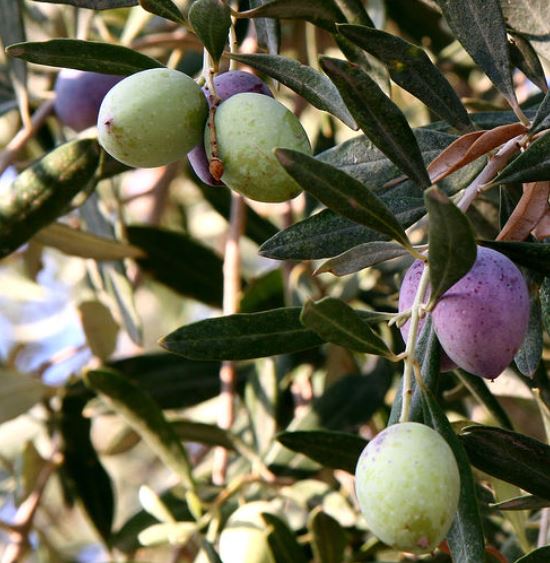
§ It was stated above that the verse: “What has My beloved to do in My house,” is a reference to Abraham. The Gemara homiletically interprets the complete verse and the one after it: “What has My beloved to do in My house, seeing that she has performed lewdness with many, and the hallowed flesh is passed from you? When you do evil, then you rejoice. The Lord called your name a leafy olive tree, fair with goodly fruit; with the sound of a great tumult He has kindled fire upon it, and its branches are broken” (Jeremiah 11:15–16). Rabbi Yitzḥak says: At the time when the First Temple was destroyed, the Holy One, Blessed be He, found Abraham standing in the Temple. He said to Abraham: “What has My beloved to do in My house?”
אָמַר לוֹ עַל עִיסְקֵי בָּנַי בָּאתִי, אָמַר לוֹ: בָּנֶיךָ חָטְאוּ וְגָלוּ, אָמַר לוֹ: שֶׁמָּא בְּשׁוֹגֵג חָטְאוּ? אָמַר לוֹ: ״עֲשׂוֹתָהּ הַמְּזִמָּתָה״, אָמַר לוֹ: שֶׁמָּא מִיעוּטָן חָטְאוּ? אָמַר לוֹ: ״הָרַבִּים״.
Abraham said to God: I have come over matters concerning my children, to discover why God is destroying the Temple and exiling them from Eretz Yisrael. God said to Abraham: The reason is that your children sinned, and therefore they are being exiled from the land. Abraham said to God: Perhaps they sinned unwittingly, and they do not deserve such a terrible punishment. God said to him: “Seeing that she has performed lewdness [hamzimmata],” i.e., her evil actions were intentional. Abraham further said to God: Perhaps only a minority of Jews sinned, and the rest of the people should be spared punishment. God said to him: “With many,” i.e., the majority of the people are culpable.
הָיָה לְךָ לִזְכּוֹר בְּרִית מִילָה, אָמַר לוֹ: ״וּבְשַׂר קֹדֶשׁ יַעַבְרוּ מֵעָלָיִךְ״, אָמַר לוֹ: שֶׁמָּא אִם הִמְתַּנְתָּ לָהֶם הָיוּ חוֹזְרִין בִּתְשׁוּבָה, אָמַר לוֹ: ״כִּי רָעָתֵכִי אָז תַּעֲלֹזִי״.
Abraham continued to contend: Even so, You should have remembered the merit of the covenant of circumcision, which would have protected them from retribution. God said to him: “And the hallowed flesh is passed from you,” as they neglected the mitzva of circumcision. Abraham persisted and said to God: Perhaps if You would have waited for them, they would have returned in repentance. God said to him: “When you do evil then you rejoice.” That is, it is proper for them to be punished without delay, and they should not be given time to repent, since when they sin and are not punished they rejoice and live at ease, and rather than repent they are encouraged to do more evil.
מִיָּד הִנִּיחַ יָדָיו עַל רֹאשׁוֹ, וְהָיָה צוֹעֵק וּבוֹכֶה, וְאָמַר לוֹ: שֶׁמָּא חַס וְשָׁלוֹם אֵין לָהֶם תַּקָּנָה? יָצְתָה בַּת קוֹל וְאָמְרָה לוֹ: ״זַיִת רַעֲנָן יְפֵה פְרִי תֹאַר קָרָא ה׳ שְׁמֵךְ״, מָה זַיִת (זוֹ) [זֶה] אַחֲרִיתוֹ בְּסוֹפוֹ, אַף יִשְׂרָאֵל אַחֲרִיתָן בְּסוֹפָן.
Once all his arguments had been refuted, Abraham immediately placed his hands on his head in an act of mourning, and was screaming and crying. And he said to God: Is it conceivable, Heaven forbid, that the Jewish people have no further opportunity for remedy? A Divine Voice emerged and said to him the continuation of the verse: “The Lord called your name a leafy olive tree, fair with goodly fruit.” Just as with regard to this olive tree, its final purpose is fulfilled at its end, when its fruit is picked, so too, with regard to the Jewish people, their final purpose will be fulfilled at their end, i.e., they will ultimately repent and return to Me.
״לְקוֹל הֲמוּלָּה גְדֹלָה הִצִּית אֵשׁ עָלֶיהָ וְרָעוּ דָּלִיּוֹתָיו״, אָמַר רַבִּי חִינָּנָא בַּר פָּפָּא: לְקוֹל מִילֵּיהֶן שֶׁל מְרַגְּלִים נִיתְרוֹעֲעוּ דָּלִיּוֹתֵיהֶן שֶׁל יִשְׂרָאֵל, דְּאָמַר רַבִּי חִינָּנָא בַּר פָּפָּא: דָּבָר גָּדוֹל דִּבְּרוּ מְרַגְּלִים בְּאוֹתָהּ שָׁעָה, ״כִּי חָזָק הוּא מִמֶּנוּ״ – אַל תִּיקְרֵי ״מִמֶּנוּ״ אֶלָּא ״מִמֶּנּוּ״, כִּבְיָכוֹל, שֶׁאֲפִילּוּ בַּעַל הַבַּיִת אֵינוֹ יָכוֹל לְהוֹצִיא כֵּלָיו מִשָּׁם.
The Gemara analyzes the last part of the same verse: “With the sound of a great tumult [hamulla] He has kindled fire upon it, and its branches [daliyyotav] are broken” (Jeremiah 11:16). Rabbi Ḥinnana bar Pappa says: From the sound of the words [milleihen] of the spies that Moses sent to Eretz Yisrael and who brought back an evil report, the branches of the Jewish people were broken. As Rabbi Ḥinnana bar Pappa says: The spies said a serious statement at that moment: “They are stronger than us” (Numbers 13:31). Do not read the phrase as: “Stronger than us [mimmenu],” but rather read it as: Stronger than Him [mimmennu], meaning that even the Homeowner, God, is unable to remove His belongings from there, as it were. The spies were speaking heresy and claiming that the Canaanites were stronger than God Himself.
מַתְקֵיף לַהּ רַבִּי חִיָּיא בְּרַבִּי חִינָּנָא: הַאי ״לְקוֹל הֲמוּלָּה גְדֹלָה״, ״לְקוֹל מִלָּה״ מִיבַּעְיָא לֵיהּ! אֶלָּא, אָמַר לוֹ הַקָּדוֹשׁ בָּרוּךְ הוּא לְאַבְרָהָם: קוֹלְךָ שָׁמַעְתִּי וְחָמַלְתִּי עֲלֵיהֶם, אֲנִי אָמַרְתִּי יִשְׁתַּעְבְּדוּ בְּאַרְבַּע מַלְכִיּוֹת, כׇּל אַחַת וְאַחַת כְּשִׁיעוּר אַרְבַּע מַלְכִיּוֹת.
Rabbi Ḥiyya, son of Rabbi Ḥinnana, objects to this interpretation. This phrase: “With the sound of a great tumult [hamulla],” is problematic according to your claim that it is a reference to the words of the spies. According to your interpretation, it should have stated: With the sound of a word [mila]. Rather, Rabbi Ḥiyya interprets this phrase in accordance with the earlier explanation that these verses are referring to Abraham’s discussion with God at the time of the destruction of the Temple. The Holy One, Blessed be He, said to Abraham: I heard your voice, and I took pity [ḥamalti] on the Jewish people and will punish them less harshly. I had previously said that the Jews will be subjugated by four kingdoms: Babylonia, Persia, Greece, and Rome, and each and every one of these kingdoms will subjugate them for the measure of time I had originally set for their subjugation to all four kingdoms put together.
הַשְׁתָּא, כֹּל חֲדָא וַחֲדָא מַאי דִּפְסִיק לַהּ. וְאִיכָּא דְּאָמְרִי: אֲנִי אָמַרְתִּי בְּזֶה אַחַר זֶה, עַכְשָׁיו בְּבַת אַחַת.
But now that you have prayed for them, the Jewish people will be subjugated to each one of these four kingdoms only for the amount of time stipulated for each one separately. And there are those who say that God said the following to Abraham: I initially said that these kingdoms will rule over the Jews one after the other, each of them for a separate period. Now I decree that their dominion shall occur simultaneously in different geographical regions, which will shorten the overall duration of the subjugation.
אָמַר רַבִּי יְהוֹשֻׁעַ בֶּן לֵוִי: לָמָּה נִמְשְׁלוּ יִשְׂרָאֵל לְזַיִת? לוֹמַר לְךָ: מָה זַיִת אֵין עָלָיו נוֹשְׁרִין, לֹא בִּימוֹת הַחַמָּה וְלֹא בִּימוֹת הַגְּשָׁמִים, אַף יִשְׂרָאֵל אֵין לָהֶם בְּטֵילָה עוֹלָמִית, לֹא בָּעוֹלָם הַזֶּה וְלֹא בָּעוֹלָם הַבָּא. וְאָמַר רַבִּי יוֹחָנָן: לָמָּה נִמְשְׁלוּ יִשְׂרָאֵל לְזַיִת? לוֹמַר לְךָ: מָה זַיִת אֵינוֹ מוֹצִיא שַׁמְנוֹ אֶלָּא עַל יְדֵי כְּתִיתָה, אַף יִשְׂרָאֵל אֵין חוֹזְרִין לְמוּטָב אֶלָּא עַל יְדֵי יִסּוּרִין.
The verse in Jeremiah compares the Jewish people to an olive tree: “The Lord called your name a leafy olive tree.” Rabbi Yehoshua ben Levi says: Why were the Jewish people likened to an olive tree? It is to tell you that just as the leaves of an olive tree never fall off, neither in the summer nor in the rainy season, so too, the Jewish people will never be nullified, neither in this world nor in the World-to-Come. And Rabbi Yoḥanan says: Why were the Jewish people likened to an olive tree? It is to tell you that just as an olive tree brings forth its oil only by means of crushing and breaking, so too, the Jewish people, if they sin, return to good ways only by means of suffering.
רַבִּי מֵאִיר אוֹמֵר: הַשְּׂאוֹר בּוֹדֶה לָהֶן מִתּוֹכָן וּמְחַמְּיצָן [וְכוּ׳]. מַאי ״חֲסֵירָה אוֹ יְתֵירָה״?
§ The mishna teaches that Rabbi Meir says: With regard to the leaven added to the dough to facilitate leavening, one separates part of the flour for the meal offerings from within the flour of the meal offerings themselves and leavens the meal offerings with it. Rabbi Yehuda maintains that one brings the leaven from another, aged, dough. The Rabbis subsequently questioned Rabbi Yehuda’s opinion, claiming that according to his ruling the measure of the meal offering would be lacking or would be greater than required. The Gemara inquires: What is the meaning of: Lacking or greater?
אָמַר רַב חִסְדָּא: עִיסַּת הַשְּׂאוֹר עָבֶה – נִמְצֵאת יְתֵירָה מִדַּת הָעִשָּׂרוֹן, רַכָּה – נִמְצֵאת חֲסֵירָה.
Rav Ḥisda said: If the leavening dough that was brought from elsewhere is stiff, as its flour was mixed with a small amount of water, and it is relatively small in volume, when this stiff leaven is measured with the fine flour, the amount of fine flour for the meal offering is found to be greater than a tenth of an ephah when the measuring vessel is filled. This is because it will be necessary to add more flour to make up for the small volume of leavening dough. Conversely, if the leavening dough is soft, i.e., its flour was mixed with a larger amount of water, its volume will be larger than it should be, which will mean that the measuring vessel will be filled with less fine flour than normal, and the amount of flour is found to be lacking.
סוֹף סוֹף, כִּי קָא כָיֵיל לְעִשָּׂרוֹן קָא כָיֵיל.
The Gemara raises a difficulty with the interpretation of Rav Ḥisda: Why does it matter if the leavening dough is stiff or soft? Ultimately, when the one preparing the meal offering measures the leaven brought from elsewhere together with the fine flour used for the meal offering, he measures and reaches the requisite amount of a tenth of an ephah, as the measure is full either way.
רַבָּה וְרַב יוֹסֵף דְּאָמְרִי תַּרְוַיְיהוּ: לִכְמוֹת שֶׁהֵן (הָיְתָה) מְשַׁעֲרִינַן.
Rabba and Rav Yosef both say: In order to achieve the appropriate measure it is necessary to know how much flour the substance contained before water was added and it became dough. The reason is that one measures the tenth of an ephah in accordance with the amount there was of the flour of the leavening dough before it was mixed with water, together with the fine flour of the meal offering, and not in accordance with their present volume.
וְלִישְׁקוֹל פּוּרְתָּא מִינֵּיהּ, וְלַיחְמְצֵיהּ מֵאַבָּרַאי, וְלַיְתְיַהּ וְנִילוּשֵׁיהּ בַּהֲדֵיהּ? גְּזֵירָה, דִּלְמָא אָתֵי לְאֵיתוֹיֵי מֵעָלְמָא.
The Gemara asks: But even according to the opinion of Rabbis, who hold that Rabbi Yehuda’s method may not be used because the amount might be lacking or be greater than it should be, let him take a little fine flour from the tenth of an ephah after it has been measured and found to be the requisite amount, and leaven it thoroughly outside the rest of the dough, and afterward bring it and knead it together with the rest of the dough. In this way it is possible to bring leaven from the outside and to be certain that the meal offering contains exactly the correct measure. The Gemara answers: One cannot proceed in this manner, due to a rabbinic decree. The reason for this decree is that people who would see this practice might mistakenly think that the leavened portion was not part of the original fine flour, and perhaps they will come to bring leavening dough for their meal offerings from elsewhere, i.e., leavening dough that has not been consecrated for the meal offering.
תָּנוּ רַבָּנַן: אֵין מַחְמִיצִין
§ The Sages taught in a baraita: One may not leaven the meal offerings that come as leavened bread

Today’s daily daf tools:
Delve Deeper
Broaden your understanding of the topics on this daf with classes and podcasts from top women Talmud scholars.




New to Talmud?
Check out our resources designed to help you navigate a page of Talmud – and study at the pace, level and style that fits you.
The Hadran Women’s Tapestry
Meet the diverse women learning Gemara at Hadran and hear their stories.
I began learning with Rabbanit Michelle’s wonderful Talmud Skills class on Pesachim, which really enriched my Pesach seder, and I have been learning Daf Yomi off and on over the past year. Because I’m relatively new at this, there is a “chiddush” for me every time I learn, and the knowledge and insights of the group members add so much to my experience. I feel very lucky to be a part of this.
Karmiel, Israel
In January 2020, my teaching partner at IDC suggested we do daf yomi. Thanks to her challenge, I started learning daily from Rabbanit Michelle. It’s a joy to be part of the Hadran community. (It’s also a tikkun: in 7th grade, my best friend and I tied for first place in a citywide gemara exam, but we weren’t invited to the celebration because girls weren’t supposed to be learning gemara).

Jerusalem, Israel

Jerusalem, Israel
I learned Mishnayot more than twenty years ago and started with Gemara much later in life. Although I never managed to learn Daf Yomi consistently, I am learning since some years Gemara in depth and with much joy. Since last year I am studying at the International Halakha Scholars Program at the WIHL. I often listen to Rabbanit Farbers Gemara shiurim to understand better a specific sugyiah. I am grateful for the help and inspiration!

Berlin, Germany

Minnesota, United States
I’ve been wanting to do Daf Yomi for years, but always wanted to start at the beginning and not in the middle of things. When the opportunity came in 2020, I decided: “this is now the time!” I’ve been posting my journey daily on social media, tracking my progress (#DafYomi); now it’s fully integrated into my daily routines. I’ve also inspired my partner to join, too!

Teaneck, United States
I started my Daf Yomi journey at the beginning of the COVID19 pandemic.

Los Angeles, United States

Tel Aviv, Israel

Los Angeles, United States

Oceanside NY, United States
Having never learned Talmud before, I started Daf Yomi in hopes of connecting to the Rabbinic tradition, sharing a daily idea on Instagram (@dafyomiadventures). With Hadran and Sefaria, I slowly gained confidence in my skills and understanding. Now, part of the Pardes Jewish Educators Program, I can’t wait to bring this love of learning with me as I continue to pass it on to my future students.

Pennsylvania, United States

Bronx, United States
It happened without intent (so am I yotzei?!) – I watched the women’s siyum live and was so moved by it that the next morning, I tuned in to Rabbanit Michelle’s shiur, and here I am, still learning every day, over 2 years later. Some days it all goes over my head, but others I grasp onto an idea or a story, and I ‘get it’ and that’s the best feeling in the world. So proud to be a Hadran learner.

Zichron Yaakov, Israel
In January 2020, my teaching partner at IDC suggested we do daf yomi. Thanks to her challenge, I started learning daily from Rabbanit Michelle. It’s a joy to be part of the Hadran community. (It’s also a tikkun: in 7th grade, my best friend and I tied for first place in a citywide gemara exam, but we weren’t invited to the celebration because girls weren’t supposed to be learning gemara).
Jerusalem, Israel
I heard the new Daf Yomi cycle was starting and I was curious, so I searched online for a women’s class and was pleasently surprised to find Rabanit Michelle’s great class reviews in many online articles. It has been a splendid journey. It is a way to fill my days with Torah, learning so many amazing things I have never heard before during my Tanach learning at High School. Thanks so much .

Panama, Panama
I went to day school in Toronto but really began to learn when I attended Brovenders back in the early 1980’s. Last year after talking to my sister who was learning Daf Yomi, inspired, I looked on the computer and the Hadran site came up. I have been listening to each days shiur in the morning as I work. I emphasis listening since I am not sitting with a Gamara. I listen while I work in my studio.

Tekoa, Israel
I started learning after the siyum hashas for women and my daily learning has been a constant over the last two years. It grounded me during the chaos of Corona while providing me with a community of fellow learners. The Daf can be challenging but it’s filled with life’s lessons, struggles and hope for a better world. It’s not about the destination but rather about the journey. Thank you Hadran!

אפרת, Israel
Hadran entered my life after the last Siyum Hashaas, January 2020. I was inspired and challenged simultaneously, having never thought of learning Gemara. With my family’s encouragement, I googled “daf yomi for women”. A perfecr fit!
I especially enjoy when Rabbanit Michelle connects the daf to contemporary issues to share at the shabbat table e.g: looking at the Kohen during duchaning. Toda rabba

Jerusalem, Israel
I had dreamed of doing daf yomi since I had my first serious Talmud class 18 years ago at Pardes with Rahel Berkovitz, and then a couple of summers with Leah Rosenthal. There is no way I would be able to do it without another wonderful teacher, Michelle, and the Hadran organization. I wake up and am excited to start each day with the next daf.

Irvine, United States

Ontario, Canada
Menachot 53
״זֹאת תּוֹרַת הַמִּנְחָה הַקְרֵב אֹתָהּ בְּנֵי אַהֲרֹן לִפְנֵי ה׳ אֶל פְּנֵי הַמִּזְבֵּחַ. וְהַנּוֹתֶרֶת מִמֶּנָּה יֹאכְלוּ אַהֲרֹן וּבָנָיו מַצּוֹת תֵּאָכֵל״. אֲמַר לֵיהּ: מִצְוָה לָא קָא מִיבַּעְיָא לִי, כִּי קָא מִיבַּעְיָא לִי לְעַכֵּב.
“And this is the law of the meal offering: The sons of Aaron shall sacrifice it before the Lord in front of the altar…And that which is left of it Aaron and his sons shall eat; it shall be eaten as matzot” (Leviticus 6:7–9). These verses demonstrate that there is a general requirement that meal offerings must be brought as matza. Rabbi Perida said to Rabbi Ami: I do not raise the dilemma with regard to the source of the mitzva ab initio, as that is clearly derived from these verses. Where I raise the dilemma, it is with regard to the source that indicates this requirement is indispensable, i.e., that if one violated the mitzva and brought a meal offering not as matza the offering is not valid.
אֲמַר לֵיהּ: לְעַכֵּב, נָמֵי כְּתִיב ״לֹא תֵאָפֶה חָמֵץ״, אֶלָּא מַצָּה.
Rabbi Ami said to Rabbi Perida: With regard to the halakha that the requirement that meal offerings must come as matza is indispensable, it is also written: “It shall not be baked as leavened bread” (Leviticus 6:10), but rather must come as matza. This additional verse indicates that even after the fact, if a meal offering was not made as matza it is not valid.
מַתְקֵיף לַהּ רַב חִסְדָּא: וְאֵימָא ״לֹא תֵאָפֶה חָמֵץ״, אֶלָּא שִׂיאוּר.
Rav Ḥisda objects to this: But one can say that the verse should be interpreted as follows: “It shall not be baked as leavened bread,” i.e., fully leavened, but it can be brought even if it has been leavened slightly with leavening [siur] dough. Although it does not have the status of leavened bread and is therefore not prohibited by the verse, it also does not have the status of matza.
שִׂיאוּר דְּמַאן? אִי דְּרַבִּי מֵאִיר – לְרַבִּי יְהוּדָה מַצָּה מְעַלְּיָא הִיא, אִי דְּרַבִּי יְהוּדָה – לְרַבִּי מֵאִיר חָמֵץ מְעַלְּיָא הוּא.
The Gemara analyzes Rav Ḥisda’s objection, as there is a dispute among the Sages with regard to the definition of siur (see Pesaḥim 48b). According to Rabbi Meir, siur is dough at the beginning of the leavening process, when its surface has become pale. Conversely, Rabbi Yehuda maintains that siur is dough that has been leavened to the point that it has cracks that look like the antennae of locusts. In this light, the Gemara inquires: This siur, mentioned by Rav Ḥisda in his suggested interpretation of the verse, is in accordance with whose opinion? If he is referring to siur as defined by Rabbi Meir, then according to the opinion of Rabbi Yehuda Rav Ḥisda’s objection does not arise, as Rabbi Yehuda maintains this is full-fledged matza. And if Rav Ḥisda is referring to siur as defined by Rabbi Yehuda, then according to the opinion of Rabbi Meir Rav Ḥisda’s objection does not arise either, as Rabbi Meir holds that it is full-fledged leavened bread.
אִי דְּרַבִּי מֵאִיר, לְרַבִּי מֵאִיר – מִדְּלָקֵי עֲלֵיהּ, חָמֵץ הוּא! אֶלָּא דְּרַבִּי יְהוּדָה, לְרַבִּי יְהוּדָה.
Furthermore, if Rav Ḥisda is referring to siur as defined by Rabbi Meir, then even according to the opinion of Rabbi Meir himself the objection does not arise. The reason is that from the fact that Rabbi Meir rules that one who eats this siur on Passover is flogged for it, this indicates that it is deemed full-fledged leavened bread. Rather, Rav Ḥisda’s objection arises with regard to leavening dough as defined by Rabbi Yehuda, according to the opinion of Rabbi Yehuda, who maintains that this dough is not considered full-fledged leavened bread.
מַתְקֵיף לַהּ רַב נַחְמָן בַּר יִצְחָק, וְאֵימָא: ״לֹא תֵאָפֶה חָמֵץ״ – אֶלָּא חָלוּט. חָלוּט מַאי נִיהוּ? רְבִיכָה. אִי דְּאִיכָּא רְבוּכָה – כְּתִיב בָּהּ רְבוּכָה, וְהָא לָא כְּתִיב בָּהּ רְבוּכָה.
Rav Naḥman bar Yitzḥak also objects to Rabbi Ami’s explanation: But one can say that the verse can be interpreted as follows: “It shall not be baked as leavened bread,” but one may bring a meal offering that has been boiled, as this is not leavened bread; although it is also not matza. The Gemara asks: This boiled dough, what is it? It is poached [revikha], as described in the verse: “In a pan it shall be made of oil, when it is soaked [murbekhet]” (Leviticus 6:14). If so, there is no need to derive the halakha of boiled dough from the verse: “It shall not be baked as leavened bread.” If it is a meal offering that must be poached, it is explicitly written with regard to it that it must be poached. And if it is a meal offering that is not to be poached, it is not written with regard to it that it is poached.
וְאֵימָא: דִּכְתִיב בָּהּ רְבוּכָה – מִצְוָה בִּרְבוּכָה, וּדְלָא כְּתִיב בַּהּ רְבוּכָה – אִי בָּעֵי רְבוּכָה לַיְיתֵי, אִי בָּעֵי מַצָּה לַיְיתֵי.
The Gemara challenges: But one can say that the verse: “It shall not be baked as leavened bread,” indicates that with regard to a meal offering about which it is written explicitly that it must be poached, it is a mitzva that it be poached, and with regard to a meal offering about which it is not written that it must be poached, the one who brings the offering can decide: If he wants, let him bring it poached, and if he wants, let him bring it as matza. Accordingly, Rabbi Ami’s proof from the verse is inconclusive.
מַתְקֵיף לַהּ רָבִינָא, וְאֵימָא: ״לֹא תֵאָפֶה חָמֵץ״ – לְמֵיקָם גַּבְרָא בְּלָאו בְּעָלְמָא, וְאִיפְּסוֹלֵי לָא מִיפַּסְלָא?
Ravina also objects to Rabbi Ami’s explanation: But one can say that the verse: “It shall not be baked as leavened bread,” serves to determine that this man who brings a meal offering as leavened bread is liable for violating a mere prohibition, but the meal offering itself is not invalid.
אֶלָּא מְנָלַן? כִּדְתַנְיָא: ״מַצָּה״ – יָכוֹל מִצְוָה? תַּלְמוּד לוֹמַר ״תִּהְיֶה״ – הַכָּתוּב קְבָעָהּ חוֹבָה.
All these objections indicate that the verse: “It shall not be baked as leavened bread,” can be interpreted in ways other than that suggested by Rabbi Ami. Accordingly, the Gemara asks: Rather, from where do we derive that all meal offerings not brought as matza are not valid? The Gemara answers: We derive it as it is taught in a baraita discussing a verse concerning meal offerings: “It shall be of matza” (Leviticus 2:5): One might have thought that it is only a mitzva ab initio for a meal offering to be of matza. Therefore, the verse states: “It shall be,” which indicates that the verse established it as an obligation, i.e., if the meal offering was not brought as matza it is not valid.
בְּעָא מִינַּהּ רַבִּי פְּרִידָא מֵרַבִּי אַמֵּי: מִנַּיִן לְכׇל הַמְּנָחוֹת שֶׁנִּילּוֹשׁוֹת בְּפוֹשְׁרִין, וּמְשַׁמְּרָן שֶׁלֹּא יַחֲמִיצוּ? נִלְמְדֶנָּה מִפֶּסַח, דִּכְתִיב ״וּשְׁמַרְתֶּם אֶת הַמַּצּוֹת״.
§ Rabbi Perida raised another dilemma before Rabbi Ami: From where is it derived with regard to all the meal offerings that must be brought as matza that they are kneaded with lukewarm water so that the dough will be baked well, as only a small amount of oil is added, and that one must watch over them to ensure that they do not become leavened while kneading and shaping them? Shall we derive this halakha from the prohibition concerning leavened bread on the festival of Passover, as it is written: “And you shall watch over the matzot” (Exodus 12:17), which indicates that one must watch over any dough that is supposed to be made into matza, to ensure that it does not become leavened?
אֲמַר לֵיהּ: בְּגוּפַהּ כְּתִיב ״מַצָּה תִּהְיֶה״, הַחְיֶיהָ.
Rabbi Ami said to Rabbi Perida: The halakha of meal offerings is not derived from Passover, as it is written in the context of a meal offering itself: “It shall be [tehiye] of matza” (Leviticus 2:5), which can be read as meaning: Preserve [haḥaye] matza, i.e., preserve the matza as it is, and do not let it become leavened.
וְהָא אַפֵּיקְתֵּיהּ לְעַכֵּב? אִם כֵּן, לִיכְתּוֹב קְרָא ״מַצָּה הִיא״, מַאי ״תִּהְיֶה״? שָׁמְעַתְּ מִינַּהּ תַּרְתֵּי.
The Gemara asks: But didn’t you already derive from the term “it shall be” that the requirement that a meal offering must be made as matza is indispensable? The Gemara answers: If so, that this term serves to teach only one halakha, let the verse write: It is matza. What is the reason that it writes: “It shall be of matza”? Learn from it two conclusions, both that the requirement that it be made as matza is indispensable and that one must watch over the matza to ensure that it does not become leavened.
אָמְרִי לֵיהּ רַבָּנַן לְרַבִּי פְּרִידָא: רַבִּי עֶזְרָא בַּר בְּרֵיהּ דְּרַבִּי אַבְטוֹלָס, דְּהוּא עֲשִׂירִי לְרַבִּי אֶלְעָזָר בֶּן עֲזַרְיָה, דְּהוּא עֲשִׂירִי לְעֶזְרָא, קָאֵי אַבָּבָא. אֲמַר: מַאי כּוּלֵּי הַאי?
§ The Gemara relates an incident that involves the aforementioned Rabbi Perida. The Sages said to Rabbi Perida: The Sage Rabbi Ezra, who is of especially fine lineage, a grandson of Rabbi Avtolus, who in turn is a tenth-generation descendant of Rabbi Elazar ben Azarya, who is a tenth-generation descendant of Ezra the Scribe, is standing and waiting at the gate of the house and seeks entry. Rabbi Perida said to the Sages: What is the need for all this detail about Rabbi Ezra’s lineage?
אִי בַּר אוֹרְיָין הוּא – יָאֵי, אִי בַּר אוֹרְיָין וּבַר אֲבָהָן – יָאֵי, וְאִי בַּר אֲבָהָן וְלָא בַּר אוֹרְיָין – אִישָּׁא תֵּיכְלֵיהּ. אֲמַרוּ לֵיהּ: בַּר אוֹרְיָין הוּא. אֲמַר לְהוּ: לֵיעוּל וְלֵיתֵי.
Rabbi Perida elaborated: If he is a man of Torah study, he is worthy of entry on his own account, regardless of his ancestors. And if he is both a man of Torah study and a man of lineage, he is also worthy of entry. But if he is a man of lineage and not a man of Torah, better for fire to devour him than for him to enter my house. In this case, his lineage is to his detriment, as it highlights his failure to become a Sage like his ancestors. The Sages said to Rabbi Perida: Rabbi Ezra is a man of Torah study. Rabbi Perida said to them: If so, let him enter and come.
חַזְיֵיהּ דַּהֲוָה עֲכִירָא דַּעְתֵּיהּ, פְּתַח וַאֲמַר: ״אָמַרְתְּ לַה׳ אֲדֹנָי אָתָּה טוֹבָתִי בַּל עָלֶיךָ״, אָמְרָה כְּנֶסֶת יִשְׂרָאֵל לִפְנֵי הַקָּדוֹשׁ בָּרוּךְ הוּא: רִבּוֹנוֹ שֶׁל עוֹלָם, הַחֲזֵק לִי טוֹבָה שֶׁהוֹדַעְתִּיךָ בָּעוֹלָם.
When Rabbi Ezra entered his house, Rabbi Perida saw that Rabbi Ezra’s mind was troubled with embarrassment at having to wait outside. Therefore, Rabbi Perida taught a homily to comfort Rabbi Ezra. He began and said an interpretation of the verse: “I have said to the Lord: You are my Lord; I have no good but in You [tovati bal alekha]” (Psalms 16:2). Rabbi Perida interpreted: The congregation of Israel said before the Holy One, Blessed be He: Master of the Universe, give me credit, as I made Your Name known in the world, as indicated by the phrase: “You are my Lord.”
אָמַר לָהּ: ״טוֹבָתִי בַּל עָלֶיךָ״ – אֵינִי מַחְזִיק טוֹבָה אֶלָּא לְאַבְרָהָם יִצְחָק וְיַעֲקֹב, שֶׁהוֹדִיעוּנִי תְּחִלָּה בָּעוֹלָם, שֶׁנֶּאֱמַר: ״לִקְדוֹשִׁים אֲשֶׁר בָּאָרֶץ הֵמָּה וְאַדִּירֵי כׇּל חֶפְצִי בָם״.
God said to the congregation of Israel: I give no credit to you [tovati bal alekha]. God explained: I give credit only to the three Patriarchs, Abraham, Isaac, and Jacob, who were the first who made My Name known in the world, as it is stated: “As for the holy that are in the earth, they are the excellent [ve’addirei] in whom is all My delight” (Psalms 16:3). The holy in the earth are the Patriarchs, in whom God delights. In this manner Rabbi Perida alluded to the importance of the ancestors of the Jewish people, including Ezra the Scribe, from whom Rabbi Ezra was descended.
כֵּיוָן דְּשַׁמְעֵיהּ דְּקָאָמַר ״אַדִּיר״, פָּתַח וְאָמַר: יָבֹא אַדִּיר וְיִפָּרַע לְאַדִּירִים מֵאַדִּירִים בְּאַדִּירִים.
When Rabbi Ezra heard Rabbi Perida say the word: Excellent [addir], he too began a homily, one that plays with different forms of this term, and said: Let the Addir come and exact punishment for the addirim from the addirim in the addirim.
יָבֹא אַדִּיר – זֶה הַקָּדוֹשׁ בָּרוּךְ הוּא, דִּכְתִיב: ״אַדִּיר בַּמָּרוֹם ה׳״. וְיִפָּרַע לְאַדִּירִים – אֵלּוּ יִשְׂרָאֵל, שֶׁנֶּאֱמַר: ״וְאַדִּירֵי כׇּל חֶפְצִי בָם״. מֵאַדִּירִים – אֵלּוּ הַמִּצְרִים, דִּכְתִיב: ״צָלֲלוּ כַּעוֹפֶרֶת בְּמַיִם אַדִּירִים״. בְּאַדִּירִים – אֵלּוּ מַיִם, שֶׁנֶּאֱמַר: ״מִקֹּלוֹת מַיִם רַבִּים אַדִּירִים מִשְׁבְּרֵי יָם״.
Rabbi Ezra explained this statement: With regard to Addir in the phrase: Let the Addir come, this is the Holy One, Blessed be He, as it is written: “The Lord on high is mighty [addir]” (Psalms 93:4). In the phrase: And exact punishment for the addirim, these addirim are the Jews, as it is stated: “The excellent [ve’addirei] in whom is all My delight” (Psalms 16:3). In the phrase: From the addirim, these addirim are the Egyptians, as it is written with regard to the splitting of the Red Sea: “The mighty [addirim] sank as lead in the waters” (Exodus 15:10). In the phrase: In the addirim, these addirim are the waters, as it is stated: “Above the voices of many waters, the mighty [addirim] breakers of the sea” (Psalms 93:4).
יָבֹא יָדִיד בֶּן יָדִיד, וְיִבְנֶה יָדִיד לְיָדִיד בְּחֶלְקוֹ שֶׁל יָדִיד, וְיִתְכַּפְּרוּ בּוֹ יְדִידִים.
Rabbi Ezra stated another, similar, homiletic interpretation: Let yadid, son of yadid, come and build yadid for yadid in the portion of yadid, and let yedidim achieve atonement through it.
יָבֹא יָדִיד – זֶה שְׁלֹמֹה הַמֶּלֶךְ, דִּכְתִיב: ״וַיִּשְׁלַח בְּיַד נָתָן הַנָּבִיא וַיִּקְרָא שְׁמוֹ יְדִידְיָהּ בַּעֲבוּר ה׳״.
Rabbi Ezra explained this statement: With regard to yadid in the phrase: Let yadid, this is King Solomon, as it is written after Solomon’s birth: “And He sent by the hand of Nathan the prophet, and he called his name Yedidya, for the Lord’s sake” (II Samuel 12:25).
בֶּן יָדִיד – זֶה אַבְרָהָם, דִּכְתִיב: ״מֶה לִידִידִי בְּבֵיתִי״, וְיִבְנֶה יָדִיד – זֶה בֵּית הַמִּקְדָּשׁ, דִּכְתִיב: ״מַה יְּדִידוֹת מִשְׁכְּנוֹתֶיךָ״, לְיָדִיד – זֶה הַקָּדוֹשׁ בָּרוּךְ הוּא, דִּכְתִיב: ״אָשִׁירָה נָּא לִידִידִי״,
In the phrase: Son of yadid, this yadid is Abraham, as it is written: “What has My beloved [lididi] to do in My house” (Jeremiah 11:15). This verse is referring to Abraham, as will be explained. In the phrase: And build yadid, this yadid is the Temple, as it is written: “How lovely [yedidot] are Your tabernacles” (Psalms 84:2). And with regard to the term in the phrase: For Yadid, this is the Holy One, Blessed be He, as it is written: “Let me sing of my Beloved [lididi]” (Isaiah 5:1).
בְּחֶלְקוֹ שֶׁל יָדִיד – זֶה בִּנְיָמִין, שֶׁנֶּאֱמַר: ״לְבִנְיָמִין אָמַר יְדִיד ה׳ יִשְׁכֹּן לָבֶטַח עָלָיו״, וְיִתְכַּפְּרוּ בּוֹ יְדִידִים – אֵלּוּ יִשְׂרָאֵל, דִּכְתִיב: ״נָתַתִּי אֶת יְדִידוּת נַפְשִׁי בְּכַף אוֹיְבֶיהָ״.
In the portion of yadid; this yadid is the tribe of Benjamin, in whose territory the Temple was built, as it is stated that Moses blessed Benjamin in the following terms: “Of Benjamin he said: The beloved [yedid] of the Lord shall dwell in safety by Him” (Deuteronomy 33:12). And let yedidim achieve atonement through it; these yedidim are the Jewish people, as it is written with regard to them: “I have given the dearly beloved [yedidut] of My soul into the hand of her enemies” (Jeremiah 12:7).
יָבֹא טוֹב וִיקַבֵּל טוֹב מִטּוֹב לַטּוֹבִים. יָבֹא טוֹב – זֶה מֹשֶׁה, דִּכְתִיב: ״וַתֵּרֶא אוֹתוֹ כִּי טוֹב הוּא״. וִיקַבֵּל טוֹב – זוֹ תּוֹרָה, דִּכְתִיב: ״כִּי לֶקַח טוֹב נָתַתִּי לָכֶם״. מִטּוֹב – זֶה הַקָּדוֹשׁ בָּרוּךְ הוּא, דִּכְתִיב: ״טוֹב ה׳ לַכֹּל״. לַטּוֹבִים – אֵלּוּ יִשְׂרָאֵל, דִּכְתִיב: ״הֵטִיבָה ה׳ לַטּוֹבִים״.
Rabbi Ezra stated another, similar homily: Let the good one come and receive the good from the Good for the good ones. He explained: Let the good one come; this good is Moses, as it is written about him: “And when she saw him that he was a goodly child” (Exodus 2:2). And receive the good; this good is the Torah, as it is written about the Torah: “For I give you a good doctrine; do not forsake my Torah” (Proverbs 4:2). From the Good; this is referring to the Holy One, Blessed be He, as it is written: “The Lord is good to all” (Psalms 145:9). For the good ones; these good ones are the Jews, as it is written with regard to them: “Do good, Lord, to the good ones” (Psalms 125:4).
יָבֹא זֶה וִיקַבֵּל זֹאת מִזֶּה לְעַם זוּ – יָבֹא זֶה – זֶה מֹשֶׁה, דִּכְתִיב: ״כִּי זֶה מֹשֶׁה הָאִישׁ״, וִיקַבֵּל זֹאת – זוֹ הַתּוֹרָה, דִּכְתִיב: ״וְזֹאת הַתּוֹרָה אֲשֶׁר שָׂם מֹשֶׁה״, מִזֶּה – זֶה הַקָּדוֹשׁ בָּרוּךְ הוּא, דִּכְתִיב: ״זֶה אֵלִי וְאַנְוֵהוּ״, לְעַם זוֹ – אֵלּוּ יִשְׂרָאֵל, שֶׁנֶּאֱמַר: ״עַם זוּ קָנִיתָ״.
Rabbi Ezra stated yet another homily structured in a similar manner. Let this one come and receive this from this One for this people. He explained: Let this one come; this is referring to Moses, as it is written about him: “For as for this Moses, the man who brought us up out of the land of Egypt” (Exodus 32:1). And receive this; this is referring to the Torah, as it is written: “And this is the Torah which Moses set before the children of Israel” (Deuteronomy 4:44). From this One; this is referring to the Holy One, Blessed be He, as it is written: “This is my God and I will glorify Him” (Exodus 15:2). For this people; these people are the Jews, as it is stated about them: “This people that You have gotten” (Exodus 15:16).
אָמַר רַבִּי יִצְחָק: בְּשָׁעָה שֶׁחָרַב בֵּית הַמִּקְדָּשׁ, מְצָאוֹ הַקָּדוֹשׁ בָּרוּךְ הוּא לְאַבְרָהָם שֶׁהָיָה עוֹמֵד בְּבֵית הַמִּקְדָּשׁ, אָמַר לוֹ: ״מֶה לִידִידִי בְּבֵיתִי״?
§ It was stated above that the verse: “What has My beloved to do in My house,” is a reference to Abraham. The Gemara homiletically interprets the complete verse and the one after it: “What has My beloved to do in My house, seeing that she has performed lewdness with many, and the hallowed flesh is passed from you? When you do evil, then you rejoice. The Lord called your name a leafy olive tree, fair with goodly fruit; with the sound of a great tumult He has kindled fire upon it, and its branches are broken” (Jeremiah 11:15–16). Rabbi Yitzḥak says: At the time when the First Temple was destroyed, the Holy One, Blessed be He, found Abraham standing in the Temple. He said to Abraham: “What has My beloved to do in My house?”
אָמַר לוֹ עַל עִיסְקֵי בָּנַי בָּאתִי, אָמַר לוֹ: בָּנֶיךָ חָטְאוּ וְגָלוּ, אָמַר לוֹ: שֶׁמָּא בְּשׁוֹגֵג חָטְאוּ? אָמַר לוֹ: ״עֲשׂוֹתָהּ הַמְּזִמָּתָה״, אָמַר לוֹ: שֶׁמָּא מִיעוּטָן חָטְאוּ? אָמַר לוֹ: ״הָרַבִּים״.
Abraham said to God: I have come over matters concerning my children, to discover why God is destroying the Temple and exiling them from Eretz Yisrael. God said to Abraham: The reason is that your children sinned, and therefore they are being exiled from the land. Abraham said to God: Perhaps they sinned unwittingly, and they do not deserve such a terrible punishment. God said to him: “Seeing that she has performed lewdness [hamzimmata],” i.e., her evil actions were intentional. Abraham further said to God: Perhaps only a minority of Jews sinned, and the rest of the people should be spared punishment. God said to him: “With many,” i.e., the majority of the people are culpable.
הָיָה לְךָ לִזְכּוֹר בְּרִית מִילָה, אָמַר לוֹ: ״וּבְשַׂר קֹדֶשׁ יַעַבְרוּ מֵעָלָיִךְ״, אָמַר לוֹ: שֶׁמָּא אִם הִמְתַּנְתָּ לָהֶם הָיוּ חוֹזְרִין בִּתְשׁוּבָה, אָמַר לוֹ: ״כִּי רָעָתֵכִי אָז תַּעֲלֹזִי״.
Abraham continued to contend: Even so, You should have remembered the merit of the covenant of circumcision, which would have protected them from retribution. God said to him: “And the hallowed flesh is passed from you,” as they neglected the mitzva of circumcision. Abraham persisted and said to God: Perhaps if You would have waited for them, they would have returned in repentance. God said to him: “When you do evil then you rejoice.” That is, it is proper for them to be punished without delay, and they should not be given time to repent, since when they sin and are not punished they rejoice and live at ease, and rather than repent they are encouraged to do more evil.
מִיָּד הִנִּיחַ יָדָיו עַל רֹאשׁוֹ, וְהָיָה צוֹעֵק וּבוֹכֶה, וְאָמַר לוֹ: שֶׁמָּא חַס וְשָׁלוֹם אֵין לָהֶם תַּקָּנָה? יָצְתָה בַּת קוֹל וְאָמְרָה לוֹ: ״זַיִת רַעֲנָן יְפֵה פְרִי תֹאַר קָרָא ה׳ שְׁמֵךְ״, מָה זַיִת (זוֹ) [זֶה] אַחֲרִיתוֹ בְּסוֹפוֹ, אַף יִשְׂרָאֵל אַחֲרִיתָן בְּסוֹפָן.
Once all his arguments had been refuted, Abraham immediately placed his hands on his head in an act of mourning, and was screaming and crying. And he said to God: Is it conceivable, Heaven forbid, that the Jewish people have no further opportunity for remedy? A Divine Voice emerged and said to him the continuation of the verse: “The Lord called your name a leafy olive tree, fair with goodly fruit.” Just as with regard to this olive tree, its final purpose is fulfilled at its end, when its fruit is picked, so too, with regard to the Jewish people, their final purpose will be fulfilled at their end, i.e., they will ultimately repent and return to Me.
״לְקוֹל הֲמוּלָּה גְדֹלָה הִצִּית אֵשׁ עָלֶיהָ וְרָעוּ דָּלִיּוֹתָיו״, אָמַר רַבִּי חִינָּנָא בַּר פָּפָּא: לְקוֹל מִילֵּיהֶן שֶׁל מְרַגְּלִים נִיתְרוֹעֲעוּ דָּלִיּוֹתֵיהֶן שֶׁל יִשְׂרָאֵל, דְּאָמַר רַבִּי חִינָּנָא בַּר פָּפָּא: דָּבָר גָּדוֹל דִּבְּרוּ מְרַגְּלִים בְּאוֹתָהּ שָׁעָה, ״כִּי חָזָק הוּא מִמֶּנוּ״ – אַל תִּיקְרֵי ״מִמֶּנוּ״ אֶלָּא ״מִמֶּנּוּ״, כִּבְיָכוֹל, שֶׁאֲפִילּוּ בַּעַל הַבַּיִת אֵינוֹ יָכוֹל לְהוֹצִיא כֵּלָיו מִשָּׁם.
The Gemara analyzes the last part of the same verse: “With the sound of a great tumult [hamulla] He has kindled fire upon it, and its branches [daliyyotav] are broken” (Jeremiah 11:16). Rabbi Ḥinnana bar Pappa says: From the sound of the words [milleihen] of the spies that Moses sent to Eretz Yisrael and who brought back an evil report, the branches of the Jewish people were broken. As Rabbi Ḥinnana bar Pappa says: The spies said a serious statement at that moment: “They are stronger than us” (Numbers 13:31). Do not read the phrase as: “Stronger than us [mimmenu],” but rather read it as: Stronger than Him [mimmennu], meaning that even the Homeowner, God, is unable to remove His belongings from there, as it were. The spies were speaking heresy and claiming that the Canaanites were stronger than God Himself.
מַתְקֵיף לַהּ רַבִּי חִיָּיא בְּרַבִּי חִינָּנָא: הַאי ״לְקוֹל הֲמוּלָּה גְדֹלָה״, ״לְקוֹל מִלָּה״ מִיבַּעְיָא לֵיהּ! אֶלָּא, אָמַר לוֹ הַקָּדוֹשׁ בָּרוּךְ הוּא לְאַבְרָהָם: קוֹלְךָ שָׁמַעְתִּי וְחָמַלְתִּי עֲלֵיהֶם, אֲנִי אָמַרְתִּי יִשְׁתַּעְבְּדוּ בְּאַרְבַּע מַלְכִיּוֹת, כׇּל אַחַת וְאַחַת כְּשִׁיעוּר אַרְבַּע מַלְכִיּוֹת.
Rabbi Ḥiyya, son of Rabbi Ḥinnana, objects to this interpretation. This phrase: “With the sound of a great tumult [hamulla],” is problematic according to your claim that it is a reference to the words of the spies. According to your interpretation, it should have stated: With the sound of a word [mila]. Rather, Rabbi Ḥiyya interprets this phrase in accordance with the earlier explanation that these verses are referring to Abraham’s discussion with God at the time of the destruction of the Temple. The Holy One, Blessed be He, said to Abraham: I heard your voice, and I took pity [ḥamalti] on the Jewish people and will punish them less harshly. I had previously said that the Jews will be subjugated by four kingdoms: Babylonia, Persia, Greece, and Rome, and each and every one of these kingdoms will subjugate them for the measure of time I had originally set for their subjugation to all four kingdoms put together.
הַשְׁתָּא, כֹּל חֲדָא וַחֲדָא מַאי דִּפְסִיק לַהּ. וְאִיכָּא דְּאָמְרִי: אֲנִי אָמַרְתִּי בְּזֶה אַחַר זֶה, עַכְשָׁיו בְּבַת אַחַת.
But now that you have prayed for them, the Jewish people will be subjugated to each one of these four kingdoms only for the amount of time stipulated for each one separately. And there are those who say that God said the following to Abraham: I initially said that these kingdoms will rule over the Jews one after the other, each of them for a separate period. Now I decree that their dominion shall occur simultaneously in different geographical regions, which will shorten the overall duration of the subjugation.
אָמַר רַבִּי יְהוֹשֻׁעַ בֶּן לֵוִי: לָמָּה נִמְשְׁלוּ יִשְׂרָאֵל לְזַיִת? לוֹמַר לְךָ: מָה זַיִת אֵין עָלָיו נוֹשְׁרִין, לֹא בִּימוֹת הַחַמָּה וְלֹא בִּימוֹת הַגְּשָׁמִים, אַף יִשְׂרָאֵל אֵין לָהֶם בְּטֵילָה עוֹלָמִית, לֹא בָּעוֹלָם הַזֶּה וְלֹא בָּעוֹלָם הַבָּא. וְאָמַר רַבִּי יוֹחָנָן: לָמָּה נִמְשְׁלוּ יִשְׂרָאֵל לְזַיִת? לוֹמַר לְךָ: מָה זַיִת אֵינוֹ מוֹצִיא שַׁמְנוֹ אֶלָּא עַל יְדֵי כְּתִיתָה, אַף יִשְׂרָאֵל אֵין חוֹזְרִין לְמוּטָב אֶלָּא עַל יְדֵי יִסּוּרִין.
The verse in Jeremiah compares the Jewish people to an olive tree: “The Lord called your name a leafy olive tree.” Rabbi Yehoshua ben Levi says: Why were the Jewish people likened to an olive tree? It is to tell you that just as the leaves of an olive tree never fall off, neither in the summer nor in the rainy season, so too, the Jewish people will never be nullified, neither in this world nor in the World-to-Come. And Rabbi Yoḥanan says: Why were the Jewish people likened to an olive tree? It is to tell you that just as an olive tree brings forth its oil only by means of crushing and breaking, so too, the Jewish people, if they sin, return to good ways only by means of suffering.
רַבִּי מֵאִיר אוֹמֵר: הַשְּׂאוֹר בּוֹדֶה לָהֶן מִתּוֹכָן וּמְחַמְּיצָן [וְכוּ׳]. מַאי ״חֲסֵירָה אוֹ יְתֵירָה״?
§ The mishna teaches that Rabbi Meir says: With regard to the leaven added to the dough to facilitate leavening, one separates part of the flour for the meal offerings from within the flour of the meal offerings themselves and leavens the meal offerings with it. Rabbi Yehuda maintains that one brings the leaven from another, aged, dough. The Rabbis subsequently questioned Rabbi Yehuda’s opinion, claiming that according to his ruling the measure of the meal offering would be lacking or would be greater than required. The Gemara inquires: What is the meaning of: Lacking or greater?
אָמַר רַב חִסְדָּא: עִיסַּת הַשְּׂאוֹר עָבֶה – נִמְצֵאת יְתֵירָה מִדַּת הָעִשָּׂרוֹן, רַכָּה – נִמְצֵאת חֲסֵירָה.
Rav Ḥisda said: If the leavening dough that was brought from elsewhere is stiff, as its flour was mixed with a small amount of water, and it is relatively small in volume, when this stiff leaven is measured with the fine flour, the amount of fine flour for the meal offering is found to be greater than a tenth of an ephah when the measuring vessel is filled. This is because it will be necessary to add more flour to make up for the small volume of leavening dough. Conversely, if the leavening dough is soft, i.e., its flour was mixed with a larger amount of water, its volume will be larger than it should be, which will mean that the measuring vessel will be filled with less fine flour than normal, and the amount of flour is found to be lacking.
סוֹף סוֹף, כִּי קָא כָיֵיל לְעִשָּׂרוֹן קָא כָיֵיל.
The Gemara raises a difficulty with the interpretation of Rav Ḥisda: Why does it matter if the leavening dough is stiff or soft? Ultimately, when the one preparing the meal offering measures the leaven brought from elsewhere together with the fine flour used for the meal offering, he measures and reaches the requisite amount of a tenth of an ephah, as the measure is full either way.
רַבָּה וְרַב יוֹסֵף דְּאָמְרִי תַּרְוַיְיהוּ: לִכְמוֹת שֶׁהֵן (הָיְתָה) מְשַׁעֲרִינַן.
Rabba and Rav Yosef both say: In order to achieve the appropriate measure it is necessary to know how much flour the substance contained before water was added and it became dough. The reason is that one measures the tenth of an ephah in accordance with the amount there was of the flour of the leavening dough before it was mixed with water, together with the fine flour of the meal offering, and not in accordance with their present volume.
וְלִישְׁקוֹל פּוּרְתָּא מִינֵּיהּ, וְלַיחְמְצֵיהּ מֵאַבָּרַאי, וְלַיְתְיַהּ וְנִילוּשֵׁיהּ בַּהֲדֵיהּ? גְּזֵירָה, דִּלְמָא אָתֵי לְאֵיתוֹיֵי מֵעָלְמָא.
The Gemara asks: But even according to the opinion of Rabbis, who hold that Rabbi Yehuda’s method may not be used because the amount might be lacking or be greater than it should be, let him take a little fine flour from the tenth of an ephah after it has been measured and found to be the requisite amount, and leaven it thoroughly outside the rest of the dough, and afterward bring it and knead it together with the rest of the dough. In this way it is possible to bring leaven from the outside and to be certain that the meal offering contains exactly the correct measure. The Gemara answers: One cannot proceed in this manner, due to a rabbinic decree. The reason for this decree is that people who would see this practice might mistakenly think that the leavened portion was not part of the original fine flour, and perhaps they will come to bring leavening dough for their meal offerings from elsewhere, i.e., leavening dough that has not been consecrated for the meal offering.
תָּנוּ רַבָּנַן: אֵין מַחְמִיצִין
§ The Sages taught in a baraita: One may not leaven the meal offerings that come as leavened bread

