









This month’s learning is sponsored by Marci Glazer in loving memory of her teacher and chevruta, Rachel Brodie, Rachel Aviva bat Devora Chana, on her 4th yahrzeit. “She brought her love of Torah to thousands of people in her all-too-short life. A lover of Midrash, she still invited me on this Daf Yomi journey.”
Want to dedicate learning? Get started here:

Today’s daily daf tools:
This month’s learning is sponsored by Marci Glazer in loving memory of her teacher and chevruta, Rachel Brodie, Rachel Aviva bat Devora Chana, on her 4th yahrzeit. “She brought her love of Torah to thousands of people in her all-too-short life. A lover of Midrash, she still invited me on this Daf Yomi journey.”
Today’s daf is sponsored by Tzivia Moreen in honor of Charlotte, on her 20th birthday. “To our daf yomi champion, Charlotte. We love you.”
Menachot 71
לְרַבִּי יֹאשִׁיָּה דְּדָרֵיהּ: לָא תֵּיתֵב אַכַּרְעָיךָ עַד דִּמְפָרְשַׁתְּ לֵיהּ לְהָא מַתְנִיתִין, מִנַּיִן לָעוֹמֶר שֶׁמַּתִּיר בְּהַשְׁרָשָׁה?
Rabbi Yoshiya of his generation, i.e., not the tanna of the same name: Do not sit on your knees until you have explained to me the source for that latter clause in the mishna: From where is it derived that the omer offering permits the consumption of the new crop upon its taking root in the ground?
מְנָלַן? דִּכְתִיב ״אָבִיב״, לָאו מִכְּלָל דְּאִיכָּא דְּלָאו ״אָבִיב״?
Rabbi Yoshiya responded: From where do we derive, you ask? The source is that it is written: “And if you bring a meal offering of first fruits to the Lord, you shall bring for the meal offering of your first fruits grain in the ear parched with fire, even groats of the fresh ear” (Leviticus 2:14). Can one not learn from here by inference that although the omer offering must be from fully formed grain, there is less-developed grain at an earlier stage that is not “grain in the ear,” i.e., grain that may not be used for the omer offering but is nevertheless permitted by the omer?
דְּלָאו ״אָבִיב״, וּלְעוֹלָם דְּעַיֵּיל שְׁלִישׁ.
The Gemara rejects this claim. Perhaps one can infer from here only that there is less-developed grain that is not “grain in the ear” but is at a further stage than simply taking root. Rather, it actually grew one-third of its full growth. If so, merely taking root is not enough for the omer offering to permit the consumption of that grain.
אֶלָּא אָמַר שְׁמוּאֵל: ״מֵהָחֵל חֶרְמֵשׁ״, לָאו מִכְּלָל דְּאִיכָּא דְּלָאו בַּר חֶרְמֵשׁ? דְּלָאו בַּר חֶרְמֵשׁ, וּלְעוֹלָם שַׁחַת.
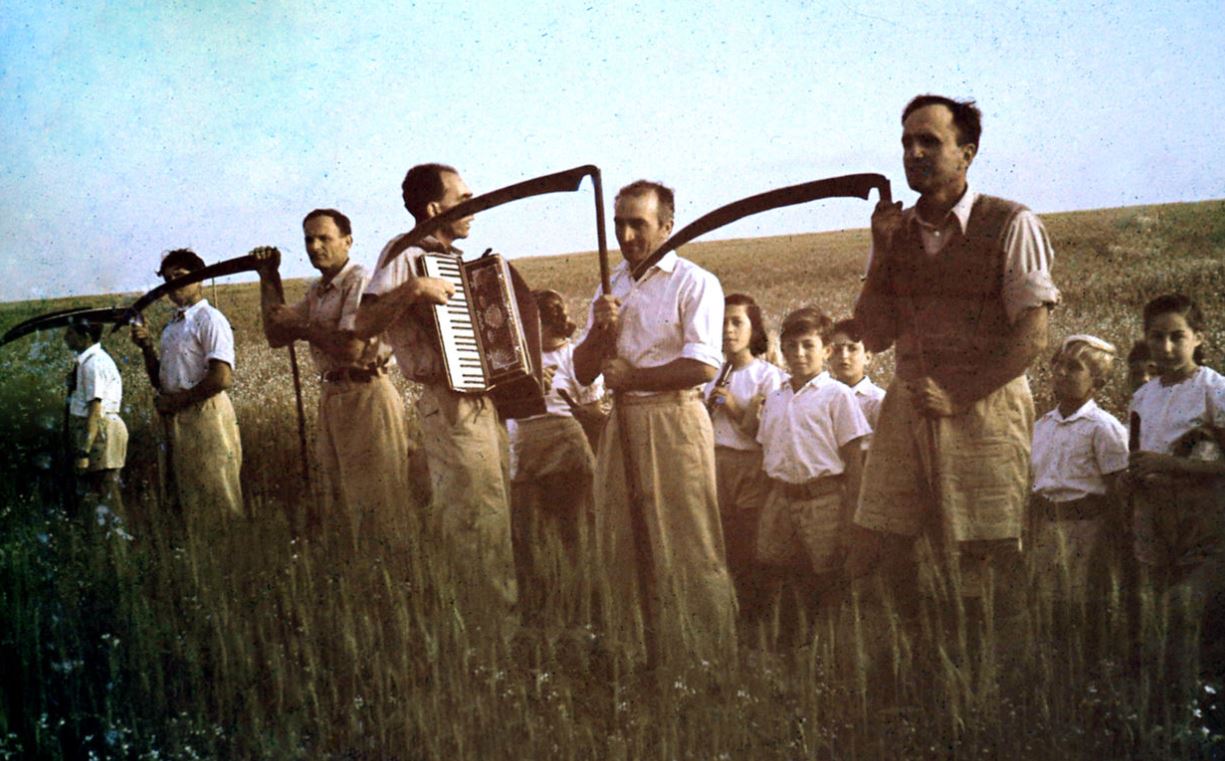
Rather, Shmuel said that this halakha is derived from a verse discussing the counting of the omer: “Seven weeks you shall number for you; from the time the sickle is first put to the standing grain you shall begin to number seven weeks” (Deuteronomy 16:9). Can one not learn from here by inference that there is grain at an earlier stage that cannot be cut with a sickle, which nevertheless is permitted by the omer offering? This description applies to grain that has taken root. The Gemara rejects this claim as well: Perhaps the inference is to grain at an earlier stage that cannot be cut with a sickle but is actually fodder, i.e., produce that has grown stalks but is not yet ripe.
אָמַר רַבִּי יִצְחָק: ״קָמָה״ – לָאו מִכְּלָל דְּלָאו בַּר קָמָה? דְּלָאו בַּר קָמָה, וּלְעוֹלָם אֲגַם.
Rabbi Yitzḥak said: One can derive that grain that has taken root is permitted by the omer offering from the term: “The standing grain” (Deuteronomy 16:9). Can one not learn from here by inference that there is grain that is too soft and unable to stand, which may not be used for the omer offering and yet is permitted by the omer? The Gemara rejects this claim as well: Perhaps the inference is to grain that is unable to stand but is actually soft grain like that of a marsh; it has grown somewhat but is still soft enough that it bends rather than stands.
אֶלָּא אָמַר רָבָא: ״אֲשֶׁר תִּזְרַע״ – מִשְּׁעַת זְרִיעָה. אֲמַר לֵיהּ רַב פָּפָּא לְרָבָא: אִי הָכִי, אַף עַל גַּב דְּלֹא הִשְׁרִישׁ נָמֵי? אֲמַר לֵיהּ: סוּדָנִי, ״בַּשָּׂדֶה״ כְּתִיב.
Rather, Rava said that the source of the halakha is the verse: “And the feast of harvest, the first fruits of your labors, which you sow in the field” (Exodus 23:16). This verse is referring to grain from the time of sowing, i.e., from when the grain takes root. Rav Pappa said to Rava: If so, then even though the grain had not taken root it should be permitted by the omer offering. The verse mentions grain at the time of sowing, but it does not indicate that it is necessary for that grain to have taken root in order to be permitted by the omer. Rava said to Rav Pappa in reply: Wise one [sudni]! It is written: “In the field,” which indicates that the verse is referring to freshly sown produce that has become part of the field, i.e., it has taken root.
מַתְנִי׳ קוֹצְרִין בֵּית הַשְּׁלָחִין שֶׁבָּעֲמָקִים, אֲבָל לֹא גּוֹדְשִׁין. אַנְשֵׁי יְרִיחוֹ קוֹצְרִין בִּרְצוֹן חֲכָמִים, וְגוֹדְשִׁין שֶׁלֹּא בִּרְצוֹן חֲכָמִים, וְלֹא מִיחוּ בְּיָדָם. קוֹצֵר לְשַׁחַת, מַאֲכִיל לַבְּהֵמָה. אָמַר רַבִּי יְהוּדָה: אֵימָתַי? בִּזְמַן שֶׁמַּתְחִיל עַד שֶׁלֹּא הֵבִיא שְׁלִישׁ. רַבִּי שִׁמְעוֹן אוֹמֵר: יִקְצוֹר וְיַאֲכִיל אַף מִשֶּׁהֵבִיא שְׁלִישׁ.
MISHNA: Even before the omer offering is brought, one may reap a crop that grows in an irrigated field in the valleys, but one may not arrange the reaped stalks in a pile. The residents of Jericho, whose fields were categorized as irrigated fields in a valley, reaped the crops with the approval of the Sages and arranged the crops in a pile without the approval of the Sages, but the Sages did not reprimand them. One may reap crops in any field for fodder and feed it to an animal. Rabbi Yehuda said: When may one do so? At a time when he begins reaping before the crop reaches one-third of its potential growth. Rabbi Shimon says: One may reap and feed the crops to animals even after they reached one-third of their potential growth.
וְקוֹצְרִין מִפְּנֵי נְטִיעוֹת, מִפְּנֵי בֵּית הָאֵבֶל, מִפְּנֵי בִּיטּוּל בֵּית הַמִּדְרָשׁ. לֹא יַעֲשֶׂה אוֹתָן כְּרִיכוֹת, אֲבָל מַנִּיחִין צְבָתִים.
And one may reap crops prior to the omer due to potential damage to saplings growing alongside the crops; and due to the place of mourning, i.e., to create room for those consoling mourners, who would bless them upon their return from the cemetery; and due to the need to create room for students to study, as failure to do so would lead to dereliction of Torah study in the study hall. After reaping the crops for any of these reasons, one may not fashion them into sheaves, but he leaves them unbound.
מִצְוַת הָעוֹמֶר לָבֹא מִן הַקָּמָה. לֹא מָצָא – יָבִיא מִן הָעֳמָרִים. מִצְוָתוֹ לָבֹא מִן הַלַּח, לֹא מָצָא – יָבִיא יָבֵשׁ. מִצְוָתוֹ לִקְצוֹר בַּלַּיְלָה, נִקְצַר בַּיּוֹם – כָּשֵׁר. וְדוֹחֶה אֶת הַשַּׁבָּת.
The mitzva of the omer is for the barley to come from standing grain. If one did not find standing grain, he brings from sheaves. Its mitzva is for it to come from fresh, moist grain. If one did not find moist grain, he brings from dry grain. Its mitzva is for one to reap the grain at night, but if it was reaped during the day, it is fit. And reaping the grain for the omer overrides Shabbat.
גְּמָ׳ תַּנְיָא: רַבִּי בִּנְיָמִין אוֹמֵר, כָּתוּב אֶחָד אוֹמֵר: ״וּקְצַרְתֶּם אֶת קְצִירָהּ וַהֲבֵאתֶם אֶת עֹמֶר״, וּכְתִיב: ״רֵאשִׁית קְצִירְכֶם אֶל הַכֹּהֵן״.
GEMARA: With regard to the ruling of the mishna that one may reap a crop that grows in an irrigated field in the valleys, the Gemara cites that which is taught in a baraita: Rabbi Binyamin says that one verse states: “When you come into the land that I give to you and shall reap its harvest, then you shall bring the omer” (Leviticus 23:10). This verse indicates that one may reap his grain before bringing the omer offering. But it is also written in the continuation of the same verse: “Of the first fruits of your harvest to the priest,” from which it may be inferred that the omer is brought from the first reaped grain.
הָא כֵּיצַד? מִמָּקוֹם שֶׁאַתָּה מֵבִיא – אִי אַתָּה קוֹצֵר, מִמָּקוֹם שֶׁאִי אַתָּה מֵבִיא – אַתָּה קוֹצֵר.
How can these texts be reconciled? With regard to a place from which you bring the omer grain for the sacrifice, i.e., from a field that is saturated with rainwater, you may not reap there. But with regard to a place from which you may not bring the omer grain, an irrigated field, you may reap there.
אֵימָא: מִמִּין שֶׁאַתָּה מֵבִיא – אִי אַתָּה קוֹצֵר, מִמִּין שֶׁאִי אַתָּה מֵבִיא – אַתָּה קוֹצֵר? הָהוּא לָא מָצֵית אָמְרַתְּ, מִדְּרַבִּי יוֹחָנָן.
The Gemara questions this resolution: Why not say instead: With regard to the type of grain from which you bring the omer, i.e., barley, you may not reap it; but with regard to the type of grain from which you may not bring the omer, e.g., wheat, you may reap it? The Gemara answers: You cannot say that resolution, due to that which Rabbi Yoḥanan teaches. On 70a it was stated that Rabbi Yoḥanan derives a verbal analogy between the halakhot of ḥalla and the omer offering, from which he learns that the prohibition against reaping the new crop before the omer sacrifice applies to all five types of grain. Therefore, the reconciliation of the verses must be as first suggested, that one may reap in a place from which the omer grain may not be brought.
אַנְשֵׁי יְרִיחוֹ קוֹצְרִין בִּרְצוֹן חֲכָמִים, וְגוֹדְשִׁין שֶׁלֹּא בִּרְצוֹן חֲכָמִים וְכוּ׳. מַאן שָׁמְעַתְּ לֵיהּ דְּאָמַר ״מִיחוּ״ וְ״לֹא מִיחוּ״? רַבִּי יְהוּדָה.
§ The mishna teaches: The residents of Jericho, whose fields were irrigated fields in a valley, reaped their crops with the approval of the Sages and arranged the crops in a pile without the approval of the Sages, but the Sages did not reprimand them. The Gemara asks: Whom did you hear who said: The Sages reprimanded them, or: They did not reprimand them? In other words, who is the tanna who, in the context of the customs of the residents of Jericho, addresses whether or not the Sages reprimanded them, as opposed to whether or not their actions were in accordance with the Sages’ will? The Gemara states: It is Rabbi Yehuda.
וְסָבַר רַבִּי יְהוּדָה קְצִירָה דְּאַנְשֵׁי יְרִיחוֹ בִּרְצוֹן חֲכָמִים הֲוַאי? וְהָא תַּנְיָא: שִׁשָּׁה דְּבָרִים עָשׂוּ אַנְשֵׁי יְרִיחוֹ, שְׁלֹשָׁה בִּרְצוֹן חֲכָמִים, וּשְׁלֹשָׁה שֶׁלֹּא בִּרְצוֹן חֲכָמִים.
Upon identifying the tanna of the mishna, the Gemara asks: And does Rabbi Yehuda really hold that the reaping of the residents of Jericho was performed with the approval of the Sages? But isn’t it taught in a baraita (Tosefta, Pesaḥim 3:15): The people of Jericho performed six actions, three with the approval of the Sages and three without the approval of the Sages.
וְאֵלּוּ שֶׁבִּרְצוֹן חֲכָמִים: מַרְכִּיבִין דְּקָלִים כׇּל הַיּוֹם, וְכוֹרְכִין אֶת ״שְׁמַע״, וְקוֹצְרִין לִפְנֵי הָעוֹמֶר – בִּרְצוֹן חֲכָמִים. וְאֵלּוּ שֶׁלֹּא בִּרְצוֹן חֲכָמִים: גּוֹדְשִׁין לִפְנֵי הָעוֹמֶר, וּמַתִּירִין גַּמְזִיּוֹת שֶׁל הֶקְדֵּשׁ שֶׁל חָרוּב וְשֶׁל שִׁקְמָה, וּפוֹרְצִין פְּרָצוֹת בְּגַנּוֹתֵיהֶן ובְפַרְדְּסוֹתֵיהֶן לְהַאֲכִיל נֶשֶׁר לַעֲנִיִּים בִּשְׁנֵי בַצּוֹרֶת בְּשַׁבָּתוֹת וּבְיָמִים טוֹבִים, דִּבְרֵי רַבִּי מֵאִיר.
And these are the actions they performed with the approval of the Sages: They would graft palm trees the entire day of the fourteenth of Nisan, and they would bundle Shema, and they would reap grain before the omer offering was brought; all of these were with the approval of the Sages. And these are the actions that they performed without the approval of the Sages: They would pile the harvest before the omer, and they would permit the use of consecrated branches [gamziyyot] of carob and of sycamore trees, and they would make breaches in the walls of their gardens and in their orchards to feed fallen fruit to the poor during drought years, so that the poor could take the fruit that had fallen even on Shabbatot and Festivals. This is the statement of Rabbi Meir.
אָמַר לוֹ רַבִּי יְהוּדָה: אִם בִּרְצוֹן חֲכָמִים הֵן עוֹשִׂין, יְהוּ כׇּל אָדָם עוֹשִׂין כֵּן! אֶלָּא אֵלּוּ וָאֵלּוּ שֶׁלֹּא בִּרְצוֹן חֲכָמִים, וְעַל שְׁלֹשָׁה מִיחוּ בְּיָדָם, וְעַל שְׁלֹשָׁה לֹא מִיחוּ בְּיָדָם.
Rabbi Yehuda said to Rabbi Meir: This is an inaccurate formulation, since if they acted with the approval of the Sages, then every person would do so, not only the residents of Jericho. Rather, you should formulate it in this manner: Both these three acts and those three acts were performed without the approval of the Sages. With regard to three of them the Sages reprimanded them, and with regard to the other three the Sages did not reprimand them.
וְאֵלּוּ שֶׁלֹּא מִיחוּ בְּיָדָם: מַרְכִּיבִין דְּקָלִים כׇּל הַיּוֹם, וְכוֹרְכִין אֶת ״שְׁמַע״, וְקוֹצְרִין וְגוֹדְשִׁין לִפְנֵי הָעוֹמֶר. וְאֵלּוּ שֶׁמִּיחוּ בְּיָדָם:
And these are the actions they performed for which the Sages did not reprimand them: They would graft palm trees the entire day, and they would bundle Shema, and they would reap and pile grain before the omer offering was brought. And these are the actions they performed for which the Sages reprimanded them:
מַתִּירִין גַּמְזִיּוֹת שֶׁל הֶקְדֵּשׁ שֶׁל חָרוּב וְשֶׁל שִׁקְמָה, וּפוֹרְצִין פְּרָצוֹת בְּגַנּוֹתֵיהֶן וּבְפַרְדְּסוֹתֵיהֶן כְּדֵי לְהַאֲכִיל נֶשֶׁר לַעֲנִיִּים בִּשְׁנֵי בַצּוֹרֶת בְּשַׁבָּתוֹת וּבְיָמִים טוֹבִים, וְנוֹתְנִין פֵּאָה לַיָּרָק, וּמִיחוּ בְּיָדָם.
They would permit the use of consecrated branches of carob and of sycamore trees; they would make breaches in the walls of their gardens and orchards, in order to feed fallen fruit to the poor during drought years on Shabbatot and Festivals; and they would designate for the poor the produce in the corner [pe’a] in a field of vegetables. And the Sages reprimanded them for those actions. It is clear from the baraita that according to Rabbi Yehuda the reaping of the grain before the omer offering was performed without the approval of the Sages. So why does the mishna, which represents Rabbi Yehuda’s opinion, teach that it was with the approval of the Sages?
וְלִיטַעְמָיךְ, שִׁשָּׁה? שִׁבְעָה הָווּ! אֶלָּא סְמִי מִכָּאן קְצִירָה.
The Gemara responds: And according to your reasoning, why did the baraita say that the residents of Jericho performed six actions without the approval of the Sages? Counting the cases listed in the baraita, there were in fact seven actions, as reaping and piling count as two actions. Evidently, the text of the baraita is problematic. The Gemara concludes: Rather, omit from here the case of the reaping of the grain before the omer offering was brought. If so, then in the baraita Rabbi Yehuda never commented about the reaping of the grain before the omer, and therefore it does not contradict the mishna’s statement that it was performed with the approval of the Sages.
קוֹצֵר לְשַׁחַת וּמַאֲכִיל לַבְּהֵמָה. תְּנַן הָתָם: וְאֵלּוּ מַפְסִיקִין לַפֵּאָה – הַנַּחַל, וְהַשְּׁלוּלִית, וְדֶרֶךְ הַיָּחִיד, וְדֶרֶךְ הָרַבִּים, וּשְׁבִיל הָרַבִּים, וּשְׁבִיל הַיָּחִיד הַקָּבוּעַ בִּימוֹת הַחַמָּה וּבִימוֹת הַגְּשָׁמִים, וְהַבּוֹר, וְהַנִּיר, וְזֶרַע אַחֵר.
§ The mishna teaches: One may reap crops in any field for fodder and feed it to an animal even before the omer offering. The Gemara notes that we learned in a mishna there (Pe’a 2:1): And these divide a field for the purpose of pe’a, i.e., the presence of any of these separates a field so that each section constitutes a distinct field from which pe’a must be allocated independently: A stream that passes through the field, and a canal [vehashelulit], and a private road that is four cubits wide, and a public road that is at least sixteen cubits wide, and a permanent public trail or a private trail that is used whether in the summer or in the rainy season, i.e., winter, and an uncultivated field, and a plowed field, and a seed of a different kind of plant, e.g., a section of barley seed in a field full of wheat.
וְקוֹצֵר לְשַׁחַת מַפְסִיק, דִּבְרֵי רַבִּי מֵאִיר, וַחֲכָמִים אוֹמְרִים: אֵין מַפְסִיק אֶלָּא אִם כֵּן חָרַשׁ.
In all of the aforementioned instances a field is considered divided into two distinct fields. Another type of separation is subject to dispute: And in the case of one who reaps crops in a field for fodder, this action also divides a field in two. This is the statement of Rabbi Meir. And the Rabbis say: It does not divide a field unless one also plowed the area that he reaped. Only then is the field divided, as it is a plowed field.
אָמַר רַבָּה בַּר בַּר חָנָה, אָמַר רַבִּי יוֹחָנָן: רַבִּי מֵאִיר בְּשִׁיטַת רַבִּי שִׁמְעוֹן אֲמָרָהּ, דְּאָמַר: יִקְצוֹר וְיַאֲכִיל אַף מִשֶּׁהֵבִיאָה שְׁלִישׁ, אַלְמָא קָסָבַר כֹּל לְשַׁחַת לָאו קְצִירָה הִיא.
With regard to the opinion of Rabbi Meir, Rabba bar bar Ḥana says that Rabbi Yoḥanan says: Rabbi Meir said his statement in accordance with the opinion of Rabbi Shimon, who says in the mishna: One may reap and feed the crops to animals even after they reached one-third of their potential growth. Apparently, Rabbi Shimon holds that any reaping performed for fodder is not considered reaping. Likewise, Rabbi Meir maintains that reaping for fodder, even after the crop has reached one-third of its potential growth, is not considered the start of the reaping of the entire field, and therefore it divides the field.
יָתֵיב רַבָּה וְקָאָמַר לַהּ לְהָא שְׁמַעְתָּא, אֵיתִיבֵיהּ רַב אַחָא בַּר הוּנָא לְרָבָא: אֲכָלָהּ חָגָב, קַרְסְמוּהָ נְמָלִים, שִׁבְּרַתָּהוֹ הָרוּחַ – הַכֹּל מוֹדִים חָרַשׁ מַפְסִיק, לֹא חָרַשׁ אֵינוֹ מַפְסִיק. ״הַכֹּל מוֹדִים״ – מַאן? רַבִּי מֵאִיר.
Rabba sat and stated this halakha. Rav Aḥa bar Huna raised an objection to Rava from a baraita: If a section of crops in a field was consumed by grasshoppers, or ants nibbled away at those crops [kirsemuha], or the wind broke it down, all concede that if that section was subsequently plowed, it divides the field, and if it was not plowed, it does not divide the field. When the baraita states: All concede, to whom is it referring? It must be referring to Rabbi Meir, who maintains that usually, reaping for fodder divides a field without subsequent plowing, yet in this case he admits that it divides the field only if it is subsequently plowed.
אִי אָמְרַתְּ בִּשְׁלָמָא מַתְנִיתִין בְּשֶׁלֹּא הֵבִיאָה שְׁלִישׁ, בָּרַיְיתָא דְּחָרַשׁ – אִין, לֹא חָרַשׁ – לֹא, בְּשֶׁהֵבִיא שְׁלִישׁ.
Rav Aḥa bar Huna explains his objection to the opinion that Rabbi Meir holds in accordance with Rabbi Shimon: Granted, Rabbi Meir’s opinion can be explained if you say that the mishna, where Rabbi Meir maintains that reaping fodder is not considered reaping, is referring to a case where the fodder had not yet reached one-third of its potential growth, and the baraita, where he maintains that only if it was plowed, yes, it divides the field, but if was not plowed, no, it does not divide the field, is referring to a case where the fodder had already reached one-third of its growth. If so, the difference between the rulings of Rabbi Meir is clear, as it all depends on the growth of the produce.
אֶלָּא אִי אָמְרַתְּ מַתְנִיתִין נָמֵי בְּשֶׁהֵבִיא שְׁלִישׁ, הַשְׁתָּא וּמָה הָתָם דִּקְצִירָה דְּהָתָם אָמַר רַבִּי מֵאִיר: לֹא שְׁמָהּ קְצִירָה, הָכָא – לֹא כׇּל שֶׁכֵּן?
But if you say that Rabbi Meir holds in accordance with Rabbi Shimon, and the mishna is also referring to a case where the fodder had reached one-third of its growth, how can his ruling in the baraita be explained? Now, if with regard to reaping there, in a case where it involves human intervention, Rabbi Meir said: It is not called reaping; here in the baraita, where the reaping is performed by grasshoppers or ants, is it not clear all the more so that Rabbi Meir would not consider it reaping? And yet the baraita indicates that all agree that it is considered reaping, as it does not divide the field without plowing.
אֶלָּא, רַבִּי מֵאִיר בְּשִׁיטַת רַבִּי יְהוּדָה אֲמָרָהּ, דְּאָמַר: אֵימָתַי? בִּזְמַן שֶׁהִתְחִיל עַד שֶׁלֹּא הֵבִיא שְׁלִישׁ, אֲבָל אִם הִתְחִיל עַד שֶׁהֵבִיא שְׁלִישׁ – אָסוּר.
Rather, Rabbi Meir stated his opinion in accordance with the opinion of Rabbi Yehuda, who says, with regard to the statement of the first tanna in the mishna that one may reap fodder and feed it to an animal: When [eimatai] may one do so? At a time when he began reaping before the crop reaches one-third of its potential growth. But if he began after the crop reached one-third, it is prohibited. If so, the discrepancy between Rabbi Meir’s opinion in the mishna and in the baraita can be resolved, as the mishna is referring to a case where the crops had not yet reached one-third of their growth, whereas the baraita is speaking of crops that had already reached one-third of their growth and therefore their harvesting is considered the start of the reaping of the field, which divides it only if he subsequently plows.
אֵימַר דְּשָׁמְעַתְּ לֵיהּ לְרַבִּי יְהוּדָה לִבְהֵמָה, לְאָדָם מִי שָׁמְעַתְּ לֵיהּ? דְּאִם כֵּן, הָווּ לְהוּ תְּלָתָא תַּנָּאֵי.
The Gemara asks: You can say that you heard Rabbi Yehuda express his opinion with regard to fodder that is reaped for the purposes of feeding an animal, but did you hear him say so with regard to a case where the reaping is performed for human consumption? That cannot be his opinion, since if it were so, then there would be three disputing opinions among the tanna’im: The opinion of the first tanna, who holds that reaping fodder for animal consumption is permitted; the opinion of Rabbi Yehuda, who maintains that it may be reaped even for human consumption provided that it has not grown one-third; and the opinion of Rabbi Shimon, who holds that it is permitted for human consumption even in a case where it had grown one-third. This is problematic, as the Gemara in tractate Sanhedrin (25a) states a principle that whenever Rabbi Yehuda says in a mishna: When [eimatai], he is clarifying, rather than disagreeing with, the opinion of the previous tanna.
אֶלָּא, כִּי אֲתָא רַב דִּימִי אָמַר: רַבִּי מֵאִיר בְּשִׁיטַת רַבִּי עֲקִיבָא רַבּוֹ אָמַר, אַף לְאָדָם נָמֵי לָא הָוְיָא קְצִירָה. דִּתְנַן: הַמְנַמֵּר שָׂדֶה וְשִׁיֵּיר בּוֹ קְלָחִים לַחִים, רַבִּי עֲקִיבָא אוֹמֵר: פֵּאָה לְכׇל אֶחָד וְאֶחָד.
Rather, when Rav Dimi came from Eretz Yisrael he said: Rabbi Meir stated his opinion in accordance with the opinion of Rabbi Akiva, his teacher. Rabbi Akiva holds that even harvesting for human consumption is not considered reaping with regard to the halakhot of pe’a, as we learned in a mishna (Pe’a 3:2): With regard to one who reaps alternate rows of his field, and he leaves in it moist stems that are not yet fully grown, Rabbi Akiva says: One must separate pe’a in each and every row, as each one is considered a separate field.
וַחֲכָמִים אוֹמְרִים: מֵאֶחָד עַל הַכֹּל, וְאָמַר רַב יְהוּדָה אָמַר שְׁמוּאֵל: לֹא חִיֵּיב רַבִּי עֲקִיבָא אֶלָּא בִּמְנַמֵּר לִקְלָיוֹת, אֲבָל בִּמְנַמֵּר לָאוֹצָר – לֹא.
And the Rabbis say: One separates pe’a from one row for the whole field, as they are all considered a single field. And Rav Yehuda says that Shmuel says: Rabbi Akiva maintained that one is obligated to separate pe’a from each row only when he reaps alternate rows and the grain is unripe kernels used for making roasted grains. But when one reaps alternate rows and the grain is fully grown produce for his storehouse, there is no obligation to separate pe’a from each row, as all the rows are considered part of one field. Rav Dimi is suggesting that Rabbi Meir holds in accordance with the opinion of Rabbi Akiva, and therefore the discrepancy between the mishna and the baraita can be resolved: The mishna is discussing unripe grains that have not yet grown one-third, similar to unripe kernels used for roasted grains, whereas the baraita is discussing fully grown, ripened grains.
אִינִי? וְהָא כִּי אֲתָא רָבִין אָמַר רַבִּי יוֹחָנָן: מְחַיֵּיב הָיָה רַבִּי עֲקִיבָא אַף בִּמְנַמֵּר לָאוֹצָר.
The Gemara asks: Is that so? But when Ravin came from Eretz Yisrael to Babylonia he reported that Rabbi Yoḥanan said: Rabbi Akiva deems one obligated in the separation of pe’a from each row even where he reaped fully grown fodder in alternative sections of his field for the purposes of storing in a storehouse. According to Ravin, Rabbi Akiva holds that reaping even fully grown fodder is not considered the start of the entire field’s reaping process, but only of the individual row. Therefore, one must separate pe’a from each row. This is inconsistent with Rabbi Meir’s opinion that the harvesting of fodder that has grown one-third is considered reaping.

Today’s daily daf tools:
Delve Deeper
Broaden your understanding of the topics on this daf with classes and podcasts from top women Talmud scholars.

Menahot 68: More Omer and the Decrees of R. Yohanan ben Zakkai



Practical Solutions or Conceptual Distinctions? A Chatzitzah in Tenufah
Menahot 60: Bringing the Grain-Offering Near and/or Waving It
New to Talmud?
Check out our resources designed to help you navigate a page of Talmud – and study at the pace, level and style that fits you.
The Hadran Women’s Tapestry
Meet the diverse women learning Gemara at Hadran and hear their stories.
I started my journey on the day I realized that the Siyum was happening in Yerushalayim and I was missing out. What? I told myself. How could I have not known about this? How can I have missed out on this opportunity? I decided that moment, I would start Daf Yomi and Nach Yomi the very next day. I am so grateful to Hadran. I am changed forever because I learn Gemara with women. Thank you.

Mitspe, Israel
I started Daf during the pandemic. I listened to a number of podcasts by various Rebbeim until one day, I discovered Rabbanit Farbers podcast. Subsequently I joined the Hadran family in Eruvin. Not the easiest place to begin, Rabbanit Farber made it all understandable and fun. The online live group has bonded together and have really become a supportive, encouraging family.

Edmonton, Alberta, Canada
My husband learns Daf, my son learns Daf, my son-in-law learns Daf.
When I read about Hadran’s Siyyum HaShas 2 years ago, I thought- I can learn Daf too!
I had learned Gemara in Hillel HS in NJ, & I remembered loving it.
Rabbanit Michelle & Hadran have opened my eyes & expanding my learning so much in the past few years. We can now discuss Gemara as a family.
This was a life saver during Covid

Brooklyn, NY, United States
I LOVE learning the Daf. I started with Shabbat. I join the morning Zoom with Reb Michelle and it totally grounds my day. When Corona hit us in Israel, I decided that I would use the Daf to keep myself sane, especially during the days when we could not venture out more than 300 m from our home. Now my husband and I have so much new material to talk about! It really is the best part of my day!

Hashmonaim, Israel
I decided to give daf yomi a try when I heard about the siyum hashas in 2020. Once the pandemic hit, the daily commitment gave my days some much-needed structure. There have been times when I’ve felt like quitting- especially when encountering very technical details in the text. But then I tell myself, “Look how much you’ve done. You can’t stop now!” So I keep going & my Koren bookshelf grows…

Huntington, United States
I started to listen to Michelle’s podcasts four years ago. The minute I started I was hooked. I’m so excited to learn the entire Talmud, and think I will continue always. I chose the quote “while a woman is engaged in conversation she also holds the spindle”. (Megillah 14b). It reminds me of all of the amazing women I learn with every day who multi-task, think ahead and accomplish so much.

Zichron Yakov, Israel

Oceanside NY, United States

Richmond, CA, United States
I went to day school in Toronto but really began to learn when I attended Brovenders back in the early 1980’s. Last year after talking to my sister who was learning Daf Yomi, inspired, I looked on the computer and the Hadran site came up. I have been listening to each days shiur in the morning as I work. I emphasis listening since I am not sitting with a Gamara. I listen while I work in my studio.
Tekoa, Israel
תמיד רציתי. למדתי גמרא בבית ספר בטורונטו קנדה. עליתי ארצה ולמדתי שזה לא מקובל. הופתעתי.
יצאתי לגימלאות לפני שנתיים וזה מאפשר את המחוייבות לדף יומי.
עבורי ההתמדה בלימוד מעגן אותי בקשר שלי ליהדות. אני תמיד מחפשת ותמיד. מוצאת מקור לקשר. ללימוד חדש ומחדש. קשר עם נשים לומדות מעמיק את החוויה ומשמעותית מאוד.

מיתר, ישראל
I am grateful for the structure of the Daf Yomi. When I am freer to learn to my heart’s content, I learn other passages in addition. But even in times of difficulty, I always know that I can rely on the structure and social support of Daf Yomi learners all over the world.
I am also grateful for this forum. It is very helpful to learn with a group of enthusiastic and committed women.

Beit Shemesh, Israel
In January 2020 on a Shabbaton to Baltimore I heard about the new cycle of Daf Yomi after the siyum celebration in NYC stadium. I started to read “ a daily dose of Talmud “ and really enjoyed it . It led me to google “ do Orthodox women study Talmud? “ and found HADRAN! Since then I listen to the podcast every morning, participate in classes and siyum. I love to learn, this is amazing! Thank you

Atlanta, United States
I started learning at the start of this cycle, and quickly fell in love. It has become such an important part of my day, enriching every part of my life.

Toronto, Canada
In January 2020, my teaching partner at IDC suggested we do daf yomi. Thanks to her challenge, I started learning daily from Rabbanit Michelle. It’s a joy to be part of the Hadran community. (It’s also a tikkun: in 7th grade, my best friend and I tied for first place in a citywide gemara exam, but we weren’t invited to the celebration because girls weren’t supposed to be learning gemara).

Jerusalem, Israel
I decided to learn one masechet, Brachot, but quickly fell in love and never stopped! It has been great, everyone is always asking how it’s going and chering me on, and my students are always making sure I did the day’s daf.

Memphis, Tennessee, United States
I LOVE learning the Daf. I started with Shabbat. I join the morning Zoom with Reb Michelle and it totally grounds my day. When Corona hit us in Israel, I decided that I would use the Daf to keep myself sane, especially during the days when we could not venture out more than 300 m from our home. Now my husband and I have so much new material to talk about! It really is the best part of my day!
Hashmonaim, Israel
I was exposed to Talmud in high school, but I was truly inspired after my daughter and I decided to attend the Women’s Siyum Shas in 2020. We knew that this was a historic moment. We were blown away, overcome with emotion at the euphoria of the revolution. Right then, I knew I would continue. My commitment deepened with the every-morning Virtual Beit Midrash on Zoom with R. Michelle.

Zichron Yaakov, Israel
I tried Daf Yomi in the middle of the last cycle after realizing I could listen to Michelle’s shiurim online. It lasted all of 2 days! Then the new cycle started just days before my father’s first yahrzeit and my youngest daughter’s bat mitzvah. It seemed the right time for a new beginning. My family, friends, colleagues are immensely supportive!

Zichron Yaakov, Israel

Bronx, United States
I attended the Siyum so that I could tell my granddaughter that I had been there. Then I decided to listen on Spotify and after the siyum of Brachot, Covid and zoom began. It gave structure to my day. I learn with people from all over the world who are now my friends – yet most of us have never met. I can’t imagine life without it. Thank you Rabbanit Michelle.
Raanana, Israel
Menachot 71
לְרַבִּי יֹאשִׁיָּה דְּדָרֵיהּ: לָא תֵּיתֵב אַכַּרְעָיךָ עַד דִּמְפָרְשַׁתְּ לֵיהּ לְהָא מַתְנִיתִין, מִנַּיִן לָעוֹמֶר שֶׁמַּתִּיר בְּהַשְׁרָשָׁה?
Rabbi Yoshiya of his generation, i.e., not the tanna of the same name: Do not sit on your knees until you have explained to me the source for that latter clause in the mishna: From where is it derived that the omer offering permits the consumption of the new crop upon its taking root in the ground?
מְנָלַן? דִּכְתִיב ״אָבִיב״, לָאו מִכְּלָל דְּאִיכָּא דְּלָאו ״אָבִיב״?
Rabbi Yoshiya responded: From where do we derive, you ask? The source is that it is written: “And if you bring a meal offering of first fruits to the Lord, you shall bring for the meal offering of your first fruits grain in the ear parched with fire, even groats of the fresh ear” (Leviticus 2:14). Can one not learn from here by inference that although the omer offering must be from fully formed grain, there is less-developed grain at an earlier stage that is not “grain in the ear,” i.e., grain that may not be used for the omer offering but is nevertheless permitted by the omer?
דְּלָאו ״אָבִיב״, וּלְעוֹלָם דְּעַיֵּיל שְׁלִישׁ.
The Gemara rejects this claim. Perhaps one can infer from here only that there is less-developed grain that is not “grain in the ear” but is at a further stage than simply taking root. Rather, it actually grew one-third of its full growth. If so, merely taking root is not enough for the omer offering to permit the consumption of that grain.
אֶלָּא אָמַר שְׁמוּאֵל: ״מֵהָחֵל חֶרְמֵשׁ״, לָאו מִכְּלָל דְּאִיכָּא דְּלָאו בַּר חֶרְמֵשׁ? דְּלָאו בַּר חֶרְמֵשׁ, וּלְעוֹלָם שַׁחַת.
Rather, Shmuel said that this halakha is derived from a verse discussing the counting of the omer: “Seven weeks you shall number for you; from the time the sickle is first put to the standing grain you shall begin to number seven weeks” (Deuteronomy 16:9). Can one not learn from here by inference that there is grain at an earlier stage that cannot be cut with a sickle, which nevertheless is permitted by the omer offering? This description applies to grain that has taken root. The Gemara rejects this claim as well: Perhaps the inference is to grain at an earlier stage that cannot be cut with a sickle but is actually fodder, i.e., produce that has grown stalks but is not yet ripe.
אָמַר רַבִּי יִצְחָק: ״קָמָה״ – לָאו מִכְּלָל דְּלָאו בַּר קָמָה? דְּלָאו בַּר קָמָה, וּלְעוֹלָם אֲגַם.
Rabbi Yitzḥak said: One can derive that grain that has taken root is permitted by the omer offering from the term: “The standing grain” (Deuteronomy 16:9). Can one not learn from here by inference that there is grain that is too soft and unable to stand, which may not be used for the omer offering and yet is permitted by the omer? The Gemara rejects this claim as well: Perhaps the inference is to grain that is unable to stand but is actually soft grain like that of a marsh; it has grown somewhat but is still soft enough that it bends rather than stands.
אֶלָּא אָמַר רָבָא: ״אֲשֶׁר תִּזְרַע״ – מִשְּׁעַת זְרִיעָה. אֲמַר לֵיהּ רַב פָּפָּא לְרָבָא: אִי הָכִי, אַף עַל גַּב דְּלֹא הִשְׁרִישׁ נָמֵי? אֲמַר לֵיהּ: סוּדָנִי, ״בַּשָּׂדֶה״ כְּתִיב.
Rather, Rava said that the source of the halakha is the verse: “And the feast of harvest, the first fruits of your labors, which you sow in the field” (Exodus 23:16). This verse is referring to grain from the time of sowing, i.e., from when the grain takes root. Rav Pappa said to Rava: If so, then even though the grain had not taken root it should be permitted by the omer offering. The verse mentions grain at the time of sowing, but it does not indicate that it is necessary for that grain to have taken root in order to be permitted by the omer. Rava said to Rav Pappa in reply: Wise one [sudni]! It is written: “In the field,” which indicates that the verse is referring to freshly sown produce that has become part of the field, i.e., it has taken root.
מַתְנִי׳ קוֹצְרִין בֵּית הַשְּׁלָחִין שֶׁבָּעֲמָקִים, אֲבָל לֹא גּוֹדְשִׁין. אַנְשֵׁי יְרִיחוֹ קוֹצְרִין בִּרְצוֹן חֲכָמִים, וְגוֹדְשִׁין שֶׁלֹּא בִּרְצוֹן חֲכָמִים, וְלֹא מִיחוּ בְּיָדָם. קוֹצֵר לְשַׁחַת, מַאֲכִיל לַבְּהֵמָה. אָמַר רַבִּי יְהוּדָה: אֵימָתַי? בִּזְמַן שֶׁמַּתְחִיל עַד שֶׁלֹּא הֵבִיא שְׁלִישׁ. רַבִּי שִׁמְעוֹן אוֹמֵר: יִקְצוֹר וְיַאֲכִיל אַף מִשֶּׁהֵבִיא שְׁלִישׁ.
MISHNA: Even before the omer offering is brought, one may reap a crop that grows in an irrigated field in the valleys, but one may not arrange the reaped stalks in a pile. The residents of Jericho, whose fields were categorized as irrigated fields in a valley, reaped the crops with the approval of the Sages and arranged the crops in a pile without the approval of the Sages, but the Sages did not reprimand them. One may reap crops in any field for fodder and feed it to an animal. Rabbi Yehuda said: When may one do so? At a time when he begins reaping before the crop reaches one-third of its potential growth. Rabbi Shimon says: One may reap and feed the crops to animals even after they reached one-third of their potential growth.
וְקוֹצְרִין מִפְּנֵי נְטִיעוֹת, מִפְּנֵי בֵּית הָאֵבֶל, מִפְּנֵי בִּיטּוּל בֵּית הַמִּדְרָשׁ. לֹא יַעֲשֶׂה אוֹתָן כְּרִיכוֹת, אֲבָל מַנִּיחִין צְבָתִים.
And one may reap crops prior to the omer due to potential damage to saplings growing alongside the crops; and due to the place of mourning, i.e., to create room for those consoling mourners, who would bless them upon their return from the cemetery; and due to the need to create room for students to study, as failure to do so would lead to dereliction of Torah study in the study hall. After reaping the crops for any of these reasons, one may not fashion them into sheaves, but he leaves them unbound.
מִצְוַת הָעוֹמֶר לָבֹא מִן הַקָּמָה. לֹא מָצָא – יָבִיא מִן הָעֳמָרִים. מִצְוָתוֹ לָבֹא מִן הַלַּח, לֹא מָצָא – יָבִיא יָבֵשׁ. מִצְוָתוֹ לִקְצוֹר בַּלַּיְלָה, נִקְצַר בַּיּוֹם – כָּשֵׁר. וְדוֹחֶה אֶת הַשַּׁבָּת.
The mitzva of the omer is for the barley to come from standing grain. If one did not find standing grain, he brings from sheaves. Its mitzva is for it to come from fresh, moist grain. If one did not find moist grain, he brings from dry grain. Its mitzva is for one to reap the grain at night, but if it was reaped during the day, it is fit. And reaping the grain for the omer overrides Shabbat.
גְּמָ׳ תַּנְיָא: רַבִּי בִּנְיָמִין אוֹמֵר, כָּתוּב אֶחָד אוֹמֵר: ״וּקְצַרְתֶּם אֶת קְצִירָהּ וַהֲבֵאתֶם אֶת עֹמֶר״, וּכְתִיב: ״רֵאשִׁית קְצִירְכֶם אֶל הַכֹּהֵן״.
GEMARA: With regard to the ruling of the mishna that one may reap a crop that grows in an irrigated field in the valleys, the Gemara cites that which is taught in a baraita: Rabbi Binyamin says that one verse states: “When you come into the land that I give to you and shall reap its harvest, then you shall bring the omer” (Leviticus 23:10). This verse indicates that one may reap his grain before bringing the omer offering. But it is also written in the continuation of the same verse: “Of the first fruits of your harvest to the priest,” from which it may be inferred that the omer is brought from the first reaped grain.
הָא כֵּיצַד? מִמָּקוֹם שֶׁאַתָּה מֵבִיא – אִי אַתָּה קוֹצֵר, מִמָּקוֹם שֶׁאִי אַתָּה מֵבִיא – אַתָּה קוֹצֵר.
How can these texts be reconciled? With regard to a place from which you bring the omer grain for the sacrifice, i.e., from a field that is saturated with rainwater, you may not reap there. But with regard to a place from which you may not bring the omer grain, an irrigated field, you may reap there.
אֵימָא: מִמִּין שֶׁאַתָּה מֵבִיא – אִי אַתָּה קוֹצֵר, מִמִּין שֶׁאִי אַתָּה מֵבִיא – אַתָּה קוֹצֵר? הָהוּא לָא מָצֵית אָמְרַתְּ, מִדְּרַבִּי יוֹחָנָן.
The Gemara questions this resolution: Why not say instead: With regard to the type of grain from which you bring the omer, i.e., barley, you may not reap it; but with regard to the type of grain from which you may not bring the omer, e.g., wheat, you may reap it? The Gemara answers: You cannot say that resolution, due to that which Rabbi Yoḥanan teaches. On 70a it was stated that Rabbi Yoḥanan derives a verbal analogy between the halakhot of ḥalla and the omer offering, from which he learns that the prohibition against reaping the new crop before the omer sacrifice applies to all five types of grain. Therefore, the reconciliation of the verses must be as first suggested, that one may reap in a place from which the omer grain may not be brought.
אַנְשֵׁי יְרִיחוֹ קוֹצְרִין בִּרְצוֹן חֲכָמִים, וְגוֹדְשִׁין שֶׁלֹּא בִּרְצוֹן חֲכָמִים וְכוּ׳. מַאן שָׁמְעַתְּ לֵיהּ דְּאָמַר ״מִיחוּ״ וְ״לֹא מִיחוּ״? רַבִּי יְהוּדָה.
§ The mishna teaches: The residents of Jericho, whose fields were irrigated fields in a valley, reaped their crops with the approval of the Sages and arranged the crops in a pile without the approval of the Sages, but the Sages did not reprimand them. The Gemara asks: Whom did you hear who said: The Sages reprimanded them, or: They did not reprimand them? In other words, who is the tanna who, in the context of the customs of the residents of Jericho, addresses whether or not the Sages reprimanded them, as opposed to whether or not their actions were in accordance with the Sages’ will? The Gemara states: It is Rabbi Yehuda.
וְסָבַר רַבִּי יְהוּדָה קְצִירָה דְּאַנְשֵׁי יְרִיחוֹ בִּרְצוֹן חֲכָמִים הֲוַאי? וְהָא תַּנְיָא: שִׁשָּׁה דְּבָרִים עָשׂוּ אַנְשֵׁי יְרִיחוֹ, שְׁלֹשָׁה בִּרְצוֹן חֲכָמִים, וּשְׁלֹשָׁה שֶׁלֹּא בִּרְצוֹן חֲכָמִים.
Upon identifying the tanna of the mishna, the Gemara asks: And does Rabbi Yehuda really hold that the reaping of the residents of Jericho was performed with the approval of the Sages? But isn’t it taught in a baraita (Tosefta, Pesaḥim 3:15): The people of Jericho performed six actions, three with the approval of the Sages and three without the approval of the Sages.
וְאֵלּוּ שֶׁבִּרְצוֹן חֲכָמִים: מַרְכִּיבִין דְּקָלִים כׇּל הַיּוֹם, וְכוֹרְכִין אֶת ״שְׁמַע״, וְקוֹצְרִין לִפְנֵי הָעוֹמֶר – בִּרְצוֹן חֲכָמִים. וְאֵלּוּ שֶׁלֹּא בִּרְצוֹן חֲכָמִים: גּוֹדְשִׁין לִפְנֵי הָעוֹמֶר, וּמַתִּירִין גַּמְזִיּוֹת שֶׁל הֶקְדֵּשׁ שֶׁל חָרוּב וְשֶׁל שִׁקְמָה, וּפוֹרְצִין פְּרָצוֹת בְּגַנּוֹתֵיהֶן ובְפַרְדְּסוֹתֵיהֶן לְהַאֲכִיל נֶשֶׁר לַעֲנִיִּים בִּשְׁנֵי בַצּוֹרֶת בְּשַׁבָּתוֹת וּבְיָמִים טוֹבִים, דִּבְרֵי רַבִּי מֵאִיר.
And these are the actions they performed with the approval of the Sages: They would graft palm trees the entire day of the fourteenth of Nisan, and they would bundle Shema, and they would reap grain before the omer offering was brought; all of these were with the approval of the Sages. And these are the actions that they performed without the approval of the Sages: They would pile the harvest before the omer, and they would permit the use of consecrated branches [gamziyyot] of carob and of sycamore trees, and they would make breaches in the walls of their gardens and in their orchards to feed fallen fruit to the poor during drought years, so that the poor could take the fruit that had fallen even on Shabbatot and Festivals. This is the statement of Rabbi Meir.
אָמַר לוֹ רַבִּי יְהוּדָה: אִם בִּרְצוֹן חֲכָמִים הֵן עוֹשִׂין, יְהוּ כׇּל אָדָם עוֹשִׂין כֵּן! אֶלָּא אֵלּוּ וָאֵלּוּ שֶׁלֹּא בִּרְצוֹן חֲכָמִים, וְעַל שְׁלֹשָׁה מִיחוּ בְּיָדָם, וְעַל שְׁלֹשָׁה לֹא מִיחוּ בְּיָדָם.
Rabbi Yehuda said to Rabbi Meir: This is an inaccurate formulation, since if they acted with the approval of the Sages, then every person would do so, not only the residents of Jericho. Rather, you should formulate it in this manner: Both these three acts and those three acts were performed without the approval of the Sages. With regard to three of them the Sages reprimanded them, and with regard to the other three the Sages did not reprimand them.
וְאֵלּוּ שֶׁלֹּא מִיחוּ בְּיָדָם: מַרְכִּיבִין דְּקָלִים כׇּל הַיּוֹם, וְכוֹרְכִין אֶת ״שְׁמַע״, וְקוֹצְרִין וְגוֹדְשִׁין לִפְנֵי הָעוֹמֶר. וְאֵלּוּ שֶׁמִּיחוּ בְּיָדָם:
And these are the actions they performed for which the Sages did not reprimand them: They would graft palm trees the entire day, and they would bundle Shema, and they would reap and pile grain before the omer offering was brought. And these are the actions they performed for which the Sages reprimanded them:
מַתִּירִין גַּמְזִיּוֹת שֶׁל הֶקְדֵּשׁ שֶׁל חָרוּב וְשֶׁל שִׁקְמָה, וּפוֹרְצִין פְּרָצוֹת בְּגַנּוֹתֵיהֶן וּבְפַרְדְּסוֹתֵיהֶן כְּדֵי לְהַאֲכִיל נֶשֶׁר לַעֲנִיִּים בִּשְׁנֵי בַצּוֹרֶת בְּשַׁבָּתוֹת וּבְיָמִים טוֹבִים, וְנוֹתְנִין פֵּאָה לַיָּרָק, וּמִיחוּ בְּיָדָם.
They would permit the use of consecrated branches of carob and of sycamore trees; they would make breaches in the walls of their gardens and orchards, in order to feed fallen fruit to the poor during drought years on Shabbatot and Festivals; and they would designate for the poor the produce in the corner [pe’a] in a field of vegetables. And the Sages reprimanded them for those actions. It is clear from the baraita that according to Rabbi Yehuda the reaping of the grain before the omer offering was performed without the approval of the Sages. So why does the mishna, which represents Rabbi Yehuda’s opinion, teach that it was with the approval of the Sages?
וְלִיטַעְמָיךְ, שִׁשָּׁה? שִׁבְעָה הָווּ! אֶלָּא סְמִי מִכָּאן קְצִירָה.
The Gemara responds: And according to your reasoning, why did the baraita say that the residents of Jericho performed six actions without the approval of the Sages? Counting the cases listed in the baraita, there were in fact seven actions, as reaping and piling count as two actions. Evidently, the text of the baraita is problematic. The Gemara concludes: Rather, omit from here the case of the reaping of the grain before the omer offering was brought. If so, then in the baraita Rabbi Yehuda never commented about the reaping of the grain before the omer, and therefore it does not contradict the mishna’s statement that it was performed with the approval of the Sages.
קוֹצֵר לְשַׁחַת וּמַאֲכִיל לַבְּהֵמָה. תְּנַן הָתָם: וְאֵלּוּ מַפְסִיקִין לַפֵּאָה – הַנַּחַל, וְהַשְּׁלוּלִית, וְדֶרֶךְ הַיָּחִיד, וְדֶרֶךְ הָרַבִּים, וּשְׁבִיל הָרַבִּים, וּשְׁבִיל הַיָּחִיד הַקָּבוּעַ בִּימוֹת הַחַמָּה וּבִימוֹת הַגְּשָׁמִים, וְהַבּוֹר, וְהַנִּיר, וְזֶרַע אַחֵר.
§ The mishna teaches: One may reap crops in any field for fodder and feed it to an animal even before the omer offering. The Gemara notes that we learned in a mishna there (Pe’a 2:1): And these divide a field for the purpose of pe’a, i.e., the presence of any of these separates a field so that each section constitutes a distinct field from which pe’a must be allocated independently: A stream that passes through the field, and a canal [vehashelulit], and a private road that is four cubits wide, and a public road that is at least sixteen cubits wide, and a permanent public trail or a private trail that is used whether in the summer or in the rainy season, i.e., winter, and an uncultivated field, and a plowed field, and a seed of a different kind of plant, e.g., a section of barley seed in a field full of wheat.
וְקוֹצֵר לְשַׁחַת מַפְסִיק, דִּבְרֵי רַבִּי מֵאִיר, וַחֲכָמִים אוֹמְרִים: אֵין מַפְסִיק אֶלָּא אִם כֵּן חָרַשׁ.
In all of the aforementioned instances a field is considered divided into two distinct fields. Another type of separation is subject to dispute: And in the case of one who reaps crops in a field for fodder, this action also divides a field in two. This is the statement of Rabbi Meir. And the Rabbis say: It does not divide a field unless one also plowed the area that he reaped. Only then is the field divided, as it is a plowed field.
אָמַר רַבָּה בַּר בַּר חָנָה, אָמַר רַבִּי יוֹחָנָן: רַבִּי מֵאִיר בְּשִׁיטַת רַבִּי שִׁמְעוֹן אֲמָרָהּ, דְּאָמַר: יִקְצוֹר וְיַאֲכִיל אַף מִשֶּׁהֵבִיאָה שְׁלִישׁ, אַלְמָא קָסָבַר כֹּל לְשַׁחַת לָאו קְצִירָה הִיא.
With regard to the opinion of Rabbi Meir, Rabba bar bar Ḥana says that Rabbi Yoḥanan says: Rabbi Meir said his statement in accordance with the opinion of Rabbi Shimon, who says in the mishna: One may reap and feed the crops to animals even after they reached one-third of their potential growth. Apparently, Rabbi Shimon holds that any reaping performed for fodder is not considered reaping. Likewise, Rabbi Meir maintains that reaping for fodder, even after the crop has reached one-third of its potential growth, is not considered the start of the reaping of the entire field, and therefore it divides the field.
יָתֵיב רַבָּה וְקָאָמַר לַהּ לְהָא שְׁמַעְתָּא, אֵיתִיבֵיהּ רַב אַחָא בַּר הוּנָא לְרָבָא: אֲכָלָהּ חָגָב, קַרְסְמוּהָ נְמָלִים, שִׁבְּרַתָּהוֹ הָרוּחַ – הַכֹּל מוֹדִים חָרַשׁ מַפְסִיק, לֹא חָרַשׁ אֵינוֹ מַפְסִיק. ״הַכֹּל מוֹדִים״ – מַאן? רַבִּי מֵאִיר.
Rabba sat and stated this halakha. Rav Aḥa bar Huna raised an objection to Rava from a baraita: If a section of crops in a field was consumed by grasshoppers, or ants nibbled away at those crops [kirsemuha], or the wind broke it down, all concede that if that section was subsequently plowed, it divides the field, and if it was not plowed, it does not divide the field. When the baraita states: All concede, to whom is it referring? It must be referring to Rabbi Meir, who maintains that usually, reaping for fodder divides a field without subsequent plowing, yet in this case he admits that it divides the field only if it is subsequently plowed.
אִי אָמְרַתְּ בִּשְׁלָמָא מַתְנִיתִין בְּשֶׁלֹּא הֵבִיאָה שְׁלִישׁ, בָּרַיְיתָא דְּחָרַשׁ – אִין, לֹא חָרַשׁ – לֹא, בְּשֶׁהֵבִיא שְׁלִישׁ.
Rav Aḥa bar Huna explains his objection to the opinion that Rabbi Meir holds in accordance with Rabbi Shimon: Granted, Rabbi Meir’s opinion can be explained if you say that the mishna, where Rabbi Meir maintains that reaping fodder is not considered reaping, is referring to a case where the fodder had not yet reached one-third of its potential growth, and the baraita, where he maintains that only if it was plowed, yes, it divides the field, but if was not plowed, no, it does not divide the field, is referring to a case where the fodder had already reached one-third of its growth. If so, the difference between the rulings of Rabbi Meir is clear, as it all depends on the growth of the produce.
אֶלָּא אִי אָמְרַתְּ מַתְנִיתִין נָמֵי בְּשֶׁהֵבִיא שְׁלִישׁ, הַשְׁתָּא וּמָה הָתָם דִּקְצִירָה דְּהָתָם אָמַר רַבִּי מֵאִיר: לֹא שְׁמָהּ קְצִירָה, הָכָא – לֹא כׇּל שֶׁכֵּן?
But if you say that Rabbi Meir holds in accordance with Rabbi Shimon, and the mishna is also referring to a case where the fodder had reached one-third of its growth, how can his ruling in the baraita be explained? Now, if with regard to reaping there, in a case where it involves human intervention, Rabbi Meir said: It is not called reaping; here in the baraita, where the reaping is performed by grasshoppers or ants, is it not clear all the more so that Rabbi Meir would not consider it reaping? And yet the baraita indicates that all agree that it is considered reaping, as it does not divide the field without plowing.
אֶלָּא, רַבִּי מֵאִיר בְּשִׁיטַת רַבִּי יְהוּדָה אֲמָרָהּ, דְּאָמַר: אֵימָתַי? בִּזְמַן שֶׁהִתְחִיל עַד שֶׁלֹּא הֵבִיא שְׁלִישׁ, אֲבָל אִם הִתְחִיל עַד שֶׁהֵבִיא שְׁלִישׁ – אָסוּר.
Rather, Rabbi Meir stated his opinion in accordance with the opinion of Rabbi Yehuda, who says, with regard to the statement of the first tanna in the mishna that one may reap fodder and feed it to an animal: When [eimatai] may one do so? At a time when he began reaping before the crop reaches one-third of its potential growth. But if he began after the crop reached one-third, it is prohibited. If so, the discrepancy between Rabbi Meir’s opinion in the mishna and in the baraita can be resolved, as the mishna is referring to a case where the crops had not yet reached one-third of their growth, whereas the baraita is speaking of crops that had already reached one-third of their growth and therefore their harvesting is considered the start of the reaping of the field, which divides it only if he subsequently plows.
אֵימַר דְּשָׁמְעַתְּ לֵיהּ לְרַבִּי יְהוּדָה לִבְהֵמָה, לְאָדָם מִי שָׁמְעַתְּ לֵיהּ? דְּאִם כֵּן, הָווּ לְהוּ תְּלָתָא תַּנָּאֵי.
The Gemara asks: You can say that you heard Rabbi Yehuda express his opinion with regard to fodder that is reaped for the purposes of feeding an animal, but did you hear him say so with regard to a case where the reaping is performed for human consumption? That cannot be his opinion, since if it were so, then there would be three disputing opinions among the tanna’im: The opinion of the first tanna, who holds that reaping fodder for animal consumption is permitted; the opinion of Rabbi Yehuda, who maintains that it may be reaped even for human consumption provided that it has not grown one-third; and the opinion of Rabbi Shimon, who holds that it is permitted for human consumption even in a case where it had grown one-third. This is problematic, as the Gemara in tractate Sanhedrin (25a) states a principle that whenever Rabbi Yehuda says in a mishna: When [eimatai], he is clarifying, rather than disagreeing with, the opinion of the previous tanna.
אֶלָּא, כִּי אֲתָא רַב דִּימִי אָמַר: רַבִּי מֵאִיר בְּשִׁיטַת רַבִּי עֲקִיבָא רַבּוֹ אָמַר, אַף לְאָדָם נָמֵי לָא הָוְיָא קְצִירָה. דִּתְנַן: הַמְנַמֵּר שָׂדֶה וְשִׁיֵּיר בּוֹ קְלָחִים לַחִים, רַבִּי עֲקִיבָא אוֹמֵר: פֵּאָה לְכׇל אֶחָד וְאֶחָד.
Rather, when Rav Dimi came from Eretz Yisrael he said: Rabbi Meir stated his opinion in accordance with the opinion of Rabbi Akiva, his teacher. Rabbi Akiva holds that even harvesting for human consumption is not considered reaping with regard to the halakhot of pe’a, as we learned in a mishna (Pe’a 3:2): With regard to one who reaps alternate rows of his field, and he leaves in it moist stems that are not yet fully grown, Rabbi Akiva says: One must separate pe’a in each and every row, as each one is considered a separate field.
וַחֲכָמִים אוֹמְרִים: מֵאֶחָד עַל הַכֹּל, וְאָמַר רַב יְהוּדָה אָמַר שְׁמוּאֵל: לֹא חִיֵּיב רַבִּי עֲקִיבָא אֶלָּא בִּמְנַמֵּר לִקְלָיוֹת, אֲבָל בִּמְנַמֵּר לָאוֹצָר – לֹא.
And the Rabbis say: One separates pe’a from one row for the whole field, as they are all considered a single field. And Rav Yehuda says that Shmuel says: Rabbi Akiva maintained that one is obligated to separate pe’a from each row only when he reaps alternate rows and the grain is unripe kernels used for making roasted grains. But when one reaps alternate rows and the grain is fully grown produce for his storehouse, there is no obligation to separate pe’a from each row, as all the rows are considered part of one field. Rav Dimi is suggesting that Rabbi Meir holds in accordance with the opinion of Rabbi Akiva, and therefore the discrepancy between the mishna and the baraita can be resolved: The mishna is discussing unripe grains that have not yet grown one-third, similar to unripe kernels used for roasted grains, whereas the baraita is discussing fully grown, ripened grains.
אִינִי? וְהָא כִּי אֲתָא רָבִין אָמַר רַבִּי יוֹחָנָן: מְחַיֵּיב הָיָה רַבִּי עֲקִיבָא אַף בִּמְנַמֵּר לָאוֹצָר.
The Gemara asks: Is that so? But when Ravin came from Eretz Yisrael to Babylonia he reported that Rabbi Yoḥanan said: Rabbi Akiva deems one obligated in the separation of pe’a from each row even where he reaped fully grown fodder in alternative sections of his field for the purposes of storing in a storehouse. According to Ravin, Rabbi Akiva holds that reaping even fully grown fodder is not considered the start of the entire field’s reaping process, but only of the individual row. Therefore, one must separate pe’a from each row. This is inconsistent with Rabbi Meir’s opinion that the harvesting of fodder that has grown one-third is considered reaping.

