









This month’s learning is sponsored by Marci Glazer in loving memory of her teacher and chevruta, Rachel Brodie, Rachel Aviva bat Devora Chana, on her 4th yahrzeit. “She brought her love of Torah to thousands of people in her all-too-short life. A lover of Midrash, she still invited me on this Daf Yomi journey.”
Want to dedicate learning? Get started here:

This month’s learning is sponsored by Marci Glazer in loving memory of her teacher and chevruta, Rachel Brodie, Rachel Aviva bat Devora Chana, on her 4th yahrzeit. “She brought her love of Torah to thousands of people in her all-too-short life. A lover of Midrash, she still invited me on this Daf Yomi journey.”
Today’s daf is sponsored by Lisa Kolodny in honor of Nancy Kolodny’s birthday. “It is such a zchut to have you living near us now. Your presence has brought so much warmth, joy and bracha into our lives. May your love of learning continue to bring inspiration and light to all around you.”
Menachot 78
אָמַר רַב יִצְחָק בַּר אַבְדִּימִי: ״תִּהְיֶינָה״ כְּתִיב. אֵימָא עֲשָׂרָה קְפִיזֵי? אָמַר רָבָא: בְּעֶשְׂרוֹנוֹת דִּבֵּר הַכָּתוּב.
Rav Yitzḥak bar Avdimi said: “They shall be” [tihyena] is written with two instances of the letter yod. The superfluous yod, whose numerical value is ten, is interpreted to indicate that the loaves of leavened bread of the thanks offering must be prepared from ten tenths of flour. The Gemara raises an objection: Say that the superfluous yod indicates that the loaves must be prepared with ten half-kav, a smaller measure than ten tenths of an ephah? Rava says: One cannot say this, since the verse habitually spoke of tenths of an ephah and not other measures.
לָמַדְנוּ עֲשָׂרָה לְחָמֵץ. עֲשָׂרָה לְמַצָּה מִנַּיִן? תַּלְמוּד לוֹמַר ״עַל חַלּוֹת לֶחֶם חָמֵץ״, כְּנֶגֶד חָמֵץ הָבֵא מַצָּה.
§ The Gemara continues its analysis of the baraita: We have learned that there are ten tenths of an ephah of flour for the loaves of leavened bread accompanying the thanks offering. From where is it derived that there are ten tenths of an ephah for the thirty loaves of matza? The verse states: “With cakes of leavened bread,” after mentioning the three types of matza accompanying the thanks offering (Leviticus 7:12–13), indicating that one must bring the matza in a measure corresponding to the measure of the loaves of leavened bread.
וְכִי דָּבָר הַלָּמֵד בְּהֶיקֵּשׁ, חוֹזֵר וּמְלַמֵּד בְּהֶיקֵּשׁ? הֵימֶנּוּ וְדָבָר אַחֵר הוּא, וְכֹל הֵימֶנּוּ וְדָבָר אַחֵר – לָא הָוֵי הֶיקֵּשׁ.
The Gemara asks: But can a matter that was derived by comparison then come back and teach the matter by comparison with regard to consecrated matters? Since the halakha that the loaves of leavened bread of the thanks offering are prepared from ten tenths of an ephah is itself derived by comparison to the two loaves, can one then derive from it that the matza loaves of the thanks offering consist of ten tenths of an ephah? The Gemara responds: The halakha that the loaves of leavened bread consist of ten loaves made from ten tenths of an ephah is not derived solely by comparison to the two loaves; rather, it is derived from itself, as the halakha that there are ten loaves is stated in the verse concerning the thanks offering, and from another matter, and any halakha derived from itself and from another matter is not considered a comparison. Consequently, the halakha with regard to the matza loaves may be derived from it.
הָנִיחָא לְמַאן דְּאָמַר לָא הָוֵי הֶיקֵּשׁ, אֶלָּא לְמַאן דְּאָמַר הָוֵי הֶיקֵּשׁ, מַאי אִיכָּא לְמֵימַר? ״תָּבִיאוּ״ רִבּוּיָא הִיא.
The Gemara asks: This works out well according to the one who says that a halakha derived from itself and from another matter does not constitute a comparison, but according to the one who says that a halakha derived from itself and from another matter does constitute a comparison, what is there to say? The Gemara responds: According to that opinion, the halakha that each loaf is prepared from a tenth of an ephah is derived from that which the verse states with regard to the two loaves: “You shall bring” (Leviticus 23:17), which is a term of amplification that serves to teach that the loaves of leavened bread of the thanks offering consist of ten tenths of an ephah of flour. Since this halakha is derived not by comparison but by amplification from the two loaves, one can derive the halakha with regard to the matza loaves by comparison to the loaves of leavened bread.
מַתְנִי׳ הַמִּילּוּאִים הָיוּ בָּאִין כַּמַּצָּה שֶׁבַּתּוֹדָה – חַלּוֹת, וּרְקִיקִין, (וּרְבִיכָה) [וּרְבוּכָה].
MISHNA: The loaves that accompanied the ram of the inauguration of the Tabernacle would come parallel to the three types of matza that accompany the thanks offering: Loaves, wafers, and loaves poached in water and made with oil (see Leviticus 8:26). The loaves of leavened bread that accompany the thanks offering were not brought with the ram of inauguration.
נְזִירוּת הָיְתָה בָּאָה שְׁתֵּי יָדוֹת כְּמַצָּה שֶׁל תּוֹדָה, חַלּוֹת וּרְקִיקִין, וְאֵין בָּהּ רְבוּכָה, נִמְצָא עֲשָׂרָה קַבִּין יְרוּשַׁלְמִית, שֶׁהֵן שִׁשָּׁה עֶשְׂרוֹנוֹת וְעוֹדְיִין.
The loaves that accompany the offering that the nazirite brings upon completion of his period of naziriteship would come with only two parts of the three types of matza that accompany the thanks offering, namely, loaves and wafers, but there is no matza poached in water (see Numbers 6:15). Consequently, the loaves of the offering of a nazirite are from ten kav of fine flour according to the Jerusalem measure, as taught in the previous mishna that each type of the loaves of matza comes from five kav of flour, which equal six-and-two-thirds tenths of an ephah according to the wilderness measure, as each type of the loaves of matza comes from three-and-one-third tenths of an ephah.
גְּמָ׳ מְנָא הָנֵי מִילֵּי? אָמַר רַב חִסְדָּא, אָמַר רַב חָמָא בַּר גּוּרְיָא: דְּאָמַר קְרָא ״וּמִסַּל הַמַּצּוֹת אֲשֶׁר לִפְנֵי ה׳ לָקַח חַלַּת מַצָּה אַחַת וְחַלַּת לֶחֶם שֶׁמֶן אַחַת וְרָקִיק אֶחָד״. בִּשְׁלָמָא ״חַלּוֹת״ – חַלּוֹת, ״רָקִיק״ – רָקִיק, ״שֶׁמֶן״ מַאי נִינְהוּ? לָאו רְבוּכָה.
GEMARA: The mishna teaches that the loaves that accompanied the ram of the inauguration of the Tabernacle consisted of the three types of matza brought with a thanks offering: Loaves, wafers, and loaves poached in water and made with oil. The Gemara asks: From where are these matters derived? Rav Ḥisda said that Rav Ḥama bar Gurya said: It is derived from that which the verse states: “And out of the basket of unleavened bread that was before the Lord, he took one unleavened cake, and one cake of oiled bread, and one wafer” (Leviticus 8:26). Granted, “cakes” are cakes, and “wafer” is a wafer. But what is “oiled bread” referring to? Is this not referring to matza poached in water and made with oil?
מַתְקֵיף לַהּ רַב אַוְיָא: אֵימָא אַנְתָּא דְּמִשְׁחָא! אֶלָּא, כִּדְדָרֵשׁ רַב נַחְמָן בַּר רַב חִסְדָּא מִשְּׁמֵיהּ דְּרַבִּי טַבְלָא: ״זֶה קׇרְבַּן אַהֲרֹן וּבָנָיו אֲשֶׁר יַקְרִיבוּ לַה׳ בְּיוֹם הִמָּשַׁח אֹתוֹ״.
Rav Avya objects to this: One can say that “oiled bread” is referring to a cake of oil. Rather, derive it as Rav Naḥman bar Rav Ḥisda taught in the name of Rabbi Tavla, that the verse states: “This is the offering of Aaron and of his sons, which they shall bring to the Lord on the day when he is anointed: The tenth part of an ephah of fine flour for a meal offering perpetually, half of it in the morning and half of it in the evening. On a pan it shall be made with oil; when it is poached, you shall bring it in; in broken pieces shall you bring the meal offering for a pleasing aroma to the Lord. And the anointed priest that shall be in his stead from among his sons shall bring it” (Leviticus 6:13–15).
וְכִי מָה לָמַדְנוּ לְבָנָיו בְּיוֹם הִמָּשְׁחוֹ? אֶלָּא מַקִּישׁ חִינּוּכוֹ לְהִמָּשְׁחוֹ: מָה הִמָּשְׁחוֹ רְבוּכָה, אַף חִינּוּכוֹ רְבוּכָה.
One can ask: And what have we learned with regard to Aaron’s sons, i.e., the ordinary priests, from the instructions for the High Priest on the day that he is anointed? Rather, the verse juxtaposes the meal offering brought by an ordinary priest during his inauguration with the meal offering brought by the High Priest when he is anointed. This juxtaposition teaches that just as the meal offering brought by the High Priest when he is anointed is poached in water, so too the meal offering brought by an ordinary priest during his inauguration is poached in water. Similarly, the loaves brought with the ram of the inauguration of the Tabernacle included loaves poached in water.
אָמַר רַב חִסְדָּא: כֹּהֵן גָּדוֹל הַמִּתְקָרֵב לַעֲבוֹדָה צָרִיךְ שְׁתֵּי עֶשְׂרוֹנוֹת הָאֵיפָה, אַחַת לְהִמָּשְׁחוֹ, וְאַחַת לְחִינּוּכוֹ. מָר בַּר רַב אָשֵׁי אָמַר: שָׁלֹשׁ.
§ Concerning the matter of the High Priest’s meal offering on the day of his inaugural service in the Temple, Rav Ḥisda says: A High Priest who approaches the Temple service on the day that he is anointed is required to bring two meal offerings consisting of two tenths of an ephah, one for the fact that he is anointed as the High Priest and must bring the daily meal offering of the High Priest, and one for his inauguration. Mar bar Rav Ashi says: He requires three tenths of an ephah.
וְלָא פְּלִיגִי, הָא – דַּעֲבַד עֲבוֹדָה כְּשֶׁהוּא כֹּהֵן הֶדְיוֹט, הָא – דְּלָא עֲבַד עֲבוֹדָה כְּשֶׁהוּא כֹּהֵן הֶדְיוֹט.
And they do not disagree. This one, Rav Ḥisda, is referring to a High Priest who already performed the Temple service as an ordinary priest. Accordingly, he has already brought a meal offering for his inauguration as an ordinary priest. He therefore brings only two tenths of flour, one for his inauguration as High Priest and one for the daily meal offering of the High Priest. And that one, Mar bar Rav Ashi, is referring to a High Priest who has not yet performed the Temple service as an ordinary priest. He must therefore bring three tenths, one for his inauguration as an ordinary priest, one for his inauguration as High Priest, and one for the daily meal offering of the High Priest.
נְזִירוּת הָיְתָה בָּאָה שְׁתֵּי יָדוֹת, כַּמַּצָּה שֶׁבַּתּוֹדָה.
§ The mishna teaches: The loaves that accompany the offering that the nazirite brings upon completion of his period of naziriteship would come with only two parts, parallel to the types of matza that come with the thanks offering, i.e., loaves and wafers, but not matza poached in water.
תָּנוּ רַבָּנַן: ״שְׁלָמָיו״ – לְרַבּוֹת שַׁלְמֵי נָזִיר, לַעֲשֶׂרֶת קַבִּין יְרוּשַׁלְמִיּוֹת וְלִרְבִיעִית שֶׁמֶן.
The Sages taught in a baraita: The verse states with regard to the loaves brought with a thanks offering: “If he sacrifices it for a thanks offering, then he shall sacrifice with the thanks offering unleavened cakes mingled with oil, and unleavened wafers spread with oil, and cakes mingled with oil, of fine flour poached. With cakes of leavened bread he shall present his offering with the sacrifice of his peace offerings for thanks” (Leviticus 7:12–13). “His peace offerings” serves to include the nazirite’s peace offering in the halakhot that its accompanying meal offerings must consist of ten Jerusalem kav and one-quarter of a log of oil, just like the measurements required for the cakes and wafers of the thanks offering.
יָכוֹל לְכׇל מָה שֶׁאָמוּר בָּעִנְיָן, תַּלְמוּד לוֹמַר ״מַצּוֹת״.
The baraita continues: One might have thought that the verse indicates that the meal offering of the nazirite’s peace offering is equivalent to the loaves of the thanks offering concerning all that is stated with regard to the matter of the thanks offering, and that one brings three types of matza consisting of fifteen Jerusalem kav and half a log of oil. Therefore, the verse states with regard to the nazirite’s peace offering: “And a basket of unleavened bread, loaves of fine flour mingled with oil, and unleavened wafers spread with oil” (Numbers 6:15), to indicate that the nazirite’s meal offering consists only of matza loaves and matza wafers, and not matza poached in water.
מַאי תַּלְמוּדָא? אָמַר רַב פָּפָּא: דָּבָר שֶׁנֶּאֱמַר בּוֹ ״מַצּוֹת״, לְאַפּוֹקֵי רְבוּכָה דְּלֹא נֶאֱמַר בּוֹ ״מַצּוֹת״. דְּבֵי רַבִּי יִשְׁמָעֵאל תָּנָא: ״מַצּוֹת״ – כָּלַל, ״חַלּוֹת וּרְקִיקִין״ – פָּרַט, כְּלָל וּפְרָט אֵין בַּכְּלָל אֶלָּא מָה שֶׁבַּפְּרָט, חַלּוֹת וּרְקִיקִין – אִין, מִידֵּי אַחֲרִינָא – לָא.
The Gemara clarifies: What is the biblical derivation by which “matza” indicates that loaves poached in water were not brought? Rav Pappa says: The verse indicates that the nazirite brings matza specifically from an item of which it was stated: “Matzot.” This serves to exclude loaves poached in water, of which it is not stated: Matzot. In addition, the school of Rabbi Yishmael taught: “Unleavened bread” is a generalization; “loaves of fine flour mingled with oil, and unleavened wafers spread with oil” is a detail. When the Torah states a generalization and a detail, the generalization includes only what is in the detail. Therefore, loaves and wafers are included in the nazirite’s meal offering, while other items are not.
מַתְנִי׳ הַשּׁוֹחֵט אֶת הַתּוֹדָה לִפְנִים וְלַחְמָהּ חוּץ לַחוֹמָה – לֹא קָדַשׁ הַלֶּחֶם. שְׁחָטָהּ עַד שֶׁלֹּא קָרְמוּ פָּנֶיהָ בַּתַּנּוּר, וַאֲפִילּוּ קָרְמוּ כּוּלָּן חוּץ מֵאֶחָד מֵהֶן – לֹא קָדַשׁ הַלֶּחֶם.
MISHNA: In the case of one who slaughters the thanks offering in its proper place inside the Temple courtyard, and at that time its forty loaves were outside the wall, the loaves were not consecrated. Likewise, if he slaughtered the thanks offering before the surface of the loaves formed a crust in the oven, and even if the surface of all the loaves formed a crust except for one of them, the loaves were not consecrated.
גְּמָ׳ מַאי ״חוּץ לַחוֹמָה״? רַבִּי יוֹחָנָן אָמַר: חוּץ לְחוֹמַת בֵּית פָּאגֵי, וְרֵישׁ לָקִישׁ אָמַר: חוּץ לְחוֹמַת הָעֲזָרָה.
GEMARA: The Gemara clarifies: What is meant by outside the wall? Rabbi Yoḥanan says that it means outside the wall of Beit Pagei in Jerusalem. And Reish Lakish says that it means outside the wall of the Temple courtyard.
רֵישׁ לָקִישׁ אָמַר: חוּץ לְחוֹמַת הָעֲזָרָה, בָּעֵינַן ״עַל״ בְּסָמוּךְ.
The Gemara elaborates: Reish Lakish says that it means outside the wall of the Temple courtyard, because the verse states with regard to the loaves of the thanks offering: “Then he shall sacrifice with [al] the thanks offering unleavened cakes mingled with oil” (Leviticus 7:12). And we require that the thanks offering be slaughtered strictly “with [al]” the accompanying loaves, i.e., with the loaves nearby. If the loaves are outside the wall of the Temple courtyard, they are not considered nearby.
וְרַבִּי יוֹחָנָן אָמַר: חוּץ לְחוֹמַת בֵּית פָּאגֵי, אֲבָל חוּץ לָעֲזָרָה – קָדוֹשׁ, וְלָא בָּעֵינַן ״עַל״ בְּסָמוּךְ.
And Rabbi Yoḥanan says: If the loaves were outside the wall of Beit Pagei, they are not consecrated, because it is prohibited to eat the loaves outside the wall of Beit Pagei. Since if they were taken outside the wall of Beit Pagei, they would be disqualified because they were removed from their permitted area, they cannot be consecrated if they are there. But if they were merely outside the Temple courtyard, where they may be eaten, they are consecrated. And we do not require that the thanks offering be slaughtered strictly “with” the accompanying loaves, i.e., nearby.
וְהָא אִיפְּלִיגוּ בַּהּ חֲדָא זִימְנָא?
The Gemara objects: Why is it necessary for Rabbi Yoḥanan and Reish Lakish to disagree with regard to a case where the loaves were situated outside the wall when the thanks offering was slaughtered? But didn’t they already disagree with regard to this matter one other time?
דִּתְנַן: הַשּׁוֹחֵט אֶת הַפֶּסַח עַל הֶחָמֵץ – עוֹבֵר בְּלֹא תַעֲשֶׂה. רַבִּי יְהוּדָה אוֹמֵר: אַף הַתָּמִיד. וְאָמַר רֵישׁ לָקִישׁ: לְעוֹלָם אֵינוֹ חַיָּיב עַד שֶׁיְּהֵא אוֹ לַשּׁוֹחֵט, אוֹ לַזּוֹרֵק, אוֹ לְאֶחָד מִבְּנֵי חֲבוּרָה – עִמּוֹ בָּעֲזָרָה. וְרַבִּי יוֹחָנָן אָמַר: אַף עַל פִּי שֶׁאֵין עִמּוֹ בַּעֲזָרָה.
This is as we learned in a mishna (Pesaḥim 63a) with regard to the slaughtering of the Paschal offering: One who slaughters the Paschal offering with leavened bread still in his possession transgresses a prohibition, as the verse states: “You shall not sacrifice the blood of My offering with [al] leavened bread; neither shall the offering of the festival of Passover be left until the morning” (Exodus 34:25). Rabbi Yehuda says: Even one who slaughters the daily afternoon offering on Passover eve with leavened bread in his possession transgresses the prohibition. And Reish Lakish says: Actually, one is not liable unless the leavened bread is in the possession of the one who slaughters the offering, or the one who sprinkles its blood, or one of the members of the group, and the leavened bread is with that person in the Temple courtyard. And Rabbi Yoḥanan says: One is liable even if the leavened bread is not with that person in the Temple courtyard. Evidently, they already disagree with regard to the meaning of the word “al.”
צְרִיכָא, דְּאִי אִיתְּמַר בְּהַהִיא – בְּהַהִיא קָא אָמַר רַבִּי יוֹחָנָן, דְּכֹל הֵיכָא דְּאִיתֵיהּ בְּאִיסּוּרָא קָאֵי, אֲבָל לְעִנְיַן מִקְדַּשׁ לֶחֶם – אֵימָא מוֹדֵי לֵיהּ לְרֵישׁ לָקִישׁ דְּאִי אִיתֵיהּ בִּפְנִים – קָדוֹשׁ, אַבָּרַאי – לֹא קָדוֹשׁ.
The Gemara replies: It is necessary to state the dispute concerning both matters. As, if their disagreement were stated only with regard to that matter of the Paschal offering, one might think that only with regard to that matter Rabbi Yoḥanan said that one is liable even if the leavened bread is not inside the Temple courtyard, since wherever there is leavened bread, its owner stands in violation of the prohibition against owning leavened bread at that time. But with regard to the matter of the consecration of the loaves of the thanks offering, one could say that he concedes to Reish Lakish that if the loaves are inside the Temple courtyard when the thanks offering is slaughtered, they are consecrated, but if they are outside, they are not consecrated.
וְאִי אִיתְּמַר בְּהָא, בְּהָא קָאָמַר רֵישׁ לָקִישׁ, אֲבָל בְּהָךְ אֵימָא מוֹדֶה לֵיהּ לְרַבִּי יוֹחָנָן, צְרִיכָא.
And if their disagreement were stated only with regard to this matter of the loaves of the thanks offering, one might think that only with regard to this matter Reish Lakish says that the loaves are consecrated only if they were within the walls of the Temple courtyard. But with regard to that matter of the Paschal offering, one could say that he concedes to Rabbi Yoḥanan that one is liable for slaughtering the Paschal offering while in possession of leavened bread even if it was not with him inside the Temple courtyard, as wherever there is leavened bread, its owner stands in violation of the prohibition against owning leavened bread at that time. Therefore, it is necessary to state the dispute concerning both matters.
תַּנְיָא כְּוָותֵיהּ דְּרַבִּי יוֹחָנָן: הַשּׁוֹחֵט אֶת הַתּוֹדָה לִפְנִים, וְלַחְמָהּ חוּץ לְחוֹמַת בֵּית פָּאגֵי – לֹא קָדַשׁ הַלֶּחֶם.
The Gemara notes: It is taught in a baraita in accordance with the opinion of Rabbi Yoḥanan: In the case of one who slaughters the thanks offering inside the Temple courtyard, and at that time its loaves were outside the walls of Beit Pagei, the loaves were not consecrated.
שְׁחָטָהּ עַד שֶׁלֹּא קָרְמוּ פָּנֶיהָ בַּתַּנּוּר.
§ The mishna teaches: If he slaughtered the thanks offering before the surface of the loaves formed a crust in the oven, the loaves were not consecrated. The next mishna also teaches: If one slaughtered the thanks offering not for its sake, the loaves were not consecrated.
מְנָא הָנֵי מִילֵּי? דְּתָנוּ רַבָּנַן: ״עַל חַלּוֹת לֶחֶם חָמֵץ יַקְרִיב קׇרְבָּנוֹ עַל זֶבַח״ – מְלַמֵּד שֶׁאֵין הַלֶּחֶם קָדוֹשׁ אֶלָּא אִם כֵּן קָרְמוּ פָּנֶיהָ בַּתַּנּוּר. ״יַקְרִיב קׇרְבָּנוֹ עַל זֶבַח״ – מְלַמֵּד שֶׁאֵין הַלֶּחֶם קָדוֹשׁ אֶלָּא בִּשְׁחִיטַת הַזֶּבַח. ״זֶבַח תּוֹדַת״ – מְלַמֵּד שֶׁאִם שָׁחַט שֶׁלֹּא לִשְׁמָן לֹא קָדַשׁ הַלֶּחֶם.
The Gemara seeks to clarify: From where are these matters derived? As the Sages taught: The verse states with regard to the loaves accompanying the thanks offering: “With cakes of leavened bread he shall present his offering with the sacrifice of his peace offerings for thanks” (Leviticus 7:13). This teaches that the loaves are not consecrated unless the surface of the loaves formed a crust in the oven, as only then can they be considered “cakes of leavened bread.” The phrase “he shall present his offering with the sacrifice” teaches that the loaves are consecrated only upon the slaughtering of the offering. The phrase “the sacrifice of his peace offerings for thanks” teaches that if one slaughtered the offering not for its sake, the loaves were not consecrated.
תָּנוּ רַבָּנַן: יוֹצְאִין בְּמַצָּה נָא, וּבְמַצָּה הָעֲשׂוּיָה בְּאִילְפָּס. מַאי מַצָּה נָא? אָמַר רַב יְהוּדָה אָמַר שְׁמוּאֵל: כֹּל שֶׁפּוֹרְסָהּ וְאֵין חוּטִין נִמְשָׁכִין הֵימֶנָּה.
§ On a similar note, the Sages taught: One fulfills the obligation to eat matza on Passover with half-done, i.e., not fully baked, matza, and with matza made in a stewpot [ilpas] rather than baked in an oven. The Gemara asks: What constitutes half-done matza? Rav Yehuda says that Shmuel says: It is any matza that is sufficiently baked such that if one breaks it, threads of dough are not drawn from it.
אָמַר רָבָא: וְכֵן לְעִנְיַן לַחְמֵי תוֹדָה, פְּשִׁיטָא! הָכָא ״לֶחֶם״ כְּתִיב, וְהָכָא ״לֶחֶם״ כְּתִיב.
Rava said: And so this is the halakha with regard to the matter of the loaves of the thanks offering, i.e., if the loaves were already half-done at the time of the slaughter of the thanks offering, they are consecrated. The Gemara asks: Why is it necessary for Rava to state this? Isn’t it obvious? Here, with regard to matza, the term “bread” is written (Deuteronomy 16:3), and here, with regard to the loaves of the thanks offering, the term “bread” is written.
מַהוּ דְּתֵימָא: ״אֶחָד״ אֲמַר רַחֲמָנָא – שֶׁלֹּא יִטּוֹל פָּרוּס, וְהָא כְּמַאן דִּפְרִיסָא דָּמְיָא, קָמַשְׁמַע לַן.
The Gemara responds: Lest you say that since the Merciful One states with regard to the loaves of the thanks offering: “And of it he shall present one out of each offering for a gift unto the Lord” (Leviticus 7:14), this indicates that one may not take sliced bread for the thanks offering, and this half-done bread is considered like one that is sliced, as it will break apart upon being lifted, and it should consequently be disqualified for the bread of the thanks offering, therefore Rava teaches us that once it is baked to that point, it is considered as one loaf and it is valid for the thanks offering.
אִיתְּמַר, תּוֹדָה שֶׁשְּׁחָטָהּ עַל שְׁמוֹנִים חַלּוֹת: חִזְקִיָּה אָמַר: קָדְשׁוּ אַרְבָּעִים מִתּוֹךְ שְׁמוֹנִים, וְרַבִּי יוֹחָנָן אָמַר: לֹא קָדְשׁוּ אַרְבָּעִים מִתּוֹךְ שְׁמוֹנִים.
§ It was stated that there is a dispute among the amora’im with regard to a thanks offering that one slaughtered accompanied by eighty loaves rather than the required forty. Ḥizkiyya says: Forty of the eighty loaves are consecrated, and Rabbi Yoḥanan says: Not even forty of the eighty loaves are consecrated.
אָמַר רַבִּי זֵירָא: הַכֹּל מוֹדִים, הֵיכָא דְּאָמַר ״לִיקְדְּשׁוּ אַרְבָּעִים מִתּוֹךְ שְׁמוֹנִים״ – קָדְשׁוּ, ״אַל יִקְדְּשׁוּ אַרְבָּעִים אֶלָּא אִם כֵּן יִקְדְּשׁוּ שְׁמוֹנִים״ – לֹא קָדְשׁוּ. כִּי פְּלִיגִי בִּסְתָמָא, מָר סָבַר: לְאַחְרָיוּת קָא מִיכַּוֵּין, וּמָר סָבַר: לְקׇרְבָּן גָּדוֹל קָא מִיכַּוֵּין.
With regard to this dispute, Rabbi Zeira says: Everyone, even Rabbi Yoḥanan, concedes that in a case where the individual bringing the offering said: Let forty of the eighty loaves be consecrated, that forty are consecrated. Likewise, everyone concedes that where he said: Forty should not be consecrated unless eighty will be consecrated, that they were not consecrated. They disagree when one brings eighty loaves without specification. One Sage, Ḥizkiyya, holds: He intends to consecrate only forty of them, but he brought eighty in order to guarantee that there will be sufficient loaves. And one Sage, Rabbi Yoḥanan, holds: He intends to bring a large offering of eighty loaves; consequently, none of the loaves are consecrated.
אַבָּיֵי אָמַר: דְּכוּלֵּי עָלְמָא לְאַחְרָיוּת קָא מִיכַּוֵּין, וּבִכְלֵי שָׁרֵת מְקַדְּשִׁין שֶׁלֹּא מִדַּעַת קָא מִיפַּלְגִי. מָר סָבַר: כְּלֵי שָׁרֵת מְקַדְּשִׁין שֶׁלֹּא מִדַּעַת, וּמָר סָבַר: כְּלֵי שָׁרֵת אֵין מְקַדְּשִׁין שֶׁלֹּא מִדַּעַת.
Abaye offered another explanation of the dispute and said: Everyone agrees that he intends to guarantee that there will be sufficient loaves, and they disagree with regard to whether service vessels consecrate the appropriate measure without the intention of the one bringing the offering. One Sage, Ḥizkiyya, holds that service vessels consecrate items without intention. Accordingly, the knife that slaughters the thanks offering and consecrates its accompanying loaves consecrates forty of the eighty. And one Sage, Rabbi Yoḥanan, holds that service vessels do not consecrate items without intention.
רַב פָּפָּא אָמַר: דְּכוּלֵּי עָלְמָא כְּלֵי שָׁרֵת מְקַדְּשִׁין שֶׁלֹּא מִדַּעַת, וְהָכָא בְּסַכִּין קָא מִיפַּלְגִי – מָר סָבַר: סַכִּין מְקַדֶּשֶׁת כִּכְלִי שָׁרֵת, וּמָר סָבַר: סַכִּין, כֵּיוָן דְּלֵית לֵיהּ תּוֹךְ, אֵינָהּ מְקַדֶּשֶׁת כִּכְלִי שָׁרֵת.
Rav Pappa offered another explanation of the dispute and said: Everyone agrees that service vessels consecrate items without intention, and here they disagree with regard to whether this is also the halakha with regard to the slaughtering knife. One Sage, Ḥizkiyya, holds that the knife consecrates items as a service vessel does. And one Sage, Rabbi Yoḥanan, holds that since the knife has no inside, it does not consecrate items as a service vessel does.
וְאִיכָּא דְּאָמְרִי, רַב פָּפָּא אָמַר: דְּכוּלֵּי עָלְמָא כְּלֵי שָׁרֵת אֵין מְקַדְּשִׁין אֶלָּא מִדַּעַת, וְהָכָא בְּסַכִּין קָא מִיפַּלְגִי. מָר סָבַר: סַכִּין אַלִּימָא מִכְּלִי שָׁרֵת, דְּאַף עַל גַּב דְּלֵית לַיהּ תּוֹךְ – מְיקַדְּשָׁה, וּמָר סָבַר: סַכִּין לָא אַלִּימָא (לַיהּ) מִכְּלִי שָׁרֵת.
And there are those who say that Rav Pappa said: Everyone agrees that service vessels consecrate items only with intention, and here they disagree with regard to the ability of the slaughtering knife to consecrate without intention. One Sage, Ḥizkiyya, holds that the power of the knife to consecrate items is stronger than that of other service vessels, as even though it has no inside it consecrates items, and therefore it also consecrates items without intention. And one Sage, Rabbi Yoḥanan, holds that the power of the knife to consecrate items is not stronger than that of other service vessels, and like all service vessels, it does not consecrate items without intention.
מַתְנִי׳ שְׁחָטָהּ חוּץ לִזְמַנָּהּ וְחוּץ לִמְקוֹמָהּ – קָדַשׁ הַלֶּחֶם, שְׁחָטָהּ וְנִמְצֵאת טְרֵיפָה – לֹא קָדַשׁ הַלֶּחֶם.
MISHNA: If one slaughtered the thanks offering with the intent to partake of it or to burn the sacrificial portions beyond its designated time or outside its designated area, and the offering was rendered piggul or was disqualified, respectively, the loaves were consecrated and either rendered piggul or disqualified. If one slaughtered the thanks offering and it was discovered that it was an animal with a wound that would have caused it to die within twelve months [tereifa], the loaves were not consecrated, as the cause of the animal’s disqualification preceded its slaughter.
שְׁחָטָהּ וְנִמְצֵאת בַּעֲלַת מוּם, רַבִּי אֱלִיעֶזֶר אוֹמֵר: קָדַשׁ, וַחֲכָמִים אוֹמְרִים: לֹא קָדַשׁ.
If one slaughtered the thanks offering and it was discovered that it is a blemished animal that may not be sacrificed ab initio but if it ascended the altar it may be sacrificed, Rabbi Eliezer says: He has consecrated the loaves, since if the offering ascends the altar it is sacrificed. And the Rabbis say: He has not consecrated the loaves, since it may not be sacrificed ab initio.
שְׁחָטָהּ שֶׁלֹּא לִשְׁמָהּ, וְכֵן אֵיל הַמִּילּוּאִים, וְכֵן שְׁנֵי כִּבְשֵׂי עֲצֶרֶת שֶׁשְּׁחָטָן שֶׁלֹּא לִשְׁמָן – לֹא קָדַשׁ הַלֶּחֶם.
If one slaughtered the thanks offering not for its sake but for the sake of another offering, and likewise, if one slaughtered the ram of inauguration not for its sake, and likewise, if one slaughtered the communal peace offering of two sheep that accompany the two loaves on Shavuot not for their sake, the loaves were not consecrated.
גְּמָ׳ – מַתְנִיתִין מַנִּי? רַבִּי מֵאִיר.
GEMARA: The mishna teaches that if one slaughtered the thanks offering with the intent to partake of it beyond its designated time or outside its designated area, the loaves become consecrated. The mishna also teaches that if the thanks offering was slaughtered and it was discovered that it was a tereifa, the loaves were not consecrated, but if it was discovered to have a blemish, Rabbi Eliezer says that the loaves were consecrated, and the Rabbis say that they were not. The Gemara asks: Whose opinion is expressed in the mishna? It is the opinion of Rabbi Meir.
דְּתַנְיָא, זֶה הַכְּלָל: כֹּל שֶׁפִּיסּוּלוֹ קוֹדֶם שְׁחִיטָה – לֹא קָדַשׁ הַלֶּחֶם; פִּיסּוּלוֹ אַחַר שְׁחִיטָה – קָדַשׁ הַלֶּחֶם. שְׁחָטָהּ חוּץ לִזְמַנָּהּ וְחוּץ לִמְקוֹמָהּ – קָדַשׁ הַלֶּחֶם; שְׁחָטָהּ וְנִמְצֵאת טְרֵיפָה – לֹא קָדַשׁ הַלֶּחֶם.
As it is taught in a baraita: This is the principle: Any instance in which the disqualification of the thanks offering preceded its slaughter, the loaves were not consecrated, and any instance in which its disqualification came into existence after its slaughter, the loaves were consecrated. Therefore, if one slaughtered the thanks offering with the intent to partake of it or to burn the sacrificial portions beyond its designated time or outside its designated area, the loaves were consecrated, as the offering remained fit until after its slaughter. But if one slaughtered the thanks offering and it was discovered that it was a tereifa, the loaves were not consecrated, as the cause of the animal’s disqualification preceded its slaughter.

Delve Deeper
Broaden your understanding of the topics on this daf with classes and podcasts from top women Talmud scholars.


Menahot 76: Refining the Flour – Again and Again and Again
Menahot 75: Oil, Folding, Breaking: Terms of the Various Grain-Offerings


Din & Daf: Non-Jews and the Beit Mikdash- The Case of Korbanot
Menahot 69: Elephants, Wolves, and the Things They Swallow Whole
Menahot 68: More Omer and the Decrees of R. Yohanan ben Zakkai
New to Talmud?
Check out our resources designed to help you navigate a page of Talmud – and study at the pace, level and style that fits you.
The Hadran Women’s Tapestry
Meet the diverse women learning Gemara at Hadran and hear their stories.

Phoenix, AZ, United States
I started at the beginning of this cycle. No 1 reason, but here’s 5.
In 2019 I read about the upcoming siyum hashas.
There was a sermon at shul about how anyone can learn Talmud.
Talmud references come up when I am studying. I wanted to know more.
Yentl was on telly. Not a great movie but it’s about studying Talmud.
I went to the Hadran website: A new cycle is starting. I’m gonna do this

Cambridge, United Kingdom
Shortly after the death of my father, David Malik z”l, I made the commitment to Daf Yomi. While riding to Ben Gurion airport in January, Siyum HaShas was playing on the radio; that was the nudge I needed to get started. The “everyday-ness” of the Daf has been a meaningful spiritual practice, especial after COVID began & I was temporarily unable to say Kaddish at daily in-person minyanim.

Wynnewood, United States

Ontario, Canada
Inspired by Hadran’s first Siyum ha Shas L’Nashim two years ago, I began daf yomi right after for the next cycle. As to this extraordinary journey together with Hadran..as TS Eliot wrote “We must not cease from exploration and the end of all our exploring will be to arrive where we began and to know the place for the first time.

Jerusalem, Israel
I began daf yomi in January 2020 with Brachot. I had made aliya 6 months before, and one of my post-aliya goals was to complete a full cycle. As a life-long Tanach teacher, I wanted to swim from one side of the Yam shel Torah to the other. Daf yomi was also my sanity through COVID. It was the way to marking the progression of time, and feel that I could grow and accomplish while time stopped.

Givat Zev, Israel
I started learning after the siyum hashas for women and my daily learning has been a constant over the last two years. It grounded me during the chaos of Corona while providing me with a community of fellow learners. The Daf can be challenging but it’s filled with life’s lessons, struggles and hope for a better world. It’s not about the destination but rather about the journey. Thank you Hadran!

אפרת, Israel
I started learning at the beginning of this cycle more than 2 years ago, and I have not missed a day or a daf. It’s been challenging and enlightening and even mind-numbing at times, but the learning and the shared experience have all been worth it. If you are open to it, there’s no telling what might come into your life.

Phoenix, Arizona, United States
With Rabbanit Dr. Naomi Cohen in the Women’s Talmud class, over 30 years ago. It was a “known” class and it was accepted, because of who taught. Since then I have also studied with Avigail Gross-Gelman and Dr. Gabriel Hazut for about a year). Years ago, in a shiur in my shul, I did know about Persians doing 3 things with their clothes on. They opened the shiur to woman after that!

Haifa, Israel
I heard the new Daf Yomi cycle was starting and I was curious, so I searched online for a women’s class and was pleasently surprised to find Rabanit Michelle’s great class reviews in many online articles. It has been a splendid journey. It is a way to fill my days with Torah, learning so many amazing things I have never heard before during my Tanach learning at High School. Thanks so much .

Panama, Panama
I decided to give daf yomi a try when I heard about the siyum hashas in 2020. Once the pandemic hit, the daily commitment gave my days some much-needed structure. There have been times when I’ve felt like quitting- especially when encountering very technical details in the text. But then I tell myself, “Look how much you’ve done. You can’t stop now!” So I keep going & my Koren bookshelf grows…

Huntington, United States
I started my Daf Yomi journey at the beginning of the COVID19 pandemic.

Los Angeles, United States
I started my journey on the day I realized that the Siyum was happening in Yerushalayim and I was missing out. What? I told myself. How could I have not known about this? How can I have missed out on this opportunity? I decided that moment, I would start Daf Yomi and Nach Yomi the very next day. I am so grateful to Hadran. I am changed forever because I learn Gemara with women. Thank you.
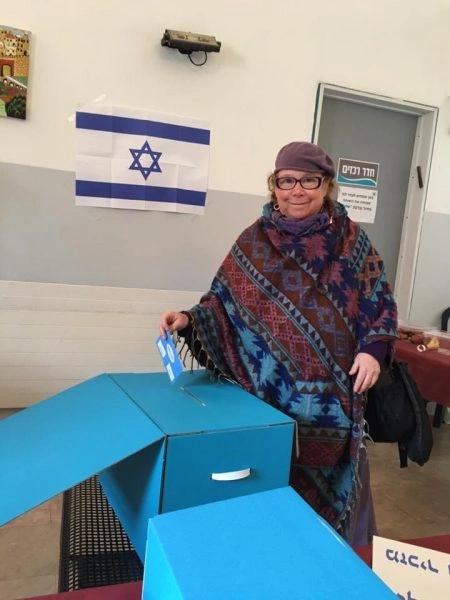
Mitspe, Israel
I’ve been learning since January 2020, and in June I started drawing a phrase from each daf. Sometimes it’s easy (e.g. plants), sometimes it’s very hard (e.g. korbanot), and sometimes it’s loads of fun (e.g. bird racing) to find something to draw. I upload my pictures from each masechet to #DafYomiArt. I am enjoying every step of the journey.

Ashdod, Israel
I started learning on January 5, 2020. When I complete the 7+ year cycle I will be 70 years old. I had been intimidated by those who said that I needed to study Talmud in a traditional way with a chevruta, but I decided the learning was more important to me than the method. Thankful for Daf Yomi for Women helping me catch up when I fall behind, and also being able to celebrate with each Siyum!

Bakersfield, United States
I’ve been wanting to do Daf Yomi for years, but always wanted to start at the beginning and not in the middle of things. When the opportunity came in 2020, I decided: “this is now the time!” I’ve been posting my journey daily on social media, tracking my progress (#DafYomi); now it’s fully integrated into my daily routines. I’ve also inspired my partner to join, too!

Teaneck, United States
I am grateful for the structure of the Daf Yomi. When I am freer to learn to my heart’s content, I learn other passages in addition. But even in times of difficulty, I always know that I can rely on the structure and social support of Daf Yomi learners all over the world.
I am also grateful for this forum. It is very helpful to learn with a group of enthusiastic and committed women.

Beit Shemesh, Israel
As Jewish educator and as a woman, I’m mindful that Talmud has been kept from women for many centuries. Now that we are privileged to learn, and learning is so accessible, it’s my intent to complete Daf Yomi. I am so excited to keep learning with my Hadran community.
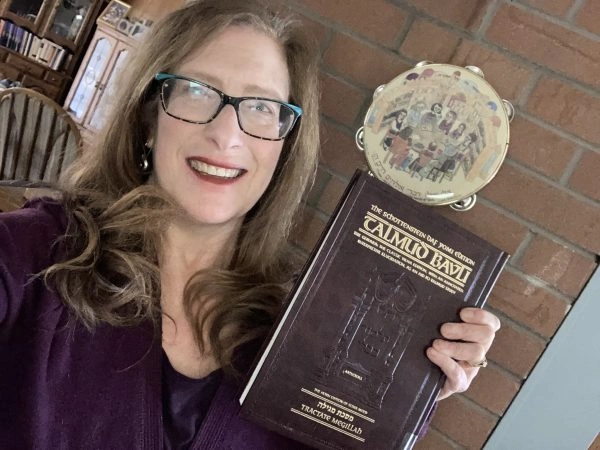
Denver, United States
After reading the book, “ If All The Seas Were Ink “ by Ileana Kurshan I started studying Talmud. I searched and studied with several teachers until I found Michelle Farber. I have been studying with her for two years. I look forward every day to learn from her.

Virginia, United States
Margo
I started my Talmud journey in 7th grade at Akiba Jewish Day School in Chicago. I started my Daf Yomi journey after hearing Erica Brown speak at the Hadran Siyum about marking the passage of time through Daf Yomi.
Carolyn
I started my Talmud journey post-college in NY with a few classes. I started my Daf Yomi journey after the Hadran Siyum, which inspired both my son and myself.

Merion Station, USA
Beit Shemesh, Israel
Menachot 78
אָמַר רַב יִצְחָק בַּר אַבְדִּימִי: ״תִּהְיֶינָה״ כְּתִיב. אֵימָא עֲשָׂרָה קְפִיזֵי? אָמַר רָבָא: בְּעֶשְׂרוֹנוֹת דִּבֵּר הַכָּתוּב.
Rav Yitzḥak bar Avdimi said: “They shall be” [tihyena] is written with two instances of the letter yod. The superfluous yod, whose numerical value is ten, is interpreted to indicate that the loaves of leavened bread of the thanks offering must be prepared from ten tenths of flour. The Gemara raises an objection: Say that the superfluous yod indicates that the loaves must be prepared with ten half-kav, a smaller measure than ten tenths of an ephah? Rava says: One cannot say this, since the verse habitually spoke of tenths of an ephah and not other measures.
לָמַדְנוּ עֲשָׂרָה לְחָמֵץ. עֲשָׂרָה לְמַצָּה מִנַּיִן? תַּלְמוּד לוֹמַר ״עַל חַלּוֹת לֶחֶם חָמֵץ״, כְּנֶגֶד חָמֵץ הָבֵא מַצָּה.
§ The Gemara continues its analysis of the baraita: We have learned that there are ten tenths of an ephah of flour for the loaves of leavened bread accompanying the thanks offering. From where is it derived that there are ten tenths of an ephah for the thirty loaves of matza? The verse states: “With cakes of leavened bread,” after mentioning the three types of matza accompanying the thanks offering (Leviticus 7:12–13), indicating that one must bring the matza in a measure corresponding to the measure of the loaves of leavened bread.
וְכִי דָּבָר הַלָּמֵד בְּהֶיקֵּשׁ, חוֹזֵר וּמְלַמֵּד בְּהֶיקֵּשׁ? הֵימֶנּוּ וְדָבָר אַחֵר הוּא, וְכֹל הֵימֶנּוּ וְדָבָר אַחֵר – לָא הָוֵי הֶיקֵּשׁ.
The Gemara asks: But can a matter that was derived by comparison then come back and teach the matter by comparison with regard to consecrated matters? Since the halakha that the loaves of leavened bread of the thanks offering are prepared from ten tenths of an ephah is itself derived by comparison to the two loaves, can one then derive from it that the matza loaves of the thanks offering consist of ten tenths of an ephah? The Gemara responds: The halakha that the loaves of leavened bread consist of ten loaves made from ten tenths of an ephah is not derived solely by comparison to the two loaves; rather, it is derived from itself, as the halakha that there are ten loaves is stated in the verse concerning the thanks offering, and from another matter, and any halakha derived from itself and from another matter is not considered a comparison. Consequently, the halakha with regard to the matza loaves may be derived from it.
הָנִיחָא לְמַאן דְּאָמַר לָא הָוֵי הֶיקֵּשׁ, אֶלָּא לְמַאן דְּאָמַר הָוֵי הֶיקֵּשׁ, מַאי אִיכָּא לְמֵימַר? ״תָּבִיאוּ״ רִבּוּיָא הִיא.
The Gemara asks: This works out well according to the one who says that a halakha derived from itself and from another matter does not constitute a comparison, but according to the one who says that a halakha derived from itself and from another matter does constitute a comparison, what is there to say? The Gemara responds: According to that opinion, the halakha that each loaf is prepared from a tenth of an ephah is derived from that which the verse states with regard to the two loaves: “You shall bring” (Leviticus 23:17), which is a term of amplification that serves to teach that the loaves of leavened bread of the thanks offering consist of ten tenths of an ephah of flour. Since this halakha is derived not by comparison but by amplification from the two loaves, one can derive the halakha with regard to the matza loaves by comparison to the loaves of leavened bread.
מַתְנִי׳ הַמִּילּוּאִים הָיוּ בָּאִין כַּמַּצָּה שֶׁבַּתּוֹדָה – חַלּוֹת, וּרְקִיקִין, (וּרְבִיכָה) [וּרְבוּכָה].
MISHNA: The loaves that accompanied the ram of the inauguration of the Tabernacle would come parallel to the three types of matza that accompany the thanks offering: Loaves, wafers, and loaves poached in water and made with oil (see Leviticus 8:26). The loaves of leavened bread that accompany the thanks offering were not brought with the ram of inauguration.
נְזִירוּת הָיְתָה בָּאָה שְׁתֵּי יָדוֹת כְּמַצָּה שֶׁל תּוֹדָה, חַלּוֹת וּרְקִיקִין, וְאֵין בָּהּ רְבוּכָה, נִמְצָא עֲשָׂרָה קַבִּין יְרוּשַׁלְמִית, שֶׁהֵן שִׁשָּׁה עֶשְׂרוֹנוֹת וְעוֹדְיִין.
The loaves that accompany the offering that the nazirite brings upon completion of his period of naziriteship would come with only two parts of the three types of matza that accompany the thanks offering, namely, loaves and wafers, but there is no matza poached in water (see Numbers 6:15). Consequently, the loaves of the offering of a nazirite are from ten kav of fine flour according to the Jerusalem measure, as taught in the previous mishna that each type of the loaves of matza comes from five kav of flour, which equal six-and-two-thirds tenths of an ephah according to the wilderness measure, as each type of the loaves of matza comes from three-and-one-third tenths of an ephah.
גְּמָ׳ מְנָא הָנֵי מִילֵּי? אָמַר רַב חִסְדָּא, אָמַר רַב חָמָא בַּר גּוּרְיָא: דְּאָמַר קְרָא ״וּמִסַּל הַמַּצּוֹת אֲשֶׁר לִפְנֵי ה׳ לָקַח חַלַּת מַצָּה אַחַת וְחַלַּת לֶחֶם שֶׁמֶן אַחַת וְרָקִיק אֶחָד״. בִּשְׁלָמָא ״חַלּוֹת״ – חַלּוֹת, ״רָקִיק״ – רָקִיק, ״שֶׁמֶן״ מַאי נִינְהוּ? לָאו רְבוּכָה.
GEMARA: The mishna teaches that the loaves that accompanied the ram of the inauguration of the Tabernacle consisted of the three types of matza brought with a thanks offering: Loaves, wafers, and loaves poached in water and made with oil. The Gemara asks: From where are these matters derived? Rav Ḥisda said that Rav Ḥama bar Gurya said: It is derived from that which the verse states: “And out of the basket of unleavened bread that was before the Lord, he took one unleavened cake, and one cake of oiled bread, and one wafer” (Leviticus 8:26). Granted, “cakes” are cakes, and “wafer” is a wafer. But what is “oiled bread” referring to? Is this not referring to matza poached in water and made with oil?
מַתְקֵיף לַהּ רַב אַוְיָא: אֵימָא אַנְתָּא דְּמִשְׁחָא! אֶלָּא, כִּדְדָרֵשׁ רַב נַחְמָן בַּר רַב חִסְדָּא מִשְּׁמֵיהּ דְּרַבִּי טַבְלָא: ״זֶה קׇרְבַּן אַהֲרֹן וּבָנָיו אֲשֶׁר יַקְרִיבוּ לַה׳ בְּיוֹם הִמָּשַׁח אֹתוֹ״.
Rav Avya objects to this: One can say that “oiled bread” is referring to a cake of oil. Rather, derive it as Rav Naḥman bar Rav Ḥisda taught in the name of Rabbi Tavla, that the verse states: “This is the offering of Aaron and of his sons, which they shall bring to the Lord on the day when he is anointed: The tenth part of an ephah of fine flour for a meal offering perpetually, half of it in the morning and half of it in the evening. On a pan it shall be made with oil; when it is poached, you shall bring it in; in broken pieces shall you bring the meal offering for a pleasing aroma to the Lord. And the anointed priest that shall be in his stead from among his sons shall bring it” (Leviticus 6:13–15).
וְכִי מָה לָמַדְנוּ לְבָנָיו בְּיוֹם הִמָּשְׁחוֹ? אֶלָּא מַקִּישׁ חִינּוּכוֹ לְהִמָּשְׁחוֹ: מָה הִמָּשְׁחוֹ רְבוּכָה, אַף חִינּוּכוֹ רְבוּכָה.
One can ask: And what have we learned with regard to Aaron’s sons, i.e., the ordinary priests, from the instructions for the High Priest on the day that he is anointed? Rather, the verse juxtaposes the meal offering brought by an ordinary priest during his inauguration with the meal offering brought by the High Priest when he is anointed. This juxtaposition teaches that just as the meal offering brought by the High Priest when he is anointed is poached in water, so too the meal offering brought by an ordinary priest during his inauguration is poached in water. Similarly, the loaves brought with the ram of the inauguration of the Tabernacle included loaves poached in water.
אָמַר רַב חִסְדָּא: כֹּהֵן גָּדוֹל הַמִּתְקָרֵב לַעֲבוֹדָה צָרִיךְ שְׁתֵּי עֶשְׂרוֹנוֹת הָאֵיפָה, אַחַת לְהִמָּשְׁחוֹ, וְאַחַת לְחִינּוּכוֹ. מָר בַּר רַב אָשֵׁי אָמַר: שָׁלֹשׁ.
§ Concerning the matter of the High Priest’s meal offering on the day of his inaugural service in the Temple, Rav Ḥisda says: A High Priest who approaches the Temple service on the day that he is anointed is required to bring two meal offerings consisting of two tenths of an ephah, one for the fact that he is anointed as the High Priest and must bring the daily meal offering of the High Priest, and one for his inauguration. Mar bar Rav Ashi says: He requires three tenths of an ephah.
וְלָא פְּלִיגִי, הָא – דַּעֲבַד עֲבוֹדָה כְּשֶׁהוּא כֹּהֵן הֶדְיוֹט, הָא – דְּלָא עֲבַד עֲבוֹדָה כְּשֶׁהוּא כֹּהֵן הֶדְיוֹט.
And they do not disagree. This one, Rav Ḥisda, is referring to a High Priest who already performed the Temple service as an ordinary priest. Accordingly, he has already brought a meal offering for his inauguration as an ordinary priest. He therefore brings only two tenths of flour, one for his inauguration as High Priest and one for the daily meal offering of the High Priest. And that one, Mar bar Rav Ashi, is referring to a High Priest who has not yet performed the Temple service as an ordinary priest. He must therefore bring three tenths, one for his inauguration as an ordinary priest, one for his inauguration as High Priest, and one for the daily meal offering of the High Priest.
נְזִירוּת הָיְתָה בָּאָה שְׁתֵּי יָדוֹת, כַּמַּצָּה שֶׁבַּתּוֹדָה.
§ The mishna teaches: The loaves that accompany the offering that the nazirite brings upon completion of his period of naziriteship would come with only two parts, parallel to the types of matza that come with the thanks offering, i.e., loaves and wafers, but not matza poached in water.
תָּנוּ רַבָּנַן: ״שְׁלָמָיו״ – לְרַבּוֹת שַׁלְמֵי נָזִיר, לַעֲשֶׂרֶת קַבִּין יְרוּשַׁלְמִיּוֹת וְלִרְבִיעִית שֶׁמֶן.
The Sages taught in a baraita: The verse states with regard to the loaves brought with a thanks offering: “If he sacrifices it for a thanks offering, then he shall sacrifice with the thanks offering unleavened cakes mingled with oil, and unleavened wafers spread with oil, and cakes mingled with oil, of fine flour poached. With cakes of leavened bread he shall present his offering with the sacrifice of his peace offerings for thanks” (Leviticus 7:12–13). “His peace offerings” serves to include the nazirite’s peace offering in the halakhot that its accompanying meal offerings must consist of ten Jerusalem kav and one-quarter of a log of oil, just like the measurements required for the cakes and wafers of the thanks offering.
יָכוֹל לְכׇל מָה שֶׁאָמוּר בָּעִנְיָן, תַּלְמוּד לוֹמַר ״מַצּוֹת״.
The baraita continues: One might have thought that the verse indicates that the meal offering of the nazirite’s peace offering is equivalent to the loaves of the thanks offering concerning all that is stated with regard to the matter of the thanks offering, and that one brings three types of matza consisting of fifteen Jerusalem kav and half a log of oil. Therefore, the verse states with regard to the nazirite’s peace offering: “And a basket of unleavened bread, loaves of fine flour mingled with oil, and unleavened wafers spread with oil” (Numbers 6:15), to indicate that the nazirite’s meal offering consists only of matza loaves and matza wafers, and not matza poached in water.
מַאי תַּלְמוּדָא? אָמַר רַב פָּפָּא: דָּבָר שֶׁנֶּאֱמַר בּוֹ ״מַצּוֹת״, לְאַפּוֹקֵי רְבוּכָה דְּלֹא נֶאֱמַר בּוֹ ״מַצּוֹת״. דְּבֵי רַבִּי יִשְׁמָעֵאל תָּנָא: ״מַצּוֹת״ – כָּלַל, ״חַלּוֹת וּרְקִיקִין״ – פָּרַט, כְּלָל וּפְרָט אֵין בַּכְּלָל אֶלָּא מָה שֶׁבַּפְּרָט, חַלּוֹת וּרְקִיקִין – אִין, מִידֵּי אַחֲרִינָא – לָא.
The Gemara clarifies: What is the biblical derivation by which “matza” indicates that loaves poached in water were not brought? Rav Pappa says: The verse indicates that the nazirite brings matza specifically from an item of which it was stated: “Matzot.” This serves to exclude loaves poached in water, of which it is not stated: Matzot. In addition, the school of Rabbi Yishmael taught: “Unleavened bread” is a generalization; “loaves of fine flour mingled with oil, and unleavened wafers spread with oil” is a detail. When the Torah states a generalization and a detail, the generalization includes only what is in the detail. Therefore, loaves and wafers are included in the nazirite’s meal offering, while other items are not.
מַתְנִי׳ הַשּׁוֹחֵט אֶת הַתּוֹדָה לִפְנִים וְלַחְמָהּ חוּץ לַחוֹמָה – לֹא קָדַשׁ הַלֶּחֶם. שְׁחָטָהּ עַד שֶׁלֹּא קָרְמוּ פָּנֶיהָ בַּתַּנּוּר, וַאֲפִילּוּ קָרְמוּ כּוּלָּן חוּץ מֵאֶחָד מֵהֶן – לֹא קָדַשׁ הַלֶּחֶם.
MISHNA: In the case of one who slaughters the thanks offering in its proper place inside the Temple courtyard, and at that time its forty loaves were outside the wall, the loaves were not consecrated. Likewise, if he slaughtered the thanks offering before the surface of the loaves formed a crust in the oven, and even if the surface of all the loaves formed a crust except for one of them, the loaves were not consecrated.
גְּמָ׳ מַאי ״חוּץ לַחוֹמָה״? רַבִּי יוֹחָנָן אָמַר: חוּץ לְחוֹמַת בֵּית פָּאגֵי, וְרֵישׁ לָקִישׁ אָמַר: חוּץ לְחוֹמַת הָעֲזָרָה.
GEMARA: The Gemara clarifies: What is meant by outside the wall? Rabbi Yoḥanan says that it means outside the wall of Beit Pagei in Jerusalem. And Reish Lakish says that it means outside the wall of the Temple courtyard.
רֵישׁ לָקִישׁ אָמַר: חוּץ לְחוֹמַת הָעֲזָרָה, בָּעֵינַן ״עַל״ בְּסָמוּךְ.
The Gemara elaborates: Reish Lakish says that it means outside the wall of the Temple courtyard, because the verse states with regard to the loaves of the thanks offering: “Then he shall sacrifice with [al] the thanks offering unleavened cakes mingled with oil” (Leviticus 7:12). And we require that the thanks offering be slaughtered strictly “with [al]” the accompanying loaves, i.e., with the loaves nearby. If the loaves are outside the wall of the Temple courtyard, they are not considered nearby.
וְרַבִּי יוֹחָנָן אָמַר: חוּץ לְחוֹמַת בֵּית פָּאגֵי, אֲבָל חוּץ לָעֲזָרָה – קָדוֹשׁ, וְלָא בָּעֵינַן ״עַל״ בְּסָמוּךְ.
And Rabbi Yoḥanan says: If the loaves were outside the wall of Beit Pagei, they are not consecrated, because it is prohibited to eat the loaves outside the wall of Beit Pagei. Since if they were taken outside the wall of Beit Pagei, they would be disqualified because they were removed from their permitted area, they cannot be consecrated if they are there. But if they were merely outside the Temple courtyard, where they may be eaten, they are consecrated. And we do not require that the thanks offering be slaughtered strictly “with” the accompanying loaves, i.e., nearby.
וְהָא אִיפְּלִיגוּ בַּהּ חֲדָא זִימְנָא?
The Gemara objects: Why is it necessary for Rabbi Yoḥanan and Reish Lakish to disagree with regard to a case where the loaves were situated outside the wall when the thanks offering was slaughtered? But didn’t they already disagree with regard to this matter one other time?
דִּתְנַן: הַשּׁוֹחֵט אֶת הַפֶּסַח עַל הֶחָמֵץ – עוֹבֵר בְּלֹא תַעֲשֶׂה. רַבִּי יְהוּדָה אוֹמֵר: אַף הַתָּמִיד. וְאָמַר רֵישׁ לָקִישׁ: לְעוֹלָם אֵינוֹ חַיָּיב עַד שֶׁיְּהֵא אוֹ לַשּׁוֹחֵט, אוֹ לַזּוֹרֵק, אוֹ לְאֶחָד מִבְּנֵי חֲבוּרָה – עִמּוֹ בָּעֲזָרָה. וְרַבִּי יוֹחָנָן אָמַר: אַף עַל פִּי שֶׁאֵין עִמּוֹ בַּעֲזָרָה.
This is as we learned in a mishna (Pesaḥim 63a) with regard to the slaughtering of the Paschal offering: One who slaughters the Paschal offering with leavened bread still in his possession transgresses a prohibition, as the verse states: “You shall not sacrifice the blood of My offering with [al] leavened bread; neither shall the offering of the festival of Passover be left until the morning” (Exodus 34:25). Rabbi Yehuda says: Even one who slaughters the daily afternoon offering on Passover eve with leavened bread in his possession transgresses the prohibition. And Reish Lakish says: Actually, one is not liable unless the leavened bread is in the possession of the one who slaughters the offering, or the one who sprinkles its blood, or one of the members of the group, and the leavened bread is with that person in the Temple courtyard. And Rabbi Yoḥanan says: One is liable even if the leavened bread is not with that person in the Temple courtyard. Evidently, they already disagree with regard to the meaning of the word “al.”
צְרִיכָא, דְּאִי אִיתְּמַר בְּהַהִיא – בְּהַהִיא קָא אָמַר רַבִּי יוֹחָנָן, דְּכֹל הֵיכָא דְּאִיתֵיהּ בְּאִיסּוּרָא קָאֵי, אֲבָל לְעִנְיַן מִקְדַּשׁ לֶחֶם – אֵימָא מוֹדֵי לֵיהּ לְרֵישׁ לָקִישׁ דְּאִי אִיתֵיהּ בִּפְנִים – קָדוֹשׁ, אַבָּרַאי – לֹא קָדוֹשׁ.
The Gemara replies: It is necessary to state the dispute concerning both matters. As, if their disagreement were stated only with regard to that matter of the Paschal offering, one might think that only with regard to that matter Rabbi Yoḥanan said that one is liable even if the leavened bread is not inside the Temple courtyard, since wherever there is leavened bread, its owner stands in violation of the prohibition against owning leavened bread at that time. But with regard to the matter of the consecration of the loaves of the thanks offering, one could say that he concedes to Reish Lakish that if the loaves are inside the Temple courtyard when the thanks offering is slaughtered, they are consecrated, but if they are outside, they are not consecrated.
וְאִי אִיתְּמַר בְּהָא, בְּהָא קָאָמַר רֵישׁ לָקִישׁ, אֲבָל בְּהָךְ אֵימָא מוֹדֶה לֵיהּ לְרַבִּי יוֹחָנָן, צְרִיכָא.
And if their disagreement were stated only with regard to this matter of the loaves of the thanks offering, one might think that only with regard to this matter Reish Lakish says that the loaves are consecrated only if they were within the walls of the Temple courtyard. But with regard to that matter of the Paschal offering, one could say that he concedes to Rabbi Yoḥanan that one is liable for slaughtering the Paschal offering while in possession of leavened bread even if it was not with him inside the Temple courtyard, as wherever there is leavened bread, its owner stands in violation of the prohibition against owning leavened bread at that time. Therefore, it is necessary to state the dispute concerning both matters.
תַּנְיָא כְּוָותֵיהּ דְּרַבִּי יוֹחָנָן: הַשּׁוֹחֵט אֶת הַתּוֹדָה לִפְנִים, וְלַחְמָהּ חוּץ לְחוֹמַת בֵּית פָּאגֵי – לֹא קָדַשׁ הַלֶּחֶם.
The Gemara notes: It is taught in a baraita in accordance with the opinion of Rabbi Yoḥanan: In the case of one who slaughters the thanks offering inside the Temple courtyard, and at that time its loaves were outside the walls of Beit Pagei, the loaves were not consecrated.
שְׁחָטָהּ עַד שֶׁלֹּא קָרְמוּ פָּנֶיהָ בַּתַּנּוּר.
§ The mishna teaches: If he slaughtered the thanks offering before the surface of the loaves formed a crust in the oven, the loaves were not consecrated. The next mishna also teaches: If one slaughtered the thanks offering not for its sake, the loaves were not consecrated.
מְנָא הָנֵי מִילֵּי? דְּתָנוּ רַבָּנַן: ״עַל חַלּוֹת לֶחֶם חָמֵץ יַקְרִיב קׇרְבָּנוֹ עַל זֶבַח״ – מְלַמֵּד שֶׁאֵין הַלֶּחֶם קָדוֹשׁ אֶלָּא אִם כֵּן קָרְמוּ פָּנֶיהָ בַּתַּנּוּר. ״יַקְרִיב קׇרְבָּנוֹ עַל זֶבַח״ – מְלַמֵּד שֶׁאֵין הַלֶּחֶם קָדוֹשׁ אֶלָּא בִּשְׁחִיטַת הַזֶּבַח. ״זֶבַח תּוֹדַת״ – מְלַמֵּד שֶׁאִם שָׁחַט שֶׁלֹּא לִשְׁמָן לֹא קָדַשׁ הַלֶּחֶם.
The Gemara seeks to clarify: From where are these matters derived? As the Sages taught: The verse states with regard to the loaves accompanying the thanks offering: “With cakes of leavened bread he shall present his offering with the sacrifice of his peace offerings for thanks” (Leviticus 7:13). This teaches that the loaves are not consecrated unless the surface of the loaves formed a crust in the oven, as only then can they be considered “cakes of leavened bread.” The phrase “he shall present his offering with the sacrifice” teaches that the loaves are consecrated only upon the slaughtering of the offering. The phrase “the sacrifice of his peace offerings for thanks” teaches that if one slaughtered the offering not for its sake, the loaves were not consecrated.
תָּנוּ רַבָּנַן: יוֹצְאִין בְּמַצָּה נָא, וּבְמַצָּה הָעֲשׂוּיָה בְּאִילְפָּס. מַאי מַצָּה נָא? אָמַר רַב יְהוּדָה אָמַר שְׁמוּאֵל: כֹּל שֶׁפּוֹרְסָהּ וְאֵין חוּטִין נִמְשָׁכִין הֵימֶנָּה.
§ On a similar note, the Sages taught: One fulfills the obligation to eat matza on Passover with half-done, i.e., not fully baked, matza, and with matza made in a stewpot [ilpas] rather than baked in an oven. The Gemara asks: What constitutes half-done matza? Rav Yehuda says that Shmuel says: It is any matza that is sufficiently baked such that if one breaks it, threads of dough are not drawn from it.
אָמַר רָבָא: וְכֵן לְעִנְיַן לַחְמֵי תוֹדָה, פְּשִׁיטָא! הָכָא ״לֶחֶם״ כְּתִיב, וְהָכָא ״לֶחֶם״ כְּתִיב.
Rava said: And so this is the halakha with regard to the matter of the loaves of the thanks offering, i.e., if the loaves were already half-done at the time of the slaughter of the thanks offering, they are consecrated. The Gemara asks: Why is it necessary for Rava to state this? Isn’t it obvious? Here, with regard to matza, the term “bread” is written (Deuteronomy 16:3), and here, with regard to the loaves of the thanks offering, the term “bread” is written.
מַהוּ דְּתֵימָא: ״אֶחָד״ אֲמַר רַחֲמָנָא – שֶׁלֹּא יִטּוֹל פָּרוּס, וְהָא כְּמַאן דִּפְרִיסָא דָּמְיָא, קָמַשְׁמַע לַן.
The Gemara responds: Lest you say that since the Merciful One states with regard to the loaves of the thanks offering: “And of it he shall present one out of each offering for a gift unto the Lord” (Leviticus 7:14), this indicates that one may not take sliced bread for the thanks offering, and this half-done bread is considered like one that is sliced, as it will break apart upon being lifted, and it should consequently be disqualified for the bread of the thanks offering, therefore Rava teaches us that once it is baked to that point, it is considered as one loaf and it is valid for the thanks offering.
אִיתְּמַר, תּוֹדָה שֶׁשְּׁחָטָהּ עַל שְׁמוֹנִים חַלּוֹת: חִזְקִיָּה אָמַר: קָדְשׁוּ אַרְבָּעִים מִתּוֹךְ שְׁמוֹנִים, וְרַבִּי יוֹחָנָן אָמַר: לֹא קָדְשׁוּ אַרְבָּעִים מִתּוֹךְ שְׁמוֹנִים.
§ It was stated that there is a dispute among the amora’im with regard to a thanks offering that one slaughtered accompanied by eighty loaves rather than the required forty. Ḥizkiyya says: Forty of the eighty loaves are consecrated, and Rabbi Yoḥanan says: Not even forty of the eighty loaves are consecrated.
אָמַר רַבִּי זֵירָא: הַכֹּל מוֹדִים, הֵיכָא דְּאָמַר ״לִיקְדְּשׁוּ אַרְבָּעִים מִתּוֹךְ שְׁמוֹנִים״ – קָדְשׁוּ, ״אַל יִקְדְּשׁוּ אַרְבָּעִים אֶלָּא אִם כֵּן יִקְדְּשׁוּ שְׁמוֹנִים״ – לֹא קָדְשׁוּ. כִּי פְּלִיגִי בִּסְתָמָא, מָר סָבַר: לְאַחְרָיוּת קָא מִיכַּוֵּין, וּמָר סָבַר: לְקׇרְבָּן גָּדוֹל קָא מִיכַּוֵּין.
With regard to this dispute, Rabbi Zeira says: Everyone, even Rabbi Yoḥanan, concedes that in a case where the individual bringing the offering said: Let forty of the eighty loaves be consecrated, that forty are consecrated. Likewise, everyone concedes that where he said: Forty should not be consecrated unless eighty will be consecrated, that they were not consecrated. They disagree when one brings eighty loaves without specification. One Sage, Ḥizkiyya, holds: He intends to consecrate only forty of them, but he brought eighty in order to guarantee that there will be sufficient loaves. And one Sage, Rabbi Yoḥanan, holds: He intends to bring a large offering of eighty loaves; consequently, none of the loaves are consecrated.
אַבָּיֵי אָמַר: דְּכוּלֵּי עָלְמָא לְאַחְרָיוּת קָא מִיכַּוֵּין, וּבִכְלֵי שָׁרֵת מְקַדְּשִׁין שֶׁלֹּא מִדַּעַת קָא מִיפַּלְגִי. מָר סָבַר: כְּלֵי שָׁרֵת מְקַדְּשִׁין שֶׁלֹּא מִדַּעַת, וּמָר סָבַר: כְּלֵי שָׁרֵת אֵין מְקַדְּשִׁין שֶׁלֹּא מִדַּעַת.
Abaye offered another explanation of the dispute and said: Everyone agrees that he intends to guarantee that there will be sufficient loaves, and they disagree with regard to whether service vessels consecrate the appropriate measure without the intention of the one bringing the offering. One Sage, Ḥizkiyya, holds that service vessels consecrate items without intention. Accordingly, the knife that slaughters the thanks offering and consecrates its accompanying loaves consecrates forty of the eighty. And one Sage, Rabbi Yoḥanan, holds that service vessels do not consecrate items without intention.
רַב פָּפָּא אָמַר: דְּכוּלֵּי עָלְמָא כְּלֵי שָׁרֵת מְקַדְּשִׁין שֶׁלֹּא מִדַּעַת, וְהָכָא בְּסַכִּין קָא מִיפַּלְגִי – מָר סָבַר: סַכִּין מְקַדֶּשֶׁת כִּכְלִי שָׁרֵת, וּמָר סָבַר: סַכִּין, כֵּיוָן דְּלֵית לֵיהּ תּוֹךְ, אֵינָהּ מְקַדֶּשֶׁת כִּכְלִי שָׁרֵת.
Rav Pappa offered another explanation of the dispute and said: Everyone agrees that service vessels consecrate items without intention, and here they disagree with regard to whether this is also the halakha with regard to the slaughtering knife. One Sage, Ḥizkiyya, holds that the knife consecrates items as a service vessel does. And one Sage, Rabbi Yoḥanan, holds that since the knife has no inside, it does not consecrate items as a service vessel does.
וְאִיכָּא דְּאָמְרִי, רַב פָּפָּא אָמַר: דְּכוּלֵּי עָלְמָא כְּלֵי שָׁרֵת אֵין מְקַדְּשִׁין אֶלָּא מִדַּעַת, וְהָכָא בְּסַכִּין קָא מִיפַּלְגִי. מָר סָבַר: סַכִּין אַלִּימָא מִכְּלִי שָׁרֵת, דְּאַף עַל גַּב דְּלֵית לַיהּ תּוֹךְ – מְיקַדְּשָׁה, וּמָר סָבַר: סַכִּין לָא אַלִּימָא (לַיהּ) מִכְּלִי שָׁרֵת.
And there are those who say that Rav Pappa said: Everyone agrees that service vessels consecrate items only with intention, and here they disagree with regard to the ability of the slaughtering knife to consecrate without intention. One Sage, Ḥizkiyya, holds that the power of the knife to consecrate items is stronger than that of other service vessels, as even though it has no inside it consecrates items, and therefore it also consecrates items without intention. And one Sage, Rabbi Yoḥanan, holds that the power of the knife to consecrate items is not stronger than that of other service vessels, and like all service vessels, it does not consecrate items without intention.
מַתְנִי׳ שְׁחָטָהּ חוּץ לִזְמַנָּהּ וְחוּץ לִמְקוֹמָהּ – קָדַשׁ הַלֶּחֶם, שְׁחָטָהּ וְנִמְצֵאת טְרֵיפָה – לֹא קָדַשׁ הַלֶּחֶם.
MISHNA: If one slaughtered the thanks offering with the intent to partake of it or to burn the sacrificial portions beyond its designated time or outside its designated area, and the offering was rendered piggul or was disqualified, respectively, the loaves were consecrated and either rendered piggul or disqualified. If one slaughtered the thanks offering and it was discovered that it was an animal with a wound that would have caused it to die within twelve months [tereifa], the loaves were not consecrated, as the cause of the animal’s disqualification preceded its slaughter.
שְׁחָטָהּ וְנִמְצֵאת בַּעֲלַת מוּם, רַבִּי אֱלִיעֶזֶר אוֹמֵר: קָדַשׁ, וַחֲכָמִים אוֹמְרִים: לֹא קָדַשׁ.
If one slaughtered the thanks offering and it was discovered that it is a blemished animal that may not be sacrificed ab initio but if it ascended the altar it may be sacrificed, Rabbi Eliezer says: He has consecrated the loaves, since if the offering ascends the altar it is sacrificed. And the Rabbis say: He has not consecrated the loaves, since it may not be sacrificed ab initio.
שְׁחָטָהּ שֶׁלֹּא לִשְׁמָהּ, וְכֵן אֵיל הַמִּילּוּאִים, וְכֵן שְׁנֵי כִּבְשֵׂי עֲצֶרֶת שֶׁשְּׁחָטָן שֶׁלֹּא לִשְׁמָן – לֹא קָדַשׁ הַלֶּחֶם.
If one slaughtered the thanks offering not for its sake but for the sake of another offering, and likewise, if one slaughtered the ram of inauguration not for its sake, and likewise, if one slaughtered the communal peace offering of two sheep that accompany the two loaves on Shavuot not for their sake, the loaves were not consecrated.
גְּמָ׳ – מַתְנִיתִין מַנִּי? רַבִּי מֵאִיר.
GEMARA: The mishna teaches that if one slaughtered the thanks offering with the intent to partake of it beyond its designated time or outside its designated area, the loaves become consecrated. The mishna also teaches that if the thanks offering was slaughtered and it was discovered that it was a tereifa, the loaves were not consecrated, but if it was discovered to have a blemish, Rabbi Eliezer says that the loaves were consecrated, and the Rabbis say that they were not. The Gemara asks: Whose opinion is expressed in the mishna? It is the opinion of Rabbi Meir.
דְּתַנְיָא, זֶה הַכְּלָל: כֹּל שֶׁפִּיסּוּלוֹ קוֹדֶם שְׁחִיטָה – לֹא קָדַשׁ הַלֶּחֶם; פִּיסּוּלוֹ אַחַר שְׁחִיטָה – קָדַשׁ הַלֶּחֶם. שְׁחָטָהּ חוּץ לִזְמַנָּהּ וְחוּץ לִמְקוֹמָהּ – קָדַשׁ הַלֶּחֶם; שְׁחָטָהּ וְנִמְצֵאת טְרֵיפָה – לֹא קָדַשׁ הַלֶּחֶם.
As it is taught in a baraita: This is the principle: Any instance in which the disqualification of the thanks offering preceded its slaughter, the loaves were not consecrated, and any instance in which its disqualification came into existence after its slaughter, the loaves were consecrated. Therefore, if one slaughtered the thanks offering with the intent to partake of it or to burn the sacrificial portions beyond its designated time or outside its designated area, the loaves were consecrated, as the offering remained fit until after its slaughter. But if one slaughtered the thanks offering and it was discovered that it was a tereifa, the loaves were not consecrated, as the cause of the animal’s disqualification preceded its slaughter.

