









This month’s learning is sponsored by Marci Glazer in loving memory of her teacher and chevruta, Rachel Brodie, Rachel Aviva bat Devora Chana, on her 4th yahrzeit. “She brought her love of Torah to thousands of people in her all-too-short life. A lover of Midrash, she still invited me on this Daf Yomi journey.”
Want to dedicate learning? Get started here:

Summary

Rabbi Eliezer holds that when the Kohen accepts the blood from a sacrifice into a sanctified vessel, there must be enough collected in that single bowl to be used for placing the blood on the altar. If one collects some blood in one bowl and some in another, and later mixes them together before performing the placements, the blood is not sanctified.
The Gemara suggests that Rabbi Eliezer contradicts himself, as regarding the Kohen Gadol’s griddle-cake offering (minchat chavitin), he holds that it is sanctified even if placed in two separate bowls. To resolve this, the Gemara first suggests that perhaps Rabbi Eliezer does not derive one law from another—specifically, a mincha offering from blood. However, this is rejected because Rabbi Eliezer does derive laws for a mincha from the bowls of frankincense of the Showbread. In conclusion, the Gemara distinguishes between learning a mincha offering from another mincha-style offering and learning a mincha offering from an animal sacrifice (blood).
Rabbi Yochanan disagrees with Rabbi Elazar regarding the minchat chavitin and rules that it is not sanctified if placed in the vessel in parts. Rabbi Acha brings the source in the Torah for his prohibition, and the Gemara brings two braitot that support his opinion and contradict Rabbi Elazar’s position.
Rabbi Yochanan’s position regarding the Kohen Gadol’s griddle-cake offering (minchat chavitin) is questioned in light of a position he holds against Rav in a case of a regular mincha offering that is sanctified even before the person completely filled the vessel with the fine flour. Why does he differentiate between the cases?
The Gemara then asks about Rav, who disagrees with Rabbi Yochanan and requires the vessel to be filled: would he hold like Rabbi Yochanan or Rabbi Elazar regarding the minchat chavitin offering? They conclude that since he derives one item from another (on a different mincha-related issue), he would derive from the minchat chavitin to here, and therefore he must hold like Rabbi Yochanan by the minchat chavitin and requires it to be complete to sanctify.
Since the Gemara mentions a different mincha-related issue where Rav derives one thing from another, they quote that source in its entirety and delve into his debate with Rabbi Chanina about mincha offerings where not all the parts were added yet to the bowl – are they sanctified without everything being there?
At the beginning of the daf, Rabbi Elazar had made a comparison of taking the kometz from a mincha in the Sanctuary, which is permitted as it is derived from the bowls of frankincense from the Showbread. Rabbi Yirmia raises a difficulty against this from a braita, but the drasha in that braita is reinterpreted to fit with Rabbi Elazar’s ruling.
Today’s daily daf tools:
This month’s learning is sponsored by Marci Glazer in loving memory of her teacher and chevruta, Rachel Brodie, Rachel Aviva bat Devora Chana, on her 4th yahrzeit. “She brought her love of Torah to thousands of people in her all-too-short life. A lover of Midrash, she still invited me on this Daf Yomi journey.”
Today’s daf is sponsored by Stacey Goodstein Ashtamker and family in honor of her daughter Eden completing the IDF officers course. “As she becomes a ‘Ktzinat Nifgaim‘ serving wounded IDF soldier and bereaved families we pray that Hashem will give her the strength and guidance for the challenging job ahead.”
Menachot 8
וְאִם אִיתַהּ, לֵילַף מִדָּם? וְכִי תֵּימָא: רַבִּי אֶלְעָזָר מִילְּתָא מִמִּילְּתָא לָא גָּמַר? וְהָא אָמַר רַבִּי אֶלְעָזָר: מִנְחָה שֶׁקְּמָצָהּ בַּהֵיכָל כְּשֵׁרָה, שֶׁכֵּן מָצִינוּ בְּסִילּוּק בָּזִיכִין.
And if it is so that Rabbi Elazar holds that blood may not be sanctified in halves, let him derive the halakha of the High Priest’s griddle-cake offering from that of blood. And if you would say that in this case Rabbi Elazar does not derive the halakha of the matter of a meal offering from that of another matter, that is difficult: But doesn’t Rabbi Elazar say: A meal offering from which the priest removed a handful while inside the Sanctuary is valid, despite the fact that the handful should be removed in the Temple courtyard; the reason is that we find a similar case in the Sanctuary, with regard to the removal of the bowls of frankincense from the Table of the shewbread? Just as the bowls permit the shewbread for consumption when removed in the Sanctuary, so too, the handful permits the remainder of the meal offering for consumption. This indicates that Rabbi Elazar does derive the halakha of a meal offering from that of another matter.
מִנְחָה מִמִּנְחָה יָלֵיף, מִנְחָה מִדָּם לָא יָלֵיף.
The Gemara responds: Rabbi Elazar does derive the halakha with regard to a meal offering from that of another meal offering; the shewbread is considered a meal offering. But he does not derive the halakha with regard to a meal offering from that of blood.
וּמִנְחָה מִמִּנְחָה מִי יָלֵיף? וְהָתַנְיָא: עַד שֶׁלֹּא פֵּרְקָהּ נִפְרַס לַחְמָהּ – הַלֶּחֶם פָּסוּל, וְאֵין מַקְטִיר עָלָיו אֶת הַבָּזִיכִין. מִשֶּׁפֵּרְקָהּ נִפְרַס לַחְמָהּ – הַלֶּחֶם פָּסוּל, וּמַקְטִיר עָלָיו אֶת הַבָּזִיכִין.
The Gemara asks: And does Rabbi Elazar derive the halakha of one meal offering from that of another meal offering? But isn’t it taught in a baraita: If before the priest detached the arrangement of shewbread and the bowls of frankincense from upon the Table, the bread broke into pieces, the bread is unfit for consumption and the priest does not burn the frankincense contained in the bowls on account of it. If the bread broke after the priest detached it, the bread is unfit but the priest burns the frankincense contained in the bowls on account of it.
וְאָמַר רַבִּי אֶלְעָזָר: לֹא פֵּרְקָהּ מַמָּשׁ, אֶלָּא כֵּיוָן שֶׁהִגִּיעַ זְמַנָּהּ לְפָרֵק, אַף עַל פִּי שֶׁלֹּא פֵּרְקָהּ, כְּמִי שֶׁפֵּרְקָהּ דָּמְיָא.
The Gemara continues: And Rabbi Elazar says: When the baraita refers to the detachment of the shewbread, it does not mean that the priest actually detached it. Rather, it means that once the time to detach it has arrived, even though he has not yet detached it and has not removed the bowls, it is considered as though he has detached it. Accordingly, if the shewbread broke after that time, the frankincense is burned.
וְאַמַּאי? תֶּיהְוֵי כְּמִנְחָה שֶׁחָסְרָה קוֹדֶם קְמִיצָה!
The Gemara explains its question: And if Rabbi Elazar derives the halakha of one meal offering from another, why does he say that frankincense contained in the bowls is burned in a case where the shewbread broke when the time to detach the bread had arrived? It should be like the case of a meal offering that became lacking in its measure before the removal of the handful. Such a handful is not removed and is not sacrificed upon the altar. Likewise, the frankincense was still on the Table when the shewbread broke and should therefore be disqualified.
הָא לָא קַשְׁיָא, מִנְחָה לָא בְּרִיר (בְּרֵירָה) קוֹמֶץ דִּידַהּ, וְהָא בְּרִיר (בְּרֵירָה) קוֹמֶץ דִּידַהּ, וְכֵיוָן שֶׁהִגִּיעַ זְמַנָּהּ לְפָרֵק – כְּמַאן דְּפָרְקַהּ דָּמְיָא.
The Gemara answers: This is not difficult, as there is a difference between these meal offerings. In the case of a meal offering that became lacking before the removal of a handful, its handful was not clearly designated. Consequently, if the meal offering became lacking before a handful was removed, one may no longer remove a handful from it. But in the case of the shewbread and the bowls of frankincense, its handful, i.e., the frankincense, was clearly designated at the time when the frankincense was placed in the bowls, since the frankincense is in a separate container from the bread. And therefore, once the time to detach the bread has arrived, it is considered as though he has detached it.
אֶלָּא מֵעַתָּה, תֶּיהְוֵי כְּשִׁירַיִם שֶׁחָסְרוּ בֵּין קְמִיצָה לְהַקְטָרָה, דְּאֵין מַקְטִירִין קוֹמֶץ עֲלֵיהֶן! לָאו פְּלוּגְתָּא נִינְהוּ? רַבִּי אֶלְעָזָר סָבַר לַהּ כְּמַאן דְּאָמַר: שִׁירַיִם שֶׁחָסְרוּ בֵּין קְמִיצָה לְהַקְטָרָה – מַקְטִיר קוֹמֶץ עֲלֵיהֶן.
The Gemara asks: But if that is so, then even if the time to detach the shewbread arrived, why is the frankincense burned? It should be like a case where the remainder of a meal offering became lacking between the removal of the handful and the burning upon the altar; the halakha in this case is that one does not burn the handful on account of such a meal offering. The Gemara responds: Isn’t it a dispute among the amora’im (9a) whether or not the handful is burned in such a case? One can say that Rabbi Elazar holds in accordance with the opinion of the one who says that if the remainder of a meal offering became lacking between the removal of the handful and the burning, the priest burns the handful on account of such a meal offering.
גּוּפָא: חֲבִיתֵּי כֹּהֵן גָּדוֹל, רַבִּי יוֹחָנָן אָמַר: אֵינָהּ קְדוֹשָׁה לַחֲצָאִין, וְרַבִּי אֶלְעָזָר אָמַר: מִתּוֹךְ שֶׁקְּרֵבָה לַחֲצָאִין, קְדוֹשָׁה לַחֲצָאִין. אָמַר רַבִּי אַחָא: מַאי טַעְמָא דְּרַבִּי יוֹחָנָן? אָמַר קְרָא: ״מִנְחָה מַחֲצִיתָהּ״, הָבֵיא מִנְחָה וְאַחַר כָּךְ חֳצֵיהוּ.
§ The Gemara discusses the matter itself: With regard to the griddle-cake offering of the High Priest, Rabbi Yoḥanan says that it is not sanctified in halves, and Rabbi Elazar says: Since it is sacrificed in halves, as half of the meal offering is sacrificed in the morning and half in the afternoon, it may likewise be sanctified in halves. Rav Aḥa said: What is the reasoning of Rabbi Yoḥanan? The verse states: “A meal offering perpetually, half of it in the morning, and half of it in the evening” (Leviticus 6:13). This means: First bring a whole meal offering, and only afterward divide it into halves.
מֵיתִיבִי: חֲבִיתֵּי כֹּהֵן גָּדוֹל לֹא הָיוּ בָּאוֹת חֲצָאִין, אֶלָּא מֵבִיא עִשָּׂרוֹן שָׁלֵם וְחוֹצֵהוּ; וְתַנְיָא: אִילּוּ נֶאֱמַר ״מִנְחָה מַחֲצִית״, הָיִיתִי אוֹמֵר: מֵבִיא חֲצִי עִשָּׂרוֹן מִבֵּיתוֹ שַׁחֲרִית וּמַקְרִיב, חֲצִי עִשָּׂרוֹן מִבֵּיתוֹ עַרְבִית וּמַקְרִיב; תַּלְמוּד לוֹמַר ״מַחֲצִיתָהּ בַּבֹּקֶר״ – מֶחֱצָה מִשָּׁלֵם הוּא מֵבִיא.
The Gemara raises an objection to the opinion of Rabbi Elazar. The mishna teaches (50b): The griddle-cake offering of the High Priest did not come in halves. Rather, the High Priest brings a full tenth of an ephah and then divides it into two. And it is taught in a baraita with regard to this mishna: If it were stated: A meal offering, half in the morning, and half in the evening, I would say: He brings half of a tenth from his home in the morning and sacrifices it, and another half of a tenth from his home in the evening and sacrifices it. Therefore, the verse states: “Half of it in the morning,” indicating that he brings a half from a whole, and he does not bring a half by itself.
לְמִצְוָה. אֲמַר לֵיהּ רַב גְּבִיהָא מִבֵּי כְתִיל לְרַב אָשֵׁי: וְהָא ״חוּקָּה״ כְּתִיב בַּהּ, אֲמַר לֵיהּ: לֹא נִצְרְכָה אֶלָּא לַהֲבִיאָהּ שָׁלֵם מִבֵּיתוֹ.
The Gemara responds: Rabbi Elazar maintains that the verse requires that a whole meal offering be brought in the morning only for a mitzva, i.e., ab initio. Nevertheless, if half of a tenth was brought in the morning it is valid after the fact. Rav Geviha from Bei Katil said to Rav Ashi: But the term “statute” is written with regard to the griddle-cake offering, as the verse states: “A statute forever” (Leviticus 6:15), and there is a principle that whenever the Torah calls a mitzva a statute, the details of its performance are indispensable. Rav Ashi said to him: It was necessary for the Torah to define this mitzva as a statute only with regard to the requirement that the High Priest bring a full tenth from his home. With regard to its sanctification in a service vessel, it can be sanctified in halves.
וּמִי אָמַר רַבִּי יוֹחָנָן הָכִי? וְהָא אִיתְּמַר: הִפְרִישׁ חֲצִי עִשָּׂרוֹן, וְדַעְתּוֹ לְהוֹסִיף – רַב אָמַר: אֵינוֹ קָדוֹשׁ, וְרַבִּי יוֹחָנָן אָמַר: קָדוֹשׁ. וְאִם אִיתָא, לֵילַף מֵחֲבִיתִּין!
The Gemara asks: And did Rabbi Yoḥanan really say this? But it was stated: If one set aside half a tenth of an ephah for any meal offering, and his intention was to add to the half in order to reach a full tenth, Rav says that it is not sanctified, as he did not bring a full tenth, and Rabbi Yoḥanan says that it is sanctified. And if it is so that Rabbi Yoḥanan holds that the griddle-cake offering cannot be sanctified in halves, let him derive from the griddle-cake offering that no meal offering may be sanctified in halves.
וְכִי תֵּימָא, רַבִּי יוֹחָנָן מִילְּתָא מִמִּילְּתָא לָא יָלֵיף, וְהָאָמַר רַבִּי יוֹחָנָן: שְׁלָמִים שֶׁשְּׁחָטָן בַּהֵיכָל כְּשֵׁירִין, דִּכְתִיב: ״וּשְׁחָטוֹ פֶּתַח אֹהֶל מוֹעֵד״, שֶׁלֹּא יְהֵא טָפֵל חָמוּר מֵעִיקָּר.
And if you would say that Rabbi Yoḥanan does not derive the halakha of one matter with regard to consecrated items from that of another matter, that is difficult: But doesn’t Rabbi Yoḥanan say: Peace offerings that were slaughtered in the Sanctuary are valid, as it is written: “And slaughter it at the entrance of the Tent of Meeting” (Leviticus 3:2), i.e., in the courtyard. Rabbi Yoḥanan explains: It is logical that the halakha with regard to the minor area, i.e., the courtyard, should not be more stringent than the halakha with regard to the major area, the Tent of Meeting. Evidently, Rabbi Yoḥanan derives a halakha with regard to the Sanctuary from the Temple courtyard.
דַּעְתּוֹ לְהוֹסִיף שָׁאנֵי, דְּתַנְיָא: ״מְלֵאִים״ – אֵין ״מְלֵאִים״ אֶלָּא שְׁלֵמִים (כְּלוֹמַר שֶׁאֵינוֹ קָדוֹשׁ עַד שֶׁיְּהֵא עִשָּׂרוֹן שָׁלֵם), וְאָמַר רַבִּי יוֹסֵי: אֵימָתַי? בִּזְמַן שֶׁאֵין דַּעְתּוֹ לְהוֹסִיף, אֲבָל בִּזְמַן שֶׁדַּעְתּוֹ לְהוֹסִיף – רִאשׁוֹן רִאשׁוֹן קָדוֹשׁ.
The Gemara responds: Rabbi Yoḥanan does in fact derive the halakha of one matter from another, and therefore he learns the halakha with regard to all meal offerings from the griddle-cake offering, that in general they are not sanctified in halves. But a case where one expresses his intention to add to the half measure is different, as it is taught in a baraita with regard to the verse: “Both of them full of fine flour” (Numbers 7:13). “Full” is a reference only to full measurements; that is to say, the flour is not sanctified until there is a full tenth inside the vessel. And Rabbi Yosei said: When is it the halakha that the flour is sanctified only if a full tenth is inside the vessel? It is at a time when his intention was not initially to add to that which he placed inside the vessel. But at a time when his intention was initially to add, each initial bit of flour is sanctified by the vessel.
וְרַב, בְּחָבִיתִין כְּמַאן סְבִירָא לֵיהּ? אִי כְּרַבִּי אֶלְעָזָר, לֵילַף מֵחֲבִיתִּין!
The Gemara asks: And Rav, who holds that standard meal offerings are not sanctified in halves even if one’s initial intention was to add to the half measure, with regard to a griddle-cake offering, in accordance with whose opinion does he hold? If he holds in accordance with the opinion of Rabbi Elazar, who says that a griddle-cake offering can be sanctified in halves, then let him derive from the halakha of griddle-cake offerings that all meal offerings may be sanctified in halves.
וְכִי תֵּימָא רַב מִילְּתָא מִמִּילְּתָא לָא יָלֵיף, וְהָאָמַר רַב: מִנְחָה קְדוֹשָׁה בְּלֹא שֶׁמֶן (וּבְלֹא לְבוֹנָה) – שֶׁכֵּן מָצִינוּ בְּלֶחֶם הַפָּנִים. בְּלֹא לְבוֹנָה – שֶׁכֵּן מָצִינוּ בְּמִנְחַת נְסָכִים.
And if you would say that Rav does not derive the halakha of one matter from that of another matter, that is difficult: But doesn’t Rav say: A standard meal offering, which is brought with oil and frankincense, is sanctified by a service vessel even without its oil and without its frankincense. It is sanctified without its oil, as we find such a halakha with regard to the shewbread, which is sacrificed without oil and is nevertheless sanctified by a service vessel. Similarly, it is sanctified even without its frankincense, as we find such a halakha with regard to the meal offering accompanying the libations of an offering, which is sacrificed without frankincense and is nevertheless sanctified by a service vessel.
בְּלֹא שֶׁמֶן וּבְלֹא לְבוֹנָה – שֶׁכֵּן מָצִינוּ בְּמִנְחַת חוֹטֵא, עַל כׇּרְחָיךְ רַב כְּרַבִּי יוֹחָנָן סְבִירָא לֵיהּ.
Finally, a standard meal offering is sanctified by a service vessel even without its oil and without its frankincense, as we find with regard to the meal offering of a sinner, which includes neither of these. This indicates that Rav does derive the halakha of a meal offering from other meal offerings. Rather, perforce, with regard to the griddle-cake offering, Rav holds in accordance with the opinion of Rabbi Yoḥanan, that this offering is not sanctified in halves, and it is derived from there that no meal offerings are sanctified in halves.
גּוּפָא, אָמַר רַב: מִנְחָה קְדוֹשָׁה בְּלֹא שֶׁמֶן, וְאֵין דִּינָה כְּעִשָּׂרוֹן חָסֵר – שֶׁכֵּן מָצִינוּ בְּלֶחֶם הַפָּנִים. בְּלֹא לְבוֹנָה – שֶׁכֵּן מָצִינוּ בְּמִנְחַת נְסָכִים. בְּלֹא שֶׁמֶן וּבְלֹא לְבוֹנָה – שֶׁכֵּן מָצִינוּ בְּמִנְחַת חוֹטֵא.
§ The Gemara discusses the matter itself: Rav says that a meal offering is sanctified without its oil, and its halakha is not the same as when a tenth of an ephah of flour is lacking, as we find such a halakha with regard to the shewbread, which is sacrificed without oil and is nevertheless sanctified by a service vessel. Similarly, it is sanctified even without its frankincense, as we find such a halakha with regard to the meal offering accompanying the libations of an offering, which is sacrificed without frankincense and is nevertheless sanctified. Additionally, a meal offering is sanctified even without its oil and without its frankincense, as we find such a halakha with regard to the meal offering of a sinner, which lacks both oil and frankincense and is nevertheless sanctified by a service vessel.
וְשֶׁמֶן וּלְבוֹנָה קׇדְשִׁי הַאי בְּלָא הַאי וְהַאי בְּלָא הַאי; שֶׁמֶן – שֶׁכֵּן מָצִינוּ בְּלוֹג שֶׁמֶן שֶׁל מְצוֹרָע, לְבוֹנָה – שֶׁכֵּן מָצִינוּ בִּלְבוֹנָה הַבָּאָה בְּבָזִיכִין, וְרַבִּי חֲנִינָא אָמַר:
Rav continues: And oil and frankincense are each sanctified by service vessels, this substance without that one, and that substance without this one. Oil is sanctified on its own, as we find such a halakha with regard to the log of oil of a leper, which is sanctified on its own. Frankincense is sanctified on its own, as we find such a halakha with regard to the frankincense that comes in the bowls that are brought with the shewbread; there is no oil in that case and yet the frankincense is sanctified in the bowls. And Rabbi Ḥanina says:
לֹא זוֹ קְדוֹשָׁה בְּלֹא זוֹ וְלֹא זוֹ קְדוֹשָׁה בְּלֹא זוֹ.
Neither is this substance sanctified without that, nor is that sanctified without this. Rather, any meal offering that requires oil and frankincense is sanctified by a service vessel only when the flour, oil, and frankincense are all placed in the same vessel at the same time.
וּלְרַבִּי חֲנִינָא, עִשָּׂרוֹן לָמָּה נִמְשַׁח? (וַהֲלֹא אֵינוֹ עָשׂוּי אֶלָּא לִמְדִידַת קֶמַח בִּלְבַד, וְהַקֶּמַח אֵינוֹ קָדוֹשׁ בְּלֹא שֶׁמֶן!) לְמִנְחַת חוֹטֵא.
The Gemara asks: And according to the opinion of Rabbi Ḥanina, for what purpose was the vessel that measured a tenth of an ephah anointed, making it possible for it to sanctify items placed inside it? This vessel was fashioned only for measuring flour, and according to Rabbi Ḥanina the flour is not sanctified without oil. What then does this vessel sanctify? The Gemara answers: The vessel was anointed for the purpose of sanctifying the meal offering of a sinner, which contains neither oil nor frankincense.
וְלוֹג, לָמָּה נִמְשַׁח? לְלוֹג שֶׁל מְצוֹרָע.
The Gemara further asks: And for what purpose was the vessel that measured one log of oil anointed? After all, according to Rabbi Ḥanina oil for a meal offering cannot be sanctified by itself. The Gemara explains: It was anointed for the purpose of sanctifying the log of oil of a leper, which is not brought as part of a meal offering. This oil is sanctified without flour or frankincense.
וְאַף שְׁמוּאֵל סָבַר לַהּ לְהָא דְּרַב, דִּתְנַן: כְּלֵי הַלַּח מְקַדְּשִׁין אֶת הַלַּח, וּמִדּוֹת הַיָּבֵשׁ מְקַדְּשִׁין אֶת הַיָּבֵשׁ, וְאֵין כְּלֵי הַלַּח מְקַדְּשִׁין אֶת הַיָּבֵשׁ, וְלֹא מִדּוֹת הַיָּבֵשׁ מְקַדְּשִׁין אֶת הַלַּח.
The Gemara notes: And Shmuel also holds in accordance with this statement of Rav, that a service vessel sanctifies the flour of a meal offering even without its oil, as we learned in a mishna (Zevaḥim 88a): The vessels used for liquids sanctify only the liquids, and the vessels that serve as dry measures sanctify only the dry goods. But the vessels used for liquids do not sanctify the dry goods, and the vessels that serve as dry measures do not sanctify the liquids.
וְאָמַר שְׁמוּאֵל: לֹא שָׁנוּ אֶלָּא מִדּוֹת, אֲבָל מִזְרָקוֹת (שֶׁל דָּם) מְקַדְּשׁוֹת אֶת הַיָּבֵשׁ, שֶׁנֶּאֱמַר: ״שְׁנֵיהֶם מְלֵאִים סֹלֶת בְּלוּלָה בַשֶּׁמֶן לְמִנְחָה״.
And Shmuel says with regard to this mishna: They taught that vessels used for liquids do not sanctify dry goods only with regard to vessels used as measures. But bowls that are used for collecting and tossing the blood of offerings sanctify the dry goods as well, as it is stated with regard to the offerings of the princes brought during the inauguration of the Tabernacle: “Both of them full of fine flour mixed with oil for a meal offering” (Numbers 7:13), which indicates that the bowl sanctifies meal offerings, which are dry.
אֲמַר לֵיהּ רַב אַחָא מִדִּפְתִּי לְרָבִינָא: מִנְחָה לַחָה הִיא! אֲמַר לֵיהּ: לֹא נִצְרְכָא אֶלָּא לַיָּבֵשׁ שֶׁבָּהּ, (דְּהַיְינוּ לְבוֹנָה.
The Gemara continues its proof: And Rav Aḥa of Difti said to Ravina, with regard to this derivation of Shmuel: But the meal offering of the verse is also considered a liquid, as it is mingled with oil. How then can one derive from it the halakha with regard to items that are entirely dry? Ravina said to him: The verse cited by Shmuel is necessary only to teach that the dry part of a meal offering, that is, the frankincense, which invariably does not come into contact with the oil, is sanctified by the bowls as well.
וְאִי סָלְקָא דַעְתָּךְ קָסָבַר שְׁמוּאֵל: אֵין מִנְחָה קְדוֹשָׁה עַד שֶׁיְּהוּ כּוּלָּן, יָבֵשׁ שֶׁבָּהּ הֵיכִי מַשְׁכַּחַתְּ לַהּ? וַהֲלֹא כּוּלָּן לַחִים הֵן מִפְּנֵי הַשֶּׁמֶן! אֶלָּא שְׁמַע מִינַּהּ קָסָבַר שְׁמוּאֵל: הַאי בְּלֹא הַאי.)
The Gemara concludes its proof with regard to Shmuel’s opinion: And if it enters your mind that Shmuel holds that a meal offering is not sanctified by a service vessel until all of its components are together in the vessel, then how can you find a case where the dry parts of a meal offering are by themselves? Is it not correct that when meal offerings are sanctified, all of them are liquids, due to the oil that is mixed with them? Rather, conclude from here that Shmuel holds that this substance may be sanctified without that one.
וְאִיבָּעֵית אֵימָא: מִנְחָה, לְגַבֵּי דָּם – כְּיָבֵשׁ דָּמְיָא.
And if you wish, say instead in answer to Rav Aḥa of Difti’s question: A meal offering, even when it is mixed with oil, is, relative to blood, considered as a dry item. Accordingly, one may derive from the verse that the bowls sanctify dry items, and just as a bowl sanctifies a meal offering that contains oil, as it is considered dry in comparison to blood, so too, it sanctifies a meal offering that is entirely dry, i.e., that contains no oil, as claimed by Rav.
גּוּפָא, אָמַר רַבִּי אֶלְעָזָר: מִנְחָה שֶׁקְּמָצָהּ בַּהֵיכָל – כְּשֵׁרָה, שֶׁכֵּן מָצִינוּ בְּסִילּוּק בָּזִיכִין.
§ The Gemara discusses the matter itself. Rabbi Elazar says: A meal offering from which the priest removed a handful while inside the Sanctuary is valid, despite the fact that the handful should be removed in the Temple courtyard; the reason is that we find a similar case in the Sanctuary, with regard to the removal of the bowls of frankincense from the Table of the shewbread. Just as the bowls permit the shewbread for consumption, so too, the handful permits the remainder of the meal offering for consumption.
מֵתִיב רַבִּי יִרְמְיָה: ״וְקָמַץ מִשָּׁם״ – מִמָּקוֹם שֶׁרַגְלֵי הַזָּר עוֹמְדוֹת.
Rabbi Yirmeya raises an objection to this opinion from a baraita discussing the verse: “And he shall bring it to Aaron’s sons the priests; and he shall remove from there his handful” (Leviticus 2:2). The verse indicates that the removal of a handful from a meal offering may be performed from the place where the feet of the non-priest may stand, i.e., anywhere within the Temple courtyard.
בֶּן בְּתִירָא אוֹמֵר: מִנַּיִן שֶׁאִם קָמַץ בִּשְׂמֹאל, שֶׁיַּחֲזִיר וְיִקְמוֹץ בְּיָמִין? תַּלְמוּד לוֹמַר: ״וְקָמַץ מִשָּׁם״ – מִמָּקוֹם שֶׁקָּמַץ כְּבָר.
The baraita continues: Ben Beteira, who holds that a handful is not disqualified when removed with the left hand, says that the verse should be interpreted as follows: From where is it derived that if one removed a handful with his left hand, that he must return the handful to the vessel that contains the meal offering and again remove the handful with his right hand? The verse states: “And he shall remove from there.” This indicates that the handful is removed from the place where he already removed it, i.e., the handful is returned to the meal offering and thereupon removed from the same meal offering, this time with his right hand. It is clear from the statement of the first tanna that the handful of a meal offering may be removed only in the place where the feet of a non-priest may stand, but not in the Sanctuary.
אִיכָּא דְּאָמְרִי: הוּא מוֹתֵיב לַהּ וְהוּא מְפָרֵק לַהּ. אִיכָּא דְאָמְרִי: אֲמַר לֵיהּ רַבִּי יַעֲקֹב לְרַבִּי יִרְמְיָה בַּר תַּחְלִיפָא, אַסְבְּרַהּ לָךְ – לֹא נִצְרְכָא אֶלָּא לְהַכְשִׁיר אֶת כׇּל עֲזָרָה כּוּלָּהּ, שֶׁלֹּא תֹּאמַר: הוֹאִיל וְעוֹלָה קׇדְשֵׁי קָדָשִׁים, וּמִנְחָה קׇדְשֵׁי קָדָשִׁים, מָה עוֹלָה טְעוּנָה צָפוֹן – אַף מִנְחָה טְעוּנָה צָפוֹן.
Some say that Rabbi Yirmeya raises the objection and he resolves it as well. And some say that Rabbi Ya’akov said to Rabbi Yirmeya bar Taḥlifa: I will explain to you the resolution of this objection: The verse is necessary only to permit the entire Temple courtyard for removing the handful there, not to prohibit the removal of a handful inside the Sanctuary. The reason is that you should not say: Since a burnt offering is an offering of the most sacred order, and a meal offering is likewise an offering of the most sacred order, then just as a burnt offering requires that its slaughter be performed in the northern part of the Temple courtyard, so too, a meal offering requires that the removal of its handful be in the northern part.
מָה לְעוֹלָה, שֶׁכֵּן כָּלִיל, מֵחַטָּאת.
The Gemara raises a difficulty with regard to this comparison: What is notable about a burnt offering? It is notable in that it is more sacred, as it is consumed in its entirety upon the altar. The Gemara responds: The same comparison may be drawn from a sin offering, which is also an offering of the most sacred order and is not sacrificed in its entirety upon the altar, and yet it must be slaughtered in the northern part of the Temple courtyard.
מָה לְחַטָּאת, שֶׁכֵּן מְכַפֶּרֶת עַל חַיָּיבֵי כָרֵיתוֹת, מֵאָשָׁם.
The Gemara raises a difficulty with regard to this comparison as well: What is notable about a sin offering? It is notable in that the halakhot of a sin offering are more stringent, as its sacrifice atones for those sins whose transgression causes one to be liable to receive karet. The Gemara responds: The comparison may be drawn from a guilt offering, as it too is an offering of the most sacred order, it is not sacrificed in its entirety upon the altar, it does not atone for such sins, and yet it must be slaughtered in the northern part of the Temple courtyard.
מָה לְאָשָׁם, שֶׁכֵּן מִינֵי דָמִים! מִכּוּלְּהוּ נָמֵי, שֶׁכֵּן מִינֵי דָמִים!
The Gemara rejects this suggestion as well: What is notable about a guilt offering? It is notable in that a guilt offering has a loftier status, as it is one of the types of offerings whose atonement is achieved through their blood, i.e., it is an animal offering. The Gemara adds: Once this claim has been accepted, from all of them as well, i.e., from a burnt offering and sin offering, one cannot draw a comparison to a meal offering either, as they are all of the types of offerings whose atonement is achieved through their blood.
אֶלָּא אִיצְטְרִיךְ, סָלְקָא דַּעְתָּךְ אָמֵינָא, הוֹאִיל וּכְתִיב: ״וְהִקְרִיבָהּ אֶל הַכֹּהֵן וְהִגִּישָׁהּ אֶל הַמִּזְבֵּחַ וְקָמַץ״, מָה הַגָּשָׁה בְּקֶרֶן דְּרוֹמִית מַעֲרָבִית, אַף קְמִיצָה נָמֵי בְּקֶרֶן דְּרוֹמִית מַעֲרָבִית, קָא מַשְׁמַע לַן.
Rather, the verse was necessary in order to permit the removal of a handful anywhere in the Temple courtyard because it might enter your mind to say that since it is written: “And it shall be presented to the priest, and he shall bring it to the altar” (Leviticus 2:8), and it states: “And he shall remove from there his handful” (Leviticus 2:2), one could claim: Just as the bringing of the meal offering is in the southwestern corner of the altar, so too, the removal of the handful must also be performed in the southwestern corner. Therefore, the verse teaches us that the removal of the handful may be performed anywhere in the Temple courtyard, but this does not serve to exclude the Sanctuary.
גּוּפָא, אָמַר רַבִּי יוֹחָנָן: שְׁלָמִים שֶׁשְּׁחָטָן בַּהֵיכָל – כְּשֵׁרִין, שֶׁנֶּאֱמַר: ״וּשְׁחָטוֹ פֶּתַח אֹהֶל מוֹעֵד״, וְלֹא יְהֵא טָפֵל חָמוּר מִן הָעִיקָּר.
§ The Gemara discusses the matter itself. Rabbi Yoḥanan says: Peace offerings that were slaughtered in the Sanctuary are valid, as it is stated: “And slaughter it at the entrance of the Tent of Meeting” (Leviticus 3:2), i.e., in the courtyard. And it is logical that the halakha with regard to the minor area, i.e., the courtyard, should not be more stringent than the halakha with regard to the major one, the Tent of Meeting or the Sanctuary.
מֵיתִיבִי: רַבִּי יְהוּדָה בֶּן בְּתִירָא אוֹמֵר, מִנַּיִן שֶׁאִם הִקִּיפוּ גּוֹיִם אֶת הָעֲזָרָה, שֶׁהַכֹּהֲנִים נִכְנָסִין לַהֵיכָל וְאוֹכְלִין בְּקׇדְשֵׁי קָדָשִׁים וּשְׁיָרֵי מְנָחוֹת? תַּלְמוּד לוֹמַר:
The Gemara raises an objection to the opinion of Rabbi Yoḥanan from a baraita. Rabbi Yehuda ben Beteira says: From where is it derived that if gentiles surrounded the Temple courtyard and were firing projectiles inside to the point that it became impossible to remain in the courtyard on account of the threat, that the priests enter the Sanctuary and partake of the offerings of the most sacred order and the remainders of the meal offerings while inside the Sanctuary? The verse states:

Today’s daily daf tools:
Delve Deeper
Broaden your understanding of the topics on this daf with classes and podcasts from top women Talmud scholars.

New to Talmud?
Check out our resources designed to help you navigate a page of Talmud – and study at the pace, level and style that fits you.
The Hadran Women’s Tapestry
Meet the diverse women learning Gemara at Hadran and hear their stories.

Bronx, United States
When we heard that R. Michelle was starting daf yomi, my 11-year-old suggested that I go. Little did she know that she would lose me every morning from then on. I remember standing at the Farbers’ door, almost too shy to enter. After that first class, I said that I would come the next day but couldn’t commit to more. A decade later, I still look forward to learning from R. Michelle every morning.

Ra’anana, Israel
A beautiful world of Talmudic sages now fill my daily life with discussion and debate.
bringing alive our traditions and texts that has brought new meaning to my life.
I am a מגילת אסתר reader for women . the words in the Mishna of מסכת megillah 17a
הקורא את המגילה למפרע לא יצא were powerful to me.
I hope to have the zchut to complete the cycle for my 70th birthday.

Jerusalem, Israel

Raanana, Israel
I started learning at the beginning of this Daf Yomi cycle because I heard a lot about the previous cycle coming to an end and thought it would be a good thing to start doing. My husband had already bought several of the Koren Talmud Bavli books and they were just sitting on the shelf, not being used, so here was an opportunity to start using them and find out exactly what was in them. Loving it!

Borehamwood, United Kingdom
I learned Mishnayot more than twenty years ago and started with Gemara much later in life. Although I never managed to learn Daf Yomi consistently, I am learning since some years Gemara in depth and with much joy. Since last year I am studying at the International Halakha Scholars Program at the WIHL. I often listen to Rabbanit Farbers Gemara shiurim to understand better a specific sugyiah. I am grateful for the help and inspiration!

Berlin, Germany
After enthusing to my friend Ruth Kahan about how much I had enjoyed remote Jewish learning during the earlier part of the pandemic, she challenged me to join her in learning the daf yomi cycle. I had always wanted to do daf yomi but now had no excuse. The beginning was particularly hard as I had never studied Talmud but has become easier, as I have gained some familiarity with it.

Brookline, United States
My Daf journey began in August 2012 after participating in the Siyum Hashas where I was blessed as an “enabler” of others. Galvanized into my own learning I recited the Hadran on Shas in January 2020 with Rabbanit Michelle. That Siyum was a highlight in my life. Now, on round two, Daf has become my spiritual anchor to which I attribute manifold blessings.

Englewood NJ, United States
In early January of 2020, I learned about Siyyum HaShas and Daf Yomi via Tablet Magazine’s brief daily podcast about the Daf. I found it compelling and fascinating. Soon I discovered Hadran; since then I have learned the Daf daily with Rabbanit Michelle Cohen Farber. The Daf has permeated my every hour, and has transformed and magnified my place within the Jewish Universe.

San Francisco, CA , United States
When I began the previous cycle, I promised myself that if I stuck with it, I would reward myself with a trip to Israel. Little did I know that the trip would involve attending the first ever women’s siyum and being inspired by so many learners. I am now over 2 years into my second cycle and being part of this large, diverse, fascinating learning family has enhanced my learning exponentially.

Minnesota, United States
My curiosity was peaked after seeing posts about the end of the last cycle. I am always looking for opportunities to increase my Jewish literacy & I am someone that is drawn to habit and consistency. Dinnertime includes a “Guess what I learned on the daf” segment for my husband and 18 year old twins. I also love the feelings of connection with my colleagues who are also learning.

Tampa, United States
I heard about the syium in January 2020 & I was excited to start learning then the pandemic started. Learning Daf became something to focus on but also something stressful. As the world changed around me & my family I had to adjust my expectations for myself & the world. Daf Yomi & the Hadran podcast has been something I look forward to every day. It gives me a moment of centering & Judaism daily.

Denver, United States
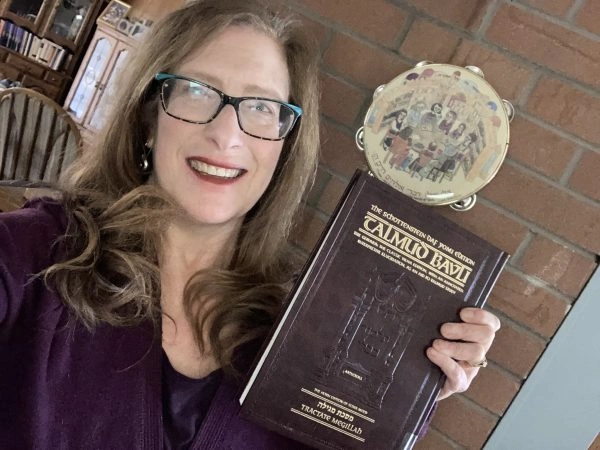
As Jewish educator and as a woman, I’m mindful that Talmud has been kept from women for many centuries. Now that we are privileged to learn, and learning is so accessible, it’s my intent to complete Daf Yomi. I am so excited to keep learning with my Hadran community.
Denver, United States
Shortly after the death of my father, David Malik z”l, I made the commitment to Daf Yomi. While riding to Ben Gurion airport in January, Siyum HaShas was playing on the radio; that was the nudge I needed to get started. The “everyday-ness” of the Daf has been a meaningful spiritual practice, especial after COVID began & I was temporarily unable to say Kaddish at daily in-person minyanim.

Wynnewood, United States
I began learning the daf in January 2022. I initially “flew under the radar,” sharing my journey with my husband and a few close friends. I was apprehensive – who, me? Gemara? Now, 2 years in, I feel changed. The rigor of a daily commitment frames my days. The intellectual engagement enhances my knowledge. And the virtual community of learners has become a new family, weaving a glorious tapestry.
Far Rockaway, United States
I began to learn this cycle of Daf Yomi after my husband passed away 2 1/2 years ago. It seemed a good way to connect to him. Even though I don’t know whether he would have encouraged women learning Gemara, it would have opened wonderful conversations. It also gives me more depth for understanding my frum children and grandchildren. Thank you Hadran and Rabbanit Michelle Farber!!

Tzur Hadassah, Israel
I started at the beginning of this cycle. No 1 reason, but here’s 5.
In 2019 I read about the upcoming siyum hashas.
There was a sermon at shul about how anyone can learn Talmud.
Talmud references come up when I am studying. I wanted to know more.
Yentl was on telly. Not a great movie but it’s about studying Talmud.
I went to the Hadran website: A new cycle is starting. I’m gonna do this

Cambridge, United Kingdom
I heard the new Daf Yomi cycle was starting and I was curious, so I searched online for a women’s class and was pleasently surprised to find Rabanit Michelle’s great class reviews in many online articles. It has been a splendid journey. It is a way to fill my days with Torah, learning so many amazing things I have never heard before during my Tanach learning at High School. Thanks so much .

Panama, Panama
I read Ilana Kurshan’s “If All the Seas Were Ink” which inspired me. Then the Women’s Siyum in Jerusalem in 2020 convinced me, I knew I had to join! I have loved it- it’s been a constant in my life daily, many of the sugiyot connect to our lives. My family and friends all are so supportive. It’s incredible being part of this community and love how diverse it is! I am so excited to learn more!

Jerusalem, Israel
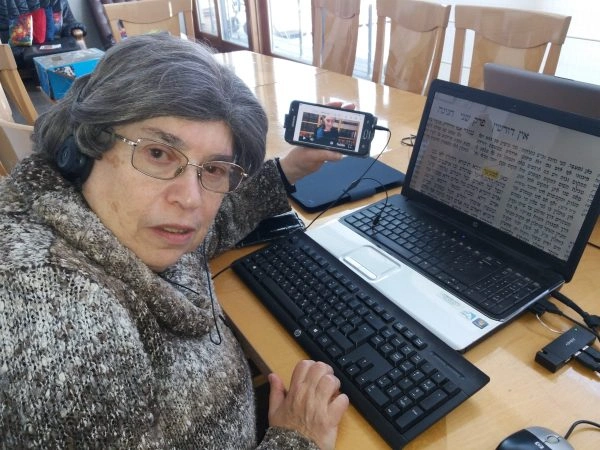
After experiences over the years of asking to join gemara shiurim for men and either being refused by the maggid shiur or being the only women there, sometimes behind a mechitza, I found out about Hadran sometime during the tail end of Masechet Shabbat, I think. Life has been much better since then.
London, United Kingdom
Menachot 8
וְאִם אִיתַהּ, לֵילַף מִדָּם? וְכִי תֵּימָא: רַבִּי אֶלְעָזָר מִילְּתָא מִמִּילְּתָא לָא גָּמַר? וְהָא אָמַר רַבִּי אֶלְעָזָר: מִנְחָה שֶׁקְּמָצָהּ בַּהֵיכָל כְּשֵׁרָה, שֶׁכֵּן מָצִינוּ בְּסִילּוּק בָּזִיכִין.
And if it is so that Rabbi Elazar holds that blood may not be sanctified in halves, let him derive the halakha of the High Priest’s griddle-cake offering from that of blood. And if you would say that in this case Rabbi Elazar does not derive the halakha of the matter of a meal offering from that of another matter, that is difficult: But doesn’t Rabbi Elazar say: A meal offering from which the priest removed a handful while inside the Sanctuary is valid, despite the fact that the handful should be removed in the Temple courtyard; the reason is that we find a similar case in the Sanctuary, with regard to the removal of the bowls of frankincense from the Table of the shewbread? Just as the bowls permit the shewbread for consumption when removed in the Sanctuary, so too, the handful permits the remainder of the meal offering for consumption. This indicates that Rabbi Elazar does derive the halakha of a meal offering from that of another matter.
מִנְחָה מִמִּנְחָה יָלֵיף, מִנְחָה מִדָּם לָא יָלֵיף.
The Gemara responds: Rabbi Elazar does derive the halakha with regard to a meal offering from that of another meal offering; the shewbread is considered a meal offering. But he does not derive the halakha with regard to a meal offering from that of blood.
וּמִנְחָה מִמִּנְחָה מִי יָלֵיף? וְהָתַנְיָא: עַד שֶׁלֹּא פֵּרְקָהּ נִפְרַס לַחְמָהּ – הַלֶּחֶם פָּסוּל, וְאֵין מַקְטִיר עָלָיו אֶת הַבָּזִיכִין. מִשֶּׁפֵּרְקָהּ נִפְרַס לַחְמָהּ – הַלֶּחֶם פָּסוּל, וּמַקְטִיר עָלָיו אֶת הַבָּזִיכִין.
The Gemara asks: And does Rabbi Elazar derive the halakha of one meal offering from that of another meal offering? But isn’t it taught in a baraita: If before the priest detached the arrangement of shewbread and the bowls of frankincense from upon the Table, the bread broke into pieces, the bread is unfit for consumption and the priest does not burn the frankincense contained in the bowls on account of it. If the bread broke after the priest detached it, the bread is unfit but the priest burns the frankincense contained in the bowls on account of it.
וְאָמַר רַבִּי אֶלְעָזָר: לֹא פֵּרְקָהּ מַמָּשׁ, אֶלָּא כֵּיוָן שֶׁהִגִּיעַ זְמַנָּהּ לְפָרֵק, אַף עַל פִּי שֶׁלֹּא פֵּרְקָהּ, כְּמִי שֶׁפֵּרְקָהּ דָּמְיָא.
The Gemara continues: And Rabbi Elazar says: When the baraita refers to the detachment of the shewbread, it does not mean that the priest actually detached it. Rather, it means that once the time to detach it has arrived, even though he has not yet detached it and has not removed the bowls, it is considered as though he has detached it. Accordingly, if the shewbread broke after that time, the frankincense is burned.
וְאַמַּאי? תֶּיהְוֵי כְּמִנְחָה שֶׁחָסְרָה קוֹדֶם קְמִיצָה!
The Gemara explains its question: And if Rabbi Elazar derives the halakha of one meal offering from another, why does he say that frankincense contained in the bowls is burned in a case where the shewbread broke when the time to detach the bread had arrived? It should be like the case of a meal offering that became lacking in its measure before the removal of the handful. Such a handful is not removed and is not sacrificed upon the altar. Likewise, the frankincense was still on the Table when the shewbread broke and should therefore be disqualified.
הָא לָא קַשְׁיָא, מִנְחָה לָא בְּרִיר (בְּרֵירָה) קוֹמֶץ דִּידַהּ, וְהָא בְּרִיר (בְּרֵירָה) קוֹמֶץ דִּידַהּ, וְכֵיוָן שֶׁהִגִּיעַ זְמַנָּהּ לְפָרֵק – כְּמַאן דְּפָרְקַהּ דָּמְיָא.
The Gemara answers: This is not difficult, as there is a difference between these meal offerings. In the case of a meal offering that became lacking before the removal of a handful, its handful was not clearly designated. Consequently, if the meal offering became lacking before a handful was removed, one may no longer remove a handful from it. But in the case of the shewbread and the bowls of frankincense, its handful, i.e., the frankincense, was clearly designated at the time when the frankincense was placed in the bowls, since the frankincense is in a separate container from the bread. And therefore, once the time to detach the bread has arrived, it is considered as though he has detached it.
אֶלָּא מֵעַתָּה, תֶּיהְוֵי כְּשִׁירַיִם שֶׁחָסְרוּ בֵּין קְמִיצָה לְהַקְטָרָה, דְּאֵין מַקְטִירִין קוֹמֶץ עֲלֵיהֶן! לָאו פְּלוּגְתָּא נִינְהוּ? רַבִּי אֶלְעָזָר סָבַר לַהּ כְּמַאן דְּאָמַר: שִׁירַיִם שֶׁחָסְרוּ בֵּין קְמִיצָה לְהַקְטָרָה – מַקְטִיר קוֹמֶץ עֲלֵיהֶן.
The Gemara asks: But if that is so, then even if the time to detach the shewbread arrived, why is the frankincense burned? It should be like a case where the remainder of a meal offering became lacking between the removal of the handful and the burning upon the altar; the halakha in this case is that one does not burn the handful on account of such a meal offering. The Gemara responds: Isn’t it a dispute among the amora’im (9a) whether or not the handful is burned in such a case? One can say that Rabbi Elazar holds in accordance with the opinion of the one who says that if the remainder of a meal offering became lacking between the removal of the handful and the burning, the priest burns the handful on account of such a meal offering.
גּוּפָא: חֲבִיתֵּי כֹּהֵן גָּדוֹל, רַבִּי יוֹחָנָן אָמַר: אֵינָהּ קְדוֹשָׁה לַחֲצָאִין, וְרַבִּי אֶלְעָזָר אָמַר: מִתּוֹךְ שֶׁקְּרֵבָה לַחֲצָאִין, קְדוֹשָׁה לַחֲצָאִין. אָמַר רַבִּי אַחָא: מַאי טַעְמָא דְּרַבִּי יוֹחָנָן? אָמַר קְרָא: ״מִנְחָה מַחֲצִיתָהּ״, הָבֵיא מִנְחָה וְאַחַר כָּךְ חֳצֵיהוּ.
§ The Gemara discusses the matter itself: With regard to the griddle-cake offering of the High Priest, Rabbi Yoḥanan says that it is not sanctified in halves, and Rabbi Elazar says: Since it is sacrificed in halves, as half of the meal offering is sacrificed in the morning and half in the afternoon, it may likewise be sanctified in halves. Rav Aḥa said: What is the reasoning of Rabbi Yoḥanan? The verse states: “A meal offering perpetually, half of it in the morning, and half of it in the evening” (Leviticus 6:13). This means: First bring a whole meal offering, and only afterward divide it into halves.
מֵיתִיבִי: חֲבִיתֵּי כֹּהֵן גָּדוֹל לֹא הָיוּ בָּאוֹת חֲצָאִין, אֶלָּא מֵבִיא עִשָּׂרוֹן שָׁלֵם וְחוֹצֵהוּ; וְתַנְיָא: אִילּוּ נֶאֱמַר ״מִנְחָה מַחֲצִית״, הָיִיתִי אוֹמֵר: מֵבִיא חֲצִי עִשָּׂרוֹן מִבֵּיתוֹ שַׁחֲרִית וּמַקְרִיב, חֲצִי עִשָּׂרוֹן מִבֵּיתוֹ עַרְבִית וּמַקְרִיב; תַּלְמוּד לוֹמַר ״מַחֲצִיתָהּ בַּבֹּקֶר״ – מֶחֱצָה מִשָּׁלֵם הוּא מֵבִיא.
The Gemara raises an objection to the opinion of Rabbi Elazar. The mishna teaches (50b): The griddle-cake offering of the High Priest did not come in halves. Rather, the High Priest brings a full tenth of an ephah and then divides it into two. And it is taught in a baraita with regard to this mishna: If it were stated: A meal offering, half in the morning, and half in the evening, I would say: He brings half of a tenth from his home in the morning and sacrifices it, and another half of a tenth from his home in the evening and sacrifices it. Therefore, the verse states: “Half of it in the morning,” indicating that he brings a half from a whole, and he does not bring a half by itself.
לְמִצְוָה. אֲמַר לֵיהּ רַב גְּבִיהָא מִבֵּי כְתִיל לְרַב אָשֵׁי: וְהָא ״חוּקָּה״ כְּתִיב בַּהּ, אֲמַר לֵיהּ: לֹא נִצְרְכָה אֶלָּא לַהֲבִיאָהּ שָׁלֵם מִבֵּיתוֹ.
The Gemara responds: Rabbi Elazar maintains that the verse requires that a whole meal offering be brought in the morning only for a mitzva, i.e., ab initio. Nevertheless, if half of a tenth was brought in the morning it is valid after the fact. Rav Geviha from Bei Katil said to Rav Ashi: But the term “statute” is written with regard to the griddle-cake offering, as the verse states: “A statute forever” (Leviticus 6:15), and there is a principle that whenever the Torah calls a mitzva a statute, the details of its performance are indispensable. Rav Ashi said to him: It was necessary for the Torah to define this mitzva as a statute only with regard to the requirement that the High Priest bring a full tenth from his home. With regard to its sanctification in a service vessel, it can be sanctified in halves.
וּמִי אָמַר רַבִּי יוֹחָנָן הָכִי? וְהָא אִיתְּמַר: הִפְרִישׁ חֲצִי עִשָּׂרוֹן, וְדַעְתּוֹ לְהוֹסִיף – רַב אָמַר: אֵינוֹ קָדוֹשׁ, וְרַבִּי יוֹחָנָן אָמַר: קָדוֹשׁ. וְאִם אִיתָא, לֵילַף מֵחֲבִיתִּין!
The Gemara asks: And did Rabbi Yoḥanan really say this? But it was stated: If one set aside half a tenth of an ephah for any meal offering, and his intention was to add to the half in order to reach a full tenth, Rav says that it is not sanctified, as he did not bring a full tenth, and Rabbi Yoḥanan says that it is sanctified. And if it is so that Rabbi Yoḥanan holds that the griddle-cake offering cannot be sanctified in halves, let him derive from the griddle-cake offering that no meal offering may be sanctified in halves.
וְכִי תֵּימָא, רַבִּי יוֹחָנָן מִילְּתָא מִמִּילְּתָא לָא יָלֵיף, וְהָאָמַר רַבִּי יוֹחָנָן: שְׁלָמִים שֶׁשְּׁחָטָן בַּהֵיכָל כְּשֵׁירִין, דִּכְתִיב: ״וּשְׁחָטוֹ פֶּתַח אֹהֶל מוֹעֵד״, שֶׁלֹּא יְהֵא טָפֵל חָמוּר מֵעִיקָּר.
And if you would say that Rabbi Yoḥanan does not derive the halakha of one matter with regard to consecrated items from that of another matter, that is difficult: But doesn’t Rabbi Yoḥanan say: Peace offerings that were slaughtered in the Sanctuary are valid, as it is written: “And slaughter it at the entrance of the Tent of Meeting” (Leviticus 3:2), i.e., in the courtyard. Rabbi Yoḥanan explains: It is logical that the halakha with regard to the minor area, i.e., the courtyard, should not be more stringent than the halakha with regard to the major area, the Tent of Meeting. Evidently, Rabbi Yoḥanan derives a halakha with regard to the Sanctuary from the Temple courtyard.
דַּעְתּוֹ לְהוֹסִיף שָׁאנֵי, דְּתַנְיָא: ״מְלֵאִים״ – אֵין ״מְלֵאִים״ אֶלָּא שְׁלֵמִים (כְּלוֹמַר שֶׁאֵינוֹ קָדוֹשׁ עַד שֶׁיְּהֵא עִשָּׂרוֹן שָׁלֵם), וְאָמַר רַבִּי יוֹסֵי: אֵימָתַי? בִּזְמַן שֶׁאֵין דַּעְתּוֹ לְהוֹסִיף, אֲבָל בִּזְמַן שֶׁדַּעְתּוֹ לְהוֹסִיף – רִאשׁוֹן רִאשׁוֹן קָדוֹשׁ.
The Gemara responds: Rabbi Yoḥanan does in fact derive the halakha of one matter from another, and therefore he learns the halakha with regard to all meal offerings from the griddle-cake offering, that in general they are not sanctified in halves. But a case where one expresses his intention to add to the half measure is different, as it is taught in a baraita with regard to the verse: “Both of them full of fine flour” (Numbers 7:13). “Full” is a reference only to full measurements; that is to say, the flour is not sanctified until there is a full tenth inside the vessel. And Rabbi Yosei said: When is it the halakha that the flour is sanctified only if a full tenth is inside the vessel? It is at a time when his intention was not initially to add to that which he placed inside the vessel. But at a time when his intention was initially to add, each initial bit of flour is sanctified by the vessel.
וְרַב, בְּחָבִיתִין כְּמַאן סְבִירָא לֵיהּ? אִי כְּרַבִּי אֶלְעָזָר, לֵילַף מֵחֲבִיתִּין!
The Gemara asks: And Rav, who holds that standard meal offerings are not sanctified in halves even if one’s initial intention was to add to the half measure, with regard to a griddle-cake offering, in accordance with whose opinion does he hold? If he holds in accordance with the opinion of Rabbi Elazar, who says that a griddle-cake offering can be sanctified in halves, then let him derive from the halakha of griddle-cake offerings that all meal offerings may be sanctified in halves.
וְכִי תֵּימָא רַב מִילְּתָא מִמִּילְּתָא לָא יָלֵיף, וְהָאָמַר רַב: מִנְחָה קְדוֹשָׁה בְּלֹא שֶׁמֶן (וּבְלֹא לְבוֹנָה) – שֶׁכֵּן מָצִינוּ בְּלֶחֶם הַפָּנִים. בְּלֹא לְבוֹנָה – שֶׁכֵּן מָצִינוּ בְּמִנְחַת נְסָכִים.
And if you would say that Rav does not derive the halakha of one matter from that of another matter, that is difficult: But doesn’t Rav say: A standard meal offering, which is brought with oil and frankincense, is sanctified by a service vessel even without its oil and without its frankincense. It is sanctified without its oil, as we find such a halakha with regard to the shewbread, which is sacrificed without oil and is nevertheless sanctified by a service vessel. Similarly, it is sanctified even without its frankincense, as we find such a halakha with regard to the meal offering accompanying the libations of an offering, which is sacrificed without frankincense and is nevertheless sanctified by a service vessel.
בְּלֹא שֶׁמֶן וּבְלֹא לְבוֹנָה – שֶׁכֵּן מָצִינוּ בְּמִנְחַת חוֹטֵא, עַל כׇּרְחָיךְ רַב כְּרַבִּי יוֹחָנָן סְבִירָא לֵיהּ.
Finally, a standard meal offering is sanctified by a service vessel even without its oil and without its frankincense, as we find with regard to the meal offering of a sinner, which includes neither of these. This indicates that Rav does derive the halakha of a meal offering from other meal offerings. Rather, perforce, with regard to the griddle-cake offering, Rav holds in accordance with the opinion of Rabbi Yoḥanan, that this offering is not sanctified in halves, and it is derived from there that no meal offerings are sanctified in halves.
גּוּפָא, אָמַר רַב: מִנְחָה קְדוֹשָׁה בְּלֹא שֶׁמֶן, וְאֵין דִּינָה כְּעִשָּׂרוֹן חָסֵר – שֶׁכֵּן מָצִינוּ בְּלֶחֶם הַפָּנִים. בְּלֹא לְבוֹנָה – שֶׁכֵּן מָצִינוּ בְּמִנְחַת נְסָכִים. בְּלֹא שֶׁמֶן וּבְלֹא לְבוֹנָה – שֶׁכֵּן מָצִינוּ בְּמִנְחַת חוֹטֵא.
§ The Gemara discusses the matter itself: Rav says that a meal offering is sanctified without its oil, and its halakha is not the same as when a tenth of an ephah of flour is lacking, as we find such a halakha with regard to the shewbread, which is sacrificed without oil and is nevertheless sanctified by a service vessel. Similarly, it is sanctified even without its frankincense, as we find such a halakha with regard to the meal offering accompanying the libations of an offering, which is sacrificed without frankincense and is nevertheless sanctified. Additionally, a meal offering is sanctified even without its oil and without its frankincense, as we find such a halakha with regard to the meal offering of a sinner, which lacks both oil and frankincense and is nevertheless sanctified by a service vessel.
וְשֶׁמֶן וּלְבוֹנָה קׇדְשִׁי הַאי בְּלָא הַאי וְהַאי בְּלָא הַאי; שֶׁמֶן – שֶׁכֵּן מָצִינוּ בְּלוֹג שֶׁמֶן שֶׁל מְצוֹרָע, לְבוֹנָה – שֶׁכֵּן מָצִינוּ בִּלְבוֹנָה הַבָּאָה בְּבָזִיכִין, וְרַבִּי חֲנִינָא אָמַר:
Rav continues: And oil and frankincense are each sanctified by service vessels, this substance without that one, and that substance without this one. Oil is sanctified on its own, as we find such a halakha with regard to the log of oil of a leper, which is sanctified on its own. Frankincense is sanctified on its own, as we find such a halakha with regard to the frankincense that comes in the bowls that are brought with the shewbread; there is no oil in that case and yet the frankincense is sanctified in the bowls. And Rabbi Ḥanina says:
לֹא זוֹ קְדוֹשָׁה בְּלֹא זוֹ וְלֹא זוֹ קְדוֹשָׁה בְּלֹא זוֹ.
Neither is this substance sanctified without that, nor is that sanctified without this. Rather, any meal offering that requires oil and frankincense is sanctified by a service vessel only when the flour, oil, and frankincense are all placed in the same vessel at the same time.
וּלְרַבִּי חֲנִינָא, עִשָּׂרוֹן לָמָּה נִמְשַׁח? (וַהֲלֹא אֵינוֹ עָשׂוּי אֶלָּא לִמְדִידַת קֶמַח בִּלְבַד, וְהַקֶּמַח אֵינוֹ קָדוֹשׁ בְּלֹא שֶׁמֶן!) לְמִנְחַת חוֹטֵא.
The Gemara asks: And according to the opinion of Rabbi Ḥanina, for what purpose was the vessel that measured a tenth of an ephah anointed, making it possible for it to sanctify items placed inside it? This vessel was fashioned only for measuring flour, and according to Rabbi Ḥanina the flour is not sanctified without oil. What then does this vessel sanctify? The Gemara answers: The vessel was anointed for the purpose of sanctifying the meal offering of a sinner, which contains neither oil nor frankincense.
וְלוֹג, לָמָּה נִמְשַׁח? לְלוֹג שֶׁל מְצוֹרָע.
The Gemara further asks: And for what purpose was the vessel that measured one log of oil anointed? After all, according to Rabbi Ḥanina oil for a meal offering cannot be sanctified by itself. The Gemara explains: It was anointed for the purpose of sanctifying the log of oil of a leper, which is not brought as part of a meal offering. This oil is sanctified without flour or frankincense.
וְאַף שְׁמוּאֵל סָבַר לַהּ לְהָא דְּרַב, דִּתְנַן: כְּלֵי הַלַּח מְקַדְּשִׁין אֶת הַלַּח, וּמִדּוֹת הַיָּבֵשׁ מְקַדְּשִׁין אֶת הַיָּבֵשׁ, וְאֵין כְּלֵי הַלַּח מְקַדְּשִׁין אֶת הַיָּבֵשׁ, וְלֹא מִדּוֹת הַיָּבֵשׁ מְקַדְּשִׁין אֶת הַלַּח.
The Gemara notes: And Shmuel also holds in accordance with this statement of Rav, that a service vessel sanctifies the flour of a meal offering even without its oil, as we learned in a mishna (Zevaḥim 88a): The vessels used for liquids sanctify only the liquids, and the vessels that serve as dry measures sanctify only the dry goods. But the vessels used for liquids do not sanctify the dry goods, and the vessels that serve as dry measures do not sanctify the liquids.
וְאָמַר שְׁמוּאֵל: לֹא שָׁנוּ אֶלָּא מִדּוֹת, אֲבָל מִזְרָקוֹת (שֶׁל דָּם) מְקַדְּשׁוֹת אֶת הַיָּבֵשׁ, שֶׁנֶּאֱמַר: ״שְׁנֵיהֶם מְלֵאִים סֹלֶת בְּלוּלָה בַשֶּׁמֶן לְמִנְחָה״.
And Shmuel says with regard to this mishna: They taught that vessels used for liquids do not sanctify dry goods only with regard to vessels used as measures. But bowls that are used for collecting and tossing the blood of offerings sanctify the dry goods as well, as it is stated with regard to the offerings of the princes brought during the inauguration of the Tabernacle: “Both of them full of fine flour mixed with oil for a meal offering” (Numbers 7:13), which indicates that the bowl sanctifies meal offerings, which are dry.
אֲמַר לֵיהּ רַב אַחָא מִדִּפְתִּי לְרָבִינָא: מִנְחָה לַחָה הִיא! אֲמַר לֵיהּ: לֹא נִצְרְכָא אֶלָּא לַיָּבֵשׁ שֶׁבָּהּ, (דְּהַיְינוּ לְבוֹנָה.
The Gemara continues its proof: And Rav Aḥa of Difti said to Ravina, with regard to this derivation of Shmuel: But the meal offering of the verse is also considered a liquid, as it is mingled with oil. How then can one derive from it the halakha with regard to items that are entirely dry? Ravina said to him: The verse cited by Shmuel is necessary only to teach that the dry part of a meal offering, that is, the frankincense, which invariably does not come into contact with the oil, is sanctified by the bowls as well.
וְאִי סָלְקָא דַעְתָּךְ קָסָבַר שְׁמוּאֵל: אֵין מִנְחָה קְדוֹשָׁה עַד שֶׁיְּהוּ כּוּלָּן, יָבֵשׁ שֶׁבָּהּ הֵיכִי מַשְׁכַּחַתְּ לַהּ? וַהֲלֹא כּוּלָּן לַחִים הֵן מִפְּנֵי הַשֶּׁמֶן! אֶלָּא שְׁמַע מִינַּהּ קָסָבַר שְׁמוּאֵל: הַאי בְּלֹא הַאי.)
The Gemara concludes its proof with regard to Shmuel’s opinion: And if it enters your mind that Shmuel holds that a meal offering is not sanctified by a service vessel until all of its components are together in the vessel, then how can you find a case where the dry parts of a meal offering are by themselves? Is it not correct that when meal offerings are sanctified, all of them are liquids, due to the oil that is mixed with them? Rather, conclude from here that Shmuel holds that this substance may be sanctified without that one.
וְאִיבָּעֵית אֵימָא: מִנְחָה, לְגַבֵּי דָּם – כְּיָבֵשׁ דָּמְיָא.
And if you wish, say instead in answer to Rav Aḥa of Difti’s question: A meal offering, even when it is mixed with oil, is, relative to blood, considered as a dry item. Accordingly, one may derive from the verse that the bowls sanctify dry items, and just as a bowl sanctifies a meal offering that contains oil, as it is considered dry in comparison to blood, so too, it sanctifies a meal offering that is entirely dry, i.e., that contains no oil, as claimed by Rav.
גּוּפָא, אָמַר רַבִּי אֶלְעָזָר: מִנְחָה שֶׁקְּמָצָהּ בַּהֵיכָל – כְּשֵׁרָה, שֶׁכֵּן מָצִינוּ בְּסִילּוּק בָּזִיכִין.
§ The Gemara discusses the matter itself. Rabbi Elazar says: A meal offering from which the priest removed a handful while inside the Sanctuary is valid, despite the fact that the handful should be removed in the Temple courtyard; the reason is that we find a similar case in the Sanctuary, with regard to the removal of the bowls of frankincense from the Table of the shewbread. Just as the bowls permit the shewbread for consumption, so too, the handful permits the remainder of the meal offering for consumption.
מֵתִיב רַבִּי יִרְמְיָה: ״וְקָמַץ מִשָּׁם״ – מִמָּקוֹם שֶׁרַגְלֵי הַזָּר עוֹמְדוֹת.
Rabbi Yirmeya raises an objection to this opinion from a baraita discussing the verse: “And he shall bring it to Aaron’s sons the priests; and he shall remove from there his handful” (Leviticus 2:2). The verse indicates that the removal of a handful from a meal offering may be performed from the place where the feet of the non-priest may stand, i.e., anywhere within the Temple courtyard.
בֶּן בְּתִירָא אוֹמֵר: מִנַּיִן שֶׁאִם קָמַץ בִּשְׂמֹאל, שֶׁיַּחֲזִיר וְיִקְמוֹץ בְּיָמִין? תַּלְמוּד לוֹמַר: ״וְקָמַץ מִשָּׁם״ – מִמָּקוֹם שֶׁקָּמַץ כְּבָר.
The baraita continues: Ben Beteira, who holds that a handful is not disqualified when removed with the left hand, says that the verse should be interpreted as follows: From where is it derived that if one removed a handful with his left hand, that he must return the handful to the vessel that contains the meal offering and again remove the handful with his right hand? The verse states: “And he shall remove from there.” This indicates that the handful is removed from the place where he already removed it, i.e., the handful is returned to the meal offering and thereupon removed from the same meal offering, this time with his right hand. It is clear from the statement of the first tanna that the handful of a meal offering may be removed only in the place where the feet of a non-priest may stand, but not in the Sanctuary.
אִיכָּא דְּאָמְרִי: הוּא מוֹתֵיב לַהּ וְהוּא מְפָרֵק לַהּ. אִיכָּא דְאָמְרִי: אֲמַר לֵיהּ רַבִּי יַעֲקֹב לְרַבִּי יִרְמְיָה בַּר תַּחְלִיפָא, אַסְבְּרַהּ לָךְ – לֹא נִצְרְכָא אֶלָּא לְהַכְשִׁיר אֶת כׇּל עֲזָרָה כּוּלָּהּ, שֶׁלֹּא תֹּאמַר: הוֹאִיל וְעוֹלָה קׇדְשֵׁי קָדָשִׁים, וּמִנְחָה קׇדְשֵׁי קָדָשִׁים, מָה עוֹלָה טְעוּנָה צָפוֹן – אַף מִנְחָה טְעוּנָה צָפוֹן.
Some say that Rabbi Yirmeya raises the objection and he resolves it as well. And some say that Rabbi Ya’akov said to Rabbi Yirmeya bar Taḥlifa: I will explain to you the resolution of this objection: The verse is necessary only to permit the entire Temple courtyard for removing the handful there, not to prohibit the removal of a handful inside the Sanctuary. The reason is that you should not say: Since a burnt offering is an offering of the most sacred order, and a meal offering is likewise an offering of the most sacred order, then just as a burnt offering requires that its slaughter be performed in the northern part of the Temple courtyard, so too, a meal offering requires that the removal of its handful be in the northern part.
מָה לְעוֹלָה, שֶׁכֵּן כָּלִיל, מֵחַטָּאת.
The Gemara raises a difficulty with regard to this comparison: What is notable about a burnt offering? It is notable in that it is more sacred, as it is consumed in its entirety upon the altar. The Gemara responds: The same comparison may be drawn from a sin offering, which is also an offering of the most sacred order and is not sacrificed in its entirety upon the altar, and yet it must be slaughtered in the northern part of the Temple courtyard.
מָה לְחַטָּאת, שֶׁכֵּן מְכַפֶּרֶת עַל חַיָּיבֵי כָרֵיתוֹת, מֵאָשָׁם.
The Gemara raises a difficulty with regard to this comparison as well: What is notable about a sin offering? It is notable in that the halakhot of a sin offering are more stringent, as its sacrifice atones for those sins whose transgression causes one to be liable to receive karet. The Gemara responds: The comparison may be drawn from a guilt offering, as it too is an offering of the most sacred order, it is not sacrificed in its entirety upon the altar, it does not atone for such sins, and yet it must be slaughtered in the northern part of the Temple courtyard.
מָה לְאָשָׁם, שֶׁכֵּן מִינֵי דָמִים! מִכּוּלְּהוּ נָמֵי, שֶׁכֵּן מִינֵי דָמִים!
The Gemara rejects this suggestion as well: What is notable about a guilt offering? It is notable in that a guilt offering has a loftier status, as it is one of the types of offerings whose atonement is achieved through their blood, i.e., it is an animal offering. The Gemara adds: Once this claim has been accepted, from all of them as well, i.e., from a burnt offering and sin offering, one cannot draw a comparison to a meal offering either, as they are all of the types of offerings whose atonement is achieved through their blood.
אֶלָּא אִיצְטְרִיךְ, סָלְקָא דַּעְתָּךְ אָמֵינָא, הוֹאִיל וּכְתִיב: ״וְהִקְרִיבָהּ אֶל הַכֹּהֵן וְהִגִּישָׁהּ אֶל הַמִּזְבֵּחַ וְקָמַץ״, מָה הַגָּשָׁה בְּקֶרֶן דְּרוֹמִית מַעֲרָבִית, אַף קְמִיצָה נָמֵי בְּקֶרֶן דְּרוֹמִית מַעֲרָבִית, קָא מַשְׁמַע לַן.
Rather, the verse was necessary in order to permit the removal of a handful anywhere in the Temple courtyard because it might enter your mind to say that since it is written: “And it shall be presented to the priest, and he shall bring it to the altar” (Leviticus 2:8), and it states: “And he shall remove from there his handful” (Leviticus 2:2), one could claim: Just as the bringing of the meal offering is in the southwestern corner of the altar, so too, the removal of the handful must also be performed in the southwestern corner. Therefore, the verse teaches us that the removal of the handful may be performed anywhere in the Temple courtyard, but this does not serve to exclude the Sanctuary.
גּוּפָא, אָמַר רַבִּי יוֹחָנָן: שְׁלָמִים שֶׁשְּׁחָטָן בַּהֵיכָל – כְּשֵׁרִין, שֶׁנֶּאֱמַר: ״וּשְׁחָטוֹ פֶּתַח אֹהֶל מוֹעֵד״, וְלֹא יְהֵא טָפֵל חָמוּר מִן הָעִיקָּר.
§ The Gemara discusses the matter itself. Rabbi Yoḥanan says: Peace offerings that were slaughtered in the Sanctuary are valid, as it is stated: “And slaughter it at the entrance of the Tent of Meeting” (Leviticus 3:2), i.e., in the courtyard. And it is logical that the halakha with regard to the minor area, i.e., the courtyard, should not be more stringent than the halakha with regard to the major one, the Tent of Meeting or the Sanctuary.
מֵיתִיבִי: רַבִּי יְהוּדָה בֶּן בְּתִירָא אוֹמֵר, מִנַּיִן שֶׁאִם הִקִּיפוּ גּוֹיִם אֶת הָעֲזָרָה, שֶׁהַכֹּהֲנִים נִכְנָסִין לַהֵיכָל וְאוֹכְלִין בְּקׇדְשֵׁי קָדָשִׁים וּשְׁיָרֵי מְנָחוֹת? תַּלְמוּד לוֹמַר:
The Gemara raises an objection to the opinion of Rabbi Yoḥanan from a baraita. Rabbi Yehuda ben Beteira says: From where is it derived that if gentiles surrounded the Temple courtyard and were firing projectiles inside to the point that it became impossible to remain in the courtyard on account of the threat, that the priests enter the Sanctuary and partake of the offerings of the most sacred order and the remainders of the meal offerings while inside the Sanctuary? The verse states:

