Search

Moed Katan 8

Want to dedicate learning? Get started here:

English
עברית
podcast placeholder

0:00
0:00


podcast placeholder

0:00
0:00


Summary

Today’s daf is sponsored by Shira Eliaser in honor of Ellen Jaffe Cogan’s birthday. “Happy birthday to a lifelong Torah learner, a devoted Jewish woman, and a very special Bubbie. With love from her children and grandchildren too.”

Today’s daf is sponsored by Judy & David Gilberg in loving memory of Judy’s sister, Hanna Cohn, Chana Sara Bat Meir Tuvyan v’Eshkah, on her 20th yahrzeit. 

Pictures

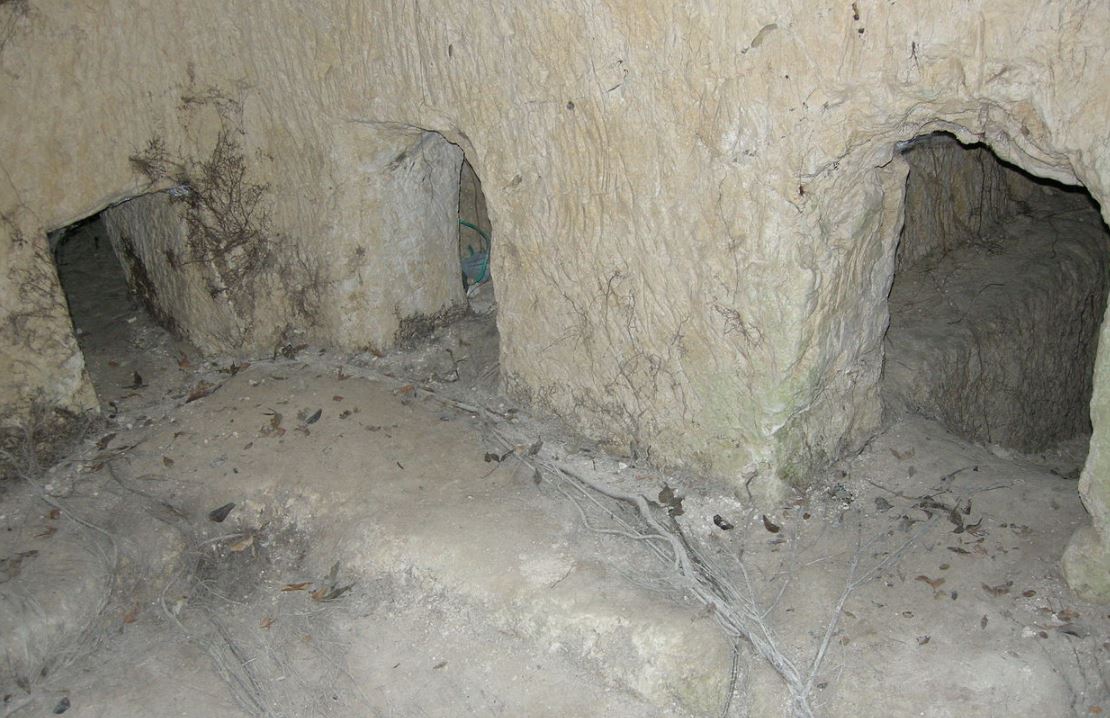
There were two different opinions about which verse teaches us that a person, clothing or house is not leprous until it is pronounced by the kohen to be leprous. Why does each not use the verse that the other brought? How does Rabbi Yehuda derive it from the verse “and on the day…”? Abaye and Rava each understand it differently and this affects whether or not they derive that the kohen must rule on a leprous mark during the day from this verse or from a different verse, which affects the derivations of other details of a leper as well. Can one do likut atzamot (collection of bones for burial after the flesh has disintegrated) on chol hamoed? Is it considered a happy occasion or one that stirs up sad emotions? One cannot bring a eulogizer to encourage others to be sad along with him/her if it is within thirty days of the holiday. What is the reason for this? One cannot dig burial crypts or graves on chol hamoed. But one can dig a water ditch (for what use?) and make a coffin. Do the boards for the coffin need to be ready before the holiday? One cannot get married or perform yibum (levirate marriage), but one can remarry one who he divorced. A woman can put on makeup but Rabbi Yehuda doesn’t think she should put on lime because it will cause her discomfort. The Mishna lists some laws about other types of work that will be dealt with more in-depth in the Gemara. Why can’t one get married on chol hamoed? One answer is that one cannot mix one happiness with another. The second answer is that one will ignore the mitzva to be happy on the holiday as one will be busy being happy with one’s spouse. A third answer is because of the hard work involved in preparing for a wedding. A fourth answer is that one may push off the wedding until the holiday so that one can combine the wedding and holiday feasts and this will cause a delay in fulfilling the mitzva to procreate.

Today’s daily daf tools:

Moed Katan 8

דְּהָא עֵצִים וַאֲבָנִים בְּעָלְמָא לָא מִטַּמְּאוּ, וְהָכָא מִטַּמְּאוּ.

The Gemara explains that the halakha of leprous symptoms on a house constitutes a novelty, as by Torah law, wood and stones are generally not susceptible to ritual impurity, yet here in the case of house leprosy they are susceptible to ritual impurity.

וְרַבִּי אָמַר: אִצְטְרִיךְ, דְּאִי כְּתַב רַחֲמָנָא ״וּבְיוֹם הֵרָאוֹת בּוֹ״, הָוֵה אָמֵינָא לִדְבַר מִצְוָה — אִין, לִדְבַר הָרְשׁוּת — לָא, כְּתַב רַחֲמָנָא ״וְצִוָּה הַכֹּהֵן״.

And Rabbi Yehuda HaNasi said: It was necessary for the Torah to state both verses: “But on the day it appears in him” (Leviticus 13:14), as well as: “Then the priest shall command that they empty the house” (Leviticus 14:36). As, if the Merciful One had written only: “But on the day it appears in him,” I would have said that for a matter of mitzva, yes, one may delay the priest’s examination of the leprous symptoms, but for an optional matter, no, one may not, in accordance with the opinion of Rabbi Yehuda. Therefore the Merciful One wrote: “Then the priest shall command,” in order to teach that one may delay his examination even for an optional matter.

וְאִי כְּתַב רַחֲמָנָא ״וְצִוָּה הַכֹּהֵן״, הֲוָה אָמֵינָא: הָנֵי — אִין, דְּלָאו טוּמְאָה דְגוּפֵיהּ, אֲבָל טוּמְאָה דְגוּפֵיהּ — אֵימָא מִיחְזָא חַזְיָא לֵיהּ. צְרִיכָא.

And conversely, if the Merciful One had written only: “Then the priest shall command,” I would have said that for these utensils that are found in the house, yes, one may delay the priest’s examination, as this is not a case of impurity of the individual’s body but only that of his possessions; but in a case of impurity of the individual’s body, I would say that the priest must examine it immediately. Therefore, it is necessary for the Torah to state that even in this case, one may delay his examination.

אָמַר מָר: יֵשׁ יוֹם שֶׁאַתָּה רוֹאֶה בּוֹ, וְיֵשׁ יוֹם שֶׁאִי אַתָּה רוֹאֶה בּוֹ.

§ The Gemara proceeds to analyze the aforementioned baraita. The Master said that as the verse states: “But on the day it appears in him,” it may be inferred that there is a day when you examine the symptoms found in him and there is a day when you do not examine those symptoms.

מַאי מַשְׁמַע? אָמַר אַבָּיֵי: אִם כֵּן לִיכְתּוֹב רַחֲמָנָא ״בְּיוֹם״, מַאי ״וּבְיוֹם״? שְׁמַע מִינַּהּ: יֵשׁ יוֹם שֶׁאַתָּה רוֹאֶה בּוֹ, וְיֵשׁ יוֹם שֶׁאִי אַתָּה רוֹאֶה בּוֹ.

The Gemara asks: From where in this verse may it be inferred? Abaye said: If it were so that the priest must always examine the symptoms immediately, the Merciful One should have written simply: On the day it appears in him. What is implied by the actual formulation of the verse: “But on the day”? Learn from here, i.e., from the seemingly superfluous word “but” at the beginning of the phrase, that this is not an absolute halakha, but a conditional one, depending upon other factors: There is a day when you examine the leprous symptoms found in him and there is a day when you do not examine those symptoms.

רָבָא אָמַר: כּוּלָּהּ קְרָא יַתִּירָא הוּא, דְּאִם כֵּן לִכְתּוֹב רַחֲמָנָא ״וּבְהֵרָאוֹת״, מַאי ״וּבְיוֹם״? שְׁמַע מִינַּהּ: יֵשׁ יוֹם שֶׁאַתָּה רוֹאֶה בּוֹ, וְיֵשׁ יוֹם שֶׁאִי אַתָּה רוֹאֶה בּוֹ.

Rava offered a different explanation and said: The entire phrase “but on the day,” is superfluous. As, if it were so that the priest must always examine the symptoms immediately, the Merciful One should have written simply: And when it appears. What is the meaning of the additional words “but on the day”? Learn from here that the issue is dependent upon other factors, as there is a day when you examine the symptoms of leprosy in him and there is a day when you do not examine them.

וְאַבָּיֵי, הָהוּא מִיבְּעֵי לֵיהּ — בַּיּוֹם וְלֹא בַּלַּיְלָה.

The Gemara explains: And according to Abaye, who derives the halakha from the word “but,” why does the verse include the phrase “on the day”? That phrase is necessary in order to teach that the priest examines the symptoms of leprosy only during the day, but not at night.

וְרָבָא, בַּיּוֹם וְלֹא בַּלַּיְלָה מְנָא לֵיהּ? נָפְקָא לֵיהּ מִ״לְּכׇל מַרְאֵה עֵינֵי הַכֹּהֵן״. וְאַבָּיֵי, הָהוּא מִיבְּעֵי לֵיהּ לְמַעוֹטֵי סוֹמֵא בְּאַחַת מֵעֵינָיו.

The Gemara asks: And from where does Rava derive the halakha that the examination is performed during the day but not at night? The Gemara answers: He derives it from the verse: “As far as the priest’s eyes can see” (Leviticus 13:12), which indicates that the priest must be able to carry out a careful examination of the leprous symptoms; this cannot be done at night, when his vision is limited. And Abaye could say that this verse is necessary to exclude a priest who is blind in one eye from inspecting symptoms of leprosy, as it says “eyes,” in the plural.

וְרָבָא נָמֵי מִיבְּעֵי לֵיהּ לְהָכִי? אִין, הָכִי נָמֵי.

The Gemara asks: But Rava also requires this verse to teach this halakha, i.e., that a priest who is blind in one eye is unfit to examine symptoms of leprosy. The Gemara answers: Yes, it is indeed so; he agrees that this verse is the source of the halakha concerning a priest who is blind in one eye, and it is not the source of the halakha that the priest may only view leprous symptoms by day.

וְאֶלָּא בַּיּוֹם וְלֹא בַּלַּיְלָה מְנָא לֵיהּ? נָפְקָא לֵיהּ מִ״כְּנֶגַע נִרְאָה לִי בַּבָּיִת״. ״לִי״ — וְלֹא לְאוֹרִי.

If so, from where does Rava derive the halakha that a priest examines leprous symptoms during the day but not at night? The Gemara answers: He derives it from the verse that quotes a homeowner saying to a priest: “There seems to me as it were a plague in the house” (Leviticus 14:35), which emphasizes that the leprous symptom is seen by me, and not by way of my light, i.e., that this takes place during the day. When the next verse states that the priest comes to view the leprous symptom, it means that this also takes place by day.

וְאַבָּיֵי, אִי מֵהָתָם הֲוָה אָמֵינָא: הָנֵי מִילֵּי טוּמְאָה דְּלָאו דְגוּפֵיהּ, אֲבָל טוּמְאָה דְגוּפֵיהּ אֲפִילּוּ לְאוֹרוֹ נָמֵי, קָא מַשְׁמַע לַן.

And why does Abaye require the proof that he adduces when it would seem that the verse that Rava brings offers sufficient proof? The Gemara explains: According to Abaye, if the source was derived from there, I would have said that this halakha, that one must wait until the light of day to examine the symptom, applies only to leprous symptoms on a house, which is an impurity that is not related to the individual’s body. However, in a case of impurity of the individual’s body, perhaps the priest may conduct his examination even by artificial light, as it is a more severe impurity. Therefore the verse teaches us: “But on the day,” to indicate that even in the case of impurity of the body the priest may perform the examination only during the day by natural sunlight, and not by any artificial light.

מַתְנִי׳ וְעוֹד אָמַר רַבִּי מֵאִיר: מְלַקֵּט אָדָם עַצְמוֹת אָבִיו וְאִמּוֹ, מִפְּנֵי שֶׁשִּׂמְחָה הִיא לוֹ.

MISHNA: Rabbi Meir also stated another leniency concerning the halakhot of the intermediate days of a Festival: A person may gather the bones of his father and mother from their temporary graves on the intermediate days of a Festival. In ancient times, it was customary to first bury a corpse in a temporary grave. After the flesh had decomposed, the bones would be collected, placed in a coffin, and buried in a vault together with the bones of the deceased individual’s ancestors. This is permitted on the intermediate days of a Festival because the fact that one merited to bring the bones of his deceased parents to the graves of their ancestors is a source of joy for him.

רַבִּי יוֹסֵי אוֹמֵר: אֵבֶל הוּא לוֹ.

Rabbi Yosei says: One does not gather these bones on the intermediate days of a Festival, because it is a source of mourning for him. Even though he is happy to be able to bury his parents’ bones in their ancestral graves, he is still pained by the memory of their death.

לֹא יְעוֹרֵר אָדָם עַל מֵתוֹ, וְלֹא יַסְפִּידֶנּוּ קוֹדֶם לָרֶגֶל שְׁלֹשִׁים יוֹם.

And all agree that a person may not arouse [ye’orer] lamentation for his deceased relative, and he may not eulogize him during the thirty days before a pilgrimage Festival.

גְּמָ׳ וּרְמִינְהוּ: הַמְלַקֵּט עַצְמוֹת אָבִיו וְאִמּוֹ — הֲרֵי זֶה מִתְאַבֵּל עֲלֵיהֶם כׇּל הַיּוֹם, וְלָעֶרֶב אֵין מִתְאַבֵּל עֲלֵיהֶן. וְאָמַר רַב חִסְדָּא: אֲפִילּוּ צְרוּרִין לוֹ בִּסְדִינוֹ!

GEMARA: The Gemara raises a contradiction to Rabbi Meir’s opinion that gathering the bones of one’s parents is considered an occasion of joy, based on what is taught in a baraita: One who gathers the bones of his father or his mother mourns for them the entire day, but he does not mourn for them in the evening. And Rav Ḥisda said: And even in a case where he does not gather the bones from a temporary grave, but where he had them bundled up in his sheet, when he buries them he mourns for them all day. This indicates that gathering one’s parents’ bones is an occasion of mourning rather than joy.

אָמַר אַבָּיֵי: אֵימָא, מִפְּנֵי שֶׁשִּׂמְחַת הָרֶגֶל עָלָיו.

Abaye said: Say that Rabbi Meir means that collecting and reinterring the bones of one’s parents is permitted on the intermediate days of a Festival, not because it causes one joy, but rather because the joy of the pilgrimage Festival is upon him. The pain of gathering the bones of his parents is overpowered by the joy of the Festival.

וְלֹא יְעַרְעֵר עַל מֵתוֹ. מַאי לֹא יְעַרְעֵר עַל מֵתוֹ? אָמַר רַב: כַּד הָדַר סַפְדָנָא בְּמַעְרְבָא, אָמְרִי: יִבְכּוֹן עִמֵּיהּ כָּל מְרִירֵי לִיבָּא.

§ It is taught in the mishna: One may not arouse lamentation for his deceased relative during the thirty days before a Festival. The Gemara asks: What is meant by: One may not arouse lamentation for his deceased relative? Rav said: In the West, Eretz Yisrael, whenever a professional eulogizer would circulate and ply his trade, they would say: Let all those of bitter heart weep with him. When they would say this, all those who had recently suffered losses would recall their pain and lament their losses.

קוֹדֶם הָרֶגֶל שְׁלֹשִׁים יוֹם. מַאי שְׁנָא שְׁלֹשִׁים יוֹם?

It is taught in the mishna that one may not arouse lamentation or eulogize his relative for thirty days before a pilgrimage Festival. The Gemara asks: What is different about thirty days, that it is prohibited for one to lament the dead for specifically that amount of time before the Festival?

אָמַר רַב כָּהֲנָא אָמַר רַב יְהוּדָה אָמַר רַב: מַעֲשֶׂה בְּאָדָם אֶחָד שֶׁכִּינֵּס מָעוֹת לַעֲלוֹת לָרֶגֶל, וּבָא סַפְדָן וְעָמַד עַל פֶּתַח בֵּיתוֹ, וּנְטָלָתַן אִשְׁתּוֹ וּנְתָנָתַן לוֹ, וְנִמְנַע וְלֹא עָלָה. בְּאוֹתָהּ שָׁעָה אָמְרוּ: לֹא יְעוֹרֵר עַל מֵתוֹ וְלֹא יַסְפִּידֶנּוּ קוֹדֶם לָרֶגֶל שְׁלֹשִׁים יוֹם.

Rav Kahana said that Rav Yehuda said that Rav said: There was an incident involving a certain man who saved up money to ascend to Jerusalem for the pilgrimage Festival. A professional eulogizer came and stood at the opening to his house and the man’s wife took the money that he had saved and gave it to the eulogizer for his services. As a result, the man did not have enough money and he refrained and did not ascend to Jerusalem for the Festival. At that time, they said: One may not arouse lamentation for his deceased relative, nor may he eulogize him during the thirty days before a pilgrimage Festival.

וּשְׁמוּאֵל אָמַר:

And Shmuel said:

לְפִי שֶׁאֵין הַמֵּת מִשְׁתַּכֵּחַ מִן הַלֵּב שְׁלֹשִׁים יוֹם. מַאי בֵּינַיְיהוּ? אִיכָּא בֵּינַיְיהוּ דְּקָעָבֵיד בְּחִנָּם.

It is because the dead is not forgotten from the heart and put out of mind for thirty days, and therefore, when one laments the loss of a deceased relative within thirty days before a Festival, the pain is still remembered on the Festival. The Gemara asks: What is the practical difference between the two reasons? The practical difference between them is in a case where the eulogizer performs the eulogy free of charge. In that case there is no worry that money that had been set aside for the Festival will be spent, but there is still room for concern about the lingering pain that will be felt on the Festival.

מַתְנִי׳ אֵין חוֹפְרִין כּוּכִין וּקְבָרוֹת בַּמּוֹעֵד, אֲבָל מְחַנְּכִין אֶת הַכּוּכִין בַּמּוֹעֵד. וְעוֹשִׂין נִבְרֶכֶת בַּמּוֹעֵד, וְאָרוֹן עִם הַמֵּת בֶּחָצֵר. רַבִּי יְהוּדָה אוֹסֵר אֶלָּא אִם כֵּן יֵשׁ עִמּוֹ נְסָרִים.

MISHNA: One may not dig crypts or graves on the intermediate days of a Festival in preparation for those who are still alive, but one may adjust previously dug crypts on the intermediate days of a Festival in order to receive a particular corpse. And one may also construct a laundry pond on the intermediate days of a Festival as it does not involve excessive effort. And one may also prepare a coffin if he is together with the corpse in the same courtyard, as in that case everyone knows that he is preparing the coffin for the deceased. Rabbi Yehuda prohibits making the coffin unless one has wooden boards with him that had already been cut before the Festival and that need only to be attached.

גְּמָ׳ מַאי כּוּכִין וּמַאי קְבָרוֹת? אָמַר רַב יְהוּדָה: כּוּכִין בַּחֲפִירָה, וּקְבָרוֹת בְּבִנְיָן. תַּנְיָא נָמֵי הָכִי: אֵלּוּ הֵן כּוּכִין וְאֵלּוּ הֵן קְבָרוֹת, כּוּכִין בַּחֲפִירָה, וּקְבָרוֹת בְּבִנְיָן.

GEMARA: The Gemara asks: What are crypts and what are graves, and what is the difference between them? Rav Yehuda said: Crypts are constructed by digging and graves are constructed by building. The Gemara adds: That is also taught in the following baraita: These are crypts and these are graves: Crypts are constructed by digging and graves are constructed by building.

אֲבָל מְחַנְּכִין אֶת הַכּוּכִין. כֵּיצַד מְחַנְּכִין? אָמַר רַב יְהוּדָה: שֶׁאִם הָיָה אָרוֹךְ — מְקַצְּרוֹ. בְּמַתְנִיתָא תָּנָא: מַאֲרִיךְ בּוֹ, וּמַרְחִיב בּוֹ.

It is taught in the mishna: But one may adjust previously dug crypts on the intermediate days of a Festival. The Gemara asks: How does one adjust a crypt? Rav Yehuda said: If the crypt was longer than the corpse, he shortens it. With regard to this issue it was taught in a baraita: He lengthens the crypt and widens it to make it the right size for the particular corpse.

וְעוֹשִׂין נִבְרֶכֶת כּוּ׳. מַאי נִבְרֶכֶת? אָמַר רַב יְהוּדָה: זוֹ בָּקִיעַ. וְהָתַנְיָא: הַנִּבְרֶכֶת וְהַבָּקִיעַ! אָמַר אַבָּיֵי וְאִיתֵּימָא רַב כָּהֲנָא: גִּיהָא וּבַר גִּיהָא.

It was further taught in the mishna: And one may also construct a laundry pond on the intermediate days of a Festival. The Gemara asks: What is a laundry pond? Rav Yehuda said: This is a ditch dug in the ground for washing clothes. The Gemara raises a difficulty: Isn’t it taught in a baraita: A laundry pond and a laundry ditch, which indicates that they are different from one another? Abaye said, and some say that it was Rav Kahana who said: A pond and a small pond, i.e., the only difference between them is their size; a laundry pond is larger than a laundry ditch.

וְאָרוֹן עִם הַמֵּת בֶּחָצֵר. תְּנֵינָא לְהָא דְּתָנוּ רַבָּנַן: עוֹשִׂין כׇּל צוֹרְכֵי הַמֵּת. גּוֹזְזִין לוֹ שְׂעָרוֹ, וּמְכַבְּסִין לוֹ כְּסוּתוֹ, וְעוֹשִׂין לוֹ אָרוֹן מִנְּסָרִין הַמְנוּסָּרִין מֵעֶרֶב יוֹם טוֹב. רַבָּן שִׁמְעוֹן בֶּן גַּמְלִיאֵל אוֹמֵר: אַף מְבִיאִין עֵצִים וּמְנַסְּרָן בְּצִינְעָא בְּתוֹךְ בֵּיתוֹ.

It was taught in the mishna: And one may also prepare a coffin on the intermediate days of a Festival if he is together with the corpse in the same courtyard. The Gemara comments: We already learned this, as the Sages taught in the following baraita: One may tend to all the needs of the deceased on the intermediate days of a Festival: One may cut the deceased’s hair for him if it was too long, and one may wash his clothing, i.e., his shrouds, for him, and one may construct a coffin for him from boards that had already been cut from the eve of the Festival. Rabban Shimon ben Gamliel says: One may even bring timber and discreetly cut it into boards in the privacy of his house.

מַתְנִי׳ אֵין נוֹשְׂאִין נָשִׁים בַּמּוֹעֵד, לֹא בְּתוּלוֹת וְלֹא אַלְמָנוֹת, וְלֹא מְיַיבְּמִין — מִפְּנֵי שֶׁשִּׂמְחָה הִיא לוֹ. אֲבָל מַחְזִיר הוּא אֶת גְּרוּשָׁתוֹ.

MISHNA: One may not marry a woman on the intermediate days of a Festival, not virgins and not widows, and one may not perform levirate marriage with his sister-in-law, if his brother died childless, because it is a joyous occasion for him. However, one may remarry his divorced wife on the intermediate days of a Festival, as this is not as great a joy for him.

וְעוֹשָׂה אִשָּׁה תַּכְשִׁיטֶיהָ בַּמּוֹעֵד. רַבִּי יְהוּדָה אוֹמֵר: לֹא תָּסוּד, מִפְּנֵי שֶׁנִּיוּוּל הוּא לָהּ. הַהֶדְיוֹט תּוֹפֵר כְּדַרְכּוֹ, וְהָאוּמָּן מַכְלִיב. וּמְסָרְגִין אֶת הַמִּטּוֹת, רַבִּי יוֹסֵי אוֹמֵר: מְמַתְּחִין.

And a woman may engage in all her usual cosmetic treatments to enhance her physical appearance on the intermediate days of a Festival. Rabbi Yehuda says: She may not apply lime to her skin because it is temporarily a disgrace to her, as she is unattractive before the lime is peeled off and will therefore be distressed during the Festival. The mishna continues: A layman, who is not a skilled tailor, may sew in his usual manner if necessary for the Festival, whereas a craftsman may form only temporary stitches. And one may interweave the cords attached to the frames of beds upon which a mattress is placed. Rabbi Yosei says: One may only tighten the cords but not interweave them.

גְּמָ׳ וְכִי שִׂמְחָה הִיא לוֹ, מַאי הָוֵי? אָמַר רַב יְהוּדָה אָמַר שְׁמוּאֵל, וְכֵן אָמַר רַבִּי אֶלְעָזָר אָמַר רַבִּי אוֹשַׁעְיָא, וְאָמְרִי לַהּ: אָמַר רַבִּי אֶלְעָזָר אָמַר רַבִּי חֲנִינָא: לְפִי שֶׁאֵין מְעָרְבִין שִׂמְחָה בְּשִׂמְחָה. רַבָּה בַּר [רַב] הוּנָא אָמַר: מִפְּנֵי שֶׁמַּנִּיחַ שִׂמְחַת הָרֶגֶל וְעוֹסֵק בְּשִׂמְחַת אִשְׁתּוֹ.

GEMARA: It was taught in the mishna that one may not marry a woman on the intermediate days of a Festival, because it is a source of joy for him. The Gemara asks: And if it is a source of joy for him, what of it? Isn’t there is a mitzva to rejoice on a Festival? Rav Yehuda said that Shmuel said, and, so too, Rabbi Elazar said that Rabbi Oshaya said, and some say that Rabbi Elazar said that Rabbi Ḥanina said: The reason that one may not get married on the intermediate days of a Festival is because one may not mix one joy with another joy, as each requires its own celebration. Rabba bar Rav Huna said: The reason is because he forsakes the rejoicing of the pilgrimage Festival and occupies himself with rejoicing with his wife.

אֲמַר לֵיהּ אַבָּיֵי לְרַב יוֹסֵף: הָא דְּרַבָּה בַּר [רַב] הוּנָא — דְּרַב הוּא. דְּאָמַר רַב דָּנִיאֵל בַּר קַטִּינָא אָמַר רַב: מִנַּיִן שֶׁאֵין נוֹשְׂאִין נָשִׁים בַּמּוֹעֵד, שֶׁנֶּאֱמַר: ״וְשָׂמַחְתָּ בְּחַגֶּךָ״, ״בְּחַגֶּךָ״ — וְלֹא בְּאִשְׁתֶּךָ.

Abaye said to Rav Yosef: This statement of Rabba bar Rav Huna is actually a statement of Rav, as Rav Daniel bar Ketina said that Rav said: From where is it derived that one may not marry a woman on the intermediate days of a Festival? As it is stated: “And you shall rejoice in your Festival” (Deuteronomy 16:14). This verse emphasizes that you must rejoice in your Festival and not in your wife.

עוּלָּא אָמַר: מִפְּנֵי הַטּוֹרַח. רַבִּי יִצְחָק נַפָּחָא אָמַר: מִפְּנֵי בִּיטּוּל פְּרִיָּה וּרְבִיָּה.

Ulla said: The reason one may not marry on the intermediate days of a Festival is due to the excessive exertion that the wedding preparations demand, which is prohibited during the Festival. Rabbi Yitzḥak Nappaḥa said: The reason is due to the neglect of the mitzva to be fruitful and multiply. If it were permissible to get married during the intermediate days of a Festival, people would delay getting married until then in order to save money by avoiding the necessity of preparing separate feasts for the Festival and for the wedding. In the meantime they would neglect the mitzva of procreation.

מֵיתִיבִי: כׇּל אֵלּוּ שֶׁאָמְרוּ אֲסוּרִין לִישָּׂא בַּמּוֹעֵד —

The Gemara raises an objection from the following baraita: All those whom the Sages said are prohibited to marry on the intermediate days of a Festival

Today’s daily daf tools:

Delve Deeper

Broaden your understanding of the topics on this daf with classes and podcasts from top women Talmud scholars.

For the Beyond the Daf shiurim offered in Hebrew, see here.

New to Talmud?

Check out our resources designed to help you navigate a page of Talmud – and study at the pace, level and style that fits you. 

The Hadran Women’s Tapestry

Meet the diverse women learning Gemara at Hadran and hear their stories. 

I began to learn this cycle of Daf Yomi after my husband passed away 2 1/2 years ago. It seemed a good way to connect to him. Even though I don’t know whether he would have encouraged women learning Gemara, it would have opened wonderful conversations. It also gives me more depth for understanding my frum children and grandchildren. Thank you Hadran and Rabbanit Michelle Farber!!

Harriet Hartman
Harriet Hartman

Tzur Hadassah, Israel

I’ve been wanting to do Daf Yomi for years, but always wanted to start at the beginning and not in the middle of things. When the opportunity came in 2020, I decided: “this is now the time!” I’ve been posting my journey daily on social media, tracking my progress (#DafYomi); now it’s fully integrated into my daily routines. I’ve also inspired my partner to join, too!

Joséphine Altzman
Joséphine Altzman

Teaneck, United States

Robin Zeiger
Robin Zeiger

Tel Aviv, Israel

I was inspired to start learning after attending the 2020 siyum in Binyanei Hauma. It has been a great experience for me. It’s amazing to see the origins of stories I’ve heard and rituals I’ve participated in my whole life. Even when I don’t understand the daf itself, I believe that the commitment to learning every day is valuable and has multiple benefits. And there will be another daf tomorrow!

Khaya Eisenberg
Khaya Eisenberg

Jerusalem, Israel

After enthusing to my friend Ruth Kahan about how much I had enjoyed remote Jewish learning during the earlier part of the pandemic, she challenged me to join her in learning the daf yomi cycle. I had always wanted to do daf yomi but now had no excuse. The beginning was particularly hard as I had never studied Talmud but has become easier, as I have gained some familiarity with it.

Susan-Vishner-Hadran-photo-scaled
Susan Vishner

Brookline, United States

I attended the Siyum so that I could tell my granddaughter that I had been there. Then I decided to listen on Spotify and after the siyum of Brachot, Covid and zoom began. It gave structure to my day. I learn with people from all over the world who are now my friends – yet most of us have never met. I can’t imagine life without it. Thank you Rabbanit Michelle.

Emma Rinberg
Emma Rinberg

Raanana, Israel

At almost 70 I am just beginning my journey with Talmud and Hadran. I began not late, but right when I was called to learn. It is never too late to begin! The understanding patience of staff and participants with more experience and knowledge has been fabulous. The joy of learning never stops and for me. It is a new life, a new light, a new depth of love of The Holy One, Blessed be He.
Deborah Hoffman-Wade

Richmond, CA, United States

The start of my journey is not so exceptional. I was between jobs and wanted to be sure to get out every day (this was before corona). Well, I was hooked after about a month and from then on only looked for work-from-home jobs so I could continue learning the Daf. Daf has been a constant in my life, though hurricanes, death, illness/injury, weddings. My new friends are Rav, Shmuel, Ruth, Joanna.
Judi Felber
Judi Felber

Raanana, Israel

Margo
I started my Talmud journey in 7th grade at Akiba Jewish Day School in Chicago. I started my Daf Yomi journey after hearing Erica Brown speak at the Hadran Siyum about marking the passage of time through Daf Yomi.

Carolyn
I started my Talmud journey post-college in NY with a few classes. I started my Daf Yomi journey after the Hadran Siyum, which inspired both my son and myself.

Carolyn Hochstadter and Margo Kossoff Shizgal

Merion Station,  USA

Beit Shemesh, Israel

Michelle has been an inspiration for years, but I only really started this cycle after the moving and uplifting siyum in Jerusalem. It’s been an wonderful to learn and relearn the tenets of our religion and to understand how the extraordinary efforts of a band of people to preserve Judaism after the fall of the beit hamikdash is still bearing fruits today. I’m proud to be part of the chain!

Judith Weil
Judith Weil

Raanana, Israel

Ive been learning Gmara since 5th grade and always loved it. Have always wanted to do Daf Yomi and now with Michelle Farber’s online classes it made it much easier to do! Really enjoying the experience thank you!!

Lisa Lawrence
Lisa Lawrence

Neve Daniel, Israel

I learned Talmud as a student in Yeshivat Ramaz and felt at the time that Talmud wasn’t for me. After reading Ilana Kurshan’s book I was intrigued and after watching the great siyum in Yerushalayim it ignited the spark to begin this journey. It has been a transformative life experience for me as a wife, mother, Savta and member of Klal Yisrael.
Elana Storch
Elana Storch

Phoenix, Arizona, United States

I started to listen to Michelle’s podcasts four years ago. The minute I started I was hooked. I’m so excited to learn the entire Talmud, and think I will continue always. I chose the quote “while a woman is engaged in conversation she also holds the spindle”. (Megillah 14b). It reminds me of all of the amazing women I learn with every day who multi-task, think ahead and accomplish so much.

Julie Mendelsohn
Julie Mendelsohn

Zichron Yakov, Israel

I started learning Daf Yomi to fill what I saw as a large gap in my Jewish education. I also hope to inspire my three daughters to ensure that they do not allow the same Talmud-sized gap to form in their own educations. I am so proud to be a part of the Hadran community, and I have loved learning so many of the stories and halachot that we have seen so far. I look forward to continuing!
Dora Chana Haar
Dora Chana Haar

Oceanside NY, United States

Last cycle, I listened to parts of various מסכתות. When the הדרן סיום was advertised, I listened to Michelle on נידה. I knew that בע”ה with the next cycle I was in (ב”נ). As I entered the סיום (early), I saw the signs and was overcome with emotion. I was randomly seated in the front row, and I cried many times that night. My choice to learn דף יומי was affirmed. It is one of the best I have made!

Miriam Tannenbaum
Miriam Tannenbaum

אפרת, Israel

My curiosity was peaked after seeing posts about the end of the last cycle. I am always looking for opportunities to increase my Jewish literacy & I am someone that is drawn to habit and consistency. Dinnertime includes a “Guess what I learned on the daf” segment for my husband and 18 year old twins. I also love the feelings of connection with my colleagues who are also learning.

Diana Bloom
Diana Bloom

Tampa, United States

“I got my job through the NY Times” was an ad campaign when I was growing up. I can headline “I got my daily Daf shiur and Hadran through the NY Times”. I read the January 4, 2020 feature on Reb. Michelle Farber and Hadran and I have been participating ever since. Thanks NY Times & Hadran!
Deborah Aschheim
Deborah Aschheim

New York, United States

Studying has changed my life view on הלכה and יהדות and time. It has taught me bonudaries of the human nature and honesty of our sages in their discourse to try and build a nation of caring people .

Goldie Gilad
Goldie Gilad

Kfar Saba, Israel

I started learning with rabbis. I needed to know more than the stories. My first teacher to show me “the way of the Talmud” as well as the stories was Samara Schwartz.
Michelle Farber started the new cycle 2 yrs ago and I jumped on for the ride.
I do not look back.

Jenifer Nech
Jenifer Nech

Houston, United States

In January 2020, my teaching partner at IDC suggested we do daf yomi. Thanks to her challenge, I started learning daily from Rabbanit Michelle. It’s a joy to be part of the Hadran community. (It’s also a tikkun: in 7th grade, my best friend and I tied for first place in a citywide gemara exam, but we weren’t invited to the celebration because girls weren’t supposed to be learning gemara).

Sara-Averick-photo-scaled
Sara Averick

Jerusalem, Israel

Moed Katan 8

דְּהָא עֵצִים וַאֲבָנִים בְּעָלְמָא לָא מִטַּמְּאוּ, וְהָכָא מִטַּמְּאוּ.

The Gemara explains that the halakha of leprous symptoms on a house constitutes a novelty, as by Torah law, wood and stones are generally not susceptible to ritual impurity, yet here in the case of house leprosy they are susceptible to ritual impurity.

וְרַבִּי אָמַר: אִצְטְרִיךְ, דְּאִי כְּתַב רַחֲמָנָא ״וּבְיוֹם הֵרָאוֹת בּוֹ״, הָוֵה אָמֵינָא לִדְבַר מִצְוָה — אִין, לִדְבַר הָרְשׁוּת — לָא, כְּתַב רַחֲמָנָא ״וְצִוָּה הַכֹּהֵן״.

And Rabbi Yehuda HaNasi said: It was necessary for the Torah to state both verses: “But on the day it appears in him” (Leviticus 13:14), as well as: “Then the priest shall command that they empty the house” (Leviticus 14:36). As, if the Merciful One had written only: “But on the day it appears in him,” I would have said that for a matter of mitzva, yes, one may delay the priest’s examination of the leprous symptoms, but for an optional matter, no, one may not, in accordance with the opinion of Rabbi Yehuda. Therefore the Merciful One wrote: “Then the priest shall command,” in order to teach that one may delay his examination even for an optional matter.

וְאִי כְּתַב רַחֲמָנָא ״וְצִוָּה הַכֹּהֵן״, הֲוָה אָמֵינָא: הָנֵי — אִין, דְּלָאו טוּמְאָה דְגוּפֵיהּ, אֲבָל טוּמְאָה דְגוּפֵיהּ — אֵימָא מִיחְזָא חַזְיָא לֵיהּ. צְרִיכָא.

And conversely, if the Merciful One had written only: “Then the priest shall command,” I would have said that for these utensils that are found in the house, yes, one may delay the priest’s examination, as this is not a case of impurity of the individual’s body but only that of his possessions; but in a case of impurity of the individual’s body, I would say that the priest must examine it immediately. Therefore, it is necessary for the Torah to state that even in this case, one may delay his examination.

אָמַר מָר: יֵשׁ יוֹם שֶׁאַתָּה רוֹאֶה בּוֹ, וְיֵשׁ יוֹם שֶׁאִי אַתָּה רוֹאֶה בּוֹ.

§ The Gemara proceeds to analyze the aforementioned baraita. The Master said that as the verse states: “But on the day it appears in him,” it may be inferred that there is a day when you examine the symptoms found in him and there is a day when you do not examine those symptoms.

מַאי מַשְׁמַע? אָמַר אַבָּיֵי: אִם כֵּן לִיכְתּוֹב רַחֲמָנָא ״בְּיוֹם״, מַאי ״וּבְיוֹם״? שְׁמַע מִינַּהּ: יֵשׁ יוֹם שֶׁאַתָּה רוֹאֶה בּוֹ, וְיֵשׁ יוֹם שֶׁאִי אַתָּה רוֹאֶה בּוֹ.

The Gemara asks: From where in this verse may it be inferred? Abaye said: If it were so that the priest must always examine the symptoms immediately, the Merciful One should have written simply: On the day it appears in him. What is implied by the actual formulation of the verse: “But on the day”? Learn from here, i.e., from the seemingly superfluous word “but” at the beginning of the phrase, that this is not an absolute halakha, but a conditional one, depending upon other factors: There is a day when you examine the leprous symptoms found in him and there is a day when you do not examine those symptoms.

רָבָא אָמַר: כּוּלָּהּ קְרָא יַתִּירָא הוּא, דְּאִם כֵּן לִכְתּוֹב רַחֲמָנָא ״וּבְהֵרָאוֹת״, מַאי ״וּבְיוֹם״? שְׁמַע מִינַּהּ: יֵשׁ יוֹם שֶׁאַתָּה רוֹאֶה בּוֹ, וְיֵשׁ יוֹם שֶׁאִי אַתָּה רוֹאֶה בּוֹ.

Rava offered a different explanation and said: The entire phrase “but on the day,” is superfluous. As, if it were so that the priest must always examine the symptoms immediately, the Merciful One should have written simply: And when it appears. What is the meaning of the additional words “but on the day”? Learn from here that the issue is dependent upon other factors, as there is a day when you examine the symptoms of leprosy in him and there is a day when you do not examine them.

וְאַבָּיֵי, הָהוּא מִיבְּעֵי לֵיהּ — בַּיּוֹם וְלֹא בַּלַּיְלָה.

The Gemara explains: And according to Abaye, who derives the halakha from the word “but,” why does the verse include the phrase “on the day”? That phrase is necessary in order to teach that the priest examines the symptoms of leprosy only during the day, but not at night.

וְרָבָא, בַּיּוֹם וְלֹא בַּלַּיְלָה מְנָא לֵיהּ? נָפְקָא לֵיהּ מִ״לְּכׇל מַרְאֵה עֵינֵי הַכֹּהֵן״. וְאַבָּיֵי, הָהוּא מִיבְּעֵי לֵיהּ לְמַעוֹטֵי סוֹמֵא בְּאַחַת מֵעֵינָיו.

The Gemara asks: And from where does Rava derive the halakha that the examination is performed during the day but not at night? The Gemara answers: He derives it from the verse: “As far as the priest’s eyes can see” (Leviticus 13:12), which indicates that the priest must be able to carry out a careful examination of the leprous symptoms; this cannot be done at night, when his vision is limited. And Abaye could say that this verse is necessary to exclude a priest who is blind in one eye from inspecting symptoms of leprosy, as it says “eyes,” in the plural.

וְרָבָא נָמֵי מִיבְּעֵי לֵיהּ לְהָכִי? אִין, הָכִי נָמֵי.

The Gemara asks: But Rava also requires this verse to teach this halakha, i.e., that a priest who is blind in one eye is unfit to examine symptoms of leprosy. The Gemara answers: Yes, it is indeed so; he agrees that this verse is the source of the halakha concerning a priest who is blind in one eye, and it is not the source of the halakha that the priest may only view leprous symptoms by day.

וְאֶלָּא בַּיּוֹם וְלֹא בַּלַּיְלָה מְנָא לֵיהּ? נָפְקָא לֵיהּ מִ״כְּנֶגַע נִרְאָה לִי בַּבָּיִת״. ״לִי״ — וְלֹא לְאוֹרִי.

If so, from where does Rava derive the halakha that a priest examines leprous symptoms during the day but not at night? The Gemara answers: He derives it from the verse that quotes a homeowner saying to a priest: “There seems to me as it were a plague in the house” (Leviticus 14:35), which emphasizes that the leprous symptom is seen by me, and not by way of my light, i.e., that this takes place during the day. When the next verse states that the priest comes to view the leprous symptom, it means that this also takes place by day.

וְאַבָּיֵי, אִי מֵהָתָם הֲוָה אָמֵינָא: הָנֵי מִילֵּי טוּמְאָה דְּלָאו דְגוּפֵיהּ, אֲבָל טוּמְאָה דְגוּפֵיהּ אֲפִילּוּ לְאוֹרוֹ נָמֵי, קָא מַשְׁמַע לַן.

And why does Abaye require the proof that he adduces when it would seem that the verse that Rava brings offers sufficient proof? The Gemara explains: According to Abaye, if the source was derived from there, I would have said that this halakha, that one must wait until the light of day to examine the symptom, applies only to leprous symptoms on a house, which is an impurity that is not related to the individual’s body. However, in a case of impurity of the individual’s body, perhaps the priest may conduct his examination even by artificial light, as it is a more severe impurity. Therefore the verse teaches us: “But on the day,” to indicate that even in the case of impurity of the body the priest may perform the examination only during the day by natural sunlight, and not by any artificial light.

מַתְנִי׳ וְעוֹד אָמַר רַבִּי מֵאִיר: מְלַקֵּט אָדָם עַצְמוֹת אָבִיו וְאִמּוֹ, מִפְּנֵי שֶׁשִּׂמְחָה הִיא לוֹ.

MISHNA: Rabbi Meir also stated another leniency concerning the halakhot of the intermediate days of a Festival: A person may gather the bones of his father and mother from their temporary graves on the intermediate days of a Festival. In ancient times, it was customary to first bury a corpse in a temporary grave. After the flesh had decomposed, the bones would be collected, placed in a coffin, and buried in a vault together with the bones of the deceased individual’s ancestors. This is permitted on the intermediate days of a Festival because the fact that one merited to bring the bones of his deceased parents to the graves of their ancestors is a source of joy for him.

רַבִּי יוֹסֵי אוֹמֵר: אֵבֶל הוּא לוֹ.

Rabbi Yosei says: One does not gather these bones on the intermediate days of a Festival, because it is a source of mourning for him. Even though he is happy to be able to bury his parents’ bones in their ancestral graves, he is still pained by the memory of their death.

לֹא יְעוֹרֵר אָדָם עַל מֵתוֹ, וְלֹא יַסְפִּידֶנּוּ קוֹדֶם לָרֶגֶל שְׁלֹשִׁים יוֹם.

And all agree that a person may not arouse [ye’orer] lamentation for his deceased relative, and he may not eulogize him during the thirty days before a pilgrimage Festival.

גְּמָ׳ וּרְמִינְהוּ: הַמְלַקֵּט עַצְמוֹת אָבִיו וְאִמּוֹ — הֲרֵי זֶה מִתְאַבֵּל עֲלֵיהֶם כׇּל הַיּוֹם, וְלָעֶרֶב אֵין מִתְאַבֵּל עֲלֵיהֶן. וְאָמַר רַב חִסְדָּא: אֲפִילּוּ צְרוּרִין לוֹ בִּסְדִינוֹ!

GEMARA: The Gemara raises a contradiction to Rabbi Meir’s opinion that gathering the bones of one’s parents is considered an occasion of joy, based on what is taught in a baraita: One who gathers the bones of his father or his mother mourns for them the entire day, but he does not mourn for them in the evening. And Rav Ḥisda said: And even in a case where he does not gather the bones from a temporary grave, but where he had them bundled up in his sheet, when he buries them he mourns for them all day. This indicates that gathering one’s parents’ bones is an occasion of mourning rather than joy.

אָמַר אַבָּיֵי: אֵימָא, מִפְּנֵי שֶׁשִּׂמְחַת הָרֶגֶל עָלָיו.

Abaye said: Say that Rabbi Meir means that collecting and reinterring the bones of one’s parents is permitted on the intermediate days of a Festival, not because it causes one joy, but rather because the joy of the pilgrimage Festival is upon him. The pain of gathering the bones of his parents is overpowered by the joy of the Festival.

וְלֹא יְעַרְעֵר עַל מֵתוֹ. מַאי לֹא יְעַרְעֵר עַל מֵתוֹ? אָמַר רַב: כַּד הָדַר סַפְדָנָא בְּמַעְרְבָא, אָמְרִי: יִבְכּוֹן עִמֵּיהּ כָּל מְרִירֵי לִיבָּא.

§ It is taught in the mishna: One may not arouse lamentation for his deceased relative during the thirty days before a Festival. The Gemara asks: What is meant by: One may not arouse lamentation for his deceased relative? Rav said: In the West, Eretz Yisrael, whenever a professional eulogizer would circulate and ply his trade, they would say: Let all those of bitter heart weep with him. When they would say this, all those who had recently suffered losses would recall their pain and lament their losses.

קוֹדֶם הָרֶגֶל שְׁלֹשִׁים יוֹם. מַאי שְׁנָא שְׁלֹשִׁים יוֹם?

It is taught in the mishna that one may not arouse lamentation or eulogize his relative for thirty days before a pilgrimage Festival. The Gemara asks: What is different about thirty days, that it is prohibited for one to lament the dead for specifically that amount of time before the Festival?

אָמַר רַב כָּהֲנָא אָמַר רַב יְהוּדָה אָמַר רַב: מַעֲשֶׂה בְּאָדָם אֶחָד שֶׁכִּינֵּס מָעוֹת לַעֲלוֹת לָרֶגֶל, וּבָא סַפְדָן וְעָמַד עַל פֶּתַח בֵּיתוֹ, וּנְטָלָתַן אִשְׁתּוֹ וּנְתָנָתַן לוֹ, וְנִמְנַע וְלֹא עָלָה. בְּאוֹתָהּ שָׁעָה אָמְרוּ: לֹא יְעוֹרֵר עַל מֵתוֹ וְלֹא יַסְפִּידֶנּוּ קוֹדֶם לָרֶגֶל שְׁלֹשִׁים יוֹם.

Rav Kahana said that Rav Yehuda said that Rav said: There was an incident involving a certain man who saved up money to ascend to Jerusalem for the pilgrimage Festival. A professional eulogizer came and stood at the opening to his house and the man’s wife took the money that he had saved and gave it to the eulogizer for his services. As a result, the man did not have enough money and he refrained and did not ascend to Jerusalem for the Festival. At that time, they said: One may not arouse lamentation for his deceased relative, nor may he eulogize him during the thirty days before a pilgrimage Festival.

וּשְׁמוּאֵל אָמַר:

And Shmuel said:

לְפִי שֶׁאֵין הַמֵּת מִשְׁתַּכֵּחַ מִן הַלֵּב שְׁלֹשִׁים יוֹם. מַאי בֵּינַיְיהוּ? אִיכָּא בֵּינַיְיהוּ דְּקָעָבֵיד בְּחִנָּם.

It is because the dead is not forgotten from the heart and put out of mind for thirty days, and therefore, when one laments the loss of a deceased relative within thirty days before a Festival, the pain is still remembered on the Festival. The Gemara asks: What is the practical difference between the two reasons? The practical difference between them is in a case where the eulogizer performs the eulogy free of charge. In that case there is no worry that money that had been set aside for the Festival will be spent, but there is still room for concern about the lingering pain that will be felt on the Festival.

מַתְנִי׳ אֵין חוֹפְרִין כּוּכִין וּקְבָרוֹת בַּמּוֹעֵד, אֲבָל מְחַנְּכִין אֶת הַכּוּכִין בַּמּוֹעֵד. וְעוֹשִׂין נִבְרֶכֶת בַּמּוֹעֵד, וְאָרוֹן עִם הַמֵּת בֶּחָצֵר. רַבִּי יְהוּדָה אוֹסֵר אֶלָּא אִם כֵּן יֵשׁ עִמּוֹ נְסָרִים.

MISHNA: One may not dig crypts or graves on the intermediate days of a Festival in preparation for those who are still alive, but one may adjust previously dug crypts on the intermediate days of a Festival in order to receive a particular corpse. And one may also construct a laundry pond on the intermediate days of a Festival as it does not involve excessive effort. And one may also prepare a coffin if he is together with the corpse in the same courtyard, as in that case everyone knows that he is preparing the coffin for the deceased. Rabbi Yehuda prohibits making the coffin unless one has wooden boards with him that had already been cut before the Festival and that need only to be attached.

גְּמָ׳ מַאי כּוּכִין וּמַאי קְבָרוֹת? אָמַר רַב יְהוּדָה: כּוּכִין בַּחֲפִירָה, וּקְבָרוֹת בְּבִנְיָן. תַּנְיָא נָמֵי הָכִי: אֵלּוּ הֵן כּוּכִין וְאֵלּוּ הֵן קְבָרוֹת, כּוּכִין בַּחֲפִירָה, וּקְבָרוֹת בְּבִנְיָן.

GEMARA: The Gemara asks: What are crypts and what are graves, and what is the difference between them? Rav Yehuda said: Crypts are constructed by digging and graves are constructed by building. The Gemara adds: That is also taught in the following baraita: These are crypts and these are graves: Crypts are constructed by digging and graves are constructed by building.

אֲבָל מְחַנְּכִין אֶת הַכּוּכִין. כֵּיצַד מְחַנְּכִין? אָמַר רַב יְהוּדָה: שֶׁאִם הָיָה אָרוֹךְ — מְקַצְּרוֹ. בְּמַתְנִיתָא תָּנָא: מַאֲרִיךְ בּוֹ, וּמַרְחִיב בּוֹ.

It is taught in the mishna: But one may adjust previously dug crypts on the intermediate days of a Festival. The Gemara asks: How does one adjust a crypt? Rav Yehuda said: If the crypt was longer than the corpse, he shortens it. With regard to this issue it was taught in a baraita: He lengthens the crypt and widens it to make it the right size for the particular corpse.

וְעוֹשִׂין נִבְרֶכֶת כּוּ׳. מַאי נִבְרֶכֶת? אָמַר רַב יְהוּדָה: זוֹ בָּקִיעַ. וְהָתַנְיָא: הַנִּבְרֶכֶת וְהַבָּקִיעַ! אָמַר אַבָּיֵי וְאִיתֵּימָא רַב כָּהֲנָא: גִּיהָא וּבַר גִּיהָא.

It was further taught in the mishna: And one may also construct a laundry pond on the intermediate days of a Festival. The Gemara asks: What is a laundry pond? Rav Yehuda said: This is a ditch dug in the ground for washing clothes. The Gemara raises a difficulty: Isn’t it taught in a baraita: A laundry pond and a laundry ditch, which indicates that they are different from one another? Abaye said, and some say that it was Rav Kahana who said: A pond and a small pond, i.e., the only difference between them is their size; a laundry pond is larger than a laundry ditch.

וְאָרוֹן עִם הַמֵּת בֶּחָצֵר. תְּנֵינָא לְהָא דְּתָנוּ רַבָּנַן: עוֹשִׂין כׇּל צוֹרְכֵי הַמֵּת. גּוֹזְזִין לוֹ שְׂעָרוֹ, וּמְכַבְּסִין לוֹ כְּסוּתוֹ, וְעוֹשִׂין לוֹ אָרוֹן מִנְּסָרִין הַמְנוּסָּרִין מֵעֶרֶב יוֹם טוֹב. רַבָּן שִׁמְעוֹן בֶּן גַּמְלִיאֵל אוֹמֵר: אַף מְבִיאִין עֵצִים וּמְנַסְּרָן בְּצִינְעָא בְּתוֹךְ בֵּיתוֹ.

It was taught in the mishna: And one may also prepare a coffin on the intermediate days of a Festival if he is together with the corpse in the same courtyard. The Gemara comments: We already learned this, as the Sages taught in the following baraita: One may tend to all the needs of the deceased on the intermediate days of a Festival: One may cut the deceased’s hair for him if it was too long, and one may wash his clothing, i.e., his shrouds, for him, and one may construct a coffin for him from boards that had already been cut from the eve of the Festival. Rabban Shimon ben Gamliel says: One may even bring timber and discreetly cut it into boards in the privacy of his house.

מַתְנִי׳ אֵין נוֹשְׂאִין נָשִׁים בַּמּוֹעֵד, לֹא בְּתוּלוֹת וְלֹא אַלְמָנוֹת, וְלֹא מְיַיבְּמִין — מִפְּנֵי שֶׁשִּׂמְחָה הִיא לוֹ. אֲבָל מַחְזִיר הוּא אֶת גְּרוּשָׁתוֹ.

MISHNA: One may not marry a woman on the intermediate days of a Festival, not virgins and not widows, and one may not perform levirate marriage with his sister-in-law, if his brother died childless, because it is a joyous occasion for him. However, one may remarry his divorced wife on the intermediate days of a Festival, as this is not as great a joy for him.

וְעוֹשָׂה אִשָּׁה תַּכְשִׁיטֶיהָ בַּמּוֹעֵד. רַבִּי יְהוּדָה אוֹמֵר: לֹא תָּסוּד, מִפְּנֵי שֶׁנִּיוּוּל הוּא לָהּ. הַהֶדְיוֹט תּוֹפֵר כְּדַרְכּוֹ, וְהָאוּמָּן מַכְלִיב. וּמְסָרְגִין אֶת הַמִּטּוֹת, רַבִּי יוֹסֵי אוֹמֵר: מְמַתְּחִין.

And a woman may engage in all her usual cosmetic treatments to enhance her physical appearance on the intermediate days of a Festival. Rabbi Yehuda says: She may not apply lime to her skin because it is temporarily a disgrace to her, as she is unattractive before the lime is peeled off and will therefore be distressed during the Festival. The mishna continues: A layman, who is not a skilled tailor, may sew in his usual manner if necessary for the Festival, whereas a craftsman may form only temporary stitches. And one may interweave the cords attached to the frames of beds upon which a mattress is placed. Rabbi Yosei says: One may only tighten the cords but not interweave them.

גְּמָ׳ וְכִי שִׂמְחָה הִיא לוֹ, מַאי הָוֵי? אָמַר רַב יְהוּדָה אָמַר שְׁמוּאֵל, וְכֵן אָמַר רַבִּי אֶלְעָזָר אָמַר רַבִּי אוֹשַׁעְיָא, וְאָמְרִי לַהּ: אָמַר רַבִּי אֶלְעָזָר אָמַר רַבִּי חֲנִינָא: לְפִי שֶׁאֵין מְעָרְבִין שִׂמְחָה בְּשִׂמְחָה. רַבָּה בַּר [רַב] הוּנָא אָמַר: מִפְּנֵי שֶׁמַּנִּיחַ שִׂמְחַת הָרֶגֶל וְעוֹסֵק בְּשִׂמְחַת אִשְׁתּוֹ.

GEMARA: It was taught in the mishna that one may not marry a woman on the intermediate days of a Festival, because it is a source of joy for him. The Gemara asks: And if it is a source of joy for him, what of it? Isn’t there is a mitzva to rejoice on a Festival? Rav Yehuda said that Shmuel said, and, so too, Rabbi Elazar said that Rabbi Oshaya said, and some say that Rabbi Elazar said that Rabbi Ḥanina said: The reason that one may not get married on the intermediate days of a Festival is because one may not mix one joy with another joy, as each requires its own celebration. Rabba bar Rav Huna said: The reason is because he forsakes the rejoicing of the pilgrimage Festival and occupies himself with rejoicing with his wife.

אֲמַר לֵיהּ אַבָּיֵי לְרַב יוֹסֵף: הָא דְּרַבָּה בַּר [רַב] הוּנָא — דְּרַב הוּא. דְּאָמַר רַב דָּנִיאֵל בַּר קַטִּינָא אָמַר רַב: מִנַּיִן שֶׁאֵין נוֹשְׂאִין נָשִׁים בַּמּוֹעֵד, שֶׁנֶּאֱמַר: ״וְשָׂמַחְתָּ בְּחַגֶּךָ״, ״בְּחַגֶּךָ״ — וְלֹא בְּאִשְׁתֶּךָ.

Abaye said to Rav Yosef: This statement of Rabba bar Rav Huna is actually a statement of Rav, as Rav Daniel bar Ketina said that Rav said: From where is it derived that one may not marry a woman on the intermediate days of a Festival? As it is stated: “And you shall rejoice in your Festival” (Deuteronomy 16:14). This verse emphasizes that you must rejoice in your Festival and not in your wife.

עוּלָּא אָמַר: מִפְּנֵי הַטּוֹרַח. רַבִּי יִצְחָק נַפָּחָא אָמַר: מִפְּנֵי בִּיטּוּל פְּרִיָּה וּרְבִיָּה.

Ulla said: The reason one may not marry on the intermediate days of a Festival is due to the excessive exertion that the wedding preparations demand, which is prohibited during the Festival. Rabbi Yitzḥak Nappaḥa said: The reason is due to the neglect of the mitzva to be fruitful and multiply. If it were permissible to get married during the intermediate days of a Festival, people would delay getting married until then in order to save money by avoiding the necessity of preparing separate feasts for the Festival and for the wedding. In the meantime they would neglect the mitzva of procreation.

מֵיתִיבִי: כׇּל אֵלּוּ שֶׁאָמְרוּ אֲסוּרִין לִישָּׂא בַּמּוֹעֵד —

The Gemara raises an objection from the following baraita: All those whom the Sages said are prohibited to marry on the intermediate days of a Festival

Want to follow content and continue where you left off?

Create an account today to track your progress, mark what you’ve learned, and follow the shiurim that speak to you.

Clear all items from this list?

This will remove ALL the items in this section. You will lose any progress or history connected to them. This is irreversible.

Cancel
Yes, clear all

Are you sure you want to delete this item?

You will lose any progress or history connected to this item.

Cancel
Yes, delete