Search

Nazir 66

Want to dedicate learning? Get started here:

English
עברית
podcast placeholder

0:00
0:00


podcast placeholder

0:00
0:00


Summary
  • For the text of the Hadran ceremony, click here.
  • For more information about What is a Siyum, click here.

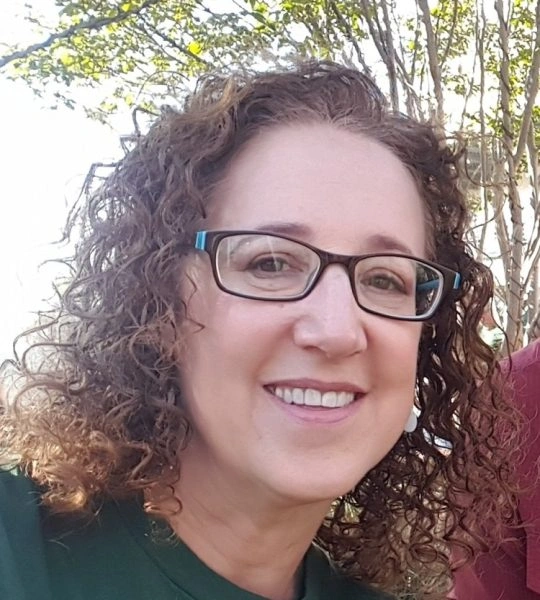
Siyum Nazir is sponsored by Semé Dewees-Cooper “Special thanks to Rabbanit Michelle and all the Hadran staff who make our daily learning and this Siyum possible. Also mazel tov to each person who is completing this masechet!”

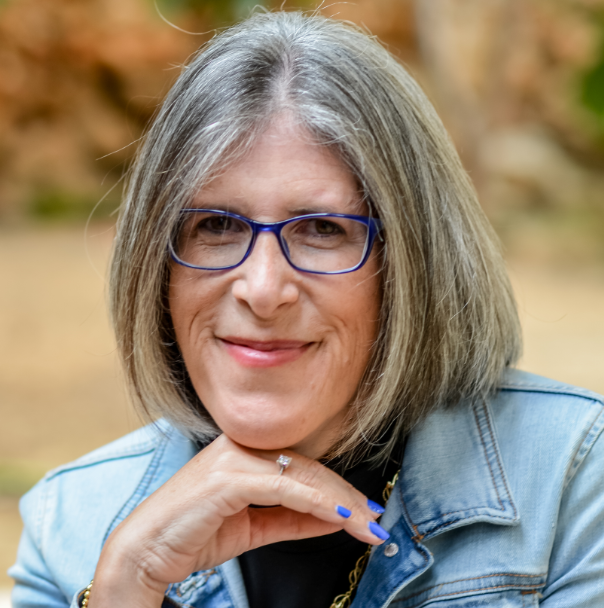
Siyum Nazir is sponsored by Randi (Sharona) Shuster in honor of her husband who believed in her and encouraged her to learn Gemara and in memory of her husband’s principal at Maimonides, Rabbi Moses Cohen. “I would also like to thank Rabbanit Michelle for her help and guidance through learning all the masechtot I have learned. This is number 4!”

I would like to personally dedicate this Siyum to three dedicated Hadran learners who passed away during the course of our learning of Masechet Nazir: Carol Robinson, Miriam Kersner and Faye Darack. You will all be missed by the Hadran community. 

The Gemara finishes explaining the way detailed in the previous Mishna in which we are more strict with a zav who already saw two zav discharges, than with one who only saw one. Was Shmuel a nazir? When his mother Chana promised that “mora will not go on his head,” did she mean that he would be a nazir or did she mean that the fear of humans would not be upon him? Which is greater: the one who makes a blessing or the one who answers amen to a blessing? There is a tannaitic debate on this topic. Torah scholars bring peace to the world as is learned from a verse from Isaiah 54:13.

Nazir 66

אָמַר רָבָא: לָא תֵּימָא סָפֵק חֲזָא סָפֵק לָא חֲזָא. אֶלָּא וַדַּאי חֲזָא, סָפֵק מֵחֲמַת שִׁכְבַת זֶרַע, סָפֵק מֵחֲמַת רְאִיָּיה. כֵּיוָן שֶׁנִּזְקַק לְטוּמְאָה — סְפֵיקוֹ טָמֵא.

Rava said: Do not say that it is uncertain whether he saw a discharge and uncertain whether he did not see one. The uncertainty is not with regard to whether he experienced a discharge at all. Rather, he certainly saw a discharge, but it is uncertain whether the discharge was due to, i.e., defined as, an emission of semen, and it is uncertain whether the discharge was due to the sighting of ziva. In this case, once he has been confirmed as being ritually impure as a zav, his uncertain case is also impure.

שִׁכְבַת זַרְעוֹ טְמֵאָה. לְמַאי? אִילֵימָא לְמַגָּע — מִי גָּרַע מִשִּׁכְבַת זֶרַע דְּטָהוֹר? אֶלָּא זַרְעוֹ שֶׁל זָב מְטַמֵּא בְּמַשָּׂא.

§ The mishna taught that his semen is impure. The Gemara asks: With regard to what halakha is the mishna stating that the semen of a zav is impure? If we say that this is referring to the impurity of contact, i.e., this semen renders one who touches it impure, there is no need to teach this halakha. Is it any worse than the semen of a pure man, which also imparts impurity through contact? Rather, the mishna is teaching that the semen of a zav renders people impure even by carrying, like the impurity of ziva.

מַאן שָׁמְעַתְּ לְהָא דְּאָמַר שִׁכְבַת זֶרַע שֶׁל זָב מְטַמֵּא בְּמַשָּׂא? אִילֵּימָא הַאי תַּנָּא, דְּתַנְיָא, רַבִּי אֱלִיעֶזֶר אוֹמֵר: שִׁכְבַת זַרְעוֹ שֶׁל זָב אֵינוֹ מְטַמֵּא בְּמַשָּׂא, וְרַבִּי יְהוֹשֻׁעַ אוֹמֵר: מְטַמֵּא בְּמַשָּׂא, לְפִי שֶׁאִי אֶפְשָׁר לָהּ בְּלֹא צִיחְצוּחֵי זִיבָה. אֲפִילּוּ רַבִּי יְהוֹשֻׁעַ לָא אָמַר אֶלָּא מִשּׁוּם צִיחְצוּחֵי זִיבָה, אֲבָל בְּעֵינֵיהּ, לָא אָמַר!

The Gemara asks: Who did you hear that said that the semen of a zav renders one impure by carrying? If we say it is this tanna, as it is taught in a baraita that Rabbi Eliezer says: The semen of a zav does not render one impure by carrying, and Rabbi Yehoshua says: It does render one impure by carrying, because it is impossible for his semen to be without droplets of ziva; yet this source is no proof, as even Rabbi Yehoshua said that this semen imparts impurity by carrying only due to the droplets of ziva it contains. However, he did not say that semen in its unadulterated form renders people impure.

אֶלָּא אָמַר רַב אַדָּא בַּר אַהֲבָה: לוֹמַר שֶׁאֵין תּוֹלִין בָּהּ.

Rather, Rav Adda bar Ahava said: The mishna does not mean that the semen of a zav itself renders one impure by carrying. Rather, it comes to say that one does not attribute the ziva to it. Even if the man experienced a discharge within twenty-four hours of his ejaculation of semen, one does not say his discharge was triggered by a general weakening as a result of his seminal emission. Once the man has experienced two discharges of a zav he is an impure zav, and this third discharge is also considered ziva.

סְבַר רַב פָּפָּא קַמֵּיהּ דְּרָבָא לְמֵימַר אַיְּידֵי חוּלְשָׁא הוּא דְּחָזֵי. אָמַר לֵיהּ רָבָא, וְהָתְנַן: גֵּר שֶׁנִּתְגַּיֵּיר מְטַמֵּא מִיָּד בְּזִיבָה! אֲמַר לֵיהּ: אֵין לְךָ חוֹלִי גָּדוֹל מִזֶּה.

When he was before Rava, Rav Pappa thought to say the following explanation for this halakha: Since he sees his discharges out of the weakness brought about from his previous ziva, it can be assumed that any later discharge, even one that follows a seminal emission, is ziva. Rava said to him: But didn’t we learn in a mishna (Zavim 2:3): A convert who has just converted can immediately become impure as a zav. Even if he had a seminal emission as a gentile, subsequently converted, and then experienced the discharge of a zav, one does not associate the discharge of a zav with the earlier emission of semen. Rather, it is treated as the first discharge of a zav. In this case there is no prior weakness of a zav to speak of, and nevertheless the convert is impure as a zav. Rav Pappa said to Rava: There is no greater illness than this. The very acceptance of mitzvot can be considered an illness, as the burden of mitzvot is a weighty matter. For this reason, one does not ascribe a discharge of a zav to the earlier emission of semen.

אֶלָּא, תַּנָּאֵי הִיא. דְּתַנְיָא: שִׁכְבַת זֶרַע שֶׁל זָב מְטַמֵּא בְּמַשָּׂא כׇּל מֵעֵת לְעֵת. וְרַבִּי יוֹסֵי אוֹמֵר: יוֹמוֹ.

The Gemara comments: Rather, the possibility rejected earlier, that the mishna means that semen of a zav imparts impurity by carrying, is a dispute between tanna’im, as it is taught in a baraita: The semen of a zav renders one impure by carrying like the regular discharge of a zav for a twenty-four hour period. In other words, if a zav experienced a seminal emission within twenty-four hours of a ziva, the seminal emission does not impart impurity only through contact in the manner of the semen of a pure individual, but by carrying as well. And Rabbi Yosei says that it imparts impurity by carrying only on its day, i.e., if the seminal emission was before the evening of the day of the ziva. As opposed to Rabbi Eliezer and Rabbi Yehoshua cited earlier, these tanna’im both maintain that the semen of a zav imparts impurity by carrying like ziva does.

בְּמַאי קָמִיפַּלְגִי? בְּדִשְׁמוּאֵל. דִּשְׁמוּאֵל רָמֵי: כְּתִיב: ״כִּי יִהְיֶה בְךָ אִישׁ אֲשֶׁר לֹא יִהְיֶה טָהוֹר מִקְּרֵה לָיְלָה״. וּכְתִיב: ״לִפְנוֹת עֶרֶב יִרְחַץ בַּמָּיִם״.

The Gemara asks: With regard to what do the first tanna and Rabbi Yosei disagree? What is the basis of their dispute? The Gemara answers: They disagree with regard to the following issue discussed by Shmuel, as Shmuel raises a contradiction: It is written: “If there be among you any man who is not pure, by reason of that which chances him by night, then shall he go abroad out of the camp, he shall not come within the camp” (Deuteronomy 23:11). This verse is applied to a zav who experienced a seminal emission. And it is written: “When evening comes on, he shall bathe himself in water, and when the sun is down, he may come within the camp” (Deuteronomy 23:12).

מַאן דְּאָמַר מֵעֵת לְעֵת דָּיֵיק מִ״לִּפְנוֹת עֶרֶב״, וְאִידַּךְ דָּיֵיק ״מִקְּרֵה לָיְלָה״.

The Gemara explains the dispute. The one who says that the semen of a zav imparts impurity by carrying for a twenty-four hour period after experiencing a ziva infers from the phrase “when evening comes on” that the period can involve two evenings, as “comes on” indicates another evening. If so, the semen imparts impurity by carrying for a full twenty-four hour period. And the other Sage, Rabbi Yosei, infers from the expression “by reason of that which chances him by night” that the seminal emission imparts impurity by carrying only until that night, i.e., until the end of the day on which the man experienced the ziva.

וּמַאן דְּאָמַר מִ״לִּפְנוֹת עֶרֶב״, הָכְתִיב ״מִקְּרֵה לָיְלָה״! אָמַר לָךְ, אוֹרְחָא דְקֶרִי לֵמֵתֵיא בְּלֵילְיָא.

The Gemara asks: But according to the one who says that this halakha is derived from “when evening comes on,” isn’t it written: “By reason of that which chances him by night”? The Gemara answers: He could have said to you that this verse affords no proof, as it is referring to the usual case and it is the manner of a seminal emission to occur at night. Consequently, one cannot derive a halakha from this expression.

מַתְנִי׳ נָזִיר הָיָה שְׁמוּאֵל, כְּדִבְרֵי רַבִּי נְהוֹרַאי, שֶׁנֶּאֱמַר ״וּמוֹרָה לֹא יַעֲלֶה עַל רֹאשׁוֹ״. נֶאֱמַר בְּשִׁמְשׁוֹן ״וּמוֹרָה״, וְנֶאֱמַר בִּשְׁמוּאֵל ״וּמוֹרָה״. מָה ״מוֹרָה״ הָאֲמוּרָה בְּשִׁמְשׁוֹן — נָזִיר, אַף ״מוֹרָה״ הָאֲמוּרָה בִּשְׁמוּאֵל — נָזִיר.

MISHNA: The tractate concludes with an aggadic statement about nazirites. Samuel the prophet was a nazirite, in accordance with the statement of Rabbi Nehorai, as it was stated that when Hannah, his mother, prayed for a son, she vowed: “And no mora shall come upon his head” (I Samuel 1:11). How is it derived that mora is an expression of naziriteship? It is stated with regard to Samson: “And no razor [mora] shall come upon his head, for the child shall be a nazirite to God” (Judges 13:5), and it is stated: “And no mora,” with regard to Samuel. Just as the term mora” that is stated with regard to Samson means that he was a nazirite, so too the term mora” that is stated with regard to Samuel indicates that he was a nazirite.

אָמַר רַבִּי יוֹסֵי: וַהֲלֹא אֵין מוֹרָה אֶלָּא שֶׁל בָּשָׂר וָדָם! אֲמַר לֵיהּ רַבִּי נְהוֹרַאי: וַהֲלֹא כְּבָר נֶאֱמַר ״וַיֹּאמֶר שְׁמוּאֵל אֵיךְ אֵלֵךְ וְשָׁמַע שָׁאוּל וַהֲרָגָנִי״, שֶׁכְּבָר הָיָה עָלָיו מוֹרָא שֶׁל בָּשָׂר וָדָם.

Rabbi Yosei said: But doesn’t the word mora mean nothing other than the fear of flesh and blood? The word should be read as though it were written with an alef, and not a heh, so that it means fear. Rabbi Nehorai said to him: But isn’t it already stated: “And Samuel said: How can I go; if Saul hears it he will kill me” (I Samuel 16:2). This verse indicates that there was fear of flesh and blood upon Samuel. Consequently, the term mora must be understood in accordance with its plain meaning of a razor. If so, Samuel was indeed a nazirite.

גְּמָ׳ אֲמַר לֵיהּ רַב לְחִיָּיא בְּרֵיהּ:

GEMARA: Rav said to his son Ḥiyya:

חֲטוֹף וּבָרֵיךְ. וְכֵן אֲמַר לֵיהּ רַב הוּנָא לְרַבָּה בְּרֵיהּ: חֲטוֹף וּבָרֵיךְ.

Seize the opportunity and quickly recite a blessing over the cup of blessing for the Grace after Meals. And similarly, Rav Huna said to his son, Rabba: Seize the opportunity and recite a blessing.

לְמֵימְרָא דִּמְבָרֵךְ עֲדִיף? וְהָתַנְיָא, רַבִּי יוֹסֵי אוֹמֵר: גָּדוֹל הָעוֹנֶה ״אָמֵן״ יוֹתֵר מִן הַמְבָרֵךְ. וְאָמַר לוֹ רַבִּי נְהוֹרַאי: הַשָּׁמַיִם! כָּךְ הוּא: תֵּדַע שֶׁהֲרֵי גּוּלְיָירִים מִתְגָּרִין בַּמִּלְחָמָה, וְגִבּוֹרִים נוֹצְחִין.

The Gemara asks: Is this to say that one who recites a blessing is preferable to one who answers amen? But isn’t it taught in a baraita that Rabbi Yosei says: The one who answers amen is greater than the one who recites the blessing? And Rabbi Nehorai said to him: By Heavens, it is so. Know that this is true, as the military assistants [gulyarim] descend to the battlefield and initiate the war and the mighty follow them and prevail. The amen that follows a blessing is compared to the mighty who join the war after the assistants, illustrating that answering amen is more significant than reciting the initial blessing.

תַּנָּאֵי הִיא, דְּתַנְיָא: אֶחָד הַמְבָרֵךְ וְאֶחָד הָעוֹנֶה ״אָמֵן״ בַּמַּשְׁמָע, אֶלָּא שֶׁמְּמַהֲרִין לַמְבָרֵךְ תְּחִילָּה.

The Gemara responds: This is a dispute between tanna’im, as it is taught in a baraita: Both the one who recites a blessing and the one who answers amen are included among those who “stand up and bless” (Nehemiah 9:5), but one hurries to first reward the one who recites the blessing. This baraita apparently holds that reciting the blessing is greater than answering amen.

אָמַר רַבִּי אֶלְעָזָר אָמַר רַבִּי חֲנִינָא: תַּלְמִידֵי חֲכָמִים מַרְבִּים שָׁלוֹם בָּעוֹלָם, שֶׁנֶּאֱמַר: ״וְכׇל בָּנַיִךְ לִמּוּדֵי ה׳ וְרַב שְׁלוֹם בָּנָיִךְ״.

Rabbi Elazar said that Rabbi Ḥanina said: Torah scholars increase peace in the world, as it is stated: “And all your children [banayikh] shall be taught of the Lord, and great shall be the peace of your children” (Isaiah 54:13). The Sages interpreted this verse homiletically: Do not read it as: “Your children [banayikh],” but as: Your builders [bonayikh]. Torah scholars are those who build peace for their generation.


הַדְרָן עֲלָךְ הַגּוֹיִם אֵין לָהֶם נְזִירוּת וּסְלִיקָא לַהּ מַסֶּכֶת נָזִיר

Delve Deeper

Broaden your understanding of the topics on this daf with classes and podcasts from top women Talmud scholars.

For the Beyond the Daf shiurim offered in Hebrew, see here.

New to Talmud?

Check out our resources designed to help you navigate a page of Talmud – and study at the pace, level and style that fits you. 

The Hadran Women’s Tapestry

Meet the diverse women learning Gemara at Hadran and hear their stories. 

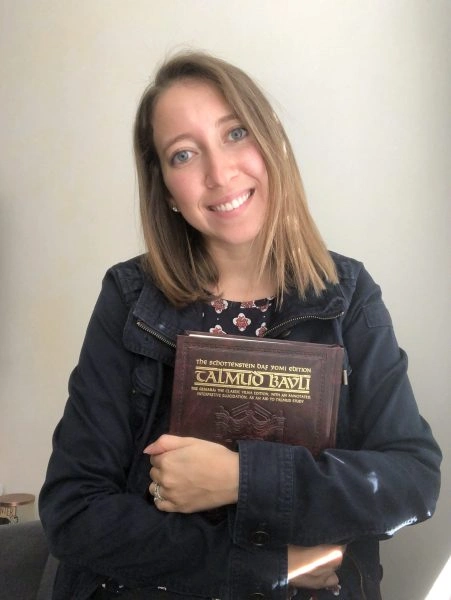
Having never learned Talmud before, I started Daf Yomi in hopes of connecting to the Rabbinic tradition, sharing a daily idea on Instagram (@dafyomiadventures). With Hadran and Sefaria, I slowly gained confidence in my skills and understanding. Now, part of the Pardes Jewish Educators Program, I can’t wait to bring this love of learning with me as I continue to pass it on to my future students.

Hannah-G-pic
Hannah Greenberg

Pennsylvania, United States

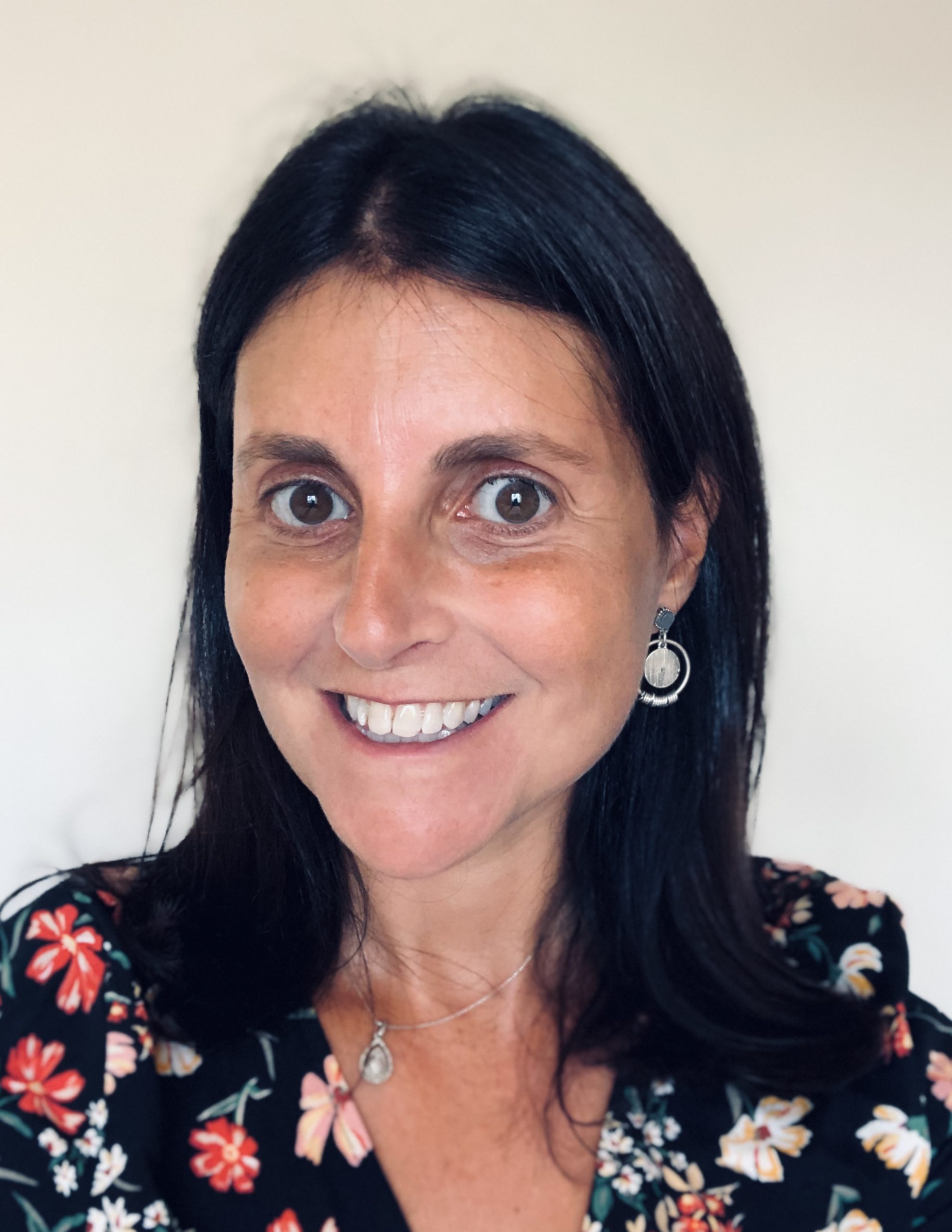
3 years ago, I joined Rabbanit Michelle to organize the unprecedented Siyum HaShas event in Jerusalem for thousands of women. The whole experience was so inspiring that I decided then to start learning the daf and see how I would go…. and I’m still at it. I often listen to the Daf on my bike in mornings, surrounded by both the external & the internal beauty of Eretz Yisrael & Am Yisrael!

Lisa Kolodny
Lisa Kolodny

Raanana, Israel

Margo
I started my Talmud journey in 7th grade at Akiba Jewish Day School in Chicago. I started my Daf Yomi journey after hearing Erica Brown speak at the Hadran Siyum about marking the passage of time through Daf Yomi.

Carolyn
I started my Talmud journey post-college in NY with a few classes. I started my Daf Yomi journey after the Hadran Siyum, which inspired both my son and myself.

Carolyn Hochstadter and Margo Kossoff Shizgal

Merion Station,  USA

Beit Shemesh, Israel

After all the hype on the 2020 siyum I became inspired by a friend to begin learning as the new cycle began.with no background in studying Talmud it was a bit daunting in the beginning. my husband began at the same time so we decided to study on shabbat together. The reaction from my 3 daughters has been fantastic. They are very proud. It’s been a great challenge for my brain which is so healthy!

Stacey Goodstein Ashtamker

Modi’in, Israel

Last cycle, I listened to parts of various מסכתות. When the הדרן סיום was advertised, I listened to Michelle on נידה. I knew that בע”ה with the next cycle I was in (ב”נ). As I entered the סיום (early), I saw the signs and was overcome with emotion. I was randomly seated in the front row, and I cried many times that night. My choice to learn דף יומי was affirmed. It is one of the best I have made!

Miriam Tannenbaum
Miriam Tannenbaum

אפרת, Israel

When I started studying Hebrew at Brown University’s Hillel, I had no idea that almost 38 years later, I’m doing Daf Yomi. My Shabbat haburah is led by Rabbanit Leah Sarna. The women are a hoot. I’m tracking the completion of each tractate by reading Ilana Kurshan’s memoir, If All the Seas Were Ink.

Hannah Lee
Hannah Lee

Pennsylvania, United States

I graduated college in December 2019 and received a set of shas as a present from my husband. With my long time dream of learning daf yomi, I had no idea that a new cycle was beginning just one month later, in January 2020. I have been learning the daf ever since with Michelle Farber… Through grad school, my first job, my first baby, and all the other incredible journeys over the past few years!
Sigal Spitzer Flamholz

Bronx, United States

The start of my journey is not so exceptional. I was between jobs and wanted to be sure to get out every day (this was before corona). Well, I was hooked after about a month and from then on only looked for work-from-home jobs so I could continue learning the Daf. Daf has been a constant in my life, though hurricanes, death, illness/injury, weddings. My new friends are Rav, Shmuel, Ruth, Joanna.
Judi Felber
Judi Felber

Raanana, Israel

Michelle has been an inspiration for years, but I only really started this cycle after the moving and uplifting siyum in Jerusalem. It’s been an wonderful to learn and relearn the tenets of our religion and to understand how the extraordinary efforts of a band of people to preserve Judaism after the fall of the beit hamikdash is still bearing fruits today. I’m proud to be part of the chain!

Judith Weil
Judith Weil

Raanana, Israel

I’ve been studying Talmud since the ’90s, and decided to take on Daf Yomi two years ago. I wanted to attempt the challenge of a day-to-day, very Jewish activity. Some days are so interesting and some days are so boring. But I’m still here.
Wendy Rozov
Wendy Rozov

Phoenix, AZ, United States

תמיד רציתי. למדתי גמרא בבית ספר בטורונטו קנדה. עליתי ארצה ולמדתי שזה לא מקובל. הופתעתי.
יצאתי לגימלאות לפני שנתיים וזה מאפשר את המחוייבות לדף יומי.
עבורי ההתמדה בלימוד מעגן אותי בקשר שלי ליהדות. אני תמיד מחפשת ותמיד. מוצאת מקור לקשר. ללימוד חדש ומחדש. קשר עם נשים לומדות מעמיק את החוויה ומשמעותית מאוד.

Vitti Kones
Vitti Kones

מיתר, ישראל

I started learning Daf Yomi in January 2020 after watching my grandfather, Mayer Penstein z”l, finish shas with the previous cycle. My grandfather made learning so much fun was so proud that his grandchildren wanted to join him. I was also inspired by Ilana Kurshan’s book, If All the Seas Were Ink. Two years in, I can say that it has enriched my life in so many ways.

Leeza Hirt Wilner
Leeza Hirt Wilner

New York, United States

I started the daf at the beginning of this cycle in January 2020. My husband, my children, grandchildren and siblings have been very supportive. As someone who learned and taught Tanach and mefarshim for many years, it has been an amazing adventure to complete the six sedarim of Mishnah, and now to study Talmud on a daily basis along with Rabbanit Michelle and the wonderful women of Hadran.

Rookie Billet
Rookie Billet

Jerusalem, Israel

I started learning daf in January, 2020, being inspired by watching the Siyyum Hashas in Binyanei Haumah. I wasn’t sure I would be able to keep up with the task. When I went to school, Gemara was not an option. Fast forward to March, 2022, and each day starts with the daf. The challenge is now learning the intricacies of delving into the actual learning. Hadran community, thank you!

Rochel Cheifetz
Rochel Cheifetz

Riverdale, NY, United States

While vacationing in San Diego, Rabbi Leah Herz asked if I’d be interested in being in hevruta with her to learn Daf Yomi through Hadran. Why not? I had loved learning Gemara in college in 1971 but hadn’t returned. With the onset of covid, Daf Yomi and Rabbanit Michelle centered me each day. Thank-you for helping me grow and enter this amazing world of learning.
Meryll Page
Meryll Page

Minneapolis, MN, United States

After experiences over the years of asking to join gemara shiurim for men and either being refused by the maggid shiur or being the only women there, sometimes behind a mechitza, I found out about Hadran sometime during the tail end of Masechet Shabbat, I think. Life has been much better since then.

Madeline Cohen
Madeline Cohen

London, United Kingdom

When I started studying Hebrew at Brown University’s Hillel, I had no idea that almost 38 years later, I’m doing Daf Yomi. My Shabbat haburah is led by Rabbanit Leah Sarna. The women are a hoot. I’m tracking the completion of each tractate by reading Ilana Kurshan’s memoir, If All the Seas Were Ink.

Hannah Lee
Hannah Lee

Pennsylvania, United States

It happened without intent (so am I yotzei?!) – I watched the women’s siyum live and was so moved by it that the next morning, I tuned in to Rabbanit Michelle’s shiur, and here I am, still learning every day, over 2 years later. Some days it all goes over my head, but others I grasp onto an idea or a story, and I ‘get it’ and that’s the best feeling in the world. So proud to be a Hadran learner.

Jeanne Yael Klempner

Zichron Yaakov, Israel

Michelle has been an inspiration for years, but I only really started this cycle after the moving and uplifting siyum in Jerusalem. It’s been an wonderful to learn and relearn the tenets of our religion and to understand how the extraordinary efforts of a band of people to preserve Judaism after the fall of the beit hamikdash is still bearing fruits today. I’m proud to be part of the chain!

Judith Weil
Judith Weil

Raanana, Israel

My Daf journey began in August 2012 after participating in the Siyum Hashas where I was blessed as an “enabler” of others.  Galvanized into my own learning I recited the Hadran on Shas in January 2020 with Rabbanit Michelle. That Siyum was a highlight in my life.  Now, on round two, Daf has become my spiritual anchor to which I attribute manifold blessings.

Rina Goldberg
Rina Goldberg

Englewood NJ, United States

Nazir 66

אָמַר רָבָא: לָא תֵּימָא סָפֵק חֲזָא סָפֵק לָא חֲזָא. אֶלָּא וַדַּאי חֲזָא, סָפֵק מֵחֲמַת שִׁכְבַת זֶרַע, סָפֵק מֵחֲמַת רְאִיָּיה. כֵּיוָן שֶׁנִּזְקַק לְטוּמְאָה — סְפֵיקוֹ טָמֵא.

Rava said: Do not say that it is uncertain whether he saw a discharge and uncertain whether he did not see one. The uncertainty is not with regard to whether he experienced a discharge at all. Rather, he certainly saw a discharge, but it is uncertain whether the discharge was due to, i.e., defined as, an emission of semen, and it is uncertain whether the discharge was due to the sighting of ziva. In this case, once he has been confirmed as being ritually impure as a zav, his uncertain case is also impure.

שִׁכְבַת זַרְעוֹ טְמֵאָה. לְמַאי? אִילֵימָא לְמַגָּע — מִי גָּרַע מִשִּׁכְבַת זֶרַע דְּטָהוֹר? אֶלָּא זַרְעוֹ שֶׁל זָב מְטַמֵּא בְּמַשָּׂא.

§ The mishna taught that his semen is impure. The Gemara asks: With regard to what halakha is the mishna stating that the semen of a zav is impure? If we say that this is referring to the impurity of contact, i.e., this semen renders one who touches it impure, there is no need to teach this halakha. Is it any worse than the semen of a pure man, which also imparts impurity through contact? Rather, the mishna is teaching that the semen of a zav renders people impure even by carrying, like the impurity of ziva.

מַאן שָׁמְעַתְּ לְהָא דְּאָמַר שִׁכְבַת זֶרַע שֶׁל זָב מְטַמֵּא בְּמַשָּׂא? אִילֵּימָא הַאי תַּנָּא, דְּתַנְיָא, רַבִּי אֱלִיעֶזֶר אוֹמֵר: שִׁכְבַת זַרְעוֹ שֶׁל זָב אֵינוֹ מְטַמֵּא בְּמַשָּׂא, וְרַבִּי יְהוֹשֻׁעַ אוֹמֵר: מְטַמֵּא בְּמַשָּׂא, לְפִי שֶׁאִי אֶפְשָׁר לָהּ בְּלֹא צִיחְצוּחֵי זִיבָה. אֲפִילּוּ רַבִּי יְהוֹשֻׁעַ לָא אָמַר אֶלָּא מִשּׁוּם צִיחְצוּחֵי זִיבָה, אֲבָל בְּעֵינֵיהּ, לָא אָמַר!

The Gemara asks: Who did you hear that said that the semen of a zav renders one impure by carrying? If we say it is this tanna, as it is taught in a baraita that Rabbi Eliezer says: The semen of a zav does not render one impure by carrying, and Rabbi Yehoshua says: It does render one impure by carrying, because it is impossible for his semen to be without droplets of ziva; yet this source is no proof, as even Rabbi Yehoshua said that this semen imparts impurity by carrying only due to the droplets of ziva it contains. However, he did not say that semen in its unadulterated form renders people impure.

אֶלָּא אָמַר רַב אַדָּא בַּר אַהֲבָה: לוֹמַר שֶׁאֵין תּוֹלִין בָּהּ.

Rather, Rav Adda bar Ahava said: The mishna does not mean that the semen of a zav itself renders one impure by carrying. Rather, it comes to say that one does not attribute the ziva to it. Even if the man experienced a discharge within twenty-four hours of his ejaculation of semen, one does not say his discharge was triggered by a general weakening as a result of his seminal emission. Once the man has experienced two discharges of a zav he is an impure zav, and this third discharge is also considered ziva.

סְבַר רַב פָּפָּא קַמֵּיהּ דְּרָבָא לְמֵימַר אַיְּידֵי חוּלְשָׁא הוּא דְּחָזֵי. אָמַר לֵיהּ רָבָא, וְהָתְנַן: גֵּר שֶׁנִּתְגַּיֵּיר מְטַמֵּא מִיָּד בְּזִיבָה! אֲמַר לֵיהּ: אֵין לְךָ חוֹלִי גָּדוֹל מִזֶּה.

When he was before Rava, Rav Pappa thought to say the following explanation for this halakha: Since he sees his discharges out of the weakness brought about from his previous ziva, it can be assumed that any later discharge, even one that follows a seminal emission, is ziva. Rava said to him: But didn’t we learn in a mishna (Zavim 2:3): A convert who has just converted can immediately become impure as a zav. Even if he had a seminal emission as a gentile, subsequently converted, and then experienced the discharge of a zav, one does not associate the discharge of a zav with the earlier emission of semen. Rather, it is treated as the first discharge of a zav. In this case there is no prior weakness of a zav to speak of, and nevertheless the convert is impure as a zav. Rav Pappa said to Rava: There is no greater illness than this. The very acceptance of mitzvot can be considered an illness, as the burden of mitzvot is a weighty matter. For this reason, one does not ascribe a discharge of a zav to the earlier emission of semen.

אֶלָּא, תַּנָּאֵי הִיא. דְּתַנְיָא: שִׁכְבַת זֶרַע שֶׁל זָב מְטַמֵּא בְּמַשָּׂא כׇּל מֵעֵת לְעֵת. וְרַבִּי יוֹסֵי אוֹמֵר: יוֹמוֹ.

The Gemara comments: Rather, the possibility rejected earlier, that the mishna means that semen of a zav imparts impurity by carrying, is a dispute between tanna’im, as it is taught in a baraita: The semen of a zav renders one impure by carrying like the regular discharge of a zav for a twenty-four hour period. In other words, if a zav experienced a seminal emission within twenty-four hours of a ziva, the seminal emission does not impart impurity only through contact in the manner of the semen of a pure individual, but by carrying as well. And Rabbi Yosei says that it imparts impurity by carrying only on its day, i.e., if the seminal emission was before the evening of the day of the ziva. As opposed to Rabbi Eliezer and Rabbi Yehoshua cited earlier, these tanna’im both maintain that the semen of a zav imparts impurity by carrying like ziva does.

בְּמַאי קָמִיפַּלְגִי? בְּדִשְׁמוּאֵל. דִּשְׁמוּאֵל רָמֵי: כְּתִיב: ״כִּי יִהְיֶה בְךָ אִישׁ אֲשֶׁר לֹא יִהְיֶה טָהוֹר מִקְּרֵה לָיְלָה״. וּכְתִיב: ״לִפְנוֹת עֶרֶב יִרְחַץ בַּמָּיִם״.

The Gemara asks: With regard to what do the first tanna and Rabbi Yosei disagree? What is the basis of their dispute? The Gemara answers: They disagree with regard to the following issue discussed by Shmuel, as Shmuel raises a contradiction: It is written: “If there be among you any man who is not pure, by reason of that which chances him by night, then shall he go abroad out of the camp, he shall not come within the camp” (Deuteronomy 23:11). This verse is applied to a zav who experienced a seminal emission. And it is written: “When evening comes on, he shall bathe himself in water, and when the sun is down, he may come within the camp” (Deuteronomy 23:12).

מַאן דְּאָמַר מֵעֵת לְעֵת דָּיֵיק מִ״לִּפְנוֹת עֶרֶב״, וְאִידַּךְ דָּיֵיק ״מִקְּרֵה לָיְלָה״.

The Gemara explains the dispute. The one who says that the semen of a zav imparts impurity by carrying for a twenty-four hour period after experiencing a ziva infers from the phrase “when evening comes on” that the period can involve two evenings, as “comes on” indicates another evening. If so, the semen imparts impurity by carrying for a full twenty-four hour period. And the other Sage, Rabbi Yosei, infers from the expression “by reason of that which chances him by night” that the seminal emission imparts impurity by carrying only until that night, i.e., until the end of the day on which the man experienced the ziva.

וּמַאן דְּאָמַר מִ״לִּפְנוֹת עֶרֶב״, הָכְתִיב ״מִקְּרֵה לָיְלָה״! אָמַר לָךְ, אוֹרְחָא דְקֶרִי לֵמֵתֵיא בְּלֵילְיָא.

The Gemara asks: But according to the one who says that this halakha is derived from “when evening comes on,” isn’t it written: “By reason of that which chances him by night”? The Gemara answers: He could have said to you that this verse affords no proof, as it is referring to the usual case and it is the manner of a seminal emission to occur at night. Consequently, one cannot derive a halakha from this expression.

מַתְנִי׳ נָזִיר הָיָה שְׁמוּאֵל, כְּדִבְרֵי רַבִּי נְהוֹרַאי, שֶׁנֶּאֱמַר ״וּמוֹרָה לֹא יַעֲלֶה עַל רֹאשׁוֹ״. נֶאֱמַר בְּשִׁמְשׁוֹן ״וּמוֹרָה״, וְנֶאֱמַר בִּשְׁמוּאֵל ״וּמוֹרָה״. מָה ״מוֹרָה״ הָאֲמוּרָה בְּשִׁמְשׁוֹן — נָזִיר, אַף ״מוֹרָה״ הָאֲמוּרָה בִּשְׁמוּאֵל — נָזִיר.

MISHNA: The tractate concludes with an aggadic statement about nazirites. Samuel the prophet was a nazirite, in accordance with the statement of Rabbi Nehorai, as it was stated that when Hannah, his mother, prayed for a son, she vowed: “And no mora shall come upon his head” (I Samuel 1:11). How is it derived that mora is an expression of naziriteship? It is stated with regard to Samson: “And no razor [mora] shall come upon his head, for the child shall be a nazirite to God” (Judges 13:5), and it is stated: “And no mora,” with regard to Samuel. Just as the term mora” that is stated with regard to Samson means that he was a nazirite, so too the term mora” that is stated with regard to Samuel indicates that he was a nazirite.

אָמַר רַבִּי יוֹסֵי: וַהֲלֹא אֵין מוֹרָה אֶלָּא שֶׁל בָּשָׂר וָדָם! אֲמַר לֵיהּ רַבִּי נְהוֹרַאי: וַהֲלֹא כְּבָר נֶאֱמַר ״וַיֹּאמֶר שְׁמוּאֵל אֵיךְ אֵלֵךְ וְשָׁמַע שָׁאוּל וַהֲרָגָנִי״, שֶׁכְּבָר הָיָה עָלָיו מוֹרָא שֶׁל בָּשָׂר וָדָם.

Rabbi Yosei said: But doesn’t the word mora mean nothing other than the fear of flesh and blood? The word should be read as though it were written with an alef, and not a heh, so that it means fear. Rabbi Nehorai said to him: But isn’t it already stated: “And Samuel said: How can I go; if Saul hears it he will kill me” (I Samuel 16:2). This verse indicates that there was fear of flesh and blood upon Samuel. Consequently, the term mora must be understood in accordance with its plain meaning of a razor. If so, Samuel was indeed a nazirite.

גְּמָ׳ אֲמַר לֵיהּ רַב לְחִיָּיא בְּרֵיהּ:

GEMARA: Rav said to his son Ḥiyya:

חֲטוֹף וּבָרֵיךְ. וְכֵן אֲמַר לֵיהּ רַב הוּנָא לְרַבָּה בְּרֵיהּ: חֲטוֹף וּבָרֵיךְ.

Seize the opportunity and quickly recite a blessing over the cup of blessing for the Grace after Meals. And similarly, Rav Huna said to his son, Rabba: Seize the opportunity and recite a blessing.

לְמֵימְרָא דִּמְבָרֵךְ עֲדִיף? וְהָתַנְיָא, רַבִּי יוֹסֵי אוֹמֵר: גָּדוֹל הָעוֹנֶה ״אָמֵן״ יוֹתֵר מִן הַמְבָרֵךְ. וְאָמַר לוֹ רַבִּי נְהוֹרַאי: הַשָּׁמַיִם! כָּךְ הוּא: תֵּדַע שֶׁהֲרֵי גּוּלְיָירִים מִתְגָּרִין בַּמִּלְחָמָה, וְגִבּוֹרִים נוֹצְחִין.

The Gemara asks: Is this to say that one who recites a blessing is preferable to one who answers amen? But isn’t it taught in a baraita that Rabbi Yosei says: The one who answers amen is greater than the one who recites the blessing? And Rabbi Nehorai said to him: By Heavens, it is so. Know that this is true, as the military assistants [gulyarim] descend to the battlefield and initiate the war and the mighty follow them and prevail. The amen that follows a blessing is compared to the mighty who join the war after the assistants, illustrating that answering amen is more significant than reciting the initial blessing.

תַּנָּאֵי הִיא, דְּתַנְיָא: אֶחָד הַמְבָרֵךְ וְאֶחָד הָעוֹנֶה ״אָמֵן״ בַּמַּשְׁמָע, אֶלָּא שֶׁמְּמַהֲרִין לַמְבָרֵךְ תְּחִילָּה.

The Gemara responds: This is a dispute between tanna’im, as it is taught in a baraita: Both the one who recites a blessing and the one who answers amen are included among those who “stand up and bless” (Nehemiah 9:5), but one hurries to first reward the one who recites the blessing. This baraita apparently holds that reciting the blessing is greater than answering amen.

אָמַר רַבִּי אֶלְעָזָר אָמַר רַבִּי חֲנִינָא: תַּלְמִידֵי חֲכָמִים מַרְבִּים שָׁלוֹם בָּעוֹלָם, שֶׁנֶּאֱמַר: ״וְכׇל בָּנַיִךְ לִמּוּדֵי ה׳ וְרַב שְׁלוֹם בָּנָיִךְ״.

Rabbi Elazar said that Rabbi Ḥanina said: Torah scholars increase peace in the world, as it is stated: “And all your children [banayikh] shall be taught of the Lord, and great shall be the peace of your children” (Isaiah 54:13). The Sages interpreted this verse homiletically: Do not read it as: “Your children [banayikh],” but as: Your builders [bonayikh]. Torah scholars are those who build peace for their generation.

הַדְרָן עֲלָךְ הַגּוֹיִם אֵין לָהֶם נְזִירוּת וּסְלִיקָא לַהּ מַסֶּכֶת נָזִיר

Want to follow content and continue where you left off?

Create an account today to track your progress, mark what you’ve learned, and follow the shiurim that speak to you.

Clear all items from this list?

This will remove ALL the items in this section. You will lose any progress or history connected to them. This is irreversible.

Cancel
Yes, clear all

Are you sure you want to delete this item?

You will lose any progress or history connected to this item.

Cancel
Yes, delete