









Want to dedicate learning? Get started here:

Menachot 46
שֶׁאִם הוּזְקְקוּ זֶה לָזֶה שֶׁמְּעַכְּבִין זֶה אֶת זֶה. (וְאֵיזֶה הוּא) [וְאֵיזוֹ הִיא] זִיקָּה שֶׁלָּהֶן – שְׁחִיטָה.
that if they became bound to each other and then one of them became lost, that the lost item prevents fulfillment of the mitzva with the other, i.e., the remaining item is unfit and must be burned. Rabbi Yoḥanan clarifies: And what is it that establishes their bond? It is the slaughter of the sheep. If the loaves existed at the time of the slaughter, then the loaves and sheep are sanctified as one unit. Consequently, if one of them is lost, the other is unfit and must be burned.
אָמַר עוּלָּא: בָּעוּ בְּמַעְרְבָא – תְּנוּפָה עוֹשָׂה זִיקָּה, אוֹ אֵינוֹ עוֹשָׂה זִיקָּה?
With regard to the establishment of the bond between the loaves and the sheep, Ulla said that the Sages in the West, Eretz Yisrael, raise a dilemma: Does waving of the sheep and loaves before the sheep are slaughtered establish a bond between the sheep and the loaves, such that if one is lost the other becomes unfit, or does it not establish a bond between them?
פְּשׁוֹט לֵיהּ מִדְּרַבִּי יוֹחָנָן, דְּאָמַר רַבִּי יוֹחָנָן: שְׁחִיטָה עוֹשָׂה זִיקָּה, מִכְּלָל דִּתְנוּפָה אֵינָהּ עוֹשָׂה זִיקָּה.
The Gemara asks: Why is there a dilemma about this issue? Resolve it from the statement of Rabbi Yoḥanan, as Rabbi Yoḥanan says that slaughter of the sheep establishes a bond between sheep and the loaves. One can conclude by inference that waving, which precedes the slaughter, does not establish a bond between them.
דְּרַבִּי יוֹחָנָן גּוּפָא קָא מִיבַּעְיָא לֵיהּ: מִיפְשָׁט פְּשִׁיטָא לֵיהּ לְרַבִּי יוֹחָנָן דִּשְׁחִיטָה עוֹשָׂה זִיקָּה, וּתְנוּפָה אֵינוֹ עוֹשָׂה זִיקָּה? אוֹ דִלְמָא, שְׁחִיטָה פְּשִׁיטָא לֵיהּ, וּתְנוּפָה מְסַפְּקָא לֵיהּ? תֵּיקוּ.
The Gemara answers: It is with regard to the statement of Rabbi Yoḥanan itself that Ulla raises the dilemma: Is it obvious to Rabbi Yoḥanan that slaughter establishes a bond between them but waving does not establish a bond between them? Or perhaps it is obvious to him that slaughter establishes a bond between them, but he is uncertain as to whether or not waving establishes a bond between them. According to the second possibility, the reason that he mentioned slaughter is that he was certain about it. The Gemara notes that the question shall stand unresolved.
אֲמַר לֵיהּ רַבִּי יְהוּדָה בַּר חֲנִינָא לְרַב הוּנָא בְּרֵיהּ דְּרַב יְהוֹשֻׁעַ: וְהָא כִּי כְּתִיב ״קֹדֶשׁ יִהְיוּ לַה׳ לַכֹּהֵן״ בָּתַר תְּנוּפָה כְּתִיב, וּפְלִיגִי בֶּן נַנָּס וְרַבִּי עֲקִיבָא.
Rabbi Yehuda bar Ḥanina said to Rav Huna, son of Rav Yehoshua: But when it is written: “They shall be holy to the Lord for the priest” (Leviticus 23:20), it is written immediately after the verse mentions waving, and nevertheless Rabbi Shimon ben Nannas and Rabbi Akiva disagree, based on this phrase, about whether the loaves can be brought without the sheep or the sheep can be sacrificed without the loaves. This indicates that the waving does not establish a bond between these two items.
וְלִיטַעְמָיךְ, בָּתַר תְּנוּפָה וְלָא בָּתַר שְׁחִיטָה?!
Rav Huna, son of Rav Yehoshua, replied to Rabbi Yehuda bar Ḥanina: And according to your reasoning that one can infer the halakha based upon the placement of the phrase: “They shall be holy to the Lord for the priest,” is this phrase referring to the time after waving but not after the slaughter of the sheep? After all, the verse speaks of giving them to the priest, which is done after the sheep have been slaughtered. How then did Rabbi Shimon ben Nannas and Rabbi Akiva disagree concerning this verse?
אֶלָּא מַאי אִית לָךְ לְמֵימְרָא, מֵעִיקָּרָא קָאֵי, וּמַאי ״קֹדֶשׁ יִהְיוּ לַה׳ לַכֹּהֵן״ – דָּבָר שֶׁסּוֹפוֹ לַכֹּהֵן. הָכָא נָמֵי, דָּבָר שֶׁסּוֹפוֹ לַכֹּהֵן.
Rather, what do you have to say concerning this verse? It must be referring to a time before the slaughter, and what is meant by: “They shall be holy to the Lord for the priest”? It means an item that is ultimately given to the priest. Here too, one can explain that the verse is referring to a time before the waving, and it means an item that is ultimately given to the priest. The issue of whether or not waving establishes a bond between the sheep and loaves therefore remains an open question.
וּשְׁחִיטָה עוֹשָׂה זִיקָּה? ורְמִינְהִי: עַד שֶׁלֹּא שְׁחָטָהּ נִפְרַס לַחְמָהּ – יָבִיא לֶחֶם אַחֵר וְשׁוֹחֵט.
The Gemara asks: But is it so that slaughter establishes a bond between them? And the Gemara raises a contradiction to this from a baraita concerning a thanks offering, which consists of an animal offering accompanied by forty loaves. The baraita states: If one of its accompanying loaves broke before he slaughtered the thanks offering, he should bring another loaf and slaughter the thanks offering.
מִשֶּׁשְּׁחָטָהּ נִפְרַס לַחְמָהּ – הַדָּם יִזָּרֵק, וְהַבָּשָׂר יֵאָכֵל, וִידֵי נִדְרוֹ לֹא יָצָא, וְהַלֶּחֶם פָּסוּל.
But if one of its accompanying loaves broke once he slaughtered the thanks offering, it is not possible to bring another loaf because the loaves of a thanks offering are sanctified through the slaughter of the animal, which has already taken place. Consequently, the blood should be sprinkled on the altar and the meat should be eaten, but he has not fulfilled his vow to bring a thanks offering, and the loaves are all unfit.
נִזְרַק הַדָּם, תּוֹרֵם מִן הַשָּׁלֵם עַל הַפָּרוּס.
If one of its accompanying loaves broke after the blood was sprinkled on the altar, the loaves are not deemed unfit and the individual has fulfilled his vow to bring a thanks offering. He separates the four loaves for the priest from the whole loaves for the broken loaf. The priest receives whole loaves and not the broken one.
עַד שֶׁלֹּא שְׁחָטָהּ יָצָא לַחְמָהּ – מַכְנִיסָהּ וְשׁוֹחֵט.
The baraita continues: If one of its accompanying loaves left the confines of the walls of Jerusalem before he slaughtered the thanks offering, it is not unfit because the loaves were not yet sanctified by the slaughter. Therefore, he brings it back into the city and slaughters the thanks offering.
מִשֶּׁשְּׁחָטָהּ יָצָא לַחְמָהּ – הַדָּם יִזָּרֵק, וְהַבָּשָׂר יֵאָכֵל, וִידֵי נִדְרוֹ לֹא יָצָא, וְהַלֶּחֶם פָּסוּל. נִזְרַק הַדָּם – תּוֹרֵם מִמַּה שֶּׁבִּפְנִים עַל שֶׁבַּחוּץ.
If one of its accompanying loaves left the confines of the walls of Jerusalem once he slaughtered the thanks offering, the loaves are rendered unfit. Consequently, the blood should be sprinkled on the altar and the meat should be eaten, but he has not fulfilled his vow to bring a thanks offering and the loaves are all unfit. If one of the loaves left the confines of the walls of Jerusalem after the blood was sprinkled on the altar, the remainder of the offering is fit, and he separates the four loaves for the priest from the ones that remained inside the city for the loaf that went outside the walls of the city.
עַד שֶׁלֹּא שְׁחָטָהּ נִטְמָא לַחְמָהּ – מֵבִיא לֶחֶם אַחֵר וְשׁוֹחֵט; מִשֶּׁשְּׁחָטָהּ נִטְמָא לַחְמָהּ – הַדָּם יִזָּרֵק, וְהַבָּשָׂר יֵאָכֵל, וִידֵי נִדְרוֹ יָצָא, שֶׁהַצִּיץ מְרַצֶּה עַל הַטָּמֵא, וְהַלֶּחֶם פָּסוּל.
The baraita continues: If one of its accompanying loaves became impure before he slaughtered the thanks offering, he brings another loaf and slaughters the thanks offering. But if one of its accompanying loaves became impure once he slaughtered the thanks offering, then the blood should be sprinkled on the altar and the meat should be eaten, and he has fulfilled his vow to bring a thanks offering. This is due to the fact that the frontplate effects acceptance of offerings that are impure. Nevertheless, the loaf that became impure is unfit, as the frontplate effects acceptance of the offering but does not render impure items pure.
נִזְרַק הַדָּם – תּוֹרֵם מִן הַטָּהוֹר עַל הַטָּמֵא.
The baraita concludes: If one of its accompanying loaves became impure after the blood was sprinkled on the altar, he separates the four loaves that are given to the priest from the loaves that remained pure for the impure loaf.
וְאִי סָלְקָא דַעְתָּךְ שְׁחִיטָה עוֹשָׂה זִיקָּה, כֵּיוָן דְּהוּזְקְקוּ זֶה לָזֶה בִּשְׁחִיטָה, אִיפְּסִיל לֵיהּ לֶחֶם – תִּיפְּסֵל נָמֵי תּוֹדָה.
The Gemara comes to its question: If it enters your mind to say that slaughter establishes a bond between the sheep and the two loaves of Shavuot, and similarly between the animal offering and the loaves of a thanks offering, then in the cases where a loaf became unfit after the animal was slaughtered but before the blood was sprinkled, since the animal and the loaves bonded with each other through the slaughtering, once the loaf became unfit, the thanks offering should also become unfit. Consequently, the blood of the offering should not be sprinkled on the altar and the meat should not be eaten, contrary to what is stated in the baraita.
שָׁאנֵי תּוֹדָה, דְּרַחֲמָנָא קַרְיַיהּ ״שְׁלָמִים״, מָה שְׁלָמִים קְרֵבִים בְּלֹא לֶחֶם, אַף תּוֹדָה קְרֵבָה בְּלֹא לֶחֶם.
The Gemara answers: The thanks offering is different, as the Merciful One called it a peace offering, as the verse states: “The sacrifice of his peace offerings for thanksgiving” (Leviticus 7:13). Consequently, just as a peace offering is sacrificed without loaves, so too a thanks offering can be sacrificed without loaves.
אָמַר רַבִּי יִרְמְיָה: אִם תִּמְצָא לוֹמַר תְּנוּפָה עוֹשָׂה זִיקָּה, אָבַד הַלֶּחֶם –
§ Rabbi Yirmeya says: If you say that waving establishes a bond between the loaves and the sheep, then in a case where the loaves were lost after the waving,
אָבְדוּ כְּבָשִׂים, אָבְדוּ כְּבָשִׂים – אָבַד הַלֶּחֶם.
the sheep are lost as well, i.e., they cannot be sacrificed, and one must bring different loaves and sheep. Similarly, if the sheep are lost after the waving, the loaves are thereby lost as well, since a bond was established between them by means of the waving.
וְאִם תִּמְצָא לוֹמַר, תְּנוּפָה אֵינָהּ עוֹשָׂה זִיקָּה – הֵבִיא לֶחֶם וּכְבָשִׂים וְהוּנְפוּ, וְאָבַד הַלֶּחֶם, וְהֵבִיא לֶחֶם אַחֵר – אוֹתוֹ הַלֶּחֶם טָעוּן תְּנוּפָה, אוֹ אֵינוֹ טָעוּן תְּנוּפָה?
And if you say that waving does not establish a bond between the loaves and the sheep, then one can raise the following dilemma: If one brought loaves and sheep and they were waved, and then the loaves were lost and he brought other loaves to replace the original loaves, does that second set of loaves require waving with the sheep, as it has not yet been waved? Or does it not require waving, as the accompanying sheep have already been waved with the original loaves, and the sheep are the subject in the verse that serves as the source of the requirement of waving (see Leviticus 23:20)?
אָבְדוּ כְּבָשִׂים – לָא תִּיבְּעֵי לָךְ, דְּוַדַּאי בָּעֵי תְּנוּפָה; כִּי תִּיבְּעֵי לָךְ – אָבַד הַלֶּחֶם.
Rabbi Yirmeya clarifies the dilemma: In a case where the sheep were lost after the waving, do not raise the dilemma, as in this case they certainly require waving, because the primary obligation of waving is mentioned with respect to the sheep, and these sheep have not yet been waved. When should you raise the dilemma? You should raise it in a case where the loaves were lost after the waving.
וְאַלִּיבָּא דְּבֶן נַנָּס, לָא תִּיבְּעֵי לָךְ, דְּאָמַר כְּבָשִׂים עִיקָּר. כִּי תִּיבְּעֵי לָךְ אַלִּיבָּא דְּרַבִּי עֲקִיבָא, דְּאָמַר לֶחֶם עִיקָּר – מַאי?
And according to the opinion of Rabbi Shimon ben Nannas, who holds that failure to sacrifice the sheep prevents one from sacrificing the loaves, do not raise the dilemma, as he says that the sheep are primary. Consequently, since the sheep have been waved, there is no need to repeat the waving. When should you raise the dilemma? Raise it according to the opinion of Rabbi Akiva, who holds that failure to bring the loaves prevents one from sacrificing the sheep, as he says that the loaves are primary. According to his opinion, what is the halakha concerning the loaves that are brought as replacements?
כֵּיוָן דְּלֶחֶם עִיקָּר – בָּעֵי תְּנוּפָה, אוֹ דִלְמָא כֵּיוָן דְּמַתִּירִין דִּידֵיהּ כְּבָשִׂים נִינְהוּ – לָא צְרִיךְ תְּנוּפָה. תֵּיקוּ.
On the one hand, one might say that since the loaves are primary and this set of loaves has not yet been waved, it requires waving. Or on the other hand, perhaps one should say that since its permitting factors are the sheep, and they were already waved, the new set of loaves does not require waving. The Gemara concludes that the question shall stand unresolved.
אֲמַר לֵיהּ אַבָּיֵי לְרָבָא: מַאי שְׁנָא שְׁנֵי כְּבָשִׂים דִּמְקַדְּשִׁי לֶחֶם וּמְעַכְּבִי, וּמַאי שְׁנָא שִׁבְעָה כְּבָשִׂים וּפַר וְאֵילִים דְּלָא מְקַדְּשִׁי לֶחֶם וְלָא מְעַכְּבִי?
§ Abaye said to Rava: What is different about the two sheep brought as peace offerings together with the two loaves of Shavuot, such that their slaughter sanctifies the loaves (see 47a), and according to Rabbi Yoḥanan failure to sacrifice them once they have been slaughtered prevents the bringing of the loaves; and what is different about the seven sheep, the bull, and the two rams brought on Shavuot as an additional offering, such that their slaughter does not sanctify the loaves, and failure to sacrifice them does not prevent the bringing of the loaves?
אֲמַר לֵיהּ: הוֹאִיל וְהוּזְקְקוּ זֶה לָזֶה בִּתְנוּפָה. וַהֲרֵי תּוֹדָה דְּלֹא הוּזְקְקוּ זֶה לָזֶה בִּתְנוּפָה, וּמְקַדְּשָׁא וּמְעַכְּבָא!
Rava said to Abaye: The reason for the distinction is because the two sheep and the loaves brought as peace offerings are bound to each other through the waving. This is not so with regard to the additional offerings, which are not waved with the loaves. The Gemara challenges: But in the case of a thanks offering and its loaves, which are not waved together, they are not bound to each other through waving, and nevertheless the slaughter of the animal offering sanctifies the loaves and failure to sacrifice the animal offering prevents the bringing of the loaves. This indicates that the waving is not the critical factor.
אֶלָּא, כְּתוֹדָה – מָה תּוֹדָה שְׁלָמִים, אַף הָכָא נָמֵי שְׁלָמִים.
Rather, the reason for the distinction is that the two sheep brought as peace offerings are comparable to a thanks offering. Just as a thanks offering is a peace offering, so too the two sheep are also a peace offering. Consequently, just as the slaughter of the thanks offering sanctifies the accompanying loaves, and failure to sacrifice the animal prevents one from bringing the loaves, the same applies with regard to the sheep peace offerings and loaves of Shavuot.
מִי דָּמֵי? הָתָם לֵיכָּא זְבָחִים אַחֲרִינֵי בַּהֲדֵיהּ, הָכָא דְּאִיכָּא זְבָחִים אַחֲרִינֵי בַּהֲדֵיהּ – לִיקְדְּשׁוּ הָנֵי וְהָנֵי!
The Gemara responds: Are the two sheep of Shavuot and the thanks offering really comparable? There, in the case of the thanks offering, there are no other animal offerings brought with it. But here, in the case of the offerings brought on Shavuot, where there are other animal offerings brought with it, let these peace offerings and those additional offerings sanctify the loaves. Why is it only the sheep brought as peace offerings that sanctify the loaves?
אֶלָּא, כְּאֵיל נָזִיר – מָה אֵיל נָזִיר, אַף עַל גַּב דְּאִיכָּא זְבָחִים אַחֲרִינִי, שְׁלָמִים הוּא דִּמְקַדְּשִׁי, מִידֵּי אַחֲרִינָא לָא, הָכָא נָמֵי לָא שְׁנָא.
Rather, the reason for the distinction is that the two sheep brought as peace offerings are comparable to a nazirite’s ram, which is sacrificed as a peace offering when he completes his term of naziriteship, in addition to a lamb that he sacrifices as a burnt offering, a female lamb that he brings then as a sin offering, and the nazirite loaves (see Numbers 6:14–15). Just as in the case of a nazirite’s ram, even though there are other offerings brought with it, nevertheless it is the slaughter of the peace offering that sanctifies the nazirite loaves and not the slaughter of anything else, here too, the halakha is no different, and it is specifically the slaughter of the peace offerings that sanctifies the loaves.
וְהָתָם מְנָלַן? דְּתַנְיָא: ״וְאֶת הָאַיִל יַעֲשֶׂה זֶבַח שְׁלָמִים לַה׳ עַל סַל הַמַּצּוֹת״ – מְלַמֵּד שֶׁהַסַּל בָּא חוֹבָה לָאַיִל, וּשְׁחִיטַת אַיִל מְקַדְּשָׁן. לְפִיכָךְ, שְׁחָטוֹ שֶׁלֹּא לִשְׁמוֹ – לֹא קָדַשׁוֹ הַלֶּחֶם.
The Gemara asks: And there, in the case of the offerings of the nazirite, from where do we derive that it is specifically the slaughter of the peace offering that sanctifies the loaves? The Gemara answers: This is as it is taught in a baraita concerning a verse stated with regard to the offerings of the nazirite: “And he shall offer the ram for a sacrifice of peace offerings to the Lord, with the basket of unleavened bread” (Numbers 6:17). This verse, which connects the ram and the loaves, teaches that the basket of the nazirite loaves comes as an obligation for the ram, which is a peace offering, and the slaughter of the ram sanctifies the loaves. Therefore, if the slaughter was unfit, e.g., in a case where he slaughtered the ram not for the sake of a peace offering, the loaves were not sanctified.
תָּנוּ רַבָּנַן: שְׁתֵּי הַלֶּחֶם הַבָּאוֹת בִּפְנֵי עַצְמָן – יוּנְפוּ, וּתְעוּבַּר צוּרָתָן, וְיֵצְאוּ לְבֵית הַשְּׂרֵיפָה.
§ The mishna teaches that according to Rabbi Akiva failure to sacrifice the two sheep brought as peace offerings does not prevent sacrifice of the loaves. Consequently, if there are no sheep, the loaves are sacrificed by themselves. Concerning this the Sages taught in a baraita: In a case where the two loaves are brought by themselves, they should be waved. They should then be left overnight so that their form decays, i.e., they become disqualified, and they are then brought out to the place of burning, like any disqualified offering.
מָה נַפְשָׁךְ? אִי לַאֲכִילָה אָתְיָין – לֵיכְלִינְהוּ, אִי לִשְׂרֵיפָה אָתְיָין – לִשְׂרְפִינְהוּ לְאַלְתַּר, לְמָה לְהוּ עִיבּוּר צוּרָה?
The Gemara challenges: Whichever way you look at it, this is difficult: If the loaves are brought and waved in order to be eaten, let the priests eat them rather than burn them. If they are brought only to be burned, let the priests burn them immediately. Why are they left overnight so that they undergo a decay of form, i.e., become disqualified?
אָמַר רַבָּה: לְעוֹלָם לַאֲכִילָה אָתְיָין, גְּזֵירָה שֶׁמָּא יִזְדַּמְּנוּ לָהֶן כְּבָשִׂים לְשָׁנָה הַבָּאָה, וְיֹאמְרוּ: אֶשְׁתָּקַד לֹא אָכַלְנוּ לֶחֶם בְּלֹא כְּבָשִׂים, עַכְשָׁיו נָמֵי נֵיכוֹל.
Rabba said: Actually, the loaves are brought and waved in order to be eaten. Nevertheless, the Sages instituted a rabbinic decree that they not be eaten out of concern lest sheep become available to the nation the following year, and they might say: Didn’t we eat the loaves without any accompanying sheep last year [eshtakad]? Now too, we will eat the loaves without sacrificing sheep.
וְאִינְהוּ לָא יָדְעִי, דְּאֶשְׁתָּקַד לָא הֲווֹ כְּבָשִׂים, אִינְהוּ שָׁרְיָין נַפְשַׁיְיהוּ, הַשְׁתָּא דְּאִיכָּא כְּבָשִׂים – כְּבָשִׂים הוּא דְּשָׁרוּ לְהוּ.
And they will not know that the reason they were permitted to eat the loaves without sacrificing sheep last year is that there were no sheep, and therefore the two loaves permitted themselves to be eaten, i.e., they could be eaten without the sacrifice of the sheep. But now that there are sheep, it is the sacrifice of the sheep that permits the loaves to be eaten. Since loaves brought without sheep are fit by Torah law and may not be eaten due to rabbinic decree, they may not be burned until they become disqualified by remaining overnight.
אָמַר רַבָּה: מְנָא אָמֵינָא לַהּ? דִּתְנַן: אָמַר רַבִּי יְהוּדָה: הֵעִיד בֶּן בּוּכְרִי בְּיַבְנֶה: כׇּל כֹּהֵן שֶׁשּׁוֹקֵל – אֵינוֹ חוֹטֵא.
Rabba said: From where do I say this, i.e., what is the source for my statement? It is as we learned in a mishna (Shekalim 1:4): Rabbi Yehuda said that ben Bukhri testified before the Sages in Yavne: Any priest who contributes his half-shekel is not considered a sinner, despite the fact that he is not obligated to do so.
אָמַר לוֹ רַבָּן יוֹחָנָן בֶּן זַכַּאי: לֹא כִי, אֶלָּא כׇּל כֹּהֵן שֶׁאֵינוֹ שׁוֹקֵל – חוֹטֵא, אֶלָּא שֶׁהַכֹּהֲנִים דּוֹרְשִׁין מִקְרָא זֶה לְעַצְמָן:
Rabbi Yehuda added that Rabban Yoḥanan ben Zakkai said to ben Bukhri: That is not the case, rather, any priest who does not contribute his half-shekel is considered a sinner, as they are obligated in this mitzva like all other Jews. But the priests who do not contribute the half-shekel interpret this following verse to their own advantage in order to excuse themselves from the mitzva.
״וְכׇל מִנְחַת כֹּהֵן כָּלִיל תִּהְיֶה לֹא תֵאָכֵל״. הוֹאִיל וְעוֹמֶר וּשְׁתֵּי הַלֶּחֶם וְלֶחֶם הַפָּנִים שֶׁלָּנוּ הֵן, הֵיאַךְ נֶאֱכָלִין?
The verse states: “And every meal offering of the priest shall be wholly made to smoke; it shall not be eaten” (Leviticus 6:16). Those priests claim as follows: Since the omer offering and the two loaves, i.e., the public offering of two loaves from the new wheat, brought on the festival of Shavuot, and the shewbread placed on the Table in the Sanctuary each Shabbat, which are all meal offerings, are ours, then if we contribute half-shekels we will have partial ownership of these communal offerings, as they are purchased with the half-shekels. How, then, can they be eaten? They would then be regarded as priests’ meal offerings, which must be wholly burned.
הָנֵי שְׁתֵּי הַלֶּחֶם הֵיכִי דָמֵי? אִילֵּימָא בְּבָאוֹת עִם הַזֶּבַח – אַטּוּ תּוֹדָה וְלַחְמָהּ מִי לָא מְנַדְּבִי כֹּהֲנִים וְאָכְלִי לְהוּ?
Rabba discusses this mishna: What are the circumstances of these two loaves? If we say that the mishna is referring to a case where they are brought with the animal offering, i.e., the two sheep brought as peace offerings, why shouldn’t the loaves be eaten? Is that to say that priests cannot volunteer to bring a thanks offering and its loaves and eat them? Just as the loaves that accompany a thanks offering may be eaten, even if brought by a priest, the same halakha should apply to the two loaves when they accompany sheep brought as peace offerings.
אֶלָּא לָאו בְּבָאוֹת בִּפְנֵי עַצְמָן, וְקָתָנֵי: ״הֵיאַךְ הֵן נֶאֱכָלִין״, אַלְמָא לַאֲכִילָה אָתְיָין.
Rather, is it not referring to a case where the two loaves are brought by themselves, and the mishna teaches that the priests claimed: How can they be eaten? Apparently, in principle the loaves come to be eaten, but due to rabbinic decree they are not eaten and are left overnight until their form decays.
אֲמַר לֵיהּ אַבָּיֵי: לְעוֹלָם בְּבָאוֹת עִם הַזֶּבַח, וּדְקָא קַשְׁיָא לָךְ מִתּוֹדָה וְלַחְמָהּ – לַחְמֵי תוֹדָה לָא אִיקְּרוּ ״מִנְחָה״, שְׁתֵּי הַלֶּחֶם אִיקְּרוּ ״מִנְחָה״, שֶׁנֶּאֱמַר: ״בְּהַקְרִיבְכֶם מִנְחָה חֲדָשָׁה לַה׳״.
Abaye said to Rabba in response: Actually, the mishna can be interpreted as referring to loaves brought with the animal offering, and therefore it does not prove that when the two loaves are brought by themselves they may be eaten. And as for that which is difficult for you based on the case of a thanks offering and its loaves, the resolution is that the loaves of a thanks offering are not called a meal offering, and therefore even when a priest brings a thanks offering, the loaves may be eaten. By contrast, the two loaves of Shavuot are called a meal offering, as it is stated with regard to the two loaves: “Also in the day of the first fruits, when you bring a new meal offering to the Lord” (Numbers 28:26). Therefore, the priests held that if they would donate half-shekels, the two loaves would not be permitted to be eaten.
רַב יוֹסֵף אָמַר: לְעוֹלָם לִשְׂרֵיפָה אָתְיָין, וְהַיְינוּ טַעְמָא דְּלָא שָׂרְפִינַן – לְפִי שֶׁאֵין שׂוֹרְפִין קָדָשִׁים בְּיוֹם טוֹב.
Rav Yosef said a different response to Rabba’s proof: Actually, when the two loaves of Shavuot are brought by themselves they come to be burned, i.e., they may not be eaten. And this is the reason that we do not burn them until the following day: It is because one may not burn consecrated items on a Festival.
אֲמַר לֵיהּ אַבָּיֵי: מִי דָּמֵי? הָתָם – לָאו מִצְוָתָן בְּכָךְ, הָכָא – דְּמִצְוָתָן בְּכָךְ, לִישְׂרְפִינְהוּ, מִידֵּי דְּהָוֵה אַפַּר וְשָׂעִיר שֶׁל יוֹם הַכִּיפּוּרִים.
Abaye said to Rav Yosef: Is the burning of the two loaves comparable to the burning of other consecrated items, such that the loaves may not be burned right away for this reason? There, in the case of other consecrated items, this is not their mitzva, i.e., they are supposed to be eaten, but if they become disqualified they must be burned. Conversely, here, in the case of the two loaves of Shavuot that are brought by themselves, where this is their mitzva, i.e., they are supposed to be burned, let the priests burn them on the Festival, just as is the halakha in the case of the bull and the goat of Yom Kippur, which are burned on Yom Kippur despite the fact that it is a Festival.
אֶלָּא אָמַר רַב יוֹסֵף: גְּזֵירָה שֶׁמָּא יִזְדַּמְּנוּ לָהֶם כְּבָשִׂים לְאַחַר מִכָּאן. אֲמַר לֵיהּ אַבָּיֵי: תִּינַח כׇּל זְמַן הַקְרָבָתָם, לְבָתַר הָכִי לִשְׂרְפִינְהוּ! מַאי ״תְּעוּבַּר צוּרָתָן״ נָמֵי דְּקָתָנֵי? – צוּרַת הַקְרָבָתָם.
Rather, Rav Yosef said: The reason the loaves are left overnight is due to a rabbinic decree not to burn them immediately, lest sheep become available to the nation afterward, i.e., later in the day, in which case the loaves could be waved with them and then eaten. Abaye said to Rav Yosef: That works out well for the entire time period when they may be sacrificed, i.e., until the afternoon daily offering is sacrificed. But after that, let them burn the loaves immediately and not wait until the next day. Rav Yosef replied: What is the meaning of the phrase in the baraita that teaches that the loaves must be left until their form decays? It means that they must be left until the form of their sacrifice has passed, i.e., until after the time when the sheep could be sacrificed.
רָבָא אָמַר: לַאֲכִילָה אָתְיָין, וּגְזֵירָה מִשּׁוּם דְּרַבָּה, וְלָאו מִטַּעְמֵיהּ, אֶלָּא מִקְּרָא.
Rava said that there is a different response to Rabba’s proof: When the two loaves of Shavuot are brought by themselves, by Torah law they come to be eaten, but due to rabbinic decree they are not eaten and are left overnight until they are disqualified. The reason for the decree is due to that which Rabba said, i.e., due to the concern that the following year sheep will be available and nevertheless the nation will bring the two loaves without sheep. But the proof that by Torah law the loaves may be eaten is not from Rabba’s line of reasoning, i.e., from the mishna in Shekalim; rather, it is from a verse.
וְאָמַר רָבָא: מְנָא אָמֵינָא לַהּ? דִּכְתִיב: ״מִמּוֹשְׁבֹתֵיכֶם תָּבִיאּוּ לֶחֶם תְּנוּפָה וְגוֹ׳ בִּכּוּרִים לַה׳״, מָה בִּכּוּרִים בִּפְנֵי עַצְמָן, אַף שְׁתֵּי הַלֶּחֶם בִּפְנֵי עַצְמָן, וּמִינַּהּ: מָה בִּכּוּרִים לַאֲכִילָה, אַף שְׁתֵּי הַלֶּחֶם נָמֵי לַאֲכִילָה.
And Rava said by way of explanation: From where do I state this halakha? From the fact that it is written with regard to the two loaves: “You shall bring out of your dwellings two loaves of waving of two tenth parts of an ephah; they shall be of fine flour, they shall be baked with leaven, for first fruits to the Lord” (Leviticus 23:17). Just as first fruits are brought by themselves, without an accompanying animal offering, so too the two loaves are brought by themselves when there are no sheep available. And learn from this comparison to first fruits that just as first fruits are brought to be eaten, so too the two loaves are also brought to be eaten, even in the absence of the sheep brought as peace offerings.

Today’s daily daf tools:
Delve Deeper
Broaden your understanding of the topics on this daf with classes and podcasts from top women Talmud scholars.


The Innovation of אינו מעכב – What does this category teach us about the halakhic system?
New to Talmud?
Check out our resources designed to help you navigate a page of Talmud – and study at the pace, level and style that fits you.
The Hadran Women’s Tapestry
Meet the diverse women learning Gemara at Hadran and hear their stories.
I started learning Daf Yomi in January 2020 after watching my grandfather, Mayer Penstein z”l, finish shas with the previous cycle. My grandfather made learning so much fun was so proud that his grandchildren wanted to join him. I was also inspired by Ilana Kurshan’s book, If All the Seas Were Ink. Two years in, I can say that it has enriched my life in so many ways.

New York, United States
I had tried to start after being inspired by the hadran siyum, but did not manage to stick to it. However, just before masechet taanit, our rav wrote a message to the shul WhatsApp encouraging people to start with masechet taanit, so I did! And this time, I’m hooked! I listen to the shiur every day , and am also trying to improve my skills.

Yad Binyamin, Israel
After experiences over the years of asking to join gemara shiurim for men and either being refused by the maggid shiur or being the only women there, sometimes behind a mechitza, I found out about Hadran sometime during the tail end of Masechet Shabbat, I think. Life has been much better since then.
London, United Kingdom
I attended the Siyum so that I could tell my granddaughter that I had been there. Then I decided to listen on Spotify and after the siyum of Brachot, Covid and zoom began. It gave structure to my day. I learn with people from all over the world who are now my friends – yet most of us have never met. I can’t imagine life without it. Thank you Rabbanit Michelle.
Raanana, Israel
I LOVE learning the Daf. I started with Shabbat. I join the morning Zoom with Reb Michelle and it totally grounds my day. When Corona hit us in Israel, I decided that I would use the Daf to keep myself sane, especially during the days when we could not venture out more than 300 m from our home. Now my husband and I have so much new material to talk about! It really is the best part of my day!

Hashmonaim, Israel
I had never heard of Daf Yomi and after reading the book, The Weight of Ink, I explored more about it. I discovered that it was only 6 months before a whole new cycle started and I was determined to give it a try. I tried to get a friend to join me on the journey but after the first few weeks they all dropped it. I haven’t missed a day of reading and of listening to the podcast.

Elkins Park, United States
I started learning Dec 2019 after reading “If all the Seas Were Ink”. I found
Daily daf sessions of Rabbanit Michelle in her house teaching, I then heard about the siyum and a new cycle starting wow I am in! Afternoon here in Sydney, my family and friends know this is my sacred time to hide away to live zoom and learn. Often it’s hard to absorb and relate then a gem shines touching my heart.

Dover Heights, Australia
Margo
I started my Talmud journey in 7th grade at Akiba Jewish Day School in Chicago. I started my Daf Yomi journey after hearing Erica Brown speak at the Hadran Siyum about marking the passage of time through Daf Yomi.
Carolyn
I started my Talmud journey post-college in NY with a few classes. I started my Daf Yomi journey after the Hadran Siyum, which inspired both my son and myself.
Merion Station, USA
Beit Shemesh, Israel
Ive been learning Gmara since 5th grade and always loved it. Have always wanted to do Daf Yomi and now with Michelle Farber’s online classes it made it much easier to do! Really enjoying the experience thank you!!

Neve Daniel, Israel
I started learning when my brother sent me the news clip of the celebration of the last Daf Yomi cycle. I was so floored to see so many women celebrating that I wanted to be a part of it. It has been an enriching experience studying a text in a language I don’t speak, using background knowledge that I don’t have. It is stretching my learning in unexpected ways, bringing me joy and satisfaction.
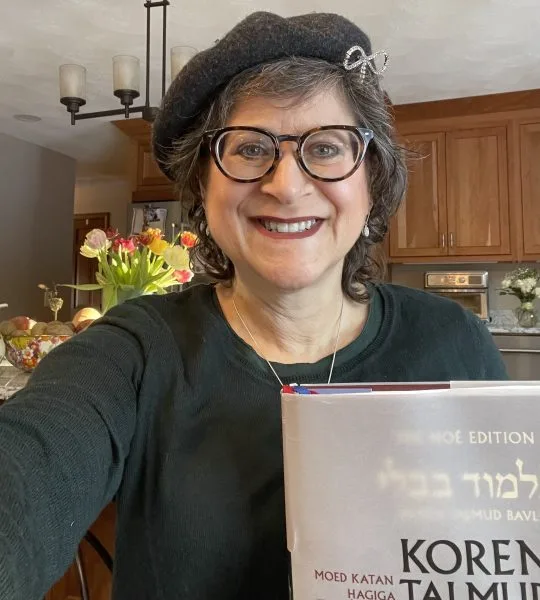
Warwick, Rhode Island, United States
Last cycle, I listened to parts of various מסכתות. When the הדרן סיום was advertised, I listened to Michelle on נידה. I knew that בע”ה with the next cycle I was in (ב”נ). As I entered the סיום (early), I saw the signs and was overcome with emotion. I was randomly seated in the front row, and I cried many times that night. My choice to learn דף יומי was affirmed. It is one of the best I have made!

אפרת, Israel
I was exposed to Talmud in high school, but I was truly inspired after my daughter and I decided to attend the Women’s Siyum Shas in 2020. We knew that this was a historic moment. We were blown away, overcome with emotion at the euphoria of the revolution. Right then, I knew I would continue. My commitment deepened with the every-morning Virtual Beit Midrash on Zoom with R. Michelle.

Zichron Yaakov, Israel
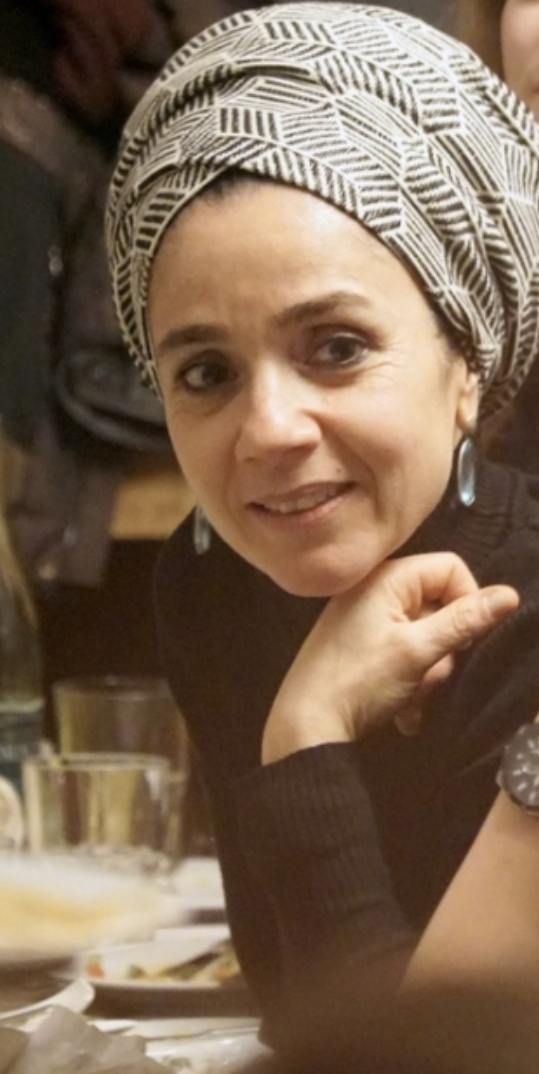
Berlin, Germany
A few years back, after reading Ilana Kurshan’s book, “If All The Seas Were Ink,” I began pondering the crazy, outlandish idea of beginning the Daf Yomi cycle. Beginning in December, 2019, a month before the previous cycle ended, I “auditioned” 30 different podcasts in 30 days, and ultimately chose to take the plunge with Hadran and Rabbanit Michelle. Such joy!

HUNTINGTON, United States
When I was working and taking care of my children, learning was never on the list. Now that I have more time I have two different Gemora classes and the nach yomi as well as the mishna yomi daily.

Jerusalem, Israel
I began to learn this cycle of Daf Yomi after my husband passed away 2 1/2 years ago. It seemed a good way to connect to him. Even though I don’t know whether he would have encouraged women learning Gemara, it would have opened wonderful conversations. It also gives me more depth for understanding my frum children and grandchildren. Thank you Hadran and Rabbanit Michelle Farber!!

Tzur Hadassah, Israel

Jerusalem, Israel
When I began the previous cycle, I promised myself that if I stuck with it, I would reward myself with a trip to Israel. Little did I know that the trip would involve attending the first ever women’s siyum and being inspired by so many learners. I am now over 2 years into my second cycle and being part of this large, diverse, fascinating learning family has enhanced my learning exponentially.

Minnesota, United States
I began learning with Rabbanit Michelle’s wonderful Talmud Skills class on Pesachim, which really enriched my Pesach seder, and I have been learning Daf Yomi off and on over the past year. Because I’m relatively new at this, there is a “chiddush” for me every time I learn, and the knowledge and insights of the group members add so much to my experience. I feel very lucky to be a part of this.

Karmiel, Israel
I was moved to tears by the Hadran Siyyum HaShas. I have learned Torah all my life, but never connected to learning Gemara on a regular basis until then. Seeing the sheer joy Talmud Torah at the siyyum, I felt compelled to be part of it, and I haven’t missed a day!
It’s not always easy, but it is so worthwhile, and it has strengthened my love of learning. It is part of my life now.

Beit Shemesh, Israel
Menachot 46
שֶׁאִם הוּזְקְקוּ זֶה לָזֶה שֶׁמְּעַכְּבִין זֶה אֶת זֶה. (וְאֵיזֶה הוּא) [וְאֵיזוֹ הִיא] זִיקָּה שֶׁלָּהֶן – שְׁחִיטָה.
that if they became bound to each other and then one of them became lost, that the lost item prevents fulfillment of the mitzva with the other, i.e., the remaining item is unfit and must be burned. Rabbi Yoḥanan clarifies: And what is it that establishes their bond? It is the slaughter of the sheep. If the loaves existed at the time of the slaughter, then the loaves and sheep are sanctified as one unit. Consequently, if one of them is lost, the other is unfit and must be burned.
אָמַר עוּלָּא: בָּעוּ בְּמַעְרְבָא – תְּנוּפָה עוֹשָׂה זִיקָּה, אוֹ אֵינוֹ עוֹשָׂה זִיקָּה?
With regard to the establishment of the bond between the loaves and the sheep, Ulla said that the Sages in the West, Eretz Yisrael, raise a dilemma: Does waving of the sheep and loaves before the sheep are slaughtered establish a bond between the sheep and the loaves, such that if one is lost the other becomes unfit, or does it not establish a bond between them?
פְּשׁוֹט לֵיהּ מִדְּרַבִּי יוֹחָנָן, דְּאָמַר רַבִּי יוֹחָנָן: שְׁחִיטָה עוֹשָׂה זִיקָּה, מִכְּלָל דִּתְנוּפָה אֵינָהּ עוֹשָׂה זִיקָּה.
The Gemara asks: Why is there a dilemma about this issue? Resolve it from the statement of Rabbi Yoḥanan, as Rabbi Yoḥanan says that slaughter of the sheep establishes a bond between sheep and the loaves. One can conclude by inference that waving, which precedes the slaughter, does not establish a bond between them.
דְּרַבִּי יוֹחָנָן גּוּפָא קָא מִיבַּעְיָא לֵיהּ: מִיפְשָׁט פְּשִׁיטָא לֵיהּ לְרַבִּי יוֹחָנָן דִּשְׁחִיטָה עוֹשָׂה זִיקָּה, וּתְנוּפָה אֵינוֹ עוֹשָׂה זִיקָּה? אוֹ דִלְמָא, שְׁחִיטָה פְּשִׁיטָא לֵיהּ, וּתְנוּפָה מְסַפְּקָא לֵיהּ? תֵּיקוּ.
The Gemara answers: It is with regard to the statement of Rabbi Yoḥanan itself that Ulla raises the dilemma: Is it obvious to Rabbi Yoḥanan that slaughter establishes a bond between them but waving does not establish a bond between them? Or perhaps it is obvious to him that slaughter establishes a bond between them, but he is uncertain as to whether or not waving establishes a bond between them. According to the second possibility, the reason that he mentioned slaughter is that he was certain about it. The Gemara notes that the question shall stand unresolved.
אֲמַר לֵיהּ רַבִּי יְהוּדָה בַּר חֲנִינָא לְרַב הוּנָא בְּרֵיהּ דְּרַב יְהוֹשֻׁעַ: וְהָא כִּי כְּתִיב ״קֹדֶשׁ יִהְיוּ לַה׳ לַכֹּהֵן״ בָּתַר תְּנוּפָה כְּתִיב, וּפְלִיגִי בֶּן נַנָּס וְרַבִּי עֲקִיבָא.
Rabbi Yehuda bar Ḥanina said to Rav Huna, son of Rav Yehoshua: But when it is written: “They shall be holy to the Lord for the priest” (Leviticus 23:20), it is written immediately after the verse mentions waving, and nevertheless Rabbi Shimon ben Nannas and Rabbi Akiva disagree, based on this phrase, about whether the loaves can be brought without the sheep or the sheep can be sacrificed without the loaves. This indicates that the waving does not establish a bond between these two items.
וְלִיטַעְמָיךְ, בָּתַר תְּנוּפָה וְלָא בָּתַר שְׁחִיטָה?!
Rav Huna, son of Rav Yehoshua, replied to Rabbi Yehuda bar Ḥanina: And according to your reasoning that one can infer the halakha based upon the placement of the phrase: “They shall be holy to the Lord for the priest,” is this phrase referring to the time after waving but not after the slaughter of the sheep? After all, the verse speaks of giving them to the priest, which is done after the sheep have been slaughtered. How then did Rabbi Shimon ben Nannas and Rabbi Akiva disagree concerning this verse?
אֶלָּא מַאי אִית לָךְ לְמֵימְרָא, מֵעִיקָּרָא קָאֵי, וּמַאי ״קֹדֶשׁ יִהְיוּ לַה׳ לַכֹּהֵן״ – דָּבָר שֶׁסּוֹפוֹ לַכֹּהֵן. הָכָא נָמֵי, דָּבָר שֶׁסּוֹפוֹ לַכֹּהֵן.
Rather, what do you have to say concerning this verse? It must be referring to a time before the slaughter, and what is meant by: “They shall be holy to the Lord for the priest”? It means an item that is ultimately given to the priest. Here too, one can explain that the verse is referring to a time before the waving, and it means an item that is ultimately given to the priest. The issue of whether or not waving establishes a bond between the sheep and loaves therefore remains an open question.
וּשְׁחִיטָה עוֹשָׂה זִיקָּה? ורְמִינְהִי: עַד שֶׁלֹּא שְׁחָטָהּ נִפְרַס לַחְמָהּ – יָבִיא לֶחֶם אַחֵר וְשׁוֹחֵט.
The Gemara asks: But is it so that slaughter establishes a bond between them? And the Gemara raises a contradiction to this from a baraita concerning a thanks offering, which consists of an animal offering accompanied by forty loaves. The baraita states: If one of its accompanying loaves broke before he slaughtered the thanks offering, he should bring another loaf and slaughter the thanks offering.
מִשֶּׁשְּׁחָטָהּ נִפְרַס לַחְמָהּ – הַדָּם יִזָּרֵק, וְהַבָּשָׂר יֵאָכֵל, וִידֵי נִדְרוֹ לֹא יָצָא, וְהַלֶּחֶם פָּסוּל.
But if one of its accompanying loaves broke once he slaughtered the thanks offering, it is not possible to bring another loaf because the loaves of a thanks offering are sanctified through the slaughter of the animal, which has already taken place. Consequently, the blood should be sprinkled on the altar and the meat should be eaten, but he has not fulfilled his vow to bring a thanks offering, and the loaves are all unfit.
נִזְרַק הַדָּם, תּוֹרֵם מִן הַשָּׁלֵם עַל הַפָּרוּס.
If one of its accompanying loaves broke after the blood was sprinkled on the altar, the loaves are not deemed unfit and the individual has fulfilled his vow to bring a thanks offering. He separates the four loaves for the priest from the whole loaves for the broken loaf. The priest receives whole loaves and not the broken one.
עַד שֶׁלֹּא שְׁחָטָהּ יָצָא לַחְמָהּ – מַכְנִיסָהּ וְשׁוֹחֵט.
The baraita continues: If one of its accompanying loaves left the confines of the walls of Jerusalem before he slaughtered the thanks offering, it is not unfit because the loaves were not yet sanctified by the slaughter. Therefore, he brings it back into the city and slaughters the thanks offering.
מִשֶּׁשְּׁחָטָהּ יָצָא לַחְמָהּ – הַדָּם יִזָּרֵק, וְהַבָּשָׂר יֵאָכֵל, וִידֵי נִדְרוֹ לֹא יָצָא, וְהַלֶּחֶם פָּסוּל. נִזְרַק הַדָּם – תּוֹרֵם מִמַּה שֶּׁבִּפְנִים עַל שֶׁבַּחוּץ.
If one of its accompanying loaves left the confines of the walls of Jerusalem once he slaughtered the thanks offering, the loaves are rendered unfit. Consequently, the blood should be sprinkled on the altar and the meat should be eaten, but he has not fulfilled his vow to bring a thanks offering and the loaves are all unfit. If one of the loaves left the confines of the walls of Jerusalem after the blood was sprinkled on the altar, the remainder of the offering is fit, and he separates the four loaves for the priest from the ones that remained inside the city for the loaf that went outside the walls of the city.
עַד שֶׁלֹּא שְׁחָטָהּ נִטְמָא לַחְמָהּ – מֵבִיא לֶחֶם אַחֵר וְשׁוֹחֵט; מִשֶּׁשְּׁחָטָהּ נִטְמָא לַחְמָהּ – הַדָּם יִזָּרֵק, וְהַבָּשָׂר יֵאָכֵל, וִידֵי נִדְרוֹ יָצָא, שֶׁהַצִּיץ מְרַצֶּה עַל הַטָּמֵא, וְהַלֶּחֶם פָּסוּל.
The baraita continues: If one of its accompanying loaves became impure before he slaughtered the thanks offering, he brings another loaf and slaughters the thanks offering. But if one of its accompanying loaves became impure once he slaughtered the thanks offering, then the blood should be sprinkled on the altar and the meat should be eaten, and he has fulfilled his vow to bring a thanks offering. This is due to the fact that the frontplate effects acceptance of offerings that are impure. Nevertheless, the loaf that became impure is unfit, as the frontplate effects acceptance of the offering but does not render impure items pure.
נִזְרַק הַדָּם – תּוֹרֵם מִן הַטָּהוֹר עַל הַטָּמֵא.
The baraita concludes: If one of its accompanying loaves became impure after the blood was sprinkled on the altar, he separates the four loaves that are given to the priest from the loaves that remained pure for the impure loaf.
וְאִי סָלְקָא דַעְתָּךְ שְׁחִיטָה עוֹשָׂה זִיקָּה, כֵּיוָן דְּהוּזְקְקוּ זֶה לָזֶה בִּשְׁחִיטָה, אִיפְּסִיל לֵיהּ לֶחֶם – תִּיפְּסֵל נָמֵי תּוֹדָה.
The Gemara comes to its question: If it enters your mind to say that slaughter establishes a bond between the sheep and the two loaves of Shavuot, and similarly between the animal offering and the loaves of a thanks offering, then in the cases where a loaf became unfit after the animal was slaughtered but before the blood was sprinkled, since the animal and the loaves bonded with each other through the slaughtering, once the loaf became unfit, the thanks offering should also become unfit. Consequently, the blood of the offering should not be sprinkled on the altar and the meat should not be eaten, contrary to what is stated in the baraita.
שָׁאנֵי תּוֹדָה, דְּרַחֲמָנָא קַרְיַיהּ ״שְׁלָמִים״, מָה שְׁלָמִים קְרֵבִים בְּלֹא לֶחֶם, אַף תּוֹדָה קְרֵבָה בְּלֹא לֶחֶם.
The Gemara answers: The thanks offering is different, as the Merciful One called it a peace offering, as the verse states: “The sacrifice of his peace offerings for thanksgiving” (Leviticus 7:13). Consequently, just as a peace offering is sacrificed without loaves, so too a thanks offering can be sacrificed without loaves.
אָמַר רַבִּי יִרְמְיָה: אִם תִּמְצָא לוֹמַר תְּנוּפָה עוֹשָׂה זִיקָּה, אָבַד הַלֶּחֶם –
§ Rabbi Yirmeya says: If you say that waving establishes a bond between the loaves and the sheep, then in a case where the loaves were lost after the waving,
אָבְדוּ כְּבָשִׂים, אָבְדוּ כְּבָשִׂים – אָבַד הַלֶּחֶם.
the sheep are lost as well, i.e., they cannot be sacrificed, and one must bring different loaves and sheep. Similarly, if the sheep are lost after the waving, the loaves are thereby lost as well, since a bond was established between them by means of the waving.
וְאִם תִּמְצָא לוֹמַר, תְּנוּפָה אֵינָהּ עוֹשָׂה זִיקָּה – הֵבִיא לֶחֶם וּכְבָשִׂים וְהוּנְפוּ, וְאָבַד הַלֶּחֶם, וְהֵבִיא לֶחֶם אַחֵר – אוֹתוֹ הַלֶּחֶם טָעוּן תְּנוּפָה, אוֹ אֵינוֹ טָעוּן תְּנוּפָה?
And if you say that waving does not establish a bond between the loaves and the sheep, then one can raise the following dilemma: If one brought loaves and sheep and they were waved, and then the loaves were lost and he brought other loaves to replace the original loaves, does that second set of loaves require waving with the sheep, as it has not yet been waved? Or does it not require waving, as the accompanying sheep have already been waved with the original loaves, and the sheep are the subject in the verse that serves as the source of the requirement of waving (see Leviticus 23:20)?
אָבְדוּ כְּבָשִׂים – לָא תִּיבְּעֵי לָךְ, דְּוַדַּאי בָּעֵי תְּנוּפָה; כִּי תִּיבְּעֵי לָךְ – אָבַד הַלֶּחֶם.
Rabbi Yirmeya clarifies the dilemma: In a case where the sheep were lost after the waving, do not raise the dilemma, as in this case they certainly require waving, because the primary obligation of waving is mentioned with respect to the sheep, and these sheep have not yet been waved. When should you raise the dilemma? You should raise it in a case where the loaves were lost after the waving.
וְאַלִּיבָּא דְּבֶן נַנָּס, לָא תִּיבְּעֵי לָךְ, דְּאָמַר כְּבָשִׂים עִיקָּר. כִּי תִּיבְּעֵי לָךְ אַלִּיבָּא דְּרַבִּי עֲקִיבָא, דְּאָמַר לֶחֶם עִיקָּר – מַאי?
And according to the opinion of Rabbi Shimon ben Nannas, who holds that failure to sacrifice the sheep prevents one from sacrificing the loaves, do not raise the dilemma, as he says that the sheep are primary. Consequently, since the sheep have been waved, there is no need to repeat the waving. When should you raise the dilemma? Raise it according to the opinion of Rabbi Akiva, who holds that failure to bring the loaves prevents one from sacrificing the sheep, as he says that the loaves are primary. According to his opinion, what is the halakha concerning the loaves that are brought as replacements?
כֵּיוָן דְּלֶחֶם עִיקָּר – בָּעֵי תְּנוּפָה, אוֹ דִלְמָא כֵּיוָן דְּמַתִּירִין דִּידֵיהּ כְּבָשִׂים נִינְהוּ – לָא צְרִיךְ תְּנוּפָה. תֵּיקוּ.
On the one hand, one might say that since the loaves are primary and this set of loaves has not yet been waved, it requires waving. Or on the other hand, perhaps one should say that since its permitting factors are the sheep, and they were already waved, the new set of loaves does not require waving. The Gemara concludes that the question shall stand unresolved.
אֲמַר לֵיהּ אַבָּיֵי לְרָבָא: מַאי שְׁנָא שְׁנֵי כְּבָשִׂים דִּמְקַדְּשִׁי לֶחֶם וּמְעַכְּבִי, וּמַאי שְׁנָא שִׁבְעָה כְּבָשִׂים וּפַר וְאֵילִים דְּלָא מְקַדְּשִׁי לֶחֶם וְלָא מְעַכְּבִי?
§ Abaye said to Rava: What is different about the two sheep brought as peace offerings together with the two loaves of Shavuot, such that their slaughter sanctifies the loaves (see 47a), and according to Rabbi Yoḥanan failure to sacrifice them once they have been slaughtered prevents the bringing of the loaves; and what is different about the seven sheep, the bull, and the two rams brought on Shavuot as an additional offering, such that their slaughter does not sanctify the loaves, and failure to sacrifice them does not prevent the bringing of the loaves?
אֲמַר לֵיהּ: הוֹאִיל וְהוּזְקְקוּ זֶה לָזֶה בִּתְנוּפָה. וַהֲרֵי תּוֹדָה דְּלֹא הוּזְקְקוּ זֶה לָזֶה בִּתְנוּפָה, וּמְקַדְּשָׁא וּמְעַכְּבָא!
Rava said to Abaye: The reason for the distinction is because the two sheep and the loaves brought as peace offerings are bound to each other through the waving. This is not so with regard to the additional offerings, which are not waved with the loaves. The Gemara challenges: But in the case of a thanks offering and its loaves, which are not waved together, they are not bound to each other through waving, and nevertheless the slaughter of the animal offering sanctifies the loaves and failure to sacrifice the animal offering prevents the bringing of the loaves. This indicates that the waving is not the critical factor.
אֶלָּא, כְּתוֹדָה – מָה תּוֹדָה שְׁלָמִים, אַף הָכָא נָמֵי שְׁלָמִים.
Rather, the reason for the distinction is that the two sheep brought as peace offerings are comparable to a thanks offering. Just as a thanks offering is a peace offering, so too the two sheep are also a peace offering. Consequently, just as the slaughter of the thanks offering sanctifies the accompanying loaves, and failure to sacrifice the animal prevents one from bringing the loaves, the same applies with regard to the sheep peace offerings and loaves of Shavuot.
מִי דָּמֵי? הָתָם לֵיכָּא זְבָחִים אַחֲרִינֵי בַּהֲדֵיהּ, הָכָא דְּאִיכָּא זְבָחִים אַחֲרִינֵי בַּהֲדֵיהּ – לִיקְדְּשׁוּ הָנֵי וְהָנֵי!
The Gemara responds: Are the two sheep of Shavuot and the thanks offering really comparable? There, in the case of the thanks offering, there are no other animal offerings brought with it. But here, in the case of the offerings brought on Shavuot, where there are other animal offerings brought with it, let these peace offerings and those additional offerings sanctify the loaves. Why is it only the sheep brought as peace offerings that sanctify the loaves?
אֶלָּא, כְּאֵיל נָזִיר – מָה אֵיל נָזִיר, אַף עַל גַּב דְּאִיכָּא זְבָחִים אַחֲרִינִי, שְׁלָמִים הוּא דִּמְקַדְּשִׁי, מִידֵּי אַחֲרִינָא לָא, הָכָא נָמֵי לָא שְׁנָא.
Rather, the reason for the distinction is that the two sheep brought as peace offerings are comparable to a nazirite’s ram, which is sacrificed as a peace offering when he completes his term of naziriteship, in addition to a lamb that he sacrifices as a burnt offering, a female lamb that he brings then as a sin offering, and the nazirite loaves (see Numbers 6:14–15). Just as in the case of a nazirite’s ram, even though there are other offerings brought with it, nevertheless it is the slaughter of the peace offering that sanctifies the nazirite loaves and not the slaughter of anything else, here too, the halakha is no different, and it is specifically the slaughter of the peace offerings that sanctifies the loaves.
וְהָתָם מְנָלַן? דְּתַנְיָא: ״וְאֶת הָאַיִל יַעֲשֶׂה זֶבַח שְׁלָמִים לַה׳ עַל סַל הַמַּצּוֹת״ – מְלַמֵּד שֶׁהַסַּל בָּא חוֹבָה לָאַיִל, וּשְׁחִיטַת אַיִל מְקַדְּשָׁן. לְפִיכָךְ, שְׁחָטוֹ שֶׁלֹּא לִשְׁמוֹ – לֹא קָדַשׁוֹ הַלֶּחֶם.
The Gemara asks: And there, in the case of the offerings of the nazirite, from where do we derive that it is specifically the slaughter of the peace offering that sanctifies the loaves? The Gemara answers: This is as it is taught in a baraita concerning a verse stated with regard to the offerings of the nazirite: “And he shall offer the ram for a sacrifice of peace offerings to the Lord, with the basket of unleavened bread” (Numbers 6:17). This verse, which connects the ram and the loaves, teaches that the basket of the nazirite loaves comes as an obligation for the ram, which is a peace offering, and the slaughter of the ram sanctifies the loaves. Therefore, if the slaughter was unfit, e.g., in a case where he slaughtered the ram not for the sake of a peace offering, the loaves were not sanctified.
תָּנוּ רַבָּנַן: שְׁתֵּי הַלֶּחֶם הַבָּאוֹת בִּפְנֵי עַצְמָן – יוּנְפוּ, וּתְעוּבַּר צוּרָתָן, וְיֵצְאוּ לְבֵית הַשְּׂרֵיפָה.
§ The mishna teaches that according to Rabbi Akiva failure to sacrifice the two sheep brought as peace offerings does not prevent sacrifice of the loaves. Consequently, if there are no sheep, the loaves are sacrificed by themselves. Concerning this the Sages taught in a baraita: In a case where the two loaves are brought by themselves, they should be waved. They should then be left overnight so that their form decays, i.e., they become disqualified, and they are then brought out to the place of burning, like any disqualified offering.
מָה נַפְשָׁךְ? אִי לַאֲכִילָה אָתְיָין – לֵיכְלִינְהוּ, אִי לִשְׂרֵיפָה אָתְיָין – לִשְׂרְפִינְהוּ לְאַלְתַּר, לְמָה לְהוּ עִיבּוּר צוּרָה?
The Gemara challenges: Whichever way you look at it, this is difficult: If the loaves are brought and waved in order to be eaten, let the priests eat them rather than burn them. If they are brought only to be burned, let the priests burn them immediately. Why are they left overnight so that they undergo a decay of form, i.e., become disqualified?
אָמַר רַבָּה: לְעוֹלָם לַאֲכִילָה אָתְיָין, גְּזֵירָה שֶׁמָּא יִזְדַּמְּנוּ לָהֶן כְּבָשִׂים לְשָׁנָה הַבָּאָה, וְיֹאמְרוּ: אֶשְׁתָּקַד לֹא אָכַלְנוּ לֶחֶם בְּלֹא כְּבָשִׂים, עַכְשָׁיו נָמֵי נֵיכוֹל.
Rabba said: Actually, the loaves are brought and waved in order to be eaten. Nevertheless, the Sages instituted a rabbinic decree that they not be eaten out of concern lest sheep become available to the nation the following year, and they might say: Didn’t we eat the loaves without any accompanying sheep last year [eshtakad]? Now too, we will eat the loaves without sacrificing sheep.
וְאִינְהוּ לָא יָדְעִי, דְּאֶשְׁתָּקַד לָא הֲווֹ כְּבָשִׂים, אִינְהוּ שָׁרְיָין נַפְשַׁיְיהוּ, הַשְׁתָּא דְּאִיכָּא כְּבָשִׂים – כְּבָשִׂים הוּא דְּשָׁרוּ לְהוּ.
And they will not know that the reason they were permitted to eat the loaves without sacrificing sheep last year is that there were no sheep, and therefore the two loaves permitted themselves to be eaten, i.e., they could be eaten without the sacrifice of the sheep. But now that there are sheep, it is the sacrifice of the sheep that permits the loaves to be eaten. Since loaves brought without sheep are fit by Torah law and may not be eaten due to rabbinic decree, they may not be burned until they become disqualified by remaining overnight.
אָמַר רַבָּה: מְנָא אָמֵינָא לַהּ? דִּתְנַן: אָמַר רַבִּי יְהוּדָה: הֵעִיד בֶּן בּוּכְרִי בְּיַבְנֶה: כׇּל כֹּהֵן שֶׁשּׁוֹקֵל – אֵינוֹ חוֹטֵא.
Rabba said: From where do I say this, i.e., what is the source for my statement? It is as we learned in a mishna (Shekalim 1:4): Rabbi Yehuda said that ben Bukhri testified before the Sages in Yavne: Any priest who contributes his half-shekel is not considered a sinner, despite the fact that he is not obligated to do so.
אָמַר לוֹ רַבָּן יוֹחָנָן בֶּן זַכַּאי: לֹא כִי, אֶלָּא כׇּל כֹּהֵן שֶׁאֵינוֹ שׁוֹקֵל – חוֹטֵא, אֶלָּא שֶׁהַכֹּהֲנִים דּוֹרְשִׁין מִקְרָא זֶה לְעַצְמָן:
Rabbi Yehuda added that Rabban Yoḥanan ben Zakkai said to ben Bukhri: That is not the case, rather, any priest who does not contribute his half-shekel is considered a sinner, as they are obligated in this mitzva like all other Jews. But the priests who do not contribute the half-shekel interpret this following verse to their own advantage in order to excuse themselves from the mitzva.
״וְכׇל מִנְחַת כֹּהֵן כָּלִיל תִּהְיֶה לֹא תֵאָכֵל״. הוֹאִיל וְעוֹמֶר וּשְׁתֵּי הַלֶּחֶם וְלֶחֶם הַפָּנִים שֶׁלָּנוּ הֵן, הֵיאַךְ נֶאֱכָלִין?
The verse states: “And every meal offering of the priest shall be wholly made to smoke; it shall not be eaten” (Leviticus 6:16). Those priests claim as follows: Since the omer offering and the two loaves, i.e., the public offering of two loaves from the new wheat, brought on the festival of Shavuot, and the shewbread placed on the Table in the Sanctuary each Shabbat, which are all meal offerings, are ours, then if we contribute half-shekels we will have partial ownership of these communal offerings, as they are purchased with the half-shekels. How, then, can they be eaten? They would then be regarded as priests’ meal offerings, which must be wholly burned.
הָנֵי שְׁתֵּי הַלֶּחֶם הֵיכִי דָמֵי? אִילֵּימָא בְּבָאוֹת עִם הַזֶּבַח – אַטּוּ תּוֹדָה וְלַחְמָהּ מִי לָא מְנַדְּבִי כֹּהֲנִים וְאָכְלִי לְהוּ?
Rabba discusses this mishna: What are the circumstances of these two loaves? If we say that the mishna is referring to a case where they are brought with the animal offering, i.e., the two sheep brought as peace offerings, why shouldn’t the loaves be eaten? Is that to say that priests cannot volunteer to bring a thanks offering and its loaves and eat them? Just as the loaves that accompany a thanks offering may be eaten, even if brought by a priest, the same halakha should apply to the two loaves when they accompany sheep brought as peace offerings.
אֶלָּא לָאו בְּבָאוֹת בִּפְנֵי עַצְמָן, וְקָתָנֵי: ״הֵיאַךְ הֵן נֶאֱכָלִין״, אַלְמָא לַאֲכִילָה אָתְיָין.
Rather, is it not referring to a case where the two loaves are brought by themselves, and the mishna teaches that the priests claimed: How can they be eaten? Apparently, in principle the loaves come to be eaten, but due to rabbinic decree they are not eaten and are left overnight until their form decays.
אֲמַר לֵיהּ אַבָּיֵי: לְעוֹלָם בְּבָאוֹת עִם הַזֶּבַח, וּדְקָא קַשְׁיָא לָךְ מִתּוֹדָה וְלַחְמָהּ – לַחְמֵי תוֹדָה לָא אִיקְּרוּ ״מִנְחָה״, שְׁתֵּי הַלֶּחֶם אִיקְּרוּ ״מִנְחָה״, שֶׁנֶּאֱמַר: ״בְּהַקְרִיבְכֶם מִנְחָה חֲדָשָׁה לַה׳״.
Abaye said to Rabba in response: Actually, the mishna can be interpreted as referring to loaves brought with the animal offering, and therefore it does not prove that when the two loaves are brought by themselves they may be eaten. And as for that which is difficult for you based on the case of a thanks offering and its loaves, the resolution is that the loaves of a thanks offering are not called a meal offering, and therefore even when a priest brings a thanks offering, the loaves may be eaten. By contrast, the two loaves of Shavuot are called a meal offering, as it is stated with regard to the two loaves: “Also in the day of the first fruits, when you bring a new meal offering to the Lord” (Numbers 28:26). Therefore, the priests held that if they would donate half-shekels, the two loaves would not be permitted to be eaten.
רַב יוֹסֵף אָמַר: לְעוֹלָם לִשְׂרֵיפָה אָתְיָין, וְהַיְינוּ טַעְמָא דְּלָא שָׂרְפִינַן – לְפִי שֶׁאֵין שׂוֹרְפִין קָדָשִׁים בְּיוֹם טוֹב.
Rav Yosef said a different response to Rabba’s proof: Actually, when the two loaves of Shavuot are brought by themselves they come to be burned, i.e., they may not be eaten. And this is the reason that we do not burn them until the following day: It is because one may not burn consecrated items on a Festival.
אֲמַר לֵיהּ אַבָּיֵי: מִי דָּמֵי? הָתָם – לָאו מִצְוָתָן בְּכָךְ, הָכָא – דְּמִצְוָתָן בְּכָךְ, לִישְׂרְפִינְהוּ, מִידֵּי דְּהָוֵה אַפַּר וְשָׂעִיר שֶׁל יוֹם הַכִּיפּוּרִים.
Abaye said to Rav Yosef: Is the burning of the two loaves comparable to the burning of other consecrated items, such that the loaves may not be burned right away for this reason? There, in the case of other consecrated items, this is not their mitzva, i.e., they are supposed to be eaten, but if they become disqualified they must be burned. Conversely, here, in the case of the two loaves of Shavuot that are brought by themselves, where this is their mitzva, i.e., they are supposed to be burned, let the priests burn them on the Festival, just as is the halakha in the case of the bull and the goat of Yom Kippur, which are burned on Yom Kippur despite the fact that it is a Festival.
אֶלָּא אָמַר רַב יוֹסֵף: גְּזֵירָה שֶׁמָּא יִזְדַּמְּנוּ לָהֶם כְּבָשִׂים לְאַחַר מִכָּאן. אֲמַר לֵיהּ אַבָּיֵי: תִּינַח כׇּל זְמַן הַקְרָבָתָם, לְבָתַר הָכִי לִשְׂרְפִינְהוּ! מַאי ״תְּעוּבַּר צוּרָתָן״ נָמֵי דְּקָתָנֵי? – צוּרַת הַקְרָבָתָם.
Rather, Rav Yosef said: The reason the loaves are left overnight is due to a rabbinic decree not to burn them immediately, lest sheep become available to the nation afterward, i.e., later in the day, in which case the loaves could be waved with them and then eaten. Abaye said to Rav Yosef: That works out well for the entire time period when they may be sacrificed, i.e., until the afternoon daily offering is sacrificed. But after that, let them burn the loaves immediately and not wait until the next day. Rav Yosef replied: What is the meaning of the phrase in the baraita that teaches that the loaves must be left until their form decays? It means that they must be left until the form of their sacrifice has passed, i.e., until after the time when the sheep could be sacrificed.
רָבָא אָמַר: לַאֲכִילָה אָתְיָין, וּגְזֵירָה מִשּׁוּם דְּרַבָּה, וְלָאו מִטַּעְמֵיהּ, אֶלָּא מִקְּרָא.
Rava said that there is a different response to Rabba’s proof: When the two loaves of Shavuot are brought by themselves, by Torah law they come to be eaten, but due to rabbinic decree they are not eaten and are left overnight until they are disqualified. The reason for the decree is due to that which Rabba said, i.e., due to the concern that the following year sheep will be available and nevertheless the nation will bring the two loaves without sheep. But the proof that by Torah law the loaves may be eaten is not from Rabba’s line of reasoning, i.e., from the mishna in Shekalim; rather, it is from a verse.
וְאָמַר רָבָא: מְנָא אָמֵינָא לַהּ? דִּכְתִיב: ״מִמּוֹשְׁבֹתֵיכֶם תָּבִיאּוּ לֶחֶם תְּנוּפָה וְגוֹ׳ בִּכּוּרִים לַה׳״, מָה בִּכּוּרִים בִּפְנֵי עַצְמָן, אַף שְׁתֵּי הַלֶּחֶם בִּפְנֵי עַצְמָן, וּמִינַּהּ: מָה בִּכּוּרִים לַאֲכִילָה, אַף שְׁתֵּי הַלֶּחֶם נָמֵי לַאֲכִילָה.
And Rava said by way of explanation: From where do I state this halakha? From the fact that it is written with regard to the two loaves: “You shall bring out of your dwellings two loaves of waving of two tenth parts of an ephah; they shall be of fine flour, they shall be baked with leaven, for first fruits to the Lord” (Leviticus 23:17). Just as first fruits are brought by themselves, without an accompanying animal offering, so too the two loaves are brought by themselves when there are no sheep available. And learn from this comparison to first fruits that just as first fruits are brought to be eaten, so too the two loaves are also brought to be eaten, even in the absence of the sheep brought as peace offerings.

