










How do the different opinions regarding impurity of blood found in the vaginal canal correspond to the braitot that Rabbi Chiya and Rav Katina brought. Rabbi Yochanan says there are three cases that the rabbis follow the majority and treat is as definite. The gemara asks – what about other cases like the 9 kosher stores or 9 frogs case that are near one that is not kosher/impure. What case is Rabbi Yochanan excluding?
This week’s learning is sponsored by Tina Lamm for the refuah shleima for מעין ליאורה בת שלומית פייגא. “Our precious Maya”
Want to dedicate learning? Get started here:
English
עברית

0:00
0:00
0:00
0:00
Today’s daily daf tools:
This week’s learning is sponsored by Tina Lamm for the refuah shleima for מעין ליאורה בת שלומית פייגא. “Our precious Maya”
Niddah 18
וּפְלִיגָא דְּרַב קַטִּינָא.
And this option contradicts the opinion of Rav Ketina, who deems the blood impure due to uncertainty.
לְרַב הוּנָא, לָא פְּלִיגִי — כָּאן מִן הַלּוּל וְלִפְנִים, כָּאן מִן הַלּוּל וְלַחוּץ.
And according to the opinion of Rav Huna, who said that if the blood was found in the inner section it is definitely impure, as it is presumed to come from the uterus, and if the blood was found in the outer section it is impure due to uncertainty, one can say that Rabbi Ḥiyya and Rav Ketina do not disagree, as they were referring to different cases. Here, where Rabbi Ḥiyya deems the blood definitely impure, he is speaking of blood found from the vestibule and inward, whereas there, Rav Ketina deems it impure due to uncertainty when it is found from the vestibule and outward.
אֶלָּא לְרָמֵי בַּר שְׁמוּאֵל וּלְרַב יִצְחָק בְּרֵיהּ דְּרַב יְהוּדָה, דְּאָמְרִי: מִן הַלּוּל וְלַחוּץ — סְפֵקוֹ טָהוֹר, מִן הַלּוּל וְלִפְנִים — סְפֵקוֹ טָמֵא, הָנֵי בְּמַאי מִתּוֹקְמָא? מִן הַלּוּל וְלִפְנִים.
But according to the opinion of Rami bar Shmuel and Rav Yitzḥak, son of Rav Yehuda, who say that if the blood is found from the vestibule and outward, its state of uncertainty renders it pure, whereas if it is found in the area from the vestibule and inward, its state of uncertainty renders it impure, with regard to what case can the dispute between these Sages, Rabbi Ḥiyya and Rav Ketina, be interpreted? It must be referring to a situation where the blood was found from the vestibule and inward, as according to Rami bar Shmuel and Rav Yitzḥak, son of Rav Yehuda, if the blood is found from the vestibule and outward it is pure.
לֵימָא פְּלִיגָא דְּרַבִּי חִיָּיא!
If so, shall we say that Rami bar Shmuel and Rav Yitzḥak, son of Rav Yehuda, disagree with the opinion of Rabbi Ḥiyya, who deems the blood definitely impure, whereas they maintain that it is impure merely due to uncertainty?
לָא קַשְׁיָא, כָּאן — כְּשֶׁנִּמְצָא בַּקַּרְקַע פְּרוֹזְדוֹר, וְכָאן — שֶׁנִּמְצָא בְּגַג פְּרוֹזְדוֹר.
The Gemara answers: This is not difficult. It is possible that Rami bar Shmuel and Rav Yitzḥak, son of Rav Yehuda, agree with the opinion of Rabbi Ḥiyya, as they maintain that there is no dispute between Rav Ketina and Rabbi Ḥiyya. Once again the reason is that Rav Ketina and Rabbi Ḥiyya might be referring to two different cases: Here, Rabbi Ḥiyya deems the blood definitely impure because he is speaking of a case where it is found on the floor of the corridor, in which case the blood is presumed to come from the uterus rather than the bladder. And there, Rav Ketina, who deems the blood impure due to uncertainty, is referring to blood that is found on the roof of the corridor, and therefore it is uncertain whether the blood came from the bladder or the uterus.
אָמַר רַבִּי יוֹחָנָן: בִּשְׁלֹשָׁה מְקוֹמוֹת הָלְכוּ בּוֹ חֲכָמִים אַחַר הָרוֹב, וַעֲשָׂאוּם כְּוַדַּאי: מָקוֹר, שִׁלְיָא, חֲתִיכָה. מָקוֹר — הָא דַּאֲמַרַן;
§ Rabbi Yoḥanan says: In three places where there is uncertainty the Sages followed the majority, and based on that majority they established the halakha in these cases as though they involved a certainty. The three cases are as follows: The source, the afterbirth [shilya], and a shaped limb. The Gemara elaborates: The source is that which we just said, i.e., that blood found in the corridor from the vestibule and inward it is ritually impure, because the majority of blood found there is from the uterus.
שִׁלְיָא — דִּתְנַן: שִׁלְיָא בְּבַיִת, הַבַּיִת טָמֵא, וְלֹא שֶׁהַשִּׁלְיָא וָלָד, אֶלָּא שֶׁאֵין שִׁלְיָא בְּלֹא וָלָד. רַבִּי שִׁמְעוֹן אוֹמֵר: נִמּוֹק הַוָּלָד עַד שֶׁלֹּא יָצָא;
The afterbirth is as we learned in a mishna (26a): If a woman miscarried and the afterbirth is in the house, the house is ritually impure, in the sense that everything under the roof becomes impure due to impurity imparted by a corpse. And the reason is not that the afterbirth itself has the status of an offspring; rather, it is that there is no afterbirth without an offspring. It is clear that the afterbirth contained an offspring, which disintegrated after the miscarriage. That offspring renders the contents of the house impure. Rabbi Shimon says: The offspring was squashed before it emerged with the afterbirth. Consequently, the house is not rendered impure, because the squashed fetus is nullified by the majority of blood that accompanied the miscarriage.
חֲתִיכָה — דִּתְנַן: הַמַּפֶּלֶת יָד חֲתוּכָה וְרֶגֶל חֲתוּכָה, אִמּוֹ טְמֵאָה לֵידָה, וְאֵין חוֹשְׁשִׁין שֶׁמָּא מִגּוּף אָטוּם בָּאת.
The third case of an uncertainty where the Sages followed the majority is that of a shaped limb, as we learned in a baraita: In the case of a woman who miscarries a shaped hand, i.e., its fingers are discernible, or a shaped foot, its mother is impure with the impurity of a woman after childbirth, as it certainly came from a full-fledged fetus, and we are not concerned that perhaps it came from a fetus with a sealed, i.e., deficient body, in which case the miscarriage does not have the status of childbirth with regard to ritual impurity. The reason is that most pregnant women give birth to a fully formed fetus, and therefore it is presumed that the hand or foot came from a whole fetus that was squashed during childbirth. Once again the Sages established the impurity as a certainty, based on a majority.
וְתוּ לֵיכָּא? וְהָאִיכָּא תֵּשַׁע חֲנוּיוֹת!
The Gemara asks: And are there no more cases of uncertainty in which the Sages determined the halakha according to the status of the majority, treating the case as though it involved a certainty? But isn’t there the case of nine stores?
דְּתַנְיָא: תֵּשַׁע חֲנוּיוֹת, כּוּלָּן מוֹכְרוֹת בְּשַׂר שְׁחוּטָה, וְאַחַת מוֹכֶרֶת בְּשַׂר נְבֵלָה, וְלָקַח מֵאַחַת מֵהֶן וְאֵינוֹ יוֹדֵעַ מֵאֵיזֶה מֵהֶן לָקַח — סְפֵקוֹ אָסוּר.
As it is taught in a baraita: With regard to nine stores in a city, all of which sell kosher meat from slaughtered animals, and one other store that sells meat from unslaughtered animal carcasses, and a person bought meat from one of the stores and he does not know from which store he bought the meat, in this case of uncertainty, the meat is prohibited. With regard to an item of uncertain status, if it separated from its fixed location it is presumed to have separated from the majority of items like it in that location, and has their halakhic status. But in the case of an item that remained in its fixed location, i.e., didn’t separate, it is viewed as an uncertainty that is equally balanced, and one does not follow the majority. This ruling is based on the principle: The halakhic status of uncertainty with regard to any item fixed in its place is that of an uncertainty that is equally balanced, and one does not follow the majority.In this case, when it comes to determining whether or not this meat comes from a kosher store, since the uncertainty stems from the act of buying the meat in the store, and the stores are fixed in their places, the two types of stores are regarded as though they were equal in number.
וּבַנִּמְצָא — הַלֵּךְ אַחַר הָרוֹב.
The baraita continues: And in the case of meat found in the street, outside the stores, follow the majority of stores. If most stores in the city sell kosher meat one can assume that the meat he found is kosher, based on the principle: Any item separated, i.e., not fixed in its place, is presumed to have been separated from the majority. Similar to the previous cases, this meat is treated as certainly kosher on the basis of a majority.
טוּמְאָה קָאָמְרִינַן, אִיסּוּר לָא קָאָמְרִינַן.
The Gemara answers: We say that this list of cases mentioned by Rabbi Yoḥanan is referring to matters of ritual impurity, whereas we do not say that the list includes cases that involve prohibitions, such as that of non-kosher meat.
וְהָאִיכָּא תֵּשַׁע צְפַרְדְּעִין וְשֶׁרֶץ אֶחָד בֵּינֵיהֶם, וְנָגַע בְּאֶחָד מֵהֶן, וְאֵינוֹ יוֹדֵעַ בְּאֵיזֶה מֵהֶן נָגַע — בִּרְשׁוּת הַיָּחִיד סְפֵקוֹ טָמֵא, בִּרְשׁוּת הָרַבִּים סְפֵקוֹ טָהוֹר,
The Gemara further asks: But isn’t there the case where there were nine dead frogs, which do not impart ritual impurity, and one carcass of a creeping animal among them, which does impart impurity, and someone touched one of these ten dead creatures, and he does not know which of them he touched? The halakha is as follows: If this occurred in the private domain the item’s uncertain impurity renders it impure, as it is derived from the Torah that in cases of uncertainty with regard to ritual impurity in the private domain, the item is deemed impure. If the contact occurred in the public domain, the item’s uncertainty leaves it pure.
וּבַנִּמְצָא — הַלֵּךְ אַחַר הָרוֹב!
The Gemara continues: And in a case where one of these creatures was separated from the rest and was found elsewhere, and the person touched it there, follow the majority. Since most of the animals do not impart ritual impurity, this individual remains pure. This is another case involving uncertain impurity where the Sages established the halakha as certain based on the majority.
טוּמְאָה דְּאִשָּׁה קָאָמְרִינַן, טוּמְאָה בְּעָלְמָא לָא קָאָמְרִינַן.
The Gemara explains: We say that Rabbi Yoḥanan’s list is referring to matters of ritual impurity of a woman, whereas we do not say that the list includes cases that involve ritual impurity in general.
וְהָאִיכָּא הָא דְּאָמַר רַבִּי יְהוֹשֻׁעַ בֶּן לֵוִי: עָבְרָה בַּנָּהָר
The Gemara further asks: But isn’t there that which Rabbi Yehoshua ben Levi said: With regard to a pregnant woman who passed across a river
וְהִפִּילָה — מְבִיאָה קׇרְבָּן וְנֶאֱכָל.
and she miscarried her fetus into the river, but she does not know whether or not the fetus was fully formed, she brings the offering of a woman after childbirth, i.e., a burnt offering and a sin offering. And the sin offering, which is a bird, is eaten after the nape of its neck has been severed, in the manner of a regular bird sin offering. This is the halakha despite the uncertainty, i.e., this fetus might not have been fully formed, in which case the woman is not obligated to bring this offering, and a bird that is not an offering may not be eaten if its nape was severed.
הַלֵּךְ אַחַר רוֹב נָשִׁים, וְרוֹב נָשִׁים — וָלָד מְעַלְּיָא יָלְדָן.
Rabbi Yehoshua ben Levi explains the reasoning behind this ruling: One must follow the majority of pregnant women, and most pregnant women give birth to full-fledged offspring. If so, this is another case involving an uncertainty where the Sages established the halakha as a certainty based on the majority. Furthermore, this case involves the ritual impurity of a woman. Why then did Rabbi Yoḥanan list only three cases of this kind?
מַתְנִיתִין קָאָמְרִינַן, שְׁמַעְתָּתָא לָא קָאָמְרִינַן.
The Gemara answers: We say that only cases taught in the Mishna or a baraita are included in this list, whereas we do not say that those derived from an amoraic halakhic statement, e.g., the statement of Rabbi Yehoshua ben Levi, are included.
וְהָא כִּי אֲתָא רָבִין, אָמַר: מֵתִיב רַבִּי יוֹסֵי בַּר רַבִּי חֲנִינָא טוֹעָה, וְלָא יָדַעְנָא מַאי תְּיוּבְתֵּיהּ.
The Gemara raises a difficulty with regard to this explanation: But when Ravin came from Eretz Yisrael to Babylonia he said that Rabbi Yosei bar Rabbi Ḥanina raises an objection against the opinion of Rabbi Yehoshua ben Levi from a baraita that deals with an unsure woman, i.e., one who does not know when she gave birth. Ravin added: And I do not know what his objection was from that baraita.
מַאי לָאו לָא תְּיוּבְתָּא, אֶלָּא סִיַּיעְתָּא?
The Gemara discusses Ravin’s statement: What, is it not correct to say that Ravin meant that this baraita is not a refutation of the opinion of Rabbi Yehoshua ben Levi but actually provides support for that opinion? If so, that would mean that Rabbi Yehoshua ben Levi’s opinion is effectively taught in a baraita as well, and therefore according to the above consideration Rabbi Yoḥanan should have included it in his list.
לָא, דִּלְמָא לָא תְּיוּבְתָּא וְלֹא סִיַּיעְתָּא.
The Gemara answers: This is not necessarily the correct inference, as perhaps Ravin meant simply that the ruling of this baraita is neither a refutation nor a support for the opinion of Rabbi Yehoshua ben Levi.
לְמַעוֹטֵי מַאי?
§ When Rabbi Yoḥanan says that in three places where there is uncertainty the Sages followed the majority and established the halakha as though it involved a certainty, he is clearly indicating that some cases are excluded from this category. The Gemara asks: Rabbi Yoḥanan says this to exclude what?
אִילֵּימָא לְמַעוֹטֵי רוּבָּא, דְּאִיכָּא חֲזָקָה בַּהֲדֵיהּ, דְּלָא שָׂרְפִינַן עֲלֵיהּ אֶת הַתְּרוּמָה — וְהָא אַמְרַהּ רַבִּי יוֹחָנָן חֲדָא זִימְנָא!
If we say that he says this to exclude an uncertain case where on the one hand there is a majority that indicates the woman should be deemed ritually impure and on the other hand there is a presumptive status along with it that opposes that majority, which is why the uncertainty is not treated as a certainty, and therefore one does not burn teruma due to contact with that impurity, this cannot be the case. The reason is that Rabbi Yoḥanan already said it on another occasion, with regard to other cases of ritual impurity, that if the consideration of a majority indicates that an item should be impure while its presumptive status indicates that it should be pure, it is not considered definitely impure.
דִּתְנַן: תִּינוֹק הַנִּמְצָא בְּצַד הָעִיסָּה, וּבָצֵק בְּיָדוֹ — רַבִּי מֵאִיר מְטַהֵר, וַחֲכָמִים מְטַמְּאִין, שֶׁדַּרְכּוֹ שֶׁל תִּינוֹק לְטַפֵּחַ.
The Gemara cites the source for Rabbi Yoḥanan’s opinion in this regard. As we learned in a mishna (Teharot 3:8): If a ritually impure child is found alongside ritually pure started dough that has not yet risen, and he has risen dough in his hand that may have been removed from the larger portion of started dough, Rabbi Meir deems the started dough pure, since there is no proof the child touched it, as he might have been given the piece by someone else. And the Rabbis deem it impure, as they assume that he touched the started dough. The child is presumed to be impure, because it is the norm of a child to handle items.
וְאָמְרִינַן: מַאי טַעְמָא דְּרַבִּי מֵאִיר? קָסָבַר: רוֹב תִּינוֹקוֹת מְטַפְּחִין, וּמִיעוּט אֵין מְטַפְּחִין, וְעִיסָּה זוֹ בְּחֶזְקַת טְהוֹרָה עוֹמֶדֶת, סְמוֹךְ מִיעוּטָא לַחֲזָקָה, וְאִיתְּרַע לֵיהּ רוּבָּא.
And we say with regard to this dispute: What is the reason for the opinion of Rabbi Meir? He holds that a majority of children handle items that are within reach, in this case the dough, and a minority do not handle items within reach, and this dough retains a presumptive status of purity, since its impurity has not been definitively determined. Therefore, one should append the fact that the minority of children do not handle items within reach to the presumptive status of purity of the dough, and the force of the majority of children who handle items within reach is weakened. Therefore, the dough is considered pure.
וְרַבָּנַן מִיעוּטָא ״כְּמַאן דְּלֵיתֵיהּ דָּמֵי״, וְרוּבָּא וַחֲזָקָה — רוּבָּא עֲדִיף.
And the Rabbis contend that in a case where the majority is followed, the minority is considered like it does not exist. And consequently, there is a conflict between the determining factors of the majority of impure children who handle items within reach and the presumptive status of purity of the dough. Therefore, the majority takes precedence.
וְאָמַר רֵישׁ לָקִישׁ מִשּׁוּם רַבִּי אוֹשַׁעְיָא: זוֹ הִיא חֲזָקָה שֶׁשּׂוֹרְפִין עָלֶיהָ אֶת הַתְּרוּמָה, וְרַבִּי יוֹחָנָן אָמַר: אֵין זוֹ חֲזָקָה שֶׁשּׂוֹרְפִין עָלֶיהָ אֶת הַתְּרוּמָה!
And Reish Lakish says in the name of Rabbi Oshaya: This halakha of a child is an example of a presumption, that children handle items within reach, over which teruma is burned, as the Rabbis hold that it is sufficiently certain that the dough has become impure to allow it to be burned. And Rabbi Yoḥanan says: This is not a presumption over which teruma is burned. Rather, the dough is left aside, and can be neither eaten nor burned, due to the uncertainty whether it is impure. In this context, Rabbi Yoḥanan has already stated that when a majority is contradicted by a presumption, the status of uncertainty applies. Therefore, there was no need for him to specify the three cases he mentioned in order to exclude situations of this kind.
אֶלָּא לְמַעוֹטֵי רוּבָּא דְּרַבִּי יְהוּדָה, דִּתְנַן: הַמַּפֶּלֶת חֲתִיכָה — אִם יֵשׁ עִמָּהּ דָּם טְמֵאָה, וְאִם לָאו — טְהוֹרָה. רַבִּי יְהוּדָה אוֹמֵר: בֵּין כָּךְ וּבֵין כָּךְ טְמֵאָה.
Rather, Rabbi Yoḥanan’s statement that there are only three cases in which uncertainty is treated as certainty is meant to exclude a specific situation involving a majority, as discussed by Rabbi Yehuda. As we learned in a mishna (21a): In the case of a woman who miscarries an amorphous piece of flesh, if there is blood that emerges with it, the woman is ritually impure with the impurity of a menstruating woman. And if not, she is pure, as she is neither a menstruating woman nor a woman after childbirth. Rabbi Yehuda says: In both this case, where blood emerged, and that case, where no blood emerged, the woman is impure with the impurity of a menstruating woman, as there was certainly undetected blood that emerged with the flesh.
וְאָמַר רַב יְהוּדָה אָמַר שְׁמוּאֵל: לֹא טִימֵּא רַבִּי יְהוּדָה אֶלָּא בַּחֲתִיכָה שֶׁל אַרְבַּע מִינֵי דָמִים, אֲבָל שְׁאָר מִינֵי דָמִים — טְהוֹרָה. וְרַבִּי יוֹחָנָן אָמַר: שֶׁל אַרְבַּע מִינֵי דָמִים — דִּבְרֵי הַכֹּל טְמֵאָה, וְשֶׁל שְׁאָר דָמִים — דִּבְרֵי הַכֹּל טְהוֹרָה. לֹא נֶחְלְקוּ אֶלָּא כְּשֶׁהִפִּילָה
And Rav Yehuda says that Shmuel says: Rabbi Yehuda deemed the woman impure, despite the fact that no blood emerged, only in the case of a piece of flesh that has the color of one of the four types of ritually impure blood, as stated in the mishna below (19a). But if it has the color of other types of blood, the woman is pure. And Rabbi Yoḥanan says: If a woman miscarries a piece of flesh that has the color of one of the four types of ritually impure blood, all, i.e., Rabbi Yehuda and the Rabbis, agree that she is impure. And likewise, if the piece has the color of other types of blood, all agree that she is pure. The Rabbis and Rabbi Yehuda disagree only with regard to a case where the woman miscarried an amorphous piece of flesh,
Follow 
Today’s daily daf tools:
Delve Deeper
Broaden your understanding of the topics on this daf with classes and podcasts from top women Talmud scholars.
Rabbinic Authority and Personal Autonomy in Early Rabbinic Law, Part 2 of 3: The Law of Niddah
June 30, 2021 | כ׳ בתמוז תשפ״א

Extempore Effusions on the Completion of Masechet Niddah, Prakim Bet and Gimel
September 27, 2012 | י״א בתשרי תשע״ג
New to Talmud?
Check out our resources designed to help you navigate a page of Talmud – and study at the pace, level and style that fits you.
The Hadran Women’s Tapestry
Meet the diverse women learning Gemara at Hadran and hear their stories.
Margo
I started my Talmud journey in 7th grade at Akiba Jewish Day School in Chicago. I started my Daf Yomi journey after hearing Erica Brown speak at the Hadran Siyum about marking the passage of time through Daf Yomi.
Carolyn
I started my Talmud journey post-college in NY with a few classes. I started my Daf Yomi journey after the Hadran Siyum, which inspired both my son and myself.
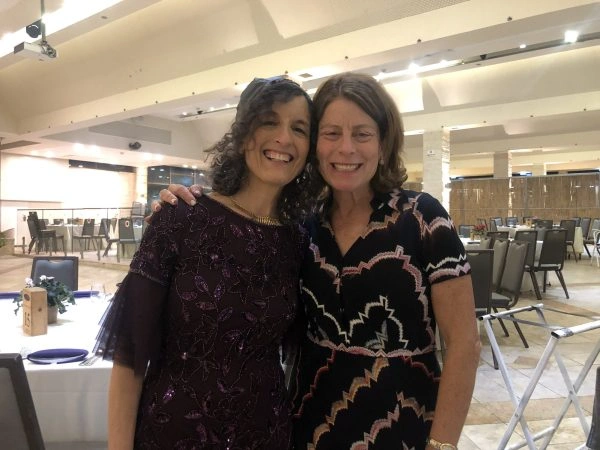
Carolyn Hochstadter and Margo Kossoff Shizgal
Merion Station, USA
Beit Shemesh, Israel
In January 2020, my chevruta suggested that we “up our game. Let’s do Daf Yomi” – and she sent me the Hadran link. I lost my job (and went freelance), there was a pandemic, and I am still opening the podcast with my breakfast coffee, or after Shabbat with popcorn. My Aramaic is improving. I will need a new bookcase, though.
Rhondda May
Atlanta, Georgia, United States
I started the daf at the beginning of this cycle in January 2020. My husband, my children, grandchildren and siblings have been very supportive. As someone who learned and taught Tanach and mefarshim for many years, it has been an amazing adventure to complete the six sedarim of Mishnah, and now to study Talmud on a daily basis along with Rabbanit Michelle and the wonderful women of Hadran.
Rookie Billet
Jerusalem, Israel
I started learning Daf Yomi to fill what I saw as a large gap in my Jewish education. I also hope to inspire my three daughters to ensure that they do not allow the same Talmud-sized gap to form in their own educations. I am so proud to be a part of the Hadran community, and I have loved learning so many of the stories and halachot that we have seen so far. I look forward to continuing!

Dora Chana Haar
Oceanside NY, United States
After reading the book, “ If All The Seas Were Ink “ by Ileana Kurshan I started studying Talmud. I searched and studied with several teachers until I found Michelle Farber. I have been studying with her for two years. I look forward every day to learn from her.
Janine Rubens
Virginia, United States
I started learning Daf Yomi in January 2020 after watching my grandfather, Mayer Penstein z”l, finish shas with the previous cycle. My grandfather made learning so much fun was so proud that his grandchildren wanted to join him. I was also inspired by Ilana Kurshan’s book, If All the Seas Were Ink. Two years in, I can say that it has enriched my life in so many ways.

Leeza Hirt Wilner
New York, United States
I started my journey on the day I realized that the Siyum was happening in Yerushalayim and I was missing out. What? I told myself. How could I have not known about this? How can I have missed out on this opportunity? I decided that moment, I would start Daf Yomi and Nach Yomi the very next day. I am so grateful to Hadran. I am changed forever because I learn Gemara with women. Thank you.
Linda Brownstein
Mitspe, Israel
I was inspired to start learning after attending the 2020 siyum in Binyanei Hauma. It has been a great experience for me. It’s amazing to see the origins of stories I’ve heard and rituals I’ve participated in my whole life. Even when I don’t understand the daf itself, I believe that the commitment to learning every day is valuable and has multiple benefits. And there will be another daf tomorrow!
Khaya Eisenberg
Jerusalem, Israel
Inspired by Hadran’s first Siyum ha Shas L’Nashim two years ago, I began daf yomi right after for the next cycle. As to this extraordinary journey together with Hadran..as TS Eliot wrote “We must not cease from exploration and the end of all our exploring will be to arrive where we began and to know the place for the first time.
Susan Handelman
Jerusalem, Israel
I started with Ze Kollel in Berlin, directed by Jeremy Borowitz for Hillel Deutschland. We read Masechet Megillah chapter 4 and each participant wrote his commentary on a Sugia that particularly impressed him. I wrote six poems about different Sugiot! Fascinated by the discussions on Talmud I continued to learn with Rabanit Michelle Farber and am currently taking part in the Tikun Olam course.
Yael Merlini
Berlin, Germany
I began daf yomi in January 2020 with Brachot. I had made aliya 6 months before, and one of my post-aliya goals was to complete a full cycle. As a life-long Tanach teacher, I wanted to swim from one side of the Yam shel Torah to the other. Daf yomi was also my sanity through COVID. It was the way to marking the progression of time, and feel that I could grow and accomplish while time stopped.
Leah Herzog
Givat Zev, Israel
I’ve been studying Talmud since the ’90s, and decided to take on Daf Yomi two years ago. I wanted to attempt the challenge of a day-to-day, very Jewish activity. Some days are so interesting and some days are so boring. But I’m still here.

Wendy Rozov
Phoenix, AZ, United States
About a year into learning more about Judaism on a path to potential conversion, I saw an article about the upcoming Siyum HaShas in January of 2020. My curiosity was piqued and I immediately started investigating what learning the Daf actually meant. Daily learning? Just what I wanted. Seven and a half years? I love a challenge! So I dove in head first and I’ve enjoyed every moment!!

Nickie Matthews
Blacksburg, United States
I am grateful for the structure of the Daf Yomi. When I am freer to learn to my heart’s content, I learn other passages in addition. But even in times of difficulty, I always know that I can rely on the structure and social support of Daf Yomi learners all over the world.
I am also grateful for this forum. It is very helpful to learn with a group of enthusiastic and committed women.

Janice Block
Beit Shemesh, Israel
I read Ilana Kurshan’s “If All the Seas Were Ink” which inspired me. Then the Women’s Siyum in Jerusalem in 2020 convinced me, I knew I had to join! I have loved it- it’s been a constant in my life daily, many of the sugiyot connect to our lives. My family and friends all are so supportive. It’s incredible being part of this community and love how diverse it is! I am so excited to learn more!

Shira Jacobowitz
Jerusalem, Israel
I started learning Daf in Jan 2020 with Brachot b/c I had never seen the Jewish people united around something so positive, and I wanted to be a part of it. Also, I wanted to broaden my background in Torah Shebal Peh- Maayanot gave me a great gemara education, but I knew that I could hold a conversation in most parts of tanach but almost no TSB. I’m so thankful for Daf and have gained immensely.

Meira Shapiro
NJ, United States
I started last year after completing the Pesach Sugiyot class. Masechet Yoma might seem like a difficult set of topics, but for me made Yom Kippur and the Beit HaMikdash come alive. Liturgy I’d always had trouble connecting with took on new meaning as I gained a sense of real people moving through specific spaces in particular ways. It was the perfect introduction; I am so grateful for Hadran!
Debbie Engelen-Eigles
Minnesota, United States
It has been a pleasure keeping pace with this wonderful and scholarly group of women.

Janice Block
Beit Shemesh, Israel
A few years back, after reading Ilana Kurshan’s book, “If All The Seas Were Ink,” I began pondering the crazy, outlandish idea of beginning the Daf Yomi cycle. Beginning in December, 2019, a month before the previous cycle ended, I “auditioned” 30 different podcasts in 30 days, and ultimately chose to take the plunge with Hadran and Rabbanit Michelle. Such joy!

Cindy Dolgin
HUNTINGTON, United States
I started learning at the beginning of this Daf Yomi cycle because I heard a lot about the previous cycle coming to an end and thought it would be a good thing to start doing. My husband had already bought several of the Koren Talmud Bavli books and they were just sitting on the shelf, not being used, so here was an opportunity to start using them and find out exactly what was in them. Loving it!

Caroline Levison
Borehamwood, United Kingdom
Niddah 18
וּפְלִיגָא דְּרַב קַטִּינָא.
And this option contradicts the opinion of Rav Ketina, who deems the blood impure due to uncertainty.
לְרַב הוּנָא, לָא פְּלִיגִי — כָּאן מִן הַלּוּל וְלִפְנִים, כָּאן מִן הַלּוּל וְלַחוּץ.
And according to the opinion of Rav Huna, who said that if the blood was found in the inner section it is definitely impure, as it is presumed to come from the uterus, and if the blood was found in the outer section it is impure due to uncertainty, one can say that Rabbi Ḥiyya and Rav Ketina do not disagree, as they were referring to different cases. Here, where Rabbi Ḥiyya deems the blood definitely impure, he is speaking of blood found from the vestibule and inward, whereas there, Rav Ketina deems it impure due to uncertainty when it is found from the vestibule and outward.
אֶלָּא לְרָמֵי בַּר שְׁמוּאֵל וּלְרַב יִצְחָק בְּרֵיהּ דְּרַב יְהוּדָה, דְּאָמְרִי: מִן הַלּוּל וְלַחוּץ — סְפֵקוֹ טָהוֹר, מִן הַלּוּל וְלִפְנִים — סְפֵקוֹ טָמֵא, הָנֵי בְּמַאי מִתּוֹקְמָא? מִן הַלּוּל וְלִפְנִים.
But according to the opinion of Rami bar Shmuel and Rav Yitzḥak, son of Rav Yehuda, who say that if the blood is found from the vestibule and outward, its state of uncertainty renders it pure, whereas if it is found in the area from the vestibule and inward, its state of uncertainty renders it impure, with regard to what case can the dispute between these Sages, Rabbi Ḥiyya and Rav Ketina, be interpreted? It must be referring to a situation where the blood was found from the vestibule and inward, as according to Rami bar Shmuel and Rav Yitzḥak, son of Rav Yehuda, if the blood is found from the vestibule and outward it is pure.
לֵימָא פְּלִיגָא דְּרַבִּי חִיָּיא!
If so, shall we say that Rami bar Shmuel and Rav Yitzḥak, son of Rav Yehuda, disagree with the opinion of Rabbi Ḥiyya, who deems the blood definitely impure, whereas they maintain that it is impure merely due to uncertainty?
לָא קַשְׁיָא, כָּאן — כְּשֶׁנִּמְצָא בַּקַּרְקַע פְּרוֹזְדוֹר, וְכָאן — שֶׁנִּמְצָא בְּגַג פְּרוֹזְדוֹר.
The Gemara answers: This is not difficult. It is possible that Rami bar Shmuel and Rav Yitzḥak, son of Rav Yehuda, agree with the opinion of Rabbi Ḥiyya, as they maintain that there is no dispute between Rav Ketina and Rabbi Ḥiyya. Once again the reason is that Rav Ketina and Rabbi Ḥiyya might be referring to two different cases: Here, Rabbi Ḥiyya deems the blood definitely impure because he is speaking of a case where it is found on the floor of the corridor, in which case the blood is presumed to come from the uterus rather than the bladder. And there, Rav Ketina, who deems the blood impure due to uncertainty, is referring to blood that is found on the roof of the corridor, and therefore it is uncertain whether the blood came from the bladder or the uterus.
אָמַר רַבִּי יוֹחָנָן: בִּשְׁלֹשָׁה מְקוֹמוֹת הָלְכוּ בּוֹ חֲכָמִים אַחַר הָרוֹב, וַעֲשָׂאוּם כְּוַדַּאי: מָקוֹר, שִׁלְיָא, חֲתִיכָה. מָקוֹר — הָא דַּאֲמַרַן;
§ Rabbi Yoḥanan says: In three places where there is uncertainty the Sages followed the majority, and based on that majority they established the halakha in these cases as though they involved a certainty. The three cases are as follows: The source, the afterbirth [shilya], and a shaped limb. The Gemara elaborates: The source is that which we just said, i.e., that blood found in the corridor from the vestibule and inward it is ritually impure, because the majority of blood found there is from the uterus.
שִׁלְיָא — דִּתְנַן: שִׁלְיָא בְּבַיִת, הַבַּיִת טָמֵא, וְלֹא שֶׁהַשִּׁלְיָא וָלָד, אֶלָּא שֶׁאֵין שִׁלְיָא בְּלֹא וָלָד. רַבִּי שִׁמְעוֹן אוֹמֵר: נִמּוֹק הַוָּלָד עַד שֶׁלֹּא יָצָא;
The afterbirth is as we learned in a mishna (26a): If a woman miscarried and the afterbirth is in the house, the house is ritually impure, in the sense that everything under the roof becomes impure due to impurity imparted by a corpse. And the reason is not that the afterbirth itself has the status of an offspring; rather, it is that there is no afterbirth without an offspring. It is clear that the afterbirth contained an offspring, which disintegrated after the miscarriage. That offspring renders the contents of the house impure. Rabbi Shimon says: The offspring was squashed before it emerged with the afterbirth. Consequently, the house is not rendered impure, because the squashed fetus is nullified by the majority of blood that accompanied the miscarriage.
חֲתִיכָה — דִּתְנַן: הַמַּפֶּלֶת יָד חֲתוּכָה וְרֶגֶל חֲתוּכָה, אִמּוֹ טְמֵאָה לֵידָה, וְאֵין חוֹשְׁשִׁין שֶׁמָּא מִגּוּף אָטוּם בָּאת.
The third case of an uncertainty where the Sages followed the majority is that of a shaped limb, as we learned in a baraita: In the case of a woman who miscarries a shaped hand, i.e., its fingers are discernible, or a shaped foot, its mother is impure with the impurity of a woman after childbirth, as it certainly came from a full-fledged fetus, and we are not concerned that perhaps it came from a fetus with a sealed, i.e., deficient body, in which case the miscarriage does not have the status of childbirth with regard to ritual impurity. The reason is that most pregnant women give birth to a fully formed fetus, and therefore it is presumed that the hand or foot came from a whole fetus that was squashed during childbirth. Once again the Sages established the impurity as a certainty, based on a majority.
וְתוּ לֵיכָּא? וְהָאִיכָּא תֵּשַׁע חֲנוּיוֹת!
The Gemara asks: And are there no more cases of uncertainty in which the Sages determined the halakha according to the status of the majority, treating the case as though it involved a certainty? But isn’t there the case of nine stores?
דְּתַנְיָא: תֵּשַׁע חֲנוּיוֹת, כּוּלָּן מוֹכְרוֹת בְּשַׂר שְׁחוּטָה, וְאַחַת מוֹכֶרֶת בְּשַׂר נְבֵלָה, וְלָקַח מֵאַחַת מֵהֶן וְאֵינוֹ יוֹדֵעַ מֵאֵיזֶה מֵהֶן לָקַח — סְפֵקוֹ אָסוּר.
As it is taught in a baraita: With regard to nine stores in a city, all of which sell kosher meat from slaughtered animals, and one other store that sells meat from unslaughtered animal carcasses, and a person bought meat from one of the stores and he does not know from which store he bought the meat, in this case of uncertainty, the meat is prohibited. With regard to an item of uncertain status, if it separated from its fixed location it is presumed to have separated from the majority of items like it in that location, and has their halakhic status. But in the case of an item that remained in its fixed location, i.e., didn’t separate, it is viewed as an uncertainty that is equally balanced, and one does not follow the majority. This ruling is based on the principle: The halakhic status of uncertainty with regard to any item fixed in its place is that of an uncertainty that is equally balanced, and one does not follow the majority.In this case, when it comes to determining whether or not this meat comes from a kosher store, since the uncertainty stems from the act of buying the meat in the store, and the stores are fixed in their places, the two types of stores are regarded as though they were equal in number.
וּבַנִּמְצָא — הַלֵּךְ אַחַר הָרוֹב.
The baraita continues: And in the case of meat found in the street, outside the stores, follow the majority of stores. If most stores in the city sell kosher meat one can assume that the meat he found is kosher, based on the principle: Any item separated, i.e., not fixed in its place, is presumed to have been separated from the majority. Similar to the previous cases, this meat is treated as certainly kosher on the basis of a majority.
טוּמְאָה קָאָמְרִינַן, אִיסּוּר לָא קָאָמְרִינַן.
The Gemara answers: We say that this list of cases mentioned by Rabbi Yoḥanan is referring to matters of ritual impurity, whereas we do not say that the list includes cases that involve prohibitions, such as that of non-kosher meat.
וְהָאִיכָּא תֵּשַׁע צְפַרְדְּעִין וְשֶׁרֶץ אֶחָד בֵּינֵיהֶם, וְנָגַע בְּאֶחָד מֵהֶן, וְאֵינוֹ יוֹדֵעַ בְּאֵיזֶה מֵהֶן נָגַע — בִּרְשׁוּת הַיָּחִיד סְפֵקוֹ טָמֵא, בִּרְשׁוּת הָרַבִּים סְפֵקוֹ טָהוֹר,
The Gemara further asks: But isn’t there the case where there were nine dead frogs, which do not impart ritual impurity, and one carcass of a creeping animal among them, which does impart impurity, and someone touched one of these ten dead creatures, and he does not know which of them he touched? The halakha is as follows: If this occurred in the private domain the item’s uncertain impurity renders it impure, as it is derived from the Torah that in cases of uncertainty with regard to ritual impurity in the private domain, the item is deemed impure. If the contact occurred in the public domain, the item’s uncertainty leaves it pure.
וּבַנִּמְצָא — הַלֵּךְ אַחַר הָרוֹב!
The Gemara continues: And in a case where one of these creatures was separated from the rest and was found elsewhere, and the person touched it there, follow the majority. Since most of the animals do not impart ritual impurity, this individual remains pure. This is another case involving uncertain impurity where the Sages established the halakha as certain based on the majority.
טוּמְאָה דְּאִשָּׁה קָאָמְרִינַן, טוּמְאָה בְּעָלְמָא לָא קָאָמְרִינַן.
The Gemara explains: We say that Rabbi Yoḥanan’s list is referring to matters of ritual impurity of a woman, whereas we do not say that the list includes cases that involve ritual impurity in general.
וְהָאִיכָּא הָא דְּאָמַר רַבִּי יְהוֹשֻׁעַ בֶּן לֵוִי: עָבְרָה בַּנָּהָר
The Gemara further asks: But isn’t there that which Rabbi Yehoshua ben Levi said: With regard to a pregnant woman who passed across a river
וְהִפִּילָה — מְבִיאָה קׇרְבָּן וְנֶאֱכָל.
and she miscarried her fetus into the river, but she does not know whether or not the fetus was fully formed, she brings the offering of a woman after childbirth, i.e., a burnt offering and a sin offering. And the sin offering, which is a bird, is eaten after the nape of its neck has been severed, in the manner of a regular bird sin offering. This is the halakha despite the uncertainty, i.e., this fetus might not have been fully formed, in which case the woman is not obligated to bring this offering, and a bird that is not an offering may not be eaten if its nape was severed.
הַלֵּךְ אַחַר רוֹב נָשִׁים, וְרוֹב נָשִׁים — וָלָד מְעַלְּיָא יָלְדָן.
Rabbi Yehoshua ben Levi explains the reasoning behind this ruling: One must follow the majority of pregnant women, and most pregnant women give birth to full-fledged offspring. If so, this is another case involving an uncertainty where the Sages established the halakha as a certainty based on the majority. Furthermore, this case involves the ritual impurity of a woman. Why then did Rabbi Yoḥanan list only three cases of this kind?
מַתְנִיתִין קָאָמְרִינַן, שְׁמַעְתָּתָא לָא קָאָמְרִינַן.
The Gemara answers: We say that only cases taught in the Mishna or a baraita are included in this list, whereas we do not say that those derived from an amoraic halakhic statement, e.g., the statement of Rabbi Yehoshua ben Levi, are included.
וְהָא כִּי אֲתָא רָבִין, אָמַר: מֵתִיב רַבִּי יוֹסֵי בַּר רַבִּי חֲנִינָא טוֹעָה, וְלָא יָדַעְנָא מַאי תְּיוּבְתֵּיהּ.
The Gemara raises a difficulty with regard to this explanation: But when Ravin came from Eretz Yisrael to Babylonia he said that Rabbi Yosei bar Rabbi Ḥanina raises an objection against the opinion of Rabbi Yehoshua ben Levi from a baraita that deals with an unsure woman, i.e., one who does not know when she gave birth. Ravin added: And I do not know what his objection was from that baraita.
מַאי לָאו לָא תְּיוּבְתָּא, אֶלָּא סִיַּיעְתָּא?
The Gemara discusses Ravin’s statement: What, is it not correct to say that Ravin meant that this baraita is not a refutation of the opinion of Rabbi Yehoshua ben Levi but actually provides support for that opinion? If so, that would mean that Rabbi Yehoshua ben Levi’s opinion is effectively taught in a baraita as well, and therefore according to the above consideration Rabbi Yoḥanan should have included it in his list.
לָא, דִּלְמָא לָא תְּיוּבְתָּא וְלֹא סִיַּיעְתָּא.
The Gemara answers: This is not necessarily the correct inference, as perhaps Ravin meant simply that the ruling of this baraita is neither a refutation nor a support for the opinion of Rabbi Yehoshua ben Levi.
לְמַעוֹטֵי מַאי?
§ When Rabbi Yoḥanan says that in three places where there is uncertainty the Sages followed the majority and established the halakha as though it involved a certainty, he is clearly indicating that some cases are excluded from this category. The Gemara asks: Rabbi Yoḥanan says this to exclude what?
אִילֵּימָא לְמַעוֹטֵי רוּבָּא, דְּאִיכָּא חֲזָקָה בַּהֲדֵיהּ, דְּלָא שָׂרְפִינַן עֲלֵיהּ אֶת הַתְּרוּמָה — וְהָא אַמְרַהּ רַבִּי יוֹחָנָן חֲדָא זִימְנָא!
If we say that he says this to exclude an uncertain case where on the one hand there is a majority that indicates the woman should be deemed ritually impure and on the other hand there is a presumptive status along with it that opposes that majority, which is why the uncertainty is not treated as a certainty, and therefore one does not burn teruma due to contact with that impurity, this cannot be the case. The reason is that Rabbi Yoḥanan already said it on another occasion, with regard to other cases of ritual impurity, that if the consideration of a majority indicates that an item should be impure while its presumptive status indicates that it should be pure, it is not considered definitely impure.
דִּתְנַן: תִּינוֹק הַנִּמְצָא בְּצַד הָעִיסָּה, וּבָצֵק בְּיָדוֹ — רַבִּי מֵאִיר מְטַהֵר, וַחֲכָמִים מְטַמְּאִין, שֶׁדַּרְכּוֹ שֶׁל תִּינוֹק לְטַפֵּחַ.
The Gemara cites the source for Rabbi Yoḥanan’s opinion in this regard. As we learned in a mishna (Teharot 3:8): If a ritually impure child is found alongside ritually pure started dough that has not yet risen, and he has risen dough in his hand that may have been removed from the larger portion of started dough, Rabbi Meir deems the started dough pure, since there is no proof the child touched it, as he might have been given the piece by someone else. And the Rabbis deem it impure, as they assume that he touched the started dough. The child is presumed to be impure, because it is the norm of a child to handle items.
וְאָמְרִינַן: מַאי טַעְמָא דְּרַבִּי מֵאִיר? קָסָבַר: רוֹב תִּינוֹקוֹת מְטַפְּחִין, וּמִיעוּט אֵין מְטַפְּחִין, וְעִיסָּה זוֹ בְּחֶזְקַת טְהוֹרָה עוֹמֶדֶת, סְמוֹךְ מִיעוּטָא לַחֲזָקָה, וְאִיתְּרַע לֵיהּ רוּבָּא.
And we say with regard to this dispute: What is the reason for the opinion of Rabbi Meir? He holds that a majority of children handle items that are within reach, in this case the dough, and a minority do not handle items within reach, and this dough retains a presumptive status of purity, since its impurity has not been definitively determined. Therefore, one should append the fact that the minority of children do not handle items within reach to the presumptive status of purity of the dough, and the force of the majority of children who handle items within reach is weakened. Therefore, the dough is considered pure.
וְרַבָּנַן מִיעוּטָא ״כְּמַאן דְּלֵיתֵיהּ דָּמֵי״, וְרוּבָּא וַחֲזָקָה — רוּבָּא עֲדִיף.
And the Rabbis contend that in a case where the majority is followed, the minority is considered like it does not exist. And consequently, there is a conflict between the determining factors of the majority of impure children who handle items within reach and the presumptive status of purity of the dough. Therefore, the majority takes precedence.
וְאָמַר רֵישׁ לָקִישׁ מִשּׁוּם רַבִּי אוֹשַׁעְיָא: זוֹ הִיא חֲזָקָה שֶׁשּׂוֹרְפִין עָלֶיהָ אֶת הַתְּרוּמָה, וְרַבִּי יוֹחָנָן אָמַר: אֵין זוֹ חֲזָקָה שֶׁשּׂוֹרְפִין עָלֶיהָ אֶת הַתְּרוּמָה!
And Reish Lakish says in the name of Rabbi Oshaya: This halakha of a child is an example of a presumption, that children handle items within reach, over which teruma is burned, as the Rabbis hold that it is sufficiently certain that the dough has become impure to allow it to be burned. And Rabbi Yoḥanan says: This is not a presumption over which teruma is burned. Rather, the dough is left aside, and can be neither eaten nor burned, due to the uncertainty whether it is impure. In this context, Rabbi Yoḥanan has already stated that when a majority is contradicted by a presumption, the status of uncertainty applies. Therefore, there was no need for him to specify the three cases he mentioned in order to exclude situations of this kind.
אֶלָּא לְמַעוֹטֵי רוּבָּא דְּרַבִּי יְהוּדָה, דִּתְנַן: הַמַּפֶּלֶת חֲתִיכָה — אִם יֵשׁ עִמָּהּ דָּם טְמֵאָה, וְאִם לָאו — טְהוֹרָה. רַבִּי יְהוּדָה אוֹמֵר: בֵּין כָּךְ וּבֵין כָּךְ טְמֵאָה.
Rather, Rabbi Yoḥanan’s statement that there are only three cases in which uncertainty is treated as certainty is meant to exclude a specific situation involving a majority, as discussed by Rabbi Yehuda. As we learned in a mishna (21a): In the case of a woman who miscarries an amorphous piece of flesh, if there is blood that emerges with it, the woman is ritually impure with the impurity of a menstruating woman. And if not, she is pure, as she is neither a menstruating woman nor a woman after childbirth. Rabbi Yehuda says: In both this case, where blood emerged, and that case, where no blood emerged, the woman is impure with the impurity of a menstruating woman, as there was certainly undetected blood that emerged with the flesh.
וְאָמַר רַב יְהוּדָה אָמַר שְׁמוּאֵל: לֹא טִימֵּא רַבִּי יְהוּדָה אֶלָּא בַּחֲתִיכָה שֶׁל אַרְבַּע מִינֵי דָמִים, אֲבָל שְׁאָר מִינֵי דָמִים — טְהוֹרָה. וְרַבִּי יוֹחָנָן אָמַר: שֶׁל אַרְבַּע מִינֵי דָמִים — דִּבְרֵי הַכֹּל טְמֵאָה, וְשֶׁל שְׁאָר דָמִים — דִּבְרֵי הַכֹּל טְהוֹרָה. לֹא נֶחְלְקוּ אֶלָּא כְּשֶׁהִפִּילָה
And Rav Yehuda says that Shmuel says: Rabbi Yehuda deemed the woman impure, despite the fact that no blood emerged, only in the case of a piece of flesh that has the color of one of the four types of ritually impure blood, as stated in the mishna below (19a). But if it has the color of other types of blood, the woman is pure. And Rabbi Yoḥanan says: If a woman miscarries a piece of flesh that has the color of one of the four types of ritually impure blood, all, i.e., Rabbi Yehuda and the Rabbis, agree that she is impure. And likewise, if the piece has the color of other types of blood, all agree that she is pure. The Rabbis and Rabbi Yehuda disagree only with regard to a case where the woman miscarried an amorphous piece of flesh,
Follow

