Search

Pesachim 108

Want to dedicate learning? Get started here:

English
עברית
podcast placeholder

0:00
0:00


podcast placeholder

0:00
0:00


Summary

Today’s daf is sponsored by Mark and Shoshana Baker in memory of the 48th Yartzeit of Mark’s late father, Anthony David Waltzer. And by Abby Flamholz in honor of her daughter-in-law Sigal on her Hebrew birthday. “A huge thank you for dragging me along on your daf yomi journey.” 

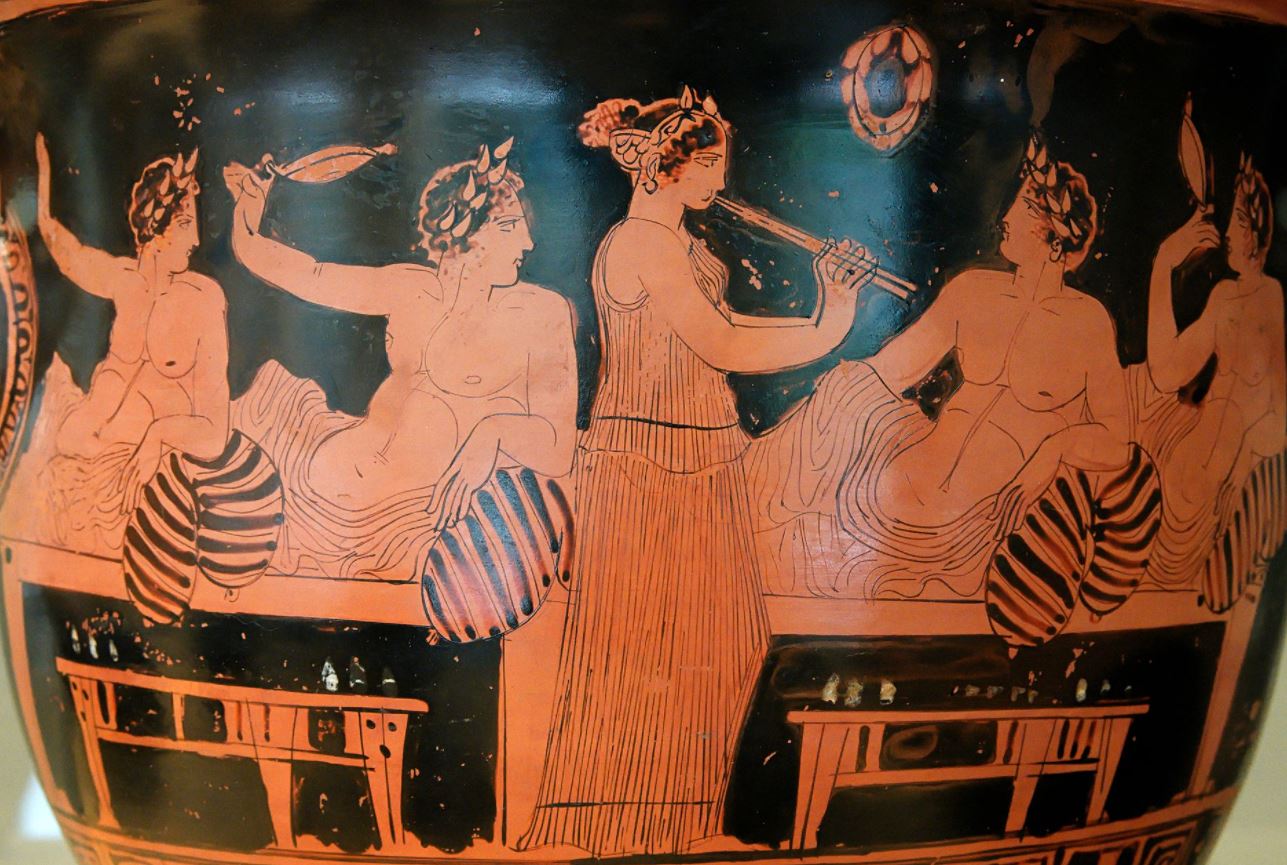
Rabbi Sheshet would fast on the eve of Passover all day. Why? At what point of the seder does one need to recline? How does one recline? Who is required to recline? Women in the presence of their husbands do not need to recline but if they are important women, then they do? What does it mean “important women”? A son reclines at his father’s table. What about a student at his rabbi’s table? The servant serving the meal? Women are obligated in four cups (and other seder law) as women were also part of the miracle. What are the different interpretations for “part of the miracle?” The gemara brings in the name of Shmuel different laws relating to the wine for the four cups.  Other rabbis come and restrict his words. Do you need red wine? Where do we learn this from?


Today’s daily daf tools:

Pesachim 108

בֵּין הַכּוֹסוֹת הַלָּלוּ אִם רָצָה לִשְׁתּוֹת — יִשְׁתֶּה, בֵּין שְׁלִישִׁי לִרְבִיעִי — לֹא יִשְׁתֶּה. וְאִי אָמְרַתְּ מִסְעָד סָעֵיד, אַמַּאי יִשְׁתֶּה? הָא קָא אָכֵיל לְמַצָּה אֲכִילָה גַּסָּה. אֶלָּא שְׁמַע מִינַּהּ: מִגְרָר גָּרֵיר.

During the Passover seder, between these cups that one is obligated to drink, e.g., between the first two of the four cups of wine, if one wants to drink he may drink. However, between the third and fourth cups, which are consumed after the meal, one may not drink. And if you say that wine satisfies a person, why may one drink extra cups? He will later eat matza when he is already satiated, which will constitute an excessive eating. Rather, learn from this that wine whets the appetite.

רַב שֵׁשֶׁת הֲוָה יָתֵיב בְּתַעֲנִיתָא כׇּל מַעֲלֵי יוֹמָא דְפִסְחָא. נֵימָא קָא סָבַר רַב שֵׁשֶׁת: סָמוּךְ לְמִנְחָה גְּדוֹלָה תְּנַן — וּמִשּׁוּם פִּסְחָא הוּא, דִּילְמָא מִימְּשַׁךְ וְאָתֵי לְאִימְּנוֹעֵי מִלְּמֶעְבַּד פִּיסְחָא הוּא,

The Gemara relates that Rav Sheshet would fast the entire eve of Passover. The Gemara asks: Shall we say that Rav Sheshet maintains that this practice was necessary because of two factors? First, when the mishna states that one may not eat adjacent to minḥa time, we learned this ruling with regard to the period of time adjacent to the greater minḥa, and the reason for the prohibition is due to the Paschal lamb, lest one be drawn after one’s meal and come to refrain from performing the sacrifice of the Paschal lamb.

וְסָבַר לַהּ כִּי הָא דְּאָמַר רַבִּי אוֹשַׁעְיָא אָמַר רַבִּי אֶלְעָזָר: מַכְשִׁיר הָיָה בֶּן בְּתֵירָא בְּפֶסַח שֶׁשְּׁחָטוֹ שַׁחֲרִית בְּאַרְבָּעָה עָשָׂר לִשְׁמוֹ, וּמִצַּפְרָא זְמַן פִּסְחָא הוּא, דְּכוּלֵּי יוֹמָא חֲזֵי לְפִסְחָא,

And second, Rav Sheshet maintains in accordance with that statement that Rabbi Oshaya said that Rabbi Elazar said: Ben Beteira would deem valid a Paschal lamb that was slaughtered in the morning on the fourteenth of Nisan for its own purpose, as from the morning it is already the time during which a Paschal lamb may be sacrificed, as the whole day is fit for the Paschal lamb.

דְּסָבַר ״בֵּין הָעַרְבַּיִם״ — בֵּין עֶרֶב דְּאֶתְמוֹל לְעֶרֶב דְּהָאִידָּנָא.

As ben Beteira maintained that when the Torah says the Paschal lamb must be sacrificed bein ha’arbayim (Exodus 12:6), which literally means: Between the evenings, but is often rendered: In the afternoon, the term refers to any time between the evening of yesterday and the current evening of the fourteenth. In other words, as Rav Sheshet maintained that the reason one may not eat on Passover eve is to prevent him from being distracted from preparing the Paschal lamb, and he also maintained that the Paschal offering may be sacrificed during the entire day of the fourteenth of Nisan, therefore, he would not eat that entire day.

אָמְרִי: לָא, שָׁאנֵי רַב שֵׁשֶׁת דְּאִיסְתְּנִיס הֲוָה, דְּאִי טָעֵים בְּצַפְרָא מִידֵּי, לְאוּרְתָּא לָא הֲוָה מַהְנֵי לֵיהּ מֵיכְלָא.

They say in response to this suggested interpretation of Rav Sheshet’s practice: No, it is by no means clear that this was his reasoning. Rav Sheshet was different, as he was delicate [istenis], for if he would taste some food in the morning, the food he ate at night would not be effective for him. He would therefore fast the whole day so that he could eat matza at night with a hearty appetite.

וַאֲפִילּוּ עָנִי שֶׁבְּיִשְׂרָאֵל לֹא יֹאכַל עַד שֶׁיָּסֵב. אִיתְּמַר: מַצָּה צָרִיךְ הֲסִיבָּה, מָרוֹר אֵין צָרִיךְ הֲסִיבָּה. יַיִן, אִיתְּמַר מִשְּׁמֵיהּ דְּרַב נַחְמָן: צָרִיךְ הֲסִיבָּה. וְאִיתְּמַר מִשְּׁמֵיהּ דְּרַב נַחְמָן: אֵין צָרִיךְ הֲסִיבָּה.

We learned in the mishna that even the poorest of Jews should not eat until he reclines. It was stated that amora’im discussed the requirement to recline. Everyone agrees that matza requires reclining, i.e., one must recline when eating matza, and bitter herbs do not require reclining. With regard to wine, it was stated in the name of Rav Naḥman that wine requires reclining, and it was also stated in the name of Rav Naḥman that wine does not require reclining.

וְלָא פְּלִיגִי: הָא בְּתַרְתֵּי כָּסֵי קַמָּאֵי, הָא בְּתַרְתֵּי כָּסֵי בָּתְרָאֵי. אָמְרִי לַהּ לְהַאי גִּיסָא וְאָמְרִי לַהּ לְהַאי גִּיסָא. אָמְרִי לַהּ לְהַאי גִּיסָא: תְּרֵי כָּסֵי קַמָּאֵי — בָּעוּ הֲסִיבָּה, דְּהַשְׁתָּא הוּא דְּקָא מַתְחֲלָא לַהּ חֵירוּת. תְּרֵי כָּסֵי בָּתְרָאֵי — לָא בָּעוּ הֲסִיבָּה, מַאי דַּהֲוָה הֲוָה.

The Gemara explains: And these two statements do not disagree with each other: This statement is referring to the first two cups, and that statement is referring to the last two cups. However, it was not clear which two cups require reclining according to Rav Naḥman. Some say the explanation in this manner and some say it in that manner. The Gemara elaborates: Some say it in this manner, that the first two cups require reclining, as it is now that freedom begins. Since reclining is a sign of freedom, while discussing the exodus from Egypt it is appropriate to drink while reclining. By contrast, the last two cups do not require reclining, because what was already was. In other words, by this point one has completed the discussion of the Exodus and has reached the latter stages of the seder.

וְאָמְרִי לַהּ לְהַאי גִּיסָא: אַדְּרַבָּה, תְּרֵי כָּסֵי בָּתְרָאֵי — בָּעוּ הֲסִיבָּה, הָהִיא שַׁעְתָּא דְּקָא הָוְיָא חֵירוּת. תְּרֵי כָּסֵי קַמָּאֵי — לָא בָּעוּ הֲסִיבָּה, דְּאַכַּתִּי ״עֲבָדִים הָיִינוּ״ קָאָמַר. הַשְׁתָּא דְּאִיתְּמַר הָכִי וְאִיתְּמַר הָכִי, אִידֵּי וְאִידֵּי בָּעוּ הֲסִיבָּה.

And some say it in that manner and claim that on the contrary, the last two cups require reclining, as it is at that time that there is freedom. However, the first two cups do not require reclining, as one still says: We were slaves. The Gemara concludes: Now that it was stated so, and it was stated so, i.e., there are two conflicting opinions and it cannot be proven which two cups require reclining, both these sets of cups and those require reclining.

פְּרַקְדָּן לָא שְׁמֵיהּ הֲסִיבָּה. הֲסִיבַּת יָמִין לָא שְׁמַהּ הֲסִיבָּה. וְלֹא עוֹד, אֶלָּא שֶׁמָּא יַקְדִּים קָנֶה לְוֶושֶׁט, וְיָבֹא לִידֵי סַכָּנָה.

The Gemara continues to discuss the halakha of reclining. Lying on one’s back is not called reclining. Reclining to the right is not called reclining, as free men do not recline in this manner. People prefer to recline on their left and use their right hand to eat, whereas they find it more difficult to eat the other way. And not only that, but if one reclines to the right, perhaps the windpipe will precede the esophagus. The food will enter the windpipe, and one will come into danger of choking.

אִשָּׁה אֵצֶל בַּעְלָהּ לָא בָּעֲיָא הֲסִיבָּה, וְאִם אִשָּׁה חֲשׁוּבָה הִיא — צְרִיכָה הֲסִיבָּה. בֵּן אֵצֶל אָבִיו בָּעֵי הֲסִיבָּה. אִיבַּעְיָא לְהוּ: תַּלְמִיד אֵצֶל רַבּוֹ מַאי?

A woman who is with her husband is not required to recline, but if she is an important woman, she is required to recline. A son who is with his father is required to recline. A dilemma was raised before the Sages: What is the halakha with regard to a student who is with his teacher? Perhaps he is not obligated to recline, as he is in awe of his rabbi, and reclining is a sign of complete freedom and independence.

תָּא שְׁמַע, (אֲמַר) אַבָּיֵי: כִּי הֲוֵינַן בֵּי מָר זְגֵינַן אַבִּירְכֵי דַהֲדָדֵי, כִּי אָתֵינַן לְבֵי רַב יוֹסֵף, אָמַר לַן: לָא צְרִיכִתוּ, מוֹרָא רַבָּךְ כְּמוֹרָא שָׁמַיִם.

Come and hear a proof that Abaye said: When we were in the house of my Master, Rabba, there was not enough room for everyone to recline on Passover, so we reclined on each other’s knees, to fulfill the obligation to recline. When we came to the house of Rav Yosef, he said to us: You need not recline, as the fear of your teacher is like the fear of Heaven. A student is subject to the authority of his teacher and may not display freedom in his presence.

מֵיתִיבִי: עִם הַכֹּל אָדָם מֵיסֵב, וַאֲפִילּוּ תַּלְמִיד אֵצֶל רַבּוֹ! כִּי תַּנְיָא הָהִיא — בִּשְׁוַלְיָא דְנַגָּרֵי.

The Gemara raises an objection: A person must recline in the presence of anyone, and even a student who is with his teacher must do so. This baraita directly contradicts the statement of Rav Yosef. The Gemara answers: When that baraita was taught, it was with regard to a craftsman’s apprentice, not a student of Torah in the company of his rabbi. One who is in the presence of a person teaching him a trade is not in awe of his instructor, and he is therefore obligated to recline.

אִיבַּעְיָא לְהוּ: שַׁמָּשׁ מַאי? תָּא שְׁמַע, דְּאָמַר רַבִּי יְהוֹשֻׁעַ בֶּן לֵוִי: הַשַּׁמָּשׁ שֶׁאָכַל כְּזַיִת מַצָּה כְּשֶׁהוּא מֵיסֵב — יָצָא. מֵיסֵב — אִין, לֹא מֵיסֵב — לָא. שְׁמַע מִינַּהּ: בָּעֵי הֲסִיבָּה. שְׁמַע מִינַּהּ.

A dilemma was raised before the Sages: What is the halakha with regard to a waiter? Is a waiter obligated to recline? The Gemara answers: Come and hear a solution, as Rabbi Yehoshua ben Levi said: A waiter who ate an olive-bulk of matza while reclining has fulfilled his obligation. The Gemara infers: If he ate matza while reclining, yes, he has fulfilled his obligation; if he was not reclining, no, he has not fulfilled the obligation. Learn from this that a waiter requires reclining. The Gemara concludes: Indeed, learn from it that this is the case.

וְאָמַר רַבִּי יְהוֹשֻׁעַ בֶּן לֵוִי: נָשִׁים חַיָּיבוֹת בְּאַרְבָּעָה כּוֹסוֹת הַלָּלוּ,

And Rabbi Yehoshua ben Levi said: Women are obligated in these four cups of wine at the Passover seder.

שֶׁאַף הֵן הָיוּ בְּאוֹתוֹ הַנֵּס.

As they too were included in that miracle of the Exodus, they are therefore obligated to participate in the celebration.

אָמַר רַב יְהוּדָה אָמַר שְׁמוּאֵל: אַרְבָּעָה כּוֹסוֹת הַלָּלוּ צָרִיךְ שֶׁיְּהֵא בָּהֶן כְּדֵי מְזִיגַת כּוֹס יָפֶה. שְׁתָאָן חַי — יָצָא. שְׁתָאָן בְּבַת אַחַת — יָצָא. הִשְׁקָה מֵהֶן לְבָנָיו וְלִבְנֵי בֵיתוֹ — יָצָא.

Rav Yehuda said that Shmuel said: These four cups must contain enough undiluted wine to allow for diluting a significant cup. In talmudic times, people would not drink pure wine. They would dilute it with water, generally adding three times as much water as wine. If one drank them undiluted, he has fulfilled his obligation. If one drank them all at once, i.e., he poured all four cups of wine into one large cup and drank it, he has fulfilled the obligation. If one gave his sons or the members of his household to drink from them, he has nevertheless fulfilled the obligation.

שְׁתָאָן חַי יָצָא, אָמַר רָבָא: יְדֵי יַיִן — יָצָא, יְדֵי חֵירוּת — לֹא יָצָא.

The Gemara now addresses each of these rulings of Shmuel in turn. Shmuel said that if one drank them undiluted he has fulfilled his obligation. Rava said: He has fulfilled the obligation to drink the four cups of wine, but he has not fulfilled the obligation to drink in a way that expresses freedom, which is the preferable way to fulfill the mitzva, as aristocrats do not drink undiluted wine.

שְׁתָאָן בְּבַת אַחַת, רַב אָמַר: יְדֵי יַיִן — יָצָא, יְדֵי אַרְבָּעָה כּוֹסוֹת — לֹא יָצָא. הִשְׁקָה מֵהֶן לְבָנָיו וְלִבְנֵי בֵיתוֹ — יָצָא, אָמַר רַב נַחְמָן בַּר יִצְחָק: וְהוּא דְּאִשְׁתִּי רוּבָּא דְכָסָא.

If one drank the four cups all at once, Rav said that he has fulfilled the obligation to drink wine as an expression of rejoicing on the Festival, but he has not fulfilled the obligation to drink four cups, which requires four distinct cups, each drunk separately. Shmuel also stated that if one gave his sons or the members of his household to drink from them, he has nevertheless fulfilled his obligation. Rav Naḥman bar Yitzḥak said: And this is the case only if he himself drank the majority of the cup.

מֵיתִיבִי: אַרְבָּעָה כּוֹסוֹת הַלָּלוּ צָרִיךְ שֶׁיְּהֵא בָּהֶן כְּדֵי רְבִיעִית, אֶחָד חַי וְאֶחָד מָזוּג, אֶחָד חָדָשׁ וְאֶחָד יָשָׁן. רַבִּי יְהוּדָה אוֹמֵר: צָרִיךְ שֶׁיְּהֵא בּוֹ טַעַם וּמַרְאֵה יַיִן. קָתָנֵי מִיהַת כְּדֵי רְבִיעִית, וְאַתְּ אָמְרַתְּ כּוֹס יָפֶה!

The Gemara raises an objection to the above rulings from a baraita: These four cups must contain one quarterlog, whether the wine is undiluted or diluted, whether it is new or aged. Rabbi Yehuda says: It must have the taste and appearance of wine. In any event, this baraita is teaching that each cup must contain at least the amount of one quarter-log, and yet you said that each must contain enough for diluting a significant cup.

אָמְרִי: אִידֵּי וְאִידֵּי חַד שִׁיעוּרָא הוּא, מַאי ״כְּדֵי מְזִיגַת כּוֹס יָפֶה״ דְּקָאָמַר — לְכׇל חַד וְחַד, דְּהָוֵי לְהוּ כּוּלְּהוּ רְבִיעִית.

They say in response that this and that are one and the same measure. The Gemara explains: What is the meaning of the expression: Enough for diluting a significant cup, which Shmuel said? He meant that there must be enough undiluted wine for each and every one of the cups, i.e., one quarter-log of diluted wine. This amounts to one quarterlog of undiluted wine for all of them combined. A significant cup contains one quarter-log. This quarter-log is comprised of one quarter undiluted wine and three quarters water. Therefore, each cup must contain at least one quarter of one quarter-log of undiluted wine, so that one consumes a full quarter-log of liquid from each cup.

רַבִּי יְהוּדָה אוֹמֵר: צָרִיךְ שֶׁיְּהֵא בּוֹ טַעַם וּמַרְאֶה. אָמַר רָבָא: מַאי טַעְמָא דְּרַבִּי יְהוּדָה, דִּכְתִיב: ״אַל תֵּרֶא יַיִן כִּי יִתְאַדָּם״.

The baraita stated that Rabbi Yehuda says the cup from which one drinks must have the taste and appearance of wine. Rava said: What is the reason for the opinion of Rabbi Yehuda? As it is written: “Look not upon wine when it is red” (Proverbs 23:31). This verse proves that the appearance of wine and not only its taste is important.

תָּנוּ רַבָּנַן: הַכֹּל חַיָּיבִין בְּאַרְבָּעָה כּוֹסוֹת הַלָּלוּ, אֶחָד אֲנָשִׁים, וְאֶחָד נָשִׁים, וְאֶחָד תִּינוֹקוֹת. אָמַר רַבִּי יְהוּדָה: וְכִי מָה תּוֹעֶלֶת יֵשׁ לְתִינוֹקוֹת בְּיַיִן? אֶלָּא מְחַלְּקִין לָהֶן

The Sages taught in a baraita: All are obligated in these four cups, including men, women, and children. Rabbi Yehuda said: What benefit do children receive from wine? They do not enjoy it. Rather, one distributes to them

Today’s daily daf tools:

Delve Deeper

Broaden your understanding of the topics on this daf with classes and podcasts from top women Talmud scholars.

For the Beyond the Daf shiurim offered in Hebrew, see here.

New to Talmud?

Check out our resources designed to help you navigate a page of Talmud – and study at the pace, level and style that fits you. 

The Hadran Women’s Tapestry

Meet the diverse women learning Gemara at Hadran and hear their stories. 

I started at the beginning of this cycle. No 1 reason, but here’s 5.
In 2019 I read about the upcoming siyum hashas.
There was a sermon at shul about how anyone can learn Talmud.
Talmud references come up when I am studying. I wanted to know more.
Yentl was on telly. Not a great movie but it’s about studying Talmud.
I went to the Hadran website: A new cycle is starting. I’m gonna do this

Denise Neapolitan
Denise Neapolitan

Cambridge, United Kingdom

I attended the Siyum so that I could tell my granddaughter that I had been there. Then I decided to listen on Spotify and after the siyum of Brachot, Covid and zoom began. It gave structure to my day. I learn with people from all over the world who are now my friends – yet most of us have never met. I can’t imagine life without it. Thank you Rabbanit Michelle.

Emma Rinberg
Emma Rinberg

Raanana, Israel

When the new cycle began, I thought, If not now, when? I’d just turned 72. I feel like a tourist on a tour bus passing astonishing scenery each day. Rabbanit Michelle is my beloved tour guide. When the cycle ends, I’ll be 80. I pray that I’ll have strength and mind to continue the journey to glimpse a little more. My grandchildren think having a daf-learning savta is cool!

Wendy Dickstein
Wendy Dickstein

Jerusalem, Israel

I started learning at the start of this cycle, and quickly fell in love. It has become such an important part of my day, enriching every part of my life.

Naomi Niederhoffer
Naomi Niederhoffer

Toronto, Canada

I started learning Daf in Jan 2020 with Brachot b/c I had never seen the Jewish people united around something so positive, and I wanted to be a part of it. Also, I wanted to broaden my background in Torah Shebal Peh- Maayanot gave me a great gemara education, but I knew that I could hold a conversation in most parts of tanach but almost no TSB. I’m so thankful for Daf and have gained immensely.

Meira Shapiro
Meira Shapiro

NJ, United States

I started learning Daf Yomi inspired by תָּפַסְתָּ מְרוּבֶּה לֹא תָּפַסְתָּ, תָּפַסְתָּ מוּעָט תָּפַסְתָּ. I thought I’d start the first page, and then see. I was swept up into the enthusiasm of the Hadran Siyum, and from there the momentum kept building. Rabbanit Michelle’s shiur gives me an anchor, a connection to an incredible virtual community, and an energy to face whatever the day brings.

Medinah Korn
Medinah Korn

בית שמש, Israel

I started with Ze Kollel in Berlin, directed by Jeremy Borowitz for Hillel Deutschland. We read Masechet Megillah chapter 4 and each participant wrote his commentary on a Sugia that particularly impressed him. I wrote six poems about different Sugiot! Fascinated by the discussions on Talmud I continued to learn with Rabanit Michelle Farber and am currently taking part in the Tikun Olam course.
Yael Merlini
Yael Merlini

Berlin, Germany

In January 2020, my chevruta suggested that we “up our game. Let’s do Daf Yomi” – and she sent me the Hadran link. I lost my job (and went freelance), there was a pandemic, and I am still opening the podcast with my breakfast coffee, or after Shabbat with popcorn. My Aramaic is improving. I will need a new bookcase, though.

Rhondda May
Rhondda May

Atlanta, Georgia, United States

Michelle has been an inspiration for years, but I only really started this cycle after the moving and uplifting siyum in Jerusalem. It’s been an wonderful to learn and relearn the tenets of our religion and to understand how the extraordinary efforts of a band of people to preserve Judaism after the fall of the beit hamikdash is still bearing fruits today. I’m proud to be part of the chain!

Judith Weil
Judith Weil

Raanana, Israel

Years ago, I attended the local Siyum HaShas with my high school class. It was inspiring! Through that cycle and the next one, I studied masekhtot on my own and then did “daf yomi practice.” The amazing Hadran Siyum HaShas event firmed my resolve to “really do” Daf Yomi this time. It has become a family goal. We’ve supported each other through challenges, and now we’re at the Siyum of Seder Moed!

Elisheva Brauner
Elisheva Brauner

Jerusalem, Israel

I heard the new Daf Yomi cycle was starting and I was curious, so I searched online for a women’s class and was pleasently surprised to find Rabanit Michelle’s great class reviews in many online articles. It has been a splendid journey. It is a way to fill my days with Torah, learning so many amazing things I have never heard before during my Tanach learning at High School. Thanks so much .

Martha Tarazi
Martha Tarazi

Panama, Panama

When I started studying Hebrew at Brown University’s Hillel, I had no idea that almost 38 years later, I’m doing Daf Yomi. My Shabbat haburah is led by Rabbanit Leah Sarna. The women are a hoot. I’m tracking the completion of each tractate by reading Ilana Kurshan’s memoir, If All the Seas Were Ink.

Hannah Lee
Hannah Lee

Pennsylvania, United States

I started learning Gemara at the Yeshivah of Flatbush. And I resumed ‘ברוך ה decades later with Rabbanit Michele at Hadran. I started from Brachot and have had an exciting, rewarding experience throughout seder Moed!

Anne Mirsky (1)
Anne Mirsky

Maale Adumim, Israel

I began my journey with Rabbanit Michelle more than five years ago. My friend came up with a great idea for about 15 of us to learn the daf and one of us would summarize weekly what we learned.
It was fun but after 2-3 months people began to leave. I have continued. Since the cycle began Again I have joined the Teaneck women.. I find it most rewarding in so many ways. Thank you

Dena Heller
Dena Heller

New Jersey, United States

Ive been learning Gmara since 5th grade and always loved it. Have always wanted to do Daf Yomi and now with Michelle Farber’s online classes it made it much easier to do! Really enjoying the experience thank you!!

Lisa Lawrence
Lisa Lawrence

Neve Daniel, Israel

I started learning at the start of this cycle, and quickly fell in love. It has become such an important part of my day, enriching every part of my life.

Naomi Niederhoffer
Naomi Niederhoffer

Toronto, Canada

I began my journey two years ago at the beginning of this cycle of the daf yomi. It has been an incredible, challenging experience and has given me a new perspective of Torah Sh’baal Peh and the role it plays in our lives

linda kalish-marcus
linda kalish-marcus

Efrat, Israel

Hearing and reading about the siyumim at the completion of the 13 th cycle Daf Yomi asked our shul rabbi about starting the Daf – he directed me to another shiur in town he thought would allow a woman to join, and so I did! Love seeing the sources for the Divrei Torah I’ve been hearing for the past decades of living an observant life and raising 5 children .

Jill Felder
Jill Felder

Pittsburgh, Pennsylvania, United States

With Rabbanit Dr. Naomi Cohen in the Women’s Talmud class, over 30 years ago. It was a “known” class and it was accepted, because of who taught. Since then I have also studied with Avigail Gross-Gelman and Dr. Gabriel Hazut for about a year). Years ago, in a shiur in my shul, I did know about Persians doing 3 things with their clothes on. They opened the shiur to woman after that!

Sharon Mink
Sharon Mink

Haifa, Israel

I started Daf during the pandemic. I listened to a number of podcasts by various Rebbeim until one day, I discovered Rabbanit Farbers podcast. Subsequently I joined the Hadran family in Eruvin. Not the easiest place to begin, Rabbanit Farber made it all understandable and fun. The online live group has bonded together and have really become a supportive, encouraging family.

Leah Goldford
Leah Goldford

Edmonton, Alberta, Canada

Pesachim 108

בֵּין הַכּוֹסוֹת הַלָּלוּ אִם רָצָה לִשְׁתּוֹת — יִשְׁתֶּה, בֵּין שְׁלִישִׁי לִרְבִיעִי — לֹא יִשְׁתֶּה. וְאִי אָמְרַתְּ מִסְעָד סָעֵיד, אַמַּאי יִשְׁתֶּה? הָא קָא אָכֵיל לְמַצָּה אֲכִילָה גַּסָּה. אֶלָּא שְׁמַע מִינַּהּ: מִגְרָר גָּרֵיר.

During the Passover seder, between these cups that one is obligated to drink, e.g., between the first two of the four cups of wine, if one wants to drink he may drink. However, between the third and fourth cups, which are consumed after the meal, one may not drink. And if you say that wine satisfies a person, why may one drink extra cups? He will later eat matza when he is already satiated, which will constitute an excessive eating. Rather, learn from this that wine whets the appetite.

רַב שֵׁשֶׁת הֲוָה יָתֵיב בְּתַעֲנִיתָא כׇּל מַעֲלֵי יוֹמָא דְפִסְחָא. נֵימָא קָא סָבַר רַב שֵׁשֶׁת: סָמוּךְ לְמִנְחָה גְּדוֹלָה תְּנַן — וּמִשּׁוּם פִּסְחָא הוּא, דִּילְמָא מִימְּשַׁךְ וְאָתֵי לְאִימְּנוֹעֵי מִלְּמֶעְבַּד פִּיסְחָא הוּא,

The Gemara relates that Rav Sheshet would fast the entire eve of Passover. The Gemara asks: Shall we say that Rav Sheshet maintains that this practice was necessary because of two factors? First, when the mishna states that one may not eat adjacent to minḥa time, we learned this ruling with regard to the period of time adjacent to the greater minḥa, and the reason for the prohibition is due to the Paschal lamb, lest one be drawn after one’s meal and come to refrain from performing the sacrifice of the Paschal lamb.

וְסָבַר לַהּ כִּי הָא דְּאָמַר רַבִּי אוֹשַׁעְיָא אָמַר רַבִּי אֶלְעָזָר: מַכְשִׁיר הָיָה בֶּן בְּתֵירָא בְּפֶסַח שֶׁשְּׁחָטוֹ שַׁחֲרִית בְּאַרְבָּעָה עָשָׂר לִשְׁמוֹ, וּמִצַּפְרָא זְמַן פִּסְחָא הוּא, דְּכוּלֵּי יוֹמָא חֲזֵי לְפִסְחָא,

And second, Rav Sheshet maintains in accordance with that statement that Rabbi Oshaya said that Rabbi Elazar said: Ben Beteira would deem valid a Paschal lamb that was slaughtered in the morning on the fourteenth of Nisan for its own purpose, as from the morning it is already the time during which a Paschal lamb may be sacrificed, as the whole day is fit for the Paschal lamb.

דְּסָבַר ״בֵּין הָעַרְבַּיִם״ — בֵּין עֶרֶב דְּאֶתְמוֹל לְעֶרֶב דְּהָאִידָּנָא.

As ben Beteira maintained that when the Torah says the Paschal lamb must be sacrificed bein ha’arbayim (Exodus 12:6), which literally means: Between the evenings, but is often rendered: In the afternoon, the term refers to any time between the evening of yesterday and the current evening of the fourteenth. In other words, as Rav Sheshet maintained that the reason one may not eat on Passover eve is to prevent him from being distracted from preparing the Paschal lamb, and he also maintained that the Paschal offering may be sacrificed during the entire day of the fourteenth of Nisan, therefore, he would not eat that entire day.

אָמְרִי: לָא, שָׁאנֵי רַב שֵׁשֶׁת דְּאִיסְתְּנִיס הֲוָה, דְּאִי טָעֵים בְּצַפְרָא מִידֵּי, לְאוּרְתָּא לָא הֲוָה מַהְנֵי לֵיהּ מֵיכְלָא.

They say in response to this suggested interpretation of Rav Sheshet’s practice: No, it is by no means clear that this was his reasoning. Rav Sheshet was different, as he was delicate [istenis], for if he would taste some food in the morning, the food he ate at night would not be effective for him. He would therefore fast the whole day so that he could eat matza at night with a hearty appetite.

וַאֲפִילּוּ עָנִי שֶׁבְּיִשְׂרָאֵל לֹא יֹאכַל עַד שֶׁיָּסֵב. אִיתְּמַר: מַצָּה צָרִיךְ הֲסִיבָּה, מָרוֹר אֵין צָרִיךְ הֲסִיבָּה. יַיִן, אִיתְּמַר מִשְּׁמֵיהּ דְּרַב נַחְמָן: צָרִיךְ הֲסִיבָּה. וְאִיתְּמַר מִשְּׁמֵיהּ דְּרַב נַחְמָן: אֵין צָרִיךְ הֲסִיבָּה.

We learned in the mishna that even the poorest of Jews should not eat until he reclines. It was stated that amora’im discussed the requirement to recline. Everyone agrees that matza requires reclining, i.e., one must recline when eating matza, and bitter herbs do not require reclining. With regard to wine, it was stated in the name of Rav Naḥman that wine requires reclining, and it was also stated in the name of Rav Naḥman that wine does not require reclining.

וְלָא פְּלִיגִי: הָא בְּתַרְתֵּי כָּסֵי קַמָּאֵי, הָא בְּתַרְתֵּי כָּסֵי בָּתְרָאֵי. אָמְרִי לַהּ לְהַאי גִּיסָא וְאָמְרִי לַהּ לְהַאי גִּיסָא. אָמְרִי לַהּ לְהַאי גִּיסָא: תְּרֵי כָּסֵי קַמָּאֵי — בָּעוּ הֲסִיבָּה, דְּהַשְׁתָּא הוּא דְּקָא מַתְחֲלָא לַהּ חֵירוּת. תְּרֵי כָּסֵי בָּתְרָאֵי — לָא בָּעוּ הֲסִיבָּה, מַאי דַּהֲוָה הֲוָה.

The Gemara explains: And these two statements do not disagree with each other: This statement is referring to the first two cups, and that statement is referring to the last two cups. However, it was not clear which two cups require reclining according to Rav Naḥman. Some say the explanation in this manner and some say it in that manner. The Gemara elaborates: Some say it in this manner, that the first two cups require reclining, as it is now that freedom begins. Since reclining is a sign of freedom, while discussing the exodus from Egypt it is appropriate to drink while reclining. By contrast, the last two cups do not require reclining, because what was already was. In other words, by this point one has completed the discussion of the Exodus and has reached the latter stages of the seder.

וְאָמְרִי לַהּ לְהַאי גִּיסָא: אַדְּרַבָּה, תְּרֵי כָּסֵי בָּתְרָאֵי — בָּעוּ הֲסִיבָּה, הָהִיא שַׁעְתָּא דְּקָא הָוְיָא חֵירוּת. תְּרֵי כָּסֵי קַמָּאֵי — לָא בָּעוּ הֲסִיבָּה, דְּאַכַּתִּי ״עֲבָדִים הָיִינוּ״ קָאָמַר. הַשְׁתָּא דְּאִיתְּמַר הָכִי וְאִיתְּמַר הָכִי, אִידֵּי וְאִידֵּי בָּעוּ הֲסִיבָּה.

And some say it in that manner and claim that on the contrary, the last two cups require reclining, as it is at that time that there is freedom. However, the first two cups do not require reclining, as one still says: We were slaves. The Gemara concludes: Now that it was stated so, and it was stated so, i.e., there are two conflicting opinions and it cannot be proven which two cups require reclining, both these sets of cups and those require reclining.

פְּרַקְדָּן לָא שְׁמֵיהּ הֲסִיבָּה. הֲסִיבַּת יָמִין לָא שְׁמַהּ הֲסִיבָּה. וְלֹא עוֹד, אֶלָּא שֶׁמָּא יַקְדִּים קָנֶה לְוֶושֶׁט, וְיָבֹא לִידֵי סַכָּנָה.

The Gemara continues to discuss the halakha of reclining. Lying on one’s back is not called reclining. Reclining to the right is not called reclining, as free men do not recline in this manner. People prefer to recline on their left and use their right hand to eat, whereas they find it more difficult to eat the other way. And not only that, but if one reclines to the right, perhaps the windpipe will precede the esophagus. The food will enter the windpipe, and one will come into danger of choking.

אִשָּׁה אֵצֶל בַּעְלָהּ לָא בָּעֲיָא הֲסִיבָּה, וְאִם אִשָּׁה חֲשׁוּבָה הִיא — צְרִיכָה הֲסִיבָּה. בֵּן אֵצֶל אָבִיו בָּעֵי הֲסִיבָּה. אִיבַּעְיָא לְהוּ: תַּלְמִיד אֵצֶל רַבּוֹ מַאי?

A woman who is with her husband is not required to recline, but if she is an important woman, she is required to recline. A son who is with his father is required to recline. A dilemma was raised before the Sages: What is the halakha with regard to a student who is with his teacher? Perhaps he is not obligated to recline, as he is in awe of his rabbi, and reclining is a sign of complete freedom and independence.

תָּא שְׁמַע, (אֲמַר) אַבָּיֵי: כִּי הֲוֵינַן בֵּי מָר זְגֵינַן אַבִּירְכֵי דַהֲדָדֵי, כִּי אָתֵינַן לְבֵי רַב יוֹסֵף, אָמַר לַן: לָא צְרִיכִתוּ, מוֹרָא רַבָּךְ כְּמוֹרָא שָׁמַיִם.

Come and hear a proof that Abaye said: When we were in the house of my Master, Rabba, there was not enough room for everyone to recline on Passover, so we reclined on each other’s knees, to fulfill the obligation to recline. When we came to the house of Rav Yosef, he said to us: You need not recline, as the fear of your teacher is like the fear of Heaven. A student is subject to the authority of his teacher and may not display freedom in his presence.

מֵיתִיבִי: עִם הַכֹּל אָדָם מֵיסֵב, וַאֲפִילּוּ תַּלְמִיד אֵצֶל רַבּוֹ! כִּי תַּנְיָא הָהִיא — בִּשְׁוַלְיָא דְנַגָּרֵי.

The Gemara raises an objection: A person must recline in the presence of anyone, and even a student who is with his teacher must do so. This baraita directly contradicts the statement of Rav Yosef. The Gemara answers: When that baraita was taught, it was with regard to a craftsman’s apprentice, not a student of Torah in the company of his rabbi. One who is in the presence of a person teaching him a trade is not in awe of his instructor, and he is therefore obligated to recline.

אִיבַּעְיָא לְהוּ: שַׁמָּשׁ מַאי? תָּא שְׁמַע, דְּאָמַר רַבִּי יְהוֹשֻׁעַ בֶּן לֵוִי: הַשַּׁמָּשׁ שֶׁאָכַל כְּזַיִת מַצָּה כְּשֶׁהוּא מֵיסֵב — יָצָא. מֵיסֵב — אִין, לֹא מֵיסֵב — לָא. שְׁמַע מִינַּהּ: בָּעֵי הֲסִיבָּה. שְׁמַע מִינַּהּ.

A dilemma was raised before the Sages: What is the halakha with regard to a waiter? Is a waiter obligated to recline? The Gemara answers: Come and hear a solution, as Rabbi Yehoshua ben Levi said: A waiter who ate an olive-bulk of matza while reclining has fulfilled his obligation. The Gemara infers: If he ate matza while reclining, yes, he has fulfilled his obligation; if he was not reclining, no, he has not fulfilled the obligation. Learn from this that a waiter requires reclining. The Gemara concludes: Indeed, learn from it that this is the case.

וְאָמַר רַבִּי יְהוֹשֻׁעַ בֶּן לֵוִי: נָשִׁים חַיָּיבוֹת בְּאַרְבָּעָה כּוֹסוֹת הַלָּלוּ,

And Rabbi Yehoshua ben Levi said: Women are obligated in these four cups of wine at the Passover seder.

שֶׁאַף הֵן הָיוּ בְּאוֹתוֹ הַנֵּס.

As they too were included in that miracle of the Exodus, they are therefore obligated to participate in the celebration.

אָמַר רַב יְהוּדָה אָמַר שְׁמוּאֵל: אַרְבָּעָה כּוֹסוֹת הַלָּלוּ צָרִיךְ שֶׁיְּהֵא בָּהֶן כְּדֵי מְזִיגַת כּוֹס יָפֶה. שְׁתָאָן חַי — יָצָא. שְׁתָאָן בְּבַת אַחַת — יָצָא. הִשְׁקָה מֵהֶן לְבָנָיו וְלִבְנֵי בֵיתוֹ — יָצָא.

Rav Yehuda said that Shmuel said: These four cups must contain enough undiluted wine to allow for diluting a significant cup. In talmudic times, people would not drink pure wine. They would dilute it with water, generally adding three times as much water as wine. If one drank them undiluted, he has fulfilled his obligation. If one drank them all at once, i.e., he poured all four cups of wine into one large cup and drank it, he has fulfilled the obligation. If one gave his sons or the members of his household to drink from them, he has nevertheless fulfilled the obligation.

שְׁתָאָן חַי יָצָא, אָמַר רָבָא: יְדֵי יַיִן — יָצָא, יְדֵי חֵירוּת — לֹא יָצָא.

The Gemara now addresses each of these rulings of Shmuel in turn. Shmuel said that if one drank them undiluted he has fulfilled his obligation. Rava said: He has fulfilled the obligation to drink the four cups of wine, but he has not fulfilled the obligation to drink in a way that expresses freedom, which is the preferable way to fulfill the mitzva, as aristocrats do not drink undiluted wine.

שְׁתָאָן בְּבַת אַחַת, רַב אָמַר: יְדֵי יַיִן — יָצָא, יְדֵי אַרְבָּעָה כּוֹסוֹת — לֹא יָצָא. הִשְׁקָה מֵהֶן לְבָנָיו וְלִבְנֵי בֵיתוֹ — יָצָא, אָמַר רַב נַחְמָן בַּר יִצְחָק: וְהוּא דְּאִשְׁתִּי רוּבָּא דְכָסָא.

If one drank the four cups all at once, Rav said that he has fulfilled the obligation to drink wine as an expression of rejoicing on the Festival, but he has not fulfilled the obligation to drink four cups, which requires four distinct cups, each drunk separately. Shmuel also stated that if one gave his sons or the members of his household to drink from them, he has nevertheless fulfilled his obligation. Rav Naḥman bar Yitzḥak said: And this is the case only if he himself drank the majority of the cup.

מֵיתִיבִי: אַרְבָּעָה כּוֹסוֹת הַלָּלוּ צָרִיךְ שֶׁיְּהֵא בָּהֶן כְּדֵי רְבִיעִית, אֶחָד חַי וְאֶחָד מָזוּג, אֶחָד חָדָשׁ וְאֶחָד יָשָׁן. רַבִּי יְהוּדָה אוֹמֵר: צָרִיךְ שֶׁיְּהֵא בּוֹ טַעַם וּמַרְאֵה יַיִן. קָתָנֵי מִיהַת כְּדֵי רְבִיעִית, וְאַתְּ אָמְרַתְּ כּוֹס יָפֶה!

The Gemara raises an objection to the above rulings from a baraita: These four cups must contain one quarterlog, whether the wine is undiluted or diluted, whether it is new or aged. Rabbi Yehuda says: It must have the taste and appearance of wine. In any event, this baraita is teaching that each cup must contain at least the amount of one quarter-log, and yet you said that each must contain enough for diluting a significant cup.

אָמְרִי: אִידֵּי וְאִידֵּי חַד שִׁיעוּרָא הוּא, מַאי ״כְּדֵי מְזִיגַת כּוֹס יָפֶה״ דְּקָאָמַר — לְכׇל חַד וְחַד, דְּהָוֵי לְהוּ כּוּלְּהוּ רְבִיעִית.

They say in response that this and that are one and the same measure. The Gemara explains: What is the meaning of the expression: Enough for diluting a significant cup, which Shmuel said? He meant that there must be enough undiluted wine for each and every one of the cups, i.e., one quarter-log of diluted wine. This amounts to one quarterlog of undiluted wine for all of them combined. A significant cup contains one quarter-log. This quarter-log is comprised of one quarter undiluted wine and three quarters water. Therefore, each cup must contain at least one quarter of one quarter-log of undiluted wine, so that one consumes a full quarter-log of liquid from each cup.

רַבִּי יְהוּדָה אוֹמֵר: צָרִיךְ שֶׁיְּהֵא בּוֹ טַעַם וּמַרְאֶה. אָמַר רָבָא: מַאי טַעְמָא דְּרַבִּי יְהוּדָה, דִּכְתִיב: ״אַל תֵּרֶא יַיִן כִּי יִתְאַדָּם״.

The baraita stated that Rabbi Yehuda says the cup from which one drinks must have the taste and appearance of wine. Rava said: What is the reason for the opinion of Rabbi Yehuda? As it is written: “Look not upon wine when it is red” (Proverbs 23:31). This verse proves that the appearance of wine and not only its taste is important.

תָּנוּ רַבָּנַן: הַכֹּל חַיָּיבִין בְּאַרְבָּעָה כּוֹסוֹת הַלָּלוּ, אֶחָד אֲנָשִׁים, וְאֶחָד נָשִׁים, וְאֶחָד תִּינוֹקוֹת. אָמַר רַבִּי יְהוּדָה: וְכִי מָה תּוֹעֶלֶת יֵשׁ לְתִינוֹקוֹת בְּיַיִן? אֶלָּא מְחַלְּקִין לָהֶן

The Sages taught in a baraita: All are obligated in these four cups, including men, women, and children. Rabbi Yehuda said: What benefit do children receive from wine? They do not enjoy it. Rather, one distributes to them

Want to follow content and continue where you left off?

Create an account today to track your progress, mark what you’ve learned, and follow the shiurim that speak to you.

Clear all items from this list?

This will remove ALL the items in this section. You will lose any progress or history connected to them. This is irreversible.

Cancel
Yes, clear all

Are you sure you want to delete this item?

You will lose any progress or history connected to this item.

Cancel
Yes, delete