Search

Pesachim 16

Want to dedicate learning? Get started here:

English
עברית
podcast placeholder

0:00
0:00


podcast placeholder

0:00
0:00


Summary
Today’s daf is dedicated by Michelle and Laurence Berkowitz in honor of their son Gilad who celebrated his Bar Mitzva on Shabbat Parshat Toldot and to his twin sister Joy who celebrated her 13th birthday, Gilad and Joy are named after their late aunt, Joy Rochwarger Balsam z”l. Joy was a pioneer in women’s Torah learning and was known to many of the teachers and students of Hadran. Joy taught the joy of torah to hundreds of students and would have been so proud of the Hadran learning and the multitudes of people participating. Joy  was Nechama Leibowitz’s zt”l personal aide during Nechama’s last years. “Joy and Gilad Berkowitz, may you continue to learn Torah in your namesake’s memory.”
According to Rabbi Yochanan, Rabbi Meir and Rabbi Yosi disagree about the conclusion one can reach from  Rabbi Chanina Sgan HaKohanim. They both agree it was a case of a liquid that came in contact with the meat but they disagree about whether liquids can pass on impurity only on a rabbinic level or also by Torah law. The gemara brings the tannatic debate regarding the ability of liquids to become and to pass on impurity by Torah law. They also bring a source about Yosi ben Yoezer Ish Tzreida who testified that all liquids in the slaughtering area of the Temple are considered pure. Rav and Shmuel disagree about whether he meant they do not even become impure or that they do not pass on impurity. The gemara raises one question against Shmuel and six against Rav.

https://youtu.be/N0J2nA1U-rk 

Today’s daily daf tools:

Pesachim 16

סְפֵק מַשְׁקִין לִיטָּמֵא — טָמֵא. לְטַמֵּא אֲחֵרִים — טָהוֹר, דִּבְרֵי רַבִּי מֵאִיר. וְכֵן הָיָה רַבִּי אֶלְעָזָר אוֹמֵר כִּדְבָרָיו. רַבִּי יְהוּדָה אוֹמֵר: לַכֹּל טָמֵא.

If there is uncertainty whether or not a certain liquid has become ritually impure, it is presumed impure. It is an uncertainty with regard to Torah law, and the halakha is stringent in such cases. However, if the uncertainty is with regard to rendering other items impure, they are pure, as liquids transmit impurity by rabbinic law, and the halakha is lenient with regard to uncertainties of that kind. These are the statements of Rabbi Meir, and Rabbi Elazar would say likewise in accordance with his statements. Rabbi Yehuda says: When there is uncertainty with regard to these liquids, the item is impure in all cases, even in terms of transmitting impurity to other items, as he maintains that the impurity of liquids is by Torah law.

רַבִּי יוֹסֵי וְרַבִּי שִׁמְעוֹן אוֹמְרִים: לָאוֹכָלִין טְמֵאִין, לְכֵלִים טְהוֹרִין.

Rabbi Yosei and Rabbi Shimon say: In cases of uncertainty as to whether or not these liquids transmitted impurity to foods, the ruling is that the foods are impure, in accordance with the principle that when there is uncertainty in cases of Torah law, the halakha is stringent. Rabbi Yosei and Rabbi Shimon maintain that liquids transmit impurity to food by Torah law. However, when there is uncertainty as to whether or not these liquids transmitted impurity to vessels, the halakha is lenient, and they are pure. Even Rabbi Yosei and Rabbi Shimon concede that liquids transmit impurity to vessels only by rabbinic law. This baraita clearly indicates that Rabbi Meir and Rabbi Yosei indeed dispute whether or not the impurity of liquids applies by Torah law.

וְסָבַר רַבִּי אֶלְעָזָר: מַשְׁקִין אִית לְהוּ טוּמְאָה בָּעוֹלָם? וְהָתַנְיָא, רַבִּי אֶלְעָזָר אוֹמֵר: אֵין טוּמְאָה לְמַשְׁקִין כׇּל עִיקָּר. תֵּדַע, שֶׁהֲרֵי הֵעִיד (יוֹסֵף) בֶּן יוֹעֶזֶר אִישׁ צְרֵידָה עַל אֵיל קַמְצָא דְּכַן, וְעַל מַשְׁקִין בֵּית מַטְבְּחַיָּא דְּכַן!

With regard to the Tosefta, the Gemara asks: And does Rabbi Elazar maintain that liquids have ritual impurity by Torah law at all? Wasn’t it taught in a baraita that Rabbi Elazar says: There is no impurity for liquids at all by Torah law. Know that this is so, as Yosei ben Yo’ezer of Tzereida testified about the grasshopper called eil kamtza that it is kosher and may be eaten; and he testified about liquids in the slaughterhouse in the Temple that they were ritually pure, as there was no decree of impurity issued with regard to them. The fact that these liquids are ritually pure indicates that by Torah law liquids cannot transmit impurity at all. Instead, that type of impurity is by rabbinic law, and rabbinic decrees of impurity were not in effect in the Temple.

הָנִיחָא לִשְׁמוּאֵל, דְּאָמַר דְּכַן מִלְּטַמֵּא טוּמְאַת אֲחֵרִים, אֲבָל טוּמְאַת עַצְמָן יֵשׁ לָהֶן — שַׁפִּיר. אֶלָּא לְרַב, דְּאָמַר דְּכַן מַמָּשׁ — מַאי אִיכָּא לְמֵימַר?

The Gemara adds: This works out well according to the opinion of Shmuel, who said that in this context the term ritually pure means that they do not transmit impurity to other items; however, they themselves can become impure. If that is Rabbi Elazar’s opinion, he indeed holds in accordance with the statement of Rabbi Meir that liquids transmit impurity by rabbinic law but themselves become impure by Torah law, as stated in the baraita above. However, according to Rav, who said that Yosei ben Yo’ezer holds that the liquids are actually ritually pure and they themselves cannot be rendered impure, what can be said? According to Rav, Rabbi Elazar maintains that there is no impurity at all by Torah law with regard to liquids. In what sense does he hold in accordance with the opinion of Rabbi Meir, who said that liquids themselves can become impure by Torah law?

אָמַר רַב נַחְמָן בַּר יִצְחָק: אַחֲדָא.

Rav Naḥman bar Yitzḥak said: When the baraita said that Rabbi Elazar agreed with Rabbi Meir, it was with regard to one of Rabbi Meir’s opinions. Rabbi Elazar agrees with Rabbi Meir that in a case where there is uncertainty with regard to rendering other items impure, they are pure, as liquids transmit impurity by rabbinic law. However, Rabbi Elazar maintains that the impurity of liquids themselves is also not by Torah law, and therefore in a case of uncertainty with regard to impurity of the liquids themselves, the ruling is that they are pure.

וְהָא ״כִּדְבָרָיו״ קָאָמַר, דִּנְפִישִׁי. וְעוֹד, וְהָא ״וְכֵן״ קָתָנֵי! קַשְׁיָא.

The Gemara raises a difficulty: But isn’t the baraita saying: And Rabbi Elazar would say in accordance with Rabbi Meir’s statements, in the plural, indicating that the points of agreement are many? And furthermore, the baraita is teaching: Likewise. This term also indicates that Rabbi Elazar agrees completely with Rabbi Meir. Since no resolution was found for this contradiction, the Gemara concludes that it is indeed difficult to understand the baraita according to Rav.

גּוּפָא, רַב אָמַר: דְּכַן מַמָּשׁ. וּשְׁמוּאֵל אָמַר: דְּכַן מִלְּטַמֵּא טוּמְאַת אֲחֵרִים, אֲבָל טוּמְאַת עַצְמָן יֵשׁ לָהֶן. רַב אָמַר דְּכַן מַמָּשׁ, קָסָבַר טוּמְאַת מַשְׁקִין דְּרַבָּנַן, וְכִי גְּזַרוּ רַבָּנַן — בְּמַשְׁקִין דְּעָלְמָא, וּבְמַשְׁקִין בֵּית מַטְבְּחַיָּא — לָא גְּזוּר.

After citing the testimony of Yosei ben Yo’ezer and the associated amoraic dispute, the Gemara analyzes the matter itself. Rav said: Yosei ben Yo’ezer said that the liquids in the Temple are actually ritually pure and neither become impure nor transmit impurity. And Shmuel said that the liquids are ritually pure in the sense that they do not transmit impurity to other items; however, they themselves can become impure. The Gemara elaborates: Rav said that liquids are actually pure, as he maintains that the ritual impurity of liquids is by rabbinic law, and when the Sages issued this decree they did so only with regard to ordinary liquids. However, with regard to the liquids of the slaughterhouse in the Temple, they did not issue the decree.

וּשְׁמוּאֵל אָמַר: דְּכַן מִלְּטַמֵּא טוּמְאַת אֲחֵרִים, אֲבָל טוּמְאַת עַצְמָן יֵשׁ לָהֶן. קָסָבַר טוּמְאַת מַשְׁקִין עַצְמָן דְּאוֹרָיְיתָא, לְטַמֵּא אֲחֵרִים — דְּרַבָּנַן, וְכִי גְּזוּר רַבָּנַן — בְּמַשְׁקִין דְּעָלְמָא, בְּמַשְׁקִין בֵּית מַטְבְּחַיָּא — לָא גְּזוּר. וְכִי לָא גְּזוּר רַבָּנַן — לְטַמּוֹיֵי אֲחֵרִים, אֲבָל טוּמְאַת עַצְמָן יֵשׁ לָהֶן.

And the Gemara elaborates on the opinion of Shmuel: Shmuel said that the liquids are ritually pure in the sense that they do not transmit impurity to other items; however, they themselves can become impure, as Shmuel maintains that the ritual impurity of liquids themselves is by Torah law, whereas their capacity to transmit impurity to other objects is by rabbinic law. And when the Sages issued this decree, they did so only with regard to ordinary liquids. However, with regard to the liquids of the slaughterhouse in the Temple they did not issue the decree. And when Shmuel said that the Sages did not issue their decree with regard to the liquids of the slaughterhouse, he meant that they did not do so with regard to their capacity to transmit impurity to other items; however, as far as their own impurity is concerned, they become impure like other liquids.

אֲמַר לֵיהּ רַב הוּנָא בַּר חִינָּנָא לִבְרֵיהּ: כִּי עָיְילַתְּ לְקַמֵּיהּ דְּרַב פָּפָּא, רְמִי לֵיהּ: מִי אָמַר שְׁמוּאֵל דְּכַן מִלְּטַמֵּא טוּמְאַת אֲחֵרִים, אֲבָל טוּמְאַת עַצְמָן יֵשׁ לָהֶן? קְרִי כָּאן: ״וְהַבָּשָׂר אֲשֶׁר יִגַּע בְּכׇל טָמֵא לֹא יֵאָכֵל״.

Rav Huna bar Ḥinnana said to his son: When you enter before Rav Pappa, raise the following contradiction before him: Did Shmuel actually say that the liquids are ritually pure in the sense that they do not transmit impurity to other items but they themselves are susceptible to impurity? Is there anything that by Torah law can itself become impure but does not transmit impurity to other items? Read here a verse that clearly states that any item that is itself impure, including liquids, transmits impurity to other items: “And the flesh that touches anything impure shall not be eaten; it shall be burnt in fire” (Leviticus 7:19).

אָמַר רַב שִׁישָׁא בְּרֵיהּ דְּרַב אִידִי: מִידֵּי דְּהָוֵה אַרְבִיעִי בַּקֹּדֶשׁ. מַתְקֵיף לַהּ רַב אָשֵׁי: רְבִיעִי בַּקֹּדֶשׁ לָא אִיקְּרִי טָמֵא, הַאי אִיקְּרִי טָמֵא! קַשְׁיָא.

Rav Sheisha, son of Rav Idi, said: The legal status of liquids is just as it is in the case of fourth-degree ritual impurity in a consecrated item, with regard to which everyone agrees that it becomes impure but does not transmit impurity to other items. Rav Ashi strongly objects to this contention: How is it possible to compare these two cases? Fourth-degree impurity in a consecrated item is not called impure; it is disqualified. However, this liquid is called impure. Therefore, the two halakhot are not comparable. No resolution is found for this contradiction, and the Gemara concludes that it is indeed difficult.

תָּא שְׁמַע: ״וְכׇל מַשְׁקֶה אֲשֶׁר יִשָּׁתֶה בְּכׇל כְּלִי יִטְמָא״! מַאי ״יִטְמָא״ — הֶכְשֵׁיר.

The Gemara cites several sources to decide the dispute between the tanna’im and between Rav and Shmuel with regard to whether or not the impurity of liquids is by Torah law. Come and hear: “And all drink that may be drunk in any vessel shall be impure” (Leviticus 11:34). This verse clearly indicates that liquids can become impure. The Gemara rejects this contention: What is the meaning of the term: Shall be impure, in this context? It means that the liquid renders produce susceptible to ritual impurity.

הֶכְשֵׁיר — מֵרֵישָׁא דִקְרָא שָׁמְעַתְּ לֵיהּ, ״מִכׇּל הָאֹכֶל אֲשֶׁר יֵאָכֵל וְגוֹ׳״! חַד בִּתְלוּשִׁין, וְחַד בִּמְחוּבָּרִין.

The Gemara retorts: Does it in fact mean that the liquid renders produce susceptible to ritual impurity? That cannot be as you already learned that from the beginning of this verse: “From all food that may be eaten, on which water has come shall be impure” (Leviticus 11:34). The Gemara answers: Nevertheless, the second part of the verse is also necessary: One part of the verse, the latter part, is referring to water detached from its source, in vessels, and one part, the former part, is referring to water still attached to its source in the ground.

וּצְרִיכִי, דְּאִי אַשְׁמְעִינַן בִּתְלוּשִׁין — מִשּׁוּם דְּאַחְשְׁבִינְהוּ, אֲבָל מְחוּבָּרִין — אֵימָא לָא.

And both derivations are necessary, as neither halakha could have been derived from the other. As, had the Torah taught us only about the halakha of water detached from its source, one might have thought that this water renders food susceptible to ritual impurity due to the fact that he ascribed significance to the water by drawing it from its source. However, with regard to water still attached to its source, say that it does not render food susceptible to ritual impurity.

וְאִי תְּנָא מְחוּבָּרִין — מִשּׁוּם דְּקָיְימִי בְּדוּכְתַּיְיהוּ חֲשִׁיבִי, אֲבָל תְּלוּשִׁין — אֵימָא לָא, צְרִיכִי.

And had the Torah taught only the halakha of water still attached to its source, one might have thought that due to the fact that it stands in its place this water is significant; however, with regard to water detached from its source, say no, it does not render food susceptible to ritual impurity, as it is disconnected from its source. It was therefore necessary for the Torah to mention both cases.

תָּא שְׁמַע: ״אַךְ מַעְיָן וּבוֹר מִקְוֵה מַיִם יִהְיֶה טָהוֹר״. מַאי ״יִהְיֶה טָהוֹר״ — מִטּוּמְאָתוֹ.

The Gemara cites another proof. Come and hear: “However, a spring or a cistern, a gathering of water shall be pure, but he who touches their carcass shall be impure” (Leviticus 11:36). It can be inferred from this verse that all water can be rendered impure, with the exception of spring water and water in a cistern, which are in the ground. The Gemara rejects this contention: What is the meaning of the phrase: “Shall be pure”? This phrase means that one who immerses in this water is purified from his ritual impurity, and does not refer to the impurity of liquids at all.

וּתְלוּשִׁין מִי מַכְשִׁירִין? וְהָאָמַר רַבִּי יוֹסֵי בְּרַבִּי חֲנִינָא: מַשְׁקִין בֵּית מַטְבְּחַיָּא לֹא דַּיָּין שֶׁהֵן דְּכַן, אֶלָּא שֶׁאֵין מַכְשִׁירִין.

The Gemara stated that both water detached from its source and water still attached to its source render food susceptible to ritual impurity. The Gemara asks: And does water detached from its source render food susceptible to contract impurity? Didn’t Rabbi Yosei, son of Rabbi Ḥanina, say: With regard to the liquids of the slaughterhouse in the Temple, not only are they pure, but neither do they render produce susceptible to ritual impurity? Apparently, water detached from its source does not render food susceptible to impurity by Torah law. The fact that the Sages suspend the capacity of certain liquids to render produce susceptible to impurity indicates that the fact that water removed from its source renders food susceptible to impurity must be by rabbinic decree. Otherwise, that capability could not have been suspended in the Temple.

תַּירְגְּמָא עַל דָּם, דְּאָמַר רַבִּי חִיָּיא בַּר אַבָּא אָמַר רַבִּי יוֹחָנָן: מִנַּיִן לְדַם קָדָשִׁים שֶׁאֵינוֹ מַכְשִׁיר — שֶׁנֶּאֱמַר: ״עַל הָאָרֶץ תִּשְׁפְּכֶנּוּ כַּמָּיִם״, דָּם שֶׁנִּשְׁפָּךְ כַּמַּיִם — מַכְשִׁיר,

The Gemara rejects this contention: Explain this statement as referring to blood. Rabbi Yosei, son of Rabbi Ḥanina was not referring to all liquids in the Temple, but only to blood. As Rabbi Ḥiyya bar Abba said that Rabbi Yoḥanan said: From where is it derived with regard to blood of consecrated offerings that it does not render produce susceptible to impurity? As it is stated: “You shall surely not eat the blood; you shall pour it upon the earth like water” (Deuteronomy 12:16). The Sages derived from this verse: Blood that is poured like water, i.e., blood from a non-sacred domesticated animal that pours out when it is slaughtered and is not received in a vessel as sacrificial blood assumes the legal status of water and renders produce susceptible to ritual impurity.

דָּם שֶׁאֵינוֹ נִשְׁפָּךְ כַּמַּיִם — אֵינוֹ מַכְשִׁיר. מַתְקֵיף לַהּ רַב שְׁמוּאֵל בַּר אַמֵּי: הֲרֵי דַּם הַתַּמְצִית — דְּנִשְׁפָּךְ כַּמַּיִם, וְאֵינוֹ מַכְשִׁיר!

Conversely, blood that is not poured out like water but is received in a vessel to be sprinkled on the altar does not render produce susceptible to contract impurity. Rav Shmuel bar Ami strongly objects to this: There is the blood squeezed from an animal after slaughter once the initial spurt of blood has concluded, which is poured like water, as it is unfit for sprinkling upon the altar. And nevertheless, this blood does not render produce susceptible to impurity.

אֲמַר לֵיהּ רַבִּי זֵירָא: הַנַּח לְדַם הַתַּמְצִית, דַּאֲפִילּוּ בְּחוּלִּין נָמֵי לָא מַכְשִׁיר.

Rabbi Zeira said to him: Leave aside the blood squeezed after the initial spurt, which is an exceptional case, as even from non-sacred animals it does not render produce susceptible to ritual impurity either. With regard to the halakha that blood renders produce susceptible to ritual impurity, the legal status of blood squeezed after the initial spurt is not that of blood at all.

קַבְּלַהּ מִינֵּיהּ רַב שְׁמוּאֵל בַּר אַמֵּי, דְּאָמַר רַחֲמָנָא: ״רַק חֲזַק לְבִלְתִּי אֲכֹל הַדָּם כִּי הַדָּם הוּא הַנָּפֶשׁ״, דָּם שֶׁהַנֶּפֶשׁ יוֹצְאָה בּוֹ — קָרוּי דָּם, דָּם שֶׁאֵין הַנֶּפֶשׁ יוֹצְאָה בּוֹ — אֵינוֹ קָרוּי דָּם.

The Gemara comments: Rav Shmuel bar Ami accepted this statement from Rabbi Zeira and cited a verse that supports it. As the Merciful One states: “Only be strong not to eat the blood; for the blood is the soul” (Deuteronomy 12:23). This verse indicates: Blood with regard to which the soul leaves the body when it is spilled is called blood; however, blood with regard to which the soul does not leave the body when it is spilled, but which is squeezed out afterward, is not called blood.

תָּא שְׁמַע: דָּם שֶׁנִּטְמָא וּזְרָקוֹ, בְּשׁוֹגֵג — הוּרְצָה, בְּמֵזִיד — לֹא הוּרְצָה. מִדְּרַבָּנַן, וּדְלָא כְּרַבִּי יוֹסֵי בֶּן יוֹעֶזֶר אִישׁ צְרֵידָה.

The Gemara cites an additional proof that the impurity of liquids is by Torah law. Come and hear: With regard to blood that became ritually impure, and a priest sprinkled it on the altar, the following distinction applies: If he did so unwittingly, the offering is accepted. If he sprinkled the blood intentionally, the offering is not accepted. Apparently, blood becomes ritually impure by Torah law, even if it does not transmit impurity to other items. The Gemara rejects this contention: This impurity is by rabbinic law, and this ruling is not in accordance with Rav’s explanation of the opinion of Rabbi Yosei ben Yo’ezer of Tzereida, as he maintains that sacrificial blood does not become impure at all.

תָּא שְׁמַע: עַל מָה הַצִּיץ מְרַצֶּה — עַל הַדָּם וְעַל הַבָּשָׂר וְעַל הַחֵלֶב שֶׁנִּטְמָא, בֵּין בְּשׁוֹגֵג בֵּין בְּמֵזִיד, בֵּין בְּאוֹנֶס בֵּין בְּרָצוֹן, בֵּין בְּיָחִיד בֵּין בְּצִבּוּר.

The Gemara cites a proof from another mishna. Come and hear: For what does the frontplate of the High Priest atone and thereby allow the blood of the offering to be sprinkled? It atones for the blood, and for the meat, and for the fat that became impure, whether one caused it to become impure unwittingly or intentionally, whether due to circumstances beyond his control or willfully, and whether it is the offering of an individual or that of a community. Apparently, the blood of an offering can become impure.

מִדְּרַבָּנַן, וּדְלָא (כְּיוֹסֵף) בֶּן יוֹעֶזֶר אִישׁ צְרֵידָה.

The Gemara rejects this proof: The mishna is referring to blood that is impure by rabbinic law, and here too, it is not in accordance with the opinion of Yosei ben Yo’ezer of Tzereida, who says that consecrated blood does not become impure at all.

תָּא שְׁמַע: ״וְנָשָׂא אַהֲרֹן אֶת עֲוֹן הַקֳּדָשִׁים״.

The Gemara cites an additional proof: Come and hear another verse written about the frontplate: “And it shall be upon Aaron’s forehead, and Aaron shall bear the sin committed with the consecrated objects, which the children of Israel shall hallow, even all their sacred gifts; and it shall be always upon his forehead, that they may be accepted before God” (Exodus 28:38).

וְכִי אֵיזֶה עָוֹן הוּא נוֹשֵׂא? אִם עֲוֹן פִּיגּוּל — הֲרֵי כְּבָר נֶאֱמַר ״לֹא יֵרָצֶה״. אִם עֲוֹן נוֹתָר — הֲרֵי כְּבָר נֶאֱמַר ״לֹא יֵחָשֵׁב״.

And the Sages expounded: Which sin does it bear? If you say it atones for the sin of piggul, an offering disqualified by the intention to sacrifice or eat the offering after the permitted time, it is already stated: “And if it is eaten at all on the third day, it is piggul; it shall not be accepted” (Leviticus 19:7). If you say it atones for notar, i.e., meat of an offering left after the time that one was permitted to eat it, it is already stated: “And if any of the flesh of the sacrifice of his peace-offerings is eaten on the third day, it shall not be accepted, neither shall it be credited to he who offered it” (Leviticus 7:18).

הָא אֵינוֹ נוֹשֵׂא אֶלָּא עֲוֹן טוּמְאָה שֶׁהוּתְּרָה מִכְּלָלָהּ בְּצִיבּוּר. מַאי לָאו, טוּמְאַת דָּם? אָמַר רַב פָּפָּא: לָא, טוּמְאַת קְמָצִים.

Evidently, the frontplate bears only the sin of impurity in the offering of an individual, as in some circumstances, impurity was exempted from its general prohibition on behalf of the community. It was permitted to sacrifice communal offerings in the Temple in a state of impurity. What, does this not apply to impure blood as well? Apparently, blood can also become impure. Rav Pappa said: No, the reference is not to impure blood but to the impurity of handfuls of flour separated by the priest from a meal-offering. The handful of flour renders the meal-offering permitted to be eaten by the priests, parallel to the blood of an animal offering.

תָּא שְׁמַע: ״הֵן יִשָּׂא אִישׁ בְּשַׂר קֹדֶשׁ בִּכְנַף בִּגְדוֹ וְנָגַע בִּכְנָפוֹ אֶל הַלֶּחֶם וְאֶל הַנָּזִיד וְאֶל הַיַּיִן וְאֶל שֶׁמֶן וְאֶל כׇּל מַאֲכָל הֲיִקְדָּשׁ וַיַּעֲנוּ הַכֹּהֲנִים וַיֹּאמְרוּ לֹא (יִקְדָּשׁ)״.

The Gemara cites an additional proof. Come and hear that which was said to the prophet Haggai: “Thus said the Lord of Hosts: Ask now the priests with regard to the Torah, saying: If a person bears hallowed flesh in the corner of his garment, and with his garment he touches bread, or stew, or wine, or oil, or any food, shall it be sacred? And the priests answered and said: No” (Haggai 2:11–12). This question is asked with regard to the flesh of a creeping animal and whether or not the substances that come into contact with it become impure.

Today’s daily daf tools:

Delve Deeper

Broaden your understanding of the topics on this daf with classes and podcasts from top women Talmud scholars.

For the Beyond the Daf shiurim offered in Hebrew, see here.

New to Talmud?

Check out our resources designed to help you navigate a page of Talmud – and study at the pace, level and style that fits you. 

The Hadran Women’s Tapestry

Meet the diverse women learning Gemara at Hadran and hear their stories. 

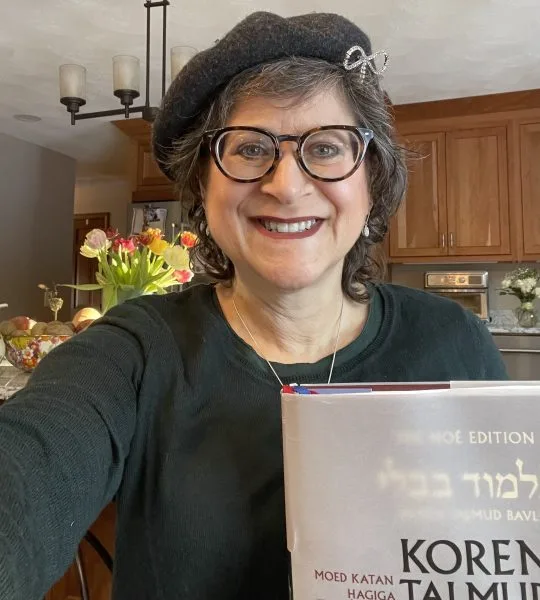
As Jewish educator and as a woman, I’m mindful that Talmud has been kept from women for many centuries. Now that we are privileged to learn, and learning is so accessible, it’s my intent to complete Daf Yomi. I am so excited to keep learning with my Hadran community.

Sue Parker Gerson
Sue Parker Gerson

Denver, United States

I began learning with Rabbanit Michelle’s wonderful Talmud Skills class on Pesachim, which really enriched my Pesach seder, and I have been learning Daf Yomi off and on over the past year. Because I’m relatively new at this, there is a “chiddush” for me every time I learn, and the knowledge and insights of the group members add so much to my experience. I feel very lucky to be a part of this.

Julie-Landau-Photo
Julie Landau

Karmiel, Israel

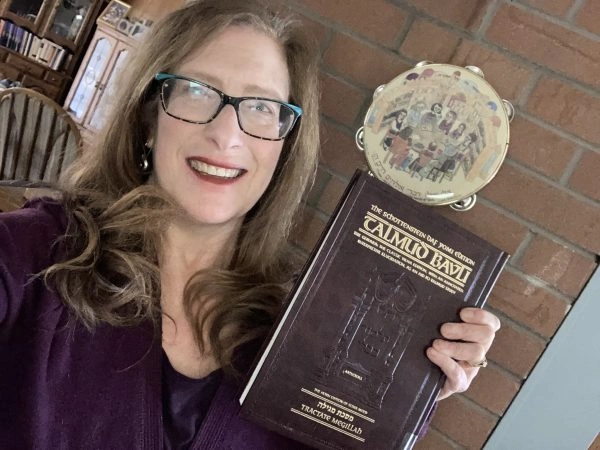
I decided to give daf yomi a try when I heard about the siyum hashas in 2020. Once the pandemic hit, the daily commitment gave my days some much-needed structure. There have been times when I’ve felt like quitting- especially when encountering very technical details in the text. But then I tell myself, “Look how much you’ve done. You can’t stop now!” So I keep going & my Koren bookshelf grows…

Miriam Eckstein-Koas

Huntington, United States

In my Shana bet at Migdal Oz I attended the Hadran siyum hash”as. Witnessing so many women so passionate about their Torah learning and connection to God, I knew I had to begin with the coming cycle. My wedding (June 24) was two weeks before the siyum of mesechet yoma so I went a little ahead and was able to make a speech and siyum at my kiseh kallah on my wedding day!

Sharona Guggenheim Plumb

Givat Shmuel, Israel

In January 2020, my teaching partner at IDC suggested we do daf yomi. Thanks to her challenge, I started learning daily from Rabbanit Michelle. It’s a joy to be part of the Hadran community. (It’s also a tikkun: in 7th grade, my best friend and I tied for first place in a citywide gemara exam, but we weren’t invited to the celebration because girls weren’t supposed to be learning gemara).

Sara-Averick-photo-scaled
Sara Averick

Jerusalem, Israel

I tried Daf Yomi in the middle of the last cycle after realizing I could listen to Michelle’s shiurim online. It lasted all of 2 days! Then the new cycle started just days before my father’s first yahrzeit and my youngest daughter’s bat mitzvah. It seemed the right time for a new beginning. My family, friends, colleagues are immensely supportive!

Catriella-Freedman-jpeg
Catriella Freedman

Zichron Yaakov, Israel

After being so inspired by the siyum shas two years ago, I began tentatively learning daf yomi, like Rabbanut Michelle kept saying – taking one daf at a time. I’m still taking it one daf at a time, one masechet at a time, but I’m loving it and am still so inspired by Rabbanit Michelle and the Hadran community, and yes – I am proud to be finishing Seder Mo’ed.

Caroline Graham-Ofstein

Bet Shemesh, Israel

Ive been learning Gmara since 5th grade and always loved it. Have always wanted to do Daf Yomi and now with Michelle Farber’s online classes it made it much easier to do! Really enjoying the experience thank you!!

Lisa Lawrence
Lisa Lawrence

Neve Daniel, Israel

Retirement and Covid converged to provide me with the opportunity to commit to daily Talmud study in October 2020. I dove into the middle of Eruvin and continued to navigate Seder Moed, with Rabannit Michelle as my guide. I have developed more confidence in my learning as I completed each masechet and look forward to completing the Daf Yomi cycle so that I can begin again!

Rhona Fink
Rhona Fink

San Diego, United States

After experiences over the years of asking to join gemara shiurim for men and either being refused by the maggid shiur or being the only women there, sometimes behind a mechitza, I found out about Hadran sometime during the tail end of Masechet Shabbat, I think. Life has been much better since then.

Madeline Cohen
Madeline Cohen

London, United Kingdom

I started learning Daf Yomi to fill what I saw as a large gap in my Jewish education. I also hope to inspire my three daughters to ensure that they do not allow the same Talmud-sized gap to form in their own educations. I am so proud to be a part of the Hadran community, and I have loved learning so many of the stories and halachot that we have seen so far. I look forward to continuing!
Dora Chana Haar
Dora Chana Haar

Oceanside NY, United States

Retirement and Covid converged to provide me with the opportunity to commit to daily Talmud study in October 2020. I dove into the middle of Eruvin and continued to navigate Seder Moed, with Rabannit Michelle as my guide. I have developed more confidence in my learning as I completed each masechet and look forward to completing the Daf Yomi cycle so that I can begin again!

Rhona Fink
Rhona Fink

San Diego, United States

I LOVE learning the Daf. I started with Shabbat. I join the morning Zoom with Reb Michelle and it totally grounds my day. When Corona hit us in Israel, I decided that I would use the Daf to keep myself sane, especially during the days when we could not venture out more than 300 m from our home. Now my husband and I have so much new material to talk about! It really is the best part of my day!

Batsheva Pava
Batsheva Pava

Hashmonaim, Israel

תמיד רציתי. למדתי גמרא בבית ספר בטורונטו קנדה. עליתי ארצה ולמדתי שזה לא מקובל. הופתעתי.
יצאתי לגימלאות לפני שנתיים וזה מאפשר את המחוייבות לדף יומי.
עבורי ההתמדה בלימוד מעגן אותי בקשר שלי ליהדות. אני תמיד מחפשת ותמיד. מוצאת מקור לקשר. ללימוד חדש ומחדש. קשר עם נשים לומדות מעמיק את החוויה ומשמעותית מאוד.

Vitti Kones
Vitti Kones

מיתר, ישראל

As Jewish educator and as a woman, I’m mindful that Talmud has been kept from women for many centuries. Now that we are privileged to learn, and learning is so accessible, it’s my intent to complete Daf Yomi. I am so excited to keep learning with my Hadran community.

Sue Parker Gerson
Sue Parker Gerson

Denver, United States

When the new cycle began, I thought, If not now, when? I’d just turned 72. I feel like a tourist on a tour bus passing astonishing scenery each day. Rabbanit Michelle is my beloved tour guide. When the cycle ends, I’ll be 80. I pray that I’ll have strength and mind to continue the journey to glimpse a little more. My grandchildren think having a daf-learning savta is cool!

Wendy Dickstein
Wendy Dickstein

Jerusalem, Israel

I’ve been studying Talmud since the ’90s, and decided to take on Daf Yomi two years ago. I wanted to attempt the challenge of a day-to-day, very Jewish activity. Some days are so interesting and some days are so boring. But I’m still here.
Sarene Shanus
Sarene Shanus

Mamaroneck, NY, United States

A friend mentioned that she was starting Daf Yomi in January 2020. I had heard of it and thought, why not? I decided to try it – go day by day and not think about the seven plus year commitment. Fast forward today, over two years in and I can’t imagine my life without Daf Yomi. It’s part of my morning ritual. If I have a busy day ahead of me I set my alarm to get up early to finish the day’s daf
Debbie Fitzerman
Debbie Fitzerman

Ontario, Canada

Having never learned Talmud before, I started Daf Yomi in hopes of connecting to the Rabbinic tradition, sharing a daily idea on Instagram (@dafyomiadventures). With Hadran and Sefaria, I slowly gained confidence in my skills and understanding. Now, part of the Pardes Jewish Educators Program, I can’t wait to bring this love of learning with me as I continue to pass it on to my future students.

Hannah-G-pic
Hannah Greenberg

Pennsylvania, United States

My first Talmud class experience was a weekly group in 1971 studying Taanit. In 2007 I resumed Talmud study with a weekly group I continue learning with. January 2020, I was inspired to try learning Daf Yomi. A friend introduced me to Daf Yomi for Women and Rabbanit Michelle Farber, I have kept with this program and look forward, G- willing, to complete the entire Shas with Hadran.
Lorri Lewis
Lorri Lewis

Palo Alto, CA, United States

Pesachim 16

סְפֵק מַשְׁקִין לִיטָּמֵא — טָמֵא. לְטַמֵּא אֲחֵרִים — טָהוֹר, דִּבְרֵי רַבִּי מֵאִיר. וְכֵן הָיָה רַבִּי אֶלְעָזָר אוֹמֵר כִּדְבָרָיו. רַבִּי יְהוּדָה אוֹמֵר: לַכֹּל טָמֵא.

If there is uncertainty whether or not a certain liquid has become ritually impure, it is presumed impure. It is an uncertainty with regard to Torah law, and the halakha is stringent in such cases. However, if the uncertainty is with regard to rendering other items impure, they are pure, as liquids transmit impurity by rabbinic law, and the halakha is lenient with regard to uncertainties of that kind. These are the statements of Rabbi Meir, and Rabbi Elazar would say likewise in accordance with his statements. Rabbi Yehuda says: When there is uncertainty with regard to these liquids, the item is impure in all cases, even in terms of transmitting impurity to other items, as he maintains that the impurity of liquids is by Torah law.

רַבִּי יוֹסֵי וְרַבִּי שִׁמְעוֹן אוֹמְרִים: לָאוֹכָלִין טְמֵאִין, לְכֵלִים טְהוֹרִין.

Rabbi Yosei and Rabbi Shimon say: In cases of uncertainty as to whether or not these liquids transmitted impurity to foods, the ruling is that the foods are impure, in accordance with the principle that when there is uncertainty in cases of Torah law, the halakha is stringent. Rabbi Yosei and Rabbi Shimon maintain that liquids transmit impurity to food by Torah law. However, when there is uncertainty as to whether or not these liquids transmitted impurity to vessels, the halakha is lenient, and they are pure. Even Rabbi Yosei and Rabbi Shimon concede that liquids transmit impurity to vessels only by rabbinic law. This baraita clearly indicates that Rabbi Meir and Rabbi Yosei indeed dispute whether or not the impurity of liquids applies by Torah law.

וְסָבַר רַבִּי אֶלְעָזָר: מַשְׁקִין אִית לְהוּ טוּמְאָה בָּעוֹלָם? וְהָתַנְיָא, רַבִּי אֶלְעָזָר אוֹמֵר: אֵין טוּמְאָה לְמַשְׁקִין כׇּל עִיקָּר. תֵּדַע, שֶׁהֲרֵי הֵעִיד (יוֹסֵף) בֶּן יוֹעֶזֶר אִישׁ צְרֵידָה עַל אֵיל קַמְצָא דְּכַן, וְעַל מַשְׁקִין בֵּית מַטְבְּחַיָּא דְּכַן!

With regard to the Tosefta, the Gemara asks: And does Rabbi Elazar maintain that liquids have ritual impurity by Torah law at all? Wasn’t it taught in a baraita that Rabbi Elazar says: There is no impurity for liquids at all by Torah law. Know that this is so, as Yosei ben Yo’ezer of Tzereida testified about the grasshopper called eil kamtza that it is kosher and may be eaten; and he testified about liquids in the slaughterhouse in the Temple that they were ritually pure, as there was no decree of impurity issued with regard to them. The fact that these liquids are ritually pure indicates that by Torah law liquids cannot transmit impurity at all. Instead, that type of impurity is by rabbinic law, and rabbinic decrees of impurity were not in effect in the Temple.

הָנִיחָא לִשְׁמוּאֵל, דְּאָמַר דְּכַן מִלְּטַמֵּא טוּמְאַת אֲחֵרִים, אֲבָל טוּמְאַת עַצְמָן יֵשׁ לָהֶן — שַׁפִּיר. אֶלָּא לְרַב, דְּאָמַר דְּכַן מַמָּשׁ — מַאי אִיכָּא לְמֵימַר?

The Gemara adds: This works out well according to the opinion of Shmuel, who said that in this context the term ritually pure means that they do not transmit impurity to other items; however, they themselves can become impure. If that is Rabbi Elazar’s opinion, he indeed holds in accordance with the statement of Rabbi Meir that liquids transmit impurity by rabbinic law but themselves become impure by Torah law, as stated in the baraita above. However, according to Rav, who said that Yosei ben Yo’ezer holds that the liquids are actually ritually pure and they themselves cannot be rendered impure, what can be said? According to Rav, Rabbi Elazar maintains that there is no impurity at all by Torah law with regard to liquids. In what sense does he hold in accordance with the opinion of Rabbi Meir, who said that liquids themselves can become impure by Torah law?

אָמַר רַב נַחְמָן בַּר יִצְחָק: אַחֲדָא.

Rav Naḥman bar Yitzḥak said: When the baraita said that Rabbi Elazar agreed with Rabbi Meir, it was with regard to one of Rabbi Meir’s opinions. Rabbi Elazar agrees with Rabbi Meir that in a case where there is uncertainty with regard to rendering other items impure, they are pure, as liquids transmit impurity by rabbinic law. However, Rabbi Elazar maintains that the impurity of liquids themselves is also not by Torah law, and therefore in a case of uncertainty with regard to impurity of the liquids themselves, the ruling is that they are pure.

וְהָא ״כִּדְבָרָיו״ קָאָמַר, דִּנְפִישִׁי. וְעוֹד, וְהָא ״וְכֵן״ קָתָנֵי! קַשְׁיָא.

The Gemara raises a difficulty: But isn’t the baraita saying: And Rabbi Elazar would say in accordance with Rabbi Meir’s statements, in the plural, indicating that the points of agreement are many? And furthermore, the baraita is teaching: Likewise. This term also indicates that Rabbi Elazar agrees completely with Rabbi Meir. Since no resolution was found for this contradiction, the Gemara concludes that it is indeed difficult to understand the baraita according to Rav.

גּוּפָא, רַב אָמַר: דְּכַן מַמָּשׁ. וּשְׁמוּאֵל אָמַר: דְּכַן מִלְּטַמֵּא טוּמְאַת אֲחֵרִים, אֲבָל טוּמְאַת עַצְמָן יֵשׁ לָהֶן. רַב אָמַר דְּכַן מַמָּשׁ, קָסָבַר טוּמְאַת מַשְׁקִין דְּרַבָּנַן, וְכִי גְּזַרוּ רַבָּנַן — בְּמַשְׁקִין דְּעָלְמָא, וּבְמַשְׁקִין בֵּית מַטְבְּחַיָּא — לָא גְּזוּר.

After citing the testimony of Yosei ben Yo’ezer and the associated amoraic dispute, the Gemara analyzes the matter itself. Rav said: Yosei ben Yo’ezer said that the liquids in the Temple are actually ritually pure and neither become impure nor transmit impurity. And Shmuel said that the liquids are ritually pure in the sense that they do not transmit impurity to other items; however, they themselves can become impure. The Gemara elaborates: Rav said that liquids are actually pure, as he maintains that the ritual impurity of liquids is by rabbinic law, and when the Sages issued this decree they did so only with regard to ordinary liquids. However, with regard to the liquids of the slaughterhouse in the Temple, they did not issue the decree.

וּשְׁמוּאֵל אָמַר: דְּכַן מִלְּטַמֵּא טוּמְאַת אֲחֵרִים, אֲבָל טוּמְאַת עַצְמָן יֵשׁ לָהֶן. קָסָבַר טוּמְאַת מַשְׁקִין עַצְמָן דְּאוֹרָיְיתָא, לְטַמֵּא אֲחֵרִים — דְּרַבָּנַן, וְכִי גְּזוּר רַבָּנַן — בְּמַשְׁקִין דְּעָלְמָא, בְּמַשְׁקִין בֵּית מַטְבְּחַיָּא — לָא גְּזוּר. וְכִי לָא גְּזוּר רַבָּנַן — לְטַמּוֹיֵי אֲחֵרִים, אֲבָל טוּמְאַת עַצְמָן יֵשׁ לָהֶן.

And the Gemara elaborates on the opinion of Shmuel: Shmuel said that the liquids are ritually pure in the sense that they do not transmit impurity to other items; however, they themselves can become impure, as Shmuel maintains that the ritual impurity of liquids themselves is by Torah law, whereas their capacity to transmit impurity to other objects is by rabbinic law. And when the Sages issued this decree, they did so only with regard to ordinary liquids. However, with regard to the liquids of the slaughterhouse in the Temple they did not issue the decree. And when Shmuel said that the Sages did not issue their decree with regard to the liquids of the slaughterhouse, he meant that they did not do so with regard to their capacity to transmit impurity to other items; however, as far as their own impurity is concerned, they become impure like other liquids.

אֲמַר לֵיהּ רַב הוּנָא בַּר חִינָּנָא לִבְרֵיהּ: כִּי עָיְילַתְּ לְקַמֵּיהּ דְּרַב פָּפָּא, רְמִי לֵיהּ: מִי אָמַר שְׁמוּאֵל דְּכַן מִלְּטַמֵּא טוּמְאַת אֲחֵרִים, אֲבָל טוּמְאַת עַצְמָן יֵשׁ לָהֶן? קְרִי כָּאן: ״וְהַבָּשָׂר אֲשֶׁר יִגַּע בְּכׇל טָמֵא לֹא יֵאָכֵל״.

Rav Huna bar Ḥinnana said to his son: When you enter before Rav Pappa, raise the following contradiction before him: Did Shmuel actually say that the liquids are ritually pure in the sense that they do not transmit impurity to other items but they themselves are susceptible to impurity? Is there anything that by Torah law can itself become impure but does not transmit impurity to other items? Read here a verse that clearly states that any item that is itself impure, including liquids, transmits impurity to other items: “And the flesh that touches anything impure shall not be eaten; it shall be burnt in fire” (Leviticus 7:19).

אָמַר רַב שִׁישָׁא בְּרֵיהּ דְּרַב אִידִי: מִידֵּי דְּהָוֵה אַרְבִיעִי בַּקֹּדֶשׁ. מַתְקֵיף לַהּ רַב אָשֵׁי: רְבִיעִי בַּקֹּדֶשׁ לָא אִיקְּרִי טָמֵא, הַאי אִיקְּרִי טָמֵא! קַשְׁיָא.

Rav Sheisha, son of Rav Idi, said: The legal status of liquids is just as it is in the case of fourth-degree ritual impurity in a consecrated item, with regard to which everyone agrees that it becomes impure but does not transmit impurity to other items. Rav Ashi strongly objects to this contention: How is it possible to compare these two cases? Fourth-degree impurity in a consecrated item is not called impure; it is disqualified. However, this liquid is called impure. Therefore, the two halakhot are not comparable. No resolution is found for this contradiction, and the Gemara concludes that it is indeed difficult.

תָּא שְׁמַע: ״וְכׇל מַשְׁקֶה אֲשֶׁר יִשָּׁתֶה בְּכׇל כְּלִי יִטְמָא״! מַאי ״יִטְמָא״ — הֶכְשֵׁיר.

The Gemara cites several sources to decide the dispute between the tanna’im and between Rav and Shmuel with regard to whether or not the impurity of liquids is by Torah law. Come and hear: “And all drink that may be drunk in any vessel shall be impure” (Leviticus 11:34). This verse clearly indicates that liquids can become impure. The Gemara rejects this contention: What is the meaning of the term: Shall be impure, in this context? It means that the liquid renders produce susceptible to ritual impurity.

הֶכְשֵׁיר — מֵרֵישָׁא דִקְרָא שָׁמְעַתְּ לֵיהּ, ״מִכׇּל הָאֹכֶל אֲשֶׁר יֵאָכֵל וְגוֹ׳״! חַד בִּתְלוּשִׁין, וְחַד בִּמְחוּבָּרִין.

The Gemara retorts: Does it in fact mean that the liquid renders produce susceptible to ritual impurity? That cannot be as you already learned that from the beginning of this verse: “From all food that may be eaten, on which water has come shall be impure” (Leviticus 11:34). The Gemara answers: Nevertheless, the second part of the verse is also necessary: One part of the verse, the latter part, is referring to water detached from its source, in vessels, and one part, the former part, is referring to water still attached to its source in the ground.

וּצְרִיכִי, דְּאִי אַשְׁמְעִינַן בִּתְלוּשִׁין — מִשּׁוּם דְּאַחְשְׁבִינְהוּ, אֲבָל מְחוּבָּרִין — אֵימָא לָא.

And both derivations are necessary, as neither halakha could have been derived from the other. As, had the Torah taught us only about the halakha of water detached from its source, one might have thought that this water renders food susceptible to ritual impurity due to the fact that he ascribed significance to the water by drawing it from its source. However, with regard to water still attached to its source, say that it does not render food susceptible to ritual impurity.

וְאִי תְּנָא מְחוּבָּרִין — מִשּׁוּם דְּקָיְימִי בְּדוּכְתַּיְיהוּ חֲשִׁיבִי, אֲבָל תְּלוּשִׁין — אֵימָא לָא, צְרִיכִי.

And had the Torah taught only the halakha of water still attached to its source, one might have thought that due to the fact that it stands in its place this water is significant; however, with regard to water detached from its source, say no, it does not render food susceptible to ritual impurity, as it is disconnected from its source. It was therefore necessary for the Torah to mention both cases.

תָּא שְׁמַע: ״אַךְ מַעְיָן וּבוֹר מִקְוֵה מַיִם יִהְיֶה טָהוֹר״. מַאי ״יִהְיֶה טָהוֹר״ — מִטּוּמְאָתוֹ.

The Gemara cites another proof. Come and hear: “However, a spring or a cistern, a gathering of water shall be pure, but he who touches their carcass shall be impure” (Leviticus 11:36). It can be inferred from this verse that all water can be rendered impure, with the exception of spring water and water in a cistern, which are in the ground. The Gemara rejects this contention: What is the meaning of the phrase: “Shall be pure”? This phrase means that one who immerses in this water is purified from his ritual impurity, and does not refer to the impurity of liquids at all.

וּתְלוּשִׁין מִי מַכְשִׁירִין? וְהָאָמַר רַבִּי יוֹסֵי בְּרַבִּי חֲנִינָא: מַשְׁקִין בֵּית מַטְבְּחַיָּא לֹא דַּיָּין שֶׁהֵן דְּכַן, אֶלָּא שֶׁאֵין מַכְשִׁירִין.

The Gemara stated that both water detached from its source and water still attached to its source render food susceptible to ritual impurity. The Gemara asks: And does water detached from its source render food susceptible to contract impurity? Didn’t Rabbi Yosei, son of Rabbi Ḥanina, say: With regard to the liquids of the slaughterhouse in the Temple, not only are they pure, but neither do they render produce susceptible to ritual impurity? Apparently, water detached from its source does not render food susceptible to impurity by Torah law. The fact that the Sages suspend the capacity of certain liquids to render produce susceptible to impurity indicates that the fact that water removed from its source renders food susceptible to impurity must be by rabbinic decree. Otherwise, that capability could not have been suspended in the Temple.

תַּירְגְּמָא עַל דָּם, דְּאָמַר רַבִּי חִיָּיא בַּר אַבָּא אָמַר רַבִּי יוֹחָנָן: מִנַּיִן לְדַם קָדָשִׁים שֶׁאֵינוֹ מַכְשִׁיר — שֶׁנֶּאֱמַר: ״עַל הָאָרֶץ תִּשְׁפְּכֶנּוּ כַּמָּיִם״, דָּם שֶׁנִּשְׁפָּךְ כַּמַּיִם — מַכְשִׁיר,

The Gemara rejects this contention: Explain this statement as referring to blood. Rabbi Yosei, son of Rabbi Ḥanina was not referring to all liquids in the Temple, but only to blood. As Rabbi Ḥiyya bar Abba said that Rabbi Yoḥanan said: From where is it derived with regard to blood of consecrated offerings that it does not render produce susceptible to impurity? As it is stated: “You shall surely not eat the blood; you shall pour it upon the earth like water” (Deuteronomy 12:16). The Sages derived from this verse: Blood that is poured like water, i.e., blood from a non-sacred domesticated animal that pours out when it is slaughtered and is not received in a vessel as sacrificial blood assumes the legal status of water and renders produce susceptible to ritual impurity.

דָּם שֶׁאֵינוֹ נִשְׁפָּךְ כַּמַּיִם — אֵינוֹ מַכְשִׁיר. מַתְקֵיף לַהּ רַב שְׁמוּאֵל בַּר אַמֵּי: הֲרֵי דַּם הַתַּמְצִית — דְּנִשְׁפָּךְ כַּמַּיִם, וְאֵינוֹ מַכְשִׁיר!

Conversely, blood that is not poured out like water but is received in a vessel to be sprinkled on the altar does not render produce susceptible to contract impurity. Rav Shmuel bar Ami strongly objects to this: There is the blood squeezed from an animal after slaughter once the initial spurt of blood has concluded, which is poured like water, as it is unfit for sprinkling upon the altar. And nevertheless, this blood does not render produce susceptible to impurity.

אֲמַר לֵיהּ רַבִּי זֵירָא: הַנַּח לְדַם הַתַּמְצִית, דַּאֲפִילּוּ בְּחוּלִּין נָמֵי לָא מַכְשִׁיר.

Rabbi Zeira said to him: Leave aside the blood squeezed after the initial spurt, which is an exceptional case, as even from non-sacred animals it does not render produce susceptible to ritual impurity either. With regard to the halakha that blood renders produce susceptible to ritual impurity, the legal status of blood squeezed after the initial spurt is not that of blood at all.

קַבְּלַהּ מִינֵּיהּ רַב שְׁמוּאֵל בַּר אַמֵּי, דְּאָמַר רַחֲמָנָא: ״רַק חֲזַק לְבִלְתִּי אֲכֹל הַדָּם כִּי הַדָּם הוּא הַנָּפֶשׁ״, דָּם שֶׁהַנֶּפֶשׁ יוֹצְאָה בּוֹ — קָרוּי דָּם, דָּם שֶׁאֵין הַנֶּפֶשׁ יוֹצְאָה בּוֹ — אֵינוֹ קָרוּי דָּם.

The Gemara comments: Rav Shmuel bar Ami accepted this statement from Rabbi Zeira and cited a verse that supports it. As the Merciful One states: “Only be strong not to eat the blood; for the blood is the soul” (Deuteronomy 12:23). This verse indicates: Blood with regard to which the soul leaves the body when it is spilled is called blood; however, blood with regard to which the soul does not leave the body when it is spilled, but which is squeezed out afterward, is not called blood.

תָּא שְׁמַע: דָּם שֶׁנִּטְמָא וּזְרָקוֹ, בְּשׁוֹגֵג — הוּרְצָה, בְּמֵזִיד — לֹא הוּרְצָה. מִדְּרַבָּנַן, וּדְלָא כְּרַבִּי יוֹסֵי בֶּן יוֹעֶזֶר אִישׁ צְרֵידָה.

The Gemara cites an additional proof that the impurity of liquids is by Torah law. Come and hear: With regard to blood that became ritually impure, and a priest sprinkled it on the altar, the following distinction applies: If he did so unwittingly, the offering is accepted. If he sprinkled the blood intentionally, the offering is not accepted. Apparently, blood becomes ritually impure by Torah law, even if it does not transmit impurity to other items. The Gemara rejects this contention: This impurity is by rabbinic law, and this ruling is not in accordance with Rav’s explanation of the opinion of Rabbi Yosei ben Yo’ezer of Tzereida, as he maintains that sacrificial blood does not become impure at all.

תָּא שְׁמַע: עַל מָה הַצִּיץ מְרַצֶּה — עַל הַדָּם וְעַל הַבָּשָׂר וְעַל הַחֵלֶב שֶׁנִּטְמָא, בֵּין בְּשׁוֹגֵג בֵּין בְּמֵזִיד, בֵּין בְּאוֹנֶס בֵּין בְּרָצוֹן, בֵּין בְּיָחִיד בֵּין בְּצִבּוּר.

The Gemara cites a proof from another mishna. Come and hear: For what does the frontplate of the High Priest atone and thereby allow the blood of the offering to be sprinkled? It atones for the blood, and for the meat, and for the fat that became impure, whether one caused it to become impure unwittingly or intentionally, whether due to circumstances beyond his control or willfully, and whether it is the offering of an individual or that of a community. Apparently, the blood of an offering can become impure.

מִדְּרַבָּנַן, וּדְלָא (כְּיוֹסֵף) בֶּן יוֹעֶזֶר אִישׁ צְרֵידָה.

The Gemara rejects this proof: The mishna is referring to blood that is impure by rabbinic law, and here too, it is not in accordance with the opinion of Yosei ben Yo’ezer of Tzereida, who says that consecrated blood does not become impure at all.

תָּא שְׁמַע: ״וְנָשָׂא אַהֲרֹן אֶת עֲוֹן הַקֳּדָשִׁים״.

The Gemara cites an additional proof: Come and hear another verse written about the frontplate: “And it shall be upon Aaron’s forehead, and Aaron shall bear the sin committed with the consecrated objects, which the children of Israel shall hallow, even all their sacred gifts; and it shall be always upon his forehead, that they may be accepted before God” (Exodus 28:38).

וְכִי אֵיזֶה עָוֹן הוּא נוֹשֵׂא? אִם עֲוֹן פִּיגּוּל — הֲרֵי כְּבָר נֶאֱמַר ״לֹא יֵרָצֶה״. אִם עֲוֹן נוֹתָר — הֲרֵי כְּבָר נֶאֱמַר ״לֹא יֵחָשֵׁב״.

And the Sages expounded: Which sin does it bear? If you say it atones for the sin of piggul, an offering disqualified by the intention to sacrifice or eat the offering after the permitted time, it is already stated: “And if it is eaten at all on the third day, it is piggul; it shall not be accepted” (Leviticus 19:7). If you say it atones for notar, i.e., meat of an offering left after the time that one was permitted to eat it, it is already stated: “And if any of the flesh of the sacrifice of his peace-offerings is eaten on the third day, it shall not be accepted, neither shall it be credited to he who offered it” (Leviticus 7:18).

הָא אֵינוֹ נוֹשֵׂא אֶלָּא עֲוֹן טוּמְאָה שֶׁהוּתְּרָה מִכְּלָלָהּ בְּצִיבּוּר. מַאי לָאו, טוּמְאַת דָּם? אָמַר רַב פָּפָּא: לָא, טוּמְאַת קְמָצִים.

Evidently, the frontplate bears only the sin of impurity in the offering of an individual, as in some circumstances, impurity was exempted from its general prohibition on behalf of the community. It was permitted to sacrifice communal offerings in the Temple in a state of impurity. What, does this not apply to impure blood as well? Apparently, blood can also become impure. Rav Pappa said: No, the reference is not to impure blood but to the impurity of handfuls of flour separated by the priest from a meal-offering. The handful of flour renders the meal-offering permitted to be eaten by the priests, parallel to the blood of an animal offering.

תָּא שְׁמַע: ״הֵן יִשָּׂא אִישׁ בְּשַׂר קֹדֶשׁ בִּכְנַף בִּגְדוֹ וְנָגַע בִּכְנָפוֹ אֶל הַלֶּחֶם וְאֶל הַנָּזִיד וְאֶל הַיַּיִן וְאֶל שֶׁמֶן וְאֶל כׇּל מַאֲכָל הֲיִקְדָּשׁ וַיַּעֲנוּ הַכֹּהֲנִים וַיֹּאמְרוּ לֹא (יִקְדָּשׁ)״.

The Gemara cites an additional proof. Come and hear that which was said to the prophet Haggai: “Thus said the Lord of Hosts: Ask now the priests with regard to the Torah, saying: If a person bears hallowed flesh in the corner of his garment, and with his garment he touches bread, or stew, or wine, or oil, or any food, shall it be sacred? And the priests answered and said: No” (Haggai 2:11–12). This question is asked with regard to the flesh of a creeping animal and whether or not the substances that come into contact with it become impure.

Want to follow content and continue where you left off?

Create an account today to track your progress, mark what you’ve learned, and follow the shiurim that speak to you.

Clear all items from this list?

This will remove ALL the items in this section. You will lose any progress or history connected to them. This is irreversible.

Cancel
Yes, clear all

Are you sure you want to delete this item?

You will lose any progress or history connected to this item.

Cancel
Yes, delete