Search

Pesachim 93

Want to dedicate learning? Get started here:

English
עברית
podcast placeholder

0:00
0:00


podcast placeholder

0:00
0:00


Summary

Today’s Daf is sponsored by Caroline Ben-Ari in memory of Marshall Kneller (Mordechai ben Gershom) z”l, and in memory of Marie Muller (Miriam bat Shmuel ve-Frimit) z”l on her 3rd yahrzeit tomorrow. And by Steven and Elana Perlin in memory of Sheindel bat Micha’el on her 2nd yahrzeit.

Rav Sheshet brings a proof for his opinion that one who was far away and can make it there in time to eat the sacrifice cannot fulfill one’s obligation. The gemara then brings a braita to support Rav Nachman who disagrees with him. The gemara brings a braita with three different opinions regarding in what cases one would receive karet: from Pesach Rishon only, also Pesach Sheni – what is the interplay between them? Does one get a second chance if one purposely didn’t bring a sacrifice the first time. If one converted in between or became obligated in mitzvot, would one be obligated in Pesach Sheni or is it only meant for those who were obligated in the first one? What is the source for each of the different opinions? What is considered far away? The mishna brings a debate about this.

Today’s daily daf tools:

Pesachim 93

מָה טָמֵא, שֶׁסִּפֵּק בְּיָדוֹ לַעֲשׂוֹת וְאֵינוֹ עוֹשֶׂה. אַף דֶּרֶךְ רְחוֹקָה נָמֵי, שֶׁסִּפֵּק בְּיָדוֹ לַעֲשׂוֹת וְאֵינוֹ עוֹשֶׂה!

just as the case of one who was ritually impure is referring to one who has the means to observe the first Pesaḥ via an agent but does not do so because the Torah prohibited him from doing so, so too, the case of one who was on a distant journey also refers to one who has the means to observe the first Pesaḥ via an agent and eat the offering at night, but does not do so because the Torah prohibited him from doing so.

וְרַב נַחְמָן אָמַר לָךְ: רַבִּי עֲקִיבָא לְטַעְמֵיהּ, דְּקָסָבַר: אֵין שׁוֹחֲטִין וְזוֹרְקִין עַל טְמֵא שֶׁרֶץ. וַאֲנָא סְבִירָא לִי כְּמַאן דְּאָמַר: שׁוֹחֲטִין וְזוֹרְקִין עַל טְמֵא שֶׁרֶץ.

And Rav Naḥman could have said to you: Rabbi Akiva conforms to his standard line of reasoning, as he holds that one may not slaughter a Paschal lamb and sprinkle its blood on behalf of one who is ritually impure due to contact with a dead creeping animal, even though he could immerse and become ritually pure in time to partake of the Paschal lamb in the evening. This indicates that according to Rabbi Akiva, one who is unfit when the blood is sprinkled is completely disqualified from participating in the offering. But I hold in accordance with the one who said: One may slaughter a Paschal lamb and sprinkle its blood on behalf of one who is ritually impure due to contact with a dead creeping animal, and therefore Rabbi Akiva’s ruling is not relevant to my opinion.

תָּנוּ רַבָּנַן, אֵלּוּ שֶׁעוֹשִׂין אֶת הַשֵּׁנִי: הַזָּבִין וְהַזָּבוֹת, הַמְצוֹרָעִין וְהַמְצוֹרָעוֹת, [וְנִדּוֹת] וּבוֹעֲלֵי נִדּוֹת וְהַיּוֹלְדוֹת, הַשּׁוֹגְגִין וְהָאֲנוּסִין וְהַמְּזִידִין, וְטָמֵא וְשֶׁהָיָה בְּדֶרֶךְ רְחוֹקָה.

The Gemara cites a baraita in support of Rav Naḥman’s opinion. The Sages taught that these are the people who observe the second Pesaḥ: Zavim and zavot; male lepers and female lepers; and menstruating women and those men who had sexual relations with menstruating women; and women after childbirth; those who failed to observe the first Pesaḥ unwittingly, and those who were prevented due to circumstances beyond their control, and those who intentionally refrained from doing so; and one who was ritually impure; and one who was on a distant journey.

אִם כֵּן לָמָּה נֶאֱמַר ״טָמֵא״? לָמָּה נֶאֱמַר?! דְּאִי בָּעֵי לְמִיעְבַּד בָּרִאשׁוֹן לָא שָׁבְקִינַן לֵיהּ! אֶלָּא: אִם כֵּן, לָמָּה נֶאֱמַר ״בְּדֶרֶךְ רְחוֹקָה״ — לְפוֹטְרוֹ מִן הִכָּרֵת. וּכְמַאן דְּאָמַר הוּרְצָה.

The baraita continues: If so, if one who missed the first Pesaḥ for any reason observes the second Pesaḥ, why is the case of one who was ritually impure stated explicitly in the Torah? The Gemara expresses surprise at this question: Why is it stated? It was necessary to mention this case to teach that if an impure person wishes to perform the sacrifice of the Paschal lamb on the first Pesaḥ we do not allow him to do so. Rather, the question should be: Why is the case of one who is on a distant journey stated in the Torah? It is stated to exempt him from karet even if he does not observe the second Pesaḥ. And this is in accordance with the opinion of the one who said that if the Paschal lamb was slaughtered on behalf of one who was on a distant journey it was accepted, which is the opinion of Rav Naḥman.

אִשָּׁה בַּשֵּׁנִי מִי מִיחַיְּיבָא? וְהָא תַּנְיָא: יָכוֹל לֹא יְהוּ עוֹשִׂין אֶת הַשֵּׁנִי אֶלָּא טְמֵא נֶפֶשׁ וְשֶׁהָיָה בְּדֶרֶךְ רְחוֹקָה. זָבִין וּמְצוֹרָעִין וּבוֹעֲלֵי נִדּוֹת מִנַּיִן? תַּלְמוּד לוֹמַר: ״אִישׁ אִישׁ״.

The baraita mentioned several types of ritually impure women who observe the second Pesaḥ rather than the first. The Gemara asks: Is a woman obligated to observe the second Pesaḥ? Wasn’t it taught in a baraita: I might have thought that only one who is impure due to ritual impurity imparted by a corpse or one who was on a distant journey observe the second Pesaḥ; with regard to zavim, male lepers, and those men who had sexual relations with menstruating women, from where is it derived that they may observe the second Pesaḥ? The verse states: “If any man [ish ish] of you or of your generations shall be ritually impure due to a dead body or is on a journey far away, he shall still offer the Paschal lamb to the Lord” (Numbers 9:10). The word ish is doubled in order to include these other cases. Women are not included by the repetition of the word ish.

לָא קַשְׁיָא: הָא — רַבִּי יוֹסֵי, הָא — רַבִּי יְהוּדָה וְרַבִּי שִׁמְעוֹן.

The Gemara answers that this is not difficult: This first baraita, which includes women, is in accordance with the opinion of Rabbi Yosei that one may slaughter the Paschal lamb on the second Pesaḥ for women, and that second baraita, which includes only men, is in accordance with the opinion of Rabbi Yehuda and Rabbi Shimon, who hold that women do not have a full-fledged obligation to observe the second Pesaḥ.

תָּנוּ רַבָּנַן: חַיָּיב כָּרֵת עַל הָרִאשׁוֹן, וְחַיָּיב כָּרֵת עַל הַשֵּׁנִי, דִּבְרֵי רַבִּי. רַבִּי נָתָן אוֹמֵר: חַיָּיב כָּרֵת עַל הָרִאשׁוֹן, וּפָטוּר עַל הַשֵּׁנִי. רַבִּי חֲנַנְיָא בֶּן עֲקַבְיָא אוֹמֵר: אַף [עַל] הָרִאשׁוֹן אֵינוֹ חַיָּיב כָּרֵת אֶלָּא אִם כֵּן לֹא עָשָׂה אֶת הַשֵּׁנִי.

The Sages taught in the Tosefta: One is liable to receive karet for intentionally refraining from observing the first Pesaḥ; similarly, one who could not observe the first Pesaḥ is liable to receive karet if he intentionally refrained from observing the second Pesaḥ. This is the statement of Rabbi Yehuda HaNasi. Rabbi Natan says: One is liable to receive karet for intentionally refraining from observing the first Pesaḥ; and one is exempt from karet for intentionally refraining from observing the second Pesaḥ even if he unwittingly failed to observe the first Pesaḥ, as the Torah does not specify a punishment of karet with regard to the second Pesaḥ. Rabbi Ḥananya ben Akavya says: Even for intentionally failing to observe the first Pesaḥ one is liable to receive karet only if he intentionally fails to observe the second Pesaḥ.

וְאָזְדוּ לְטַעְמַיְיהוּ. דְּתַנְיָא: גֵּר שֶׁנִּתְגַּיֵּיר בֵּין שְׁנֵי פְסָחִים, וְכֵן קָטָן שֶׁהִגְדִּיל בֵּין שְׁנֵי פְסָחִים — חַיָּיב לַעֲשׂוֹת פֶּסַח שֵׁנִי, דִּבְרֵי רַבִּי. רַבִּי נָתָן אוֹמֵר: כֹּל שֶׁזָּקוּק לָרִאשׁוֹן — זָקוּק לַשֵּׁנִי, כֹּל שֶׁאֵין זָקוּק לָרִאשׁוֹן — אֵין זָקוּק לַשֵּׁנִי.

The Gemara adds that Rabbi Yehuda HaNasi and Rabbi Natan follow their line of reasoning as demonstrated by another dispute between them, which is related to the dispute quoted above. As it was taught in a baraita: A convert who converted during the month between the offering of the two Paschal lambs on the first and second Pesaḥ, and similarly, a minor who grew up and became obligated in mitzvot during the month between the offering of the two Paschal lambs, is obligated to observe the second Pesaḥ; this is the statement of Rabbi Yehuda HaNasi. Rabbi Natan says: Whoever needs to observe the first Pesaḥ needs to observe the second; whoever does not need to observe the first Pesaḥ, e.g., one who is a minor or is not yet Jewish, does not need to observe the second Pesaḥ either.

בְּמַאי קָמִיפַּלְגִי? רַבִּי סָבַר: שֵׁנִי רֶגֶל בִּפְנֵי עַצְמוֹ הוּא.

The Gemara explains: With regard to what do they disagree? Rabbi Yehuda HaNasi holds that the second Pesaḥ is its own Festival, and anyone who did not participate in the first Pesaḥ is obligated to participate in the second even if he was not fit to bring the Paschal lamb on the first Pesaḥ.

רַבִּי נָתָן סָבַר: שֵׁנִי תַּשְׁלוּמִין דְּרִאשׁוֹן הוּא. תַּקּוֹנֵי לָרִאשׁוֹן, לָא מְתַקֵּין לֵיהּ.

Conversely, Rabbi Natan holds that the second Pesaḥ is merely a redress for the first Pesaḥ, such that if one was obligated to bring the Paschal lamb on the first Pesaḥ and did not, he may do so on the second Pesaḥ; however, it does not repair the failure to bring the Paschal lamb on the first Pesaḥ. Therefore, one who intentionally refrained from bringing the Paschal lamb on the first Pesaḥ is liable to receive karet even if he brought the Paschal lamb on the second Pesaḥ. However, if one unwittingly failed to sacrifice the Paschal lamb on the first Pesaḥ, he is not liable to receive karet even if he intentionally refrained from observing the second Pesaḥ.

וְרַבִּי חֲנַנְיָא בֶּן עֲקַבְיָא סָבַר: שֵׁנִי תַּקַּנְתָּא דְרִאשׁוֹן הוּא.

And Rabbi Ḥananya ben Akavya held: The second Pesaḥ repairs the failure to offer the Paschal lamb on the first Pesaḥ. In other words, the Paschal lamb brought on the second Pesaḥ is not an independent obligation; rather, it allows a second chance to avoid the liability to receive karet.

וּשְׁלׇשְׁתָּן מִקְרָא אֶחָד דָּרְשׁוּ: ״וְהָאִישׁ אֲשֶׁר הוּא טָהוֹר וּבְדֶרֶךְ לֹא הָיָה״. רַבִּי סָבַר: ״וְחָדַל לַעֲשׂוֹת הַפֶּסַח וְנִכְרְתָה״, דְּלָא עֲבַד בָּרִאשׁוֹן, אִי נָמֵי: ״קׇרְבַּן ה׳ לֹא הִקְרִיב בְּמוֹעֲדוֹ״, בַּשֵּׁנִי.

And all three of them expounded the same verse to derive their opinions: “But the man who is ritually pure, and is not on a journey, and refrains from offering the Paschal lamb, that soul shall be cut off from his people; because [ki] he did not bring the offering of the Lord in its appointed season, that man shall bear his sin” (Numbers 9:13). Rabbi Yehuda HaNasi holds that the verse should be understood as follows: The phrase: “And refrains from offering the Paschal lamb, that soul shall be cut off,” means that he did not participate in the offering on the first Pesaḥ. In the continuation of the verse, Rabbi Yehuda HaNasi understands the word ki to mean: If, as the word ki has various meanings, one of which is: If. Therefore, the verse can be interpreted in the following manner: If he also “did not bring the offering of the Lord in its appointed season,” with regard to the second Pesaḥ, “that man shall bear his sin.”

וּמִמַּאי (דְּהָא) ״חֶטְאוֹ יִשָּׂא״ כָּרֵת הוּא?

The Gemara asks: And from where do we know that this phrase: Shall bear his sin, refers to karet and not to some other punishment?

קָסָבַר: מְגַדֵּף הַיְינוּ מְבָרֵךְ הַשֵּׁם, וּכְתִיב בִּמְבָרֵךְ אֶת הַשֵּׁם ״וְנָשָׂא חֶטְאוֹ״.

He holds that with regard to the case of the blasphemer mentioned in the verse: “That person blasphemes the Lord and that soul shall be cut off [karet] from among his people” (Numbers 15:30), this is identical to the case of one who blesses the name of God, a euphemism for cursing God’s name. And it is written with regard to one who blesses the name of God: “Whoever curses his God shall bear his sin” (Leviticus 24:15). Therefore, the punishment of karet applies to a sin about which the Torah states: Shall bear his sin.

וְגָמַר הַאי ״חֶטְאוֹ״ דְּהָכָא, מֵ״חֶטְאוֹ״ דְּהָתָם: מָה לְהַלָּן כָּרֵת, אַף כָּאן נָמֵי כָּרֵת.

And Rabbi Yehuda HaNasi learned the meaning of this phrase: “And he shall bear his sin,” stated here, with regard to one who did not sacrifice the Paschal lamb, by way of a verbal analogy from the phrase: “Shall bear his sin” stated there, with regard to the blasphemer. Just as later, with regard to the blasphemer, it is referring to the punishment of karet, so too here, with regard to the Paschal lamb, it is referring to the punishment of karet. This concludes the Gemara’s explanation of the opinion of Rabbi Yehuda HaNasi.

וְרַבִּי נָתָן סָבַר: ״וְחָדַל לַעֲשׂוֹת הַפֶּסַח וְנִכְרְתָה״, דְּהַאי ״כִּי״ — לְשׁוֹן דְּהָא הוּא, וְהָכִי קָאָמַר רַחֲמָנָא: דְּהָא ״קׇרְבַּן ה׳ לֹא הִקְרִיב בְּמוֹעֲדוֹ״ בָּרִאשׁוֹן.

And Rabbi Natan holds that the verse should be understood differently. In the verse: “And refrains from offering the Paschal lamb, that soul shall be cut off from his people; because [ki] he did not bring the offering of the Lord in its appointed season” (Numbers 9:13), this word ki has the meaning of: Because. And this is what the Torah is saying: “Because he did not bring the offering of the Lord in its appointed season,” referring to participating in the Paschal lamb on the first Pesaḥ, he is liable to receive karet.

הַאי ״חֶטְאוֹ יִשָּׂא״ מַאי עָבֵיד לֵיהּ? קָסָבַר: מְגַדֵּף לָאו הַיְינוּ מְבָרֵךְ אֶת הַשֵּׁם, וְגָמַר הַאי ״חֶטְאוֹ״ דְּהָתָם מֵהַאי ״חֶטְאוֹ״ דְּהָכָא. מָה הָכָא כָּרֵת — אַף הָתָם כָּרֵת.

The Gemara asks: If so, that part of the verse which says: He shall bear his sin, what does Rabbi Natan do with it? The Gemara answers: Rabbi Natan holds that the case of the blasphemer is not identical with the case of one who blesses the name of God; blasphemy refers instead to one who sings praises to false gods. Thus, the Torah does not specify the punishment of one who curses God. He learned the meaning of that phrase “his sin,” there, with regard to one who curses God, by way of a verbal analogy from this phrase “his sin” here, in the case of one who did not offer the Paschal lamb. Just as here, with regard to the Paschal lamb, the punishment is karet, so too there, with regard to one who curses God, the phrase: He shall bear his sin, is a reference to the punishment of karet.

וְרַבִּי חֲנַנְיָא בֶּן עֲקַבְיָא סָבַר: ״וְחָדַל לַעֲשׂוֹת הַפֶּסַח וְנִכְרְתָה״, אִי ״קׇרְבַּן ה׳ לֹא הִקְרִיב בְּמוֹעֲדוֹ״ — בַּשֵּׁנִי.

And Rabbi Ḥananya ben Akavya holds that the word ki in the verse should be rendered: If, as Rabbi Yehuda HaNasi interpreted it, but the verse should be understood as follows: “And refrained from participating in the offering of the Paschal lamb, that soul shall be cut off from his people if he did not bring the offering of the Lord in its appointed season,” which is on the second Pesaḥ.

וְהַאי ״חֶטְאוֹ יִשָּׂא״ מַאי עָבֵיד לֵיהּ? כְּדַאֲמַרַן.

The Gemara asks: And with regard to that phrase: “He shall bear his sin,” what does Rabbi Ḥananya ben Akavya do with it? The Gemara answers: He uses it in the same way as Rabbi Natan, as we said above, to derive the punishment for one who curses God.

הִלְכָּךְ: הֵזִיד בָּזֶה וּבָזֶה — דִּבְרֵי הַכֹּל חַיָּיב, שָׁגַג בָּזֶה וּבָזֶה — דִּבְרֵי הַכֹּל פָּטוּר.

Therefore, if one intentionally refrained from offering the Paschal lamb on both the first and second Pesaḥ, all agree that he is liable to receive karet. If one unwittingly forgot on both the first and second Pesaḥ, all agree that he is exempt from karet.

הֵזִיד בָּרִאשׁוֹן וְשָׁגַג בַּשֵּׁנִי, לְרַבִּי וּלְרַבִּי נָתָן — מִחַיְּיבִי, לְרַבִּי חֲנַנְיָא בֶּן עֲקַבְיָא — פָּטוּר.

If one intentionally refrained from offering the Paschal lamb on the first Pesaḥ and unwittingly forgot on the second, according to the opinions of Rabbi Yehuda HaNasi and Rabbi Natan he is liable to receive karet, because he intentionally refrained from offering the sacrifice on the first Pesaḥ and did not rectify his mistake on the second Pesaḥ; however, according to the opinion of Rabbi Ḥananya ben Akavya he is exempt, because he holds that one is liable only if he intentionally refrained both times from offering the Paschal lamb.

שָׁגַג בָּרִאשׁוֹן וְהֵזִיד בַּשֵּׁנִי, לְרַבִּי — חַיָּיב. לְרַבִּי נָתָן וּלְרַבִּי חֲנַנְיָא בֶּן עֲקַבְיָא — פָּטוּר.

If one unwittingly forgot on the first Pesaḥ and intentionally refrained from bringing the offering on the second Pesaḥ, according to the opinion of Rabbi Yehuda HaNasi he is liable, because Rabbi Yehuda HaNasi considers the second Pesaḥ an independent Festival that is mandatory for all those who did not offer the Paschal lamb on the first Pesaḥ. According to the opinions of Rabbi Natan and Rabbi Ḥananya ben Akavya, who hold that the second Pesaḥ is a chance to redress the sin of the first Pesaḥ, since he did not intentionally fail to offer the Paschal lamb on the first Pesaḥ, he is exempt from the punishment of karet even if he intentionally failed to offer the Paschal lamb on the second Pesaḥ.

מַתְנִי׳ אֵיזוֹ הִיא דֶּרֶךְ רְחוֹקָה? מִן הַמּוֹדִיעִים וְלַחוּץ, וּכְמִדָּתָהּ לְכׇל רוּחַ, דִּבְרֵי רַבִּי עֲקִיבָא. רַבִּי אֱלִיעֶזֶר אוֹמֵר: מֵאִיסְקוּפַּת הָעֲזָרָה וְלַחוּץ. אֲמַר לֵיהּ רַבִּי יוֹסֵי: לְפִיכָךְ נָקוּד עַל ה׳, לוֹמַר: לָא מִפְּנֵי שֶׁרָחוֹק וַדַּאי, אֶלָּא מֵאִיסְקוּפַּת הָעֲזָרָה וְלַחוּץ.

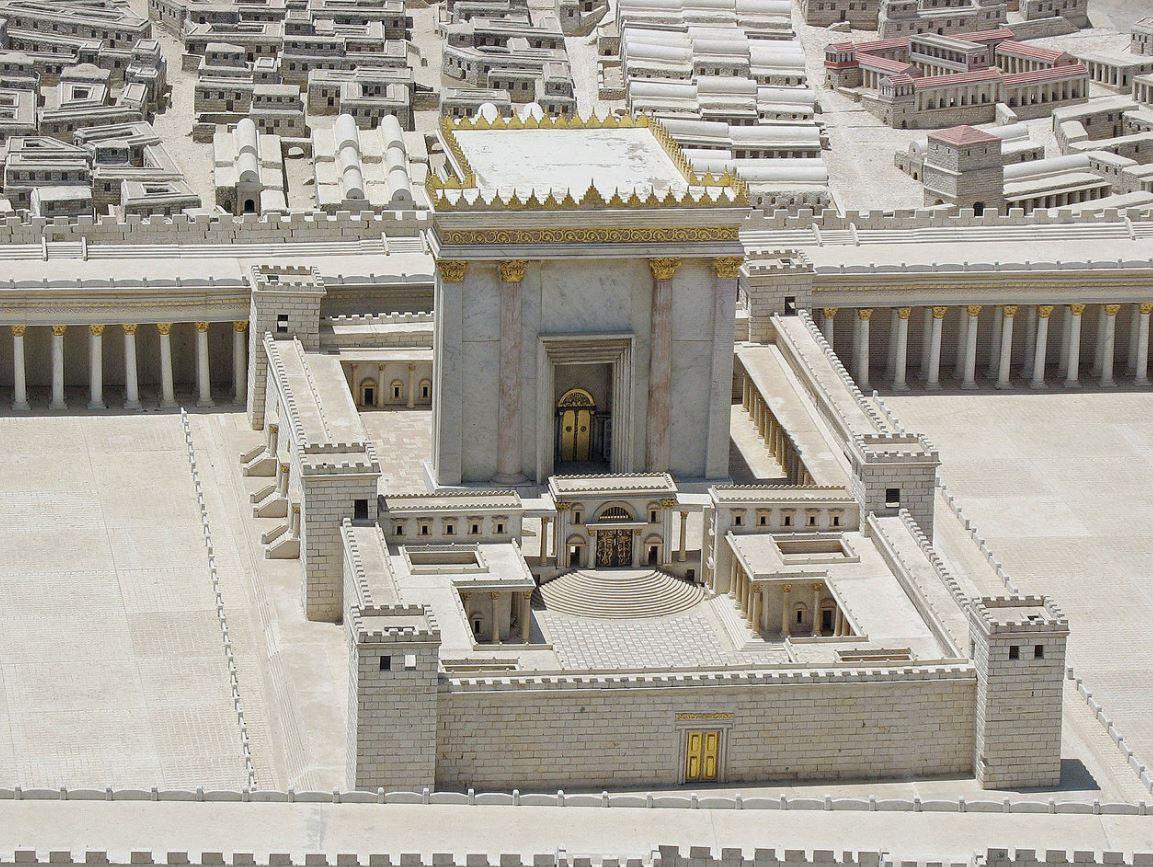
MISHNA: What is the definition of a distant journey that exempts one from observing the first Pesaḥ? Anywhere from the city of Modi’im and beyond, and from anywhere located an equal distance from Jerusalem and beyond in every direction; this is the statement of Rabbi Akiva. Rabbi Eliezer says: From the threshold of the Temple courtyard and beyond is considered a distant journey; therefore, anyone located outside the courtyard at the time that the Paschal lamb is slaughtered is exempt from observing the first Pesaḥ. Rabbi Yosei said to him: Therefore, the word is dotted over the letter heh in the word “distant [reḥoka]” to say that the meaning of the word should be qualified: It should be understood that it is not because he is really distant; rather, it includes anyone located from the threshold of the Temple courtyard and beyond.

גְּמָ׳ אָמַר עוּלָּא: מִן הַמּוֹדִיעִים לִירוּשָׁלַיִם חֲמִשָּׁה עָשָׂר מִילִין הָוְיָא. סָבַר לַהּ כִּי הָא דְּאָמַר רַבָּה בַּר בַּר חָנָה אָמַר רַבִּי יוֹחָנָן: כַּמָּה מַהֲלַךְ אָדָם בַּיּוֹם — עֲשָׂרָה פַּרְסָאוֹת: מֵעֲלוֹת הַשַּׁחַר וְעַד הָנֵץ הַחַמָּה חֲמֵשֶׁת מִילִין, מִשְּׁקִיעַת הַחַמָּה וְעַד צֵאת הַכּוֹכָבִים חֲמֵשֶׁת מִילִין. פָּשׁוּ לֵהּ תְּלָתִין: חֲמֵיסַר מִצַּפְרָא לְפַלְגָא דְיוֹמָא, וַחֲמֵיסַר מִפַּלְגָא דְיוֹמָא לְאוּרְתָּא.

GEMARA: Ulla said: The distance from the city of Modi’im to Jerusalem is fifteen mil. He held like this following opinion that Rabba bar bar Ḥana said that Rabbi Yoḥanan said: How far can an average person walk on an average day? One can walk ten parasangs [parsaot], which are forty mil. This is divided in the following way: From dawn until sunrise one can walk a distance of five mil, and from sunset until the emergence of the stars one can walk another five mil. There are thirty mil remaining that one can walk in a day: Fifteen from the morning until midday, and fifteen from midday until evening.

עוּלָּא לְטַעְמֵיהּ, דְּאָמַר עוּלָּא: אֵי זֶה הוּא דֶּרֶךְ רְחוֹקָה? כֹּל שֶׁאֵין יָכוֹל לִיכָּנֵס בִּשְׁעַת שְׁחִיטָה.

The Gemara explains that Ulla conforms to his standard line of reasoning below, as Ulla said: What is the definition of a distant journey? It is any distance from which one is unable to reach Jerusalem and enter the Temple by the earliest time of the slaughter of the Paschal lamb. The obligation to slaughter the Paschal lamb begins at noon; therefore, if one is a distance of fifteen mil from the Temple in the morning, he will not be able to arrive there before the time that the offering may be slaughtered.

אָמַר מָר: מֵעֲלוֹת הַשַּׁחַר עַד הָנֵץ הַחַמָּה חֲמֵשֶׁת מִילִין, מְנָא לַן? דִּכְתִיב: ״וּכְמוֹ הַשַּׁחַר עָלָה וַיָּאִיצוּ הַמַּלְאָכִים וְגוֹ׳״, וּכְתִיב: ״הַשֶּׁמֶשׁ יָצָא עַל הָאָרֶץ וְלוֹט בָּא צוֹעֲרָה״. וְאָמַר רַבִּי חֲנִינָא: לְדִידִי חֲזֵי לִי הָהוּא אַתְרָא וְהָוְיָא חֲמִשָּׁה מִילִין.

The Gemara addresses the previously mentioned discussion: The Master said that from dawn until sunrise one can walk a distance of five mil. From where do we derive this? As it is written: “And when the morning arose, the angels hastened Lot, saying: Arise, take your wife and your two daughters that are here, lest you be swept away in the iniquity of the city” (Genesis 19:15), and it is written: “The sun was risen upon the earth when Lot came to Zoar” (Genesis 19:23). Therefore, the distance between Sodom and Zoar is the distance one can walk between dawn and sunrise, and Rabbi Ḥanina said: I myself saw that place, and it is a distance of five mil. This serves as a biblical proof that one can walk five mil between dawn and sunrise.

גּוּפָא, אָמַר עוּלָּא: אֵיזֶה הוּא דֶּרֶךְ רְחוֹקָה? כֹּל שֶׁאֵין יָכוֹל לִיכָּנֵס בִּשְׁעַת שְׁחִיטָה. וְרַב יְהוּדָה אָמַר: כֹּל שֶׁאֵין יָכוֹל לִיכָּנֵס בִּשְׁעַת אֲכִילָה.

The Gemara discusses the matter of the above statement itself. Ulla said: What is the definition of a distant journey; any journey of a distance from which one is unable to reach Jerusalem and enter the Temple by the earliest time of the slaughter of the Paschal lamb. And Rav Yehuda said: Any journey of a distance from which one is unable to reach Jerusalem, where the Paschal lamb is eaten, and enter during the time of the eating, the following night.

אֲמַר לֵיהּ רַבָּה לְעוּלָּא: לְדִידָךְ קַשְׁיָא וּלְרַב יְהוּדָה קַשְׁיָא. לְדִידָךְ קַשְׁיָא, דְּאָמְרַתְּ: כֹּל שֶׁאֵין יָכוֹל לִיכָּנֵס בִּשְׁעַת שְׁחִיטָה, וְהָא טְמֵא שֶׁרֶץ — דְּאֵין יָכוֹל לִיכָּנֵס בִּשְׁעַת שְׁחִיטָה, וְקָאָמְרַתְּ: שׁוֹחֲטִין וְזוֹרְקִין עַל טְמֵא שֶׁרֶץ.

Rabba said to Ulla: According to your opinion it is difficult, and according to Rav Yehuda’s opinion it is difficult. According to your opinion it is difficult, as you said that any journey of a distance from which one is unable to reach Jerusalem and enter the Temple courtyard by the time of the slaughter of the Paschal lamb is considered a distant journey. Yet with regard to one who is ritually impure due to contact with a dead creeping animal, who is unable to enter the Temple courtyard at the time of the slaughter due to his impurity, you said: One may slaughter the Paschal lamb and sprinkle its blood on behalf of one who is ritually impure due to contact with a dead creeping animal, even though he will only become pure after nightfall, when the Paschal lamb is eaten.

וּלְרַב יְהוּדָה קַשְׁיָא, דְּאָמַר: כֹּל שֶׁאֵין יָכוֹל לִיכָּנֵס בִּשְׁעַת אֲכִילָה, וְהָא טְמֵא שֶׁרֶץ — דְּיָכוֹל לִיכָּנֵס בִּשְׁעַת אֲכִילָה, וְקָאָמַר: אֵין שׁוֹחֲטִין וְזוֹרְקִין עַל טְמֵא שֶׁרֶץ!

And according to Rav Yehuda’s opinion it is difficult, as he said that any journey of a distance from which one is unable to enter Jerusalem during the time of the eating is considered a distant journey; yet with regard to one who is ritually impure due to contact with a dead creeping animal, who is able to enter Jerusalem and participate in consuming the offering at the time of the eating, he said the opposite: One may not slaughter the Paschal lamb and sprinkle its blood on behalf of one who is ritually impure due to contact with a dead creeping animal, even though he will be able to immerse and become ritually pure by nightfall, when the offering is to be eaten.

אֲמַר לֵיהּ: לָא לְדִידִי קַשְׁיָא וְלָא לְרַב יְהוּדָה קַשְׁיָא. לְדִידִי לָא קַשְׁיָא: דֶּרֶךְ רְחוֹקָה לַטָּהוֹר, וְאֵין דֶּרֶךְ רְחוֹקָה לַטָּמֵא.

Ulla said to him: According to my opinion it is not difficult, and according to Rav Yehuda’s opinion it is not difficult. According to my opinion it is not difficult because I hold that the concept of a distant journey applies only to one who is ritually pure, and the principle of a distant journey does not apply to one who is ritually impure. If one is ritually impure at the time of the slaughter, his obligation is immediately deferred to the second Pesaḥ regardless of the fact that he will become ritually pure in time to eat the offering at nightfall.

Today’s daily daf tools:

Delve Deeper

Broaden your understanding of the topics on this daf with classes and podcasts from top women Talmud scholars.

For the Beyond the Daf shiurim offered in Hebrew, see here.

New to Talmud?

Check out our resources designed to help you navigate a page of Talmud – and study at the pace, level and style that fits you. 

The Hadran Women’s Tapestry

Meet the diverse women learning Gemara at Hadran and hear their stories. 

I started my Daf Yomi journey at the beginning of the COVID19 pandemic.

Karena Perry
Karena Perry

Los Angeles, United States

My Daf journey began in August 2012 after participating in the Siyum Hashas where I was blessed as an “enabler” of others.  Galvanized into my own learning I recited the Hadran on Shas in January 2020 with Rabbanit Michelle. That Siyum was a highlight in my life.  Now, on round two, Daf has become my spiritual anchor to which I attribute manifold blessings.

Rina Goldberg
Rina Goldberg

Englewood NJ, United States

Studying has changed my life view on הלכה and יהדות and time. It has taught me bonudaries of the human nature and honesty of our sages in their discourse to try and build a nation of caring people .

Goldie Gilad
Goldie Gilad

Kfar Saba, Israel

I’ve been studying Talmud since the ’90s, and decided to take on Daf Yomi two years ago. I wanted to attempt the challenge of a day-to-day, very Jewish activity. Some days are so interesting and some days are so boring. But I’m still here.
Sarene Shanus
Sarene Shanus

Mamaroneck, NY, United States

I started learning when my brother sent me the news clip of the celebration of the last Daf Yomi cycle. I was so floored to see so many women celebrating that I wanted to be a part of it. It has been an enriching experience studying a text in a language I don’t speak, using background knowledge that I don’t have. It is stretching my learning in unexpected ways, bringing me joy and satisfaction.

Jodi Gladstone
Jodi Gladstone

Warwick, Rhode Island, United States

I started learning at the beginning of the cycle after a friend persuaded me that it would be right up my alley. I was lucky enough to learn at Rabbanit Michelle’s house before it started on zoom and it was quickly part of my daily routine. I find it so important to see for myself where halachot were derived, where stories were told and to get more insight into how the Rabbis interacted.

Deborah Dickson
Deborah Dickson

Ra’anana, Israel

When the new cycle began, I thought, If not now, when? I’d just turned 72. I feel like a tourist on a tour bus passing astonishing scenery each day. Rabbanit Michelle is my beloved tour guide. When the cycle ends, I’ll be 80. I pray that I’ll have strength and mind to continue the journey to glimpse a little more. My grandchildren think having a daf-learning savta is cool!

Wendy Dickstein
Wendy Dickstein

Jerusalem, Israel

תמיד רציתי. למדתי גמרא בבית ספר בטורונטו קנדה. עליתי ארצה ולמדתי שזה לא מקובל. הופתעתי.
יצאתי לגימלאות לפני שנתיים וזה מאפשר את המחוייבות לדף יומי.
עבורי ההתמדה בלימוד מעגן אותי בקשר שלי ליהדות. אני תמיד מחפשת ותמיד. מוצאת מקור לקשר. ללימוד חדש ומחדש. קשר עם נשים לומדות מעמיק את החוויה ומשמעותית מאוד.

Vitti Kones
Vitti Kones

מיתר, ישראל

I’ve been learning since January 2020, and in June I started drawing a phrase from each daf. Sometimes it’s easy (e.g. plants), sometimes it’s very hard (e.g. korbanot), and sometimes it’s loads of fun (e.g. bird racing) to find something to draw. I upload my pictures from each masechet to #DafYomiArt. I am enjoying every step of the journey.

Gila Loike
Gila Loike

Ashdod, Israel

I have joined the community of daf yomi learners at the start of this cycle. I have studied in different ways – by reading the page, translating the page, attending a local shiur and listening to Rabbanit Farber’s podcasts, depending on circumstances and where I was at the time. The reactions have been positive throughout – with no exception!

Silke Goldberg
Silke Goldberg

Guildford, United Kingdom

“I got my job through the NY Times” was an ad campaign when I was growing up. I can headline “I got my daily Daf shiur and Hadran through the NY Times”. I read the January 4, 2020 feature on Reb. Michelle Farber and Hadran and I have been participating ever since. Thanks NY Times & Hadran!
Deborah Aschheim
Deborah Aschheim

New York, United States

My husband learns Daf, my son learns Daf, my son-in-law learns Daf.
When I read about Hadran’s Siyyum HaShas 2 years ago, I thought- I can learn Daf too!
I had learned Gemara in Hillel HS in NJ, & I remembered loving it.
Rabbanit Michelle & Hadran have opened my eyes & expanding my learning so much in the past few years. We can now discuss Gemara as a family.
This was a life saver during Covid

Renee Braha
Renee Braha

Brooklyn, NY, United States

I decided to give daf yomi a try when I heard about the siyum hashas in 2020. Once the pandemic hit, the daily commitment gave my days some much-needed structure. There have been times when I’ve felt like quitting- especially when encountering very technical details in the text. But then I tell myself, “Look how much you’ve done. You can’t stop now!” So I keep going & my Koren bookshelf grows…

Miriam Eckstein-Koas

Huntington, United States

I started learning Daf Yomi in January 2020 after watching my grandfather, Mayer Penstein z”l, finish shas with the previous cycle. My grandfather made learning so much fun was so proud that his grandchildren wanted to join him. I was also inspired by Ilana Kurshan’s book, If All the Seas Were Ink. Two years in, I can say that it has enriched my life in so many ways.

Leeza Hirt Wilner
Leeza Hirt Wilner

New York, United States

When I began the previous cycle, I promised myself that if I stuck with it, I would reward myself with a trip to Israel. Little did I know that the trip would involve attending the first ever women’s siyum and being inspired by so many learners. I am now over 2 years into my second cycle and being part of this large, diverse, fascinating learning family has enhanced my learning exponentially.

Shira Krebs
Shira Krebs

Minnesota, United States

I read Ilana Kurshan’s “If All the Seas Were Ink” which inspired me. Then the Women’s Siyum in Jerusalem in 2020 convinced me, I knew I had to join! I have loved it- it’s been a constant in my life daily, many of the sugiyot connect to our lives. My family and friends all are so supportive. It’s incredible being part of this community and love how diverse it is! I am so excited to learn more!

Shira Jacobowitz
Shira Jacobowitz

Jerusalem, Israel

When I started studying Hebrew at Brown University’s Hillel, I had no idea that almost 38 years later, I’m doing Daf Yomi. My Shabbat haburah is led by Rabbanit Leah Sarna. The women are a hoot. I’m tracking the completion of each tractate by reading Ilana Kurshan’s memoir, If All the Seas Were Ink.

Hannah Lee
Hannah Lee

Pennsylvania, United States

Studying has changed my life view on הלכה and יהדות and time. It has taught me bonudaries of the human nature and honesty of our sages in their discourse to try and build a nation of caring people .

Goldie Gilad
Goldie Gilad

Kfar Saba, Israel

I started learning Gemara at the Yeshivah of Flatbush. And I resumed ‘ברוך ה decades later with Rabbanit Michele at Hadran. I started from Brachot and have had an exciting, rewarding experience throughout seder Moed!

Anne Mirsky (1)
Anne Mirsky

Maale Adumim, Israel

It’s hard to believe it has been over two years. Daf yomi has changed my life in so many ways and has been sustaining during this global sea change. Each day means learning something new, digging a little deeper, adding another lens, seeing worlds with new eyes. Daf has also fostered new friendships and deepened childhood connections, as long time friends have unexpectedly become havruta.

Joanna Rom
Joanna Rom

Northwest Washington, United States

Pesachim 93

מָה טָמֵא, שֶׁסִּפֵּק בְּיָדוֹ לַעֲשׂוֹת וְאֵינוֹ עוֹשֶׂה. אַף דֶּרֶךְ רְחוֹקָה נָמֵי, שֶׁסִּפֵּק בְּיָדוֹ לַעֲשׂוֹת וְאֵינוֹ עוֹשֶׂה!

just as the case of one who was ritually impure is referring to one who has the means to observe the first Pesaḥ via an agent but does not do so because the Torah prohibited him from doing so, so too, the case of one who was on a distant journey also refers to one who has the means to observe the first Pesaḥ via an agent and eat the offering at night, but does not do so because the Torah prohibited him from doing so.

וְרַב נַחְמָן אָמַר לָךְ: רַבִּי עֲקִיבָא לְטַעְמֵיהּ, דְּקָסָבַר: אֵין שׁוֹחֲטִין וְזוֹרְקִין עַל טְמֵא שֶׁרֶץ. וַאֲנָא סְבִירָא לִי כְּמַאן דְּאָמַר: שׁוֹחֲטִין וְזוֹרְקִין עַל טְמֵא שֶׁרֶץ.

And Rav Naḥman could have said to you: Rabbi Akiva conforms to his standard line of reasoning, as he holds that one may not slaughter a Paschal lamb and sprinkle its blood on behalf of one who is ritually impure due to contact with a dead creeping animal, even though he could immerse and become ritually pure in time to partake of the Paschal lamb in the evening. This indicates that according to Rabbi Akiva, one who is unfit when the blood is sprinkled is completely disqualified from participating in the offering. But I hold in accordance with the one who said: One may slaughter a Paschal lamb and sprinkle its blood on behalf of one who is ritually impure due to contact with a dead creeping animal, and therefore Rabbi Akiva’s ruling is not relevant to my opinion.

תָּנוּ רַבָּנַן, אֵלּוּ שֶׁעוֹשִׂין אֶת הַשֵּׁנִי: הַזָּבִין וְהַזָּבוֹת, הַמְצוֹרָעִין וְהַמְצוֹרָעוֹת, [וְנִדּוֹת] וּבוֹעֲלֵי נִדּוֹת וְהַיּוֹלְדוֹת, הַשּׁוֹגְגִין וְהָאֲנוּסִין וְהַמְּזִידִין, וְטָמֵא וְשֶׁהָיָה בְּדֶרֶךְ רְחוֹקָה.

The Gemara cites a baraita in support of Rav Naḥman’s opinion. The Sages taught that these are the people who observe the second Pesaḥ: Zavim and zavot; male lepers and female lepers; and menstruating women and those men who had sexual relations with menstruating women; and women after childbirth; those who failed to observe the first Pesaḥ unwittingly, and those who were prevented due to circumstances beyond their control, and those who intentionally refrained from doing so; and one who was ritually impure; and one who was on a distant journey.

אִם כֵּן לָמָּה נֶאֱמַר ״טָמֵא״? לָמָּה נֶאֱמַר?! דְּאִי בָּעֵי לְמִיעְבַּד בָּרִאשׁוֹן לָא שָׁבְקִינַן לֵיהּ! אֶלָּא: אִם כֵּן, לָמָּה נֶאֱמַר ״בְּדֶרֶךְ רְחוֹקָה״ — לְפוֹטְרוֹ מִן הִכָּרֵת. וּכְמַאן דְּאָמַר הוּרְצָה.

The baraita continues: If so, if one who missed the first Pesaḥ for any reason observes the second Pesaḥ, why is the case of one who was ritually impure stated explicitly in the Torah? The Gemara expresses surprise at this question: Why is it stated? It was necessary to mention this case to teach that if an impure person wishes to perform the sacrifice of the Paschal lamb on the first Pesaḥ we do not allow him to do so. Rather, the question should be: Why is the case of one who is on a distant journey stated in the Torah? It is stated to exempt him from karet even if he does not observe the second Pesaḥ. And this is in accordance with the opinion of the one who said that if the Paschal lamb was slaughtered on behalf of one who was on a distant journey it was accepted, which is the opinion of Rav Naḥman.

אִשָּׁה בַּשֵּׁנִי מִי מִיחַיְּיבָא? וְהָא תַּנְיָא: יָכוֹל לֹא יְהוּ עוֹשִׂין אֶת הַשֵּׁנִי אֶלָּא טְמֵא נֶפֶשׁ וְשֶׁהָיָה בְּדֶרֶךְ רְחוֹקָה. זָבִין וּמְצוֹרָעִין וּבוֹעֲלֵי נִדּוֹת מִנַּיִן? תַּלְמוּד לוֹמַר: ״אִישׁ אִישׁ״.

The baraita mentioned several types of ritually impure women who observe the second Pesaḥ rather than the first. The Gemara asks: Is a woman obligated to observe the second Pesaḥ? Wasn’t it taught in a baraita: I might have thought that only one who is impure due to ritual impurity imparted by a corpse or one who was on a distant journey observe the second Pesaḥ; with regard to zavim, male lepers, and those men who had sexual relations with menstruating women, from where is it derived that they may observe the second Pesaḥ? The verse states: “If any man [ish ish] of you or of your generations shall be ritually impure due to a dead body or is on a journey far away, he shall still offer the Paschal lamb to the Lord” (Numbers 9:10). The word ish is doubled in order to include these other cases. Women are not included by the repetition of the word ish.

לָא קַשְׁיָא: הָא — רַבִּי יוֹסֵי, הָא — רַבִּי יְהוּדָה וְרַבִּי שִׁמְעוֹן.

The Gemara answers that this is not difficult: This first baraita, which includes women, is in accordance with the opinion of Rabbi Yosei that one may slaughter the Paschal lamb on the second Pesaḥ for women, and that second baraita, which includes only men, is in accordance with the opinion of Rabbi Yehuda and Rabbi Shimon, who hold that women do not have a full-fledged obligation to observe the second Pesaḥ.

תָּנוּ רַבָּנַן: חַיָּיב כָּרֵת עַל הָרִאשׁוֹן, וְחַיָּיב כָּרֵת עַל הַשֵּׁנִי, דִּבְרֵי רַבִּי. רַבִּי נָתָן אוֹמֵר: חַיָּיב כָּרֵת עַל הָרִאשׁוֹן, וּפָטוּר עַל הַשֵּׁנִי. רַבִּי חֲנַנְיָא בֶּן עֲקַבְיָא אוֹמֵר: אַף [עַל] הָרִאשׁוֹן אֵינוֹ חַיָּיב כָּרֵת אֶלָּא אִם כֵּן לֹא עָשָׂה אֶת הַשֵּׁנִי.

The Sages taught in the Tosefta: One is liable to receive karet for intentionally refraining from observing the first Pesaḥ; similarly, one who could not observe the first Pesaḥ is liable to receive karet if he intentionally refrained from observing the second Pesaḥ. This is the statement of Rabbi Yehuda HaNasi. Rabbi Natan says: One is liable to receive karet for intentionally refraining from observing the first Pesaḥ; and one is exempt from karet for intentionally refraining from observing the second Pesaḥ even if he unwittingly failed to observe the first Pesaḥ, as the Torah does not specify a punishment of karet with regard to the second Pesaḥ. Rabbi Ḥananya ben Akavya says: Even for intentionally failing to observe the first Pesaḥ one is liable to receive karet only if he intentionally fails to observe the second Pesaḥ.

וְאָזְדוּ לְטַעְמַיְיהוּ. דְּתַנְיָא: גֵּר שֶׁנִּתְגַּיֵּיר בֵּין שְׁנֵי פְסָחִים, וְכֵן קָטָן שֶׁהִגְדִּיל בֵּין שְׁנֵי פְסָחִים — חַיָּיב לַעֲשׂוֹת פֶּסַח שֵׁנִי, דִּבְרֵי רַבִּי. רַבִּי נָתָן אוֹמֵר: כֹּל שֶׁזָּקוּק לָרִאשׁוֹן — זָקוּק לַשֵּׁנִי, כֹּל שֶׁאֵין זָקוּק לָרִאשׁוֹן — אֵין זָקוּק לַשֵּׁנִי.

The Gemara adds that Rabbi Yehuda HaNasi and Rabbi Natan follow their line of reasoning as demonstrated by another dispute between them, which is related to the dispute quoted above. As it was taught in a baraita: A convert who converted during the month between the offering of the two Paschal lambs on the first and second Pesaḥ, and similarly, a minor who grew up and became obligated in mitzvot during the month between the offering of the two Paschal lambs, is obligated to observe the second Pesaḥ; this is the statement of Rabbi Yehuda HaNasi. Rabbi Natan says: Whoever needs to observe the first Pesaḥ needs to observe the second; whoever does not need to observe the first Pesaḥ, e.g., one who is a minor or is not yet Jewish, does not need to observe the second Pesaḥ either.

בְּמַאי קָמִיפַּלְגִי? רַבִּי סָבַר: שֵׁנִי רֶגֶל בִּפְנֵי עַצְמוֹ הוּא.

The Gemara explains: With regard to what do they disagree? Rabbi Yehuda HaNasi holds that the second Pesaḥ is its own Festival, and anyone who did not participate in the first Pesaḥ is obligated to participate in the second even if he was not fit to bring the Paschal lamb on the first Pesaḥ.

רַבִּי נָתָן סָבַר: שֵׁנִי תַּשְׁלוּמִין דְּרִאשׁוֹן הוּא. תַּקּוֹנֵי לָרִאשׁוֹן, לָא מְתַקֵּין לֵיהּ.

Conversely, Rabbi Natan holds that the second Pesaḥ is merely a redress for the first Pesaḥ, such that if one was obligated to bring the Paschal lamb on the first Pesaḥ and did not, he may do so on the second Pesaḥ; however, it does not repair the failure to bring the Paschal lamb on the first Pesaḥ. Therefore, one who intentionally refrained from bringing the Paschal lamb on the first Pesaḥ is liable to receive karet even if he brought the Paschal lamb on the second Pesaḥ. However, if one unwittingly failed to sacrifice the Paschal lamb on the first Pesaḥ, he is not liable to receive karet even if he intentionally refrained from observing the second Pesaḥ.

וְרַבִּי חֲנַנְיָא בֶּן עֲקַבְיָא סָבַר: שֵׁנִי תַּקַּנְתָּא דְרִאשׁוֹן הוּא.

And Rabbi Ḥananya ben Akavya held: The second Pesaḥ repairs the failure to offer the Paschal lamb on the first Pesaḥ. In other words, the Paschal lamb brought on the second Pesaḥ is not an independent obligation; rather, it allows a second chance to avoid the liability to receive karet.

וּשְׁלׇשְׁתָּן מִקְרָא אֶחָד דָּרְשׁוּ: ״וְהָאִישׁ אֲשֶׁר הוּא טָהוֹר וּבְדֶרֶךְ לֹא הָיָה״. רַבִּי סָבַר: ״וְחָדַל לַעֲשׂוֹת הַפֶּסַח וְנִכְרְתָה״, דְּלָא עֲבַד בָּרִאשׁוֹן, אִי נָמֵי: ״קׇרְבַּן ה׳ לֹא הִקְרִיב בְּמוֹעֲדוֹ״, בַּשֵּׁנִי.

And all three of them expounded the same verse to derive their opinions: “But the man who is ritually pure, and is not on a journey, and refrains from offering the Paschal lamb, that soul shall be cut off from his people; because [ki] he did not bring the offering of the Lord in its appointed season, that man shall bear his sin” (Numbers 9:13). Rabbi Yehuda HaNasi holds that the verse should be understood as follows: The phrase: “And refrains from offering the Paschal lamb, that soul shall be cut off,” means that he did not participate in the offering on the first Pesaḥ. In the continuation of the verse, Rabbi Yehuda HaNasi understands the word ki to mean: If, as the word ki has various meanings, one of which is: If. Therefore, the verse can be interpreted in the following manner: If he also “did not bring the offering of the Lord in its appointed season,” with regard to the second Pesaḥ, “that man shall bear his sin.”

וּמִמַּאי (דְּהָא) ״חֶטְאוֹ יִשָּׂא״ כָּרֵת הוּא?

The Gemara asks: And from where do we know that this phrase: Shall bear his sin, refers to karet and not to some other punishment?

קָסָבַר: מְגַדֵּף הַיְינוּ מְבָרֵךְ הַשֵּׁם, וּכְתִיב בִּמְבָרֵךְ אֶת הַשֵּׁם ״וְנָשָׂא חֶטְאוֹ״.

He holds that with regard to the case of the blasphemer mentioned in the verse: “That person blasphemes the Lord and that soul shall be cut off [karet] from among his people” (Numbers 15:30), this is identical to the case of one who blesses the name of God, a euphemism for cursing God’s name. And it is written with regard to one who blesses the name of God: “Whoever curses his God shall bear his sin” (Leviticus 24:15). Therefore, the punishment of karet applies to a sin about which the Torah states: Shall bear his sin.

וְגָמַר הַאי ״חֶטְאוֹ״ דְּהָכָא, מֵ״חֶטְאוֹ״ דְּהָתָם: מָה לְהַלָּן כָּרֵת, אַף כָּאן נָמֵי כָּרֵת.

And Rabbi Yehuda HaNasi learned the meaning of this phrase: “And he shall bear his sin,” stated here, with regard to one who did not sacrifice the Paschal lamb, by way of a verbal analogy from the phrase: “Shall bear his sin” stated there, with regard to the blasphemer. Just as later, with regard to the blasphemer, it is referring to the punishment of karet, so too here, with regard to the Paschal lamb, it is referring to the punishment of karet. This concludes the Gemara’s explanation of the opinion of Rabbi Yehuda HaNasi.

וְרַבִּי נָתָן סָבַר: ״וְחָדַל לַעֲשׂוֹת הַפֶּסַח וְנִכְרְתָה״, דְּהַאי ״כִּי״ — לְשׁוֹן דְּהָא הוּא, וְהָכִי קָאָמַר רַחֲמָנָא: דְּהָא ״קׇרְבַּן ה׳ לֹא הִקְרִיב בְּמוֹעֲדוֹ״ בָּרִאשׁוֹן.

And Rabbi Natan holds that the verse should be understood differently. In the verse: “And refrains from offering the Paschal lamb, that soul shall be cut off from his people; because [ki] he did not bring the offering of the Lord in its appointed season” (Numbers 9:13), this word ki has the meaning of: Because. And this is what the Torah is saying: “Because he did not bring the offering of the Lord in its appointed season,” referring to participating in the Paschal lamb on the first Pesaḥ, he is liable to receive karet.

הַאי ״חֶטְאוֹ יִשָּׂא״ מַאי עָבֵיד לֵיהּ? קָסָבַר: מְגַדֵּף לָאו הַיְינוּ מְבָרֵךְ אֶת הַשֵּׁם, וְגָמַר הַאי ״חֶטְאוֹ״ דְּהָתָם מֵהַאי ״חֶטְאוֹ״ דְּהָכָא. מָה הָכָא כָּרֵת — אַף הָתָם כָּרֵת.

The Gemara asks: If so, that part of the verse which says: He shall bear his sin, what does Rabbi Natan do with it? The Gemara answers: Rabbi Natan holds that the case of the blasphemer is not identical with the case of one who blesses the name of God; blasphemy refers instead to one who sings praises to false gods. Thus, the Torah does not specify the punishment of one who curses God. He learned the meaning of that phrase “his sin,” there, with regard to one who curses God, by way of a verbal analogy from this phrase “his sin” here, in the case of one who did not offer the Paschal lamb. Just as here, with regard to the Paschal lamb, the punishment is karet, so too there, with regard to one who curses God, the phrase: He shall bear his sin, is a reference to the punishment of karet.

וְרַבִּי חֲנַנְיָא בֶּן עֲקַבְיָא סָבַר: ״וְחָדַל לַעֲשׂוֹת הַפֶּסַח וְנִכְרְתָה״, אִי ״קׇרְבַּן ה׳ לֹא הִקְרִיב בְּמוֹעֲדוֹ״ — בַּשֵּׁנִי.

And Rabbi Ḥananya ben Akavya holds that the word ki in the verse should be rendered: If, as Rabbi Yehuda HaNasi interpreted it, but the verse should be understood as follows: “And refrained from participating in the offering of the Paschal lamb, that soul shall be cut off from his people if he did not bring the offering of the Lord in its appointed season,” which is on the second Pesaḥ.

וְהַאי ״חֶטְאוֹ יִשָּׂא״ מַאי עָבֵיד לֵיהּ? כְּדַאֲמַרַן.

The Gemara asks: And with regard to that phrase: “He shall bear his sin,” what does Rabbi Ḥananya ben Akavya do with it? The Gemara answers: He uses it in the same way as Rabbi Natan, as we said above, to derive the punishment for one who curses God.

הִלְכָּךְ: הֵזִיד בָּזֶה וּבָזֶה — דִּבְרֵי הַכֹּל חַיָּיב, שָׁגַג בָּזֶה וּבָזֶה — דִּבְרֵי הַכֹּל פָּטוּר.

Therefore, if one intentionally refrained from offering the Paschal lamb on both the first and second Pesaḥ, all agree that he is liable to receive karet. If one unwittingly forgot on both the first and second Pesaḥ, all agree that he is exempt from karet.

הֵזִיד בָּרִאשׁוֹן וְשָׁגַג בַּשֵּׁנִי, לְרַבִּי וּלְרַבִּי נָתָן — מִחַיְּיבִי, לְרַבִּי חֲנַנְיָא בֶּן עֲקַבְיָא — פָּטוּר.

If one intentionally refrained from offering the Paschal lamb on the first Pesaḥ and unwittingly forgot on the second, according to the opinions of Rabbi Yehuda HaNasi and Rabbi Natan he is liable to receive karet, because he intentionally refrained from offering the sacrifice on the first Pesaḥ and did not rectify his mistake on the second Pesaḥ; however, according to the opinion of Rabbi Ḥananya ben Akavya he is exempt, because he holds that one is liable only if he intentionally refrained both times from offering the Paschal lamb.

שָׁגַג בָּרִאשׁוֹן וְהֵזִיד בַּשֵּׁנִי, לְרַבִּי — חַיָּיב. לְרַבִּי נָתָן וּלְרַבִּי חֲנַנְיָא בֶּן עֲקַבְיָא — פָּטוּר.

If one unwittingly forgot on the first Pesaḥ and intentionally refrained from bringing the offering on the second Pesaḥ, according to the opinion of Rabbi Yehuda HaNasi he is liable, because Rabbi Yehuda HaNasi considers the second Pesaḥ an independent Festival that is mandatory for all those who did not offer the Paschal lamb on the first Pesaḥ. According to the opinions of Rabbi Natan and Rabbi Ḥananya ben Akavya, who hold that the second Pesaḥ is a chance to redress the sin of the first Pesaḥ, since he did not intentionally fail to offer the Paschal lamb on the first Pesaḥ, he is exempt from the punishment of karet even if he intentionally failed to offer the Paschal lamb on the second Pesaḥ.

מַתְנִי׳ אֵיזוֹ הִיא דֶּרֶךְ רְחוֹקָה? מִן הַמּוֹדִיעִים וְלַחוּץ, וּכְמִדָּתָהּ לְכׇל רוּחַ, דִּבְרֵי רַבִּי עֲקִיבָא. רַבִּי אֱלִיעֶזֶר אוֹמֵר: מֵאִיסְקוּפַּת הָעֲזָרָה וְלַחוּץ. אֲמַר לֵיהּ רַבִּי יוֹסֵי: לְפִיכָךְ נָקוּד עַל ה׳, לוֹמַר: לָא מִפְּנֵי שֶׁרָחוֹק וַדַּאי, אֶלָּא מֵאִיסְקוּפַּת הָעֲזָרָה וְלַחוּץ.

MISHNA: What is the definition of a distant journey that exempts one from observing the first Pesaḥ? Anywhere from the city of Modi’im and beyond, and from anywhere located an equal distance from Jerusalem and beyond in every direction; this is the statement of Rabbi Akiva. Rabbi Eliezer says: From the threshold of the Temple courtyard and beyond is considered a distant journey; therefore, anyone located outside the courtyard at the time that the Paschal lamb is slaughtered is exempt from observing the first Pesaḥ. Rabbi Yosei said to him: Therefore, the word is dotted over the letter heh in the word “distant [reḥoka]” to say that the meaning of the word should be qualified: It should be understood that it is not because he is really distant; rather, it includes anyone located from the threshold of the Temple courtyard and beyond.

גְּמָ׳ אָמַר עוּלָּא: מִן הַמּוֹדִיעִים לִירוּשָׁלַיִם חֲמִשָּׁה עָשָׂר מִילִין הָוְיָא. סָבַר לַהּ כִּי הָא דְּאָמַר רַבָּה בַּר בַּר חָנָה אָמַר רַבִּי יוֹחָנָן: כַּמָּה מַהֲלַךְ אָדָם בַּיּוֹם — עֲשָׂרָה פַּרְסָאוֹת: מֵעֲלוֹת הַשַּׁחַר וְעַד הָנֵץ הַחַמָּה חֲמֵשֶׁת מִילִין, מִשְּׁקִיעַת הַחַמָּה וְעַד צֵאת הַכּוֹכָבִים חֲמֵשֶׁת מִילִין. פָּשׁוּ לֵהּ תְּלָתִין: חֲמֵיסַר מִצַּפְרָא לְפַלְגָא דְיוֹמָא, וַחֲמֵיסַר מִפַּלְגָא דְיוֹמָא לְאוּרְתָּא.

GEMARA: Ulla said: The distance from the city of Modi’im to Jerusalem is fifteen mil. He held like this following opinion that Rabba bar bar Ḥana said that Rabbi Yoḥanan said: How far can an average person walk on an average day? One can walk ten parasangs [parsaot], which are forty mil. This is divided in the following way: From dawn until sunrise one can walk a distance of five mil, and from sunset until the emergence of the stars one can walk another five mil. There are thirty mil remaining that one can walk in a day: Fifteen from the morning until midday, and fifteen from midday until evening.

עוּלָּא לְטַעְמֵיהּ, דְּאָמַר עוּלָּא: אֵי זֶה הוּא דֶּרֶךְ רְחוֹקָה? כֹּל שֶׁאֵין יָכוֹל לִיכָּנֵס בִּשְׁעַת שְׁחִיטָה.

The Gemara explains that Ulla conforms to his standard line of reasoning below, as Ulla said: What is the definition of a distant journey? It is any distance from which one is unable to reach Jerusalem and enter the Temple by the earliest time of the slaughter of the Paschal lamb. The obligation to slaughter the Paschal lamb begins at noon; therefore, if one is a distance of fifteen mil from the Temple in the morning, he will not be able to arrive there before the time that the offering may be slaughtered.

אָמַר מָר: מֵעֲלוֹת הַשַּׁחַר עַד הָנֵץ הַחַמָּה חֲמֵשֶׁת מִילִין, מְנָא לַן? דִּכְתִיב: ״וּכְמוֹ הַשַּׁחַר עָלָה וַיָּאִיצוּ הַמַּלְאָכִים וְגוֹ׳״, וּכְתִיב: ״הַשֶּׁמֶשׁ יָצָא עַל הָאָרֶץ וְלוֹט בָּא צוֹעֲרָה״. וְאָמַר רַבִּי חֲנִינָא: לְדִידִי חֲזֵי לִי הָהוּא אַתְרָא וְהָוְיָא חֲמִשָּׁה מִילִין.

The Gemara addresses the previously mentioned discussion: The Master said that from dawn until sunrise one can walk a distance of five mil. From where do we derive this? As it is written: “And when the morning arose, the angels hastened Lot, saying: Arise, take your wife and your two daughters that are here, lest you be swept away in the iniquity of the city” (Genesis 19:15), and it is written: “The sun was risen upon the earth when Lot came to Zoar” (Genesis 19:23). Therefore, the distance between Sodom and Zoar is the distance one can walk between dawn and sunrise, and Rabbi Ḥanina said: I myself saw that place, and it is a distance of five mil. This serves as a biblical proof that one can walk five mil between dawn and sunrise.

גּוּפָא, אָמַר עוּלָּא: אֵיזֶה הוּא דֶּרֶךְ רְחוֹקָה? כֹּל שֶׁאֵין יָכוֹל לִיכָּנֵס בִּשְׁעַת שְׁחִיטָה. וְרַב יְהוּדָה אָמַר: כֹּל שֶׁאֵין יָכוֹל לִיכָּנֵס בִּשְׁעַת אֲכִילָה.

The Gemara discusses the matter of the above statement itself. Ulla said: What is the definition of a distant journey; any journey of a distance from which one is unable to reach Jerusalem and enter the Temple by the earliest time of the slaughter of the Paschal lamb. And Rav Yehuda said: Any journey of a distance from which one is unable to reach Jerusalem, where the Paschal lamb is eaten, and enter during the time of the eating, the following night.

אֲמַר לֵיהּ רַבָּה לְעוּלָּא: לְדִידָךְ קַשְׁיָא וּלְרַב יְהוּדָה קַשְׁיָא. לְדִידָךְ קַשְׁיָא, דְּאָמְרַתְּ: כֹּל שֶׁאֵין יָכוֹל לִיכָּנֵס בִּשְׁעַת שְׁחִיטָה, וְהָא טְמֵא שֶׁרֶץ — דְּאֵין יָכוֹל לִיכָּנֵס בִּשְׁעַת שְׁחִיטָה, וְקָאָמְרַתְּ: שׁוֹחֲטִין וְזוֹרְקִין עַל טְמֵא שֶׁרֶץ.

Rabba said to Ulla: According to your opinion it is difficult, and according to Rav Yehuda’s opinion it is difficult. According to your opinion it is difficult, as you said that any journey of a distance from which one is unable to reach Jerusalem and enter the Temple courtyard by the time of the slaughter of the Paschal lamb is considered a distant journey. Yet with regard to one who is ritually impure due to contact with a dead creeping animal, who is unable to enter the Temple courtyard at the time of the slaughter due to his impurity, you said: One may slaughter the Paschal lamb and sprinkle its blood on behalf of one who is ritually impure due to contact with a dead creeping animal, even though he will only become pure after nightfall, when the Paschal lamb is eaten.

וּלְרַב יְהוּדָה קַשְׁיָא, דְּאָמַר: כֹּל שֶׁאֵין יָכוֹל לִיכָּנֵס בִּשְׁעַת אֲכִילָה, וְהָא טְמֵא שֶׁרֶץ — דְּיָכוֹל לִיכָּנֵס בִּשְׁעַת אֲכִילָה, וְקָאָמַר: אֵין שׁוֹחֲטִין וְזוֹרְקִין עַל טְמֵא שֶׁרֶץ!

And according to Rav Yehuda’s opinion it is difficult, as he said that any journey of a distance from which one is unable to enter Jerusalem during the time of the eating is considered a distant journey; yet with regard to one who is ritually impure due to contact with a dead creeping animal, who is able to enter Jerusalem and participate in consuming the offering at the time of the eating, he said the opposite: One may not slaughter the Paschal lamb and sprinkle its blood on behalf of one who is ritually impure due to contact with a dead creeping animal, even though he will be able to immerse and become ritually pure by nightfall, when the offering is to be eaten.

אֲמַר לֵיהּ: לָא לְדִידִי קַשְׁיָא וְלָא לְרַב יְהוּדָה קַשְׁיָא. לְדִידִי לָא קַשְׁיָא: דֶּרֶךְ רְחוֹקָה לַטָּהוֹר, וְאֵין דֶּרֶךְ רְחוֹקָה לַטָּמֵא.

Ulla said to him: According to my opinion it is not difficult, and according to Rav Yehuda’s opinion it is not difficult. According to my opinion it is not difficult because I hold that the concept of a distant journey applies only to one who is ritually pure, and the principle of a distant journey does not apply to one who is ritually impure. If one is ritually impure at the time of the slaughter, his obligation is immediately deferred to the second Pesaḥ regardless of the fact that he will become ritually pure in time to eat the offering at nightfall.

Want to follow content and continue where you left off?

Create an account today to track your progress, mark what you’ve learned, and follow the shiurim that speak to you.

Clear all items from this list?

This will remove ALL the items in this section. You will lose any progress or history connected to them. This is irreversible.

Cancel
Yes, clear all

Are you sure you want to delete this item?

You will lose any progress or history connected to this item.

Cancel
Yes, delete