Search

Shabbat 10

Want to dedicate learning? Get started here:

English
עברית
podcast placeholder

0:00
0:00


podcast placeholder

0:00
0:00


Summary

Today’s shiur is dedicated in memory of Emanuel Plotker – Menachem Mendel ben Yechiel and Henya z”l by Candace Plotzker-Herman.

How should one dress for prayer? Does it depend on the situation? If one prays for a long time, is it a problem that it detracts from the time one should be learning? When is it considered that one started judgement and does not need to stop to pray mincha? Should one judge all day long? What time of day was the first meal eaten? Different categories of people ate at different specific times. Can one pray in a bathhouse? Under what circumstances? Why can’t one greet a friend in the inner room of the bathhouse? Can one say the word “emunah” in a bathhouse? If one gives a gift to another, one should tell the friend. From where is this derived? One should not favor one child over another – learned out from Jacob who favored Joseph. One should settle in a newer developed city as there are less sins there- this is learned out from Tzoar and S’dom.

Today’s daily daf tools:

Shabbat 10

הָתָם לָא שְׁכִיחָא שִׁכְרוּת, הָכָא שְׁכִיחָא שִׁכְרוּת. אִי נָמֵי, בְּמִנְחָה — כֵּיוָן דִּקְבִיעָא לַהּ זִימְנָא מִירְתַת וְלָא אָתֵי לְמִפְשַׁע. עַרְבִית — כֵּיוָן דְּכוּלֵּהּ לֵילְיָא זְמַן עַרְבִית, לָא מִירְתַת וְאָתֵי לְמִפְשַׁע. מַתְקִיף לַהּ רַב שֵׁשֶׁת: טְרִיחוּתָא לְמֵיסַר הֶמְיָינֵיהּ?! וְעוֹד, לֵיקוּ הָכִי וְלִיצַלֵּי! — מִשּׁוּם שֶׁנֶּאֱמַר: ״הִכּוֹן לִקְרַאת אֱלֹהֶיךָ יִשְׂרָאֵל״.

The Gemara responds that there is a difference between the cases. There, at the time of the afternoon prayer, drunkenness is uncommon, as it is unusual to drink excessively during the day. However, here, in the case of the evening prayer, drunkenness is common, and therefore there was room to issue a decree requiring one to interrupt his meal to recite the evening prayer. Alternatively, it is possible to explain that with regard to the afternoon prayer, since its time is fixed, he is anxious, and he won’t come to be negligent and forget to pray. However, with regard to the evening prayer, since all night is the time for the evening prayer, he is not anxious, and he will come to be negligent. Rav Sheshet strongly objects to this: Is it a burden to tie his belt? In addition, if it is a burden, let him stand that way, without a belt, and pray. The Gemara answers: It is necessary to wear a belt while praying, since it is stated: “Prepare to greet your God, Israel (Amos 4:12). One must prepare and adorn himself when standing before God.

רָבָא בַּר רַב הוּנָא רָמֵי פּוּזְמָקֵי וּמְצַלֵּי, אָמַר: ״הִכּוֹן לִקְרַאת״ וְגוֹ׳. רָבָא שָׁדֵי גְּלִימֵיהּ וּפָכַר יְדֵיהּ וּמְצַלֵּי. אָמַר: ״כְּעַבְדָּא קַמֵּיהּ מָרֵיהּ״. אָמַר רַב אָשֵׁי: חֲזֵינָא לֵיהּ לְרַב כָּהֲנָא כִּי אִיכָּא צַעֲרָא בְּעָלְמָא, שָׁדֵי גְּלִימֵיהּ וּפָכַר יְדֵיהּ וּמְצַלֵּי. אָמַר: ״כְּעַבְדָּא קַמֵּי מָרֵיהּ״. כִּי אִיכָּא שְׁלָמָא לָבֵישׁ וּמִתְכַּסֵּי וּמִתְעַטֵּף וּמְצַלֵּי. אָמַר: ״הִכּוֹן לִקְרַאת אֱלֹהֶיךָ יִשְׂרָאֵל״.

Since the verse: “Prepare to greet your God, Israel,” was cited with regard to the obligation to prepare and adorn oneself before prayer, the Gemara cites that indeed Rava bar Rav Huna would don expensive socks and pray and he said he would do this as it is written: “Prepare to greet your God, Israel.” On the other hand, Rava would not do so; rather, in his prayer he would remove his cloak and clasp his hands and pray. He said that he would do so as a slave before his master, who appears before him with extreme submission. Rav Ashi said: I saw that Rav Kahana, when there is suffering in the world, would remove his cloak and clasp his hands and pray. And he said that he did so as a slave before his master. When there is peace in the world, he would dress, and cover himself, and wrap himself in a significant garment, and pray, and he said that he did so in fulfillment of the verse: “Prepare to greet your God, Israel.”

רָבָא חַזְיֵיהּ לְרַב הַמְנוּנָא דְּקָא מַאֲרֵיךְ בִּצְלוֹתֵיהּ. אֲמַר: מַנִּיחִין חַיֵּי עוֹלָם, וְעוֹסְקִים בְּחַיֵּי שָׁעָה. וְהוּא סָבַר זְמַן תְּפִלָּה לְחוּד וּזְמַן תּוֹרָה לְחוּד. רַבִּי יִרְמְיָה הֲוָה יָתֵיב קַמֵּיהּ דְּרַבִּי זֵירָא וַהֲווֹ עָסְקִי בִּשְׁמַעְתָּא. נְגַהּ לְצַלּוֹיֵי וַהֲוָה קָא מְסַרְהֵב רַבִּי יִרְמְיָה. קָרֵי עֲלֵיהּ רַבִּי זֵירָא: ״מֵסִיר אׇזְנוֹ מִשְּׁמוֹעַ תּוֹרָה גַּם תְּפִלָּתוֹ תּוֹעֵבָה״.

Speaking of prayer, the Gemara relates that Rava saw Rav Hamnuna, who was prolonging his prayer. He said about him: They abandon eternal life, the study of Torah, and engage in temporal life, prayer, which includes requests for mundane needs. The Gemara explains: And Rav Hamnuna held that the time for prayer is distinct and the time for Torah is distinct. The time that one devotes to prayer is not at the expense of the time devoted to Torah study. Similarly, the Gemara relates that Rabbi Yirmeya was sitting before Rabbi Zeira and they were engaged in the study of halakha. The time for prayer was approaching and it was getting late and Rabbi Yirmeya was hurrying to conclude the subject that they were studying in order to pray. Rabbi Zeira read this verse as applying to Rabbi Yirmeya: “One who turns his ear from hearing Torah, his prayer is also an abomination” (Proverbs 28:9).

מֵאֵימָתַי הַתְחָלַת דִּין? — רַבִּי יִרְמְיָה וְרַבִּי יוֹנָה. חַד אָמַר מִשֶּׁיִּתְעַטְּפוּ הַדַּיָּינִין. וְחַד אָמַר מִשֶּׁיִּפְתְּחוּ בַּעֲלֵי דִינִים. וְלָא פְּלִיגִי, הָא, דְּעָסְקִי וְאָתוּ בְּדִינָא. הָא, דְּלָא עָסְקִי וְאָתוּ בְּדִינָא.

We learned that if one enters to sit in judgment adjacent to minḥa, he need not interrupt the trial and pray. The Gemara clarifies: From when is it considered the beginning of a trial? Rabbi Yirmeya and Rabbi Yona disagreed. One said that it begins from when the judges wrap themselves in their prayer shawls, as judges were accustomed to do before sitting in judgment. And one of them said that the beginning of judgment is from when the litigants begin articulating their claims. The Gemara comments: And they do not disagree. Rather, this amora, who says that it is from when the litigants begin, refers to a case where they were already engaged in a previous trial, and the judges were already wrapped in their prayer shawls. And that amora, who says that it is from when the judges wrap themselves in their prayer shawls, refers to a case where they were not engaged in a previous trial, and, as a result, the trial begins when they wrap themselves in the prayer shawls.

רַב אַמֵּי וְרַב אַסִּי הֲווֹ יָתְבִי וְגָרְסִי בֵּינֵי עַמּוּדֵי. וְכֹל שַׁעְתָּא וְשַׁעְתָּא הֲווֹ טָפְחִי אַעֵיבְרָא דְּדַשָּׁא וְאָמְרִי: אִי אִיכָּא דְּאִית לֵיהּ דִּינָא, לֵיעוּל וְלֵיתֵי. רַב חִסְדָּא וְרַבָּה בַּר רַב הוּנָא הֲווֹ יָתְבִי בְּדִינָא כּוּלֵּי יוֹמָא, הֲוָה קָא חָלֵישׁ לִבַּיְיהוּ. תְּנָא לְהוּ רַב חִיָּיא בַּר רַב מִדִּפְתִּי: ״וַיַּעֲמֹד הָעָם עַל מֹשֶׁה מִן הַבֹּקֶר עַד הָעָרֶב״, וְכִי תַּעֲלֶה עַל דַּעְתְּךָ שֶׁמּשֶׁה יוֹשֵׁב וְדָן כׇּל הַיּוֹם כּוּלּוֹ? תּוֹרָתוֹ מָתַי נַעֲשֵׂית? אֶלָּא לוֹמַר לָךְ כׇּל דַּיָּין שֶׁדָּן דִּין אֱמֶת לַאֲמִיתּוֹ, אֲפִילּוּ שָׁעָה אַחַת, מַעֲלֶה עָלָיו הַכָּתוּב כְּאִילּוּ נַעֲשָׂה שׁוּתָּף לְהַקָּדוֹשׁ בָּרוּךְ הוּא בְּמַעֲשֵׂה בְרֵאשִׁית. כְּתִיב הָכָא: ״וַיַּעֲמֹד הָעָם עַל מֹשֶׁה מִן הַבֹּקֶר עַד הָעָרֶב״, וּכְתִיב הָתָם: ״וַיְהִי עֶרֶב וַיְהִי בֹקֶר יוֹם אֶחָד״.

Speaking of judgment, the Gemara relates that Rav Ami and Rav Asi would sit and study between the pillars beneath the study hall. And each and every hour they would knock on the bolt of the door and say: If there is someone who has a case that requires judgment, let him enter and come before us. The Gemara also relates that Rav Ḥisda and Rabba bar Rav Huna would sit in judgment all day and their hearts would grow weak from hunger. Therefore, Rav Ḥiyya bar Rav from Difti taught them a baraita with regard to the verse: “And it was the next day and Moses sat to judge the people and the people stood over Moses from the morning until the evening” (Exodus 18:13). Does it enter your mind that Moses would sit and judge all day long? If so, when was his Torah study accomplished? Rather, surely the verse is coming to tell you: Any judge who judges a true judgment truthfully, even if he sits in judgment only one hour, the verse ascribes to him as if he became a partner to the Holy One, Blessed be He, in the act of Creation, as by means of a true judgment he upholds the world (Me’iri). This conclusion is derived by means of a verbal analogy [gezera shava]: It is written here: “And the people stood over Moses from the morning until the evening.” And it is written there, in the act of Creation: “And it was evening and it was morning, one day” (Genesis 1:5). The evening and part of the morning are considered a whole day. With regard to this issue as well, it is sufficient for the judges to sit in judgment for only part of the day and there is no need for them to starve themselves by sitting in judgment all day.

עַד מָתַי יוֹשְׁבִין בַּדִּין? אָמַר רַב שֵׁשֶׁת: עַד זְמַן סְעוּדָה. אָמַר רַב חָמָא: מַאי קְרָא? — דִּכְתִיב: ״אִי לָךְ אֶרֶץ שֶׁמַּלְכֵּךְ נָעַר וְשָׂרַיִךְ בַּבֹּקֶר יֹאכֵלוּ. אַשְׁרֵיךְ אֶרֶץ שֶׁמַּלְכֵּךְ בֶּן חוֹרִים וְשָׂרַיִךְ בָּעֵת יֹאכֵלוּ בִּגְבוּרָה וְלֹא בַשְּׁתִי״. בִּגְבוּרָה שֶׁל תּוֹרָה, וְלֹא בִּשְׁתִיָּיה שֶׁל יַיִן.

The Gemara questions further: Until when do they sit in judgment? What is the usual time that court adjourns? Rav Sheshet said: Until mealtime, noon. Rav Ḥama said: What is the verse that alludes to this? As it is written: “Woe to you, land that your king is a lad and your ministers eat in the morning. Happy are you, land that your king is free and your ministers eat on time in strength and not in drunkenness” (Ecclesiastes 10:16–17). He interprets the verse: The ministers in a proper country sit to eat only after they engaged in the strength of Torah and in judgment and not in the drunkenness of wine.

תָּנוּ רַבָּנַן: שָׁעָה רִאשׁוֹנָה — מַאֲכַל לוּדִים. שְׁנִיָּה — מַאֲכַל לִסְטִים. שְׁלִישִׁית — מַאֲכַל יוֹרְשִׁין. רְבִיעִית — מַאֲכַל פּוֹעֲלִים. חֲמִישִׁית — מַאֲכַל כׇּל אָדָם.

The Sages taught in a baraita: Eating in the first hour of the morning is the time of eating for Ludim, who are members of a nation of cannibals, and they are ravenous and hurry to eat. The second hour is the time of the eating of robbers. Since they spend the night stealing, they eat early in the morning. The third hour is the time of eating for heirs, i.e., people who inherited a lot of money and do not work for their sustenance. Their only preoccupation in the early hours of the morning is eating. The fourth hour is the time of eating for workers. The fifth hour is the time of eating for all people.

אִינִי?! וְהָאָמַר רַב פָּפָּא רְבִיעִית זְמַן סְעוּדָה לְכׇל אָדָם! אֶלָּא רְבִיעִית מַאֲכַל כׇּל אָדָם. חֲמִישִׁית — מַאֲכַל פּוֹעֲלִים. שִׁשִּׁית — מַאֲכַל תַּלְמִידֵי חֲכָמִים. מִכָּאן וְאֵילָךְ — כְּזוֹרֵק אֶבֶן לַחֵמֶת. אָמַר אַבָּיֵי: לָא אֲמַרַן אֶלָּא דְּלָא טְעֵים מִידֵּי בְּצַפְרָא, אֲבָל טְעֵים מִידֵּי בְּצַפְרָא — לֵית לַן בַּהּ.

The Gemara asks: Is that so? Didn’t Rav Pappa say that the fourth hour is mealtime for all people? Rather, emend the statement and say: The fourth hour is the time of eating for all people. The fifth hour is the time of eating for workers who do not have time to eat beforehand. The sixth hour is the time of eating for Torah scholars as, until then, court is in session. The Gemara adds: One who eats from then on is as if he is throwing a stone into a barrel, meaning that by then it does not contribute to the body’s health. Abaye said: We only said that eating from the sixth hour on is not beneficial, when he did not taste anything in the morning; however, if he tasted something in the morning, we have no problem with it.

אָמַר רַב אַדָּא בַּר אַהֲבָה: מִתְפַּלֵּל אָדָם תְּפִלָּתוֹ בְּבֵית הַמֶּרְחָץ. מֵיתִיבִי: הַנִּכְנָס לְבֵית הַמֶּרְחָץ, מָקוֹם שֶׁבְּנֵי אָדָם עוֹמְדִין לְבוּשִׁין — יֵשׁ שָׁם מִקְרָא וּתְפִלָּה. וְאֵין צָרִיךְ לוֹמַר שְׁאֵילַת שָׁלוֹם. וּמַנִּיחַ תְּפִילִּין, וְאֵין צָרִיךְ לוֹמַר שֶׁאֵינוֹ חוֹלֵץ.

Rav Adda bar Ahava said: A person may, ab initio, recite his prayer in the bathhouse. The Gemara raises an objection from what was taught in the Tosefta: One who enters the bathhouse, in the first room, a place where all people stand dressed, it is like any other place and reading the Torah and prayer are permitted there, and, needless to say, in that room greeting [shalom] others is permitted. And he may don phylacteries there, and, needless to say, if he was already donning phylacteries that he need not remove them.

מָקוֹם שֶׁבְּנֵי אָדָם עוֹמְדִים עֲרוּמִּים וּלְבוּשִׁין — יֵשׁ שָׁם שְׁאֵילַת שָׁלוֹם, וְאֵין שָׁם מִקְרָא וּתְפִלָּה, וְאֵינוֹ חוֹלֵץ תְּפִילִּין, וְאֵינוֹ מַנִּיחַ לְכַתְּחִלָּה.

In the next room, a place where people dress and undress and they stand both naked and dressed, greeting others is permitted there. However, reading the Torah and prayer are not permitted there. And if one was already donning phylacteries there, he need not remove the phylacteries. However, he may not don phylacteries there ab initio.

מָקוֹם שֶׁבְּנֵי אָדָם עוֹמְדִין עֲרוּמִּים — אֵין שָׁם שְׁאֵילַת שָׁלוֹם, וְאֵין צָרִיךְ לוֹמַר מִקְרָא וּתְפִלָּה, וְחוֹלֵץ תְּפִילִּין, וְאֵין צָרִיךְ לוֹמַר שֶׁאֵינוֹ מַנִּיחָן!

In the innermost room, which is a place where people stand naked, greeting others is not permitted there, and, needless to say, reading the Torah and prayer are prohibited there. And if he is donning phylacteries there, he must remove the phylacteries, and, needless to say, he may not don them there ab initio. Apparently, the Tosefta contradicts the statement of Rav Adda bar Ahava as he was, no doubt, referring to the innermost room in the bathhouse, which alone is referred to simply as a bathhouse, and, according to him, one may pray there ab initio.

כִּי קָאָמַר רַב אַדָּא בַּר אַהֲבָה בְּמֶרְחָץ שֶׁאֵין בּוֹ אָדָם. וְהָא אָמַר רַבִּי יוֹסֵי בַּר חֲנִינָא: מֶרְחָץ שֶׁאָמְרוּ אַף עַל פִּי שֶׁאֵין בּוֹ אָדָם, בֵּית הַכִּסֵּא שֶׁאָמְרוּ אַף עַל פִּי שֶׁאֵין בּוֹ צוֹאָה!

The Gemara answers: When Rav Adda bar Ahava said his halakha, he was referring to an empty bathhouse in which there are no people. The Gemara asks: Didn’t Rabbi Yosei bar Ḥanina say: With regard to the bathhouse in which they said that it is prohibited to pray, the prohibition exists even though there are no people in it? With regard to the bathroom in which they said that it is prohibited to pray, the prohibition exists even though there are no feces in it. Certainly, since the place serves a repugnant purpose, it is inappropriate to pray there at any time.

אֶלָּא כִּי קָאָמַר רַב אַדָּא, בְּחַדְתֵי. וְהָא מִבְעָא בְּעָא לֵיהּ רָבִינָא: הִזְמִינוֹ לְבֵית הַכִּסֵּא מַהוּ, יֵשׁ זִימּוּן אוֹ אֵין זִימּוּן? וְלָא אִיפְּשִׁיטָא לֵיהּ. לָאו הוּא הַדִּין לְמֶרְחָץ? לָא, דִּילְמָא

The Gemara answers: Rather, when Rav Adda made his statement, he was referring to a new bathhouse that had not yet been used for bathing. The Gemara asks: Didn’t Ravina raise a dilemma before Rav Adda with regard to this matter: A place that one designated as a bathroom, what is its legal status as far as praying there is concerned? Is there designation as a significant and determining factor in this case? Or, is designation not a halakhically significant matter? And the dilemma was not resolved for him. Is the same not true with regard to the bathhouse? Doesn’t the same dilemma exist there? The Gemara answers: No, perhaps

שָׁאנֵי בֵּית הַכִּסֵּא דִּמְאִיס.

the bathroom is different, as it is disgusting. Once a place is called a bathroom it is disgusting and no longer fit for prayer. However, until he actually bathes in a bathhouse it remains fit for prayer.

אֵין שָׁם שְׁאֵילַת שָׁלוֹם. מְסַיַּיע לֵיהּ לְרַב הַמְנוּנָא מִשְּׁמֵיהּ דְּעוּלָּא דְּאָמַר: אָסוּר לְאָדָם שֶׁיִּתֵּן שָׁלוֹם לַחֲבֵירוֹ בְּבֵית הַמֶּרְחָץ, מִשּׁוּם שֶׁנֶּאֱמַר ״וַיִּקְרָא לוֹ ה׳ שָׁלוֹם״.

It was taught in the Tosefta: There is no greeting [shalom] others permitted in the bathhouse. The Gemara comments that this statement supports the opinion of Rav Hamnuna in the name of Ulla, who said: It is forbidden for a person to greet [shalom] his friend in the bathhouse because Shalom is one of the names of God, as it is stated: “And Gideon built there an altar for God and he called Him Lord Shalom” (Judges 6:24). Therefore, it is prohibited to utter the word shalom in a dishonorable place.

אֶלָּא מֵעַתָּה ״הֵימָנוּתָא״ נָמֵי אָסוּר לְמֵימַר בְּבֵית הַכִּסֵּא, דִּכְתִיב: ״הָאֵל הַנֶּאֱמָן״. וְכִי תֵּימָא הָכִי נָמֵי, וְהָאָמַר רָבָא בַּר מַחְסֵיָא, אָמַר רַב חָמָא בַּר גּוּרְיָא, אָמַר רַב: שָׁרֵי לְמֵימַר ״הֵימָנוּתָא״ בְּבֵית הַכִּסֵּא! הָתָם שֵׁם גּוּפֵיהּ לָא אִיקְּרִי הָכִי, דִּמְתַרְגְּמִינַן ״אֱלָהָא מְהֵימְנָא״, הָכָא שֵׁם גּוּפֵיהּ אִיקְּרִי ״שָׁלוֹם״ דִּכְתִיב ״וַיִּקְרָא לוֹ ה׳ שָׁלוֹם״.

The Gemara asks: But if so, words connoting faithfulness are also forbidden to say in the bathroom, as it is written “The faithful God who keeps the covenant and the kindness” (Deuteronomy 7:9). And if you say that it is indeed so, that it is forbidden to use the language of faithfulness in the bathroom, didn’t Rava bar Meḥasseya say that Rav Ḥama bar Gurya said that Rav said: It is permitted to say faithfulness in the bathroom? The Gemara answers: There is a difference between the terms: There, the name of God itself is not called in that way, as we translate it as “the faithful God.” However, here, the name of God Himself is called Shalom, as it is written: “And he called Him Lord Shalom.” It is not an adjective, but a holy name in and of itself.

וְאָמַר רָבָא בַּר מַחְסֵיָא אָמַר רַב חָמָא בַּר גּוּרְיָא אָמַר רַב: הַנּוֹתֵן מַתָּנָה לַחֲבֵירוֹ, צָרִיךְ לְהוֹדִיעוֹ. שֶׁנֶּאֱמַר: ״לָדַעַת כִּי אֲנִי ה׳ מְקַדִּשְׁכֶם״. תַּנְיָא נָמֵי הָכִי: ״לָדַעַת כִּי אֲנִי ה׳ מְקַדִּשְׁכֶם״, אָמַר לוֹ הַקָּדוֹשׁ בָּרוּךְ הוּא לְמֹשֶׁה: מַתָּנָה טוֹבָה יֵשׁ לִי בְּבֵית גְּנָזַי וְשַׁבָּת שְׁמָהּ, וַאֲנִי מְבַקֵּשׁ לִיתְּנָהּ לְיִשְׂרָאֵל, לֵךְ וְהוֹדִיעָם. מִכָּאן אָמַר רַבָּן שִׁמְעוֹן בֶּן גַּמְלִיאֵל: הַנּוֹתֵן פַּת לְתִינוֹק, צָרִיךְ לְהוֹדִיעַ לְאִמּוֹ. מַאי עָבֵיד לֵיהּ? אָמַר אַבָּיֵי: שָׁאֵיף לֵיהּ מִשְׁחָא, וּמָלֵי לֵיהּ כּוּחְלָא. וְהָאִידָּנָא דְּחָיְישִׁינַן לִכְשָׁפִים מַאי? אָמַר רַב פָּפָּא: שָׁאֵיף לֵיהּ מֵאוֹתוֹ הַמִּין.

Incidental to the halakhic statement in his name, the Gemara also cites another statement that Rava bar Meḥasseya said that Rav Ḥama bar Gurya said that Rav said: One who gives a gift to another must inform him that he is giving it to him. As it is stated: “Only keep My Shabbatot for it is a sign between Me and you for your generations to know that I am God Who sanctifies you” (Exodus 31:13). When the Holy One, Blessed be He, gave Shabbat to Israel, He told Moses to inform them about it. That was also taught in a baraita: The verse states: “For I am God Who sanctifies you,” meaning that the Holy One, Blessed be He, said to Moses: I have a good gift in My treasure house and Shabbat is its name, and I seek to give it to Israel. Go inform them about it. From here Rabban Shimon ben Gamliel said: One who gives a gift of bread to a child needs to inform his mother that he gave it to him. The Gemara asks: What does he do to the child, so that his mother will know that he gave him a gift? Abaye said: He should smear him with oil or place blue shadow around his eye in an obvious manner. When the mother of the child notices and asks him about it, he will tell her that so-and-so gave him a piece of bread. The Gemara asks: And now that we are concerned about witchcraft involving oil or eye shadow, what should one who gives a gift do? Rav Pappa said: He should smear him with food of the same type that he gave him to eat.

אִינִי וְהָאָמַר רַב חָמָא (בַּר) [בְּרַבִּי] חֲנִינָא: הַנּוֹתֵן מַתָּנָה לַחֲבֵירוֹ אֵין צָרִיךְ לְהוֹדִיעוֹ, שֶׁנֶּאֱמַר: ״וּמֹשֶׁה לֹא יָדַע כִּי קָרַן עוֹר פָּנָיו בְּדַבְּרוֹ אִתּוֹ״! — לָא קַשְׁיָא: הָא בְּמִילְּתָא דַּעֲבִידָא לְאִגַּלּוֹיֵי, הָא בְּמִילְּתָא דְּלָא עֲבִידָא לְאִגַּלּוֹיֵי. וְהָא שַׁבָּת, דַּעֲבִידָא לִגַלּוֹיֵי? — מַתַּן שְׂכָרָהּ לָא עָבֵיד לִגַלּוֹיֵי.

With regard to the halakha itself, the Gemara asks: Is that so? Didn’t Rav Ḥama bar Ḥanina say: One who gives a gift to his friend need not inform him, as God made Moses’ face glow, and nevertheless it is stated with regard to Moses: “And Moses did not know that the skin of his face shone when He spoke with him” (Exodus 34:29)? The Gemara answers: This is not difficult. When Rav Ḥama bar Ḥanina said that he need not inform him, he was referring to a matter that is likely to be revealed. When Rabban Shimon ben Gamliel said that he needs to inform him, he was referring to a matter that is not likely to be revealed. The Gemara asked: If so, isn’t Shabbat likely to be revealed, as it will be necessary to inform them of Shabbat together with the other mitzvot? Why was Moses asked to inform them about Shabbat separately? The Gemara answers: The giving of its reward is not likely to be revealed, and it was necessary to inform them about so extraordinary a gift.

רַב חִסְדָּא הֲוָה נָקֵיט בִּידֵיהּ תַּרְתֵּי מַתְּנָתָא דְתוֹרָא, אָמַר: כׇּל מַאן דְּאָתֵי וְאָמַר לִי שְׁמַעְתָּתָא חַדְתָּא מִשְּׁמֵיהּ דְּרַב יָהֵיבְנָא לֵיהּ נִיהֲלֵיהּ. אֲמַר לֵיהּ רָבָא בַּר מַחְסֵיָא, הָכִי אָמַר רַב: הַנּוֹתֵן מַתָּנָה לַחֲבֵירוֹ צָרִיךְ לְהוֹדִיעוֹ. שֶׁנֶּאֱמַר: ״לָדַעַת כִּי אֲנִי ה׳ מְקַדִּשְׁכֶם״. יַהֲבַהּ נִיהֲלֵיהּ. אֲמַר חֲבִיבִין עֲלָךְ שְׁמַעְתָּתָא דְּרַב כּוּלֵּי הַאי? אֲמַר לֵיהּ: אִין. אֲמַר לֵיהּ: הַיְינוּ דְּאָמַר רַב: מֵילָתָא אַלָּבֵישַׁיְיהוּ יַקִּירָא. אֲמַר לֵיהּ: אֲמַר רַב הָכִי?! בָּתְרָיְיתָא עֲדִיפָא לִי מִקַּמָּיְיתָא, וְאִי הֲוָה נָקֵיטְנָא אַחֲרִיתִי, יָהֵיבְנָא לָךְ.

The Gemara relates that Rav Ḥisda would take in his hand two gifts of the priesthood separated from an ox. He said: Anyone who comes and tells me a new halakha in the name of Rav, I will give these gifts to him. Rava bar Meḥasseya said to him, Rav said as follows: One who gives a gift to his friend needs to inform him, as it stated: “To know that I am God Who sanctifies you.” He gave the gift to Rava bar Meḥasseya. Rava bar Meḥasseya said to Rav Ḥisda: Are the halakhot of Rav so beloved to you? Rav Ḥisda said to him: Yes. Rava bar Meḥasseya said to him, this is what Rav said: Fine wool is precious to those who wear it (Rav Ya’akov Emden), meaning only a person who is used to delicate items can appreciate their quality. Rav Ḥisda said to him excitedly: Did Rav say that? The latter statement is preferable to me more than the first. And if I were holding another gift I would give it to you.

וְאָמַר רָבָא בַּר מַחְסֵיָא אָמַר רַב חָמָא בַּר גּוּרְיָא אָמַר רַב: לְעוֹלָם אַל יְשַׁנֶּה אָדָם בְּנוֹ בֵּין הַבָּנִים, שֶׁבִּשְׁבִיל מִשְׁקַל שְׁנֵי סְלָעִים מֵילָת שֶׁנָּתַן יַעֲקֹב לְיוֹסֵף יוֹתֵר מִשְּׁאָר בָּנָיו, נִתְקַנְּאוּ בּוֹ אֶחָיו וְנִתְגַּלְגֵּל הַדָּבָר וְיָרְדוּ אֲבוֹתֵינוּ לְמִצְרַיִם.

And Rava bar Meḥasseya said that Rav Ḥama bar Gurya said that Rav said: A person should never distinguish one of his sons from among the other sons by giving him preferential treatment. As, due to the weight of two sela of fine wool [meilat] that Jacob gave to Joseph, beyond what he gave the rest of his sons, in making him the striped coat, his brothers became jealous of him and the matter unfolded and our forefathers descended to Egypt.

וְאָמַר רָבָא בַּר מַחְסֵיָא אָמַר רַב חָמָא בַּר גּוּרְיָא אָמַר רַב: לְעוֹלָם יְחַזֵּר אָדָם וְיֵשֵׁב בְּעִיר שֶׁיְּשִׁיבָתָהּ קְרוֹבָה, שֶׁמִּתּוֹךְ שֶׁיְּשִׁיבָתָהּ קְרוֹבָה עֲוֹנוֹתֶיהָ מוּעָטִין. שֶׁנֶּאֱמַר: ״הִנֵּה נָא הָעִיר הַזֹּאת קְרוֹבָה לָנוּס שָׁמָּה וְהִיא מִצְעָר״. מַאי ״קְרוֹבָה״? אִילֵימָא קְרוֹבָה דְּמִיקָּרְבָא וְזוּטָא — וְהָא קָא חָזוּ לַהּ! אֶלָּא מִתּוֹךְ שֶׁיְּשִׁיבָתָהּ קְרוֹבָה, עֲוֹנוֹתֶיהָ מוּצְעָרִין. אָמַר רַבִּי אָבִין: מַאי קְרָא? — דִּכְתִיב: ״אִמָּלְטָה נָּא שָׁמָּה״. ״נָא״ בְּגִימַטְרִיָּא — חַמְשִׁין וְחַד הָוֵי, וְשֶׁל סְדוֹם חֲמִישִּׁים וּשְׁתַּיִם. וְשַׁלְוָתָהּ

And Rava bar Meḥasseya said that Rav Ḥama bar Gurya said Rav said: A person should always seek and dwell in a city whose settling took place in the recent past, meaning that it was recently established, as due to the fact that its settling is recent its sins are few, as its residents have not yet had the opportunity to commit many sins there. As it is stated that Lot said to the angel: “Behold, here is this city that is close to run away to and it is small” (Genesis 19:20). What is the meaning of the word close? If you say: That it is close in distance and truly small, why did he need to say that to the angel? Didn’t they see it? Rather, the meaning of the word close must be because its settling was close, that it had been recently settled, and therefore its sins were few. Rabbi Avin said: What is the verse that teaches us that Zoar was newer than the other cities? As it is written: “I will escape there please [na]” (Genesis 19:20); the numerological value of nun alef, the letters of the word na, is fifty-one, while Sodom was fifty-two years old. And Sodom’s tranquil period

Today’s daily daf tools:

Delve Deeper

Broaden your understanding of the topics on this daf with classes and podcasts from top women Talmud scholars.

For the Beyond the Daf shiurim offered in Hebrew, see here.

New to Talmud?

Check out our resources designed to help you navigate a page of Talmud – and study at the pace, level and style that fits you. 

The Hadran Women’s Tapestry

Meet the diverse women learning Gemara at Hadran and hear their stories. 

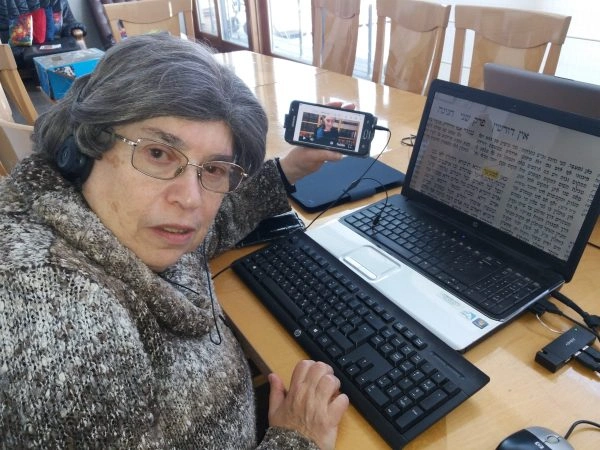
When the new cycle began, I thought, If not now, when? I’d just turned 72. I feel like a tourist on a tour bus passing astonishing scenery each day. Rabbanit Michelle is my beloved tour guide. When the cycle ends, I’ll be 80. I pray that I’ll have strength and mind to continue the journey to glimpse a little more. My grandchildren think having a daf-learning savta is cool!

Wendy Dickstein
Wendy Dickstein

Jerusalem, Israel

I start learning Daf Yomi in January 2020. The daily learning with Rabbanit Michelle has kept me grounded in this very uncertain time. Despite everything going on – the Pandemic, my personal life, climate change, war, etc… I know I can count on Hadran’s podcast to bring a smile to my face.
Deb Engel
Deb Engel

Los Angeles, United States

I started with Ze Kollel in Berlin, directed by Jeremy Borowitz for Hillel Deutschland. We read Masechet Megillah chapter 4 and each participant wrote his commentary on a Sugia that particularly impressed him. I wrote six poems about different Sugiot! Fascinated by the discussions on Talmud I continued to learn with Rabanit Michelle Farber and am currently taking part in the Tikun Olam course.
Yael Merlini
Yael Merlini

Berlin, Germany

The first month I learned Daf Yomi by myself in secret, because I wasn’t sure how my husband would react, but after the siyyum on Masechet Brachot I discovered Hadran and now sometimes my husband listens to the daf with me. He and I also learn mishnayot together and are constantly finding connections between the different masechtot.

Laura Warshawsky
Laura Warshawsky

Silver Spring, Maryland, United States

Hadran entered my life after the last Siyum Hashaas, January 2020. I was inspired and challenged simultaneously, having never thought of learning Gemara. With my family’s encouragement, I googled “daf yomi for women”. A perfecr fit!
I especially enjoy when Rabbanit Michelle connects the daf to contemporary issues to share at the shabbat table e.g: looking at the Kohen during duchaning. Toda rabba

Marsha Wasserman
Marsha Wasserman

Jerusalem, Israel

I started at the beginning of this cycle. No 1 reason, but here’s 5.
In 2019 I read about the upcoming siyum hashas.
There was a sermon at shul about how anyone can learn Talmud.
Talmud references come up when I am studying. I wanted to know more.
Yentl was on telly. Not a great movie but it’s about studying Talmud.
I went to the Hadran website: A new cycle is starting. I’m gonna do this

Denise Neapolitan
Denise Neapolitan

Cambridge, United Kingdom

I was moved to tears by the Hadran Siyyum HaShas. I have learned Torah all my life, but never connected to learning Gemara on a regular basis until then. Seeing the sheer joy Talmud Torah at the siyyum, I felt compelled to be part of it, and I haven’t missed a day!
It’s not always easy, but it is so worthwhile, and it has strengthened my love of learning. It is part of my life now.

Michelle Lewis
Michelle Lewis

Beit Shemesh, Israel

The start of my journey is not so exceptional. I was between jobs and wanted to be sure to get out every day (this was before corona). Well, I was hooked after about a month and from then on only looked for work-from-home jobs so I could continue learning the Daf. Daf has been a constant in my life, though hurricanes, death, illness/injury, weddings. My new friends are Rav, Shmuel, Ruth, Joanna.
Judi Felber
Judi Felber

Raanana, Israel

I am grateful for the structure of the Daf Yomi. When I am freer to learn to my heart’s content, I learn other passages in addition. But even in times of difficulty, I always know that I can rely on the structure and social support of Daf Yomi learners all over the world.

I am also grateful for this forum. It is very helpful to learn with a group of enthusiastic and committed women.

Janice Block-2
Janice Block

Beit Shemesh, Israel

I began learning the daf in January 2022. I initially “flew under the radar,” sharing my journey with my husband and a few close friends. I was apprehensive – who, me? Gemara? Now, 2 years in, I feel changed. The rigor of a daily commitment frames my days. The intellectual engagement enhances my knowledge. And the virtual community of learners has become a new family, weaving a glorious tapestry.

Gitta Jaroslawicz-Neufeld

Far Rockaway, United States

As Jewish educator and as a woman, I’m mindful that Talmud has been kept from women for many centuries. Now that we are privileged to learn, and learning is so accessible, it’s my intent to complete Daf Yomi. I am so excited to keep learning with my Hadran community.

Sue Parker Gerson
Sue Parker Gerson

Denver, United States

I started learning Daf in Jan 2020 with Brachot b/c I had never seen the Jewish people united around something so positive, and I wanted to be a part of it. Also, I wanted to broaden my background in Torah Shebal Peh- Maayanot gave me a great gemara education, but I knew that I could hold a conversation in most parts of tanach but almost no TSB. I’m so thankful for Daf and have gained immensely.

Meira Shapiro
Meira Shapiro

NJ, United States

I was exposed to Talmud in high school, but I was truly inspired after my daughter and I decided to attend the Women’s Siyum Shas in 2020. We knew that this was a historic moment. We were blown away, overcome with emotion at the euphoria of the revolution. Right then, I knew I would continue. My commitment deepened with the every-morning Virtual Beit Midrash on Zoom with R. Michelle.

Adina Hagege
Adina Hagege

Zichron Yaakov, Israel

I started the daf at the beginning of this cycle in January 2020. My husband, my children, grandchildren and siblings have been very supportive. As someone who learned and taught Tanach and mefarshim for many years, it has been an amazing adventure to complete the six sedarim of Mishnah, and now to study Talmud on a daily basis along with Rabbanit Michelle and the wonderful women of Hadran.

Rookie Billet
Rookie Billet

Jerusalem, Israel

After enthusing to my friend Ruth Kahan about how much I had enjoyed remote Jewish learning during the earlier part of the pandemic, she challenged me to join her in learning the daf yomi cycle. I had always wanted to do daf yomi but now had no excuse. The beginning was particularly hard as I had never studied Talmud but has become easier, as I have gained some familiarity with it.

Susan-Vishner-Hadran-photo-scaled
Susan Vishner

Brookline, United States

I began my Daf Yomi journey on January 5, 2020. I had never learned Talmud before. Initially it struck me as a bunch of inane and arcane details with mind bending logic. I am now smitten. Rabbanit Farber brings the page to life and I am eager to learn with her every day!

Lori Stark
Lori Stark

Highland Park, United States

Geri Goldstein got me started learning daf yomi when I was in Israel 2 years ago. It’s been a challenge and I’ve learned a lot though I’m sure I miss a lot. I quilt as I listen and I want to share what I’ve been working on.

Rebecca Stulberg
Rebecca Stulberg

Ottawa, Canada

In my Shana bet at Migdal Oz I attended the Hadran siyum hash”as. Witnessing so many women so passionate about their Torah learning and connection to God, I knew I had to begin with the coming cycle. My wedding (June 24) was two weeks before the siyum of mesechet yoma so I went a little ahead and was able to make a speech and siyum at my kiseh kallah on my wedding day!

Sharona Guggenheim Plumb

Givat Shmuel, Israel

About a year into learning more about Judaism on a path to potential conversion, I saw an article about the upcoming Siyum HaShas in January of 2020. My curiosity was piqued and I immediately started investigating what learning the Daf actually meant. Daily learning? Just what I wanted. Seven and a half years? I love a challenge! So I dove in head first and I’ve enjoyed every moment!!
Nickie Matthews
Nickie Matthews

Blacksburg, United States

Hadran entered my life after the last Siyum Hashaas, January 2020. I was inspired and challenged simultaneously, having never thought of learning Gemara. With my family’s encouragement, I googled “daf yomi for women”. A perfecr fit!
I especially enjoy when Rabbanit Michelle connects the daf to contemporary issues to share at the shabbat table e.g: looking at the Kohen during duchaning. Toda rabba

Marsha Wasserman
Marsha Wasserman

Jerusalem, Israel

Shabbat 10

הָתָם לָא שְׁכִיחָא שִׁכְרוּת, הָכָא שְׁכִיחָא שִׁכְרוּת. אִי נָמֵי, בְּמִנְחָה — כֵּיוָן דִּקְבִיעָא לַהּ זִימְנָא מִירְתַת וְלָא אָתֵי לְמִפְשַׁע. עַרְבִית — כֵּיוָן דְּכוּלֵּהּ לֵילְיָא זְמַן עַרְבִית, לָא מִירְתַת וְאָתֵי לְמִפְשַׁע. מַתְקִיף לַהּ רַב שֵׁשֶׁת: טְרִיחוּתָא לְמֵיסַר הֶמְיָינֵיהּ?! וְעוֹד, לֵיקוּ הָכִי וְלִיצַלֵּי! — מִשּׁוּם שֶׁנֶּאֱמַר: ״הִכּוֹן לִקְרַאת אֱלֹהֶיךָ יִשְׂרָאֵל״.

The Gemara responds that there is a difference between the cases. There, at the time of the afternoon prayer, drunkenness is uncommon, as it is unusual to drink excessively during the day. However, here, in the case of the evening prayer, drunkenness is common, and therefore there was room to issue a decree requiring one to interrupt his meal to recite the evening prayer. Alternatively, it is possible to explain that with regard to the afternoon prayer, since its time is fixed, he is anxious, and he won’t come to be negligent and forget to pray. However, with regard to the evening prayer, since all night is the time for the evening prayer, he is not anxious, and he will come to be negligent. Rav Sheshet strongly objects to this: Is it a burden to tie his belt? In addition, if it is a burden, let him stand that way, without a belt, and pray. The Gemara answers: It is necessary to wear a belt while praying, since it is stated: “Prepare to greet your God, Israel (Amos 4:12). One must prepare and adorn himself when standing before God.

רָבָא בַּר רַב הוּנָא רָמֵי פּוּזְמָקֵי וּמְצַלֵּי, אָמַר: ״הִכּוֹן לִקְרַאת״ וְגוֹ׳. רָבָא שָׁדֵי גְּלִימֵיהּ וּפָכַר יְדֵיהּ וּמְצַלֵּי. אָמַר: ״כְּעַבְדָּא קַמֵּיהּ מָרֵיהּ״. אָמַר רַב אָשֵׁי: חֲזֵינָא לֵיהּ לְרַב כָּהֲנָא כִּי אִיכָּא צַעֲרָא בְּעָלְמָא, שָׁדֵי גְּלִימֵיהּ וּפָכַר יְדֵיהּ וּמְצַלֵּי. אָמַר: ״כְּעַבְדָּא קַמֵּי מָרֵיהּ״. כִּי אִיכָּא שְׁלָמָא לָבֵישׁ וּמִתְכַּסֵּי וּמִתְעַטֵּף וּמְצַלֵּי. אָמַר: ״הִכּוֹן לִקְרַאת אֱלֹהֶיךָ יִשְׂרָאֵל״.

Since the verse: “Prepare to greet your God, Israel,” was cited with regard to the obligation to prepare and adorn oneself before prayer, the Gemara cites that indeed Rava bar Rav Huna would don expensive socks and pray and he said he would do this as it is written: “Prepare to greet your God, Israel.” On the other hand, Rava would not do so; rather, in his prayer he would remove his cloak and clasp his hands and pray. He said that he would do so as a slave before his master, who appears before him with extreme submission. Rav Ashi said: I saw that Rav Kahana, when there is suffering in the world, would remove his cloak and clasp his hands and pray. And he said that he did so as a slave before his master. When there is peace in the world, he would dress, and cover himself, and wrap himself in a significant garment, and pray, and he said that he did so in fulfillment of the verse: “Prepare to greet your God, Israel.”

רָבָא חַזְיֵיהּ לְרַב הַמְנוּנָא דְּקָא מַאֲרֵיךְ בִּצְלוֹתֵיהּ. אֲמַר: מַנִּיחִין חַיֵּי עוֹלָם, וְעוֹסְקִים בְּחַיֵּי שָׁעָה. וְהוּא סָבַר זְמַן תְּפִלָּה לְחוּד וּזְמַן תּוֹרָה לְחוּד. רַבִּי יִרְמְיָה הֲוָה יָתֵיב קַמֵּיהּ דְּרַבִּי זֵירָא וַהֲווֹ עָסְקִי בִּשְׁמַעְתָּא. נְגַהּ לְצַלּוֹיֵי וַהֲוָה קָא מְסַרְהֵב רַבִּי יִרְמְיָה. קָרֵי עֲלֵיהּ רַבִּי זֵירָא: ״מֵסִיר אׇזְנוֹ מִשְּׁמוֹעַ תּוֹרָה גַּם תְּפִלָּתוֹ תּוֹעֵבָה״.

Speaking of prayer, the Gemara relates that Rava saw Rav Hamnuna, who was prolonging his prayer. He said about him: They abandon eternal life, the study of Torah, and engage in temporal life, prayer, which includes requests for mundane needs. The Gemara explains: And Rav Hamnuna held that the time for prayer is distinct and the time for Torah is distinct. The time that one devotes to prayer is not at the expense of the time devoted to Torah study. Similarly, the Gemara relates that Rabbi Yirmeya was sitting before Rabbi Zeira and they were engaged in the study of halakha. The time for prayer was approaching and it was getting late and Rabbi Yirmeya was hurrying to conclude the subject that they were studying in order to pray. Rabbi Zeira read this verse as applying to Rabbi Yirmeya: “One who turns his ear from hearing Torah, his prayer is also an abomination” (Proverbs 28:9).

מֵאֵימָתַי הַתְחָלַת דִּין? — רַבִּי יִרְמְיָה וְרַבִּי יוֹנָה. חַד אָמַר מִשֶּׁיִּתְעַטְּפוּ הַדַּיָּינִין. וְחַד אָמַר מִשֶּׁיִּפְתְּחוּ בַּעֲלֵי דִינִים. וְלָא פְּלִיגִי, הָא, דְּעָסְקִי וְאָתוּ בְּדִינָא. הָא, דְּלָא עָסְקִי וְאָתוּ בְּדִינָא.

We learned that if one enters to sit in judgment adjacent to minḥa, he need not interrupt the trial and pray. The Gemara clarifies: From when is it considered the beginning of a trial? Rabbi Yirmeya and Rabbi Yona disagreed. One said that it begins from when the judges wrap themselves in their prayer shawls, as judges were accustomed to do before sitting in judgment. And one of them said that the beginning of judgment is from when the litigants begin articulating their claims. The Gemara comments: And they do not disagree. Rather, this amora, who says that it is from when the litigants begin, refers to a case where they were already engaged in a previous trial, and the judges were already wrapped in their prayer shawls. And that amora, who says that it is from when the judges wrap themselves in their prayer shawls, refers to a case where they were not engaged in a previous trial, and, as a result, the trial begins when they wrap themselves in the prayer shawls.

רַב אַמֵּי וְרַב אַסִּי הֲווֹ יָתְבִי וְגָרְסִי בֵּינֵי עַמּוּדֵי. וְכֹל שַׁעְתָּא וְשַׁעְתָּא הֲווֹ טָפְחִי אַעֵיבְרָא דְּדַשָּׁא וְאָמְרִי: אִי אִיכָּא דְּאִית לֵיהּ דִּינָא, לֵיעוּל וְלֵיתֵי. רַב חִסְדָּא וְרַבָּה בַּר רַב הוּנָא הֲווֹ יָתְבִי בְּדִינָא כּוּלֵּי יוֹמָא, הֲוָה קָא חָלֵישׁ לִבַּיְיהוּ. תְּנָא לְהוּ רַב חִיָּיא בַּר רַב מִדִּפְתִּי: ״וַיַּעֲמֹד הָעָם עַל מֹשֶׁה מִן הַבֹּקֶר עַד הָעָרֶב״, וְכִי תַּעֲלֶה עַל דַּעְתְּךָ שֶׁמּשֶׁה יוֹשֵׁב וְדָן כׇּל הַיּוֹם כּוּלּוֹ? תּוֹרָתוֹ מָתַי נַעֲשֵׂית? אֶלָּא לוֹמַר לָךְ כׇּל דַּיָּין שֶׁדָּן דִּין אֱמֶת לַאֲמִיתּוֹ, אֲפִילּוּ שָׁעָה אַחַת, מַעֲלֶה עָלָיו הַכָּתוּב כְּאִילּוּ נַעֲשָׂה שׁוּתָּף לְהַקָּדוֹשׁ בָּרוּךְ הוּא בְּמַעֲשֵׂה בְרֵאשִׁית. כְּתִיב הָכָא: ״וַיַּעֲמֹד הָעָם עַל מֹשֶׁה מִן הַבֹּקֶר עַד הָעָרֶב״, וּכְתִיב הָתָם: ״וַיְהִי עֶרֶב וַיְהִי בֹקֶר יוֹם אֶחָד״.

Speaking of judgment, the Gemara relates that Rav Ami and Rav Asi would sit and study between the pillars beneath the study hall. And each and every hour they would knock on the bolt of the door and say: If there is someone who has a case that requires judgment, let him enter and come before us. The Gemara also relates that Rav Ḥisda and Rabba bar Rav Huna would sit in judgment all day and their hearts would grow weak from hunger. Therefore, Rav Ḥiyya bar Rav from Difti taught them a baraita with regard to the verse: “And it was the next day and Moses sat to judge the people and the people stood over Moses from the morning until the evening” (Exodus 18:13). Does it enter your mind that Moses would sit and judge all day long? If so, when was his Torah study accomplished? Rather, surely the verse is coming to tell you: Any judge who judges a true judgment truthfully, even if he sits in judgment only one hour, the verse ascribes to him as if he became a partner to the Holy One, Blessed be He, in the act of Creation, as by means of a true judgment he upholds the world (Me’iri). This conclusion is derived by means of a verbal analogy [gezera shava]: It is written here: “And the people stood over Moses from the morning until the evening.” And it is written there, in the act of Creation: “And it was evening and it was morning, one day” (Genesis 1:5). The evening and part of the morning are considered a whole day. With regard to this issue as well, it is sufficient for the judges to sit in judgment for only part of the day and there is no need for them to starve themselves by sitting in judgment all day.

עַד מָתַי יוֹשְׁבִין בַּדִּין? אָמַר רַב שֵׁשֶׁת: עַד זְמַן סְעוּדָה. אָמַר רַב חָמָא: מַאי קְרָא? — דִּכְתִיב: ״אִי לָךְ אֶרֶץ שֶׁמַּלְכֵּךְ נָעַר וְשָׂרַיִךְ בַּבֹּקֶר יֹאכֵלוּ. אַשְׁרֵיךְ אֶרֶץ שֶׁמַּלְכֵּךְ בֶּן חוֹרִים וְשָׂרַיִךְ בָּעֵת יֹאכֵלוּ בִּגְבוּרָה וְלֹא בַשְּׁתִי״. בִּגְבוּרָה שֶׁל תּוֹרָה, וְלֹא בִּשְׁתִיָּיה שֶׁל יַיִן.

The Gemara questions further: Until when do they sit in judgment? What is the usual time that court adjourns? Rav Sheshet said: Until mealtime, noon. Rav Ḥama said: What is the verse that alludes to this? As it is written: “Woe to you, land that your king is a lad and your ministers eat in the morning. Happy are you, land that your king is free and your ministers eat on time in strength and not in drunkenness” (Ecclesiastes 10:16–17). He interprets the verse: The ministers in a proper country sit to eat only after they engaged in the strength of Torah and in judgment and not in the drunkenness of wine.

תָּנוּ רַבָּנַן: שָׁעָה רִאשׁוֹנָה — מַאֲכַל לוּדִים. שְׁנִיָּה — מַאֲכַל לִסְטִים. שְׁלִישִׁית — מַאֲכַל יוֹרְשִׁין. רְבִיעִית — מַאֲכַל פּוֹעֲלִים. חֲמִישִׁית — מַאֲכַל כׇּל אָדָם.

The Sages taught in a baraita: Eating in the first hour of the morning is the time of eating for Ludim, who are members of a nation of cannibals, and they are ravenous and hurry to eat. The second hour is the time of the eating of robbers. Since they spend the night stealing, they eat early in the morning. The third hour is the time of eating for heirs, i.e., people who inherited a lot of money and do not work for their sustenance. Their only preoccupation in the early hours of the morning is eating. The fourth hour is the time of eating for workers. The fifth hour is the time of eating for all people.

אִינִי?! וְהָאָמַר רַב פָּפָּא רְבִיעִית זְמַן סְעוּדָה לְכׇל אָדָם! אֶלָּא רְבִיעִית מַאֲכַל כׇּל אָדָם. חֲמִישִׁית — מַאֲכַל פּוֹעֲלִים. שִׁשִּׁית — מַאֲכַל תַּלְמִידֵי חֲכָמִים. מִכָּאן וְאֵילָךְ — כְּזוֹרֵק אֶבֶן לַחֵמֶת. אָמַר אַבָּיֵי: לָא אֲמַרַן אֶלָּא דְּלָא טְעֵים מִידֵּי בְּצַפְרָא, אֲבָל טְעֵים מִידֵּי בְּצַפְרָא — לֵית לַן בַּהּ.

The Gemara asks: Is that so? Didn’t Rav Pappa say that the fourth hour is mealtime for all people? Rather, emend the statement and say: The fourth hour is the time of eating for all people. The fifth hour is the time of eating for workers who do not have time to eat beforehand. The sixth hour is the time of eating for Torah scholars as, until then, court is in session. The Gemara adds: One who eats from then on is as if he is throwing a stone into a barrel, meaning that by then it does not contribute to the body’s health. Abaye said: We only said that eating from the sixth hour on is not beneficial, when he did not taste anything in the morning; however, if he tasted something in the morning, we have no problem with it.

אָמַר רַב אַדָּא בַּר אַהֲבָה: מִתְפַּלֵּל אָדָם תְּפִלָּתוֹ בְּבֵית הַמֶּרְחָץ. מֵיתִיבִי: הַנִּכְנָס לְבֵית הַמֶּרְחָץ, מָקוֹם שֶׁבְּנֵי אָדָם עוֹמְדִין לְבוּשִׁין — יֵשׁ שָׁם מִקְרָא וּתְפִלָּה. וְאֵין צָרִיךְ לוֹמַר שְׁאֵילַת שָׁלוֹם. וּמַנִּיחַ תְּפִילִּין, וְאֵין צָרִיךְ לוֹמַר שֶׁאֵינוֹ חוֹלֵץ.

Rav Adda bar Ahava said: A person may, ab initio, recite his prayer in the bathhouse. The Gemara raises an objection from what was taught in the Tosefta: One who enters the bathhouse, in the first room, a place where all people stand dressed, it is like any other place and reading the Torah and prayer are permitted there, and, needless to say, in that room greeting [shalom] others is permitted. And he may don phylacteries there, and, needless to say, if he was already donning phylacteries that he need not remove them.

מָקוֹם שֶׁבְּנֵי אָדָם עוֹמְדִים עֲרוּמִּים וּלְבוּשִׁין — יֵשׁ שָׁם שְׁאֵילַת שָׁלוֹם, וְאֵין שָׁם מִקְרָא וּתְפִלָּה, וְאֵינוֹ חוֹלֵץ תְּפִילִּין, וְאֵינוֹ מַנִּיחַ לְכַתְּחִלָּה.

In the next room, a place where people dress and undress and they stand both naked and dressed, greeting others is permitted there. However, reading the Torah and prayer are not permitted there. And if one was already donning phylacteries there, he need not remove the phylacteries. However, he may not don phylacteries there ab initio.

מָקוֹם שֶׁבְּנֵי אָדָם עוֹמְדִין עֲרוּמִּים — אֵין שָׁם שְׁאֵילַת שָׁלוֹם, וְאֵין צָרִיךְ לוֹמַר מִקְרָא וּתְפִלָּה, וְחוֹלֵץ תְּפִילִּין, וְאֵין צָרִיךְ לוֹמַר שֶׁאֵינוֹ מַנִּיחָן!

In the innermost room, which is a place where people stand naked, greeting others is not permitted there, and, needless to say, reading the Torah and prayer are prohibited there. And if he is donning phylacteries there, he must remove the phylacteries, and, needless to say, he may not don them there ab initio. Apparently, the Tosefta contradicts the statement of Rav Adda bar Ahava as he was, no doubt, referring to the innermost room in the bathhouse, which alone is referred to simply as a bathhouse, and, according to him, one may pray there ab initio.

כִּי קָאָמַר רַב אַדָּא בַּר אַהֲבָה בְּמֶרְחָץ שֶׁאֵין בּוֹ אָדָם. וְהָא אָמַר רַבִּי יוֹסֵי בַּר חֲנִינָא: מֶרְחָץ שֶׁאָמְרוּ אַף עַל פִּי שֶׁאֵין בּוֹ אָדָם, בֵּית הַכִּסֵּא שֶׁאָמְרוּ אַף עַל פִּי שֶׁאֵין בּוֹ צוֹאָה!

The Gemara answers: When Rav Adda bar Ahava said his halakha, he was referring to an empty bathhouse in which there are no people. The Gemara asks: Didn’t Rabbi Yosei bar Ḥanina say: With regard to the bathhouse in which they said that it is prohibited to pray, the prohibition exists even though there are no people in it? With regard to the bathroom in which they said that it is prohibited to pray, the prohibition exists even though there are no feces in it. Certainly, since the place serves a repugnant purpose, it is inappropriate to pray there at any time.

אֶלָּא כִּי קָאָמַר רַב אַדָּא, בְּחַדְתֵי. וְהָא מִבְעָא בְּעָא לֵיהּ רָבִינָא: הִזְמִינוֹ לְבֵית הַכִּסֵּא מַהוּ, יֵשׁ זִימּוּן אוֹ אֵין זִימּוּן? וְלָא אִיפְּשִׁיטָא לֵיהּ. לָאו הוּא הַדִּין לְמֶרְחָץ? לָא, דִּילְמָא

The Gemara answers: Rather, when Rav Adda made his statement, he was referring to a new bathhouse that had not yet been used for bathing. The Gemara asks: Didn’t Ravina raise a dilemma before Rav Adda with regard to this matter: A place that one designated as a bathroom, what is its legal status as far as praying there is concerned? Is there designation as a significant and determining factor in this case? Or, is designation not a halakhically significant matter? And the dilemma was not resolved for him. Is the same not true with regard to the bathhouse? Doesn’t the same dilemma exist there? The Gemara answers: No, perhaps

שָׁאנֵי בֵּית הַכִּסֵּא דִּמְאִיס.

the bathroom is different, as it is disgusting. Once a place is called a bathroom it is disgusting and no longer fit for prayer. However, until he actually bathes in a bathhouse it remains fit for prayer.

אֵין שָׁם שְׁאֵילַת שָׁלוֹם. מְסַיַּיע לֵיהּ לְרַב הַמְנוּנָא מִשְּׁמֵיהּ דְּעוּלָּא דְּאָמַר: אָסוּר לְאָדָם שֶׁיִּתֵּן שָׁלוֹם לַחֲבֵירוֹ בְּבֵית הַמֶּרְחָץ, מִשּׁוּם שֶׁנֶּאֱמַר ״וַיִּקְרָא לוֹ ה׳ שָׁלוֹם״.

It was taught in the Tosefta: There is no greeting [shalom] others permitted in the bathhouse. The Gemara comments that this statement supports the opinion of Rav Hamnuna in the name of Ulla, who said: It is forbidden for a person to greet [shalom] his friend in the bathhouse because Shalom is one of the names of God, as it is stated: “And Gideon built there an altar for God and he called Him Lord Shalom” (Judges 6:24). Therefore, it is prohibited to utter the word shalom in a dishonorable place.

אֶלָּא מֵעַתָּה ״הֵימָנוּתָא״ נָמֵי אָסוּר לְמֵימַר בְּבֵית הַכִּסֵּא, דִּכְתִיב: ״הָאֵל הַנֶּאֱמָן״. וְכִי תֵּימָא הָכִי נָמֵי, וְהָאָמַר רָבָא בַּר מַחְסֵיָא, אָמַר רַב חָמָא בַּר גּוּרְיָא, אָמַר רַב: שָׁרֵי לְמֵימַר ״הֵימָנוּתָא״ בְּבֵית הַכִּסֵּא! הָתָם שֵׁם גּוּפֵיהּ לָא אִיקְּרִי הָכִי, דִּמְתַרְגְּמִינַן ״אֱלָהָא מְהֵימְנָא״, הָכָא שֵׁם גּוּפֵיהּ אִיקְּרִי ״שָׁלוֹם״ דִּכְתִיב ״וַיִּקְרָא לוֹ ה׳ שָׁלוֹם״.

The Gemara asks: But if so, words connoting faithfulness are also forbidden to say in the bathroom, as it is written “The faithful God who keeps the covenant and the kindness” (Deuteronomy 7:9). And if you say that it is indeed so, that it is forbidden to use the language of faithfulness in the bathroom, didn’t Rava bar Meḥasseya say that Rav Ḥama bar Gurya said that Rav said: It is permitted to say faithfulness in the bathroom? The Gemara answers: There is a difference between the terms: There, the name of God itself is not called in that way, as we translate it as “the faithful God.” However, here, the name of God Himself is called Shalom, as it is written: “And he called Him Lord Shalom.” It is not an adjective, but a holy name in and of itself.

וְאָמַר רָבָא בַּר מַחְסֵיָא אָמַר רַב חָמָא בַּר גּוּרְיָא אָמַר רַב: הַנּוֹתֵן מַתָּנָה לַחֲבֵירוֹ, צָרִיךְ לְהוֹדִיעוֹ. שֶׁנֶּאֱמַר: ״לָדַעַת כִּי אֲנִי ה׳ מְקַדִּשְׁכֶם״. תַּנְיָא נָמֵי הָכִי: ״לָדַעַת כִּי אֲנִי ה׳ מְקַדִּשְׁכֶם״, אָמַר לוֹ הַקָּדוֹשׁ בָּרוּךְ הוּא לְמֹשֶׁה: מַתָּנָה טוֹבָה יֵשׁ לִי בְּבֵית גְּנָזַי וְשַׁבָּת שְׁמָהּ, וַאֲנִי מְבַקֵּשׁ לִיתְּנָהּ לְיִשְׂרָאֵל, לֵךְ וְהוֹדִיעָם. מִכָּאן אָמַר רַבָּן שִׁמְעוֹן בֶּן גַּמְלִיאֵל: הַנּוֹתֵן פַּת לְתִינוֹק, צָרִיךְ לְהוֹדִיעַ לְאִמּוֹ. מַאי עָבֵיד לֵיהּ? אָמַר אַבָּיֵי: שָׁאֵיף לֵיהּ מִשְׁחָא, וּמָלֵי לֵיהּ כּוּחְלָא. וְהָאִידָּנָא דְּחָיְישִׁינַן לִכְשָׁפִים מַאי? אָמַר רַב פָּפָּא: שָׁאֵיף לֵיהּ מֵאוֹתוֹ הַמִּין.

Incidental to the halakhic statement in his name, the Gemara also cites another statement that Rava bar Meḥasseya said that Rav Ḥama bar Gurya said that Rav said: One who gives a gift to another must inform him that he is giving it to him. As it is stated: “Only keep My Shabbatot for it is a sign between Me and you for your generations to know that I am God Who sanctifies you” (Exodus 31:13). When the Holy One, Blessed be He, gave Shabbat to Israel, He told Moses to inform them about it. That was also taught in a baraita: The verse states: “For I am God Who sanctifies you,” meaning that the Holy One, Blessed be He, said to Moses: I have a good gift in My treasure house and Shabbat is its name, and I seek to give it to Israel. Go inform them about it. From here Rabban Shimon ben Gamliel said: One who gives a gift of bread to a child needs to inform his mother that he gave it to him. The Gemara asks: What does he do to the child, so that his mother will know that he gave him a gift? Abaye said: He should smear him with oil or place blue shadow around his eye in an obvious manner. When the mother of the child notices and asks him about it, he will tell her that so-and-so gave him a piece of bread. The Gemara asks: And now that we are concerned about witchcraft involving oil or eye shadow, what should one who gives a gift do? Rav Pappa said: He should smear him with food of the same type that he gave him to eat.

אִינִי וְהָאָמַר רַב חָמָא (בַּר) [בְּרַבִּי] חֲנִינָא: הַנּוֹתֵן מַתָּנָה לַחֲבֵירוֹ אֵין צָרִיךְ לְהוֹדִיעוֹ, שֶׁנֶּאֱמַר: ״וּמֹשֶׁה לֹא יָדַע כִּי קָרַן עוֹר פָּנָיו בְּדַבְּרוֹ אִתּוֹ״! — לָא קַשְׁיָא: הָא בְּמִילְּתָא דַּעֲבִידָא לְאִגַּלּוֹיֵי, הָא בְּמִילְּתָא דְּלָא עֲבִידָא לְאִגַּלּוֹיֵי. וְהָא שַׁבָּת, דַּעֲבִידָא לִגַלּוֹיֵי? — מַתַּן שְׂכָרָהּ לָא עָבֵיד לִגַלּוֹיֵי.

With regard to the halakha itself, the Gemara asks: Is that so? Didn’t Rav Ḥama bar Ḥanina say: One who gives a gift to his friend need not inform him, as God made Moses’ face glow, and nevertheless it is stated with regard to Moses: “And Moses did not know that the skin of his face shone when He spoke with him” (Exodus 34:29)? The Gemara answers: This is not difficult. When Rav Ḥama bar Ḥanina said that he need not inform him, he was referring to a matter that is likely to be revealed. When Rabban Shimon ben Gamliel said that he needs to inform him, he was referring to a matter that is not likely to be revealed. The Gemara asked: If so, isn’t Shabbat likely to be revealed, as it will be necessary to inform them of Shabbat together with the other mitzvot? Why was Moses asked to inform them about Shabbat separately? The Gemara answers: The giving of its reward is not likely to be revealed, and it was necessary to inform them about so extraordinary a gift.

רַב חִסְדָּא הֲוָה נָקֵיט בִּידֵיהּ תַּרְתֵּי מַתְּנָתָא דְתוֹרָא, אָמַר: כׇּל מַאן דְּאָתֵי וְאָמַר לִי שְׁמַעְתָּתָא חַדְתָּא מִשְּׁמֵיהּ דְּרַב יָהֵיבְנָא לֵיהּ נִיהֲלֵיהּ. אֲמַר לֵיהּ רָבָא בַּר מַחְסֵיָא, הָכִי אָמַר רַב: הַנּוֹתֵן מַתָּנָה לַחֲבֵירוֹ צָרִיךְ לְהוֹדִיעוֹ. שֶׁנֶּאֱמַר: ״לָדַעַת כִּי אֲנִי ה׳ מְקַדִּשְׁכֶם״. יַהֲבַהּ נִיהֲלֵיהּ. אֲמַר חֲבִיבִין עֲלָךְ שְׁמַעְתָּתָא דְּרַב כּוּלֵּי הַאי? אֲמַר לֵיהּ: אִין. אֲמַר לֵיהּ: הַיְינוּ דְּאָמַר רַב: מֵילָתָא אַלָּבֵישַׁיְיהוּ יַקִּירָא. אֲמַר לֵיהּ: אֲמַר רַב הָכִי?! בָּתְרָיְיתָא עֲדִיפָא לִי מִקַּמָּיְיתָא, וְאִי הֲוָה נָקֵיטְנָא אַחֲרִיתִי, יָהֵיבְנָא לָךְ.

The Gemara relates that Rav Ḥisda would take in his hand two gifts of the priesthood separated from an ox. He said: Anyone who comes and tells me a new halakha in the name of Rav, I will give these gifts to him. Rava bar Meḥasseya said to him, Rav said as follows: One who gives a gift to his friend needs to inform him, as it stated: “To know that I am God Who sanctifies you.” He gave the gift to Rava bar Meḥasseya. Rava bar Meḥasseya said to Rav Ḥisda: Are the halakhot of Rav so beloved to you? Rav Ḥisda said to him: Yes. Rava bar Meḥasseya said to him, this is what Rav said: Fine wool is precious to those who wear it (Rav Ya’akov Emden), meaning only a person who is used to delicate items can appreciate their quality. Rav Ḥisda said to him excitedly: Did Rav say that? The latter statement is preferable to me more than the first. And if I were holding another gift I would give it to you.

וְאָמַר רָבָא בַּר מַחְסֵיָא אָמַר רַב חָמָא בַּר גּוּרְיָא אָמַר רַב: לְעוֹלָם אַל יְשַׁנֶּה אָדָם בְּנוֹ בֵּין הַבָּנִים, שֶׁבִּשְׁבִיל מִשְׁקַל שְׁנֵי סְלָעִים מֵילָת שֶׁנָּתַן יַעֲקֹב לְיוֹסֵף יוֹתֵר מִשְּׁאָר בָּנָיו, נִתְקַנְּאוּ בּוֹ אֶחָיו וְנִתְגַּלְגֵּל הַדָּבָר וְיָרְדוּ אֲבוֹתֵינוּ לְמִצְרַיִם.

And Rava bar Meḥasseya said that Rav Ḥama bar Gurya said that Rav said: A person should never distinguish one of his sons from among the other sons by giving him preferential treatment. As, due to the weight of two sela of fine wool [meilat] that Jacob gave to Joseph, beyond what he gave the rest of his sons, in making him the striped coat, his brothers became jealous of him and the matter unfolded and our forefathers descended to Egypt.

וְאָמַר רָבָא בַּר מַחְסֵיָא אָמַר רַב חָמָא בַּר גּוּרְיָא אָמַר רַב: לְעוֹלָם יְחַזֵּר אָדָם וְיֵשֵׁב בְּעִיר שֶׁיְּשִׁיבָתָהּ קְרוֹבָה, שֶׁמִּתּוֹךְ שֶׁיְּשִׁיבָתָהּ קְרוֹבָה עֲוֹנוֹתֶיהָ מוּעָטִין. שֶׁנֶּאֱמַר: ״הִנֵּה נָא הָעִיר הַזֹּאת קְרוֹבָה לָנוּס שָׁמָּה וְהִיא מִצְעָר״. מַאי ״קְרוֹבָה״? אִילֵימָא קְרוֹבָה דְּמִיקָּרְבָא וְזוּטָא — וְהָא קָא חָזוּ לַהּ! אֶלָּא מִתּוֹךְ שֶׁיְּשִׁיבָתָהּ קְרוֹבָה, עֲוֹנוֹתֶיהָ מוּצְעָרִין. אָמַר רַבִּי אָבִין: מַאי קְרָא? — דִּכְתִיב: ״אִמָּלְטָה נָּא שָׁמָּה״. ״נָא״ בְּגִימַטְרִיָּא — חַמְשִׁין וְחַד הָוֵי, וְשֶׁל סְדוֹם חֲמִישִּׁים וּשְׁתַּיִם. וְשַׁלְוָתָהּ

And Rava bar Meḥasseya said that Rav Ḥama bar Gurya said Rav said: A person should always seek and dwell in a city whose settling took place in the recent past, meaning that it was recently established, as due to the fact that its settling is recent its sins are few, as its residents have not yet had the opportunity to commit many sins there. As it is stated that Lot said to the angel: “Behold, here is this city that is close to run away to and it is small” (Genesis 19:20). What is the meaning of the word close? If you say: That it is close in distance and truly small, why did he need to say that to the angel? Didn’t they see it? Rather, the meaning of the word close must be because its settling was close, that it had been recently settled, and therefore its sins were few. Rabbi Avin said: What is the verse that teaches us that Zoar was newer than the other cities? As it is written: “I will escape there please [na]” (Genesis 19:20); the numerological value of nun alef, the letters of the word na, is fifty-one, while Sodom was fifty-two years old. And Sodom’s tranquil period

Want to follow content and continue where you left off?

Create an account today to track your progress, mark what you’ve learned, and follow the shiurim that speak to you.

Clear all items from this list?

This will remove ALL the items in this section. You will lose any progress or history connected to them. This is irreversible.

Cancel
Yes, clear all

Are you sure you want to delete this item?

You will lose any progress or history connected to this item.

Cancel
Yes, delete