










The gemara brings several mishnayot that discuss muktze items and there is a debate whether these mishnayot were taught before the leniencies regarding muktze were put into effect or not? A utensil that is designated for permitted actions on Shabbat and one that is designated for forbidden actions, in what situations can each of these be carried? What is Rabbi Nechemia’s approach? Raba and Rava disagree about how to understand the debate between Rabbi Nechemia and tana kama. Broken utensils – can they be used on Shabbat and if so, how? There is a debate regarding this and within that there is a discussion about what types of broken utensils are they arguing about – ones that broke on Shabbat or before Shabbat? Is it an issue of nolad, something that didn’t exist before Shabbat as it was part of a whole before Shabbat and now it is broken?
This week’s learning is sponsored by Tina Lamm for the refuah shleima for מעין ליאורה בת שלומית פייגא. “Our precious Maya”
Want to dedicate learning? Get started here:

Today’s daily daf tools:
This week’s learning is sponsored by Tina Lamm for the refuah shleima for מעין ליאורה בת שלומית פייגא. “Our precious Maya”
Shabbat 124
יָדוֹ עַל כֶּתֶף חֲבֵירוֹ וְיַד חֲבֵירוֹ עַל כְּתֵיפוֹ, וְתוֹלֶה וּמַפְשִׁיט.
his hand on the shoulder of another, and the other’s hand on his shoulder, and suspends the lamb and flays its hide.
גְּלוֹסְטְרָא — דִּתְנַן: נֶגֶר שֶׁיֵּשׁ בְּרֹאשׁוֹ גְּלוֹסְטְרָא, רַבִּי יְהוֹשֻׁעַ אוֹמֵר: שׁוֹמְטָהּ מִן פֶּתַח זֶה וְתוֹלָהּ בַּחֲבֵירוֹ בְּשַׁבָּת. רַבִּי טַרְפוֹן אוֹמֵר: הֲרֵי הוּא כְּכׇל הַכֵּלִים וּמִיטַּלְטֵל בֶּחָצֵר.
The source for the thick end of a bolt is as we learned in a mishna: With regard to a bolt used in a door lock which has a thick end at the head of the bolt, Rabbi Yehoshua says: One may drag it from this doorway and hang it in another doorway on Shabbat, but he may not move it with his hands, because it was considered to be set-aside. Rabbi Tarfon says: It is like all the other utensils and may be moved in a courtyard.
מְדוֹכָה — הָא דַּאֲמַרַן. אָמַר רַבָּה: מִמַּאי, דִּילְמָא לְעוֹלָם אֵימָא לְךָ לְאַחַר הַתָּרַת כֵּלִים נִשְׁנוּ: קָנִים טַעְמָא מַאי — מִשּׁוּם אִיעַפּוֹשֵׁי, בְּהַאי פּוּרְתָּא לָא מִיעַפַּשׁ. מַקְלוֹת, אֶפְשָׁר כְּרַבִּי אֶלְעָזָר.
The case of a mortar is that which we said above. Rabba said: From what does that conclusion ensue? Perhaps, actually I could say to you that these mishnayot were taught after permission to move utensils on Shabbat was adopted, and nevertheless, the prohibitions can be understood. With regard to the rods for the showbread, what is the reason that they are used? They are used due to concern that the bread will decay. In that brief period until the conclusion of Shabbat it will not decay. With regard to poles, why may they not be used on Passover eve? It is prohibited because it is possible to flay the lamb in accordance with the opinion of Rabbi Elazar. Use of the pole is superfluous, and therefore it is set-aside.
גְּלוֹסְטְרָא — כִּדְרַבִּי יַנַּאי, דַּאֲמַר רַבִּי יַנַּאי: בְּחָצֵר שֶׁאֵינָהּ מְעוֹרֶבֶת עָסְקִינַן, רַבִּי יְהוֹשֻׁעַ סָבַר: תּוֹךְ הַפֶּתַח כְּלִפְנִים דָּמֵי וְקָמְטַלְטֵל מָנָא דְבָתִּים בְּחָצֵר. וְרַבִּי טַרְפוֹן סָבַר: תּוֹךְ הַפֶּתַח כְּלַחוּץ דָּמֵי, וּמָנָא דְחָצֵר בְּחָצֵר קָא מְטַלְטֵל.
In the case of the thick end of the bolt in the door, why was it prohibited to move it by hand? It was prohibited in accordance with the opinion of Rabbi Yanai, as Rabbi Yanai says: We are dealing with a courtyard for which a joining of courtyards [eiruv] was not established. Rabbi Yehoshua holds that inside the doorway is considered to be like inside the house, and therefore, he is moving utensils of the houses in the courtyard. Since there is no joining of the courtyards, one may not move a vessel from the house to the courtyard. And Rabbi Tarfon holds that inside the doorway is considered to be like outside the house, and therefore, he is moving utensils of the courtyard in the courtyard, which is permitted.
מְדוֹכָה — רַבִּי נְחֶמְיָה הִיא.
With regard to a mortar, the halakha is in accordance with the opinion of Rabbi Neḥemya, who holds that a vessel may only be moved on Shabbat for the purpose of its designated use.
מַתְנִי׳ כׇּל הַכֵּלִים נִיטָּלִין לְצוֹרֶךְ וְשֶׁלֹּא לְצוֹרֶךְ. רַבִּי נְחֶמְיָה אוֹמֵר: אֵין נִיטָּלִין אֶלָּא לְצוֹרֶךְ.
MISHNA: All vessels may be moved for a specific purpose and not for a specific purpose. Rabbi Neḥemya says: Vessels may only be moved for a specific purpose.
גְּמָ׳ מַאי ״לְצוֹרֶךְ״ וּמַאי ״שֶׁלֹּא לְצוֹרֶךְ״?
GEMARA: The Gemara asks: What is the meaning of: For a specific purpose, and what is the meaning of: Not for a specific purpose?
אָמַר רַבָּה: ״לְצוֹרֶךְ״ — דָּבָר שֶׁמְּלַאכְתּוֹ לְהֶיתֵּר לְצוֹרֶךְ גּוּפוֹ. ״שֶׁלֹּא לְצוֹרֶךְ״ — דָּבָר שֶׁמְּלַאכְתּוֹ לְהֶיתֵּר לְצוֹרֶךְ מְקוֹמוֹ, וְדָבָר שֶׁמְּלַאכְתּוֹ לְאִיסּוּר, לְצוֹרֶךְ גּוּפוֹ — אִין, לְצוֹרֶךְ מְקוֹמוֹ — לָא. וַאֲתָא רַבִּי נְחֶמְיָה לְמֵימַר וַאֲפִילּוּ דָּבָר שֶׁמְּלַאכְתּוֹ לְהֶיתֵּר, לְצוֹרֶךְ גּוּפוֹ — אִין, לְצוֹרֶךְ מְקוֹמוֹ — לָא. אֲמַר לֵיהּ רָבָא: לְצוֹרֶךְ מְקוֹמוֹ, ״שֶׁלֹּא לְצוֹרֶךְ״ קָרֵית לֵיהּ?!
Rabba said: For a specific purpose means: Moving an object whose primary function is for a permitted use for the purpose of utilizing the object itself. Not for a specific purpose means: Moving an object whose primary function is for a permitted use for the purpose of utilizing its place. And an object whose primary function is for a prohibited use, for the purpose of utilizing the object itself, yes, it is permitted; for the purpose of utilizing its place, no, it is prohibited. And Rabbi Neḥemya came to say: And even an object whose primary function is for a permitted use, moving it for the purpose of utilizing the object itself, yes; for the purpose of utilizing its place, no. Rava said to him: Do you call for the purpose of utilizing its place, not for a specific purpose? It is for a purpose.
אֶלָּא אָמַר רָבָא: ״לְצוֹרֶךְ״ — דָּבָר שֶׁמְּלַאכְתּוֹ לְהֶיתֵּר, בֵּין לְצוֹרֶךְ גּוּפוֹ בֵּין לְצוֹרֶךְ מְקוֹמוֹ. ״שֶׁלֹּא לְצוֹרֶךְ״ — וַאֲפִילּוּ מֵחַמָּה לַצֵּל. וְדָבָר שֶׁמְּלַאכְתּוֹ לְאִיסּוּר, לְצוֹרֶךְ גּוּפוֹ וּלְצוֹרֶךְ מְקוֹמוֹ — אִין, מֵחַמָּה לַצֵּל — לָא. וַאֲתָא רַבִּי נְחֶמְיָה לְמֵימַר: וַאֲפִילּוּ דָּבָר שֶׁמְּלַאכְתּוֹ לְהֶיתֵּר, לְצוֹרֶךְ גּוּפוֹ וּלְצוֹרֶךְ מְקוֹמוֹ — אִין, מֵחַמָּה לַצֵּל — לָא.
Rather, Rava said: For a specific purpose means: Moving an object whose primary function is for a permitted use both for the purpose of utilizing the object itself and for the purpose of utilizing its place. Not for a specific purpose means: Moving it even from the sun to the shade. And an object whose primary function is for a prohibited use, both for the purpose of utilizing the object itself and for the purpose of utilizing its place, yes, it is permitted; moving it from the sun to the shade, no, it is prohibited. And Rabbi Neḥemya came to say: Even an object whose primary function is for a permitted use, moving it for the purpose of utilizing the object itself and for the purpose of utilizing its place, yes, it is permitted; moving it from the sun to the shade, no, it is prohibited.
יָתֵיב רַב סָפְרָא וְרַב אַחָא בַּר הוּנָא וְרַב הוּנָא בַּר חֲנִינָא, וְיָתְבִי וְקָאָמְרִי: לְרַבָּה אַלִּיבָּא דְּרַבִּי נְחֶמְיָה הָנֵי קְעָרוֹת הֵיכִי מְטַלְטְלִינַן? אֲמַר לְהוּ רַב סָפְרָא: מִידֵּי דְּהָוֵה אַגְּרָף שֶׁל רְעִי.
It is told that Rav Safra and Rav Aḥa bar Huna and Rav Huna bar Ḥanina sat together and they sat and they said: According to Rabba’s explanation in accordance with the opinion of Rabbi Neḥemya that it is prohibited to move an object whose primary function is for a permitted use for the purpose of utilizing its place, these empty bowls, how do we carry them? Rav Safra said to them: You may move them, just as is the case of a chamber pot containing waste that may be moved because it is disgusting.
אֲמַר לֵיהּ אַבָּיֵי לְרַבָּה, לְמָר אַלִּיבָּא דְּרַבִּי נְחֶמְיָה, הָנֵי קְעָרוֹת הֵיכִי מְטַלְטְלִינַן לְהוּ? אֲמַר לֵיהּ: רַב סָפְרָא חַבְרִין תַּרְגְּמַהּ: מִידֵּי דְּהָוֵה אַגְּרָף שֶׁל רְעִי.
Abaye said this same matter to Rabba: According to the Master’s explanation in accordance with the opinion of Rabbi Neḥemya, these empty bowls, how do we carry them? He said to him: Our colleague Rav Safra interpreted it: Just as is the case of a chamber pot.
אֵיתִיבֵיהּ אַבָּיֵי: מְדוֹכָה, אִם יֵשׁ בָּהּ שׁוּם — מְטַלְטְלִין אוֹתָהּ, וְאִם לָאו — אֵין מְטַלְטְלִין אוֹתָהּ. הָכָא בְּמַאי עָסְקִינַן — מֵחַמָּה לַצֵּל. אֵיתִיבֵיהּ: וְשָׁוִין שֶׁאִם קִצֵּב עָלָיו בָּשָׂר שֶׁאָסוּר לְטַלְטְלוֹ! הָכָא נָמֵי מֵחַמָּה לַצֵּל.
Abaye raised an objection to Rava’s opinion from that which was taught: With regard to a mortar, if it has garlic in it, one may move it on Shabbat, and if not, one may not move it on Shabbat. According to Rava’s opinion that all utensils may be moved, why is it prohibited to move the mortar? Rava responded: With what we are dealing here? We are dealing with a case of moving the mortar from the sun to the shade, which Rava prohibited. Abaye raised an objection to Rava’s opinion from that which was taught: Beit Shammai and Beit Hillel agree that if one cut meat on it for the purpose of the Festival that it is then prohibited to move it because there is no further need for it on the Festival. According to Rava’s opinion, all utensils may be moved. He answered him: Here, too, we are dealing with a case of moving the mortar from the sun to the shade.
וְהָא דִּתְנַן: אֵין סוֹמְכִין אֶת הַקְּדֵירָה בִּבְקַעַת וְכֵן בַּדֶּלֶת. וְהָא בְּקַעַת דִּבְיוֹם טוֹב דָּבָר שֶׁמְּלַאכְתּוֹ לְהֶיתֵּר הוּא, אַלְמָא דָּבָר שֶׁמְּלַאכְתּוֹ לְהֶיתֵּר בֵּין לְצוֹרֶךְ גּוּפוֹ בֵּין לְצוֹרֶךְ מְקוֹמוֹ — אָסוּר! הָתָם מַאי טַעְמָא — כֵּיוָן דִּבְשַׁבָּת דָּבָר שֶׁמְּלַאכְתּוֹ לְאִיסּוּר הוּא, גְּזֵירָה יוֹם טוֹב אַטּוּ שַׁבָּת.
And Abaye raised another objection with regard to that which we learned in a mishna: One may not prop a pot with a piece of wood, and so too, one may not prop a door on a piece of wood. Isn’t a piece of wood on a Festival an object whose primary function is for a permitted use, since it is permitted to move it to light an oven? Apparently, there is an opinion that moving an object whose primary function is for a permitted use, both for the purpose of utilizing the object itself and for the purpose of utilizing its place is prohibited, and according to Rabba, even Rabbi Neḥemya does not hold that this is so. Rava answers: There, what is the reason for the prohibition? It is because on Shabbat it is an object whose primary function is for a prohibited use. Since the wood is set aside from use on Shabbat, the Sages issued a decree prohibiting moving it on a Festival, due to Shabbat.
וְכִי תֵּימָא: שַׁבָּת גּוּפֵיהּ תִּישְׁתְּרֵי, דְּהָא דָּבָר שֶׁמְּלַאכְתּוֹ לְאִיסּוּר, לְצוֹרֶךְ גּוּפוֹ וּלְצוֹרֶךְ מְקוֹמוֹ שְׁרֵי — הָנֵי מִילֵּי הֵיכָא דְּאִיכָּא תּוֹרַת כְּלִי עָלָיו, הֵיכָא דְּלֵיכָּא תּוֹרַת כְּלִי עָלָיו — לָא.
And if you say: Moving the wood should be permitted on Shabbat itself because an object whose primary function is for a prohibited use is permitted both for the purpose of utilizing the object itself and for the purpose of utilizing its place, that assertion is rejected. This ruling, which permits moving an object whose primary use is prohibited, applies only in a case where the status of a vessel applies to it; in a case where the status of a vessel does not apply to it, no, it is prohibited.
וּמִי גָּזְרִינַן? וְהָתְנַן: מַשִּׁילִין פֵּירוֹת דֶּרֶךְ אֲרוּבָּה בְּיוֹם טוֹב, אֲבָל לֹא בְּשַׁבָּת!
The Gemara asks: And do we issue decrees prohibiting actions on Festivals due to the fact that they are prohibited on Shabbat? Didn’t we learn in a mishna: One may drop fruits from the roof through a skylight on a Festival, but not on Shabbat. Apparently, the Sages do not prohibit on a Festival all of the actions that are prohibited on Shabbat.
וּמִי לָא גָּזְרִינַן? וְהָתְנַן: אֵין בֵּין יוֹם טוֹב לַשַּׁבָּת אֶלָּא אוֹכֶל נֶפֶשׁ בִּלְבָד!
The Gemara asks on the contrary: And do we not issue decrees on a Festival due to Shabbat? Didn’t we learn in a mishna: The only difference between a Festival and Shabbat is with regard to the preparation of food alone. In all other matters the Sages established that the halakhot of Shabbat and Festivals are the same.
אָמַר רַב יוֹסֵף, לָא קַשְׁיָא: הָא — רַבִּי אֱלִיעֶזֶר, הָא — רַבִּי יְהוֹשֻׁעַ. דְּתַנְיָא: ״אוֹתוֹ וְאֶת בְּנוֹ״ שֶׁנָּפְלוּ לְבוֹר, רַבִּי אֱלִיעֶזֶר אוֹמֵר: מַעֲלֶה אֶת הָרִאשׁוֹן עַל מְנָת לְשׁוֹחְטוֹ, וְשׁוֹחֲטוֹ. וְהַשֵּׁנִי — עוֹשֶׂה לוֹ פַּרְנָסָה בִּמְקוֹמוֹ בִּשְׁבִיל שֶׁלֹּא יָמוּת. רַבִּי יְהוֹשֻׁעַ אוֹמֵר: מַעֲלֶה אֶת הָרִאשׁוֹן עַל מְנָת לְשׁוֹחְטוֹ, וְאֵינוֹ שׁוֹחֲטוֹ, וּמַעֲרִים וּמַעֲלֶה אֶת הַשֵּׁנִי, רָצָה — זֶה שׁוֹחֵט, רָצָה — זֶה שׁוֹחֵט.
Rav Yosef says: This is not difficult. This mishna, which rules that it is prohibited, is in accordance with the opinion of Rabbi Eliezer; that mishna, which rules that it is permitted, is in accordance with the opinion of Rabbi Yehoshua. As it was taught in a baraita: It is prohibited to slaughter a mother animal and its offspring on the same day, as it is stated: “You shall not slaughter it and its offspring both in one day” (Leviticus 22:28). With regard to it and its offspring that fell into a pit on a Festival, Rabbi Eliezer says: One may raise the first in order to slaughter it, and then slaughter it; and with regard to the second one, one may provide it sustenance in its place in the pit so that it will not die. Rabbi Yehoshua says: One may raise the first in order to slaughter it, and then reconsider and not slaughter it, and then employ artifice and say that he reconsidered and wants to slaughter the other, and raise the second. If he so desires, he slaughters this one; if he so desires, he slaughters that one. Apparently, Rabbi Yehoshua permits certain actions on a Festival due to financial considerations, and does not issue decrees in those cases.
מִמַּאי? דִּילְמָא עַד כָּאן לָא קָאָמַר רַבִּי אֱלִיעֶזֶר הָתָם אֶלָּא דְּאֶפְשָׁר בְּפַרְנָסָה, אֲבָל הֵיכָא דְּלָא אֶפְשָׁר בְּפַרְנָסָה לָא.
The Gemara rejects this: From what does that conclusion ensue? Perhaps Rabbi Eliezer only stated that he may not raise the second animal there, in a case where it is possible to save the animal by feeding it in the pit; however, in a case where it is impossible to save it by feeding it in the pit, no, he would permit raising the animal.
אִי נָמֵי, עַד כָּאן לָא קָאָמַר רַבִּי יְהוֹשֻׁעַ הָתָם דְּאֶפְשָׁר בְּהַעֲרָמָה, אֲבָל הֵיכָא דְּלָא אֶפְשָׁר בְּהַעֲרָמָה — לָא!
Alternatively, Rabbi Yehoshua only said that he may raise the second animal in a case where it is possible to employ artifice; however, in a case where it is not possible to employ artifice, no, he would not permit doing so.
אֶלָּא אָמַר רַב פָּפָּא: לָא קַשְׁיָא, הָא — בֵּית שַׁמַּאי, הָא — בֵּית הִלֵּל. דִּתְנַן, בֵּית שַׁמַּאי אוֹמְרִים:
Rather Rav Pappa said: This is not difficult. This mishna is in accordance with the opinion of Beit Shammai, and that mishna is in accordance with the opinion of Beit Hillel. As we learned in a mishna that Beit Shammai say:
אֵין מוֹצִיאִין אֶת הַקָּטָן וְאֶת הַלּוּלָב וְאֶת סֵפֶר תּוֹרָה לִרְשׁוּת הָרַבִּים, וּבֵית הִלֵּל מַתִּירִין.
One may neither carry a child nor a lulav nor a Torah scroll out to the public domain on a Festival, and Beit Hillel permit doing so. Beit Hillel permit carrying objects from one domain to another on a Festival for purposes other than preparing food.
אֵימַר דְּשָׁמְעַתְּ לְהוּ לְבֵית שַׁמַּאי הוֹצָאָה, טִלְטוּל מִי שָׁמְעַתְּ לְהוּ? וְטִלְטוּל גּוּפֵיהּ לָאו מִשּׁוּם הוֹצָאָה הִיא?!
The Gemara rejects this: Say that you heard Beit Shammai prohibit carrying out an object from one domain to another; did you hear that they prohibited moving an object? The Gemara rejects that distinction: And isn’t the prohibition of moving itself a decree issued due to the prohibition of carrying out? One who prohibits carrying out certainly prohibits moving an object as well.
וְאַף רַב סָבַר לַהּ לְהָא דְּרָבָא. דְּאָמַר רַב: מָר שֶׁלֹּא יִגָּנֵב — זֶהוּ טִלְטוּל שֶׁלֹּא לְצוֹרֶךְ, וְאָסוּר. טַעְמָא שֶׁלֹּא יִגָּנֵב, אֲבָל לְצוֹרֶךְ גּוּפוֹ וּלְצוֹרֶךְ מְקוֹמוֹ — מוּתָּר.
The Gemara adds: And even Rav holds in accordance with this halakha of Rava, as Rav said: Moving a hoe so that it will not be stolen; that is an example of moving an object not for a specific purpose, and it is prohibited. The Gemara infers: The reason that it is prohibited is that it is moved so it will not be stolen; however, for the purpose of utilizing the object itself and for the purpose of utilizing its place, it is permitted.
אִינִי?! וְהָא רַב כָּהֲנָא אִיקְּלַע לְבֵי רַב, וַאֲמַר: אַיְיתוֹ לֵיהּ שׁוּתָא לְכָהֲנָא לִיתִּיב עֲלַהּ. לָאו לְמֵימְרָא דְּדָבָר שֶׁמְּלַאכְתּוֹ לְאִיסּוּר, לְצוֹרֶךְ גּוּפוֹ — אִין, לְצוֹרֶךְ מְקוֹמוֹ — לָא!
The Gemara asks: Is that so? Didn’t Rav Kahana happen to come to the house of Rav, and he said: Bring a net for Kahana so that he may sit on it? Is that not to say that with regard to an object whose primary function is prohibited, for the purpose of utilizing the object itself, yes, it is permitted to move it; and for the purpose of utilizing its place, no, it is prohibited?
הָכִי אֲמַר לְהוּ: שְׁקוּלוּ שׁוּתָא מִקַּמֵּי כָּהֲנָא. וְאִי בָּעֵית אֵימָא: הָתָם מֵחַמָּה לַצֵּל הֲוָה.
The Gemara answers that this is what he said to them: Remove the net from before Kahana. That is a case of moving for the purpose of utilizing its place. And if you wish, say instead: There, it was a case of moving the object from the sun to the shade, as it was in a place where it could have been damaged. One might have mistakenly concluded that this was the reason that they were moving the net. Rav specified that the net was being moved for the purpose of utilizing the object itself, not to indicate that moving it for the purpose of utilizing its place is prohibited, but to indicate that moving from the sun to the shade is prohibited.
רַב מָרִי בַּר רָחֵל הֲוָה לֵיהּ הָהוּא בֵּי סַדְיְוָתָא בְּשִׁמְשָׁא. אֲתָא לְקַמֵּיהּ דְּרָבָא, אֲמַר לֵיהּ: מַהוּ לְטַלְטוֹלִינְהוּ? אֲמַר לֵיהּ: שְׁרֵי. אִית לִי אַחֲרִינָא. חֲזוּ לְאוֹרְחִין. אִית לִי נָמֵי לְאוֹרְחִים. אֲמַר לֵיהּ: גַּלִּית אַדַּעְתָּיךְ דִּכְרַבָּה סְבִירָא לָךְ. לְכוּלֵּי עָלְמָא שְׁרֵי, לְדִידָךְ אֲסִיר.
The Gemara relates that Rav Mari bar Raḥel, had felt cushions in the sun on Shabbat. Rav Mari came before Rava and said to him: What is the ruling with regard to carrying them? Rava said to him: It is permitted. Rav Mari said to Rava: I have others, and I do not need these cushions specifically. Rava said to him: Even so, these cushions are suitable for guests. Rav Mari said to him: I also have others for guests and therefore would be moving the cushions so that they would not be ruined in the sun. Rava said to him: You have revealed your opinion that you hold in accordance with the opinion of Rabba. For everyone else, it is permitted to move the cushions in this situation; however, for you, it is prohibited, as it is inappropriate to permit one to perform an action that he considers prohibited.
אָמַר רַבִּי אַבָּא אָמַר רַבִּי חִיָּיא בַּר אָשֵׁי אָמַר רַב: מַכְבֵּדוֹת שֶׁל מֵילָת — מוּתָּר לְטַלְטְלָן בְּשַׁבָּת, אֲבָל שֶׁל תְּמָרָה — לָא.
Rabbi Abba said that Rabbi Ḥiyya bar Ashi said that Rav said: With regard to brooms made of fine wool garments, it is permitted to move them on Shabbat because it is permitted to use them. However, brooms made of date-palm fronds, no, they may not be moved. It is prohibited to fill holes in the ground.
רַבִּי אֶלְעָזָר אוֹמֵר: אַף שֶׁל תְּמָרָה. בְּמַאי עָסְקִינַן? אִילֵימָא לְצוֹרֶךְ גּוּפוֹ וּלְצוֹרֶךְ מְקוֹמוֹ — בְּהָא לֵימָא רַב שֶׁל תְּמָרָה לָא? וְהָא רַב כְּרָבָא סְבִירָא לֵיהּ. אֶלָּא מֵחַמָּה לַצֵּל: בְּהָא לֵימָא רַבִּי אֶלְעָזָר אַף שֶׁל תְּמָרָה? לְעוֹלָם מֵחַמָּה לַצֵּל, אֵימָא: וְכֵן אָמַר רַבִּי אֶלְעָזָר.
Rabbi Elazar says: It is permitted to move even those made of date-palm fronds. The Gemara asks: With what are we dealing? If you say that this is referring to moving it for the purpose of utilizing the object itself and for the purpose of utilizing its place, would Rav say a broom made of date-palm fronds, no, it may not be moved? Doesn’t Rav hold in accordance with the opinion of Rava? Rather, this is referring to moving the broom from the sun to the shade, and that these brooms are in a place where they can be damaged. However, it is still puzzling: In this case, would Rabbi Elazar say that even brooms made from date-palm fronds may be moved? The Gemara answers: Actually, this is referring to moving them from the sun, where they will be damaged, to the shade. Emend this and say: And so too, Rabbi Elazar said, like Rav, that it is prohibited.
מַתְנִי׳ כׇּל הַכֵּלִים הַנִּיטָּלִין בַּשַּׁבָּת — שִׁבְרֵיהֶן נִיטָּלִין עִמָּהֶן, וּבִלְבַד שֶׁיְּהוּ עוֹשִׂין מֵעֵין מְלָאכָה.
MISHNA: All vessels that may be moved on Shabbat, their shards may be moved along with them, as long as they are suited for some purpose.
שִׁבְרֵי עֲרֵיבָה לְכַסּוֹת בָּהֶן אֶת פִּי הֶחָבִית, שִׁבְרֵי זְכוּכִית לְכַסּוֹת בָּהֶן אֶת פִּי הַפַּךְ.
Shards of a large bowl may be used to cover the mouth of a barrel. Shards of a glass vessel may be used to cover the mouth of a cruse.
רַבִּי יְהוּדָה אוֹמֵר: בִּלְבַד שֶׁיְּהוּ עוֹשִׂין מֵעֵין מְלַאכְתָּן: שִׁבְרֵי עֲרֵיבָה לָצוּק לְתוֹכָן מִקְפָּה, וְשֶׁל זְכוּכִית לָצוּק לְתוֹכָן שֶׁמֶן.
Rabbi Yehuda says: As long as they are suited for a purpose similar to their original use. Shards of a large bowl must be suited to pour soup into them, and shards of a glass vessel must be suited to pour oil into them.
גְּמָ׳ אָמַר רַב יְהוּדָה אָמַר שְׁמוּאֵל: מַחֲלוֹקֶת שֶׁנִּשְׁבְּרוּ מֵעֶרֶב שַׁבָּת, דְּמָר סָבַר מֵעֵין מְלַאכְתָּן — אִין, מֵעֵין מְלָאכָה אַחֶרֶת — לָא. וּמָר סָבַר: אֲפִילּוּ מֵעֵין מְלָאכָה אַחֶרֶת.
GEMARA: Rav Yehuda said that Shmuel said: This dispute in the mishna is only with regard to a case where the vessels broke on Shabbat eve, as this Sage, Rabbi Yehuda, holds that if they are suited for a purpose similar to their original use, yes, it is permitted, and for some other use, no, it is prohibited. And this Sage, the Rabbis, hold: Even if they are suited for some other use, it is also permitted.
אֲבָל נִשְׁבְּרוּ בְּשַׁבָּת — דִּבְרֵי הַכֹּל מוּתָּרִין. הוֹאִיל וּמוּכָנִין עַל גַּבֵּי אֲבִיהֶן — מוּתָּר.
But if the vessels broke on Shabbat, everyone agrees they are permitted. The reason for this is since they were designated for Shabbat use and consequently considered prepared at the onset of Shabbat due to their original vessels, it is permitted to move the shards as well.
מוֹתֵיב רַב זוּטְרָא: מַסִּיקִין בְּכֵלִים, וְאֵין מַסִּיקִין בְּשִׁבְרֵי כֵלִים.
Rav Zutrai raised an objection from a baraita: One may kindle a fire on a Festival with whole vessels, but one may not kindle a fire with shards of vessels.
דְּנִשְׁבְּרוּ אֵימַת? אִילֵּימָא דְּנִשְׁבְּרוּ מֵעֶרֶב יוֹם טוֹב? — עֵצִים בְּעָלְמָא נִינְהוּ! אֶלָּא לָאו בְּיוֹם טוֹב, וְקָתָנֵי: מַסִּיקִין בְּכֵלִים וְאֵין מַסִּיקִים בְּשִׁבְרֵי כֵלִים!
The Gemara seeks to clarify: Vessels that were broken when? If you say that they were broken before the Festival, why is it prohibited to light a fire with them? They are pieces of ordinary wood. Isn’t this referring to a case where they broke on the Festival, and it is taught: One may kindle a fire on a Festival with whole vessels, but one may not kindle a fire with shards of vessels. The legal status of a vessel broken on a Festival, and all the more so one broken on Shabbat, is more stringent, not less.
אֶלָּא אִי אִיתְּמַר, הָכִי אִיתְּמַר: אָמַר רַב יְהוּדָה אָמַר שְׁמוּאֵל מַחֲלוֹקֶת שֶׁנִּשְׁבְּרוּ בְּשַׁבָּת, דְּמָר סָבַר מוּכָן הוּא, וּמָר סָבַר נוֹלָד הוּא, אֲבָל מֵעֶרֶב שַׁבָּת — דִּבְרֵי הַכֹּל מוּתָּרִין, הוֹאִיל וְהוּכְנוּ לִמְלָאכָה מִבְּעוֹד יוֹם.
Rather, if it was stated, it was stated as follows. Rav Yehuda said that Shmuel said: This dispute in the mishna is only with regard to a case where the vessels broke on Shabbat, as this Sage, the Rabbis, holds it was prepared before Shabbat as part of the original vessel, and this Sage, Rabbi Yehuda, holds that it is an item that came into being on Shabbat. Since they were not shards before Shabbat, they are a new entity and are set-aside. However, if they were broken from before the onset of Shabbat everyone agrees that it is permitted to move them, since they were prepared to serve some function while it was still day, before the onset of Shabbat.
תָּנֵי חֲדָא: מַסִּיקִין בְּכֵלִים, וְאֵין מַסִּיקִין בְּשִׁבְרֵי כֵלִים. וְתַנְיָא אִידַּךְ: כְּשֵׁם שֶׁמַּסִּיקִין בְּכֵלִים, כָּךְ מַסִּיקִין בְּשִׁבְרֵי כֵלִים. וְתַנְיָא אִידַּךְ: אֵין מַסִּיקִין לֹא בְּכֵלִים וְלָא בְּשִׁבְרֵי כֵלִים.
With regard to the halakhot of Festivals, it was taught in one baraita: One may kindle a fire with whole vessels, but one may not kindle a fire with shards of vessels. And it was taught in the other baraita: Just as one may kindle a fire with vessels, so too, one may kindle a fire with shards of vessels. And it was taught in yet another baraita: One may neither kindle a fire with vessels nor with shards of vessels.
הָא — רַבִּי יְהוּדָה. הָא — רַבִּי שִׁמְעוֹן. הָא — רַבִּי נְחֶמְיָה.
The Gemara resolves the apparent contradiction between the baraitot: This baraita, which distinguishes between vessels and broken vessels, is in accordance with the opinion of Rabbi Yehuda, who holds that there is a prohibition of set-aside on a Festival. That baraita, which permits kindling with both vessels and shards, is in accordance with the opinion of Rabbi Shimon, who holds that there is no prohibition of set-aside on a Festival. This third baraita, which prohibits kindling with both vessels and shards, is in accordance with the opinion of Rabbi Neḥemya, who prohibits moving a vessel for any purpose other than its designated function.
אָמַר רַב נַחְמָן: הָנֵי לִיבְנֵי דְּאִישְׁתַּיּוּר מִבִּנְיָינָא — שְׁרֵי לְטַלְטוֹלִינְהוּ, דַּחֲזוּ לְמִיזְגָּא עֲלַיְיהוּ. שַׁרְגִינְהוּ וַדַּאי אַקְצִינְהוּ.
Rav Naḥman said: With regard to these bricks that remained from the building after construction was completed, it is permitted to move them on Shabbat, because they are suited for one to sit on them. And if one arranged them in a pile, he certainly thereby set them aside from his consciousness, and it is prohibited to move them.
אָמַר רַב נַחְמָן אָמַר שְׁמוּאֵל: חֶרֶס קְטַנָּה — מוּתָּר לְטַלְטְלָהּ בֶּחָצֵר, אֲבָל בְּכַרְמְלִית — לֹא. וְרַב נַחְמָן דִּידֵיהּ אָמַר: אֲפִילּוּ בְּכַרְמְלִית, אֲבָל בִּרְשׁוּת הָרַבִּים — לֹא. וְרָבָא אָמַר: אֲפִילּוּ בִּרְשׁוּת הָרַבִּים.
Rav Naḥman said that Shmuel said: With regard to a small earthenware shard, it is permitted to move it on Shabbat in the courtyard, because there are vessels there that need to be covered; but in a karmelit, no, one may not move it, because typically there are no vessels there and there would be no use for the shard. And Rav Naḥman himself said: Even in a karmelit it is permitted, but in the public domain, no, it is prohibited. And Rava said: Even in the public domain, it is permitted.
וְאַזְדָּא רָבָא לְטַעְמֵיהּ. דְּרָבָא הֲוָה קָאָזֵיל בְּרִיתְקָא דְמָחוֹזָא, אִתַּוַּוס מְסָאנֵיהּ טִינָא. אֲתָא שַׁמָּעֵיהּ, שְׁקַל חַסְפָּא וְקָא מְכַפַּר לֵיהּ. רְמוֹ בֵּיהּ רַבָּנַן קָלָא. אָמַר: לָא מִיסָּתְיָיא דְּלָא גְּמִירִי, מִיגְמָר נָמֵי מַגְמְרִי?! אִילּוּ בְּחָצֵר הֲוַאי מִי לָא הֲוָה חַזְיָא לְכַסּוֹיֵי בַּיהּ מָנָא? הָכָא נָמֵי — חַזְיָא לְדִידִי.
And Rava follows his regular line of reasoning, as Rava was walking in the street of Meḥoza and his shoes became dirty with clay. His servant came, took a shard of earthenware from the street, and wiped the clay off. The Sages raised their voice at him to reprimand him. Rava said: Is it not enough for them that they did not learn, but they are also teaching others? If the shard was in a courtyard, wouldn’t it be suited to cover a vessel with it? Here too, the shard is also suited to me, and moving it should not be prohibited.
אָמַר רַב יְהוּדָה אָמַר שְׁמוּאֵל: מְגוּפַת חָבִית שֶׁנִּכְתְּתָה — מוּתָּר לְטַלְטֵל בְּשַׁבָּת. תַּנְיָא נָמֵי הָכִי: מְגוּפָה שֶׁנִּכְתְּתָה — הִיא וּשְׁבָרֶיהָ מוּתָּר לְטַלְטְלָהּ בְּשַׁבָּת. וְלֹא יִסְפּוֹת מִמֶּנָּה שֶׁבֶר לְכַסּוֹת בָּהּ אֶת הַכְּלִי וְלִסְמוֹךְ בָּהּ כַּרְעֵי הַמִּטָּה. וְאִם זְרָקָהּ בָּאַשְׁפָּה — אָסוּר.
Rav Yehuda said that Shmuel said: With regard to the clay seal of a jug that was broken, it is permitted to move it on Shabbat. That was also taught in a baraita: With regard to the clay seal that was broken, it is permitted to move it, and its shards are permitted to be carried on Shabbat. And one may not break a shard from it to cover a vessel with it or to support the legs of a bed with it. And if one threw it into the garbage dump, it is prohibited to move it because he set it aside from his consciousness.
מַתְקִיף לַהּ רַב פָּפָּא: אֶלָּא מֵעַתָּה, זָרֵיק לֵיהּ לִגְלִימֵיהּ הָכִי נָמֵי דְּאָסוּר?! אֶלָּא אָמַר רַב פָּפָּא:
Rav Pappa strongly objects to this: If that is so, if one throws his cloak into the garbage dump, would you also say that it is prohibited to move it because it is set-aside? Isn’t the cloak still fit for use, and its status is not dependent on his intention? Rather, Rav Pappa said:Rav Mari bar Raḥel, had felt

Today’s daily daf tools:
Delve Deeper
Broaden your understanding of the topics on this daf with classes and podcasts from top women Talmud scholars.


New to Talmud?
Check out our resources designed to help you navigate a page of Talmud – and study at the pace, level and style that fits you.
The Hadran Women’s Tapestry
Meet the diverse women learning Gemara at Hadran and hear their stories.
I’ve been learning since January 2020, and in June I started drawing a phrase from each daf. Sometimes it’s easy (e.g. plants), sometimes it’s very hard (e.g. korbanot), and sometimes it’s loads of fun (e.g. bird racing) to find something to draw. I upload my pictures from each masechet to #DafYomiArt. I am enjoying every step of the journey.

Ashdod, Israel
When I started studying Hebrew at Brown University’s Hillel, I had no idea that almost 38 years later, I’m doing Daf Yomi. My Shabbat haburah is led by Rabbanit Leah Sarna. The women are a hoot. I’m tracking the completion of each tractate by reading Ilana Kurshan’s memoir, If All the Seas Were Ink.

Pennsylvania, United States
After experiences over the years of asking to join gemara shiurim for men and either being refused by the maggid shiur or being the only women there, sometimes behind a mechitza, I found out about Hadran sometime during the tail end of Masechet Shabbat, I think. Life has been much better since then.
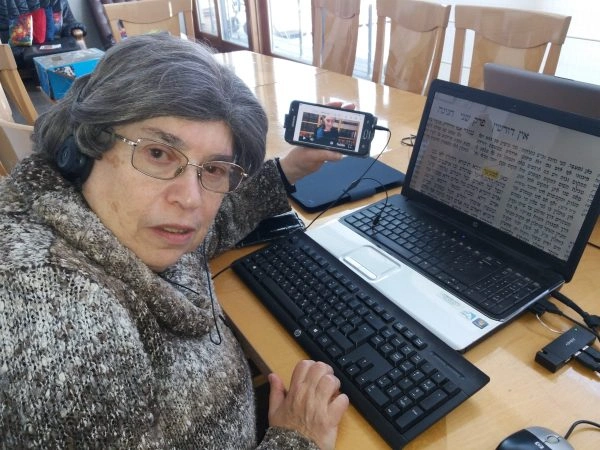
London, United Kingdom
Inspired by Hadran’s first Siyum ha Shas L’Nashim two years ago, I began daf yomi right after for the next cycle. As to this extraordinary journey together with Hadran..as TS Eliot wrote “We must not cease from exploration and the end of all our exploring will be to arrive where we began and to know the place for the first time.

Jerusalem, Israel

Raanana, Israel
I learned Mishnayot more than twenty years ago and started with Gemara much later in life. Although I never managed to learn Daf Yomi consistently, I am learning since some years Gemara in depth and with much joy. Since last year I am studying at the International Halakha Scholars Program at the WIHL. I often listen to Rabbanit Farbers Gemara shiurim to understand better a specific sugyiah. I am grateful for the help and inspiration!

Berlin, Germany
The first month I learned Daf Yomi by myself in secret, because I wasn’t sure how my husband would react, but after the siyyum on Masechet Brachot I discovered Hadran and now sometimes my husband listens to the daf with me. He and I also learn mishnayot together and are constantly finding connections between the different masechtot.

Silver Spring, Maryland, United States
After being so inspired by the siyum shas two years ago, I began tentatively learning daf yomi, like Rabbanut Michelle kept saying – taking one daf at a time. I’m still taking it one daf at a time, one masechet at a time, but I’m loving it and am still so inspired by Rabbanit Michelle and the Hadran community, and yes – I am proud to be finishing Seder Mo’ed.

Bet Shemesh, Israel
As Jewish educator and as a woman, I’m mindful that Talmud has been kept from women for many centuries. Now that we are privileged to learn, and learning is so accessible, it’s my intent to complete Daf Yomi. I am so excited to keep learning with my Hadran community.
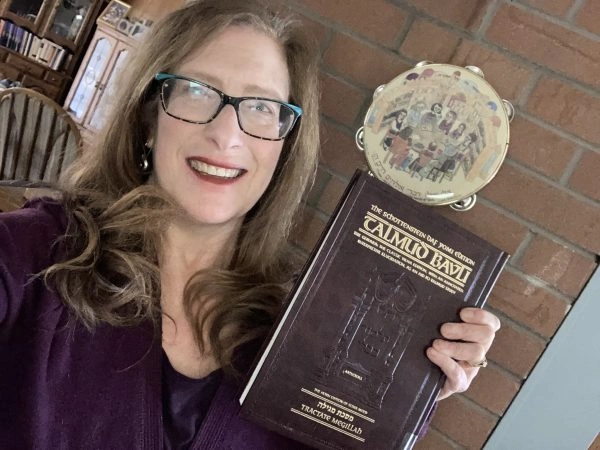
Denver, United States
I had tried to start after being inspired by the hadran siyum, but did not manage to stick to it. However, just before masechet taanit, our rav wrote a message to the shul WhatsApp encouraging people to start with masechet taanit, so I did! And this time, I’m hooked! I listen to the shiur every day , and am also trying to improve my skills.

Yad Binyamin, Israel
I started at the beginning of this cycle. No 1 reason, but here’s 5.
In 2019 I read about the upcoming siyum hashas.
There was a sermon at shul about how anyone can learn Talmud.
Talmud references come up when I am studying. I wanted to know more.
Yentl was on telly. Not a great movie but it’s about studying Talmud.
I went to the Hadran website: A new cycle is starting. I’m gonna do this

Cambridge, United Kingdom

Phoenix, Arizona, United States
I started learning at the beginning of the cycle after a friend persuaded me that it would be right up my alley. I was lucky enough to learn at Rabbanit Michelle’s house before it started on zoom and it was quickly part of my daily routine. I find it so important to see for myself where halachot were derived, where stories were told and to get more insight into how the Rabbis interacted.

Ra’anana, Israel
When I started studying Hebrew at Brown University’s Hillel, I had no idea that almost 38 years later, I’m doing Daf Yomi. My Shabbat haburah is led by Rabbanit Leah Sarna. The women are a hoot. I’m tracking the completion of each tractate by reading Ilana Kurshan’s memoir, If All the Seas Were Ink.
Pennsylvania, United States

Minnesota, United States

Los Angeles, United States
I tried Daf Yomi in the middle of the last cycle after realizing I could listen to Michelle’s shiurim online. It lasted all of 2 days! Then the new cycle started just days before my father’s first yahrzeit and my youngest daughter’s bat mitzvah. It seemed the right time for a new beginning. My family, friends, colleagues are immensely supportive!

Zichron Yaakov, Israel
I started learning at the beginning of this cycle more than 2 years ago, and I have not missed a day or a daf. It’s been challenging and enlightening and even mind-numbing at times, but the learning and the shared experience have all been worth it. If you are open to it, there’s no telling what might come into your life.

Phoenix, Arizona, United States
A beautiful world of Talmudic sages now fill my daily life with discussion and debate.
bringing alive our traditions and texts that has brought new meaning to my life.
I am a מגילת אסתר reader for women . the words in the Mishna of מסכת megillah 17a
הקורא את המגילה למפרע לא יצא were powerful to me.
I hope to have the zchut to complete the cycle for my 70th birthday.

Jerusalem, Israel
I decided to learn one masechet, Brachot, but quickly fell in love and never stopped! It has been great, everyone is always asking how it’s going and chering me on, and my students are always making sure I did the day’s daf.
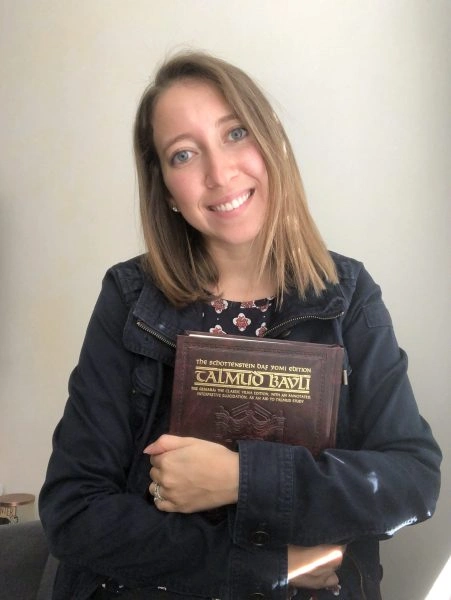
Memphis, Tennessee, United States
Shabbat 124
יָדוֹ עַל כֶּתֶף חֲבֵירוֹ וְיַד חֲבֵירוֹ עַל כְּתֵיפוֹ, וְתוֹלֶה וּמַפְשִׁיט.
his hand on the shoulder of another, and the other’s hand on his shoulder, and suspends the lamb and flays its hide.
גְּלוֹסְטְרָא — דִּתְנַן: נֶגֶר שֶׁיֵּשׁ בְּרֹאשׁוֹ גְּלוֹסְטְרָא, רַבִּי יְהוֹשֻׁעַ אוֹמֵר: שׁוֹמְטָהּ מִן פֶּתַח זֶה וְתוֹלָהּ בַּחֲבֵירוֹ בְּשַׁבָּת. רַבִּי טַרְפוֹן אוֹמֵר: הֲרֵי הוּא כְּכׇל הַכֵּלִים וּמִיטַּלְטֵל בֶּחָצֵר.
The source for the thick end of a bolt is as we learned in a mishna: With regard to a bolt used in a door lock which has a thick end at the head of the bolt, Rabbi Yehoshua says: One may drag it from this doorway and hang it in another doorway on Shabbat, but he may not move it with his hands, because it was considered to be set-aside. Rabbi Tarfon says: It is like all the other utensils and may be moved in a courtyard.
מְדוֹכָה — הָא דַּאֲמַרַן. אָמַר רַבָּה: מִמַּאי, דִּילְמָא לְעוֹלָם אֵימָא לְךָ לְאַחַר הַתָּרַת כֵּלִים נִשְׁנוּ: קָנִים טַעְמָא מַאי — מִשּׁוּם אִיעַפּוֹשֵׁי, בְּהַאי פּוּרְתָּא לָא מִיעַפַּשׁ. מַקְלוֹת, אֶפְשָׁר כְּרַבִּי אֶלְעָזָר.
The case of a mortar is that which we said above. Rabba said: From what does that conclusion ensue? Perhaps, actually I could say to you that these mishnayot were taught after permission to move utensils on Shabbat was adopted, and nevertheless, the prohibitions can be understood. With regard to the rods for the showbread, what is the reason that they are used? They are used due to concern that the bread will decay. In that brief period until the conclusion of Shabbat it will not decay. With regard to poles, why may they not be used on Passover eve? It is prohibited because it is possible to flay the lamb in accordance with the opinion of Rabbi Elazar. Use of the pole is superfluous, and therefore it is set-aside.
גְּלוֹסְטְרָא — כִּדְרַבִּי יַנַּאי, דַּאֲמַר רַבִּי יַנַּאי: בְּחָצֵר שֶׁאֵינָהּ מְעוֹרֶבֶת עָסְקִינַן, רַבִּי יְהוֹשֻׁעַ סָבַר: תּוֹךְ הַפֶּתַח כְּלִפְנִים דָּמֵי וְקָמְטַלְטֵל מָנָא דְבָתִּים בְּחָצֵר. וְרַבִּי טַרְפוֹן סָבַר: תּוֹךְ הַפֶּתַח כְּלַחוּץ דָּמֵי, וּמָנָא דְחָצֵר בְּחָצֵר קָא מְטַלְטֵל.
In the case of the thick end of the bolt in the door, why was it prohibited to move it by hand? It was prohibited in accordance with the opinion of Rabbi Yanai, as Rabbi Yanai says: We are dealing with a courtyard for which a joining of courtyards [eiruv] was not established. Rabbi Yehoshua holds that inside the doorway is considered to be like inside the house, and therefore, he is moving utensils of the houses in the courtyard. Since there is no joining of the courtyards, one may not move a vessel from the house to the courtyard. And Rabbi Tarfon holds that inside the doorway is considered to be like outside the house, and therefore, he is moving utensils of the courtyard in the courtyard, which is permitted.
מְדוֹכָה — רַבִּי נְחֶמְיָה הִיא.
With regard to a mortar, the halakha is in accordance with the opinion of Rabbi Neḥemya, who holds that a vessel may only be moved on Shabbat for the purpose of its designated use.
מַתְנִי׳ כׇּל הַכֵּלִים נִיטָּלִין לְצוֹרֶךְ וְשֶׁלֹּא לְצוֹרֶךְ. רַבִּי נְחֶמְיָה אוֹמֵר: אֵין נִיטָּלִין אֶלָּא לְצוֹרֶךְ.
MISHNA: All vessels may be moved for a specific purpose and not for a specific purpose. Rabbi Neḥemya says: Vessels may only be moved for a specific purpose.
גְּמָ׳ מַאי ״לְצוֹרֶךְ״ וּמַאי ״שֶׁלֹּא לְצוֹרֶךְ״?
GEMARA: The Gemara asks: What is the meaning of: For a specific purpose, and what is the meaning of: Not for a specific purpose?
אָמַר רַבָּה: ״לְצוֹרֶךְ״ — דָּבָר שֶׁמְּלַאכְתּוֹ לְהֶיתֵּר לְצוֹרֶךְ גּוּפוֹ. ״שֶׁלֹּא לְצוֹרֶךְ״ — דָּבָר שֶׁמְּלַאכְתּוֹ לְהֶיתֵּר לְצוֹרֶךְ מְקוֹמוֹ, וְדָבָר שֶׁמְּלַאכְתּוֹ לְאִיסּוּר, לְצוֹרֶךְ גּוּפוֹ — אִין, לְצוֹרֶךְ מְקוֹמוֹ — לָא. וַאֲתָא רַבִּי נְחֶמְיָה לְמֵימַר וַאֲפִילּוּ דָּבָר שֶׁמְּלַאכְתּוֹ לְהֶיתֵּר, לְצוֹרֶךְ גּוּפוֹ — אִין, לְצוֹרֶךְ מְקוֹמוֹ — לָא. אֲמַר לֵיהּ רָבָא: לְצוֹרֶךְ מְקוֹמוֹ, ״שֶׁלֹּא לְצוֹרֶךְ״ קָרֵית לֵיהּ?!
Rabba said: For a specific purpose means: Moving an object whose primary function is for a permitted use for the purpose of utilizing the object itself. Not for a specific purpose means: Moving an object whose primary function is for a permitted use for the purpose of utilizing its place. And an object whose primary function is for a prohibited use, for the purpose of utilizing the object itself, yes, it is permitted; for the purpose of utilizing its place, no, it is prohibited. And Rabbi Neḥemya came to say: And even an object whose primary function is for a permitted use, moving it for the purpose of utilizing the object itself, yes; for the purpose of utilizing its place, no. Rava said to him: Do you call for the purpose of utilizing its place, not for a specific purpose? It is for a purpose.
אֶלָּא אָמַר רָבָא: ״לְצוֹרֶךְ״ — דָּבָר שֶׁמְּלַאכְתּוֹ לְהֶיתֵּר, בֵּין לְצוֹרֶךְ גּוּפוֹ בֵּין לְצוֹרֶךְ מְקוֹמוֹ. ״שֶׁלֹּא לְצוֹרֶךְ״ — וַאֲפִילּוּ מֵחַמָּה לַצֵּל. וְדָבָר שֶׁמְּלַאכְתּוֹ לְאִיסּוּר, לְצוֹרֶךְ גּוּפוֹ וּלְצוֹרֶךְ מְקוֹמוֹ — אִין, מֵחַמָּה לַצֵּל — לָא. וַאֲתָא רַבִּי נְחֶמְיָה לְמֵימַר: וַאֲפִילּוּ דָּבָר שֶׁמְּלַאכְתּוֹ לְהֶיתֵּר, לְצוֹרֶךְ גּוּפוֹ וּלְצוֹרֶךְ מְקוֹמוֹ — אִין, מֵחַמָּה לַצֵּל — לָא.
Rather, Rava said: For a specific purpose means: Moving an object whose primary function is for a permitted use both for the purpose of utilizing the object itself and for the purpose of utilizing its place. Not for a specific purpose means: Moving it even from the sun to the shade. And an object whose primary function is for a prohibited use, both for the purpose of utilizing the object itself and for the purpose of utilizing its place, yes, it is permitted; moving it from the sun to the shade, no, it is prohibited. And Rabbi Neḥemya came to say: Even an object whose primary function is for a permitted use, moving it for the purpose of utilizing the object itself and for the purpose of utilizing its place, yes, it is permitted; moving it from the sun to the shade, no, it is prohibited.
יָתֵיב רַב סָפְרָא וְרַב אַחָא בַּר הוּנָא וְרַב הוּנָא בַּר חֲנִינָא, וְיָתְבִי וְקָאָמְרִי: לְרַבָּה אַלִּיבָּא דְּרַבִּי נְחֶמְיָה הָנֵי קְעָרוֹת הֵיכִי מְטַלְטְלִינַן? אֲמַר לְהוּ רַב סָפְרָא: מִידֵּי דְּהָוֵה אַגְּרָף שֶׁל רְעִי.
It is told that Rav Safra and Rav Aḥa bar Huna and Rav Huna bar Ḥanina sat together and they sat and they said: According to Rabba’s explanation in accordance with the opinion of Rabbi Neḥemya that it is prohibited to move an object whose primary function is for a permitted use for the purpose of utilizing its place, these empty bowls, how do we carry them? Rav Safra said to them: You may move them, just as is the case of a chamber pot containing waste that may be moved because it is disgusting.
אֲמַר לֵיהּ אַבָּיֵי לְרַבָּה, לְמָר אַלִּיבָּא דְּרַבִּי נְחֶמְיָה, הָנֵי קְעָרוֹת הֵיכִי מְטַלְטְלִינַן לְהוּ? אֲמַר לֵיהּ: רַב סָפְרָא חַבְרִין תַּרְגְּמַהּ: מִידֵּי דְּהָוֵה אַגְּרָף שֶׁל רְעִי.
Abaye said this same matter to Rabba: According to the Master’s explanation in accordance with the opinion of Rabbi Neḥemya, these empty bowls, how do we carry them? He said to him: Our colleague Rav Safra interpreted it: Just as is the case of a chamber pot.
אֵיתִיבֵיהּ אַבָּיֵי: מְדוֹכָה, אִם יֵשׁ בָּהּ שׁוּם — מְטַלְטְלִין אוֹתָהּ, וְאִם לָאו — אֵין מְטַלְטְלִין אוֹתָהּ. הָכָא בְּמַאי עָסְקִינַן — מֵחַמָּה לַצֵּל. אֵיתִיבֵיהּ: וְשָׁוִין שֶׁאִם קִצֵּב עָלָיו בָּשָׂר שֶׁאָסוּר לְטַלְטְלוֹ! הָכָא נָמֵי מֵחַמָּה לַצֵּל.
Abaye raised an objection to Rava’s opinion from that which was taught: With regard to a mortar, if it has garlic in it, one may move it on Shabbat, and if not, one may not move it on Shabbat. According to Rava’s opinion that all utensils may be moved, why is it prohibited to move the mortar? Rava responded: With what we are dealing here? We are dealing with a case of moving the mortar from the sun to the shade, which Rava prohibited. Abaye raised an objection to Rava’s opinion from that which was taught: Beit Shammai and Beit Hillel agree that if one cut meat on it for the purpose of the Festival that it is then prohibited to move it because there is no further need for it on the Festival. According to Rava’s opinion, all utensils may be moved. He answered him: Here, too, we are dealing with a case of moving the mortar from the sun to the shade.
וְהָא דִּתְנַן: אֵין סוֹמְכִין אֶת הַקְּדֵירָה בִּבְקַעַת וְכֵן בַּדֶּלֶת. וְהָא בְּקַעַת דִּבְיוֹם טוֹב דָּבָר שֶׁמְּלַאכְתּוֹ לְהֶיתֵּר הוּא, אַלְמָא דָּבָר שֶׁמְּלַאכְתּוֹ לְהֶיתֵּר בֵּין לְצוֹרֶךְ גּוּפוֹ בֵּין לְצוֹרֶךְ מְקוֹמוֹ — אָסוּר! הָתָם מַאי טַעְמָא — כֵּיוָן דִּבְשַׁבָּת דָּבָר שֶׁמְּלַאכְתּוֹ לְאִיסּוּר הוּא, גְּזֵירָה יוֹם טוֹב אַטּוּ שַׁבָּת.
And Abaye raised another objection with regard to that which we learned in a mishna: One may not prop a pot with a piece of wood, and so too, one may not prop a door on a piece of wood. Isn’t a piece of wood on a Festival an object whose primary function is for a permitted use, since it is permitted to move it to light an oven? Apparently, there is an opinion that moving an object whose primary function is for a permitted use, both for the purpose of utilizing the object itself and for the purpose of utilizing its place is prohibited, and according to Rabba, even Rabbi Neḥemya does not hold that this is so. Rava answers: There, what is the reason for the prohibition? It is because on Shabbat it is an object whose primary function is for a prohibited use. Since the wood is set aside from use on Shabbat, the Sages issued a decree prohibiting moving it on a Festival, due to Shabbat.
וְכִי תֵּימָא: שַׁבָּת גּוּפֵיהּ תִּישְׁתְּרֵי, דְּהָא דָּבָר שֶׁמְּלַאכְתּוֹ לְאִיסּוּר, לְצוֹרֶךְ גּוּפוֹ וּלְצוֹרֶךְ מְקוֹמוֹ שְׁרֵי — הָנֵי מִילֵּי הֵיכָא דְּאִיכָּא תּוֹרַת כְּלִי עָלָיו, הֵיכָא דְּלֵיכָּא תּוֹרַת כְּלִי עָלָיו — לָא.
And if you say: Moving the wood should be permitted on Shabbat itself because an object whose primary function is for a prohibited use is permitted both for the purpose of utilizing the object itself and for the purpose of utilizing its place, that assertion is rejected. This ruling, which permits moving an object whose primary use is prohibited, applies only in a case where the status of a vessel applies to it; in a case where the status of a vessel does not apply to it, no, it is prohibited.
וּמִי גָּזְרִינַן? וְהָתְנַן: מַשִּׁילִין פֵּירוֹת דֶּרֶךְ אֲרוּבָּה בְּיוֹם טוֹב, אֲבָל לֹא בְּשַׁבָּת!
The Gemara asks: And do we issue decrees prohibiting actions on Festivals due to the fact that they are prohibited on Shabbat? Didn’t we learn in a mishna: One may drop fruits from the roof through a skylight on a Festival, but not on Shabbat. Apparently, the Sages do not prohibit on a Festival all of the actions that are prohibited on Shabbat.
וּמִי לָא גָּזְרִינַן? וְהָתְנַן: אֵין בֵּין יוֹם טוֹב לַשַּׁבָּת אֶלָּא אוֹכֶל נֶפֶשׁ בִּלְבָד!
The Gemara asks on the contrary: And do we not issue decrees on a Festival due to Shabbat? Didn’t we learn in a mishna: The only difference between a Festival and Shabbat is with regard to the preparation of food alone. In all other matters the Sages established that the halakhot of Shabbat and Festivals are the same.
אָמַר רַב יוֹסֵף, לָא קַשְׁיָא: הָא — רַבִּי אֱלִיעֶזֶר, הָא — רַבִּי יְהוֹשֻׁעַ. דְּתַנְיָא: ״אוֹתוֹ וְאֶת בְּנוֹ״ שֶׁנָּפְלוּ לְבוֹר, רַבִּי אֱלִיעֶזֶר אוֹמֵר: מַעֲלֶה אֶת הָרִאשׁוֹן עַל מְנָת לְשׁוֹחְטוֹ, וְשׁוֹחֲטוֹ. וְהַשֵּׁנִי — עוֹשֶׂה לוֹ פַּרְנָסָה בִּמְקוֹמוֹ בִּשְׁבִיל שֶׁלֹּא יָמוּת. רַבִּי יְהוֹשֻׁעַ אוֹמֵר: מַעֲלֶה אֶת הָרִאשׁוֹן עַל מְנָת לְשׁוֹחְטוֹ, וְאֵינוֹ שׁוֹחֲטוֹ, וּמַעֲרִים וּמַעֲלֶה אֶת הַשֵּׁנִי, רָצָה — זֶה שׁוֹחֵט, רָצָה — זֶה שׁוֹחֵט.
Rav Yosef says: This is not difficult. This mishna, which rules that it is prohibited, is in accordance with the opinion of Rabbi Eliezer; that mishna, which rules that it is permitted, is in accordance with the opinion of Rabbi Yehoshua. As it was taught in a baraita: It is prohibited to slaughter a mother animal and its offspring on the same day, as it is stated: “You shall not slaughter it and its offspring both in one day” (Leviticus 22:28). With regard to it and its offspring that fell into a pit on a Festival, Rabbi Eliezer says: One may raise the first in order to slaughter it, and then slaughter it; and with regard to the second one, one may provide it sustenance in its place in the pit so that it will not die. Rabbi Yehoshua says: One may raise the first in order to slaughter it, and then reconsider and not slaughter it, and then employ artifice and say that he reconsidered and wants to slaughter the other, and raise the second. If he so desires, he slaughters this one; if he so desires, he slaughters that one. Apparently, Rabbi Yehoshua permits certain actions on a Festival due to financial considerations, and does not issue decrees in those cases.
מִמַּאי? דִּילְמָא עַד כָּאן לָא קָאָמַר רַבִּי אֱלִיעֶזֶר הָתָם אֶלָּא דְּאֶפְשָׁר בְּפַרְנָסָה, אֲבָל הֵיכָא דְּלָא אֶפְשָׁר בְּפַרְנָסָה לָא.
The Gemara rejects this: From what does that conclusion ensue? Perhaps Rabbi Eliezer only stated that he may not raise the second animal there, in a case where it is possible to save the animal by feeding it in the pit; however, in a case where it is impossible to save it by feeding it in the pit, no, he would permit raising the animal.
אִי נָמֵי, עַד כָּאן לָא קָאָמַר רַבִּי יְהוֹשֻׁעַ הָתָם דְּאֶפְשָׁר בְּהַעֲרָמָה, אֲבָל הֵיכָא דְּלָא אֶפְשָׁר בְּהַעֲרָמָה — לָא!
Alternatively, Rabbi Yehoshua only said that he may raise the second animal in a case where it is possible to employ artifice; however, in a case where it is not possible to employ artifice, no, he would not permit doing so.
אֶלָּא אָמַר רַב פָּפָּא: לָא קַשְׁיָא, הָא — בֵּית שַׁמַּאי, הָא — בֵּית הִלֵּל. דִּתְנַן, בֵּית שַׁמַּאי אוֹמְרִים:
Rather Rav Pappa said: This is not difficult. This mishna is in accordance with the opinion of Beit Shammai, and that mishna is in accordance with the opinion of Beit Hillel. As we learned in a mishna that Beit Shammai say:
אֵין מוֹצִיאִין אֶת הַקָּטָן וְאֶת הַלּוּלָב וְאֶת סֵפֶר תּוֹרָה לִרְשׁוּת הָרַבִּים, וּבֵית הִלֵּל מַתִּירִין.
One may neither carry a child nor a lulav nor a Torah scroll out to the public domain on a Festival, and Beit Hillel permit doing so. Beit Hillel permit carrying objects from one domain to another on a Festival for purposes other than preparing food.
אֵימַר דְּשָׁמְעַתְּ לְהוּ לְבֵית שַׁמַּאי הוֹצָאָה, טִלְטוּל מִי שָׁמְעַתְּ לְהוּ? וְטִלְטוּל גּוּפֵיהּ לָאו מִשּׁוּם הוֹצָאָה הִיא?!
The Gemara rejects this: Say that you heard Beit Shammai prohibit carrying out an object from one domain to another; did you hear that they prohibited moving an object? The Gemara rejects that distinction: And isn’t the prohibition of moving itself a decree issued due to the prohibition of carrying out? One who prohibits carrying out certainly prohibits moving an object as well.
וְאַף רַב סָבַר לַהּ לְהָא דְּרָבָא. דְּאָמַר רַב: מָר שֶׁלֹּא יִגָּנֵב — זֶהוּ טִלְטוּל שֶׁלֹּא לְצוֹרֶךְ, וְאָסוּר. טַעְמָא שֶׁלֹּא יִגָּנֵב, אֲבָל לְצוֹרֶךְ גּוּפוֹ וּלְצוֹרֶךְ מְקוֹמוֹ — מוּתָּר.
The Gemara adds: And even Rav holds in accordance with this halakha of Rava, as Rav said: Moving a hoe so that it will not be stolen; that is an example of moving an object not for a specific purpose, and it is prohibited. The Gemara infers: The reason that it is prohibited is that it is moved so it will not be stolen; however, for the purpose of utilizing the object itself and for the purpose of utilizing its place, it is permitted.
אִינִי?! וְהָא רַב כָּהֲנָא אִיקְּלַע לְבֵי רַב, וַאֲמַר: אַיְיתוֹ לֵיהּ שׁוּתָא לְכָהֲנָא לִיתִּיב עֲלַהּ. לָאו לְמֵימְרָא דְּדָבָר שֶׁמְּלַאכְתּוֹ לְאִיסּוּר, לְצוֹרֶךְ גּוּפוֹ — אִין, לְצוֹרֶךְ מְקוֹמוֹ — לָא!
The Gemara asks: Is that so? Didn’t Rav Kahana happen to come to the house of Rav, and he said: Bring a net for Kahana so that he may sit on it? Is that not to say that with regard to an object whose primary function is prohibited, for the purpose of utilizing the object itself, yes, it is permitted to move it; and for the purpose of utilizing its place, no, it is prohibited?
הָכִי אֲמַר לְהוּ: שְׁקוּלוּ שׁוּתָא מִקַּמֵּי כָּהֲנָא. וְאִי בָּעֵית אֵימָא: הָתָם מֵחַמָּה לַצֵּל הֲוָה.
The Gemara answers that this is what he said to them: Remove the net from before Kahana. That is a case of moving for the purpose of utilizing its place. And if you wish, say instead: There, it was a case of moving the object from the sun to the shade, as it was in a place where it could have been damaged. One might have mistakenly concluded that this was the reason that they were moving the net. Rav specified that the net was being moved for the purpose of utilizing the object itself, not to indicate that moving it for the purpose of utilizing its place is prohibited, but to indicate that moving from the sun to the shade is prohibited.
רַב מָרִי בַּר רָחֵל הֲוָה לֵיהּ הָהוּא בֵּי סַדְיְוָתָא בְּשִׁמְשָׁא. אֲתָא לְקַמֵּיהּ דְּרָבָא, אֲמַר לֵיהּ: מַהוּ לְטַלְטוֹלִינְהוּ? אֲמַר לֵיהּ: שְׁרֵי. אִית לִי אַחֲרִינָא. חֲזוּ לְאוֹרְחִין. אִית לִי נָמֵי לְאוֹרְחִים. אֲמַר לֵיהּ: גַּלִּית אַדַּעְתָּיךְ דִּכְרַבָּה סְבִירָא לָךְ. לְכוּלֵּי עָלְמָא שְׁרֵי, לְדִידָךְ אֲסִיר.
The Gemara relates that Rav Mari bar Raḥel, had felt cushions in the sun on Shabbat. Rav Mari came before Rava and said to him: What is the ruling with regard to carrying them? Rava said to him: It is permitted. Rav Mari said to Rava: I have others, and I do not need these cushions specifically. Rava said to him: Even so, these cushions are suitable for guests. Rav Mari said to him: I also have others for guests and therefore would be moving the cushions so that they would not be ruined in the sun. Rava said to him: You have revealed your opinion that you hold in accordance with the opinion of Rabba. For everyone else, it is permitted to move the cushions in this situation; however, for you, it is prohibited, as it is inappropriate to permit one to perform an action that he considers prohibited.
אָמַר רַבִּי אַבָּא אָמַר רַבִּי חִיָּיא בַּר אָשֵׁי אָמַר רַב: מַכְבֵּדוֹת שֶׁל מֵילָת — מוּתָּר לְטַלְטְלָן בְּשַׁבָּת, אֲבָל שֶׁל תְּמָרָה — לָא.
Rabbi Abba said that Rabbi Ḥiyya bar Ashi said that Rav said: With regard to brooms made of fine wool garments, it is permitted to move them on Shabbat because it is permitted to use them. However, brooms made of date-palm fronds, no, they may not be moved. It is prohibited to fill holes in the ground.
רַבִּי אֶלְעָזָר אוֹמֵר: אַף שֶׁל תְּמָרָה. בְּמַאי עָסְקִינַן? אִילֵימָא לְצוֹרֶךְ גּוּפוֹ וּלְצוֹרֶךְ מְקוֹמוֹ — בְּהָא לֵימָא רַב שֶׁל תְּמָרָה לָא? וְהָא רַב כְּרָבָא סְבִירָא לֵיהּ. אֶלָּא מֵחַמָּה לַצֵּל: בְּהָא לֵימָא רַבִּי אֶלְעָזָר אַף שֶׁל תְּמָרָה? לְעוֹלָם מֵחַמָּה לַצֵּל, אֵימָא: וְכֵן אָמַר רַבִּי אֶלְעָזָר.
Rabbi Elazar says: It is permitted to move even those made of date-palm fronds. The Gemara asks: With what are we dealing? If you say that this is referring to moving it for the purpose of utilizing the object itself and for the purpose of utilizing its place, would Rav say a broom made of date-palm fronds, no, it may not be moved? Doesn’t Rav hold in accordance with the opinion of Rava? Rather, this is referring to moving the broom from the sun to the shade, and that these brooms are in a place where they can be damaged. However, it is still puzzling: In this case, would Rabbi Elazar say that even brooms made from date-palm fronds may be moved? The Gemara answers: Actually, this is referring to moving them from the sun, where they will be damaged, to the shade. Emend this and say: And so too, Rabbi Elazar said, like Rav, that it is prohibited.
מַתְנִי׳ כׇּל הַכֵּלִים הַנִּיטָּלִין בַּשַּׁבָּת — שִׁבְרֵיהֶן נִיטָּלִין עִמָּהֶן, וּבִלְבַד שֶׁיְּהוּ עוֹשִׂין מֵעֵין מְלָאכָה.
MISHNA: All vessels that may be moved on Shabbat, their shards may be moved along with them, as long as they are suited for some purpose.
שִׁבְרֵי עֲרֵיבָה לְכַסּוֹת בָּהֶן אֶת פִּי הֶחָבִית, שִׁבְרֵי זְכוּכִית לְכַסּוֹת בָּהֶן אֶת פִּי הַפַּךְ.
Shards of a large bowl may be used to cover the mouth of a barrel. Shards of a glass vessel may be used to cover the mouth of a cruse.
רַבִּי יְהוּדָה אוֹמֵר: בִּלְבַד שֶׁיְּהוּ עוֹשִׂין מֵעֵין מְלַאכְתָּן: שִׁבְרֵי עֲרֵיבָה לָצוּק לְתוֹכָן מִקְפָּה, וְשֶׁל זְכוּכִית לָצוּק לְתוֹכָן שֶׁמֶן.
Rabbi Yehuda says: As long as they are suited for a purpose similar to their original use. Shards of a large bowl must be suited to pour soup into them, and shards of a glass vessel must be suited to pour oil into them.
גְּמָ׳ אָמַר רַב יְהוּדָה אָמַר שְׁמוּאֵל: מַחֲלוֹקֶת שֶׁנִּשְׁבְּרוּ מֵעֶרֶב שַׁבָּת, דְּמָר סָבַר מֵעֵין מְלַאכְתָּן — אִין, מֵעֵין מְלָאכָה אַחֶרֶת — לָא. וּמָר סָבַר: אֲפִילּוּ מֵעֵין מְלָאכָה אַחֶרֶת.
GEMARA: Rav Yehuda said that Shmuel said: This dispute in the mishna is only with regard to a case where the vessels broke on Shabbat eve, as this Sage, Rabbi Yehuda, holds that if they are suited for a purpose similar to their original use, yes, it is permitted, and for some other use, no, it is prohibited. And this Sage, the Rabbis, hold: Even if they are suited for some other use, it is also permitted.
אֲבָל נִשְׁבְּרוּ בְּשַׁבָּת — דִּבְרֵי הַכֹּל מוּתָּרִין. הוֹאִיל וּמוּכָנִין עַל גַּבֵּי אֲבִיהֶן — מוּתָּר.
But if the vessels broke on Shabbat, everyone agrees they are permitted. The reason for this is since they were designated for Shabbat use and consequently considered prepared at the onset of Shabbat due to their original vessels, it is permitted to move the shards as well.
מוֹתֵיב רַב זוּטְרָא: מַסִּיקִין בְּכֵלִים, וְאֵין מַסִּיקִין בְּשִׁבְרֵי כֵלִים.
Rav Zutrai raised an objection from a baraita: One may kindle a fire on a Festival with whole vessels, but one may not kindle a fire with shards of vessels.
דְּנִשְׁבְּרוּ אֵימַת? אִילֵּימָא דְּנִשְׁבְּרוּ מֵעֶרֶב יוֹם טוֹב? — עֵצִים בְּעָלְמָא נִינְהוּ! אֶלָּא לָאו בְּיוֹם טוֹב, וְקָתָנֵי: מַסִּיקִין בְּכֵלִים וְאֵין מַסִּיקִים בְּשִׁבְרֵי כֵלִים!
The Gemara seeks to clarify: Vessels that were broken when? If you say that they were broken before the Festival, why is it prohibited to light a fire with them? They are pieces of ordinary wood. Isn’t this referring to a case where they broke on the Festival, and it is taught: One may kindle a fire on a Festival with whole vessels, but one may not kindle a fire with shards of vessels. The legal status of a vessel broken on a Festival, and all the more so one broken on Shabbat, is more stringent, not less.
אֶלָּא אִי אִיתְּמַר, הָכִי אִיתְּמַר: אָמַר רַב יְהוּדָה אָמַר שְׁמוּאֵל מַחֲלוֹקֶת שֶׁנִּשְׁבְּרוּ בְּשַׁבָּת, דְּמָר סָבַר מוּכָן הוּא, וּמָר סָבַר נוֹלָד הוּא, אֲבָל מֵעֶרֶב שַׁבָּת — דִּבְרֵי הַכֹּל מוּתָּרִין, הוֹאִיל וְהוּכְנוּ לִמְלָאכָה מִבְּעוֹד יוֹם.
Rather, if it was stated, it was stated as follows. Rav Yehuda said that Shmuel said: This dispute in the mishna is only with regard to a case where the vessels broke on Shabbat, as this Sage, the Rabbis, holds it was prepared before Shabbat as part of the original vessel, and this Sage, Rabbi Yehuda, holds that it is an item that came into being on Shabbat. Since they were not shards before Shabbat, they are a new entity and are set-aside. However, if they were broken from before the onset of Shabbat everyone agrees that it is permitted to move them, since they were prepared to serve some function while it was still day, before the onset of Shabbat.
תָּנֵי חֲדָא: מַסִּיקִין בְּכֵלִים, וְאֵין מַסִּיקִין בְּשִׁבְרֵי כֵלִים. וְתַנְיָא אִידַּךְ: כְּשֵׁם שֶׁמַּסִּיקִין בְּכֵלִים, כָּךְ מַסִּיקִין בְּשִׁבְרֵי כֵלִים. וְתַנְיָא אִידַּךְ: אֵין מַסִּיקִין לֹא בְּכֵלִים וְלָא בְּשִׁבְרֵי כֵלִים.
With regard to the halakhot of Festivals, it was taught in one baraita: One may kindle a fire with whole vessels, but one may not kindle a fire with shards of vessels. And it was taught in the other baraita: Just as one may kindle a fire with vessels, so too, one may kindle a fire with shards of vessels. And it was taught in yet another baraita: One may neither kindle a fire with vessels nor with shards of vessels.
הָא — רַבִּי יְהוּדָה. הָא — רַבִּי שִׁמְעוֹן. הָא — רַבִּי נְחֶמְיָה.
The Gemara resolves the apparent contradiction between the baraitot: This baraita, which distinguishes between vessels and broken vessels, is in accordance with the opinion of Rabbi Yehuda, who holds that there is a prohibition of set-aside on a Festival. That baraita, which permits kindling with both vessels and shards, is in accordance with the opinion of Rabbi Shimon, who holds that there is no prohibition of set-aside on a Festival. This third baraita, which prohibits kindling with both vessels and shards, is in accordance with the opinion of Rabbi Neḥemya, who prohibits moving a vessel for any purpose other than its designated function.
אָמַר רַב נַחְמָן: הָנֵי לִיבְנֵי דְּאִישְׁתַּיּוּר מִבִּנְיָינָא — שְׁרֵי לְטַלְטוֹלִינְהוּ, דַּחֲזוּ לְמִיזְגָּא עֲלַיְיהוּ. שַׁרְגִינְהוּ וַדַּאי אַקְצִינְהוּ.
Rav Naḥman said: With regard to these bricks that remained from the building after construction was completed, it is permitted to move them on Shabbat, because they are suited for one to sit on them. And if one arranged them in a pile, he certainly thereby set them aside from his consciousness, and it is prohibited to move them.
אָמַר רַב נַחְמָן אָמַר שְׁמוּאֵל: חֶרֶס קְטַנָּה — מוּתָּר לְטַלְטְלָהּ בֶּחָצֵר, אֲבָל בְּכַרְמְלִית — לֹא. וְרַב נַחְמָן דִּידֵיהּ אָמַר: אֲפִילּוּ בְּכַרְמְלִית, אֲבָל בִּרְשׁוּת הָרַבִּים — לֹא. וְרָבָא אָמַר: אֲפִילּוּ בִּרְשׁוּת הָרַבִּים.
Rav Naḥman said that Shmuel said: With regard to a small earthenware shard, it is permitted to move it on Shabbat in the courtyard, because there are vessels there that need to be covered; but in a karmelit, no, one may not move it, because typically there are no vessels there and there would be no use for the shard. And Rav Naḥman himself said: Even in a karmelit it is permitted, but in the public domain, no, it is prohibited. And Rava said: Even in the public domain, it is permitted.
וְאַזְדָּא רָבָא לְטַעְמֵיהּ. דְּרָבָא הֲוָה קָאָזֵיל בְּרִיתְקָא דְמָחוֹזָא, אִתַּוַּוס מְסָאנֵיהּ טִינָא. אֲתָא שַׁמָּעֵיהּ, שְׁקַל חַסְפָּא וְקָא מְכַפַּר לֵיהּ. רְמוֹ בֵּיהּ רַבָּנַן קָלָא. אָמַר: לָא מִיסָּתְיָיא דְּלָא גְּמִירִי, מִיגְמָר נָמֵי מַגְמְרִי?! אִילּוּ בְּחָצֵר הֲוַאי מִי לָא הֲוָה חַזְיָא לְכַסּוֹיֵי בַּיהּ מָנָא? הָכָא נָמֵי — חַזְיָא לְדִידִי.
And Rava follows his regular line of reasoning, as Rava was walking in the street of Meḥoza and his shoes became dirty with clay. His servant came, took a shard of earthenware from the street, and wiped the clay off. The Sages raised their voice at him to reprimand him. Rava said: Is it not enough for them that they did not learn, but they are also teaching others? If the shard was in a courtyard, wouldn’t it be suited to cover a vessel with it? Here too, the shard is also suited to me, and moving it should not be prohibited.
אָמַר רַב יְהוּדָה אָמַר שְׁמוּאֵל: מְגוּפַת חָבִית שֶׁנִּכְתְּתָה — מוּתָּר לְטַלְטֵל בְּשַׁבָּת. תַּנְיָא נָמֵי הָכִי: מְגוּפָה שֶׁנִּכְתְּתָה — הִיא וּשְׁבָרֶיהָ מוּתָּר לְטַלְטְלָהּ בְּשַׁבָּת. וְלֹא יִסְפּוֹת מִמֶּנָּה שֶׁבֶר לְכַסּוֹת בָּהּ אֶת הַכְּלִי וְלִסְמוֹךְ בָּהּ כַּרְעֵי הַמִּטָּה. וְאִם זְרָקָהּ בָּאַשְׁפָּה — אָסוּר.
Rav Yehuda said that Shmuel said: With regard to the clay seal of a jug that was broken, it is permitted to move it on Shabbat. That was also taught in a baraita: With regard to the clay seal that was broken, it is permitted to move it, and its shards are permitted to be carried on Shabbat. And one may not break a shard from it to cover a vessel with it or to support the legs of a bed with it. And if one threw it into the garbage dump, it is prohibited to move it because he set it aside from his consciousness.
מַתְקִיף לַהּ רַב פָּפָּא: אֶלָּא מֵעַתָּה, זָרֵיק לֵיהּ לִגְלִימֵיהּ הָכִי נָמֵי דְּאָסוּר?! אֶלָּא אָמַר רַב פָּפָּא:
Rav Pappa strongly objects to this: If that is so, if one throws his cloak into the garbage dump, would you also say that it is prohibited to move it because it is set-aside? Isn’t the cloak still fit for use, and its status is not dependent on his intention? Rather, Rav Pappa said:Rav Mari bar Raḥel, had felt

