










What are the three cases in which Hillel and Shamai disagreed? Are there no other cases? Who exactly instituted the decree regarding the impurity of other countries? There are varying sources that attribute it to different time periods. How can all these sources be reconciled? Why did they institute that glass vessels can become impure.
Want to dedicate learning? Get started here:
English
עברית

0:00
0:00
0:00
0:00
Today’s daily daf tools:
Shabbat 15
שְׁלֹמֹה גְּזַר לְקׇדָשִׁים, וַאֲתוֹ אִינְהוּ וּגְזוּר אַף לִתְרוּמָה.
Solomon and decreed impurity on hands to prohibit contact with consecrated items, and Shammai, Hillel, and their disciples came and decreed impurity on hands even to prohibit contact with teruma.
גּוּפָא, אָמַר רַב יְהוּדָה אָמַר שְׁמוּאֵל: שְׁמֹנָה עָשָׂר גָּזְרוּ וּבִשְׁמֹנָה עָשָׂר נֶחְלְקוּ. וְהָתַנְיָא הוּשְׁווּ! בּוֹ בַּיּוֹם נֶחְלְקוּ, וּלְמָחָר הוּשְׁווּ.
As to the matter itself that was mentioned above in passing, Rav Yehuda said that Shmuel said: With regard to eighteen matters they issued decrees that day, and with regard to those eighteen matters they disagreed prior to that. The Gemara asks: Wasn’t it taught in a baraita that they reached a consensus in their opinions with regard to the eighteen decrees? They answer: On that day they disagreed, and the following day, after the matter was decided in a vote, they reached a consensus in their opinions.
גּוּפָא, אָמַר רַב הוּנָא: בִּשְׁלֹשָׁה מְקוֹמוֹת נֶחְלְקוּ שַׁמַּאי וְהִלֵּל. שַׁמַּאי אוֹמֵר: מִקַּב חַלָּה. וְהִלֵּל אוֹמֵר: מִקַּבַּיִים. וַחֲכָמִים אוֹמְרִים: לֹא כְּדִבְרֵי זֶה וְלֹא כְּדִבְרֵי זֶה, אֶלָּא קַב וּמֶחֱצָה חַיָּיב בַּחַלָּה. מִשֶּׁהִגְדִּילוּ הַמִּדּוֹת, אָמְרוּ חֲמֵשֶׁת רְבָעִים קֶמַח חַיָּיבִין בַּחַלָּה. רַבִּי יוֹסֵי אוֹמֵר: חֲמִשָּׁה פְּטוּרִין, חֲמִשָּׁה וְעוֹד חַיָּיבִין.
As to the matter itself that was mentioned above in passing, Rav Huna said: Shammai and Hillel disagreed in three places. The Gemara cites the disputes. One, Shammai says: From a kav of dough, one is required to separate ḥalla, the portion of the dough given to a priest. From any less than that measure there is no obligation to separate ḥalla, as that is not the measure alluded to in the verse: “The first of your dough” (Numbers 15:20), written with regard to the mitzva of separating ḥalla. And Hillel says: One must separate ḥalla only from two kav. And the Rabbis say: The halakha is neither in accordance with the statement of this one, who is stringent, nor in accordance with the statement of that one, who is lenient. Rather, one and a half kav is the measure from which one is obligated to separate ḥalla. Once the measures increased and the Sages recalculated the volume of a kav to be greater, they said that based on the measure of the new kav, five quarters of a kav of flour is the measure from which one is obligated to separate ḥalla. Rabbi Yosei says: Five quarters are exempt; only from dough the size of five quarters and a bit more is one obligated to separate ḥalla.
וְאִידַּךְ, הִלֵּל אוֹמֵר: מְלֹא הִין מַיִם שְׁאוּבִים פּוֹסְלִים אֶת הַמִּקְוֶה — שֶׁחַיָּיב אָדָם לוֹמַר בִּלְשׁוֹן רַבּוֹ. שַׁמַּאי אוֹמֵר: תִּשְׁעָה קַבִּין. וַחֲכָמִים אוֹמְרִים: לֹא כְּדִבְרֵי זֶה וְלֹא כְּדִבְרֵי זֶה. עַד שֶׁבָּאוּ שְׁנֵי גַרְדִּיִּים מִשַּׁעַר הָאַשְׁפָּה שֶׁבִּירוּשָׁלַיִם וְהֵעִידוּ מִשּׁוּם שְׁמַעְיָה וְאַבְטַלְיוֹן שֶׁשְּׁלֹשָׁה לוּגִּין מַיִם שְׁאוּבִין פּוֹסְלִים אֶת הַמִּקְוֶה, וְקִיְּימוּ חֲכָמִים אֶת דִּבְרֵיהֶם.
And another dispute between Hillel and Shammai is that Hillel says: A full hin, twelve log, of drawn water poured into a ritual bath in which there was not yet a full measure of forty se’a disqualifies the water of the ritual bath and accords even the water that had been there previously the status of drawn water. Even if water fit for a ritual bath is subsequently added to complete the measure of forty se’a, the ritual bath remains unfit for immersion. Hillel used the biblical measure, hin, because, when quoting one’s teacher, a person must speak employing the language of his teacher. Shammai says: Nine kav of water is enough to disqualify the ritual bath. And the Rabbis say: The halakha is neither in accordance with the statement of this one nor in accordance with the statement of that one. The Sages did not determine a measure for the water disqualifying a ritual bath until two weavers came from the Dung Gate in Jerusalem and testified in the name of Shemaya and Avtalyon that three log of drawn water disqualify the ritual bath, and the Rabbis upheld their statement against the opinions of the great Sages of Israel, Hillel and Shammai. The Gemara emphasized their occupation and the place that they lived to underscore that, despite the fact that their occupation was despised and their place was contemptible, there is no preferential treatment when it comes to Torah.
וְאִידַּךְ, שַׁמַּאי אוֹמֵר: כׇּל הַנָּשִׁים דַּיָּין שְׁעָתָן. וְהִלֵּל אוֹמֵר: מִפְּקִידָה לִפְקִידָה, וַאֲפִילּוּ לְיָמִים הַרְבֵּה. וַחֲכָמִים אוֹמְרִים: לֹא כְּדִבְרֵי זֶה וְלֹא כְּדִבְרֵי זֶה, אֶלָּא: מֵעֵת לְעֵת מְמַעֵט עַל יָד מִפְּקִידָה לִפְקִידָה, וּמִפְּקִידָה לִפְקִידָה מְמַעֵט עַל יָד מֵעֵת לְעֵת.
And another dispute between Hillel and Shammai is that Shammai says: All women, their time is sufficient, i.e., a woman who notices that she saw blood of menstruation but did not feel the flow beforehand, need not worry that perhaps the flow of blood began before she saw it, and it is sufficient if she assumes ritual impurity status beginning at that moment. Hillel says: From examination to examination, i.e., a woman who saw blood, if she does not know when the menstrual flow began, she is considered impure retroactive to the last time she examined herself and found herself to be ritually pure, and even if the examination took place several days earlier. Anything that she touched in the interim becomes ritually impure. And the Rabbis say: The halakha is neither in accordance with the statement of this one nor in accordance with the statement of that one; rather, the principle is: A full day, twenty-four hours, reduces the time from examination to examination, i.e., if her final self-examination took place a long time before, she need only concern herself with ritual impurity for the twenty-four hour period prior to noticing the blood. And from examination to examination reduces the time from a full day, i.e., if she examined herself in the course of the previous day and discovered no blood, she was certainly ritually pure prior to the examination.
וְתוּ לֵיכָּא? וְהָאִיכָּא הִלֵּל אוֹמֵר לִסְמוֹךְ, וְשַׁמַּאי אוֹמֵר שֶׁלֹּא לִסְמוֹךְ. כִּי קָאָמַר רַב הוּנָא, הֵיכָא דְּלֵיכָּא פְּלוּגְתָּא דְּרַבְּווֹתָא בַּהֲדַיְיהוּ.
The Gemara asks: And are there no more disputes between them? Isn’t there what we learned that Hillel says that it is permitted to lay hands on the heads of offerings sacrificed on a Festival, and one performs no prohibited labor and does not desecrate the Festival by doing so; and Shammai says not to lay hands? The Gemara answers: When Rav Huna said his statement, he was referring to disputes where there is no dispute between the great Sages who predated them concomitant with theirs. The dispute with regard to laying hands on the Festival is ancient, and their predecessors, Sages dating back to the beginning of the era of the pairs, already disputed it.
וְהָאִיכָּא הַבּוֹצֵר לַגַּת — שַׁמַּאי אוֹמֵר: הוּכְשַׁר, וְהִלֵּל אוֹמֵר: לֹא הוּכְשַׁר. בַּר מִינֵּיהּ דְּהַהִיא, דְּהָתָם קָא שָׁתֵיק לֵיהּ הִלֵּל לְשַׁמַּאי.
The Gemara asks further: Isn’t there also the dispute with regard to one who harvests grapes in order to take them to the press and stomp them as to whether or not the liquid that seeps out of the grapes is considered as having seeped out willfully and renders the grapes susceptible to impurity? Shammai says: It has become susceptible, and Hillel says: It has not become susceptible. The Gemara rejects this: Except for that one, as there, although they originally disagreed, ultimately Hillel was silent and did not respond to Shammai and ultimately accepted his opinion.
יוֹסֵי בֶּן יוֹעֶזֶר אִישׁ צְרֵידָה וְיוֹסֵי בֶּן יוֹחָנָן אִישׁ יְרוּשָׁלַיִם גָּזְרוּ טוּמְאָה עַל אֶרֶץ הָעַמִּים וְעַל כְּלֵי זְכוּכִית. וְהָא רַבָּנַן דִּשְׁמֹנִים שָׁנָה גְּזוּר! דְּאָמַר רַב כָּהֲנָא: כְּשֶׁחָלָה רַבִּי יִשְׁמָעֵאל בְּרַבִּי יוֹסֵי, שָׁלְחוּ לוֹ: רַבִּי, אֱמוֹר לָנוּ שְׁנַיִם וּשְׁלוֹשָׁה דְּבָרִים שֶׁאָמַרְתָּ לָנוּ מִשּׁוּם אָבִיךָ.
Earlier it was mentioned that Yosei ben Yo’ezer of Tzereida and Yosei ben Yoḥanan of Jerusalem decreed impurity upon the land of the nations and upon glass vessels. The Gemara asks: Was it these two Sages, who were among the first Sages in the era of the pairs, who issued these decrees? Wasn’t it the Sages who lived in the final eighty years of the Second Temple period who issued these decrees? As Rav Kahana said: When Rabbi Yishmael, son of Rabbi Yosei, fell ill, the Sages sent to him: Rabbi, tell us two or three statements that you once told us in the name of your father.
שָׁלַח לָהֶם, כָּךְ אָמַר אַבָּא: מֵאָה וּשְׁמֹנִים שָׁנָה עַד שֶׁלֹּא חָרַב הַבַּיִת, פָּשְׁטָה מַלְכוּת הָרְשָׁעָה עַל יִשְׂרָאֵל. שְׁמֹנִים שָׁנָה עַד שֶׁלֹּא חָרַב הַבַּיִת גָּזְרוּ טוּמְאָה עַל אֶרֶץ הָעַמִּים וְעַל כְּלֵי זְכוּכִית. אַרְבָּעִים שָׁנָה עַד שֶׁלֹּא חָרַב הַבַּיִת גָּלְתָה לָהּ סַנְהֶדְרִין וְיָשְׁבָה לָהּ בַּחֲנוּיוֹת. לְמַאי הִילְכְתָא? אָמַר רַבִּי יִצְחָק בַּר אַבְדִּימִי: לוֹמַר שֶׁלֹּא דָּנוּ דִּינֵי קְנָסוֹת. דִּינֵי קְנָסוֹת סָלְקָא דַּעְתָּךְ? אֶלָּא אֵימָא: שֶׁלֹּא דָּנוּ דִּינֵי נְפָשׁוֹת!
He sent to them: This is what my father said: One hundred and eighty years before the Temple was destroyed, the evil kingdom of Rome invaded Israel. Eighty years before the Temple was destroyed, they decreed impurity on the land of the nations and on glass vessels. Forty years before the Temple was destroyed, the Sanhedrin was exiled from the Chamber of Hewn Stones and sat in the stores on the Temple Mount. With regard to the last statement, the Gemara asks: What are the halakhic ramifications of this statement? Rabbi Yitzḥak bar Avdimi said: To say that they no longer judged cases of fines. The Gemara wonders: Does it enter your mind that they no longer judged cases of fines? Even several generations after the Temple was destroyed they continued to judge cases of fines in Eretz Yisrael. Rather, emend and say: That they no longer judged capital cases. The authority to impose the death penalty was stripped from the Sanhedrin, and therefore they willingly left the Chamber of Hewn Stone. Since the Sanhedrin no longer convenes in its designated place, the halakha is that it no longer has the authority to judge capital cases (Tosafot).
וְכִי תֵימָא בִּשְׁמֹנִים שָׁנָה נָמֵי אִינְהוּ הֲווֹ, וְהָתַנְיָא: הִלֵּל וְשִׁמְעוֹן, גַּמְלִיאֵל וְשִׁמְעוֹן, נָהֲגוּ נְשִׂיאוּתָן לִפְנֵי הַבַּיִת מֵאָה שָׁנָה. וְאִילּוּ יוֹסֵי בֶּן יוֹעֶזֶר אִישׁ צְרֵידָה וְיוֹסֵי בֶּן יוֹחָנָן הֲווֹ קָדְמִי טוּבָא!
In any case, we learned that the Sages of the last eighty years before the destruction are the ones who decreed impurity on the land of the nations. And if you say that Yosei ben Yo’ezer and Yosei ben Yoḥanan were also there during those eighty years, wasn’t it taught in a baraita: Hillel, and his son Shimon, and his grandson Gamliel, and his great-grandson Shimon filled their position of Nasi before the House, while the Temple was standing, for a hundred years, while Yosei ben Yo’ezer of Tzereida and Yosei ben Yoḥanan were much earlier than Hillel?
אֶלָּא: אֲתוֹ אִינְהוּ גְּזוּר אַגּוּשָּׁא לִשְׂרוֹף וְאַאֲוִירָא וְלֹא כְלוּם, וַאֲתוֹ רַבָּנַן דִּשְׁמֹנִים שָׁנָה גְּזוּר אַאֲוִירָא לִתְלוֹת.
Rather, this decree was issued in stages. First, Yosei ben Yo’ezer and Yosei ben Yoḥanan came and issued a decree that teruma that comes into contact with a clump of earth of the land of the nations is to be burned, and they decreed nothing with regard to teruma that enters into the air space of the land of the nations. The Sages of the final eighty years prior to the destruction of the Temple came and issued a decree with regard to teruma that enters into the air space of the land of the nations that its legal status is in abeyance, and it is not burned.
לְמֵימְרָא דַּחֲדָא גְּזֵירְתָא הֲוָה לִשְׂרֵיפָה? וְהָאָמַר אִילְפָא: יָדַיִם תְּחִלַּת גְּזֵירָתָן לִשְׂרֵיפָה! יָדַיִם הוּא דִּתְחִלַּת גְּזֵירָתָן לִשְׂרֵיפָה, הָא מִידֵּי אַחֲרִינָא — לָא.
The Gemara asks: Is that to say that there was one decree issued immediately to subject teruma to burning? Didn’t Ilfa say: With regard to hands, from the beginning their decree was that teruma that comes into contact with them is to be burned? The Gemara infers from this that, with regard to hands alone, the beginning of their decree was to render teruma that came into contact with them impure to the point of burning; however, with regard to other matters, they did not immediately issue so severe a decree.
אֶלָּא: אֲתוֹ אִינְהוּ גְּזוּר אַגּוּשָּׁא לִתְלוֹת וְאַאֲוִירָא וְלֹא כְלוּם, וַאֲתוֹ רַבָּנַן דִּשְׁמֹנִים שָׁנָה גְּזוּר אַגּוּשָּׁא לִשְׂרוֹף וְאַאֲוִירָא לִתְלוֹת.
Rather, the stages of the decree were as follows: Yosei ben Yo’ezer and Yosei ben Yoḥanan came and decreed that any item that came into contact with a clump of earth is to be in abeyance, and they decreed nothing with regard to teruma that enters into the air space of the land of the nations. The Sages of the last eighty years came and were stringent by one more level; they decreed that teruma that came into contact with a clump of earth of the land of the nations is to be burned, and, with regard to teruma that enters into the air space of the land of the nations, its legal status is in abeyance.
וְאַכַּתִּי, בְּאוּשָׁא גְּזוּר! דִּתְנַן: עַל שִׁשָּׁה סְפֵקוֹת שׂוֹרְפִין אֶת הַתְּרוּמָה: עַל סְפֵק בֵּית הַפְּרָס, וְעַל סְפֵק עָפָר הַבָּא מֵאֶרֶץ הָעַמִּים, וְעַל סְפֵק בִּגְדֵי עַם הָאָרֶץ, וְעַל סְפֵק כֵּלִים הַנִּמְצָאִין, וְעַל סְפֵק הָרוּקִּין, וְעַל סְפֵק מֵי רַגְלֵי אָדָם שֶׁכְּנֶגֶד מֵי רַגְלֵי בְּהֵמָה — עַל וַדַּאי מַגָּעָן וְעַל סְפֵק טוּמְאָתָן שׂוֹרְפִין אֶת הַתְּרוּמָה.
The Gemara asked further: And still is the matter clear? Didn’t the Sages issue this decree in Usha, many years after the destruction of the Temple? As we learned in a mishna: For six cases of uncertain impurity one burns the teruma which came into contact with them:
For the uncertain case of beit haperas, meaning teruma that entered a field where a grave was plowed and the location of the bones of the corpse is unknown, and it is uncertain whether or not the teruma became impure;
And for the uncertain case of earth that comes from the land of the nations, whose impurity itself has the status of uncertain impurity. Therefore, teruma that came into contact with it also has the status of uncertain impurity;
And for the uncertain case of the clothes of an am ha’aretz. Since an am ha’aretz is not careful with regard to purity, we are concerned lest a menstruating woman touch his clothes. Due to that uncertainty, his clothes are considered impure with a severe degree of impurity. If teruma came into contact with them there is uncertainty with regard to whether or not they became impure;
And for the uncertain case of vessels that are not his that are found. Since he does not know whether or not those vessels are impure, if teruma came into contact with them, there is uncertainty whether or not they are impure;
And for the uncertain case of spittle, as perhaps it is the spittle of a zav and transmits impurity by Torah law. If teruma came into contact with it there is uncertainty whether or not it is impure;
And for the uncertain case of a person’s urine, even though it was adjacent to the urine of an animal, there is room for concern that perhaps it is the urine of a zav, and impure by Torah law. If teruma came into contact with it, there is uncertainty whether or not it is impure.
In all of these cases, the Sages established that for their definite contact, when it is clear that these came into contact with teruma, and although there is uncertainty with regard to their essential impurity, i.e., it is uncertain whether or not these items are impure, one burns the teruma that came into contact with them.
רַבִּי יוֹסֵי אוֹמֵר: אַף עַל סְפֵק מַגָּעָן בִּרְשׁוּת הַיָּחִיד — שׂוֹרְפִין. וַחֲכָמִים אוֹמְרִים: בִּרְשׁוּת הַיָּחִיד תּוֹלִין, בִּרְשׁוּת הָרַבִּים — טְהוֹרִין.
Rabbi Yosei says: Even in a case of uncertain contact; if it was in the private domain one burns teruma that came into contact with it, as with regard to impurity by Torah law an uncertainty that developed in a private domain is also ruled impure. According to Rabbi Yosei, these decrees, even though they are fundamentally cases of uncertainty, are sufficiently stringent that the Sages applied Torah law to them. And the Rabbis say: Since these cases are only impure by rabbinic decree, in a case of uncertain contact in the private domain, one does not burn the teruma but rather places it in abeyance. While in the public domain, they are ritually pure.
וְאָמַר עוּלָּא: אֵלּוּ שִׁשָּׁה סְפֵיקוֹת בְּאוּשָׁא הִתְקִינוּ! אֶלָּא אֲתוֹ אִינְהוּ גְּזוּר אַגּוּשָּׁא לִתְלוֹת וְאַאֲוִירָא וְלֹא כְלוּם, וַאֲתוֹ רַבָּנַן דִּשְׁמֹנִים שָׁנָה גְּזוּר אִידֵּי וְאִידֵּי לִתְלוֹת, וַאֲתוֹ בְּאוּשָׁא גְּזוּר אַגּוּשָּׁא לִשְׂרוֹף, וְאַאֲוִירָא — כִּדְקָאֵי קָאֵי.
And Ulla said with regard to these six uncertain cases: In Usha they instituted how one must act in terms of practical halakha. If so, a clump of earth from the land of the nations transmits impurity from the time of the Usha ordinances and not from eighty years prior to the destruction of the Temple. Rather, Yosei ben Yo’ezer and Yosei ben Yoḥanan came and decreed that if teruma came into contact with a clump of earth from the land of the nations, its legal status is in abeyance and one does not burn it, and upon teruma that entered the air space of the land of the nations they decreed nothing. And the Sages of the last eighty years of the Temple came along and issued a decree upon this, earth, and upon that, air, that in both cases the teruma is in abeyance. And the Sages of the city of Usha came along and decreed that teruma that came into contact with a clump of earth from the land of the nations is burned. And teruma that entered the air space of the land of the nations, as it stood, it continues to stand in abeyance. They did not impose any greater stringency in this matter.
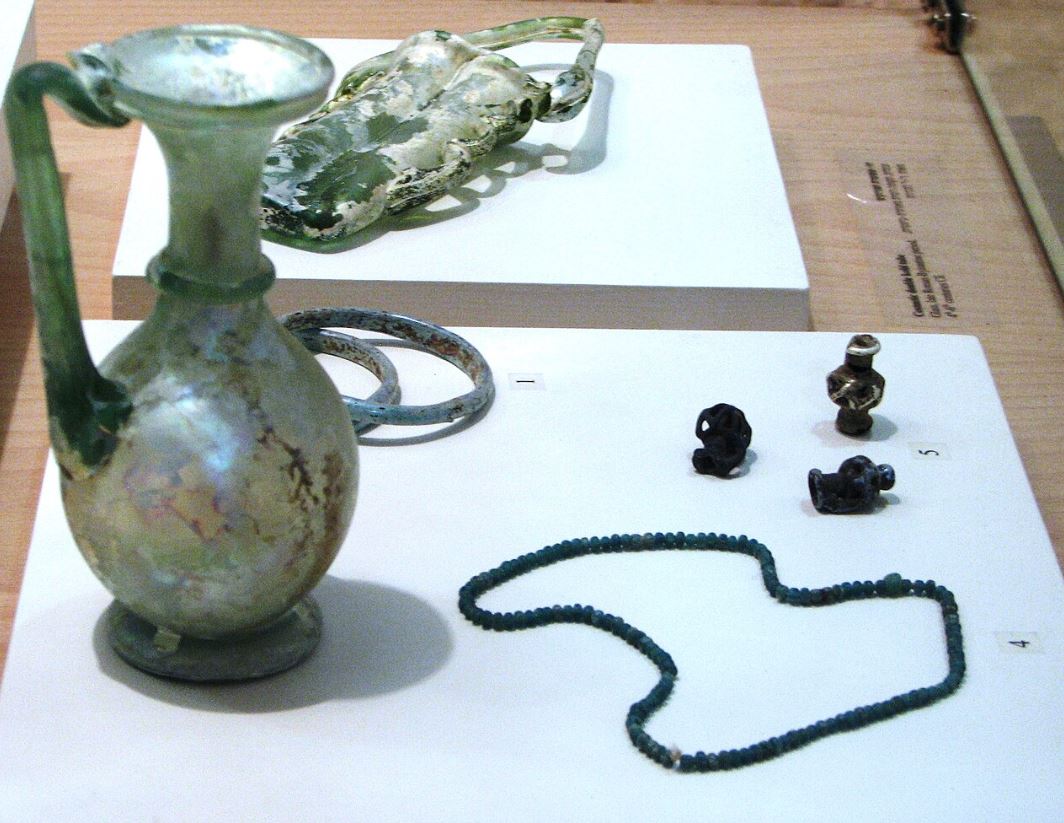
כְּלֵי זְכוּכִית — מַאי טַעְמָא גְּזוּר בְּהוּ רַבָּנַן טוּמְאָה? אָמַר רַבִּי יוֹחָנָן אָמַר רֵישׁ לָקִישׁ: הוֹאִיל וּתְחִלַּת בְּרִיָּיתָן מִן הַחוֹל שַׁוִּינְהוּ רַבָּנַן כִּכְלֵי חֶרֶס. אֶלָּא, מֵעַתָּה לֹא תְּהֵא לָהֶן טׇהֳרָה בְּמִקְוֶה. אַלְּמָה תְּנַן: וְאֵלּוּ חוֹצְצִין בְּכֵלִים — הַזֶּפֶת וְהַמּוֹר בִּכְלֵי זְכוּכִית!
One of the matters mentioned above was the decree of impurity on glass vessels. With regard to glass vessels, what is the reason that the Sages decreed impurity upon them? Rabbi Yoḥanan said that Reish Lakish said: Since the beginning of the manufacture of glass vessels is from sand, the Sages equated them to earthenware vessels. The Gemara asks: But if what you say is so, if the Sages truly equated the impurity of glass vessels to the impurity of earthenware vessels, there should not be purification in the ritual bath for glass vessels, just as there is no purification for earthenware vessels. Why, then, did we learn in a mishna with regard to the halakhot of immersing vessels: And these materials interpose in vessels, i.e., if they were stuck to the vessel when it was immersed the vessel is not purified: The pitch and the myrrh that were stuck on glass vessels obstruct their immersion. Apparently, glass vessels are purified in a ritual bath.
הָכָא בְמַאי עָסְקִינַן? — כְּגוֹן שֶׁנִּיקְּבוּ וְהִטִּיף לְתוֹכָן אֲבָר. וְרַבִּי מֵאִיר הִיא, דְּאָמַר הַכֹּל הוֹלֵךְ אַחַר הַמַּעֲמִיד. דְּתַנְיָא: כְּלֵי זְכוּכִית שֶׁנִּקְּבוּ וְהִטִּיף לְתוֹכָן אֲבָר, אָמַר רַבָּן שִׁמְעוֹן בֶּן גַּמְלִיאֵל: רַבִּי מֵאִיר מְטַמֵּא וַחֲכָמִים מְטַהֲרִין.
The Gemara answers that glass cannot usually be purified in a ritual bath. However, with what are we dealing here? With a special case where the glass vessels were perforated and he dripped molten lead into them to seal the hole. This halakha is in accordance with the opinion of Rabbi Meir, who said: Everything follows the nature of the facilitator, i.e., if an object that is not fit for use on its own is reinforced with a different material that facilitates its use, the entire object assumes the legal status of that material. Therefore, since the substance that sealed the holes in these glass vessels is lead, which can be purified through immersion like other metals, these glass vessels can also be purified in a ritual bath. As it was taught in a baraita: Glass vessels that were perforated and one dripped lead into them; Rabban Shimon ben Gamliel said that Rabbi Meir deems them ritually impure and the Rabbis deem them ritually pure.
אֶלָּא מֵעַתָּה
The Gemara asks further: But if that is so, and glass vessels are equated with earthenware vessels,
Follow

Today’s daily daf tools:
Delve Deeper
Broaden your understanding of the topics on this daf with classes and podcasts from top women Talmud scholars.

New to Talmud?
Check out our resources designed to help you navigate a page of Talmud – and study at the pace, level and style that fits you.
The Hadran Women’s Tapestry
Meet the diverse women learning Gemara at Hadran and hear their stories.
I learned Talmud as a student in Yeshivat Ramaz and felt at the time that Talmud wasn’t for me.
After reading Ilana Kurshan’s book I was intrigued and after watching the great siyum in Yerushalayim it ignited the spark to begin this journey. It has been a transformative life experience for me as a wife, mother, Savta and member of Klal Yisrael.

Elana Storch
Phoenix, Arizona, United States
I started with Ze Kollel in Berlin, directed by Jeremy Borowitz for Hillel Deutschland. We read Masechet Megillah chapter 4 and each participant wrote his commentary on a Sugia that particularly impressed him. I wrote six poems about different Sugiot!
Fascinated by the discussions on Talmud I continued to learn with Rabanit Michelle Farber and am currently taking part in the Tikun Olam course.

Yael Merlini
Berlin, Germany
When I was working and taking care of my children, learning was never on the list. Now that I have more time I have two different Gemora classes and the nach yomi as well as the mishna yomi daily.

Shoshana Shinnar
Jerusalem, Israel
At almost 70 I am just beginning my journey with Talmud and Hadran. I began not late, but right when I was called to learn. It is never too late to begin! The understanding patience of staff and participants with more experience and knowledge has been fabulous. The joy of learning never stops and for me. It is a new life, a new light, a new depth of love of The Holy One, Blessed be He.

Deborah Hoffman-Wade
Richmond, CA, United States
Shortly after the death of my father, David Malik z”l, I made the commitment to Daf Yomi. While riding to Ben Gurion airport in January, Siyum HaShas was playing on the radio; that was the nudge I needed to get started. The “everyday-ness” of the Daf has been a meaningful spiritual practice, especial after COVID began & I was temporarily unable to say Kaddish at daily in-person minyanim.

Lisa S. Malik
Wynnewood, United States
I started Daf during the pandemic. I listened to a number of podcasts by various Rebbeim until one day, I discovered Rabbanit Farbers podcast. Subsequently I joined the Hadran family in Eruvin. Not the easiest place to begin, Rabbanit Farber made it all understandable and fun. The online live group has bonded together and have really become a supportive, encouraging family.

Leah Goldford
Edmonton, Alberta, Canada
I started learning Daf Yomi in January 2020 after watching my grandfather, Mayer Penstein z”l, finish shas with the previous cycle. My grandfather made learning so much fun was so proud that his grandchildren wanted to join him. I was also inspired by Ilana Kurshan’s book, If All the Seas Were Ink. Two years in, I can say that it has enriched my life in so many ways.

Leeza Hirt Wilner
New York, United States
I had no formal learning in Talmud until I began my studies in the Joint Program where in 1976 I was one of the few, if not the only, woman talmud major. It was superior training for law school and enabled me to approach my legal studies with a foundation . In 2018, I began daf yomi listening to Rabbanit MIchelle’s pod cast and my daily talmud studies are one of the highlights of my life.

Terri Krivosha
Minneapolis, United States
I learned Mishnayot more than twenty years ago and started with Gemara much later in life. Although I never managed to learn Daf Yomi consistently, I am learning since some years Gemara in depth and with much joy. Since last year I am studying at the International Halakha Scholars Program at the WIHL. I often listen to Rabbanit Farbers Gemara shiurim to understand better a specific sugyiah. I am grateful for the help and inspiration!

Shoshana Ruerup
Berlin, Germany
The start of my journey is not so exceptional. I was between jobs and wanted to be sure to get out every day (this was before corona). Well, I was hooked after about a month and from then on only looked for work-from-home jobs so I could continue learning the Daf. Daf has been a constant in my life, though hurricanes, death, illness/injury, weddings. My new friends are Rav, Shmuel, Ruth, Joanna.

Judi Felber
Raanana, Israel
I started learning at the beginning of the cycle after a friend persuaded me that it would be right up my alley. I was lucky enough to learn at Rabbanit Michelle’s house before it started on zoom and it was quickly part of my daily routine. I find it so important to see for myself where halachot were derived, where stories were told and to get more insight into how the Rabbis interacted.

Deborah Dickson
Ra’anana, Israel
I started learning at the beginning of this Daf Yomi cycle because I heard a lot about the previous cycle coming to an end and thought it would be a good thing to start doing. My husband had already bought several of the Koren Talmud Bavli books and they were just sitting on the shelf, not being used, so here was an opportunity to start using them and find out exactly what was in them. Loving it!

Caroline Levison
Borehamwood, United Kingdom
With Rabbanit Dr. Naomi Cohen in the Women’s Talmud class, over 30 years ago. It was a “known” class and it was accepted, because of who taught. Since then I have also studied with Avigail Gross-Gelman and Dr. Gabriel Hazut for about a year). Years ago, in a shiur in my shul, I did know about Persians doing 3 things with their clothes on. They opened the shiur to woman after that!

Sharon Mink
Haifa, Israel
I’ve been studying Talmud since the ’90s, and decided to take on Daf Yomi two years ago. I wanted to attempt the challenge of a day-to-day, very Jewish activity. Some days are so interesting and some days are so boring. But I’m still here.

Wendy Rozov
Phoenix, AZ, United States
About a year into learning more about Judaism on a path to potential conversion, I saw an article about the upcoming Siyum HaShas in January of 2020. My curiosity was piqued and I immediately started investigating what learning the Daf actually meant. Daily learning? Just what I wanted. Seven and a half years? I love a challenge! So I dove in head first and I’ve enjoyed every moment!!

Nickie Matthews
Blacksburg, United States
I started learning Gemara at the Yeshivah of Flatbush. And I resumed ‘ברוך ה decades later with Rabbanit Michele at Hadran. I started from Brachot and have had an exciting, rewarding experience throughout seder Moed!

Anne Mirsky
Maale Adumim, Israel
I started learning on January 5, 2020. When I complete the 7+ year cycle I will be 70 years old. I had been intimidated by those who said that I needed to study Talmud in a traditional way with a chevruta, but I decided the learning was more important to me than the method. Thankful for Daf Yomi for Women helping me catch up when I fall behind, and also being able to celebrate with each Siyum!

Pamela Elisheva
Bakersfield, United States
I started with Ze Kollel in Berlin, directed by Jeremy Borowitz for Hillel Deutschland. We read Masechet Megillah chapter 4 and each participant wrote his commentary on a Sugia that particularly impressed him. I wrote six poems about different Sugiot!
Fascinated by the discussions on Talmud I continued to learn with Rabanit Michelle Farber and am currently taking part in the Tikun Olam course.
Yael Merlini
Berlin, Germany
I started the daf at the beginning of this cycle in January 2020. My husband, my children, grandchildren and siblings have been very supportive. As someone who learned and taught Tanach and mefarshim for many years, it has been an amazing adventure to complete the six sedarim of Mishnah, and now to study Talmud on a daily basis along with Rabbanit Michelle and the wonderful women of Hadran.

Rookie Billet
Jerusalem, Israel
I started learning when my brother sent me the news clip of the celebration of the last Daf Yomi cycle. I was so floored to see so many women celebrating that I wanted to be a part of it. It has been an enriching experience studying a text in a language I don’t speak, using background knowledge that I don’t have. It is stretching my learning in unexpected ways, bringing me joy and satisfaction.

Jodi Gladstone
Warwick, Rhode Island, United States
Shabbat 15
שְׁלֹמֹה גְּזַר לְקׇדָשִׁים, וַאֲתוֹ אִינְהוּ וּגְזוּר אַף לִתְרוּמָה.
Solomon and decreed impurity on hands to prohibit contact with consecrated items, and Shammai, Hillel, and their disciples came and decreed impurity on hands even to prohibit contact with teruma.
גּוּפָא, אָמַר רַב יְהוּדָה אָמַר שְׁמוּאֵל: שְׁמֹנָה עָשָׂר גָּזְרוּ וּבִשְׁמֹנָה עָשָׂר נֶחְלְקוּ. וְהָתַנְיָא הוּשְׁווּ! בּוֹ בַּיּוֹם נֶחְלְקוּ, וּלְמָחָר הוּשְׁווּ.
As to the matter itself that was mentioned above in passing, Rav Yehuda said that Shmuel said: With regard to eighteen matters they issued decrees that day, and with regard to those eighteen matters they disagreed prior to that. The Gemara asks: Wasn’t it taught in a baraita that they reached a consensus in their opinions with regard to the eighteen decrees? They answer: On that day they disagreed, and the following day, after the matter was decided in a vote, they reached a consensus in their opinions.
גּוּפָא, אָמַר רַב הוּנָא: בִּשְׁלֹשָׁה מְקוֹמוֹת נֶחְלְקוּ שַׁמַּאי וְהִלֵּל. שַׁמַּאי אוֹמֵר: מִקַּב חַלָּה. וְהִלֵּל אוֹמֵר: מִקַּבַּיִים. וַחֲכָמִים אוֹמְרִים: לֹא כְּדִבְרֵי זֶה וְלֹא כְּדִבְרֵי זֶה, אֶלָּא קַב וּמֶחֱצָה חַיָּיב בַּחַלָּה. מִשֶּׁהִגְדִּילוּ הַמִּדּוֹת, אָמְרוּ חֲמֵשֶׁת רְבָעִים קֶמַח חַיָּיבִין בַּחַלָּה. רַבִּי יוֹסֵי אוֹמֵר: חֲמִשָּׁה פְּטוּרִין, חֲמִשָּׁה וְעוֹד חַיָּיבִין.
As to the matter itself that was mentioned above in passing, Rav Huna said: Shammai and Hillel disagreed in three places. The Gemara cites the disputes. One, Shammai says: From a kav of dough, one is required to separate ḥalla, the portion of the dough given to a priest. From any less than that measure there is no obligation to separate ḥalla, as that is not the measure alluded to in the verse: “The first of your dough” (Numbers 15:20), written with regard to the mitzva of separating ḥalla. And Hillel says: One must separate ḥalla only from two kav. And the Rabbis say: The halakha is neither in accordance with the statement of this one, who is stringent, nor in accordance with the statement of that one, who is lenient. Rather, one and a half kav is the measure from which one is obligated to separate ḥalla. Once the measures increased and the Sages recalculated the volume of a kav to be greater, they said that based on the measure of the new kav, five quarters of a kav of flour is the measure from which one is obligated to separate ḥalla. Rabbi Yosei says: Five quarters are exempt; only from dough the size of five quarters and a bit more is one obligated to separate ḥalla.
וְאִידַּךְ, הִלֵּל אוֹמֵר: מְלֹא הִין מַיִם שְׁאוּבִים פּוֹסְלִים אֶת הַמִּקְוֶה — שֶׁחַיָּיב אָדָם לוֹמַר בִּלְשׁוֹן רַבּוֹ. שַׁמַּאי אוֹמֵר: תִּשְׁעָה קַבִּין. וַחֲכָמִים אוֹמְרִים: לֹא כְּדִבְרֵי זֶה וְלֹא כְּדִבְרֵי זֶה. עַד שֶׁבָּאוּ שְׁנֵי גַרְדִּיִּים מִשַּׁעַר הָאַשְׁפָּה שֶׁבִּירוּשָׁלַיִם וְהֵעִידוּ מִשּׁוּם שְׁמַעְיָה וְאַבְטַלְיוֹן שֶׁשְּׁלֹשָׁה לוּגִּין מַיִם שְׁאוּבִין פּוֹסְלִים אֶת הַמִּקְוֶה, וְקִיְּימוּ חֲכָמִים אֶת דִּבְרֵיהֶם.
And another dispute between Hillel and Shammai is that Hillel says: A full hin, twelve log, of drawn water poured into a ritual bath in which there was not yet a full measure of forty se’a disqualifies the water of the ritual bath and accords even the water that had been there previously the status of drawn water. Even if water fit for a ritual bath is subsequently added to complete the measure of forty se’a, the ritual bath remains unfit for immersion. Hillel used the biblical measure, hin, because, when quoting one’s teacher, a person must speak employing the language of his teacher. Shammai says: Nine kav of water is enough to disqualify the ritual bath. And the Rabbis say: The halakha is neither in accordance with the statement of this one nor in accordance with the statement of that one. The Sages did not determine a measure for the water disqualifying a ritual bath until two weavers came from the Dung Gate in Jerusalem and testified in the name of Shemaya and Avtalyon that three log of drawn water disqualify the ritual bath, and the Rabbis upheld their statement against the opinions of the great Sages of Israel, Hillel and Shammai. The Gemara emphasized their occupation and the place that they lived to underscore that, despite the fact that their occupation was despised and their place was contemptible, there is no preferential treatment when it comes to Torah.
וְאִידַּךְ, שַׁמַּאי אוֹמֵר: כׇּל הַנָּשִׁים דַּיָּין שְׁעָתָן. וְהִלֵּל אוֹמֵר: מִפְּקִידָה לִפְקִידָה, וַאֲפִילּוּ לְיָמִים הַרְבֵּה. וַחֲכָמִים אוֹמְרִים: לֹא כְּדִבְרֵי זֶה וְלֹא כְּדִבְרֵי זֶה, אֶלָּא: מֵעֵת לְעֵת מְמַעֵט עַל יָד מִפְּקִידָה לִפְקִידָה, וּמִפְּקִידָה לִפְקִידָה מְמַעֵט עַל יָד מֵעֵת לְעֵת.
And another dispute between Hillel and Shammai is that Shammai says: All women, their time is sufficient, i.e., a woman who notices that she saw blood of menstruation but did not feel the flow beforehand, need not worry that perhaps the flow of blood began before she saw it, and it is sufficient if she assumes ritual impurity status beginning at that moment. Hillel says: From examination to examination, i.e., a woman who saw blood, if she does not know when the menstrual flow began, she is considered impure retroactive to the last time she examined herself and found herself to be ritually pure, and even if the examination took place several days earlier. Anything that she touched in the interim becomes ritually impure. And the Rabbis say: The halakha is neither in accordance with the statement of this one nor in accordance with the statement of that one; rather, the principle is: A full day, twenty-four hours, reduces the time from examination to examination, i.e., if her final self-examination took place a long time before, she need only concern herself with ritual impurity for the twenty-four hour period prior to noticing the blood. And from examination to examination reduces the time from a full day, i.e., if she examined herself in the course of the previous day and discovered no blood, she was certainly ritually pure prior to the examination.
וְתוּ לֵיכָּא? וְהָאִיכָּא הִלֵּל אוֹמֵר לִסְמוֹךְ, וְשַׁמַּאי אוֹמֵר שֶׁלֹּא לִסְמוֹךְ. כִּי קָאָמַר רַב הוּנָא, הֵיכָא דְּלֵיכָּא פְּלוּגְתָּא דְּרַבְּווֹתָא בַּהֲדַיְיהוּ.
The Gemara asks: And are there no more disputes between them? Isn’t there what we learned that Hillel says that it is permitted to lay hands on the heads of offerings sacrificed on a Festival, and one performs no prohibited labor and does not desecrate the Festival by doing so; and Shammai says not to lay hands? The Gemara answers: When Rav Huna said his statement, he was referring to disputes where there is no dispute between the great Sages who predated them concomitant with theirs. The dispute with regard to laying hands on the Festival is ancient, and their predecessors, Sages dating back to the beginning of the era of the pairs, already disputed it.
וְהָאִיכָּא הַבּוֹצֵר לַגַּת — שַׁמַּאי אוֹמֵר: הוּכְשַׁר, וְהִלֵּל אוֹמֵר: לֹא הוּכְשַׁר. בַּר מִינֵּיהּ דְּהַהִיא, דְּהָתָם קָא שָׁתֵיק לֵיהּ הִלֵּל לְשַׁמַּאי.
The Gemara asks further: Isn’t there also the dispute with regard to one who harvests grapes in order to take them to the press and stomp them as to whether or not the liquid that seeps out of the grapes is considered as having seeped out willfully and renders the grapes susceptible to impurity? Shammai says: It has become susceptible, and Hillel says: It has not become susceptible. The Gemara rejects this: Except for that one, as there, although they originally disagreed, ultimately Hillel was silent and did not respond to Shammai and ultimately accepted his opinion.
יוֹסֵי בֶּן יוֹעֶזֶר אִישׁ צְרֵידָה וְיוֹסֵי בֶּן יוֹחָנָן אִישׁ יְרוּשָׁלַיִם גָּזְרוּ טוּמְאָה עַל אֶרֶץ הָעַמִּים וְעַל כְּלֵי זְכוּכִית. וְהָא רַבָּנַן דִּשְׁמֹנִים שָׁנָה גְּזוּר! דְּאָמַר רַב כָּהֲנָא: כְּשֶׁחָלָה רַבִּי יִשְׁמָעֵאל בְּרַבִּי יוֹסֵי, שָׁלְחוּ לוֹ: רַבִּי, אֱמוֹר לָנוּ שְׁנַיִם וּשְׁלוֹשָׁה דְּבָרִים שֶׁאָמַרְתָּ לָנוּ מִשּׁוּם אָבִיךָ.
Earlier it was mentioned that Yosei ben Yo’ezer of Tzereida and Yosei ben Yoḥanan of Jerusalem decreed impurity upon the land of the nations and upon glass vessels. The Gemara asks: Was it these two Sages, who were among the first Sages in the era of the pairs, who issued these decrees? Wasn’t it the Sages who lived in the final eighty years of the Second Temple period who issued these decrees? As Rav Kahana said: When Rabbi Yishmael, son of Rabbi Yosei, fell ill, the Sages sent to him: Rabbi, tell us two or three statements that you once told us in the name of your father.
שָׁלַח לָהֶם, כָּךְ אָמַר אַבָּא: מֵאָה וּשְׁמֹנִים שָׁנָה עַד שֶׁלֹּא חָרַב הַבַּיִת, פָּשְׁטָה מַלְכוּת הָרְשָׁעָה עַל יִשְׂרָאֵל. שְׁמֹנִים שָׁנָה עַד שֶׁלֹּא חָרַב הַבַּיִת גָּזְרוּ טוּמְאָה עַל אֶרֶץ הָעַמִּים וְעַל כְּלֵי זְכוּכִית. אַרְבָּעִים שָׁנָה עַד שֶׁלֹּא חָרַב הַבַּיִת גָּלְתָה לָהּ סַנְהֶדְרִין וְיָשְׁבָה לָהּ בַּחֲנוּיוֹת. לְמַאי הִילְכְתָא? אָמַר רַבִּי יִצְחָק בַּר אַבְדִּימִי: לוֹמַר שֶׁלֹּא דָּנוּ דִּינֵי קְנָסוֹת. דִּינֵי קְנָסוֹת סָלְקָא דַּעְתָּךְ? אֶלָּא אֵימָא: שֶׁלֹּא דָּנוּ דִּינֵי נְפָשׁוֹת!
He sent to them: This is what my father said: One hundred and eighty years before the Temple was destroyed, the evil kingdom of Rome invaded Israel. Eighty years before the Temple was destroyed, they decreed impurity on the land of the nations and on glass vessels. Forty years before the Temple was destroyed, the Sanhedrin was exiled from the Chamber of Hewn Stones and sat in the stores on the Temple Mount. With regard to the last statement, the Gemara asks: What are the halakhic ramifications of this statement? Rabbi Yitzḥak bar Avdimi said: To say that they no longer judged cases of fines. The Gemara wonders: Does it enter your mind that they no longer judged cases of fines? Even several generations after the Temple was destroyed they continued to judge cases of fines in Eretz Yisrael. Rather, emend and say: That they no longer judged capital cases. The authority to impose the death penalty was stripped from the Sanhedrin, and therefore they willingly left the Chamber of Hewn Stone. Since the Sanhedrin no longer convenes in its designated place, the halakha is that it no longer has the authority to judge capital cases (Tosafot).
וְכִי תֵימָא בִּשְׁמֹנִים שָׁנָה נָמֵי אִינְהוּ הֲווֹ, וְהָתַנְיָא: הִלֵּל וְשִׁמְעוֹן, גַּמְלִיאֵל וְשִׁמְעוֹן, נָהֲגוּ נְשִׂיאוּתָן לִפְנֵי הַבַּיִת מֵאָה שָׁנָה. וְאִילּוּ יוֹסֵי בֶּן יוֹעֶזֶר אִישׁ צְרֵידָה וְיוֹסֵי בֶּן יוֹחָנָן הֲווֹ קָדְמִי טוּבָא!
In any case, we learned that the Sages of the last eighty years before the destruction are the ones who decreed impurity on the land of the nations. And if you say that Yosei ben Yo’ezer and Yosei ben Yoḥanan were also there during those eighty years, wasn’t it taught in a baraita: Hillel, and his son Shimon, and his grandson Gamliel, and his great-grandson Shimon filled their position of Nasi before the House, while the Temple was standing, for a hundred years, while Yosei ben Yo’ezer of Tzereida and Yosei ben Yoḥanan were much earlier than Hillel?
אֶלָּא: אֲתוֹ אִינְהוּ גְּזוּר אַגּוּשָּׁא לִשְׂרוֹף וְאַאֲוִירָא וְלֹא כְלוּם, וַאֲתוֹ רַבָּנַן דִּשְׁמֹנִים שָׁנָה גְּזוּר אַאֲוִירָא לִתְלוֹת.
Rather, this decree was issued in stages. First, Yosei ben Yo’ezer and Yosei ben Yoḥanan came and issued a decree that teruma that comes into contact with a clump of earth of the land of the nations is to be burned, and they decreed nothing with regard to teruma that enters into the air space of the land of the nations. The Sages of the final eighty years prior to the destruction of the Temple came and issued a decree with regard to teruma that enters into the air space of the land of the nations that its legal status is in abeyance, and it is not burned.
לְמֵימְרָא דַּחֲדָא גְּזֵירְתָא הֲוָה לִשְׂרֵיפָה? וְהָאָמַר אִילְפָא: יָדַיִם תְּחִלַּת גְּזֵירָתָן לִשְׂרֵיפָה! יָדַיִם הוּא דִּתְחִלַּת גְּזֵירָתָן לִשְׂרֵיפָה, הָא מִידֵּי אַחֲרִינָא — לָא.
The Gemara asks: Is that to say that there was one decree issued immediately to subject teruma to burning? Didn’t Ilfa say: With regard to hands, from the beginning their decree was that teruma that comes into contact with them is to be burned? The Gemara infers from this that, with regard to hands alone, the beginning of their decree was to render teruma that came into contact with them impure to the point of burning; however, with regard to other matters, they did not immediately issue so severe a decree.
אֶלָּא: אֲתוֹ אִינְהוּ גְּזוּר אַגּוּשָּׁא לִתְלוֹת וְאַאֲוִירָא וְלֹא כְלוּם, וַאֲתוֹ רַבָּנַן דִּשְׁמֹנִים שָׁנָה גְּזוּר אַגּוּשָּׁא לִשְׂרוֹף וְאַאֲוִירָא לִתְלוֹת.
Rather, the stages of the decree were as follows: Yosei ben Yo’ezer and Yosei ben Yoḥanan came and decreed that any item that came into contact with a clump of earth is to be in abeyance, and they decreed nothing with regard to teruma that enters into the air space of the land of the nations. The Sages of the last eighty years came and were stringent by one more level; they decreed that teruma that came into contact with a clump of earth of the land of the nations is to be burned, and, with regard to teruma that enters into the air space of the land of the nations, its legal status is in abeyance.
וְאַכַּתִּי, בְּאוּשָׁא גְּזוּר! דִּתְנַן: עַל שִׁשָּׁה סְפֵקוֹת שׂוֹרְפִין אֶת הַתְּרוּמָה: עַל סְפֵק בֵּית הַפְּרָס, וְעַל סְפֵק עָפָר הַבָּא מֵאֶרֶץ הָעַמִּים, וְעַל סְפֵק בִּגְדֵי עַם הָאָרֶץ, וְעַל סְפֵק כֵּלִים הַנִּמְצָאִין, וְעַל סְפֵק הָרוּקִּין, וְעַל סְפֵק מֵי רַגְלֵי אָדָם שֶׁכְּנֶגֶד מֵי רַגְלֵי בְּהֵמָה — עַל וַדַּאי מַגָּעָן וְעַל סְפֵק טוּמְאָתָן שׂוֹרְפִין אֶת הַתְּרוּמָה.
The Gemara asked further: And still is the matter clear? Didn’t the Sages issue this decree in Usha, many years after the destruction of the Temple? As we learned in a mishna: For six cases of uncertain impurity one burns the teruma which came into contact with them:
For the uncertain case of beit haperas, meaning teruma that entered a field where a grave was plowed and the location of the bones of the corpse is unknown, and it is uncertain whether or not the teruma became impure;
And for the uncertain case of earth that comes from the land of the nations, whose impurity itself has the status of uncertain impurity. Therefore, teruma that came into contact with it also has the status of uncertain impurity;
And for the uncertain case of the clothes of an am ha’aretz. Since an am ha’aretz is not careful with regard to purity, we are concerned lest a menstruating woman touch his clothes. Due to that uncertainty, his clothes are considered impure with a severe degree of impurity. If teruma came into contact with them there is uncertainty with regard to whether or not they became impure;
And for the uncertain case of vessels that are not his that are found. Since he does not know whether or not those vessels are impure, if teruma came into contact with them, there is uncertainty whether or not they are impure;
And for the uncertain case of spittle, as perhaps it is the spittle of a zav and transmits impurity by Torah law. If teruma came into contact with it there is uncertainty whether or not it is impure;
And for the uncertain case of a person’s urine, even though it was adjacent to the urine of an animal, there is room for concern that perhaps it is the urine of a zav, and impure by Torah law. If teruma came into contact with it, there is uncertainty whether or not it is impure.
In all of these cases, the Sages established that for their definite contact, when it is clear that these came into contact with teruma, and although there is uncertainty with regard to their essential impurity, i.e., it is uncertain whether or not these items are impure, one burns the teruma that came into contact with them.
רַבִּי יוֹסֵי אוֹמֵר: אַף עַל סְפֵק מַגָּעָן בִּרְשׁוּת הַיָּחִיד — שׂוֹרְפִין. וַחֲכָמִים אוֹמְרִים: בִּרְשׁוּת הַיָּחִיד תּוֹלִין, בִּרְשׁוּת הָרַבִּים — טְהוֹרִין.
Rabbi Yosei says: Even in a case of uncertain contact; if it was in the private domain one burns teruma that came into contact with it, as with regard to impurity by Torah law an uncertainty that developed in a private domain is also ruled impure. According to Rabbi Yosei, these decrees, even though they are fundamentally cases of uncertainty, are sufficiently stringent that the Sages applied Torah law to them. And the Rabbis say: Since these cases are only impure by rabbinic decree, in a case of uncertain contact in the private domain, one does not burn the teruma but rather places it in abeyance. While in the public domain, they are ritually pure.
וְאָמַר עוּלָּא: אֵלּוּ שִׁשָּׁה סְפֵיקוֹת בְּאוּשָׁא הִתְקִינוּ! אֶלָּא אֲתוֹ אִינְהוּ גְּזוּר אַגּוּשָּׁא לִתְלוֹת וְאַאֲוִירָא וְלֹא כְלוּם, וַאֲתוֹ רַבָּנַן דִּשְׁמֹנִים שָׁנָה גְּזוּר אִידֵּי וְאִידֵּי לִתְלוֹת, וַאֲתוֹ בְּאוּשָׁא גְּזוּר אַגּוּשָּׁא לִשְׂרוֹף, וְאַאֲוִירָא — כִּדְקָאֵי קָאֵי.
And Ulla said with regard to these six uncertain cases: In Usha they instituted how one must act in terms of practical halakha. If so, a clump of earth from the land of the nations transmits impurity from the time of the Usha ordinances and not from eighty years prior to the destruction of the Temple. Rather, Yosei ben Yo’ezer and Yosei ben Yoḥanan came and decreed that if teruma came into contact with a clump of earth from the land of the nations, its legal status is in abeyance and one does not burn it, and upon teruma that entered the air space of the land of the nations they decreed nothing. And the Sages of the last eighty years of the Temple came along and issued a decree upon this, earth, and upon that, air, that in both cases the teruma is in abeyance. And the Sages of the city of Usha came along and decreed that teruma that came into contact with a clump of earth from the land of the nations is burned. And teruma that entered the air space of the land of the nations, as it stood, it continues to stand in abeyance. They did not impose any greater stringency in this matter.
כְּלֵי זְכוּכִית — מַאי טַעְמָא גְּזוּר בְּהוּ רַבָּנַן טוּמְאָה? אָמַר רַבִּי יוֹחָנָן אָמַר רֵישׁ לָקִישׁ: הוֹאִיל וּתְחִלַּת בְּרִיָּיתָן מִן הַחוֹל שַׁוִּינְהוּ רַבָּנַן כִּכְלֵי חֶרֶס. אֶלָּא, מֵעַתָּה לֹא תְּהֵא לָהֶן טׇהֳרָה בְּמִקְוֶה. אַלְּמָה תְּנַן: וְאֵלּוּ חוֹצְצִין בְּכֵלִים — הַזֶּפֶת וְהַמּוֹר בִּכְלֵי זְכוּכִית!
One of the matters mentioned above was the decree of impurity on glass vessels. With regard to glass vessels, what is the reason that the Sages decreed impurity upon them? Rabbi Yoḥanan said that Reish Lakish said: Since the beginning of the manufacture of glass vessels is from sand, the Sages equated them to earthenware vessels. The Gemara asks: But if what you say is so, if the Sages truly equated the impurity of glass vessels to the impurity of earthenware vessels, there should not be purification in the ritual bath for glass vessels, just as there is no purification for earthenware vessels. Why, then, did we learn in a mishna with regard to the halakhot of immersing vessels: And these materials interpose in vessels, i.e., if they were stuck to the vessel when it was immersed the vessel is not purified: The pitch and the myrrh that were stuck on glass vessels obstruct their immersion. Apparently, glass vessels are purified in a ritual bath.
הָכָא בְמַאי עָסְקִינַן? — כְּגוֹן שֶׁנִּיקְּבוּ וְהִטִּיף לְתוֹכָן אֲבָר. וְרַבִּי מֵאִיר הִיא, דְּאָמַר הַכֹּל הוֹלֵךְ אַחַר הַמַּעֲמִיד. דְּתַנְיָא: כְּלֵי זְכוּכִית שֶׁנִּקְּבוּ וְהִטִּיף לְתוֹכָן אֲבָר, אָמַר רַבָּן שִׁמְעוֹן בֶּן גַּמְלִיאֵל: רַבִּי מֵאִיר מְטַמֵּא וַחֲכָמִים מְטַהֲרִין.
The Gemara answers that glass cannot usually be purified in a ritual bath. However, with what are we dealing here? With a special case where the glass vessels were perforated and he dripped molten lead into them to seal the hole. This halakha is in accordance with the opinion of Rabbi Meir, who said: Everything follows the nature of the facilitator, i.e., if an object that is not fit for use on its own is reinforced with a different material that facilitates its use, the entire object assumes the legal status of that material. Therefore, since the substance that sealed the holes in these glass vessels is lead, which can be purified through immersion like other metals, these glass vessels can also be purified in a ritual bath. As it was taught in a baraita: Glass vessels that were perforated and one dripped lead into them; Rabban Shimon ben Gamliel said that Rabbi Meir deems them ritually impure and the Rabbis deem them ritually pure.
אֶלָּא מֵעַתָּה
The Gemara asks further: But if that is so, and glass vessels are equated with earthenware vessels,
Follow

