Search

Shabbat 65

Want to dedicate learning? Get started here:

English
עברית
podcast placeholder

0:00
0:00


podcast placeholder

0:00
0:00


Summary

Today’s daf and this week’s learning is sponsored in memory of Betty Minsk, Batsheva Rut bat Shalom and Faige z”l, by her daughter, Elisa Hartstein.

Today’s shiur is sponsored in memory of Rhonda Mlodinoff by Becca Nagorsky. And in honor of Mother’s Day, in honor of Debbie Pine – Happy Mother’s Day from your children. We are so proud of your dedication to Torah and Am Yisrael. Love, Sarah, Danielle & Zachary Orenshein. And by Karolyn Benger in honor of all the mothers who are learning and teaching.

Are things that are forbidden for concern about marit ayin, because of what others may see and misunderstand, also forbidden in private spaces? The gemara explains more in details about allowing to go out with cotton in ones ears, one’s shoe and to protect from menstrual blood. Does it need to be tied to the body? Some rabbis did not and what was the reaction of others? Shmuel’s father forbade his daughters a number of things – one of them permitted by the mishna. Why? The gemara suggests that another one was possibly connected to his approach to two females rubbing against each other in a sexual manner – however this is rejected. The gemara deals with a contradiction in the mishna regarding prerifa, fastening a cloak using a rock, coin or nut.

Today’s daily daf tools:

Shabbat 65

שׁוֹטְחָן בַּחַמָּה, אֲבָל לֹא כְּנֶגֶד הָעָם. רַבִּי אֱלִיעֶזֶר וְרַבִּי שִׁמְעוֹן אוֹסְרִין.

One whose clothes fell into water on a Festival may not dry them in the conventional manner; however, he may spread them out in the sun, but not before the people, who may suspect that he laundered his clothes on Shabbat. Rabbi Eliezer and Rabbi Shimon prohibit doing so even in a place concealed from view. Apparently, the Sages disagree whether or not an action prohibited due to the appearance of prohibition is prohibited everywhere.

וּבְמוֹךְ שֶׁבְּאׇזְנָהּ. תָּנֵי רָמֵי בַּר יְחֶזְקֵאל: וְהוּא שֶׁקָּשׁוּר בְּאׇזְנָהּ.

We learned in the mishna that a woman may go out on Shabbat with a cloth that is in her ear. Rami bar Yeḥezkel taught: And that is specifically in a case where the cloth is tied to her ear and she will not come to carry it.

וּבְמוֹךְ שֶׁבְּסַנְדָּלָהּ. תָּנֵי רָמֵי בַּר יְחֶזְקֵאל: וְהוּא שֶׁקָּשׁוּר לָהּ בְּסַנְדָּלָהּ.

The mishna continues: A woman may go out with a cloth that is in her sandal. Rami bar Yeḥezkel taught: And that is specifically in a case where the cloth is tied to her sandal.

וּבְמוֹךְ שֶׁהִתְקִינָה לָהּ לְנִדָּתָהּ. סָבַר רָמֵי בַּר חָמָא לְמֵימַר, וְהוּא שֶׁקָּשׁוּר לָהּ בֵּין יְרֵיכוֹתֶיהָ. אָמַר רָבָא: אַף עַל פִּי שֶׁאֵינוֹ קָשׁוּר לָהּ, כֵּיוָן דִּמְאִיס לָא אָתְיָא לְאֵיתוֹיֵי.

We learned in the mishna: A woman may go out with a cloth that she placed due to her menstrual flow. Rami bar Ḥama considered saying that it is permitted specifically in a case where it is tied between her thighs. Rava said: It is permitted even though it is not tied to her; since it is repulsive, she will not come to carry it even if it falls.

בְּעָא מִינֵּיהּ רַבִּי יִרְמְיָה מֵרַבִּי אַבָּא: עָשְׂתָה לָהּ בֵּית יָד, מַהוּ? אֲמַר לֵיהּ: מוּתָּר. אִיתְּמַר [נָמֵי], אָמַר רַב נַחְמָן בַּר אוֹשַׁעְיָא אָמַר רַבִּי יוֹחָנָן: עָשְׂתָה לָהּ בֵּית יָד — מוּתָּר.

Rabbi Yirmeya raised a dilemma before Rabbi Abba: If she made herself a handgrip in which she could hold the cloth, what is the halakha? Since she does not have to touch the cloth with her bare hand, is there concern that she will come to carry it or not? He said to him: It is permitted. It was also stated that Rav Naḥman bar Oshaya said that Rabbi Yoḥanan said: If she made herself a handgrip it is permitted.

רַבִּי יוֹחָנָן נָפֵיק בְּהוּ לְבֵי מִדְרְשָׁא, וַחֲלוּקִין עָלָיו חֲבֵרָיו. רַבִּי יַנַּאי נָפֵיק בְּהוּ לְכַרְמְלִית, וַחֲלוּקִין עָלָיו כׇּל דּוֹרוֹ. וְהָתָנֵי רָמֵי בַּר יְחֶזְקֵאל: וְהוּא שֶׁקָּשׁוּר לָהּ בְּאׇזְנָהּ! לָא קַשְׁיָא: הָא דְּמִיהַדַּק, הָא דְּלָא מִיהַדַּק.

Rabbi Yoḥanan went out with a cloth in his ear to the study hall on Shabbat, and his colleagues are in disagreement with him and rule that it is prohibited to do so because it was not tied to his ear. Rabbi Yannai went out with it, a cloth in his ear, to a karmelit, an intermediate domain, neither public nor private. And all the Sages of his generation are in disagreement with him. The Gemara asks: Didn’t Rami bar Yeḥezkel teach: And that is specifically in a case where the cloth is tied to her ear? How could these Sages ignore this halakha? The Gemara answers: This is not difficult; this, where it was taught that certain Sages went out with a cloth, is in a case where it was stuck tightly in their ears. Therefore, it was permitted even though it was not tied. That, where Rami bar Yeḥezkel said that going out with a cloth is permitted only when it is tied, is in a case where it was not stuck tightly in his ear.

בַּפִּלְפֵּל וּבְגַלְגַּל מֶלַח. פִּלְפֵּל לְרֵיחַ הַפֶּה, גַּלְגַּל מֶלַח לְדוּרְשִׁינֵּי. וְכׇל דָּבָר שֶׁנּוֹתֶנֶת לְתוֹךְ פִּיהָ. זַנְגְּבִילָא, אִי נָמֵי דָּרְצוּנָא.

We learned in the mishna: A woman may go out with pepper and with a grain of salt in her mouth. The Gemara explains: She places pepper in her mouth to prevent mouth odor and a grain of salt to treat a toothache. With regard to that which we learned in the mishna: A woman may go out on Shabbat with any thing that she places in her mouth: This refers to ginger or, alternatively, to cinnamon [dartzona].

שֵׁן תּוֹתֶבֶת שֵׁן שֶׁל זָהָב, רַבִּי מַתִּיר וַחֲכָמִים אוֹסְרִין. אָמַר רַבִּי זֵירָא לֹא שָׁנוּ אֶלָּא שֶׁל זָהָב, אֲבָל בְּשֶׁל כֶּסֶף דִּבְרֵי הַכֹּל מוּתָּר. תַּנְיָא נָמֵי הָכִי: בְּשֶׁל כֶּסֶף דִּבְרֵי הַכֹּל מוּתָּר. שֶׁל זָהָב, רַבִּי מַתִּיר וַחֲכָמִים אוֹסְרִין.

We learned in the mishna that the Sages disagree whether or not a woman may go out on Shabbat with a false tooth and a gold tooth; Rabbi Yehuda HaNasi permits doing so and the Rabbis prohibit doing so. Rabbi Zeira said: They only taught the dispute with regard to a gold tooth. Since it is precious, she might remove it from her mouth to show her friends and come to carry it. However, with regard to a silver tooth, which is less precious, there is no concern that she will remove it from her mouth. Everyone agrees that it is permitted. That opinion was also taught in a baraita: With regard to a tooth made of silver, everyone agrees that it is permitted. With regard to a tooth of gold, Rabbi Yehuda HaNasi permits going out with it and the Rabbis prohibit going out with it.

אָמַר אַבָּיֵי: רַבִּי וְרַבִּי אֱלִיעֶזֶר וְרַבִּי שִׁמְעוֹן בֶּן אֶלְעָזָר כּוּלְּהוּ סְבִירָא לְהוּ דְּכֹל מִידֵּי דְּמִיגַּנְּיָא בֵּיהּ לָא אָתְיָא לְאַחְוֹיֵי.

Abaye said: Rabbi Yehuda HaNasi, and Rabbi Eliezer, and Rabbi Shimon ben Elazar all hold that anything that makes her unappealing when removed, she will not come to remove it and show it to others. Therefore, it is permitted for her to go out with it.

רַבִּי — הָא דַּאֲמַרַן. רַבִּי אֱלִיעֶזֶר — דְּתַנְיָא: רַבִּי אֱלִיעֶזֶר פּוֹטֵר בְּכוֹבֶלֶת וּבִצְלוֹחִית שֶׁל פִּלְיָיטוֹן.

The Gemara elaborates: The opinion of Rabbi Yehuda HaNasi is that which we just stated. The opinion of Rabbi Eliezer is as it was taught in a baraita: Rabbi Eliezer exempts a woman who went out with a bundle of fragrant herbs and with a flask of balsam oil, since a woman whose odor is foul does not remove and show the bundle to others.

רַבִּי שִׁמְעוֹן בֶּן אֶלְעָזָר — דְּתַנְיָא, כְּלָל אָמַר רַבִּי שִׁמְעוֹן בֶּן אֶלְעָזָר: כׇּל שֶׁהוּא לְמַטָּה מִן הַסְּבָכָה יוֹצְאָה בּוֹ, לְמַעְלָה מִן הַסְּבָכָה — אֵינָהּ יוֹצְאָה בּוֹ.

The opinion of Rabbi Shimon ben Elazar is as it was taught in a baraita. Rabbi Shimon ben Elazar stated a principle: Anything that is worn beneath the net, a woman may go out into the public domain with it, since a woman will not uncover her hair while in the public domain even to show off an ornament. Anything that is worn over the net, e.g., an ornamental hat, a woman may not go out with it, since there is concern that she will remove it and carry it.

מַתְנִי׳ יוֹצְאָה בְּסֶלַע שֶׁעַל הַצִּינִּית. הַבָּנוֹת קְטַנּוֹת יוֹצְאוֹת בְּחוּטִין, וַאֲפִילּוּ בְּקֵיסָמִין שֶׁבְּאׇזְנֵיהֶם. עַרְבִיּוֹת יוֹצְאוֹת רְעוּלוֹת וּמָדִיּוֹת פְּרוּפוֹת, וְכׇל אָדָם — אֶלָּא שֶׁדִּבְּרוּ חֲכָמִים בַּהֹוֶה. פּוֹרֶפֶת עַל הָאֶבֶן וְעַל הָאֱגוֹז וְעַל הַמַּטְבֵּעַ, וּבִלְבַד שֶׁלֹּא תִּפְרוֹף לְכַתְּחִלָּה בְּשַׁבָּת.

MISHNA: A woman may go out with a sela coin that she ties on a wound on her foot. The young girls may go out with strings, and even with wood chips that are in the holes in their ears so that the holes will not seal. Young girls would have their ears pierced, but earrings were not placed in their ears until they were older. Jewish women in Arab countries may go out veiled, with a scarf covering their face, and Jewish women in Media may go out with cloaks fastened with stones. And, any person in any place is permitted to go out on Shabbat clothed in that way; however, the Sages spoke in the present, addressing prevalent situations. A woman may fasten her cloak on a stone by inserting a small stone and wrapping her cloak around it, as she would with a button. And likewise, she may do so on a nut or on a coin, as long as she does not fasten her cloak with them on Shabbat ab initio.

גְּמָ׳ מַאי צִינִּית? בַּת אַרְעָא.

GEMARA: The Gemara asks: What is the tzinit with regard to which the mishna taught that a woman may go out with a coin tied to it on Shabbat? The Gemara explains: It is a wound on the sole of her foot.

וּמַאי שְׁנָא סֶלַע? אִילֵּימָא כֹּל מִידֵּי דַּאֲקוֹשָׁא מְעַלֵּי לַהּ, לֶיעְבַּד לַהּ חַסְפָּא! אֶלָּא מִשּׁוּם שׁוּכְתָּא — לֶיעְבַּד לָהּ טַסָּא! אֶלָּא מִשּׁוּם צוּרְתָּא, לֶיעְבַּד לָהּ פּוּלְסָא! אָמַר אַבָּיֵי: שְׁמַע מִינַּהּ כּוּלְּהוּ מְעַלּוּ לָהּ.

The Gemara asks: What is different about a sela? Why specifically is a coin placed on the wound? If you say that any object that is hard is beneficial for her, make an earthenware shard for her instead. Rather, it is beneficial due to the rust on the coin. If so, make a small silver plate for her. Why specifically a coin? Rather it is beneficial due to the image engraved on the coin. If so, make her an unminted coin and engrave an image on it. Abaye said: Learn from it that all these factors together are beneficial for her.

הַבָּנוֹת יוֹצְאוֹת בְּחוּטִין. אֲבוּהּ דִּשְׁמוּאֵל לָא שָׁבֵיק לְהוּ לִבְנָתֵיהּ דְּנָפְקָן בְּחוּטִין, וְלָא שָׁבֵיק לְהוּ גָּנְיָאן גַּבֵּי הֲדָדֵי, וְעָבֵיד לְהוּ מִקְוָאוֹת בְּיוֹמֵי נִיסָן וּמַפָּצֵי בְּיוֹמֵי תִשְׁרֵי.

The mishna taught that the young girls may go out with strings. The Gemara relates that Shmuel’s father did not allow his daughters to go out with strings, and did not allow them to lie next to each other, and he made ritual baths for them in the days of Nisan and mats in the Euphrates River in the days of Tishrei. Since the water was shallow and the riverbed muddy, he placed mats on the riverbed so that they could immerse without getting dirty.

לָא שָׁבֵיק לְהוּ יוֹצְאוֹת בְּחוּטִין, וְהָאֲנַן תְּנַן: הַבָּנוֹת יוֹצְאוֹת בְּחוּטִין! בְּנָתֵיהּ דַּאֲבוּהּ דִּשְׁמוּאֵל דְּצִבְעוֹנִין הֲווֹ.

The Gemara analyzes the conduct of Shmuel’s father: He did not allow them to go out with strings. Didn’t we learn in the mishna that the girls may go out with strings? The Gemara answers: The strings with which the daughters of Shmuel’s father went out were colorful ones, and he was concerned that because the strings were beautiful they would come to remove them to show them to others and carry them.

לָא שָׁבֵיק לְהוּ גָּנְיָאן גַּבֵּי הֲדָדֵי, לֵימָא מְסַיַּיע לֵיהּ לְרַב הוּנָא. דְּאָמַר רַב הוּנָא: נָשִׁים הַמְסוֹלְלוֹת זוֹ בָּזוֹ

He did not allow them to lie next to one another. Let us say that this supports the opinion of Rav Huna, as Rav Huna said: Women who rub against one another motivated by sexual desire

פְּסוּלוֹת לַכְּהוּנָּה.

are disqualified from marrying into the priesthood. The act renders a woman a zona. It is prohibited for a priest to marry her (Tosafot).

לָא — סָבַר כִּי הֵיכִי דְּלָא לֵילְפָן גּוּפָא נוּכְרָאָה.

The Gemara rejects this: No, that is not necessarily so. Perhaps the reason for Shmuel’s father’s insistence was because he thought to prevent them from lying next to one another so that they would not become accustomed to sleeping with a foreign body, which could stimulate sexual desire.

וְעָבֵיד לְהוּ מִקְוֶה בְּיוֹמֵי נִיסָן, מְסַיַּיע לֵיהּ לְרַב, דְּאָמַר רַב: מִטְרָא בְּמַעְרְבָא סָהֲדָא רַבָּה פְּרָת. סָבַר, שֶׁלֹּא יִרְבּוּ הַנּוֹטְפִין עַל הַזּוֹחֲלִין.

And he made a ritual bath for them in the days of Nisan. This supports the opinion of Rav, as Rav said: When rain falls in the West, Eretz Yisrael, the great witness attesting to that fact is the Euphrates, as the water flow in the Euphrates increases after the rainy season. The rainfall in northern Babylonia, where the source of the Euphrates is located, is essentially parallel to the rainfall in Eretz Yisrael. The increased water flow of the Euphrates in the spring is the result of the rainfall in the winter. Shmuel’s father held that immersion in the Euphrates would not purify them. A river maintains its status as a river in terms of purification through immersion only if it is established that the rain water that fell would not exceed the naturally flowing spring water. In the halakhot of ritual baths, there are two manners of purification. The first is the immersion in a place where water is gathered, e.g., collected rainwater that does not flow and remains in place. The second is immersion in flowing waters in their natural state, e.g., a spring or a river. However, rainwater purifies only when it is collected; it does not purify when it is flowing.

וּפְלִיגָא דִּשְׁמוּאֵל. דְּאָמַר שְׁמוּאֵל: נַהֲרָא מִכֵּיפֵיהּ מִיבָּרַךְ. וּפְלִיגָא דִּידֵיהּ אַדִּידֵיהּ, דְּאָמַר שְׁמוּאֵל: אֵין הַמַּיִם מְטַהֲרִין בְּזוֹחֲלִין אֶלָּא פְּרָת בְּיוֹמֵי תִשְׁרֵי בִּלְבַד.

And he disagrees with his son Shmuel, as Shmuel said: The river is blessed from its riverbed (ge’onim); the additional water in the river is not from rainfall but rather from subterranean sources. And this statement of Shmuel disagrees with another ruling that he himself issued, as Shmuel said: The water purifies when flowing only in the Euphrates during the days of Tishrei alone. Since rain does not fall in the summer, only then is it clear that the water is in fact river water.

פּוֹרֶפֶת עַל הָאֶבֶן כּוּ׳. וְהָאָמְרַתְּ רֵישָׁא ״פּוֹרֶפֶת״? אָמַר אַבָּיֵי: סֵיפָא אֲתָאן לְמַטְבֵּעַ.

We learned in the mishna: A woman may fasten her cloak on a stone, and on a nut, and on a coin, as long as she does not fasten her cloak with them ab initio on Shabbat. The Gemara asks: Didn’t you say in the first clause of this halakha in the mishna that a woman may fasten, indicating that she is permitted to do so even ab initio? How do you explain the contradiction? Abaye said: In the latter clause of the mishna we have arrived at the case of a coin, one of the examples cited in the mishna. The halakha with regard to a coin is the exception. Because a coin is set-aside from use on Shabbat, one might conclude that it may not be used at all; nevertheless, it is only prohibited to fasten the cloak on the coin ab initio on Shabbat itself.

בָּעֵי אַבָּיֵי: אִשָּׁה מַהוּ שֶׁתַּעֲרִים וְתִפְרוֹף עַל הָאֱגוֹז לְהוֹצִיא לִבְנָהּ קָטָן בְּשַׁבָּת?

Abaye raised a dilemma: What is the halakha with regard to a case where a woman employs artifice to circumvent the halakha and fastens her garment on a nut in order to take the nut out in a permissible fashion to her young child in the public domain on Shabbat?

תִּיבְּעֵי לְמַאן דְּאָמַר מַעֲרִימִין. תִּיבְּעֵי לְמַאן דְּאָמַר אֵין מַעֲרִימִין.

The Gemara notes: This is a dilemma according to the one who said that one may employ artifice when there is a fire on Shabbat. One is permitted to wear several layers of garments to take them out of a burning house on Shabbat. And this is a dilemma according to the one who said that one may not employ artifice when there is a fire on Shabbat.

תִּיבְּעֵי לְמַאן דְּאָמַר מַעֲרִימִין בִּדְלֵיקָה: הָתָם הוּא דְּאִי לָא שָׁרֵית לֵיהּ אָתֵי לְכַבּוֹיֵי, אֲבָל הָכָא אִי לָא שָׁרֵית לֵיהּ לָא אָתֵי לְאַפּוֹקֵי.

The Gemara elaborates: This is a dilemma according to the one who said that one may employ artifice when there is a fire on Shabbat, as the cases are distinct. Perhaps there, artifice is permitted because if you do not permit him to take the garments out of the burning house in that manner, he will come to extinguish the fire. However, here, if you do not permit the woman to employ artifice and take the nut out to her child in the public domain, she will not come to take it out.

אוֹ דִלְמָא, אֲפִילּוּ לְמַאן דְּאָמַר אֵין מַעֲרִימִין בִּדְלֵיקָה, הָתָם — דֶּרֶךְ הוֹצָאָה בְּכָךְ, אֲבָל הָכָא — אֵין דֶּרֶךְ הוֹצָאָה בְּכָךְ, אֵימָא שַׁפִּיר דָּמֵי. תֵּיקוּ.

Or perhaps, even according to one who said that one may not employ artifice in the case of a fire, there is a distinction between the cases. There, in the case of a fire, wearing garments is the typical manner in which one takes clothing out to the public domain. However, here, utilizing a nut as a button is not the typical manner in which one takes a nut out to the public domain. Since no Torah prohibition is violated by doing so, say that she may well employ artifice to take the nut out to her son. The Gemara concludes: Let this dilemma stand unresolved.

מַתְנִי׳ הַקִּיטֵּעַ יוֹצֵא בְּקַב שֶׁלּוֹ — דִּבְרֵי רַבִּי מֵאִיר,

MISHNA: One with an amputated leg may go out on Shabbat with his wooden leg, as it has the legal status of a shoe; this is the statement of Rabbi Meir.

Today’s daily daf tools:

Delve Deeper

Broaden your understanding of the topics on this daf with classes and podcasts from top women Talmud scholars.

For the Beyond the Daf shiurim offered in Hebrew, see here.

New to Talmud?

Check out our resources designed to help you navigate a page of Talmud – and study at the pace, level and style that fits you. 

The Hadran Women’s Tapestry

Meet the diverse women learning Gemara at Hadran and hear their stories. 

A beautiful world of Talmudic sages now fill my daily life with discussion and debate.
bringing alive our traditions and texts that has brought new meaning to my life.
I am a מגילת אסתר reader for women . the words in the Mishna of מסכת megillah 17a
הקורא את המגילה למפרע לא יצא were powerful to me.
I hope to have the zchut to complete the cycle for my 70th birthday.

Sheila Hauser
Sheila Hauser

Jerusalem, Israel

I decided to give daf yomi a try when I heard about the siyum hashas in 2020. Once the pandemic hit, the daily commitment gave my days some much-needed structure. There have been times when I’ve felt like quitting- especially when encountering very technical details in the text. But then I tell myself, “Look how much you’ve done. You can’t stop now!” So I keep going & my Koren bookshelf grows…

Miriam Eckstein-Koas

Huntington, United States

I began to learn this cycle of Daf Yomi after my husband passed away 2 1/2 years ago. It seemed a good way to connect to him. Even though I don’t know whether he would have encouraged women learning Gemara, it would have opened wonderful conversations. It also gives me more depth for understanding my frum children and grandchildren. Thank you Hadran and Rabbanit Michelle Farber!!

Harriet Hartman
Harriet Hartman

Tzur Hadassah, Israel

My husband learns Daf, my son learns Daf, my son-in-law learns Daf.
When I read about Hadran’s Siyyum HaShas 2 years ago, I thought- I can learn Daf too!
I had learned Gemara in Hillel HS in NJ, & I remembered loving it.
Rabbanit Michelle & Hadran have opened my eyes & expanding my learning so much in the past few years. We can now discuss Gemara as a family.
This was a life saver during Covid

Renee Braha
Renee Braha

Brooklyn, NY, United States

I began learning the daf in January 2022. I initially “flew under the radar,” sharing my journey with my husband and a few close friends. I was apprehensive – who, me? Gemara? Now, 2 years in, I feel changed. The rigor of a daily commitment frames my days. The intellectual engagement enhances my knowledge. And the virtual community of learners has become a new family, weaving a glorious tapestry.

Gitta Jaroslawicz-Neufeld

Far Rockaway, United States

As Jewish educator and as a woman, I’m mindful that Talmud has been kept from women for many centuries. Now that we are privileged to learn, and learning is so accessible, it’s my intent to complete Daf Yomi. I am so excited to keep learning with my Hadran community.

Sue Parker Gerson
Sue Parker Gerson

Denver, United States

What a great experience to learn with Rabbanit Michelle Farber. I began with this cycle in January 2020 and have been comforted by the consistency and energy of this process throughout the isolation period of Covid. Week by week, I feel like I am exploring a treasure chest with sparkling gems and puzzling antiquities. The hunt is exhilarating.

Marian Frankston
Marian Frankston

Pennsylvania, United States

I’ve been studying Talmud since the ’90s, and decided to take on Daf Yomi two years ago. I wanted to attempt the challenge of a day-to-day, very Jewish activity. Some days are so interesting and some days are so boring. But I’m still here.
Sarene Shanus
Sarene Shanus

Mamaroneck, NY, United States

I attended the Siyum so that I could tell my granddaughter that I had been there. Then I decided to listen on Spotify and after the siyum of Brachot, Covid and zoom began. It gave structure to my day. I learn with people from all over the world who are now my friends – yet most of us have never met. I can’t imagine life without it. Thank you Rabbanit Michelle.

Emma Rinberg
Emma Rinberg

Raanana, Israel

My family recently made Aliyah, because we believe the next chapter in the story of the Jewish people is being written here, and we want to be a part of it. Daf Yomi, on the other hand, connects me BACK, to those who wrote earlier chapters thousands of years ago. So, I feel like I’m living in the middle of this epic story. I’m learning how it all began, and looking ahead to see where it goes!
Tina Lamm
Tina Lamm

Jerusalem, Israel

I was exposed to Talmud in high school, but I was truly inspired after my daughter and I decided to attend the Women’s Siyum Shas in 2020. We knew that this was a historic moment. We were blown away, overcome with emotion at the euphoria of the revolution. Right then, I knew I would continue. My commitment deepened with the every-morning Virtual Beit Midrash on Zoom with R. Michelle.

Adina Hagege
Adina Hagege

Zichron Yaakov, Israel

I started learning Talmud with R’ Haramati in Yeshivah of Flatbush. But after a respite of 60 years, Rabbanit Michelle lit my fire – after attending the last three world siyumim in Miami Beach, Meadowlands and Boca Raton, and now that I’m retired, I decided – “I can do this!” It has been an incredible journey so far, and I look forward to learning Daf everyday – Mazal Tov to everyone!

Roslyn Jaffe
Roslyn Jaffe

Florida, United States

I LOVE learning the Daf. I started with Shabbat. I join the morning Zoom with Reb Michelle and it totally grounds my day. When Corona hit us in Israel, I decided that I would use the Daf to keep myself sane, especially during the days when we could not venture out more than 300 m from our home. Now my husband and I have so much new material to talk about! It really is the best part of my day!

Batsheva Pava
Batsheva Pava

Hashmonaim, Israel

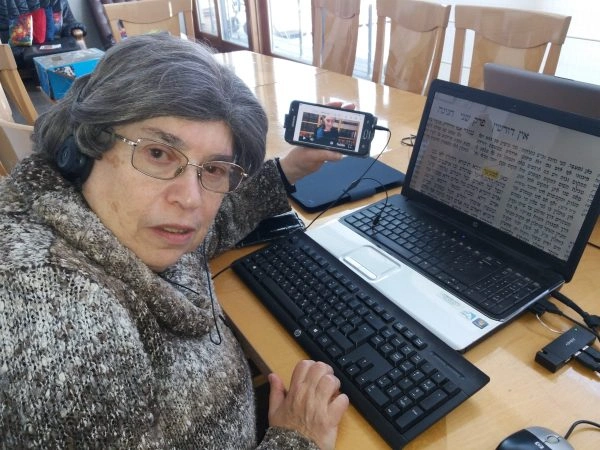
Geri Goldstein got me started learning daf yomi when I was in Israel 2 years ago. It’s been a challenge and I’ve learned a lot though I’m sure I miss a lot. I quilt as I listen and I want to share what I’ve been working on.

Rebecca Stulberg
Rebecca Stulberg

Ottawa, Canada

See video

Susan Fisher
Susan Fisher

Raanana, Israel

In my Shana bet at Migdal Oz I attended the Hadran siyum hash”as. Witnessing so many women so passionate about their Torah learning and connection to God, I knew I had to begin with the coming cycle. My wedding (June 24) was two weeks before the siyum of mesechet yoma so I went a little ahead and was able to make a speech and siyum at my kiseh kallah on my wedding day!

Sharona Guggenheim Plumb

Givat Shmuel, Israel

I started learning at the beginning of this Daf Yomi cycle because I heard a lot about the previous cycle coming to an end and thought it would be a good thing to start doing. My husband had already bought several of the Koren Talmud Bavli books and they were just sitting on the shelf, not being used, so here was an opportunity to start using them and find out exactly what was in them. Loving it!

Caroline Levison
Caroline Levison

Borehamwood, United Kingdom

Since I started in January of 2020, Daf Yomi has changed my life. It connects me to Jews all over the world, especially learned women. It makes cooking, gardening, and folding laundry into acts of Torah study. Daf Yomi enables me to participate in a conversation with and about our heritage that has been going on for more than 2000 years.

Shira Eliaser
Shira Eliaser

Skokie, IL, United States

About a year into learning more about Judaism on a path to potential conversion, I saw an article about the upcoming Siyum HaShas in January of 2020. My curiosity was piqued and I immediately started investigating what learning the Daf actually meant. Daily learning? Just what I wanted. Seven and a half years? I love a challenge! So I dove in head first and I’ve enjoyed every moment!!
Nickie Matthews
Nickie Matthews

Blacksburg, United States

I began my Daf Yomi journey on January 5, 2020. I had never learned Talmud before. Initially it struck me as a bunch of inane and arcane details with mind bending logic. I am now smitten. Rabbanit Farber brings the page to life and I am eager to learn with her every day!

Lori Stark
Lori Stark

Highland Park, United States

Shabbat 65

שׁוֹטְחָן בַּחַמָּה, אֲבָל לֹא כְּנֶגֶד הָעָם. רַבִּי אֱלִיעֶזֶר וְרַבִּי שִׁמְעוֹן אוֹסְרִין.

One whose clothes fell into water on a Festival may not dry them in the conventional manner; however, he may spread them out in the sun, but not before the people, who may suspect that he laundered his clothes on Shabbat. Rabbi Eliezer and Rabbi Shimon prohibit doing so even in a place concealed from view. Apparently, the Sages disagree whether or not an action prohibited due to the appearance of prohibition is prohibited everywhere.

וּבְמוֹךְ שֶׁבְּאׇזְנָהּ. תָּנֵי רָמֵי בַּר יְחֶזְקֵאל: וְהוּא שֶׁקָּשׁוּר בְּאׇזְנָהּ.

We learned in the mishna that a woman may go out on Shabbat with a cloth that is in her ear. Rami bar Yeḥezkel taught: And that is specifically in a case where the cloth is tied to her ear and she will not come to carry it.

וּבְמוֹךְ שֶׁבְּסַנְדָּלָהּ. תָּנֵי רָמֵי בַּר יְחֶזְקֵאל: וְהוּא שֶׁקָּשׁוּר לָהּ בְּסַנְדָּלָהּ.

The mishna continues: A woman may go out with a cloth that is in her sandal. Rami bar Yeḥezkel taught: And that is specifically in a case where the cloth is tied to her sandal.

וּבְמוֹךְ שֶׁהִתְקִינָה לָהּ לְנִדָּתָהּ. סָבַר רָמֵי בַּר חָמָא לְמֵימַר, וְהוּא שֶׁקָּשׁוּר לָהּ בֵּין יְרֵיכוֹתֶיהָ. אָמַר רָבָא: אַף עַל פִּי שֶׁאֵינוֹ קָשׁוּר לָהּ, כֵּיוָן דִּמְאִיס לָא אָתְיָא לְאֵיתוֹיֵי.

We learned in the mishna: A woman may go out with a cloth that she placed due to her menstrual flow. Rami bar Ḥama considered saying that it is permitted specifically in a case where it is tied between her thighs. Rava said: It is permitted even though it is not tied to her; since it is repulsive, she will not come to carry it even if it falls.

בְּעָא מִינֵּיהּ רַבִּי יִרְמְיָה מֵרַבִּי אַבָּא: עָשְׂתָה לָהּ בֵּית יָד, מַהוּ? אֲמַר לֵיהּ: מוּתָּר. אִיתְּמַר [נָמֵי], אָמַר רַב נַחְמָן בַּר אוֹשַׁעְיָא אָמַר רַבִּי יוֹחָנָן: עָשְׂתָה לָהּ בֵּית יָד — מוּתָּר.

Rabbi Yirmeya raised a dilemma before Rabbi Abba: If she made herself a handgrip in which she could hold the cloth, what is the halakha? Since she does not have to touch the cloth with her bare hand, is there concern that she will come to carry it or not? He said to him: It is permitted. It was also stated that Rav Naḥman bar Oshaya said that Rabbi Yoḥanan said: If she made herself a handgrip it is permitted.

רַבִּי יוֹחָנָן נָפֵיק בְּהוּ לְבֵי מִדְרְשָׁא, וַחֲלוּקִין עָלָיו חֲבֵרָיו. רַבִּי יַנַּאי נָפֵיק בְּהוּ לְכַרְמְלִית, וַחֲלוּקִין עָלָיו כׇּל דּוֹרוֹ. וְהָתָנֵי רָמֵי בַּר יְחֶזְקֵאל: וְהוּא שֶׁקָּשׁוּר לָהּ בְּאׇזְנָהּ! לָא קַשְׁיָא: הָא דְּמִיהַדַּק, הָא דְּלָא מִיהַדַּק.

Rabbi Yoḥanan went out with a cloth in his ear to the study hall on Shabbat, and his colleagues are in disagreement with him and rule that it is prohibited to do so because it was not tied to his ear. Rabbi Yannai went out with it, a cloth in his ear, to a karmelit, an intermediate domain, neither public nor private. And all the Sages of his generation are in disagreement with him. The Gemara asks: Didn’t Rami bar Yeḥezkel teach: And that is specifically in a case where the cloth is tied to her ear? How could these Sages ignore this halakha? The Gemara answers: This is not difficult; this, where it was taught that certain Sages went out with a cloth, is in a case where it was stuck tightly in their ears. Therefore, it was permitted even though it was not tied. That, where Rami bar Yeḥezkel said that going out with a cloth is permitted only when it is tied, is in a case where it was not stuck tightly in his ear.

בַּפִּלְפֵּל וּבְגַלְגַּל מֶלַח. פִּלְפֵּל לְרֵיחַ הַפֶּה, גַּלְגַּל מֶלַח לְדוּרְשִׁינֵּי. וְכׇל דָּבָר שֶׁנּוֹתֶנֶת לְתוֹךְ פִּיהָ. זַנְגְּבִילָא, אִי נָמֵי דָּרְצוּנָא.

We learned in the mishna: A woman may go out with pepper and with a grain of salt in her mouth. The Gemara explains: She places pepper in her mouth to prevent mouth odor and a grain of salt to treat a toothache. With regard to that which we learned in the mishna: A woman may go out on Shabbat with any thing that she places in her mouth: This refers to ginger or, alternatively, to cinnamon [dartzona].

שֵׁן תּוֹתֶבֶת שֵׁן שֶׁל זָהָב, רַבִּי מַתִּיר וַחֲכָמִים אוֹסְרִין. אָמַר רַבִּי זֵירָא לֹא שָׁנוּ אֶלָּא שֶׁל זָהָב, אֲבָל בְּשֶׁל כֶּסֶף דִּבְרֵי הַכֹּל מוּתָּר. תַּנְיָא נָמֵי הָכִי: בְּשֶׁל כֶּסֶף דִּבְרֵי הַכֹּל מוּתָּר. שֶׁל זָהָב, רַבִּי מַתִּיר וַחֲכָמִים אוֹסְרִין.

We learned in the mishna that the Sages disagree whether or not a woman may go out on Shabbat with a false tooth and a gold tooth; Rabbi Yehuda HaNasi permits doing so and the Rabbis prohibit doing so. Rabbi Zeira said: They only taught the dispute with regard to a gold tooth. Since it is precious, she might remove it from her mouth to show her friends and come to carry it. However, with regard to a silver tooth, which is less precious, there is no concern that she will remove it from her mouth. Everyone agrees that it is permitted. That opinion was also taught in a baraita: With regard to a tooth made of silver, everyone agrees that it is permitted. With regard to a tooth of gold, Rabbi Yehuda HaNasi permits going out with it and the Rabbis prohibit going out with it.

אָמַר אַבָּיֵי: רַבִּי וְרַבִּי אֱלִיעֶזֶר וְרַבִּי שִׁמְעוֹן בֶּן אֶלְעָזָר כּוּלְּהוּ סְבִירָא לְהוּ דְּכֹל מִידֵּי דְּמִיגַּנְּיָא בֵּיהּ לָא אָתְיָא לְאַחְוֹיֵי.

Abaye said: Rabbi Yehuda HaNasi, and Rabbi Eliezer, and Rabbi Shimon ben Elazar all hold that anything that makes her unappealing when removed, she will not come to remove it and show it to others. Therefore, it is permitted for her to go out with it.

רַבִּי — הָא דַּאֲמַרַן. רַבִּי אֱלִיעֶזֶר — דְּתַנְיָא: רַבִּי אֱלִיעֶזֶר פּוֹטֵר בְּכוֹבֶלֶת וּבִצְלוֹחִית שֶׁל פִּלְיָיטוֹן.

The Gemara elaborates: The opinion of Rabbi Yehuda HaNasi is that which we just stated. The opinion of Rabbi Eliezer is as it was taught in a baraita: Rabbi Eliezer exempts a woman who went out with a bundle of fragrant herbs and with a flask of balsam oil, since a woman whose odor is foul does not remove and show the bundle to others.

רַבִּי שִׁמְעוֹן בֶּן אֶלְעָזָר — דְּתַנְיָא, כְּלָל אָמַר רַבִּי שִׁמְעוֹן בֶּן אֶלְעָזָר: כׇּל שֶׁהוּא לְמַטָּה מִן הַסְּבָכָה יוֹצְאָה בּוֹ, לְמַעְלָה מִן הַסְּבָכָה — אֵינָהּ יוֹצְאָה בּוֹ.

The opinion of Rabbi Shimon ben Elazar is as it was taught in a baraita. Rabbi Shimon ben Elazar stated a principle: Anything that is worn beneath the net, a woman may go out into the public domain with it, since a woman will not uncover her hair while in the public domain even to show off an ornament. Anything that is worn over the net, e.g., an ornamental hat, a woman may not go out with it, since there is concern that she will remove it and carry it.

מַתְנִי׳ יוֹצְאָה בְּסֶלַע שֶׁעַל הַצִּינִּית. הַבָּנוֹת קְטַנּוֹת יוֹצְאוֹת בְּחוּטִין, וַאֲפִילּוּ בְּקֵיסָמִין שֶׁבְּאׇזְנֵיהֶם. עַרְבִיּוֹת יוֹצְאוֹת רְעוּלוֹת וּמָדִיּוֹת פְּרוּפוֹת, וְכׇל אָדָם — אֶלָּא שֶׁדִּבְּרוּ חֲכָמִים בַּהֹוֶה. פּוֹרֶפֶת עַל הָאֶבֶן וְעַל הָאֱגוֹז וְעַל הַמַּטְבֵּעַ, וּבִלְבַד שֶׁלֹּא תִּפְרוֹף לְכַתְּחִלָּה בְּשַׁבָּת.

MISHNA: A woman may go out with a sela coin that she ties on a wound on her foot. The young girls may go out with strings, and even with wood chips that are in the holes in their ears so that the holes will not seal. Young girls would have their ears pierced, but earrings were not placed in their ears until they were older. Jewish women in Arab countries may go out veiled, with a scarf covering their face, and Jewish women in Media may go out with cloaks fastened with stones. And, any person in any place is permitted to go out on Shabbat clothed in that way; however, the Sages spoke in the present, addressing prevalent situations. A woman may fasten her cloak on a stone by inserting a small stone and wrapping her cloak around it, as she would with a button. And likewise, she may do so on a nut or on a coin, as long as she does not fasten her cloak with them on Shabbat ab initio.

גְּמָ׳ מַאי צִינִּית? בַּת אַרְעָא.

GEMARA: The Gemara asks: What is the tzinit with regard to which the mishna taught that a woman may go out with a coin tied to it on Shabbat? The Gemara explains: It is a wound on the sole of her foot.

וּמַאי שְׁנָא סֶלַע? אִילֵּימָא כֹּל מִידֵּי דַּאֲקוֹשָׁא מְעַלֵּי לַהּ, לֶיעְבַּד לַהּ חַסְפָּא! אֶלָּא מִשּׁוּם שׁוּכְתָּא — לֶיעְבַּד לָהּ טַסָּא! אֶלָּא מִשּׁוּם צוּרְתָּא, לֶיעְבַּד לָהּ פּוּלְסָא! אָמַר אַבָּיֵי: שְׁמַע מִינַּהּ כּוּלְּהוּ מְעַלּוּ לָהּ.

The Gemara asks: What is different about a sela? Why specifically is a coin placed on the wound? If you say that any object that is hard is beneficial for her, make an earthenware shard for her instead. Rather, it is beneficial due to the rust on the coin. If so, make a small silver plate for her. Why specifically a coin? Rather it is beneficial due to the image engraved on the coin. If so, make her an unminted coin and engrave an image on it. Abaye said: Learn from it that all these factors together are beneficial for her.

הַבָּנוֹת יוֹצְאוֹת בְּחוּטִין. אֲבוּהּ דִּשְׁמוּאֵל לָא שָׁבֵיק לְהוּ לִבְנָתֵיהּ דְּנָפְקָן בְּחוּטִין, וְלָא שָׁבֵיק לְהוּ גָּנְיָאן גַּבֵּי הֲדָדֵי, וְעָבֵיד לְהוּ מִקְוָאוֹת בְּיוֹמֵי נִיסָן וּמַפָּצֵי בְּיוֹמֵי תִשְׁרֵי.

The mishna taught that the young girls may go out with strings. The Gemara relates that Shmuel’s father did not allow his daughters to go out with strings, and did not allow them to lie next to each other, and he made ritual baths for them in the days of Nisan and mats in the Euphrates River in the days of Tishrei. Since the water was shallow and the riverbed muddy, he placed mats on the riverbed so that they could immerse without getting dirty.

לָא שָׁבֵיק לְהוּ יוֹצְאוֹת בְּחוּטִין, וְהָאֲנַן תְּנַן: הַבָּנוֹת יוֹצְאוֹת בְּחוּטִין! בְּנָתֵיהּ דַּאֲבוּהּ דִּשְׁמוּאֵל דְּצִבְעוֹנִין הֲווֹ.

The Gemara analyzes the conduct of Shmuel’s father: He did not allow them to go out with strings. Didn’t we learn in the mishna that the girls may go out with strings? The Gemara answers: The strings with which the daughters of Shmuel’s father went out were colorful ones, and he was concerned that because the strings were beautiful they would come to remove them to show them to others and carry them.

לָא שָׁבֵיק לְהוּ גָּנְיָאן גַּבֵּי הֲדָדֵי, לֵימָא מְסַיַּיע לֵיהּ לְרַב הוּנָא. דְּאָמַר רַב הוּנָא: נָשִׁים הַמְסוֹלְלוֹת זוֹ בָּזוֹ

He did not allow them to lie next to one another. Let us say that this supports the opinion of Rav Huna, as Rav Huna said: Women who rub against one another motivated by sexual desire

פְּסוּלוֹת לַכְּהוּנָּה.

are disqualified from marrying into the priesthood. The act renders a woman a zona. It is prohibited for a priest to marry her (Tosafot).

לָא — סָבַר כִּי הֵיכִי דְּלָא לֵילְפָן גּוּפָא נוּכְרָאָה.

The Gemara rejects this: No, that is not necessarily so. Perhaps the reason for Shmuel’s father’s insistence was because he thought to prevent them from lying next to one another so that they would not become accustomed to sleeping with a foreign body, which could stimulate sexual desire.

וְעָבֵיד לְהוּ מִקְוֶה בְּיוֹמֵי נִיסָן, מְסַיַּיע לֵיהּ לְרַב, דְּאָמַר רַב: מִטְרָא בְּמַעְרְבָא סָהֲדָא רַבָּה פְּרָת. סָבַר, שֶׁלֹּא יִרְבּוּ הַנּוֹטְפִין עַל הַזּוֹחֲלִין.

And he made a ritual bath for them in the days of Nisan. This supports the opinion of Rav, as Rav said: When rain falls in the West, Eretz Yisrael, the great witness attesting to that fact is the Euphrates, as the water flow in the Euphrates increases after the rainy season. The rainfall in northern Babylonia, where the source of the Euphrates is located, is essentially parallel to the rainfall in Eretz Yisrael. The increased water flow of the Euphrates in the spring is the result of the rainfall in the winter. Shmuel’s father held that immersion in the Euphrates would not purify them. A river maintains its status as a river in terms of purification through immersion only if it is established that the rain water that fell would not exceed the naturally flowing spring water. In the halakhot of ritual baths, there are two manners of purification. The first is the immersion in a place where water is gathered, e.g., collected rainwater that does not flow and remains in place. The second is immersion in flowing waters in their natural state, e.g., a spring or a river. However, rainwater purifies only when it is collected; it does not purify when it is flowing.

וּפְלִיגָא דִּשְׁמוּאֵל. דְּאָמַר שְׁמוּאֵל: נַהֲרָא מִכֵּיפֵיהּ מִיבָּרַךְ. וּפְלִיגָא דִּידֵיהּ אַדִּידֵיהּ, דְּאָמַר שְׁמוּאֵל: אֵין הַמַּיִם מְטַהֲרִין בְּזוֹחֲלִין אֶלָּא פְּרָת בְּיוֹמֵי תִשְׁרֵי בִּלְבַד.

And he disagrees with his son Shmuel, as Shmuel said: The river is blessed from its riverbed (ge’onim); the additional water in the river is not from rainfall but rather from subterranean sources. And this statement of Shmuel disagrees with another ruling that he himself issued, as Shmuel said: The water purifies when flowing only in the Euphrates during the days of Tishrei alone. Since rain does not fall in the summer, only then is it clear that the water is in fact river water.

פּוֹרֶפֶת עַל הָאֶבֶן כּוּ׳. וְהָאָמְרַתְּ רֵישָׁא ״פּוֹרֶפֶת״? אָמַר אַבָּיֵי: סֵיפָא אֲתָאן לְמַטְבֵּעַ.

We learned in the mishna: A woman may fasten her cloak on a stone, and on a nut, and on a coin, as long as she does not fasten her cloak with them ab initio on Shabbat. The Gemara asks: Didn’t you say in the first clause of this halakha in the mishna that a woman may fasten, indicating that she is permitted to do so even ab initio? How do you explain the contradiction? Abaye said: In the latter clause of the mishna we have arrived at the case of a coin, one of the examples cited in the mishna. The halakha with regard to a coin is the exception. Because a coin is set-aside from use on Shabbat, one might conclude that it may not be used at all; nevertheless, it is only prohibited to fasten the cloak on the coin ab initio on Shabbat itself.

בָּעֵי אַבָּיֵי: אִשָּׁה מַהוּ שֶׁתַּעֲרִים וְתִפְרוֹף עַל הָאֱגוֹז לְהוֹצִיא לִבְנָהּ קָטָן בְּשַׁבָּת?

Abaye raised a dilemma: What is the halakha with regard to a case where a woman employs artifice to circumvent the halakha and fastens her garment on a nut in order to take the nut out in a permissible fashion to her young child in the public domain on Shabbat?

תִּיבְּעֵי לְמַאן דְּאָמַר מַעֲרִימִין. תִּיבְּעֵי לְמַאן דְּאָמַר אֵין מַעֲרִימִין.

The Gemara notes: This is a dilemma according to the one who said that one may employ artifice when there is a fire on Shabbat. One is permitted to wear several layers of garments to take them out of a burning house on Shabbat. And this is a dilemma according to the one who said that one may not employ artifice when there is a fire on Shabbat.

תִּיבְּעֵי לְמַאן דְּאָמַר מַעֲרִימִין בִּדְלֵיקָה: הָתָם הוּא דְּאִי לָא שָׁרֵית לֵיהּ אָתֵי לְכַבּוֹיֵי, אֲבָל הָכָא אִי לָא שָׁרֵית לֵיהּ לָא אָתֵי לְאַפּוֹקֵי.

The Gemara elaborates: This is a dilemma according to the one who said that one may employ artifice when there is a fire on Shabbat, as the cases are distinct. Perhaps there, artifice is permitted because if you do not permit him to take the garments out of the burning house in that manner, he will come to extinguish the fire. However, here, if you do not permit the woman to employ artifice and take the nut out to her child in the public domain, she will not come to take it out.

אוֹ דִלְמָא, אֲפִילּוּ לְמַאן דְּאָמַר אֵין מַעֲרִימִין בִּדְלֵיקָה, הָתָם — דֶּרֶךְ הוֹצָאָה בְּכָךְ, אֲבָל הָכָא — אֵין דֶּרֶךְ הוֹצָאָה בְּכָךְ, אֵימָא שַׁפִּיר דָּמֵי. תֵּיקוּ.

Or perhaps, even according to one who said that one may not employ artifice in the case of a fire, there is a distinction between the cases. There, in the case of a fire, wearing garments is the typical manner in which one takes clothing out to the public domain. However, here, utilizing a nut as a button is not the typical manner in which one takes a nut out to the public domain. Since no Torah prohibition is violated by doing so, say that she may well employ artifice to take the nut out to her son. The Gemara concludes: Let this dilemma stand unresolved.

מַתְנִי׳ הַקִּיטֵּעַ יוֹצֵא בְּקַב שֶׁלּוֹ — דִּבְרֵי רַבִּי מֵאִיר,

MISHNA: One with an amputated leg may go out on Shabbat with his wooden leg, as it has the legal status of a shoe; this is the statement of Rabbi Meir.

Want to follow content and continue where you left off?

Create an account today to track your progress, mark what you’ve learned, and follow the shiurim that speak to you.

Clear all items from this list?

This will remove ALL the items in this section. You will lose any progress or history connected to them. This is irreversible.

Cancel
Yes, clear all

Are you sure you want to delete this item?

You will lose any progress or history connected to this item.

Cancel
Yes, delete