










The gemara continues to discuss the requisite amount needed for carrying items such as liquids, paper, ropes, reeds, etc.
This week’s learning is sponsored by Tina Lamm for the refuah shleima for מעין ליאורה בת שלומית פייגא. “Our precious Maya”
Want to dedicate learning? Get started here:
English
עברית

0:00
0:00
0:00
0:00
Today’s daily daf tools:
This week’s learning is sponsored by Tina Lamm for the refuah shleima for מעין ליאורה בת שלומית פייגא. “Our precious Maya”
Shabbat 78
וְלֵיתָא דְּרַבִּי יַנַּאי. וְהָכָא בְּהָא קָמִיפַּלְגִי: רַבִּי שִׁמְעוֹן בֶּן אֶלְעָזָר סָבַר: אֵבֶר קָטָן דְּגָדוֹל וְאֵבֶר גָּדוֹל דְּקָטָן בֶּן יוֹמוֹ כִּי הֲדָדֵי נִינְהוּ, וְרַבִּי נָתָן סָבַר: אֵבֶר קָטָן דְּגָדוֹל אִין, אֵבֶר גָּדוֹל דְּקָטָן בֶּן יוֹמוֹ — לָא. מַאי הָוֵי עֲלַהּ? תָּא שְׁמַע: דְּתַנְיָא, רַבִּי שִׁמְעוֹן בֶּן אֶלְעָזָר אוֹמֵר: שֶׁמֶן כְּדֵי לָסוּךְ אֵבֶר קָטָן שֶׁל קָטָן בֶּן יוֹמוֹ.
and the opinion of the school of Rabbi Yannai is not accepted. And here, in this baraita, they disagree about this: Rabbi Shimon ben Elazar holds: A small limb of an adult and a large limb of a day-old child are equal to one another, and Rabbi Natan holds: For carrying out oil in a measure equivalent to that which is used to spread on a small limb of an adult, yes, one is liable; however, a large limb of a day-old child, no, he is exempt. The Gemara asks: What conclusion was reached in this matter? Come and hear a proof, as it was taught in a baraita that Rabbi Shimon ben Elazar says explicitly: The measure that determines liability for carrying out oil is equivalent to that which is used to spread on a small limb of a day-old child.
מַיִם כְּדֵי לָשׁוּף בָּהֶן אֶת הַקִּילוֹר. אָמַר אַבָּיֵי: מִכְּדֵי כׇּל מִילְּתָא דִּשְׁכִיחָא וְלָא שְׁכִיחָא, אֲזוּל רַבָּנַן בָּתַר דִּשְׁכִיחָא לְקוּלָּא. שְׁכִיחָא וּשְׁכִיחָא אֲזוּל רַבָּנַן בָּתַר דִּשְׁכִיחָא לְחוּמְרָא.
We learned in the mishna: The measure that determines liability for carrying out water is equivalent to that which is used to rub and spread on an eye bandage. Abaye said: Now, since, with regard to any substance that is utilized for both common and uncommon uses, the Sages, in their ruling, followed the common usage even as a leniency, i.e., one is liable only for carrying out the larger measure. However, when a substance has different uses and one is common and the other is common as well, the Sages, in their ruling, followed the common use that leads to a stringency, i.e., one is liable for carrying out even the smaller amount.
יַיִן, שְׁתִיָּיתוֹ שְׁכִיחָא רְפוּאָתוֹ לָא שְׁכִיחָא — אֲזוּל רַבָּנַן בָּתַר שְׁתִיָּיתוֹ דִּשְׁכִיחָא לְקוּלָּא. חָלָב, אֲכִילָתוֹ שְׁכִיחָא רְפוּאָתוֹ לָא שְׁכִיחָא — אֲזוּל רַבָּנַן בָּתַר אֲכִילָתוֹ לְקוּלָּא. דְּבַשׁ, אֲכִילָתוֹ שְׁכִיחָא רְפוּאָתוֹ שְׁכִיחָא — אֲזוּל רַבָּנַן בָּתַר רְפוּאָתוֹ לְחוּמְרָא.
Proof for this principle can be seen in the following examples. Wine, its use for drinking is common and its use for healing is uncommon. The Sages, in establishing the measure that determines liability for carrying out wine, followed its use for drinking, which is common, which led to a leniency. The amount of wine that one typically drinks is greater than the amount of wine used for healing. Milk, its consumption is common and its use for healing is uncommon. The Sages, in establishing the measure that determines liability for carrying out milk, followed its consumption, which is common, as a leniency. Honey, its consumption is common and its use for healing is also common. The Sages, in establishing the measure that determines liability for carrying out honey, followed its use for healing, the smaller amount, as a stringency.
אֶלָּא מַיִם, מִכְּדֵי שְׁתִיָּיתוֹ שְׁכִיחָא רְפוּאָתוֹ לָא שְׁכִיחָא, מַאי טַעְמָא אֲזוּל רַבָּנַן בָּתַר רְפוּאָתוֹ לְחוּמְרָא? אָמַר אַבָּיֵי: בְּגָלִילָא שָׁנוּ. רָבָא אָמַר: אֲפִילּוּ תֵּימָא בִּשְׁאָר מְקוֹמוֹת, כְּדִשְׁמוּאֵל, דְּאָמַר שְׁמוּאֵל: כׇּל שַׁקְיָינֵי מַסּוּ וּמְטַלְּלִי לְבַר מִמַּיָּא דְּמַסּוּ וְלָא מְטַלְּלִי.
However, water, since its drinking is common and its use for healing is uncommon, what is the reason that the Sages followed its use for healing as a stringency? Based on the above principle, the Sages should have determined the measure based on its use for drinking. Abaye said: They taught this halakha in the Galilee where they typically drink wine. There, water is used as commonly for healing as it is for drinking (Tosafot). Rava said: Even if you say that this halakha applies in the rest of the places as well as in the Galilee, the use of water in treating the eye is common, in accordance with the opinion of Shmuel, as Shmuel said: All liquids placed on the eye effect a cure and cloud the vision, except for water which cures and does not cloud the vision.
וּשְׁאָר כׇּל הַמַּשְׁקִין בִּרְבִיעִית. תָּנוּ רַבָּנַן: דָּם וְכׇל מִינֵי מַשְׁקִין בִּרְבִיעִית. רַבִּי שִׁמְעוֹן בֶּן אֶלְעָזָר אוֹמֵר: דָּם, כְּדֵי לִכְחוֹל בְּעַיִן אַחַת, שֶׁכֵּן כּוֹחֲלִין לְבַרְקִית. וּמַאי נִינְהוּ? דְּמָא דְתַרְנוּגְלָא בַּרָּא. רַבָּן שִׁמְעוֹן בֶּן גַּמְלִיאֵל אוֹמֵר: דָּם כְּדֵי לִכְחוֹל בּוֹ עַיִן אַחַת, שֶׁכֵּן כּוֹחֲלִין לְיָארוּד. וּמַאי נִיהוּ? דְּמָא דִכְרוּשְׁתִּינָא. וְסִימָנָיךְ: גַּוָּא לְגַוָּא, בַּרָּא לְבַרָּא.
We learned in the mishna: And the measure that determines liability for all other liquids is a quarter of a log. The Sages taught in a Tosefta: The measure that determines liability for carrying out blood and all types of liquids on Shabbat is a quarter of a log. Rabbi Shimon ben Elazar says: The measure that determines liability for blood is less than that. The measure that determines liability for carrying out blood is equivalent to that which is used to apply to one eye, as one applies blood to heal a wart on the eye. The Gemara asks: And what type of blood effects this cure? The blood of a wild chicken. Rabbi Shimon ben Gamliel says: The measure that determines liability for carrying out blood is equivalent to that which is used to apply to one eye, as one applies blood to heal a cataract. And what type of blood effects this cure? The blood of a bat. And a mnemonic to ensure that you do not confuse these cures: Inside for inside, outside for outside. The blood of a bat, which lives in inhabited areas, for the cataract, which is inside the eye; the blood of a wild chicken, which lives outside inhabited areas, for the wart, which is external to the eye.
בַּמֶּה דְּבָרִים אֲמוּרִים — בְּמוֹצִיא, אֲבָל בְּמַצְנִיעַ — כׇּל שֶׁהוּא חַיָּיב. רַבִּי שִׁמְעוֹן אוֹמֵר: בַּמֶּה דְּבָרִים אֲמוּרִים — בְּמַצְנִיעַ, אֲבָל בְּמוֹצִיא — אֵינוֹ חַיָּיב אֶלָּא בִּרְבִיעִית. וּמוֹדִים חֲכָמִים לְרַבִּי שִׁמְעוֹן בְּמוֹצִיא שׁוֹפְכִין לִרְשׁוּת הָרַבִּים שֶׁשִּׁיעוּרָן בִּרְבִיעִית.
The Gemara cites a Tosefta: In what case are these matters, the measures for the substances in the mishna, stated? They were stated with regard to one who carries them out from one domain to another without ascribing special significance to them. However, with regard to one who stores them, thereby ascribing significance to them, the ruling is that he is liable for carrying out any measure. Rabbi Shimon says: In what case are these matters stated? They were stated with regard to one who stores those amounts. However, if one merely carries them out, he is liable only if he carries out a quarter of a log. And the Rabbis agree with Rabbi Shimon with regard to one who carries out waste water to the public domain that even when one merely carries it out, the measure that determines liability is a quarter of a log.
אָמַר מָר: בַּמֶּה דְּבָרִים אֲמוּרִים — בְּמוֹצִיא, אֲבָל בְּמַצְנִיעַ — כׇּל שֶׁהוּא. אַטּוּ מַצְנִיעַ לָאו מוֹצִיא הוּא? אָמַר אַבָּיֵי: הָכָא בְּמַאי עָסְקִינַן — בְּתַלְמִיד שֶׁאָמַר לוֹ רַבּוֹ: לֵךְ וּפַנֵּה לִי הַמָּקוֹם לִסְעוּדָה. הָלַךְ וּפִנָּה לוֹ. דָּבָר חָשׁוּב לַכֹּל — חַיָּיב עִילָּוֵיהּ, דָּבָר שֶׁאֵינוֹ חָשׁוּב לַכֹּל, אִי אַצְנְעֵיהּ רַבֵּיהּ — מִיחַיַּיב עִילָּוֵיהּ, וְאִי לָא — לָא מִיחַיַּיב.
The Master said in the Tosefta: In what case are these matters, the measures for the substances in the mishna, stated? They were stated with regard to one who carries them out from one domain to another without ascribing special significance to them. However, with regard to one who stores them, he is liable for any amount. The Gemara is surprised at this: Isn’t the one who stores also the one who carries out? One is not liable for merely storing. He is liable only for carrying out the stored item. Abaye said: With what are we dealing here? With the case of a student whose teacher said to him: Go and clear for me space for a meal, and he went and cleared space for him and removed the items to another domain. If he cleared an item that is significant to all, he is liable for carrying it out. If he cleared an item that is not significant to all, then, if his teacher had stored it, he is liable for carrying it out, and if his teacher had not stored it, he is not liable for carrying it out, since the student is fulfilling his teacher’s wishes.
אָמַר מָר: מוֹדִים חֲכָמִים לְרַבִּי שִׁמְעוֹן בְּמוֹצִיא שׁוֹפְכִין לִרְשׁוּת הָרַבִּים שֶׁשִּׁיעוּרָן בִּרְבִיעִית. שׁוֹפְכִין לְמַאי חֲזוּ? אָמַר רַבִּי יִרְמְיָה: לְגַבֵּל בָּהֶן אֶת הַטִּיט. וְהָתַנְיָא: טִיט כְּדֵי לַעֲשׂוֹת בָּהֶן פִּי כוּר! לָא קַשְׁיָא: הָא דְּמִיגַּבַּל, הָא דְּלָא מִיגַּבַּל — לְפִי שֶׁאֵין אָדָם טוֹרֵחַ לְגַבֵּל טִיט לַעֲשׂוֹת פִּי כוּר.
The Master said in the Tosefta: And the Rabbis agree with Rabbi Shimon with regard to one who carries out waste water to the public domain, that the measure that determines liability is a quarter of a log. The Gemara asks: For what use is waste water fit? Rabbi Yirmeya said: It is used to knead clay. The Gemara asks: If that is its purpose, why is such a large amount required? Was it not taught in a baraita: The measure that determines liability for carrying out clay on Shabbat is equivalent to that which is used to make an opening for the bellows to be placed in a crucible, which is a much smaller measure? The Gemara answers: This is not difficult. This, where the measure for clay is equivalent to that which is used to make an opening for the bellows to be placed in a crucible, is referring to a case where it was already kneaded; that, where the measure for waste water is a quarter of a log to knead clay, is referring to a case where it is not yet kneaded, as a person does not go to the trouble of kneading clay just to make an opening for the bellows to be placed in a crucible. When carrying out water to knead clay, a large amount is required; however, clay that was already prepared is fit for use for smaller objects as well.
מַתְנִי׳ הַמּוֹצִיא חֶבֶל — כְּדֵי לַעֲשׂוֹת אוֹזֶן לַקּוּפָּה. גֶּמִי — כְּדֵי לַעֲשׂוֹת תְּלַאי לַנָּפָה וְלַכְּבָרָה. רַבִּי יְהוּדָה אוֹמֵר: כְּדֵי לִיטּוֹל מִמֶּנּוּ מִדַּת מִנְעָל לַקָּטָן. נְיָיר — כְּדֵי לִכְתּוֹב עָלָיו קֶשֶׁר מוֹכְסִין. וְהַמּוֹצִיא קֶשֶׁר מוֹכְסִין — חַיָּיב.
MISHNA: One who carries out a rope is liable in a measure equivalent to that which is used to form an ear-shaped handle for a basket. The measure that determines liability for carrying out reed grass is equivalent to that which is used to make a loop for hanging a sifter or a sieve. Rabbi Yehuda says: The measure for liability is equivalent to that which is used to take the measure of a shoe for a child, as the reed is used to measure the size of the foot. The measure that determines liability for carrying out paper is equivalent to that which is used to write a tax receipt. And one who carries out a tax receipt itself on Shabbat is liable.
נְיָיר מָחוּק — כְּדֵי לִכְרוֹךְ עַל צְלוֹחִית קְטַנָּה שֶׁל פִּלְיָיטוֹן. עוֹר — כְּדֵי לַעֲשׂוֹת קָמֵיעַ. דּוּכְסוּסְטוֹס — כְּדֵי לִכְתּוֹב מְזוּזָה. קְלָף — כְּדֵי לִכְתּוֹב עָלָיו פָּרָשָׁה קְטַנָּה שֶׁבַּתְּפִילִּין, שֶׁהִיא ״שְׁמַע יִשְׂרָאֵל״. דְּיוֹ — כְּדֵי לִכְתּוֹב שְׁתֵּי אוֹתִיּוֹת.
The measure that determines liability for carrying out paper from which the writing has been erased and which can no longer be used for writing, is equivalent to that which is used to wrap around a small jar of perfume. The measure that determines liability for carrying out animal hide is equivalent to that which is used to make an amulet. The measure that determines liability for carrying out dokhsostos, a layer of the animal hide, is equivalent to that which is used to write a mezuza. The measure that determines liability for carrying out parchment is equivalent to that which is used to write the shortest portion in the phylacteries, which is the portion of Shema Yisrael. The measure that determines liability for carrying out ink is equivalent to that which is used to write two letters.
כְּחוֹל — כְּדֵי לִכְחוֹל עַיִן אַחַת. דֶּבֶק — כְּדֵי לִיתֵּן בְּרֹאשׁ הַשַּׁפְשָׁף. זֶפֶת וְגׇפְרִית — כְּדֵי לַעֲשׂוֹת נֶקֶב. שַׁעֲוָה — כְּדֵי לִיתֵּן עַל פִּי נֶקֶב קָטָן. חַרְסִית — כְּדֵי לַעֲשׂוֹת פִּי כוּר שֶׁל צוֹרְפֵי זָהָב. רַבִּי יְהוּדָה אוֹמֵר: כְּדֵי לַעֲשׂוֹת פִּיטְפּוּט. סוּבִּין — כְּדֵי לִיתֵּן עַל פִּי כוּר שֶׁל צוֹרְפֵי זָהָב. סִיד — כְּדֵי לָסוּד קְטַנָּה שֶׁבַּבָּנוֹת. רַבִּי יְהוּדָה אוֹמֵר: כְּדֵי לַעֲשׂוֹת כִּלְכּוּל. רַבִּי נְחֶמְיָה אוֹמֵר: כְּדֵי לָסוּד אוּנְדִּפֵי.
The measure that determines liability for carrying out blue eye shadow is equivalent to that which is used to paint one eye blue. The measure that determines liability for carrying out glue is equivalent to that which is used to place on the top of a board to catch birds. The measure that determines liability for carrying out tar and sulfur is equivalent to that which is used to seal a hole in a vessel and to make a small hole in that seal. The measure that determines liability for carrying out wax is equivalent to that which is used to place on the opening of a small hole to seal it. The measure that determines liability for carrying out crushed earthenware is equivalent to that which is used to knead and make from it an opening for the bellows to be placed in a gold refiners’ crucible. Rabbi Yehuda says: Equivalent to that which is used to make a small tripod [pitput] for the crucible. The measure that determines liability for carrying out bran is equivalent to that which is used to place on the hole of a gold refiners’ crucible. The measure that determines liability for carrying out lime is equivalent to that which is used to spread as a depilatory on the smallest of girls. Rabbi Yehuda says: Equivalent to that which is used to spread on the hair that grows over the temple so that it will lie flat. Rabbi Neḥemya says: Equivalent to that which is used to spread on the temple to remove fine hairs.
גְּמָ׳ חֶבֶל נָמֵי לִיחַיֵּיב כְּדֵי לַעֲשׂוֹת תְּלַאי לַנָּפָה וְלַכְּבָרָה! כֵּיוָן דְּחָרֵיק בְּמָנָא לָא עָבְדִי אִינָשֵׁי. תָּנוּ רַבָּנַן: הוּצִין כְּדֵי לַעֲשׂוֹת אוֹזֶן לְסַל כְּפִיפָה מִצְרִית. סִיב — אֲחֵרִים אוֹמְרִים: כְּדֵי לִיתֵּן עַל פִּי מַשְׁפֵּךְ קָטָן לְסַנֵּן אֶת הַיַּיִן. רְבָב — כְּדֵי לָסוּךְ תַּחַת אֶסְפּוֹגִית קְטַנָּה. וְכַמָּה שִׁיעוּרָהּ? — כְּסֶלַע. וְהָתַנְיָא כִּגְרוֹגֶרֶת! אִידֵּי וְאִידֵּי חַד שִׁיעוּרָא הוּא. מוֹכִין כְּדֵי לַעֲשׂוֹת כַּדּוּר קְטַנָּה, וְכַמָּה שִׁיעוּרוֹ? — כֶּאֱגוֹז.
GEMARA: We learned in the mishna: The measure that determines liability for carrying out a rope is equivalent to that which is used to form an ear-shaped handle for a basket. The Gemara asks: In the case of rope, too, let one be liable for carrying out a measure equivalent to that which is used to make a loop for hanging a sifter or a sieve, as he is with a reed. The Gemara answers: Since rope is tough and would cut grooves in the vessel, people do not make loops from it. The Sages taught: The measure that determines liability for carrying out hard palm leaves is equivalent to that which is used to make an ear-shaped handle for an Egyptian wicker basket, which is made from woven palm branches. Aḥerim say: The measure that determines liability for carrying out bast is equivalent to that which is used to place on the opening of a small funnel to filter the wine. The measure that determines liability for carrying out fat is equivalent to that which is used to smear beneath a small cake. And how much is its measure? Equivalent to the size of a sela. The Gemara asks: Was it not taught in a baraita that its measure is equivalent to a dried fig? The Gemara answers: This, the width of a sela, and that, the volume of a dried fig, are one measure. The measure that determines liability for carrying out soft material is equivalent to that which is used to make a small ball. And how much is its measure? It is like the size of a nut.
נְיָיר — כְּדֵי לִכְתּוֹב עָלָיו קֶשֶׁר מוֹכְסִין. תָּנָא: כַּמָּה קֶשֶׁר מוֹכְסִין? שְׁתֵּי אוֹתִיּוֹת שֶׁל קֶשֶׁר מוֹכְסִין. וּרְמִינְהוּ: הַמּוֹצִיא נְיָיר חָלָק, אִם יֵשׁ בּוֹ כְּדֵי לִכְתּוֹב שְׁתֵּי אוֹתִיּוֹת — חַיָּיב, וְאִם לָאו — פָּטוּר. אָמַר רַב שֵׁשֶׁת: מַאי שְׁתֵּי אוֹתִיּוֹת? שְׁתֵּי אוֹתִיּוֹת שֶׁל קֶשֶׁר מוֹכְסִין. רָבָא אָמַר: שְׁתֵּי אוֹתִיּוֹת דִּידַן וּבֵית אֲחִיזָה, דְּהַיְינוּ קֶשֶׁר מוֹכְסִין.
We learned in the mishna: The measure that determines liability for carrying out paper is equivalent to that which is used to write a tax receipt. A tanna taught in a Tosefta: How much is the measure of a tax receipt? Enough to write two letters characteristic of a tax receipt, which are larger than regular letters. And the Gemara raises a contradiction: One who carries out blank paper; if it has space equivalent to that which is used to write two letters, he is liable, and if not, he is exempt. That paper is smaller than a tax receipt. Rav Sheshet said: What are the two letters taught in the Tosefta? Two letters of a tax receipt. Rava said: The Tosefta can even be explained as referring to two standard-size letters of ours and blank space with which to hold the paper on which the text is written, which is the size of a tax receipt.
מֵיתִיבִי: הַמּוֹצִיא נְיָיר מָחוּק וּשְׁטָר פָּרוּעַ, אִם יֵשׁ בַּלּוֹבֶן שֶׁלּוֹ כְּדֵי לִכְתּוֹב שְׁתֵּי אוֹתִיּוֹת, אוֹ בְּכוּלּוֹ כְּדֵי לִכְרוֹךְ עַל פִּי צְלוֹחִית קְטַנָּה שֶׁל פִּלְיָיטוֹן — חַיָּיב, וְאִם לָאו — פָּטוּר. בִּשְׁלָמָא לְרַב שֵׁשֶׁת דְּאָמַר מַאי ״שְׁתֵּי אוֹתִיּוֹת״, שְׁתֵּי אוֹתִיּוֹת שֶׁל קֶשֶׁר מוֹכְסִין — שַׁפִּיר. אֶלָּא לְרָבָא דְּאָמַר שְׁתֵּי אוֹתִיּוֹת דִּידַן וּבֵית אֲחִיזָה, דְּהַיְינוּ קֶשֶׁר מוֹכְסִין — הָכָא בֵּית אֲחִיזָה לָא צְרִיךְ! קַשְׁיָא.
The Gemara raises an objection: One who carries out paper from which the writing has been erased or a promissory note whose debt has been repaid, if there is in its white section, the space with no text, equivalent to that which is used to write two letters, or if the entire paper is equivalent to that which is used to wrap around a small jar of perfume, he is liable; and if not, if it is smaller, he is exempt. The Gemara elaborates: Granted, according to Rav Sheshet, who said: What are the two letters taught in the Tosefta, two letters of a tax receipt, it works out well. However, according to Rava, who said: Two standard-size letters of ours and blank space with which to hold the paper on which the text is written, which is the size of a tax receipt, here, on this paper or document, blank space with which to hold the paper is not necessary, as one can hold it on the erased part or on the text of the voided promissory note. Nevertheless, the measure for liability in the Tosefta for carrying out paper from which the writing was erased is no smaller. The Gemara concludes: Indeed, it is difficult.
תָּנוּ רַבָּנַן: הַמּוֹצִיא קֶשֶׁר מוֹכְסִין, עַד שֶׁלֹּא הֶרְאָהוּ לַמּוֹכֵס — חַיָּיב. מִשֶּׁהֶרְאָהוּ לַמּוֹכֵס — פָּטוּר. רַבִּי יְהוּדָה אוֹמֵר: אַף מִשֶּׁהֶרְאָהוּ לַמּוֹכֵס חַיָּיב מִפְּנֵי שֶׁצָּרִיךְ לוֹ. מַאי בֵּינַיְיהוּ? אָמַר אַבָּיֵי: אִיכָּא בֵּינַיְיהוּ רָהִיטֵי מוֹכְסָא. רָבָא אָמַר: מוֹכֵס גָּדוֹל וּמוֹכֵס קָטָן אִיכָּא בֵּינַיְיהוּ. רַב אָשֵׁי אָמַר: חַד מוֹכֵס אִיכָּא בֵּינַיְיהוּ, מִפְּנֵי שֶׁצָּרִיךְ לוֹ לְהַרְאוֹת לְמוֹכֵס שֵׁנִי, דְּאָמַר לֵיהּ: חֲזִי, גַּבְרָא דְמוֹכֵס אֲנָא.
The Sages taught in a Tosefta: One who carries out a tax receipt on Shabbat before he has shown it to the tax collector, and he still needs it, is liable for carrying out on Shabbat. Once he has shown it to the tax collector he is exempt, as it has no significance. Rabbi Yehuda says: Even once he has shown it to the tax collector he is liable because there will be a time when he needs it. The Gemara asks: What is the practical difference between their opinions? Abaye said: There is a practical difference between their opinions with regard to tax runners. Occasionally, the tax collectors send inspectors after those who already passed the tax audit in order to verify that they indeed paid. In that case, even though one already showed it to the original tax collector, he will be required to produce it again. Rava said: There is a practical difference between their opinions with regard to a senior tax collector and a junior tax collector. Sometimes, when the first tax collector that one encounters is a minor official, he will need to keep the receipt with him and produce it if he encounters a more senior official. Rav Ashi said: There is a difference between them even in a case where there is just one tax collector. Nevertheless, it is to his advantage to keep it in his possession because he needs it to show it to a second tax collector whom he may encounter in the future, as he says to him: Look, I am a man trusted by the tax collector. The document in his possession proves that he is on good terms with the tax authorities.
תָּנוּ רַבָּנַן: הַמּוֹצִיא שְׁטַר חוֹב, עַד שֶׁלֹּא פְּרָעוֹ — חַיָּיב, מִשֶּׁפְּרָעוֹ — פָּטוּר. רַבִּי יְהוּדָה אוֹמֵר: אַף מִשֶּׁפְּרָעוֹ — חַיָּיב, מִפְּנֵי שֶׁצָּרִיךְ לוֹ. מַאי בֵּינַיְיהוּ? אָמַר רַב יוֹסֵף: אָסוּר לְשַׁהוֹת שְׁטָר פָּרוּעַ אִיכָּא בֵּינַיְיהוּ. רַבָּנַן סָבְרִי: אָסוּר לְשַׁהוֹת שְׁטָר פָּרוּעַ. וְרַבִּי יְהוּדָה סָבַר: מוּתָּר לְשַׁהוֹת שְׁטָר פָּרוּעַ.
The Sages taught: One who carries out a promissory note on Shabbat before he repaid the debt is liable; however, once he repaid it, he is exempt. Rabbi Yehuda says: Even once he repaid the debt, he is liable for carrying out the document because he needs it. The Gemara asks: What is the practical difference between their opinions? Rav Yosef said: There is a practical difference between their opinions with regard to the halakha whether or not it is prohibited to keep a repaid promissory note in one’s possession. The Rabbis hold: It is prohibited to keep a repaid promissory note in one’s possession, so that the creditor will not use it to collect the debt a second time. Since it is prohibited to keep a repaid promissory note, the document has no value. And Rabbi Yehuda holds: It is permitted to keep a repaid promissory note in one’s possession and use it as paper.
אַבָּיֵי אֲמַר: דְּכוּלֵּי עָלְמָא אָסוּר לְשַׁהוֹת שְׁטָר פָּרוּעַ, וְהָכָא בְּמוֹדֶה בִּשְׁטָר שֶׁכְּתָבוֹ שֶׁצָּרִיךְ לְקַיְּימוֹ קָמִיפַּלְגִי: תַּנָּא קַמָּא סָבַר מוֹדֶה בִּשְׁטָר שֶׁכְּתָבוֹ — צָרִיךְ לְקַיְּימוֹ. וְרַבִּי יְהוּדָה סָבַר מוֹדֶה בִּשְׁטָר שֶׁכְּתָבוֹ — אֵין צָרִיךְ לְקַיְּימוֹ. וּמַאי ״עַד שֶׁלֹּא פְּרָעוֹ״ וּ״מִשֶּׁפְּרָעוֹ״?
Abaye said: Everyone agrees that it is prohibited to keep a repaid promissory note in one’s possession, and here they disagree with regard to the question whether or not, in a case where a debtor admits that he wrote a promissory note, the creditor must ratify it in court. The first tanna holds: When a debtor admits that he wrote a promissory note, the creditor must ratify it in court to confirm that it is not a forgery. If it cannot be ratified, the debtor can claim that he already repaid the debt. And Rabbi Yehuda holds: When a debtor admits that he wrote a promissory note, the creditor need not ratify it in court and can collect his debt without ratification. The document is considered more reliable than the debtor’s claims. And what is the meaning of: Before he repaid the debt and once he repaid it?
Follow 
Today’s daily daf tools:
Delve Deeper
Broaden your understanding of the topics on this daf with classes and podcasts from top women Talmud scholars.

New to Talmud?
Check out our resources designed to help you navigate a page of Talmud – and study at the pace, level and style that fits you.
The Hadran Women’s Tapestry
Meet the diverse women learning Gemara at Hadran and hear their stories.
Shortly after the death of my father, David Malik z”l, I made the commitment to Daf Yomi. While riding to Ben Gurion airport in January, Siyum HaShas was playing on the radio; that was the nudge I needed to get started. The “everyday-ness” of the Daf has been a meaningful spiritual practice, especial after COVID began & I was temporarily unable to say Kaddish at daily in-person minyanim.

Lisa S. Malik
Wynnewood, United States
When I began learning Daf Yomi at the beginning of the current cycle, I was preparing for an upcoming surgery and thought that learning the Daf would be something positive I could do each day during my recovery, even if I accomplished nothing else. I had no idea what a lifeline learning the Daf would turn out to be in so many ways.

Laura Shechter
Lexington, MA, United States
Studying has changed my life view on הלכה and יהדות and time. It has taught me bonudaries of the human nature and honesty of our sages in their discourse to try and build a nation of caring people .
Goldie Gilad
Kfar Saba, Israel
It has been a pleasure keeping pace with this wonderful and scholarly group of women.

Janice Block
Beit Shemesh, Israel
I started learning Talmud with R’ Haramati in Yeshivah of Flatbush. But after a respite of 60 years, Rabbanit Michelle lit my fire – after attending the last three world siyumim in Miami Beach, Meadowlands and Boca Raton, and now that I’m retired, I decided – “I can do this!” It has been an incredible journey so far, and I look forward to learning Daf everyday – Mazal Tov to everyone!

Roslyn Jaffe
Florida, United States
I started at the beginning of this cycle. No 1 reason, but here’s 5.
In 2019 I read about the upcoming siyum hashas.
There was a sermon at shul about how anyone can learn Talmud.
Talmud references come up when I am studying. I wanted to know more.
Yentl was on telly. Not a great movie but it’s about studying Talmud.
I went to the Hadran website: A new cycle is starting. I’m gonna do this
Denise Neapolitan
Cambridge, United Kingdom
As Jewish educator and as a woman, I’m mindful that Talmud has been kept from women for many centuries. Now that we are privileged to learn, and learning is so accessible, it’s my intent to complete Daf Yomi. I am so excited to keep learning with my Hadran community.
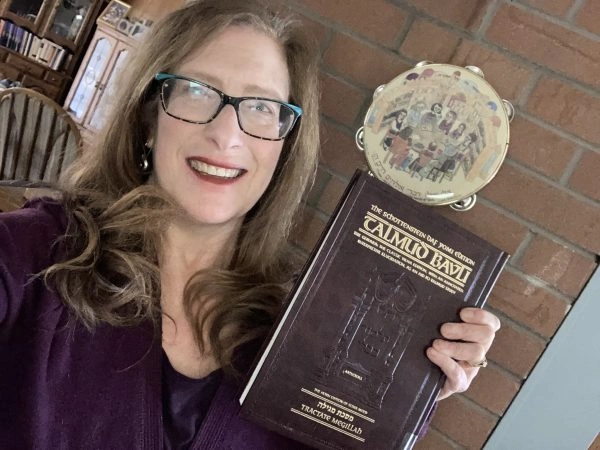
Sue Parker Gerson
Denver, United States
When I was working and taking care of my children, learning was never on the list. Now that I have more time I have two different Gemora classes and the nach yomi as well as the mishna yomi daily.
Shoshana Shinnar
Jerusalem, Israel
In early January of 2020, I learned about Siyyum HaShas and Daf Yomi via Tablet Magazine’s brief daily podcast about the Daf. I found it compelling and fascinating. Soon I discovered Hadran; since then I have learned the Daf daily with Rabbanit Michelle Cohen Farber. The Daf has permeated my every hour, and has transformed and magnified my place within the Jewish Universe.

Lisa Berkelhammer
San Francisco, CA , United States
I started with Ze Kollel in Berlin, directed by Jeremy Borowitz for Hillel Deutschland. We read Masechet Megillah chapter 4 and each participant wrote his commentary on a Sugia that particularly impressed him. I wrote six poems about different Sugiot! Fascinated by the discussions on Talmud I continued to learn with Rabanit Michelle Farber and am currently taking part in the Tikun Olam course.

Yael Merlini
Berlin, Germany
I started learning when my brother sent me the news clip of the celebration of the last Daf Yomi cycle. I was so floored to see so many women celebrating that I wanted to be a part of it. It has been an enriching experience studying a text in a language I don’t speak, using background knowledge that I don’t have. It is stretching my learning in unexpected ways, bringing me joy and satisfaction.

Jodi Gladstone
Warwick, Rhode Island, United States
I started learning Jan 2020 when I heard the new cycle was starting. I had tried during the last cycle and didn’t make it past a few weeks. Learning online from old men didn’t speak to my soul and I knew Talmud had to be a soul journey for me. Enter Hadran! Talmud from Rabbanit Michelle Farber from a woman’s perspective, a mother’s perspective and a modern perspective. Motivated to continue!

Keren Carter
Brentwood, California, United States
I started learning the daf during Covid. I’d always wanted to learn Talmud but that wasn’t an option for girls in the small town I grew up in and I struggled to help my younger kids with Hebrew homework let alone read a Hebrew text. I decided to start small by listening to the daf podcast on the way to work each morning. Then I joined the Long Island WhatsApp group. Now I go to the siyyums.

Shoshana Bazini
Long Island, United States
I had no formal learning in Talmud until I began my studies in the Joint Program where in 1976 I was one of the few, if not the only, woman talmud major. It was superior training for law school and enabled me to approach my legal studies with a foundation . In 2018, I began daf yomi listening to Rabbanit MIchelle’s pod cast and my daily talmud studies are one of the highlights of my life.

Terri Krivosha
Minneapolis, United States
I LOVE learning the Daf. I started with Shabbat. I join the morning Zoom with Reb Michelle and it totally grounds my day. When Corona hit us in Israel, I decided that I would use the Daf to keep myself sane, especially during the days when we could not venture out more than 300 m from our home. Now my husband and I have so much new material to talk about! It really is the best part of my day!

Batsheva Pava
Hashmonaim, Israel
When we heard that R. Michelle was starting daf yomi, my 11-year-old suggested that I go. Little did she know that she would lose me every morning from then on. I remember standing at the Farbers’ door, almost too shy to enter. After that first class, I said that I would come the next day but couldn’t commit to more. A decade later, I still look forward to learning from R. Michelle every morning.

Ruth Leah Kahan
Ra’anana, Israel
I started learning Daf Yomi in January 2020 after watching my grandfather, Mayer Penstein z”l, finish shas with the previous cycle. My grandfather made learning so much fun was so proud that his grandchildren wanted to join him. I was also inspired by Ilana Kurshan’s book, If All the Seas Were Ink. Two years in, I can say that it has enriched my life in so many ways.

Leeza Hirt Wilner
New York, United States
I started my Daf Yomi journey at the beginning of the COVID19 pandemic.

Karena Perry
Los Angeles, United States
I started learning with rabbis. I needed to know more than the stories. My first teacher to show me “the way of the Talmud” as well as the stories was Samara Schwartz.
Michelle Farber started the new cycle 2 yrs ago and I jumped on for the ride.
I do not look back.
Jenifer Nech
Houston, United States
It has been a pleasure keeping pace with this wonderful and scholarly group of women.
Janice Block
Beit Shemesh, Israel
Shabbat 78
וְלֵיתָא דְּרַבִּי יַנַּאי. וְהָכָא בְּהָא קָמִיפַּלְגִי: רַבִּי שִׁמְעוֹן בֶּן אֶלְעָזָר סָבַר: אֵבֶר קָטָן דְּגָדוֹל וְאֵבֶר גָּדוֹל דְּקָטָן בֶּן יוֹמוֹ כִּי הֲדָדֵי נִינְהוּ, וְרַבִּי נָתָן סָבַר: אֵבֶר קָטָן דְּגָדוֹל אִין, אֵבֶר גָּדוֹל דְּקָטָן בֶּן יוֹמוֹ — לָא. מַאי הָוֵי עֲלַהּ? תָּא שְׁמַע: דְּתַנְיָא, רַבִּי שִׁמְעוֹן בֶּן אֶלְעָזָר אוֹמֵר: שֶׁמֶן כְּדֵי לָסוּךְ אֵבֶר קָטָן שֶׁל קָטָן בֶּן יוֹמוֹ.
and the opinion of the school of Rabbi Yannai is not accepted. And here, in this baraita, they disagree about this: Rabbi Shimon ben Elazar holds: A small limb of an adult and a large limb of a day-old child are equal to one another, and Rabbi Natan holds: For carrying out oil in a measure equivalent to that which is used to spread on a small limb of an adult, yes, one is liable; however, a large limb of a day-old child, no, he is exempt. The Gemara asks: What conclusion was reached in this matter? Come and hear a proof, as it was taught in a baraita that Rabbi Shimon ben Elazar says explicitly: The measure that determines liability for carrying out oil is equivalent to that which is used to spread on a small limb of a day-old child.
מַיִם כְּדֵי לָשׁוּף בָּהֶן אֶת הַקִּילוֹר. אָמַר אַבָּיֵי: מִכְּדֵי כׇּל מִילְּתָא דִּשְׁכִיחָא וְלָא שְׁכִיחָא, אֲזוּל רַבָּנַן בָּתַר דִּשְׁכִיחָא לְקוּלָּא. שְׁכִיחָא וּשְׁכִיחָא אֲזוּל רַבָּנַן בָּתַר דִּשְׁכִיחָא לְחוּמְרָא.
We learned in the mishna: The measure that determines liability for carrying out water is equivalent to that which is used to rub and spread on an eye bandage. Abaye said: Now, since, with regard to any substance that is utilized for both common and uncommon uses, the Sages, in their ruling, followed the common usage even as a leniency, i.e., one is liable only for carrying out the larger measure. However, when a substance has different uses and one is common and the other is common as well, the Sages, in their ruling, followed the common use that leads to a stringency, i.e., one is liable for carrying out even the smaller amount.
יַיִן, שְׁתִיָּיתוֹ שְׁכִיחָא רְפוּאָתוֹ לָא שְׁכִיחָא — אֲזוּל רַבָּנַן בָּתַר שְׁתִיָּיתוֹ דִּשְׁכִיחָא לְקוּלָּא. חָלָב, אֲכִילָתוֹ שְׁכִיחָא רְפוּאָתוֹ לָא שְׁכִיחָא — אֲזוּל רַבָּנַן בָּתַר אֲכִילָתוֹ לְקוּלָּא. דְּבַשׁ, אֲכִילָתוֹ שְׁכִיחָא רְפוּאָתוֹ שְׁכִיחָא — אֲזוּל רַבָּנַן בָּתַר רְפוּאָתוֹ לְחוּמְרָא.
Proof for this principle can be seen in the following examples. Wine, its use for drinking is common and its use for healing is uncommon. The Sages, in establishing the measure that determines liability for carrying out wine, followed its use for drinking, which is common, which led to a leniency. The amount of wine that one typically drinks is greater than the amount of wine used for healing. Milk, its consumption is common and its use for healing is uncommon. The Sages, in establishing the measure that determines liability for carrying out milk, followed its consumption, which is common, as a leniency. Honey, its consumption is common and its use for healing is also common. The Sages, in establishing the measure that determines liability for carrying out honey, followed its use for healing, the smaller amount, as a stringency.
אֶלָּא מַיִם, מִכְּדֵי שְׁתִיָּיתוֹ שְׁכִיחָא רְפוּאָתוֹ לָא שְׁכִיחָא, מַאי טַעְמָא אֲזוּל רַבָּנַן בָּתַר רְפוּאָתוֹ לְחוּמְרָא? אָמַר אַבָּיֵי: בְּגָלִילָא שָׁנוּ. רָבָא אָמַר: אֲפִילּוּ תֵּימָא בִּשְׁאָר מְקוֹמוֹת, כְּדִשְׁמוּאֵל, דְּאָמַר שְׁמוּאֵל: כׇּל שַׁקְיָינֵי מַסּוּ וּמְטַלְּלִי לְבַר מִמַּיָּא דְּמַסּוּ וְלָא מְטַלְּלִי.
However, water, since its drinking is common and its use for healing is uncommon, what is the reason that the Sages followed its use for healing as a stringency? Based on the above principle, the Sages should have determined the measure based on its use for drinking. Abaye said: They taught this halakha in the Galilee where they typically drink wine. There, water is used as commonly for healing as it is for drinking (Tosafot). Rava said: Even if you say that this halakha applies in the rest of the places as well as in the Galilee, the use of water in treating the eye is common, in accordance with the opinion of Shmuel, as Shmuel said: All liquids placed on the eye effect a cure and cloud the vision, except for water which cures and does not cloud the vision.
וּשְׁאָר כׇּל הַמַּשְׁקִין בִּרְבִיעִית. תָּנוּ רַבָּנַן: דָּם וְכׇל מִינֵי מַשְׁקִין בִּרְבִיעִית. רַבִּי שִׁמְעוֹן בֶּן אֶלְעָזָר אוֹמֵר: דָּם, כְּדֵי לִכְחוֹל בְּעַיִן אַחַת, שֶׁכֵּן כּוֹחֲלִין לְבַרְקִית. וּמַאי נִינְהוּ? דְּמָא דְתַרְנוּגְלָא בַּרָּא. רַבָּן שִׁמְעוֹן בֶּן גַּמְלִיאֵל אוֹמֵר: דָּם כְּדֵי לִכְחוֹל בּוֹ עַיִן אַחַת, שֶׁכֵּן כּוֹחֲלִין לְיָארוּד. וּמַאי נִיהוּ? דְּמָא דִכְרוּשְׁתִּינָא. וְסִימָנָיךְ: גַּוָּא לְגַוָּא, בַּרָּא לְבַרָּא.
We learned in the mishna: And the measure that determines liability for all other liquids is a quarter of a log. The Sages taught in a Tosefta: The measure that determines liability for carrying out blood and all types of liquids on Shabbat is a quarter of a log. Rabbi Shimon ben Elazar says: The measure that determines liability for blood is less than that. The measure that determines liability for carrying out blood is equivalent to that which is used to apply to one eye, as one applies blood to heal a wart on the eye. The Gemara asks: And what type of blood effects this cure? The blood of a wild chicken. Rabbi Shimon ben Gamliel says: The measure that determines liability for carrying out blood is equivalent to that which is used to apply to one eye, as one applies blood to heal a cataract. And what type of blood effects this cure? The blood of a bat. And a mnemonic to ensure that you do not confuse these cures: Inside for inside, outside for outside. The blood of a bat, which lives in inhabited areas, for the cataract, which is inside the eye; the blood of a wild chicken, which lives outside inhabited areas, for the wart, which is external to the eye.
בַּמֶּה דְּבָרִים אֲמוּרִים — בְּמוֹצִיא, אֲבָל בְּמַצְנִיעַ — כׇּל שֶׁהוּא חַיָּיב. רַבִּי שִׁמְעוֹן אוֹמֵר: בַּמֶּה דְּבָרִים אֲמוּרִים — בְּמַצְנִיעַ, אֲבָל בְּמוֹצִיא — אֵינוֹ חַיָּיב אֶלָּא בִּרְבִיעִית. וּמוֹדִים חֲכָמִים לְרַבִּי שִׁמְעוֹן בְּמוֹצִיא שׁוֹפְכִין לִרְשׁוּת הָרַבִּים שֶׁשִּׁיעוּרָן בִּרְבִיעִית.
The Gemara cites a Tosefta: In what case are these matters, the measures for the substances in the mishna, stated? They were stated with regard to one who carries them out from one domain to another without ascribing special significance to them. However, with regard to one who stores them, thereby ascribing significance to them, the ruling is that he is liable for carrying out any measure. Rabbi Shimon says: In what case are these matters stated? They were stated with regard to one who stores those amounts. However, if one merely carries them out, he is liable only if he carries out a quarter of a log. And the Rabbis agree with Rabbi Shimon with regard to one who carries out waste water to the public domain that even when one merely carries it out, the measure that determines liability is a quarter of a log.
אָמַר מָר: בַּמֶּה דְּבָרִים אֲמוּרִים — בְּמוֹצִיא, אֲבָל בְּמַצְנִיעַ — כׇּל שֶׁהוּא. אַטּוּ מַצְנִיעַ לָאו מוֹצִיא הוּא? אָמַר אַבָּיֵי: הָכָא בְּמַאי עָסְקִינַן — בְּתַלְמִיד שֶׁאָמַר לוֹ רַבּוֹ: לֵךְ וּפַנֵּה לִי הַמָּקוֹם לִסְעוּדָה. הָלַךְ וּפִנָּה לוֹ. דָּבָר חָשׁוּב לַכֹּל — חַיָּיב עִילָּוֵיהּ, דָּבָר שֶׁאֵינוֹ חָשׁוּב לַכֹּל, אִי אַצְנְעֵיהּ רַבֵּיהּ — מִיחַיַּיב עִילָּוֵיהּ, וְאִי לָא — לָא מִיחַיַּיב.
The Master said in the Tosefta: In what case are these matters, the measures for the substances in the mishna, stated? They were stated with regard to one who carries them out from one domain to another without ascribing special significance to them. However, with regard to one who stores them, he is liable for any amount. The Gemara is surprised at this: Isn’t the one who stores also the one who carries out? One is not liable for merely storing. He is liable only for carrying out the stored item. Abaye said: With what are we dealing here? With the case of a student whose teacher said to him: Go and clear for me space for a meal, and he went and cleared space for him and removed the items to another domain. If he cleared an item that is significant to all, he is liable for carrying it out. If he cleared an item that is not significant to all, then, if his teacher had stored it, he is liable for carrying it out, and if his teacher had not stored it, he is not liable for carrying it out, since the student is fulfilling his teacher’s wishes.
אָמַר מָר: מוֹדִים חֲכָמִים לְרַבִּי שִׁמְעוֹן בְּמוֹצִיא שׁוֹפְכִין לִרְשׁוּת הָרַבִּים שֶׁשִּׁיעוּרָן בִּרְבִיעִית. שׁוֹפְכִין לְמַאי חֲזוּ? אָמַר רַבִּי יִרְמְיָה: לְגַבֵּל בָּהֶן אֶת הַטִּיט. וְהָתַנְיָא: טִיט כְּדֵי לַעֲשׂוֹת בָּהֶן פִּי כוּר! לָא קַשְׁיָא: הָא דְּמִיגַּבַּל, הָא דְּלָא מִיגַּבַּל — לְפִי שֶׁאֵין אָדָם טוֹרֵחַ לְגַבֵּל טִיט לַעֲשׂוֹת פִּי כוּר.
The Master said in the Tosefta: And the Rabbis agree with Rabbi Shimon with regard to one who carries out waste water to the public domain, that the measure that determines liability is a quarter of a log. The Gemara asks: For what use is waste water fit? Rabbi Yirmeya said: It is used to knead clay. The Gemara asks: If that is its purpose, why is such a large amount required? Was it not taught in a baraita: The measure that determines liability for carrying out clay on Shabbat is equivalent to that which is used to make an opening for the bellows to be placed in a crucible, which is a much smaller measure? The Gemara answers: This is not difficult. This, where the measure for clay is equivalent to that which is used to make an opening for the bellows to be placed in a crucible, is referring to a case where it was already kneaded; that, where the measure for waste water is a quarter of a log to knead clay, is referring to a case where it is not yet kneaded, as a person does not go to the trouble of kneading clay just to make an opening for the bellows to be placed in a crucible. When carrying out water to knead clay, a large amount is required; however, clay that was already prepared is fit for use for smaller objects as well.
מַתְנִי׳ הַמּוֹצִיא חֶבֶל — כְּדֵי לַעֲשׂוֹת אוֹזֶן לַקּוּפָּה. גֶּמִי — כְּדֵי לַעֲשׂוֹת תְּלַאי לַנָּפָה וְלַכְּבָרָה. רַבִּי יְהוּדָה אוֹמֵר: כְּדֵי לִיטּוֹל מִמֶּנּוּ מִדַּת מִנְעָל לַקָּטָן. נְיָיר — כְּדֵי לִכְתּוֹב עָלָיו קֶשֶׁר מוֹכְסִין. וְהַמּוֹצִיא קֶשֶׁר מוֹכְסִין — חַיָּיב.
MISHNA: One who carries out a rope is liable in a measure equivalent to that which is used to form an ear-shaped handle for a basket. The measure that determines liability for carrying out reed grass is equivalent to that which is used to make a loop for hanging a sifter or a sieve. Rabbi Yehuda says: The measure for liability is equivalent to that which is used to take the measure of a shoe for a child, as the reed is used to measure the size of the foot. The measure that determines liability for carrying out paper is equivalent to that which is used to write a tax receipt. And one who carries out a tax receipt itself on Shabbat is liable.
נְיָיר מָחוּק — כְּדֵי לִכְרוֹךְ עַל צְלוֹחִית קְטַנָּה שֶׁל פִּלְיָיטוֹן. עוֹר — כְּדֵי לַעֲשׂוֹת קָמֵיעַ. דּוּכְסוּסְטוֹס — כְּדֵי לִכְתּוֹב מְזוּזָה. קְלָף — כְּדֵי לִכְתּוֹב עָלָיו פָּרָשָׁה קְטַנָּה שֶׁבַּתְּפִילִּין, שֶׁהִיא ״שְׁמַע יִשְׂרָאֵל״. דְּיוֹ — כְּדֵי לִכְתּוֹב שְׁתֵּי אוֹתִיּוֹת.
The measure that determines liability for carrying out paper from which the writing has been erased and which can no longer be used for writing, is equivalent to that which is used to wrap around a small jar of perfume. The measure that determines liability for carrying out animal hide is equivalent to that which is used to make an amulet. The measure that determines liability for carrying out dokhsostos, a layer of the animal hide, is equivalent to that which is used to write a mezuza. The measure that determines liability for carrying out parchment is equivalent to that which is used to write the shortest portion in the phylacteries, which is the portion of Shema Yisrael. The measure that determines liability for carrying out ink is equivalent to that which is used to write two letters.
כְּחוֹל — כְּדֵי לִכְחוֹל עַיִן אַחַת. דֶּבֶק — כְּדֵי לִיתֵּן בְּרֹאשׁ הַשַּׁפְשָׁף. זֶפֶת וְגׇפְרִית — כְּדֵי לַעֲשׂוֹת נֶקֶב. שַׁעֲוָה — כְּדֵי לִיתֵּן עַל פִּי נֶקֶב קָטָן. חַרְסִית — כְּדֵי לַעֲשׂוֹת פִּי כוּר שֶׁל צוֹרְפֵי זָהָב. רַבִּי יְהוּדָה אוֹמֵר: כְּדֵי לַעֲשׂוֹת פִּיטְפּוּט. סוּבִּין — כְּדֵי לִיתֵּן עַל פִּי כוּר שֶׁל צוֹרְפֵי זָהָב. סִיד — כְּדֵי לָסוּד קְטַנָּה שֶׁבַּבָּנוֹת. רַבִּי יְהוּדָה אוֹמֵר: כְּדֵי לַעֲשׂוֹת כִּלְכּוּל. רַבִּי נְחֶמְיָה אוֹמֵר: כְּדֵי לָסוּד אוּנְדִּפֵי.
The measure that determines liability for carrying out blue eye shadow is equivalent to that which is used to paint one eye blue. The measure that determines liability for carrying out glue is equivalent to that which is used to place on the top of a board to catch birds. The measure that determines liability for carrying out tar and sulfur is equivalent to that which is used to seal a hole in a vessel and to make a small hole in that seal. The measure that determines liability for carrying out wax is equivalent to that which is used to place on the opening of a small hole to seal it. The measure that determines liability for carrying out crushed earthenware is equivalent to that which is used to knead and make from it an opening for the bellows to be placed in a gold refiners’ crucible. Rabbi Yehuda says: Equivalent to that which is used to make a small tripod [pitput] for the crucible. The measure that determines liability for carrying out bran is equivalent to that which is used to place on the hole of a gold refiners’ crucible. The measure that determines liability for carrying out lime is equivalent to that which is used to spread as a depilatory on the smallest of girls. Rabbi Yehuda says: Equivalent to that which is used to spread on the hair that grows over the temple so that it will lie flat. Rabbi Neḥemya says: Equivalent to that which is used to spread on the temple to remove fine hairs.
גְּמָ׳ חֶבֶל נָמֵי לִיחַיֵּיב כְּדֵי לַעֲשׂוֹת תְּלַאי לַנָּפָה וְלַכְּבָרָה! כֵּיוָן דְּחָרֵיק בְּמָנָא לָא עָבְדִי אִינָשֵׁי. תָּנוּ רַבָּנַן: הוּצִין כְּדֵי לַעֲשׂוֹת אוֹזֶן לְסַל כְּפִיפָה מִצְרִית. סִיב — אֲחֵרִים אוֹמְרִים: כְּדֵי לִיתֵּן עַל פִּי מַשְׁפֵּךְ קָטָן לְסַנֵּן אֶת הַיַּיִן. רְבָב — כְּדֵי לָסוּךְ תַּחַת אֶסְפּוֹגִית קְטַנָּה. וְכַמָּה שִׁיעוּרָהּ? — כְּסֶלַע. וְהָתַנְיָא כִּגְרוֹגֶרֶת! אִידֵּי וְאִידֵּי חַד שִׁיעוּרָא הוּא. מוֹכִין כְּדֵי לַעֲשׂוֹת כַּדּוּר קְטַנָּה, וְכַמָּה שִׁיעוּרוֹ? — כֶּאֱגוֹז.
GEMARA: We learned in the mishna: The measure that determines liability for carrying out a rope is equivalent to that which is used to form an ear-shaped handle for a basket. The Gemara asks: In the case of rope, too, let one be liable for carrying out a measure equivalent to that which is used to make a loop for hanging a sifter or a sieve, as he is with a reed. The Gemara answers: Since rope is tough and would cut grooves in the vessel, people do not make loops from it. The Sages taught: The measure that determines liability for carrying out hard palm leaves is equivalent to that which is used to make an ear-shaped handle for an Egyptian wicker basket, which is made from woven palm branches. Aḥerim say: The measure that determines liability for carrying out bast is equivalent to that which is used to place on the opening of a small funnel to filter the wine. The measure that determines liability for carrying out fat is equivalent to that which is used to smear beneath a small cake. And how much is its measure? Equivalent to the size of a sela. The Gemara asks: Was it not taught in a baraita that its measure is equivalent to a dried fig? The Gemara answers: This, the width of a sela, and that, the volume of a dried fig, are one measure. The measure that determines liability for carrying out soft material is equivalent to that which is used to make a small ball. And how much is its measure? It is like the size of a nut.
נְיָיר — כְּדֵי לִכְתּוֹב עָלָיו קֶשֶׁר מוֹכְסִין. תָּנָא: כַּמָּה קֶשֶׁר מוֹכְסִין? שְׁתֵּי אוֹתִיּוֹת שֶׁל קֶשֶׁר מוֹכְסִין. וּרְמִינְהוּ: הַמּוֹצִיא נְיָיר חָלָק, אִם יֵשׁ בּוֹ כְּדֵי לִכְתּוֹב שְׁתֵּי אוֹתִיּוֹת — חַיָּיב, וְאִם לָאו — פָּטוּר. אָמַר רַב שֵׁשֶׁת: מַאי שְׁתֵּי אוֹתִיּוֹת? שְׁתֵּי אוֹתִיּוֹת שֶׁל קֶשֶׁר מוֹכְסִין. רָבָא אָמַר: שְׁתֵּי אוֹתִיּוֹת דִּידַן וּבֵית אֲחִיזָה, דְּהַיְינוּ קֶשֶׁר מוֹכְסִין.
We learned in the mishna: The measure that determines liability for carrying out paper is equivalent to that which is used to write a tax receipt. A tanna taught in a Tosefta: How much is the measure of a tax receipt? Enough to write two letters characteristic of a tax receipt, which are larger than regular letters. And the Gemara raises a contradiction: One who carries out blank paper; if it has space equivalent to that which is used to write two letters, he is liable, and if not, he is exempt. That paper is smaller than a tax receipt. Rav Sheshet said: What are the two letters taught in the Tosefta? Two letters of a tax receipt. Rava said: The Tosefta can even be explained as referring to two standard-size letters of ours and blank space with which to hold the paper on which the text is written, which is the size of a tax receipt.
מֵיתִיבִי: הַמּוֹצִיא נְיָיר מָחוּק וּשְׁטָר פָּרוּעַ, אִם יֵשׁ בַּלּוֹבֶן שֶׁלּוֹ כְּדֵי לִכְתּוֹב שְׁתֵּי אוֹתִיּוֹת, אוֹ בְּכוּלּוֹ כְּדֵי לִכְרוֹךְ עַל פִּי צְלוֹחִית קְטַנָּה שֶׁל פִּלְיָיטוֹן — חַיָּיב, וְאִם לָאו — פָּטוּר. בִּשְׁלָמָא לְרַב שֵׁשֶׁת דְּאָמַר מַאי ״שְׁתֵּי אוֹתִיּוֹת״, שְׁתֵּי אוֹתִיּוֹת שֶׁל קֶשֶׁר מוֹכְסִין — שַׁפִּיר. אֶלָּא לְרָבָא דְּאָמַר שְׁתֵּי אוֹתִיּוֹת דִּידַן וּבֵית אֲחִיזָה, דְּהַיְינוּ קֶשֶׁר מוֹכְסִין — הָכָא בֵּית אֲחִיזָה לָא צְרִיךְ! קַשְׁיָא.
The Gemara raises an objection: One who carries out paper from which the writing has been erased or a promissory note whose debt has been repaid, if there is in its white section, the space with no text, equivalent to that which is used to write two letters, or if the entire paper is equivalent to that which is used to wrap around a small jar of perfume, he is liable; and if not, if it is smaller, he is exempt. The Gemara elaborates: Granted, according to Rav Sheshet, who said: What are the two letters taught in the Tosefta, two letters of a tax receipt, it works out well. However, according to Rava, who said: Two standard-size letters of ours and blank space with which to hold the paper on which the text is written, which is the size of a tax receipt, here, on this paper or document, blank space with which to hold the paper is not necessary, as one can hold it on the erased part or on the text of the voided promissory note. Nevertheless, the measure for liability in the Tosefta for carrying out paper from which the writing was erased is no smaller. The Gemara concludes: Indeed, it is difficult.
תָּנוּ רַבָּנַן: הַמּוֹצִיא קֶשֶׁר מוֹכְסִין, עַד שֶׁלֹּא הֶרְאָהוּ לַמּוֹכֵס — חַיָּיב. מִשֶּׁהֶרְאָהוּ לַמּוֹכֵס — פָּטוּר. רַבִּי יְהוּדָה אוֹמֵר: אַף מִשֶּׁהֶרְאָהוּ לַמּוֹכֵס חַיָּיב מִפְּנֵי שֶׁצָּרִיךְ לוֹ. מַאי בֵּינַיְיהוּ? אָמַר אַבָּיֵי: אִיכָּא בֵּינַיְיהוּ רָהִיטֵי מוֹכְסָא. רָבָא אָמַר: מוֹכֵס גָּדוֹל וּמוֹכֵס קָטָן אִיכָּא בֵּינַיְיהוּ. רַב אָשֵׁי אָמַר: חַד מוֹכֵס אִיכָּא בֵּינַיְיהוּ, מִפְּנֵי שֶׁצָּרִיךְ לוֹ לְהַרְאוֹת לְמוֹכֵס שֵׁנִי, דְּאָמַר לֵיהּ: חֲזִי, גַּבְרָא דְמוֹכֵס אֲנָא.
The Sages taught in a Tosefta: One who carries out a tax receipt on Shabbat before he has shown it to the tax collector, and he still needs it, is liable for carrying out on Shabbat. Once he has shown it to the tax collector he is exempt, as it has no significance. Rabbi Yehuda says: Even once he has shown it to the tax collector he is liable because there will be a time when he needs it. The Gemara asks: What is the practical difference between their opinions? Abaye said: There is a practical difference between their opinions with regard to tax runners. Occasionally, the tax collectors send inspectors after those who already passed the tax audit in order to verify that they indeed paid. In that case, even though one already showed it to the original tax collector, he will be required to produce it again. Rava said: There is a practical difference between their opinions with regard to a senior tax collector and a junior tax collector. Sometimes, when the first tax collector that one encounters is a minor official, he will need to keep the receipt with him and produce it if he encounters a more senior official. Rav Ashi said: There is a difference between them even in a case where there is just one tax collector. Nevertheless, it is to his advantage to keep it in his possession because he needs it to show it to a second tax collector whom he may encounter in the future, as he says to him: Look, I am a man trusted by the tax collector. The document in his possession proves that he is on good terms with the tax authorities.
תָּנוּ רַבָּנַן: הַמּוֹצִיא שְׁטַר חוֹב, עַד שֶׁלֹּא פְּרָעוֹ — חַיָּיב, מִשֶּׁפְּרָעוֹ — פָּטוּר. רַבִּי יְהוּדָה אוֹמֵר: אַף מִשֶּׁפְּרָעוֹ — חַיָּיב, מִפְּנֵי שֶׁצָּרִיךְ לוֹ. מַאי בֵּינַיְיהוּ? אָמַר רַב יוֹסֵף: אָסוּר לְשַׁהוֹת שְׁטָר פָּרוּעַ אִיכָּא בֵּינַיְיהוּ. רַבָּנַן סָבְרִי: אָסוּר לְשַׁהוֹת שְׁטָר פָּרוּעַ. וְרַבִּי יְהוּדָה סָבַר: מוּתָּר לְשַׁהוֹת שְׁטָר פָּרוּעַ.
The Sages taught: One who carries out a promissory note on Shabbat before he repaid the debt is liable; however, once he repaid it, he is exempt. Rabbi Yehuda says: Even once he repaid the debt, he is liable for carrying out the document because he needs it. The Gemara asks: What is the practical difference between their opinions? Rav Yosef said: There is a practical difference between their opinions with regard to the halakha whether or not it is prohibited to keep a repaid promissory note in one’s possession. The Rabbis hold: It is prohibited to keep a repaid promissory note in one’s possession, so that the creditor will not use it to collect the debt a second time. Since it is prohibited to keep a repaid promissory note, the document has no value. And Rabbi Yehuda holds: It is permitted to keep a repaid promissory note in one’s possession and use it as paper.
אַבָּיֵי אֲמַר: דְּכוּלֵּי עָלְמָא אָסוּר לְשַׁהוֹת שְׁטָר פָּרוּעַ, וְהָכָא בְּמוֹדֶה בִּשְׁטָר שֶׁכְּתָבוֹ שֶׁצָּרִיךְ לְקַיְּימוֹ קָמִיפַּלְגִי: תַּנָּא קַמָּא סָבַר מוֹדֶה בִּשְׁטָר שֶׁכְּתָבוֹ — צָרִיךְ לְקַיְּימוֹ. וְרַבִּי יְהוּדָה סָבַר מוֹדֶה בִּשְׁטָר שֶׁכְּתָבוֹ — אֵין צָרִיךְ לְקַיְּימוֹ. וּמַאי ״עַד שֶׁלֹּא פְּרָעוֹ״ וּ״מִשֶּׁפְּרָעוֹ״?
Abaye said: Everyone agrees that it is prohibited to keep a repaid promissory note in one’s possession, and here they disagree with regard to the question whether or not, in a case where a debtor admits that he wrote a promissory note, the creditor must ratify it in court. The first tanna holds: When a debtor admits that he wrote a promissory note, the creditor must ratify it in court to confirm that it is not a forgery. If it cannot be ratified, the debtor can claim that he already repaid the debt. And Rabbi Yehuda holds: When a debtor admits that he wrote a promissory note, the creditor need not ratify it in court and can collect his debt without ratification. The document is considered more reliable than the debtor’s claims. And what is the meaning of: Before he repaid the debt and once he repaid it?
Follow

