









This week’s learning is sponsored by Tina Lamm for the refuah shleima for מעין ליאורה בת שלומית פייגא. “Our precious Maya”
Want to dedicate learning? Get started here:

Summary

What items should/should not be brought into the Sukkah? If it starts to rain, at what point can you leave and at what point do you need to come back to the Sukkah once the rain stops? If it rains on Sukkot, it is seen as a bad sign. The gemara explains the parable mentioned in the mishna. The gemara mentioned other natural phenomena that are seen as a bad sign from God, such as, solar and lunar eclipse. Several sources are brought which suggest the meaning behind those events. A stolen lulav or a dry one is disqualified. Also, one from an Ashera tree and a city whose inhabitants all worships idols (ir hanidachat) are disqualified. What are other potential issues regarding a lulav? The gemara assumes that the mishna is referring to all the days of the holiday. If a stolen sukkah is disqualified because the lulav has to be your own, that would only be relevant for the first day! Rabbi Yochanan explains that it is disqualified as one cannot fulfill a mitzva through means of a transgression.
Today’s daily daf tools:
This week’s learning is sponsored by Tina Lamm for the refuah shleima for מעין ליאורה בת שלומית פייגא. “Our precious Maya”
Sukkah 29
כִּי הָא (דְּרַבָּה) בַּר חָמָא כִּי הֲווֹ קָיְימִי מִקַּמֵּיהּ דְּרַב חִסְדָּא מַרְהֲטִי בִּגְמָרָא בַּהֲדֵי הֲדָדֵי, וַהֲדַר מְעַיְּינִי בִּסְבָרָא.
As in that situation involving Rava and Rami bar Ḥama, when they would stand before Rav Ḥisda, after he taught them a halakha they would quickly review the tradition that they heard from him together and only then analyze the rationale of the tradition that they had received. Apparently, in the study of Mishna and the amoraic commentary on the Mishna there is a distinction between extensive and intensive study.
אָמַר רָבָא: מָאנֵי מִשְׁתְּיָא — בִּמְטַלַּלְתָּא, מָאנֵי מֵיכְלָא — בַּר מִמְּטַלַּלְתָּא. חַצְבָּא וְשָׁחֵיל — בַּר מִמְּטַלַּלְתָּא, וּשְׁרָגָא — בִּמְטַלַּלְתָּא. וְאָמְרִי לַהּ: בַּר מִמְּטַלַּלְתָּא. וְלָא פְּלִיגִי: הָא — בְּסוּכָּה גְּדוֹלָה, הָא — בְּסוּכָּה קְטַנָּה.
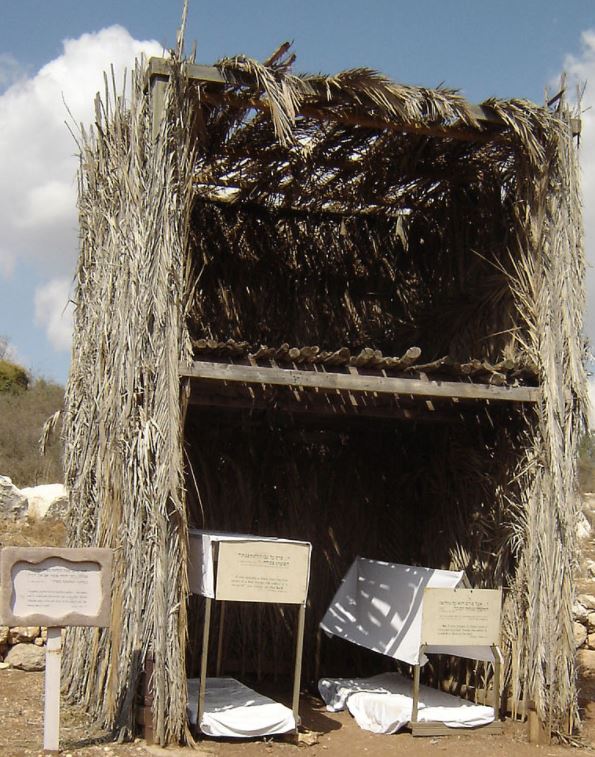
With regard to residence in the sukka, Rava said: Drinking vessels such as cups, which are usually clean, remain in the sukka. Eating vessels are taken out of the sukka after use. An earthenware jug and a wicker basket [shaḥil ] that are used for drawing water are taken outside the sukka. And a lamp remains inside the sukka, and some say it is taken outside the sukka. The Gemara comments: And they do not disagree. Rather, this opinion, that a lamp remains inside the sukka, is referring to a large sukka, where the lamp and its odor do not disturb those residing in the sukka. And that opinion, that the lamp is taken outside the sukka, is referring to a small sukka, where the lamp’s odor is offensive.
יָרְדוּ גְּשָׁמִים. תָּנָא: מִשֶּׁתִּסְרַח הַמִּקְפָּה שֶׁל גְּרִיסִין.
§ The mishna stated: If rain fell, it is permitted to leave the sukka from the point that it is raining so hard that the congealed dish will spoil. It was taught in the Tosefta: The measure is from when a congealed dish of pounded grain, a dish ruined by even slight rainfall, will spoil.
אַבָּיֵי הֲוָה קָא יָתֵיב קַמֵּיהּ דְּרַב יוֹסֵף בִּמְטַלַּלְתָּא, נְשַׁב זִיקָא וְקָא מַיְיתֵי צִיבְוָתָא. אֲמַר לְהוּ רַב יוֹסֵף: פַּנּוּ לִי מָאנַי מֵהָכָא. אֲמַר לֵיהּ אַבָּיֵי, וְהָא תְּנַן: מִשֶּׁתִּסְרַח הַמִּקְפָּה! אֲמַר לֵיהּ: לְדִידִי, כֵּיוָן דַּאֲנִינָא דַּעְתַּאי — כְּמִי שֶׁתִּסְרַח הַמִּקְפָּה דָּמֵי לִי.
Abaye was sitting before Rav Yosef in the sukka. The wind blew and brought with it splinters from the roofing, and they fell onto the food. Rav Yosef said to him: Vacate my vessels from here, and I will eat in the house. Abaye said to him: Didn’t we learn in the mishna that one remains in the sukka until the congealed dish will spoil? That is not yet the case. He said to him: For me, since I am delicate, this situation is as if the congealed dish will spoil.
תָּנוּ רַבָּנַן: הָיָה אוֹכֵל בַּסּוּכָּה וְיָרְדוּ גְּשָׁמִים וְיָרַד — אֵין מַטְרִיחִין אוֹתוֹ לַעֲלוֹת עַד שֶׁיִּגְמוֹר סְעוּדָּתוֹ. הָיָה יָשֵׁן תַּחַת הַסּוּכָּה וְיָרְדוּ גְּשָׁמִים וְיָרַד — אֵין מַטְרִיחִין אוֹתוֹ לַעֲלוֹת עַד שֶׁיֵּאוֹר.
The Sages taught: If one was eating in the sukka, and rain fell, and he descended from the sukka on the roof to eat in his house, one does not burden him to ascend back to the sukka once the rain ceases until after he finishes his meal. Similarly, if one was sleeping under the roofing of the sukka, and rain fell, and he descended to sleep in the house, one does not burden him to ascend back to the sukka once the rain ceases; rather, he may sleep in the house until it becomes light.
אִיבַּעְיָא לְהוּ: עַד שֶׁיֵּעוֹר אוֹ עַד שֶׁיֵּאוֹר? תָּא שְׁמַע: עַד שֶׁיֵּאוֹר וְיַעֲלֶה עַמּוּד הַשַּׁחַר. תַּרְתֵּי?! אֶלָּא אֵימָא: עַד שֶׁיֵּעוֹר וְיַעֲלֶה עַמּוּד הַשַּׁחַר.
A dilemma was raised before the Sages: Is the correct reading of the baraita: Until one awakens [sheyeor], spelled with an ayin, and once he awakens he returns to the sukka even in the middle of the night? Or is the correct reading: Until it becomes light [sheyeor], spelled with an alef, and he need not return to the sukka until morning? Come and hear a proof that will resolve the matter from a related baraita: One need not return to the sukka until it becomes light [sheyeor], spelled with an alef, and dawn arrives. The Gemara asks: Why did the baraita repeat the arrival of light two times (Ritva)? Rather, say instead: Until he awakens [sheyeor], spelled with an ayin, and the dawn arrives. Both of the readings are accurate, as until one awakens and it becomes light he may remain in the house.
מָשָׁל לְמָה הַדָּבָר דּוֹמֶה. אִיבַּעְיָא לְהוּ: מִי שָׁפַךְ לְמִי? תָּא שְׁמַע דְּתַנְיָא: שָׁפַךְ לוֹ רַבּוֹ קִיתוֹן עַל פָּנָיו, וְאָמַר לוֹ: אִי אֶפְשִׁי בְּשִׁמּוּשֶׁךָ.
§ The mishna continues: The Sages told a parable: To what is this matter comparable? It is comparable to a servant who comes to pour wine for his master, and he pours a jug of water in his face. A dilemma was raised before the Sages: Who poured the water in whose face? Come and hear a proof, as it is taught explicitly in a baraita: His master poured a jug of water on his face and said to him: I do not want your service.
תָּנוּ רַבָּנַן: בִּזְמַן שֶׁהַחַמָּה לוֹקָה — סִימָן רַע לְכׇל הָעוֹלָם כּוּלּוֹ. מָשָׁל לְמָה הַדָּבָר דּוֹמֶה? לְמֶלֶךְ בָּשָׂר וָדָם שֶׁעָשָׂה סְעוּדָּה לַעֲבָדָיו וְהִנִּיחַ פָּנָס לִפְנֵיהֶם, כָּעַס עֲלֵיהֶם וְאָמַר לְעַבְדּוֹ: טוֹל פָּנָס מִפְּנֵיהֶם וְהוֹשִׁיבֵם בַּחוֹשֶׁךְ.
Apropos the fact that rain on Sukkot is an indication of divine rebuke, the Gemara cites several related topics. The Sages taught: When the sun is eclipsed it is a bad omen for the entire world. The Gemara tells a parable. To what is this matter comparable? It is comparable to a king of flesh and blood who prepared a feast for his servants and placed a lantern [panas] before them to illuminate the hall. He became angry at them and said to his servant: Take the lantern from before them and seat them in darkness.
תַּנְיָא רַבִּי מֵאִיר אוֹמֵר: כׇּל זְמַן שֶׁמְּאוֹרוֹת לוֹקִין — סִימָן רַע לְשׂוֹנְאֵיהֶם שֶׁל יִשְׂרָאֵל, מִפְּנֵי שֶׁמְּלוּמָּדִין בְּמַכּוֹתֵיהֶן. מָשָׁל לְסוֹפֵר שֶׁבָּא לְבֵית הַסֵּפֶר וּרְצוּעָה בְּיָדוֹ, מִי דּוֹאֵג — מִי שֶׁרָגִיל לִלְקוֹת בְּכׇל יוֹם וָיוֹם הוּא דּוֹאֵג.
It is taught in a baraita that Rabbi Meir says: When the heavenly lights, i.e., the sun and the moon, are eclipsed, it is a bad omen for the enemies of the Jewish people, which is a euphemism for the Jewish people, because they are experienced in their beatings. Based on past experience, they assume that any calamity that afflicts the world is directed at them. The Gemara suggests a parable: This is similar to a teacher who comes to the school with a strap in his hand. Who worries? The child who is accustomed to be beaten each and every day is the one who worries.
תָּנוּ רַבָּנַן: בִּזְמַן שֶׁהַחַמָּה לוֹקָה — סִימָן רַע לַגּוֹיִם. לְבָנָה לוֹקָה — סִימָן רַע לְשׂוֹנְאֵיהֶם שֶׁל יִשְׂרָאֵל. מִפְּנֵי שֶׁיִּשְׂרָאֵל מוֹנִין לַלְּבָנָה, וְגוֹיִם לַחַמָּה. לוֹקָה בַּמִּזְרָח — סִימָן רַע לְיוֹשְׁבֵי מִזְרָח. בַּמַּעֲרָב — סִימָן רַע לְיוֹשְׁבֵי מַעֲרָב. בְּאֶמְצַע הָרָקִיעַ — סִימָן רַע לְכׇל הָעוֹלָם כּוּלּוֹ.
The Sages taught in another baraita: When the sun is eclipsed, it is a bad omen for the other nations. When the moon is eclipsed, it is a bad omen for the enemies of the Jewish people. This is due to the fact that the Jewish people calculate their calendar primarily based on the moon, and the other nations calculate based on the sun. When the sun is eclipsed in the east, it is a bad omen for the residents of the lands of the east. When it is eclipsed in the west, it is a bad omen for the residents of the lands of the west. When it is eclipsed in the middle of the sky, it is a bad omen for the entire world.
פָּנָיו דּוֹמִין לְדָם — חֶרֶב בָּא לָעוֹלָם. לְשַׂק — חִיצֵּי רָעָב בָּאִין לָעוֹלָם. לָזוֹ וְלָזוֹ — חֶרֶב וְחִיצֵּי רָעָב בָּאִין לָעוֹלָם. לָקָה בִּכְנִיסָתוֹ — פּוּרְעָנוּת שׁוֹהָה לָבֹא. בִּיצִיאָתוֹ — מְמַהֶרֶת לָבֹא. וְיֵשׁ אוֹמְרִים חִילּוּף הַדְּבָרִים.
If, during an eclipse, the visage of the sun is red like blood, it is an omen that sword, i.e., war, is coming to the world. If the sun is black like sackcloth made of dark goat hair, it is an omen that arrows of hunger are coming to the world, because hunger darkens people’s faces. When it is similar both to this, to blood, and to that, to sackcloth, it is a sign that both sword and arrows of hunger are coming to the world. If it was eclipsed upon its entry, soon after rising, it is an omen that calamity is tarrying to come. If the sun is eclipsed upon its departure at the end of the day, it is an omen that calamity is hastening to come. And some say the matters are reversed: An eclipse in the early morning is an omen that calamity is hastening, while an eclipse in the late afternoon is an omen that calamity is tarrying.
וְאֵין לְךָ כׇּל אוּמָּה וְאוּמָּהּ שֶׁלּוֹקָה, שֶׁאֵין אֱלֹהֶיהָ לוֹקֶה עִמָּהּ, שֶׁנֶּאֱמַר: ״וּבְכׇל אֱלֹהֵי מִצְרַיִם אֶעֱשֶׂה שְׁפָטִים״. וּבִזְמַן שֶׁיִּשְׂרָאֵל עוֹשִׂין רְצוֹנוֹ שֶׁל מָקוֹם אֵין מִתְיָרְאִין מִכׇּל אֵלּוּ, שֶׁנֶּאֱמַר: ״כֹּה אָמַר ה׳ אֶל דֶּרֶךְ הַגּוֹיִם אַל תִּלְמָדוּ וּמֵאוֹתוֹת הַשָּׁמַיִם אַל תֵּחָתּוּ כִּי יֵחַתּוּ הַגּוֹיִם מֵהֵמָּה״ — גּוֹיִם יֵחַתּוּ, וְאֵין יִשְׂרָאֵל יֵחַתּוּ.
The Sages said: There is no nation that is afflicted whose god is not afflicted with it, as it is stated: “And against all the gods of Egypt I will mete out judgment; I am God” (Exodus 12:12). The Gemara adds: When the Jewish people perform God’s will, they need not fear any of these omens, as it is stated: “Thus says the Lord: Learn not the way of the nations, and be not dismayed at the signs of Heaven; for the nations are dismayed at them” (Jeremiah 10:2). The nations will be dismayed, but the Jewish people will not be dismayed, provided they do not follow the ways of the nations.
תָּנוּ רַבָּנַן: בִּשְׁבִיל אַרְבָּעָה דְּבָרִים חַמָּה לוֹקָה: עַל אָב בֵּית דִּין שֶׁמֵּת וְאֵינוֹ נִסְפָּד כַּהֲלָכָה, וְעַל נַעֲרָה הַמְאוֹרָסָה שֶׁצָּעֲקָה בָּעִיר וְאֵין מוֹשִׁיעַ לָהּ, וְעַל מִשְׁכַּב זְכוּר, וְעַל שְׁנֵי אַחִין שֶׁנִּשְׁפַּךְ דָּמָן כְּאֶחָד.
The Sages taught that on account of four matters the sun is eclipsed: On account of a president of the court who dies and is not eulogized appropriately, and the eclipse is a type of eulogy by Heaven; on account of a betrothed young woman who screamed in the city that she was being raped and there was no one to rescue her; on account of homosexuality; and on account of two brothers whose blood was spilled as one.
וּבִשְׁבִיל אַרְבָּעָה דְּבָרִים מְאוֹרוֹת לוֹקִין: עַל כּוֹתְבֵי פְלַסְתֵּר, וְעַל מְעִידֵי עֵדוּת שֶׁקֶר, וְעַל מְגַדְּלֵי בְּהֵמָה דַּקָּה בְּאֶרֶץ יִשְׂרָאֵל, וְעַל קוֹצְצֵי אִילָנוֹת טוֹבוֹת.
And on account of four matters the heavenly lights are eclipsed: On account of forgers of a fraudulent document [pelaster] that is intended to discredit others; on account of testifiers of false testimony; on account of raisers of small domesticated animals in Eretz Yisrael in a settled area; and on account of choppers of good, fruit-producing trees.
וּבִשְׁבִיל אַרְבָּעָה דְּבָרִים נִכְסֵי בַּעֲלֵי בָתִּים נִמְסָרִין לַמַּלְכוּת: עַל מַשְׁהֵי שְׁטָרוֹת פְּרוּעִים, וְעַל מַלְוֵי בְּרִבִּית,
And on account of four matters the property of homeowners is delivered to the monarchy as punishment: On account of those keepers of paid promissory notes, who keep these documents instead of tearing them or returning them to the borrowers, as that would allow the lender to collect money with the note a second time; and on account of lenders with interest;
וְעַל שֶׁהָיָה סִפֵּק בְּיָדָם לִמְחוֹת וְלֹא מִיחוּ, וְעַל שֶׁפּוֹסְקִים צְדָקָה בָּרַבִּים וְאֵינָן נוֹתְנִין.
and on account of those who had the ability to reprimand sinners and did not reprimand them; and on account of those who issued a commitment to give charity in public and ultimately do not give the charity to which they committed.
אָמַר רַב: בִּשְׁבִיל אַרְבָּעָה דְּבָרִים נִכְסֵי בַּעֲלֵי בָּתִּים יוֹצְאִין לְטִמְיוֹן: עַל כּוֹבְשֵׁי שְׂכַר שָׂכִיר, וְעַל עוֹשְׁקֵי שְׂכַר שָׂכִיר, וְעַל שֶׁפּוֹרְקִין עוֹל מֵעַל צַוְּארֵיהֶן וְנוֹתְנִין עַל חַבְרֵיהֶן, וְעַל גַּסּוּת הָרוּחַ. וְגַסּוּת הָרוּחַ — כְּנֶגֶד כּוּלָּן. אֲבָל בַּעֲנָוִים כְּתִיב: ״וַעֲנָוִים יִירְשׁוּ אָרֶץ וְהִתְעַנְּגוּ עַל רֹב שָׁלוֹם״.
Rav said: On account of four matters the property of homeowners is confiscated by the state treasury [timyon]: On account of those who delay payment of the salary of hired laborers (see Leviticus 19:13; Deuteronomy 24:15); on account of those who withhold the salary of hired laborers and do not pay at all; and on account of those who throw off the yoke of communal responsibility from their own necks and place that yoke on the necks of their friends; and on account of the arrogance of those who, due to their wealth, exercise power over the community. And the punishment for arrogance is equal to them all. However, with regard to the humble it is written: “The humble will inherit the land and delight themselves in the abundance of peace” (Psalms 37:11).
הֲדַרַן עֲלָךְ הַיָּשֵׁן
לוּלָב הַגָּזוּל וְהַיָּבֵשׁ — פָּסוּל. שֶׁל אֲשֵׁירָה וְשֶׁל עִיר הַנִּדַּחַת — פָּסוּל. נִקְטַם רֹאשׁוֹ, נִפְרְצוּ עָלָיו — פָּסוּל. נִפְרְדוּ עָלָיו — כָּשֵׁר. רַבִּי יְהוּדָה אוֹמֵר: יַאַגְדֶנּוּ מִלְמַעְלָה. צִינֵי הַר הַבַּרְזֶל — כְּשֵׁירוֹת. לוּלָב שֶׁיֵּשׁ בּוֹ שְׁלֹשָׁה טְפָחִים כְּדֵי לְנַעְנֵעַ בּוֹ — כָּשֵׁר.
MISHNA: A lulav that was stolen or that is completely dry is unfit for use in fulfilling the mitzva of the four species. The lulav of a tree worshipped as idolatry [asheira] and a lulav from a city whose residents were incited to idolatry, which must be burned along with all the city’s property, are unfit. If the top of the lulav was severed or if the palm leaves were severed from the spine of the lulav, it is unfit. If its leaves, although still attached, were spread and are no longer completely joined to the spine, it is fit. Rabbi Yehuda says: In that case, one should bind the lulav from the top, to join the leaves that spread to the spine. A lulav from the palms of the Iron Mountain are fit for use, although it differs from one taken from a standard palm tree, in that its leaves are shorter and do not cover the entire spine. A lulav that has three handbreadths in length, sufficient to enable one to wave with it, is fit for use in fulfilling the mitzva.
גְּמָ׳ קָא פָסֵיק וְתָנֵי, לָא שְׁנָא בְּיוֹם טוֹב רִאשׁוֹן, וְלָא שְׁנָא בְּיוֹם טוֹב שֵׁנִי.
GEMARA: The ruling in the mishna is that a stolen lulav is unfit. The Gemara posits: The mishna teaches this halakha unequivocally, indicating that there is no difference whether the stolen lulav is used on the first day of the festival of Sukkot, when taking the four species is a mitzva by Torah law, and there is no difference whether the stolen lulav is used beginning on the second day of the festival of Sukkot, when it is a mitzva by rabbinic law.
בִּשְׁלָמָא יָבֵשׁ — ״הָדָר״ בָּעֵינַן, וְלֵיכָּא. אֶלָּא גָּזוּל, בִּשְׁלָמָא יוֹם טוֹב רִאשׁוֹן, דִּכְתִיב: ״לָכֶם״ — מִשֶּׁלָּכֶם. אֶלָּא בְּיוֹם טוֹב שֵׁנִי אַמַּאי לָא?
The Gemara asks: Granted, a dry lulav is unfit both on the first day and subsequently. It is unfit for use because the term hadar is used with regard to the four species, from which it is derived that we require beauty. And since in a dry lulav there is not beauty, it is unfit. However, with regard to a stolen lulav, granted, on the first day of the Festival it is unfit, as it is written: “And you shall take for yourselves on the first day” (Leviticus 23:40), indicating that the four species must be taken from your own property. However, beginning on the second day of the Festival, why does one not fulfill his obligation with a stolen lulav?
אָמַר רַבִּי יוֹחָנָן מִשּׁוּם רַבִּי שִׁמְעוֹן בֶּן יוֹחַי:
Rabbi Yoḥanan said in the name of Rabbi Shimon ben Yoḥai:

Today’s daily daf tools:
Delve Deeper
Broaden your understanding of the topics on this daf with classes and podcasts from top women Talmud scholars.


New to Talmud?
Check out our resources designed to help you navigate a page of Talmud – and study at the pace, level and style that fits you.
The Hadran Women’s Tapestry
Meet the diverse women learning Gemara at Hadran and hear their stories.
I learned Mishnayot more than twenty years ago and started with Gemara much later in life. Although I never managed to learn Daf Yomi consistently, I am learning since some years Gemara in depth and with much joy. Since last year I am studying at the International Halakha Scholars Program at the WIHL. I often listen to Rabbanit Farbers Gemara shiurim to understand better a specific sugyiah. I am grateful for the help and inspiration!
Berlin, Germany
It has been a pleasure keeping pace with this wonderful and scholarly group of women.

Beit Shemesh, Israel
Retirement and Covid converged to provide me with the opportunity to commit to daily Talmud study in October 2020. I dove into the middle of Eruvin and continued to navigate Seder Moed, with Rabannit Michelle as my guide. I have developed more confidence in my learning as I completed each masechet and look forward to completing the Daf Yomi cycle so that I can begin again!

San Diego, United States
In July, 2012 I wrote for Tablet about the first all women’s siyum at Matan in Jerusalem, with 100 women. At the time, I thought, I would like to start with the next cycle – listening to a podcast at different times of day makes it possible. It is incredible that after 10 years, so many women are so engaged!
Pittsburgh, United States
I started learning after the siyum hashas for women and my daily learning has been a constant over the last two years. It grounded me during the chaos of Corona while providing me with a community of fellow learners. The Daf can be challenging but it’s filled with life’s lessons, struggles and hope for a better world. It’s not about the destination but rather about the journey. Thank you Hadran!

אפרת, Israel
My husband learns Daf, my son learns Daf, my son-in-law learns Daf.
When I read about Hadran’s Siyyum HaShas 2 years ago, I thought- I can learn Daf too!
I had learned Gemara in Hillel HS in NJ, & I remembered loving it.
Rabbanit Michelle & Hadran have opened my eyes & expanding my learning so much in the past few years. We can now discuss Gemara as a family.
This was a life saver during Covid
Brooklyn, NY, United States
I was moved to tears by the Hadran Siyyum HaShas. I have learned Torah all my life, but never connected to learning Gemara on a regular basis until then. Seeing the sheer joy Talmud Torah at the siyyum, I felt compelled to be part of it, and I haven’t missed a day!
It’s not always easy, but it is so worthwhile, and it has strengthened my love of learning. It is part of my life now.
Beit Shemesh, Israel
I am grateful for the structure of the Daf Yomi. When I am freer to learn to my heart’s content, I learn other passages in addition. But even in times of difficulty, I always know that I can rely on the structure and social support of Daf Yomi learners all over the world.
I am also grateful for this forum. It is very helpful to learn with a group of enthusiastic and committed women.
Beit Shemesh, Israel
After experiences over the years of asking to join gemara shiurim for men and either being refused by the maggid shiur or being the only women there, sometimes behind a mechitza, I found out about Hadran sometime during the tail end of Masechet Shabbat, I think. Life has been much better since then.
London, United Kingdom
I LOVE learning the Daf. I started with Shabbat. I join the morning Zoom with Reb Michelle and it totally grounds my day. When Corona hit us in Israel, I decided that I would use the Daf to keep myself sane, especially during the days when we could not venture out more than 300 m from our home. Now my husband and I have so much new material to talk about! It really is the best part of my day!
Hashmonaim, Israel
I am grateful for the structure of the Daf Yomi. When I am freer to learn to my heart’s content, I learn other passages in addition. But even in times of difficulty, I always know that I can rely on the structure and social support of Daf Yomi learners all over the world.
I am also grateful for this forum. It is very helpful to learn with a group of enthusiastic and committed women.
Beit Shemesh, Israel
I decided to learn one masechet, Brachot, but quickly fell in love and never stopped! It has been great, everyone is always asking how it’s going and chering me on, and my students are always making sure I did the day’s daf.
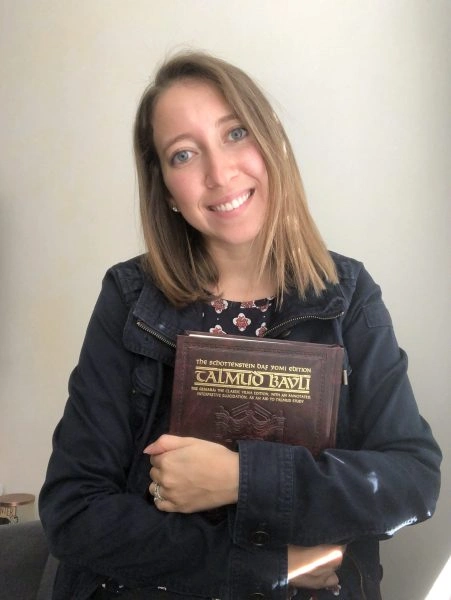
Memphis, Tennessee, United States
I learned Mishnayot more than twenty years ago and started with Gemara much later in life. Although I never managed to learn Daf Yomi consistently, I am learning since some years Gemara in depth and with much joy. Since last year I am studying at the International Halakha Scholars Program at the WIHL. I often listen to Rabbanit Farbers Gemara shiurim to understand better a specific sugyiah. I am grateful for the help and inspiration!
Berlin, Germany
In early 2020, I began the process of a stem cell transplant. The required extreme isolation forced me to leave work and normal life but gave me time to delve into Jewish text study. I did not feel isolated. I began Daf Yomi at the start of this cycle, with family members joining me online from my hospital room. I’ve used my newly granted time to to engage, grow and connect through this learning.
Worcester, United States
I’ve been learning since January 2020, and in June I started drawing a phrase from each daf. Sometimes it’s easy (e.g. plants), sometimes it’s very hard (e.g. korbanot), and sometimes it’s loads of fun (e.g. bird racing) to find something to draw. I upload my pictures from each masechet to #DafYomiArt. I am enjoying every step of the journey.

Ashdod, Israel
I started learning Gemara at the Yeshivah of Flatbush. And I resumed ‘ברוך ה decades later with Rabbanit Michele at Hadran. I started from Brachot and have had an exciting, rewarding experience throughout seder Moed!

Maale Adumim, Israel
I began learning the daf in January 2022. I initially “flew under the radar,” sharing my journey with my husband and a few close friends. I was apprehensive – who, me? Gemara? Now, 2 years in, I feel changed. The rigor of a daily commitment frames my days. The intellectual engagement enhances my knowledge. And the virtual community of learners has become a new family, weaving a glorious tapestry.

Far Rockaway, United States
What a great experience to learn with Rabbanit Michelle Farber. I began with this cycle in January 2020 and have been comforted by the consistency and energy of this process throughout the isolation period of Covid. Week by week, I feel like I am exploring a treasure chest with sparkling gems and puzzling antiquities. The hunt is exhilarating.
Pennsylvania, United States
Inspired by Hadran’s first Siyum ha Shas L’Nashim two years ago, I began daf yomi right after for the next cycle. As to this extraordinary journey together with Hadran..as TS Eliot wrote “We must not cease from exploration and the end of all our exploring will be to arrive where we began and to know the place for the first time.
Jerusalem, Israel
I went to day school in Toronto but really began to learn when I attended Brovenders back in the early 1980’s. Last year after talking to my sister who was learning Daf Yomi, inspired, I looked on the computer and the Hadran site came up. I have been listening to each days shiur in the morning as I work. I emphasis listening since I am not sitting with a Gamara. I listen while I work in my studio.
Tekoa, Israel
Sukkah 29
כִּי הָא (דְּרַבָּה) בַּר חָמָא כִּי הֲווֹ קָיְימִי מִקַּמֵּיהּ דְּרַב חִסְדָּא מַרְהֲטִי בִּגְמָרָא בַּהֲדֵי הֲדָדֵי, וַהֲדַר מְעַיְּינִי בִּסְבָרָא.
As in that situation involving Rava and Rami bar Ḥama, when they would stand before Rav Ḥisda, after he taught them a halakha they would quickly review the tradition that they heard from him together and only then analyze the rationale of the tradition that they had received. Apparently, in the study of Mishna and the amoraic commentary on the Mishna there is a distinction between extensive and intensive study.
אָמַר רָבָא: מָאנֵי מִשְׁתְּיָא — בִּמְטַלַּלְתָּא, מָאנֵי מֵיכְלָא — בַּר מִמְּטַלַּלְתָּא. חַצְבָּא וְשָׁחֵיל — בַּר מִמְּטַלַּלְתָּא, וּשְׁרָגָא — בִּמְטַלַּלְתָּא. וְאָמְרִי לַהּ: בַּר מִמְּטַלַּלְתָּא. וְלָא פְּלִיגִי: הָא — בְּסוּכָּה גְּדוֹלָה, הָא — בְּסוּכָּה קְטַנָּה.
With regard to residence in the sukka, Rava said: Drinking vessels such as cups, which are usually clean, remain in the sukka. Eating vessels are taken out of the sukka after use. An earthenware jug and a wicker basket [shaḥil ] that are used for drawing water are taken outside the sukka. And a lamp remains inside the sukka, and some say it is taken outside the sukka. The Gemara comments: And they do not disagree. Rather, this opinion, that a lamp remains inside the sukka, is referring to a large sukka, where the lamp and its odor do not disturb those residing in the sukka. And that opinion, that the lamp is taken outside the sukka, is referring to a small sukka, where the lamp’s odor is offensive.
יָרְדוּ גְּשָׁמִים. תָּנָא: מִשֶּׁתִּסְרַח הַמִּקְפָּה שֶׁל גְּרִיסִין.
§ The mishna stated: If rain fell, it is permitted to leave the sukka from the point that it is raining so hard that the congealed dish will spoil. It was taught in the Tosefta: The measure is from when a congealed dish of pounded grain, a dish ruined by even slight rainfall, will spoil.
אַבָּיֵי הֲוָה קָא יָתֵיב קַמֵּיהּ דְּרַב יוֹסֵף בִּמְטַלַּלְתָּא, נְשַׁב זִיקָא וְקָא מַיְיתֵי צִיבְוָתָא. אֲמַר לְהוּ רַב יוֹסֵף: פַּנּוּ לִי מָאנַי מֵהָכָא. אֲמַר לֵיהּ אַבָּיֵי, וְהָא תְּנַן: מִשֶּׁתִּסְרַח הַמִּקְפָּה! אֲמַר לֵיהּ: לְדִידִי, כֵּיוָן דַּאֲנִינָא דַּעְתַּאי — כְּמִי שֶׁתִּסְרַח הַמִּקְפָּה דָּמֵי לִי.
Abaye was sitting before Rav Yosef in the sukka. The wind blew and brought with it splinters from the roofing, and they fell onto the food. Rav Yosef said to him: Vacate my vessels from here, and I will eat in the house. Abaye said to him: Didn’t we learn in the mishna that one remains in the sukka until the congealed dish will spoil? That is not yet the case. He said to him: For me, since I am delicate, this situation is as if the congealed dish will spoil.
תָּנוּ רַבָּנַן: הָיָה אוֹכֵל בַּסּוּכָּה וְיָרְדוּ גְּשָׁמִים וְיָרַד — אֵין מַטְרִיחִין אוֹתוֹ לַעֲלוֹת עַד שֶׁיִּגְמוֹר סְעוּדָּתוֹ. הָיָה יָשֵׁן תַּחַת הַסּוּכָּה וְיָרְדוּ גְּשָׁמִים וְיָרַד — אֵין מַטְרִיחִין אוֹתוֹ לַעֲלוֹת עַד שֶׁיֵּאוֹר.
The Sages taught: If one was eating in the sukka, and rain fell, and he descended from the sukka on the roof to eat in his house, one does not burden him to ascend back to the sukka once the rain ceases until after he finishes his meal. Similarly, if one was sleeping under the roofing of the sukka, and rain fell, and he descended to sleep in the house, one does not burden him to ascend back to the sukka once the rain ceases; rather, he may sleep in the house until it becomes light.
אִיבַּעְיָא לְהוּ: עַד שֶׁיֵּעוֹר אוֹ עַד שֶׁיֵּאוֹר? תָּא שְׁמַע: עַד שֶׁיֵּאוֹר וְיַעֲלֶה עַמּוּד הַשַּׁחַר. תַּרְתֵּי?! אֶלָּא אֵימָא: עַד שֶׁיֵּעוֹר וְיַעֲלֶה עַמּוּד הַשַּׁחַר.
A dilemma was raised before the Sages: Is the correct reading of the baraita: Until one awakens [sheyeor], spelled with an ayin, and once he awakens he returns to the sukka even in the middle of the night? Or is the correct reading: Until it becomes light [sheyeor], spelled with an alef, and he need not return to the sukka until morning? Come and hear a proof that will resolve the matter from a related baraita: One need not return to the sukka until it becomes light [sheyeor], spelled with an alef, and dawn arrives. The Gemara asks: Why did the baraita repeat the arrival of light two times (Ritva)? Rather, say instead: Until he awakens [sheyeor], spelled with an ayin, and the dawn arrives. Both of the readings are accurate, as until one awakens and it becomes light he may remain in the house.
מָשָׁל לְמָה הַדָּבָר דּוֹמֶה. אִיבַּעְיָא לְהוּ: מִי שָׁפַךְ לְמִי? תָּא שְׁמַע דְּתַנְיָא: שָׁפַךְ לוֹ רַבּוֹ קִיתוֹן עַל פָּנָיו, וְאָמַר לוֹ: אִי אֶפְשִׁי בְּשִׁמּוּשֶׁךָ.
§ The mishna continues: The Sages told a parable: To what is this matter comparable? It is comparable to a servant who comes to pour wine for his master, and he pours a jug of water in his face. A dilemma was raised before the Sages: Who poured the water in whose face? Come and hear a proof, as it is taught explicitly in a baraita: His master poured a jug of water on his face and said to him: I do not want your service.
תָּנוּ רַבָּנַן: בִּזְמַן שֶׁהַחַמָּה לוֹקָה — סִימָן רַע לְכׇל הָעוֹלָם כּוּלּוֹ. מָשָׁל לְמָה הַדָּבָר דּוֹמֶה? לְמֶלֶךְ בָּשָׂר וָדָם שֶׁעָשָׂה סְעוּדָּה לַעֲבָדָיו וְהִנִּיחַ פָּנָס לִפְנֵיהֶם, כָּעַס עֲלֵיהֶם וְאָמַר לְעַבְדּוֹ: טוֹל פָּנָס מִפְּנֵיהֶם וְהוֹשִׁיבֵם בַּחוֹשֶׁךְ.
Apropos the fact that rain on Sukkot is an indication of divine rebuke, the Gemara cites several related topics. The Sages taught: When the sun is eclipsed it is a bad omen for the entire world. The Gemara tells a parable. To what is this matter comparable? It is comparable to a king of flesh and blood who prepared a feast for his servants and placed a lantern [panas] before them to illuminate the hall. He became angry at them and said to his servant: Take the lantern from before them and seat them in darkness.
תַּנְיָא רַבִּי מֵאִיר אוֹמֵר: כׇּל זְמַן שֶׁמְּאוֹרוֹת לוֹקִין — סִימָן רַע לְשׂוֹנְאֵיהֶם שֶׁל יִשְׂרָאֵל, מִפְּנֵי שֶׁמְּלוּמָּדִין בְּמַכּוֹתֵיהֶן. מָשָׁל לְסוֹפֵר שֶׁבָּא לְבֵית הַסֵּפֶר וּרְצוּעָה בְּיָדוֹ, מִי דּוֹאֵג — מִי שֶׁרָגִיל לִלְקוֹת בְּכׇל יוֹם וָיוֹם הוּא דּוֹאֵג.
It is taught in a baraita that Rabbi Meir says: When the heavenly lights, i.e., the sun and the moon, are eclipsed, it is a bad omen for the enemies of the Jewish people, which is a euphemism for the Jewish people, because they are experienced in their beatings. Based on past experience, they assume that any calamity that afflicts the world is directed at them. The Gemara suggests a parable: This is similar to a teacher who comes to the school with a strap in his hand. Who worries? The child who is accustomed to be beaten each and every day is the one who worries.
תָּנוּ רַבָּנַן: בִּזְמַן שֶׁהַחַמָּה לוֹקָה — סִימָן רַע לַגּוֹיִם. לְבָנָה לוֹקָה — סִימָן רַע לְשׂוֹנְאֵיהֶם שֶׁל יִשְׂרָאֵל. מִפְּנֵי שֶׁיִּשְׂרָאֵל מוֹנִין לַלְּבָנָה, וְגוֹיִם לַחַמָּה. לוֹקָה בַּמִּזְרָח — סִימָן רַע לְיוֹשְׁבֵי מִזְרָח. בַּמַּעֲרָב — סִימָן רַע לְיוֹשְׁבֵי מַעֲרָב. בְּאֶמְצַע הָרָקִיעַ — סִימָן רַע לְכׇל הָעוֹלָם כּוּלּוֹ.
The Sages taught in another baraita: When the sun is eclipsed, it is a bad omen for the other nations. When the moon is eclipsed, it is a bad omen for the enemies of the Jewish people. This is due to the fact that the Jewish people calculate their calendar primarily based on the moon, and the other nations calculate based on the sun. When the sun is eclipsed in the east, it is a bad omen for the residents of the lands of the east. When it is eclipsed in the west, it is a bad omen for the residents of the lands of the west. When it is eclipsed in the middle of the sky, it is a bad omen for the entire world.
פָּנָיו דּוֹמִין לְדָם — חֶרֶב בָּא לָעוֹלָם. לְשַׂק — חִיצֵּי רָעָב בָּאִין לָעוֹלָם. לָזוֹ וְלָזוֹ — חֶרֶב וְחִיצֵּי רָעָב בָּאִין לָעוֹלָם. לָקָה בִּכְנִיסָתוֹ — פּוּרְעָנוּת שׁוֹהָה לָבֹא. בִּיצִיאָתוֹ — מְמַהֶרֶת לָבֹא. וְיֵשׁ אוֹמְרִים חִילּוּף הַדְּבָרִים.
If, during an eclipse, the visage of the sun is red like blood, it is an omen that sword, i.e., war, is coming to the world. If the sun is black like sackcloth made of dark goat hair, it is an omen that arrows of hunger are coming to the world, because hunger darkens people’s faces. When it is similar both to this, to blood, and to that, to sackcloth, it is a sign that both sword and arrows of hunger are coming to the world. If it was eclipsed upon its entry, soon after rising, it is an omen that calamity is tarrying to come. If the sun is eclipsed upon its departure at the end of the day, it is an omen that calamity is hastening to come. And some say the matters are reversed: An eclipse in the early morning is an omen that calamity is hastening, while an eclipse in the late afternoon is an omen that calamity is tarrying.
וְאֵין לְךָ כׇּל אוּמָּה וְאוּמָּהּ שֶׁלּוֹקָה, שֶׁאֵין אֱלֹהֶיהָ לוֹקֶה עִמָּהּ, שֶׁנֶּאֱמַר: ״וּבְכׇל אֱלֹהֵי מִצְרַיִם אֶעֱשֶׂה שְׁפָטִים״. וּבִזְמַן שֶׁיִּשְׂרָאֵל עוֹשִׂין רְצוֹנוֹ שֶׁל מָקוֹם אֵין מִתְיָרְאִין מִכׇּל אֵלּוּ, שֶׁנֶּאֱמַר: ״כֹּה אָמַר ה׳ אֶל דֶּרֶךְ הַגּוֹיִם אַל תִּלְמָדוּ וּמֵאוֹתוֹת הַשָּׁמַיִם אַל תֵּחָתּוּ כִּי יֵחַתּוּ הַגּוֹיִם מֵהֵמָּה״ — גּוֹיִם יֵחַתּוּ, וְאֵין יִשְׂרָאֵל יֵחַתּוּ.
The Sages said: There is no nation that is afflicted whose god is not afflicted with it, as it is stated: “And against all the gods of Egypt I will mete out judgment; I am God” (Exodus 12:12). The Gemara adds: When the Jewish people perform God’s will, they need not fear any of these omens, as it is stated: “Thus says the Lord: Learn not the way of the nations, and be not dismayed at the signs of Heaven; for the nations are dismayed at them” (Jeremiah 10:2). The nations will be dismayed, but the Jewish people will not be dismayed, provided they do not follow the ways of the nations.
תָּנוּ רַבָּנַן: בִּשְׁבִיל אַרְבָּעָה דְּבָרִים חַמָּה לוֹקָה: עַל אָב בֵּית דִּין שֶׁמֵּת וְאֵינוֹ נִסְפָּד כַּהֲלָכָה, וְעַל נַעֲרָה הַמְאוֹרָסָה שֶׁצָּעֲקָה בָּעִיר וְאֵין מוֹשִׁיעַ לָהּ, וְעַל מִשְׁכַּב זְכוּר, וְעַל שְׁנֵי אַחִין שֶׁנִּשְׁפַּךְ דָּמָן כְּאֶחָד.
The Sages taught that on account of four matters the sun is eclipsed: On account of a president of the court who dies and is not eulogized appropriately, and the eclipse is a type of eulogy by Heaven; on account of a betrothed young woman who screamed in the city that she was being raped and there was no one to rescue her; on account of homosexuality; and on account of two brothers whose blood was spilled as one.
וּבִשְׁבִיל אַרְבָּעָה דְּבָרִים מְאוֹרוֹת לוֹקִין: עַל כּוֹתְבֵי פְלַסְתֵּר, וְעַל מְעִידֵי עֵדוּת שֶׁקֶר, וְעַל מְגַדְּלֵי בְּהֵמָה דַּקָּה בְּאֶרֶץ יִשְׂרָאֵל, וְעַל קוֹצְצֵי אִילָנוֹת טוֹבוֹת.
And on account of four matters the heavenly lights are eclipsed: On account of forgers of a fraudulent document [pelaster] that is intended to discredit others; on account of testifiers of false testimony; on account of raisers of small domesticated animals in Eretz Yisrael in a settled area; and on account of choppers of good, fruit-producing trees.
וּבִשְׁבִיל אַרְבָּעָה דְּבָרִים נִכְסֵי בַּעֲלֵי בָתִּים נִמְסָרִין לַמַּלְכוּת: עַל מַשְׁהֵי שְׁטָרוֹת פְּרוּעִים, וְעַל מַלְוֵי בְּרִבִּית,
And on account of four matters the property of homeowners is delivered to the monarchy as punishment: On account of those keepers of paid promissory notes, who keep these documents instead of tearing them or returning them to the borrowers, as that would allow the lender to collect money with the note a second time; and on account of lenders with interest;
וְעַל שֶׁהָיָה סִפֵּק בְּיָדָם לִמְחוֹת וְלֹא מִיחוּ, וְעַל שֶׁפּוֹסְקִים צְדָקָה בָּרַבִּים וְאֵינָן נוֹתְנִין.
and on account of those who had the ability to reprimand sinners and did not reprimand them; and on account of those who issued a commitment to give charity in public and ultimately do not give the charity to which they committed.
אָמַר רַב: בִּשְׁבִיל אַרְבָּעָה דְּבָרִים נִכְסֵי בַּעֲלֵי בָּתִּים יוֹצְאִין לְטִמְיוֹן: עַל כּוֹבְשֵׁי שְׂכַר שָׂכִיר, וְעַל עוֹשְׁקֵי שְׂכַר שָׂכִיר, וְעַל שֶׁפּוֹרְקִין עוֹל מֵעַל צַוְּארֵיהֶן וְנוֹתְנִין עַל חַבְרֵיהֶן, וְעַל גַּסּוּת הָרוּחַ. וְגַסּוּת הָרוּחַ — כְּנֶגֶד כּוּלָּן. אֲבָל בַּעֲנָוִים כְּתִיב: ״וַעֲנָוִים יִירְשׁוּ אָרֶץ וְהִתְעַנְּגוּ עַל רֹב שָׁלוֹם״.
Rav said: On account of four matters the property of homeowners is confiscated by the state treasury [timyon]: On account of those who delay payment of the salary of hired laborers (see Leviticus 19:13; Deuteronomy 24:15); on account of those who withhold the salary of hired laborers and do not pay at all; and on account of those who throw off the yoke of communal responsibility from their own necks and place that yoke on the necks of their friends; and on account of the arrogance of those who, due to their wealth, exercise power over the community. And the punishment for arrogance is equal to them all. However, with regard to the humble it is written: “The humble will inherit the land and delight themselves in the abundance of peace” (Psalms 37:11).
הֲדַרַן עֲלָךְ הַיָּשֵׁן
לוּלָב הַגָּזוּל וְהַיָּבֵשׁ — פָּסוּל. שֶׁל אֲשֵׁירָה וְשֶׁל עִיר הַנִּדַּחַת — פָּסוּל. נִקְטַם רֹאשׁוֹ, נִפְרְצוּ עָלָיו — פָּסוּל. נִפְרְדוּ עָלָיו — כָּשֵׁר. רַבִּי יְהוּדָה אוֹמֵר: יַאַגְדֶנּוּ מִלְמַעְלָה. צִינֵי הַר הַבַּרְזֶל — כְּשֵׁירוֹת. לוּלָב שֶׁיֵּשׁ בּוֹ שְׁלֹשָׁה טְפָחִים כְּדֵי לְנַעְנֵעַ בּוֹ — כָּשֵׁר.
MISHNA: A lulav that was stolen or that is completely dry is unfit for use in fulfilling the mitzva of the four species. The lulav of a tree worshipped as idolatry [asheira] and a lulav from a city whose residents were incited to idolatry, which must be burned along with all the city’s property, are unfit. If the top of the lulav was severed or if the palm leaves were severed from the spine of the lulav, it is unfit. If its leaves, although still attached, were spread and are no longer completely joined to the spine, it is fit. Rabbi Yehuda says: In that case, one should bind the lulav from the top, to join the leaves that spread to the spine. A lulav from the palms of the Iron Mountain are fit for use, although it differs from one taken from a standard palm tree, in that its leaves are shorter and do not cover the entire spine. A lulav that has three handbreadths in length, sufficient to enable one to wave with it, is fit for use in fulfilling the mitzva.
גְּמָ׳ קָא פָסֵיק וְתָנֵי, לָא שְׁנָא בְּיוֹם טוֹב רִאשׁוֹן, וְלָא שְׁנָא בְּיוֹם טוֹב שֵׁנִי.
GEMARA: The ruling in the mishna is that a stolen lulav is unfit. The Gemara posits: The mishna teaches this halakha unequivocally, indicating that there is no difference whether the stolen lulav is used on the first day of the festival of Sukkot, when taking the four species is a mitzva by Torah law, and there is no difference whether the stolen lulav is used beginning on the second day of the festival of Sukkot, when it is a mitzva by rabbinic law.
בִּשְׁלָמָא יָבֵשׁ — ״הָדָר״ בָּעֵינַן, וְלֵיכָּא. אֶלָּא גָּזוּל, בִּשְׁלָמָא יוֹם טוֹב רִאשׁוֹן, דִּכְתִיב: ״לָכֶם״ — מִשֶּׁלָּכֶם. אֶלָּא בְּיוֹם טוֹב שֵׁנִי אַמַּאי לָא?
The Gemara asks: Granted, a dry lulav is unfit both on the first day and subsequently. It is unfit for use because the term hadar is used with regard to the four species, from which it is derived that we require beauty. And since in a dry lulav there is not beauty, it is unfit. However, with regard to a stolen lulav, granted, on the first day of the Festival it is unfit, as it is written: “And you shall take for yourselves on the first day” (Leviticus 23:40), indicating that the four species must be taken from your own property. However, beginning on the second day of the Festival, why does one not fulfill his obligation with a stolen lulav?
אָמַר רַבִּי יוֹחָנָן מִשּׁוּם רַבִּי שִׁמְעוֹן בֶּן יוֹחַי:
Rabbi Yoḥanan said in the name of Rabbi Shimon ben Yoḥai:

