









This week’s learning is sponsored by Tina Lamm for the refuah shleima for מעין ליאורה בת שלומית פייגא. “Our precious Maya”
Want to dedicate learning? Get started here:

Summary

Can an Egyptian myrtle branch be used for the mitzva of hadas? If the leaves have fallen off, how many need to be left on in order to still be considered able to be used? If the top is cut off but something grows in its place, it can be used. But what if it grew on Yom Tov – do we say that once an object is rejected for a mitzva, it can no longer be used or not? Do we say this isn’t the case only to be stringent but not to be lenient? Is there a difference between something that was not worthy in the beginning and became worthy and something that was worthy, then was rejected and then became worthy again? If the berries are more than the leaves, it is no good. But one can fix it. Can one fix it on Yom Tov? There is a debate regarding this manner in a case where one removed them on Yom Tov to eat and it is related to the debate regarding davar sheaino mitkaven on Shabbat (when one does a forbidden action but that was not one’s intent). Why in this case is it not considered a psik reisha (a case where the melacha will definitely be performed)? How can one fix a binding of the lulav if it untied on Yom Tov? What are disqualifications for arava? In what case will it still be valid even if it is not exactly a willow of the brook?
Today’s daily daf tools:
This week’s learning is sponsored by Tina Lamm for the refuah shleima for מעין ליאורה בת שלומית פייגא. “Our precious Maya”
Sukkah 33
בְּאַסָּא מִצְרָאָה דְּקָיְימִי שִׁבְעָה שִׁבְעָה בְּחַד קִינָּא, דְּכִי נָתְרִי אַרְבְּעָה, פָּשׁוּ לְהוּ תְּלָתָא. אָמַר אַבָּיֵי: שְׁמַע מִינַּהּ הַאי אַסָּא מִצְרָאָה כָּשַׁר לְהוֹשַׁעְנָא.
in an Egyptian myrtle branch, which has seven leaves emerging from each and every base, as even when four leaves, the majority, fall, three remain, and its dense-leaved nature remains intact. Abaye said: Learn from it that the Sages hold that this Egyptian myrtle branch is fit for use as a hoshana in the mitzva of the four species.
פְּשִׁיטָא! מַהוּ דְּתֵימָא הוֹאִיל וְאִית לֵיהּ שֵׁם לְוַוי, לָא מִתַּכְשַׁר — קָא מַשְׁמַע לַן. וְאֵימָא הָכִי נָמֵי! ״עֵץ עָבוֹת״ אָמַר רַחֲמָנָא, מִכׇּל מָקוֹם.
The Gemara asks: This is obvious. It is a myrtle branch. Why would it be unfit? The Gemara answers: Lest you say that since its name is accompanied by a modifier, i.e., it is not called simply a myrtle branch but an Egyptian myrtle branch, it is unfit. Therefore, Abaye teaches us that it is fit for use. The Gemara asks: And say it is indeed so, that since its name is accompanied by a modifier it is unfit. The Gemara answers: It is fit, as “dense-leaved tree” is stated by the Merciful One. As the Torah did not mandate the use of a specific species but rather listed an identifying characteristic, a tree with that characteristic is fit in any case, and the modifier is irrelevant.
תָּנוּ רַבָּנַן: יָבְשׁוּ רוֹב עָלָיו וְנִשְׁאֲרוּ בּוֹ שְׁלֹשָׁה בַּדֵּי עָלִין לַחִין כָּשֵׁר. וְאָמַר רַב חִסְדָּא: וּבְרֹאשׁ כׇּל אֶחָד וְאֶחָד.
The Sages taught: If most of its leaves dried and three branches of moist leaves remained on it, it is fit. Rav Ḥisda said: And that is the ruling only if the moist leaves are at the top of each and every one of the branches. However, if the moist leaves are elsewhere on the branch, it is unfit.
נִקְטַם רֹאשׁוֹ. תָּנֵי עוּלָּא בַּר חִינָּנָא: נִקְטַם רֹאשׁוֹ וְעָלְתָה בּוֹ תְּמָרָה — כָּשֵׁר.
§ The mishna continues: If the top of the myrtle branch was severed, it is unfit. Ulla bar Ḥinnana taught: If the top of the myrtle branch was severed, but a gallnut-like berry grew in that place, it is fit, as the berry fills the void and the top of the branch no longer appears severed.
בָּעֵי רַבִּי יִרְמְיָה: נִקְטַם רֹאשׁוֹ מֵעֶרֶב יוֹם טוֹב וְעָלְתָה בּוֹ תְּמָרָה בְּיוֹם טוֹב, מַהוּ? יֵשׁ דִּחוּי אֵצֶל מִצְוֹת, אוֹ לֹא?
Rabbi Yirmeya raised a dilemma: If the top was severed on the Festival eve, and the berry grew in that place on the Festival, what is the halakha? This dilemma is tied to a more fundamental, wide-ranging dilemma: Is there disqualification with regard to mitzvot or not? Because this myrtle branch was unfit when the Festival began, is the halakha that it is permanently disqualified and cannot be rendered fit? Or perhaps the halakha is that there is no disqualification with regard to mitzvot. Once the growth of the berry neutralizes the cause for the disqualification, the myrtle branch is again fit for use.
וְתִפְשׁוֹט לֵיהּ מֵהָא דִּתְנַן: כִּסָּהוּ וְנִתְגַּלָּה — פָּטוּר מִלְּכַסּוֹת. כִּסָּהוּ הָרוּחַ — חַיָּיב לְכַסּוֹת. וְאָמַר רַבָּה בַּר בַּר חָנָה אָמַר רַבִּי יוֹחָנָן: לֹא שָׁנוּ אֶלָּא שֶׁחָזַר וְנִתְגַּלָּה, אֲבָל לֹא חָזַר וְנִתְגַּלָּה — פָּטוּר מִלְּכַסּוֹת.
The Gemara asks: And resolve this dilemma from that which we learned in a mishna: With regard to one who slaughtered a non-domesticated animal or a bird and is obligated to cover the blood, if he covered the blood and it was then uncovered, he is exempt from the obligation to cover it a second time. However, if the wind blew dust and covered the blood and no person was involved, he is obligated to cover it. Rabba bar bar Ḥana said that Rabbi Yoḥanan said: They taught that he is obligated to cover the blood after the wind covered it only if the blood was then exposed. However, if it was not then exposed, he is exempt from the obligation to cover it.
וְהָוֵינַן בָּהּ: כִּי חָזַר וְנִתְגַּלָּה אַמַּאי חַיָּיב לְכַסּוֹת? הוֹאִיל וְאִידְּחִי אִידְּחִי!
And we discussed this issue and asked: When it was then exposed, why is he obligated to cover it a second time? Since it was disqualified, it should remain disqualified. When the wind covered the blood, he was exempt from covering the blood. If so, even if the blood is subsequently uncovered, he should remain exempt. Why then, is he obligated to cover the blood in that case?
וְאָמַר רַב פָּפָּא: זֹאת אוֹמֶרֶת אֵין דִּחוּי אֵצֶל מִצְוֹת.
And Rav Pappa said: That is to say that there is no disqualification with regard to mitzvot. Once the cause of the exemption from the obligation is neutralized, one is once again obligated to fulfill the mitzva. Although there is disqualification with regard to offerings, that is not the case with regard to mitzvot. If so, Rabbi Yirmeya’s dilemma is resolved.
דְּרַב פָּפָּא גּוּפָא מִיבַּעְיָא לֵיהּ: מִיפְשָׁיט פְּשִׁיט לֵיהּ דְּאֵין דִּחוּי אֵצֶל מִצְוֹת — לָא שְׁנָא לְקוּלָּא וְלָא שְׁנָא לְחוּמְרָא, אוֹ דִלְמָא סַפּוֹקֵי מְסַפְּקָא לֵיהּ — לְחוּמְרָא אָמְרִינַן, לְקוּלָּא לָא אָמְרִינַן. תֵּיקוּ.
The Gemara answers: It is with regard to Rav Pappa’s resolution itself that Rabbi Yirmeya raised the dilemma. Is it obvious to Rav Pappa, based on the discussion with regard to the blood, that there is no disqualification with regard to mitzvot; and there is no difference whether that ruling leads to leniency, as in the case of a myrtle branch whose top was severed and a berry grew in its place, rendering it fit, and there is no difference whether that ruling leads to stringency, as in the case of the blood, where one is obligated to cover it anew? Or, perhaps the tanna was uncertain, and therefore, when that ruling leads to stringency, we say that there is no disqualification with regard to mitzvot, and one must perform the mitzva. However, when that ruling leads to leniency, we do not say that there is no disqualification with regard to mitzvot. The Gemara concludes: The dilemma stands unresolved.
לֵימָא כְּתַנָּאֵי: עָבַר וְלִקְּטָן — פָּסוּל, דִּבְרֵי רַבִּי אֶלְעָזָר (בֶּן) צָדוֹק, וַחֲכָמִים מַכְשִׁירִין. סַבְרוּהָ דְּכוּלֵּי עָלְמָא, לוּלָב אֵין צָרִיךְ אֶגֶד. וְאִם תִּמְצֵי לוֹמַר צָרִיךְ אֶגֶד, לָא יָלְפִינַן לוּלָב מִסּוּכָּה דִּכְתִיב בָּהּ: ״תַּעֲשֶׂה״ — וְלֹא מִן הֶעָשׂוּי.
The Gemara suggests: Let us say that this matter of disqualification with regard to mitzvot is dependent upon a dispute of tanna’im, as a similar topic was taught in a baraita: If one transgressed and picked the berries that render the myrtle branch unfit on the Festival, it remains unfit; this is the statement of Rabbi Elazar, son of Rabbi Tzadok. The Sages deem it fit. The Gemara explains: Everyone, both tanna’im, agree that a lulav does not require binding. And even if you say that a lulav requires binding, nevertheless, we do not derive the halakhot of lulav from the halakhot of sukka. With regard to sukka it is written: Prepare it, from which it is derived, and not from that which is already prepared. The sukka must be established by means of an action, not one that was established by itself.
מַאי לָאו בְּהָא קָמִיפַּלְגִי, דְּמַאן דְּפָסֵיל סָבַר: אָמְרִינַן יֵשׁ דִּחוּי אֵצֶל מִצְוֹת, וּמַאן דְּמַכְשַׁיר סָבַר: לָא אָמְרִינַן יֵשׁ דִּחוּי אֵצֶל מִצְוֹת?
What, is it not that Rabbi Elazar, son of Rabbi Tzadok, and the Rabbis are disagreeing about the following? The one who deems the myrtle branch unfit, Rabbi Elazar, holds: We say there is disqualification with regard to mitzvot. Since this myrtle branch was unfit when the Festival began because the berries outnumbered the leaves, reducing the number of berries will not render it fit. And the one who deems the myrtle branch fit, the Rabbis, holds: We do not say there is disqualification with regard to mitzvot. Even though this myrtle branch was unfit when the Festival began, once the cause of the disqualification is neutralized, the myrtle branch is rendered fit for use in the performance of the mitzva.
לָא, דְּכוּלֵּי עָלְמָא לָא אָמְרִינַן יֵשׁ דִּחוּי אֵצֶל מִצְוֹת, וְהָכָא בְּמֵילַף לוּלָב מִסּוּכָּה קָא מִיפַּלְגִי. מָר סָבַר: יָלְפִינַן לוּלָב מִסּוּכָּה, וּמַר סָבַר: לָא יָלְפִינַן לוּלָב מִסּוּכָּה.
The Gemara rejects this suggestion. No, one could say that everyone agrees that we do not say there is disqualification with regard to mitzvot. And here, it is with regard to deriving lulav from sukka that they disagree. One Sage, Rabbi Elazar, son of Rabbi Tzadok, holds: We derive lulav from sukka. Just as a sukka must be rendered fit through building and not by means of an action taken after it was built, so too, a lulav must be rendered fit through binding and not by an action taken after it was bound. Since this myrtle branch was not rendered fit through binding but rather through the removal of the berries after it was bound, it is unfit. And one Sage, i.e., the Rabbis, holds: We do not derive lulav from sukka. Therefore, even if the lulav was rendered fit from that which is already prepared, it is fit.
וְאִיבָּעֵית אֵימָא: אִי סְבִירָא לַן לוּלָב צָרִיךְ אֶגֶד, דְּכוּלֵּי עָלְמָא יָלְפִינַן לוּלָב מִסּוּכָּה, וְהָכָא בְּלוּלָב צָרִיךְ אֶגֶד קָא מִיפַּלְגִי, וּבִפְלוּגְתָּא דְּהָנֵי תַּנָּאֵי, דְּתַנְיָא: לוּלָב, בֵּין אָגוּד, בֵּין שֶׁאֵינוֹ אָגוּד — כָּשֵׁר, רַבִּי יְהוּדָה אוֹמֵר: אָגוּד — כָּשֵׁר, שֶׁאֵינוֹ אָגוּד — פָּסוּל.
And if you wish, say instead: If we hold that lulav requires binding, everyone agrees that we derive the halakhot of lulav from the halakhot of sukka. And here, it is with regard to whether or not a lulav requires binding that they disagree, and they disagree in the dispute of these tanna’im, as it was taught in a baraita: A lulav, whether it is bound with the myrtle and willow and whether it is not bound, is fit. Rabbi Yehuda says: If it is bound it is fit; if it is not bound it is unfit.
מַאי טַעְמָא דְּרַבִּי יְהוּדָה? יָלֵיף ״לְקִיחָה״ ״לְקִיחָה״ מֵאֲגוּדַּת אֵזוֹב. כְּתִיב הָכָא: ״וּלְקַחְתֶּם לָכֶם בַּיּוֹם הָרִאשׁוֹן״, וּכְתִיב הָתָם: ״וּלְקַחְתֶּם אֲגוּדַּת אֵזוֹב״. מָה לְהַלָּן — אֲגוּדָּה, אַף כָּאן — אֲגוּדָּה. וְרַבָּנַן לֵית לְהוּ ״לְקִיחָה״ ״לְקִיחָה״.
The Gemara asks: What is the rationale for the opinion of Rabbi Yehuda? From where does he derive this requirement by Torah law? The Gemara answers: He derives the term taking written with regard to the four species from the term taking written with regard to the bundle of hyssop by means of a verbal analogy. It is written here, in the context of the four species: “And you shall take for yourselves on the first day the fruit of a beautiful tree, branches of a date palm and boughs of a dense-leaved tree, and willows of the brook” (Leviticus 23:40). and it is written there, in the context of the sacrifice of the Paschal lamb in Egypt: “Take a bundle of hyssop” (Exodus 12:22), Just as there, with regard to the Paschal lamb, the mitzva to take the hyssop is specifically in a bundle, so too here, the mitzva to take the four species is specifically in a bundle. And the Rabbis hold: We do not derive the term taking from the term taking by means of the verbal analogy.
מַאן תְּנָא לְהָא דְּתָנוּ רַבָּנַן: לוּלָב מִצְוָה לְאוֹגְדוֹ, וְאִם לֹא אֲגָדוֹ כָּשֵׁר. מַנִּי? אִי רַבִּי יְהוּדָה, כִּי לֹא אֲגָדוֹ אַמַּאי כָּשֵׁר? אִי רַבָּנַן, מַאי מִצְוָה קָא עָבֵיד? לְעוֹלָם רַבָּנַן, וּמִצְוָה מִשּׁוּם ״זֶה אֵלִי וְאַנְוֵהוּ״.
On a related note, the Gemara asks: Who is the tanna who taught in the baraita: There is a mitzva to bind the myrtle and the willow with the lulav, and if he did not bind it, it is fit? Whose opinion is it? If the baraita is in accordance with the opinion of Rabbi Yehuda, when he did not bind it, why is it fit? If it is in accordance with the opinion of the Rabbis, what mitzva did he perform? The Gemara answers: Actually, it is in accordance with the opinion of the Rabbis. And the reason that there is a mitzva to bind them is due to the fact that it is stated: “This is my God and I will glorify Him [ve’anvehu]” (Exodus 15:2), which they interpreted to mean: Beautify yourself [hitna’e] before Him in the performance of the mitzvot. The Rabbis agree that although failure to bind the three species does not render the lulav unfit for the mitzva, the performance of the mitzva is more beautiful when the lulav is bound.
אוֹ שֶׁהָיוּ עֲנָבָיו מְרוּבִּין. אָמַר רַב חִסְדָּא: דָּבָר זֶה, רַבֵּינוּ הַגָּדוֹל אֲמָרוֹ, וְהַמָּקוֹם יִהְיֶה בְּעֶזְרוֹ: לֹא שָׁנוּ אֶלָּא בְּמָקוֹם אֶחָד, אֲבָל בִּשְׁנַיִם אוֹ שְׁלֹשָׁה מְקוֹמוֹת — כָּשֵׁר.
§ The mishna continues: Or if its berries were more numerous than its leaves, it is unfit. Rav Ḥisda said: This statement was stated by our great rabbi, Rav, and may the Omnipresent come to his assistance. The Sages taught this halakha only if the berries were concentrated in one place. However, if they were distributed in two or three places throughout the branch, it is fit.
אֲמַר לֵיהּ רָבָא:
Rava said to Rav Ḥisda:
שְׁנַיִם וּשְׁלֹשָׁה מְקוֹמוֹת הָוֵי מְנוּמָּר, וּפְסוּל.
If the berries are distributed in two or three places, the myrtle branch is speckled with different colors in different places. It lacks beauty and is certainly unfit.
אֶלָּא, אִי אִתְּמַר הָכִי אִתְּמַר: אוֹ שֶׁהָיוּ עֲנָבָיו מְרוּבִּין מֵעָלָיו — פָּסוּל. אָמַר רַב חִסְדָּא: דָּבָר זֶה רַבֵּינוּ הַגָּדוֹל אֲמָרוֹ, וְהַמָּקוֹם יִהְיֶה בְּעֶזְרוֹ: לֹא שָׁנוּ אֶלָּא עֲנָבָיו שְׁחוֹרוֹת. אֲבָל עֲנָבָיו יְרוּקּוֹת — מִינֵי דַהֲדַס הוּא, וְכָשֵׁר.
Rather, emend the text: If this statement was stated, it was stated as follows: Or, if its berries were more numerous than its leaves, it is unfit. Rav Ḥisda said: This statement was stated by our great rabbi, Rav, and may the Omnipresent come to his assistance: The Sages taught this halakha only with regard to ripe, black berries, since they stand in stark contrast to the green leaves of the branch, which then appears speckled. However, if its berries are green, they are considered of the same type as the myrtle branch, as they are the same color. Consequently, the branch does not appear speckled, and therefore it is fit.
אָמַר רַב פָּפָּא: אֲדוּמּוֹת כִּשְׁחוֹרוֹת דָּמְיָין, דְּאָמַר רַבִּי חֲנִינָא: הַאי דָּם שָׁחוֹר — אָדוֹם הוּא, אֶלָּא שֶׁלָּקָה.
Rav Pappa said: The legal status of red berries is like that of black ones, as Rabbi Ḥanina said: In the case of menstrual blood, this black blood is actually red blood, except that it deteriorated. Red and black are considered two shades of the same color.
אִם מִיעֲטָן — כָּשֵׁר. דְּמַעֲטִינְהוּ אֵימַת? אִילֵּימָא מִקַּמֵּיה דְּלֹאגְדֵיהּ — פְּשִׁיטָא! אֶלָּא לְבָתַר דְּלֹאגְדֵיהּ — דָּחוּי מֵעִיקָּרָא הוּא! תִּפְשׁוֹט מִינַּהּ: דָּחוּי מֵעִיקָּרָא — לָא הָוֵי דָּחוּי!
§ The mishna continues: If he diminished their number, it is fit. The Gemara asks: This is a case where he diminished their number when? If you say that he did so before he bound the lulav, it is obvious that it is fit. When he performs the mitzva with it, the leaves outnumber the berries. Rather, it must be that he diminished their number after he bound the lulav with the other species. If so, it is a case of disqualification from the outset, as it was unfit at the time that it was bound. Resolve from here the dilemma that was raised and conclude that disqualification from the outset is not permanent disqualification.
לְעוֹלָם בָּתַר דְּאַגְדֵּיהּ, וְקָסָבַר: אֶגֶד הַזְמָנָה בְּעָלְמָא הוּא, וְהַזְמָנָה בְּעָלְמָא — לָאו כְּלוּם הוּא.
The Gemara rejects this suggestion: Actually, it is a case where he diminished the number of berries after he bound it. And that Sage holds that binding does not render the three bound species a lulav used for a mitzva. Rather, it is mere designation of the species for the mitzva, and mere designation is not anything of significance. The fact that the berries outnumbered the leaves at the time that it was bound is not disqualification from the outset, as binding is a stage prior to the outset.
וְאֵין מְמַעֲטִין בְּיוֹם טוֹב. הָא עָבַר וְלִקְּטָן מַאי? כָּשֵׁר. דְּאַשְׁחוּר אֵימַת? אִילֵּימָא דְּאַשְׁחוּר מֵאֶתְמוֹל — דָּחוּי מֵעִיקָּרָא הוּא. תִּפְשׁוֹט מִינַּהּ דָּחוּי מֵעִיקָּרָא דְּלָא הָוֵי דָּחוּי!
§ The mishna continues: But one may not diminish the number on the Festival itself. The Gemara asks: But if one violated the prohibition and picked them, what is the halakha? The myrtle branch is fit, as the mishna prohibited doing so ab initio but did not deem it unfit. The Gemara clarifies: This is a case that the berries turned black when? If you say that they were black from yesterday, the Festival eve, the myrtle is disqualified from the outset, as it is unfit at the start of the Festival. If so, resolve from here that disqualification from the outset is not permanent disqualification, as the mishna says that if one picked the berries, the myrtle branch is fit.
אֶלָּא לָאו, דְּאַשְׁחוּר בְּיוֹם טוֹב, נִרְאֶה וְנִדְחֶה הוּא. שָׁמְעַתְּ מִינַּהּ: נִרְאֶה וְנִדְחֶה — חוֹזֵר וְנִרְאֶה!
Rather, is it not that they turned black on the Festival itself and he picked them that day. That then is a case where the myrtle branch was fit and then disqualified, as at the start of the Festival the berries were green and only later turned black, rendering the myrtle branch unfit. Conclude from it that an item that was fit and then disqualified can then be rendered fit again, thereby resolving an unresolved dilemma.
לָא, לְעוֹלָם דְּאַשְׁחוּר מֵעִיקָּרָא, דָּחוּי מֵעִיקָּרָא דְּלָא הָוֵי דָּחוּי תִּפְשׁוֹט מִינַּהּ, אֲבָל נִרְאֶה וְנִדְחֶה חוֹזֵר וְנִרְאֶה, לָא תִּפְשׁוֹט.
The Gemara rejects that conclusion. No, actually, it is a case where the berries turned black from the outset, prior to the Festival. Resolve from it that an item disqualified from the outset is not permanently disqualified. However, do not resolve the dilemma concerning whether an item that was fit and then disqualified can then be rendered fit, as no clear proof can be adduced from here.
תָּנוּ רַבָּנַן: אֵין מְמַעֲטִין בְּיוֹם טוֹב. מִשּׁוּם רַבִּי אֱלִיעֶזֶר בְּרַבִּי שִׁמְעוֹן אָמְרוּ: מְמַעֲטִין. וְהָא קָא מְתַקֵּן מָנָא בְּיוֹם טוֹב!
The Sages taught: One may not diminish the number of berries on the Festival to render the myrtle branch fit. In the name of Rabbi Eliezer, son of Rabbi Shimon, they said: One may diminish their number. The Gemara asks: But isn’t he preparing a vessel on a Festival, as he renders an unfit myrtle branch fit for use in fulfilling the mitzva?
אָמַר רַב אָשֵׁי: כְּגוֹן שֶׁלִּקְּטָן לַאֲכִילָה. וְרַבִּי אֱלִיעֶזֶר בְּרַבִּי שִׁמְעוֹן סָבַר לַהּ כַּאֲבוּהּ, דְּאָמַר: דָּבָר שֶׁאֵין מִתְכַּוֵּין — מוּתָּר.
Rav Ashi said: It is a case where he picked them for the purpose of eating them, as it is permitted to pick berries from a branch unattached to the ground, and preparing the myrtle branch for use is permitted because he did not intend to do so. And Rabbi Eliezer, son of Rabbi Shimon, holds in accordance with the opinion of his father, who said: An unintentional act, i.e., a permitted action from which a prohibited labor inadvertently ensues, is permitted on Shabbat or on a Festival. Here too, one’s intention is to eat the berries. Although the myrtle branch is prepared for use in the process, picking the berries is permitted because that was not his intention.
וְהָא אַבָּיֵי וְרָבָא דְּאָמְרִי תַּרְוַיְיהוּ: מוֹדֶה רַבִּי שִׁמְעוֹן בִּ״פְסִיק רֵישֵׁיהּ וְלָא יְמוּת״!
The Gemara challenges: But didn’t Abaye and Rava both say that Rabbi Shimon concedes in the case of: Cut off its head and will it not die? Even Rabbi Shimon, who says that an unintentional act is permitted, said so only in cases where the prohibited result is possible but not guaranteed. However, when a prohibited result is inevitable, just as death inevitably ensues from decapitation, the act is prohibited. In the case of picking berries off of a myrtle branch for food, one cannot claim that he did not intend for the prohibited result of preparing the myrtle branch for use to ensue. In this case, the myrtle branch will inevitably be rendered fit; how is this permitted?
הָכָא בְּמַאי עָסְקִינַן — דְּאִית לֵיהּ הוֹשַׁעְנָא אַחֲרִיתִי.
The Gemara answers: With what are we dealing here? It is with a case where he has another fit myrtle branch. Therefore, one is not considered to be preparing a vessel. Since the ultimate objective is to render the lulav and the accompanying species, which constitute the vessel in question, fit, and those species are already fit, picking the berries from the myrtle branch is not inevitable preparation of a vessel. Therefore, if one ate the berries, and the myrtle branch is thereby rendered fit, it is fit for use in the mitzva.
תָּנוּ רַבָּנַן: הוּתַּר אַגְדּוֹ בְּיוֹם טוֹב — אוֹגְדוֹ כַּאֲגוּדָּה שֶׁל יָרָק. וְאַמַּאי? לִיעְנְבֵיהּ מִיעְנָב! הָא מַנִּי רַבִּי יְהוּדָה הִיא, דְּאָמַר: עֲנִיבָה — קְשִׁירָה מְעַלַּיְיתָא הִיא.
§ The Sages taught: If the binding of the lulav was untied on the Festival, one may bind it again. One may not bind it with a sophisticated knot as before, but with a knot like the one used in a binding of vegetables, by merely winding the string around the species. The Gemara asks: But why merely wind it? Let him tie a bow, which is permitted on Shabbat or a Festival, as he is not tying an actual knot. The Gemara answers: Whose opinion is it in this baraita? It is the opinion of Rabbi Yehuda, who says that a bow is a full-fledged knot, and therefore it is prohibited to tie one on the Festival.
אִי רַבִּי יְהוּדָה, אֶגֶד מְעַלַּיְיתָא בָּעֵי! הַאי תַּנָּא סָבַר לַהּ כְּווֹתֵיהּ בַּחֲדָא, וּפְלִיג עֲלֵיהּ בַּחֲדָא.
The Gemara answers: If the baraita is in accordance with the opinion of Rabbi Yehuda, since he holds that a lulav requires binding, as he derived from the Paschal lamb, he requires the binding to be a full-fledged binding. How, then, can winding the string like the binding of vegetables suffice in fulfillment of the mitzva? The Gemara answers: This tanna of the baraita holds in accordance with his opinion in one matter, i.e., that a bow is a full-fledged knot, and disagrees with him in one matter, as the tanna holds that binding the species is merely to enhance the beauty of the mitzva, but it is not a Torah requirement.
מַתְנִי׳ עֲרָבָה גְּזוּלָה וִיבֵשָׁה — פְּסוּלָה. שֶׁל אֲשֵׁרָה וְשֶׁל עִיר הַנִּדַּחַת — פְּסוּלָה. נִקְטַם רֹאשָׁהּ, נִפְרְצוּ עָלֶיהָ, וְהַצַּפְצָפָה — פְּסוּלָה. כְּמוּשָׁה, וְשֶׁנָּשְׁרוּ מִקְצָת עָלֶיהָ, וְשֶׁל בַּעַל — כְּשֵׁרָה.
MISHNA: A willow branch that was stolen or is completely dry is unfit. One from a tree worshipped as idolatry [asheira] or from a city whose residents were incited to idolatry is unfit. If the top was severed, or its leaves were severed, or if it is the tzaftzafa, a species similar to, but not actually a willow, it is unfit. However, a willow branch that is slightly dried, and one that a minority of its leaves fell, and a branch from a willow that does not grow by the river, but instead is from a non-irrigated field, is fit.
גְּמָ׳ תָּנוּ רַבָּנַן: ״עַרְבֵי נַחַל״ — הַגְּדֵילִין עַל הַנַּחַל. דָּבָר אַחֵר: ״עַרְבֵי נַחַל״, שֶׁעָלֶה שֶׁלָּהּ מָשׁוּךְ כְּנַחַל.
GEMARA: The Sages taught: “Willows of the brook” (Leviticus 23:40) means willows that grow by the brook. Alternatively, “willows of the brook” is an allusion to the tree in question. It is a tree whose leaf is elongated like a brook.
תַּנְיָא אִידַּךְ: ״עַרְבֵי נַחַל״, אֵין לִי אֶלָּא עַרְבֵי נַחַל. שֶׁל בַּעַל וְשֶׁל הָרִים מִנַּיִין — תַּלְמוּד לוֹמַר: ״עַרְבֵי נַחַל״ מִכׇּל מָקוֹם.
It was taught in another baraita: From “willows of the brook,” I have derived only actual willows of the brook that grow on the banks of the brook. With regard to willows of the non-irrigated field and willows of the mountains, from where do I derive that they are fit as well? The verse states: “Willows of the brook,” in the plural, teaching that the branches of willows are fit in any case.

Today’s daily daf tools:
Delve Deeper
Broaden your understanding of the topics on this daf with classes and podcasts from top women Talmud scholars.

New to Talmud?
Check out our resources designed to help you navigate a page of Talmud – and study at the pace, level and style that fits you.
The Hadran Women’s Tapestry
Meet the diverse women learning Gemara at Hadran and hear their stories.
With Rabbanit Dr. Naomi Cohen in the Women’s Talmud class, over 30 years ago. It was a “known” class and it was accepted, because of who taught. Since then I have also studied with Avigail Gross-Gelman and Dr. Gabriel Hazut for about a year). Years ago, in a shiur in my shul, I did know about Persians doing 3 things with their clothes on. They opened the shiur to woman after that!

Haifa, Israel
I started the daf at the beginning of this cycle in January 2020. My husband, my children, grandchildren and siblings have been very supportive. As someone who learned and taught Tanach and mefarshim for many years, it has been an amazing adventure to complete the six sedarim of Mishnah, and now to study Talmud on a daily basis along with Rabbanit Michelle and the wonderful women of Hadran.
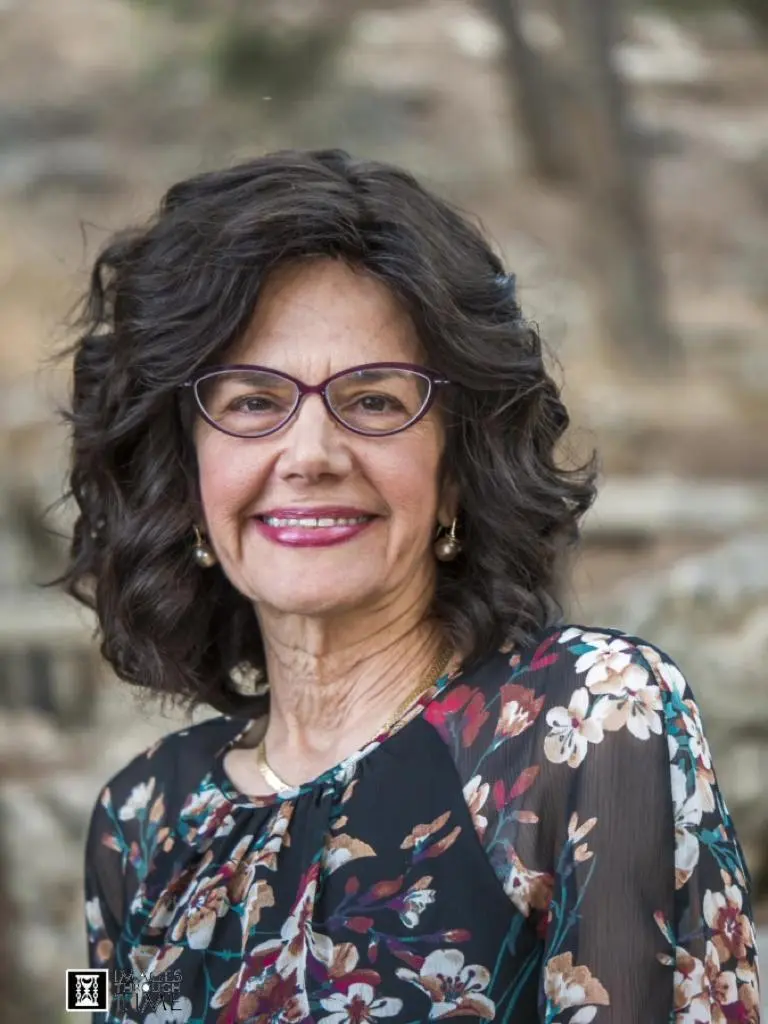
Jerusalem, Israel
I’ve been wanting to do Daf Yomi for years, but always wanted to start at the beginning and not in the middle of things. When the opportunity came in 2020, I decided: “this is now the time!” I’ve been posting my journey daily on social media, tracking my progress (#DafYomi); now it’s fully integrated into my daily routines. I’ve also inspired my partner to join, too!

Teaneck, United States
I heard the new Daf Yomi cycle was starting and I was curious, so I searched online for a women’s class and was pleasently surprised to find Rabanit Michelle’s great class reviews in many online articles. It has been a splendid journey. It is a way to fill my days with Torah, learning so many amazing things I have never heard before during my Tanach learning at High School. Thanks so much .

Panama, Panama
When I started studying Hebrew at Brown University’s Hillel, I had no idea that almost 38 years later, I’m doing Daf Yomi. My Shabbat haburah is led by Rabbanit Leah Sarna. The women are a hoot. I’m tracking the completion of each tractate by reading Ilana Kurshan’s memoir, If All the Seas Were Ink.

Pennsylvania, United States
I am a Reform rabbi and took Talmud courses in rabbinical school, but I knew there was so much more to learn. It felt inauthentic to serve as a rabbi without having read the entire Talmud, so when the opportunity arose to start Daf Yomi in 2020, I dove in! Thanks to Hadran, Daf Yomi has enriched my understanding of rabbinic Judaism and deepened my love of Jewish text & tradition. Todah rabbah!

California, United States
Retirement and Covid converged to provide me with the opportunity to commit to daily Talmud study in October 2020. I dove into the middle of Eruvin and continued to navigate Seder Moed, with Rabannit Michelle as my guide. I have developed more confidence in my learning as I completed each masechet and look forward to completing the Daf Yomi cycle so that I can begin again!

San Diego, United States
I’ve been learning since January 2020, and in June I started drawing a phrase from each daf. Sometimes it’s easy (e.g. plants), sometimes it’s very hard (e.g. korbanot), and sometimes it’s loads of fun (e.g. bird racing) to find something to draw. I upload my pictures from each masechet to #DafYomiArt. I am enjoying every step of the journey.

Ashdod, Israel
I was moved to tears by the Hadran Siyyum HaShas. I have learned Torah all my life, but never connected to learning Gemara on a regular basis until then. Seeing the sheer joy Talmud Torah at the siyyum, I felt compelled to be part of it, and I haven’t missed a day!
It’s not always easy, but it is so worthwhile, and it has strengthened my love of learning. It is part of my life now.

Beit Shemesh, Israel
I was exposed to Talmud in high school, but I was truly inspired after my daughter and I decided to attend the Women’s Siyum Shas in 2020. We knew that this was a historic moment. We were blown away, overcome with emotion at the euphoria of the revolution. Right then, I knew I would continue. My commitment deepened with the every-morning Virtual Beit Midrash on Zoom with R. Michelle.
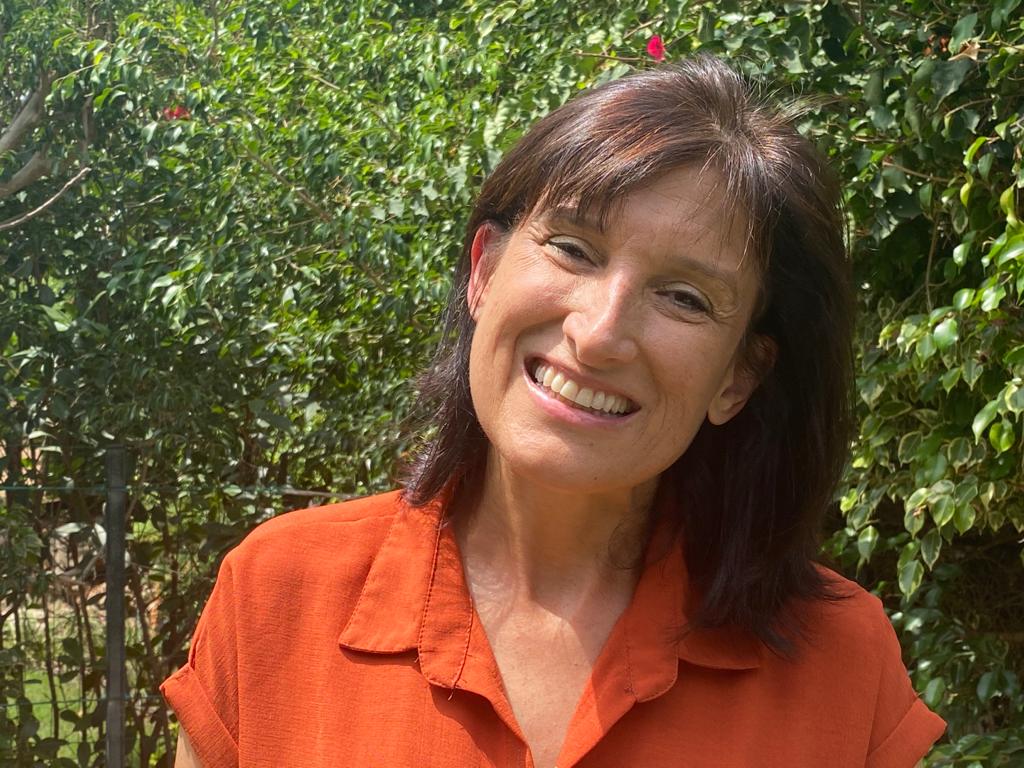
Zichron Yaakov, Israel
I began my journey with Rabbanit Michelle more than five years ago. My friend came up with a great idea for about 15 of us to learn the daf and one of us would summarize weekly what we learned.
It was fun but after 2-3 months people began to leave. I have continued. Since the cycle began Again I have joined the Teaneck women.. I find it most rewarding in so many ways. Thank you
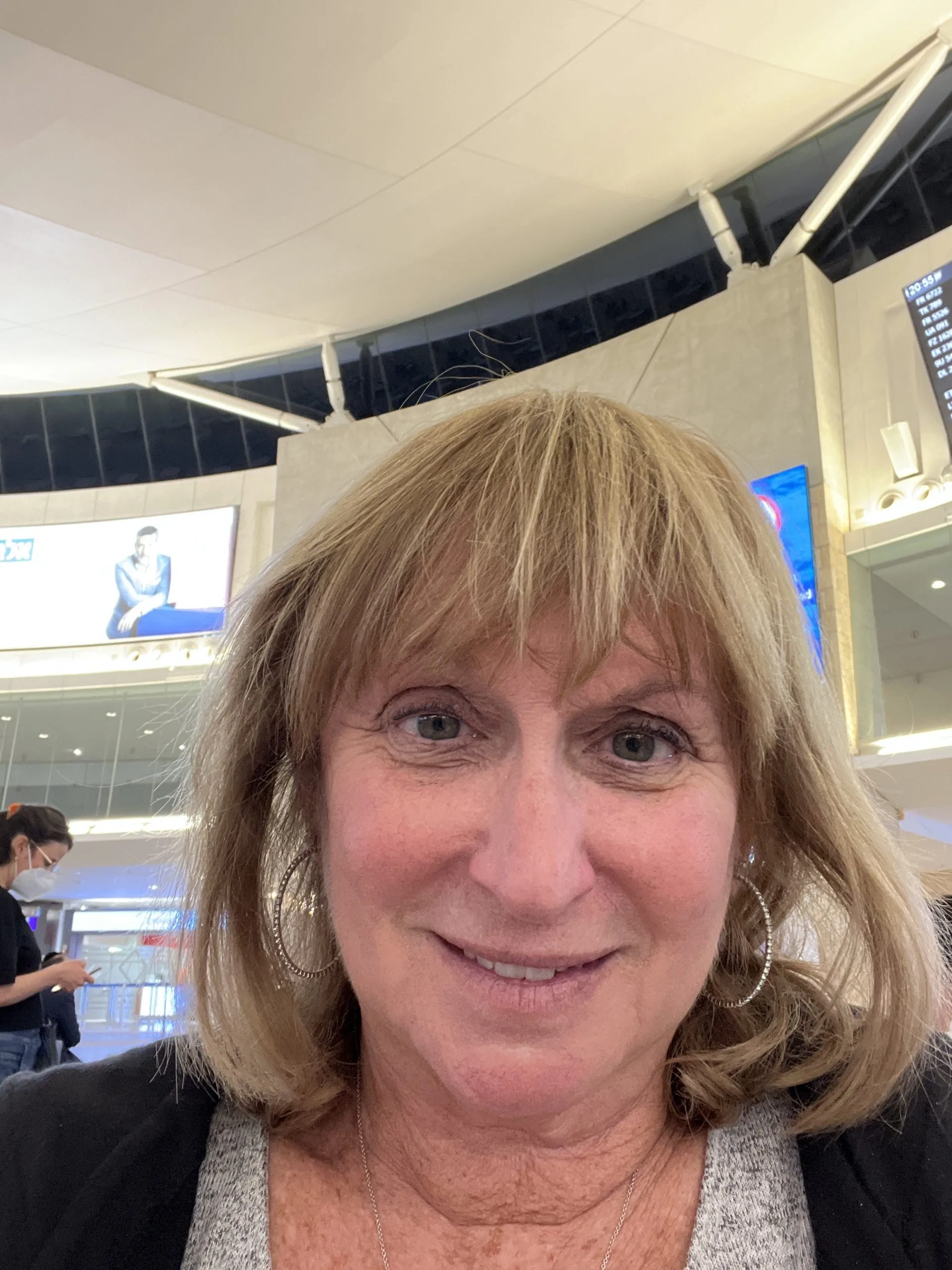
New Jersey, United States
After experiences over the years of asking to join gemara shiurim for men and either being refused by the maggid shiur or being the only women there, sometimes behind a mechitza, I found out about Hadran sometime during the tail end of Masechet Shabbat, I think. Life has been much better since then.

London, United Kingdom
I started learning at the beginning of this cycle more than 2 years ago, and I have not missed a day or a daf. It’s been challenging and enlightening and even mind-numbing at times, but the learning and the shared experience have all been worth it. If you are open to it, there’s no telling what might come into your life.

Phoenix, Arizona, United States
I started last year after completing the Pesach Sugiyot class. Masechet Yoma might seem like a difficult set of topics, but for me made Yom Kippur and the Beit HaMikdash come alive. Liturgy I’d always had trouble connecting with took on new meaning as I gained a sense of real people moving through specific spaces in particular ways. It was the perfect introduction; I am so grateful for Hadran!

Minnesota, United States
Since I started in January of 2020, Daf Yomi has changed my life. It connects me to Jews all over the world, especially learned women. It makes cooking, gardening, and folding laundry into acts of Torah study. Daf Yomi enables me to participate in a conversation with and about our heritage that has been going on for more than 2000 years.
Skokie, IL, United States
It has been a pleasure keeping pace with this wonderful and scholarly group of women.

Beit Shemesh, Israel

Berlin, Germany
I began daf yomi in January 2020 with Brachot. I had made aliya 6 months before, and one of my post-aliya goals was to complete a full cycle. As a life-long Tanach teacher, I wanted to swim from one side of the Yam shel Torah to the other. Daf yomi was also my sanity through COVID. It was the way to marking the progression of time, and feel that I could grow and accomplish while time stopped.
Givat Zev, Israel
תמיד רציתי. למדתי גמרא בבית ספר בטורונטו קנדה. עליתי ארצה ולמדתי שזה לא מקובל. הופתעתי.
יצאתי לגימלאות לפני שנתיים וזה מאפשר את המחוייבות לדף יומי.
עבורי ההתמדה בלימוד מעגן אותי בקשר שלי ליהדות. אני תמיד מחפשת ותמיד. מוצאת מקור לקשר. ללימוד חדש ומחדש. קשר עם נשים לומדות מעמיק את החוויה ומשמעותית מאוד.
מיתר, ישראל
I LOVE learning the Daf. I started with Shabbat. I join the morning Zoom with Reb Michelle and it totally grounds my day. When Corona hit us in Israel, I decided that I would use the Daf to keep myself sane, especially during the days when we could not venture out more than 300 m from our home. Now my husband and I have so much new material to talk about! It really is the best part of my day!

Hashmonaim, Israel
Sukkah 33
בְּאַסָּא מִצְרָאָה דְּקָיְימִי שִׁבְעָה שִׁבְעָה בְּחַד קִינָּא, דְּכִי נָתְרִי אַרְבְּעָה, פָּשׁוּ לְהוּ תְּלָתָא. אָמַר אַבָּיֵי: שְׁמַע מִינַּהּ הַאי אַסָּא מִצְרָאָה כָּשַׁר לְהוֹשַׁעְנָא.
in an Egyptian myrtle branch, which has seven leaves emerging from each and every base, as even when four leaves, the majority, fall, three remain, and its dense-leaved nature remains intact. Abaye said: Learn from it that the Sages hold that this Egyptian myrtle branch is fit for use as a hoshana in the mitzva of the four species.
פְּשִׁיטָא! מַהוּ דְּתֵימָא הוֹאִיל וְאִית לֵיהּ שֵׁם לְוַוי, לָא מִתַּכְשַׁר — קָא מַשְׁמַע לַן. וְאֵימָא הָכִי נָמֵי! ״עֵץ עָבוֹת״ אָמַר רַחֲמָנָא, מִכׇּל מָקוֹם.
The Gemara asks: This is obvious. It is a myrtle branch. Why would it be unfit? The Gemara answers: Lest you say that since its name is accompanied by a modifier, i.e., it is not called simply a myrtle branch but an Egyptian myrtle branch, it is unfit. Therefore, Abaye teaches us that it is fit for use. The Gemara asks: And say it is indeed so, that since its name is accompanied by a modifier it is unfit. The Gemara answers: It is fit, as “dense-leaved tree” is stated by the Merciful One. As the Torah did not mandate the use of a specific species but rather listed an identifying characteristic, a tree with that characteristic is fit in any case, and the modifier is irrelevant.
תָּנוּ רַבָּנַן: יָבְשׁוּ רוֹב עָלָיו וְנִשְׁאֲרוּ בּוֹ שְׁלֹשָׁה בַּדֵּי עָלִין לַחִין כָּשֵׁר. וְאָמַר רַב חִסְדָּא: וּבְרֹאשׁ כׇּל אֶחָד וְאֶחָד.
The Sages taught: If most of its leaves dried and three branches of moist leaves remained on it, it is fit. Rav Ḥisda said: And that is the ruling only if the moist leaves are at the top of each and every one of the branches. However, if the moist leaves are elsewhere on the branch, it is unfit.
נִקְטַם רֹאשׁוֹ. תָּנֵי עוּלָּא בַּר חִינָּנָא: נִקְטַם רֹאשׁוֹ וְעָלְתָה בּוֹ תְּמָרָה — כָּשֵׁר.
§ The mishna continues: If the top of the myrtle branch was severed, it is unfit. Ulla bar Ḥinnana taught: If the top of the myrtle branch was severed, but a gallnut-like berry grew in that place, it is fit, as the berry fills the void and the top of the branch no longer appears severed.
בָּעֵי רַבִּי יִרְמְיָה: נִקְטַם רֹאשׁוֹ מֵעֶרֶב יוֹם טוֹב וְעָלְתָה בּוֹ תְּמָרָה בְּיוֹם טוֹב, מַהוּ? יֵשׁ דִּחוּי אֵצֶל מִצְוֹת, אוֹ לֹא?
Rabbi Yirmeya raised a dilemma: If the top was severed on the Festival eve, and the berry grew in that place on the Festival, what is the halakha? This dilemma is tied to a more fundamental, wide-ranging dilemma: Is there disqualification with regard to mitzvot or not? Because this myrtle branch was unfit when the Festival began, is the halakha that it is permanently disqualified and cannot be rendered fit? Or perhaps the halakha is that there is no disqualification with regard to mitzvot. Once the growth of the berry neutralizes the cause for the disqualification, the myrtle branch is again fit for use.
וְתִפְשׁוֹט לֵיהּ מֵהָא דִּתְנַן: כִּסָּהוּ וְנִתְגַּלָּה — פָּטוּר מִלְּכַסּוֹת. כִּסָּהוּ הָרוּחַ — חַיָּיב לְכַסּוֹת. וְאָמַר רַבָּה בַּר בַּר חָנָה אָמַר רַבִּי יוֹחָנָן: לֹא שָׁנוּ אֶלָּא שֶׁחָזַר וְנִתְגַּלָּה, אֲבָל לֹא חָזַר וְנִתְגַּלָּה — פָּטוּר מִלְּכַסּוֹת.
The Gemara asks: And resolve this dilemma from that which we learned in a mishna: With regard to one who slaughtered a non-domesticated animal or a bird and is obligated to cover the blood, if he covered the blood and it was then uncovered, he is exempt from the obligation to cover it a second time. However, if the wind blew dust and covered the blood and no person was involved, he is obligated to cover it. Rabba bar bar Ḥana said that Rabbi Yoḥanan said: They taught that he is obligated to cover the blood after the wind covered it only if the blood was then exposed. However, if it was not then exposed, he is exempt from the obligation to cover it.
וְהָוֵינַן בָּהּ: כִּי חָזַר וְנִתְגַּלָּה אַמַּאי חַיָּיב לְכַסּוֹת? הוֹאִיל וְאִידְּחִי אִידְּחִי!
And we discussed this issue and asked: When it was then exposed, why is he obligated to cover it a second time? Since it was disqualified, it should remain disqualified. When the wind covered the blood, he was exempt from covering the blood. If so, even if the blood is subsequently uncovered, he should remain exempt. Why then, is he obligated to cover the blood in that case?
וְאָמַר רַב פָּפָּא: זֹאת אוֹמֶרֶת אֵין דִּחוּי אֵצֶל מִצְוֹת.
And Rav Pappa said: That is to say that there is no disqualification with regard to mitzvot. Once the cause of the exemption from the obligation is neutralized, one is once again obligated to fulfill the mitzva. Although there is disqualification with regard to offerings, that is not the case with regard to mitzvot. If so, Rabbi Yirmeya’s dilemma is resolved.
דְּרַב פָּפָּא גּוּפָא מִיבַּעְיָא לֵיהּ: מִיפְשָׁיט פְּשִׁיט לֵיהּ דְּאֵין דִּחוּי אֵצֶל מִצְוֹת — לָא שְׁנָא לְקוּלָּא וְלָא שְׁנָא לְחוּמְרָא, אוֹ דִלְמָא סַפּוֹקֵי מְסַפְּקָא לֵיהּ — לְחוּמְרָא אָמְרִינַן, לְקוּלָּא לָא אָמְרִינַן. תֵּיקוּ.
The Gemara answers: It is with regard to Rav Pappa’s resolution itself that Rabbi Yirmeya raised the dilemma. Is it obvious to Rav Pappa, based on the discussion with regard to the blood, that there is no disqualification with regard to mitzvot; and there is no difference whether that ruling leads to leniency, as in the case of a myrtle branch whose top was severed and a berry grew in its place, rendering it fit, and there is no difference whether that ruling leads to stringency, as in the case of the blood, where one is obligated to cover it anew? Or, perhaps the tanna was uncertain, and therefore, when that ruling leads to stringency, we say that there is no disqualification with regard to mitzvot, and one must perform the mitzva. However, when that ruling leads to leniency, we do not say that there is no disqualification with regard to mitzvot. The Gemara concludes: The dilemma stands unresolved.
לֵימָא כְּתַנָּאֵי: עָבַר וְלִקְּטָן — פָּסוּל, דִּבְרֵי רַבִּי אֶלְעָזָר (בֶּן) צָדוֹק, וַחֲכָמִים מַכְשִׁירִין. סַבְרוּהָ דְּכוּלֵּי עָלְמָא, לוּלָב אֵין צָרִיךְ אֶגֶד. וְאִם תִּמְצֵי לוֹמַר צָרִיךְ אֶגֶד, לָא יָלְפִינַן לוּלָב מִסּוּכָּה דִּכְתִיב בָּהּ: ״תַּעֲשֶׂה״ — וְלֹא מִן הֶעָשׂוּי.
The Gemara suggests: Let us say that this matter of disqualification with regard to mitzvot is dependent upon a dispute of tanna’im, as a similar topic was taught in a baraita: If one transgressed and picked the berries that render the myrtle branch unfit on the Festival, it remains unfit; this is the statement of Rabbi Elazar, son of Rabbi Tzadok. The Sages deem it fit. The Gemara explains: Everyone, both tanna’im, agree that a lulav does not require binding. And even if you say that a lulav requires binding, nevertheless, we do not derive the halakhot of lulav from the halakhot of sukka. With regard to sukka it is written: Prepare it, from which it is derived, and not from that which is already prepared. The sukka must be established by means of an action, not one that was established by itself.
מַאי לָאו בְּהָא קָמִיפַּלְגִי, דְּמַאן דְּפָסֵיל סָבַר: אָמְרִינַן יֵשׁ דִּחוּי אֵצֶל מִצְוֹת, וּמַאן דְּמַכְשַׁיר סָבַר: לָא אָמְרִינַן יֵשׁ דִּחוּי אֵצֶל מִצְוֹת?
What, is it not that Rabbi Elazar, son of Rabbi Tzadok, and the Rabbis are disagreeing about the following? The one who deems the myrtle branch unfit, Rabbi Elazar, holds: We say there is disqualification with regard to mitzvot. Since this myrtle branch was unfit when the Festival began because the berries outnumbered the leaves, reducing the number of berries will not render it fit. And the one who deems the myrtle branch fit, the Rabbis, holds: We do not say there is disqualification with regard to mitzvot. Even though this myrtle branch was unfit when the Festival began, once the cause of the disqualification is neutralized, the myrtle branch is rendered fit for use in the performance of the mitzva.
לָא, דְּכוּלֵּי עָלְמָא לָא אָמְרִינַן יֵשׁ דִּחוּי אֵצֶל מִצְוֹת, וְהָכָא בְּמֵילַף לוּלָב מִסּוּכָּה קָא מִיפַּלְגִי. מָר סָבַר: יָלְפִינַן לוּלָב מִסּוּכָּה, וּמַר סָבַר: לָא יָלְפִינַן לוּלָב מִסּוּכָּה.
The Gemara rejects this suggestion. No, one could say that everyone agrees that we do not say there is disqualification with regard to mitzvot. And here, it is with regard to deriving lulav from sukka that they disagree. One Sage, Rabbi Elazar, son of Rabbi Tzadok, holds: We derive lulav from sukka. Just as a sukka must be rendered fit through building and not by means of an action taken after it was built, so too, a lulav must be rendered fit through binding and not by an action taken after it was bound. Since this myrtle branch was not rendered fit through binding but rather through the removal of the berries after it was bound, it is unfit. And one Sage, i.e., the Rabbis, holds: We do not derive lulav from sukka. Therefore, even if the lulav was rendered fit from that which is already prepared, it is fit.
וְאִיבָּעֵית אֵימָא: אִי סְבִירָא לַן לוּלָב צָרִיךְ אֶגֶד, דְּכוּלֵּי עָלְמָא יָלְפִינַן לוּלָב מִסּוּכָּה, וְהָכָא בְּלוּלָב צָרִיךְ אֶגֶד קָא מִיפַּלְגִי, וּבִפְלוּגְתָּא דְּהָנֵי תַּנָּאֵי, דְּתַנְיָא: לוּלָב, בֵּין אָגוּד, בֵּין שֶׁאֵינוֹ אָגוּד — כָּשֵׁר, רַבִּי יְהוּדָה אוֹמֵר: אָגוּד — כָּשֵׁר, שֶׁאֵינוֹ אָגוּד — פָּסוּל.
And if you wish, say instead: If we hold that lulav requires binding, everyone agrees that we derive the halakhot of lulav from the halakhot of sukka. And here, it is with regard to whether or not a lulav requires binding that they disagree, and they disagree in the dispute of these tanna’im, as it was taught in a baraita: A lulav, whether it is bound with the myrtle and willow and whether it is not bound, is fit. Rabbi Yehuda says: If it is bound it is fit; if it is not bound it is unfit.
מַאי טַעְמָא דְּרַבִּי יְהוּדָה? יָלֵיף ״לְקִיחָה״ ״לְקִיחָה״ מֵאֲגוּדַּת אֵזוֹב. כְּתִיב הָכָא: ״וּלְקַחְתֶּם לָכֶם בַּיּוֹם הָרִאשׁוֹן״, וּכְתִיב הָתָם: ״וּלְקַחְתֶּם אֲגוּדַּת אֵזוֹב״. מָה לְהַלָּן — אֲגוּדָּה, אַף כָּאן — אֲגוּדָּה. וְרַבָּנַן לֵית לְהוּ ״לְקִיחָה״ ״לְקִיחָה״.
The Gemara asks: What is the rationale for the opinion of Rabbi Yehuda? From where does he derive this requirement by Torah law? The Gemara answers: He derives the term taking written with regard to the four species from the term taking written with regard to the bundle of hyssop by means of a verbal analogy. It is written here, in the context of the four species: “And you shall take for yourselves on the first day the fruit of a beautiful tree, branches of a date palm and boughs of a dense-leaved tree, and willows of the brook” (Leviticus 23:40). and it is written there, in the context of the sacrifice of the Paschal lamb in Egypt: “Take a bundle of hyssop” (Exodus 12:22), Just as there, with regard to the Paschal lamb, the mitzva to take the hyssop is specifically in a bundle, so too here, the mitzva to take the four species is specifically in a bundle. And the Rabbis hold: We do not derive the term taking from the term taking by means of the verbal analogy.
מַאן תְּנָא לְהָא דְּתָנוּ רַבָּנַן: לוּלָב מִצְוָה לְאוֹגְדוֹ, וְאִם לֹא אֲגָדוֹ כָּשֵׁר. מַנִּי? אִי רַבִּי יְהוּדָה, כִּי לֹא אֲגָדוֹ אַמַּאי כָּשֵׁר? אִי רַבָּנַן, מַאי מִצְוָה קָא עָבֵיד? לְעוֹלָם רַבָּנַן, וּמִצְוָה מִשּׁוּם ״זֶה אֵלִי וְאַנְוֵהוּ״.
On a related note, the Gemara asks: Who is the tanna who taught in the baraita: There is a mitzva to bind the myrtle and the willow with the lulav, and if he did not bind it, it is fit? Whose opinion is it? If the baraita is in accordance with the opinion of Rabbi Yehuda, when he did not bind it, why is it fit? If it is in accordance with the opinion of the Rabbis, what mitzva did he perform? The Gemara answers: Actually, it is in accordance with the opinion of the Rabbis. And the reason that there is a mitzva to bind them is due to the fact that it is stated: “This is my God and I will glorify Him [ve’anvehu]” (Exodus 15:2), which they interpreted to mean: Beautify yourself [hitna’e] before Him in the performance of the mitzvot. The Rabbis agree that although failure to bind the three species does not render the lulav unfit for the mitzva, the performance of the mitzva is more beautiful when the lulav is bound.
אוֹ שֶׁהָיוּ עֲנָבָיו מְרוּבִּין. אָמַר רַב חִסְדָּא: דָּבָר זֶה, רַבֵּינוּ הַגָּדוֹל אֲמָרוֹ, וְהַמָּקוֹם יִהְיֶה בְּעֶזְרוֹ: לֹא שָׁנוּ אֶלָּא בְּמָקוֹם אֶחָד, אֲבָל בִּשְׁנַיִם אוֹ שְׁלֹשָׁה מְקוֹמוֹת — כָּשֵׁר.
§ The mishna continues: Or if its berries were more numerous than its leaves, it is unfit. Rav Ḥisda said: This statement was stated by our great rabbi, Rav, and may the Omnipresent come to his assistance. The Sages taught this halakha only if the berries were concentrated in one place. However, if they were distributed in two or three places throughout the branch, it is fit.
אֲמַר לֵיהּ רָבָא:
Rava said to Rav Ḥisda:
שְׁנַיִם וּשְׁלֹשָׁה מְקוֹמוֹת הָוֵי מְנוּמָּר, וּפְסוּל.
If the berries are distributed in two or three places, the myrtle branch is speckled with different colors in different places. It lacks beauty and is certainly unfit.
אֶלָּא, אִי אִתְּמַר הָכִי אִתְּמַר: אוֹ שֶׁהָיוּ עֲנָבָיו מְרוּבִּין מֵעָלָיו — פָּסוּל. אָמַר רַב חִסְדָּא: דָּבָר זֶה רַבֵּינוּ הַגָּדוֹל אֲמָרוֹ, וְהַמָּקוֹם יִהְיֶה בְּעֶזְרוֹ: לֹא שָׁנוּ אֶלָּא עֲנָבָיו שְׁחוֹרוֹת. אֲבָל עֲנָבָיו יְרוּקּוֹת — מִינֵי דַהֲדַס הוּא, וְכָשֵׁר.
Rather, emend the text: If this statement was stated, it was stated as follows: Or, if its berries were more numerous than its leaves, it is unfit. Rav Ḥisda said: This statement was stated by our great rabbi, Rav, and may the Omnipresent come to his assistance: The Sages taught this halakha only with regard to ripe, black berries, since they stand in stark contrast to the green leaves of the branch, which then appears speckled. However, if its berries are green, they are considered of the same type as the myrtle branch, as they are the same color. Consequently, the branch does not appear speckled, and therefore it is fit.
אָמַר רַב פָּפָּא: אֲדוּמּוֹת כִּשְׁחוֹרוֹת דָּמְיָין, דְּאָמַר רַבִּי חֲנִינָא: הַאי דָּם שָׁחוֹר — אָדוֹם הוּא, אֶלָּא שֶׁלָּקָה.
Rav Pappa said: The legal status of red berries is like that of black ones, as Rabbi Ḥanina said: In the case of menstrual blood, this black blood is actually red blood, except that it deteriorated. Red and black are considered two shades of the same color.
אִם מִיעֲטָן — כָּשֵׁר. דְּמַעֲטִינְהוּ אֵימַת? אִילֵּימָא מִקַּמֵּיה דְּלֹאגְדֵיהּ — פְּשִׁיטָא! אֶלָּא לְבָתַר דְּלֹאגְדֵיהּ — דָּחוּי מֵעִיקָּרָא הוּא! תִּפְשׁוֹט מִינַּהּ: דָּחוּי מֵעִיקָּרָא — לָא הָוֵי דָּחוּי!
§ The mishna continues: If he diminished their number, it is fit. The Gemara asks: This is a case where he diminished their number when? If you say that he did so before he bound the lulav, it is obvious that it is fit. When he performs the mitzva with it, the leaves outnumber the berries. Rather, it must be that he diminished their number after he bound the lulav with the other species. If so, it is a case of disqualification from the outset, as it was unfit at the time that it was bound. Resolve from here the dilemma that was raised and conclude that disqualification from the outset is not permanent disqualification.
לְעוֹלָם בָּתַר דְּאַגְדֵּיהּ, וְקָסָבַר: אֶגֶד הַזְמָנָה בְּעָלְמָא הוּא, וְהַזְמָנָה בְּעָלְמָא — לָאו כְּלוּם הוּא.
The Gemara rejects this suggestion: Actually, it is a case where he diminished the number of berries after he bound it. And that Sage holds that binding does not render the three bound species a lulav used for a mitzva. Rather, it is mere designation of the species for the mitzva, and mere designation is not anything of significance. The fact that the berries outnumbered the leaves at the time that it was bound is not disqualification from the outset, as binding is a stage prior to the outset.
וְאֵין מְמַעֲטִין בְּיוֹם טוֹב. הָא עָבַר וְלִקְּטָן מַאי? כָּשֵׁר. דְּאַשְׁחוּר אֵימַת? אִילֵּימָא דְּאַשְׁחוּר מֵאֶתְמוֹל — דָּחוּי מֵעִיקָּרָא הוּא. תִּפְשׁוֹט מִינַּהּ דָּחוּי מֵעִיקָּרָא דְּלָא הָוֵי דָּחוּי!
§ The mishna continues: But one may not diminish the number on the Festival itself. The Gemara asks: But if one violated the prohibition and picked them, what is the halakha? The myrtle branch is fit, as the mishna prohibited doing so ab initio but did not deem it unfit. The Gemara clarifies: This is a case that the berries turned black when? If you say that they were black from yesterday, the Festival eve, the myrtle is disqualified from the outset, as it is unfit at the start of the Festival. If so, resolve from here that disqualification from the outset is not permanent disqualification, as the mishna says that if one picked the berries, the myrtle branch is fit.
אֶלָּא לָאו, דְּאַשְׁחוּר בְּיוֹם טוֹב, נִרְאֶה וְנִדְחֶה הוּא. שָׁמְעַתְּ מִינַּהּ: נִרְאֶה וְנִדְחֶה — חוֹזֵר וְנִרְאֶה!
Rather, is it not that they turned black on the Festival itself and he picked them that day. That then is a case where the myrtle branch was fit and then disqualified, as at the start of the Festival the berries were green and only later turned black, rendering the myrtle branch unfit. Conclude from it that an item that was fit and then disqualified can then be rendered fit again, thereby resolving an unresolved dilemma.
לָא, לְעוֹלָם דְּאַשְׁחוּר מֵעִיקָּרָא, דָּחוּי מֵעִיקָּרָא דְּלָא הָוֵי דָּחוּי תִּפְשׁוֹט מִינַּהּ, אֲבָל נִרְאֶה וְנִדְחֶה חוֹזֵר וְנִרְאֶה, לָא תִּפְשׁוֹט.
The Gemara rejects that conclusion. No, actually, it is a case where the berries turned black from the outset, prior to the Festival. Resolve from it that an item disqualified from the outset is not permanently disqualified. However, do not resolve the dilemma concerning whether an item that was fit and then disqualified can then be rendered fit, as no clear proof can be adduced from here.
תָּנוּ רַבָּנַן: אֵין מְמַעֲטִין בְּיוֹם טוֹב. מִשּׁוּם רַבִּי אֱלִיעֶזֶר בְּרַבִּי שִׁמְעוֹן אָמְרוּ: מְמַעֲטִין. וְהָא קָא מְתַקֵּן מָנָא בְּיוֹם טוֹב!
The Sages taught: One may not diminish the number of berries on the Festival to render the myrtle branch fit. In the name of Rabbi Eliezer, son of Rabbi Shimon, they said: One may diminish their number. The Gemara asks: But isn’t he preparing a vessel on a Festival, as he renders an unfit myrtle branch fit for use in fulfilling the mitzva?
אָמַר רַב אָשֵׁי: כְּגוֹן שֶׁלִּקְּטָן לַאֲכִילָה. וְרַבִּי אֱלִיעֶזֶר בְּרַבִּי שִׁמְעוֹן סָבַר לַהּ כַּאֲבוּהּ, דְּאָמַר: דָּבָר שֶׁאֵין מִתְכַּוֵּין — מוּתָּר.
Rav Ashi said: It is a case where he picked them for the purpose of eating them, as it is permitted to pick berries from a branch unattached to the ground, and preparing the myrtle branch for use is permitted because he did not intend to do so. And Rabbi Eliezer, son of Rabbi Shimon, holds in accordance with the opinion of his father, who said: An unintentional act, i.e., a permitted action from which a prohibited labor inadvertently ensues, is permitted on Shabbat or on a Festival. Here too, one’s intention is to eat the berries. Although the myrtle branch is prepared for use in the process, picking the berries is permitted because that was not his intention.
וְהָא אַבָּיֵי וְרָבָא דְּאָמְרִי תַּרְוַיְיהוּ: מוֹדֶה רַבִּי שִׁמְעוֹן בִּ״פְסִיק רֵישֵׁיהּ וְלָא יְמוּת״!
The Gemara challenges: But didn’t Abaye and Rava both say that Rabbi Shimon concedes in the case of: Cut off its head and will it not die? Even Rabbi Shimon, who says that an unintentional act is permitted, said so only in cases where the prohibited result is possible but not guaranteed. However, when a prohibited result is inevitable, just as death inevitably ensues from decapitation, the act is prohibited. In the case of picking berries off of a myrtle branch for food, one cannot claim that he did not intend for the prohibited result of preparing the myrtle branch for use to ensue. In this case, the myrtle branch will inevitably be rendered fit; how is this permitted?
הָכָא בְּמַאי עָסְקִינַן — דְּאִית לֵיהּ הוֹשַׁעְנָא אַחֲרִיתִי.
The Gemara answers: With what are we dealing here? It is with a case where he has another fit myrtle branch. Therefore, one is not considered to be preparing a vessel. Since the ultimate objective is to render the lulav and the accompanying species, which constitute the vessel in question, fit, and those species are already fit, picking the berries from the myrtle branch is not inevitable preparation of a vessel. Therefore, if one ate the berries, and the myrtle branch is thereby rendered fit, it is fit for use in the mitzva.
תָּנוּ רַבָּנַן: הוּתַּר אַגְדּוֹ בְּיוֹם טוֹב — אוֹגְדוֹ כַּאֲגוּדָּה שֶׁל יָרָק. וְאַמַּאי? לִיעְנְבֵיהּ מִיעְנָב! הָא מַנִּי רַבִּי יְהוּדָה הִיא, דְּאָמַר: עֲנִיבָה — קְשִׁירָה מְעַלַּיְיתָא הִיא.
§ The Sages taught: If the binding of the lulav was untied on the Festival, one may bind it again. One may not bind it with a sophisticated knot as before, but with a knot like the one used in a binding of vegetables, by merely winding the string around the species. The Gemara asks: But why merely wind it? Let him tie a bow, which is permitted on Shabbat or a Festival, as he is not tying an actual knot. The Gemara answers: Whose opinion is it in this baraita? It is the opinion of Rabbi Yehuda, who says that a bow is a full-fledged knot, and therefore it is prohibited to tie one on the Festival.
אִי רַבִּי יְהוּדָה, אֶגֶד מְעַלַּיְיתָא בָּעֵי! הַאי תַּנָּא סָבַר לַהּ כְּווֹתֵיהּ בַּחֲדָא, וּפְלִיג עֲלֵיהּ בַּחֲדָא.
The Gemara answers: If the baraita is in accordance with the opinion of Rabbi Yehuda, since he holds that a lulav requires binding, as he derived from the Paschal lamb, he requires the binding to be a full-fledged binding. How, then, can winding the string like the binding of vegetables suffice in fulfillment of the mitzva? The Gemara answers: This tanna of the baraita holds in accordance with his opinion in one matter, i.e., that a bow is a full-fledged knot, and disagrees with him in one matter, as the tanna holds that binding the species is merely to enhance the beauty of the mitzva, but it is not a Torah requirement.
מַתְנִי׳ עֲרָבָה גְּזוּלָה וִיבֵשָׁה — פְּסוּלָה. שֶׁל אֲשֵׁרָה וְשֶׁל עִיר הַנִּדַּחַת — פְּסוּלָה. נִקְטַם רֹאשָׁהּ, נִפְרְצוּ עָלֶיהָ, וְהַצַּפְצָפָה — פְּסוּלָה. כְּמוּשָׁה, וְשֶׁנָּשְׁרוּ מִקְצָת עָלֶיהָ, וְשֶׁל בַּעַל — כְּשֵׁרָה.
MISHNA: A willow branch that was stolen or is completely dry is unfit. One from a tree worshipped as idolatry [asheira] or from a city whose residents were incited to idolatry is unfit. If the top was severed, or its leaves were severed, or if it is the tzaftzafa, a species similar to, but not actually a willow, it is unfit. However, a willow branch that is slightly dried, and one that a minority of its leaves fell, and a branch from a willow that does not grow by the river, but instead is from a non-irrigated field, is fit.
גְּמָ׳ תָּנוּ רַבָּנַן: ״עַרְבֵי נַחַל״ — הַגְּדֵילִין עַל הַנַּחַל. דָּבָר אַחֵר: ״עַרְבֵי נַחַל״, שֶׁעָלֶה שֶׁלָּהּ מָשׁוּךְ כְּנַחַל.
GEMARA: The Sages taught: “Willows of the brook” (Leviticus 23:40) means willows that grow by the brook. Alternatively, “willows of the brook” is an allusion to the tree in question. It is a tree whose leaf is elongated like a brook.
תַּנְיָא אִידַּךְ: ״עַרְבֵי נַחַל״, אֵין לִי אֶלָּא עַרְבֵי נַחַל. שֶׁל בַּעַל וְשֶׁל הָרִים מִנַּיִין — תַּלְמוּד לוֹמַר: ״עַרְבֵי נַחַל״ מִכׇּל מָקוֹם.
It was taught in another baraita: From “willows of the brook,” I have derived only actual willows of the brook that grow on the banks of the brook. With regard to willows of the non-irrigated field and willows of the mountains, from where do I derive that they are fit as well? The verse states: “Willows of the brook,” in the plural, teaching that the branches of willows are fit in any case.

