








Taanit 3

Share this shiur:
This month’s learning is sponsored by Adam, Carolyn, Michal, Josh, Benny, Izzy, Gali, Shim, Zoe, Zachy and Yehuda in loving memory of Fred Hochstadter, Ephraim ben Kayla veBaruch on his 18th yahrzeit on ח׳ אלול. “We continue to be inspired by his dedication to daily learning, from the Daf and beyond, to its surrounding philosophical, historical and legal nuances. We miss him greatly and can only strive to emulate his wise, kind and elegant ways.”
Want to dedicate learning? Get started here:

Summary

What are the different possibilities to derive the source for the water libations on Sukkot? In the Mishna in Sukka, it says that we are obligated to do the water libations all seven days. That doesn’t seem to match any of the opinions in the braita which lists the possibilities for what day we begin to mention the rains in our prayers. Is the Rabbi Yehoshua quoted by Rabbi Yehuda in the braita (we begin only at musaf of Shmini Atzeret) the same Rabbi Yehoshua mentioned also in the braita (we begin in Shmini Atzeret)? They conclude that it is not the same as the opinions don’t match – why would Rabbi Yehoshua wait until musaf? Dew and winds and also clouds are not like rains because they are always in nature and God does not stop them from coming. Therefore we do not have to mention these in our prayers, but if we want to, we can. Is it really true that they are constants? Wind after the rain, sun after the rain, snow, etc. strengthen the positive effects of the rain on the crops. But other things such as lightning and being partly cloudy after the rains are considered to be bad for the crops.
.
Today’s daily daf tools:
This month’s learning is sponsored by Adam, Carolyn, Michal, Josh, Benny, Izzy, Gali, Shim, Zoe, Zachy and Yehuda in loving memory of Fred Hochstadter, Ephraim ben Kayla veBaruch on his 18th yahrzeit on ח׳ אלול. “We continue to be inspired by his dedication to daily learning, from the Daf and beyond, to its surrounding philosophical, historical and legal nuances. We miss him greatly and can only strive to emulate his wise, kind and elegant ways.”
Taanit 3
אִי סָבַר לַהּ כְּרַבִּי יְהוּדָה בֶּן בְּתִירָה — נֵימָא כְּווֹתֵיהּ! קָסָבַר רַבִּי עֲקִיבָא: כִּי כְּתִיב נִיסּוּךְ יַתִּירָא — בְּשִׁשִּׁי הוּא דִּכְתִיב.
The Gemara objects: If Rabbi Akiva holds in accordance with the opinion of Rabbi Yehuda ben Beteira with regard to this derivation, let him say that it is in accordance with his ruling that one begins mentioning rain from the second day of Sukkot, not the sixth day. The Gemara answers: Rabbi Akiva holds that when that extra reference to libation is written in the verse, it is with regard to the sixth day that it is written. In other words, it is the plural phrase: “Its libations [unsakheha]” (Numbers 29:31), which appears on the sixth day, that directly indicates that one must perform more than one libation, while the other two superfluous letters merely serve to teach that this second libation must be of water, not wine. Therefore, the additional libation is performed on the sixth day.
תַּנְיָא, רַבִּי נָתָן אוֹמֵר: ״בַּקֹּדֶשׁ הַסֵּךְ נֶסֶךְ שֵׁכָר לַה׳״, בִּשְׁנֵי נִיסּוּכִין הַכָּתוּב מְדַבֵּר, אֶחָד נִיסּוּךְ הַמַּיִם וְאֶחָד נִיסּוּךְ הַיַּיִן. אֵימָא תַּרְוַיְיהוּ דְּחַמְרָא! אִם כֵּן, לִכְתּוֹב קְרָא אוֹ ״הַסֵּךְ הֶסֶךְ״, אוֹ ״נַסֵּךְ נֶסֶךְ״, מַאי ״הַסֵּךְ נֶסֶךְ״ — שָׁמְעַתְּ מִינַּהּ: חַד דְּמַיָּא וְחַד דְּחַמְרָא.
§ It is taught in a baraita that Rabbi Natan says: “In the Sanctuary you shall pour out a libation [hassekh nesekh] of strong drink to the Lord” (Numbers 28:7). The Torah states the term for libation twice, which indicates that the verse is speaking of two libations: One is the water libation and the other one is the wine libation. The Gemara asks: Why not say that both libations are of wine? The Gemara answers: If so, let the verse write either hassekh hessekh or nassekh nesekh, with the same prefix each time. What is the meaning of the varied formulation: “Hassekh nesekh”? Learn from this that one libation is of water and the other one is of wine.
אֶלָּא, הָא דִּתְנַן: נִיסּוּךְ הַמַּיִם כׇּל שִׁבְעָה, מַנִּי? אִי רַבִּי יְהוֹשֻׁעַ — נֵימָא חַד יוֹמָא, אִי רַבִּי עֲקִיבָא — תְּרֵי יוֹמֵי, אִי רַבִּי יְהוּדָה בֶּן בְּתִירָה — שִׁיתָּא יוֹמֵי!
The Gemara asks: However, what about that which we learned in a mishna (Sukka 42b): The water libation is performed all seven days of Sukkot. Who is the author of this mishna? If you say it is Rabbi Yehoshua, let us say that this ritual is performed only one day, the Eighth Day of Assembly. If it is Rabbi Akiva, the mishna should state two days, the sixth and the seventh Festival days. If it is Rabbi Yehuda ben Beteira, the mishna should say that the water libation is performed on six days, from the second day of Sukkot onward.
לְעוֹלָם רַבִּי יְהוּדָה בֶּן בְּתִירָה הִיא, וּסְבִירָא לֵיהּ כְּרַבִּי יְהוּדָה דְּמַתְנִיתִין. דִּתְנַן, רַבִּי יְהוּדָה אוֹמֵר: בַּלּוֹג הָיָה מְנַסֵּךְ כׇּל שְׁמוֹנָה. וּמַפֵּיק רִאשׁוֹן וּמְעַיֵּיל שְׁמִינִי.
The Gemara answers: Actually, the ruling of the mishna is that of Rabbi Yehuda ben Beteira, and he holds in accordance with the opinion of Rabbi Yehuda, as stated in a mishna. As we learned in a mishna (Sukka 48b) that Rabbi Yehuda says: He would pour with a utensil that held a log of water all eight days of Sukkot, which includes the Eighth Day of Assembly. And Rabbi Yehuda ben Beteira removes the first day from this obligation and includes the eighth, which results in seven days of water libations.
וּמַאי שְׁנָא רִאשׁוֹן דְּלָא, דְּכִי רְמִיזִי מַיִם — בְּשֵׁנִי הוּא דִּרְמִיזִי; שְׁמִינִי נָמֵי, כִּי רְמִיזִי מַיִם — בִּשְׁבִיעִי הוּא דִּרְמִיזִי!
The Gemara asks: And what is different about the first day, that the water libation is not performed on that day, according to the opinion of Rabbi Yehuda ben Beteira? Is the reason that when the Torah alludes to water, it is on the second day that it alludes to this libation? If so, one should not bring the libation on the eighth day either, because when the Torah alludes to water for the last time, it is on the seventh day that it alludes to it.
אֶלָּא: רַבִּי יְהוֹשֻׁעַ הִיא, וְנִיסּוּךְ הַמַּיִם כׇּל שִׁבְעָה — הִלְכְתָא גְּמִירִי לַהּ,
Rather, the Gemara retracts from the previous explanation in favor of the claim that this mishna is in accordance with the opinion of Rabbi Yehoshua. And Rabbi Yehoshua maintains that this ruling that the water libation is performed all seven days of Sukkot is a halakha transmitted to Moses from Sinai, learned through tradition. In other words, this obligation is not based upon a textual source.
דְּאָמַר רַבִּי אַמֵּי אָמַר רַבִּי יוֹחָנָן מִשּׁוּם רַבִּי נְחוּנְיָא אִישׁ בִּקְעַת בֵּית חוֹרְתָן: עֶשֶׂר נְטִיעוֹת, עֲרָבָה, וְנִיסּוּךְ הַמַּיִם — הֲלָכָה לְמֹשֶׁה מִסִּינַי.
As Rabbi Ami said that Rabbi Yoḥanan said in the name of Rabbi Neḥunya of the valley of Beit Ḥortan: The halakha of ten saplings, that if there are ten saplings that require water planted in an area of a beit se’a, 2,500 square cubits, it is permitted to plow the entire field in the summer preceding the Sabbatical Year despite the fact that it is prohibited to plow other fields starting from the preceding Shavuot; the practice of walking around the altar with a willow and adorning the altar with it on Sukkot and taking it on the last day of Sukkot; and the obligation of the water libation; each of these three is a halakha transmitted to Moses from Sinai.
רַבִּי יְהוּדָה אוֹמֵר מִשּׁוּם רַבִּי יְהוֹשֻׁעַ: הָעוֹבֵר לִפְנֵי הַתֵּיבָה בְּיוֹם טוֹב הָאַחֲרוֹן שֶׁל חַג — הָאַחֲרוֹן מַזְכִּיר, הָרִאשׁוֹן אֵינוֹ מַזְכִּיר. בְּיוֹם טוֹב הָרִאשׁוֹן שֶׁל פֶּסַח — הָרִאשׁוֹן מַזְכִּיר, הָאַחֲרוֹן אֵינוֹ מַזְכִּיר.
It is stated in the same baraita cited previously that Rabbi Yehuda says in the name of Rabbi Yehoshua: With regard to the one who passes before the ark as prayer leader on the concluding Festival day of the festival of Sukkot, the Eighth Day of Assembly, the last prayer leader of the additional prayer mentions rain, whereas the first prayer leader for the morning prayer does not mention rain. Conversely, on the first Festival day of Passover, the first prayer leader mentions rain, while the last prayer leader does not mention rain.
הֵי רַבִּי יְהוֹשֻׁעַ? אִילֵּימָא רַבִּי יְהוֹשֻׁעַ דְּמַתְנִיתִין, הָא אָמַר: בְּיוֹם טוֹב הָאַחֲרוֹן שֶׁל חַג הוּא מַזְכִּיר.
The Gemara asks: To which statement of Rabbi Yehoshua is Rabbi Yehuda referring? If we say that he is referring to the statement of Rabbi Yehoshua cited in the mishna, this cannot be the case, as Rabbi Yehoshua in our mishna said that one begins to mention rain on the last Festival day of the festival of Sukkot, the Eighth Day of Assembly. This indicates that one starts to mention rain from the beginning of the day, i.e., the evening prayer service.
אֶלָּא: רַבִּי יְהוֹשֻׁעַ דְּבָרַיְיתָא, הָאָמַר: מִשְּׁעַת הַנָּחָתוֹ.
Rather, you will say that Rabbi Yehuda is referring to the opinion of Rabbi Yehoshua, cited in the baraita. However, this too is untenable, as didn’t Rabbi Yehoshua say there that one begins to mention rain from the time one puts down the lulav, i.e., from the end of the seventh day of Sukkot? This statement also indicates that one begins to mention rain from the evening service of the Eighth Day of Assembly.
וְתוּ, הָא דְּתַנְיָא, רַבִּי יְהוּדָה אוֹמֵר מִשּׁוּם בֶּן בְּתִירָה: הָעוֹבֵר לִפְנֵי הַתֵּיבָה בְּיוֹם טוֹב הָאַחֲרוֹן שֶׁל חַג — הָאַחֲרוֹן מַזְכִּיר, הֵי בֶּן בְּתִירָה? אִילֵימָא רַבִּי יְהוּדָה בֶּן בְּתִירָה — הָא אָמַר: בַּשֵּׁנִי בֶּחָג הוּא מַזְכִּיר!
The Gemara asks another question: And, furthermore, that which is taught in a baraita that Rabbi Yehuda says in the name of ben Beteira: With regard to the one who passes before the ark on the concluding Festival day of the festival of Sukkot, the Eighth Day of Assembly, the last prayer leader mentions rain. To which of the halakhot of ben Beteira is Rabbi Yehuda referring here? If we say he is referring to the ruling of Rabbi Yehuda ben Beteira, this cannot be the case, as he said that one begins to mention rain on the second day of Sukkot.
אָמַר רַב נַחְמָן בַּר יִצְחָק: תְּהֵא בְּרַבִּי יְהוֹשֻׁעַ בֶּן בְּתִירָה, זִמְנִין דְּקָרֵי לֵיהּ בִּשְׁמֵיהּ, וְזִימְנִין דְּקָרֵי לֵיהּ בִּשְׁמֵיהּ דְּאַבָּא. וְהָא מִקַּמֵּי דְּלִיסְמְכוּהוּ, וְהָא לְבָתַר דְּלִיסְמְכוּהוּ.
Rav Naḥman Bar Yitzḥak said: Let the ben Beteira mentioned by Rabbi Yehuda in the baraita be understood as a reference to Rabbi Yehoshua ben Beteira, and this will resolve all the above difficulties. At times, Rabbi Yehuda calls him by his name, Rabbi Yehoshua, despite the fact that the name Rabbi Yehoshua generally refers to Rabbi Yehoshua ben Ḥananya. At other times, Rabbi Yehuda calls him by his father’s name, e.g., in the second baraita, when the ruling is attributed to ben Beteira. And the Gemara explains the reason for the different names: This baraita, where he is called by his father’s name, was written before he was ordained, and this baraita, where he is called simply Rabbi Yehoshua, was from after he was ordained.
תְּנָא: בַּטַּל וּבָרוּחוֹת, לֹא חִיְּיבוּ חֲכָמִים לְהַזְכִּיר. וְאִם בָּא לְהַזְכִּיר — מַזְכִּיר. מַאי טַעְמָא? אָמַר רַבִּי חֲנִינָא: לְפִי שֶׁאֵין נֶעֱצָרִין.
§ It is taught in another baraita: With regard to dew and with regard to wind, the Sages did not obligate one to mention them by reciting: He makes the wind blow and the dew fall, in the second blessing of the Amida, but if one seeks to mention them, he may mention them. The Gemara asks: What is the reason that this recitation is optional? Rabbi Ḥanina said: Because winds and dew are consistent and not withheld, since the world could not exist without them, their mention is optional.
וְטַל מְנָלַן דְּלָא מִיעֲצַר — דִּכְתִיב: ״וַיֹּאמֶר אֵלִיָּהוּ הַתִּשְׁבִּי מִתֹּשָׁבֵי גִלְעָד אֶל אַחְאָב חַי ה׳ אֱלֹהֵי יִשְׂרָאֵל אֲשֶׁר עָמַדְתִּי לְפָנָיו אִם יִהְיֶה הַשָּׁנִים הָאֵלֶּה טַל וּמָטָר כִּי אִם לְפִי דְבָרִי״, וּכְתִיב: ״לֵךְ הֵרָאֵה אֶל אַחְאָב וְאֶתְּנָה מָטָר עַל פְּנֵי הָאֲדָמָה״, וְאִילּוּ טַל לָא קָאָמַר לֵיהּ, מַאי טַעְמָא — מִשּׁוּם
The Gemara explains: And dew, from where do we derive that it is not withheld? As it is written: “And Elijah the Tishbite, who was of the settlers of Gilead, said to Ahab: As the Lord, the God of Israel, lives, before whom I stand, there shall be no dew or rain in these years but according to my word” (I Kings 17:1), and it is written: “Go, show yourself before Ahab, and I will send rain upon the land” (I Kings 18:1). God stated that He will resume rainfall, whereas He did not say to Elijah that He will restore dew. What is the reason? Because dew
דְּלָא מִיעֲצַר. וְכִי מֵאַחַר דְּלָא מִיעֲצַר, אֵלִיָּהוּ אִשְׁתְּבוֹעֵי לְמָה לֵיהּ? הָכִי קָאָמַר לֵיהּ: אֲפִילּוּ טַל בְּרָכָה נָמֵי לָא אָתֵי. וְלַיהְדְּרֵיהּ לְטַל דִּבְרָכָה? מִשּׁוּם דְּלָא מִינַּכְרָא מִילְּתָא.
is not withheld, and therefore it continued even during this time of drought. The Gemara asks: And since dew is not withheld, why did Elijah swear that there would be no dew as well as no rain? The Gemara explains that this is what Elijah said to Ahab: Not only will there be no rainfall, but even the dew of blessing, which helps crops grow, will not come. This prediction was indeed fulfilled. The Gemara asks: But if so, let God restore the dew of blessing when He ended the drought of rain, in the aforementioned verse. The Gemara answers: This was not necessary, because the matter is not recognizable, i.e., people cannot distinguish between dew of blessing and the regular dew which is always present.
אֶלָּא רוּחוֹת מְנָא לַן דְּלָא מִיעַצְרִי? אָמַר רַבִּי יְהוֹשֻׁעַ בֶּן לֵוִי, דְּאָמַר קְרָא: ״כִּי כְּאַרְבַּע רוּחוֹת הַשָּׁמַיִם פֵּרַשְׂתִּי אֶתְכֶם נְאֻם ה׳״. מַאי קָאָמַר לְהוּ? אִילֵּימָא הָכִי קָאָמַר לְהוּ הַקָּדוֹשׁ בָּרוּךְ הוּא לְיִשְׂרָאֵל: דְּבַדַּרְתִּינְכוּ בְּאַרְבַּע רוּחֵי דְעָלְמָא, אִי הָכִי — ״כְּאַרְבַּע״? ״בְּאַרְבַּע״ מִיבְּעֵי לֵיהּ! אֶלָּא הָכִי קָאָמַר: כְּשֵׁם שֶׁאִי אֶפְשָׁר לָעוֹלָם בְּלֹא רוּחוֹת — כָּךְ אִי אֶפְשָׁר לָעוֹלָם בְּלֹא יִשְׂרָאֵל.
The Gemara asks: However, with regard to winds, from where do we derive that it is not withheld but perpetually blows? Rabbi Yehoshua ben Levi said that the verse states: “For I have spread you abroad as the four winds of the heaven, says the Lord” (Zechariah 2:10). He clarifies: What is God saying to them? If we say that this is what the Holy One, Blessed be He, is saying to the Jewish people: I have scattered you to the four winds of the world; if so, why did He say “as the four winds”? He should have said: To the four winds. Rather, this is what God is saying: Just as the world cannot exist without winds, so too, the world cannot exist without the Jewish people. This interpretation of the verse is based on the claim that the winds never cease.
אָמַר רַבִּי חֲנִינָא: הִלְכָּךְ, בִּימוֹת הַחַמָּה: אָמַר ״מַשִּׁיב הָרוּחַ״ — אֵין מַחֲזִירִין אוֹתוֹ. אָמַר ״מוֹרִיד הַגֶּשֶׁם״ — מַחֲזִירִין אוֹתוֹ.
Rabbi Ḥanina said: Therefore, since wind and dew are always present, if during the summer one recited: He makes the wind blow, we do not require him to return and repeat the blessing since the wind blows during the summer as well. However, if one recited during the summer: He makes the rain fall, we require him to return and repeat the blessing, because rain in the summer is a curse.
בִּימוֹת הַגְּשָׁמִים: לֹא אָמַר ״מַשִּׁיב הָרוּחַ״ — אֵין מַחֲזִירִין אוֹתוֹ. לֹא אָמַר ״מוֹרִיד הַגֶּשֶׁם״ — מַחֲזִירִין אוֹתוֹ. וְלֹא עוֹד, אֶלָּא אֲפִילּוּ אָמַר ״מַעֲבִיר הָרוּחַ וּמַפְרִיחַ הַטַּל״ — אֵין מַחֲזִירִין אוֹתוֹ.
Conversely, in the rainy season, if one did not recite: He makes the wind blow, we do not require him to return to the beginning, because the wind blows regardless. If one did not recite: He makes the rain fall, we require him to return and repeat the blessing. And not only that, but even if one mistakenly recited: He removes the wind and lifts the dew, i.e., that there should be no wind or dew, we do not require him to return and repeat the blessing, because wind and dew are always present.
תָּנָא: בֶּעָבִים וּבָרוּחוֹת לֹא חִיְּיבוּ חֲכָמִים לְהַזְכִּיר, וְאִם בָּא לְהַזְכִּיר — מַזְכִּיר, מַאי טַעְמָא — מִשּׁוּם דְּלָא מִיעַצְרִי.
It was taught in a similar baraita: With regard to clouds and with regard to wind, the Sages did not obligate one to mention them, but if one wishes to mention them, he may mention them. The Gemara asks: What is the reason? The Gemara answers, as above: Because clouds and winds are constant and are not withheld.
וְלָא מִיעַצְרִי? וְהָתָנֵי רַב יוֹסֵף: ״וְעָצַר אֶת הַשָּׁמַיִם״ — מִן הֶעָבִים וּמִן הָרוּחוֹת. אַתָּה אוֹמֵר מִן הֶעָבִים וּמִן הָרוּחוֹת, אוֹ אֵינוֹ אֶלָּא מִן הַמָּטָר? כְּשֶׁהוּא אוֹמֵר ״וְלֹא יִהְיֶה מָטָר״ — הֲרֵי מָטָר אָמוּר, הָא מָה אֲנִי מְקַיֵּים ״וְעָצַר אֶת הַשָּׁמַיִם״ — מִן הֶעָבִים וּמִן הָרוּחוֹת.
The Gemara asks: And are they not withheld? But didn’t Rav Yosef teach in a baraita that the verse: “And He will close up the heavens” (Deuteronomy 11:17), means that God will stop up the heavens from the clouds and from the winds? Do you say that “close up the heavens” means from the clouds and from the winds, or perhaps it is only referring to the absence of rainfall? When the same verse says: “So that there will be no rain,” rain is already mentioned explicitly. How then do I uphold the meaning of the verse: “And He will close up the heavens”? This must mean from the clouds and from the winds.
קַשְׁיָא רוּחוֹת אַרוּחוֹת, קַשְׁיָא עָבִים אַעָבִים! עָבִים אַעָבִים לָא קַשְׁיָא: הָא — בְּחָרְפֵי, הָא — בְּאַפְלֵי.
The Gemara summarizes its question: This is difficult due to the contradiction between the statement about wind in the first baraita and the statement about wind in the second baraita, and is similarly difficult due to the contradiction between the statement about clouds in the first baraita and the statement about clouds in the second baraita. The Gemara answers: The contradiction between one statement about clouds and the other statement about clouds is not difficult, as this first baraita is referring to early clouds that precede the rain, which come whether or not rain actually falls, whereas this second baraita is referring to late clouds, which materialize after rainfall. These late clouds are sometimes withheld by God as a punishment.
רוּחוֹת אַרוּחוֹת לָא קַשְׁיָא: הָא — בְּרוּחַ מְצוּיָה, הָא — בְּרוּחַ שֶׁאֵינָהּ מְצוּיָה. רוּחַ שֶׁאֵינָהּ מְצוּיָה חַזְיָא לְבֵי דָרֵי! אֶפְשָׁר בְּנָפְווֹתָא.
Likewise, the contradiction between the first statement about wind and the second statement about wind is not difficult, as this first baraita is referring to a typical wind, which is never withheld, while this second baraita is referring to an atypical wind, which may be withheld. The Gemara asks: An atypical wind is fit for winnowing grain on the threshing floor. Since this wind is also a necessity, one should pray for it as well. The Gemara answers: Since it is possible to winnow grain with sieves when there is no wind, there is no great need for these winds.
תָּנָא: הֶעָבִים וְהָרוּחוֹת שְׁנִיּוֹת לַמָּטָר. הֵיכִי דָּמֵי? אָמַר עוּלָּא, וְאִיתֵּימָא רַב יְהוּדָה: דְּבָתַר מִיטְרָא. לְמֵימְרָא דִּמְעַלְּיוּתָא הִיא? וְהָכְתִיב: ״יִתֵּן ה׳ אֶת מְטַר אַרְצְךָ אָבָק וְעָפָר״, וְאָמַר עוּלָּא וְאִיתֵּימָא רַב יְהוּדָה: זִיקָא דְּבָתַר מִטְרָא!
§ It was taught in a baraita: Clouds and winds are so significant that, in terms of their benefit, they are secondary only to rain. The Gemara asks: What are the circumstances in which this claim is correct? Ulla, and some say Rav Yehuda, said: The baraita is referring to the clouds and winds that come after rainfall. The Gemara asks: Is this to say that clouds and winds that come after rain are beneficial? But isn’t it written in the chapter of the curses: “The Lord will make the rain of your land powder and dust” (Deuteronomy 28:24), and Ulla, and some say Rav Yehuda, said: This curse is referring to winds that come after rain, as they raise up powder and dust?
לָא קַשְׁיָא: הָא דַּאֲתָא נִיחָא, הָא דַּאֲתָא רַזְיָא. וְאִי בָּעֵית אֵימָא: הָא דְּמַעֲלֶה אָבָק, הָא דְּלָא מַעֲלֶה אָבָק.
The Gemara answers: This is not difficult, since this first statement of Ulla is referring to beneficial wind that comes gently, whereas this second statement of Ulla is referring to harmful wind that comes forcefully [razya], raises up powder and dust, and reduces the effectiveness of the rain. And if you wish, say instead: This, Ulla’s second statement, is referring to wind that raises dust; whereas this, Ulla’s first statement, is referring to wind that does not raise dust.
וְאָמַר רַב יְהוּדָה: זִיקָא דְּבָתַר מִיטְרָא — כְּמִיטְרָא. עֵיבָא דְּבָתַר מִיטְרָא — כְּמִיטְרָא. שִׁימְשָׁא דְּבָתַר מִיטְרָא — כִּתְרֵי מִטְרֵי. לְמַעוֹטֵי מַאי? לְמַעוֹטֵי גִּילְהֵי דְלֵילְיָא, וְשִׁמְשָׁא דְּבֵינֵי קַרְחֵי.
And on a related topic, Rav Yehuda said: Wind that blows after rain is as beneficial to the earth as rain itself. Clouds that appear after rain are as beneficial as rain, while sunlight that follows after rain is as beneficial as two rainfalls. The Gemara asks: If wind, clouds, and sun are all beneficial after rainfall, what does Rav Yehuda’s statement serve to exclude? The Gemara answers: He comes to exclude the glow of the evening and the sun that shines between the clouds, appearing only in patches. These phenomena are harmful after rain.
אָמַר רָבָא: מְעַלֵּי תַּלְגָא לְטוּרֵי כְּחַמְשָׁה מִטְרֵי לְאַרְעָא, שֶׁנֶּאֱמַר: ״כִּי לַשֶּׁלֶג יֹאמַר הֱוֵא אָרֶץ וְגֶשֶׁם מָטָר וְגֶשֶׁם מִטְרוֹת עֻזּוֹ״.
On a related note, Rava said: Snow is as beneficial to the mountains as five rainfalls to the earth of the plains, as it is stated: “For He says to the snow: Fall on the earth, likewise to the shower of rain, and to the showers of His mighty rain” (Job 37:6). This verse compares snow to rain by means of five allusions to types of rainfall: The word “rain,” which appears twice; the word “shower”; and the plural “showers,” which indicates two rainfalls. This teaches that snow is as beneficial as five rainfalls.
וְאָמַר רָבָא: תַּלְגָא — לְטוּרֵי, מִטְרָא רַזְיָא — לְאִילָנֵי, מִטְרָא נִיחָא — לְפֵירֵי,
And on the same topic, Rava said: Snow brings benefits to the mountains; strong rain provides benefits to trees; light rain brings benefit to fruit;

Today’s daily daf tools:
Delve Deeper
Broaden your understanding of the topics on this daf with classes and podcasts from top women Talmud scholars.
The Keys of Rain: An Introduction to Ta’anit
New to Talmud?
Check out our resources designed to help you navigate a page of Talmud – and study at the pace, level and style that fits you.
The Hadran Women’s Tapestry
Meet the diverse women learning Gemara at Hadran and hear their stories.

Raanana, Israel
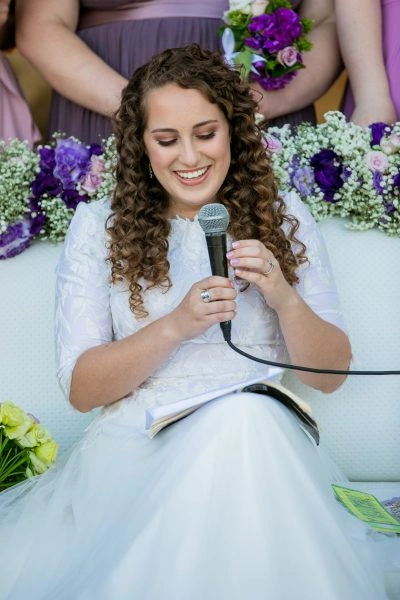
In my Shana bet at Migdal Oz I attended the Hadran siyum hash”as. Witnessing so many women so passionate about their Torah learning and connection to God, I knew I had to begin with the coming cycle. My wedding (June 24) was two weeks before the siyum of mesechet yoma so I went a little ahead and was able to make a speech and siyum at my kiseh kallah on my wedding day!
Givat Shmuel, Israel
I learned Mishnayot more than twenty years ago and started with Gemara much later in life. Although I never managed to learn Daf Yomi consistently, I am learning since some years Gemara in depth and with much joy. Since last year I am studying at the International Halakha Scholars Program at the WIHL. I often listen to Rabbanit Farbers Gemara shiurim to understand better a specific sugyiah. I am grateful for the help and inspiration!

Berlin, Germany
When I started studying Hebrew at Brown University’s Hillel, I had no idea that almost 38 years later, I’m doing Daf Yomi. My Shabbat haburah is led by Rabbanit Leah Sarna. The women are a hoot. I’m tracking the completion of each tractate by reading Ilana Kurshan’s memoir, If All the Seas Were Ink.
Pennsylvania, United States
It’s hard to believe it has been over two years. Daf yomi has changed my life in so many ways and has been sustaining during this global sea change. Each day means learning something new, digging a little deeper, adding another lens, seeing worlds with new eyes. Daf has also fostered new friendships and deepened childhood connections, as long time friends have unexpectedly become havruta.

Northwest Washington, United States
I began Daf Yomi with the last cycle. I was inspired by the Hadran Siyum in Yerushalayim to continue with this cycle. I have learned Daf Yomi with Rabanit Michelle in over 25 countries on 6 continents ( missing Australia)
Silver Spring, MD, United States

Jerusalem, Israel
What a great experience to learn with Rabbanit Michelle Farber. I began with this cycle in January 2020 and have been comforted by the consistency and energy of this process throughout the isolation period of Covid. Week by week, I feel like I am exploring a treasure chest with sparkling gems and puzzling antiquities. The hunt is exhilarating.
Pennsylvania, United States
I started my Daf Yomi journey at the beginning of the COVID19 pandemic.

Los Angeles, United States
3 years ago, I joined Rabbanit Michelle to organize the unprecedented Siyum HaShas event in Jerusalem for thousands of women. The whole experience was so inspiring that I decided then to start learning the daf and see how I would go…. and I’m still at it. I often listen to the Daf on my bike in mornings, surrounded by both the external & the internal beauty of Eretz Yisrael & Am Yisrael!
Raanana, Israel
Hadran entered my life after the last Siyum Hashaas, January 2020. I was inspired and challenged simultaneously, having never thought of learning Gemara. With my family’s encouragement, I googled “daf yomi for women”. A perfecr fit!
I especially enjoy when Rabbanit Michelle connects the daf to contemporary issues to share at the shabbat table e.g: looking at the Kohen during duchaning. Toda rabba

Jerusalem, Israel
In January 2020 on a Shabbaton to Baltimore I heard about the new cycle of Daf Yomi after the siyum celebration in NYC stadium. I started to read “ a daily dose of Talmud “ and really enjoyed it . It led me to google “ do Orthodox women study Talmud? “ and found HADRAN! Since then I listen to the podcast every morning, participate in classes and siyum. I love to learn, this is amazing! Thank you

Atlanta, United States
In early January of 2020, I learned about Siyyum HaShas and Daf Yomi via Tablet Magazine’s brief daily podcast about the Daf. I found it compelling and fascinating. Soon I discovered Hadran; since then I have learned the Daf daily with Rabbanit Michelle Cohen Farber. The Daf has permeated my every hour, and has transformed and magnified my place within the Jewish Universe.
San Francisco, CA , United States
I went to day school in Toronto but really began to learn when I attended Brovenders back in the early 1980’s. Last year after talking to my sister who was learning Daf Yomi, inspired, I looked on the computer and the Hadran site came up. I have been listening to each days shiur in the morning as I work. I emphasis listening since I am not sitting with a Gamara. I listen while I work in my studio.
Tekoa, Israel

Minneapolis, MN, United States
I began Daf Yomi with the last cycle. I was inspired by the Hadran Siyum in Yerushalayim to continue with this cycle. I have learned Daf Yomi with Rabanit Michelle in over 25 countries on 6 continents ( missing Australia)
Silver Spring, MD, United States
I began my Daf Yomi journey on January 5, 2020. I had never learned Talmud before. Initially it struck me as a bunch of inane and arcane details with mind bending logic. I am now smitten. Rabbanit Farber brings the page to life and I am eager to learn with her every day!
Highland Park, United States
I am a Reform rabbi and took Talmud courses in rabbinical school, but I knew there was so much more to learn. It felt inauthentic to serve as a rabbi without having read the entire Talmud, so when the opportunity arose to start Daf Yomi in 2020, I dove in! Thanks to Hadran, Daf Yomi has enriched my understanding of rabbinic Judaism and deepened my love of Jewish text & tradition. Todah rabbah!
California, United States
Since I started in January of 2020, Daf Yomi has changed my life. It connects me to Jews all over the world, especially learned women. It makes cooking, gardening, and folding laundry into acts of Torah study. Daf Yomi enables me to participate in a conversation with and about our heritage that has been going on for more than 2000 years.
Skokie, IL, United States
It has been a pleasure keeping pace with this wonderful and scholarly group of women.

Beit Shemesh, Israel
Taanit 3
אִי סָבַר לַהּ כְּרַבִּי יְהוּדָה בֶּן בְּתִירָה — נֵימָא כְּווֹתֵיהּ! קָסָבַר רַבִּי עֲקִיבָא: כִּי כְּתִיב נִיסּוּךְ יַתִּירָא — בְּשִׁשִּׁי הוּא דִּכְתִיב.
The Gemara objects: If Rabbi Akiva holds in accordance with the opinion of Rabbi Yehuda ben Beteira with regard to this derivation, let him say that it is in accordance with his ruling that one begins mentioning rain from the second day of Sukkot, not the sixth day. The Gemara answers: Rabbi Akiva holds that when that extra reference to libation is written in the verse, it is with regard to the sixth day that it is written. In other words, it is the plural phrase: “Its libations [unsakheha]” (Numbers 29:31), which appears on the sixth day, that directly indicates that one must perform more than one libation, while the other two superfluous letters merely serve to teach that this second libation must be of water, not wine. Therefore, the additional libation is performed on the sixth day.
תַּנְיָא, רַבִּי נָתָן אוֹמֵר: ״בַּקֹּדֶשׁ הַסֵּךְ נֶסֶךְ שֵׁכָר לַה׳״, בִּשְׁנֵי נִיסּוּכִין הַכָּתוּב מְדַבֵּר, אֶחָד נִיסּוּךְ הַמַּיִם וְאֶחָד נִיסּוּךְ הַיַּיִן. אֵימָא תַּרְוַיְיהוּ דְּחַמְרָא! אִם כֵּן, לִכְתּוֹב קְרָא אוֹ ״הַסֵּךְ הֶסֶךְ״, אוֹ ״נַסֵּךְ נֶסֶךְ״, מַאי ״הַסֵּךְ נֶסֶךְ״ — שָׁמְעַתְּ מִינַּהּ: חַד דְּמַיָּא וְחַד דְּחַמְרָא.
§ It is taught in a baraita that Rabbi Natan says: “In the Sanctuary you shall pour out a libation [hassekh nesekh] of strong drink to the Lord” (Numbers 28:7). The Torah states the term for libation twice, which indicates that the verse is speaking of two libations: One is the water libation and the other one is the wine libation. The Gemara asks: Why not say that both libations are of wine? The Gemara answers: If so, let the verse write either hassekh hessekh or nassekh nesekh, with the same prefix each time. What is the meaning of the varied formulation: “Hassekh nesekh”? Learn from this that one libation is of water and the other one is of wine.
אֶלָּא, הָא דִּתְנַן: נִיסּוּךְ הַמַּיִם כׇּל שִׁבְעָה, מַנִּי? אִי רַבִּי יְהוֹשֻׁעַ — נֵימָא חַד יוֹמָא, אִי רַבִּי עֲקִיבָא — תְּרֵי יוֹמֵי, אִי רַבִּי יְהוּדָה בֶּן בְּתִירָה — שִׁיתָּא יוֹמֵי!
The Gemara asks: However, what about that which we learned in a mishna (Sukka 42b): The water libation is performed all seven days of Sukkot. Who is the author of this mishna? If you say it is Rabbi Yehoshua, let us say that this ritual is performed only one day, the Eighth Day of Assembly. If it is Rabbi Akiva, the mishna should state two days, the sixth and the seventh Festival days. If it is Rabbi Yehuda ben Beteira, the mishna should say that the water libation is performed on six days, from the second day of Sukkot onward.
לְעוֹלָם רַבִּי יְהוּדָה בֶּן בְּתִירָה הִיא, וּסְבִירָא לֵיהּ כְּרַבִּי יְהוּדָה דְּמַתְנִיתִין. דִּתְנַן, רַבִּי יְהוּדָה אוֹמֵר: בַּלּוֹג הָיָה מְנַסֵּךְ כׇּל שְׁמוֹנָה. וּמַפֵּיק רִאשׁוֹן וּמְעַיֵּיל שְׁמִינִי.
The Gemara answers: Actually, the ruling of the mishna is that of Rabbi Yehuda ben Beteira, and he holds in accordance with the opinion of Rabbi Yehuda, as stated in a mishna. As we learned in a mishna (Sukka 48b) that Rabbi Yehuda says: He would pour with a utensil that held a log of water all eight days of Sukkot, which includes the Eighth Day of Assembly. And Rabbi Yehuda ben Beteira removes the first day from this obligation and includes the eighth, which results in seven days of water libations.
וּמַאי שְׁנָא רִאשׁוֹן דְּלָא, דְּכִי רְמִיזִי מַיִם — בְּשֵׁנִי הוּא דִּרְמִיזִי; שְׁמִינִי נָמֵי, כִּי רְמִיזִי מַיִם — בִּשְׁבִיעִי הוּא דִּרְמִיזִי!
The Gemara asks: And what is different about the first day, that the water libation is not performed on that day, according to the opinion of Rabbi Yehuda ben Beteira? Is the reason that when the Torah alludes to water, it is on the second day that it alludes to this libation? If so, one should not bring the libation on the eighth day either, because when the Torah alludes to water for the last time, it is on the seventh day that it alludes to it.
אֶלָּא: רַבִּי יְהוֹשֻׁעַ הִיא, וְנִיסּוּךְ הַמַּיִם כׇּל שִׁבְעָה — הִלְכְתָא גְּמִירִי לַהּ,
Rather, the Gemara retracts from the previous explanation in favor of the claim that this mishna is in accordance with the opinion of Rabbi Yehoshua. And Rabbi Yehoshua maintains that this ruling that the water libation is performed all seven days of Sukkot is a halakha transmitted to Moses from Sinai, learned through tradition. In other words, this obligation is not based upon a textual source.
דְּאָמַר רַבִּי אַמֵּי אָמַר רַבִּי יוֹחָנָן מִשּׁוּם רַבִּי נְחוּנְיָא אִישׁ בִּקְעַת בֵּית חוֹרְתָן: עֶשֶׂר נְטִיעוֹת, עֲרָבָה, וְנִיסּוּךְ הַמַּיִם — הֲלָכָה לְמֹשֶׁה מִסִּינַי.
As Rabbi Ami said that Rabbi Yoḥanan said in the name of Rabbi Neḥunya of the valley of Beit Ḥortan: The halakha of ten saplings, that if there are ten saplings that require water planted in an area of a beit se’a, 2,500 square cubits, it is permitted to plow the entire field in the summer preceding the Sabbatical Year despite the fact that it is prohibited to plow other fields starting from the preceding Shavuot; the practice of walking around the altar with a willow and adorning the altar with it on Sukkot and taking it on the last day of Sukkot; and the obligation of the water libation; each of these three is a halakha transmitted to Moses from Sinai.
רַבִּי יְהוּדָה אוֹמֵר מִשּׁוּם רַבִּי יְהוֹשֻׁעַ: הָעוֹבֵר לִפְנֵי הַתֵּיבָה בְּיוֹם טוֹב הָאַחֲרוֹן שֶׁל חַג — הָאַחֲרוֹן מַזְכִּיר, הָרִאשׁוֹן אֵינוֹ מַזְכִּיר. בְּיוֹם טוֹב הָרִאשׁוֹן שֶׁל פֶּסַח — הָרִאשׁוֹן מַזְכִּיר, הָאַחֲרוֹן אֵינוֹ מַזְכִּיר.
It is stated in the same baraita cited previously that Rabbi Yehuda says in the name of Rabbi Yehoshua: With regard to the one who passes before the ark as prayer leader on the concluding Festival day of the festival of Sukkot, the Eighth Day of Assembly, the last prayer leader of the additional prayer mentions rain, whereas the first prayer leader for the morning prayer does not mention rain. Conversely, on the first Festival day of Passover, the first prayer leader mentions rain, while the last prayer leader does not mention rain.
הֵי רַבִּי יְהוֹשֻׁעַ? אִילֵּימָא רַבִּי יְהוֹשֻׁעַ דְּמַתְנִיתִין, הָא אָמַר: בְּיוֹם טוֹב הָאַחֲרוֹן שֶׁל חַג הוּא מַזְכִּיר.
The Gemara asks: To which statement of Rabbi Yehoshua is Rabbi Yehuda referring? If we say that he is referring to the statement of Rabbi Yehoshua cited in the mishna, this cannot be the case, as Rabbi Yehoshua in our mishna said that one begins to mention rain on the last Festival day of the festival of Sukkot, the Eighth Day of Assembly. This indicates that one starts to mention rain from the beginning of the day, i.e., the evening prayer service.
אֶלָּא: רַבִּי יְהוֹשֻׁעַ דְּבָרַיְיתָא, הָאָמַר: מִשְּׁעַת הַנָּחָתוֹ.
Rather, you will say that Rabbi Yehuda is referring to the opinion of Rabbi Yehoshua, cited in the baraita. However, this too is untenable, as didn’t Rabbi Yehoshua say there that one begins to mention rain from the time one puts down the lulav, i.e., from the end of the seventh day of Sukkot? This statement also indicates that one begins to mention rain from the evening service of the Eighth Day of Assembly.
וְתוּ, הָא דְּתַנְיָא, רַבִּי יְהוּדָה אוֹמֵר מִשּׁוּם בֶּן בְּתִירָה: הָעוֹבֵר לִפְנֵי הַתֵּיבָה בְּיוֹם טוֹב הָאַחֲרוֹן שֶׁל חַג — הָאַחֲרוֹן מַזְכִּיר, הֵי בֶּן בְּתִירָה? אִילֵימָא רַבִּי יְהוּדָה בֶּן בְּתִירָה — הָא אָמַר: בַּשֵּׁנִי בֶּחָג הוּא מַזְכִּיר!
The Gemara asks another question: And, furthermore, that which is taught in a baraita that Rabbi Yehuda says in the name of ben Beteira: With regard to the one who passes before the ark on the concluding Festival day of the festival of Sukkot, the Eighth Day of Assembly, the last prayer leader mentions rain. To which of the halakhot of ben Beteira is Rabbi Yehuda referring here? If we say he is referring to the ruling of Rabbi Yehuda ben Beteira, this cannot be the case, as he said that one begins to mention rain on the second day of Sukkot.
אָמַר רַב נַחְמָן בַּר יִצְחָק: תְּהֵא בְּרַבִּי יְהוֹשֻׁעַ בֶּן בְּתִירָה, זִמְנִין דְּקָרֵי לֵיהּ בִּשְׁמֵיהּ, וְזִימְנִין דְּקָרֵי לֵיהּ בִּשְׁמֵיהּ דְּאַבָּא. וְהָא מִקַּמֵּי דְּלִיסְמְכוּהוּ, וְהָא לְבָתַר דְּלִיסְמְכוּהוּ.
Rav Naḥman Bar Yitzḥak said: Let the ben Beteira mentioned by Rabbi Yehuda in the baraita be understood as a reference to Rabbi Yehoshua ben Beteira, and this will resolve all the above difficulties. At times, Rabbi Yehuda calls him by his name, Rabbi Yehoshua, despite the fact that the name Rabbi Yehoshua generally refers to Rabbi Yehoshua ben Ḥananya. At other times, Rabbi Yehuda calls him by his father’s name, e.g., in the second baraita, when the ruling is attributed to ben Beteira. And the Gemara explains the reason for the different names: This baraita, where he is called by his father’s name, was written before he was ordained, and this baraita, where he is called simply Rabbi Yehoshua, was from after he was ordained.
תְּנָא: בַּטַּל וּבָרוּחוֹת, לֹא חִיְּיבוּ חֲכָמִים לְהַזְכִּיר. וְאִם בָּא לְהַזְכִּיר — מַזְכִּיר. מַאי טַעְמָא? אָמַר רַבִּי חֲנִינָא: לְפִי שֶׁאֵין נֶעֱצָרִין.
§ It is taught in another baraita: With regard to dew and with regard to wind, the Sages did not obligate one to mention them by reciting: He makes the wind blow and the dew fall, in the second blessing of the Amida, but if one seeks to mention them, he may mention them. The Gemara asks: What is the reason that this recitation is optional? Rabbi Ḥanina said: Because winds and dew are consistent and not withheld, since the world could not exist without them, their mention is optional.
וְטַל מְנָלַן דְּלָא מִיעֲצַר — דִּכְתִיב: ״וַיֹּאמֶר אֵלִיָּהוּ הַתִּשְׁבִּי מִתֹּשָׁבֵי גִלְעָד אֶל אַחְאָב חַי ה׳ אֱלֹהֵי יִשְׂרָאֵל אֲשֶׁר עָמַדְתִּי לְפָנָיו אִם יִהְיֶה הַשָּׁנִים הָאֵלֶּה טַל וּמָטָר כִּי אִם לְפִי דְבָרִי״, וּכְתִיב: ״לֵךְ הֵרָאֵה אֶל אַחְאָב וְאֶתְּנָה מָטָר עַל פְּנֵי הָאֲדָמָה״, וְאִילּוּ טַל לָא קָאָמַר לֵיהּ, מַאי טַעְמָא — מִשּׁוּם
The Gemara explains: And dew, from where do we derive that it is not withheld? As it is written: “And Elijah the Tishbite, who was of the settlers of Gilead, said to Ahab: As the Lord, the God of Israel, lives, before whom I stand, there shall be no dew or rain in these years but according to my word” (I Kings 17:1), and it is written: “Go, show yourself before Ahab, and I will send rain upon the land” (I Kings 18:1). God stated that He will resume rainfall, whereas He did not say to Elijah that He will restore dew. What is the reason? Because dew
דְּלָא מִיעֲצַר. וְכִי מֵאַחַר דְּלָא מִיעֲצַר, אֵלִיָּהוּ אִשְׁתְּבוֹעֵי לְמָה לֵיהּ? הָכִי קָאָמַר לֵיהּ: אֲפִילּוּ טַל בְּרָכָה נָמֵי לָא אָתֵי. וְלַיהְדְּרֵיהּ לְטַל דִּבְרָכָה? מִשּׁוּם דְּלָא מִינַּכְרָא מִילְּתָא.
is not withheld, and therefore it continued even during this time of drought. The Gemara asks: And since dew is not withheld, why did Elijah swear that there would be no dew as well as no rain? The Gemara explains that this is what Elijah said to Ahab: Not only will there be no rainfall, but even the dew of blessing, which helps crops grow, will not come. This prediction was indeed fulfilled. The Gemara asks: But if so, let God restore the dew of blessing when He ended the drought of rain, in the aforementioned verse. The Gemara answers: This was not necessary, because the matter is not recognizable, i.e., people cannot distinguish between dew of blessing and the regular dew which is always present.
אֶלָּא רוּחוֹת מְנָא לַן דְּלָא מִיעַצְרִי? אָמַר רַבִּי יְהוֹשֻׁעַ בֶּן לֵוִי, דְּאָמַר קְרָא: ״כִּי כְּאַרְבַּע רוּחוֹת הַשָּׁמַיִם פֵּרַשְׂתִּי אֶתְכֶם נְאֻם ה׳״. מַאי קָאָמַר לְהוּ? אִילֵּימָא הָכִי קָאָמַר לְהוּ הַקָּדוֹשׁ בָּרוּךְ הוּא לְיִשְׂרָאֵל: דְּבַדַּרְתִּינְכוּ בְּאַרְבַּע רוּחֵי דְעָלְמָא, אִי הָכִי — ״כְּאַרְבַּע״? ״בְּאַרְבַּע״ מִיבְּעֵי לֵיהּ! אֶלָּא הָכִי קָאָמַר: כְּשֵׁם שֶׁאִי אֶפְשָׁר לָעוֹלָם בְּלֹא רוּחוֹת — כָּךְ אִי אֶפְשָׁר לָעוֹלָם בְּלֹא יִשְׂרָאֵל.
The Gemara asks: However, with regard to winds, from where do we derive that it is not withheld but perpetually blows? Rabbi Yehoshua ben Levi said that the verse states: “For I have spread you abroad as the four winds of the heaven, says the Lord” (Zechariah 2:10). He clarifies: What is God saying to them? If we say that this is what the Holy One, Blessed be He, is saying to the Jewish people: I have scattered you to the four winds of the world; if so, why did He say “as the four winds”? He should have said: To the four winds. Rather, this is what God is saying: Just as the world cannot exist without winds, so too, the world cannot exist without the Jewish people. This interpretation of the verse is based on the claim that the winds never cease.
אָמַר רַבִּי חֲנִינָא: הִלְכָּךְ, בִּימוֹת הַחַמָּה: אָמַר ״מַשִּׁיב הָרוּחַ״ — אֵין מַחֲזִירִין אוֹתוֹ. אָמַר ״מוֹרִיד הַגֶּשֶׁם״ — מַחֲזִירִין אוֹתוֹ.
Rabbi Ḥanina said: Therefore, since wind and dew are always present, if during the summer one recited: He makes the wind blow, we do not require him to return and repeat the blessing since the wind blows during the summer as well. However, if one recited during the summer: He makes the rain fall, we require him to return and repeat the blessing, because rain in the summer is a curse.
בִּימוֹת הַגְּשָׁמִים: לֹא אָמַר ״מַשִּׁיב הָרוּחַ״ — אֵין מַחֲזִירִין אוֹתוֹ. לֹא אָמַר ״מוֹרִיד הַגֶּשֶׁם״ — מַחֲזִירִין אוֹתוֹ. וְלֹא עוֹד, אֶלָּא אֲפִילּוּ אָמַר ״מַעֲבִיר הָרוּחַ וּמַפְרִיחַ הַטַּל״ — אֵין מַחֲזִירִין אוֹתוֹ.
Conversely, in the rainy season, if one did not recite: He makes the wind blow, we do not require him to return to the beginning, because the wind blows regardless. If one did not recite: He makes the rain fall, we require him to return and repeat the blessing. And not only that, but even if one mistakenly recited: He removes the wind and lifts the dew, i.e., that there should be no wind or dew, we do not require him to return and repeat the blessing, because wind and dew are always present.
תָּנָא: בֶּעָבִים וּבָרוּחוֹת לֹא חִיְּיבוּ חֲכָמִים לְהַזְכִּיר, וְאִם בָּא לְהַזְכִּיר — מַזְכִּיר, מַאי טַעְמָא — מִשּׁוּם דְּלָא מִיעַצְרִי.
It was taught in a similar baraita: With regard to clouds and with regard to wind, the Sages did not obligate one to mention them, but if one wishes to mention them, he may mention them. The Gemara asks: What is the reason? The Gemara answers, as above: Because clouds and winds are constant and are not withheld.
וְלָא מִיעַצְרִי? וְהָתָנֵי רַב יוֹסֵף: ״וְעָצַר אֶת הַשָּׁמַיִם״ — מִן הֶעָבִים וּמִן הָרוּחוֹת. אַתָּה אוֹמֵר מִן הֶעָבִים וּמִן הָרוּחוֹת, אוֹ אֵינוֹ אֶלָּא מִן הַמָּטָר? כְּשֶׁהוּא אוֹמֵר ״וְלֹא יִהְיֶה מָטָר״ — הֲרֵי מָטָר אָמוּר, הָא מָה אֲנִי מְקַיֵּים ״וְעָצַר אֶת הַשָּׁמַיִם״ — מִן הֶעָבִים וּמִן הָרוּחוֹת.
The Gemara asks: And are they not withheld? But didn’t Rav Yosef teach in a baraita that the verse: “And He will close up the heavens” (Deuteronomy 11:17), means that God will stop up the heavens from the clouds and from the winds? Do you say that “close up the heavens” means from the clouds and from the winds, or perhaps it is only referring to the absence of rainfall? When the same verse says: “So that there will be no rain,” rain is already mentioned explicitly. How then do I uphold the meaning of the verse: “And He will close up the heavens”? This must mean from the clouds and from the winds.
קַשְׁיָא רוּחוֹת אַרוּחוֹת, קַשְׁיָא עָבִים אַעָבִים! עָבִים אַעָבִים לָא קַשְׁיָא: הָא — בְּחָרְפֵי, הָא — בְּאַפְלֵי.
The Gemara summarizes its question: This is difficult due to the contradiction between the statement about wind in the first baraita and the statement about wind in the second baraita, and is similarly difficult due to the contradiction between the statement about clouds in the first baraita and the statement about clouds in the second baraita. The Gemara answers: The contradiction between one statement about clouds and the other statement about clouds is not difficult, as this first baraita is referring to early clouds that precede the rain, which come whether or not rain actually falls, whereas this second baraita is referring to late clouds, which materialize after rainfall. These late clouds are sometimes withheld by God as a punishment.
רוּחוֹת אַרוּחוֹת לָא קַשְׁיָא: הָא — בְּרוּחַ מְצוּיָה, הָא — בְּרוּחַ שֶׁאֵינָהּ מְצוּיָה. רוּחַ שֶׁאֵינָהּ מְצוּיָה חַזְיָא לְבֵי דָרֵי! אֶפְשָׁר בְּנָפְווֹתָא.
Likewise, the contradiction between the first statement about wind and the second statement about wind is not difficult, as this first baraita is referring to a typical wind, which is never withheld, while this second baraita is referring to an atypical wind, which may be withheld. The Gemara asks: An atypical wind is fit for winnowing grain on the threshing floor. Since this wind is also a necessity, one should pray for it as well. The Gemara answers: Since it is possible to winnow grain with sieves when there is no wind, there is no great need for these winds.
תָּנָא: הֶעָבִים וְהָרוּחוֹת שְׁנִיּוֹת לַמָּטָר. הֵיכִי דָּמֵי? אָמַר עוּלָּא, וְאִיתֵּימָא רַב יְהוּדָה: דְּבָתַר מִיטְרָא. לְמֵימְרָא דִּמְעַלְּיוּתָא הִיא? וְהָכְתִיב: ״יִתֵּן ה׳ אֶת מְטַר אַרְצְךָ אָבָק וְעָפָר״, וְאָמַר עוּלָּא וְאִיתֵּימָא רַב יְהוּדָה: זִיקָא דְּבָתַר מִטְרָא!
§ It was taught in a baraita: Clouds and winds are so significant that, in terms of their benefit, they are secondary only to rain. The Gemara asks: What are the circumstances in which this claim is correct? Ulla, and some say Rav Yehuda, said: The baraita is referring to the clouds and winds that come after rainfall. The Gemara asks: Is this to say that clouds and winds that come after rain are beneficial? But isn’t it written in the chapter of the curses: “The Lord will make the rain of your land powder and dust” (Deuteronomy 28:24), and Ulla, and some say Rav Yehuda, said: This curse is referring to winds that come after rain, as they raise up powder and dust?
לָא קַשְׁיָא: הָא דַּאֲתָא נִיחָא, הָא דַּאֲתָא רַזְיָא. וְאִי בָּעֵית אֵימָא: הָא דְּמַעֲלֶה אָבָק, הָא דְּלָא מַעֲלֶה אָבָק.
The Gemara answers: This is not difficult, since this first statement of Ulla is referring to beneficial wind that comes gently, whereas this second statement of Ulla is referring to harmful wind that comes forcefully [razya], raises up powder and dust, and reduces the effectiveness of the rain. And if you wish, say instead: This, Ulla’s second statement, is referring to wind that raises dust; whereas this, Ulla’s first statement, is referring to wind that does not raise dust.
וְאָמַר רַב יְהוּדָה: זִיקָא דְּבָתַר מִיטְרָא — כְּמִיטְרָא. עֵיבָא דְּבָתַר מִיטְרָא — כְּמִיטְרָא. שִׁימְשָׁא דְּבָתַר מִיטְרָא — כִּתְרֵי מִטְרֵי. לְמַעוֹטֵי מַאי? לְמַעוֹטֵי גִּילְהֵי דְלֵילְיָא, וְשִׁמְשָׁא דְּבֵינֵי קַרְחֵי.
And on a related topic, Rav Yehuda said: Wind that blows after rain is as beneficial to the earth as rain itself. Clouds that appear after rain are as beneficial as rain, while sunlight that follows after rain is as beneficial as two rainfalls. The Gemara asks: If wind, clouds, and sun are all beneficial after rainfall, what does Rav Yehuda’s statement serve to exclude? The Gemara answers: He comes to exclude the glow of the evening and the sun that shines between the clouds, appearing only in patches. These phenomena are harmful after rain.
אָמַר רָבָא: מְעַלֵּי תַּלְגָא לְטוּרֵי כְּחַמְשָׁה מִטְרֵי לְאַרְעָא, שֶׁנֶּאֱמַר: ״כִּי לַשֶּׁלֶג יֹאמַר הֱוֵא אָרֶץ וְגֶשֶׁם מָטָר וְגֶשֶׁם מִטְרוֹת עֻזּוֹ״.
On a related note, Rava said: Snow is as beneficial to the mountains as five rainfalls to the earth of the plains, as it is stated: “For He says to the snow: Fall on the earth, likewise to the shower of rain, and to the showers of His mighty rain” (Job 37:6). This verse compares snow to rain by means of five allusions to types of rainfall: The word “rain,” which appears twice; the word “shower”; and the plural “showers,” which indicates two rainfalls. This teaches that snow is as beneficial as five rainfalls.
וְאָמַר רָבָא: תַּלְגָא — לְטוּרֵי, מִטְרָא רַזְיָא — לְאִילָנֵי, מִטְרָא נִיחָא — לְפֵירֵי,
And on the same topic, Rava said: Snow brings benefits to the mountains; strong rain provides benefits to trees; light rain brings benefit to fruit;

