Search

Yevamot 50

Want to dedicate learning? Get started here:

English
עברית
podcast placeholder

0:00
0:00


podcast placeholder

0:00
0:00


Summary

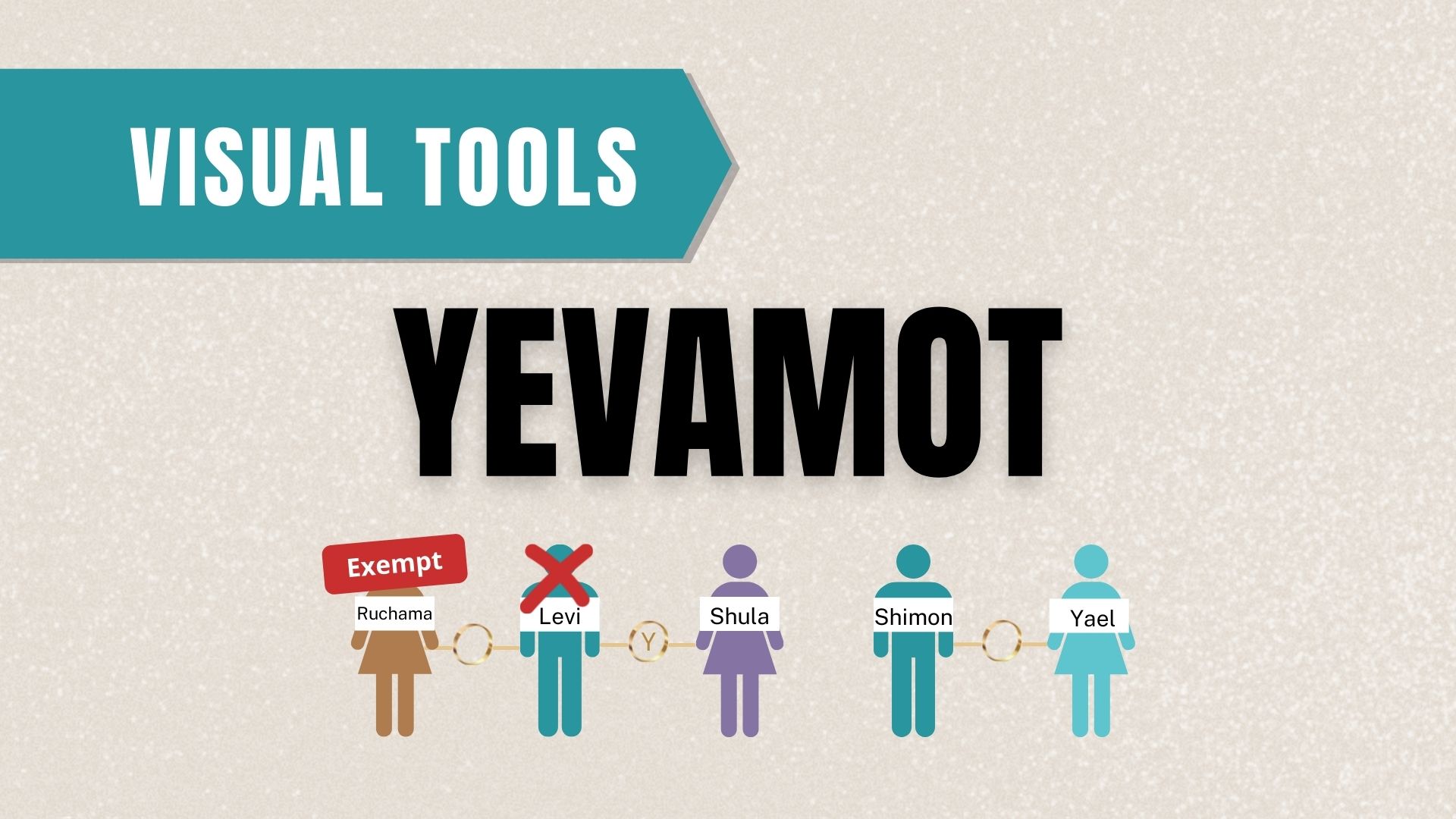
Presentation in PDF format

Today’s daf is dedicated in honor of Jon and Yael Cohen on their 24th wedding anniversary. Mazel tov!

How is the last issue Menashe had with Isaiah resolved? If the Torah said that one has a set amount of years to live and Isaiah said that Chizkiyahu was given fifteen extra years to live, how can that be? The answer is that there is a tanaitic debate on how to answer the question. One opinion is that one has a set amount of years and if one is worthy, one will live to that age, but if one is not, the number of years is reduced. Another opinion is that if one is worthy, one can get more than what was allotted. Rav Yosef comments on the last part of the Mishna which had many different cases of when a sister dies, her husband or ex-husband can marry her sister – by saying that here is an example of where Rabbi Yehuda HaNasi added something that was unnecessary. Is there meaning to a get given to one wife after a get was already given to her co-wife or maamar performed on one wife after maamar was already performed on the other or intercourse to fulfill the mitzva of yibum after it was already done to the other or chalitza after chalitza? The rabbis and Rabban Gamliel disagree. The Mishna brings every possible permutation of get, maamar, intercourse and chalitza that were performed either by two brothers on one yevama or one yabam on two wives waiting for yibum. The main ramifications are – are the woman’s relatives forbidden to the yabam? If a betrothal was performed, would it be valid? Does one still need to do chalitza or is the yibum obligation taken care of? How strong are each of these actions in removing the zika (connection) of the yevamot to the yabam? Chalitza or intercourse end the yibum requirement entirely – but is that only true if it was the first action done or it is even if it took place after another action such as maamar or get took place? This is also a subject of debate. Why is giving a get to a yevama effective to prohibit the brothers from performing yibum on her or any of the other wives, if they a get is not effective for someone who isn’t married? Why is maamar effective to forbid the yabam from marrying any of the other wives? Why according to the rabbis are intercourse after get or maamar not enough to end the yibum obligation but chalitza after get or maamar would be sufficient?

 Why according to the rabbis is s

Today’s daily daf tools:

Yevamot 50

אֵלּוּ שְׁנֵי דוֹרוֹת. זָכָה — מַשְׁלִימִין לוֹ, לֹא זָכָה — פּוֹחֲתִין לוֹ, דִּבְרֵי רַבִּי עֲקִיבָא. וַחֲכָמִים אוֹמְרִים: זָכָה — מוֹסִיפִים לוֹ, לֹא זָכָה — פּוֹחֲתִין לוֹ.

these are the years of the generations, i.e., the allotted lifespan that is preordained for each individual before birth. If he is deserving, God completes his allotted lifespan. If he is not deserving, God reduces his lifespan; this is the statement of Rabbi Akiva. Rabbi Akiva assumes one cannot outlive one’s preordained allotted lifespan. The Rabbis say: If he is deserving, God adds years to his lifespan. If he is not deserving, God reduces his lifespan. According to the Rabbis, Isaiah’s prophecy is referring to one who deserved to have extra years added to his allotted lifespan, and the verse in the Torah is referring to one who deserved to merely complete his lifespan.

אָמְרוּ לוֹ לְרַבִּי עֲקִיבָא, הֲרֵי הוּא אוֹמֵר: ״וְהוֹסַפְתִּי עַל יָמֶיךָ חֲמֵשׁ עֶשְׂרֵה שָׁנָה״! אָמַר לָהֶם: מִשֶּׁלּוֹ הוֹסִיפוּ לוֹ. תֵּדַע, שֶׁהֲרֵי נָבִיא עוֹמֵד וּמִתְנַבֵּא ״הִנֵּה בֵן נוֹלָד לְבֵית דָּוִד יֹאשִׁיָּהוּ שְׁמוֹ״, וַעֲדַיִין לֹא נוֹלַד מְנַשֶּׁה!

The Rabbis said to Rabbi Akiva: How can you claim that one cannot outlive one’s allotted lifespan when there is a verse that states that Isaiah prophesied to Hezekiah as Hezekiah lay on his deathbed: “And I will add unto your days fifteen years”? Rabbi Akiva said to them: Those additional years that God added to his lifespan are from his own allotted lifespan. When Hezekiah sinned God decreed that his lifespan be shortened, but when he repented God allowed him to live out those years. Know that this is so, as a prophet during the reign of King Jeroboam stood and prophesied: “Behold, a son shall be born unto the House of David, Josiah is his name” (I Kings 13:2). Josiah was the grandson of Manasseh, Hezekiah’s son, and at the time Hezekiah lay on his deathbed, Manasseh had not yet been born. Evidently, Hezekiah’s preordained allotted lifespan had still not been completed.

וְרַבָּנַן — מִי כְּתִיב מֵחִזְקִיָּה? ״לְבֵית דָּוִד״ כְּתִיב, אִי מֵחִזְקִיָּה נוֹלַד, אִי מֵאִינָשׁ אַחֲרִינָא.

And what would the Rabbis respond to Rabbi Akiva’s proof? They could counter: Is it written that Josiah was to be born specifically from the descendants of Hezekiah? It is written only that he would be born “unto the House of David,” so he could be born either from the descendants of Hezekiah or from a different person of the House of David. Accordingly, no proof concerning Hezekiah’s allotted lifespan can be deduced from that verse.

אִשְׁתּוֹ שֶׁמֵּתָה וְכוּ׳ יְבִמְתּוֹ שֶׁמֵּתָה וְכוּ׳. אָמַר רַב יוֹסֵף: כָּאן שָׁנָה רַבִּי מִשְׁנָה שֶׁאֵינָהּ צְרִיכָה.

§ The mishna details the prohibition with regard to one’s wife’s sister in various cases: If a man’s wife died, he is permitted to her sister; if his yevama died, he is permitted to her sister. Rav Yosef said: Here Rabbi Yehuda HaNasi taught an unnecessary mishna, since the prohibition with regard to one’s wife’s sister and the fact that the prohibition exists only in the lifetime of one’s wife is stated explicitly in the Torah, and there is no additional novelty in this mishna’s ruling.


הֲדַרַן עֲלָךְ הַחוֹלֵץ

רַבָּן גַּמְלִיאֵל אוֹמֵר: אֵין גֵּט אַחַר גֵּט, וְלֹא מַאֲמָר אַחַר מַאֲמָר, וְלֹא בְּעִילָה אַחַר בְּעִילָה, וְלֹא חֲלִיצָה אַחַר חֲלִיצָה. וַחֲכָמִים אוֹמְרִים: יֵשׁ גֵּט אַחַר גֵּט, וְיֵשׁ מַאֲמָר אַחַר מַאֲמָר. אֲבָל לֹא אַחַר בְּעִילָה, וְלֹא אַחַר חֲלִיצָה כְּלוּם.

MISHNA: Rabban Gamliel says: A bill of divorce [get] is not effective when given after a bill of divorce was previously given to a yevama. Once a yevama receives a bill of divorce from a yavam, no bill of divorce given by that yavam to her rival wife or a bill of divorce given to her by a different yavam is of any effect. And levirate betrothal is not effective after a previous levirate betrothal was performed, and intercourse with a second yevama is not effective after intercourse with the first one, and ḥalitza is not effective after ḥalitza was previously performed. But the Rabbis say: A bill of divorce is effective when given after a bill of divorce, and levirate betrothal is effective after levirate betrothal, but nothing is effective after intercourse or after ḥalitza. If a yavam has relations with the yevama or performs ḥalitza with her, no other action performed afterward is effective, whether performed by that yavam toward a different yevama or by any yavam with the original yevama.

כֵּיצַד: עָשָׂה מַאֲמָר בִּיבִמְתּוֹ וְנָתַן לָהּ גֵּט — צְרִיכָה הֵימֶנּוּ חֲלִיצָה. עָשָׂה מַאֲמָר וַחֲלִיצָה — צְרִיכָה הֵימֶנּוּ גֵּט. עָשָׂה מַאֲמָר וּבָעַל — הֲרֵי זוֹ כְּמִצְוָתָהּ.

The mishna elaborates: How do these laws work in practice? If a yavam performed levirate betrothal with his yevama, and he later gave her a bill of divorce, she nevertheless requires ḥalitza from him. The bill of divorce does not fully exempt her from levirate marriage, as the levirate bond remains intact. If he performed levirate betrothal and then ḥalitza, she requires a bill of divorce from him in order to cancel the levirate betrothal. If the yavam performed levirate betrothal and then engaged in intercourse with the yevama, this is the way to perform levirate marriage in accordance with its mitzva, as the Sages instituted this as the proper procedure for a yavam to perform levirate marriage.

נָתַן גֵּט וְעָשָׂה מַאֲמָר — צְרִיכָה גֵּט וַחֲלִיצָה. נָתַן גֵּט וּבָעַל — צְרִיכָה גֵּט וַחֲלִיצָה. נָתַן גֵּט וְחָלַץ — אֵין אַחַר חֲלִיצָה כְּלוּם.

If the yavam gave the yevama a bill of divorce and afterward performed levirate betrothal with her, she requires another bill of divorce to cancel the levirate betrothal, as well as ḥalitza to nullify the levirate bond. If he gave her a bill of divorce and then engaged in intercourse with her, she requires a bill of divorce to cancel the betrothal that took place via intercourse, and ḥalitza to nullify the levirate bond; the intercourse did not affect the levirate bond because once he gave her a bill of divorce she was forbidden to him. If he gave her a bill of divorce and performed ḥalitza, nothing is effective after ḥalitza, as the levirate bond was completely nullified.

חָלַץ וְעָשָׂה מַאֲמָר, נָתַן גֵּט וּבָעַל, אוֹ בָּעַל וְעָשָׂה מַאֲמָר, נָתַן גֵּט וְחָלַץ — אֵין אַחַר חֲלִיצָה כְּלוּם.

Similarly, if he performed ḥalitza with her and then either performed levirate betrothal, or gave a bill of divorce, or engaged in intercourse with her; alternatively, if he engaged in intercourse with her and then either performed levirate betrothal, or gave a bill of divorce, or performed ḥalitza after they engaged in relations, nothing is effective after ḥalitza or intercourse. Any action performed afterward is unrelated to the levirate bond.

אֶחָד יְבָמָה אַחַת לְיָבָם אֶחָד, וְאֶחָד שְׁתֵּי יְבָמוֹת לְיָבָם אֶחָד. כֵּיצַד? עָשָׂה מַאֲמָר בָּזוֹ וּמַאֲמָר בָּזוֹ — צְרִיכוֹת שְׁנֵי גִיטִּין וַחֲלִיצָה. מַאֲמָר בָּזוֹ וְגֵט לָזוֹ — צְרִיכָה גֵּט וַחֲלִיצָה. מַאֲמָר בָּזוֹ וּבָעַל אֶת זוֹ — צְרִיכוֹת שְׁנֵי גִיטִּין וַחֲלִיצָה. מַאֲמָר בָּזוֹ וְחָלַץ לָזוֹ — הָרִאשׁוֹנָה צְרִיכָה גֵּט.

The above principles apply both in cases of one yevama to one yavam, as well as in cases of two yevamot to one yavam. How so? If he performed levirate betrothal with this yevama and levirate betrothal with that one, i.e., her rival wife, they require two bills of divorce, each for her own levirate betrothal, and ḥalitza with one of them, to release them both from the levirate bond. If he performed levirate betrothal with this one and gave a bill of divorce to that one, the first woman requires a bill of divorce to cancel the levirate betrothal, and one of them must receive ḥalitza. If he performed levirate betrothal with this one and engaged in intercourse with that one, they require two bills of divorce and he must perform ḥalitza with one of them. If the yavam performed levirate betrothal with this one and performed ḥalitza with that one, the first woman requires a bill of divorce.

גֵּט לָזוֹ וְגֵט לָזוֹ — צְרִיכוֹת הֵימֶנּוּ חֲלִיצָה. גֵּט לָזוֹ וּבָעַל אֶת זוֹ — צְרִיכָה גֵּט וַחֲלִיצָה. גֵּט לָזוֹ וּמַאֲמָר בָּזוֹ — צְרִיכָה גֵּט וַחֲלִיצָה. גֵּט לָזוֹ וְחָלַץ לְזוֹ — אֵין אַחַר חֲלִיצָה כְּלוּם.

If the yavam gave a bill of divorce to this yevama and a bill of divorce to that one, they require ḥalitza from him. If he gave a bill of divorce to this one and engaged in intercourse with that one, the latter requires a bill of divorce and ḥalitza. If he gave a bill of divorce to this one and performed levirate betrothal with that one, the latter requires a bill of divorce and he must perform ḥalitza with one of them. If the yavam gave a bill of divorce to this woman and performed ḥalitza with that one, nothing is effective after ḥalitza, and he cannot betroth the rival wife.

חָלַץ וְחָלַץ, אוֹ חָלַץ וְעָשָׂה מַאֲמָר, נָתַן גֵּט וּבָעַל, אוֹ בַּעַל וּבָעַל, אוֹ בָּעַל וְעָשָׂה מַאֲמָר, נָתַן גֵּט וְחָלַץ — אֵין אַחַר חֲלִיצָה כְּלוּם. בֵּין יָבָם אֶחָד לִשְׁתֵּי יְבָמוֹת, בֵּין שְׁנֵי יְבָמִין לִיבָמָה אַחַת.

If he performed ḥalitza with one yevama and then performed ḥalitza with a second yevama, or he performed ḥalitza with one yevama and then proceeded to either perform levirate betrothal, give a bill of divorce, or engage in intercourse with a second; alternatively, he engaged in intercourse with one yevama and engaged in intercourse with the second yevama, or he engaged in intercourse with one yevama and proceeded to either perform levirate betrothal, give a bill of divorce, or perform ḥalitza with the second, nothing is effective after ḥalitza or intercourse. These halakhot apply both in cases of one yavam to two yevamot, as well as two yevamin to one yevama.

חָלַץ וְעָשָׂה מַאֲמָר, נָתַן גֵּט וּבָעַל, אוֹ בָּעַל וְעָשָׂה מַאֲמָר, וְנָתַן גֵּט וְחָלַץ — אֵין אַחַר חֲלִיצָה כְּלוּם. בֵּין בַּתְּחִלָּה, בֵּין בָּאֶמְצַע, בֵּין בַּסּוֹף.

If he performed ḥalitza with one yevama and then proceeded to either perform levirate betrothal, give a bill of divorce, or engage in intercourse with a second yevama; alternatively, he engaged in intercourse with one yevama and then proceeded to perform levirate betrothal, or give a bill of divorce, or perform ḥalitza with a second yevama, nothing is effective after ḥalitza, whether the ḥalitza took place at the beginning, in the middle, or at the end. All of these halakhot accord with the opinion of Rabbi Akiva, who maintains betrothal does not take effect on a woman who is forbidden due to the prohibition against betrothing a yevama after ḥalitza.

וְהַבְּעִילָה, בִּזְמַן שֶׁהִיא בַּתְּחִלָּה — אֵין אַחֲרֶיהָ כְּלוּם, בָּאֶמְצַע וּבַסּוֹף — יֵשׁ אַחֲרֶיהָ כְּלוּם. רַבִּי נְחֶמְיָה אוֹמֵר: אַחַת בְּעִילָה וְאַחַת חֲלִיצָה, בֵּין בַּתְּחִלָּה בֵּין בָּאֶמְצַע בֵּין בַּסּוֹף — אֵין אַחֲרֶיהָ כְּלוּם.

But with regard to intercourse, when it is at the beginning, i.e., the first act the yavam performed with his yevama, nothing is effective after it and any subsequent action is void. However, if it was performed in the middle, and similarly if it was performed at the end, i.e., after some other action that impairs the validity of his intercourse, something is effective after it. Rabbi Neḥemya says: Both with regard to intercourse and ḥalitza, whether performed at the beginning, in the middle, or at the end, nothing is effective after it. If the yavam performed a valid action according to Torah law, any subsequent action is of no consequence according to halakha.

גְּמָ׳ עַד כָּאן לָא פְּלִיגִי אֶלָּא בְּגֵט אַחַר גֵּט, וּמַאֲמָר אַחַר מַאֲמָר. אֲבָל גֵּט אֶחָד בִּיבָמָה [וּמַאֲמָר אֶחָד בִּיבָמָה] — מַהֲנֵי.

GEMARA: Rabban Gamliel and the Rabbis disagree only with regard to the efficacy of a bill of divorce performed after a bill of divorce and levirate betrothal performed after levirate betrothal, but one bill of divorce given to a single yevama, or one levirate betrothal performed with a single yevama, is effective. The bill of divorce prevents him from performing levirate marriage, and the levirate betrothal requires a bill of divorce to cancel it, in addition to ḥalitza.

מַאי טַעְמָא אֲמוּר רַבָּנַן גֵּט בִּיבָמָה מַהֲנֵי — מִשּׁוּם דְּמַהֲנֵי בְּעָלְמָא. דְּאִי אָמְרַתְּ לָא מַהֲנֵי, אָמְרִי: גֵּט לְהוֹצִיאָהּ, וַחֲלִיצָה לְהוֹצִיאָהּ. וּמִדְּגֵט לָא מַהֲנֵי — חֲלִיצָה נָמֵי לָא מַהֲנֵי, וְאָתֵי לְמִיבְעַל אַחַר חֲלִיצָה.

The Gemara elaborates: What is the reason that the Sages said that a bill of divorce is effective for a yevama, despite the fact that she is not his wife? This is because it is effective in general in cases of married women. For if you say that it is not effective in the case of a yevama, there are some who might mistakenly say the following: A bill of divorce is given to a woman in order to remove her from her husband, and ḥalitza likewise serves to remove her from the yavam; since a bill of divorce is ineffective for this yevama, ḥalitza is also ineffective and does not sever their relationship completely. And perhaps the yavam will come to engage in intercourse after ḥalitza, which is forbidden by the Torah prohibition derived from the verse: “So shall it be done to the man who does not build his brother’s house” (Deuteronomy 25:9).

וּמַאי טַעְמָא אֲמוּר רַבָּנַן מַאֲמָר בִּיבָמָה מַהֲנֵי — מִשּׁוּם דְּמַהֲנֵי בְּעָלְמָא. דְּאִי אָמְרַתְּ לָא מַהֲנֵי, אָמְרִי: מַאֲמָר לִקְנוֹת, וּבִיאָה לִקְנוֹת. וּמִדְּמַאֲמָר לָא מַהֲנֵי — בִּיאָה נָמֵי לָא מַהְנְיָא, וְאָתֵי לְמִיבְעַל אַחַר בִּיאָה.

And what is the reason the Sages said that levirate betrothal is effective for a yevama? Because it is effective in general, as levirate betrothal is essentially an act of betrothal. For if you say that it is not effective, there are some who might mistakenly say: Levirate betrothal serves to acquire a woman and intercourse serves to acquire a woman in general, as women can be betrothed by intercourse; since levirate betrothal is ineffective in the case of a yevama, intercourse is also ineffective, i.e., it does not acquire a yevama completely. And he will therefore come to engage in intercourse with a rival wife after intercourse with the first yevama.

וּמַאי טַעְמָא אֲמוּר רַבָּנַן בִּיאָה פְּסוּלָה יֵשׁ אַחֲרֶיהָ כְּלוּם —

And what is the reason the Sages who disagree with Rabbi Neḥemya said that invalid intercourse, i.e., intercourse that follows any disqualifying action with the rival wife of a yevama, does not fully acquire the yevama, such that something is effective after it? In this case the invalid intercourse does not cancel the levirate bond, and therefore further action with the yevama is effective.

אָמְרִי: אִי בִּיאָה אַחַר הַגֵּט הִיא — גְּזֵירָה בִּיאָה אַחַר הַגֵּט מִשּׁוּם בִּיאָה אַחַר חֲלִיצָה. וְאִי בִּיאָה אַחַר מַאֲמָר הִיא — גְּזֵירָה בִּיאָה אַחַר מַאֲמָר מִשּׁוּם בִּיאָה אַחַר בִּיאָה.

The Sages say: If this is intercourse performed after a bill of divorce, then it is considered invalid due to a rabbinic decree with regard to intercourse after a bill of divorce because of its potential confusion with a case of intercourse after ḥalitza. The Sages established that invalid intercourse of this kind should not cancel the levirate bond completely, for if it did, then people might come to engage in intercourse after ḥalitza, which would violate a Torah prohibition. And if this is intercourse performed after levirate betrothal, then it is considered invalid due to a rabbinic decree with regard to intercourse after levirate betrothal because of its potential confusion with a case of intercourse with the second yevama after intercourse with the first. If intercourse after levirate betrothal is effective, people might come to engage in intercourse with a second yevama after intercourse with a first, and this is forbidden as the woman is considered his brother’s wife who is not eligible for levirate marriage.

וּמַאי טַעְמָא אֲמוּר רַבָּנַן הַאי חֲלִיצָה פְּסוּלָה — אֵין אַחֲרֶיהָ כְּלוּם, אָמְרִי: מַאי לִגְזוֹר? נִגְזוֹר חֲלִיצָה אַחַר הַגֵּט מִשּׁוּם חֲלִיצָה אַחַר חֲלִיצָה — כֹּל כִּי הָנֵי תִּחְלוֹץ וְתֵיזִיל.

And what is the reason the Sages said with regard to this invalid ḥalitza that nothing is effective after it? For they say: What is the reason that we should issue a decree in that case? Should we issue a decree with regard to ḥalitza performed after a bill of divorce due to a concern for ḥalitza performed after ḥalitza? In this case there is no concern, as there is no prohibition involved in repeating ḥalitza. In any situation like these, let her continue performing ḥalitza, for no harm is done if ḥalitza is performed unnecessarily.

לִיגְזוֹר חֲלִיצָה אַחַר מַאֲמָר מִשּׁוּם חֲלִיצָה אַחַר בִּיאָה, אַטּוּ חֲלִיצָה אַחַר מַאֲמָר מִי לָא בָּעֲיָא גֵּט לְמַאֲמָרוֹ? חֲלִיצָה אַחַר בִּיאָה נָמֵי בָּעֲיָא גֵּט לְבִיאָתוֹ.

Alternatively, should we issue a decree stating that other actions are effective after ḥalitza is performed after levirate betrothal due to the concern for confusion with the case of ḥalitza performed after intercourse? In this case there is a concern that people will assume that no bill of divorce is required after intercourse so long as the yavam performed ḥalitza. The Gemara challenges this concern: Is that to say that in the case of ḥalitza after levirate betrothal she does not require a bill of divorce for his levirate betrothal, such that one would conclude the same for ḥalitza after intercourse? In the case of ḥalitza after levirate betrothal, the woman requires a bill of divorce, and similarly in the case of ḥalitza after intercourse she likewise requires a bill of divorce for his intercourse. Thus, the same action performed following ḥalitza after levirate betrothal is also performed following ḥalitza after intercourse, and therefore there is no need to issue a further decree.

אָמַר רָבָא:

§ Rava said:

Today’s daily daf tools:

Delve Deeper

Broaden your understanding of the topics on this daf with classes and podcasts from top women Talmud scholars.

For the Beyond the Daf shiurim offered in Hebrew, see here.

New to Talmud?

Check out our resources designed to help you navigate a page of Talmud – and study at the pace, level and style that fits you. 

The Hadran Women’s Tapestry

Meet the diverse women learning Gemara at Hadran and hear their stories. 

I’ve been learning since January 2020, and in June I started drawing a phrase from each daf. Sometimes it’s easy (e.g. plants), sometimes it’s very hard (e.g. korbanot), and sometimes it’s loads of fun (e.g. bird racing) to find something to draw. I upload my pictures from each masechet to #DafYomiArt. I am enjoying every step of the journey.

Gila Loike
Gila Loike

Ashdod, Israel

After all the hype on the 2020 siyum I became inspired by a friend to begin learning as the new cycle began.with no background in studying Talmud it was a bit daunting in the beginning. my husband began at the same time so we decided to study on shabbat together. The reaction from my 3 daughters has been fantastic. They are very proud. It’s been a great challenge for my brain which is so healthy!

Stacey Goodstein Ashtamker

Modi’in, Israel

I learned Talmud as a student in Yeshivat Ramaz and felt at the time that Talmud wasn’t for me. After reading Ilana Kurshan’s book I was intrigued and after watching the great siyum in Yerushalayim it ignited the spark to begin this journey. It has been a transformative life experience for me as a wife, mother, Savta and member of Klal Yisrael.
Elana Storch
Elana Storch

Phoenix, Arizona, United States

When the new cycle began, I thought, If not now, when? I’d just turned 72. I feel like a tourist on a tour bus passing astonishing scenery each day. Rabbanit Michelle is my beloved tour guide. When the cycle ends, I’ll be 80. I pray that I’ll have strength and mind to continue the journey to glimpse a little more. My grandchildren think having a daf-learning savta is cool!

Wendy Dickstein
Wendy Dickstein

Jerusalem, Israel

I started my journey on the day I realized that the Siyum was happening in Yerushalayim and I was missing out. What? I told myself. How could I have not known about this? How can I have missed out on this opportunity? I decided that moment, I would start Daf Yomi and Nach Yomi the very next day. I am so grateful to Hadran. I am changed forever because I learn Gemara with women. Thank you.

Linda Brownstein
Linda Brownstein

Mitspe, Israel

Margo
I started my Talmud journey in 7th grade at Akiba Jewish Day School in Chicago. I started my Daf Yomi journey after hearing Erica Brown speak at the Hadran Siyum about marking the passage of time through Daf Yomi.

Carolyn
I started my Talmud journey post-college in NY with a few classes. I started my Daf Yomi journey after the Hadran Siyum, which inspired both my son and myself.

Carolyn Hochstadter and Margo Kossoff Shizgal

Merion Station,  USA

Beit Shemesh, Israel

Since I started in January of 2020, Daf Yomi has changed my life. It connects me to Jews all over the world, especially learned women. It makes cooking, gardening, and folding laundry into acts of Torah study. Daf Yomi enables me to participate in a conversation with and about our heritage that has been going on for more than 2000 years.

Shira Eliaser
Shira Eliaser

Skokie, IL, United States

I started learning Daf Yomi inspired by תָּפַסְתָּ מְרוּבֶּה לֹא תָּפַסְתָּ, תָּפַסְתָּ מוּעָט תָּפַסְתָּ. I thought I’d start the first page, and then see. I was swept up into the enthusiasm of the Hadran Siyum, and from there the momentum kept building. Rabbanit Michelle’s shiur gives me an anchor, a connection to an incredible virtual community, and an energy to face whatever the day brings.

Medinah Korn
Medinah Korn

בית שמש, Israel

I started to listen to Michelle’s podcasts four years ago. The minute I started I was hooked. I’m so excited to learn the entire Talmud, and think I will continue always. I chose the quote “while a woman is engaged in conversation she also holds the spindle”. (Megillah 14b). It reminds me of all of the amazing women I learn with every day who multi-task, think ahead and accomplish so much.

Julie Mendelsohn
Julie Mendelsohn

Zichron Yakov, Israel

What a great experience to learn with Rabbanit Michelle Farber. I began with this cycle in January 2020 and have been comforted by the consistency and energy of this process throughout the isolation period of Covid. Week by week, I feel like I am exploring a treasure chest with sparkling gems and puzzling antiquities. The hunt is exhilarating.

Marian Frankston
Marian Frankston

Pennsylvania, United States

It has been a pleasure keeping pace with this wonderful and scholarly group of women.

Janice Block
Janice Block

Beit Shemesh, Israel

A friend mentioned that she was starting Daf Yomi in January 2020. I had heard of it and thought, why not? I decided to try it – go day by day and not think about the seven plus year commitment. Fast forward today, over two years in and I can’t imagine my life without Daf Yomi. It’s part of my morning ritual. If I have a busy day ahead of me I set my alarm to get up early to finish the day’s daf
Debbie Fitzerman
Debbie Fitzerman

Ontario, Canada

I started learning Daf Yomi because my sister, Ruth Leah Kahan, attended Michelle’s class in person and suggested I listen remotely. She always sat near Michelle and spoke up during class so that I could hear her voice. Our mom had just died unexpectedly and it made me feel connected to hear Ruth Leah’s voice, and now to know we are both listening to the same thing daily, continents apart.
Jessica Shklar
Jessica Shklar

Philadelphia, United States

I’ve been studying Talmud since the ’90s, and decided to take on Daf Yomi two years ago. I wanted to attempt the challenge of a day-to-day, very Jewish activity. Some days are so interesting and some days are so boring. But I’m still here.
Sarene Shanus
Sarene Shanus

Mamaroneck, NY, United States

I started learning after the siyum hashas for women and my daily learning has been a constant over the last two years. It grounded me during the chaos of Corona while providing me with a community of fellow learners. The Daf can be challenging but it’s filled with life’s lessons, struggles and hope for a better world. It’s not about the destination but rather about the journey. Thank you Hadran!

Dena Lehrman
Dena Lehrman

אפרת, Israel

I started learning at the beginning of this Daf Yomi cycle because I heard a lot about the previous cycle coming to an end and thought it would be a good thing to start doing. My husband had already bought several of the Koren Talmud Bavli books and they were just sitting on the shelf, not being used, so here was an opportunity to start using them and find out exactly what was in them. Loving it!

Caroline Levison
Caroline Levison

Borehamwood, United Kingdom

I began my journey with Rabbanit Michelle more than five years ago. My friend came up with a great idea for about 15 of us to learn the daf and one of us would summarize weekly what we learned.
It was fun but after 2-3 months people began to leave. I have continued. Since the cycle began Again I have joined the Teaneck women.. I find it most rewarding in so many ways. Thank you

Dena Heller
Dena Heller

New Jersey, United States

I began Daf Yomi with the last cycle. I was inspired by the Hadran Siyum in Yerushalayim to continue with this cycle. I have learned Daf Yomi with Rabanit Michelle in over 25 countries on 6 continents ( missing Australia)

Barbara-Goldschlag
Barbara Goldschlag

Silver Spring, MD, United States

When I was working and taking care of my children, learning was never on the list. Now that I have more time I have two different Gemora classes and the nach yomi as well as the mishna yomi daily.

Shoshana Shinnar
Shoshana Shinnar

Jerusalem, Israel

I started learning Talmud with R’ Haramati in Yeshivah of Flatbush. But after a respite of 60 years, Rabbanit Michelle lit my fire – after attending the last three world siyumim in Miami Beach, Meadowlands and Boca Raton, and now that I’m retired, I decided – “I can do this!” It has been an incredible journey so far, and I look forward to learning Daf everyday – Mazal Tov to everyone!

Roslyn Jaffe
Roslyn Jaffe

Florida, United States

Yevamot 50

אֵלּוּ שְׁנֵי דוֹרוֹת. זָכָה — מַשְׁלִימִין לוֹ, לֹא זָכָה — פּוֹחֲתִין לוֹ, דִּבְרֵי רַבִּי עֲקִיבָא. וַחֲכָמִים אוֹמְרִים: זָכָה — מוֹסִיפִים לוֹ, לֹא זָכָה — פּוֹחֲתִין לוֹ.

these are the years of the generations, i.e., the allotted lifespan that is preordained for each individual before birth. If he is deserving, God completes his allotted lifespan. If he is not deserving, God reduces his lifespan; this is the statement of Rabbi Akiva. Rabbi Akiva assumes one cannot outlive one’s preordained allotted lifespan. The Rabbis say: If he is deserving, God adds years to his lifespan. If he is not deserving, God reduces his lifespan. According to the Rabbis, Isaiah’s prophecy is referring to one who deserved to have extra years added to his allotted lifespan, and the verse in the Torah is referring to one who deserved to merely complete his lifespan.

אָמְרוּ לוֹ לְרַבִּי עֲקִיבָא, הֲרֵי הוּא אוֹמֵר: ״וְהוֹסַפְתִּי עַל יָמֶיךָ חֲמֵשׁ עֶשְׂרֵה שָׁנָה״! אָמַר לָהֶם: מִשֶּׁלּוֹ הוֹסִיפוּ לוֹ. תֵּדַע, שֶׁהֲרֵי נָבִיא עוֹמֵד וּמִתְנַבֵּא ״הִנֵּה בֵן נוֹלָד לְבֵית דָּוִד יֹאשִׁיָּהוּ שְׁמוֹ״, וַעֲדַיִין לֹא נוֹלַד מְנַשֶּׁה!

The Rabbis said to Rabbi Akiva: How can you claim that one cannot outlive one’s allotted lifespan when there is a verse that states that Isaiah prophesied to Hezekiah as Hezekiah lay on his deathbed: “And I will add unto your days fifteen years”? Rabbi Akiva said to them: Those additional years that God added to his lifespan are from his own allotted lifespan. When Hezekiah sinned God decreed that his lifespan be shortened, but when he repented God allowed him to live out those years. Know that this is so, as a prophet during the reign of King Jeroboam stood and prophesied: “Behold, a son shall be born unto the House of David, Josiah is his name” (I Kings 13:2). Josiah was the grandson of Manasseh, Hezekiah’s son, and at the time Hezekiah lay on his deathbed, Manasseh had not yet been born. Evidently, Hezekiah’s preordained allotted lifespan had still not been completed.

וְרַבָּנַן — מִי כְּתִיב מֵחִזְקִיָּה? ״לְבֵית דָּוִד״ כְּתִיב, אִי מֵחִזְקִיָּה נוֹלַד, אִי מֵאִינָשׁ אַחֲרִינָא.

And what would the Rabbis respond to Rabbi Akiva’s proof? They could counter: Is it written that Josiah was to be born specifically from the descendants of Hezekiah? It is written only that he would be born “unto the House of David,” so he could be born either from the descendants of Hezekiah or from a different person of the House of David. Accordingly, no proof concerning Hezekiah’s allotted lifespan can be deduced from that verse.

אִשְׁתּוֹ שֶׁמֵּתָה וְכוּ׳ יְבִמְתּוֹ שֶׁמֵּתָה וְכוּ׳. אָמַר רַב יוֹסֵף: כָּאן שָׁנָה רַבִּי מִשְׁנָה שֶׁאֵינָהּ צְרִיכָה.

§ The mishna details the prohibition with regard to one’s wife’s sister in various cases: If a man’s wife died, he is permitted to her sister; if his yevama died, he is permitted to her sister. Rav Yosef said: Here Rabbi Yehuda HaNasi taught an unnecessary mishna, since the prohibition with regard to one’s wife’s sister and the fact that the prohibition exists only in the lifetime of one’s wife is stated explicitly in the Torah, and there is no additional novelty in this mishna’s ruling.

הֲדַרַן עֲלָךְ הַחוֹלֵץ

רַבָּן גַּמְלִיאֵל אוֹמֵר: אֵין גֵּט אַחַר גֵּט, וְלֹא מַאֲמָר אַחַר מַאֲמָר, וְלֹא בְּעִילָה אַחַר בְּעִילָה, וְלֹא חֲלִיצָה אַחַר חֲלִיצָה. וַחֲכָמִים אוֹמְרִים: יֵשׁ גֵּט אַחַר גֵּט, וְיֵשׁ מַאֲמָר אַחַר מַאֲמָר. אֲבָל לֹא אַחַר בְּעִילָה, וְלֹא אַחַר חֲלִיצָה כְּלוּם.

MISHNA: Rabban Gamliel says: A bill of divorce [get] is not effective when given after a bill of divorce was previously given to a yevama. Once a yevama receives a bill of divorce from a yavam, no bill of divorce given by that yavam to her rival wife or a bill of divorce given to her by a different yavam is of any effect. And levirate betrothal is not effective after a previous levirate betrothal was performed, and intercourse with a second yevama is not effective after intercourse with the first one, and ḥalitza is not effective after ḥalitza was previously performed. But the Rabbis say: A bill of divorce is effective when given after a bill of divorce, and levirate betrothal is effective after levirate betrothal, but nothing is effective after intercourse or after ḥalitza. If a yavam has relations with the yevama or performs ḥalitza with her, no other action performed afterward is effective, whether performed by that yavam toward a different yevama or by any yavam with the original yevama.

כֵּיצַד: עָשָׂה מַאֲמָר בִּיבִמְתּוֹ וְנָתַן לָהּ גֵּט — צְרִיכָה הֵימֶנּוּ חֲלִיצָה. עָשָׂה מַאֲמָר וַחֲלִיצָה — צְרִיכָה הֵימֶנּוּ גֵּט. עָשָׂה מַאֲמָר וּבָעַל — הֲרֵי זוֹ כְּמִצְוָתָהּ.

The mishna elaborates: How do these laws work in practice? If a yavam performed levirate betrothal with his yevama, and he later gave her a bill of divorce, she nevertheless requires ḥalitza from him. The bill of divorce does not fully exempt her from levirate marriage, as the levirate bond remains intact. If he performed levirate betrothal and then ḥalitza, she requires a bill of divorce from him in order to cancel the levirate betrothal. If the yavam performed levirate betrothal and then engaged in intercourse with the yevama, this is the way to perform levirate marriage in accordance with its mitzva, as the Sages instituted this as the proper procedure for a yavam to perform levirate marriage.

נָתַן גֵּט וְעָשָׂה מַאֲמָר — צְרִיכָה גֵּט וַחֲלִיצָה. נָתַן גֵּט וּבָעַל — צְרִיכָה גֵּט וַחֲלִיצָה. נָתַן גֵּט וְחָלַץ — אֵין אַחַר חֲלִיצָה כְּלוּם.

If the yavam gave the yevama a bill of divorce and afterward performed levirate betrothal with her, she requires another bill of divorce to cancel the levirate betrothal, as well as ḥalitza to nullify the levirate bond. If he gave her a bill of divorce and then engaged in intercourse with her, she requires a bill of divorce to cancel the betrothal that took place via intercourse, and ḥalitza to nullify the levirate bond; the intercourse did not affect the levirate bond because once he gave her a bill of divorce she was forbidden to him. If he gave her a bill of divorce and performed ḥalitza, nothing is effective after ḥalitza, as the levirate bond was completely nullified.

חָלַץ וְעָשָׂה מַאֲמָר, נָתַן גֵּט וּבָעַל, אוֹ בָּעַל וְעָשָׂה מַאֲמָר, נָתַן גֵּט וְחָלַץ — אֵין אַחַר חֲלִיצָה כְּלוּם.

Similarly, if he performed ḥalitza with her and then either performed levirate betrothal, or gave a bill of divorce, or engaged in intercourse with her; alternatively, if he engaged in intercourse with her and then either performed levirate betrothal, or gave a bill of divorce, or performed ḥalitza after they engaged in relations, nothing is effective after ḥalitza or intercourse. Any action performed afterward is unrelated to the levirate bond.

אֶחָד יְבָמָה אַחַת לְיָבָם אֶחָד, וְאֶחָד שְׁתֵּי יְבָמוֹת לְיָבָם אֶחָד. כֵּיצַד? עָשָׂה מַאֲמָר בָּזוֹ וּמַאֲמָר בָּזוֹ — צְרִיכוֹת שְׁנֵי גִיטִּין וַחֲלִיצָה. מַאֲמָר בָּזוֹ וְגֵט לָזוֹ — צְרִיכָה גֵּט וַחֲלִיצָה. מַאֲמָר בָּזוֹ וּבָעַל אֶת זוֹ — צְרִיכוֹת שְׁנֵי גִיטִּין וַחֲלִיצָה. מַאֲמָר בָּזוֹ וְחָלַץ לָזוֹ — הָרִאשׁוֹנָה צְרִיכָה גֵּט.

The above principles apply both in cases of one yevama to one yavam, as well as in cases of two yevamot to one yavam. How so? If he performed levirate betrothal with this yevama and levirate betrothal with that one, i.e., her rival wife, they require two bills of divorce, each for her own levirate betrothal, and ḥalitza with one of them, to release them both from the levirate bond. If he performed levirate betrothal with this one and gave a bill of divorce to that one, the first woman requires a bill of divorce to cancel the levirate betrothal, and one of them must receive ḥalitza. If he performed levirate betrothal with this one and engaged in intercourse with that one, they require two bills of divorce and he must perform ḥalitza with one of them. If the yavam performed levirate betrothal with this one and performed ḥalitza with that one, the first woman requires a bill of divorce.

גֵּט לָזוֹ וְגֵט לָזוֹ — צְרִיכוֹת הֵימֶנּוּ חֲלִיצָה. גֵּט לָזוֹ וּבָעַל אֶת זוֹ — צְרִיכָה גֵּט וַחֲלִיצָה. גֵּט לָזוֹ וּמַאֲמָר בָּזוֹ — צְרִיכָה גֵּט וַחֲלִיצָה. גֵּט לָזוֹ וְחָלַץ לְזוֹ — אֵין אַחַר חֲלִיצָה כְּלוּם.

If the yavam gave a bill of divorce to this yevama and a bill of divorce to that one, they require ḥalitza from him. If he gave a bill of divorce to this one and engaged in intercourse with that one, the latter requires a bill of divorce and ḥalitza. If he gave a bill of divorce to this one and performed levirate betrothal with that one, the latter requires a bill of divorce and he must perform ḥalitza with one of them. If the yavam gave a bill of divorce to this woman and performed ḥalitza with that one, nothing is effective after ḥalitza, and he cannot betroth the rival wife.

חָלַץ וְחָלַץ, אוֹ חָלַץ וְעָשָׂה מַאֲמָר, נָתַן גֵּט וּבָעַל, אוֹ בַּעַל וּבָעַל, אוֹ בָּעַל וְעָשָׂה מַאֲמָר, נָתַן גֵּט וְחָלַץ — אֵין אַחַר חֲלִיצָה כְּלוּם. בֵּין יָבָם אֶחָד לִשְׁתֵּי יְבָמוֹת, בֵּין שְׁנֵי יְבָמִין לִיבָמָה אַחַת.

If he performed ḥalitza with one yevama and then performed ḥalitza with a second yevama, or he performed ḥalitza with one yevama and then proceeded to either perform levirate betrothal, give a bill of divorce, or engage in intercourse with a second; alternatively, he engaged in intercourse with one yevama and engaged in intercourse with the second yevama, or he engaged in intercourse with one yevama and proceeded to either perform levirate betrothal, give a bill of divorce, or perform ḥalitza with the second, nothing is effective after ḥalitza or intercourse. These halakhot apply both in cases of one yavam to two yevamot, as well as two yevamin to one yevama.

חָלַץ וְעָשָׂה מַאֲמָר, נָתַן גֵּט וּבָעַל, אוֹ בָּעַל וְעָשָׂה מַאֲמָר, וְנָתַן גֵּט וְחָלַץ — אֵין אַחַר חֲלִיצָה כְּלוּם. בֵּין בַּתְּחִלָּה, בֵּין בָּאֶמְצַע, בֵּין בַּסּוֹף.

If he performed ḥalitza with one yevama and then proceeded to either perform levirate betrothal, give a bill of divorce, or engage in intercourse with a second yevama; alternatively, he engaged in intercourse with one yevama and then proceeded to perform levirate betrothal, or give a bill of divorce, or perform ḥalitza with a second yevama, nothing is effective after ḥalitza, whether the ḥalitza took place at the beginning, in the middle, or at the end. All of these halakhot accord with the opinion of Rabbi Akiva, who maintains betrothal does not take effect on a woman who is forbidden due to the prohibition against betrothing a yevama after ḥalitza.

וְהַבְּעִילָה, בִּזְמַן שֶׁהִיא בַּתְּחִלָּה — אֵין אַחֲרֶיהָ כְּלוּם, בָּאֶמְצַע וּבַסּוֹף — יֵשׁ אַחֲרֶיהָ כְּלוּם. רַבִּי נְחֶמְיָה אוֹמֵר: אַחַת בְּעִילָה וְאַחַת חֲלִיצָה, בֵּין בַּתְּחִלָּה בֵּין בָּאֶמְצַע בֵּין בַּסּוֹף — אֵין אַחֲרֶיהָ כְּלוּם.

But with regard to intercourse, when it is at the beginning, i.e., the first act the yavam performed with his yevama, nothing is effective after it and any subsequent action is void. However, if it was performed in the middle, and similarly if it was performed at the end, i.e., after some other action that impairs the validity of his intercourse, something is effective after it. Rabbi Neḥemya says: Both with regard to intercourse and ḥalitza, whether performed at the beginning, in the middle, or at the end, nothing is effective after it. If the yavam performed a valid action according to Torah law, any subsequent action is of no consequence according to halakha.

גְּמָ׳ עַד כָּאן לָא פְּלִיגִי אֶלָּא בְּגֵט אַחַר גֵּט, וּמַאֲמָר אַחַר מַאֲמָר. אֲבָל גֵּט אֶחָד בִּיבָמָה [וּמַאֲמָר אֶחָד בִּיבָמָה] — מַהֲנֵי.

GEMARA: Rabban Gamliel and the Rabbis disagree only with regard to the efficacy of a bill of divorce performed after a bill of divorce and levirate betrothal performed after levirate betrothal, but one bill of divorce given to a single yevama, or one levirate betrothal performed with a single yevama, is effective. The bill of divorce prevents him from performing levirate marriage, and the levirate betrothal requires a bill of divorce to cancel it, in addition to ḥalitza.

מַאי טַעְמָא אֲמוּר רַבָּנַן גֵּט בִּיבָמָה מַהֲנֵי — מִשּׁוּם דְּמַהֲנֵי בְּעָלְמָא. דְּאִי אָמְרַתְּ לָא מַהֲנֵי, אָמְרִי: גֵּט לְהוֹצִיאָהּ, וַחֲלִיצָה לְהוֹצִיאָהּ. וּמִדְּגֵט לָא מַהֲנֵי — חֲלִיצָה נָמֵי לָא מַהֲנֵי, וְאָתֵי לְמִיבְעַל אַחַר חֲלִיצָה.

The Gemara elaborates: What is the reason that the Sages said that a bill of divorce is effective for a yevama, despite the fact that she is not his wife? This is because it is effective in general in cases of married women. For if you say that it is not effective in the case of a yevama, there are some who might mistakenly say the following: A bill of divorce is given to a woman in order to remove her from her husband, and ḥalitza likewise serves to remove her from the yavam; since a bill of divorce is ineffective for this yevama, ḥalitza is also ineffective and does not sever their relationship completely. And perhaps the yavam will come to engage in intercourse after ḥalitza, which is forbidden by the Torah prohibition derived from the verse: “So shall it be done to the man who does not build his brother’s house” (Deuteronomy 25:9).

וּמַאי טַעְמָא אֲמוּר רַבָּנַן מַאֲמָר בִּיבָמָה מַהֲנֵי — מִשּׁוּם דְּמַהֲנֵי בְּעָלְמָא. דְּאִי אָמְרַתְּ לָא מַהֲנֵי, אָמְרִי: מַאֲמָר לִקְנוֹת, וּבִיאָה לִקְנוֹת. וּמִדְּמַאֲמָר לָא מַהֲנֵי — בִּיאָה נָמֵי לָא מַהְנְיָא, וְאָתֵי לְמִיבְעַל אַחַר בִּיאָה.

And what is the reason the Sages said that levirate betrothal is effective for a yevama? Because it is effective in general, as levirate betrothal is essentially an act of betrothal. For if you say that it is not effective, there are some who might mistakenly say: Levirate betrothal serves to acquire a woman and intercourse serves to acquire a woman in general, as women can be betrothed by intercourse; since levirate betrothal is ineffective in the case of a yevama, intercourse is also ineffective, i.e., it does not acquire a yevama completely. And he will therefore come to engage in intercourse with a rival wife after intercourse with the first yevama.

וּמַאי טַעְמָא אֲמוּר רַבָּנַן בִּיאָה פְּסוּלָה יֵשׁ אַחֲרֶיהָ כְּלוּם —

And what is the reason the Sages who disagree with Rabbi Neḥemya said that invalid intercourse, i.e., intercourse that follows any disqualifying action with the rival wife of a yevama, does not fully acquire the yevama, such that something is effective after it? In this case the invalid intercourse does not cancel the levirate bond, and therefore further action with the yevama is effective.

אָמְרִי: אִי בִּיאָה אַחַר הַגֵּט הִיא — גְּזֵירָה בִּיאָה אַחַר הַגֵּט מִשּׁוּם בִּיאָה אַחַר חֲלִיצָה. וְאִי בִּיאָה אַחַר מַאֲמָר הִיא — גְּזֵירָה בִּיאָה אַחַר מַאֲמָר מִשּׁוּם בִּיאָה אַחַר בִּיאָה.

The Sages say: If this is intercourse performed after a bill of divorce, then it is considered invalid due to a rabbinic decree with regard to intercourse after a bill of divorce because of its potential confusion with a case of intercourse after ḥalitza. The Sages established that invalid intercourse of this kind should not cancel the levirate bond completely, for if it did, then people might come to engage in intercourse after ḥalitza, which would violate a Torah prohibition. And if this is intercourse performed after levirate betrothal, then it is considered invalid due to a rabbinic decree with regard to intercourse after levirate betrothal because of its potential confusion with a case of intercourse with the second yevama after intercourse with the first. If intercourse after levirate betrothal is effective, people might come to engage in intercourse with a second yevama after intercourse with a first, and this is forbidden as the woman is considered his brother’s wife who is not eligible for levirate marriage.

וּמַאי טַעְמָא אֲמוּר רַבָּנַן הַאי חֲלִיצָה פְּסוּלָה — אֵין אַחֲרֶיהָ כְּלוּם, אָמְרִי: מַאי לִגְזוֹר? נִגְזוֹר חֲלִיצָה אַחַר הַגֵּט מִשּׁוּם חֲלִיצָה אַחַר חֲלִיצָה — כֹּל כִּי הָנֵי תִּחְלוֹץ וְתֵיזִיל.

And what is the reason the Sages said with regard to this invalid ḥalitza that nothing is effective after it? For they say: What is the reason that we should issue a decree in that case? Should we issue a decree with regard to ḥalitza performed after a bill of divorce due to a concern for ḥalitza performed after ḥalitza? In this case there is no concern, as there is no prohibition involved in repeating ḥalitza. In any situation like these, let her continue performing ḥalitza, for no harm is done if ḥalitza is performed unnecessarily.

לִיגְזוֹר חֲלִיצָה אַחַר מַאֲמָר מִשּׁוּם חֲלִיצָה אַחַר בִּיאָה, אַטּוּ חֲלִיצָה אַחַר מַאֲמָר מִי לָא בָּעֲיָא גֵּט לְמַאֲמָרוֹ? חֲלִיצָה אַחַר בִּיאָה נָמֵי בָּעֲיָא גֵּט לְבִיאָתוֹ.

Alternatively, should we issue a decree stating that other actions are effective after ḥalitza is performed after levirate betrothal due to the concern for confusion with the case of ḥalitza performed after intercourse? In this case there is a concern that people will assume that no bill of divorce is required after intercourse so long as the yavam performed ḥalitza. The Gemara challenges this concern: Is that to say that in the case of ḥalitza after levirate betrothal she does not require a bill of divorce for his levirate betrothal, such that one would conclude the same for ḥalitza after intercourse? In the case of ḥalitza after levirate betrothal, the woman requires a bill of divorce, and similarly in the case of ḥalitza after intercourse she likewise requires a bill of divorce for his intercourse. Thus, the same action performed following ḥalitza after levirate betrothal is also performed following ḥalitza after intercourse, and therefore there is no need to issue a further decree.

אָמַר רָבָא:

§ Rava said:

Want to follow content and continue where you left off?

Create an account today to track your progress, mark what you’ve learned, and follow the shiurim that speak to you.

Clear all items from this list?

This will remove ALL the items in this section. You will lose any progress or history connected to them. This is irreversible.

Cancel
Yes, clear all

Are you sure you want to delete this item?

You will lose any progress or history connected to this item.

Cancel
Yes, delete