









Masechet Chullin is sponsored by Judi Felber in honor of the Hadran Community. “During my first cycle of Daf Yomi, just as we began Masechet Chullin, my son was injured while serving in the IDF. Throughout those two and a half months of difficulty and uncertainty, my fellow learners never left my side. With profound gratitude to the community that held me, encouraged me, and ensured I could keep up with the Daf during those trying times.”
Want to dedicate learning? Get started here:

Summary

Slaughterers who failed to show their knives to a Chacham (Sage) for inspection were penalized, though the severity of the penalty differed depending on whether the knife was subsequently found to be smooth or notched.
The teeth of a harvest sickle incline in one direction; therefore, if one used it to slaughter in the direction that cuts cleanly without tearing, Beit Shammai and Beit Hillel dispute its validity. However, Rabbi Yochanan clarifies that both agree the slaughter is invalid, and their actual debate is whether the animal is classified as a neveila (a carcass, which imparts impurity) or a treifa.
The windpipe features a large ring at the top that encircles it entirely, unlike the lower rings which are C-shaped and do not completely cover it. The Mishna presents two opinions regarding the highest anatomical point where slaughter can be performed without being disqualified by hagrama (slanting outside the designated slaughter area). The Tanna Kama rules that the large ring must be completely severed while leaving a width of a thread of the top ring untouched. Conversely, Rabbi Yossi b’Rabbi Yehuda rules that as long as the majority of the windpipe is cut in the valid area, the slaughter is kosher, even if the slaughterer subsequently cuts above it into the area known as “the hat” (kova) – since the act was legally complete once the majority was cut.
Rav and Shmuel explain that Rabbi Yossi b’Rabbi Yehuda also forbade slaughtering directly on the smaller rings, permitting it only between them since they do not encircle the entire windpipe. However, after challenging this with a contradictory braita where Rabbi Yossi b’Rabbi Yehuda explicitly permits slaughtering on the smaller rings, the Gemara concludes that Rav and Shmuel agreed with his view regarding the large ring but ruled against his lenient stance on the smaller rings. When Rabbi Zeira moved from Babylonia to Israel and permitted slaughtering on these rings, the Sages questioned why he did not maintain the stringencies of Rav and Shmuel, given the halakhic rule that a traveler must observe the stringencies of both their place of origin and their destination. Two resolutions are suggested, each presenting different exceptions to the rules of local custom. Ultimately, the Gemara notes that customs varied across different regions of Babylonia, and not all areas adopted this stringency.
There is a dispute between Rav Papi and Rav Papa regarding the exact anatomical boundary for the highest point of the windpipe where shechita remains valid.
Masechet Chullin is sponsored by Judi Felber in honor of the Hadran Community. “During my first cycle of Daf Yomi, just as we began Masechet Chullin, my son was injured while serving in the IDF. Throughout those two and a half months of difficulty and uncertainty, my fellow learners never left my side. With profound gratitude to the community that held me, encouraged me, and ensured I could keep up with the Daf during those trying times.”
Today’s daf is sponsored by Professor Jonathan Ben-Ezra and Dr. Robin Zeiger. “Thank you Rabbanit Michelle for guiding us the past 6.5 years. One year from today we finish this Machzor!”
Today’s daf is sponsored by Dana Hochouser in loving memory of Rachel bat Nissan.
Today’s daf is sponsored for the refuah shleima of Ravit bat Eretz Shlomit.
Chullin 18
וְכַמָּה פְּגִימַת הַמִּזְבֵּחַ? כְּדֵי שֶׁתַּחְגּוֹר בָּהּ צִפּוֹרֶן.
And how much is the deficiency that renders the altar unfit? It is a deficiency that is sufficient for a fingernail to be impeded on it.
מֵיתִיבִי: כַּמָּה פְּגִימַת הַמִּזְבֵּחַ? רַבִּי שִׁמְעוֹן בֶּן יוֹחַאי אוֹמֵר: טֶפַח, רַבִּי אֱלִיעֶזֶר בֶּן יַעֲקֹב אוֹמֵר: כְּזַיִת. לָא קַשְׁיָא: הָא בְּסִידָא, הָא בְּאַבְנָא.
The Gemara raises an objection from a baraita: How much is the deficiency that renders the altar unfit? Rabbi Shimon ben Yoḥai says: One handbreadth. Rabbi Eliezer ben Ya’akov says: One olive-bulk. The Gemara answers: This apparent contradiction is not difficult. This measure of one handbreadth or one olive-bulk is referring to a deficiency in the limestone coating of the altar; that smaller measure of a fingernail being caught is referring to a deficiency in the stone of the altar.
אָמַר רַב הוּנָא: הַאי טַבָּחָא דְּלָא סָר סַכִּינָא קַמֵּי חָכָם – מְשַׁמְּתִינַן לֵיהּ, וְרָבָא אֲמַר: מְעַבְּרִינַן לֵיהּ, וּמַכְרְזִינַן אַבִּשְׂרֵיהּ דִּטְרֵפָה הִיא.
§ Apropos the obligation to show the knife to a Torah scholar, Rav Huna says: This slaughterer who did not present [sar] the knife before a Torah scholar, we ostracize him. And Rava says: We remove him from his position and we proclaim about meat from an animal that he slaughtered that it is tereifa.
וְלָא פְּלִיגִי, כָּאן – בְּשֶׁנִּמְצֵאת סַכִּינוֹ יָפָה, כָּאן – בְּשֶׁלֹּא נִמְצֵאת סַכִּינוֹ יָפָה. רָבִינָא אָמַר: הֵיכָא דְּלֹא נִמְצֵאת סַכִּינוֹ יָפָה – מְמַסְמֵס לֵיהּ בְּפַרְתָּא, דַּאֲפִילּוּ לְגוֹיִם נָמֵי לָא מִזְדַּבַּן.
The Gemara notes: And they do not disagree. Here, where Rav Huna says that he is ostracized, it is in a case where his knife was discovered intact, and he is ostracized for treating the scholar with contempt. There, where Rava says that his slaughter is proclaimed tereifa, it is in a case where his knife was discovered not intact, as in that case the meat from all animals that he slaughtered is suspect. Ravina said: In a case where his knife was discovered not to be intact, one spreads excrement on the flesh so that even to a gentile it will not be sold.
הָהוּא טַבָּחָא דְּלָא סָר סַכִּינָא קַמֵּיהּ דְּרָבָא בַּר חִינָּנָא, שַׁמְּתֵיהּ וְעַבְּרֵיהּ, וְאַכְרֵיז אַבִּשְׂרֵיהּ דִּטְרֵפָה הִיא. אִקְּלַעוּ מָר זוּטְרָא וְרַב אָשֵׁי לְגַבֵּיהּ, אֲמַר לְהוּ: לִיעַיְּינוּ רַבָּנַן בְּמִלְּתֵיהּ, דִּתְלוּ בֵּיהּ טַפְלֵי.
There was a certain slaughterer who did not present his knife before Rava bar Ḥinnana. Rava bar Ḥinnana ostracized him, and removed him from his position, and proclaimed about meat from an animal that he slaughtered that it is tereifa. Mar Zutra and Rav Ashi happened before Rava bar Ḥinnana in his place of residence. Rava bar Ḥinnana said to them: Let the Sages examine the matter of the slaughterer, as small children are dependent upon him.
בַּדְקֵהּ רַב אָשֵׁי לְסַכִּינֵיהּ, וְנִמְצֵאת יָפָה, וְאַכְשְׁרֵיהּ. אֲמַר לֵיהּ מָר זוּטְרָא: וְלָא לֵיחוּשׁ מָר לְסָבָא? אֲמַר לֵיהּ: שְׁלִיחוּתֵיהּ קָא עָבְדִינַן.
Rav Ashi examined his knife and it was discovered intact, and he deemed his meat fit for consumption. Mar Zutra said to Rav Ashi: And shouldn’t the Master be concerned for the honor of the elder, Rava bar Ḥinnana, who removed him from his position and you restored him? Rav Ashi said to Mar Zutra: We are carrying out his agency, as he requested that we examine the matter of the slaughterer.
אָמַר רַבָּה בַּר הוּנָא: שֵׁן תְּלוּשָׁה וְצִפּוֹרֶן תְּלוּשָׁה מוּתָּר לִשְׁחוֹט בָּהּ לְכַתְּחִלָּה. וְהָא אֲנַן תְּנַן: חוּץ מִמַּגַּל קָצִיר וְהַמְּגֵירָה וְהַשִּׁינַּיִם וְהַצִּפּוֹרֶן, מִפְּנֵי שֶׁהֵן חוֹנְקִין.
§ Rabba bar Huna says: With a detached tooth and a detached fingernail, it is permitted to slaughter ab initio. The Gemara asks: But didn’t we learn in the mishna (15b): Except for the harvest sickle, and the saw, and the teeth, and the fingernail, because they strangle?
שֵׁן אַשֵּׁן – לָא קַשְׁיָא: הָא בַּחֲדָא, הָא בְּתַרְתֵּי. צִפּוֹרֶן אַצִּפּוֹרֶן – לָא קַשְׁיָא: הָא בִּתְלוּשָׁה, הָא בִּמְחוּבֶּרֶת.
The Gemara answers that the contradiction between this statement with regard to a tooth and that statement with regard to a tooth is not difficult: This statement of Rava bar Huna that one may slaughter with a tooth is referring to slaughter with one tooth. That mishna that prohibits slaughter with teeth is referring to slaughter with two teeth, as due to the gap between them they rip the simanim. The contradiction between the statement with regard to a fingernail and the statement with regard to a fingernail is not difficult: This statement of Rava bar Huna that one may slaughter with a fingernail is referring to slaughter with a detached fingernail. That mishna that prohibits slaughter with a fingernail is referring to slaughter with an attached fingernail, in accordance with the opinion of Rabbi Yehuda HaNasi (15b), who invalidates slaughter performed with an item attached to the ground or a living animal.
מַתְנִי׳ הַשּׁוֹחֵט בְּמַגַּל קָצִיר, בַּדֶּרֶךְ הֲלִיכָתָהּ – בֵּית שַׁמַּאי פּוֹסְלִין, וּבֵית הִלֵּל מַכְשִׁירִין. וְאִם הֶחְלִיקוּ שִׁינֶּיהָ – הֲרֵי הִיא כְּסַכִּין.
MISHNA: In the case of one who slaughters an animal with a harvest sickle, which is serrated with its teeth inclined considerably in one direction, in a forward direction, where the serrations do not tear the flesh, Beit Shammai deem the slaughter not valid and Beit Hillel deem it valid. And they both agree that if they smoothed its serrations so that they do not tear the flesh, its halakhic status is like that of a knife and one may slaughter with it.
גְּמָ׳ אָמַר רַבִּי חִיָּיא בַּר אַבָּא אָמַר רַבִּי יוֹחָנָן: אַף כְּשֶׁהִכְשִׁירוּ בֵּית הִלֵּל, לֹא הִכְשִׁירוּ אֶלָּא לְטַהֲרָהּ מִידֵי נְבֵילָה, אֲבָל בַּאֲכִילָה אֲסוּרָה. אָמַר רַב אָשֵׁי: דַּיְקָא נָמֵי, דְּקָתָנֵי ״בֵּית שַׁמַּאי פּוֹסְלִין וּבֵית הִלֵּל מַכְשִׁירִין״, וְלָא קָתָנֵי ״בֵּית שַׁמַּאי אוֹסְרִין וּבֵית הִלֵּל מַתִּירִין״. וְלִיטַעְמָיךְ, לִיתְנֵי ״בֵּית שַׁמַּאי מְטַמְּאִין וּבֵית הִלֵּל מְטַהֲרִין״! אֶלָּא, פּוֹסְלִין וּמַכְשִׁירִין וְאוֹסְרִין וּמַתִּירִין – חֲדָא מִילְּתָא הִיא.
GEMARA: Rabbi Ḥiyya bar Abba says that Rabbi Yoḥanan says: Even when Beit Hillel deemed the slaughter valid, they deemed it valid only to purify it from the ritual impurity of an unslaughtered carcass; but its consumption is prohibited. Rav Ashi said: The language of the mishna is also precise, as the tanna teaches: Beit Shammai deem the slaughter not valid and Beit Hillel deem it valid, and he does not teach: Beit Shammai prohibit and Beit Hillel permit its consumption. The Gemara objects: But according to your reasoning, let the tanna teach: Beit Shammai deem the carcass ritually impure and Beit Hillel deem it ritually pure. Rather, the terms deem it not valid and deem it valid and the terms prohibit and permit are all one matter, and no inferences may be drawn from that phrasing.
מַתְנִי׳ הַשּׁוֹחֵט מִתּוֹךְ הַטַּבַּעַת, וְשִׁיֵּיר בָּהּ מְלֹא הַחוּט עַל פְּנֵי כּוּלָּהּ – שְׁחִיטָתוֹ כְּשֵׁרָה. רַבִּי יוֹסֵי בְּרַבִּי יְהוּדָה אוֹמֵר: מְלֹא חוּט עַל פְּנֵי רוּבָּהּ.
MISHNA: With regard to one who slaughters an animal from within the cricoid cartilage that forms a complete ring at the top of the windpipe and left a thread breadth over the surface of the ring in its entirety intact, as the knife did not go beyond the ring toward the head of the animal, his slaughter is valid. Rabbi Yosei, son of Rabbi Yehuda, says: It is valid even if he left a thread breadth over the majority of the surface of the ring.
גְּמָ׳ רַב וּשְׁמוּאֵל דְּאָמְרִי תַּרְוַיְיהוּ: הֲלָכָה כְּרַבִּי יוֹסֵי בְּרַבִּי יְהוּדָה, וְאַף רַבִּי יוֹסֵי בְּרַבִּי יְהוּדָה לֹא אָמַר אֶלָּא בְּטַבַּעַת הַגְּדוֹלָה, הוֹאִיל וּמַקֶּפֶת אֶת כׇּל הַקָּנֶה, אֲבָל בִּשְׁאָר טַבָּעוֹת – לֹא.
GEMARA: It is Rav and Shmuel who both say: The halakha is in accordance with the opinion of Rabbi Yosei, son of Rabbi Yehuda. And even Rabbi Yosei, son of Rabbi Yehuda, says his statement only with regard to the large upper ring, since it encircles the entire windpipe, but with regard to the rest of the rings, which are incomplete and where a strip of flesh connects their edges, he did not state his halakha. Therefore, his slaughter is not valid, as he is required to slaughter in the space between those rings and not in the rings themselves.
וּבִשְׁאָר טַבָּעוֹת לֹא? וְהָתַנְיָא: רַבִּי יוֹסֵי בְּרַבִּי יְהוּדָה אוֹמֵר:
The Gemara objects: And with regard to the rest of the rings, Rabbi Yosei, son of Rabbi Yehuda, did not state his halakha; but isn’t it taught in a baraita that Rabbi Yosei, son of Rabbi Yehuda, says:
הַשּׁוֹחֵט בִּשְׁאָר טַבָּעוֹת, אַף עַל פִּי שֶׁאֵין מַקִּיפוֹת אֶת כׇּל הַקָּנֶה, הוֹאִיל וּמַקִּיפוֹת אֶת רוֹב הַקָּנֶה – שְׁחִיטָתוֹ כְּשֵׁרָה, וּמוּגְרֶמֶת פְּסוּלָה. הֵעִיד רַבִּי חֲנִינָא בֶּן אַנְטִיגְנוֹס עַל מוּגְרֶמֶת שֶׁהִיא כְּשֵׁרָה.
With regard to one who slaughters from within the rest of the rings, even though they do not encircle the entire windpipe, since they encircle the majority of the windpipe his slaughter is valid. The baraita adds: And in a case where the knife is diverted from the place of slaughter above the ring, the slaughter is not valid. Rabbi Ḥanina ben Antigonus testified about a case where the knife is diverted from the area of slaughter above the ring that in such a case the slaughter is valid. Contrary to that which Rav and Shmuel said with regard to the opinion of Rabbi Yosei, son of Rabbi Yehuda, he holds that slaughter from within the other rings is valid.
אָמַר רַב יוֹסֵף: רַבִּי יוֹסֵי בַּר יְהוּדָה תַּרְתֵּי קָאָמַר. רַב וּשְׁמוּאֵל סָבְרִי כְּוָותֵיהּ בַּחֲדָא, וּפְלִיגִי עֲלֵיהּ בַּחֲדָא.
Rav Yosef said: Rabbi Yosei bar Yehuda is saying two statements; Rav and Shmuel hold in accordance with his opinion with regard to one matter, that if one cuts a majority of the windpipe within the large ring the slaughter is valid, and disagree with him with regard to one matter, as in their opinion if one cuts the windpipe within the other rings, the slaughter is not valid.
וְהָא ״לֹא אָמַר״ קָאָמְרִי? הָכִי קָאָמַר: הֲלָכָה כְּמוֹתוֹ בְּטַבַּעַת הַגְּדוֹלָה, וְאֵין הֲלָכָה כְּמוֹתוֹ בִּשְׁאָר טַבָּעוֹת.
The Gemara objects: But didn’t Rav and Shmuel say: And even Rabbi Yosei, son of Rabbi Yehuda, said his statement only with regard to the large upper ring and not with regard to the other rings, indicating that in their opinion, this is the opinion of Rabbi Yosei, son of Rabbi Yehuda? The Gemara explains that this is what Rav and Shmuel are saying: The halakha is in accordance with the opinion of Rabbi Yosei, son of Rabbi Yehuda, with regard to cutting the majority of the windpipe within the large ring, and the halakha is not in accordance with his opinion with regard to the other rings that since they encircle a majority of the windpipe, one may slaughter within them as well.
כִּי סְלֵיק רַבִּי זֵירָא, אֲכַל מוּגְרֶמֶת דְּרַב וּשְׁמוּאֵל. אָמְרִי לֵיהּ: לָאו מֵאַתְרֵיהּ דְּרַב וּשְׁמוּאֵל אַתְּ? אֲמַר לְהוּ: מַאן אַמְרַהּ? יוֹסֵף בַּר חִיָּיא! יוֹסֵף בַּר חִיָּיא מִכּוּלֵּי עָלְמָא גְּמִיר.
When Rabbi Zeira ascended from Babylonia to Eretz Yisrael, he ate meat from an animal during whose slaughter the knife was diverted from the place of slaughter, with regard to which Rav and Shmuel ruled that the slaughter is not valid, and in Eretz Yisrael the ruling was that the slaughter is valid. The Torah scholars in Eretz Yisrael said to Rabbi Zeira: Aren’t you from Babylonia, the place where Rav and Shmuel are the halakhic authorities? You should follow their ruling. Rabbi Zeira said to them: Who said this halakha citing Rav and Shmuel? It was Yosef bar Ḥiyya, referring to Rav Yosef. Yosef bar Ḥiyya learns from everyone, even from students of Rav and Shmuel who misquote their statements.
שְׁמַע רַב יוֹסֵף, אִיקְּפַד, אֲמַר: אֲנָא מִכּוּלֵּי עָלְמָא גְּמִירְנָא? אֲנָא מֵרַב יְהוּדָה גְּמִירְנָא, דַּאֲפִילּוּ סְפֵיקֵי דְּגַבְרֵי גָּרֵיס. דְּאָמַר רַב יְהוּדָה: אָמַר רַבִּי יִרְמְיָה בַּר אַבָּא, סָפֵק מִשְּׁמֵיהּ דְּרַב, סָפֵק מִשְּׁמֵיהּ דִּשְׁמוּאֵל: שְׁלֹשָׁה מַתִּירִין אֶת הַבְּכוֹר בִּמְקוֹם שֶׁאֵין מוּמְחֶה.
Rav Yosef heard the comment of Rabbi Zeira and was angry. He said: Do I learn from everyone? I learn from Rav Yehuda, who is so meticulous in citing the statements of Rav and Shmuel that he cites even uncertainties with regard to attribution of statements to the men who said them. As Rav Yehuda says that Rabbi Yirmeya bar Abba says, and it is uncertain whether it is in the name of Rav and uncertain whether it is in the name of Shmuel: A tribunal of three permits slaughter of a blemished firstborn animal outside of the Temple in a place where there is no expert Sage to consult.
וְרַבִּי זֵירָא, לֵית לֵיהּ נוֹתְנִין עָלָיו חוּמְרֵי הַמָּקוֹם שֶׁיָּצָא מִשָּׁם וְחוּמְרֵי הַמָּקוֹם שֶׁהָלַךְ לְשָׁם?
The Gemara asks: And does Rabbi Zeira not accept the principle that when a person travels from place to place, the Sages impose upon him the stringencies of the place from which he emerged and the stringencies of the place to which he went?
אָמַר אַבָּיֵי: הָנֵי מִילֵּי מִבָּבֶל לְבָבֶל, וּמֵאֶרֶץ יִשְׂרָאֵל לְאֶרֶץ יִשְׂרָאֵל, אִי נָמֵי מֵאֶרֶץ יִשְׂרָאֵל לְבָבֶל, אֲבָל מִבָּבֶל לְאֶרֶץ יִשְׂרָאֵל, כֵּיוָן דַּאֲנַן כַּיְיפִינַן לְהוּ – עָבְדִינַן כְּוָותַיְיהוּ.
Abaye said: That statement applies when one travels from one place in Babylonia to another place in Babylonia, or from one place in Eretz Yisrael to another place in Eretz Yisrael, or alternatively, when one descends from Eretz Yisrael to Babylonia. But when one ascends from Babylonia to Eretz Yisrael, this principle does not apply. Since we, the residents of Babylonia, are subordinate to them in terms of halakha, we act in accordance with their custom.
רַב אָשֵׁי אָמַר: אֲפִילּוּ תֵּימָא מִבָּבֶל לְאֶרֶץ יִשְׂרָאֵל, הָנֵי מִילֵּי הֵיכָא דְּדַעְתּוֹ לַחֲזוֹר, רַבִּי זֵירָא אֵין דַּעְתּוֹ לַחֲזוֹר הֲוָה.
Rav Ashi said: Even if you say that when one travels from Babylonia to Eretz Yisrael, he is required to act stringently in accordance with the custom of the place from which he emerged, that statement applies only in a case where his intent is to return. Rabbi Zeira was not one whose intent was to return. Therefore, he was not obligated to observe the Babylonian stringencies.
אֲמַר לֵיהּ אַבָּיֵי לְרַב יוֹסֵף: וְהָא רַבָּנַן דַּאֲתוֹ מִמָּחוֹזָא אָמְרִי, אָמַר רַבִּי זֵירָא מִשְּׁמֵיהּ דְּרַב נַחְמָן: מוּגְרֶמֶת כְּשֵׁרָה! אֲמַר לֵיהּ: נַהֲרָא נַהֲרָא וּפְשָׁטֵיהּ.
Abaye said to Rav Yosef: But didn’t the Sages who came from Meḥoza say that Rabbi Zeira says in the name of Rav Naḥman: In a case where the knife is diverted from the place of slaughter above the ring, the slaughter is valid? Rav Yosef said to him: Each river and its unique course, i.e., each place follows its custom, and in Meḥoza the custom was not in accordance with the opinion of Rav and Shmuel.
רַבִּי שִׁמְעוֹן בֶּן לָקִישׁ אַכְשַׁר בְּחוּדָּא דְּכוֹבָעָא, קָרֵי עֲלֵיהּ רַבִּי יוֹחָנָן: גִּיסָא גִּיסָא, אָמַר רַב פַּפִּי מִשְּׁמֵיהּ דְּרָבָא: פְּגַע בְּחִיטֵּי – טְרֵפָה.
The Gemara relates that Rabbi Shimon ben Lakish deemed the slaughter valid in a case where one cut the windpipe at the tip of the thyroid cartilage that is above the large ring. Rabbi Yoḥanan proclaimed about Rabbi Shimon ben Lakish: He greatly exaggerated the limits of valid slaughter. Rav Pappi said in the name of Rava: If one cut the windpipe and encountered the arytenoid cartilage that is adjacent to the upper ring in the direction of the jaw and covered by the tip of the thyroid cartilage, the animal is a tereifa, i.e., forbidden. Since the arytenoid cartilage is outside the area of slaughter, the slaughter is invalid.
אִיבַּעְיָא לְהוּ: פָּגַע וְנָגַע בָּהֶן, דִּכְתִיב ״וַיִּפְגַּע בּוֹ וַיָּמֹת״, אוֹ דִלְמָא פָּגַע וְלֹא נָגַע, כְּדִכְתִיב ״וַיִּפְגְּעוּ בוֹ מַלְאֲכֵי אֱלֹהִים״?
A dilemma was raised before the Sages: Does encountered mean encountered and touched it, as it is written: “And he encountered him and he died” (I Kings 2:25); or perhaps it means encountered but did not touch, like that which is written: “And the angels of God encountered him” (Genesis 32:2)?
אִיתְּמַר, אָמַר רַב פָּפָּא מִשְּׁמֵיהּ דְּרָבָא: שַׁיַּיר בְּחִיטֵּי – כְּשֵׁרָה. אָמַר רַב אַמֵּימָר בַּר מָר יָנוֹקָא: הֲוָה קָאֵימְנָא קַמֵּיהּ דְּרַבִּי חִיָּיא בְּרֵיהּ דְּרַב אַוְיָא, וְאָמַר לִי: שַׁיַּיר בְּחִיטֵּי – כְּשֵׁרָה. אֲמַר לֵיהּ רָבִינָא לְרַב אָשֵׁי: אֲמַר לִי רַב שֶׁמֶן מִסּוּבְרָא, אִיקְּלַע מָר זוּטְרָא לְאַתְרִין וּדְרַשׁ: שַׁיַּיר בְּחִיטֵּי – כְּשֵׁרָה. מָר בַּר רַב אָשֵׁי אָמַר: פְּגַע בְּחִיטֵּי – כְּשֵׁרָה, שַׁיַּיר בְּחִיטֵּי – טְרֵפָה.
It was stated that Rav Pappa said in the name of Rava: If one left part of the arytenoid cartilage, i.e., if he cut it in the middle, the slaughter is valid. Rav Ameimar bar Mar Yenuka said: I was standing before Rabbi Ḥiyya, son of Rav Avya, and he said to me: If one left part of the arytenoid cartilage, the slaughter is valid. Ravina said to Rav Ashi: Rav Shemen of Suvara said to me that Mar Zutra happened to come to our place and taught: If one left part of the arytenoid cartilage, the slaughter is valid. Mar bar Rav Ashi said: If one encountered the arytenoid cartilage, the slaughter is valid. If one left part of the arytenoid cartilage, the animal is a tereifa.

Delve Deeper
Broaden your understanding of the topics on this daf with classes and podcasts from top women Talmud scholars.


Hullin 18: Serration, Cartilage, and the Stringencies of Babylonia
New to Talmud?
Check out our resources designed to help you navigate a page of Talmud – and study at the pace, level and style that fits you.
The Hadran Women’s Tapestry
Meet the diverse women learning Gemara at Hadran and hear their stories.
After being so inspired by the siyum shas two years ago, I began tentatively learning daf yomi, like Rabbanut Michelle kept saying – taking one daf at a time. I’m still taking it one daf at a time, one masechet at a time, but I’m loving it and am still so inspired by Rabbanit Michelle and the Hadran community, and yes – I am proud to be finishing Seder Mo’ed.

Bet Shemesh, Israel
I began learning the daf in January 2022. I initially “flew under the radar,” sharing my journey with my husband and a few close friends. I was apprehensive – who, me? Gemara? Now, 2 years in, I feel changed. The rigor of a daily commitment frames my days. The intellectual engagement enhances my knowledge. And the virtual community of learners has become a new family, weaving a glorious tapestry.

Far Rockaway, United States
I was moved to tears by the Hadran Siyyum HaShas. I have learned Torah all my life, but never connected to learning Gemara on a regular basis until then. Seeing the sheer joy Talmud Torah at the siyyum, I felt compelled to be part of it, and I haven’t missed a day!
It’s not always easy, but it is so worthwhile, and it has strengthened my love of learning. It is part of my life now.

Beit Shemesh, Israel
As Jewish educator and as a woman, I’m mindful that Talmud has been kept from women for many centuries. Now that we are privileged to learn, and learning is so accessible, it’s my intent to complete Daf Yomi. I am so excited to keep learning with my Hadran community.
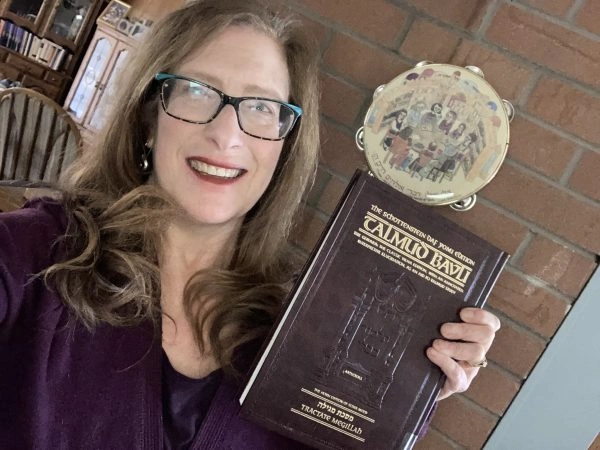
Denver, United States
A few years back, after reading Ilana Kurshan’s book, “If All The Seas Were Ink,” I began pondering the crazy, outlandish idea of beginning the Daf Yomi cycle. Beginning in December, 2019, a month before the previous cycle ended, I “auditioned” 30 different podcasts in 30 days, and ultimately chose to take the plunge with Hadran and Rabbanit Michelle. Such joy!

HUNTINGTON, United States
I learned Mishnayot more than twenty years ago and started with Gemara much later in life. Although I never managed to learn Daf Yomi consistently, I am learning since some years Gemara in depth and with much joy. Since last year I am studying at the International Halakha Scholars Program at the WIHL. I often listen to Rabbanit Farbers Gemara shiurim to understand better a specific sugyiah. I am grateful for the help and inspiration!

Berlin, Germany
I started learning at the beginning of the cycle after a friend persuaded me that it would be right up my alley. I was lucky enough to learn at Rabbanit Michelle’s house before it started on zoom and it was quickly part of my daily routine. I find it so important to see for myself where halachot were derived, where stories were told and to get more insight into how the Rabbis interacted.

Ra’anana, Israel
Michelle has been an inspiration for years, but I only really started this cycle after the moving and uplifting siyum in Jerusalem. It’s been an wonderful to learn and relearn the tenets of our religion and to understand how the extraordinary efforts of a band of people to preserve Judaism after the fall of the beit hamikdash is still bearing fruits today. I’m proud to be part of the chain!

Raanana, Israel
Hadran entered my life after the last Siyum Hashaas, January 2020. I was inspired and challenged simultaneously, having never thought of learning Gemara. With my family’s encouragement, I googled “daf yomi for women”. A perfecr fit!
I especially enjoy when Rabbanit Michelle connects the daf to contemporary issues to share at the shabbat table e.g: looking at the Kohen during duchaning. Toda rabba

Jerusalem, Israel

Phoenix, AZ, United States

Los Angeles, United States
I had never heard of Daf Yomi and after reading the book, The Weight of Ink, I explored more about it. I discovered that it was only 6 months before a whole new cycle started and I was determined to give it a try. I tried to get a friend to join me on the journey but after the first few weeks they all dropped it. I haven’t missed a day of reading and of listening to the podcast.

Elkins Park, United States
I tried Daf Yomi in the middle of the last cycle after realizing I could listen to Michelle’s shiurim online. It lasted all of 2 days! Then the new cycle started just days before my father’s first yahrzeit and my youngest daughter’s bat mitzvah. It seemed the right time for a new beginning. My family, friends, colleagues are immensely supportive!

Zichron Yaakov, Israel
A beautiful world of Talmudic sages now fill my daily life with discussion and debate.
bringing alive our traditions and texts that has brought new meaning to my life.
I am a מגילת אסתר reader for women . the words in the Mishna of מסכת megillah 17a
הקורא את המגילה למפרע לא יצא were powerful to me.
I hope to have the zchut to complete the cycle for my 70th birthday.

Jerusalem, Israel

Philadelphia, United States
I had tried to start after being inspired by the hadran siyum, but did not manage to stick to it. However, just before masechet taanit, our rav wrote a message to the shul WhatsApp encouraging people to start with masechet taanit, so I did! And this time, I’m hooked! I listen to the shiur every day , and am also trying to improve my skills.

Yad Binyamin, Israel
I started my journey on the day I realized that the Siyum was happening in Yerushalayim and I was missing out. What? I told myself. How could I have not known about this? How can I have missed out on this opportunity? I decided that moment, I would start Daf Yomi and Nach Yomi the very next day. I am so grateful to Hadran. I am changed forever because I learn Gemara with women. Thank you.
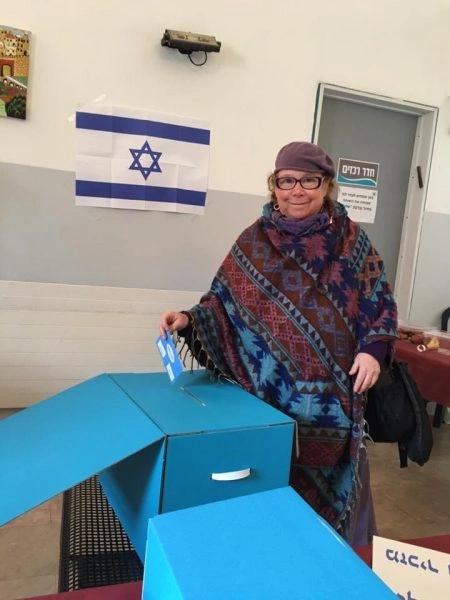
Mitspe, Israel
When I was working and taking care of my children, learning was never on the list. Now that I have more time I have two different Gemora classes and the nach yomi as well as the mishna yomi daily.
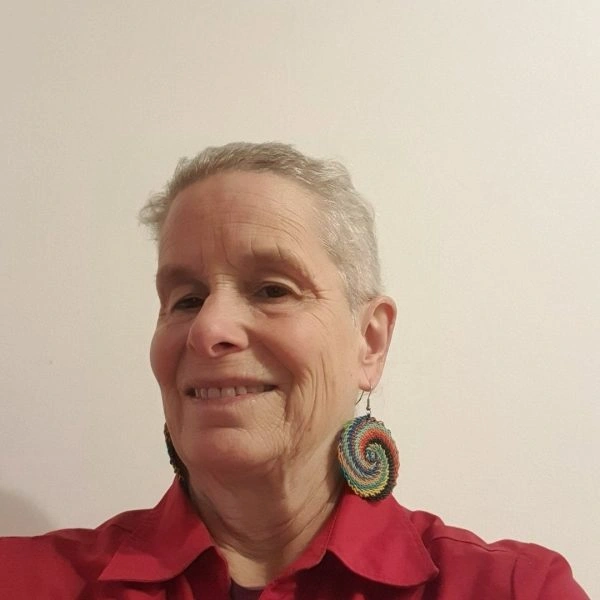
Jerusalem, Israel
I started learning with rabbis. I needed to know more than the stories. My first teacher to show me “the way of the Talmud” as well as the stories was Samara Schwartz.
Michelle Farber started the new cycle 2 yrs ago and I jumped on for the ride.
I do not look back.

Houston, United States
In my Shana bet at Migdal Oz I attended the Hadran siyum hash”as. Witnessing so many women so passionate about their Torah learning and connection to God, I knew I had to begin with the coming cycle. My wedding (June 24) was two weeks before the siyum of mesechet yoma so I went a little ahead and was able to make a speech and siyum at my kiseh kallah on my wedding day!

Givat Shmuel, Israel
Chullin 18
וְכַמָּה פְּגִימַת הַמִּזְבֵּחַ? כְּדֵי שֶׁתַּחְגּוֹר בָּהּ צִפּוֹרֶן.
And how much is the deficiency that renders the altar unfit? It is a deficiency that is sufficient for a fingernail to be impeded on it.
מֵיתִיבִי: כַּמָּה פְּגִימַת הַמִּזְבֵּחַ? רַבִּי שִׁמְעוֹן בֶּן יוֹחַאי אוֹמֵר: טֶפַח, רַבִּי אֱלִיעֶזֶר בֶּן יַעֲקֹב אוֹמֵר: כְּזַיִת. לָא קַשְׁיָא: הָא בְּסִידָא, הָא בְּאַבְנָא.
The Gemara raises an objection from a baraita: How much is the deficiency that renders the altar unfit? Rabbi Shimon ben Yoḥai says: One handbreadth. Rabbi Eliezer ben Ya’akov says: One olive-bulk. The Gemara answers: This apparent contradiction is not difficult. This measure of one handbreadth or one olive-bulk is referring to a deficiency in the limestone coating of the altar; that smaller measure of a fingernail being caught is referring to a deficiency in the stone of the altar.
אָמַר רַב הוּנָא: הַאי טַבָּחָא דְּלָא סָר סַכִּינָא קַמֵּי חָכָם – מְשַׁמְּתִינַן לֵיהּ, וְרָבָא אֲמַר: מְעַבְּרִינַן לֵיהּ, וּמַכְרְזִינַן אַבִּשְׂרֵיהּ דִּטְרֵפָה הִיא.
§ Apropos the obligation to show the knife to a Torah scholar, Rav Huna says: This slaughterer who did not present [sar] the knife before a Torah scholar, we ostracize him. And Rava says: We remove him from his position and we proclaim about meat from an animal that he slaughtered that it is tereifa.
וְלָא פְּלִיגִי, כָּאן – בְּשֶׁנִּמְצֵאת סַכִּינוֹ יָפָה, כָּאן – בְּשֶׁלֹּא נִמְצֵאת סַכִּינוֹ יָפָה. רָבִינָא אָמַר: הֵיכָא דְּלֹא נִמְצֵאת סַכִּינוֹ יָפָה – מְמַסְמֵס לֵיהּ בְּפַרְתָּא, דַּאֲפִילּוּ לְגוֹיִם נָמֵי לָא מִזְדַּבַּן.
The Gemara notes: And they do not disagree. Here, where Rav Huna says that he is ostracized, it is in a case where his knife was discovered intact, and he is ostracized for treating the scholar with contempt. There, where Rava says that his slaughter is proclaimed tereifa, it is in a case where his knife was discovered not intact, as in that case the meat from all animals that he slaughtered is suspect. Ravina said: In a case where his knife was discovered not to be intact, one spreads excrement on the flesh so that even to a gentile it will not be sold.
הָהוּא טַבָּחָא דְּלָא סָר סַכִּינָא קַמֵּיהּ דְּרָבָא בַּר חִינָּנָא, שַׁמְּתֵיהּ וְעַבְּרֵיהּ, וְאַכְרֵיז אַבִּשְׂרֵיהּ דִּטְרֵפָה הִיא. אִקְּלַעוּ מָר זוּטְרָא וְרַב אָשֵׁי לְגַבֵּיהּ, אֲמַר לְהוּ: לִיעַיְּינוּ רַבָּנַן בְּמִלְּתֵיהּ, דִּתְלוּ בֵּיהּ טַפְלֵי.
There was a certain slaughterer who did not present his knife before Rava bar Ḥinnana. Rava bar Ḥinnana ostracized him, and removed him from his position, and proclaimed about meat from an animal that he slaughtered that it is tereifa. Mar Zutra and Rav Ashi happened before Rava bar Ḥinnana in his place of residence. Rava bar Ḥinnana said to them: Let the Sages examine the matter of the slaughterer, as small children are dependent upon him.
בַּדְקֵהּ רַב אָשֵׁי לְסַכִּינֵיהּ, וְנִמְצֵאת יָפָה, וְאַכְשְׁרֵיהּ. אֲמַר לֵיהּ מָר זוּטְרָא: וְלָא לֵיחוּשׁ מָר לְסָבָא? אֲמַר לֵיהּ: שְׁלִיחוּתֵיהּ קָא עָבְדִינַן.
Rav Ashi examined his knife and it was discovered intact, and he deemed his meat fit for consumption. Mar Zutra said to Rav Ashi: And shouldn’t the Master be concerned for the honor of the elder, Rava bar Ḥinnana, who removed him from his position and you restored him? Rav Ashi said to Mar Zutra: We are carrying out his agency, as he requested that we examine the matter of the slaughterer.
אָמַר רַבָּה בַּר הוּנָא: שֵׁן תְּלוּשָׁה וְצִפּוֹרֶן תְּלוּשָׁה מוּתָּר לִשְׁחוֹט בָּהּ לְכַתְּחִלָּה. וְהָא אֲנַן תְּנַן: חוּץ מִמַּגַּל קָצִיר וְהַמְּגֵירָה וְהַשִּׁינַּיִם וְהַצִּפּוֹרֶן, מִפְּנֵי שֶׁהֵן חוֹנְקִין.
§ Rabba bar Huna says: With a detached tooth and a detached fingernail, it is permitted to slaughter ab initio. The Gemara asks: But didn’t we learn in the mishna (15b): Except for the harvest sickle, and the saw, and the teeth, and the fingernail, because they strangle?
שֵׁן אַשֵּׁן – לָא קַשְׁיָא: הָא בַּחֲדָא, הָא בְּתַרְתֵּי. צִפּוֹרֶן אַצִּפּוֹרֶן – לָא קַשְׁיָא: הָא בִּתְלוּשָׁה, הָא בִּמְחוּבֶּרֶת.
The Gemara answers that the contradiction between this statement with regard to a tooth and that statement with regard to a tooth is not difficult: This statement of Rava bar Huna that one may slaughter with a tooth is referring to slaughter with one tooth. That mishna that prohibits slaughter with teeth is referring to slaughter with two teeth, as due to the gap between them they rip the simanim. The contradiction between the statement with regard to a fingernail and the statement with regard to a fingernail is not difficult: This statement of Rava bar Huna that one may slaughter with a fingernail is referring to slaughter with a detached fingernail. That mishna that prohibits slaughter with a fingernail is referring to slaughter with an attached fingernail, in accordance with the opinion of Rabbi Yehuda HaNasi (15b), who invalidates slaughter performed with an item attached to the ground or a living animal.
מַתְנִי׳ הַשּׁוֹחֵט בְּמַגַּל קָצִיר, בַּדֶּרֶךְ הֲלִיכָתָהּ – בֵּית שַׁמַּאי פּוֹסְלִין, וּבֵית הִלֵּל מַכְשִׁירִין. וְאִם הֶחְלִיקוּ שִׁינֶּיהָ – הֲרֵי הִיא כְּסַכִּין.
MISHNA: In the case of one who slaughters an animal with a harvest sickle, which is serrated with its teeth inclined considerably in one direction, in a forward direction, where the serrations do not tear the flesh, Beit Shammai deem the slaughter not valid and Beit Hillel deem it valid. And they both agree that if they smoothed its serrations so that they do not tear the flesh, its halakhic status is like that of a knife and one may slaughter with it.
גְּמָ׳ אָמַר רַבִּי חִיָּיא בַּר אַבָּא אָמַר רַבִּי יוֹחָנָן: אַף כְּשֶׁהִכְשִׁירוּ בֵּית הִלֵּל, לֹא הִכְשִׁירוּ אֶלָּא לְטַהֲרָהּ מִידֵי נְבֵילָה, אֲבָל בַּאֲכִילָה אֲסוּרָה. אָמַר רַב אָשֵׁי: דַּיְקָא נָמֵי, דְּקָתָנֵי ״בֵּית שַׁמַּאי פּוֹסְלִין וּבֵית הִלֵּל מַכְשִׁירִין״, וְלָא קָתָנֵי ״בֵּית שַׁמַּאי אוֹסְרִין וּבֵית הִלֵּל מַתִּירִין״. וְלִיטַעְמָיךְ, לִיתְנֵי ״בֵּית שַׁמַּאי מְטַמְּאִין וּבֵית הִלֵּל מְטַהֲרִין״! אֶלָּא, פּוֹסְלִין וּמַכְשִׁירִין וְאוֹסְרִין וּמַתִּירִין – חֲדָא מִילְּתָא הִיא.
GEMARA: Rabbi Ḥiyya bar Abba says that Rabbi Yoḥanan says: Even when Beit Hillel deemed the slaughter valid, they deemed it valid only to purify it from the ritual impurity of an unslaughtered carcass; but its consumption is prohibited. Rav Ashi said: The language of the mishna is also precise, as the tanna teaches: Beit Shammai deem the slaughter not valid and Beit Hillel deem it valid, and he does not teach: Beit Shammai prohibit and Beit Hillel permit its consumption. The Gemara objects: But according to your reasoning, let the tanna teach: Beit Shammai deem the carcass ritually impure and Beit Hillel deem it ritually pure. Rather, the terms deem it not valid and deem it valid and the terms prohibit and permit are all one matter, and no inferences may be drawn from that phrasing.
מַתְנִי׳ הַשּׁוֹחֵט מִתּוֹךְ הַטַּבַּעַת, וְשִׁיֵּיר בָּהּ מְלֹא הַחוּט עַל פְּנֵי כּוּלָּהּ – שְׁחִיטָתוֹ כְּשֵׁרָה. רַבִּי יוֹסֵי בְּרַבִּי יְהוּדָה אוֹמֵר: מְלֹא חוּט עַל פְּנֵי רוּבָּהּ.
MISHNA: With regard to one who slaughters an animal from within the cricoid cartilage that forms a complete ring at the top of the windpipe and left a thread breadth over the surface of the ring in its entirety intact, as the knife did not go beyond the ring toward the head of the animal, his slaughter is valid. Rabbi Yosei, son of Rabbi Yehuda, says: It is valid even if he left a thread breadth over the majority of the surface of the ring.
גְּמָ׳ רַב וּשְׁמוּאֵל דְּאָמְרִי תַּרְוַיְיהוּ: הֲלָכָה כְּרַבִּי יוֹסֵי בְּרַבִּי יְהוּדָה, וְאַף רַבִּי יוֹסֵי בְּרַבִּי יְהוּדָה לֹא אָמַר אֶלָּא בְּטַבַּעַת הַגְּדוֹלָה, הוֹאִיל וּמַקֶּפֶת אֶת כׇּל הַקָּנֶה, אֲבָל בִּשְׁאָר טַבָּעוֹת – לֹא.
GEMARA: It is Rav and Shmuel who both say: The halakha is in accordance with the opinion of Rabbi Yosei, son of Rabbi Yehuda. And even Rabbi Yosei, son of Rabbi Yehuda, says his statement only with regard to the large upper ring, since it encircles the entire windpipe, but with regard to the rest of the rings, which are incomplete and where a strip of flesh connects their edges, he did not state his halakha. Therefore, his slaughter is not valid, as he is required to slaughter in the space between those rings and not in the rings themselves.
וּבִשְׁאָר טַבָּעוֹת לֹא? וְהָתַנְיָא: רַבִּי יוֹסֵי בְּרַבִּי יְהוּדָה אוֹמֵר:
The Gemara objects: And with regard to the rest of the rings, Rabbi Yosei, son of Rabbi Yehuda, did not state his halakha; but isn’t it taught in a baraita that Rabbi Yosei, son of Rabbi Yehuda, says:
הַשּׁוֹחֵט בִּשְׁאָר טַבָּעוֹת, אַף עַל פִּי שֶׁאֵין מַקִּיפוֹת אֶת כׇּל הַקָּנֶה, הוֹאִיל וּמַקִּיפוֹת אֶת רוֹב הַקָּנֶה – שְׁחִיטָתוֹ כְּשֵׁרָה, וּמוּגְרֶמֶת פְּסוּלָה. הֵעִיד רַבִּי חֲנִינָא בֶּן אַנְטִיגְנוֹס עַל מוּגְרֶמֶת שֶׁהִיא כְּשֵׁרָה.
With regard to one who slaughters from within the rest of the rings, even though they do not encircle the entire windpipe, since they encircle the majority of the windpipe his slaughter is valid. The baraita adds: And in a case where the knife is diverted from the place of slaughter above the ring, the slaughter is not valid. Rabbi Ḥanina ben Antigonus testified about a case where the knife is diverted from the area of slaughter above the ring that in such a case the slaughter is valid. Contrary to that which Rav and Shmuel said with regard to the opinion of Rabbi Yosei, son of Rabbi Yehuda, he holds that slaughter from within the other rings is valid.
אָמַר רַב יוֹסֵף: רַבִּי יוֹסֵי בַּר יְהוּדָה תַּרְתֵּי קָאָמַר. רַב וּשְׁמוּאֵל סָבְרִי כְּוָותֵיהּ בַּחֲדָא, וּפְלִיגִי עֲלֵיהּ בַּחֲדָא.
Rav Yosef said: Rabbi Yosei bar Yehuda is saying two statements; Rav and Shmuel hold in accordance with his opinion with regard to one matter, that if one cuts a majority of the windpipe within the large ring the slaughter is valid, and disagree with him with regard to one matter, as in their opinion if one cuts the windpipe within the other rings, the slaughter is not valid.
וְהָא ״לֹא אָמַר״ קָאָמְרִי? הָכִי קָאָמַר: הֲלָכָה כְּמוֹתוֹ בְּטַבַּעַת הַגְּדוֹלָה, וְאֵין הֲלָכָה כְּמוֹתוֹ בִּשְׁאָר טַבָּעוֹת.
The Gemara objects: But didn’t Rav and Shmuel say: And even Rabbi Yosei, son of Rabbi Yehuda, said his statement only with regard to the large upper ring and not with regard to the other rings, indicating that in their opinion, this is the opinion of Rabbi Yosei, son of Rabbi Yehuda? The Gemara explains that this is what Rav and Shmuel are saying: The halakha is in accordance with the opinion of Rabbi Yosei, son of Rabbi Yehuda, with regard to cutting the majority of the windpipe within the large ring, and the halakha is not in accordance with his opinion with regard to the other rings that since they encircle a majority of the windpipe, one may slaughter within them as well.
כִּי סְלֵיק רַבִּי זֵירָא, אֲכַל מוּגְרֶמֶת דְּרַב וּשְׁמוּאֵל. אָמְרִי לֵיהּ: לָאו מֵאַתְרֵיהּ דְּרַב וּשְׁמוּאֵל אַתְּ? אֲמַר לְהוּ: מַאן אַמְרַהּ? יוֹסֵף בַּר חִיָּיא! יוֹסֵף בַּר חִיָּיא מִכּוּלֵּי עָלְמָא גְּמִיר.
When Rabbi Zeira ascended from Babylonia to Eretz Yisrael, he ate meat from an animal during whose slaughter the knife was diverted from the place of slaughter, with regard to which Rav and Shmuel ruled that the slaughter is not valid, and in Eretz Yisrael the ruling was that the slaughter is valid. The Torah scholars in Eretz Yisrael said to Rabbi Zeira: Aren’t you from Babylonia, the place where Rav and Shmuel are the halakhic authorities? You should follow their ruling. Rabbi Zeira said to them: Who said this halakha citing Rav and Shmuel? It was Yosef bar Ḥiyya, referring to Rav Yosef. Yosef bar Ḥiyya learns from everyone, even from students of Rav and Shmuel who misquote their statements.
שְׁמַע רַב יוֹסֵף, אִיקְּפַד, אֲמַר: אֲנָא מִכּוּלֵּי עָלְמָא גְּמִירְנָא? אֲנָא מֵרַב יְהוּדָה גְּמִירְנָא, דַּאֲפִילּוּ סְפֵיקֵי דְּגַבְרֵי גָּרֵיס. דְּאָמַר רַב יְהוּדָה: אָמַר רַבִּי יִרְמְיָה בַּר אַבָּא, סָפֵק מִשְּׁמֵיהּ דְּרַב, סָפֵק מִשְּׁמֵיהּ דִּשְׁמוּאֵל: שְׁלֹשָׁה מַתִּירִין אֶת הַבְּכוֹר בִּמְקוֹם שֶׁאֵין מוּמְחֶה.
Rav Yosef heard the comment of Rabbi Zeira and was angry. He said: Do I learn from everyone? I learn from Rav Yehuda, who is so meticulous in citing the statements of Rav and Shmuel that he cites even uncertainties with regard to attribution of statements to the men who said them. As Rav Yehuda says that Rabbi Yirmeya bar Abba says, and it is uncertain whether it is in the name of Rav and uncertain whether it is in the name of Shmuel: A tribunal of three permits slaughter of a blemished firstborn animal outside of the Temple in a place where there is no expert Sage to consult.
וְרַבִּי זֵירָא, לֵית לֵיהּ נוֹתְנִין עָלָיו חוּמְרֵי הַמָּקוֹם שֶׁיָּצָא מִשָּׁם וְחוּמְרֵי הַמָּקוֹם שֶׁהָלַךְ לְשָׁם?
The Gemara asks: And does Rabbi Zeira not accept the principle that when a person travels from place to place, the Sages impose upon him the stringencies of the place from which he emerged and the stringencies of the place to which he went?
אָמַר אַבָּיֵי: הָנֵי מִילֵּי מִבָּבֶל לְבָבֶל, וּמֵאֶרֶץ יִשְׂרָאֵל לְאֶרֶץ יִשְׂרָאֵל, אִי נָמֵי מֵאֶרֶץ יִשְׂרָאֵל לְבָבֶל, אֲבָל מִבָּבֶל לְאֶרֶץ יִשְׂרָאֵל, כֵּיוָן דַּאֲנַן כַּיְיפִינַן לְהוּ – עָבְדִינַן כְּוָותַיְיהוּ.
Abaye said: That statement applies when one travels from one place in Babylonia to another place in Babylonia, or from one place in Eretz Yisrael to another place in Eretz Yisrael, or alternatively, when one descends from Eretz Yisrael to Babylonia. But when one ascends from Babylonia to Eretz Yisrael, this principle does not apply. Since we, the residents of Babylonia, are subordinate to them in terms of halakha, we act in accordance with their custom.
רַב אָשֵׁי אָמַר: אֲפִילּוּ תֵּימָא מִבָּבֶל לְאֶרֶץ יִשְׂרָאֵל, הָנֵי מִילֵּי הֵיכָא דְּדַעְתּוֹ לַחֲזוֹר, רַבִּי זֵירָא אֵין דַּעְתּוֹ לַחֲזוֹר הֲוָה.
Rav Ashi said: Even if you say that when one travels from Babylonia to Eretz Yisrael, he is required to act stringently in accordance with the custom of the place from which he emerged, that statement applies only in a case where his intent is to return. Rabbi Zeira was not one whose intent was to return. Therefore, he was not obligated to observe the Babylonian stringencies.
אֲמַר לֵיהּ אַבָּיֵי לְרַב יוֹסֵף: וְהָא רַבָּנַן דַּאֲתוֹ מִמָּחוֹזָא אָמְרִי, אָמַר רַבִּי זֵירָא מִשְּׁמֵיהּ דְּרַב נַחְמָן: מוּגְרֶמֶת כְּשֵׁרָה! אֲמַר לֵיהּ: נַהֲרָא נַהֲרָא וּפְשָׁטֵיהּ.
Abaye said to Rav Yosef: But didn’t the Sages who came from Meḥoza say that Rabbi Zeira says in the name of Rav Naḥman: In a case where the knife is diverted from the place of slaughter above the ring, the slaughter is valid? Rav Yosef said to him: Each river and its unique course, i.e., each place follows its custom, and in Meḥoza the custom was not in accordance with the opinion of Rav and Shmuel.
רַבִּי שִׁמְעוֹן בֶּן לָקִישׁ אַכְשַׁר בְּחוּדָּא דְּכוֹבָעָא, קָרֵי עֲלֵיהּ רַבִּי יוֹחָנָן: גִּיסָא גִּיסָא, אָמַר רַב פַּפִּי מִשְּׁמֵיהּ דְּרָבָא: פְּגַע בְּחִיטֵּי – טְרֵפָה.
The Gemara relates that Rabbi Shimon ben Lakish deemed the slaughter valid in a case where one cut the windpipe at the tip of the thyroid cartilage that is above the large ring. Rabbi Yoḥanan proclaimed about Rabbi Shimon ben Lakish: He greatly exaggerated the limits of valid slaughter. Rav Pappi said in the name of Rava: If one cut the windpipe and encountered the arytenoid cartilage that is adjacent to the upper ring in the direction of the jaw and covered by the tip of the thyroid cartilage, the animal is a tereifa, i.e., forbidden. Since the arytenoid cartilage is outside the area of slaughter, the slaughter is invalid.
אִיבַּעְיָא לְהוּ: פָּגַע וְנָגַע בָּהֶן, דִּכְתִיב ״וַיִּפְגַּע בּוֹ וַיָּמֹת״, אוֹ דִלְמָא פָּגַע וְלֹא נָגַע, כְּדִכְתִיב ״וַיִּפְגְּעוּ בוֹ מַלְאֲכֵי אֱלֹהִים״?
A dilemma was raised before the Sages: Does encountered mean encountered and touched it, as it is written: “And he encountered him and he died” (I Kings 2:25); or perhaps it means encountered but did not touch, like that which is written: “And the angels of God encountered him” (Genesis 32:2)?
אִיתְּמַר, אָמַר רַב פָּפָּא מִשְּׁמֵיהּ דְּרָבָא: שַׁיַּיר בְּחִיטֵּי – כְּשֵׁרָה. אָמַר רַב אַמֵּימָר בַּר מָר יָנוֹקָא: הֲוָה קָאֵימְנָא קַמֵּיהּ דְּרַבִּי חִיָּיא בְּרֵיהּ דְּרַב אַוְיָא, וְאָמַר לִי: שַׁיַּיר בְּחִיטֵּי – כְּשֵׁרָה. אֲמַר לֵיהּ רָבִינָא לְרַב אָשֵׁי: אֲמַר לִי רַב שֶׁמֶן מִסּוּבְרָא, אִיקְּלַע מָר זוּטְרָא לְאַתְרִין וּדְרַשׁ: שַׁיַּיר בְּחִיטֵּי – כְּשֵׁרָה. מָר בַּר רַב אָשֵׁי אָמַר: פְּגַע בְּחִיטֵּי – כְּשֵׁרָה, שַׁיַּיר בְּחִיטֵּי – טְרֵפָה.
It was stated that Rav Pappa said in the name of Rava: If one left part of the arytenoid cartilage, i.e., if he cut it in the middle, the slaughter is valid. Rav Ameimar bar Mar Yenuka said: I was standing before Rabbi Ḥiyya, son of Rav Avya, and he said to me: If one left part of the arytenoid cartilage, the slaughter is valid. Ravina said to Rav Ashi: Rav Shemen of Suvara said to me that Mar Zutra happened to come to our place and taught: If one left part of the arytenoid cartilage, the slaughter is valid. Mar bar Rav Ashi said: If one encountered the arytenoid cartilage, the slaughter is valid. If one left part of the arytenoid cartilage, the animal is a tereifa.

