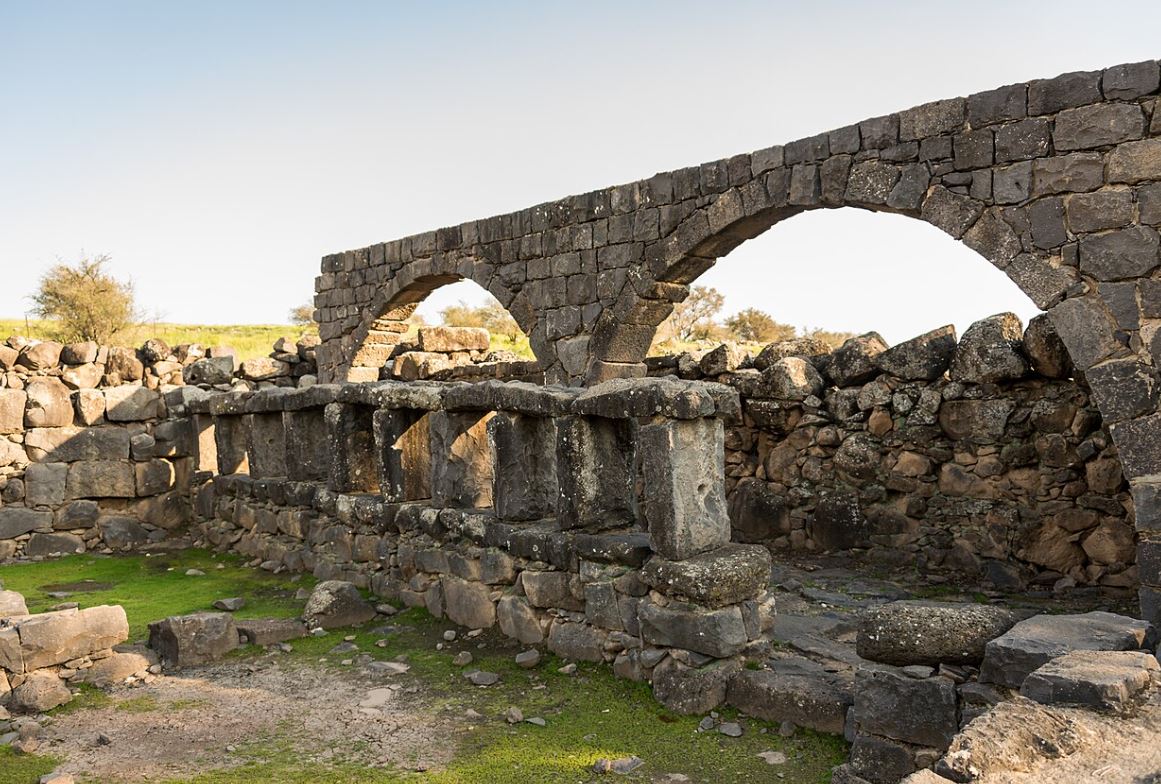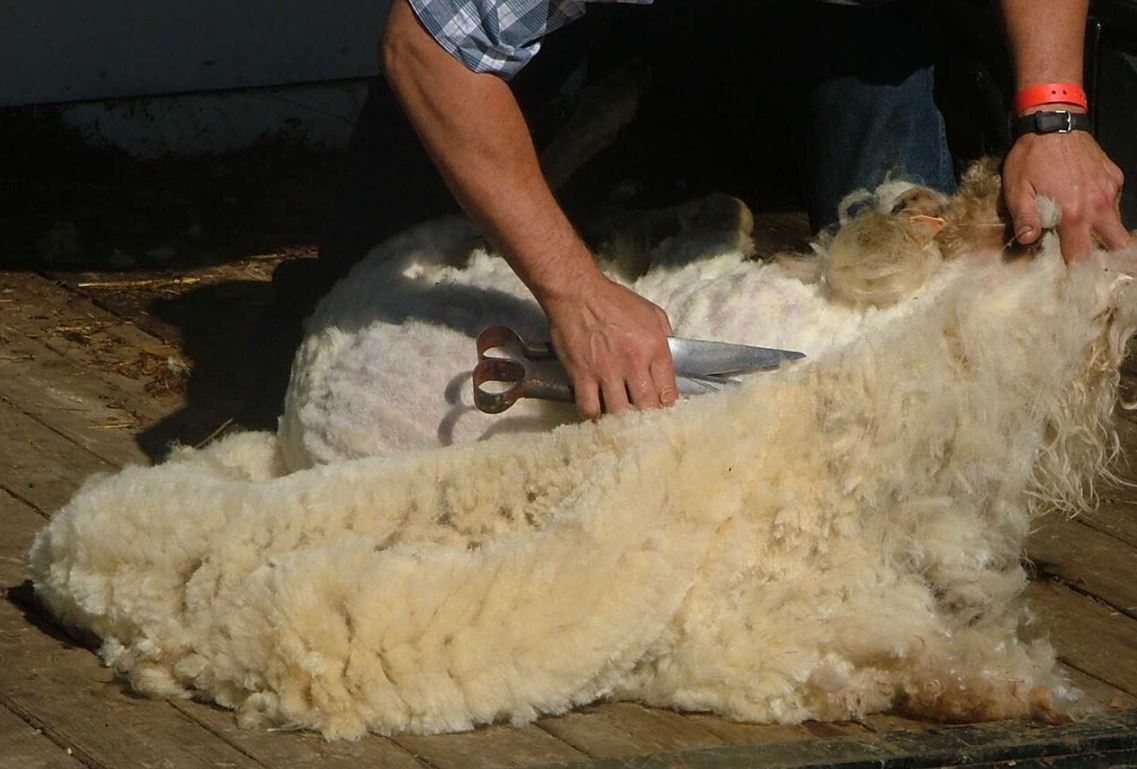
“MISHNA: one who slaughters with a hand sickle or with a flint, or with a reed, his slaughter is valid.” (Chullin 15b)
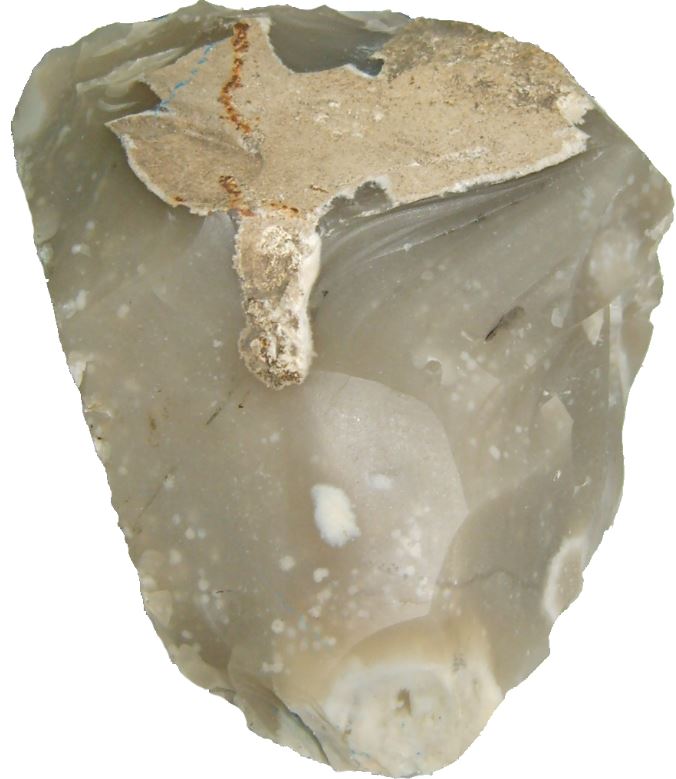
Can you use unconventional tools for shechitah? The Mishnah lists, among others, a flint knife, צור. This is an interesting choice because flint is one of the oldest materials used as a tool.
Otis Crandell, CC BY-SA 3.0 <https://creativecommons.org/licenses/by-sa/3.0>, via Wikimedia Commons
Flint is a quartz rock that is often found inside limestone or chalk. In Israel flint is in rocks in the Negev and the Judean Desert. What makes it special is something that was discovered over three million years ago by prehistoric peoples. If you smash it against another rock, you will get a sharp edge, sharp enough to cut many materials including skin. Flint was used to make some of the earliest tools in the world, from axes and knives to spear points and arrowheads.
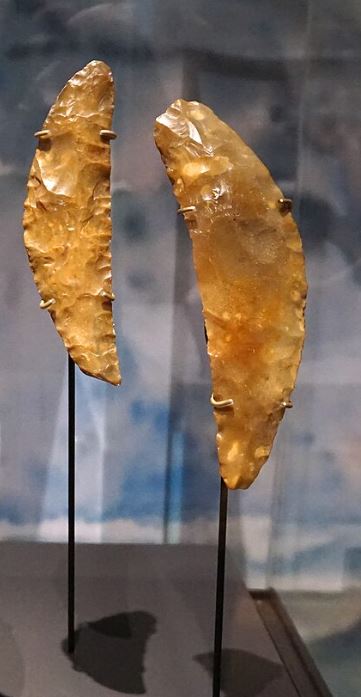
Flint sickles
Arjuno3, CC BY-SA 4.0 <https://creativecommons.org/licenses/by-sa/4.0>, via Wikimedia Commons
Flint was eventually replaced by bronze and then iron (we move from the stone age to the bronze and iron ages) but it still had uses later in history. If you strike flint against metal it will spark a fire, so a “flintlock” was placed in guns to ignite the gunpowder.
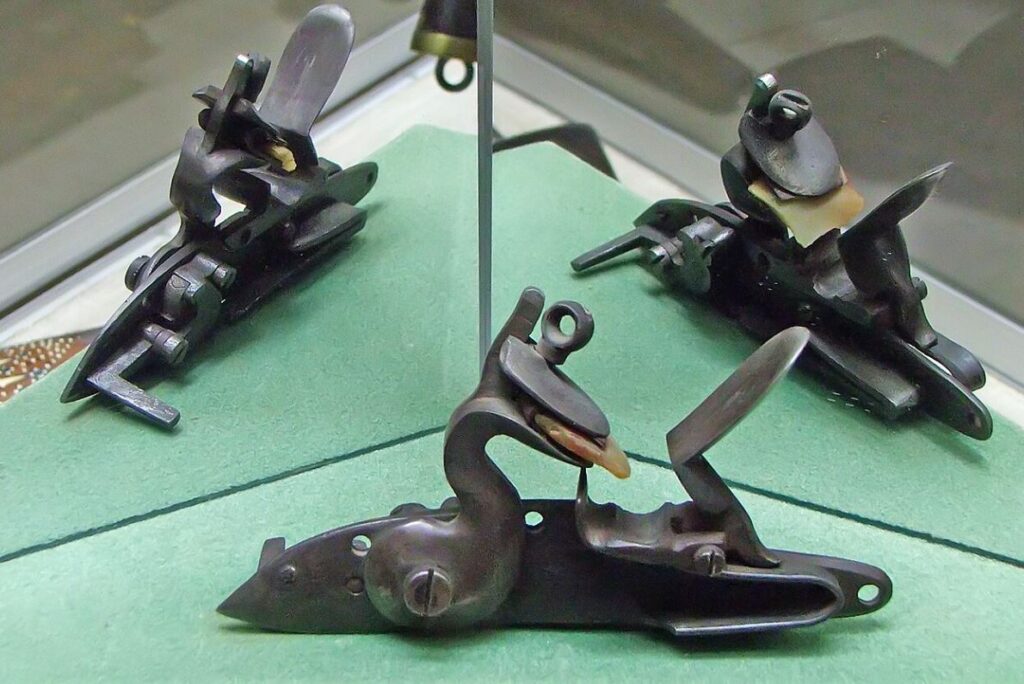
Flintlock mechanism
HuttyMcphoo at English Wikipedia, Public domain, via Wikimedia Commons
Flint is used as a knife in the Bible, not for animal slaughter but for circumcision. The first time that flint appears is for an “emergency” circumcision done by Zipporah, Moses’ wife:
“So Zipporah took a flint and cut off her son’s foreskin, and touched his legs with it, saying, ‘You are truly a bridegroom of blood to me!’” (Shmot 4:25)
In this situation, alone in the desert and in a dangerous situation, perhaps flint was used because it was available and sterile. But we hear about flint again in another circumcision, here a mass one:
“So Joshua had flint knives made, and the Israelites were circumcised at Gibeath-haaraloth.” (Joshua 5:3)
Flint seems to have been the material of choice for circumcision, because of its strength, sharpness and sterility. The Targum Yonatan translates the term חרבות צורים in Joshua as אזמלין חריפין, sharp scalpels. Another reason to use flint is tradition. For an ancient ritual, an ancient tool is appropriate. That is how M.D. Cassuto explains Zipporah’s use of flint:
“the ancients would use stone tools for any holy activities, choosing a conservative approach for ritual acts, so as not to diverge from their fathers’ customs” (Cassuto on Shmot 4:25)
The word צור means flint in our mishnah. But the same word, with a slightly different pronunciation (tzur and not tzor) appears in many places in the Bible as a stone, not specifically a flint stone. When Moses hits a rock to bring water for the people, the rock is called צור (Shmot 17:6). A tzur can also be a quarry:
שִׁמְע֥וּ אֵלַ֛י רֹ֥דְפֵי צֶ֖דֶק מְבַקְשֵׁ֣י יְהֹוָ֑ה הַבִּ֙יטוּ֙ אֶל־צ֣וּר חֻצַּבְתֶּ֔ם וְאֶל־מַקֶּ֥בֶת בּ֖וֹר נֻקַּרְתֶּֽם׃
Listen to Me, you who pursue justice,
You who seek GOD:
Look to the rock you were hewn from,
To the quarry you were dug from. (Isaiah 51:1)
Finally, and most powerfully, tzur is a name for God, as we see in many places:
“Trust in God—for ever and ever,
For in God you have an everlasting Rock.” (Isaiah 26:4)
Maimonides in his Guide to the Perplexed gives a concise explanation of these different meanings:
“The word tẓur is a homonym. First, it denotes “rock,” as “And thou shalt smite the rock” (Shemot 17:6). Then, “hard stone,” like the flint, e.g., “Knives of stone” (Joshua 5:2). It is next employed to signify the quarry from which the stones are hewn; “Look unto the rock whence ye are hewn” (Isaiah 51:1). From this latter meaning of the term another figurative notion was subsequently derived, viz., “the root and origin” of all things.”
He goes on to explain why tzur is used to denote God:
“It is in the latter sense that the Almighty is called “rock,” He being the origin and the reason of all things besides Himself.” (Guide to the Perplexed 1:16)
A particularly powerful example of God as the Rock is when God appears IN the rock:
And GOD said, “See, there is a place near Me. Station yourself on the rock
and, as My Presence passes by, I will put you in a cleft of the rock and shield you with My hand until I have passed by.
Then I will take My hand away and you will see My back; but My face must not be seen.” (Shmot 33:21- 23)
The word tzur to mean God is repeated over and over again in one particular song: Shirat Haazinu at the end of Devarim. There Moses calls God Tzur repeatedly:
“The Rock!—whose deeds are perfect,” (Devarim 32:4)
And proclaims that our Tzur is not like theirs (the other nations):
כִּ֛י לֹ֥א כְצוּרֵ֖נוּ צוּרָ֑ם
“For their rock is not like our Rock, “(Devarim 32:31)
Rabbi Amnon Bazak explains why Moses chooses this particular designation for God. Haazinu is meant to be taught and sung by the people throughout the generations, in good times and bad. Moses wants the people to remember that even when they are in exile and things are bad, God will always remain their Savior, he is as strong and unchanging as a rock. It is with this meaning that tzur is used centuries later in the famous Chanukah song Maoz Tzur:
“O mighty stronghold of my salvation,
to praise You is a delight.”
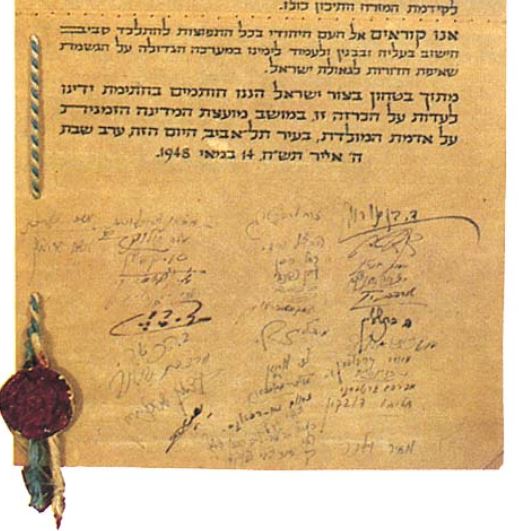
In the twentieth century, when the writers of Israel’s Declaration of Independence wanted to choose a word to convey God without saying God, they used the word tzur:
מתוך ביטחון בצור ישראל
Placing our trust in the Rock of Israel (Declaration of Independence)
Public domain, via Wikimedia Commons
From tools to God’s providence, a tzor/tzur is a powerful thing.
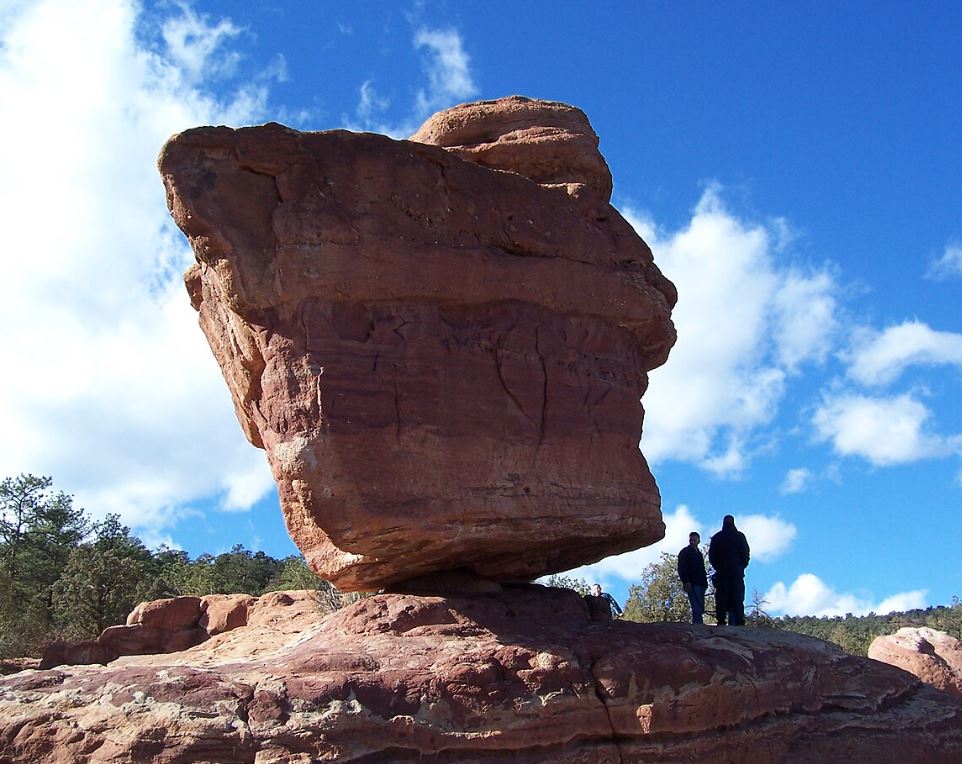
EvanS, CC BY-SA 4.0 <https://creativecommons.org/licenses/by-sa/4.0>, via Wikimedia Commons