Search

Yevamot 59

Want to dedicate learning? Get started here:

English
עברית
podcast placeholder

0:00
0:00


podcast placeholder

0:00
0:00


Summary

Our learning today will be in honor of the State of Israel celebrating 74 years of independence.

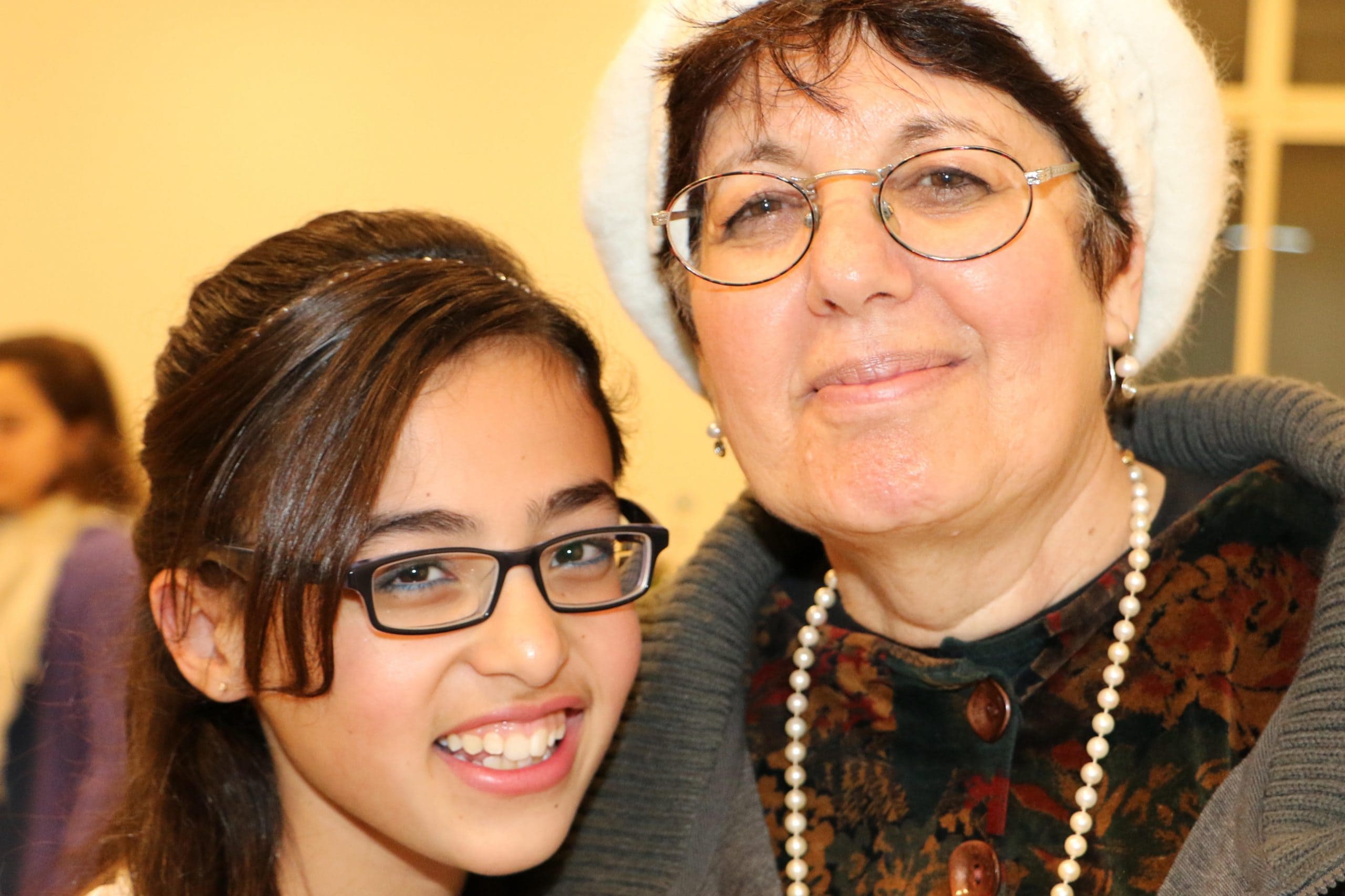
Today’s daf is sponsored by Laura Shechter in honor of her daughter, Kayla, who has won her division of the USA Chidon HaTanach two years in a row and has now earned a spot to compete in next year’s international competition.  “Kayla, it has been such a pleasure doing our own learning side by side. Aba and I are so proud of your effort and accomplishments. L’shana haba’a b’Yerushalayim!”

Today’s daf is sponsored by Tina and Shalom Lamm with gratitude to Hashem for a new granddaughter, Tsofia Miriam.  “Mazal tov to her parents, Sara and Shmuel Lamm!”

Today’s daf is sponsored by the Hadran community in honor of Medinah Korn’s birthday! “We would like to wish you a happy birthday and many more till 120. Thank you for all the work you have done for our Hadran community and filling in with the group zoom when Michelle records in advance.”

According to some opinions, one of the limitations on who a kohen gadol can marry is related to age, which is derived from the word “betula” – virgin. Rabbi Chiya bar Yosef asked Shmuel: If a kohen gadol betroths a woman when she is young but by the time he married her she was already beyond the designated age permitted for him to marry her, can he go ahead with the marriage – is the age limit important for the betrothal or the marriage? Shmuel attempts to derive it from our Mishna, but after Rabbi Chiya raises an issue with that, Shmuel tried to derive it from a different Mishna in this chapter. Rabbi Chiya rejects that comparison as well. A kohen gadol can’t marry a widow, even if she was only betrothed to someone else. From where is this derived? The issue of whether there is an age limitation (above twelve and a half – bogeret – is a subject of debate in the Mishna between Rabbi Meir and Rabbis Shimon and Elazar. How does each derive their opinion from the verses in the Torah (Vayikra 21:13)? Rav states that a woman that had relations in an atypical manner (which would not cause loss of virginity – tearing of the hymen) is also disqualified from marrying a kohen gadol. Rava raises a difficulty against Rav from a braita about a kohen gadol who raped a woman. The Gemara attempts to say the braita and Rav were each stated according to a different tannaitic opinion (Rabbi Meir/Rabbi Elazar), however, this answer is rejected. Rav Yosef limits the scope of Rav’s statement in order to resolve the difficulty. A difficulty is raised with his answer as well and Rabbi Zeria brings a third answer. Is a woman who engages in bestiality prohibited from marrying a kohen gadol? If the kohen gadol had raped or seduced a woman, he is not permitted to marry her, but if he did, the marriage is valid. However, he must divorce her.


Today’s daily daf tools:

Yevamot 59

מַהוּ? בָּתַר נִישּׂוּאִין אָזְלִינַן, אוֹ בָּתַר אֵירוּסִין אָזְלִינַן.

what is the halakha? The Gemara clarifies the dilemma: Do we follow the time of marriage, at which point she was unfit for him according to most tanna’im, who hold that a High Priest may not marry a grown woman, as she is no longer called “a wife in her virginity” (Leviticus 21:13)? Or do we follow the time of betrothal, at which point she was of suitable age?

אֲמַר לֵיהּ, תְּנֵיתוּהָ: נִתְאַרְמְלוּ אוֹ נִתְגָּרְשׁוּ, מִן הַנִּשּׂוּאִין — פְּסוּלוֹת, מִן הָאֵירוּסִין — כְּשֵׁרוֹת.

Shmuel said to him: You learned it in the mishna: If they were widowed or divorced from marriage, they are disqualified from partaking of teruma, but if they were widowed or divorced from betrothal, they are fit to partake of teruma. This indicates that disqualifications from the privileges of priesthood are determined based upon marriage rather than betrothal.

אֲמַר לֵיהּ: לְשַׁוּוֹיֵהּ חֲלָלָה לָא קָמִיבַּעְיָא לִי, דְּבִיאָה הִיא דִּמְשַׁוְּויָה חֲלָלָה. כִּי קָמִיבַּעְיָא לִי: ״וְהוּא אִשָּׁה בִבְתוּלֶיהָ יִקָּח״, מַאי? קִיחָה דְקִדּוּשִׁין בָּעֵינַן, אוֹ קִיחָה דְנִישּׂוּאִין בָּעֵינַן.

Rabbi Ḥiyya bar Yosef said to Shmuel: With regard to causing her to become a ḥalala I did not raise a dilemma, as it is clear that it is intercourse that causes her to become a ḥalala. When I raised a dilemma, it was with regard to the verse pertaining to a High Priest: “And he shall take a wife in her virginity” (Leviticus 21:13). What does “take” mean in this verse? Do we require that only the taking of betrothal must occur when she is in her virginity, i.e., when she is a minor or a young woman, or perhaps we require even the taking of marriage to be performed when she is a minor or young woman?

אֲמַר לֵיהּ, הָא נָמֵי תְּנֵיתוּהָ: אֵירַס אֶת הָאַלְמָנָה וְנִתְמַנָּה לִהְיוֹת כֹּהֵן גָּדוֹל — יִכְנוֹס. שָׁאנֵי הָתָם, דִּכְתִיב: ״יִקַּח אִשָּׁה״.

Shmuel said to him: This, too, you learned in a mishna (61a): If he betrothed a widow and was subsequently appointed to be High Priest, he may marry her, despite the fact that a High Priest is prohibited from marrying a widow. This indicates that her permissibility to him is determined according to the time of the betrothal rather than the time of marriage. The Gemara refutes this proof: There it is different, as it is written: “He shall take for a wife” (Leviticus 21:14). The superfluous expression “for a wife” indicates that he is permitted to marry the widow in this case.

הָכָא נָמֵי, כְּתִיב ״אִשָּׁה״! אַחַת וְלֹא שְׁתַּיִם.

The Gemara objects: Here, too, with regard to a woman who matured after betrothal, it is written: “And he shall take a wife in her virginity,” and this should indicate that he may marry the grown woman in this case. The Gemara answers that the term “wife” allows for the inclusion of one case but not two. Consequently, since a High Priest may marry a widow he had betrothed before he was appointed High Priest, it cannot also be derived that he may marry a grown woman that he had betrothed before she matured.

וּמָה רָאִיתָ? הָא — אִישְׁתַּנִּי גּוּפַהּ, וְהָא — לָא אִישְׁתַּנִּי גּוּפַהּ.

The Gemara asks: And what did you see that led you to include the case of a widow and exclude that of a grown woman? The Gemara answers: In this case, of the grown woman, her body has changed, and therefore she is forbidden to him even though she was betrothed before she matured. In that case, of the widow, her body has not changed. It is the priest’s personal status that has changed, and therefore she remains permitted.

מַתְנִי׳ כֹּהֵן גָּדוֹל לֹא יִשָּׂא אַלְמָנָה, בֵּין אַלְמָנָה מִן הָאֵירוּסִין, בֵּין אַלְמָנָה מִן הַנִּישּׂוּאִין. וְלֹא יִשָּׂא אֶת הַבּוֹגֶרֶת. רַבִּי אֶלְעָזָר וְרַבִּי שִׁמְעוֹן מַכְשִׁירִין בְּבוֹגֶרֶת [וְלֹא יִשָּׂא אֶת מוּכַּת עֵץ].

MISHNA: A High Priest may not marry a widow, whether she is a widow from betrothal or a widow from marriage. And he may not marry a grown woman. He may marry only a minor or a young woman. Rabbi Elazar and Rabbi Shimon declare a grown woman fit to marry a High Priest. And he may not marry a woman whose hymen was torn accidentally.

גְּמָ׳ תָּנוּ רַבָּנַן: ״אַלְמָנָה … לֹא יִקַּח״ — בֵּין אַלְמָנָה מִן הָאֵירוּסִין, בֵּין אַלְמָנָה מִן הַנִּישּׂוּאִין. פְּשִׁיטָא! מַהוּ דְּתֵימָא: לֵילַף ״אַלְמָנָה״ ״אַלְמָנָה״ מִתָּמָר, מָה לְהַלָּן מִן הַנִּישּׂוּאִין — אַף כָּאן מִן הַנִּישּׂוּאִין, קָא מַשְׁמַע לַן.

GEMARA: The Sages taught: The verse states with regard to a High Priest: “A widow…he shall not take” (Leviticus 21:14), which prohibits him from marrying any widow, whether she is a widow from betrothal or a widow from marriage. The Gemara is surprised by this statement: This is obvious, as the verse is referring to a widow without further specification. The Gemara answers: It is necessary; lest you say that one should derive a verbal analogy between the words “widow” and “widow,” based upon the usage of that term in a verse with regard to Tamar, Judah’s daughter-in-law (Genesis 38:11), as follows: Just as there, Tamar was a widow from marriage, so too here the verse is referring only to a widow from marriage. The tanna therefore teaches us that this is not the case.

וְאֵימָא הָכִי נָמֵי?! דּוּמְיָא דִּגְרוּשָׁה: מָה גְּרוּשָׁה — בֵּין מִן הַנִּישּׂוּאִין בֵּין מִן הָאֵירוּסִין, אַף אַלְמָנָה — בֵּין מִן הָאֵירוּסִין בֵּין מִן הַנִּישּׂוּאִין.

The Gemara asks: And say that it is indeed so, that the suggested verbal analogy is correct. The Gemara answers: It is similar to the case of a divorcée: Just as a divorcée is forbidden to a priest whether she was divorced from marriage or from betrothal, so too a widow is forbidden to a High Priest whether she is a widow from marriage or from betrothal.

וְלֹא יִשָּׂא אֶת הַבּוֹגֶרֶת. תָּנוּ רַבָּנַן: ״וְהוּא אִשָּׁה בִבְתוּלֶיהָ יִקָּח״, פְּרָט לַבּוֹגֶרֶת — שֶׁכָּלוּ לָהּ בְּתוּלֶיהָ. דִּבְרֵי רַבִּי מֵאִיר. רַבִּי אֶלְעָזָר וְרַבִּי שִׁמְעוֹן מַכְשִׁירִין בְּבוֹגֶרֶת.

§ It was taught in the mishna: And a High Priest may not marry a grown woman. The Sages taught that the verse: “And he shall take a wife in her virginity” (Leviticus 21:13) excludes a grown woman, whose hymen has worn away, i.e., it is no longer as complete as that of a minor or a young woman; this is the statement of Rabbi Meir. Rabbi Elazar and Rabbi Shimon declare a grown woman fit to marry a High Priest.

בְּמַאי קָא מִיפַּלְגִי? רַבִּי מֵאִיר סָבַר: ״בְּתוּלָה״ — אֲפִילּוּ מִקְצָת בְּתוּלִים מַשְׁמַע. ״בְּתוּלֶיהָ״ — עַד דְּאִיכָּא כׇּל הַבְּתוּלִים. ״בִּבְתוּלֶיהָ״, בִּכְדַרְכָּהּ — אִין, שֶׁלֹּא כְּדַרְכָּהּ — לָא.

The Gemara asks: With regard to what do they disagree? The Gemara explains: Rabbi Meir holds that were the verse referring simply to a virgin it would have indicated that even a woman with partial signs of virginity, i.e., a grown woman, is permitted. Since the verse states “her virginity,” it means that she is fit to marry a High Priest only if all of the signs of her virginity are intact, which excludes a grown woman. The full expression “in her virginity” indicates that if she has experienced sexual intercourse in a typical manner, which takes place in the area of her virginity, i.e., her hymen, yes, she is disqualified from marrying a High Priest; but if she has experienced sexual intercourse in an atypical manner i.e., anal intercourse, no, she is not disqualified.

וְרַבִּי אֶלְעָזָר וְרַבִּי שִׁמְעוֹן סָבְרִי: ״בְּתוּלָה״ — בְּתוּלָה שְׁלֵימָה מַשְׁמַע. ״בְּתוּלֶיהָ״ — וַאֲפִילּוּ מִקְצָת בְּתוּלִים. ״בִּבְתוּלֶיהָ״ — עַד שֶׁיִּהְיוּ כׇּל בְּתוּלֶיהָ קַיָּימִין, בֵּין בִּכְדַרְכָּהּ, בֵּין שֶׁלֹּא כְּדַרְכָּהּ.

And Rabbi Elazar and Rabbi Shimon hold that were the verse referring simply to a virgin, it would have indicated that only a complete virgin is fit to marry a High Priest, but not a grown woman. When it states “her virginity,” it indicates that even a woman with partial signs of virginity, i.e., a grown woman, is fit to marry the High Priest. The full expression “in her virginity” indicates that she is not fit to marry a High Priest unless all of her virginity is intact, i.e., she has not engaged in intercourse of any kind, whether typical sexual intercourse or atypical sexual intercourse.

אָמַר רַב יְהוּדָה אָמַר רַב: נִבְעֲלָה שֶׁלֹּא כְּדַרְכָּהּ — פְּסוּלָה לַכְּהוּנָּה. מֵתִיב רָבָא: ״וְלוֹ תִהְיֶה לְאִשָּׁה״ — בְּאִשָּׁה הָרְאוּיָה לוֹ, פְּרָט לְאַלְמָנָה לְכֹהֵן גָּדוֹל, גְּרוּשָׁה וַחֲלוּצָה לְכֹהֵן הֶדְיוֹט.

Rav Yehuda said that Rav said: If she had atypical sexual intercourse, she is disqualified from the High Priesthood, i.e., from marrying the High Priest. Rava raised an objection based upon a baraita: The verse states with regard to rape: “And she shall be his wife” (Deuteronomy 22:19), and the Sages explained that this is referring only to a woman suitable for him, excluding a widow for a High Priest and a divorcée or a ḥalutza for a common priest. In these cases, the rapist is not permitted to marry his victim.

הֵיכִי דָּמֵי? אִלֵּימָא בִּכְדַרְכָּהּ, מַאי אִירְיָא מִשּׁוּם אַלְמָנָה? תִּיפּוֹק לֵיהּ מִשּׁוּם דְּהָוְיָא לַהּ בְּעוּלָה, אֶלָּא לָאו: שֶׁלֹּא כְּדַרְכָּהּ, וּמִשּׁוּם אַלְמָנָה — אִין, מִשּׁוּם בְּעוּלָה — לָא!

The Gemara clarifies: What are the circumstances of this halakha? If we say that the High Priest raped her by engaging in typical intercourse, why does the baraita specifically state that she is forbidden to him because she is a widow? Let him derive this halakha from the fact that she is now a non-virgin. Rather, is it not that he had atypical intercourse with her, and due to the fact that she is a widow, yes, that is the reason she is forbidden, but due to the fact that she is a non-virgin, no, that is not the reason she is forbidden? This indicates that a woman who had intercourse in an atypical manner is not considered a non-virgin and is not disqualified from marrying a High Priest.

הָא מַנִּי — רַבִּי מֵאִיר הִיא, וְרַב דְּאָמַר כְּרַבִּי אֶלְעָזָר.

The Gemara refutes this proof: In accordance with whose opinion is this baraita? It is in accordance with the opinion of Rabbi Meir, who maintains that a woman who engaged in atypical intercourse is permitted to a High Priest, and when Rav said his statement, it was in accordance with the opinion of Rabbi Elazar, who holds that such a woman is disqualified from marrying a High Priest.

אִי כְּרַבִּי אֶלְעָזָר, מַאי אִירְיָא מִשּׁוּם בְּעוּלָה? תִּיפּוֹק לֵיהּ דְּהָוְיָא לַהּ זוֹנָה! דְּהָא אָמַר רַבִּי אֶלְעָזָר: פָּנוּי הַבָּא עַל הַפְּנוּיָה שֶׁלֹּא לְשֵׁם אִישׁוּת — עֲשָׂאָהּ זוֹנָה.

The Gemara asks: If Rav’s statement is in accordance with the opinion of Rabbi Elazar, why did he specifically state that she is forbidden to him because she is a non-virgin? Let him derive it from the fact that she is a zona, as Rabbi Elazar said: Even in the case of an unmarried man who had intercourse with an unmarried woman not for the purpose of marriage, he has thereby caused her to become a zona.

אָמַר רַב יוֹסֵף: כְּגוֹן שֶׁנִּבְעֲלָה לִבְהֵמָה, דְּהָתָם מִשּׁוּם בְּעוּלָה אִיכָּא, מִשּׁוּם זוֹנָה לֵיכָּא.

Rav Yosef said: When Rav said that a woman who had anal intercourse is disqualified from marrying a High Priest, he was referring to a woman who had intercourse with an animal, as there she is disqualified because she is a non-virgin, but she is not disqualified because of the prohibition of a zona.

אֲמַר לֵיהּ אַבָּיֵי, מִמָּה נַפְשָׁךְ: אִי בְּעוּלָה הָוְיָא — זוֹנָה נָמֵי הָוְיָא. וְאִי זוֹנָה לָא הָוְיָא — בְּעוּלָה נָמֵי לָא הָוְיָא. וְכִי תֵּימָא: מִידֵי דְּהָוֵיא אַמוּכַּת עֵץ שֶׁלֹּא כְּדַרְכָּהּ, אִם כֵּן, אֵין לְךָ אִשָּׁה שֶׁכְּשֵׁרָה לַכְּהוּנָּה, שֶׁלֹּא נַעֲשֵׂית מוּכַּת עֵץ עַל יְדֵי צְרוֹר.

Abaye said to him: Whichever way you look at it, there is a difficulty with this answer: If she is considered a non-virgin, she is also a zona, and if she is not a zona she is also not a non-virgin. And lest you say that it is analogous to a case of a woman who lost her virginity via penetration by a foreign object atypically, i.e., anally, whose hymen was therefore not damaged and she is not forbidden as a zona, yet she is no longer considered a virgin, that is not correct: If so, if such a woman is considered a non-virgin and forbidden to a High Priest, you would have no woman who is fit for the High Priesthood, who has not lost her virginity via penetration by a foreign object atypically, i.e., by a pebble used to clean herself in the lavatory.

אֶלָּא, אָמַר רַבִּי זֵירָא: בִּמְמָאֶנֶת.

Rather, Rabbi Zeira said that Rav was referring to one who refused her husband after having only atypical intercourse with him. Although the act of intercourse was not licentious, as she was married at the time, she is nevertheless disqualified from marrying into the priesthood because she is not a virgin.

אָמַר רַב שִׁימִי בַּר חִיָּיא: נִבְעֲלָה לִבְהֵמָה — כְּשֵׁרָה לַכְּהוּנָּה. תַּנְיָא נָמֵי הָכִי: נִבְעֲלָה לְמִי שֶׁאֵינוֹ אִישׁ, אַף עַל פִּי שֶׁבִּסְקִילָה — כְּשֵׁרָה לַכְּהוּנָּה.

§ Rabbi Shimi bar Ḥiyya said: A woman who had intercourse with an animal is like one whose hymen was torn accidentally. Consequently, she is not a zona and is fit for the priesthood. This is also taught in a baraita: If a woman had intercourse with one who is not a man, i.e., an animal, although she is liable to stoning if she did so intentionally and in the presence of witnesses who forewarned her of her punishment, she is nevertheless fit for the priesthood.

כִּי אֲתָא רַב דִּימִי, אָמַר: מַעֲשֵׂה בְּרִיבָה אַחַת בְּהַיְתָלוֹ שֶׁהָיְתָה מְכַבֶּדֶת אֶת הַבַּיִת, וּרְבָעָהּ כֶּלֶב כּוּפְרִי מֵאַחֲרֶיהָ, וְהִכְשִׁירָהּ רַבִּי לַכְּהוּנָּה. אָמַר שְׁמוּאֵל: וּלְכֹהֵן גָּדוֹל. בִּימֵי רַבִּי כֹּהֵן גָּדוֹל מִי הֲוָה? אֶלָּא — רְאוּיָה לְכֹהֵן גָּדוֹל.

When Rav Dimi came from Eretz Yisrael he said: There was an incident involving a certain girl [riva] in the village of Hitlu who was sweeping the house, and a village [kufri] dog used for hunting sodomized her from behind. And Rabbi Yehuda HaNasi permitted her to the priesthood, as she was not considered a zona. Shmuel said: And Rabbi Yehuda HaNasi permitted her even to a High Priest, as she was still considered a virgin. The Gemara is puzzled by this comment: Was there a High Priest in the days of Rabbi Yehuda HaNasi? Rather, Shmuel meant that she is fit for a High Priest.

אֲמַר לֵיהּ רָבָא מִפַּרְזַקְיָא לְרַב אָשֵׁי: מְנַָא הָא מִילְּתָא דַּאֲמוּר רַבָּנַן אֵין זְנוּת לִבְהֵמָה? דִּכְתִיב: ״לֹא תָבִיא אֶתְנַן זוֹנָה וּמְחִיר כֶּלֶב״.

Rava of Pirkin said to Rav Ashi: From where is this matter derived that the Sages stated that there is no harlotry with regard to an animal? Rav Ashi responded that it is as it is written: “You shall not bring the hire of a harlot or the price of a dog into the House of the Lord your God for any vow; for both of them are an abomination to the Lord your God” (Deuteronomy 23:19). This verse prohibits one from sacrificing an animal as an offering if that animal was ever used to pay a harlot for her services, or if it was ever used as payment in the purchase of a dog.

וּתְנַן: אֶתְנַן כֶּלֶב וּמְחִיר זוֹנָה — מוּתָּרִין, (מִשּׁוּם) שֶׁנֶּאֱמַר: ״גַּם שְׁנֵיהֶם״ — שְׁנַיִם וְלֹא אַרְבָּעָה.

And we learned in a mishna (Temura 30a): The hire of a dog, i.e., a kosher animal that a man or woman gave as payment to the owner of a dog in order to have sexual intercourse with it, and similarly the price of a prostitute, a kosher animal used to purchase a prostitute as a maidservant, are permitted to be sacrificed as offerings. This is because it is stated that both of them, the specific items listed in the verse, are abominations. Consequently, only two items are prohibited, i.e., the payment given to a prostitute for her services, and the payment used in the purchase of a dog, and not four, as the reverse cases are excluded from this halakha.

תָּנוּ רַבָּנַן: אֲנוּסַת עַצְמוֹ וּמְפוּתַּת עַצְמוֹ — לֹא יִשָּׂא, וְאִם נָשָׂא — נָשׂוּי. אֲנוּסַת חֲבֵירוֹ וּמְפוּתַּת חֲבֵירוֹ — לֹא יִשָּׂא, וְאִם נָשָׂא, רַבִּי אֱלִיעֶזֶר בֶּן יַעֲקֹב אוֹמֵר: הַוָּלָד חָלָל, וַחֲכָמִים אוֹמְרִים: הַוָּלָד כָּשֵׁר.

§ The Sages taught: A High Priest may not marry a woman that he himself raped and a woman that he himself seduced, as he is commanded to marry a virgin. And if he married her, he is married. With regard to a woman who was raped by another man and a woman seduced by another man, he may not marry her. And if he married her, Rabbi Eliezer ben Ya’akov says that the child born from this union is a ḥalal, and the Rabbis say the lineage of the offspring is unflawed.

אִם נָשָׂא — נָשׂוּי, אָמַר רַב הוּנָא אָמַר רַב: וּמוֹצִיא בְּגֵט. וְאֶלָּא הָא דְּקָתָנֵי: אִם נָשָׂא נָשׂוּי! אָמַר רַב אַחָא בַּר יַעֲקֹב: לוֹמַר

The Gemara analyzes this baraita. It states that if he married the woman that he himself raped or seduced, he is married. Rav Huna said that Rav said: And he must divorce her with a bill of divorce. The Gemara asks: But consider that which the baraita teaches: If he married her, he is married. Since it is obvious that the marriage is technically valid, it must be saying that they are permitted to remain married. Rav Aḥa bar Ya’akov said: No, it means to say

Today’s daily daf tools:

Delve Deeper

Broaden your understanding of the topics on this daf with classes and podcasts from top women Talmud scholars.

For the Beyond the Daf shiurim offered in Hebrew, see here.

New to Talmud?

Check out our resources designed to help you navigate a page of Talmud – and study at the pace, level and style that fits you. 

The Hadran Women’s Tapestry

Meet the diverse women learning Gemara at Hadran and hear their stories. 

Hearing and reading about the siyumim at the completion of the 13 th cycle Daf Yomi asked our shul rabbi about starting the Daf – he directed me to another shiur in town he thought would allow a woman to join, and so I did! Love seeing the sources for the Divrei Torah I’ve been hearing for the past decades of living an observant life and raising 5 children .

Jill Felder
Jill Felder

Pittsburgh, Pennsylvania, United States

I started learning at the beginning of the cycle after a friend persuaded me that it would be right up my alley. I was lucky enough to learn at Rabbanit Michelle’s house before it started on zoom and it was quickly part of my daily routine. I find it so important to see for myself where halachot were derived, where stories were told and to get more insight into how the Rabbis interacted.

Deborah Dickson
Deborah Dickson

Ra’anana, Israel

I tried Daf Yomi in the middle of the last cycle after realizing I could listen to Michelle’s shiurim online. It lasted all of 2 days! Then the new cycle started just days before my father’s first yahrzeit and my youngest daughter’s bat mitzvah. It seemed the right time for a new beginning. My family, friends, colleagues are immensely supportive!

Catriella-Freedman-jpeg
Catriella Freedman

Zichron Yaakov, Israel

I began to learn this cycle of Daf Yomi after my husband passed away 2 1/2 years ago. It seemed a good way to connect to him. Even though I don’t know whether he would have encouraged women learning Gemara, it would have opened wonderful conversations. It also gives me more depth for understanding my frum children and grandchildren. Thank you Hadran and Rabbanit Michelle Farber!!

Harriet Hartman
Harriet Hartman

Tzur Hadassah, Israel

In January 2020, my teaching partner at IDC suggested we do daf yomi. Thanks to her challenge, I started learning daily from Rabbanit Michelle. It’s a joy to be part of the Hadran community. (It’s also a tikkun: in 7th grade, my best friend and I tied for first place in a citywide gemara exam, but we weren’t invited to the celebration because girls weren’t supposed to be learning gemara).

Sara-Averick-photo-scaled
Sara Averick

Jerusalem, Israel

I’ve been learning since January 2020, and in June I started drawing a phrase from each daf. Sometimes it’s easy (e.g. plants), sometimes it’s very hard (e.g. korbanot), and sometimes it’s loads of fun (e.g. bird racing) to find something to draw. I upload my pictures from each masechet to #DafYomiArt. I am enjoying every step of the journey.

Gila Loike
Gila Loike

Ashdod, Israel

With Rabbanit Dr. Naomi Cohen in the Women’s Talmud class, over 30 years ago. It was a “known” class and it was accepted, because of who taught. Since then I have also studied with Avigail Gross-Gelman and Dr. Gabriel Hazut for about a year). Years ago, in a shiur in my shul, I did know about Persians doing 3 things with their clothes on. They opened the shiur to woman after that!

Sharon Mink
Sharon Mink

Haifa, Israel

I started my Daf Yomi journey at the beginning of the COVID19 pandemic.

Karena Perry
Karena Perry

Los Angeles, United States

When I began the previous cycle, I promised myself that if I stuck with it, I would reward myself with a trip to Israel. Little did I know that the trip would involve attending the first ever women’s siyum and being inspired by so many learners. I am now over 2 years into my second cycle and being part of this large, diverse, fascinating learning family has enhanced my learning exponentially.

Shira Krebs
Shira Krebs

Minnesota, United States

Robin Zeiger
Robin Zeiger

Tel Aviv, Israel

In early 2020, I began the process of a stem cell transplant. The required extreme isolation forced me to leave work and normal life but gave me time to delve into Jewish text study. I did not feel isolated. I began Daf Yomi at the start of this cycle, with family members joining me online from my hospital room. I’ve used my newly granted time to to engage, grow and connect through this learning.

Reena Slovin
Reena Slovin

Worcester, United States

At almost 70 I am just beginning my journey with Talmud and Hadran. I began not late, but right when I was called to learn. It is never too late to begin! The understanding patience of staff and participants with more experience and knowledge has been fabulous. The joy of learning never stops and for me. It is a new life, a new light, a new depth of love of The Holy One, Blessed be He.
Deborah Hoffman-Wade

Richmond, CA, United States

See video

Susan Fisher
Susan Fisher

Raanana, Israel

While vacationing in San Diego, Rabbi Leah Herz asked if I’d be interested in being in hevruta with her to learn Daf Yomi through Hadran. Why not? I had loved learning Gemara in college in 1971 but hadn’t returned. With the onset of covid, Daf Yomi and Rabbanit Michelle centered me each day. Thank-you for helping me grow and enter this amazing world of learning.
Meryll Page
Meryll Page

Minneapolis, MN, United States

I started learning Daf Yomi in January 2020 after watching my grandfather, Mayer Penstein z”l, finish shas with the previous cycle. My grandfather made learning so much fun was so proud that his grandchildren wanted to join him. I was also inspired by Ilana Kurshan’s book, If All the Seas Were Ink. Two years in, I can say that it has enriched my life in so many ways.

Leeza Hirt Wilner
Leeza Hirt Wilner

New York, United States

I started at the beginning of this cycle. No 1 reason, but here’s 5.
In 2019 I read about the upcoming siyum hashas.
There was a sermon at shul about how anyone can learn Talmud.
Talmud references come up when I am studying. I wanted to know more.
Yentl was on telly. Not a great movie but it’s about studying Talmud.
I went to the Hadran website: A new cycle is starting. I’m gonna do this

Denise Neapolitan
Denise Neapolitan

Cambridge, United Kingdom

When I began the previous cycle, I promised myself that if I stuck with it, I would reward myself with a trip to Israel. Little did I know that the trip would involve attending the first ever women’s siyum and being inspired by so many learners. I am now over 2 years into my second cycle and being part of this large, diverse, fascinating learning family has enhanced my learning exponentially.

Shira Krebs
Shira Krebs

Minnesota, United States

After reading the book, “ If All The Seas Were Ink “ by Ileana Kurshan I started studying Talmud. I searched and studied with several teachers until I found Michelle Farber. I have been studying with her for two years. I look forward every day to learn from her.

Janine Rubens
Janine Rubens

Virginia, United States

I have joined the community of daf yomi learners at the start of this cycle. I have studied in different ways – by reading the page, translating the page, attending a local shiur and listening to Rabbanit Farber’s podcasts, depending on circumstances and where I was at the time. The reactions have been positive throughout – with no exception!

Silke Goldberg
Silke Goldberg

Guildford, United Kingdom

With Rabbanit Dr. Naomi Cohen in the Women’s Talmud class, over 30 years ago. It was a “known” class and it was accepted, because of who taught. Since then I have also studied with Avigail Gross-Gelman and Dr. Gabriel Hazut for about a year). Years ago, in a shiur in my shul, I did know about Persians doing 3 things with their clothes on. They opened the shiur to woman after that!

Sharon Mink
Sharon Mink

Haifa, Israel

Yevamot 59

מַהוּ? בָּתַר נִישּׂוּאִין אָזְלִינַן, אוֹ בָּתַר אֵירוּסִין אָזְלִינַן.

what is the halakha? The Gemara clarifies the dilemma: Do we follow the time of marriage, at which point she was unfit for him according to most tanna’im, who hold that a High Priest may not marry a grown woman, as she is no longer called “a wife in her virginity” (Leviticus 21:13)? Or do we follow the time of betrothal, at which point she was of suitable age?

אֲמַר לֵיהּ, תְּנֵיתוּהָ: נִתְאַרְמְלוּ אוֹ נִתְגָּרְשׁוּ, מִן הַנִּשּׂוּאִין — פְּסוּלוֹת, מִן הָאֵירוּסִין — כְּשֵׁרוֹת.

Shmuel said to him: You learned it in the mishna: If they were widowed or divorced from marriage, they are disqualified from partaking of teruma, but if they were widowed or divorced from betrothal, they are fit to partake of teruma. This indicates that disqualifications from the privileges of priesthood are determined based upon marriage rather than betrothal.

אֲמַר לֵיהּ: לְשַׁוּוֹיֵהּ חֲלָלָה לָא קָמִיבַּעְיָא לִי, דְּבִיאָה הִיא דִּמְשַׁוְּויָה חֲלָלָה. כִּי קָמִיבַּעְיָא לִי: ״וְהוּא אִשָּׁה בִבְתוּלֶיהָ יִקָּח״, מַאי? קִיחָה דְקִדּוּשִׁין בָּעֵינַן, אוֹ קִיחָה דְנִישּׂוּאִין בָּעֵינַן.

Rabbi Ḥiyya bar Yosef said to Shmuel: With regard to causing her to become a ḥalala I did not raise a dilemma, as it is clear that it is intercourse that causes her to become a ḥalala. When I raised a dilemma, it was with regard to the verse pertaining to a High Priest: “And he shall take a wife in her virginity” (Leviticus 21:13). What does “take” mean in this verse? Do we require that only the taking of betrothal must occur when she is in her virginity, i.e., when she is a minor or a young woman, or perhaps we require even the taking of marriage to be performed when she is a minor or young woman?

אֲמַר לֵיהּ, הָא נָמֵי תְּנֵיתוּהָ: אֵירַס אֶת הָאַלְמָנָה וְנִתְמַנָּה לִהְיוֹת כֹּהֵן גָּדוֹל — יִכְנוֹס. שָׁאנֵי הָתָם, דִּכְתִיב: ״יִקַּח אִשָּׁה״.

Shmuel said to him: This, too, you learned in a mishna (61a): If he betrothed a widow and was subsequently appointed to be High Priest, he may marry her, despite the fact that a High Priest is prohibited from marrying a widow. This indicates that her permissibility to him is determined according to the time of the betrothal rather than the time of marriage. The Gemara refutes this proof: There it is different, as it is written: “He shall take for a wife” (Leviticus 21:14). The superfluous expression “for a wife” indicates that he is permitted to marry the widow in this case.

הָכָא נָמֵי, כְּתִיב ״אִשָּׁה״! אַחַת וְלֹא שְׁתַּיִם.

The Gemara objects: Here, too, with regard to a woman who matured after betrothal, it is written: “And he shall take a wife in her virginity,” and this should indicate that he may marry the grown woman in this case. The Gemara answers that the term “wife” allows for the inclusion of one case but not two. Consequently, since a High Priest may marry a widow he had betrothed before he was appointed High Priest, it cannot also be derived that he may marry a grown woman that he had betrothed before she matured.

וּמָה רָאִיתָ? הָא — אִישְׁתַּנִּי גּוּפַהּ, וְהָא — לָא אִישְׁתַּנִּי גּוּפַהּ.

The Gemara asks: And what did you see that led you to include the case of a widow and exclude that of a grown woman? The Gemara answers: In this case, of the grown woman, her body has changed, and therefore she is forbidden to him even though she was betrothed before she matured. In that case, of the widow, her body has not changed. It is the priest’s personal status that has changed, and therefore she remains permitted.

מַתְנִי׳ כֹּהֵן גָּדוֹל לֹא יִשָּׂא אַלְמָנָה, בֵּין אַלְמָנָה מִן הָאֵירוּסִין, בֵּין אַלְמָנָה מִן הַנִּישּׂוּאִין. וְלֹא יִשָּׂא אֶת הַבּוֹגֶרֶת. רַבִּי אֶלְעָזָר וְרַבִּי שִׁמְעוֹן מַכְשִׁירִין בְּבוֹגֶרֶת [וְלֹא יִשָּׂא אֶת מוּכַּת עֵץ].

MISHNA: A High Priest may not marry a widow, whether she is a widow from betrothal or a widow from marriage. And he may not marry a grown woman. He may marry only a minor or a young woman. Rabbi Elazar and Rabbi Shimon declare a grown woman fit to marry a High Priest. And he may not marry a woman whose hymen was torn accidentally.

גְּמָ׳ תָּנוּ רַבָּנַן: ״אַלְמָנָה … לֹא יִקַּח״ — בֵּין אַלְמָנָה מִן הָאֵירוּסִין, בֵּין אַלְמָנָה מִן הַנִּישּׂוּאִין. פְּשִׁיטָא! מַהוּ דְּתֵימָא: לֵילַף ״אַלְמָנָה״ ״אַלְמָנָה״ מִתָּמָר, מָה לְהַלָּן מִן הַנִּישּׂוּאִין — אַף כָּאן מִן הַנִּישּׂוּאִין, קָא מַשְׁמַע לַן.

GEMARA: The Sages taught: The verse states with regard to a High Priest: “A widow…he shall not take” (Leviticus 21:14), which prohibits him from marrying any widow, whether she is a widow from betrothal or a widow from marriage. The Gemara is surprised by this statement: This is obvious, as the verse is referring to a widow without further specification. The Gemara answers: It is necessary; lest you say that one should derive a verbal analogy between the words “widow” and “widow,” based upon the usage of that term in a verse with regard to Tamar, Judah’s daughter-in-law (Genesis 38:11), as follows: Just as there, Tamar was a widow from marriage, so too here the verse is referring only to a widow from marriage. The tanna therefore teaches us that this is not the case.

וְאֵימָא הָכִי נָמֵי?! דּוּמְיָא דִּגְרוּשָׁה: מָה גְּרוּשָׁה — בֵּין מִן הַנִּישּׂוּאִין בֵּין מִן הָאֵירוּסִין, אַף אַלְמָנָה — בֵּין מִן הָאֵירוּסִין בֵּין מִן הַנִּישּׂוּאִין.

The Gemara asks: And say that it is indeed so, that the suggested verbal analogy is correct. The Gemara answers: It is similar to the case of a divorcée: Just as a divorcée is forbidden to a priest whether she was divorced from marriage or from betrothal, so too a widow is forbidden to a High Priest whether she is a widow from marriage or from betrothal.

וְלֹא יִשָּׂא אֶת הַבּוֹגֶרֶת. תָּנוּ רַבָּנַן: ״וְהוּא אִשָּׁה בִבְתוּלֶיהָ יִקָּח״, פְּרָט לַבּוֹגֶרֶת — שֶׁכָּלוּ לָהּ בְּתוּלֶיהָ. דִּבְרֵי רַבִּי מֵאִיר. רַבִּי אֶלְעָזָר וְרַבִּי שִׁמְעוֹן מַכְשִׁירִין בְּבוֹגֶרֶת.

§ It was taught in the mishna: And a High Priest may not marry a grown woman. The Sages taught that the verse: “And he shall take a wife in her virginity” (Leviticus 21:13) excludes a grown woman, whose hymen has worn away, i.e., it is no longer as complete as that of a minor or a young woman; this is the statement of Rabbi Meir. Rabbi Elazar and Rabbi Shimon declare a grown woman fit to marry a High Priest.

בְּמַאי קָא מִיפַּלְגִי? רַבִּי מֵאִיר סָבַר: ״בְּתוּלָה״ — אֲפִילּוּ מִקְצָת בְּתוּלִים מַשְׁמַע. ״בְּתוּלֶיהָ״ — עַד דְּאִיכָּא כׇּל הַבְּתוּלִים. ״בִּבְתוּלֶיהָ״, בִּכְדַרְכָּהּ — אִין, שֶׁלֹּא כְּדַרְכָּהּ — לָא.

The Gemara asks: With regard to what do they disagree? The Gemara explains: Rabbi Meir holds that were the verse referring simply to a virgin it would have indicated that even a woman with partial signs of virginity, i.e., a grown woman, is permitted. Since the verse states “her virginity,” it means that she is fit to marry a High Priest only if all of the signs of her virginity are intact, which excludes a grown woman. The full expression “in her virginity” indicates that if she has experienced sexual intercourse in a typical manner, which takes place in the area of her virginity, i.e., her hymen, yes, she is disqualified from marrying a High Priest; but if she has experienced sexual intercourse in an atypical manner i.e., anal intercourse, no, she is not disqualified.

וְרַבִּי אֶלְעָזָר וְרַבִּי שִׁמְעוֹן סָבְרִי: ״בְּתוּלָה״ — בְּתוּלָה שְׁלֵימָה מַשְׁמַע. ״בְּתוּלֶיהָ״ — וַאֲפִילּוּ מִקְצָת בְּתוּלִים. ״בִּבְתוּלֶיהָ״ — עַד שֶׁיִּהְיוּ כׇּל בְּתוּלֶיהָ קַיָּימִין, בֵּין בִּכְדַרְכָּהּ, בֵּין שֶׁלֹּא כְּדַרְכָּהּ.

And Rabbi Elazar and Rabbi Shimon hold that were the verse referring simply to a virgin, it would have indicated that only a complete virgin is fit to marry a High Priest, but not a grown woman. When it states “her virginity,” it indicates that even a woman with partial signs of virginity, i.e., a grown woman, is fit to marry the High Priest. The full expression “in her virginity” indicates that she is not fit to marry a High Priest unless all of her virginity is intact, i.e., she has not engaged in intercourse of any kind, whether typical sexual intercourse or atypical sexual intercourse.

אָמַר רַב יְהוּדָה אָמַר רַב: נִבְעֲלָה שֶׁלֹּא כְּדַרְכָּהּ — פְּסוּלָה לַכְּהוּנָּה. מֵתִיב רָבָא: ״וְלוֹ תִהְיֶה לְאִשָּׁה״ — בְּאִשָּׁה הָרְאוּיָה לוֹ, פְּרָט לְאַלְמָנָה לְכֹהֵן גָּדוֹל, גְּרוּשָׁה וַחֲלוּצָה לְכֹהֵן הֶדְיוֹט.

Rav Yehuda said that Rav said: If she had atypical sexual intercourse, she is disqualified from the High Priesthood, i.e., from marrying the High Priest. Rava raised an objection based upon a baraita: The verse states with regard to rape: “And she shall be his wife” (Deuteronomy 22:19), and the Sages explained that this is referring only to a woman suitable for him, excluding a widow for a High Priest and a divorcée or a ḥalutza for a common priest. In these cases, the rapist is not permitted to marry his victim.

הֵיכִי דָּמֵי? אִלֵּימָא בִּכְדַרְכָּהּ, מַאי אִירְיָא מִשּׁוּם אַלְמָנָה? תִּיפּוֹק לֵיהּ מִשּׁוּם דְּהָוְיָא לַהּ בְּעוּלָה, אֶלָּא לָאו: שֶׁלֹּא כְּדַרְכָּהּ, וּמִשּׁוּם אַלְמָנָה — אִין, מִשּׁוּם בְּעוּלָה — לָא!

The Gemara clarifies: What are the circumstances of this halakha? If we say that the High Priest raped her by engaging in typical intercourse, why does the baraita specifically state that she is forbidden to him because she is a widow? Let him derive this halakha from the fact that she is now a non-virgin. Rather, is it not that he had atypical intercourse with her, and due to the fact that she is a widow, yes, that is the reason she is forbidden, but due to the fact that she is a non-virgin, no, that is not the reason she is forbidden? This indicates that a woman who had intercourse in an atypical manner is not considered a non-virgin and is not disqualified from marrying a High Priest.

הָא מַנִּי — רַבִּי מֵאִיר הִיא, וְרַב דְּאָמַר כְּרַבִּי אֶלְעָזָר.

The Gemara refutes this proof: In accordance with whose opinion is this baraita? It is in accordance with the opinion of Rabbi Meir, who maintains that a woman who engaged in atypical intercourse is permitted to a High Priest, and when Rav said his statement, it was in accordance with the opinion of Rabbi Elazar, who holds that such a woman is disqualified from marrying a High Priest.

אִי כְּרַבִּי אֶלְעָזָר, מַאי אִירְיָא מִשּׁוּם בְּעוּלָה? תִּיפּוֹק לֵיהּ דְּהָוְיָא לַהּ זוֹנָה! דְּהָא אָמַר רַבִּי אֶלְעָזָר: פָּנוּי הַבָּא עַל הַפְּנוּיָה שֶׁלֹּא לְשֵׁם אִישׁוּת — עֲשָׂאָהּ זוֹנָה.

The Gemara asks: If Rav’s statement is in accordance with the opinion of Rabbi Elazar, why did he specifically state that she is forbidden to him because she is a non-virgin? Let him derive it from the fact that she is a zona, as Rabbi Elazar said: Even in the case of an unmarried man who had intercourse with an unmarried woman not for the purpose of marriage, he has thereby caused her to become a zona.

אָמַר רַב יוֹסֵף: כְּגוֹן שֶׁנִּבְעֲלָה לִבְהֵמָה, דְּהָתָם מִשּׁוּם בְּעוּלָה אִיכָּא, מִשּׁוּם זוֹנָה לֵיכָּא.

Rav Yosef said: When Rav said that a woman who had anal intercourse is disqualified from marrying a High Priest, he was referring to a woman who had intercourse with an animal, as there she is disqualified because she is a non-virgin, but she is not disqualified because of the prohibition of a zona.

אֲמַר לֵיהּ אַבָּיֵי, מִמָּה נַפְשָׁךְ: אִי בְּעוּלָה הָוְיָא — זוֹנָה נָמֵי הָוְיָא. וְאִי זוֹנָה לָא הָוְיָא — בְּעוּלָה נָמֵי לָא הָוְיָא. וְכִי תֵּימָא: מִידֵי דְּהָוֵיא אַמוּכַּת עֵץ שֶׁלֹּא כְּדַרְכָּהּ, אִם כֵּן, אֵין לְךָ אִשָּׁה שֶׁכְּשֵׁרָה לַכְּהוּנָּה, שֶׁלֹּא נַעֲשֵׂית מוּכַּת עֵץ עַל יְדֵי צְרוֹר.

Abaye said to him: Whichever way you look at it, there is a difficulty with this answer: If she is considered a non-virgin, she is also a zona, and if she is not a zona she is also not a non-virgin. And lest you say that it is analogous to a case of a woman who lost her virginity via penetration by a foreign object atypically, i.e., anally, whose hymen was therefore not damaged and she is not forbidden as a zona, yet she is no longer considered a virgin, that is not correct: If so, if such a woman is considered a non-virgin and forbidden to a High Priest, you would have no woman who is fit for the High Priesthood, who has not lost her virginity via penetration by a foreign object atypically, i.e., by a pebble used to clean herself in the lavatory.

אֶלָּא, אָמַר רַבִּי זֵירָא: בִּמְמָאֶנֶת.

Rather, Rabbi Zeira said that Rav was referring to one who refused her husband after having only atypical intercourse with him. Although the act of intercourse was not licentious, as she was married at the time, she is nevertheless disqualified from marrying into the priesthood because she is not a virgin.

אָמַר רַב שִׁימִי בַּר חִיָּיא: נִבְעֲלָה לִבְהֵמָה — כְּשֵׁרָה לַכְּהוּנָּה. תַּנְיָא נָמֵי הָכִי: נִבְעֲלָה לְמִי שֶׁאֵינוֹ אִישׁ, אַף עַל פִּי שֶׁבִּסְקִילָה — כְּשֵׁרָה לַכְּהוּנָּה.

§ Rabbi Shimi bar Ḥiyya said: A woman who had intercourse with an animal is like one whose hymen was torn accidentally. Consequently, she is not a zona and is fit for the priesthood. This is also taught in a baraita: If a woman had intercourse with one who is not a man, i.e., an animal, although she is liable to stoning if she did so intentionally and in the presence of witnesses who forewarned her of her punishment, she is nevertheless fit for the priesthood.

כִּי אֲתָא רַב דִּימִי, אָמַר: מַעֲשֵׂה בְּרִיבָה אַחַת בְּהַיְתָלוֹ שֶׁהָיְתָה מְכַבֶּדֶת אֶת הַבַּיִת, וּרְבָעָהּ כֶּלֶב כּוּפְרִי מֵאַחֲרֶיהָ, וְהִכְשִׁירָהּ רַבִּי לַכְּהוּנָּה. אָמַר שְׁמוּאֵל: וּלְכֹהֵן גָּדוֹל. בִּימֵי רַבִּי כֹּהֵן גָּדוֹל מִי הֲוָה? אֶלָּא — רְאוּיָה לְכֹהֵן גָּדוֹל.

When Rav Dimi came from Eretz Yisrael he said: There was an incident involving a certain girl [riva] in the village of Hitlu who was sweeping the house, and a village [kufri] dog used for hunting sodomized her from behind. And Rabbi Yehuda HaNasi permitted her to the priesthood, as she was not considered a zona. Shmuel said: And Rabbi Yehuda HaNasi permitted her even to a High Priest, as she was still considered a virgin. The Gemara is puzzled by this comment: Was there a High Priest in the days of Rabbi Yehuda HaNasi? Rather, Shmuel meant that she is fit for a High Priest.

אֲמַר לֵיהּ רָבָא מִפַּרְזַקְיָא לְרַב אָשֵׁי: מְנַָא הָא מִילְּתָא דַּאֲמוּר רַבָּנַן אֵין זְנוּת לִבְהֵמָה? דִּכְתִיב: ״לֹא תָבִיא אֶתְנַן זוֹנָה וּמְחִיר כֶּלֶב״.

Rava of Pirkin said to Rav Ashi: From where is this matter derived that the Sages stated that there is no harlotry with regard to an animal? Rav Ashi responded that it is as it is written: “You shall not bring the hire of a harlot or the price of a dog into the House of the Lord your God for any vow; for both of them are an abomination to the Lord your God” (Deuteronomy 23:19). This verse prohibits one from sacrificing an animal as an offering if that animal was ever used to pay a harlot for her services, or if it was ever used as payment in the purchase of a dog.

וּתְנַן: אֶתְנַן כֶּלֶב וּמְחִיר זוֹנָה — מוּתָּרִין, (מִשּׁוּם) שֶׁנֶּאֱמַר: ״גַּם שְׁנֵיהֶם״ — שְׁנַיִם וְלֹא אַרְבָּעָה.

And we learned in a mishna (Temura 30a): The hire of a dog, i.e., a kosher animal that a man or woman gave as payment to the owner of a dog in order to have sexual intercourse with it, and similarly the price of a prostitute, a kosher animal used to purchase a prostitute as a maidservant, are permitted to be sacrificed as offerings. This is because it is stated that both of them, the specific items listed in the verse, are abominations. Consequently, only two items are prohibited, i.e., the payment given to a prostitute for her services, and the payment used in the purchase of a dog, and not four, as the reverse cases are excluded from this halakha.

תָּנוּ רַבָּנַן: אֲנוּסַת עַצְמוֹ וּמְפוּתַּת עַצְמוֹ — לֹא יִשָּׂא, וְאִם נָשָׂא — נָשׂוּי. אֲנוּסַת חֲבֵירוֹ וּמְפוּתַּת חֲבֵירוֹ — לֹא יִשָּׂא, וְאִם נָשָׂא, רַבִּי אֱלִיעֶזֶר בֶּן יַעֲקֹב אוֹמֵר: הַוָּלָד חָלָל, וַחֲכָמִים אוֹמְרִים: הַוָּלָד כָּשֵׁר.

§ The Sages taught: A High Priest may not marry a woman that he himself raped and a woman that he himself seduced, as he is commanded to marry a virgin. And if he married her, he is married. With regard to a woman who was raped by another man and a woman seduced by another man, he may not marry her. And if he married her, Rabbi Eliezer ben Ya’akov says that the child born from this union is a ḥalal, and the Rabbis say the lineage of the offspring is unflawed.

אִם נָשָׂא — נָשׂוּי, אָמַר רַב הוּנָא אָמַר רַב: וּמוֹצִיא בְּגֵט. וְאֶלָּא הָא דְּקָתָנֵי: אִם נָשָׂא נָשׂוּי! אָמַר רַב אַחָא בַּר יַעֲקֹב: לוֹמַר

The Gemara analyzes this baraita. It states that if he married the woman that he himself raped or seduced, he is married. Rav Huna said that Rav said: And he must divorce her with a bill of divorce. The Gemara asks: But consider that which the baraita teaches: If he married her, he is married. Since it is obvious that the marriage is technically valid, it must be saying that they are permitted to remain married. Rav Aḥa bar Ya’akov said: No, it means to say

Want to follow content and continue where you left off?

Create an account today to track your progress, mark what you’ve learned, and follow the shiurim that speak to you.

Clear all items from this list?

This will remove ALL the items in this section. You will lose any progress or history connected to them. This is irreversible.

Cancel
Yes, clear all

Are you sure you want to delete this item?

You will lose any progress or history connected to this item.

Cancel
Yes, delete