Search

Yoma 50

Want to dedicate learning? Get started here:

English
עברית
podcast placeholder

0:00
0:00


podcast placeholder

0:00
0:00


Summary

Today’s daf is dedicated by Stacey Goodstein Ashtamker in memory of Marilyn Mirchin, Masha Bat Raizel v’Yitzchak. “Marilyn became my family when her daughter married my brother. She was known as Bubbe Marilyn not only to her own grandchildren but to my daughters as well. Her quiet, gentle manner and warm smile will be missed by all. May her neshama have an aliyah.”

Rabbi Yitzchak now questions Rabbi Ami’s opinion from the verses in the Torah which seem to indicate that “bull” would include also the blood. Rav Ashi supports Rabbi Yitzchak’s approach from the wording of the verse in the Torah. But an alternative reading is brought to support the others. The gemara questions why if the Kohen Gadol dies, this would not be a case of a sin offering whose owner died, which is left to die. Then clearly the other Kohen Gadol would have to slaughter a new bull! A debate ensues between Rav Amram and Rava regarding the status of the bull offering – is it considered a communal offering (in which case it does not have to be left to die) or is it considered an individual offering (but one who has partners and therefore it is not left to die? Rav Amram brings a mishna to support his reading but Rava understands the source differently. Abaye brings who sources against Rava that seem to imply there are those who hold it is a communal offering, but Rava explains them all as referring to partnership and not communal offering. The second source relates to a question regarding laws of substitution for the bull offering and the gemara delves into the question – both to understand exactly what the question was and attempts to find an answer to the question.

Today’s daily daf tools:

Yoma 50

אֵיתִיבֵיהּ רַבִּי יִצְחָק נַפָּחָא לְרַבִּי אַמֵּי: ״וְהוֹצִיא אֶת כׇּל הַפָּר״! שֶׁיּוֹצִיא אֶת כּוּלּוֹ.

§ Rabbi Yitzḥak Nappaḥa raised an objection to Rabbi Ami: “And he shall remove the entire bull outside the camp” (Leviticus 4:12). This verse speaks of a bull that has been slaughtered and its fats and sacrificial parts have been burned, which proves that even after it has been slaughtered, it is still called a bull. Rabbi Ami replied: The animal itself is not called a bull at this stage; rather, it means that he should remove the entire carcass, all that remains of the bull.

״וְאֵת פַּר הַחַטָּאת וְאֵת שְׂעִיר הַחַטָּאת״, אָמַר רַב פָּפָּא: בְּעוֹר וּבָשָׂר וָפֶרֶשׁ דְּכוּלֵּי עָלְמָא לָא פְּלִיגִי. כִּי פְּלִיגִי בְּדָם. מָר סָבַר: דָּם אִיקְּרִי פַּר, וּמָר סָבַר: דָּם לָא אִיקְּרִי פַּר.

The Gemara raises another difficulty by citing a verse: “And the bull of the sin-offering and the goat of the sin-offering, whose blood was brought in to make atonement in the Sanctuary, shall be taken outside the camp” (Leviticus 16:27). Once again, the verse proves that even after it has been slaughtered and its blood is brought into the Holy of Holies, the animal is still called a bull. Rav Pappa said: Everyone agrees that when it is intact, with its hide, its flesh, and its excrement, it is called a bull. When they disagree is with regard to the blood. One Sage holds that its blood is called a bull, and one Sage holds that blood alone is not called a bull.

אָמַר רַב אָשֵׁי: מִסְתַּבְּרָא כְּמַאן דְּאָמַר דָּם אִיקְּרִי פַּר, דִּכְתִיב: ״בְּזֹאת יָבֹא אַהֲרֹן אֶל הַקֹּדֶשׁ בְּפַר בֶּן בָּקָר״, אַטּוּ בְּקַרְנֵיהּ מְעַיֵּיל לֵיהּ?! אֶלָּא בְּדָמוֹ, וְקָרֵי לֵיהּ ״פַּר״.

Rav Ashi said: It is reasonable to say in accordance with the one who said that blood is called part of the bull, as it is written: “With this Aaron shall come into the sacred place, with a bull” (Leviticus 16:3). Is that to say that he brings it in, to the Holy of Holies, with its horns? Rather, he enters with its blood, and yet the Torah calls that “a bull.” This proves that the blood itself is called a bull.

וְאִידַּךְ? בַּמָּה הוּכְשַׁר אַהֲרֹן לָבֹא אֶל הַקֹּדֶשׁ — בְּפַר בֶּן בָּקָר לְחַטָּאת.

The Gemara asks: And the other one, who maintains that blood is not called a bull, how does he interpret this verse? The Gemara answers that he can explain the verse as follows: With what did Aaron become qualified to enter the sacred place? With his bringing of a young bull for a sin-offering. However, the blood itself, which he brings inside, is not called a bull.

וְתִיפּוֹק לֵיהּ דְּחַטָּאת שֶׁמֵּתוּ בְּעָלֶיהָ הִיא, וְחַטָּאת שֶׁמֵּתוּ בְּעָלֶיהָ לְמִיתָה אָזְלָא! אֲמַר לֵיהּ רָבִין בַּר רַב אַדָּא לְרָבָא: אָמְרִי תַּלְמִידָיךָ, אָמַר רַב עַמְרָם: חַטַּאת צִבּוּר הִיא, וְלָא לְמִיתָה אָזְלָא.

§ The Gemara returns to the issue of a replacement High Priest entering with the blood of the first bull: And let him derive the answer to this problem from the fact that it is a sin-offering whose owners have died. After all, the bull of the first High Priest is a sin-offering and its owner has died. Since there is a principle that a sin-offering whose owners have died is left to die, this should resolve the dilemma. Ravin bar Rav Adda said to Rava: Your students say that Rav Amram said that the sin-offering bull of the High Priest is a communal sin-offering, as the High Priest brings it both on his own behalf and for his fellow priests, and a communal sin-offering is not left to die.

דִּתְנַן, אָמַר לוֹ רַבִּי מֵאִיר: וַהֲלֹא פַּר יוֹם הַכִּפּוּרִים, וַחֲבִיתֵּי כֹּהֵן גָּדוֹל, וּפֶסַח — דְּקָרְבַּן יָחִיד הוּא, וְדוֹחֶה אֶת הַשַּׁבָּת וְאֶת הַטּוּמְאָה. לָאו מִכְּלָל דְּאִיכָּא לְמַאן דְּאָמַר דְּצִבּוּר?

As we learned in a mishna in tractate Temura that tanna’im debate which offerings override Shabbat and ritual impurity. Rabbi Meir said to him: But consider the Yom Kippur bull, and the meal-offering resembling a wafer brought specially by the High Priest, and the Paschal offering, each of which is an individual offering and overrides Shabbat and ritual impurity. Since Rabbi Meir says that these are individual offerings, is it not correct to say by inference that there is one who says that these offerings are communal?

וּלְטַעְמָיךְ, דְּקָתָנֵי: אָמַר לוֹ רַבִּי יַעֲקֹב: וַהֲלֹא פַּר הֶעְלֵם דָּבָר שֶׁל צִבּוּר, וּשְׂעִירֵי עֲבוֹדָה זָרָה, וַחֲגִיגָה — דְּקָרְבַּן צִבּוּר, וְאֵין דּוֹחִין לֹא אֶת הַשַּׁבָּת וְלֹא אֶת הַטּוּמְאָה! מִכְּלָל דְּאִיכָּא לְמַאן דְּאָמַר דְּיָחִיד!

The Gemara rejects this proof. And according to your reasoning, consider that which was taught there: Rabbi Ya’akov said to him: But there are the cases of the bull for an unwitting communal sin, and the goats for a sin of idolatry, and the Festival peace-offering, which are all communal offerings and override neither Shabbat nor ritual impurity. According to the above reasoning, it can be claimed by inference that there is one who says that these are individual offerings, which is incorrect.

אֶלָּא: לְתַנָּא קַמָּא קָא מַהְדַּר לֵיהּ, דְּשַׁמְעֵיהּ דְּקָאָמַר: קׇרְבַּן צִבּוּר דּוֹחֶה אֶת הַשַּׁבָּת וְאֶת הַטּוּמְאָה, וְקָרְבַּן יָחִיד אֵינוֹ דּוֹחֶה לֹא אֶת הַשַּׁבָּת וְלֹא אֶת הַטּוּמְאָה. אָמַר לוֹ רַבִּי מֵאִיר: קׇרְבַּן יָחִיד כְּלָלָא הוּא? וַהֲלֹא פַּר יוֹם הַכִּפּוּרִים, וַחֲבִיתֵּי כֹּהֵן גָּדוֹל, וּפֶסַח — דְּקָרְבַּן יָחִיד הוּא, וְדוֹחִין אֶת הַשַּׁבָּת וְאֶת הַטּוּמְאָה!

Rather, Rabbi Meir responded to the first tanna, as he heard him say in the form of a general principle: Communal sacrifices override Shabbat and ritual impurity, but individual sacrifices override neither Shabbat nor ritual impurity. In response to this claim, Rabbi Meir said to him: Is this statement with regard to an individual offering a general principle? But consider the Yom Kippur bull, and the meal-offering resembling a wafer of the High Priest, and the Paschal offering, each of which is an individual offering and overrides Shabbat and ritual impurity.

וְאָמַר לוֹ רַבִּי יַעֲקֹב: קׇרְבַּן צִבּוּר כְּלָלָא הוּא? וַהֲלֹא פַּר הֶעְלֵם דָּבָר שֶׁל צִבּוּר, וּשְׂעִירֵי עֲבוֹדָה זָרָה, וַחֲגִיגָה — דְּקָרְבַּן צִבּוּר הוּא, וְאֵין דּוֹחִין לֹא אֶת הַשַּׁבָּת וְלֹא אֶת הַטּוּמְאָה!

And Rabbi Ya’akov responded to the first tanna from a different perspective: Is this statement with regard to a communal offering a general principle, which overrides ritual impurity? But there are the cases of the bull for an unwitting communal sin, and the goats for a sin of idolatry, and the Festival peace-offering, which are all communal offerings and override neither Shabbat nor ritual impurity.

אֶלָּא, נְקוֹט הַאי כְּלָלָא בִּידָךְ: כֹּל שֶׁזְּמַנּוֹ קָבוּעַ — דּוֹחֶה אֶת הַשַּׁבָּת וְאֶת הַטּוּמְאָה אֲפִילּוּ בְּיָחִיד, וְכֹל שֶׁאֵין זְמַנּוֹ קָבוּעַ — אֵינוֹ דּוֹחֶה לֹא אֶת הַשַּׁבָּת וְלֹא אֶת הַטּוּמְאָה וַאֲפִילּוּ בְּצִבּוּר.

Rather, grasp this principle: Any offering that has a fixed time for its sacrifice overrides Shabbat and ritual impurity even if it is an individual offering; and any offering of no fixed time overrides neither Shabbat nor ritual impurity, and this is the case even if it is a communal offering. With regard to the issue at hand, as the emphasis of both Rabbi Meir’s and Rabbi Ya’akov’s statements is whether the offerings they referred to override Shabbat and ritual impurity, not their classification as individual or communal offerings, nothing can be inferred from their comments in this regard. Consequently, it remains possible that the bull of the High Priest is an individual offering.

אֵיתִיבֵיהּ אַבָּיֵי: פַּר וְשָׂעִיר שֶׁל יוֹם הַכִּפּוּרִים שֶׁאָבְדוּ, וְהִפְרִישׁ אֲחֵרִים תַּחְתֵּיהֶן — כּוּלָּם יָמוּתוּ. וְכֵן שְׂעִירֵי עֲבוֹדָה זָרָה שֶׁאָבְדוּ, וְהִפְרִישׁ אֲחֵרִים תַּחְתֵּיהֶן — כּוּלָּם יָמוּתוּ, דִּבְרֵי רַבִּי יְהוּדָה. רַבִּי (אֱלִיעֶזֶר) וְרַבִּי שִׁמְעוֹן אוֹמְרִים: יִרְעוּ עַד שֶׁיִּסְתָּאֲבוּ וְיִמָּכְרוּ וְיִפְּלוּ דְּמֵיהֶן לִנְדָבָה, שֶׁאֵין חַטַּאת צִבּוּר מֵתָה.

§ Abaye raised an objection to Rava: Is the bull of the High Priest an individual offering? But we learned in a baraita: With regard to the bull and the goat of Yom Kippur that were lost, and he separated others in their stead, and the first animals were subsequently found, all of the second set shall be left to die. And likewise, goats for a sin of idolatry that were lost and he separated others in their stead, all of them shall be left to die. This is the statement of Rabbi Yehuda. Rabbi Elazar and Rabbi Shimon say: They shall be left to graze until they become unfit, whereupon they are sold and their proceeds go for a free-will offering, as a communal sin-offering is not left to die. This proves that the Yom Kippur bull is called a communal sin-offering.

אֲמַר לֵיהּ: מַאי פַּר — פַּר הֶעְלֵם דָּבָר שֶׁל צִבּוּר. וְהָא ״שֶׁל יוֹם הַכִּפּוּרִים״ קָתָנֵי! כִּי קָתָנֵי — אַדְּשָׂעִיר.

Rava said to Abaye: What bull is referred to here? A bull for an unwitting communal sin. Abaye retorted: But the baraita taught: Of Yom Kippur, which clearly indicates that it is referring to the bull of Yom Kippur. Rava answered: When the tanna of this baraita taught: Of Yom Kippur, he was referring only to the goat. That is, the baraita should be read as follows: The communal bull and the goat of Yom Kippur, which is also a communal offering.

וְהָתַנְיָא: פַּר שֶׁל יוֹם הַכִּפּוּרִים וְשָׂעִיר שֶׁל יוֹם הַכִּפּוּרִים שֶׁאָבְדוּ וְהִפְרִישׁ אֲחֵרִים תַּחְתֵּיהֶן — כּוּלָּם יָמוּתוּ, דִּבְרֵי רַבִּי יְהוּדָה. רַבִּי (אֱלִיעֶזֶר) וְרַבִּי שִׁמְעוֹן אוֹמְרִים: יִרְעוּ עַד שֶׁיִּסְתָּאֲבוּ וְיִמָּכְרוּ וְיִפְּלוּ דְּמֵיהֶן לִנְדָבָה, שֶׁאֵין חַטַּאת צִבּוּר מֵתָה.

Abaye further asks: But wasn’t it taught in a baraita: With regard to the bull of Yom Kippur and the goat of Yom Kippur that were lost and he separated others in their stead, and the first animals were subsequently found, all of the second set shall be left to die. This is the statement of Rabbi Yehuda. Rabbi Elazar and Rabbi Shimon say: They shall be left to graze until they become unfit, whereupon they are sold and their proceeds go for a free-will offering, as a communal sin-offering is not left to die. This baraita explicitly states that the bull of Yom Kippur is considered a communal offering.

לָא תֵּימָא: ״שֶׁאֵין חַטַּאת צִבּוּר מֵתָה״, אֶלָּא אֵימָא: ״שֶׁאֵין חַטַּאת הַשּׁוּתָּפִין מֵתָה״. וּמַאי נָפְקָא מִינַּהּ?

Rava answered him: Do not say: As a communal sin-offering is not left to die. Rather, say: As a sin-offering of partners is not left to die. Since some of the partners are still alive, the sin-offering is not left to die. The bull of the High Priest on Yom Kippur is considered a sin-offering of partners because it atones not only for the High Priest, but for his fellow priests, as well. The Gemara asks: And if ultimately the bull is not left to die, what is the practical difference whether the bull of the High Priest is considered a communal sin-offering or a sin-offering of partners? Why did Rava insist on calling it a sin-offering of partners?

דְּלָא מַיְיתוּ כֹּהֲנִים פַּר בְּהוֹרָאָה.

The Gemara answers that there is a difference between these two categories with regard to a court that issues an incorrect ruling to an entire community, e.g., a tribe of Israel, and the people act in accordance with that ruling. The halakha in this case is that the court must bring a bull for an unwitting communal sin. Rava insisted on referring to the bull that atones for all of the priests on Yom Kippur as a sin-offering of partners, not a communal sin-offering, for the following reason: If a court composed of priests issued a mistaken ruling, and the priests acted in accordance with that teaching, the priests do not bring a bull for this ruling, as they are not considered a community but a large partnership.

תָּא שְׁמַע, דְּבָעֵי רַבִּי (אֱלִיעֶזֶר):

The Gemara offers another solution to the question. Come and hear, as Rabbi Elazar raised the following dilemma:

לְדִבְרֵי הָאוֹמֵר פַּר יוֹם הַכִּפּוּרִים קׇרְבַּן יָחִיד, עוֹשֶׂה תְּמוּרָה אוֹ אֵינוֹ עוֹשֶׂה תְּמוּרָה. לָאו מִכְּלָל דְּאִיכָּא לְמַאן דְּאָמַר דְּצִבּוּר?

According to Rabbi Meir, who says that the bull of Yom Kippur is an offering of an individual, can one perform substitution for this animal or can one not perform substitution in this case? In other words, if the High Priest violated a prohibition and designated a substitute by saying that this bull should be switched with another, does the substitution take effect or not? Is it not correct to say by inference from the wording of Rabbi Elazar’s dilemma that there is one who says that these offerings are communal?

לָא, מִכְּלָל דְּאִיכָּא לְמַאן דְּאָמַר דְּשׁוּתָּפִין.

The Gemara rejects this contention: No, this is no proof, as one can say by inference that there is one who says that these offerings are of partners. There is no definitive proof that the bull of Yom Kippur is a communal sacrifice. In any event, the question of why the bull is not invalidated upon the death of the High Priest has been resolved, as the reason is either because it is a communal sacrifice or because it is a sacrifice of partners.

גּוּפָא. בָּעֵי רַבִּי (אֱלִיעֶזֶר): לְדִבְרֵי הָאוֹמֵר פַּר יוֹם הַכִּפּוּרִים קׇרְבַּן יָחִיד, עוֹשֶׂה תְּמוּרָה אוֹ אֵינוֹ עוֹשֶׂה תְּמוּרָה. מַאי קָא מִיבַּעְיָא לֵיהּ?

§ Since the Gemara has mentioned Rabbi Elazar’s dilemma, the Gemara addresses the matter itself. Rabbi Elazar asked: According to Rabbi Meir, who says that the bull of Yom Kippur is an individual offering, can one perform substitution for this animal or can one not perform substitution? The Gemara asks: What is the dilemma he is raising? What is the basis of his inquiry?

אִי בָּתַר מַקְדִּישׁ אָזְלִינַן, אִי בָּתַר מִתְכַּפֵּר אָזְלִינַן.

The Gemara suggests that his dilemma is as follows: Do we follow the one who consecrates the animal, i.e., the High Priest, as he was the one who paid for it, in which case it is considered an individual sacrifice and his substitution is effective? Or do we follow the one who seeks atonement by the offering, and as this bull atones both for the High Priest and the entire community of his fellow priests, it is considered a communal sacrifice, and therefore his substitution is not effective? The question is: Which party is followed for the purposes of substitution?

פְּשִׁיטָא דְּבָתַר מִתְכַּפֵּר אָזְלִינַן, דְּאָמַר רַבִּי אֲבָהוּ אָמַר רַבִּי יוֹחָנָן: הַמַּקְדִּישׁ — מוֹסִיף חוֹמֶשׁ, וְהַמִּתְכַּפֵּר — עוֹשֶׂה (בָּהּ) תְּמוּרָה.

The Gemara expresses surprise at this possible interpretation of Rabbi Elazar’s dilemma: It is obvious that we follow the one who seeks atonement, as Rabbi Abbahu said that Rabbi Yoḥanan said: With regard to one who consecrates his animal for an offering but intends it for someone else’s atonement, if he subsequently redeems the animal, he adds a fifth to it. This is in accordance with the halakha that one who redeems an animal that he himself dedicated must add a fifth of its value to the redemption, whereas if the person for whom it atones redeems it, he does not add a fifth. And the one for whom the sacrifice atones can perform substitution for it, whereas the one who consecrated the animal cannot effect substitution, as he is not considered its owner for the halakhot of substitution.

וְהַתּוֹרֵם מִשֶּׁלּוֹ עַל שֶׁל חֲבֵירוֹ — טוֹבַת הֲנָאָה שֶׁלּוֹ!

And likewise, with regard to one who separates teruma from his wheat for the wheat of another, to spare his friend from having to separate his own teruma, although the friend’s produce is now exempt from the obligation of teruma, the benefit of discretion is his, the one who separated the teruma. The one who separated the teruma is entitled to determine which priest receives the teruma, despite the fact that the teruma was separated for the crop of another. Similarly, when someone consecrates an animal for another person, it is the one who gains atonement that can perform substitution. If so, there is no place for Rabbi Elazar’s dilemma.

לְעוֹלָם פְּשִׁיטָא לֵיהּ דְּבָתַר מִתְכַּפֵּר אָזְלִינַן, וְהָכִי קָא מִיבַּעְיָא לֵיהּ: אֶחָיו הַכֹּהֲנִים בִּקְבִיעוּתָא מִתְכַּפְּרִי, אוֹ דִילְמָא בְּקוּפְיָא מִתְכַּפְּרִי.

The Gemara rejects this suggested explanation of Rabbi Elazar’s dilemma: Actually, it is obvious to Rabbi Elazar that we follow the one who seeks atonement by the offering, and this is his dilemma: Do his fellow priests achieve atonement by the essence of the offering, i.e., part of the offering is sacrificed on their behalf, which means they are partners in the bull? Or perhaps they achieve atonement incidentally, while the main atonement is that of the High Priest. If the atonement of the other priests is merely incidental, the High Priest can effect substitution with this bull.

תָּא שְׁמַע: חוֹמֶר בְּזֶבַח מִבִּתְמוּרָה, וְחוֹמֶר בִּתְמוּרָה מִבְּזֶבַח. חוֹמֶר בְּזֶבַח: שֶׁהַזֶּבַח נוֹהֵג בְּיָחִיד כִּבְצִבּוּר, וְדוֹחֶה אֶת הַשַּׁבָּת וְאֶת הַטּוּמְאָה, וְעוֹשֶׂה תְּמוּרָה — מַה שֶּׁאֵין כֵּן בִּתְמוּרָה.

The Gemara suggests: Come and hear a resolution to this dilemma: There is a stricture that applies to the initial sacrifice, beyond the strictures that apply to the designated substitute; and there is a stricture that applies to the substitution, beyond the strictures that apply to the sacrifice. The baraita elaborates: There is a stricture that applies to the initial sacrifice, as the sanctity of the sacrifice applies to an individual as it does to a community, and the sacrifice overrides Shabbat and ritual impurity, and one can perform substitution for the original sacrifice, which is not the case with regard to the substitute, to which these halakhot do not apply.

חוֹמֶר בִּתְמוּרָה מִבְּזֶבַח: שֶׁהַתְּמוּרָה חָלָה עַל בַּעַל מוּם קָבוּעַ, וְאֵינָהּ יוֹצְאָה לְחוּלִּין לִיגָּזֵז וְלֵיעָבֵד — מַה שֶּׁאֵין כֵּן בְּזֶבַח.

The baraita continues: There is a stricture that applies to the substitute beyond the strictures that apply to the initial sacrifice, in that the sanctity of the substitution takes effect even on a permanently blemished animal. And the substitute cannot vacate its sanctified status and assume non-sacred status; that is, it may only be sacrificed as an offering and eaten but under no circumstance can it be redeemed for its wool to be sheared and to be worked, which is not the case with regard to the initial sacrifice, as it can be redeemed in certain situations.

הַאי זֶבַח הֵיכִי דָמֵי? אִילֵּימָא דְּיָחִיד — מִי דָּחֵי שַׁבָּת וְטוּמְאָה? אֶלָּא דְּצִבּוּר — מִי עוֹשֶׂה תְּמוּרָה? אֶלָּא לָאו דְּפַר, וְדוֹחֶה אֶת הַשַּׁבָּת וְאֶת הַטּוּמְאָה — דִּקְבִיעַ לֵיהּ זְמַן, וְעוֹשֶׂה תְּמוּרָה — דְּקָרְבַּן יָחִיד הוּא.

The Gemara explains: What are the circumstances of this sacrifice? What exactly is the sacrifice referred to in this baraita? If we say it is the sacrifice of an individual, does the sacrifice of an individual override Shabbat and ritual impurity? Rather, if you say that we are dealing with the sacrifice of a community, can one perform substitution for a communal sacrifice? Rather, is it not the case that we are dealing here with the Yom Kippur bull, which overrides Shabbat and ritual impurity, as it is a sacrifice that has a fixed time? And likewise, one can perform substitution for this offering, as it is an offering of an individual. This interpretation resolves Rabbi Elazar’s dilemma.

אָמַר רַב שֵׁשֶׁת: לָא, בְּאֵילוֹ שֶׁל אַהֲרֹן.

The Gemara rejects this contention. Rav Sheshet said: No, this is no proof, as it can be claimed that the baraita is referring to the ram of Aaron that the High Priest sacrifices as a burnt-offering on Yom Kippur, as the verse states: “With this Aaron shall come into the sacred place, with a young bull for a sin-offering and a ram for a burnt-offering” (Leviticus 16:3). This offering is certainly the High Priest’s alone and is therefore classified as the offering of an individual.

הָכִי נָמֵי מִסְתַּבְּרָא, דְּאִי סָלְקָא דַעְתָּךְ דְּפָרוֹ, תְּמוּרָה דְּפַר שַׁבָּת וְטוּמְאָה הוּא דְּלָא דָּחֲיָא, הָא בְּחוֹל מִיקְרָב קָרְבָה?! הָא תְּמוּרַת חַטָּאת הִיא, וּתְמוּרַת חַטָּאת לְמִיתָה אָזְלָא!

The Gemara comments: So, too, it is reasonable that this is the offering referred to in the baraita, for if it should enter your mind to say that we are dealing with the bull of the High Priest, consider the following: Is it only Shabbat and ritual impurity that the substitution of the bull does not override, which indicates that one may sacrifice this substitute on a weekday? It is a substitute for a sin-offering, and the halakha is that the substitute for a sin-offering is left to die. Rather, we certainly must be dealing with the ram for a burnt-offering, as the substitute for a burnt-offering cannot be sacrificed.

לָא, לְעוֹלָם פָּרוֹ. וּמַאי תְּמוּרָה — שֵׁם תְּמוּרָה.

The Gemara rejects this supporting argument: No, it is actually possible that the offering referred to in the baraita is the Yom Kippur bull of the High Priest, and what is the substitution that was mentioned? It does not refer to a substitution of the bull, but rather the baraita deals with the general category of substitution, i.e., it means that the phenomenon of substitution in general includes halakhot that do not apply to offerings.

אִי הָכִי, זֶבַח נָמֵי — שֵׁם זֶבַח? שֵׁם זֶבַח לָא קָתָנֵי.

The Gemara asks: If so, one can also say that the sacrifice mentioned in the baraita means the general category of sacrifices, rather than a specific offering. The Gemara rejects this suggestion: The baraita is not teaching about a general category of sacrifices, i.e., it is definitely not dealing with the phenomenon of offerings in general.

מִמַּאי — מִדְּקָתָנֵי: חוֹמֶר בִּתְמוּרָה, שֶׁהַתְּמוּרָה חָלָה עַל בַּעַל מוּם קָבוּעַ, וְאֵינָהּ יוֹצְאָה לְחוּלִּין לִיגָּזֵז וְלֵיעָבֵד. וְאִי סָלְקָא דַּעְתָּךְ: מַאי זֶבַח — שֵׁם זֶבַח, וְהָא אִיכָּא

The Gemara continues: From where do I know that this is so? From the fact that it is taught: There is a stricture that applies to the substitution beyond the strictures that apply to the initial offering, in that the sanctity of the substitution takes effect even on a permanently blemished animal, and the substitute cannot vacate its sanctified status and assume non-sacred status for its wool to be sheared and to be worked. And should it enter your mind to say: What is the sacrifice mentioned here, it means the general category of sacrifices; this cannot be the case, as there is an example of an offering to which these halakhot also apply,

Today’s daily daf tools:

Delve Deeper

Broaden your understanding of the topics on this daf with classes and podcasts from top women Talmud scholars.

For the Beyond the Daf shiurim offered in Hebrew, see here.

New to Talmud?

Check out our resources designed to help you navigate a page of Talmud – and study at the pace, level and style that fits you. 

The Hadran Women’s Tapestry

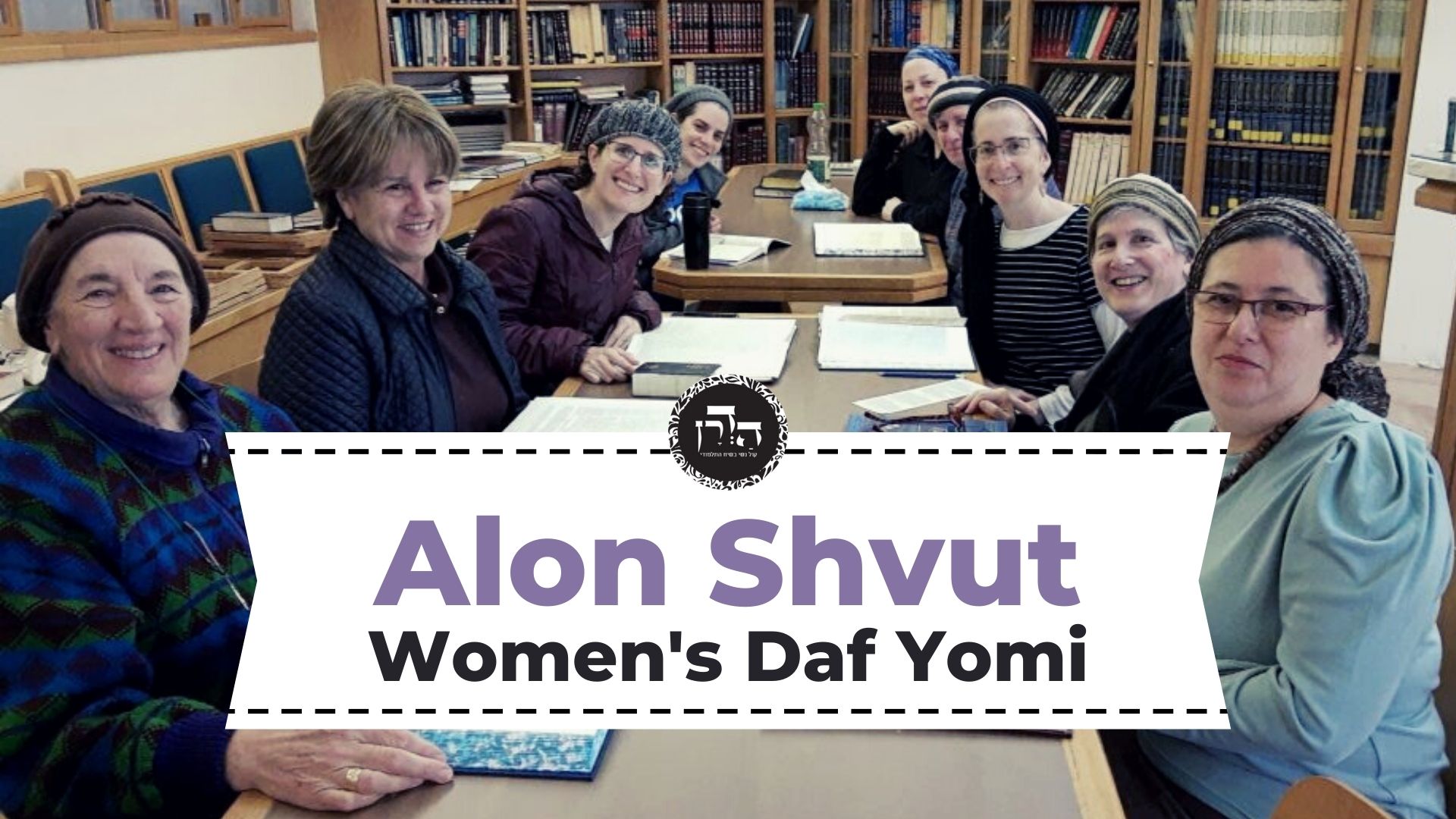
Meet the diverse women learning Gemara at Hadran and hear their stories. 

The first month I learned Daf Yomi by myself in secret, because I wasn’t sure how my husband would react, but after the siyyum on Masechet Brachot I discovered Hadran and now sometimes my husband listens to the daf with me. He and I also learn mishnayot together and are constantly finding connections between the different masechtot.

Laura Warshawsky
Laura Warshawsky

Silver Spring, Maryland, United States

I started my journey on the day I realized that the Siyum was happening in Yerushalayim and I was missing out. What? I told myself. How could I have not known about this? How can I have missed out on this opportunity? I decided that moment, I would start Daf Yomi and Nach Yomi the very next day. I am so grateful to Hadran. I am changed forever because I learn Gemara with women. Thank you.

Linda Brownstein
Linda Brownstein

Mitspe, Israel

In early 2020, I began the process of a stem cell transplant. The required extreme isolation forced me to leave work and normal life but gave me time to delve into Jewish text study. I did not feel isolated. I began Daf Yomi at the start of this cycle, with family members joining me online from my hospital room. I’ve used my newly granted time to to engage, grow and connect through this learning.

Reena Slovin
Reena Slovin

Worcester, United States

I am grateful for the structure of the Daf Yomi. When I am freer to learn to my heart’s content, I learn other passages in addition. But even in times of difficulty, I always know that I can rely on the structure and social support of Daf Yomi learners all over the world.

I am also grateful for this forum. It is very helpful to learn with a group of enthusiastic and committed women.

Janice Block-2
Janice Block

Beit Shemesh, Israel

I never thought I’d be able to do Daf Yomi till I saw the video of Hadran’s Siyum HaShas. Now, 2 years later, I’m about to participate in Siyum Seder Mo’ed with my Hadran community. It has been an incredible privilege to learn with Rabbanit Michelle and to get to know so many caring, talented and knowledgeable women. I look forward with great anticipation and excitement to learning Seder Nashim.

Caroline-Ben-Ari-Tapestry
Caroline Ben-Ari

Karmiel, Israel

I started learning Daf Yomi because my sister, Ruth Leah Kahan, attended Michelle’s class in person and suggested I listen remotely. She always sat near Michelle and spoke up during class so that I could hear her voice. Our mom had just died unexpectedly and it made me feel connected to hear Ruth Leah’s voice, and now to know we are both listening to the same thing daily, continents apart.
Jessica Shklar
Jessica Shklar

Philadelphia, United States

I have joined the community of daf yomi learners at the start of this cycle. I have studied in different ways – by reading the page, translating the page, attending a local shiur and listening to Rabbanit Farber’s podcasts, depending on circumstances and where I was at the time. The reactions have been positive throughout – with no exception!

Silke Goldberg
Silke Goldberg

Guildford, United Kingdom

Geri Goldstein got me started learning daf yomi when I was in Israel 2 years ago. It’s been a challenge and I’ve learned a lot though I’m sure I miss a lot. I quilt as I listen and I want to share what I’ve been working on.

Rebecca Stulberg
Rebecca Stulberg

Ottawa, Canada

It’s hard to believe it has been over two years. Daf yomi has changed my life in so many ways and has been sustaining during this global sea change. Each day means learning something new, digging a little deeper, adding another lens, seeing worlds with new eyes. Daf has also fostered new friendships and deepened childhood connections, as long time friends have unexpectedly become havruta.

Joanna Rom
Joanna Rom

Northwest Washington, United States

I started learning after the siyum hashas for women and my daily learning has been a constant over the last two years. It grounded me during the chaos of Corona while providing me with a community of fellow learners. The Daf can be challenging but it’s filled with life’s lessons, struggles and hope for a better world. It’s not about the destination but rather about the journey. Thank you Hadran!

Dena Lehrman
Dena Lehrman

אפרת, Israel

I LOVE learning the Daf. I started with Shabbat. I join the morning Zoom with Reb Michelle and it totally grounds my day. When Corona hit us in Israel, I decided that I would use the Daf to keep myself sane, especially during the days when we could not venture out more than 300 m from our home. Now my husband and I have so much new material to talk about! It really is the best part of my day!

Batsheva Pava
Batsheva Pava

Hashmonaim, Israel

I started learning Daf Yomi to fill what I saw as a large gap in my Jewish education. I also hope to inspire my three daughters to ensure that they do not allow the same Talmud-sized gap to form in their own educations. I am so proud to be a part of the Hadran community, and I have loved learning so many of the stories and halachot that we have seen so far. I look forward to continuing!
Dora Chana Haar
Dora Chana Haar

Oceanside NY, United States

I started learning Daf in Jan 2020 with Brachot b/c I had never seen the Jewish people united around something so positive, and I wanted to be a part of it. Also, I wanted to broaden my background in Torah Shebal Peh- Maayanot gave me a great gemara education, but I knew that I could hold a conversation in most parts of tanach but almost no TSB. I’m so thankful for Daf and have gained immensely.

Meira Shapiro
Meira Shapiro

NJ, United States

I graduated college in December 2019 and received a set of shas as a present from my husband. With my long time dream of learning daf yomi, I had no idea that a new cycle was beginning just one month later, in January 2020. I have been learning the daf ever since with Michelle Farber… Through grad school, my first job, my first baby, and all the other incredible journeys over the past few years!
Sigal Spitzer Flamholz

Bronx, United States

In January 2020, my chevruta suggested that we “up our game. Let’s do Daf Yomi” – and she sent me the Hadran link. I lost my job (and went freelance), there was a pandemic, and I am still opening the podcast with my breakfast coffee, or after Shabbat with popcorn. My Aramaic is improving. I will need a new bookcase, though.

Rhondda May
Rhondda May

Atlanta, Georgia, United States

I was exposed to Talmud in high school, but I was truly inspired after my daughter and I decided to attend the Women’s Siyum Shas in 2020. We knew that this was a historic moment. We were blown away, overcome with emotion at the euphoria of the revolution. Right then, I knew I would continue. My commitment deepened with the every-morning Virtual Beit Midrash on Zoom with R. Michelle.

Adina Hagege
Adina Hagege

Zichron Yaakov, Israel

Shortly after the death of my father, David Malik z”l, I made the commitment to Daf Yomi. While riding to Ben Gurion airport in January, Siyum HaShas was playing on the radio; that was the nudge I needed to get started. The “everyday-ness” of the Daf has been a meaningful spiritual practice, especial after COVID began & I was temporarily unable to say Kaddish at daily in-person minyanim.

Lisa S. Malik
Lisa S. Malik

Wynnewood, United States

Robin Zeiger
Robin Zeiger

Tel Aviv, Israel

It happened without intent (so am I yotzei?!) – I watched the women’s siyum live and was so moved by it that the next morning, I tuned in to Rabbanit Michelle’s shiur, and here I am, still learning every day, over 2 years later. Some days it all goes over my head, but others I grasp onto an idea or a story, and I ‘get it’ and that’s the best feeling in the world. So proud to be a Hadran learner.

Jeanne Yael Klempner

Zichron Yaakov, Israel

I started learning at the beginning of this cycle more than 2 years ago, and I have not missed a day or a daf. It’s been challenging and enlightening and even mind-numbing at times, but the learning and the shared experience have all been worth it. If you are open to it, there’s no telling what might come into your life.

Patti Evans
Patti Evans

Phoenix, Arizona, United States

Yoma 50

אֵיתִיבֵיהּ רַבִּי יִצְחָק נַפָּחָא לְרַבִּי אַמֵּי: ״וְהוֹצִיא אֶת כׇּל הַפָּר״! שֶׁיּוֹצִיא אֶת כּוּלּוֹ.

§ Rabbi Yitzḥak Nappaḥa raised an objection to Rabbi Ami: “And he shall remove the entire bull outside the camp” (Leviticus 4:12). This verse speaks of a bull that has been slaughtered and its fats and sacrificial parts have been burned, which proves that even after it has been slaughtered, it is still called a bull. Rabbi Ami replied: The animal itself is not called a bull at this stage; rather, it means that he should remove the entire carcass, all that remains of the bull.

״וְאֵת פַּר הַחַטָּאת וְאֵת שְׂעִיר הַחַטָּאת״, אָמַר רַב פָּפָּא: בְּעוֹר וּבָשָׂר וָפֶרֶשׁ דְּכוּלֵּי עָלְמָא לָא פְּלִיגִי. כִּי פְּלִיגִי בְּדָם. מָר סָבַר: דָּם אִיקְּרִי פַּר, וּמָר סָבַר: דָּם לָא אִיקְּרִי פַּר.

The Gemara raises another difficulty by citing a verse: “And the bull of the sin-offering and the goat of the sin-offering, whose blood was brought in to make atonement in the Sanctuary, shall be taken outside the camp” (Leviticus 16:27). Once again, the verse proves that even after it has been slaughtered and its blood is brought into the Holy of Holies, the animal is still called a bull. Rav Pappa said: Everyone agrees that when it is intact, with its hide, its flesh, and its excrement, it is called a bull. When they disagree is with regard to the blood. One Sage holds that its blood is called a bull, and one Sage holds that blood alone is not called a bull.

אָמַר רַב אָשֵׁי: מִסְתַּבְּרָא כְּמַאן דְּאָמַר דָּם אִיקְּרִי פַּר, דִּכְתִיב: ״בְּזֹאת יָבֹא אַהֲרֹן אֶל הַקֹּדֶשׁ בְּפַר בֶּן בָּקָר״, אַטּוּ בְּקַרְנֵיהּ מְעַיֵּיל לֵיהּ?! אֶלָּא בְּדָמוֹ, וְקָרֵי לֵיהּ ״פַּר״.

Rav Ashi said: It is reasonable to say in accordance with the one who said that blood is called part of the bull, as it is written: “With this Aaron shall come into the sacred place, with a bull” (Leviticus 16:3). Is that to say that he brings it in, to the Holy of Holies, with its horns? Rather, he enters with its blood, and yet the Torah calls that “a bull.” This proves that the blood itself is called a bull.

וְאִידַּךְ? בַּמָּה הוּכְשַׁר אַהֲרֹן לָבֹא אֶל הַקֹּדֶשׁ — בְּפַר בֶּן בָּקָר לְחַטָּאת.

The Gemara asks: And the other one, who maintains that blood is not called a bull, how does he interpret this verse? The Gemara answers that he can explain the verse as follows: With what did Aaron become qualified to enter the sacred place? With his bringing of a young bull for a sin-offering. However, the blood itself, which he brings inside, is not called a bull.

וְתִיפּוֹק לֵיהּ דְּחַטָּאת שֶׁמֵּתוּ בְּעָלֶיהָ הִיא, וְחַטָּאת שֶׁמֵּתוּ בְּעָלֶיהָ לְמִיתָה אָזְלָא! אֲמַר לֵיהּ רָבִין בַּר רַב אַדָּא לְרָבָא: אָמְרִי תַּלְמִידָיךָ, אָמַר רַב עַמְרָם: חַטַּאת צִבּוּר הִיא, וְלָא לְמִיתָה אָזְלָא.

§ The Gemara returns to the issue of a replacement High Priest entering with the blood of the first bull: And let him derive the answer to this problem from the fact that it is a sin-offering whose owners have died. After all, the bull of the first High Priest is a sin-offering and its owner has died. Since there is a principle that a sin-offering whose owners have died is left to die, this should resolve the dilemma. Ravin bar Rav Adda said to Rava: Your students say that Rav Amram said that the sin-offering bull of the High Priest is a communal sin-offering, as the High Priest brings it both on his own behalf and for his fellow priests, and a communal sin-offering is not left to die.

דִּתְנַן, אָמַר לוֹ רַבִּי מֵאִיר: וַהֲלֹא פַּר יוֹם הַכִּפּוּרִים, וַחֲבִיתֵּי כֹּהֵן גָּדוֹל, וּפֶסַח — דְּקָרְבַּן יָחִיד הוּא, וְדוֹחֶה אֶת הַשַּׁבָּת וְאֶת הַטּוּמְאָה. לָאו מִכְּלָל דְּאִיכָּא לְמַאן דְּאָמַר דְּצִבּוּר?

As we learned in a mishna in tractate Temura that tanna’im debate which offerings override Shabbat and ritual impurity. Rabbi Meir said to him: But consider the Yom Kippur bull, and the meal-offering resembling a wafer brought specially by the High Priest, and the Paschal offering, each of which is an individual offering and overrides Shabbat and ritual impurity. Since Rabbi Meir says that these are individual offerings, is it not correct to say by inference that there is one who says that these offerings are communal?

וּלְטַעְמָיךְ, דְּקָתָנֵי: אָמַר לוֹ רַבִּי יַעֲקֹב: וַהֲלֹא פַּר הֶעְלֵם דָּבָר שֶׁל צִבּוּר, וּשְׂעִירֵי עֲבוֹדָה זָרָה, וַחֲגִיגָה — דְּקָרְבַּן צִבּוּר, וְאֵין דּוֹחִין לֹא אֶת הַשַּׁבָּת וְלֹא אֶת הַטּוּמְאָה! מִכְּלָל דְּאִיכָּא לְמַאן דְּאָמַר דְּיָחִיד!

The Gemara rejects this proof. And according to your reasoning, consider that which was taught there: Rabbi Ya’akov said to him: But there are the cases of the bull for an unwitting communal sin, and the goats for a sin of idolatry, and the Festival peace-offering, which are all communal offerings and override neither Shabbat nor ritual impurity. According to the above reasoning, it can be claimed by inference that there is one who says that these are individual offerings, which is incorrect.

אֶלָּא: לְתַנָּא קַמָּא קָא מַהְדַּר לֵיהּ, דְּשַׁמְעֵיהּ דְּקָאָמַר: קׇרְבַּן צִבּוּר דּוֹחֶה אֶת הַשַּׁבָּת וְאֶת הַטּוּמְאָה, וְקָרְבַּן יָחִיד אֵינוֹ דּוֹחֶה לֹא אֶת הַשַּׁבָּת וְלֹא אֶת הַטּוּמְאָה. אָמַר לוֹ רַבִּי מֵאִיר: קׇרְבַּן יָחִיד כְּלָלָא הוּא? וַהֲלֹא פַּר יוֹם הַכִּפּוּרִים, וַחֲבִיתֵּי כֹּהֵן גָּדוֹל, וּפֶסַח — דְּקָרְבַּן יָחִיד הוּא, וְדוֹחִין אֶת הַשַּׁבָּת וְאֶת הַטּוּמְאָה!

Rather, Rabbi Meir responded to the first tanna, as he heard him say in the form of a general principle: Communal sacrifices override Shabbat and ritual impurity, but individual sacrifices override neither Shabbat nor ritual impurity. In response to this claim, Rabbi Meir said to him: Is this statement with regard to an individual offering a general principle? But consider the Yom Kippur bull, and the meal-offering resembling a wafer of the High Priest, and the Paschal offering, each of which is an individual offering and overrides Shabbat and ritual impurity.

וְאָמַר לוֹ רַבִּי יַעֲקֹב: קׇרְבַּן צִבּוּר כְּלָלָא הוּא? וַהֲלֹא פַּר הֶעְלֵם דָּבָר שֶׁל צִבּוּר, וּשְׂעִירֵי עֲבוֹדָה זָרָה, וַחֲגִיגָה — דְּקָרְבַּן צִבּוּר הוּא, וְאֵין דּוֹחִין לֹא אֶת הַשַּׁבָּת וְלֹא אֶת הַטּוּמְאָה!

And Rabbi Ya’akov responded to the first tanna from a different perspective: Is this statement with regard to a communal offering a general principle, which overrides ritual impurity? But there are the cases of the bull for an unwitting communal sin, and the goats for a sin of idolatry, and the Festival peace-offering, which are all communal offerings and override neither Shabbat nor ritual impurity.

אֶלָּא, נְקוֹט הַאי כְּלָלָא בִּידָךְ: כֹּל שֶׁזְּמַנּוֹ קָבוּעַ — דּוֹחֶה אֶת הַשַּׁבָּת וְאֶת הַטּוּמְאָה אֲפִילּוּ בְּיָחִיד, וְכֹל שֶׁאֵין זְמַנּוֹ קָבוּעַ — אֵינוֹ דּוֹחֶה לֹא אֶת הַשַּׁבָּת וְלֹא אֶת הַטּוּמְאָה וַאֲפִילּוּ בְּצִבּוּר.

Rather, grasp this principle: Any offering that has a fixed time for its sacrifice overrides Shabbat and ritual impurity even if it is an individual offering; and any offering of no fixed time overrides neither Shabbat nor ritual impurity, and this is the case even if it is a communal offering. With regard to the issue at hand, as the emphasis of both Rabbi Meir’s and Rabbi Ya’akov’s statements is whether the offerings they referred to override Shabbat and ritual impurity, not their classification as individual or communal offerings, nothing can be inferred from their comments in this regard. Consequently, it remains possible that the bull of the High Priest is an individual offering.

אֵיתִיבֵיהּ אַבָּיֵי: פַּר וְשָׂעִיר שֶׁל יוֹם הַכִּפּוּרִים שֶׁאָבְדוּ, וְהִפְרִישׁ אֲחֵרִים תַּחְתֵּיהֶן — כּוּלָּם יָמוּתוּ. וְכֵן שְׂעִירֵי עֲבוֹדָה זָרָה שֶׁאָבְדוּ, וְהִפְרִישׁ אֲחֵרִים תַּחְתֵּיהֶן — כּוּלָּם יָמוּתוּ, דִּבְרֵי רַבִּי יְהוּדָה. רַבִּי (אֱלִיעֶזֶר) וְרַבִּי שִׁמְעוֹן אוֹמְרִים: יִרְעוּ עַד שֶׁיִּסְתָּאֲבוּ וְיִמָּכְרוּ וְיִפְּלוּ דְּמֵיהֶן לִנְדָבָה, שֶׁאֵין חַטַּאת צִבּוּר מֵתָה.

§ Abaye raised an objection to Rava: Is the bull of the High Priest an individual offering? But we learned in a baraita: With regard to the bull and the goat of Yom Kippur that were lost, and he separated others in their stead, and the first animals were subsequently found, all of the second set shall be left to die. And likewise, goats for a sin of idolatry that were lost and he separated others in their stead, all of them shall be left to die. This is the statement of Rabbi Yehuda. Rabbi Elazar and Rabbi Shimon say: They shall be left to graze until they become unfit, whereupon they are sold and their proceeds go for a free-will offering, as a communal sin-offering is not left to die. This proves that the Yom Kippur bull is called a communal sin-offering.

אֲמַר לֵיהּ: מַאי פַּר — פַּר הֶעְלֵם דָּבָר שֶׁל צִבּוּר. וְהָא ״שֶׁל יוֹם הַכִּפּוּרִים״ קָתָנֵי! כִּי קָתָנֵי — אַדְּשָׂעִיר.

Rava said to Abaye: What bull is referred to here? A bull for an unwitting communal sin. Abaye retorted: But the baraita taught: Of Yom Kippur, which clearly indicates that it is referring to the bull of Yom Kippur. Rava answered: When the tanna of this baraita taught: Of Yom Kippur, he was referring only to the goat. That is, the baraita should be read as follows: The communal bull and the goat of Yom Kippur, which is also a communal offering.

וְהָתַנְיָא: פַּר שֶׁל יוֹם הַכִּפּוּרִים וְשָׂעִיר שֶׁל יוֹם הַכִּפּוּרִים שֶׁאָבְדוּ וְהִפְרִישׁ אֲחֵרִים תַּחְתֵּיהֶן — כּוּלָּם יָמוּתוּ, דִּבְרֵי רַבִּי יְהוּדָה. רַבִּי (אֱלִיעֶזֶר) וְרַבִּי שִׁמְעוֹן אוֹמְרִים: יִרְעוּ עַד שֶׁיִּסְתָּאֲבוּ וְיִמָּכְרוּ וְיִפְּלוּ דְּמֵיהֶן לִנְדָבָה, שֶׁאֵין חַטַּאת צִבּוּר מֵתָה.

Abaye further asks: But wasn’t it taught in a baraita: With regard to the bull of Yom Kippur and the goat of Yom Kippur that were lost and he separated others in their stead, and the first animals were subsequently found, all of the second set shall be left to die. This is the statement of Rabbi Yehuda. Rabbi Elazar and Rabbi Shimon say: They shall be left to graze until they become unfit, whereupon they are sold and their proceeds go for a free-will offering, as a communal sin-offering is not left to die. This baraita explicitly states that the bull of Yom Kippur is considered a communal offering.

לָא תֵּימָא: ״שֶׁאֵין חַטַּאת צִבּוּר מֵתָה״, אֶלָּא אֵימָא: ״שֶׁאֵין חַטַּאת הַשּׁוּתָּפִין מֵתָה״. וּמַאי נָפְקָא מִינַּהּ?

Rava answered him: Do not say: As a communal sin-offering is not left to die. Rather, say: As a sin-offering of partners is not left to die. Since some of the partners are still alive, the sin-offering is not left to die. The bull of the High Priest on Yom Kippur is considered a sin-offering of partners because it atones not only for the High Priest, but for his fellow priests, as well. The Gemara asks: And if ultimately the bull is not left to die, what is the practical difference whether the bull of the High Priest is considered a communal sin-offering or a sin-offering of partners? Why did Rava insist on calling it a sin-offering of partners?

דְּלָא מַיְיתוּ כֹּהֲנִים פַּר בְּהוֹרָאָה.

The Gemara answers that there is a difference between these two categories with regard to a court that issues an incorrect ruling to an entire community, e.g., a tribe of Israel, and the people act in accordance with that ruling. The halakha in this case is that the court must bring a bull for an unwitting communal sin. Rava insisted on referring to the bull that atones for all of the priests on Yom Kippur as a sin-offering of partners, not a communal sin-offering, for the following reason: If a court composed of priests issued a mistaken ruling, and the priests acted in accordance with that teaching, the priests do not bring a bull for this ruling, as they are not considered a community but a large partnership.

תָּא שְׁמַע, דְּבָעֵי רַבִּי (אֱלִיעֶזֶר):

The Gemara offers another solution to the question. Come and hear, as Rabbi Elazar raised the following dilemma:

לְדִבְרֵי הָאוֹמֵר פַּר יוֹם הַכִּפּוּרִים קׇרְבַּן יָחִיד, עוֹשֶׂה תְּמוּרָה אוֹ אֵינוֹ עוֹשֶׂה תְּמוּרָה. לָאו מִכְּלָל דְּאִיכָּא לְמַאן דְּאָמַר דְּצִבּוּר?

According to Rabbi Meir, who says that the bull of Yom Kippur is an offering of an individual, can one perform substitution for this animal or can one not perform substitution in this case? In other words, if the High Priest violated a prohibition and designated a substitute by saying that this bull should be switched with another, does the substitution take effect or not? Is it not correct to say by inference from the wording of Rabbi Elazar’s dilemma that there is one who says that these offerings are communal?

לָא, מִכְּלָל דְּאִיכָּא לְמַאן דְּאָמַר דְּשׁוּתָּפִין.

The Gemara rejects this contention: No, this is no proof, as one can say by inference that there is one who says that these offerings are of partners. There is no definitive proof that the bull of Yom Kippur is a communal sacrifice. In any event, the question of why the bull is not invalidated upon the death of the High Priest has been resolved, as the reason is either because it is a communal sacrifice or because it is a sacrifice of partners.

גּוּפָא. בָּעֵי רַבִּי (אֱלִיעֶזֶר): לְדִבְרֵי הָאוֹמֵר פַּר יוֹם הַכִּפּוּרִים קׇרְבַּן יָחִיד, עוֹשֶׂה תְּמוּרָה אוֹ אֵינוֹ עוֹשֶׂה תְּמוּרָה. מַאי קָא מִיבַּעְיָא לֵיהּ?

§ Since the Gemara has mentioned Rabbi Elazar’s dilemma, the Gemara addresses the matter itself. Rabbi Elazar asked: According to Rabbi Meir, who says that the bull of Yom Kippur is an individual offering, can one perform substitution for this animal or can one not perform substitution? The Gemara asks: What is the dilemma he is raising? What is the basis of his inquiry?

אִי בָּתַר מַקְדִּישׁ אָזְלִינַן, אִי בָּתַר מִתְכַּפֵּר אָזְלִינַן.

The Gemara suggests that his dilemma is as follows: Do we follow the one who consecrates the animal, i.e., the High Priest, as he was the one who paid for it, in which case it is considered an individual sacrifice and his substitution is effective? Or do we follow the one who seeks atonement by the offering, and as this bull atones both for the High Priest and the entire community of his fellow priests, it is considered a communal sacrifice, and therefore his substitution is not effective? The question is: Which party is followed for the purposes of substitution?

פְּשִׁיטָא דְּבָתַר מִתְכַּפֵּר אָזְלִינַן, דְּאָמַר רַבִּי אֲבָהוּ אָמַר רַבִּי יוֹחָנָן: הַמַּקְדִּישׁ — מוֹסִיף חוֹמֶשׁ, וְהַמִּתְכַּפֵּר — עוֹשֶׂה (בָּהּ) תְּמוּרָה.

The Gemara expresses surprise at this possible interpretation of Rabbi Elazar’s dilemma: It is obvious that we follow the one who seeks atonement, as Rabbi Abbahu said that Rabbi Yoḥanan said: With regard to one who consecrates his animal for an offering but intends it for someone else’s atonement, if he subsequently redeems the animal, he adds a fifth to it. This is in accordance with the halakha that one who redeems an animal that he himself dedicated must add a fifth of its value to the redemption, whereas if the person for whom it atones redeems it, he does not add a fifth. And the one for whom the sacrifice atones can perform substitution for it, whereas the one who consecrated the animal cannot effect substitution, as he is not considered its owner for the halakhot of substitution.

וְהַתּוֹרֵם מִשֶּׁלּוֹ עַל שֶׁל חֲבֵירוֹ — טוֹבַת הֲנָאָה שֶׁלּוֹ!

And likewise, with regard to one who separates teruma from his wheat for the wheat of another, to spare his friend from having to separate his own teruma, although the friend’s produce is now exempt from the obligation of teruma, the benefit of discretion is his, the one who separated the teruma. The one who separated the teruma is entitled to determine which priest receives the teruma, despite the fact that the teruma was separated for the crop of another. Similarly, when someone consecrates an animal for another person, it is the one who gains atonement that can perform substitution. If so, there is no place for Rabbi Elazar’s dilemma.

לְעוֹלָם פְּשִׁיטָא לֵיהּ דְּבָתַר מִתְכַּפֵּר אָזְלִינַן, וְהָכִי קָא מִיבַּעְיָא לֵיהּ: אֶחָיו הַכֹּהֲנִים בִּקְבִיעוּתָא מִתְכַּפְּרִי, אוֹ דִילְמָא בְּקוּפְיָא מִתְכַּפְּרִי.

The Gemara rejects this suggested explanation of Rabbi Elazar’s dilemma: Actually, it is obvious to Rabbi Elazar that we follow the one who seeks atonement by the offering, and this is his dilemma: Do his fellow priests achieve atonement by the essence of the offering, i.e., part of the offering is sacrificed on their behalf, which means they are partners in the bull? Or perhaps they achieve atonement incidentally, while the main atonement is that of the High Priest. If the atonement of the other priests is merely incidental, the High Priest can effect substitution with this bull.

תָּא שְׁמַע: חוֹמֶר בְּזֶבַח מִבִּתְמוּרָה, וְחוֹמֶר בִּתְמוּרָה מִבְּזֶבַח. חוֹמֶר בְּזֶבַח: שֶׁהַזֶּבַח נוֹהֵג בְּיָחִיד כִּבְצִבּוּר, וְדוֹחֶה אֶת הַשַּׁבָּת וְאֶת הַטּוּמְאָה, וְעוֹשֶׂה תְּמוּרָה — מַה שֶּׁאֵין כֵּן בִּתְמוּרָה.

The Gemara suggests: Come and hear a resolution to this dilemma: There is a stricture that applies to the initial sacrifice, beyond the strictures that apply to the designated substitute; and there is a stricture that applies to the substitution, beyond the strictures that apply to the sacrifice. The baraita elaborates: There is a stricture that applies to the initial sacrifice, as the sanctity of the sacrifice applies to an individual as it does to a community, and the sacrifice overrides Shabbat and ritual impurity, and one can perform substitution for the original sacrifice, which is not the case with regard to the substitute, to which these halakhot do not apply.

חוֹמֶר בִּתְמוּרָה מִבְּזֶבַח: שֶׁהַתְּמוּרָה חָלָה עַל בַּעַל מוּם קָבוּעַ, וְאֵינָהּ יוֹצְאָה לְחוּלִּין לִיגָּזֵז וְלֵיעָבֵד — מַה שֶּׁאֵין כֵּן בְּזֶבַח.

The baraita continues: There is a stricture that applies to the substitute beyond the strictures that apply to the initial sacrifice, in that the sanctity of the substitution takes effect even on a permanently blemished animal. And the substitute cannot vacate its sanctified status and assume non-sacred status; that is, it may only be sacrificed as an offering and eaten but under no circumstance can it be redeemed for its wool to be sheared and to be worked, which is not the case with regard to the initial sacrifice, as it can be redeemed in certain situations.

הַאי זֶבַח הֵיכִי דָמֵי? אִילֵּימָא דְּיָחִיד — מִי דָּחֵי שַׁבָּת וְטוּמְאָה? אֶלָּא דְּצִבּוּר — מִי עוֹשֶׂה תְּמוּרָה? אֶלָּא לָאו דְּפַר, וְדוֹחֶה אֶת הַשַּׁבָּת וְאֶת הַטּוּמְאָה — דִּקְבִיעַ לֵיהּ זְמַן, וְעוֹשֶׂה תְּמוּרָה — דְּקָרְבַּן יָחִיד הוּא.

The Gemara explains: What are the circumstances of this sacrifice? What exactly is the sacrifice referred to in this baraita? If we say it is the sacrifice of an individual, does the sacrifice of an individual override Shabbat and ritual impurity? Rather, if you say that we are dealing with the sacrifice of a community, can one perform substitution for a communal sacrifice? Rather, is it not the case that we are dealing here with the Yom Kippur bull, which overrides Shabbat and ritual impurity, as it is a sacrifice that has a fixed time? And likewise, one can perform substitution for this offering, as it is an offering of an individual. This interpretation resolves Rabbi Elazar’s dilemma.

אָמַר רַב שֵׁשֶׁת: לָא, בְּאֵילוֹ שֶׁל אַהֲרֹן.

The Gemara rejects this contention. Rav Sheshet said: No, this is no proof, as it can be claimed that the baraita is referring to the ram of Aaron that the High Priest sacrifices as a burnt-offering on Yom Kippur, as the verse states: “With this Aaron shall come into the sacred place, with a young bull for a sin-offering and a ram for a burnt-offering” (Leviticus 16:3). This offering is certainly the High Priest’s alone and is therefore classified as the offering of an individual.

הָכִי נָמֵי מִסְתַּבְּרָא, דְּאִי סָלְקָא דַעְתָּךְ דְּפָרוֹ, תְּמוּרָה דְּפַר שַׁבָּת וְטוּמְאָה הוּא דְּלָא דָּחֲיָא, הָא בְּחוֹל מִיקְרָב קָרְבָה?! הָא תְּמוּרַת חַטָּאת הִיא, וּתְמוּרַת חַטָּאת לְמִיתָה אָזְלָא!

The Gemara comments: So, too, it is reasonable that this is the offering referred to in the baraita, for if it should enter your mind to say that we are dealing with the bull of the High Priest, consider the following: Is it only Shabbat and ritual impurity that the substitution of the bull does not override, which indicates that one may sacrifice this substitute on a weekday? It is a substitute for a sin-offering, and the halakha is that the substitute for a sin-offering is left to die. Rather, we certainly must be dealing with the ram for a burnt-offering, as the substitute for a burnt-offering cannot be sacrificed.

לָא, לְעוֹלָם פָּרוֹ. וּמַאי תְּמוּרָה — שֵׁם תְּמוּרָה.

The Gemara rejects this supporting argument: No, it is actually possible that the offering referred to in the baraita is the Yom Kippur bull of the High Priest, and what is the substitution that was mentioned? It does not refer to a substitution of the bull, but rather the baraita deals with the general category of substitution, i.e., it means that the phenomenon of substitution in general includes halakhot that do not apply to offerings.

אִי הָכִי, זֶבַח נָמֵי — שֵׁם זֶבַח? שֵׁם זֶבַח לָא קָתָנֵי.

The Gemara asks: If so, one can also say that the sacrifice mentioned in the baraita means the general category of sacrifices, rather than a specific offering. The Gemara rejects this suggestion: The baraita is not teaching about a general category of sacrifices, i.e., it is definitely not dealing with the phenomenon of offerings in general.

מִמַּאי — מִדְּקָתָנֵי: חוֹמֶר בִּתְמוּרָה, שֶׁהַתְּמוּרָה חָלָה עַל בַּעַל מוּם קָבוּעַ, וְאֵינָהּ יוֹצְאָה לְחוּלִּין לִיגָּזֵז וְלֵיעָבֵד. וְאִי סָלְקָא דַּעְתָּךְ: מַאי זֶבַח — שֵׁם זֶבַח, וְהָא אִיכָּא

The Gemara continues: From where do I know that this is so? From the fact that it is taught: There is a stricture that applies to the substitution beyond the strictures that apply to the initial offering, in that the sanctity of the substitution takes effect even on a permanently blemished animal, and the substitute cannot vacate its sanctified status and assume non-sacred status for its wool to be sheared and to be worked. And should it enter your mind to say: What is the sacrifice mentioned here, it means the general category of sacrifices; this cannot be the case, as there is an example of an offering to which these halakhot also apply,

Want to follow content and continue where you left off?

Create an account today to track your progress, mark what you’ve learned, and follow the shiurim that speak to you.

Clear all items from this list?

This will remove ALL the items in this section. You will lose any progress or history connected to them. This is irreversible.

Cancel
Yes, clear all

Are you sure you want to delete this item?

You will lose any progress or history connected to this item.

Cancel
Yes, delete