









Masechet Zevachim
Masechet Zevachim is sponsored by Esther Kremer in loving memory of her father, Manny Gross on his third yahrzeit. “He exemplified a path of holiness and purity, living with kedushah in his everyday life.”
Want to dedicate learning? Get started here:
Today’s daily daf tools:
Masechet Zevachim
Masechet Zevachim is sponsored by Esther Kremer in loving memory of her father, Manny Gross on his third yahrzeit. “He exemplified a path of holiness and purity, living with kedushah in his everyday life.”
Zevachim 118
וְרַבִּי יְהוּדָה אָמַר לָךְ: כִּי כְּתִיב – ״הַיָּשָׁר בְּעֵינָיו״ הוּא דִּכְתִיב; אֲבָל בְּבָמָה גְּדוֹלָה – אֲפִילּוּ חוֹבוֹת נָמֵי לִיקְרוּב.
And Rabbi Yehuda, who holds that an individual may also sacrifice compulsory offerings on a great public altar, could have said to you that when the phrase “whatsoever is fitting” is written, indicating that individuals may sacrifice only vow offerings and gift offerings, it is with regard to “in his own eyes” that it is written. In other words, it is referring to a location that is fitting in his eyes for sacrifice, i.e., a private altar. But on a great public altar, even compulsory offerings may be sacrificed.
אֶלָּא הָא כְּתִיב ״אִישׁ״ – לָאו לְמֵימְרָא דְּאִישׁ יְשָׁרוֹת הוּא דְּלִיקְרוּב, הָא חוֹבוֹת לָא לִיקְרוּב? כִּי כְּתִיב ״אִישׁ״ – לְהַכְשִׁיר אֶת הַזָּר.
The Gemara asks: But even if that derivation is correct, isn’t “man” written in that verse? Isn’t that to say that with regard to “a man,” i.e., an individual, only offerings that one deems fitting to sacrifice may be sacrificed, but compulsory offerings may not be sacrificed? The Gemara replies: When “man” is written in this verse, it is to qualify a non-priest to perform the sacrificial service on a private altar.
זָר – מִ״וְּזָרַק הַכֹּהֵן אֶת הַדָּם עַל מִזְבַּח ה׳״ נָפְקָא!
The Gemara challenges: But the fact that a non-priest is qualified to perform the sacrificial service on a private altar is derived from the verse: “And the priest shall dash the blood against the altar of the Lord at the entrance of the Tent of Meeting” (Leviticus 17:6). The verse indicates that service at a great public altar may be performed only by a priest, from which it is inferred that the service on a private altar may be performed by a non-priest as well.
מַהוּ דְּתֵימָא לִיבְעֵי קִדּוּשׁ בְּכוֹרוֹת כְּמֵעִיקָּרָא; קָא מַשְׁמַע לַן.
The Gemara replies: Lest you say that whereas that verse indicates it is not required that the service on a private altar be performed by a priest, nevertheless consecration of the firstborn is required for this purpose, as was the case initially, i.e., before the Tabernacle was constructed. Perhaps the only non-priests who may perform the service on private altars are the firstborn sons. Therefore, the verse states: “Every man whatsoever is fitting in his own eyes,” which teaches us that with regard to private altars, each person may sacrifice his own offerings.
חֲכָמִים הַיְינוּ תַּנָּא קַמָּא!
§ The Gemara clarifies the opinion of the Rabbis, who disagree with Rabbi Yehuda, by questioning: But the statement of the Rabbis is identical to the statement of the first tanna, i.e., the Rabbis cited at the beginning of the baraita, who say that on a private altar an individual sacrificed only burnt offerings and peace offerings. What is the difference between the first tanna and the Rabbis?
אָמַר רַב פָּפָּא: קָרְבוּ נְסָכִים בְּמִדְבָּר אִיכָּא בֵּינַיְיהוּ.
Rav Pappa said: The difference between them is whether libations were offered in the wilderness along with burnt offerings and peace offerings. According to the opinion of the first tanna, libations were not offered in the wilderness, nor were they offered in Eretz Yisrael during the period of Gilgal. According to the Rabbis in the latter section of the baraita, libations were offered in the wilderness and in Gilgal.
אָמַר מָר: רַבִּי שִׁמְעוֹן אוֹמֵר וְכוּ׳. מַאי טַעְמֵיהּ דְּרַבִּי שִׁמְעוֹן? דִּכְתִיב: ״וַיַּעֲשׂוּ בְנֵי יִשְׂרָאֵל אֶת הַפֶּסַח בַּגִּלְגָּל״.
§ The Master said in the baraita: Rabbi Shimon says that even the public did not sacrifice all offerings in the Tent of Meeting in Gilgal; they sacrificed only Paschal offerings and compulsory public offerings that have a set time. The Gemara asks: What is the reason for the opinion of Rabbi Shimon? As it is written: “And the children of Israel encamped in Gilgal; and they kept the Passover on the fourteenth day of the month at evening in the plains of Jericho” (Joshua 5:10).
פְּשִׁיטָא! אֶלָּא הָא קָא מַשְׁמַע לַן – דְּחוֹבוֹת כְּעֵין פֶּסַח הוּא דְּקָרֵב, הָא לָאו כְּעֵין פֶּסַח לָא קָרֵב. וְאִידַּךְ –
The Gemara asks: Isn’t it obvious that they brought the Paschal offering? The Paschal offering is compulsory. Rather, this verse teaches us that in Gilgal, only compulsory offerings similar to the Paschal offering, i.e., that have a set time, were sacrificed, but offerings that are not similar to the Paschal offering were not sacrificed. The Gemara asks: And how does the other tanna, i.e., the Rabbis who disagree with Rabbi Shimon and hold that during the period of Gilgal other offerings were sacrificed by the public, interpret the verse?
מִיבְּעֵי לֵיהּ לְכִדְרַבִּי יוֹחָנָן, דְּאָמַר רַבִּי יוֹחָנָן מִשּׁוּם רַבִּי בַּנָּאָה: עָרֵל – מְקַבֵּל הַזָּאָה.
The Gemara responds: It is necessary for the halakha that was taught by Rabbi Yoḥanan. As Rabbi Yoḥanan says in the name of Rabbi Bena’a: If an uncircumcised Jew contracted ritual impurity from a corpse, he may receive sprinkling of the water containing the ashes of the red heifer on the third and seventh days of his purification, despite the fact that he is uncircumcised. In the time of Joshua, the Jewish people became circumcised after they were purified from impurity imparted by a corpse.
תָּנֵי תַּנָּא קַמֵּיהּ דְּרַב אַדָּא בַּר אַהֲבָה: אֵין בֵּין בָּמָה גְּדוֹלָה לְבָמָה קְטַנָּה, אֶלָּא פֶּסַח וְחוֹבוֹת הַקָּבוּעַ לָהֶן זְמַן. אֲמַר לֵיהּ: יָחִיד – חוֹבוֹת שֶׁקָּבוּעַ לָהֶן זְמַן מְנָא לֵיהּ?
§ With regard to the Paschal offering and compulsory public offerings that have a set time mentioned by Rabbi Shimon, the Gemara relates that a tanna taught a baraita in the presence of Rav Adda bar Ahava: The difference between a great public altar, e.g., the altar in Gilgal, and a small private altar is only that the Paschal offering and compulsory offerings that have a set time may be sacrificed upon a great public altar, but not upon a private altar. Rav Adda bar Ahava said to him: From where would an individual sacrifice compulsory offerings that have a set time? There is no such offering brought by an individual. It was therefore unnecessary for the tanna to state that this type of offering is not sacrificed on a private altar.
אֲמַר לֵיהּ: אֶסְמְיַיהּ? אֲמַר לֵיהּ: תִּתַּרְגַּם מַתְנִיתָךְ בְּעוֹלַת חוֹבָה, דְּאִיכָּא עוֹלַת נְדָבָה. דְּאִי חַטַּאת יָחִיד הוּא – חוֹבוֹת דִּקְבִיעַ לֵיהּ זְמַן מִי אִיכָּא?!
The tanna said to him: If so, shall I remove it from the text of the mishna, and teach only: Paschal offerings? Rav Adda bar Ahava said to him: That is not necessary; interpret your mishna as referring to a compulsory burnt offering, i.e., the burnt offering of appearance brought on the pilgrimage Festivals by every individual, which is not sacrificed on a private altar, as there is, conversely, a voluntary burnt offering that may be sacrificed on a private altar. This baraita must be discussing a burnt offering brought by an individual, as if it is referring to a sin offering brought by an individual, are there compulsory sin offerings that have a set time?
וְלוֹקְמַהּ בְּמִנְחַת חוֹבָה – דְּהָא אִיכָּא חֲבִיתִּין! קָא סָבַר: אֵין מִנְחָה בְּבָמָה.
The Gemara asks: And let him establish the baraita as referring to the compulsory meal offering of an individual, which has a set time, as there is the griddle-cake offering that the High Priest was obligated to sacrifice every day and that may be sacrificed only upon a great public altar, not upon a private altar. The Gemara replies: Rav Adda bar Ahava holds that there is no meal offering sacrificed upon an altar outside the Temple, even a great public altar.
בָּאוּ לְשִׁילֹה וְכוּ׳. מְנָא הָנֵי מִילֵּי? אָמַר רַבִּי חִיָּיא בַּר אַבָּא אָמַר רַבִּי יוֹחָנָן: כָּתוּב אֶחָד אוֹמֵר: ״וַתְּבִאֵהוּ בֵּית ה׳ שִׁילֹה״, וְכָתוּב אֶחָד אוֹמֵר: ״וַיִּטֹּשׁ (אֶת) מִשְׁכַּן שִׁילֹה אֹהֶל שִׁכֵּן בָּאָדָם״, וּכְתִיב ״וַיִּמְאַס בְּאֹהֶל יוֹסֵף וּבְשֵׁבֶט אֶפְרַיִם לֹא בָחָר״.
§ The mishna teaches that when they arrived at Shiloh, private altars were prohibited. There was no roof of wood or stone in the Tabernacle in Shiloh; there was only a building of stone below, and the curtains of the roof of the Tabernacle were spread above it. The Gemara asks: From where are these matters derived? Rabbi Ḥiyya bar Abba says that Rabbi Yoḥanan says: One verse states, with regard to Hannah bringing Samuel to the Tabernacle: “And she brought him to the house of the Lord in Shiloh” (I Samuel 1:24), and one verse states: “And He forsook the Tabernacle of Shiloh, the tent that He had made to dwell among men” (Psalms 78:60). And in addition, it is written: “Moreover he abhorred the tent of Joseph and chose not the tribe of Ephraim” (Psalms 78:67).
הָא כֵּיצַד? לֹא הָיְתָה שָׁם תִּקְרָה, אֶלָּא אֲבָנִים מִלְּמַטָּן וִירִיעוֹת מִלְּמַעְלָן, וְהִיא הָיְתָה ״מְנוּחָה״.
One verse describes the Tabernacle in Shiloh as a house, while the other describes it as a tent. How can these texts be reconciled? As the mishna states: There was no roof of wood or stone there; rather, there was stone below, and it was therefore described as a house, and the curtains of the Tabernacle were spread above it, and it was therefore described as a tent. And the period that the Tabernacle was in Shiloh was characterized in the Torah as “rest” in the verse: “For you have not as yet come to the rest and to the inheritance, which the Lord your God has given you” (Deuteronomy 12:9).
קׇדְשֵׁי קֳדָשִׁים. מְנָא הָנֵי מִילֵּי? אָמַר רַבִּי אוֹשַׁעְיָא, דְּאָמַר קְרָא: ״הִשָּׁמֶר לְךָ פֶּן תַּעֲלֶה עֹלֹתֶיךָ בְּכׇל מָקוֹם אֲשֶׁר (אַתָּה) תִּרְאֶה״ – בְּכׇל מָקוֹם אֲשֶׁר תִּרְאֶה אִי אַתָּה מַעֲלֶה, אֲבָל אַתָּה אוֹכֵל בְּכׇל מָקוֹם שֶׁאַתָּה רוֹאֶה.
§ The mishna teaches that during the period of Shiloh, offerings of the most sacred order were eaten within the curtains, and offerings of lesser sanctity and second tithe were eaten in any place that overlooks Shiloh. The Gemara asks: From where are these matters derived? Rabbi Oshaya said: As in the context of the prohibition against sacrificing outside the Tabernacle, the verse states: “Take heed to yourself that you do not offer your burnt offerings in every place that you see” (Deuteronomy 12:13), from which it may be inferred: You may not offer up in every place that you see, but you may eat the offerings in every place that you see.
אֵימָא: בְּכׇל מָקוֹם שֶׁאַתָּה רוֹאֶה אִי אַתָּה מַעֲלֶה, אֲבָל אַתָּה זוֹבֵחַ בְּכׇל מָקוֹם שֶׁתִּרְאֶה!
The Gemara challenges: Say instead the following inference: You may not offer up offerings upon an altar in every place that you see, but you may slaughter offerings in every place that you see. It would therefore be permitted to slaughter offerings in any place that overlooks Shiloh.
אָמַר רַבִּי יַנַּאי, אָמַר קְרָא: ״שָׁם תַּעֲלֶה… וְשָׁם תַּעֲשֶׂה״.
Rabbi Yannai said that the subsequent verse states: “But in the place that the Lord shall choose in one of your tribes, there you shall offer your burnt offerings, and there you shall do all that I command you” (Deuteronomy 12:14). This verse teaches that all of the sacrificial service is performed in the place that the offering is burned, and only the consumption of offerings of lesser sanctity is permitted in any place that overlooks Shiloh.
רַבִּי אַבְדִּימִי בַּר חַסָּא אָמַר, אָמַר קְרָא:
Rabbi Avdimi bar Ḥasa said that when describing the boundaries of the portions of Eretz Yisrael of the children of Joseph, wherein Shiloh was located, the verse states:
״וְלוֹ תַּאֲנַת שִׁילֹה״ – מָקוֹם שֶׁכׇּל הָרוֹאֶה אוֹתוֹ מִתְאַנֵּחַ עָלָיו עַל אֲכִילַת קָדָשִׁים שֶׁלּוֹ.
“And the border turned about eastward to Taanath Shiloh” (Joshua 16:6), a place adjacent to Shiloh. Why did it bear the name of Taanath Shiloh? It is because it was the place from which whoever saw the Tabernacle in Shiloh after its destruction would moan [mitane’aḥ] for it with regard to the consumption of sacrificial animals from offerings of lesser sanctity that had been previously permitted there, but was now no longer permitted.
רַבִּי אֲבָהוּ אָמַר, אָמַר קְרָא: ״בֵּן פֹּרָת יוֹסֵף בֵּן פֹּרָת עֲלֵי עָיִן״ – עַיִן שֶׁלֹּא רָצְתָה לִזּוֹן וְלֵיהָנוֹת מִדָּבָר שֶׁאֵינוֹ שֶׁלּוֹ, תִּזְכֶּה וְתֹאכַל כִּמְלֹא עֵינֶיהָ.
Rabbi Abbahu says that a different biblical allusion may be found in what the verse states in the context of Jacob’s blessing to Joseph: “Joseph is a fruitful vine, a fruitful vine by a fountain [ayin]” (Genesis 49:22). The Gemara interprets the word fountain homiletically: An eye [ayin] that did not wish to partake or derive benefit from something that was not his, i.e., the wife of Potiphar, shall merit to have offerings of lesser sanctity consumed in Shiloh, in Joseph’s portion of Eretz Yisrael, to the fullest extent of its eyes, i.e., from wherever Shiloh can be seen.
רַבִּי יוֹסֵי בְּרַבִּי חֲנִינָא אָמַר: ״וּרְצוֹן שֹׁכְנִי סְנֶה״ – עַיִן שֶׁלֹּא רָצְתָה לֵיהָנוֹת מִדָּבָר שֶׁאֵינוֹ שֶׁלּוֹ, תִּזְכֶּה וְתֹאכַל בֵּין הַשְּׂנוּאִין.
Rabbi Yosei, son of Rabbi Ḥanina, says that another allusion may be found in the context of Moses’ blessing to Joseph: “And the good will of Him Who dwelt in the bush [seneh]” (Deuteronomy 33:16). The Gemara interprets the word “seneh” homiletically: An eye that did not wish to derive benefit from something that was not his shall merit to have offerings of lesser sanctity consumed among the haters [senu’in]. In other words, offerings of lesser sanctity may be consumed in any place that overlooks Shiloh, even in the portions of the other tribes, who are described by the Torah as hating Joseph (see Genesis, chapter 37).
תָּנָא: רוֹאֶה שֶׁאָמְרוּ – רוֹאֶה כּוּלּוֹ, וְלֹא הַמַּפְסִיק בֵּינוֹ לְבֵינוֹ. אֲמַר לֵיהּ רַבִּי שִׁמְעוֹן בֶּן אֶלְיָקִים לְרַבִּי אֶלְעָזָר, אַסְבְּרָא לָךְ: כְּגוֹן בֵּי כְנִישְׁתָּא דְּמָעוֹן. אָמַר רַב פָּפָּא: רוֹאֶה שֶׁאָמְרוּ – לֹא רוֹאֶה כּוּלּוֹ, אֶלָּא רוֹאֶה מִקְצָתוֹ.
§ With regard to the halakha that during the period of Shiloh offerings of lesser sanctity could be eaten in any place that overlooks Shiloh, it was taught: The term: Overlooks, that was stated in the mishna, means that one sees it in its entirety, and there is nothing that obstructs between the seer and the surrounding area. Rabbi Shimon ben Elyakum said to Rabbi Elazar: I shall explain this type of seeing to you: For example, the synagogue of Maon, which was adjacent to the city of Tiberias, and from where Tiberias could be seen. Rav Pappa said that the term: Overlooks, that was stated does not mean that one must see the Tabernacle in Shiloh in its entirety, but rather even if one sees it partially, offerings of lesser sanctity may be consumed there.
בָּעֵי רַב פָּפָּא: עוֹמֵד וְרוֹאֶה, יוֹשֵׁב וְאֵינוֹ רוֹאֶה – מַאי? בָּעֵי רַבִּי יִרְמְיָה: עוֹמֵד עַל גַּבֵּי הַנַּחַל וְרוֹאֶה, (יוֹשֵׁב) בְּתוֹךְ הַנַּחַל וְאֵינוֹ רוֹאֶה – מַאי? תֵּיקוּ.
With regard to the definition of overlooking, Rav Pappa raises a dilemma: If one is in a place where he stands and sees Shiloh, but if he sits he does not see Shiloh, what is the halakha? Is this considered overlooking? Likewise, Rabbi Yirmeya raises a dilemma: If one is in a place where he can stand upon the bank of the stream and see Shiloh, but if he is in the stream he does not see Shiloh, what is the halakha? No resolution is found for either of these questions, and the Gemara concludes: These dilemmas shall stand unresolved.
כִּי אֲתָא רַב דִּימִי, אָמַר רַבִּי: בִּשְׁלֹשָׁה מְקוֹמוֹת שָׁרְתָה שְׁכִינָה עַל יִשְׂרָאֵל – בְּשִׁילֹה, וְנוֹב וְגִבְעוֹן, וּבֵית עוֹלָמִים; וּבְכוּלָּן לֹא שָׁרְתָה אֶלָּא בְּחֵלֶק בִּנְיָמִין. שֶׁנֶּאֱמַר: ״חֹפֵף עָלָיו כׇּל הַיּוֹם״ – כׇּל חֲפִיפוֹת לֹא יְהוּ אֶלָּא בְּחֶלְקוֹ שֶׁל בִּנְיָמִין.
§ When Rav Dimi came from Eretz Yisrael to Babylonia, he said that Rabbi Yehuda HaNasi said: The Divine Presence rested upon the Jewish people in three places: In Shiloh, and Nov and Gibeon, and the Eternal House, and in all of those the Divine Presence rested only in the portion of the tribe of Benjamin, as it is stated in Moses’ blessing to Benjamin: “The beloved of the Lord shall dwell in safety by Him; He covers him all the day and He dwells between his shoulders” (Deuteronomy 33:12), meaning: All coverings, i.e., times of resting of the Divine Presence upon the Jewish people, shall be only in the portion of Benjamin.
כִּי אָזֵיל אַבָּיֵי, אַמְרַהּ קַמֵּיהּ דְּרַב יוֹסֵף. אָמַר: חַד בְּרָא הֲוָה לֵיהּ לְכַיְילִיל, וְלָא מִיתְּקַן. וְהָכְתִיב: ״וַיִּטֹּשׁ אֶת מִשְׁכָּן שִׁילוֹ״, וּכְתִיב: ״וַיִּמְאַס בְּאֹהֶל יוֹסֵף וּבְשֵׁבֶט אֶפְרַיִם לֹא בָחָר״!
The Gemara relates that when Abaye went to study Torah with Rav Yosef, he said the statement of Rav Dimi before Rav Yosef. Rav Yosef said in response: Kaylil, Abaye’s father, had one son, and he is not proper. But isn’t it written with regard to the Tabernacle in Shiloh: “And He forsook the Tabernacle of Shiloh” (Psalms 78:60); and it is written: “Moreover He abhorred the tent of Joseph, and chose not the tribe of Ephraim” (Psalms 78:67)? These verses indicate that the Tabernacle in Shiloh was in the portion of Joseph, not of Benjamin.
אָמַר רַב אַדָּא: מַאי קָא קַשְׁיָא לֵיהּ? דִּלְמָא שְׁכִינָה בְּחֵלֶק בִּנְיָמִין, וְסַנְהֶדְרִי גְּדוֹלָה בְּחֵלֶק יוֹסֵף; מִדְּמָצִינוּ בְּבֵית עוֹלָמִים דִּשְׁכִינָה בְּחֶלְקוֹ שֶׁל בִּנְיָמִין, וְסַנְהֶדְרִין בְּחֵלֶק יְהוּדָה!
Rav Adda said: What is Rav Yosef’s difficulty from that verse? Perhaps the Tabernacle was in both the portion of Benjamin and that of Joseph. The Divine Presence was in the portion of Benjamin, and the Great Sanhedrin, which sits adjacent to the location of the Divine Presence, was in the portion of Joseph. This is similar to what we found in the case of the Eternal House, where the Divine Presence was in the portion of Benjamin and the Sanhedrin was in the portion of Judah.
אֲמַר לֵיהּ: הָכִי הַשְׁתָּא?! הָתָם – מִיקָרְבָן נַחֲלוֹת גַּבֵּי הֲדָדֵי; הָכָא – מִי מְקָרְבָן?! הָכָא נָמֵי מְקָרְבָן. כִּדְאָמַר רַבִּי חָמָא בְּרַבִּי חֲנִינָא: רְצוּעָה הָיְתָה יוֹצֵאת מֵחֶלְקוֹ שֶׁל יְהוּדָה וְנִכְנֶסֶת לְחֶלְקוֹ שֶׁל בִּנְיָמִין, וּבָהּ הָיָה מִזְבֵּחַ בָּנוּי, וְהָיָה בִּנְיָמִין הַצַּדִּיק מִצְטַעֵר עָלֶיהָ לְבׇלְעָהּ.
Rav Yosef said to him in response: How can these cases be compared? There, in the Temple in Jerusalem, the portions of Benjamin and Judah were close to each other, and a division in which the Temple was located in the portion of one tribe while the Sanhedrin was located in the portion of another was possible. Here, with regard to Shiloh, are Shiloh and the portion of Benjamin close to each other? The Gemara replies: Here too they are close, as Rabbi Ḥama, son of Rabbi Ḥanina, says: A strip of land protruded from the portion of Judah and entered into the portion of Benjamin, and the altar in the Temple was built on that strip. And the tribe of Benjamin the righteous would agonize over it, desiring to take it into its portion, due to its unique sanctity.
הָכָא נָמֵי – רְצוּעָה הָיְתָה יוֹצֵאת מֵחֶלְקוֹ שֶׁל יוֹסֵף, לְחֶלְקוֹ שֶׁל בִּנְיָמִין. וְהַיְינוּ דִּכְתִיב: ״תַּאֲנַת שִׁילֹה״.
Here too, with regard to the Tabernacle in Shiloh, a strip of land protruded from the portion of Joseph and entered into the portion of Benjamin, which connected Shiloh to the portion of Benjamin, and it was upon that strip, which had the status of Benjamin’s portion, that the Tabernacle stood. And that is what it means concerning that which is written with regard to the boundary of Joseph: “And the border turned about eastward to Taanath Shiloh” (Joshua 16:6), which in this context, is interpreted as meaning that the tribe of Benjamin would bemoan the fact that the Tabernacle in Shiloh was not located entirely in its portion.
כְּתַנָּאֵי: ״חֹפֵף עָלָיו״ – זֶה מִקְדָּשׁ רִאשׁוֹן, ״כׇּל הַיּוֹם״ – זֶה מִקְדָּשׁ שֵׁנִי, ״וּבֵין כְּתֵפָיו שָׁכֵן״ – אֵלּוּ יְמוֹת הַמָּשִׁיחַ.
The Gemara notes that the dispute between the amora’im with regard to the tribe in which the Tabernacle in Shiloh was located is like a dispute between tanna’im, as it is taught with regard to Moses’ blessing to Benjamin: “He covers him”; this is a reference to the First Temple. “All the day”; this is a reference to the Second Temple. “And He dwells between his shoulders”; this is a reference to the messianic era.
רַבִּי אוֹמֵר: ״חוֹפֵף עָלָיו״ – זֶה הָעוֹלָם הַזֶּה, ״כׇּל הַיּוֹם״ – אֵלּוּ יְמוֹת הַמָּשִׁיחַ, ״וּבֵין כְּתֵפָיו שָׁכֵן״ – זֶה הָעוֹלָם הַבָּא.
Rabbi Yehuda HaNasi says: “He covers him”; this is a reference to this world. “All the day”; this is a reference to the messianic era. “And He dwells between his shoulders”; this is a reference to the World-to-Come. According to the opinion of the Rabbis, the Divine Presence dwelled in the portion of Benjamin from the first Temple period and onward, but not during the period of the Tabernacle in Shiloh, when it was in the portion of Joseph. However, according to the opinion of Rabbi Yehuda HaNasi, the entire period that the Divine Presence dwelled in this world, including the period of Shiloh, it did so in the portion of Benjamin.
תָּנוּ רַבָּנַן: יְמֵי אֹהֶל מוֹעֵד שֶׁבַּמִּדְבָּר – אַרְבָּעִים שָׁנָה חָסֵר אַחַת. יְמֵי אֹהֶל מוֹעֵד שֶׁבַּגִּלְגָּל – אַרְבַּע עֶשְׂרֵה; שֶׁבַע שֶׁכִּבְּשׁוּ, וְשֶׁבַע שֶׁחִלְּקוּ. יְמֵי אֹהֶל מוֹעֵד שֶׁבְּנוֹב וְגִבְעוֹן – חֲמִשִּׁים וָשֶׁבַע. נִשְׁתַּיְּירוּ לְשִׁילֹה שְׁלֹשׁ מֵאוֹת וְשִׁבְעִים חָסֵר אַחַת.
§ With regard to the duration of the different periods mentioned in the mishna, the Sages taught: The days of the Tent of Meeting in the wilderness were forty years, less one year. The days of the Tent of Meeting that were in Gilgal were fourteen years: Seven years during which the Jews conquered the land and seven years during which they divided the land among the tribes. The days of the Tent of Meeting that were in Nov and Gibeon were fifty-seven years, until the Temple in Jerusalem was constructed. Since the Temple was constructed 480 years after the Exodus from Egypt (see I Kings 6:1), it follows that there remain for the period of the Tabernacle in Shiloh 370 years less one.
יְמֵי אֹהֶל מוֹעֵד שֶׁבַּמִּדְבָּר – אַרְבָּעִים חָסֵר אַחַת. מְנָלַן? דְּאָמַר מָר: שָׁנָה רִאשׁוֹנָה – עָשָׂה מֹשֶׁה אֶת הַמִּשְׁכָּן, שְׁנִיָּה – הוּקַם הַמִּשְׁכָּן וְשָׁלַח מֹשֶׁה מְרַגְּלִים.
The Gemara asks: From where do we derive that the days of the Tent of Meeting that were in the wilderness were forty years less one? As the Master said in a baraita: In the first year after the Exodus from Egypt, Moses constructed the Tabernacle; in the second year the Tabernacle was erected, and Moses sent spies. Because of the sin of the spies, the Jewish people remained in the wilderness for forty years. It follows that the Tabernacle in the wilderness stood for thirty-nine years.
שֶׁבַּגִּלְגָּל אַרְבַּע עֶשְׂרֵה – שֶׁבַע שֶׁכִּבְּשׁוּ וְשֶׁבַע שֶׁחִלְּקוּ. מְנָלַן? דְּקָאָמַר כָּלֵב: ״בֶּן אַרְבָּעִים שָׁנָה אָנֹכִי בִּשְׁלֹחַ מֹשֶׁה עֶבֶד ה׳ אוֹתִי מִקָּדֵשׁ בַּרְנֵעַ לְרַגֵּל אֶת הָאָרֶץ, וָאָשֵׁב אוֹתוֹ דָּבָר כַּאֲשֶׁר עִם לְבָבִי״; וּכְתִיב: ״וְעַתָּה הִנֵּה אָנֹכִי הַיּוֹם בֶּן חָמֵשׁ וּשְׁמֹנִים שָׁנָה״.
From where do we derive that the Tabernacle remained in Gilgal for fourteen years, seven years during which the Jews conquered the land and seven years during which they divided it? As Caleb, son of Jephunneh, said to Joshua at the conclusion of the period of conquest before the land was divided: “Forty years old was I when Moses, the servant of the Lord, sent me from Kadesh Barnea to spy out the land; and I brought him back word as it was in my heart” (Joshua 14:7), and it is written: “And now, I am this day eighty and five years old” (Joshua 14:10).
כִּי עַבְרֵיהּ לְיַרְדֵּן בַּר כַּמָּה הָוֵי – בַּר שִׁבְעִין וְתַמְנֵי, וְקָאָמַר: ״בֶּן חָמֵשׁ וּשְׁמוֹנִים שָׁנָה״; הֲרֵי שֶׁבַע שֶׁכִּבְּשׁוּ.
When the Jewish people crossed the Jordan, how old was Caleb? He was seventy-eight years old: The spies were sent by Moses in the second year after the Exodus from Egypt, and in the fortieth year they crossed the Jordan. And at the time of the division of the Land, he said that he was eighty-five years old. This indicates that it was seven years during which the Jews conquered the land.
וְשֶׁבַע שֶׁחִלְּקוּ מְנָלַן? אִיבָּעֵית אֵימָא: מִדְּשֶׁבַע שֶׁכִּבְּשׁוּ, שֶׁבַע נָמֵי שֶׁחִלְּקוּ;
The Gemara asks: And from where do we derive that there were seven years during which they divided the land? If you wish, say: Since it was a period of seven years in which they conquered the land, it was presumably also a period of seven years in which they divided the land.
וְאִיבָּעֵית אֵימָא: מִדְּלָא מַשְׁכַּחַתְּ לַהּ בְּאַרְבַּע עֶשְׂרֵה שָׁנָה ״אַחַר אֲשֶׁר הֻכְּתָה הָעִיר״.
And if you wish, say instead: Because otherwise, you do not find any plausible explanation for the date mentioned by the prophet Ezekiel in the verse: “In the beginning of the year, on the tenth day of the month, in the fourteenth year after that the city was smitten” (Ezekiel 40:1). This indicates that it was a Jubilee Year, unless capturing and dividing the land took a total of fourteen years, after which point they began to calculate Sabbatical and Jubilee Years.
אֹהֶל מוֹעֵד שֶׁבְּנוֹב וְגִבְעוֹן – חֲמִשִּׁים וָשֶׁבַע. מְנָא לַן? דִּכְתִיב: ״וַיְהִי כְּהַזְכִּירוֹ אֶת אֲרוֹן הָאֱלֹהִים״;
§ The baraita stated that the period of the Tent of Meeting that was in Nov and Gibeon was fifty-seven years. The Gemara asks: From where do we derive this? As it is written in the description of the death of Eli the High Priest, upon being informed that the Ark was captured by the Philistines: “And it came to pass, when he made mention of the Ark of God, that he fell from off his seat backward by the side of the gate, and his neck broke, and he died” (I Samuel 4:18).
וְתָנָא: כְּשֶׁמֵּת עֵלִי הַכֹּהֵן – חָרְבָה שִׁילֹה, וּבָאוּ לְנוֹב; כְּשֶׁמֵּת שְׁמוּאֵל הָרָמָתִי – חָרְבָה נוֹב, וּבָאוּ לְגִבְעוֹן.
And a tanna taught: When Eli the priest died, Shiloh was destroyed and the Jews arrived at Nov, where they erected the Tabernacle. At that time, Samuel began to lead the people. When Samuel from Rama died, Nov was destroyed by Saul (see I Samuel 22:19) and they arrived at Gibeon, where the Tabernacle remained (see I Chronicles 16:39).
וּכְתִיב: ״וַיְהִי מִיּוֹם שֶׁבֶת הָאָרוֹן בְּקִרְיַת יְעָרִים, וַיִּרְבּוּ הַיָּמִים וַיִּהְיוּ עֶשְׂרִים שָׁנָה, וַיִּנָּהוּ כׇּל בֵּית יִשְׂרָאֵל אַחֲרֵי ה׳״;
The Gemara determines the number of years from when the Ark was captured by the Philistines and Shiloh was destroyed: And it is written: “And it came to pass, from the day that the Ark abode in Kiriath Jearim that the time was long; for it was twenty years; and all the house of Israel yearned after the Lord” (I Samuel 7:2). The Ark was returned by the Philistines to Kiriath Jearim seven months after it was captured, and it remained there for twenty years, until David brought it to Jerusalem.
הָנֵי עֶשְׂרִים שָׁנָה – עֶשֶׂר שָׁנָה שֶׁמָּלַךְ שְׁמוּאֵל בְּעַצְמוֹ, וְשָׁנָה שֶׁמָּלַךְ שְׁמוּאֵל וְשָׁאוּל, וּשְׁתַּיִם שֶׁמָּלַךְ שָׁאוּל, וְשֶׁבַע דְּדָוִד –
The Gemara explains that these twenty years are calculated as follows: Ten years that Samuel reigned alone, from the death of Eli until the coronation of Saul, and one year that Samuel and Saul reigned, i.e., Saul reigned for one year during the lifetime of Samuel, and two years that Saul reigned alone after the death of Samuel. And in addition to these thirteen years, there were the seven years of David’s reign in Hebron, before the years of his reign in Jerusalem.

Today’s daily daf tools:
Delve Deeper
Broaden your understanding of the topics on this daf with classes and podcasts from top women Talmud scholars.

Zevachim Daf 115-120+ Siyum– Daf Yomi: One Week at a Time

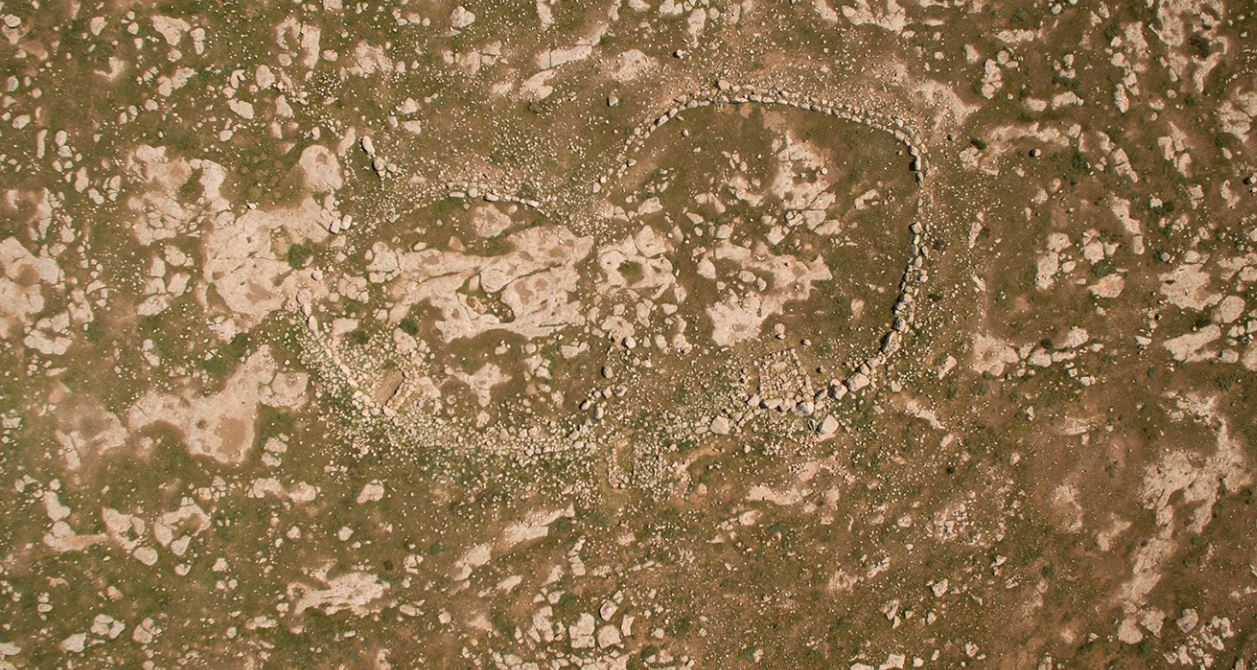

Din & Daf: A Breakaway Mikdash in Egypt? Chazal’s take the Temple of Onias
New to Talmud?
Check out our resources designed to help you navigate a page of Talmud – and study at the pace, level and style that fits you.
The Hadran Women’s Tapestry
Meet the diverse women learning Gemara at Hadran and hear their stories.
I was exposed to Talmud in high school, but I was truly inspired after my daughter and I decided to attend the Women’s Siyum Shas in 2020. We knew that this was a historic moment. We were blown away, overcome with emotion at the euphoria of the revolution. Right then, I knew I would continue. My commitment deepened with the every-morning Virtual Beit Midrash on Zoom with R. Michelle.

Zichron Yaakov, Israel
It happened without intent (so am I yotzei?!) – I watched the women’s siyum live and was so moved by it that the next morning, I tuned in to Rabbanit Michelle’s shiur, and here I am, still learning every day, over 2 years later. Some days it all goes over my head, but others I grasp onto an idea or a story, and I ‘get it’ and that’s the best feeling in the world. So proud to be a Hadran learner.

Zichron Yaakov, Israel
I tried Daf Yomi in the middle of the last cycle after realizing I could listen to Michelle’s shiurim online. It lasted all of 2 days! Then the new cycle started just days before my father’s first yahrzeit and my youngest daughter’s bat mitzvah. It seemed the right time for a new beginning. My family, friends, colleagues are immensely supportive!
Zichron Yaakov, Israel
My husband learns Daf, my son learns Daf, my son-in-law learns Daf.
When I read about Hadran’s Siyyum HaShas 2 years ago, I thought- I can learn Daf too!
I had learned Gemara in Hillel HS in NJ, & I remembered loving it.
Rabbanit Michelle & Hadran have opened my eyes & expanding my learning so much in the past few years. We can now discuss Gemara as a family.
This was a life saver during Covid

Brooklyn, NY, United States
I had no formal learning in Talmud until I began my studies in the Joint Program where in 1976 I was one of the few, if not the only, woman talmud major. It was superior training for law school and enabled me to approach my legal studies with a foundation . In 2018, I began daf yomi listening to Rabbanit MIchelle’s pod cast and my daily talmud studies are one of the highlights of my life.

Minneapolis, United States
Margo
I started my Talmud journey in 7th grade at Akiba Jewish Day School in Chicago. I started my Daf Yomi journey after hearing Erica Brown speak at the Hadran Siyum about marking the passage of time through Daf Yomi.
Carolyn
I started my Talmud journey post-college in NY with a few classes. I started my Daf Yomi journey after the Hadran Siyum, which inspired both my son and myself.
Merion Station, USA
Beit Shemesh, Israel
I read Ilana Kurshan’s “If All the Seas Were Ink” which inspired me. Then the Women’s Siyum in Jerusalem in 2020 convinced me, I knew I had to join! I have loved it- it’s been a constant in my life daily, many of the sugiyot connect to our lives. My family and friends all are so supportive. It’s incredible being part of this community and love how diverse it is! I am so excited to learn more!

Jerusalem, Israel
I was inspired to start learning after attending the 2020 siyum in Binyanei Hauma. It has been a great experience for me. It’s amazing to see the origins of stories I’ve heard and rituals I’ve participated in my whole life. Even when I don’t understand the daf itself, I believe that the commitment to learning every day is valuable and has multiple benefits. And there will be another daf tomorrow!
Jerusalem, Israel
Attending the Siyyum in Jerusalem 26 months ago inspired me to become part of this community of learners. So many aspects of Jewish life have been illuminated by what we have learned in Seder Moed. My day is not complete without daf Yomi. I am so grateful to Rabbanit Michelle and the Hadran Community.

Newton, United States
I had never heard of Daf Yomi and after reading the book, The Weight of Ink, I explored more about it. I discovered that it was only 6 months before a whole new cycle started and I was determined to give it a try. I tried to get a friend to join me on the journey but after the first few weeks they all dropped it. I haven’t missed a day of reading and of listening to the podcast.

Elkins Park, United States
When the new cycle began, I thought, If not now, when? I’d just turned 72. I feel like a tourist on a tour bus passing astonishing scenery each day. Rabbanit Michelle is my beloved tour guide. When the cycle ends, I’ll be 80. I pray that I’ll have strength and mind to continue the journey to glimpse a little more. My grandchildren think having a daf-learning savta is cool!

Jerusalem, Israel
I was inspired to start learning after attending the 2020 siyum in Binyanei Hauma. It has been a great experience for me. It’s amazing to see the origins of stories I’ve heard and rituals I’ve participated in my whole life. Even when I don’t understand the daf itself, I believe that the commitment to learning every day is valuable and has multiple benefits. And there will be another daf tomorrow!
Jerusalem, Israel
My curiosity was peaked after seeing posts about the end of the last cycle. I am always looking for opportunities to increase my Jewish literacy & I am someone that is drawn to habit and consistency. Dinnertime includes a “Guess what I learned on the daf” segment for my husband and 18 year old twins. I also love the feelings of connection with my colleagues who are also learning.

Tampa, United States
Palo Alto, CA, United States

Jerusalem, Israel
I started last year after completing the Pesach Sugiyot class. Masechet Yoma might seem like a difficult set of topics, but for me made Yom Kippur and the Beit HaMikdash come alive. Liturgy I’d always had trouble connecting with took on new meaning as I gained a sense of real people moving through specific spaces in particular ways. It was the perfect introduction; I am so grateful for Hadran!

Minnesota, United States
When I began learning Daf Yomi at the beginning of the current cycle, I was preparing for an upcoming surgery and thought that learning the Daf would be something positive I could do each day during my recovery, even if I accomplished nothing else. I had no idea what a lifeline learning the Daf would turn out to be in so many ways.

Lexington, MA, United States
Phoenix, Arizona, United States
Hearing and reading about the siyumim at the completion of the 13 th cycle Daf Yomi asked our shul rabbi about starting the Daf – he directed me to another shiur in town he thought would allow a woman to join, and so I did! Love seeing the sources for the Divrei Torah I’ve been hearing for the past decades of living an observant life and raising 5 children .

Pittsburgh, Pennsylvania, United States
What a great experience to learn with Rabbanit Michelle Farber. I began with this cycle in January 2020 and have been comforted by the consistency and energy of this process throughout the isolation period of Covid. Week by week, I feel like I am exploring a treasure chest with sparkling gems and puzzling antiquities. The hunt is exhilarating.
Pennsylvania, United States
Zevachim 118
וְרַבִּי יְהוּדָה אָמַר לָךְ: כִּי כְּתִיב – ״הַיָּשָׁר בְּעֵינָיו״ הוּא דִּכְתִיב; אֲבָל בְּבָמָה גְּדוֹלָה – אֲפִילּוּ חוֹבוֹת נָמֵי לִיקְרוּב.
And Rabbi Yehuda, who holds that an individual may also sacrifice compulsory offerings on a great public altar, could have said to you that when the phrase “whatsoever is fitting” is written, indicating that individuals may sacrifice only vow offerings and gift offerings, it is with regard to “in his own eyes” that it is written. In other words, it is referring to a location that is fitting in his eyes for sacrifice, i.e., a private altar. But on a great public altar, even compulsory offerings may be sacrificed.
אֶלָּא הָא כְּתִיב ״אִישׁ״ – לָאו לְמֵימְרָא דְּאִישׁ יְשָׁרוֹת הוּא דְּלִיקְרוּב, הָא חוֹבוֹת לָא לִיקְרוּב? כִּי כְּתִיב ״אִישׁ״ – לְהַכְשִׁיר אֶת הַזָּר.
The Gemara asks: But even if that derivation is correct, isn’t “man” written in that verse? Isn’t that to say that with regard to “a man,” i.e., an individual, only offerings that one deems fitting to sacrifice may be sacrificed, but compulsory offerings may not be sacrificed? The Gemara replies: When “man” is written in this verse, it is to qualify a non-priest to perform the sacrificial service on a private altar.
זָר – מִ״וְּזָרַק הַכֹּהֵן אֶת הַדָּם עַל מִזְבַּח ה׳״ נָפְקָא!
The Gemara challenges: But the fact that a non-priest is qualified to perform the sacrificial service on a private altar is derived from the verse: “And the priest shall dash the blood against the altar of the Lord at the entrance of the Tent of Meeting” (Leviticus 17:6). The verse indicates that service at a great public altar may be performed only by a priest, from which it is inferred that the service on a private altar may be performed by a non-priest as well.
מַהוּ דְּתֵימָא לִיבְעֵי קִדּוּשׁ בְּכוֹרוֹת כְּמֵעִיקָּרָא; קָא מַשְׁמַע לַן.
The Gemara replies: Lest you say that whereas that verse indicates it is not required that the service on a private altar be performed by a priest, nevertheless consecration of the firstborn is required for this purpose, as was the case initially, i.e., before the Tabernacle was constructed. Perhaps the only non-priests who may perform the service on private altars are the firstborn sons. Therefore, the verse states: “Every man whatsoever is fitting in his own eyes,” which teaches us that with regard to private altars, each person may sacrifice his own offerings.
חֲכָמִים הַיְינוּ תַּנָּא קַמָּא!
§ The Gemara clarifies the opinion of the Rabbis, who disagree with Rabbi Yehuda, by questioning: But the statement of the Rabbis is identical to the statement of the first tanna, i.e., the Rabbis cited at the beginning of the baraita, who say that on a private altar an individual sacrificed only burnt offerings and peace offerings. What is the difference between the first tanna and the Rabbis?
אָמַר רַב פָּפָּא: קָרְבוּ נְסָכִים בְּמִדְבָּר אִיכָּא בֵּינַיְיהוּ.
Rav Pappa said: The difference between them is whether libations were offered in the wilderness along with burnt offerings and peace offerings. According to the opinion of the first tanna, libations were not offered in the wilderness, nor were they offered in Eretz Yisrael during the period of Gilgal. According to the Rabbis in the latter section of the baraita, libations were offered in the wilderness and in Gilgal.
אָמַר מָר: רַבִּי שִׁמְעוֹן אוֹמֵר וְכוּ׳. מַאי טַעְמֵיהּ דְּרַבִּי שִׁמְעוֹן? דִּכְתִיב: ״וַיַּעֲשׂוּ בְנֵי יִשְׂרָאֵל אֶת הַפֶּסַח בַּגִּלְגָּל״.
§ The Master said in the baraita: Rabbi Shimon says that even the public did not sacrifice all offerings in the Tent of Meeting in Gilgal; they sacrificed only Paschal offerings and compulsory public offerings that have a set time. The Gemara asks: What is the reason for the opinion of Rabbi Shimon? As it is written: “And the children of Israel encamped in Gilgal; and they kept the Passover on the fourteenth day of the month at evening in the plains of Jericho” (Joshua 5:10).
פְּשִׁיטָא! אֶלָּא הָא קָא מַשְׁמַע לַן – דְּחוֹבוֹת כְּעֵין פֶּסַח הוּא דְּקָרֵב, הָא לָאו כְּעֵין פֶּסַח לָא קָרֵב. וְאִידַּךְ –
The Gemara asks: Isn’t it obvious that they brought the Paschal offering? The Paschal offering is compulsory. Rather, this verse teaches us that in Gilgal, only compulsory offerings similar to the Paschal offering, i.e., that have a set time, were sacrificed, but offerings that are not similar to the Paschal offering were not sacrificed. The Gemara asks: And how does the other tanna, i.e., the Rabbis who disagree with Rabbi Shimon and hold that during the period of Gilgal other offerings were sacrificed by the public, interpret the verse?
מִיבְּעֵי לֵיהּ לְכִדְרַבִּי יוֹחָנָן, דְּאָמַר רַבִּי יוֹחָנָן מִשּׁוּם רַבִּי בַּנָּאָה: עָרֵל – מְקַבֵּל הַזָּאָה.
The Gemara responds: It is necessary for the halakha that was taught by Rabbi Yoḥanan. As Rabbi Yoḥanan says in the name of Rabbi Bena’a: If an uncircumcised Jew contracted ritual impurity from a corpse, he may receive sprinkling of the water containing the ashes of the red heifer on the third and seventh days of his purification, despite the fact that he is uncircumcised. In the time of Joshua, the Jewish people became circumcised after they were purified from impurity imparted by a corpse.
תָּנֵי תַּנָּא קַמֵּיהּ דְּרַב אַדָּא בַּר אַהֲבָה: אֵין בֵּין בָּמָה גְּדוֹלָה לְבָמָה קְטַנָּה, אֶלָּא פֶּסַח וְחוֹבוֹת הַקָּבוּעַ לָהֶן זְמַן. אֲמַר לֵיהּ: יָחִיד – חוֹבוֹת שֶׁקָּבוּעַ לָהֶן זְמַן מְנָא לֵיהּ?
§ With regard to the Paschal offering and compulsory public offerings that have a set time mentioned by Rabbi Shimon, the Gemara relates that a tanna taught a baraita in the presence of Rav Adda bar Ahava: The difference between a great public altar, e.g., the altar in Gilgal, and a small private altar is only that the Paschal offering and compulsory offerings that have a set time may be sacrificed upon a great public altar, but not upon a private altar. Rav Adda bar Ahava said to him: From where would an individual sacrifice compulsory offerings that have a set time? There is no such offering brought by an individual. It was therefore unnecessary for the tanna to state that this type of offering is not sacrificed on a private altar.
אֲמַר לֵיהּ: אֶסְמְיַיהּ? אֲמַר לֵיהּ: תִּתַּרְגַּם מַתְנִיתָךְ בְּעוֹלַת חוֹבָה, דְּאִיכָּא עוֹלַת נְדָבָה. דְּאִי חַטַּאת יָחִיד הוּא – חוֹבוֹת דִּקְבִיעַ לֵיהּ זְמַן מִי אִיכָּא?!
The tanna said to him: If so, shall I remove it from the text of the mishna, and teach only: Paschal offerings? Rav Adda bar Ahava said to him: That is not necessary; interpret your mishna as referring to a compulsory burnt offering, i.e., the burnt offering of appearance brought on the pilgrimage Festivals by every individual, which is not sacrificed on a private altar, as there is, conversely, a voluntary burnt offering that may be sacrificed on a private altar. This baraita must be discussing a burnt offering brought by an individual, as if it is referring to a sin offering brought by an individual, are there compulsory sin offerings that have a set time?
וְלוֹקְמַהּ בְּמִנְחַת חוֹבָה – דְּהָא אִיכָּא חֲבִיתִּין! קָא סָבַר: אֵין מִנְחָה בְּבָמָה.
The Gemara asks: And let him establish the baraita as referring to the compulsory meal offering of an individual, which has a set time, as there is the griddle-cake offering that the High Priest was obligated to sacrifice every day and that may be sacrificed only upon a great public altar, not upon a private altar. The Gemara replies: Rav Adda bar Ahava holds that there is no meal offering sacrificed upon an altar outside the Temple, even a great public altar.
בָּאוּ לְשִׁילֹה וְכוּ׳. מְנָא הָנֵי מִילֵּי? אָמַר רַבִּי חִיָּיא בַּר אַבָּא אָמַר רַבִּי יוֹחָנָן: כָּתוּב אֶחָד אוֹמֵר: ״וַתְּבִאֵהוּ בֵּית ה׳ שִׁילֹה״, וְכָתוּב אֶחָד אוֹמֵר: ״וַיִּטֹּשׁ (אֶת) מִשְׁכַּן שִׁילֹה אֹהֶל שִׁכֵּן בָּאָדָם״, וּכְתִיב ״וַיִּמְאַס בְּאֹהֶל יוֹסֵף וּבְשֵׁבֶט אֶפְרַיִם לֹא בָחָר״.
§ The mishna teaches that when they arrived at Shiloh, private altars were prohibited. There was no roof of wood or stone in the Tabernacle in Shiloh; there was only a building of stone below, and the curtains of the roof of the Tabernacle were spread above it. The Gemara asks: From where are these matters derived? Rabbi Ḥiyya bar Abba says that Rabbi Yoḥanan says: One verse states, with regard to Hannah bringing Samuel to the Tabernacle: “And she brought him to the house of the Lord in Shiloh” (I Samuel 1:24), and one verse states: “And He forsook the Tabernacle of Shiloh, the tent that He had made to dwell among men” (Psalms 78:60). And in addition, it is written: “Moreover he abhorred the tent of Joseph and chose not the tribe of Ephraim” (Psalms 78:67).
הָא כֵּיצַד? לֹא הָיְתָה שָׁם תִּקְרָה, אֶלָּא אֲבָנִים מִלְּמַטָּן וִירִיעוֹת מִלְּמַעְלָן, וְהִיא הָיְתָה ״מְנוּחָה״.
One verse describes the Tabernacle in Shiloh as a house, while the other describes it as a tent. How can these texts be reconciled? As the mishna states: There was no roof of wood or stone there; rather, there was stone below, and it was therefore described as a house, and the curtains of the Tabernacle were spread above it, and it was therefore described as a tent. And the period that the Tabernacle was in Shiloh was characterized in the Torah as “rest” in the verse: “For you have not as yet come to the rest and to the inheritance, which the Lord your God has given you” (Deuteronomy 12:9).
קׇדְשֵׁי קֳדָשִׁים. מְנָא הָנֵי מִילֵּי? אָמַר רַבִּי אוֹשַׁעְיָא, דְּאָמַר קְרָא: ״הִשָּׁמֶר לְךָ פֶּן תַּעֲלֶה עֹלֹתֶיךָ בְּכׇל מָקוֹם אֲשֶׁר (אַתָּה) תִּרְאֶה״ – בְּכׇל מָקוֹם אֲשֶׁר תִּרְאֶה אִי אַתָּה מַעֲלֶה, אֲבָל אַתָּה אוֹכֵל בְּכׇל מָקוֹם שֶׁאַתָּה רוֹאֶה.
§ The mishna teaches that during the period of Shiloh, offerings of the most sacred order were eaten within the curtains, and offerings of lesser sanctity and second tithe were eaten in any place that overlooks Shiloh. The Gemara asks: From where are these matters derived? Rabbi Oshaya said: As in the context of the prohibition against sacrificing outside the Tabernacle, the verse states: “Take heed to yourself that you do not offer your burnt offerings in every place that you see” (Deuteronomy 12:13), from which it may be inferred: You may not offer up in every place that you see, but you may eat the offerings in every place that you see.
אֵימָא: בְּכׇל מָקוֹם שֶׁאַתָּה רוֹאֶה אִי אַתָּה מַעֲלֶה, אֲבָל אַתָּה זוֹבֵחַ בְּכׇל מָקוֹם שֶׁתִּרְאֶה!
The Gemara challenges: Say instead the following inference: You may not offer up offerings upon an altar in every place that you see, but you may slaughter offerings in every place that you see. It would therefore be permitted to slaughter offerings in any place that overlooks Shiloh.
אָמַר רַבִּי יַנַּאי, אָמַר קְרָא: ״שָׁם תַּעֲלֶה… וְשָׁם תַּעֲשֶׂה״.
Rabbi Yannai said that the subsequent verse states: “But in the place that the Lord shall choose in one of your tribes, there you shall offer your burnt offerings, and there you shall do all that I command you” (Deuteronomy 12:14). This verse teaches that all of the sacrificial service is performed in the place that the offering is burned, and only the consumption of offerings of lesser sanctity is permitted in any place that overlooks Shiloh.
רַבִּי אַבְדִּימִי בַּר חַסָּא אָמַר, אָמַר קְרָא:
Rabbi Avdimi bar Ḥasa said that when describing the boundaries of the portions of Eretz Yisrael of the children of Joseph, wherein Shiloh was located, the verse states:
״וְלוֹ תַּאֲנַת שִׁילֹה״ – מָקוֹם שֶׁכׇּל הָרוֹאֶה אוֹתוֹ מִתְאַנֵּחַ עָלָיו עַל אֲכִילַת קָדָשִׁים שֶׁלּוֹ.
“And the border turned about eastward to Taanath Shiloh” (Joshua 16:6), a place adjacent to Shiloh. Why did it bear the name of Taanath Shiloh? It is because it was the place from which whoever saw the Tabernacle in Shiloh after its destruction would moan [mitane’aḥ] for it with regard to the consumption of sacrificial animals from offerings of lesser sanctity that had been previously permitted there, but was now no longer permitted.
רַבִּי אֲבָהוּ אָמַר, אָמַר קְרָא: ״בֵּן פֹּרָת יוֹסֵף בֵּן פֹּרָת עֲלֵי עָיִן״ – עַיִן שֶׁלֹּא רָצְתָה לִזּוֹן וְלֵיהָנוֹת מִדָּבָר שֶׁאֵינוֹ שֶׁלּוֹ, תִּזְכֶּה וְתֹאכַל כִּמְלֹא עֵינֶיהָ.
Rabbi Abbahu says that a different biblical allusion may be found in what the verse states in the context of Jacob’s blessing to Joseph: “Joseph is a fruitful vine, a fruitful vine by a fountain [ayin]” (Genesis 49:22). The Gemara interprets the word fountain homiletically: An eye [ayin] that did not wish to partake or derive benefit from something that was not his, i.e., the wife of Potiphar, shall merit to have offerings of lesser sanctity consumed in Shiloh, in Joseph’s portion of Eretz Yisrael, to the fullest extent of its eyes, i.e., from wherever Shiloh can be seen.
רַבִּי יוֹסֵי בְּרַבִּי חֲנִינָא אָמַר: ״וּרְצוֹן שֹׁכְנִי סְנֶה״ – עַיִן שֶׁלֹּא רָצְתָה לֵיהָנוֹת מִדָּבָר שֶׁאֵינוֹ שֶׁלּוֹ, תִּזְכֶּה וְתֹאכַל בֵּין הַשְּׂנוּאִין.
Rabbi Yosei, son of Rabbi Ḥanina, says that another allusion may be found in the context of Moses’ blessing to Joseph: “And the good will of Him Who dwelt in the bush [seneh]” (Deuteronomy 33:16). The Gemara interprets the word “seneh” homiletically: An eye that did not wish to derive benefit from something that was not his shall merit to have offerings of lesser sanctity consumed among the haters [senu’in]. In other words, offerings of lesser sanctity may be consumed in any place that overlooks Shiloh, even in the portions of the other tribes, who are described by the Torah as hating Joseph (see Genesis, chapter 37).
תָּנָא: רוֹאֶה שֶׁאָמְרוּ – רוֹאֶה כּוּלּוֹ, וְלֹא הַמַּפְסִיק בֵּינוֹ לְבֵינוֹ. אֲמַר לֵיהּ רַבִּי שִׁמְעוֹן בֶּן אֶלְיָקִים לְרַבִּי אֶלְעָזָר, אַסְבְּרָא לָךְ: כְּגוֹן בֵּי כְנִישְׁתָּא דְּמָעוֹן. אָמַר רַב פָּפָּא: רוֹאֶה שֶׁאָמְרוּ – לֹא רוֹאֶה כּוּלּוֹ, אֶלָּא רוֹאֶה מִקְצָתוֹ.
§ With regard to the halakha that during the period of Shiloh offerings of lesser sanctity could be eaten in any place that overlooks Shiloh, it was taught: The term: Overlooks, that was stated in the mishna, means that one sees it in its entirety, and there is nothing that obstructs between the seer and the surrounding area. Rabbi Shimon ben Elyakum said to Rabbi Elazar: I shall explain this type of seeing to you: For example, the synagogue of Maon, which was adjacent to the city of Tiberias, and from where Tiberias could be seen. Rav Pappa said that the term: Overlooks, that was stated does not mean that one must see the Tabernacle in Shiloh in its entirety, but rather even if one sees it partially, offerings of lesser sanctity may be consumed there.
בָּעֵי רַב פָּפָּא: עוֹמֵד וְרוֹאֶה, יוֹשֵׁב וְאֵינוֹ רוֹאֶה – מַאי? בָּעֵי רַבִּי יִרְמְיָה: עוֹמֵד עַל גַּבֵּי הַנַּחַל וְרוֹאֶה, (יוֹשֵׁב) בְּתוֹךְ הַנַּחַל וְאֵינוֹ רוֹאֶה – מַאי? תֵּיקוּ.
With regard to the definition of overlooking, Rav Pappa raises a dilemma: If one is in a place where he stands and sees Shiloh, but if he sits he does not see Shiloh, what is the halakha? Is this considered overlooking? Likewise, Rabbi Yirmeya raises a dilemma: If one is in a place where he can stand upon the bank of the stream and see Shiloh, but if he is in the stream he does not see Shiloh, what is the halakha? No resolution is found for either of these questions, and the Gemara concludes: These dilemmas shall stand unresolved.
כִּי אֲתָא רַב דִּימִי, אָמַר רַבִּי: בִּשְׁלֹשָׁה מְקוֹמוֹת שָׁרְתָה שְׁכִינָה עַל יִשְׂרָאֵל – בְּשִׁילֹה, וְנוֹב וְגִבְעוֹן, וּבֵית עוֹלָמִים; וּבְכוּלָּן לֹא שָׁרְתָה אֶלָּא בְּחֵלֶק בִּנְיָמִין. שֶׁנֶּאֱמַר: ״חֹפֵף עָלָיו כׇּל הַיּוֹם״ – כׇּל חֲפִיפוֹת לֹא יְהוּ אֶלָּא בְּחֶלְקוֹ שֶׁל בִּנְיָמִין.
§ When Rav Dimi came from Eretz Yisrael to Babylonia, he said that Rabbi Yehuda HaNasi said: The Divine Presence rested upon the Jewish people in three places: In Shiloh, and Nov and Gibeon, and the Eternal House, and in all of those the Divine Presence rested only in the portion of the tribe of Benjamin, as it is stated in Moses’ blessing to Benjamin: “The beloved of the Lord shall dwell in safety by Him; He covers him all the day and He dwells between his shoulders” (Deuteronomy 33:12), meaning: All coverings, i.e., times of resting of the Divine Presence upon the Jewish people, shall be only in the portion of Benjamin.
כִּי אָזֵיל אַבָּיֵי, אַמְרַהּ קַמֵּיהּ דְּרַב יוֹסֵף. אָמַר: חַד בְּרָא הֲוָה לֵיהּ לְכַיְילִיל, וְלָא מִיתְּקַן. וְהָכְתִיב: ״וַיִּטֹּשׁ אֶת מִשְׁכָּן שִׁילוֹ״, וּכְתִיב: ״וַיִּמְאַס בְּאֹהֶל יוֹסֵף וּבְשֵׁבֶט אֶפְרַיִם לֹא בָחָר״!
The Gemara relates that when Abaye went to study Torah with Rav Yosef, he said the statement of Rav Dimi before Rav Yosef. Rav Yosef said in response: Kaylil, Abaye’s father, had one son, and he is not proper. But isn’t it written with regard to the Tabernacle in Shiloh: “And He forsook the Tabernacle of Shiloh” (Psalms 78:60); and it is written: “Moreover He abhorred the tent of Joseph, and chose not the tribe of Ephraim” (Psalms 78:67)? These verses indicate that the Tabernacle in Shiloh was in the portion of Joseph, not of Benjamin.
אָמַר רַב אַדָּא: מַאי קָא קַשְׁיָא לֵיהּ? דִּלְמָא שְׁכִינָה בְּחֵלֶק בִּנְיָמִין, וְסַנְהֶדְרִי גְּדוֹלָה בְּחֵלֶק יוֹסֵף; מִדְּמָצִינוּ בְּבֵית עוֹלָמִים דִּשְׁכִינָה בְּחֶלְקוֹ שֶׁל בִּנְיָמִין, וְסַנְהֶדְרִין בְּחֵלֶק יְהוּדָה!
Rav Adda said: What is Rav Yosef’s difficulty from that verse? Perhaps the Tabernacle was in both the portion of Benjamin and that of Joseph. The Divine Presence was in the portion of Benjamin, and the Great Sanhedrin, which sits adjacent to the location of the Divine Presence, was in the portion of Joseph. This is similar to what we found in the case of the Eternal House, where the Divine Presence was in the portion of Benjamin and the Sanhedrin was in the portion of Judah.
אֲמַר לֵיהּ: הָכִי הַשְׁתָּא?! הָתָם – מִיקָרְבָן נַחֲלוֹת גַּבֵּי הֲדָדֵי; הָכָא – מִי מְקָרְבָן?! הָכָא נָמֵי מְקָרְבָן. כִּדְאָמַר רַבִּי חָמָא בְּרַבִּי חֲנִינָא: רְצוּעָה הָיְתָה יוֹצֵאת מֵחֶלְקוֹ שֶׁל יְהוּדָה וְנִכְנֶסֶת לְחֶלְקוֹ שֶׁל בִּנְיָמִין, וּבָהּ הָיָה מִזְבֵּחַ בָּנוּי, וְהָיָה בִּנְיָמִין הַצַּדִּיק מִצְטַעֵר עָלֶיהָ לְבׇלְעָהּ.
Rav Yosef said to him in response: How can these cases be compared? There, in the Temple in Jerusalem, the portions of Benjamin and Judah were close to each other, and a division in which the Temple was located in the portion of one tribe while the Sanhedrin was located in the portion of another was possible. Here, with regard to Shiloh, are Shiloh and the portion of Benjamin close to each other? The Gemara replies: Here too they are close, as Rabbi Ḥama, son of Rabbi Ḥanina, says: A strip of land protruded from the portion of Judah and entered into the portion of Benjamin, and the altar in the Temple was built on that strip. And the tribe of Benjamin the righteous would agonize over it, desiring to take it into its portion, due to its unique sanctity.
הָכָא נָמֵי – רְצוּעָה הָיְתָה יוֹצֵאת מֵחֶלְקוֹ שֶׁל יוֹסֵף, לְחֶלְקוֹ שֶׁל בִּנְיָמִין. וְהַיְינוּ דִּכְתִיב: ״תַּאֲנַת שִׁילֹה״.
Here too, with regard to the Tabernacle in Shiloh, a strip of land protruded from the portion of Joseph and entered into the portion of Benjamin, which connected Shiloh to the portion of Benjamin, and it was upon that strip, which had the status of Benjamin’s portion, that the Tabernacle stood. And that is what it means concerning that which is written with regard to the boundary of Joseph: “And the border turned about eastward to Taanath Shiloh” (Joshua 16:6), which in this context, is interpreted as meaning that the tribe of Benjamin would bemoan the fact that the Tabernacle in Shiloh was not located entirely in its portion.
כְּתַנָּאֵי: ״חֹפֵף עָלָיו״ – זֶה מִקְדָּשׁ רִאשׁוֹן, ״כׇּל הַיּוֹם״ – זֶה מִקְדָּשׁ שֵׁנִי, ״וּבֵין כְּתֵפָיו שָׁכֵן״ – אֵלּוּ יְמוֹת הַמָּשִׁיחַ.
The Gemara notes that the dispute between the amora’im with regard to the tribe in which the Tabernacle in Shiloh was located is like a dispute between tanna’im, as it is taught with regard to Moses’ blessing to Benjamin: “He covers him”; this is a reference to the First Temple. “All the day”; this is a reference to the Second Temple. “And He dwells between his shoulders”; this is a reference to the messianic era.
רַבִּי אוֹמֵר: ״חוֹפֵף עָלָיו״ – זֶה הָעוֹלָם הַזֶּה, ״כׇּל הַיּוֹם״ – אֵלּוּ יְמוֹת הַמָּשִׁיחַ, ״וּבֵין כְּתֵפָיו שָׁכֵן״ – זֶה הָעוֹלָם הַבָּא.
Rabbi Yehuda HaNasi says: “He covers him”; this is a reference to this world. “All the day”; this is a reference to the messianic era. “And He dwells between his shoulders”; this is a reference to the World-to-Come. According to the opinion of the Rabbis, the Divine Presence dwelled in the portion of Benjamin from the first Temple period and onward, but not during the period of the Tabernacle in Shiloh, when it was in the portion of Joseph. However, according to the opinion of Rabbi Yehuda HaNasi, the entire period that the Divine Presence dwelled in this world, including the period of Shiloh, it did so in the portion of Benjamin.
תָּנוּ רַבָּנַן: יְמֵי אֹהֶל מוֹעֵד שֶׁבַּמִּדְבָּר – אַרְבָּעִים שָׁנָה חָסֵר אַחַת. יְמֵי אֹהֶל מוֹעֵד שֶׁבַּגִּלְגָּל – אַרְבַּע עֶשְׂרֵה; שֶׁבַע שֶׁכִּבְּשׁוּ, וְשֶׁבַע שֶׁחִלְּקוּ. יְמֵי אֹהֶל מוֹעֵד שֶׁבְּנוֹב וְגִבְעוֹן – חֲמִשִּׁים וָשֶׁבַע. נִשְׁתַּיְּירוּ לְשִׁילֹה שְׁלֹשׁ מֵאוֹת וְשִׁבְעִים חָסֵר אַחַת.
§ With regard to the duration of the different periods mentioned in the mishna, the Sages taught: The days of the Tent of Meeting in the wilderness were forty years, less one year. The days of the Tent of Meeting that were in Gilgal were fourteen years: Seven years during which the Jews conquered the land and seven years during which they divided the land among the tribes. The days of the Tent of Meeting that were in Nov and Gibeon were fifty-seven years, until the Temple in Jerusalem was constructed. Since the Temple was constructed 480 years after the Exodus from Egypt (see I Kings 6:1), it follows that there remain for the period of the Tabernacle in Shiloh 370 years less one.
יְמֵי אֹהֶל מוֹעֵד שֶׁבַּמִּדְבָּר – אַרְבָּעִים חָסֵר אַחַת. מְנָלַן? דְּאָמַר מָר: שָׁנָה רִאשׁוֹנָה – עָשָׂה מֹשֶׁה אֶת הַמִּשְׁכָּן, שְׁנִיָּה – הוּקַם הַמִּשְׁכָּן וְשָׁלַח מֹשֶׁה מְרַגְּלִים.
The Gemara asks: From where do we derive that the days of the Tent of Meeting that were in the wilderness were forty years less one? As the Master said in a baraita: In the first year after the Exodus from Egypt, Moses constructed the Tabernacle; in the second year the Tabernacle was erected, and Moses sent spies. Because of the sin of the spies, the Jewish people remained in the wilderness for forty years. It follows that the Tabernacle in the wilderness stood for thirty-nine years.
שֶׁבַּגִּלְגָּל אַרְבַּע עֶשְׂרֵה – שֶׁבַע שֶׁכִּבְּשׁוּ וְשֶׁבַע שֶׁחִלְּקוּ. מְנָלַן? דְּקָאָמַר כָּלֵב: ״בֶּן אַרְבָּעִים שָׁנָה אָנֹכִי בִּשְׁלֹחַ מֹשֶׁה עֶבֶד ה׳ אוֹתִי מִקָּדֵשׁ בַּרְנֵעַ לְרַגֵּל אֶת הָאָרֶץ, וָאָשֵׁב אוֹתוֹ דָּבָר כַּאֲשֶׁר עִם לְבָבִי״; וּכְתִיב: ״וְעַתָּה הִנֵּה אָנֹכִי הַיּוֹם בֶּן חָמֵשׁ וּשְׁמֹנִים שָׁנָה״.
From where do we derive that the Tabernacle remained in Gilgal for fourteen years, seven years during which the Jews conquered the land and seven years during which they divided it? As Caleb, son of Jephunneh, said to Joshua at the conclusion of the period of conquest before the land was divided: “Forty years old was I when Moses, the servant of the Lord, sent me from Kadesh Barnea to spy out the land; and I brought him back word as it was in my heart” (Joshua 14:7), and it is written: “And now, I am this day eighty and five years old” (Joshua 14:10).
כִּי עַבְרֵיהּ לְיַרְדֵּן בַּר כַּמָּה הָוֵי – בַּר שִׁבְעִין וְתַמְנֵי, וְקָאָמַר: ״בֶּן חָמֵשׁ וּשְׁמוֹנִים שָׁנָה״; הֲרֵי שֶׁבַע שֶׁכִּבְּשׁוּ.
When the Jewish people crossed the Jordan, how old was Caleb? He was seventy-eight years old: The spies were sent by Moses in the second year after the Exodus from Egypt, and in the fortieth year they crossed the Jordan. And at the time of the division of the Land, he said that he was eighty-five years old. This indicates that it was seven years during which the Jews conquered the land.
וְשֶׁבַע שֶׁחִלְּקוּ מְנָלַן? אִיבָּעֵית אֵימָא: מִדְּשֶׁבַע שֶׁכִּבְּשׁוּ, שֶׁבַע נָמֵי שֶׁחִלְּקוּ;
The Gemara asks: And from where do we derive that there were seven years during which they divided the land? If you wish, say: Since it was a period of seven years in which they conquered the land, it was presumably also a period of seven years in which they divided the land.
וְאִיבָּעֵית אֵימָא: מִדְּלָא מַשְׁכַּחַתְּ לַהּ בְּאַרְבַּע עֶשְׂרֵה שָׁנָה ״אַחַר אֲשֶׁר הֻכְּתָה הָעִיר״.
And if you wish, say instead: Because otherwise, you do not find any plausible explanation for the date mentioned by the prophet Ezekiel in the verse: “In the beginning of the year, on the tenth day of the month, in the fourteenth year after that the city was smitten” (Ezekiel 40:1). This indicates that it was a Jubilee Year, unless capturing and dividing the land took a total of fourteen years, after which point they began to calculate Sabbatical and Jubilee Years.
אֹהֶל מוֹעֵד שֶׁבְּנוֹב וְגִבְעוֹן – חֲמִשִּׁים וָשֶׁבַע. מְנָא לַן? דִּכְתִיב: ״וַיְהִי כְּהַזְכִּירוֹ אֶת אֲרוֹן הָאֱלֹהִים״;
§ The baraita stated that the period of the Tent of Meeting that was in Nov and Gibeon was fifty-seven years. The Gemara asks: From where do we derive this? As it is written in the description of the death of Eli the High Priest, upon being informed that the Ark was captured by the Philistines: “And it came to pass, when he made mention of the Ark of God, that he fell from off his seat backward by the side of the gate, and his neck broke, and he died” (I Samuel 4:18).
וְתָנָא: כְּשֶׁמֵּת עֵלִי הַכֹּהֵן – חָרְבָה שִׁילֹה, וּבָאוּ לְנוֹב; כְּשֶׁמֵּת שְׁמוּאֵל הָרָמָתִי – חָרְבָה נוֹב, וּבָאוּ לְגִבְעוֹן.
And a tanna taught: When Eli the priest died, Shiloh was destroyed and the Jews arrived at Nov, where they erected the Tabernacle. At that time, Samuel began to lead the people. When Samuel from Rama died, Nov was destroyed by Saul (see I Samuel 22:19) and they arrived at Gibeon, where the Tabernacle remained (see I Chronicles 16:39).
וּכְתִיב: ״וַיְהִי מִיּוֹם שֶׁבֶת הָאָרוֹן בְּקִרְיַת יְעָרִים, וַיִּרְבּוּ הַיָּמִים וַיִּהְיוּ עֶשְׂרִים שָׁנָה, וַיִּנָּהוּ כׇּל בֵּית יִשְׂרָאֵל אַחֲרֵי ה׳״;
The Gemara determines the number of years from when the Ark was captured by the Philistines and Shiloh was destroyed: And it is written: “And it came to pass, from the day that the Ark abode in Kiriath Jearim that the time was long; for it was twenty years; and all the house of Israel yearned after the Lord” (I Samuel 7:2). The Ark was returned by the Philistines to Kiriath Jearim seven months after it was captured, and it remained there for twenty years, until David brought it to Jerusalem.
הָנֵי עֶשְׂרִים שָׁנָה – עֶשֶׂר שָׁנָה שֶׁמָּלַךְ שְׁמוּאֵל בְּעַצְמוֹ, וְשָׁנָה שֶׁמָּלַךְ שְׁמוּאֵל וְשָׁאוּל, וּשְׁתַּיִם שֶׁמָּלַךְ שָׁאוּל, וְשֶׁבַע דְּדָוִד –
The Gemara explains that these twenty years are calculated as follows: Ten years that Samuel reigned alone, from the death of Eli until the coronation of Saul, and one year that Samuel and Saul reigned, i.e., Saul reigned for one year during the lifetime of Samuel, and two years that Saul reigned alone after the death of Samuel. And in addition to these thirteen years, there were the seven years of David’s reign in Hebron, before the years of his reign in Jerusalem.

