Search

Bava Batra 133

Want to dedicate learning? Get started here:

podcast placeholder

0:00
0:00


Summary

Some cases are brought, with different circumstances, where the wife received property from the husband with her children and the rabbis deliberated whether she was able to also demand her ketuba money.

Rav Huna explained that if a person on their deathbed wrote all of his property to another without specifying a language of inheritance or gift, we see whether the heir was a relative or not. If the heir was a relative who was in line to inherit, they received it as inheritance. If not, they receive it as a gift. Rav Nachman questions Rav Huna, “Why didn’t you say directly that you hold by Rabib Yochanan ben Broka!” Rav Nachman answers his own question by quoting a case where the ruling was worded in the same way as Rav Huna’s ruling. Still, it was unclear what was the relevance of the inheritance/gift differentiation in both rulings. Rav Ada bar Ahava suggested that the ramification was whether the deceased widow could demand food supplements from the heir. However, Rava rejected this suggestion and explained the ramifications – if the deceased had promised it only to the heir until their death, and after the property would go to someone else. If it is considered an inheritance, this statement is disregarded, but if it is a gift, it is upheld.

Is it permitted to bypass one’s son’s inheritance and give one’s property to someone else? Does it make a difference if the son does not behave appropriately or does not behave appropriately toward the father? Is there a debate about the latter question in the Mishna or do both tannaim agree? Two sources are brought to answer this question. The first source explains that Yosef ben Yoezer bypassed his son and a story is told about the aftermath. However, the story is inconclusive regarding this question as there are two different versions of the punchline of the story. A second source, a statement of Shmuel to Rav Yehuda, proves that there is a debate between the tannaim.

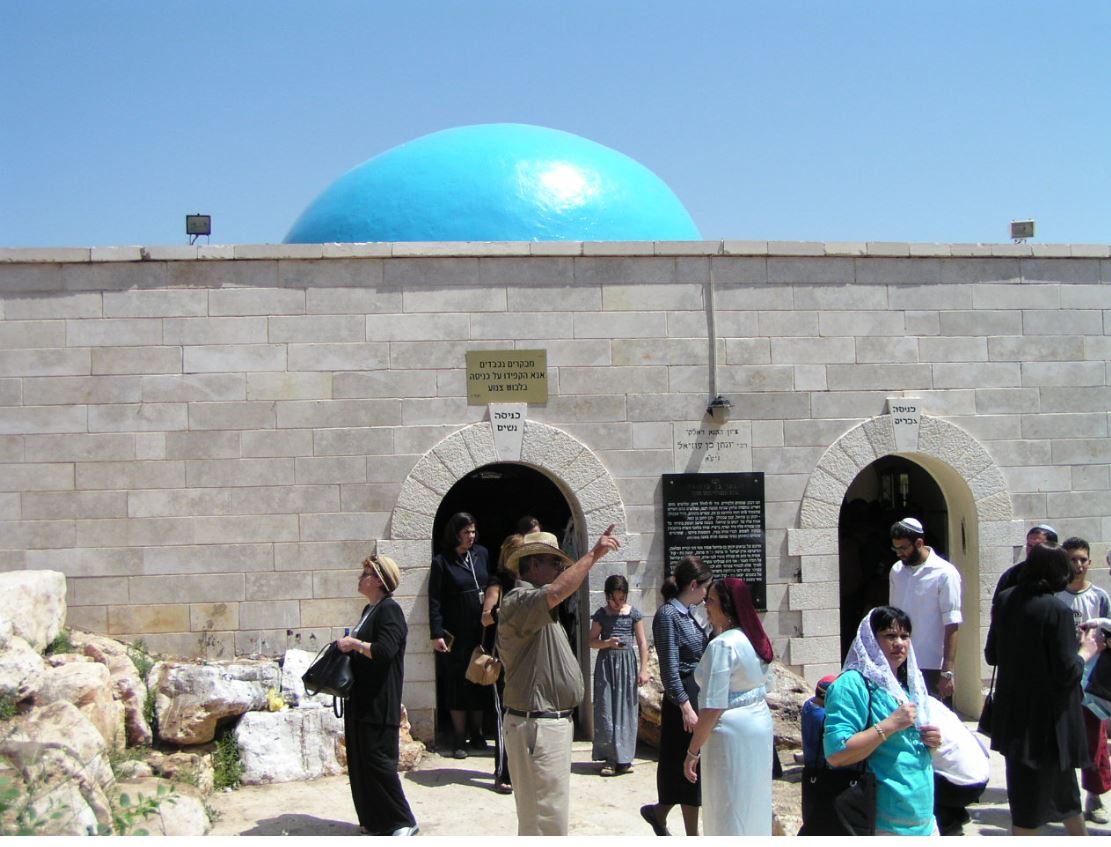
Another story is told of one who bypassed his sons and passed his inheritance to Yonatan ben Uziel who in turn returned a third of it to the sons. Shamai attacks him for doing it but he proves to Shamai that he was correct.

Today’s daily daf tools:

Bava Batra 133

אֲמַר לֵיהּ רַב כָּהֲנָא: אִילּוּ הָדַר קָנֵי, מִי לָא שָׁקְלָא? וְכֵיוָן דְּאִילּוּ הָדַר קָנֵי – שָׁקְלָא, הַשְׁתָּא נָמֵי שָׁקְלָא.

Rav Kahana said to him: If the husband had then acquired other property, would she not have taken it as payment of her marriage contract? And since if he would have then acquired other property she would have taken it as payment of her marriage contract, now she also takes the deceased daughter’s share as payment of her marriage contract.

הַהוּא דְּפַלְגִינְהוּ לְנִכְסֵיהּ לְאִתְּתֵיהּ וְלִבְנֵיהּ, שַׁיַּיר חַד דִּיקְלָא. סְבַר רָבִינָא לְמֵימַר: לֵית לַהּ אֶלָּא חַד דִּיקְלָא. אֲמַר לֵיהּ רַב יֵימַר לְרָבִינָא: אִי לֵית לַהּ, חַד דִּיקְלָא נָמֵי לֵית לַהּ! אֶלָּא מִיגּוֹ דְּנָחֲתָא לְדִיקְלָא, נָחֲתָא נָמֵי לְכוּלְּהוּ נִכְסֵי.

There was a certain person who divided his property between his wife and his son, leaving out a single palm tree. Ravina thought to say that the wife has only the single palm tree as future payment of her marriage contract, which was presumably left out of the distribution for this reason. Rav Yeimar said to Ravina: If she does not have the right to collect payment of her marriage contract from all of his property, as she presumably waived that right when he gave her the gift of some of his property, she does not have the right to collect it from the single palm tree either and it belongs to the heirs. Rav Yeimar presents a different ruling: Rather, since the halakha is that she does descend to collect the palm tree, she therefore descends to collect all of the property as well, i.e., she receives payment of her marriage contract from all the property.

אָמַר רַב הוּנָא: שְׁכִיב מְרַע שֶׁכָּתַב כׇּל נְכָסָיו לְאַחֵר – רוֹאִין; אִם רָאוּי לְיוֹרְשׁוֹ – נוֹטְלָן מִשּׁוּם יְרוּשָּׁה, וְאִם לָאו – נוֹטְלָן מִשּׁוּם מַתָּנָה.

§ Rav Huna says: With regard to a person on his deathbed who wrote a document granting all his property to another, the court investigates the legal status of the recipient: If he is fit to inherit from him, e.g., if he is one of his sons, he takes the property as an inheritance, and if not, he takes it as a gift.

אֲמַר לֵיהּ רַב נַחְמָן: גַּנָּבָא גַּנּוֹבֵי לְמָה לָךְ? אִי סְבִירָא לָךְ כְּרַבִּי יוֹחָנָן בֶּן בְּרוֹקָה, אֵימָא: ״הֲלָכָה כְּרַבִּי יוֹחָנָן בֶּן בְּרוֹקָה״ – דְּהָא שְׁמַעְתְּתָיךְ כְּרַבִּי יוֹחָנָן בֶּן בְּרוֹקָה הוּא דְּאָזְלָא!

Rav Naḥman said to him: Why should you steal this halakha and not attribute it to its source? If you hold in accordance with the opinion of Rabbi Yoḥanan ben Beroka, say explicitly that the halakha is in accordance with the opinion of Rabbi Yoḥanan ben Beroka, as your halakhic statement follows the opinion of Rabbi Yoḥanan ben Beroka that a person can bequeath his property to any of his heirs.

דִּלְמָא כִּי הָא קָאָמְרַתְּ – דְּהָהוּא דַּהֲוָה קָא שָׁכֵיב, וַאֲמַרוּ לֵיהּ: נִכְסֵיהּ לְמַאן, דִּלְמָא לִפְלָנְיָא? וַאֲמַר לְהוּ: אֶלָּא לְמַאן? וַאֲמַרְתְּ לַן עֲלַהּ: אִם רָאוּי לְיוֹרְשׁוֹ – נוֹטְלָן מִשּׁוּם יְרוּשָּׁה, וְאִם לָאו – נוֹטְלָן מִשּׁוּם מַתָּנָה. אָמַר לֵיהּ: אִין, הָכִי קָאָמֵינָא.

Perhaps this is what you meant to say: There was a certain childless person who was dying, and those around him said to him: To whom should his, i.e., your, property be given? Perhaps it should be given to so-and-so? And he said to them: Rather, to whom if not him? And you, Rav Huna, meant to say to us: If that person is fit to inherit from him, he takes it as an inheritance, and if not, he takes it as a gift. Rav Huna said to him: Yes, that is what I was saying.

לְמַאי הִלְכְתָא? סָבַר רַב אַדָּא בַּר אַהֲבָה קַמֵּיהּ דְּרָבָא לְמֵימַר: אִם רָאוּי לְיוֹרְשׁוֹ – אַלְמְנָתוֹ נִזּוֹנֶית מִנְּכָסָיו, וְאִם לָאו – אֵין אַלְמְנָתוֹ נִזּוֹנֶית מִנְּכָסָיו.

The Gemara asks: With regard to what halakha is there a difference whether he receives it as an inheritance or as a gift? Rav Adda bar Ahava, who was in the presence of Rava, thought that it would be correct to say: If he is fit to inherit from him, the giver’s widow is sustained from his property, as she has the right to be sustained from the inheritance; and if not, and the property was given as a gift, his widow is not sustained from his property.

אֲמַר לֵיהּ רָבָא: מִיגְרָע גָּרְעָא?! הַשְׁתָּא בִּירוּשָׁה – דְּאוֹרָיְיתָא, אָמְרַתְּ אַלְמְנָתוֹ נִזּוֹנֶית מִנְּכָסָיו; בְּמַתָּנָה – דְּרַבָּנַן, לֹא כׇּל שֶׁכֵּן?!

Rava said to him: Can the widow’s right be diminished by the gift? Now that you say with regard to inheritance, which is granted by Torah law, that his widow is sustained from his property, with regard to the gift of a person on his deathbed, which is effective without any formal act of acquisition by rabbinic law, all the more so is it not clear that the widow has sustenance rights?

אֶלָּא אָמַר רָבָא, כְּדִשְׁלַח רַב אַחָא בַּר רַב עַוְיָא: לְדִבְרֵי רַבִּי יוֹחָנָן בֶּן בְּרוֹקָה, ״נְכָסַי לְךָ, וְאַחֲרֶיךָ לִפְלוֹנִי״, אִם הָיָה רִאשׁוֹן רָאוּי לְיוֹרְשׁוֹ – אֵין לַשֵּׁנִי בִּמְקוֹם רִאשׁוֹן כְּלוּם; שֶׁאֵין לְשׁוֹן מַתָּנָה אֶלָּא לְשׁוֹן יְרוּשָּׁה, וִירוּשָּׁה אֵין לָהּ הֶפְסֵק.

Rather, Rava said that the difference whether it is inheritance or a gift is in accordance with the ruling that Rav Aḥa bar Rav Avya sent: According to the statement of Rabbi Yoḥanan ben Beroka, in the case of one who said: My property is given to you, and after you to so-and-so, and the first recipient was fit to inherit from him, the second gets nothing in place of the first, i.e., he does not receive the property after the first one dies, as this formulation employed by the owner was not one of a gift. Rather, it was a formulation of inheritance, and inheritance has no end, i.e., it cannot be stopped. Therefore, since the first recipient acquired it as an inheritance, his heirs inherit it from him, and it cannot be taken by the second.

אֲמַר לֵיהּ רָבָא לְרַב נַחְמָן: וְהָא אַפְסְקַהּ! הוּא סָבַר – יֵשׁ לָהּ הֶפְסֵק, וְרַחֲמָנָא אָמַר: אֵין לָהּ הֶפְסֵק.

Rava said to Rav Naḥman: But he ended it. The one who bequeathed it to him ended his inheritance in advance by stating that after the first dies, the property will be given to the second. The Gemara answers: He thought that inheritance has an end; but the Merciful One states that it has no end.

הָהוּא דַּאֲמַר לֵיהּ לְחַבְרֵיהּ: ״נְכָסַי לְךָ, וְאַחֲרֶיךָ לִפְלוֹנִי״, וְרִאשׁוֹן רָאוּי לְיוֹרְשׁוֹ הֲוָה. שָׁכֵיב רִאשׁוֹן, אֲתָא שֵׁנִי קָא תָבַע.

There was a certain person who said to another: My property is given to you, and after you, to so-and-so, and the first one was fit to inherit from him. After the first died, the second came and claimed the property.

סְבַר רַב עִילִישׁ קַמֵּיהּ דְּרָבָא לְמֵימַר: שֵׁנִי נָמֵי שָׁקֵיל. אֲמַר לֵיהּ: דַּיָּינֵי דַחֲצַצְתָּא הָכִי דָּיְינִי! לָאו הַיְינוּ דִּשְׁלַח רַב אַחָא בַּר רַב עַוְיָא?

Rav Ilish, who was in the presence of Rava, thought to say that the second also takes a share of the property; he divides it with the heirs of the first. Rava said to him: Judges of compromise, who as a matter of course divide disputed property between the parties, rule in this manner. But isn’t this identical to the case concerning which Rav Aḥa bar Rav Avya sent a ruling that the second receives nothing?

אִכְּסִיף. קָרֵי עֲלֵיהּ ״אֲנִי ה׳ בְּעִתָּהּ אֲחִישֶׁנָּה״.

Rav Ilish was embarrassed by his mistake. To comfort him, Rav read the following verse about him: “I, the Lord, will hasten it in its time” (Isaiah 60:22), as if to say: It was due to Divine Providence that I was here to correct you before your mistaken ruling was implemented.

מַתְנִי׳ הַכּוֹתֵב אֶת נְכָסָיו לַאֲחֵרִים וְהִנִּיחַ אֶת בָּנָיו – מַה שֶּׁעָשָׂה עָשׂוּי, אֶלָּא אֵין רוּחַ חֲכָמִים נוֹחָה הֵימֶנּוּ. רַבָּן שִׁמְעוֹן בֶּן גַּמְלִיאֵל אוֹמֵר: אִם לֹא הָיוּ בָּנָיו נוֹהֲגִים כַּשּׁוּרָה – זָכוּר לַטּוֹב.

MISHNA: With regard to one who wrote a document granting his property to others as a gift and left his sons with nothing, what he did is done, i.e., it takes effect; but the Sages are displeased with him. Rabban Shimon ben Gamliel says: If he did so because his sons were not acting properly, he is remembered positively.

גְּמָ׳ אִיבַּעְיָא לְהוּ: מִי פְּלִיגִי רַבָּנַן עֲלֵיהּ דְּרַבָּן שִׁמְעוֹן בֶּן גַּמְלִיאֵל, אוֹ לָא?

GEMARA: A dilemma was raised before the Sages: Do the Rabbis disagree with Rabban Shimon ben Gamliel, maintaining that depriving one’s children of their inheritance is inappropriate in any event, or not?

תָּא שְׁמַע: דְּיוֹסֵף בֶּן יוֹעֶזֶר הָיָה לוֹ בֵּן שֶׁלֹּא הָיָה נוֹהֵג כַּשּׁוּרָה. הֲוָה לֵיהּ עִילִּיתָא דְּדִינָרֵי, קָם אַקְדְּשַׁהּ. אֲזַל נְסֵיב בַּת גָּאדֵיל כְּלִילֵי דְּיַנַּאי מַלְכָּא. אוֹלִידָה דְּבֵיתְהוּ, זַבֵּין לַהּ בִּינִיתָא. קַרְעַהּ, אַשְׁכַּח בָּהּ מַרְגָּלִיתָא.

The Gemara suggests: Come and hear, as Yosef ben Yo’ezer had a son who was not acting properly. Yosef ben Yo’ezer had a vessel [illiyyata] full of dinars, and he arose and consecrated it to the Temple treasury, depriving his son of his inheritance. His son went and married the daughter of King Yannai’s crown weaver. After the son’s wife gave birth, he bought her a fish [binita]. He tore its stomach open and found a pearl in it. He decided to sell it.

אֲמַרָה לֵיהּ: לָא תַּמְטְיַיהּ לְמַלְכָּא, דְּשָׁקְלִי לַהּ מִינָּךְ בִּדְמֵי קַלִּילֵי; זִיל אַמְטְיַיהּ לְגַבֵּי גִּזְבָּרֵי. וְלָא תְּשַׁיְּימַהּ אַתְּ, דַּאֲמִירָתוֹ לְגָבוֹהַּ כִּמְסִירָתוֹ לְהֶדְיוֹט, אֶלָּא לְשַׁיְּימוּהָ אִינְהוּ.

His wife said to him: Do not bring it to the treasury of the king to sell it, as they will take it from you for an insignificant sum of money. Rather, go bring it to the Temple treasurers. And do not appraise it yourself, as declaration to the Most High is equivalent to transfer to an ordinary person, and if you offer to sell it for an amount less than its worth, you will not be able to change your mind. Rather, let them appraise it.

אַמְטְיַיהּ, שָׁמוּהָ בִּתְלֵיסְרֵי עִלִּיָּאתָא דְּדִינָרֵי. אָמְרִי לֵיהּ: שְׁבַע אִיכָּא, שֵׁית לֵיכָּא. אֲמַר לְהוּ: שְׁבַע הַבוּ לִי, שֵׁית הֲרֵי הֵן מוּקְדָּשׁוֹת לַשָּׁמַיִם.

He brought it to the Temple treasury, and they appraised it as having the value of thirteen vessels [illiyyata] full of dinars. The treasurers said to him: There are seven illiyyata of dinars at our disposal to pay you for the pearl, but there are not an additional six. He said to the treasurers: Give me the seven in exchange for the pearl, and as for the additional six that you owe me, they are hereby consecrated to Heaven.

עָמְדוּ וְכָתְבוּ: יוֹסֵף בֶּן יוֹעֶזֶר הִכְנִיס אַחַת, וּבְנוֹ הִכְנִיס שֵׁשׁ. וְאִיכָּא דְּאָמְרִי: יוֹסֵף בֶּן יוֹעֶזֶר הִכְנִיס אַחַת, וּבְנוֹ הוֹצִיא שֶׁבַע.

The treasurers arose and wrote: Yosef ben Yo’ezer bestowed one illiyyata to the Temple treasury, and his son bestowed six. And there are those who say that they wrote: Yosef ben Yo’ezer bestowed one illiyyata to the Temple treasury, and his son removed seven, which he received for the pearl.

מִדְּקָא אָמְרִי ״הִכְנִיס״, מִכְּלָל דְּשַׁפִּיר עֲבַד! אַדְּרַבָּה, מִדְּקָא אָמְרִי ״הוֹצִיא״, מִכְּלָל דְּלָאו שַׁפִּיר עֲבַד! אֶלָּא מֵהָא לֵיכָּא לְמִשְׁמַע מִינַּהּ.

The Gemara infers: From the fact that they said approvingly that Yosef ben Yo’ezer’s son bestowed six, by inference, he acted well when he left him out of his inheritance. The Gemara responds: On the contrary; from the fact that according to the second account, they said disparagingly that he removed seven, by inference, Yosef ben Yo’ezer did not act well when he left him out of his inheritance, as he caused money to be removed from the Temple treasury. Rather, no inference is to be learned from this story with regard to the dilemma as to whether the Rabbis agree with the opinion of Rabban Shimon ben Gamliel, as the two accounts contradict each other on this matter.

מַאי הָוֵי עֲלַהּ? תָּא שְׁמַע, דַּאֲמַר לֵיהּ שְׁמוּאֵל לְרַב יְהוּדָה: שִׁינָּנָא, לָא תְּיהַוֵּי בֵּי עַבּוֹרֵי אַחְסָנְתָּא; וַאֲפִילּוּ מִבְּרָא בִּישָׁא לִבְרָא טָבָא, וְכׇל שֶׁכֵּן מִבְּרָא לְבַרְתָּא.

The Gemara asks: What halakhic conclusion was reached about this matter? Come and hear, as Shmuel said to Rav Yehuda: Shinnana, do not be in a house where inheritance is transferred away from its rightful heir, even if it is transferred from a wicked son to a good son, and all the more so if it is transferred from a son to a daughter. Evidently, the Rabbis hold that inheritance should not be transferred in any case.

תָּנוּ רַבָּנַן: מַעֲשֶׂה בְּאָדָם אֶחָד שֶׁלֹּא הָיוּ בָּנָיו נוֹהֲגִין כַּשּׁוּרָה, עָמַד וְכָתַב נְכָסָיו לְיוֹנָתָן בֶּן עוּזִּיאֵל. מָה עָשָׂה יוֹנָתָן בֶּן עוּזִּיאֵל? מָכַר שְׁלִישׁ, וְהִקְדִּישׁ שְׁלִישׁ, וְהֶחֱזִיר לְבָנָיו שְׁלִישׁ.

§ The Sages taught: There was an incident involving one man whose children did not act properly. He arose and wrote a document transferring all his property to Yonatan ben Uzziel, one of the Sages, as a gift. What did Yonatan ben Uzziel do? He sold a third of the property for his needs, and consecrated a third of the property, and returned the remaining third to the man’s children.

בָּא עָלָיו שַׁמַּאי בְּמַקְלוֹ וְתַרְמִילוֹ. אָמַר לוֹ: שַׁמַּאי, אִם אַתָּה יָכוֹל לְהוֹצִיא אֶת מַה שֶּׁמָּכַרְתִּי וּמַה שֶּׁהִקְדַּשְׁתִּי – אַתָּה יָכוֹל לְהוֹצִיא מַה שֶּׁהֶחְזַרְתִּי,

Shammai came to Yonatan ben Uzziel with his staff and traveling bag to protest his giving part of the property to the man’s children against the deceased’s wishes. Yonatan ben Uzziel said to him: Shammai, if you can repossess the property that I sold from the purchasers and the property that I consecrated from the Temple treasury, you can repossess what I returned to the man’s children as well;

Today’s daily daf tools:

Delve Deeper

Broaden your understanding of the topics on this daf with classes and podcasts from top women Talmud scholars.

For the Beyond the Daf shiurim offered in Hebrew, see here.

New to Talmud?

Check out our resources designed to help you navigate a page of Talmud – and study at the pace, level and style that fits you. 

The Hadran Women’s Tapestry

Meet the diverse women learning Gemara at Hadran and hear their stories. 

I began daf yomi in January 2020 with Brachot. I had made aliya 6 months before, and one of my post-aliya goals was to complete a full cycle. As a life-long Tanach teacher, I wanted to swim from one side of the Yam shel Torah to the other. Daf yomi was also my sanity through COVID. It was the way to marking the progression of time, and feel that I could grow and accomplish while time stopped.

Leah Herzog
Leah Herzog

Givat Zev, Israel

I am grateful for the structure of the Daf Yomi. When I am freer to learn to my heart’s content, I learn other passages in addition. But even in times of difficulty, I always know that I can rely on the structure and social support of Daf Yomi learners all over the world.

I am also grateful for this forum. It is very helpful to learn with a group of enthusiastic and committed women.

Janice Block-2
Janice Block

Beit Shemesh, Israel

I start learning Daf Yomi in January 2020. The daily learning with Rabbanit Michelle has kept me grounded in this very uncertain time. Despite everything going on – the Pandemic, my personal life, climate change, war, etc… I know I can count on Hadran’s podcast to bring a smile to my face.
Deb Engel
Deb Engel

Los Angeles, United States

In January 2020 on a Shabbaton to Baltimore I heard about the new cycle of Daf Yomi after the siyum celebration in NYC stadium. I started to read “ a daily dose of Talmud “ and really enjoyed it . It led me to google “ do Orthodox women study Talmud? “ and found HADRAN! Since then I listen to the podcast every morning, participate in classes and siyum. I love to learn, this is amazing! Thank you

Sandrine Simons
Sandrine Simons

Atlanta, United States

I began my journey with Rabbanit Michelle more than five years ago. My friend came up with a great idea for about 15 of us to learn the daf and one of us would summarize weekly what we learned.
It was fun but after 2-3 months people began to leave. I have continued. Since the cycle began Again I have joined the Teaneck women.. I find it most rewarding in so many ways. Thank you

Dena Heller
Dena Heller

New Jersey, United States

After being so inspired by the siyum shas two years ago, I began tentatively learning daf yomi, like Rabbanut Michelle kept saying – taking one daf at a time. I’m still taking it one daf at a time, one masechet at a time, but I’m loving it and am still so inspired by Rabbanit Michelle and the Hadran community, and yes – I am proud to be finishing Seder Mo’ed.

Caroline Graham-Ofstein

Bet Shemesh, Israel

I started learning on January 5, 2020. When I complete the 7+ year cycle I will be 70 years old. I had been intimidated by those who said that I needed to study Talmud in a traditional way with a chevruta, but I decided the learning was more important to me than the method. Thankful for Daf Yomi for Women helping me catch up when I fall behind, and also being able to celebrate with each Siyum!

Pamela Elisheva
Pamela Elisheva

Bakersfield, United States

At almost 70 I am just beginning my journey with Talmud and Hadran. I began not late, but right when I was called to learn. It is never too late to begin! The understanding patience of staff and participants with more experience and knowledge has been fabulous. The joy of learning never stops and for me. It is a new life, a new light, a new depth of love of The Holy One, Blessed be He.
Deborah Hoffman-Wade

Richmond, CA, United States

In early January of 2020, I learned about Siyyum HaShas and Daf Yomi via Tablet Magazine’s brief daily podcast about the Daf. I found it compelling and fascinating. Soon I discovered Hadran; since then I have learned the Daf daily with Rabbanit Michelle Cohen Farber. The Daf has permeated my every hour, and has transformed and magnified my place within the Jewish Universe.

Lisa Berkelhammer
Lisa Berkelhammer

San Francisco, CA , United States

I began my Daf Yomi journey on January 5, 2020. I had never learned Talmud before. Initially it struck me as a bunch of inane and arcane details with mind bending logic. I am now smitten. Rabbanit Farber brings the page to life and I am eager to learn with her every day!

Lori Stark
Lori Stark

Highland Park, United States

When we heard that R. Michelle was starting daf yomi, my 11-year-old suggested that I go. Little did she know that she would lose me every morning from then on. I remember standing at the Farbers’ door, almost too shy to enter. After that first class, I said that I would come the next day but couldn’t commit to more. A decade later, I still look forward to learning from R. Michelle every morning.

Ruth Leah Kahan
Ruth Leah Kahan

Ra’anana, Israel

3 years ago, I joined Rabbanit Michelle to organize the unprecedented Siyum HaShas event in Jerusalem for thousands of women. The whole experience was so inspiring that I decided then to start learning the daf and see how I would go…. and I’m still at it. I often listen to the Daf on my bike in mornings, surrounded by both the external & the internal beauty of Eretz Yisrael & Am Yisrael!

Lisa Kolodny
Lisa Kolodny

Raanana, Israel

תמיד רציתי. למדתי גמרא בבית ספר בטורונטו קנדה. עליתי ארצה ולמדתי שזה לא מקובל. הופתעתי.
יצאתי לגימלאות לפני שנתיים וזה מאפשר את המחוייבות לדף יומי.
עבורי ההתמדה בלימוד מעגן אותי בקשר שלי ליהדות. אני תמיד מחפשת ותמיד. מוצאת מקור לקשר. ללימוד חדש ומחדש. קשר עם נשים לומדות מעמיק את החוויה ומשמעותית מאוד.

Vitti Kones
Vitti Kones

מיתר, ישראל

I began to learn this cycle of Daf Yomi after my husband passed away 2 1/2 years ago. It seemed a good way to connect to him. Even though I don’t know whether he would have encouraged women learning Gemara, it would have opened wonderful conversations. It also gives me more depth for understanding my frum children and grandchildren. Thank you Hadran and Rabbanit Michelle Farber!!

Harriet Hartman
Harriet Hartman

Tzur Hadassah, Israel

I began my journey with Rabbanit Michelle more than five years ago. My friend came up with a great idea for about 15 of us to learn the daf and one of us would summarize weekly what we learned.
It was fun but after 2-3 months people began to leave. I have continued. Since the cycle began Again I have joined the Teaneck women.. I find it most rewarding in so many ways. Thank you

Dena Heller
Dena Heller

New Jersey, United States

I had tried to start after being inspired by the hadran siyum, but did not manage to stick to it. However, just before masechet taanit, our rav wrote a message to the shul WhatsApp encouraging people to start with masechet taanit, so I did! And this time, I’m hooked! I listen to the shiur every day , and am also trying to improve my skills.

Laura Major
Laura Major

Yad Binyamin, Israel

I started learning with rabbis. I needed to know more than the stories. My first teacher to show me “the way of the Talmud” as well as the stories was Samara Schwartz.
Michelle Farber started the new cycle 2 yrs ago and I jumped on for the ride.
I do not look back.

Jenifer Nech
Jenifer Nech

Houston, United States

Inspired by Hadran’s first Siyum ha Shas L’Nashim two years ago, I began daf yomi right after for the next cycle. As to this extraordinary journey together with Hadran..as TS Eliot wrote “We must not cease from exploration and the end of all our exploring will be to arrive where we began and to know the place for the first time.

Susan Handelman
Susan Handelman

Jerusalem, Israel

I graduated college in December 2019 and received a set of shas as a present from my husband. With my long time dream of learning daf yomi, I had no idea that a new cycle was beginning just one month later, in January 2020. I have been learning the daf ever since with Michelle Farber… Through grad school, my first job, my first baby, and all the other incredible journeys over the past few years!
Sigal Spitzer Flamholz

Bronx, United States

I began learning with Rabbanit Michelle’s wonderful Talmud Skills class on Pesachim, which really enriched my Pesach seder, and I have been learning Daf Yomi off and on over the past year. Because I’m relatively new at this, there is a “chiddush” for me every time I learn, and the knowledge and insights of the group members add so much to my experience. I feel very lucky to be a part of this.

Julie-Landau-Photo
Julie Landau

Karmiel, Israel

Bava Batra 133

אֲמַר לֵיהּ רַב כָּהֲנָא: אִילּוּ הָדַר קָנֵי, מִי לָא שָׁקְלָא? וְכֵיוָן דְּאִילּוּ הָדַר קָנֵי – שָׁקְלָא, הַשְׁתָּא נָמֵי שָׁקְלָא.

Rav Kahana said to him: If the husband had then acquired other property, would she not have taken it as payment of her marriage contract? And since if he would have then acquired other property she would have taken it as payment of her marriage contract, now she also takes the deceased daughter’s share as payment of her marriage contract.

הַהוּא דְּפַלְגִינְהוּ לְנִכְסֵיהּ לְאִתְּתֵיהּ וְלִבְנֵיהּ, שַׁיַּיר חַד דִּיקְלָא. סְבַר רָבִינָא לְמֵימַר: לֵית לַהּ אֶלָּא חַד דִּיקְלָא. אֲמַר לֵיהּ רַב יֵימַר לְרָבִינָא: אִי לֵית לַהּ, חַד דִּיקְלָא נָמֵי לֵית לַהּ! אֶלָּא מִיגּוֹ דְּנָחֲתָא לְדִיקְלָא, נָחֲתָא נָמֵי לְכוּלְּהוּ נִכְסֵי.

There was a certain person who divided his property between his wife and his son, leaving out a single palm tree. Ravina thought to say that the wife has only the single palm tree as future payment of her marriage contract, which was presumably left out of the distribution for this reason. Rav Yeimar said to Ravina: If she does not have the right to collect payment of her marriage contract from all of his property, as she presumably waived that right when he gave her the gift of some of his property, she does not have the right to collect it from the single palm tree either and it belongs to the heirs. Rav Yeimar presents a different ruling: Rather, since the halakha is that she does descend to collect the palm tree, she therefore descends to collect all of the property as well, i.e., she receives payment of her marriage contract from all the property.

אָמַר רַב הוּנָא: שְׁכִיב מְרַע שֶׁכָּתַב כׇּל נְכָסָיו לְאַחֵר – רוֹאִין; אִם רָאוּי לְיוֹרְשׁוֹ – נוֹטְלָן מִשּׁוּם יְרוּשָּׁה, וְאִם לָאו – נוֹטְלָן מִשּׁוּם מַתָּנָה.

§ Rav Huna says: With regard to a person on his deathbed who wrote a document granting all his property to another, the court investigates the legal status of the recipient: If he is fit to inherit from him, e.g., if he is one of his sons, he takes the property as an inheritance, and if not, he takes it as a gift.

אֲמַר לֵיהּ רַב נַחְמָן: גַּנָּבָא גַּנּוֹבֵי לְמָה לָךְ? אִי סְבִירָא לָךְ כְּרַבִּי יוֹחָנָן בֶּן בְּרוֹקָה, אֵימָא: ״הֲלָכָה כְּרַבִּי יוֹחָנָן בֶּן בְּרוֹקָה״ – דְּהָא שְׁמַעְתְּתָיךְ כְּרַבִּי יוֹחָנָן בֶּן בְּרוֹקָה הוּא דְּאָזְלָא!

Rav Naḥman said to him: Why should you steal this halakha and not attribute it to its source? If you hold in accordance with the opinion of Rabbi Yoḥanan ben Beroka, say explicitly that the halakha is in accordance with the opinion of Rabbi Yoḥanan ben Beroka, as your halakhic statement follows the opinion of Rabbi Yoḥanan ben Beroka that a person can bequeath his property to any of his heirs.

דִּלְמָא כִּי הָא קָאָמְרַתְּ – דְּהָהוּא דַּהֲוָה קָא שָׁכֵיב, וַאֲמַרוּ לֵיהּ: נִכְסֵיהּ לְמַאן, דִּלְמָא לִפְלָנְיָא? וַאֲמַר לְהוּ: אֶלָּא לְמַאן? וַאֲמַרְתְּ לַן עֲלַהּ: אִם רָאוּי לְיוֹרְשׁוֹ – נוֹטְלָן מִשּׁוּם יְרוּשָּׁה, וְאִם לָאו – נוֹטְלָן מִשּׁוּם מַתָּנָה. אָמַר לֵיהּ: אִין, הָכִי קָאָמֵינָא.

Perhaps this is what you meant to say: There was a certain childless person who was dying, and those around him said to him: To whom should his, i.e., your, property be given? Perhaps it should be given to so-and-so? And he said to them: Rather, to whom if not him? And you, Rav Huna, meant to say to us: If that person is fit to inherit from him, he takes it as an inheritance, and if not, he takes it as a gift. Rav Huna said to him: Yes, that is what I was saying.

לְמַאי הִלְכְתָא? סָבַר רַב אַדָּא בַּר אַהֲבָה קַמֵּיהּ דְּרָבָא לְמֵימַר: אִם רָאוּי לְיוֹרְשׁוֹ – אַלְמְנָתוֹ נִזּוֹנֶית מִנְּכָסָיו, וְאִם לָאו – אֵין אַלְמְנָתוֹ נִזּוֹנֶית מִנְּכָסָיו.

The Gemara asks: With regard to what halakha is there a difference whether he receives it as an inheritance or as a gift? Rav Adda bar Ahava, who was in the presence of Rava, thought that it would be correct to say: If he is fit to inherit from him, the giver’s widow is sustained from his property, as she has the right to be sustained from the inheritance; and if not, and the property was given as a gift, his widow is not sustained from his property.

אֲמַר לֵיהּ רָבָא: מִיגְרָע גָּרְעָא?! הַשְׁתָּא בִּירוּשָׁה – דְּאוֹרָיְיתָא, אָמְרַתְּ אַלְמְנָתוֹ נִזּוֹנֶית מִנְּכָסָיו; בְּמַתָּנָה – דְּרַבָּנַן, לֹא כׇּל שֶׁכֵּן?!

Rava said to him: Can the widow’s right be diminished by the gift? Now that you say with regard to inheritance, which is granted by Torah law, that his widow is sustained from his property, with regard to the gift of a person on his deathbed, which is effective without any formal act of acquisition by rabbinic law, all the more so is it not clear that the widow has sustenance rights?

אֶלָּא אָמַר רָבָא, כְּדִשְׁלַח רַב אַחָא בַּר רַב עַוְיָא: לְדִבְרֵי רַבִּי יוֹחָנָן בֶּן בְּרוֹקָה, ״נְכָסַי לְךָ, וְאַחֲרֶיךָ לִפְלוֹנִי״, אִם הָיָה רִאשׁוֹן רָאוּי לְיוֹרְשׁוֹ – אֵין לַשֵּׁנִי בִּמְקוֹם רִאשׁוֹן כְּלוּם; שֶׁאֵין לְשׁוֹן מַתָּנָה אֶלָּא לְשׁוֹן יְרוּשָּׁה, וִירוּשָּׁה אֵין לָהּ הֶפְסֵק.

Rather, Rava said that the difference whether it is inheritance or a gift is in accordance with the ruling that Rav Aḥa bar Rav Avya sent: According to the statement of Rabbi Yoḥanan ben Beroka, in the case of one who said: My property is given to you, and after you to so-and-so, and the first recipient was fit to inherit from him, the second gets nothing in place of the first, i.e., he does not receive the property after the first one dies, as this formulation employed by the owner was not one of a gift. Rather, it was a formulation of inheritance, and inheritance has no end, i.e., it cannot be stopped. Therefore, since the first recipient acquired it as an inheritance, his heirs inherit it from him, and it cannot be taken by the second.

אֲמַר לֵיהּ רָבָא לְרַב נַחְמָן: וְהָא אַפְסְקַהּ! הוּא סָבַר – יֵשׁ לָהּ הֶפְסֵק, וְרַחֲמָנָא אָמַר: אֵין לָהּ הֶפְסֵק.

Rava said to Rav Naḥman: But he ended it. The one who bequeathed it to him ended his inheritance in advance by stating that after the first dies, the property will be given to the second. The Gemara answers: He thought that inheritance has an end; but the Merciful One states that it has no end.

הָהוּא דַּאֲמַר לֵיהּ לְחַבְרֵיהּ: ״נְכָסַי לְךָ, וְאַחֲרֶיךָ לִפְלוֹנִי״, וְרִאשׁוֹן רָאוּי לְיוֹרְשׁוֹ הֲוָה. שָׁכֵיב רִאשׁוֹן, אֲתָא שֵׁנִי קָא תָבַע.

There was a certain person who said to another: My property is given to you, and after you, to so-and-so, and the first one was fit to inherit from him. After the first died, the second came and claimed the property.

סְבַר רַב עִילִישׁ קַמֵּיהּ דְּרָבָא לְמֵימַר: שֵׁנִי נָמֵי שָׁקֵיל. אֲמַר לֵיהּ: דַּיָּינֵי דַחֲצַצְתָּא הָכִי דָּיְינִי! לָאו הַיְינוּ דִּשְׁלַח רַב אַחָא בַּר רַב עַוְיָא?

Rav Ilish, who was in the presence of Rava, thought to say that the second also takes a share of the property; he divides it with the heirs of the first. Rava said to him: Judges of compromise, who as a matter of course divide disputed property between the parties, rule in this manner. But isn’t this identical to the case concerning which Rav Aḥa bar Rav Avya sent a ruling that the second receives nothing?

אִכְּסִיף. קָרֵי עֲלֵיהּ ״אֲנִי ה׳ בְּעִתָּהּ אֲחִישֶׁנָּה״.

Rav Ilish was embarrassed by his mistake. To comfort him, Rav read the following verse about him: “I, the Lord, will hasten it in its time” (Isaiah 60:22), as if to say: It was due to Divine Providence that I was here to correct you before your mistaken ruling was implemented.

מַתְנִי׳ הַכּוֹתֵב אֶת נְכָסָיו לַאֲחֵרִים וְהִנִּיחַ אֶת בָּנָיו – מַה שֶּׁעָשָׂה עָשׂוּי, אֶלָּא אֵין רוּחַ חֲכָמִים נוֹחָה הֵימֶנּוּ. רַבָּן שִׁמְעוֹן בֶּן גַּמְלִיאֵל אוֹמֵר: אִם לֹא הָיוּ בָּנָיו נוֹהֲגִים כַּשּׁוּרָה – זָכוּר לַטּוֹב.

MISHNA: With regard to one who wrote a document granting his property to others as a gift and left his sons with nothing, what he did is done, i.e., it takes effect; but the Sages are displeased with him. Rabban Shimon ben Gamliel says: If he did so because his sons were not acting properly, he is remembered positively.

גְּמָ׳ אִיבַּעְיָא לְהוּ: מִי פְּלִיגִי רַבָּנַן עֲלֵיהּ דְּרַבָּן שִׁמְעוֹן בֶּן גַּמְלִיאֵל, אוֹ לָא?

GEMARA: A dilemma was raised before the Sages: Do the Rabbis disagree with Rabban Shimon ben Gamliel, maintaining that depriving one’s children of their inheritance is inappropriate in any event, or not?

תָּא שְׁמַע: דְּיוֹסֵף בֶּן יוֹעֶזֶר הָיָה לוֹ בֵּן שֶׁלֹּא הָיָה נוֹהֵג כַּשּׁוּרָה. הֲוָה לֵיהּ עִילִּיתָא דְּדִינָרֵי, קָם אַקְדְּשַׁהּ. אֲזַל נְסֵיב בַּת גָּאדֵיל כְּלִילֵי דְּיַנַּאי מַלְכָּא. אוֹלִידָה דְּבֵיתְהוּ, זַבֵּין לַהּ בִּינִיתָא. קַרְעַהּ, אַשְׁכַּח בָּהּ מַרְגָּלִיתָא.

The Gemara suggests: Come and hear, as Yosef ben Yo’ezer had a son who was not acting properly. Yosef ben Yo’ezer had a vessel [illiyyata] full of dinars, and he arose and consecrated it to the Temple treasury, depriving his son of his inheritance. His son went and married the daughter of King Yannai’s crown weaver. After the son’s wife gave birth, he bought her a fish [binita]. He tore its stomach open and found a pearl in it. He decided to sell it.

אֲמַרָה לֵיהּ: לָא תַּמְטְיַיהּ לְמַלְכָּא, דְּשָׁקְלִי לַהּ מִינָּךְ בִּדְמֵי קַלִּילֵי; זִיל אַמְטְיַיהּ לְגַבֵּי גִּזְבָּרֵי. וְלָא תְּשַׁיְּימַהּ אַתְּ, דַּאֲמִירָתוֹ לְגָבוֹהַּ כִּמְסִירָתוֹ לְהֶדְיוֹט, אֶלָּא לְשַׁיְּימוּהָ אִינְהוּ.

His wife said to him: Do not bring it to the treasury of the king to sell it, as they will take it from you for an insignificant sum of money. Rather, go bring it to the Temple treasurers. And do not appraise it yourself, as declaration to the Most High is equivalent to transfer to an ordinary person, and if you offer to sell it for an amount less than its worth, you will not be able to change your mind. Rather, let them appraise it.

אַמְטְיַיהּ, שָׁמוּהָ בִּתְלֵיסְרֵי עִלִּיָּאתָא דְּדִינָרֵי. אָמְרִי לֵיהּ: שְׁבַע אִיכָּא, שֵׁית לֵיכָּא. אֲמַר לְהוּ: שְׁבַע הַבוּ לִי, שֵׁית הֲרֵי הֵן מוּקְדָּשׁוֹת לַשָּׁמַיִם.

He brought it to the Temple treasury, and they appraised it as having the value of thirteen vessels [illiyyata] full of dinars. The treasurers said to him: There are seven illiyyata of dinars at our disposal to pay you for the pearl, but there are not an additional six. He said to the treasurers: Give me the seven in exchange for the pearl, and as for the additional six that you owe me, they are hereby consecrated to Heaven.

עָמְדוּ וְכָתְבוּ: יוֹסֵף בֶּן יוֹעֶזֶר הִכְנִיס אַחַת, וּבְנוֹ הִכְנִיס שֵׁשׁ. וְאִיכָּא דְּאָמְרִי: יוֹסֵף בֶּן יוֹעֶזֶר הִכְנִיס אַחַת, וּבְנוֹ הוֹצִיא שֶׁבַע.

The treasurers arose and wrote: Yosef ben Yo’ezer bestowed one illiyyata to the Temple treasury, and his son bestowed six. And there are those who say that they wrote: Yosef ben Yo’ezer bestowed one illiyyata to the Temple treasury, and his son removed seven, which he received for the pearl.

מִדְּקָא אָמְרִי ״הִכְנִיס״, מִכְּלָל דְּשַׁפִּיר עֲבַד! אַדְּרַבָּה, מִדְּקָא אָמְרִי ״הוֹצִיא״, מִכְּלָל דְּלָאו שַׁפִּיר עֲבַד! אֶלָּא מֵהָא לֵיכָּא לְמִשְׁמַע מִינַּהּ.

The Gemara infers: From the fact that they said approvingly that Yosef ben Yo’ezer’s son bestowed six, by inference, he acted well when he left him out of his inheritance. The Gemara responds: On the contrary; from the fact that according to the second account, they said disparagingly that he removed seven, by inference, Yosef ben Yo’ezer did not act well when he left him out of his inheritance, as he caused money to be removed from the Temple treasury. Rather, no inference is to be learned from this story with regard to the dilemma as to whether the Rabbis agree with the opinion of Rabban Shimon ben Gamliel, as the two accounts contradict each other on this matter.

מַאי הָוֵי עֲלַהּ? תָּא שְׁמַע, דַּאֲמַר לֵיהּ שְׁמוּאֵל לְרַב יְהוּדָה: שִׁינָּנָא, לָא תְּיהַוֵּי בֵּי עַבּוֹרֵי אַחְסָנְתָּא; וַאֲפִילּוּ מִבְּרָא בִּישָׁא לִבְרָא טָבָא, וְכׇל שֶׁכֵּן מִבְּרָא לְבַרְתָּא.

The Gemara asks: What halakhic conclusion was reached about this matter? Come and hear, as Shmuel said to Rav Yehuda: Shinnana, do not be in a house where inheritance is transferred away from its rightful heir, even if it is transferred from a wicked son to a good son, and all the more so if it is transferred from a son to a daughter. Evidently, the Rabbis hold that inheritance should not be transferred in any case.

תָּנוּ רַבָּנַן: מַעֲשֶׂה בְּאָדָם אֶחָד שֶׁלֹּא הָיוּ בָּנָיו נוֹהֲגִין כַּשּׁוּרָה, עָמַד וְכָתַב נְכָסָיו לְיוֹנָתָן בֶּן עוּזִּיאֵל. מָה עָשָׂה יוֹנָתָן בֶּן עוּזִּיאֵל? מָכַר שְׁלִישׁ, וְהִקְדִּישׁ שְׁלִישׁ, וְהֶחֱזִיר לְבָנָיו שְׁלִישׁ.

§ The Sages taught: There was an incident involving one man whose children did not act properly. He arose and wrote a document transferring all his property to Yonatan ben Uzziel, one of the Sages, as a gift. What did Yonatan ben Uzziel do? He sold a third of the property for his needs, and consecrated a third of the property, and returned the remaining third to the man’s children.

בָּא עָלָיו שַׁמַּאי בְּמַקְלוֹ וְתַרְמִילוֹ. אָמַר לוֹ: שַׁמַּאי, אִם אַתָּה יָכוֹל לְהוֹצִיא אֶת מַה שֶּׁמָּכַרְתִּי וּמַה שֶּׁהִקְדַּשְׁתִּי – אַתָּה יָכוֹל לְהוֹצִיא מַה שֶּׁהֶחְזַרְתִּי,

Shammai came to Yonatan ben Uzziel with his staff and traveling bag to protest his giving part of the property to the man’s children against the deceased’s wishes. Yonatan ben Uzziel said to him: Shammai, if you can repossess the property that I sold from the purchasers and the property that I consecrated from the Temple treasury, you can repossess what I returned to the man’s children as well;

Want to follow content and continue where you left off?

Create an account today to track your progress, mark what you’ve learned, and follow the shiurim that speak to you.

Clear all items from this list?

This will remove ALL the items in this section. You will lose any progress or history connected to them. This is irreversible.

Cancel
Yes, clear all

Are you sure you want to delete this item?

You will lose any progress or history connected to this item.

Cancel
Yes, delete