Search

Bava Batra 135

Want to dedicate learning? Get started here:

podcast placeholder

0:00
0:00


Summary

Two statements in the name of Rabbi Yochanan contradicted each other. In one he ruled that a husband is believed to say he divorced his wife and in the other, he is not believed. The resolution was that the former meant that we accept his statement regarding her status from this moment forward and the latter is retroactive. Despite this resolution, Rava was unwilling to rule using this principle in a case that was before him where a man said his wife was exempt from levirate marriage (and should be believed since he could have said he divorced her) and preferred to be stringent and require chalitza. In another case, where it was presumed the man had no brothers and as he was dying, he also said he had no brothers. Abaye was stringent as there were rumors that there were people far away who could testify that he had brothers. Even though in the case of a woman taken captive, Rabbi Chanina did not forbid her to her husband based on rumors that people far away could testify that she engaged in relations with her captors, Abaye distinguishes between that case and this one.

The Mishna brought a case where one brother claimed they had another brother, but the other brothers denied the claim. The Gemara establishes that the other brothers must have said “We don’t know if he is our brother,” meaning, their claim was one of uncertainty. This qualification is meant to explain why they receive an inheritance from that brother if they deny he is their brother. Can we learn from here regarding other cases where one has a confident claim (bari) and the other is unsure (shema), such as, one claimed money from another and the other responded, “I don’t know if I owe you”? If the comparison is true, the ruling would be that the claimant who is unsure would not have to pay, like the brothers who do not have to give up their inheritance to the others. Rava agrees with this comparison, but Abaye denies it and rather compares our case to one where the confident claim is that the other owes money to a third party, not to the claimant.

In the ruling of the Mishna, if the brother whose status is unclear dies, the property he received from the inheritance from one of the brothers is returned to that brother. Rava asks what happens if the property goes up in value. Would the brother receive the added value as well or would it be like money that the brother in question acquired on his own, which would be divided evenly between all the brothers?

If one has a will wrapped around one’s leg at the time of death, it is invalid, even if it is later found in the hands of the person to whom the money was promised in the will. But if before the person died, they transferred ownership of the document to someone else, it is valid.

What wording must be used to designate one’s property to others in his lifetime when the person is healthy? The person needs to say, “From today and after my death. If one intended to transfer money to another using a document, i.e. on one’s deathbed one said, “Write and give this document to…,” if the person dies before the document was given, we do not write and give the document as one cannot transfer items using a document after one’s death. However, if it is clear that the document was intended just as proof of the property transfer, one can write and give the document even after the person dies.

Today’s daily daf tools:

Bava Batra 135

הָהוּא דַּהֲוָה קָא שָׁכֵיב, אֲמַרוּ לֵיהּ: אִתְּתֵיהּ לְמַאן? אֲמַר לְהוּ: חַזְיָא לְכָהֲנָא רַבָּה.

The Gemara relates: There was a certain man, who was presumed to have brothers but no children, who was dying. His wife was therefore presumed to be obligated in levirate marriage. Those with him said to him: To whom may his wife, i.e., your wife, be married? Is she required to enter into levirate marriage, or is she permitted to marry whomever she wishes? He said to them: She is fit to marry even a High Priest. She is not required to enter into levirate marriage.

אָמַר רָבָא: מַאי נֵיחוּשׁ לַהּ? הָא אָמַר רַב חִיָּיא בַּר אַבָּא אָמַר רַבִּי יוֹחָנָן: בַּעַל שֶׁאָמַר ״גֵּרַשְׁתִּי אֶת אִשְׁתִּי״ – נֶאֱמָן! אֲמַר לֵיהּ אַבָּיֵי, וְהָא כִּי אֲתָא רַבִּי יִצְחָק בַּר יוֹסֵף אָמַר רַבִּי יוֹחָנָן: בַּעַל שֶׁאָמַר ״גֵּרַשְׁתִּי אֶת אִשְׁתִּי״ – אֵינוֹ נֶאֱמָן! אֲמַר לֵיהּ: (וְלָאו) מִי לָא שַׁנִּינְהוּ – כָּאן לְמַפְרֵעַ, וְכָאן לְהַבָּא?

Rava said: With what possibility need we be concerned with regard to her? Doesn’t Rabbi Ḥiyya bar Abba say that Rabbi Yoḥanan says: A husband who says: I have divorced my wife, is deemed credible, and she is exempt from levirate marriage? Therefore, this woman will be exempt as well. Abaye said to him: But when Rav Yitzḥak bar Yosef came from Eretz Yisrael, he said that Rabbi Yoḥanan says: A husband who says: I have divorced my wife, is not deemed credible. Rava said to him: But didn’t we resolve the contradiction, concluding that here Rabbi Yoḥanan was referring to a retroactive testimony and there he was referring to testimony for the future? Therefore, according to both versions of Rabbi Yoḥanan’s statement, the husband should be deemed credible in this case.

וְאַשִּׁנּוּיֵי נֵיקוּם וְלִסְמוֹךְ?! אֲמַר לֵיהּ רָבָא לְרַב נָתָן בַּר אַמֵּי: חוּשׁ לַהּ.

Abaye responded: But shall we arise and rely on answers in a halakhic ruling? Although the contradiction can be resolved in this manner, there is no guarantee that this resolution is correct. Therefore Rav Yitzḥak bar Yosef’s statement should still be taken into consideration. Rava subsequently said to Rav Natan bar Ami: Be concerned about it. There may be a dispute with regard to this issue, as the resolution cannot be relied upon.

הָהוּא דַּהֲוָה מוּחְזָק לַן דְּלֵית לֵיהּ אַחֵי, וַאֲמַר בִּשְׁעַת מִיתָה דְּלֵית לֵיהּ אַחֵי. אֲמַר רַב יוֹסֵף: מַאי לֵיחוּשׁ לַהּ? חֲדָא, דְּמוּחְזָק לַן דְּלֵית לֵיהּ אַחִין. וְעוֹד, הָא אָמַר בִּשְׁעַת מִיתָה דְּלֵית לֵיהּ. אֲמַר לֵיהּ אַבָּיֵי: הָא אָמְרִי דְּאִיכָּא עֵדִים בִּמְדִינַת הַיָּם דְּיָדְעִי דְּאִית לֵיהּ אַחֵי!

The Gemara relates: There was a certain man who was presumed by us, i.e., the court, to have no brothers, and he said at the time of his death that he has no brothers. Rav Yosef said: With what possibility need we be concerned with regard to his wife, in terms of her requiring levirate marriage? For one, he is presumed by us to have no brothers, and furthermore, he said at the time of his death that he has none. Abaye said to him: But don’t people say that there are witnesses overseas who know that he has brothers? Therefore, we should be concerned that this report is accurate.

הַשְׁתָּא מִיהַת הָא לֵיתַנְהוּ קַמַּן; לָאו הַיְינוּ דְּרַבִּי חֲנִינָא – דְּאָמַר רַבִּי חֲנִינָא: עֵדִים בְּצַד אַסְתָּן, וְתֵאָסֵר?!

Rav Yosef responded: In any event, now the witnesses are not present before us, so this possibility does not need to be taken into account. Isn’t this the same as Rabbi Ḥanina’s ruling in a case where women who were captured and subsequently liberated claimed that they were not raped in captivity (Ketubot 23a)? As although people said there were witnesses elsewhere who could testify that they were raped, Rabbi Ḥanina says that they were permitted to marry a priest, reasoning: Just because there may be witnesses in the north [istan], i.e., in a distant place, will the woman be forbidden?

אֲמַר לֵיהּ אַבָּיֵי: אִם הֵקַלְנוּ בִּשְׁבוּיָה – מִשּׁוּם דִּמְנַוְּולָא נַפְשָׁהּ לְגַבֵּי שַׁבַּאי; נָקֵל בְּאֵשֶׁת אִישׁ?! אָמַר לֵיהּ רָבָא לְרַב נָתָן בַּר אַמֵּי: חוּשׁ לַהּ.

Abaye said to him: If we were lenient with regard to a captive woman, due to, among other reasons, the fact that she makes herself repulsive before the captor so that he will not want to rape her, and we assume that she was not raped, should we be lenient with regard to a married woman? Rava said to Rav Natan bar Ami: Be concerned about it. Do not permit this woman to remarry until the matter is clarified.

״זֶה אָחִי״ – אֵינוֹ נֶאֱמָן. וְאִידַּךְ מַאי קָאָמְרִי? אִי קָאָמְרִי ״אֲחוּנָא הוּא״, אַמַּאי יִטּוֹל עִמּוֹ בְּחֶלְקוֹ וְתוּ לָא? אֶלָּא דְּקָא אָמְרִי ״לָאו אָחִינוּ הוּא״?

§ The mishna teaches that one who says: This is my brother, is not deemed credible with regard to his other brothers’ share of their father’s inheritance. Rather, the man in question receives a portion only from the portion of the one who testified concerning him. The Gemara clarifies: And what do the other brothers say? If they say: He is our brother, why does the man in question take a portion of the inheritance only with the one who testified, from his portion, and nothing more? If the other brothers admit that he is their brother, they should give him a share of their portions as well. Rather, they are saying: He is not our brother.

אֵימָא סֵיפָא: נָפְלוּ לוֹ נְכָסִים מִמָּקוֹם אַחֵר – יִירְשׁוּ אֶחָיו עִמּוֹ. הָא אָמְרִי לֵיהּ: ״לָאו אֲחוּנָא הוּא״!

The Gemara questions this: Say the last clause of the mishna: If property came into the possession of the man in question from somewhere else, and he died, the brothers of the one who testified shall inherit the man in question’s property with him. Why should they inherit with him? Didn’t they say to him: He is not our brother?

לָא צְרִיכָא, דְּקָא אָמְרִי: ״אֵין אָנוּ יוֹדְעִין״.

The Gemara answers: No, it is necessary to state this ruling only in a case where they say: We do not know if he is our brother. Therefore, they are not obligated to give him a portion of their inheritance, as he cannot prove to them that he is their brother. Nevertheless, they can claim a portion of his inheritance after his death, on the basis of their brother’s testimony.

אָמַר רָבָא, זֹאת אוֹמֶרֶת: ״מָנֶה לִי בְּיָדְךָ״, וְהַלָּה אוֹמֵר ״אֵינִי יוֹדֵעַ״ – פָּטוּר.

Rava says: That is to say that if one says to another: I have one hundred dinars in your possession, and the other person says: I do not know, he is exempt, similar to this case, where the brothers who claim that they do not know if this person is their brother are not obligated to share their inheritance with him.

אַבָּיֵי אָמַר:

Abaye said:

לְעוֹלָם אֵימָא לָךְ חַיָּיב; וְשָׁאנֵי הָכָא, דִּכְ״מָנֶה לְאַחֵר בְּיָדְךָ״ דָּמֵי.

Actually, I will say to you that one who responds to a claim that he does not know if he owes the one hundred dinars is obligated to pay; but here, in the case of the brothers, it is different. The brothers are not obligated to share their portion with the man in question because the brother who testified is like one who claims: Another person has one hundred dinars in your possession. Since the claimant is not the one who is owed the money, the other party can reject his claim by merely answering that he does not know whether he owes him.

מֵת – יַחְזְרוּ נְכָסִים לִמְקוֹמָן. בָּעֵי רָבָא: שֶׁבַח שֶׁשָּׁבְחוּ נְכָסִים מֵאֲלֵיהֶם, מַהוּ?

§ The mishna teaches: If the man in question dies, the property he received from the father’s inheritance shall return to its place, i.e., to the possession of the brother who testified on his behalf, and if the man in question received property from elsewhere, it is inherited by all the brothers equally. Rava raises a dilemma: With regard to the enhancement of the property received by the man in question from the portion of the brother who testified, where its enhanced value was the result of an enhancement that happened naturally, as opposed to one that resulted from exertion, what is the halakha? Who inherits it?

בְּשֶׁבַח הַמַּגִּיעַ לַכְּתֵפַיִם – לָא תִּיבְּעֵי לָךְ, דְּכִי נָפְלוּ לוֹ נְכָסִים מִמָּקוֹם אַחֵר דָּמֵי. כִּי תִּיבְּעֵי לָךְ – בְּשֶׁבַח שֶׁאֵינוֹ מַגִּיעַ לַכְּתֵפַיִם; כְּגוֹן דִּיקְלָא וַאֲלֵים, אַרְעָא וְאַסְּקָא שִׂרְטוֹן; מַאי? תֵּיקוּ.

The Gemara elaborates: With regard to enhancement that reaches shoulders, i.e., ripe produce that needs only to be harvested from the field, do not raise the dilemma, as it is considered like property that came into his possession from elsewhere. It is not considered part of the land that was given to him by the brother who testified, and it is therefore divided among all the brothers. Rather, let the dilemma be raised with regard to enhancement that does not reach shoulders, and is not considered separate from the ground, such as a palm tree that thickened, or land that yielded silt. What is the halakha in this case? Is the enhancement included in the property itself, or is it considered separate property? The Gemara comments: The dilemma shall stand unresolved.

מַתְנִי׳ מִי שֶׁמֵּת וְנִמְצֵאת דְּיָיתֵיקֵי קְשׁוּרָה עַל יְרֵיכוֹ – הֲרֵי זוֹ אֵינָהּ כְּלוּם. זִיכָּה בָּהּ לְאַחֵר – בֵּין מִן הַיּוֹרְשִׁין, בֵּין שֶׁאֵינָן מִן הַיּוֹרְשִׁין – דְּבָרָיו קַיָּימִין.

MISHNA: With regard to one who died, and a will written by a person on his deathbed [dayetikei] is found bound to his thigh, which clearly indicates that it was written by him and was not forged, this is nothing. The will is not valid, as he did not give it to anyone, and he may have reconsidered. If he transferred ownership of the will to the designated recipient through another person, whether one of the heirs or whether not one of the heirs, his statement stands.

גְּמָ׳ תָּנוּ רַבָּנַן: אֵיזֶה הִיא דְּיָיתֵיקֵי? כֹּל שֶׁכָּתוּב בָּהּ: ״דָּא תְּהֵא לְמֵיקַם וְלִהְיוֹת״. וְאֵיזֶה הִיא מַתָּנָה? כֹּל שֶׁכָּתוּב בָּהּ: ״מֵהַיּוֹם וּלְאַחַר מִיתָה״.

GEMARA: The Sages taught (Tosefta 8:10): Which deed is considered a dayetikei, and is collected by the designated recipient after the death of the giver? Any deed in which it is written: This will be to stand and exist after my death. And which type is considered a deed of gift? Any deed in which it is written: From today and after my death.

אֶלָּא ״מֵהַיּוֹם וּלְאַחַר מִיתָה״ – הוּא דְּהָוְיָא מַתָּנָה, ״מֵעַכְשָׁיו״ – לָא הָוְיָא מַתָּנָה?! אָמַר אַבָּיֵי, הָכִי קָאָמַר: אֵיזוֹ הִיא מַתְּנַת בָּרִיא שֶׁהִיא כְּמַתְּנַת שְׁכִיב מְרַע – דְּלָא קָנֵי אֶלָּא לְאַחַר מִיתָה? כֹּל שֶׁכָּתוּב בָּהּ: ״מֵהַיּוֹם וּלְאַחַר מִיתָה״.

The Gemara asks: Is it considered a deed of gift only if the expression: From today and after my death, is written, whereas if it is written only: From now, it is not considered a deed of gift? Abaye said that this is what the baraita is saying: Which deed of gift of a healthy person is considered like the deed of gift of a person on his deathbed, in that the recipient acquires it only after the death of the giver? Any deed in which it is written: From today and after my death.

יָתֵיב רַבָּה בַּר רַב הוּנָא בְּאַכְסַדְרָא דְּבֵי רַב, וְיָתֵיב וְקָאָמַר מִשְּׁמֵיהּ דְּרַבִּי יוֹחָנָן: שְׁכִיב מְרַע שֶׁאָמַר ״כִּתְבוּ וּתְנוּ מָנֶה לִפְלוֹנִי״, וּמֵת – אֵין כּוֹתְבִין וְנוֹתְנִין; שֶׁמָּא לֹא גָּמַר לְהַקְנוֹתוֹ אֶלָּא בִּשְׁטָר, וְאֵין שְׁטָר לְאַחַר מִיתָה.

§ Rabba bar Rav Huna was sitting in the balcony of Rav’s study hall, and sat and said in the name of Rabbi Yoḥanan: If there is a person on his deathbed who says: Write a deed of transfer, granting property of mine to another, and give with it one hundred dinars to so-and-so, and he then died, one does not write and give it. This is because perhaps he resolved to transfer it to him only with a deed of transfer, and since the deed was not written in his lifetime it cannot be written after his death, as a deed of transfer is not effective after the death of the owner.

אֲמַר לְהוּ רַבִּי אֶלְעָזָר: אִיזְדְּהַרוּ בַּהּ. רַב שֵׁיזְבִי אָמַר: רַבִּי אֶלְעָזָר אָמְרָה, וַאֲמַר לְהוּ רַבִּי יוֹחָנָן: אִיזְדְּהַרוּ בַּהּ.

Rabba bar Rav Huna continued that when Rabbi Yoḥanan stated this halakha, Rabbi Elazar said to the other Sages: Heed this halakha; it is correct. Rav Sheizevi said: That is not what happened; Rabbi Elazar is the one who said this halakha, and it was Rabbi Yoḥanan who said to them: Heed this halakha.

אָמַר רַב נַחְמָן בַּר יִצְחָק: כְּוָתֵיהּ דְּרַב שֵׁיזְבִי מִסְתַּבְּרָא. אִי אָמְרַתְּ בִּשְׁלָמָא רַבִּי אֶלְעָזָר אַמְרַהּ, אִצְטְרִיךְ רַבִּי יוֹחָנָן לְאַסְהוֹדֵי עֲלֵיהּ דְּרַבִּי אֶלְעָזָר. אֶלָּא אִי אָמְרַתְּ רַבִּי יוֹחָנָן אַמְרַהּ, אִצְטְרִיךְ רַבִּי אֶלְעָזָר לְאַסְהוֹדֵי עֲלֵיהּ דְּרַבִּי יוֹחָנָן רַבֵּיהּ?!

Rav Naḥman bar Yitzḥak said: It is reasonable to say that the incident was in accordance with the version presented by Rav Sheizevi. Granted, if you say that Rabbi Elazar said the halakha, Rabbi Yoḥanan needed to affirm the ruling of Rabbi Elazar. But if you say that Rabbi Yoḥanan was the one who said it, did Rabbi Elazar need to affirm the ruling of Rabbi Yoḥanan, his teacher?

וְעוֹד, תָּא שְׁמַע דְּרַבִּי אֶלְעָזָר אַמְרַהּ, דִּשְׁלַח רָבִין מִשְּׁמֵיהּ דְּרַבִּי אֲבָהוּ: הֱווּ יוֹדְעִים שֶׁשָּׁלַח רַבִּי אֶלְעָזָר לַגּוֹלָה מִשּׁוּם רַבֵּינוּ: שְׁכִיב מְרַע שֶׁאָמַר ״כִּתְבוּ וּתְנוּ מָנֶה לִפְלוֹנִי״, וּמֵת – אֵין כּוֹתְבִין וְנוֹתְנִין; שֶׁמָּא לֹא גָּמַר לְהַקְנוֹתוֹ אֶלָּא בִּשְׁטָר, וְאֵין שְׁטָר לְאַחַר מִיתָה. וְרַבִּי יוֹחָנָן אָמַר: תִּיבָּדֵק.

And furthermore, come and hear proof that Rabbi Elazar was the one who said this halakha, from another statement of his, as Ravin sent a message in the name of Rabbi Abbahu: Know that Rabbi Elazar sent a ruling to the exile in the name of our teacher, stating that if there is a person on his deathbed who says: Write a deed of transfer and give with it one hundred dinars to so-and-so, and he then died, one does not write and give it. This is because perhaps he resolved to transfer it only with a deed of transfer, and since the deed was not written in his lifetime it cannot be written after his death, as a deed of transfer is not effective after the death of the owner. And Rabbi Yoḥanan says: This ruling is correct; however, the wording of the deed should be examined.

מַאי ״תִּיבָּדֵק״? כִּי אֲתָא רַב דִּימִי אָמַר: דְּיָיתֵיקֵי מְבַטֶּלֶת דְּיָיתֵיקֵי. שְׁכִיב מְרַע שֶׁאָמַר: ״כִּתְבוּ וּתְנוּ מָנֶה לִפְלוֹנִי״, וּמֵת – רוֹאִין; אִם כִּמְיַפֶּה אֶת כֹּחוֹ – כּוֹתְבִין, וְאִם לָאו – אֵין כּוֹתְבִין.

The Gemara asks: What did Rabbi Yoḥanan mean by saying that the wording should be examined? The Gemara answers: When Rav Dimi came from Eretz Yisrael to Babylonia, he stated two halakhot. The first was that a dayetikei cancels a previous dayetikei. The second explains the examination to which Rabbi Yoḥanan was referring: If there is a person on his deathbed who said: Write a deed of transfer and give with it one hundred dinars to so-and-so, and he then died, the court must see what his intention was in instructing the other person to write a deed of transfer; if it was to enhance the recipient’s power by writing a document proving that he was given the gift, one writes the document even after his death, as he intended to give the money anyway. But if not, rather it was the giver’s intention to transfer the gift specifically through a deed of transfer, one does not write it and give the money, as a deed of transfer is not effective after the death of the owner.

מֵתִיב רַבִּי אַבָּא בַּר מֶמֶל: בָּרִיא שֶׁאָמַר ״כִּתְבוּ וּתְנוּ מָנֶה לִפְלוֹנִי״, וּמֵת – אֵין כּוֹתְבִין וְנוֹתְנִין. הָא שְׁכִיב מְרַע – כּוֹתְבִין וְנוֹתְנִין! הוּא מוֹתֵיב לַהּ וְהוּא מְפָרֵק לַהּ – בִּמְיַפֶּה אֶת כֹּחוֹ.

Rabbi Abba bar Memel raises an objection from a baraita: If there is a healthy person who said: Write a deed of transfer and give with it one hundred dinars to so-and-so, and he then died, one does not write and give it. Rabbi Abba bar Memel inferred: But if a person on his deathbed states this request, one writes and gives it. He raises the objection and he resolves it: The ruling of that baraita is in a case where he was enhancing the recipient’s legal power by writing him a document of proof.

הֵיכִי דָּמֵי מְיַפֶּה אֶת כֹּחוֹ?

The Gemara explains: What are the circumstances under which it is apparent that he was enhancing his legal power?

Today’s daily daf tools:

Delve Deeper

Broaden your understanding of the topics on this daf with classes and podcasts from top women Talmud scholars.

For the Beyond the Daf shiurim offered in Hebrew, see here.

New to Talmud?

Check out our resources designed to help you navigate a page of Talmud – and study at the pace, level and style that fits you. 

The Hadran Women’s Tapestry

Meet the diverse women learning Gemara at Hadran and hear their stories. 

I’ve been studying Talmud since the ’90s, and decided to take on Daf Yomi two years ago. I wanted to attempt the challenge of a day-to-day, very Jewish activity. Some days are so interesting and some days are so boring. But I’m still here.
Sarene Shanus
Sarene Shanus

Mamaroneck, NY, United States

I LOVE learning the Daf. I started with Shabbat. I join the morning Zoom with Reb Michelle and it totally grounds my day. When Corona hit us in Israel, I decided that I would use the Daf to keep myself sane, especially during the days when we could not venture out more than 300 m from our home. Now my husband and I have so much new material to talk about! It really is the best part of my day!

Batsheva Pava
Batsheva Pava

Hashmonaim, Israel

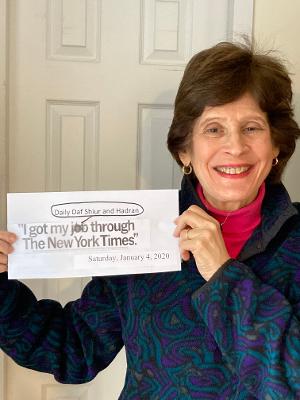
“I got my job through the NY Times” was an ad campaign when I was growing up. I can headline “I got my daily Daf shiur and Hadran through the NY Times”. I read the January 4, 2020 feature on Reb. Michelle Farber and Hadran and I have been participating ever since. Thanks NY Times & Hadran!
Deborah Aschheim
Deborah Aschheim

New York, United States

In early 2020, I began the process of a stem cell transplant. The required extreme isolation forced me to leave work and normal life but gave me time to delve into Jewish text study. I did not feel isolated. I began Daf Yomi at the start of this cycle, with family members joining me online from my hospital room. I’ve used my newly granted time to to engage, grow and connect through this learning.

Reena Slovin
Reena Slovin

Worcester, United States

I learned daf more off than on 40 years ago. At the beginning of the current cycle, I decided to commit to learning daf regularly. Having Rabanit Michelle available as a learning partner has been amazing. Sometimes I learn with Hadran, sometimes with my husband, and sometimes on my own. It’s been fun to be part of an extended learning community.

Miriam Pollack
Miriam Pollack

Honolulu, Hawaii, United States

I went to day school in Toronto but really began to learn when I attended Brovenders back in the early 1980’s. Last year after talking to my sister who was learning Daf Yomi, inspired, I looked on the computer and the Hadran site came up. I have been listening to each days shiur in the morning as I work. I emphasis listening since I am not sitting with a Gamara. I listen while I work in my studio.

Rachel Rotenberg
Rachel Rotenberg

Tekoa, Israel

Jill Shames
Jill Shames

Jerusalem, Israel

I began learning with Rabbanit Michelle’s wonderful Talmud Skills class on Pesachim, which really enriched my Pesach seder, and I have been learning Daf Yomi off and on over the past year. Because I’m relatively new at this, there is a “chiddush” for me every time I learn, and the knowledge and insights of the group members add so much to my experience. I feel very lucky to be a part of this.

Julie-Landau-Photo
Julie Landau

Karmiel, Israel

When I started studying Hebrew at Brown University’s Hillel, I had no idea that almost 38 years later, I’m doing Daf Yomi. My Shabbat haburah is led by Rabbanit Leah Sarna. The women are a hoot. I’m tracking the completion of each tractate by reading Ilana Kurshan’s memoir, If All the Seas Were Ink.

Hannah Lee
Hannah Lee

Pennsylvania, United States

I started learning Gemara at the Yeshivah of Flatbush. And I resumed ‘ברוך ה decades later with Rabbanit Michele at Hadran. I started from Brachot and have had an exciting, rewarding experience throughout seder Moed!

Anne Mirsky (1)
Anne Mirsky

Maale Adumim, Israel

My curiosity was peaked after seeing posts about the end of the last cycle. I am always looking for opportunities to increase my Jewish literacy & I am someone that is drawn to habit and consistency. Dinnertime includes a “Guess what I learned on the daf” segment for my husband and 18 year old twins. I also love the feelings of connection with my colleagues who are also learning.

Diana Bloom
Diana Bloom

Tampa, United States

I started learning Daf Yomi inspired by תָּפַסְתָּ מְרוּבֶּה לֹא תָּפַסְתָּ, תָּפַסְתָּ מוּעָט תָּפַסְתָּ. I thought I’d start the first page, and then see. I was swept up into the enthusiasm of the Hadran Siyum, and from there the momentum kept building. Rabbanit Michelle’s shiur gives me an anchor, a connection to an incredible virtual community, and an energy to face whatever the day brings.

Medinah Korn
Medinah Korn

בית שמש, Israel

I had no formal learning in Talmud until I began my studies in the Joint Program where in 1976 I was one of the few, if not the only, woman talmud major. It was superior training for law school and enabled me to approach my legal studies with a foundation . In 2018, I began daf yomi listening to Rabbanit MIchelle’s pod cast and my daily talmud studies are one of the highlights of my life.

Krivosha_Terri_Bio
Terri Krivosha

Minneapolis, United States

When I started studying Hebrew at Brown University’s Hillel, I had no idea that almost 38 years later, I’m doing Daf Yomi. My Shabbat haburah is led by Rabbanit Leah Sarna. The women are a hoot. I’m tracking the completion of each tractate by reading Ilana Kurshan’s memoir, If All the Seas Were Ink.

Hannah Lee
Hannah Lee

Pennsylvania, United States

I started learning after the siyum hashas for women and my daily learning has been a constant over the last two years. It grounded me during the chaos of Corona while providing me with a community of fellow learners. The Daf can be challenging but it’s filled with life’s lessons, struggles and hope for a better world. It’s not about the destination but rather about the journey. Thank you Hadran!

Dena Lehrman
Dena Lehrman

אפרת, Israel

I started learning Daf Yomi to fill what I saw as a large gap in my Jewish education. I also hope to inspire my three daughters to ensure that they do not allow the same Talmud-sized gap to form in their own educations. I am so proud to be a part of the Hadran community, and I have loved learning so many of the stories and halachot that we have seen so far. I look forward to continuing!
Dora Chana Haar
Dora Chana Haar

Oceanside NY, United States

Retirement and Covid converged to provide me with the opportunity to commit to daily Talmud study in October 2020. I dove into the middle of Eruvin and continued to navigate Seder Moed, with Rabannit Michelle as my guide. I have developed more confidence in my learning as I completed each masechet and look forward to completing the Daf Yomi cycle so that I can begin again!

Rhona Fink
Rhona Fink

San Diego, United States

It has been a pleasure keeping pace with this wonderful and scholarly group of women.

Janice Block
Janice Block

Beit Shemesh, Israel

The first month I learned Daf Yomi by myself in secret, because I wasn’t sure how my husband would react, but after the siyyum on Masechet Brachot I discovered Hadran and now sometimes my husband listens to the daf with me. He and I also learn mishnayot together and are constantly finding connections between the different masechtot.

Laura Warshawsky
Laura Warshawsky

Silver Spring, Maryland, United States

I started learning daf yomi at the beginning of this cycle. As the pandemic evolved, it’s been so helpful to me to have this discipline every morning to listen to the daf podcast after I’ve read the daf; learning about the relationships between the rabbis and the ways they were constructing our Jewish religion after the destruction of the Temple. I’m grateful to be on this journey!

Mona Fishbane
Mona Fishbane

Teaneck NJ, United States

Bava Batra 135

הָהוּא דַּהֲוָה קָא שָׁכֵיב, אֲמַרוּ לֵיהּ: אִתְּתֵיהּ לְמַאן? אֲמַר לְהוּ: חַזְיָא לְכָהֲנָא רַבָּה.

The Gemara relates: There was a certain man, who was presumed to have brothers but no children, who was dying. His wife was therefore presumed to be obligated in levirate marriage. Those with him said to him: To whom may his wife, i.e., your wife, be married? Is she required to enter into levirate marriage, or is she permitted to marry whomever she wishes? He said to them: She is fit to marry even a High Priest. She is not required to enter into levirate marriage.

אָמַר רָבָא: מַאי נֵיחוּשׁ לַהּ? הָא אָמַר רַב חִיָּיא בַּר אַבָּא אָמַר רַבִּי יוֹחָנָן: בַּעַל שֶׁאָמַר ״גֵּרַשְׁתִּי אֶת אִשְׁתִּי״ – נֶאֱמָן! אֲמַר לֵיהּ אַבָּיֵי, וְהָא כִּי אֲתָא רַבִּי יִצְחָק בַּר יוֹסֵף אָמַר רַבִּי יוֹחָנָן: בַּעַל שֶׁאָמַר ״גֵּרַשְׁתִּי אֶת אִשְׁתִּי״ – אֵינוֹ נֶאֱמָן! אֲמַר לֵיהּ: (וְלָאו) מִי לָא שַׁנִּינְהוּ – כָּאן לְמַפְרֵעַ, וְכָאן לְהַבָּא?

Rava said: With what possibility need we be concerned with regard to her? Doesn’t Rabbi Ḥiyya bar Abba say that Rabbi Yoḥanan says: A husband who says: I have divorced my wife, is deemed credible, and she is exempt from levirate marriage? Therefore, this woman will be exempt as well. Abaye said to him: But when Rav Yitzḥak bar Yosef came from Eretz Yisrael, he said that Rabbi Yoḥanan says: A husband who says: I have divorced my wife, is not deemed credible. Rava said to him: But didn’t we resolve the contradiction, concluding that here Rabbi Yoḥanan was referring to a retroactive testimony and there he was referring to testimony for the future? Therefore, according to both versions of Rabbi Yoḥanan’s statement, the husband should be deemed credible in this case.

וְאַשִּׁנּוּיֵי נֵיקוּם וְלִסְמוֹךְ?! אֲמַר לֵיהּ רָבָא לְרַב נָתָן בַּר אַמֵּי: חוּשׁ לַהּ.

Abaye responded: But shall we arise and rely on answers in a halakhic ruling? Although the contradiction can be resolved in this manner, there is no guarantee that this resolution is correct. Therefore Rav Yitzḥak bar Yosef’s statement should still be taken into consideration. Rava subsequently said to Rav Natan bar Ami: Be concerned about it. There may be a dispute with regard to this issue, as the resolution cannot be relied upon.

הָהוּא דַּהֲוָה מוּחְזָק לַן דְּלֵית לֵיהּ אַחֵי, וַאֲמַר בִּשְׁעַת מִיתָה דְּלֵית לֵיהּ אַחֵי. אֲמַר רַב יוֹסֵף: מַאי לֵיחוּשׁ לַהּ? חֲדָא, דְּמוּחְזָק לַן דְּלֵית לֵיהּ אַחִין. וְעוֹד, הָא אָמַר בִּשְׁעַת מִיתָה דְּלֵית לֵיהּ. אֲמַר לֵיהּ אַבָּיֵי: הָא אָמְרִי דְּאִיכָּא עֵדִים בִּמְדִינַת הַיָּם דְּיָדְעִי דְּאִית לֵיהּ אַחֵי!

The Gemara relates: There was a certain man who was presumed by us, i.e., the court, to have no brothers, and he said at the time of his death that he has no brothers. Rav Yosef said: With what possibility need we be concerned with regard to his wife, in terms of her requiring levirate marriage? For one, he is presumed by us to have no brothers, and furthermore, he said at the time of his death that he has none. Abaye said to him: But don’t people say that there are witnesses overseas who know that he has brothers? Therefore, we should be concerned that this report is accurate.

הַשְׁתָּא מִיהַת הָא לֵיתַנְהוּ קַמַּן; לָאו הַיְינוּ דְּרַבִּי חֲנִינָא – דְּאָמַר רַבִּי חֲנִינָא: עֵדִים בְּצַד אַסְתָּן, וְתֵאָסֵר?!

Rav Yosef responded: In any event, now the witnesses are not present before us, so this possibility does not need to be taken into account. Isn’t this the same as Rabbi Ḥanina’s ruling in a case where women who were captured and subsequently liberated claimed that they were not raped in captivity (Ketubot 23a)? As although people said there were witnesses elsewhere who could testify that they were raped, Rabbi Ḥanina says that they were permitted to marry a priest, reasoning: Just because there may be witnesses in the north [istan], i.e., in a distant place, will the woman be forbidden?

אֲמַר לֵיהּ אַבָּיֵי: אִם הֵקַלְנוּ בִּשְׁבוּיָה – מִשּׁוּם דִּמְנַוְּולָא נַפְשָׁהּ לְגַבֵּי שַׁבַּאי; נָקֵל בְּאֵשֶׁת אִישׁ?! אָמַר לֵיהּ רָבָא לְרַב נָתָן בַּר אַמֵּי: חוּשׁ לַהּ.

Abaye said to him: If we were lenient with regard to a captive woman, due to, among other reasons, the fact that she makes herself repulsive before the captor so that he will not want to rape her, and we assume that she was not raped, should we be lenient with regard to a married woman? Rava said to Rav Natan bar Ami: Be concerned about it. Do not permit this woman to remarry until the matter is clarified.

״זֶה אָחִי״ – אֵינוֹ נֶאֱמָן. וְאִידַּךְ מַאי קָאָמְרִי? אִי קָאָמְרִי ״אֲחוּנָא הוּא״, אַמַּאי יִטּוֹל עִמּוֹ בְּחֶלְקוֹ וְתוּ לָא? אֶלָּא דְּקָא אָמְרִי ״לָאו אָחִינוּ הוּא״?

§ The mishna teaches that one who says: This is my brother, is not deemed credible with regard to his other brothers’ share of their father’s inheritance. Rather, the man in question receives a portion only from the portion of the one who testified concerning him. The Gemara clarifies: And what do the other brothers say? If they say: He is our brother, why does the man in question take a portion of the inheritance only with the one who testified, from his portion, and nothing more? If the other brothers admit that he is their brother, they should give him a share of their portions as well. Rather, they are saying: He is not our brother.

אֵימָא סֵיפָא: נָפְלוּ לוֹ נְכָסִים מִמָּקוֹם אַחֵר – יִירְשׁוּ אֶחָיו עִמּוֹ. הָא אָמְרִי לֵיהּ: ״לָאו אֲחוּנָא הוּא״!

The Gemara questions this: Say the last clause of the mishna: If property came into the possession of the man in question from somewhere else, and he died, the brothers of the one who testified shall inherit the man in question’s property with him. Why should they inherit with him? Didn’t they say to him: He is not our brother?

לָא צְרִיכָא, דְּקָא אָמְרִי: ״אֵין אָנוּ יוֹדְעִין״.

The Gemara answers: No, it is necessary to state this ruling only in a case where they say: We do not know if he is our brother. Therefore, they are not obligated to give him a portion of their inheritance, as he cannot prove to them that he is their brother. Nevertheless, they can claim a portion of his inheritance after his death, on the basis of their brother’s testimony.

אָמַר רָבָא, זֹאת אוֹמֶרֶת: ״מָנֶה לִי בְּיָדְךָ״, וְהַלָּה אוֹמֵר ״אֵינִי יוֹדֵעַ״ – פָּטוּר.

Rava says: That is to say that if one says to another: I have one hundred dinars in your possession, and the other person says: I do not know, he is exempt, similar to this case, where the brothers who claim that they do not know if this person is their brother are not obligated to share their inheritance with him.

אַבָּיֵי אָמַר:

Abaye said:

לְעוֹלָם אֵימָא לָךְ חַיָּיב; וְשָׁאנֵי הָכָא, דִּכְ״מָנֶה לְאַחֵר בְּיָדְךָ״ דָּמֵי.

Actually, I will say to you that one who responds to a claim that he does not know if he owes the one hundred dinars is obligated to pay; but here, in the case of the brothers, it is different. The brothers are not obligated to share their portion with the man in question because the brother who testified is like one who claims: Another person has one hundred dinars in your possession. Since the claimant is not the one who is owed the money, the other party can reject his claim by merely answering that he does not know whether he owes him.

מֵת – יַחְזְרוּ נְכָסִים לִמְקוֹמָן. בָּעֵי רָבָא: שֶׁבַח שֶׁשָּׁבְחוּ נְכָסִים מֵאֲלֵיהֶם, מַהוּ?

§ The mishna teaches: If the man in question dies, the property he received from the father’s inheritance shall return to its place, i.e., to the possession of the brother who testified on his behalf, and if the man in question received property from elsewhere, it is inherited by all the brothers equally. Rava raises a dilemma: With regard to the enhancement of the property received by the man in question from the portion of the brother who testified, where its enhanced value was the result of an enhancement that happened naturally, as opposed to one that resulted from exertion, what is the halakha? Who inherits it?

בְּשֶׁבַח הַמַּגִּיעַ לַכְּתֵפַיִם – לָא תִּיבְּעֵי לָךְ, דְּכִי נָפְלוּ לוֹ נְכָסִים מִמָּקוֹם אַחֵר דָּמֵי. כִּי תִּיבְּעֵי לָךְ – בְּשֶׁבַח שֶׁאֵינוֹ מַגִּיעַ לַכְּתֵפַיִם; כְּגוֹן דִּיקְלָא וַאֲלֵים, אַרְעָא וְאַסְּקָא שִׂרְטוֹן; מַאי? תֵּיקוּ.

The Gemara elaborates: With regard to enhancement that reaches shoulders, i.e., ripe produce that needs only to be harvested from the field, do not raise the dilemma, as it is considered like property that came into his possession from elsewhere. It is not considered part of the land that was given to him by the brother who testified, and it is therefore divided among all the brothers. Rather, let the dilemma be raised with regard to enhancement that does not reach shoulders, and is not considered separate from the ground, such as a palm tree that thickened, or land that yielded silt. What is the halakha in this case? Is the enhancement included in the property itself, or is it considered separate property? The Gemara comments: The dilemma shall stand unresolved.

מַתְנִי׳ מִי שֶׁמֵּת וְנִמְצֵאת דְּיָיתֵיקֵי קְשׁוּרָה עַל יְרֵיכוֹ – הֲרֵי זוֹ אֵינָהּ כְּלוּם. זִיכָּה בָּהּ לְאַחֵר – בֵּין מִן הַיּוֹרְשִׁין, בֵּין שֶׁאֵינָן מִן הַיּוֹרְשִׁין – דְּבָרָיו קַיָּימִין.

MISHNA: With regard to one who died, and a will written by a person on his deathbed [dayetikei] is found bound to his thigh, which clearly indicates that it was written by him and was not forged, this is nothing. The will is not valid, as he did not give it to anyone, and he may have reconsidered. If he transferred ownership of the will to the designated recipient through another person, whether one of the heirs or whether not one of the heirs, his statement stands.

גְּמָ׳ תָּנוּ רַבָּנַן: אֵיזֶה הִיא דְּיָיתֵיקֵי? כֹּל שֶׁכָּתוּב בָּהּ: ״דָּא תְּהֵא לְמֵיקַם וְלִהְיוֹת״. וְאֵיזֶה הִיא מַתָּנָה? כֹּל שֶׁכָּתוּב בָּהּ: ״מֵהַיּוֹם וּלְאַחַר מִיתָה״.

GEMARA: The Sages taught (Tosefta 8:10): Which deed is considered a dayetikei, and is collected by the designated recipient after the death of the giver? Any deed in which it is written: This will be to stand and exist after my death. And which type is considered a deed of gift? Any deed in which it is written: From today and after my death.

אֶלָּא ״מֵהַיּוֹם וּלְאַחַר מִיתָה״ – הוּא דְּהָוְיָא מַתָּנָה, ״מֵעַכְשָׁיו״ – לָא הָוְיָא מַתָּנָה?! אָמַר אַבָּיֵי, הָכִי קָאָמַר: אֵיזוֹ הִיא מַתְּנַת בָּרִיא שֶׁהִיא כְּמַתְּנַת שְׁכִיב מְרַע – דְּלָא קָנֵי אֶלָּא לְאַחַר מִיתָה? כֹּל שֶׁכָּתוּב בָּהּ: ״מֵהַיּוֹם וּלְאַחַר מִיתָה״.

The Gemara asks: Is it considered a deed of gift only if the expression: From today and after my death, is written, whereas if it is written only: From now, it is not considered a deed of gift? Abaye said that this is what the baraita is saying: Which deed of gift of a healthy person is considered like the deed of gift of a person on his deathbed, in that the recipient acquires it only after the death of the giver? Any deed in which it is written: From today and after my death.

יָתֵיב רַבָּה בַּר רַב הוּנָא בְּאַכְסַדְרָא דְּבֵי רַב, וְיָתֵיב וְקָאָמַר מִשְּׁמֵיהּ דְּרַבִּי יוֹחָנָן: שְׁכִיב מְרַע שֶׁאָמַר ״כִּתְבוּ וּתְנוּ מָנֶה לִפְלוֹנִי״, וּמֵת – אֵין כּוֹתְבִין וְנוֹתְנִין; שֶׁמָּא לֹא גָּמַר לְהַקְנוֹתוֹ אֶלָּא בִּשְׁטָר, וְאֵין שְׁטָר לְאַחַר מִיתָה.

§ Rabba bar Rav Huna was sitting in the balcony of Rav’s study hall, and sat and said in the name of Rabbi Yoḥanan: If there is a person on his deathbed who says: Write a deed of transfer, granting property of mine to another, and give with it one hundred dinars to so-and-so, and he then died, one does not write and give it. This is because perhaps he resolved to transfer it to him only with a deed of transfer, and since the deed was not written in his lifetime it cannot be written after his death, as a deed of transfer is not effective after the death of the owner.

אֲמַר לְהוּ רַבִּי אֶלְעָזָר: אִיזְדְּהַרוּ בַּהּ. רַב שֵׁיזְבִי אָמַר: רַבִּי אֶלְעָזָר אָמְרָה, וַאֲמַר לְהוּ רַבִּי יוֹחָנָן: אִיזְדְּהַרוּ בַּהּ.

Rabba bar Rav Huna continued that when Rabbi Yoḥanan stated this halakha, Rabbi Elazar said to the other Sages: Heed this halakha; it is correct. Rav Sheizevi said: That is not what happened; Rabbi Elazar is the one who said this halakha, and it was Rabbi Yoḥanan who said to them: Heed this halakha.

אָמַר רַב נַחְמָן בַּר יִצְחָק: כְּוָתֵיהּ דְּרַב שֵׁיזְבִי מִסְתַּבְּרָא. אִי אָמְרַתְּ בִּשְׁלָמָא רַבִּי אֶלְעָזָר אַמְרַהּ, אִצְטְרִיךְ רַבִּי יוֹחָנָן לְאַסְהוֹדֵי עֲלֵיהּ דְּרַבִּי אֶלְעָזָר. אֶלָּא אִי אָמְרַתְּ רַבִּי יוֹחָנָן אַמְרַהּ, אִצְטְרִיךְ רַבִּי אֶלְעָזָר לְאַסְהוֹדֵי עֲלֵיהּ דְּרַבִּי יוֹחָנָן רַבֵּיהּ?!

Rav Naḥman bar Yitzḥak said: It is reasonable to say that the incident was in accordance with the version presented by Rav Sheizevi. Granted, if you say that Rabbi Elazar said the halakha, Rabbi Yoḥanan needed to affirm the ruling of Rabbi Elazar. But if you say that Rabbi Yoḥanan was the one who said it, did Rabbi Elazar need to affirm the ruling of Rabbi Yoḥanan, his teacher?

וְעוֹד, תָּא שְׁמַע דְּרַבִּי אֶלְעָזָר אַמְרַהּ, דִּשְׁלַח רָבִין מִשְּׁמֵיהּ דְּרַבִּי אֲבָהוּ: הֱווּ יוֹדְעִים שֶׁשָּׁלַח רַבִּי אֶלְעָזָר לַגּוֹלָה מִשּׁוּם רַבֵּינוּ: שְׁכִיב מְרַע שֶׁאָמַר ״כִּתְבוּ וּתְנוּ מָנֶה לִפְלוֹנִי״, וּמֵת – אֵין כּוֹתְבִין וְנוֹתְנִין; שֶׁמָּא לֹא גָּמַר לְהַקְנוֹתוֹ אֶלָּא בִּשְׁטָר, וְאֵין שְׁטָר לְאַחַר מִיתָה. וְרַבִּי יוֹחָנָן אָמַר: תִּיבָּדֵק.

And furthermore, come and hear proof that Rabbi Elazar was the one who said this halakha, from another statement of his, as Ravin sent a message in the name of Rabbi Abbahu: Know that Rabbi Elazar sent a ruling to the exile in the name of our teacher, stating that if there is a person on his deathbed who says: Write a deed of transfer and give with it one hundred dinars to so-and-so, and he then died, one does not write and give it. This is because perhaps he resolved to transfer it only with a deed of transfer, and since the deed was not written in his lifetime it cannot be written after his death, as a deed of transfer is not effective after the death of the owner. And Rabbi Yoḥanan says: This ruling is correct; however, the wording of the deed should be examined.

מַאי ״תִּיבָּדֵק״? כִּי אֲתָא רַב דִּימִי אָמַר: דְּיָיתֵיקֵי מְבַטֶּלֶת דְּיָיתֵיקֵי. שְׁכִיב מְרַע שֶׁאָמַר: ״כִּתְבוּ וּתְנוּ מָנֶה לִפְלוֹנִי״, וּמֵת – רוֹאִין; אִם כִּמְיַפֶּה אֶת כֹּחוֹ – כּוֹתְבִין, וְאִם לָאו – אֵין כּוֹתְבִין.

The Gemara asks: What did Rabbi Yoḥanan mean by saying that the wording should be examined? The Gemara answers: When Rav Dimi came from Eretz Yisrael to Babylonia, he stated two halakhot. The first was that a dayetikei cancels a previous dayetikei. The second explains the examination to which Rabbi Yoḥanan was referring: If there is a person on his deathbed who said: Write a deed of transfer and give with it one hundred dinars to so-and-so, and he then died, the court must see what his intention was in instructing the other person to write a deed of transfer; if it was to enhance the recipient’s power by writing a document proving that he was given the gift, one writes the document even after his death, as he intended to give the money anyway. But if not, rather it was the giver’s intention to transfer the gift specifically through a deed of transfer, one does not write it and give the money, as a deed of transfer is not effective after the death of the owner.

מֵתִיב רַבִּי אַבָּא בַּר מֶמֶל: בָּרִיא שֶׁאָמַר ״כִּתְבוּ וּתְנוּ מָנֶה לִפְלוֹנִי״, וּמֵת – אֵין כּוֹתְבִין וְנוֹתְנִין. הָא שְׁכִיב מְרַע – כּוֹתְבִין וְנוֹתְנִין! הוּא מוֹתֵיב לַהּ וְהוּא מְפָרֵק לַהּ – בִּמְיַפֶּה אֶת כֹּחוֹ.

Rabbi Abba bar Memel raises an objection from a baraita: If there is a healthy person who said: Write a deed of transfer and give with it one hundred dinars to so-and-so, and he then died, one does not write and give it. Rabbi Abba bar Memel inferred: But if a person on his deathbed states this request, one writes and gives it. He raises the objection and he resolves it: The ruling of that baraita is in a case where he was enhancing the recipient’s legal power by writing him a document of proof.

הֵיכִי דָּמֵי מְיַפֶּה אֶת כֹּחוֹ?

The Gemara explains: What are the circumstances under which it is apparent that he was enhancing his legal power?

Want to follow content and continue where you left off?

Create an account today to track your progress, mark what you’ve learned, and follow the shiurim that speak to you.

Clear all items from this list?

This will remove ALL the items in this section. You will lose any progress or history connected to them. This is irreversible.

Cancel
Yes, clear all

Are you sure you want to delete this item?

You will lose any progress or history connected to this item.

Cancel
Yes, delete