Search

Bava Batra 26

Want to dedicate learning? Get started here:

podcast placeholder

0:00
0:00


Summary

Today’s daf is sponsored by Judy Schwartz in honor of her daughter Rina. “Rina got me started on my journey of Daf Yomi with Hadran. You are a magnificent person who does incredible chessed for Am Yisrael and serves as an example to all of us. With love and admiration for who you are.”

People in the Bar Marion household were pounding flax, and the flax waste flew in the wind to the neighbor and caused damage. Is this considered damages (giri didei) for which Rabbi Yosi would obligate? Can we learn from the laws of Sabbath (winnowing with the wind’s assistance)?

One needs to distance one’s tree from another’s property by four cubits to leave room for the neighbor to plow. If one’s roots grow into a neighboring field, one can cut them to a certain depth, depending on why one is cutting them (what one needs the space for). Various cases are brought discussing these halakhot.  The Mishna says that when one is allowed to cut the roots of a neighbor’s tree, the roots go to “him.”  The Gemara tries to figure out whether the “him” refers to the owner of the tree or the owner of the neighboring field. Ravina and Ulla each understand that the first sixteen cubits of the roots are considered part of the tree, but beyond that, they are not. Based on that, Ulla rules that a tree within sixteen cubits of a neighboring field is considered to be stealing from the neighbor’s field and one should therefore not bring bikurim from such a tree. The Gemara tries to bring tannaitic sources to prove how Ulla arrived at the number sixteen.

Today’s daily daf tools:

Bava Batra 26

כִּדְנָיֵיד נִכְתְּמָא אַפּוּמֵּיהּ דְּחַצְבָּא.

It must shake enough that the lid [nakhtema] positioned at the mouth of a jug shakes if it is placed on a wall.

דְּבֵי בַּר מָרִיּוֹן בְּרֵיהּ דְּרָבִין, כִּי הֲוָה נָפְצִי כִּיתָּנָא – הֲוָה אָזְלָא רַקְתָּא וּמַזְּקָא אִינָשֵׁי. אֲתוֹ לְקַמֵּיהּ דְּרָבִינָא, אֲמַר לְהוּ: כִּי אָמְרִינַן מוֹדֶה רַבִּי יוֹסֵי בְּגִירֵי דִּילֵיהּ – הָנֵי מִילֵּי דְּקָא אָזְלָא מִכֹּחוֹ, הָכָא – זִיקָא הוּא דְּקָא מַמְטֵי לַהּ.

The Gemara relates: When the members of the household of bar Maryon, son of Ravin, would beat their flax, the chaff [rakta] would fly off and harm people. Those people came before Ravina to complain. Ravina said to them: When we say that Rabbi Yosei concedes with regard to his arrows, this statement applies only when the damaging item moves by his direct force. Here, by contrast, it is the wind that carries the chaff.

מַתְקֵיף לַהּ מָר בַּר רַב אָשֵׁי: מַאי שְׁנָא מִזּוֹרֶה וְרוּחַ מְסַיַּיעְתּוֹ? אַמְרוּהָ קַמֵּיהּ דְּמָרִימָר, אֲמַר לְהוּ: הַיְינוּ זוֹרֶה וְרוּחַ מְסַיַּיעְתּוֹ.

Mar bar Rav Ashi objects to this: In what way is this case different from one who winnows on Shabbat by throwing the grain into the wind so that the chaff is blown away and the wind assists him? That is considered a primary category of labor on Shabbat despite the fact that the act is performed partly with the aid of the wind. The Gemara relates that the Sages stated this objection with regard to beating flax before Mareimar. Mareimar said to them: This case is the same as one who winnows and the wind assists him. Just as this is considered his direct force for the purposes of the halakhot of Shabbat, it is likewise considered his direct force with regard to the halakhot of damages.

וּלְרָבִינָא, מַאי שְׁנָא מִגֵּץ הַיּוֹצֵא מִתַּחַת הַפַּטִּישׁ וְהִזִּיק – דְּחַיָּיב לְשַׁלֵּם? הָתָם נִיחָא לֵיהּ דְּלֵיזִל, הָכָא לָא נִיחָא לֵיהּ דְּלֵיזִל.

The Gemara asks: And according to the opinion of Ravina, who rejects this comparison and claims that flying chaff is not considered one’s arrow, in what way is this situation different from that of a spark that flies from a hammer and causes damage, in which case all agree that the one wielding the hammer is liable to pay? The Gemara answers: There, it is preferable for him that the spark go as far as possible, rather than staying nearby. Here it is not preferable for him, i.e., it is immaterial to him, that the chaff go some distance.

מַתְנִי׳ לֹא יִטַּע אָדָם אִילָן סָמוּךְ לִשְׂדֵה חֲבֵירוֹ, אֶלָּא אִם כֵּן הִרְחִיק מִמֶּנּוּ אַרְבַּע אַמּוֹת – אֶחָד גְּפָנִים וְאֶחָד כׇּל אִילָן. הָיָה גָּדֵר בֵּינָתַיִם – זֶה סוֹמֵךְ לַגָּדֵר מִכָּאן, וְזֶה סוֹמֵךְ לַגָּדֵר מִכָּאן.

MISHNA: A person may not plant a tree near the field of another unless he distances it four cubits from the field. This is the case whether he is planting grapevines or any kind of tree. If there was a fence between them, this one may place, i.e., plant, his grapevines or trees close to the fence from here, and that one may place, i.e., plant, his produce close to the fence from there.

הָיוּ שׇׁרָשִׁים יוֹצְאִים לְתוֹךְ שֶׁל חֲבֵירוֹ – מַעֲמִיק שְׁלֹשָׁה טְפָחִים, כְּדֵי שֶׁלֹּא יְעַכֵּב אֶת הַמַּחֲרֵישָׁה. הָיָה חוֹפֵר בּוֹר, שִׁיחַ וּמְעָרָה – קוֹצֵץ וְיוֹרֵד, וְהָעֵצִים שֶׁלּוֹ.

If the roots were spreading into the field of another, the owner of the field may dig to a depth of three handbreadths even if he severs those roots, so that they do not impede his plow. If he was digging a cistern in that spot, or a ditch, or a cave, and he came upon the roots of his neighbor’s tree, he may cut downward normally, and the wood from the roots is his.

גְּמָ׳ תָּנָא: אַרְבַּע אַמּוֹת שֶׁאָמְרוּ – כְּדֵי עֲבוֹדַת הַכֶּרֶם. אָמַר שְׁמוּאֵל: לֹא שָׁנוּ אֶלָּא בְּאֶרֶץ יִשְׂרָאֵל, אֲבָל בְּבָבֶל – שְׁתֵּי אַמּוֹת. תַּנְיָא נָמֵי הָכִי: לֹא יִטַּע אָדָם אִילָן סָמוּךְ לִשְׂדֵה חֲבֵירוֹ, אֶלָּא אִם כֵּן הִרְחִיק מִמֶּנּוּ שְׁתֵּי אַמּוֹת. וְהָא אֲנַן תְּנַן: אַרְבַּע אַמּוֹת! אֶלָּא לָאו כְּדִשְׁמוּאֵל? שְׁמַע מִינַּהּ.

GEMARA: A tanna taught: The four cubits that the Sages stated one must leave between a vineyard and a neighbor’s field are for the work of the vineyard, so that the owner of the vineyard does not take oxen and a plow into his neighbor’s field while working his vineyard. Shmuel says: They taught this halakha only with regard to Eretz Yisrael, but in Babylonia two cubits are sufficient, as their plows are shorter. This opinion is also taught in a baraita: A person may not plant a tree near the field of another unless he distances the tree two cubits from the field. But didn’t we learn in the mishna: Four cubits? Rather, is it not correct that there is a difference between Eretz Yisrael and Babylonia in this regard, as stated by Shmuel? The Gemara concludes: Indeed, learn from it that it is so.

וְאִיכָּא דְּרָמֵי לַהּ מִירְמֵא – תְּנַן: לֹא יִטַּע אָדָם אִילָן סָמוּךְ לִשְׂדֵה חֲבֵירוֹ, אֶלָּא אִם כֵּן הִרְחִיק מִמֶּנּוּ אַרְבַּע אַמּוֹת. וְהָתַנְיָא: שְׁתֵּי אַמּוֹת! אָמַר שְׁמוּאֵל: לָא קַשְׁיָא; כָּאן בְּבָבֶל, כָּאן בְּאֶרֶץ יִשְׂרָאֵל.

And there are those who raise this matter in the form of a contradiction. We learned in the mishna that a person may not plant a tree near the field of another unless he distances it four cubits from the field. But isn’t it taught in a baraita that two cubits are sufficient? Shmuel said that this is not difficult: Here it is referring to Babylonia, whereas there it is referring to Eretz Yisrael.

רָבָא בַּר רַב חָנָן הֲווֹ לֵיהּ הָנְהוּ דִּיקְלֵי, אַמִּיצְרָא דְּפַרְדֵּיסָא דְּרַב יוֹסֵף. הֲווֹ אָתוּ צִפּוֹרֵי יָתְבִי בְּדִיקְלֵי, וְנָחֲתִי בְּפַרְדֵּיסָא וּמַפְסְדִי לֵיהּ. אֲמַר לֵיהּ: זִיל קוֹץ. אֲמַר לֵיהּ: וְהָא אַרְחֵיקִי לִי! אֲמַר לֵיהּ: הָנֵי מִילֵּי לְאִילָנוֹת, אֲבָל לִגְפָנִים בָּעִינַן טְפֵי.

The Gemara relates: Rava bar Rav Ḥanan had these palm trees that stood adjacent to the boundary of Rav Yosef’s vineyard. Birds would come and roost on the palm trees and would subsequently descend to the vineyard and damage it. Rav Yosef said to Rava bar Rav Ḥanan: Go and cut down your palm trees. Rava bar Rav Ḥanan said to him: But I distanced them the required amount. Rav Yosef said to him: This matter, i.e., this specific distance, applies only to trees, but a greater distance is required for vines.

וְהָא אֲנַן תְּנַן: אֶחָד גְּפָנִים וְאֶחָד כׇּל אִילָן! אֲמַר לֵיהּ: הָנֵי מִילֵּי אִילָן לְאִילָן וּגְפָנִים לִגְפָנִים, אֲבָל אִילָן לִגְפָנִים בָּעִינַן טְפֵי.

Rava bar Rav Ḥanan protested: But didn’t we learn in the mishna that this is the halakha whether he is planting grapevines or any kind of tree? Rav Yosef said to him: This matter applies only to the distance between one tree and another tree, or the distance between one vine and other vines. But with regard to the space between a tree and vines, one requires a greater distance.

אֲמַר לֵיהּ: אֲנָא לָא קָיֵיצְנָא, דְּאָמַר רַב: הַאי דִּיקְלָא דְּטָעֵין קַבָּא – אָסוּר לְמִקְצְיֵיהּ. וְאָמַר רַבִּי חֲנִינָא: לָא שְׁכֵיב שִׁכְחַת בְּרִי, אֶלָּא דְּקַץ תְּאֵנְתָּא בְּלָא זִימְנֵיהּ. מָר – אִי נִיחָא לֵיהּ, לִיקּוֹץ.

Rava bar Rav Ḥanan said to him: I myself will not cut them down, as Rav said: With regard to this palm tree that produces one kav of fruit, it is prohibited to cut it down, due to the verse: “You shall not destroy the trees” (Deuteronomy 20:19). And Rabbi Ḥanina says: My son Shikhḥat died only because he cut down a fig tree before its time. Rava bar Rav Ḥanan continued: If the Master is amenable to do so, he may cut them down, but I will not do it.

רַב פָּפָּא הֲווֹ לֵיהּ הָנְהוּ דִּיקְלֵי אַמִּיצְרָא דְּרַב הוּנָא בְּרֵיהּ דְּרַב יְהוֹשֻׁעַ. אֲזַל אַשְׁכְּחֵיהּ דַּהֲוָה חָפַר, וְקָא קָאֵיץ שׇׁרָשָׁיו. אֲמַר לֵיהּ: מַאי הַאי? אֲמַר לֵיהּ, תְּנַן: הָיוּ שׇׁרָשִׁים יוֹצְאִים לְתוֹךְ שֶׁל חֲבֵירוֹ – מַעֲמִיק שְׁלֹשָׁה, כְּדֵי שֶׁלֹּא יְעַכֵּב הַמַּחֲרֵישָׁה.

The Gemara further relates that Rav Pappa had these palm trees that stood adjacent to the boundary of the property of Rav Huna, son of Rav Yehoshua. He went and found Rav Huna digging and cutting his roots. Rav Pappa said to him: What is this? Rav Huna said to him that we learned in the mishna: If the roots were spreading into the field of another, the owner of the field may dig to a depth of three handbreadths even if he severs those roots, so that they do not impede his plow.

אֲמַר לֵיהּ: הָנֵי מִילֵּי שְׁלֹשָׁה, מָר קָא חָפַר טְפֵי! אֲמַר לֵיהּ: אֲנָא בּוֹרוֹת שִׁיחִין וּמְעָרוֹת קָא חָפַרְנָא – דִּתְנַן: הָיָה חוֹפֵר בּוֹר, שִׁיחַ וּמְעָרָה – קוֹצֵץ וְיוֹרֵד, וְהָעֵצִים שֶׁלּוֹ. אָמַר רַב פָּפָּא: אֲמַרִי לֵיהּ כּוּלְּהִי, וְלָא יְכֵילִי לֵיהּ;

Rav Pappa said to him: This statement applies only up to three handbreadths, whereas the Master is digging and cutting more than three. Rav Huna said to him: I am digging cisterns, ditches, and caves, as we learned in the mishna: If he was digging a cistern, a ditch, or a cave, he may cut downward normally and the wood from the roots is his. Rav Pappa said: I told him all the proofs I could find, but I was unable to convince him that I was correct,

עַד דַּאֲמַרִי לֵיהּ הָא דְּאָמַר רַב יְהוּדָה: מֶצֶר שֶׁהֶחֱזִיקוּ בּוֹ רַבִּים – אָסוּר לְקַלְקְלוֹ. לְבָתַר דִּנְפַק, אֲמַר: אַמַּאי לָא אֲמַרִי לֵיהּ: כָּאן בְּתוֹךְ שֵׁשׁ עֶשְׂרֵה אַמָּה, כָּאן חוּץ לְשֵׁשׁ עֶשְׂרֵה אַמָּה.

until I told him that which Rav Yehuda says: With regard to a strip of land over which the public has an acquired privilege of use, one may not destroy it. Here too, since I have an acquired privilege of use of this land, you are not permitted to destroy that which I possess. After Rav Pappa left, Rav Huna, son of Rav Yehoshua, said: Why did I not say to him that there, an acquired privilege of use is effective when it is within sixteen cubits, as within that area the roots are considered part of the tree, whereas here I cut the roots of the palm trees beyond sixteen cubits.

הָיָה חוֹפֵר בּוֹר, שִׁיחַ וּמְעָרָה – קוֹצֵץ וְיוֹרֵד וְהָעֵצִים שֶׁלּוֹ (וְכוּ׳). בְּעָא מִינֵּיהּ יַעֲקֹב הַדְיָיבָא מֵרַב חִסְדָּא: עֵצִים שֶׁל מִי?

§ The mishna teaches that if he was digging a cistern, a ditch, or a cave, he may cut downward and the wood is his. The Sage Ya’akov of Hadeyyav raised a dilemma before Rav Ḥisda: To whom does the wood belong? The mishna says that the wood is his, without specifying to which of the two individuals this refers, the owner of the tree or the owner of the land.

אֲמַר לֵיהּ, תְּנֵיתוּהָ: שׇׁרְשֵׁי אִילָן שֶׁל הֶדְיוֹט הַבָּאִין בְּשֶׁל הֶקְדֵּשׁ, לֹא נֶהֱנִין וְלֹא מוֹעֲלִין.

Rav Ḥisda said to him: You learned the answer in a mishna in tractate Me’ila (13b). If roots of a tree belonging to an ordinary person [hedyot] extend into a field belonging to the Temple treasury, one may not derive benefit from them, but if one derived benefit from them he is not liable for misuse of consecrated property. That is, even if one does transgress the prohibition and benefit from them, it is not considered misuse and he is not liable to bring an offering.

אִי אָמְרַתְּ בִּשְׁלָמָא: בָּתַר אִילָן אָזְלִינַן – מִשּׁוּם הָכִי לֹא מוֹעֲלִין; אֶלָּא אִי אָמְרַתְּ: בָּתַר קַרְקַע אָזְלִינַן, אַמַּאי לֹא מוֹעֲלִין?

Granted, if you say that we follow the tree, and the roots are considered part of it, it is due to that reason that one is not liable for misuse, as the tree is not consecrated. But if you say we follow the land, i.e., the roots belong to the land’s owner, why is he not liable for misuse of consecrated property?

אֶלָּא מַאי? בָּתַר אִילָן אָזְלִינַן?! אֵימָא סֵיפָא: שֶׁל הֶקְדֵּשׁ הַבָּאִים בְּשֶׁל הֶדְיוֹט, לֹא נֶהֱנִין וְלֹא מוֹעֲלִין. וְאִי בָּתַר אִילָן אָזְלִינַן, אַמַּאי לֹא מוֹעֲלִין?

The Gemara asks: Rather, what will you say, that we follow the tree? If so, say the last clause of that mishna: If roots of a tree belonging to the Temple treasury extend into a field of an ordinary person, one may not derive benefit from them, but if one derived benefit from them he is not liable for misuse of consecrated property. But if we follow the tree, why is he not liable for misuse of consecrated property?

מִידֵּי אִירְיָא?! בְּגִידּוּלִין הַבָּאִין לְאַחַר מִכָּאן עָסְקִינַן, וְקָא סָבַר: אֵין מְעִילָה בְּגִידּוּלִין.

The Gemara responds: Are the cases comparable? In both clauses of the mishna we are dealing with growths that came thereafter, i.e., after the tree was consecrated, and the tanna of that mishna holds that with regard to growths that grew from a consecrated plant or tree, they are not subject to the halakhot of misuse of consecrated property. Only the original plant is. Consequently, there is no connection between that mishna and the question of whether roots are considered part of the tree or part of the land.

רָבִינָא אָמַר: לָא קַשְׁיָא; כָּאן בְּתוֹךְ שֵׁשׁ עֶשְׂרֵה אַמָּה, כָּאן חוּץ לְשֵׁשׁ עֶשְׂרֵה אַמָּה.

Ravina said that it is not difficult: Here, in the first clause of the mishna in Me’ila, it is referring to within sixteen cubits of the tree. In this case the roots are considered part of the tree. There, in the second clause, it is referring to roots beyond sixteen cubits, in which case the roots are considered part of the ground where they are found.

אָמַר עוּלָּא: אִילָן הַסָּמוּךְ לַמֶּצֶר – בְּתוֹךְ שֵׁשׁ עֶשְׂרֵה אַמָּה, גַּזְלָן הוּא – וְאֵין מְבִיאִין מִמֶּנּוּ בִּכּוּרִים.

Ulla said: An individual who maintains a tree that is within sixteen cubits of a boundary is a robber, as it draws nourishment from the neighbor’s land, and one does not bring first fruits from it, since that would be a mitzva that is fulfilled by means of a transgression.

מְנָא לֵיהּ לְעוּלָּא הָא? אִילֵּימָא מִדִּתְנַן: עֶשֶׂר נְטִיעוֹת הַמְפוּזָּרוֹת בְּתוֹךְ בֵּית סְאָה, חוֹרְשִׁין כׇּל בֵּית סְאָה בִּשְׁבִילָן, עַד רֹאשׁ הַשָּׁנָה.

The Gemara asks: From where does Ulla derive that measurement? If we say it is from that which we learned in a mishna (Shevi’it 1:6), this is problematic. That mishna teaches: If there were ten saplings scattered in a beit se’a, one may plow the entire beit se’a for their sake until Rosh HaShana of the Sabbatical Year. Although it is prohibited to plow other land in the time leading into the Sabbatical Year, to avoid the appearance of preparing to work the ground in that year, it is permitted to do so for the purpose of sustaining these young trees.

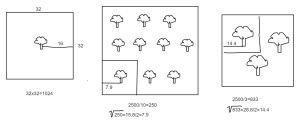
כַּמָּה הָווּ לְהוּ – תְּרֵי אַלְפִין וַחֲמֵשׁ מְאָה גַּרְמִידֵי; לְכׇל חַד וְחַד כַּמָּה מָטֵי לֵיהּ – מָאתַן וְחַמְשִׁין; הָא לָא הָוֵי דְּעוּלָּא!

The Gemara calculates: How much is the area of a beit se’a? It is 2,500 square cubits. And how much area is allocated for each and every one of the ten trees? It is 250 square cubits. This is not the distance that Ulla taught. An area of sixteen cubits to each side of the tree is a square of thirty-two by thirty-two cubits, or 1,024 square cubits, which is much larger than 250.

וְאֶלָּא מִדִּתְנַן: שְׁלֹשָׁה אִילָנוֹת שֶׁל שְׁלֹשָׁה בְּנֵי אָדָם – הֲרֵי אֵלּוּ מִצְטָרְפִין, וְחוֹרְשִׁין כׇּל

But rather, Ulla derived this measurement from that which we learned in the following mishna (Shevi’it 1:5): If there were three large trees belonging to three different people in one beit se’a, these trees combine, and one may plow the entire

Today’s daily daf tools:

Delve Deeper

Broaden your understanding of the topics on this daf with classes and podcasts from top women Talmud scholars.

For the Beyond the Daf shiurim offered in Hebrew, see here.

New to Talmud?

Check out our resources designed to help you navigate a page of Talmud – and study at the pace, level and style that fits you. 

The Hadran Women’s Tapestry

Meet the diverse women learning Gemara at Hadran and hear their stories. 

“I got my job through the NY Times” was an ad campaign when I was growing up. I can headline “I got my daily Daf shiur and Hadran through the NY Times”. I read the January 4, 2020 feature on Reb. Michelle Farber and Hadran and I have been participating ever since. Thanks NY Times & Hadran!
Deborah Aschheim
Deborah Aschheim

New York, United States

I began daf yomi in January 2020 with Brachot. I had made aliya 6 months before, and one of my post-aliya goals was to complete a full cycle. As a life-long Tanach teacher, I wanted to swim from one side of the Yam shel Torah to the other. Daf yomi was also my sanity through COVID. It was the way to marking the progression of time, and feel that I could grow and accomplish while time stopped.

Leah Herzog
Leah Herzog

Givat Zev, Israel

My curiosity was peaked after seeing posts about the end of the last cycle. I am always looking for opportunities to increase my Jewish literacy & I am someone that is drawn to habit and consistency. Dinnertime includes a “Guess what I learned on the daf” segment for my husband and 18 year old twins. I also love the feelings of connection with my colleagues who are also learning.

Diana Bloom
Diana Bloom

Tampa, United States

I had tried to start after being inspired by the hadran siyum, but did not manage to stick to it. However, just before masechet taanit, our rav wrote a message to the shul WhatsApp encouraging people to start with masechet taanit, so I did! And this time, I’m hooked! I listen to the shiur every day , and am also trying to improve my skills.

Laura Major
Laura Major

Yad Binyamin, Israel

A few years back, after reading Ilana Kurshan’s book, “If All The Seas Were Ink,” I began pondering the crazy, outlandish idea of beginning the Daf Yomi cycle. Beginning in December, 2019, a month before the previous cycle ended, I “auditioned” 30 different podcasts in 30 days, and ultimately chose to take the plunge with Hadran and Rabbanit Michelle. Such joy!

Cindy Dolgin
Cindy Dolgin

HUNTINGTON, United States

About a year into learning more about Judaism on a path to potential conversion, I saw an article about the upcoming Siyum HaShas in January of 2020. My curiosity was piqued and I immediately started investigating what learning the Daf actually meant. Daily learning? Just what I wanted. Seven and a half years? I love a challenge! So I dove in head first and I’ve enjoyed every moment!!
Nickie Matthews
Nickie Matthews

Blacksburg, United States

I started learning Talmud with R’ Haramati in Yeshivah of Flatbush. But after a respite of 60 years, Rabbanit Michelle lit my fire – after attending the last three world siyumim in Miami Beach, Meadowlands and Boca Raton, and now that I’m retired, I decided – “I can do this!” It has been an incredible journey so far, and I look forward to learning Daf everyday – Mazal Tov to everyone!

Roslyn Jaffe
Roslyn Jaffe

Florida, United States

I was exposed to Talmud in high school, but I was truly inspired after my daughter and I decided to attend the Women’s Siyum Shas in 2020. We knew that this was a historic moment. We were blown away, overcome with emotion at the euphoria of the revolution. Right then, I knew I would continue. My commitment deepened with the every-morning Virtual Beit Midrash on Zoom with R. Michelle.

Adina Hagege
Adina Hagege

Zichron Yaakov, Israel

I began to learn this cycle of Daf Yomi after my husband passed away 2 1/2 years ago. It seemed a good way to connect to him. Even though I don’t know whether he would have encouraged women learning Gemara, it would have opened wonderful conversations. It also gives me more depth for understanding my frum children and grandchildren. Thank you Hadran and Rabbanit Michelle Farber!!

Harriet Hartman
Harriet Hartman

Tzur Hadassah, Israel

My family recently made Aliyah, because we believe the next chapter in the story of the Jewish people is being written here, and we want to be a part of it. Daf Yomi, on the other hand, connects me BACK, to those who wrote earlier chapters thousands of years ago. So, I feel like I’m living in the middle of this epic story. I’m learning how it all began, and looking ahead to see where it goes!
Tina Lamm
Tina Lamm

Jerusalem, Israel

I’ve been studying Talmud since the ’90s, and decided to take on Daf Yomi two years ago. I wanted to attempt the challenge of a day-to-day, very Jewish activity. Some days are so interesting and some days are so boring. But I’m still here.
Wendy Rozov
Wendy Rozov

Phoenix, AZ, United States

I started at the beginning of this cycle. No 1 reason, but here’s 5.
In 2019 I read about the upcoming siyum hashas.
There was a sermon at shul about how anyone can learn Talmud.
Talmud references come up when I am studying. I wanted to know more.
Yentl was on telly. Not a great movie but it’s about studying Talmud.
I went to the Hadran website: A new cycle is starting. I’m gonna do this

Denise Neapolitan
Denise Neapolitan

Cambridge, United Kingdom

I’ve been wanting to do Daf Yomi for years, but always wanted to start at the beginning and not in the middle of things. When the opportunity came in 2020, I decided: “this is now the time!” I’ve been posting my journey daily on social media, tracking my progress (#DafYomi); now it’s fully integrated into my daily routines. I’ve also inspired my partner to join, too!

Joséphine Altzman
Joséphine Altzman

Teaneck, United States

Shortly after the death of my father, David Malik z”l, I made the commitment to Daf Yomi. While riding to Ben Gurion airport in January, Siyum HaShas was playing on the radio; that was the nudge I needed to get started. The “everyday-ness” of the Daf has been a meaningful spiritual practice, especial after COVID began & I was temporarily unable to say Kaddish at daily in-person minyanim.

Lisa S. Malik
Lisa S. Malik

Wynnewood, United States

I learned daf more off than on 40 years ago. At the beginning of the current cycle, I decided to commit to learning daf regularly. Having Rabanit Michelle available as a learning partner has been amazing. Sometimes I learn with Hadran, sometimes with my husband, and sometimes on my own. It’s been fun to be part of an extended learning community.

Miriam Pollack
Miriam Pollack

Honolulu, Hawaii, United States

After reading the book, “ If All The Seas Were Ink “ by Ileana Kurshan I started studying Talmud. I searched and studied with several teachers until I found Michelle Farber. I have been studying with her for two years. I look forward every day to learn from her.

Janine Rubens
Janine Rubens

Virginia, United States

I began daf yomi in January 2020 with Brachot. I had made aliya 6 months before, and one of my post-aliya goals was to complete a full cycle. As a life-long Tanach teacher, I wanted to swim from one side of the Yam shel Torah to the other. Daf yomi was also my sanity through COVID. It was the way to marking the progression of time, and feel that I could grow and accomplish while time stopped.

Leah Herzog
Leah Herzog

Givat Zev, Israel

About a year into learning more about Judaism on a path to potential conversion, I saw an article about the upcoming Siyum HaShas in January of 2020. My curiosity was piqued and I immediately started investigating what learning the Daf actually meant. Daily learning? Just what I wanted. Seven and a half years? I love a challenge! So I dove in head first and I’ve enjoyed every moment!!
Nickie Matthews
Nickie Matthews

Blacksburg, United States

I started to listen to Michelle’s podcasts four years ago. The minute I started I was hooked. I’m so excited to learn the entire Talmud, and think I will continue always. I chose the quote “while a woman is engaged in conversation she also holds the spindle”. (Megillah 14b). It reminds me of all of the amazing women I learn with every day who multi-task, think ahead and accomplish so much.

Julie Mendelsohn
Julie Mendelsohn

Zichron Yakov, Israel

When the new cycle began, I thought, If not now, when? I’d just turned 72. I feel like a tourist on a tour bus passing astonishing scenery each day. Rabbanit Michelle is my beloved tour guide. When the cycle ends, I’ll be 80. I pray that I’ll have strength and mind to continue the journey to glimpse a little more. My grandchildren think having a daf-learning savta is cool!

Wendy Dickstein
Wendy Dickstein

Jerusalem, Israel

Bava Batra 26

כִּדְנָיֵיד נִכְתְּמָא אַפּוּמֵּיהּ דְּחַצְבָּא.

It must shake enough that the lid [nakhtema] positioned at the mouth of a jug shakes if it is placed on a wall.

דְּבֵי בַּר מָרִיּוֹן בְּרֵיהּ דְּרָבִין, כִּי הֲוָה נָפְצִי כִּיתָּנָא – הֲוָה אָזְלָא רַקְתָּא וּמַזְּקָא אִינָשֵׁי. אֲתוֹ לְקַמֵּיהּ דְּרָבִינָא, אֲמַר לְהוּ: כִּי אָמְרִינַן מוֹדֶה רַבִּי יוֹסֵי בְּגִירֵי דִּילֵיהּ – הָנֵי מִילֵּי דְּקָא אָזְלָא מִכֹּחוֹ, הָכָא – זִיקָא הוּא דְּקָא מַמְטֵי לַהּ.

The Gemara relates: When the members of the household of bar Maryon, son of Ravin, would beat their flax, the chaff [rakta] would fly off and harm people. Those people came before Ravina to complain. Ravina said to them: When we say that Rabbi Yosei concedes with regard to his arrows, this statement applies only when the damaging item moves by his direct force. Here, by contrast, it is the wind that carries the chaff.

מַתְקֵיף לַהּ מָר בַּר רַב אָשֵׁי: מַאי שְׁנָא מִזּוֹרֶה וְרוּחַ מְסַיַּיעְתּוֹ? אַמְרוּהָ קַמֵּיהּ דְּמָרִימָר, אֲמַר לְהוּ: הַיְינוּ זוֹרֶה וְרוּחַ מְסַיַּיעְתּוֹ.

Mar bar Rav Ashi objects to this: In what way is this case different from one who winnows on Shabbat by throwing the grain into the wind so that the chaff is blown away and the wind assists him? That is considered a primary category of labor on Shabbat despite the fact that the act is performed partly with the aid of the wind. The Gemara relates that the Sages stated this objection with regard to beating flax before Mareimar. Mareimar said to them: This case is the same as one who winnows and the wind assists him. Just as this is considered his direct force for the purposes of the halakhot of Shabbat, it is likewise considered his direct force with regard to the halakhot of damages.

וּלְרָבִינָא, מַאי שְׁנָא מִגֵּץ הַיּוֹצֵא מִתַּחַת הַפַּטִּישׁ וְהִזִּיק – דְּחַיָּיב לְשַׁלֵּם? הָתָם נִיחָא לֵיהּ דְּלֵיזִל, הָכָא לָא נִיחָא לֵיהּ דְּלֵיזִל.

The Gemara asks: And according to the opinion of Ravina, who rejects this comparison and claims that flying chaff is not considered one’s arrow, in what way is this situation different from that of a spark that flies from a hammer and causes damage, in which case all agree that the one wielding the hammer is liable to pay? The Gemara answers: There, it is preferable for him that the spark go as far as possible, rather than staying nearby. Here it is not preferable for him, i.e., it is immaterial to him, that the chaff go some distance.

מַתְנִי׳ לֹא יִטַּע אָדָם אִילָן סָמוּךְ לִשְׂדֵה חֲבֵירוֹ, אֶלָּא אִם כֵּן הִרְחִיק מִמֶּנּוּ אַרְבַּע אַמּוֹת – אֶחָד גְּפָנִים וְאֶחָד כׇּל אִילָן. הָיָה גָּדֵר בֵּינָתַיִם – זֶה סוֹמֵךְ לַגָּדֵר מִכָּאן, וְזֶה סוֹמֵךְ לַגָּדֵר מִכָּאן.

MISHNA: A person may not plant a tree near the field of another unless he distances it four cubits from the field. This is the case whether he is planting grapevines or any kind of tree. If there was a fence between them, this one may place, i.e., plant, his grapevines or trees close to the fence from here, and that one may place, i.e., plant, his produce close to the fence from there.

הָיוּ שׇׁרָשִׁים יוֹצְאִים לְתוֹךְ שֶׁל חֲבֵירוֹ – מַעֲמִיק שְׁלֹשָׁה טְפָחִים, כְּדֵי שֶׁלֹּא יְעַכֵּב אֶת הַמַּחֲרֵישָׁה. הָיָה חוֹפֵר בּוֹר, שִׁיחַ וּמְעָרָה – קוֹצֵץ וְיוֹרֵד, וְהָעֵצִים שֶׁלּוֹ.

If the roots were spreading into the field of another, the owner of the field may dig to a depth of three handbreadths even if he severs those roots, so that they do not impede his plow. If he was digging a cistern in that spot, or a ditch, or a cave, and he came upon the roots of his neighbor’s tree, he may cut downward normally, and the wood from the roots is his.

גְּמָ׳ תָּנָא: אַרְבַּע אַמּוֹת שֶׁאָמְרוּ – כְּדֵי עֲבוֹדַת הַכֶּרֶם. אָמַר שְׁמוּאֵל: לֹא שָׁנוּ אֶלָּא בְּאֶרֶץ יִשְׂרָאֵל, אֲבָל בְּבָבֶל – שְׁתֵּי אַמּוֹת. תַּנְיָא נָמֵי הָכִי: לֹא יִטַּע אָדָם אִילָן סָמוּךְ לִשְׂדֵה חֲבֵירוֹ, אֶלָּא אִם כֵּן הִרְחִיק מִמֶּנּוּ שְׁתֵּי אַמּוֹת. וְהָא אֲנַן תְּנַן: אַרְבַּע אַמּוֹת! אֶלָּא לָאו כְּדִשְׁמוּאֵל? שְׁמַע מִינַּהּ.

GEMARA: A tanna taught: The four cubits that the Sages stated one must leave between a vineyard and a neighbor’s field are for the work of the vineyard, so that the owner of the vineyard does not take oxen and a plow into his neighbor’s field while working his vineyard. Shmuel says: They taught this halakha only with regard to Eretz Yisrael, but in Babylonia two cubits are sufficient, as their plows are shorter. This opinion is also taught in a baraita: A person may not plant a tree near the field of another unless he distances the tree two cubits from the field. But didn’t we learn in the mishna: Four cubits? Rather, is it not correct that there is a difference between Eretz Yisrael and Babylonia in this regard, as stated by Shmuel? The Gemara concludes: Indeed, learn from it that it is so.

וְאִיכָּא דְּרָמֵי לַהּ מִירְמֵא – תְּנַן: לֹא יִטַּע אָדָם אִילָן סָמוּךְ לִשְׂדֵה חֲבֵירוֹ, אֶלָּא אִם כֵּן הִרְחִיק מִמֶּנּוּ אַרְבַּע אַמּוֹת. וְהָתַנְיָא: שְׁתֵּי אַמּוֹת! אָמַר שְׁמוּאֵל: לָא קַשְׁיָא; כָּאן בְּבָבֶל, כָּאן בְּאֶרֶץ יִשְׂרָאֵל.

And there are those who raise this matter in the form of a contradiction. We learned in the mishna that a person may not plant a tree near the field of another unless he distances it four cubits from the field. But isn’t it taught in a baraita that two cubits are sufficient? Shmuel said that this is not difficult: Here it is referring to Babylonia, whereas there it is referring to Eretz Yisrael.

רָבָא בַּר רַב חָנָן הֲווֹ לֵיהּ הָנְהוּ דִּיקְלֵי, אַמִּיצְרָא דְּפַרְדֵּיסָא דְּרַב יוֹסֵף. הֲווֹ אָתוּ צִפּוֹרֵי יָתְבִי בְּדִיקְלֵי, וְנָחֲתִי בְּפַרְדֵּיסָא וּמַפְסְדִי לֵיהּ. אֲמַר לֵיהּ: זִיל קוֹץ. אֲמַר לֵיהּ: וְהָא אַרְחֵיקִי לִי! אֲמַר לֵיהּ: הָנֵי מִילֵּי לְאִילָנוֹת, אֲבָל לִגְפָנִים בָּעִינַן טְפֵי.

The Gemara relates: Rava bar Rav Ḥanan had these palm trees that stood adjacent to the boundary of Rav Yosef’s vineyard. Birds would come and roost on the palm trees and would subsequently descend to the vineyard and damage it. Rav Yosef said to Rava bar Rav Ḥanan: Go and cut down your palm trees. Rava bar Rav Ḥanan said to him: But I distanced them the required amount. Rav Yosef said to him: This matter, i.e., this specific distance, applies only to trees, but a greater distance is required for vines.

וְהָא אֲנַן תְּנַן: אֶחָד גְּפָנִים וְאֶחָד כׇּל אִילָן! אֲמַר לֵיהּ: הָנֵי מִילֵּי אִילָן לְאִילָן וּגְפָנִים לִגְפָנִים, אֲבָל אִילָן לִגְפָנִים בָּעִינַן טְפֵי.

Rava bar Rav Ḥanan protested: But didn’t we learn in the mishna that this is the halakha whether he is planting grapevines or any kind of tree? Rav Yosef said to him: This matter applies only to the distance between one tree and another tree, or the distance between one vine and other vines. But with regard to the space between a tree and vines, one requires a greater distance.

אֲמַר לֵיהּ: אֲנָא לָא קָיֵיצְנָא, דְּאָמַר רַב: הַאי דִּיקְלָא דְּטָעֵין קַבָּא – אָסוּר לְמִקְצְיֵיהּ. וְאָמַר רַבִּי חֲנִינָא: לָא שְׁכֵיב שִׁכְחַת בְּרִי, אֶלָּא דְּקַץ תְּאֵנְתָּא בְּלָא זִימְנֵיהּ. מָר – אִי נִיחָא לֵיהּ, לִיקּוֹץ.

Rava bar Rav Ḥanan said to him: I myself will not cut them down, as Rav said: With regard to this palm tree that produces one kav of fruit, it is prohibited to cut it down, due to the verse: “You shall not destroy the trees” (Deuteronomy 20:19). And Rabbi Ḥanina says: My son Shikhḥat died only because he cut down a fig tree before its time. Rava bar Rav Ḥanan continued: If the Master is amenable to do so, he may cut them down, but I will not do it.

רַב פָּפָּא הֲווֹ לֵיהּ הָנְהוּ דִּיקְלֵי אַמִּיצְרָא דְּרַב הוּנָא בְּרֵיהּ דְּרַב יְהוֹשֻׁעַ. אֲזַל אַשְׁכְּחֵיהּ דַּהֲוָה חָפַר, וְקָא קָאֵיץ שׇׁרָשָׁיו. אֲמַר לֵיהּ: מַאי הַאי? אֲמַר לֵיהּ, תְּנַן: הָיוּ שׇׁרָשִׁים יוֹצְאִים לְתוֹךְ שֶׁל חֲבֵירוֹ – מַעֲמִיק שְׁלֹשָׁה, כְּדֵי שֶׁלֹּא יְעַכֵּב הַמַּחֲרֵישָׁה.

The Gemara further relates that Rav Pappa had these palm trees that stood adjacent to the boundary of the property of Rav Huna, son of Rav Yehoshua. He went and found Rav Huna digging and cutting his roots. Rav Pappa said to him: What is this? Rav Huna said to him that we learned in the mishna: If the roots were spreading into the field of another, the owner of the field may dig to a depth of three handbreadths even if he severs those roots, so that they do not impede his plow.

אֲמַר לֵיהּ: הָנֵי מִילֵּי שְׁלֹשָׁה, מָר קָא חָפַר טְפֵי! אֲמַר לֵיהּ: אֲנָא בּוֹרוֹת שִׁיחִין וּמְעָרוֹת קָא חָפַרְנָא – דִּתְנַן: הָיָה חוֹפֵר בּוֹר, שִׁיחַ וּמְעָרָה – קוֹצֵץ וְיוֹרֵד, וְהָעֵצִים שֶׁלּוֹ. אָמַר רַב פָּפָּא: אֲמַרִי לֵיהּ כּוּלְּהִי, וְלָא יְכֵילִי לֵיהּ;

Rav Pappa said to him: This statement applies only up to three handbreadths, whereas the Master is digging and cutting more than three. Rav Huna said to him: I am digging cisterns, ditches, and caves, as we learned in the mishna: If he was digging a cistern, a ditch, or a cave, he may cut downward normally and the wood from the roots is his. Rav Pappa said: I told him all the proofs I could find, but I was unable to convince him that I was correct,

עַד דַּאֲמַרִי לֵיהּ הָא דְּאָמַר רַב יְהוּדָה: מֶצֶר שֶׁהֶחֱזִיקוּ בּוֹ רַבִּים – אָסוּר לְקַלְקְלוֹ. לְבָתַר דִּנְפַק, אֲמַר: אַמַּאי לָא אֲמַרִי לֵיהּ: כָּאן בְּתוֹךְ שֵׁשׁ עֶשְׂרֵה אַמָּה, כָּאן חוּץ לְשֵׁשׁ עֶשְׂרֵה אַמָּה.

until I told him that which Rav Yehuda says: With regard to a strip of land over which the public has an acquired privilege of use, one may not destroy it. Here too, since I have an acquired privilege of use of this land, you are not permitted to destroy that which I possess. After Rav Pappa left, Rav Huna, son of Rav Yehoshua, said: Why did I not say to him that there, an acquired privilege of use is effective when it is within sixteen cubits, as within that area the roots are considered part of the tree, whereas here I cut the roots of the palm trees beyond sixteen cubits.

הָיָה חוֹפֵר בּוֹר, שִׁיחַ וּמְעָרָה – קוֹצֵץ וְיוֹרֵד וְהָעֵצִים שֶׁלּוֹ (וְכוּ׳). בְּעָא מִינֵּיהּ יַעֲקֹב הַדְיָיבָא מֵרַב חִסְדָּא: עֵצִים שֶׁל מִי?

§ The mishna teaches that if he was digging a cistern, a ditch, or a cave, he may cut downward and the wood is his. The Sage Ya’akov of Hadeyyav raised a dilemma before Rav Ḥisda: To whom does the wood belong? The mishna says that the wood is his, without specifying to which of the two individuals this refers, the owner of the tree or the owner of the land.

אֲמַר לֵיהּ, תְּנֵיתוּהָ: שׇׁרְשֵׁי אִילָן שֶׁל הֶדְיוֹט הַבָּאִין בְּשֶׁל הֶקְדֵּשׁ, לֹא נֶהֱנִין וְלֹא מוֹעֲלִין.

Rav Ḥisda said to him: You learned the answer in a mishna in tractate Me’ila (13b). If roots of a tree belonging to an ordinary person [hedyot] extend into a field belonging to the Temple treasury, one may not derive benefit from them, but if one derived benefit from them he is not liable for misuse of consecrated property. That is, even if one does transgress the prohibition and benefit from them, it is not considered misuse and he is not liable to bring an offering.

אִי אָמְרַתְּ בִּשְׁלָמָא: בָּתַר אִילָן אָזְלִינַן – מִשּׁוּם הָכִי לֹא מוֹעֲלִין; אֶלָּא אִי אָמְרַתְּ: בָּתַר קַרְקַע אָזְלִינַן, אַמַּאי לֹא מוֹעֲלִין?

Granted, if you say that we follow the tree, and the roots are considered part of it, it is due to that reason that one is not liable for misuse, as the tree is not consecrated. But if you say we follow the land, i.e., the roots belong to the land’s owner, why is he not liable for misuse of consecrated property?

אֶלָּא מַאי? בָּתַר אִילָן אָזְלִינַן?! אֵימָא סֵיפָא: שֶׁל הֶקְדֵּשׁ הַבָּאִים בְּשֶׁל הֶדְיוֹט, לֹא נֶהֱנִין וְלֹא מוֹעֲלִין. וְאִי בָּתַר אִילָן אָזְלִינַן, אַמַּאי לֹא מוֹעֲלִין?

The Gemara asks: Rather, what will you say, that we follow the tree? If so, say the last clause of that mishna: If roots of a tree belonging to the Temple treasury extend into a field of an ordinary person, one may not derive benefit from them, but if one derived benefit from them he is not liable for misuse of consecrated property. But if we follow the tree, why is he not liable for misuse of consecrated property?

מִידֵּי אִירְיָא?! בְּגִידּוּלִין הַבָּאִין לְאַחַר מִכָּאן עָסְקִינַן, וְקָא סָבַר: אֵין מְעִילָה בְּגִידּוּלִין.

The Gemara responds: Are the cases comparable? In both clauses of the mishna we are dealing with growths that came thereafter, i.e., after the tree was consecrated, and the tanna of that mishna holds that with regard to growths that grew from a consecrated plant or tree, they are not subject to the halakhot of misuse of consecrated property. Only the original plant is. Consequently, there is no connection between that mishna and the question of whether roots are considered part of the tree or part of the land.

רָבִינָא אָמַר: לָא קַשְׁיָא; כָּאן בְּתוֹךְ שֵׁשׁ עֶשְׂרֵה אַמָּה, כָּאן חוּץ לְשֵׁשׁ עֶשְׂרֵה אַמָּה.

Ravina said that it is not difficult: Here, in the first clause of the mishna in Me’ila, it is referring to within sixteen cubits of the tree. In this case the roots are considered part of the tree. There, in the second clause, it is referring to roots beyond sixteen cubits, in which case the roots are considered part of the ground where they are found.

אָמַר עוּלָּא: אִילָן הַסָּמוּךְ לַמֶּצֶר – בְּתוֹךְ שֵׁשׁ עֶשְׂרֵה אַמָּה, גַּזְלָן הוּא – וְאֵין מְבִיאִין מִמֶּנּוּ בִּכּוּרִים.

Ulla said: An individual who maintains a tree that is within sixteen cubits of a boundary is a robber, as it draws nourishment from the neighbor’s land, and one does not bring first fruits from it, since that would be a mitzva that is fulfilled by means of a transgression.

מְנָא לֵיהּ לְעוּלָּא הָא? אִילֵּימָא מִדִּתְנַן: עֶשֶׂר נְטִיעוֹת הַמְפוּזָּרוֹת בְּתוֹךְ בֵּית סְאָה, חוֹרְשִׁין כׇּל בֵּית סְאָה בִּשְׁבִילָן, עַד רֹאשׁ הַשָּׁנָה.

The Gemara asks: From where does Ulla derive that measurement? If we say it is from that which we learned in a mishna (Shevi’it 1:6), this is problematic. That mishna teaches: If there were ten saplings scattered in a beit se’a, one may plow the entire beit se’a for their sake until Rosh HaShana of the Sabbatical Year. Although it is prohibited to plow other land in the time leading into the Sabbatical Year, to avoid the appearance of preparing to work the ground in that year, it is permitted to do so for the purpose of sustaining these young trees.

כַּמָּה הָווּ לְהוּ – תְּרֵי אַלְפִין וַחֲמֵשׁ מְאָה גַּרְמִידֵי; לְכׇל חַד וְחַד כַּמָּה מָטֵי לֵיהּ – מָאתַן וְחַמְשִׁין; הָא לָא הָוֵי דְּעוּלָּא!

The Gemara calculates: How much is the area of a beit se’a? It is 2,500 square cubits. And how much area is allocated for each and every one of the ten trees? It is 250 square cubits. This is not the distance that Ulla taught. An area of sixteen cubits to each side of the tree is a square of thirty-two by thirty-two cubits, or 1,024 square cubits, which is much larger than 250.

וְאֶלָּא מִדִּתְנַן: שְׁלֹשָׁה אִילָנוֹת שֶׁל שְׁלֹשָׁה בְּנֵי אָדָם – הֲרֵי אֵלּוּ מִצְטָרְפִין, וְחוֹרְשִׁין כׇּל

But rather, Ulla derived this measurement from that which we learned in the following mishna (Shevi’it 1:5): If there were three large trees belonging to three different people in one beit se’a, these trees combine, and one may plow the entire

Want to follow content and continue where you left off?

Create an account today to track your progress, mark what you’ve learned, and follow the shiurim that speak to you.

Clear all items from this list?

This will remove ALL the items in this section. You will lose any progress or history connected to them. This is irreversible.

Cancel
Yes, clear all

Are you sure you want to delete this item?

You will lose any progress or history connected to this item.

Cancel
Yes, delete