









Bava Batra
Masechet Bava Batra is sponsored by Lori Stark in loving memory of her mother in law, Sara Shapiro z”l and her father Nehemiah Sosewitz z”l.
This month’s learning is sponsored by Marci Glazer in loving memory of her teacher and chevruta, Rachel Brodie, Rachel Aviva bat Devora Chana, on her 4th yahrzeit. “She brought her love of Torah to thousands of people in her all-too-short life. A lover of Midrash, she still invited me on this Daf Yomi journey.”
Want to dedicate learning? Get started here:


Today’s daily daf tools:
Bava Batra
Masechet Bava Batra is sponsored by Lori Stark in loving memory of her mother in law, Sara Shapiro z”l and her father Nehemiah Sosewitz z”l.
This month’s learning is sponsored by Marci Glazer in loving memory of her teacher and chevruta, Rachel Brodie, Rachel Aviva bat Devora Chana, on her 4th yahrzeit. “She brought her love of Torah to thousands of people in her all-too-short life. A lover of Midrash, she still invited me on this Daf Yomi journey.”
Bava Batra 52
קִבֵּל מִן הַקָּטָן – יַעֲשֶׂה לוֹ סְגוּלָּה, וְאִם מֵת – יַחֲזִיר לְיוֹרְשָׁיו.
If one accepted a deposit from a minor, he cannot return it to him, as a minor is unable to properly safeguard the item. Instead, he must make a safe investment [segulla] for him, and if the minor dies, he must return it to his heirs.
וְכוּלָּן שֶׁאָמְרוּ בִּשְׁעַת מִיתָתָן: ״שֶׁל פְּלוֹנִי הֵן״, יַעֲשֶׂה כְּפֵירוּשָׁן. וְאִם לָאו, יַעֲשֶׂה פֵּירוּשׁ לְפֵירוּשָׁן.
And with regard to all these people, who said at the time of their death that the deposited item belongs to so-and-so, the bailee should act as they had explained, and if their explanation was not credible, the bailee should form an explanation of their explanation, i.e., ignore what they said.
דְּבֵיתְהוּ דְּרַבָּה בַּר בַּר חָנָה, כִּי קָא שָׁכְבָה, אֲמַרָה: ״הָנֵי כֵּיפֵי, דְּמָרְתָא וּבְנֵי בְרַתָּא״. אֲתָא לְקַמֵּיהּ דְּרַב, אֲמַר לֵיהּ: אִי מְהֵימְנָא לָךְ – עֲשֵׂה כְּפֵירוּשָׁהּ, וְאִי לָא – עֲשֵׂה פֵּירוּשׁ לְפֵירוּשָׁהּ.
The Gemara relates: When the wife of Rabba bar bar Ḥana was dying she said: These rings that are in my possession belong to Marta and the sons of her daughter. Rabba bar bar Ḥana came before Rav to ask what he should do. Rav said to him: If she is credible in your eyes, act as she had explained, and if not, form an explanation of her explanation, i.e., ignore what she said, and as her heir, keep them for yourself.
וְאִיכָּא דְּאָמְרִי, הָכִי אֲמַר לֵיהּ: אִי אֲמִידָא לָךְ, עֲשֵׂה כְּפֵירוּשָׁהּ, וְאִי לָא – עֲשֵׂה פֵּירוּשׁ לְפֵירוּשָׁהּ.
And there are those who say that this is what Rav said to him: If you assess that it is likely that the rings were deposited with her, act as she had explained, and if not, form an explanation of her explanation.
מִן הַקָּטָן – יַעֲשֶׂה לוֹ סְגוּלָּה. מַאי ״סְגוּלָּה״? רַב חִסְדָּא אָמַר: סֵפֶר תּוֹרָה. רַבָּה בַּר רַב הוּנָא אָמַר: דִּיקְלָא דְּאָכֵל מִינֵּיהּ תַּמְרֵי.
The baraita stated that if the bailee took a deposit from a minor, he must make a safe investment for him. The Gemara asks: What is meant by a safe investment? Rav Ḥisda says: The bailee should purchase a Torah scroll for the minor. Rabba bar Rav Huna says: He should purchase a date palm, from which the minor will consume dates.
וְלֹא לָאָב בְּנִכְסֵי הַבֵּן, וְלֹא לַבֵּן בְּנִכְסֵי הָאָב. אָמַר רַב יוֹסֵף: אֲפִילּוּ חָלְקוּ. רָבָא אָמַר: חָלְקוּ – לֹא.
§ The mishna teaches: And a father does not have the ability to establish the presumption of ownership with regard to a son’s property, and a son does not have the ability to establish the presumption of ownership with regard to a father’s property. Rav Yosef says: Even if they separated and the son is no longer dependent on his father, the presumption of ownership still cannot be established by a father or son with regard to the other’s property. Rava says: If they separated, that is not the halakha, and the presumption of ownership can be established.
אָמַר רַב יִרְמְיָה מִדִּפְתִּי: עֲבַד רַב פַּפִּי עוֹבָדָא ״חָלְקוּ – לֹא״, כְּרָבָא. אָמַר רַב נַחְמָן בַּר יִצְחָק, אִישְׁתַּעִי לִי רַב חִיָּיא מֵהוֹרְמִיז אַרְדְּשִׁיר, דְּאִישְׁתַּעִי לֵיהּ רַב אַחָא בַּר יַעֲקֹב, מִשְּׁמֵיהּ דְּרַב נַחְמָן בַּר יַעֲקֹב: חָלְקוּ לֹא. וְהִלְכְתָא: חָלְקוּ לֹא. תַּנְיָא נָמֵי הָכִי: בֵּן שֶׁחָלַק, וְאִשְׁתּוֹ שֶׁנִּתְגָּרְשָׁה – הֲרֵי הֵן כִּשְׁאָר כׇּל אָדָם.
Rav Yirmeya of Difti said: Rav Pappi performed an action and ruled that if they separated, that is not the halakha, in accordance with the opinion of Rava. Rav Naḥman bar Yitzḥak said that Rav Ḥiyya, from the city of Hurmiz Ardeshid, told me that Rav Aḥa bar Yaakov told him in the name of Rav Naḥman bar Yaakov: If they separated, that is not the halakha. The Gemara notes: And this is the halakha: If they separated, that is not the halakha, and the presumption of ownership can be established. This is also taught in a baraita: A son who separated himself from his father’s finances and a wife who became divorced are like all other people with regard to establishing the presumption of ownership.
אִיתְּמַר: אֶחָד מִן הָאַחִין שֶׁהָיָה נוֹשֵׂא וְנוֹתֵן בְּתוֹךְ הַבַּיִת, וְהָיוּ אוֹנוֹת וּשְׁטָרוֹת יוֹצְאִין עַל שְׁמוֹ, וְאָמַר: שֶׁלִּי הֵם, שֶׁנָּפְלוּ לִי מִבֵּית אֲבִי אִמָּא – אָמַר רַב: עָלָיו לְהָבִיא רְאָיָה. וּשְׁמוּאֵל אָמַר: עַל הָאַחִין לְהָבִיא רְאָיָה. אָמַר שְׁמוּאֵל: מוֹדֶה לִי אַבָּא, שֶׁאִם מֵת – עַל הָאַחִין לְהָבִיא רְאָיָה.
§ It was stated: There was a case of one of the brothers in a family who was engaging in commerce in the house, managing the family finances after the death of their father, and there were bills of sale [onot] and other documents circulating with his name appearing as the owner of the property and as a lender, and that brother said: The money and property are mine, as they fell to me as an inheritance from the house of the father of my mother, who is not the mother of the other brothers, Rav says: It is upon him to bring proof of ownership; otherwise the property is divided equally among the brothers. And Shmuel says: It is upon the brothers to bring proof that the money or property belonged to their common father and consequently now belongs to all of them. Shmuel says: Abba, i.e., Rav, concedes to me that if that brother dies, it is upon the brothers to bring proof in order to collect money from the deceased brother’s heirs.
מַתְקֵיף לַהּ רַב פָּפָּא: כְּלוּם טָעֲנִינַן לְהוּ לְיַתְמֵי, מִידֵּי דְּלָא טְעַן לְהוּ אֲבוּהוֹן? וְהָא רָבָא אַפֵּיק זוּגָא דְסַרְבָּלָא וְסִפְרָא דְאַגָּדְתָּא מִיַּתְמֵי, בְּלֹא רְאָיָה, בִּדְבָרִים הָעֲשׂוּיִם לְהַשְׁאִיל וּלְהַשְׂכִּיר –
Rav Pappa objects to Shmuel’s addendum: Do we claim on behalf of orphans anything that their father could not claim for them? But didn’t Rava remove a pair of scissors used for cutting garments and a book of aggada from orphans without requiring the prior owner who had asked the orphans to return these items to bring proof of ownership, and he would rule the same in the case of all items with regard to which it is common for them to be lent, and the one in possession has no presumption of ownership?
כְּדִשְׁלַח רַב הוּנָא בַּר אָבִין: דְּבָרִים הָעֲשׂוּיִן לְהַשְׁאִיל וּלְהַשְׂכִּיר, וְאָמַר ״לְקוּחִין הֵן בְּיָדִי״, אֵינוֹ נֶאֱמָן! קַשְׁיָא.
As Rav Huna bar Avin sent a ruling: If one other than the one previously established to be the owner is in possession of items that are typically lent or rented, and says: They are purchased, and that is why they are in my possession, he is not deemed credible. In this case as well, as the father of the orphans could not be awarded these documents without bringing proof, the same should be true of his orphans. Why, then, would Rav concede to Shmuel? The Gemara concedes: This is difficult.
אָמַר רַב חִסְדָּא: לֹא שָׁנוּ אֶלָּא דְּאֵין חֲלוּקִין בְּעִיסָּתָן, אֲבָל חֲלוּקִים בְּעִיסָּתָן – אֵימוֹר מֵעִיסָּתוֹ קִימֵּץ.
Rav Ḥisda says: They, i.e., Rav, taught his ruling, that the brother must bring proof that he owns the property listed in the documents that appear under his name, only when they do not divide any of their property, even with regard to their dough, i.e., they share everything, even their food. But if they divide with regard to their dough, say that this brother removed money from his dough, i.e., reduced his expenses for food, thereby amassing his own property.
רְאָיָה בְּמַאי? רַבָּה אָמַר: רְאָיָה בְּעֵדִים, רַב שֵׁשֶׁת אָמַר: רְאָיָה בְּקִיּוּם הַשְּׁטָר.
With regard to the requirement that proof be brought, the Gemara asks: With what is one considered to have brought proof? Rabba says: Proof is brought with the testimony of witnesses that he purchased the property listed in the document or granted the loan with his own money or that he inherited it from his mother’s family. Rav Sheshet says: Proof is brought with the court’s ratification of the document in which his name appears.
אֲמַר לֵיהּ רָבָא לְרַב נַחְמָן: הָא רַב וְהָא שְׁמוּאֵל, הָא רַבָּה וְהָא רַב שֵׁשֶׁת; מָר –, כְּמַאן סְבִירָא לֵיהּ? אֲמַר לֵיהּ: אֲנָא מַתְנִיתָא יָדַעְנָא, דְּתַנְיָא: אֶחָד מִן הָאַחִין שֶׁהָיָה נוֹתֵן וְנוֹשֵׂא בְּתוֹךְ הַבַּיִת, וְהָיוּ אוֹנוֹת וּשְׁטָרוֹת יוֹצְאִין עַל שְׁמוֹ, וְאָמַר: שֶׁלִּי הֵן, שֶׁנָּפְלוּ לִי מִבֵּית אֲבִי אִמָּא – עָלָיו לְהָבִיא רְאָיָה.
Rava said to Rav Naḥman: This is the opinion of Rav and this is the opinion of Shmuel; this is the opinion of Rabba and this is the opinion of Rav Sheshet. In accordance with whose opinion does the Master hold? Rav Naḥman said to him: I know a baraita, which is the source of my opinion, as it is taught (Tosefta 9:2): In a case where there was one of the brothers who was engaging in commerce in the house, managing the family finances, and there were bills of sale and other documents circulating with his name appearing as the owner of the property or as a lender, and that brother said: The money and property are mine, as they fell to me as an inheritance from the house of the father of my mother, who is not the mother of the other brothers, it is upon him to bring proof of ownership.
וְכֵן הָאִשָּׁה שֶׁהִיא נוֹשֵׂאת וְנוֹתֶנֶת בְּתוֹךְ הַבַּיִת, וְהָיוּ אוֹנוֹת וּשְׁטָרוֹת יוֹצְאִין עַל שְׁמָהּ, וְאָמְרָה: שֶׁלִּי הֵן, שֶׁנָּפְלוּ לִי מִבֵּית אֲבִי אַבָּא אוֹ מִבֵּית אֲבִי אִמָּא – עָלֶיהָ לְהָבִיא רְאָיָה.
The baraita continues: And similarly, in the case of a woman, i.e., a widow, if her husband’s heirs see that she is engaging in commerce in the house with the property that had belonged to her husband, and there were bills of sale and other documents circulating with her name appearing on them as the owner, and she said: The money and property are mine alone, as they fell to me as an inheritance from the house of the father of my father or from the house of the father of my mother, and did not belong to my husband, it is upon her to bring proof. Rav Naḥman consequently holds in accordance with the opinion of Rav.
מַאי ״וְכֵן״? מַהוּ דְּתֵימָא: אִשָּׁה, כֵּיוָן דִּשְׁבִיחָא לַהּ מִילְּתָא – דְּאָמְרִי קָא טָרְחָא קַמֵּי יַתְמֵי, לָא גָּזְלָה מִיַּתְמֵי; קָא מַשְׁמַע לַן:.
Having quoted the baraita, the Gemara seeks to clarify it, and asks: What is the purpose of the clause of the baraita that begins: And similarly, where the halakha appears to be identical to that of the first clause? Lest you say that in the case of the woman, since the matter is laudable for her, in that people say: She is toiling on behalf of orphans; she would not steal from the orphans, and is therefore deemed credible if she says that the property in the documents that bear her name is her own, the baraita teaches us that this assumption cannot be relied upon, and she must bring proof of ownership.
בַּמֶּה דְּבָרִים אֲמוּרִים – בְּמַחְזִיק, אֲבָל בְּנוֹתֵן מַתָּנָה וְהָאַחִין שֶׁחָלְקוּ וְכוּ׳. אַטּוּ כֹּל הָנֵי דְּאָמְרִינַן, לָאו בְּנֵי חֲזָקָה נִינְהוּ?
§ The mishna teaches: In what case is this statement, that one establishes the presumption of ownership after profiting from the property for a certain duration, said? It is said in a case of one who has mere possession of the property, which does in some cases serve as proof of ownership. But in a case of one who gives a gift, or brothers who divided their inheritance, or one who takes possession of the property of a convert who died without heirs and his property is now ownerless, as soon as one locked the door of the property, or fenced it or breached its fence even a bit, this is considered taking possession of the property, and effects acquisition. The Gemara asks: Is that to say that all of these whom we previously said possessed the field for three years are not subject to the halakhot of taking possession of property in this manner?
חַסּוֹרֵי מְחַסְּרָא, וְהָכִי קָתָנֵי: בַּמֶּה דְּבָרִים אֲמוּרִים – בַּחֲזָקָה שֶׁיֵּשׁ עִמָּהּ טַעֲנָה, כְּגוֹן מוֹכֵר אוֹמֵר: ״לֹא מָכַרְתִּי״, וְלוֹקֵחַ אוֹמֵר: ״לָקַחְתִּי״;
The Gemara responds that the mishna is incomplete and this is what it is teaching: In what case is this statement said? It is said with regard to possession that is accompanied by a claim, i.e., when the possessor has a claim to counter that of the claimant, such as where the seller, i.e., the claimant, says: I did not sell, and the buyer, i.e., the possessor, says: I purchased. In that case, working and profiting from the land for three years establishes the presumption of ownership.
אֲבָל חֲזָקָה שֶׁאֵין עִמָּהּ טַעֲנָה – כְּגוֹן נוֹתֵן מַתָּנָה, וְהָאַחִין שֶׁחָלְקוּ, וְהַמַּחְזִיק בְּנִכְסֵי הַגֵּר – דִּלְמִקְנֵי בְּעָלְמָא הוּא; נָעַל, גָּדַר, פָּרַץ כׇּל שֶׁהוּא – הֲרֵי זוֹ חֲזָקָה.
But with regard to possession that does not need to be accompanied by a claim, as the prior owner concedes that the one in possession is the owner, such as a case where another person gives one a gift, or there are brothers who divided their property, or there is one who takes possession of the property of a convert who died without heirs, where the function of possessing the item is only to acquire it and not to establish the presumption of ownership, if one locked the door of the property, or fenced it or breached its fence even a bit, this is considered taking possession of the property.
תָּנֵי רַב הוֹשַׁעְיָא בְּקִדּוּשִׁין דְּבֵי לֵוִי: נָעַל, גָּדַר, פָּרַץ כׇּל שֶׁהוּא בְּפָנָיו – הֲרֵי זוֹ חֲזָקָה. בְּפָנָיו – אִין, שֶׁלֹּא בְּפָנָיו – לָא? אָמַר רָבָא, הָכִי קָאָמַר: בְּפָנָיו – לָא צְרִיךְ לְמֵימַר לֵיהּ: ״לֵךְ חֲזֵק וּקְנִי״,
Rav Hoshaya teaches in the baraita of tractate Kiddushin that was taught in the school of Levi: If one locked the door of the property, or fenced it or breached its fence even a bit, if this was done in the presence of the seller, this is considered taking possession of the property. The Gemara asks: One could infer that in his presence, yes, he acquires it; but not in his presence, no, he does not acquire it. Why not? In any event he has taken possession. Rava said that this is what Rav Hoshaya is saying: If the act was performed in the seller’s presence, the seller need not say to him: Go, take possession, and thereby acquire the property. Since the buyer is performing the act in the seller’s presence, there is no need for the seller to specify that he consents to the buyer’s acquiring it.

Today’s daily daf tools:
Delve Deeper
Broaden your understanding of the topics on this daf with classes and podcasts from top women Talmud scholars.

New to Talmud?
Check out our resources designed to help you navigate a page of Talmud – and study at the pace, level and style that fits you.
The Hadran Women’s Tapestry
Meet the diverse women learning Gemara at Hadran and hear their stories.
A Gemara shiur previous to the Hadran Siyum, was the impetus to attend it.It was highly inspirational and I was smitten. The message for me was התלמוד בידינו. I had decided along with my Chahsmonaim group to to do the daf and take it one daf at time- without any expectations at all. There has been a wealth of information, insights and halachik ideas. It is truly exercise of the mind, heart & Soul
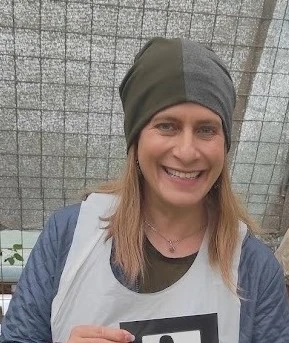
Hashmonaim, Israel
Since I started in January of 2020, Daf Yomi has changed my life. It connects me to Jews all over the world, especially learned women. It makes cooking, gardening, and folding laundry into acts of Torah study. Daf Yomi enables me to participate in a conversation with and about our heritage that has been going on for more than 2000 years.
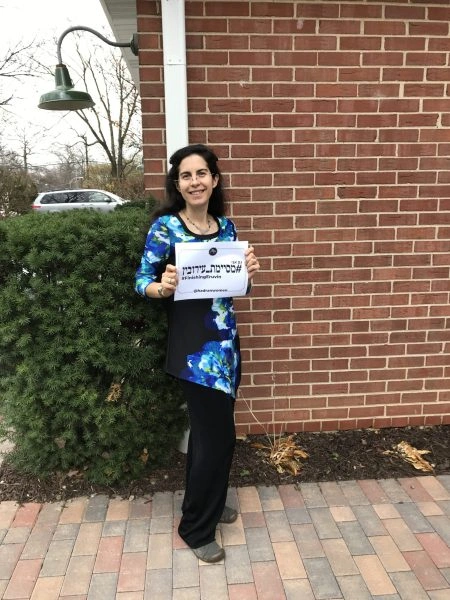
Skokie, IL, United States
It has been a pleasure keeping pace with this wonderful and scholarly group of women.

Beit Shemesh, Israel
I began my Daf Yomi journey on January 5, 2020. I had never learned Talmud before. Initially it struck me as a bunch of inane and arcane details with mind bending logic. I am now smitten. Rabbanit Farber brings the page to life and I am eager to learn with her every day!
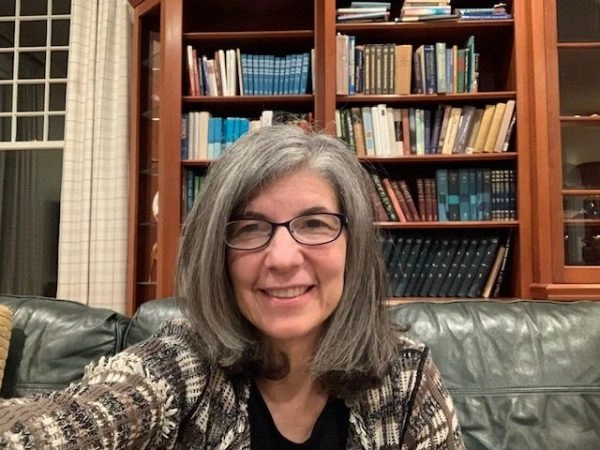
Highland Park, United States
I decided to learn one masechet, Brachot, but quickly fell in love and never stopped! It has been great, everyone is always asking how it’s going and chering me on, and my students are always making sure I did the day’s daf.
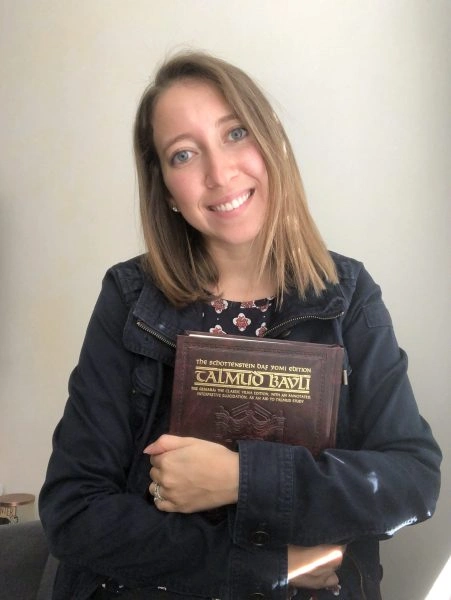
Memphis, Tennessee, United States

Jerusalem, Israel
I learned daf more off than on 40 years ago. At the beginning of the current cycle, I decided to commit to learning daf regularly. Having Rabanit Michelle available as a learning partner has been amazing. Sometimes I learn with Hadran, sometimes with my husband, and sometimes on my own. It’s been fun to be part of an extended learning community.

Honolulu, Hawaii, United States
I was inspired to start learning after attending the 2020 siyum in Binyanei Hauma. It has been a great experience for me. It’s amazing to see the origins of stories I’ve heard and rituals I’ve participated in my whole life. Even when I don’t understand the daf itself, I believe that the commitment to learning every day is valuable and has multiple benefits. And there will be another daf tomorrow!
Jerusalem, Israel
I learned Mishnayot more than twenty years ago and started with Gemara much later in life. Although I never managed to learn Daf Yomi consistently, I am learning since some years Gemara in depth and with much joy. Since last year I am studying at the International Halakha Scholars Program at the WIHL. I often listen to Rabbanit Farbers Gemara shiurim to understand better a specific sugyiah. I am grateful for the help and inspiration!

Berlin, Germany
I started learning with rabbis. I needed to know more than the stories. My first teacher to show me “the way of the Talmud” as well as the stories was Samara Schwartz.
Michelle Farber started the new cycle 2 yrs ago and I jumped on for the ride.
I do not look back.
Houston, United States
I was inspired to start learning after attending the 2020 siyum in Binyanei Hauma. It has been a great experience for me. It’s amazing to see the origins of stories I’ve heard and rituals I’ve participated in my whole life. Even when I don’t understand the daf itself, I believe that the commitment to learning every day is valuable and has multiple benefits. And there will be another daf tomorrow!
Jerusalem, Israel
Berlin, Germany
I was moved to tears by the Hadran Siyyum HaShas. I have learned Torah all my life, but never connected to learning Gemara on a regular basis until then. Seeing the sheer joy Talmud Torah at the siyyum, I felt compelled to be part of it, and I haven’t missed a day!
It’s not always easy, but it is so worthwhile, and it has strengthened my love of learning. It is part of my life now.

Beit Shemesh, Israel
I started learning Jan 2020 when I heard the new cycle was starting. I had tried during the last cycle and didn’t make it past a few weeks. Learning online from old men didn’t speak to my soul and I knew Talmud had to be a soul journey for me. Enter Hadran! Talmud from Rabbanit Michelle Farber from a woman’s perspective, a mother’s perspective and a modern perspective. Motivated to continue!
Brentwood, California, United States
I heard the new Daf Yomi cycle was starting and I was curious, so I searched online for a women’s class and was pleasently surprised to find Rabanit Michelle’s great class reviews in many online articles. It has been a splendid journey. It is a way to fill my days with Torah, learning so many amazing things I have never heard before during my Tanach learning at High School. Thanks so much .

Panama, Panama

Oceanside NY, United States
I started learning Daf Yomi inspired by תָּפַסְתָּ מְרוּבֶּה לֹא תָּפַסְתָּ, תָּפַסְתָּ מוּעָט תָּפַסְתָּ. I thought I’d start the first page, and then see. I was swept up into the enthusiasm of the Hadran Siyum, and from there the momentum kept building. Rabbanit Michelle’s shiur gives me an anchor, a connection to an incredible virtual community, and an energy to face whatever the day brings.

בית שמש, Israel
In January 2020, my chevruta suggested that we “up our game. Let’s do Daf Yomi” – and she sent me the Hadran link. I lost my job (and went freelance), there was a pandemic, and I am still opening the podcast with my breakfast coffee, or after Shabbat with popcorn. My Aramaic is improving. I will need a new bookcase, though.
Atlanta, Georgia, United States
My Daf journey began in August 2012 after participating in the Siyum Hashas where I was blessed as an “enabler” of others. Galvanized into my own learning I recited the Hadran on Shas in January 2020 with Rabbanit Michelle. That Siyum was a highlight in my life. Now, on round two, Daf has become my spiritual anchor to which I attribute manifold blessings.
Englewood NJ, United States
I started learning with rabbis. I needed to know more than the stories. My first teacher to show me “the way of the Talmud” as well as the stories was Samara Schwartz.
Michelle Farber started the new cycle 2 yrs ago and I jumped on for the ride.
I do not look back.
Houston, United States
Bava Batra 52
קִבֵּל מִן הַקָּטָן – יַעֲשֶׂה לוֹ סְגוּלָּה, וְאִם מֵת – יַחֲזִיר לְיוֹרְשָׁיו.
If one accepted a deposit from a minor, he cannot return it to him, as a minor is unable to properly safeguard the item. Instead, he must make a safe investment [segulla] for him, and if the minor dies, he must return it to his heirs.
וְכוּלָּן שֶׁאָמְרוּ בִּשְׁעַת מִיתָתָן: ״שֶׁל פְּלוֹנִי הֵן״, יַעֲשֶׂה כְּפֵירוּשָׁן. וְאִם לָאו, יַעֲשֶׂה פֵּירוּשׁ לְפֵירוּשָׁן.
And with regard to all these people, who said at the time of their death that the deposited item belongs to so-and-so, the bailee should act as they had explained, and if their explanation was not credible, the bailee should form an explanation of their explanation, i.e., ignore what they said.
דְּבֵיתְהוּ דְּרַבָּה בַּר בַּר חָנָה, כִּי קָא שָׁכְבָה, אֲמַרָה: ״הָנֵי כֵּיפֵי, דְּמָרְתָא וּבְנֵי בְרַתָּא״. אֲתָא לְקַמֵּיהּ דְּרַב, אֲמַר לֵיהּ: אִי מְהֵימְנָא לָךְ – עֲשֵׂה כְּפֵירוּשָׁהּ, וְאִי לָא – עֲשֵׂה פֵּירוּשׁ לְפֵירוּשָׁהּ.
The Gemara relates: When the wife of Rabba bar bar Ḥana was dying she said: These rings that are in my possession belong to Marta and the sons of her daughter. Rabba bar bar Ḥana came before Rav to ask what he should do. Rav said to him: If she is credible in your eyes, act as she had explained, and if not, form an explanation of her explanation, i.e., ignore what she said, and as her heir, keep them for yourself.
וְאִיכָּא דְּאָמְרִי, הָכִי אֲמַר לֵיהּ: אִי אֲמִידָא לָךְ, עֲשֵׂה כְּפֵירוּשָׁהּ, וְאִי לָא – עֲשֵׂה פֵּירוּשׁ לְפֵירוּשָׁהּ.
And there are those who say that this is what Rav said to him: If you assess that it is likely that the rings were deposited with her, act as she had explained, and if not, form an explanation of her explanation.
מִן הַקָּטָן – יַעֲשֶׂה לוֹ סְגוּלָּה. מַאי ״סְגוּלָּה״? רַב חִסְדָּא אָמַר: סֵפֶר תּוֹרָה. רַבָּה בַּר רַב הוּנָא אָמַר: דִּיקְלָא דְּאָכֵל מִינֵּיהּ תַּמְרֵי.
The baraita stated that if the bailee took a deposit from a minor, he must make a safe investment for him. The Gemara asks: What is meant by a safe investment? Rav Ḥisda says: The bailee should purchase a Torah scroll for the minor. Rabba bar Rav Huna says: He should purchase a date palm, from which the minor will consume dates.
וְלֹא לָאָב בְּנִכְסֵי הַבֵּן, וְלֹא לַבֵּן בְּנִכְסֵי הָאָב. אָמַר רַב יוֹסֵף: אֲפִילּוּ חָלְקוּ. רָבָא אָמַר: חָלְקוּ – לֹא.
§ The mishna teaches: And a father does not have the ability to establish the presumption of ownership with regard to a son’s property, and a son does not have the ability to establish the presumption of ownership with regard to a father’s property. Rav Yosef says: Even if they separated and the son is no longer dependent on his father, the presumption of ownership still cannot be established by a father or son with regard to the other’s property. Rava says: If they separated, that is not the halakha, and the presumption of ownership can be established.
אָמַר רַב יִרְמְיָה מִדִּפְתִּי: עֲבַד רַב פַּפִּי עוֹבָדָא ״חָלְקוּ – לֹא״, כְּרָבָא. אָמַר רַב נַחְמָן בַּר יִצְחָק, אִישְׁתַּעִי לִי רַב חִיָּיא מֵהוֹרְמִיז אַרְדְּשִׁיר, דְּאִישְׁתַּעִי לֵיהּ רַב אַחָא בַּר יַעֲקֹב, מִשְּׁמֵיהּ דְּרַב נַחְמָן בַּר יַעֲקֹב: חָלְקוּ לֹא. וְהִלְכְתָא: חָלְקוּ לֹא. תַּנְיָא נָמֵי הָכִי: בֵּן שֶׁחָלַק, וְאִשְׁתּוֹ שֶׁנִּתְגָּרְשָׁה – הֲרֵי הֵן כִּשְׁאָר כׇּל אָדָם.
Rav Yirmeya of Difti said: Rav Pappi performed an action and ruled that if they separated, that is not the halakha, in accordance with the opinion of Rava. Rav Naḥman bar Yitzḥak said that Rav Ḥiyya, from the city of Hurmiz Ardeshid, told me that Rav Aḥa bar Yaakov told him in the name of Rav Naḥman bar Yaakov: If they separated, that is not the halakha. The Gemara notes: And this is the halakha: If they separated, that is not the halakha, and the presumption of ownership can be established. This is also taught in a baraita: A son who separated himself from his father’s finances and a wife who became divorced are like all other people with regard to establishing the presumption of ownership.
אִיתְּמַר: אֶחָד מִן הָאַחִין שֶׁהָיָה נוֹשֵׂא וְנוֹתֵן בְּתוֹךְ הַבַּיִת, וְהָיוּ אוֹנוֹת וּשְׁטָרוֹת יוֹצְאִין עַל שְׁמוֹ, וְאָמַר: שֶׁלִּי הֵם, שֶׁנָּפְלוּ לִי מִבֵּית אֲבִי אִמָּא – אָמַר רַב: עָלָיו לְהָבִיא רְאָיָה. וּשְׁמוּאֵל אָמַר: עַל הָאַחִין לְהָבִיא רְאָיָה. אָמַר שְׁמוּאֵל: מוֹדֶה לִי אַבָּא, שֶׁאִם מֵת – עַל הָאַחִין לְהָבִיא רְאָיָה.
§ It was stated: There was a case of one of the brothers in a family who was engaging in commerce in the house, managing the family finances after the death of their father, and there were bills of sale [onot] and other documents circulating with his name appearing as the owner of the property and as a lender, and that brother said: The money and property are mine, as they fell to me as an inheritance from the house of the father of my mother, who is not the mother of the other brothers, Rav says: It is upon him to bring proof of ownership; otherwise the property is divided equally among the brothers. And Shmuel says: It is upon the brothers to bring proof that the money or property belonged to their common father and consequently now belongs to all of them. Shmuel says: Abba, i.e., Rav, concedes to me that if that brother dies, it is upon the brothers to bring proof in order to collect money from the deceased brother’s heirs.
מַתְקֵיף לַהּ רַב פָּפָּא: כְּלוּם טָעֲנִינַן לְהוּ לְיַתְמֵי, מִידֵּי דְּלָא טְעַן לְהוּ אֲבוּהוֹן? וְהָא רָבָא אַפֵּיק זוּגָא דְסַרְבָּלָא וְסִפְרָא דְאַגָּדְתָּא מִיַּתְמֵי, בְּלֹא רְאָיָה, בִּדְבָרִים הָעֲשׂוּיִם לְהַשְׁאִיל וּלְהַשְׂכִּיר –
Rav Pappa objects to Shmuel’s addendum: Do we claim on behalf of orphans anything that their father could not claim for them? But didn’t Rava remove a pair of scissors used for cutting garments and a book of aggada from orphans without requiring the prior owner who had asked the orphans to return these items to bring proof of ownership, and he would rule the same in the case of all items with regard to which it is common for them to be lent, and the one in possession has no presumption of ownership?
כְּדִשְׁלַח רַב הוּנָא בַּר אָבִין: דְּבָרִים הָעֲשׂוּיִן לְהַשְׁאִיל וּלְהַשְׂכִּיר, וְאָמַר ״לְקוּחִין הֵן בְּיָדִי״, אֵינוֹ נֶאֱמָן! קַשְׁיָא.
As Rav Huna bar Avin sent a ruling: If one other than the one previously established to be the owner is in possession of items that are typically lent or rented, and says: They are purchased, and that is why they are in my possession, he is not deemed credible. In this case as well, as the father of the orphans could not be awarded these documents without bringing proof, the same should be true of his orphans. Why, then, would Rav concede to Shmuel? The Gemara concedes: This is difficult.
אָמַר רַב חִסְדָּא: לֹא שָׁנוּ אֶלָּא דְּאֵין חֲלוּקִין בְּעִיסָּתָן, אֲבָל חֲלוּקִים בְּעִיסָּתָן – אֵימוֹר מֵעִיסָּתוֹ קִימֵּץ.
Rav Ḥisda says: They, i.e., Rav, taught his ruling, that the brother must bring proof that he owns the property listed in the documents that appear under his name, only when they do not divide any of their property, even with regard to their dough, i.e., they share everything, even their food. But if they divide with regard to their dough, say that this brother removed money from his dough, i.e., reduced his expenses for food, thereby amassing his own property.
רְאָיָה בְּמַאי? רַבָּה אָמַר: רְאָיָה בְּעֵדִים, רַב שֵׁשֶׁת אָמַר: רְאָיָה בְּקִיּוּם הַשְּׁטָר.
With regard to the requirement that proof be brought, the Gemara asks: With what is one considered to have brought proof? Rabba says: Proof is brought with the testimony of witnesses that he purchased the property listed in the document or granted the loan with his own money or that he inherited it from his mother’s family. Rav Sheshet says: Proof is brought with the court’s ratification of the document in which his name appears.
אֲמַר לֵיהּ רָבָא לְרַב נַחְמָן: הָא רַב וְהָא שְׁמוּאֵל, הָא רַבָּה וְהָא רַב שֵׁשֶׁת; מָר –, כְּמַאן סְבִירָא לֵיהּ? אֲמַר לֵיהּ: אֲנָא מַתְנִיתָא יָדַעְנָא, דְּתַנְיָא: אֶחָד מִן הָאַחִין שֶׁהָיָה נוֹתֵן וְנוֹשֵׂא בְּתוֹךְ הַבַּיִת, וְהָיוּ אוֹנוֹת וּשְׁטָרוֹת יוֹצְאִין עַל שְׁמוֹ, וְאָמַר: שֶׁלִּי הֵן, שֶׁנָּפְלוּ לִי מִבֵּית אֲבִי אִמָּא – עָלָיו לְהָבִיא רְאָיָה.
Rava said to Rav Naḥman: This is the opinion of Rav and this is the opinion of Shmuel; this is the opinion of Rabba and this is the opinion of Rav Sheshet. In accordance with whose opinion does the Master hold? Rav Naḥman said to him: I know a baraita, which is the source of my opinion, as it is taught (Tosefta 9:2): In a case where there was one of the brothers who was engaging in commerce in the house, managing the family finances, and there were bills of sale and other documents circulating with his name appearing as the owner of the property or as a lender, and that brother said: The money and property are mine, as they fell to me as an inheritance from the house of the father of my mother, who is not the mother of the other brothers, it is upon him to bring proof of ownership.
וְכֵן הָאִשָּׁה שֶׁהִיא נוֹשֵׂאת וְנוֹתֶנֶת בְּתוֹךְ הַבַּיִת, וְהָיוּ אוֹנוֹת וּשְׁטָרוֹת יוֹצְאִין עַל שְׁמָהּ, וְאָמְרָה: שֶׁלִּי הֵן, שֶׁנָּפְלוּ לִי מִבֵּית אֲבִי אַבָּא אוֹ מִבֵּית אֲבִי אִמָּא – עָלֶיהָ לְהָבִיא רְאָיָה.
The baraita continues: And similarly, in the case of a woman, i.e., a widow, if her husband’s heirs see that she is engaging in commerce in the house with the property that had belonged to her husband, and there were bills of sale and other documents circulating with her name appearing on them as the owner, and she said: The money and property are mine alone, as they fell to me as an inheritance from the house of the father of my father or from the house of the father of my mother, and did not belong to my husband, it is upon her to bring proof. Rav Naḥman consequently holds in accordance with the opinion of Rav.
מַאי ״וְכֵן״? מַהוּ דְּתֵימָא: אִשָּׁה, כֵּיוָן דִּשְׁבִיחָא לַהּ מִילְּתָא – דְּאָמְרִי קָא טָרְחָא קַמֵּי יַתְמֵי, לָא גָּזְלָה מִיַּתְמֵי; קָא מַשְׁמַע לַן:.
Having quoted the baraita, the Gemara seeks to clarify it, and asks: What is the purpose of the clause of the baraita that begins: And similarly, where the halakha appears to be identical to that of the first clause? Lest you say that in the case of the woman, since the matter is laudable for her, in that people say: She is toiling on behalf of orphans; she would not steal from the orphans, and is therefore deemed credible if she says that the property in the documents that bear her name is her own, the baraita teaches us that this assumption cannot be relied upon, and she must bring proof of ownership.
בַּמֶּה דְּבָרִים אֲמוּרִים – בְּמַחְזִיק, אֲבָל בְּנוֹתֵן מַתָּנָה וְהָאַחִין שֶׁחָלְקוּ וְכוּ׳. אַטּוּ כֹּל הָנֵי דְּאָמְרִינַן, לָאו בְּנֵי חֲזָקָה נִינְהוּ?
§ The mishna teaches: In what case is this statement, that one establishes the presumption of ownership after profiting from the property for a certain duration, said? It is said in a case of one who has mere possession of the property, which does in some cases serve as proof of ownership. But in a case of one who gives a gift, or brothers who divided their inheritance, or one who takes possession of the property of a convert who died without heirs and his property is now ownerless, as soon as one locked the door of the property, or fenced it or breached its fence even a bit, this is considered taking possession of the property, and effects acquisition. The Gemara asks: Is that to say that all of these whom we previously said possessed the field for three years are not subject to the halakhot of taking possession of property in this manner?
חַסּוֹרֵי מְחַסְּרָא, וְהָכִי קָתָנֵי: בַּמֶּה דְּבָרִים אֲמוּרִים – בַּחֲזָקָה שֶׁיֵּשׁ עִמָּהּ טַעֲנָה, כְּגוֹן מוֹכֵר אוֹמֵר: ״לֹא מָכַרְתִּי״, וְלוֹקֵחַ אוֹמֵר: ״לָקַחְתִּי״;
The Gemara responds that the mishna is incomplete and this is what it is teaching: In what case is this statement said? It is said with regard to possession that is accompanied by a claim, i.e., when the possessor has a claim to counter that of the claimant, such as where the seller, i.e., the claimant, says: I did not sell, and the buyer, i.e., the possessor, says: I purchased. In that case, working and profiting from the land for three years establishes the presumption of ownership.
אֲבָל חֲזָקָה שֶׁאֵין עִמָּהּ טַעֲנָה – כְּגוֹן נוֹתֵן מַתָּנָה, וְהָאַחִין שֶׁחָלְקוּ, וְהַמַּחְזִיק בְּנִכְסֵי הַגֵּר – דִּלְמִקְנֵי בְּעָלְמָא הוּא; נָעַל, גָּדַר, פָּרַץ כׇּל שֶׁהוּא – הֲרֵי זוֹ חֲזָקָה.
But with regard to possession that does not need to be accompanied by a claim, as the prior owner concedes that the one in possession is the owner, such as a case where another person gives one a gift, or there are brothers who divided their property, or there is one who takes possession of the property of a convert who died without heirs, where the function of possessing the item is only to acquire it and not to establish the presumption of ownership, if one locked the door of the property, or fenced it or breached its fence even a bit, this is considered taking possession of the property.
תָּנֵי רַב הוֹשַׁעְיָא בְּקִדּוּשִׁין דְּבֵי לֵוִי: נָעַל, גָּדַר, פָּרַץ כׇּל שֶׁהוּא בְּפָנָיו – הֲרֵי זוֹ חֲזָקָה. בְּפָנָיו – אִין, שֶׁלֹּא בְּפָנָיו – לָא? אָמַר רָבָא, הָכִי קָאָמַר: בְּפָנָיו – לָא צְרִיךְ לְמֵימַר לֵיהּ: ״לֵךְ חֲזֵק וּקְנִי״,
Rav Hoshaya teaches in the baraita of tractate Kiddushin that was taught in the school of Levi: If one locked the door of the property, or fenced it or breached its fence even a bit, if this was done in the presence of the seller, this is considered taking possession of the property. The Gemara asks: One could infer that in his presence, yes, he acquires it; but not in his presence, no, he does not acquire it. Why not? In any event he has taken possession. Rava said that this is what Rav Hoshaya is saying: If the act was performed in the seller’s presence, the seller need not say to him: Go, take possession, and thereby acquire the property. Since the buyer is performing the act in the seller’s presence, there is no need for the seller to specify that he consents to the buyer’s acquiring it.

