Search

Bava Kamma 55

Want to dedicate learning? Get started here:

English
עברית
podcast placeholder

0:00
0:00


podcast placeholder

0:00
0:00


Summary

Today’s daf is sponsored by Earl Norman in honor of the first responders of the State of Israel. “Their dedication, professionalism and compassion often in the face of danger is an inspiration.”

Why does the word ‘good’ appear in the context of the commandment to respect your parents only in the ten commandments in the book of Devarim and not in the book of Shmot (“so that it will be good for you”)? If one sees the letter tet in a dream, it is a sign of good things to come. Once the Mishna has established the prohibition of k’elaim (crossbreeding or coworking two animals), different rabbis bring examples where the prohibition applies to animals that are from the same species but not the same type, such as a rooster, peacock, and pheasant. The sixth chapter begins with laws regarding one who watched his animal properly but the animal escaped and ate or trampled a field. If the wall was breached at night or was broken by robbers, the owner is exempt, as are the robbers (indirect damages). If the robbers took the animals out and the animals caused damage, the robbers are liable as they are directly responsible. |If the owner gave the animal to another person to watch, is the owner no longer responsible, and the liability shifts to the other person? On what does it depend? If the animal accidentally falls into another’s field and damages (eats or tramples), the owner only pays the benefit they received, but if the animal went in intentionally the owner has to compensate for the damages. The Gemara explains that the level of protection (shmira) mentioned in the case of the Mishna is light protection (able to withstand a regular wind). This leads to the suggestion that the Mishna corresponds only to Rabbi Yehuda’s position that a shor muad is exempt if the owner safeguarded the animal by putting up a standard wall, as an animal is always considered forewarned regarding eating and trampling. However, this is rejected as perhaps the debate between Rabbi Meir and Rabbi Yehuda is only relevant for keren damages where there is intent to damage, and not applicable to eating a trampling. Further proof is brought from a tannaitic source that there are four cases where the Torah required only basic safeguarding – a pit, fire, eating, and trampling. The Gemara brings a source for each from the Torah. Further proof is brought from the language of the Mishna. There are four cases where one is exempt from liability in a court of law, but liable in a heavenly court – one is the case in our Mishna where one breaches a fence of another and lets out the owner’s animals.

Today’s daily daf tools:

Bava Kamma 55

נֶאֱמַר בָּהֶם ״טוֹב״? אָמַר לוֹ: עַד שֶׁאַתָּה שׁוֹאֲלֵנִי לָמָּה נֶאֱמַר בָּהֶם ״טוֹב״, שְׁאָלֵנִי אִם נֶאֱמַר בָּהֶן ״טוֹב״ אִם לָאו – שֶׁאֵינִי יוֹדֵעַ אִם נֶאֱמַר בָּהֶן ״טוֹב״ אִם לָאו; כְּלָךְ אֵצֶל רַבִּי תַּנְחוּם בַּר חֲנִילַאי, שֶׁהָיָה רָגִיל אֵצֶל רַבִּי יְהוֹשֻׁעַ בֶּן לֵוִי – שֶׁהָיָה בָּקִי בְּאַגָּדָה.

in the context of the mitzva to honor one’s parents, the word good is stated there: “In order that it shall be good for you” (Deuteronomy 5:16)? Rabbi Ḥiyya bar Abba said to him: Before you ask me why the word good is stated, ask me if the word good is actually stated there or not, since I am not sufficiently proficient in my knowledge of the biblical verses to remember the precise wording, and I do not know if the word good is stated there or not. Go to Rabbi Tanḥum bar Ḥanilai, who was commonly found at the academy of Rabbi Yehoshua ben Levi, who was an expert in aggada. Perhaps he heard something from him on this matter and can answer your question.

אֲזַל לְגַבֵּיהּ. אֲמַר לֵיהּ: מִמֶּנּוּ לֹא שָׁמַעְתִּי, אֶלָּא כָּךְ אָמַר לִי שְׁמוּאֵל בַּר נַחוּם אֲחִי אִמּוֹ שֶׁל רַב אַחָא בְּרַבִּי חֲנִינָא, וְאָמְרִי לַהּ אֲבִי אִמּוֹ שֶׁל רַב אַחַי בְּרַבִּי חֲנִינָא: הוֹאִיל וְסוֹפָן לְהִשְׁתַּבֵּר.

Rabbi Ḥanina ben Agil went to him and asked him. Rabbi Tanḥum said to him: I did not hear anything on this matter from Rabbi Yehoshua ben Levi himself. But this is what Shmuel bar Naḥum, the brother of the mother of Rav Aḥa, son of Rabbi Ḥanina, said to me, and some say it was the father of the mother of Rav Aḥai, son of Rabbi Ḥanina: It does not mention the word good in the first tablets, since they were ultimately destined to be broken after the Jews made the Golden Calf.

וְכִי סוֹפָן לְהִשְׁתַּבֵּר מַאי הָוֵי? אָמַר רַב אָשֵׁי: חַס וְשָׁלוֹם, פָּסְקָה טוֹבָה מִיִּשְׂרָאֵל.

The Gemara asks: And even if it had mentioned the term good, and they were ultimately destined to break, what of it? Rav Ashi said: If this term had been mentioned in the first tablets, all good would have, God forbid, ceased from Israel once they were broken. Therefore, only the second version, which was written after the breaking of the tablets, contains the word good, so that there would always be good for the Jewish people.

אָמַר רַבִּי יְהוֹשֻׁעַ: הָרוֹאֶה טֵית בַּחֲלוֹמוֹ – סִימָן יָפֶה לוֹ. מַאי טַעְמָא? אִילֵּימָא מִשּׁוּם דִּכְתִיב ״טוֹב״, אֵימָא: ״וְטֵאטֵאתִיהָ בְּמַטְאֲטֵא הַשְׁמֵד״! חַד טֵית קָאָמְרִינַן.

Rabbi Yehoshua says: If one sees the letter tet in his dream, it is a good sign for him. The Gemara asks: What is the reason? If we say that it is because the word good [tov] is written in the Torah and begins with the letter tet, then one could say instead that it is an allusion to the verse: “And I will sweep it with the broom [vetetetiha bemate’ateh] of destruction” (Isaiah 14:23), which also contains the letter tet several times but is referring to punishment. The Gemara answers: We mean that when someone sees one tet in his dream, it is a good sign, but this latter verse contains several.

אֵימָא: ״טֻמְאָתָהּ בְּשׁוּלֶיהָ״! טֵית בֵּית קָאָמְרִינַן. אֵימָא: ״טָבְעוּ בָּאָרֶץ שְׁעָרֶיהָ״!

The Gemara asks: This latter statement is problematic, as even according to this explanation, one can say that a single letter tet alludes to the verse: “Her filthiness [tumatah] is in her skirts” (Lamentations 1:9), which begins with the letter tet. The Gemara answers: We mean that when one sees the letter tet together with the letter bet in his dream, it is a good sign for him, as the word tov is written with both. The Gemara asks further: According to this, say that it alludes to the verse: “Her gates are sunk [tave’u] into the ground” (Lamentations 2:9), which begins with the letter tet followed by the letter bet.

אֶלָּא הוֹאִיל וּפָתַח בּוֹ הַכָּתוּב לְטוֹבָה תְּחִילָּה – שֶׁמִּ״בְּרֵאשִׁית״ עַד ״וַיַּרְא אֱלֹהִים אֶת הָאוֹר״, לָא כְּתִיב טֵית.

Rather, it is not merely because it is the first letter of the word good [tov] that it is considered a good omen. Since the Torah initially introduces the letter tet in a context of good, with the word good [tov] itself, it is a good omen. As from the word bereshit, the first word in the Torah, until the verse: “And God saw that the light was good [tov]” (Genesis 1:4), the letter tet is not written anywhere.

וְאָמַר רַבִּי יְהוֹשֻׁעַ בֶּן לֵוִי: הָרוֹאֶה הֶסְפֵּד בַּחֲלוֹמוֹ – חָסוּ עָלָיו מִן הַשָּׁמַיִם, וּפְדָאוּהוּ. הָנֵי מִילֵּי בִּכְתָבָא.

And Rabbi Yehoshua ben Levi says: If one sees a eulogy [hesped] in his dream, it is an allusion that in Heaven they had pity [ḥasu] on him and saved him [peda’uhu] from actually being eulogized. The Gemara notes: This statement applies specifically when he actually saw the word: Eulogy [hesped], in writing.

וְכֵן חַיָּה וָעוֹף כַּיּוֹצֵא בָּהֶן וְכוּ׳. אָמַר רֵישׁ לָקִישׁ, כָּאן שָׁנָה רַבִּי: תַּרְנְגוֹל, טַוּוֹס וּפַסְיוֹנִי – כִּלְאַיִם זֶה בָּזֶה.

§ The mishna teaches: And similarly, undomesticated animals and birds are subject to the same halakhot as domesticated animals. Reish Lakish says: Here Rabbi Yehuda HaNasi taught a ruling from the Tosefta that illustrates the statement that birds and undomesticated animals are also subject to the prohibition of diverse kinds: A cock, a peacock [tavvas], and a pheasant [ufasyonei] are diverse kinds with respect to each other, since this halakha applies to birds as well.

פְּשִׁיטָא! אָמַר רַב חֲבִיבָא: מִשּׁוּם דְּרָבוּ בַּהֲדֵי הֲדָדֵי – מַהוּ דְּתֵימָא: מִין חַד הוּא; קָא מַשְׁמַע לַן.

The Gemara asks: Isn’t this obvious; what novelty is stated here? Rav Ḥaviva said: The novelty here is because they are reared together. Lest you say: Since they are reared together, they are essentially one species, and not considered diverse kinds. Therefore, it teaches us that they are actually separate species, and the halakhot of diverse kinds do apply to them.

אָמַר שְׁמוּאֵל: אַוּוֹז וְאַוּוֹז הַבָּר – כִּלְאַיִם זֶה בָּזֶה. מַתְקֵיף לַהּ רָבָא בַּר רַב חָנָן: מַאי טַעְמָא? אִילֵּימָא מִשּׁוּם דְּהַאי אֲרִיךְ קוֹעֵיהּ וְהַאי זוּטַר קוֹעֵיהּ; אֶלָּא מֵעַתָּה, גַּמְלָא פָּרְסָא וְגַמְלָא טַיָּיעָא, דְּהַאי אַלִּים קוֹעֵיהּ וְהַאי קַטִּין קוֹעֵיהּ, הָכִי נָמֵי דְּהָווּ כִּלְאַיִם זֶה בָּזֶה?!

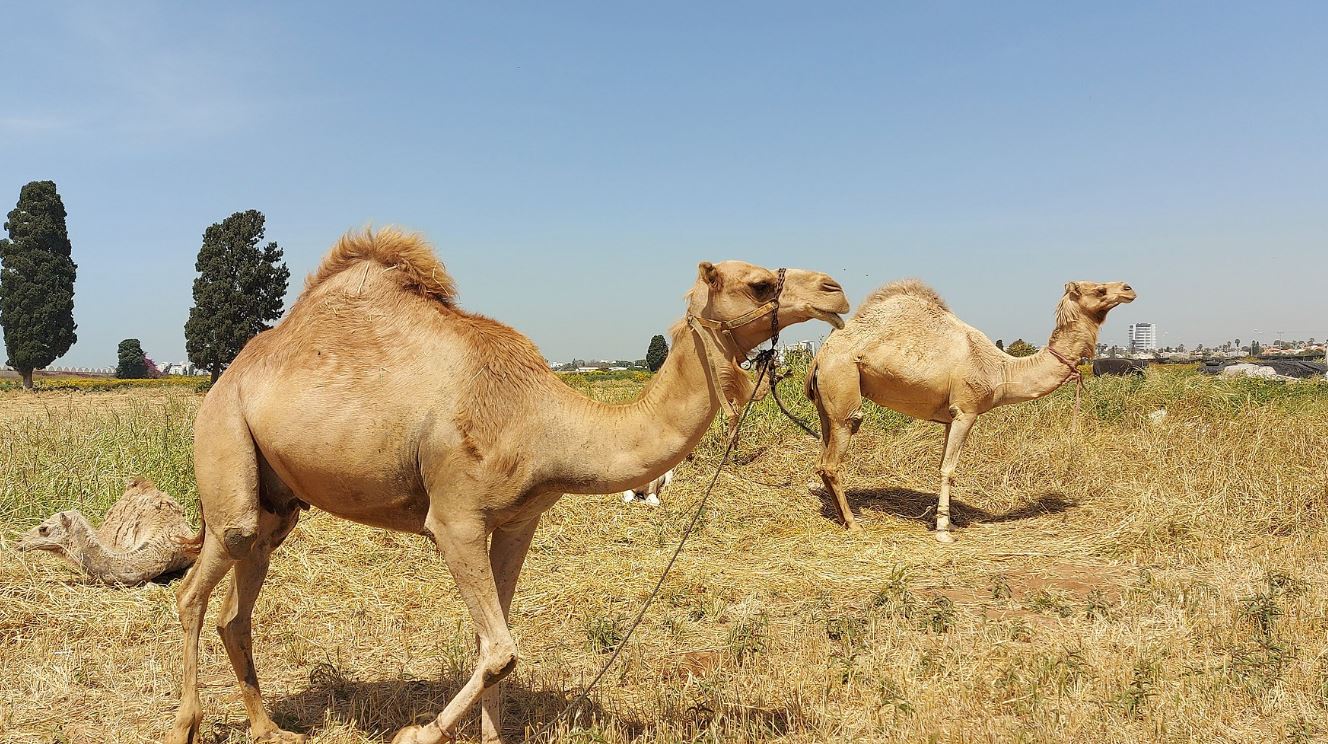
Following the discussion of the prohibition of diverse kinds as it relates to birds, Shmuel says: The domestic goose and the wild goose are diverse kinds with respect to each other and are not one species. Rava bar Rav Ḥanan objects to this: What is the reason? If we say it is because the beak of this one is long and the beak of that one is short, if that is so, then with regard to a Persian camel and an Arabian camel, where the neck of this one is thick and the neck of that one is thin, they should indeed be considered diverse kinds with respect to one another. Clearly, though, the camels are in fact two variants of a single species.

אֶלָּא אָמַר אַבָּיֵי: זֶה בֵּיצָיו מִבַּחוּץ, וְזֶה בֵּיצָיו מִבִּפְנִים. רַב פָּפָּא אָמַר: הָא טְעוּנָה חֲדָא בֵּיעֲתָא בְּשִׁיחְלָא, וְהָא טְעוּנָה כַּמָּה בֵּיעָתָא בְּשִׁיחְלָא.

Rather, Abaye says: That is not the reason, but rather another difference exists between the domestic goose and the wild goose, concerning the male: With regard to this type, i.e., the wild goose, its testicles are visible from the outside, and with regard to that one, i.e., the domestic goose, its testicles are inside. Rav Pappa said that another difference exists between them, concerning the female: This one, i.e., the wild goose, releases only one egg in its ovary and later releases another, and that one, i.e., the domestic goose, releases several eggs at once in its ovary. Consequently, they are not considered to be the same species.

אָמַר רַבִּי יִרְמְיָה אָמַר רֵישׁ לָקִישׁ: הַמַּרְבִּיעַ שְׁנֵי מִינִים שֶׁבַּיָּם – לוֹקֶה. מַאי טַעְמָא? אָמַר רַב אַדָּא בַּר אַהֲבָה מִשְּׁמֵיהּ דְּעוּלָּא: אָתְיָא ״לְמִינֵהוּ״–״לְמִינֵהוּ״ מִיַּבָּשָׁה.

In connection with the prohibition of diverse kinds, Rabbi Yirmeya says that Reish Lakish says: One who crossbreeds two species of creatures that live in the sea is flogged for transgressing the prohibition of crossbreeding diverse kinds. The Gemara asks: What is the reason, i.e., where is there an allusion to this in the Torah? Rav Adda bar Ahava said in the name of Ulla: It is derived from a verbal analogy between the term: “According to its species [leminehu]” (Genesis 1:21), referring to animals living on dry land, and the same term: “According to its species [leminehu]” (Genesis 1:25), referring to sea creatures. In the same way that the former may not be crossbred, similarly, the latter may not be crossbred.

בָּעֵי רַחֲבָה: הַמַּנְהִיג בְּעִיזָּא וְשִׁיבּוּטָא, מַהוּ? מִי אָמְרִינַן: כֵּיוָן דְּעִיזָּא לָא נָחֵית בַּיָּם, וְשִׁיבּוּטָא לָא סָלֵיק לַיַּבָּשָׁה – לֹא כְּלוּם עָבֵיד; אוֹ דִלְמָא, הַשְׁתָּא מִיהַת קָא מַנְהֵיג?

The Sage Raḥava raises a dilemma: With regard to one who drives a wagon on the seashore with a goat and a shibbuta, a certain species of fish, together, pulled by the goat on land and the fish at sea, what is the halakha? Has he violated the prohibition against performing labor with diverse kinds, in the same way that one does when plowing with an ox and a donkey together, or not? The two sides of the question are as follows: Do we say that since the goat does not descend into the sea and the shibbuta does not ascend onto the land, they are not working together at all, and so he has not done anything forbidden? Or perhaps, since in any event, he is now driving the wagon with both of them, he thereby transgresses the prohibition?

מַתְקֵיף לַהּ רָבִינָא: אֶלָּא מֵעַתָּה, חִיבֵּר חִטָּה וּשְׂעוֹרָה בְּיָדוֹ, וְזָרַע חִטָּה בָּאָרֶץ וּשְׂעוֹרָה בְּחוּצָה לָאָרֶץ, הָכִי נָמֵי דְּמִחַיַּיב?

Ravina objects to this: But if that is so that one is liable, then if a person joined wheat and barley together in his hand and sowed the wheat in Eretz Yisrael and the barley outside of Eretz Yisrael, where the prohibition of diverse kinds does not apply to seeds, so too he should be liable. Clearly, however, they are two distinct regions, and the seeds are not considered to be mixed together.

אָמְרִי: הָכִי הַשְׁתָּא?! הָתָם – אֶרֶץ מְקוֹם חִיּוּבָא, חוּצָה לָאָרֶץ לָא מְקוֹם חִיּוּבָא; הָכָא – אִידֵּי וְאִידֵּי חִיּוּבָא הוּא.

The Sages said in response to this objection: How can these cases be compared? There, in the case of planting diverse kinds of seeds, it is specifically Eretz Yisrael that is the location subject to this obligation, whereas outside of Eretz Yisrael is not a location subject to this obligation. Here, by contrast, in the case of the person driving a wagon, both this location, i.e., the land, and that location, i.e., the sea, are locations subject to this obligation. Consequently, if one works together two different species either on the land or in the sea, he is liable. Therefore, the question is a valid one.


הֲדַרַן עֲלָךְ שׁוֹר שֶׁנָּגַח אֶת הַפָּרָה

MISHNA: In the case of one who brought his flock of sheep into the pen and locked the door before it in a manner that is appropriate, and despite this sheep went out and caused damage in another person’s field by eating produce or trampling it, the owner is exempt, since he safeguarded the animals appropriately. If he did not lock the door before the sheep in a manner that is appropriate, and sheep went out and caused damage, the owner is liable, since his negligence led to the damage.

מַתְנִי׳ הַכּוֹנֵס צֹאן לַדִּיר, וְנָעַל בְּפָנֶיהָ כָּרָאוּי, וְיָצְאָה וְהִזִּיקָה – פָּטוּר. לֹא נָעַל בְּפָנֶיהָ כָּרָאוּי, וְיָצְאָה וְהִזִּיקָה – חַיָּיב.

If the owner locked the door appropriately but the wall of the pen was breached at night, or bandits breached it, and sheep subsequently went out and caused damage by eating or trampling, the owner of the sheep is exempt from liability. If the bandits themselves took the sheep out of the pen and the animals subsequently caused damage, the bandits are liable.

נִפְרְצָה בַּלַּיְלָה אוֹ שֶׁפְּרָצוּהָ לִסְטִים, וְיָצְאָה וְהִזִּיקָה – פָּטוּר. הוֹצִיאוּהָ לִסְטִים – לִסְטִים חַיָּיבִין.

If the owner left the animal in the sun, causing it to suffer, or if he conveyed it to a deaf-mute, an imbecile, or a minor, who are not able to safeguard it, and the animal went out and caused damage, the owner is liable because he was negligent.

הִנִּיחָה בַּחַמָּה, אוֹ שֶׁמְּסָרָהּ לְחֵרֵשׁ שׁוֹטֶה וְקָטָן, וְיָצְאָה וְהִזִּיקָה – חַיָּיב.

If the owner conveyed the animal to a shepherd to care for it, the shepherd enters in his place and is responsible for the damage.

מְסָרָהּ לְרוֹעֶה – נִכְנַס הָרוֹעֶה תַּחְתָּיו.

If the animal fell into a garden and derives benefit from produce there, its owner pays for the benefit that it derives and not for other damage caused. If the animal descended into the garden in its usual manner and caused damage there, its owner pays for what it damaged. How does the court appraise the value of the damage when the owner pays for what it damaged? The court appraises a large piece of land with an area required for sowing one se’a of seed [beit se’a] in that field, including the garden bed in which the damage took place. This appraisal includes how much it was worth before the animal damaged it and how much is it worth now, and the owner must pay the difference. The court appraises not only the garden bed that was eaten or trampled, rather the depreciation in value of the bed as part of the surrounding area. This results in a smaller payment, as the damage appears less significant in the context of a larger area.

נָפְלָה לְגִינָּה וְנֶהֱנֵית – מְשַׁלֶּמֶת מַה שֶּׁנֶּהֱנֵית. יָרְדָה כְּדַרְכָּהּ וְהִזִּיקָה – מְשַׁלֶּמֶת מַה שֶּׁהִזִּיקָה. כֵּיצַד מְשַׁלֶּמֶת מַה שֶּׁהִזִּיקָה? שָׁמִין בֵּית סְאָה בְּאוֹתָהּ שָׂדֶה – כַּמָּה הָיְתָה יָפָה, וְכַמָּה הִיא יָפָה.

Rabbi Shimon says: This principle of appraisal applies only in a case where the animal ate unripe produce; but if it ate ripe produce, the owner pays the value of the ripe produce. Therefore, if it ate one se’a of produce, he pays for one se’a, and if it ate two se’a, he pays for two se’a.

רַבִּי שִׁמְעוֹן אוֹמֵר: אָכְלָה פֵּירוֹת גְּמוּרִים – מְשַׁלֶּמֶת פֵּירוֹת גְּמוּרִים. אִם סְאָה – סְאָה, אִם סָאתַיִם – סָאתַיִם.

GEMARA: The Gemara clarifies the definition of locking the door in a manner that is appropriate. The Sages taught: What is considered locking in a manner that is appropriate, and what is considered locking in a manner that is not appropriate? If one locked the door such that it is able to withstand a typical wind without collapsing or opening, this is considered a manner that is appropriate, whereas if he locked the door such that it is unable to withstand a typical wind, this is considered a manner that is not appropriate.

גְּמָ׳ תָּנוּ רַבָּנַן: אֵיזֶהוּ ״כָּרָאוּי״, וְאֵיזֶהוּ ״שֶׁלֹּא כָּרָאוּי״? דֶּלֶת שֶׁיְּכוֹלָה לַעֲמוֹד בְּרוּחַ מְצוּיָה – זֶהוּ כָּרָאוּי. שֶׁאֵינָהּ יְכוֹלָה לַעֲמוֹד בְּרוּחַ מְצוּיָה – זֶהוּ שֶׁלֹּא כָּרָאוּי.

Rabbi Mani bar Patish said: Who is the tanna who taught with regard to animals that are forewarned that it is sufficient for the owner to provide only reduced safeguarding? Since the mishna deals with damage categorized as Eating or Trampling, for which all animals are considered forewarned, it must be in accordance with the opinion of Rabbi Yehuda, as we learned in a mishna (45b): If the owner of an ox tied it with reins to a fence or locked the gate before it in a manner that is appropriate, but nevertheless the ox went out and caused damage, whether the animal is innocuous or forewarned the owner is liable because this is not considered sufficient precaution to prevent damage; this is the statement of Rabbi Meir.

אָמַר רַבִּי מָנִי בַּר פַּטִּישׁ: מַאן תַּנָּא מוּעָד דְּסַגִּי לֵיהּ בִּשְׁמִירָה פְּחוּתָה – רַבִּי יְהוּדָה הִיא, דִּתְנַן: קְשָׁרוֹ בְּעָלָיו בְּמוֹסֵירָה, וְנָעַל לְפָנָיו כָּרָאוּי, וְיָצָא וְהִזִּיק – אֶחָד תָּם וְאֶחָד מוּעָד, חַיָּיב; דִּבְרֵי רַבִּי מֵאִיר.

The mishna continues: Rabbi Yehuda says that if the ox is innocuous the owner is liable even if he safeguarded it appropriately, since the Torah does not limit the required safeguarding for an innocuous animal. But if the ox is forewarned, the owner is exempt from payment of damages, as it is stated in the verse describing the liability for damage caused by a forewarned animal: “And the owner has not secured it” (Exodus 21:36), and this ox that was tied with reins or behind a locked gate was secured. Rabbi Eliezer says: A forewarned ox has no sufficient safeguarding at all other than slaughtering it with a knife. According to this mishna, only Rabbi Yehuda maintains that reduced safeguarding is sufficient to render exempt from liability the owner of an ox that is forewarned.

רַבִּי יְהוּדָה אוֹמֵר: תָּם – חַיָּיב, מוּעָד – פָּטוּר; שֶׁנֶּאֱמַר: ״וְלֹא יִשְׁמְרֶנּוּ בְּעָלָיו״ – וְשָׁמוּר הוּא זֶה. רַבִּי אֱלִיעֶזֶר אוֹמֵר: אֵין לוֹ שְׁמִירָה אֶלָּא סַכִּין.

The Gemara answers: You can even say that the mishna is in accordance with the opinion of Rabbi Meir, who holds that the owner of a forewarned ox is liable even if he provides only reduced safeguarding. Although animals are considered forewarned with regard to Eating and Trampling, one cannot apply to them a halakha stated with regard to an animal that is forewarned with regard to Goring. The halakha is different with regard to Eating and Trampling since the Torah limited the required standard of safeguarding for them. As the amora Rabbi Elazar says, and some say it was taught in a baraita: There are four matters for which the Torah limited their required standard of safeguarding, and these are: Pit, and Fire, Eating, and Trampling.

אֲפִילּוּ תֵּימָא רַבִּי מֵאִיר, שָׁאנֵי שֵׁן וָרֶגֶל – דְּהַתּוֹרָה מִיעֲטָה בִּשְׁמִירָתָן. דְּאָמַר רַבִּי אֶלְעָזָר, וְאָמְרִי לַהּ בְּמַתְנִיתָא תָּנָא: אַרְבָּעָה דְּבָרִים הַתּוֹרָה מִיעֲטָה בִּשְׁמִירָתָן, וְאֵלּוּ הֵן: בּוֹר, וָאֵשׁ, שֵׁן, וָרֶגֶל.

Where does the Torah limit the required standard of safeguarding with regard to the category of Pit? As it is written: “If a man shall open a pit, or if a man shall dig a pit and not cover it, and an ox or a donkey fall therein, the owner of the pit shall pay” (Exodus 21:33). One can infer: But if he covered it, he is exempt from liability, even though it is possible that the pit would become uncovered in the future.

בּוֹר – דִּכְתִיב: ״כִּי יִפְתַּח אִישׁ בּוֹר אוֹ כִּי יִכְרֶה אִישׁ בֹּר, וְלֹא יְכַסֶּנּוּ״, הָא כִּסָּהוּ – פָּטוּר.

Where does the Torah limit the required standard of safeguarding with regard to the category of Fire? As it is written: “The one who kindled the fire shall pay compensation” (Exodus 22:5), which is interpreted to mean that one is exempt from liability unless he acts in a manner that is similar to actively kindling the fire in another’s property by being negligent.

אֵשׁ – דִּכְתִיב: ״שַׁלֵּם יְשַׁלֵּם הַמַּבְעִר אֶת הַבְּעֵרָה״ – עַד דְּעָבֵיד כְּעֵין מַבְעִיר.

Where does the Torah limit the required standard of safeguarding with regard to the category of Eating? As it is written: “If a man causes a field or vineyard to be eaten, and he set his animal loose, and it feed [uvi’er] in the field of another” (Exodus 22:4). This indicates that the owner does not bear liability unless he acts in a manner that is similar to causing his animal to feed there, by being negligent.

שֵׁן – דִּכְתִיב: ״וּבִעֵר בִּשְׂדֵה אַחֵר״ – עַד דְּעָבֵיד כְּעֵין ״וּבִעֵר״.

Where does the Torah limit the required standard of safeguarding with regard to the category of Trampling? As it is written: “If a man causes a field or vineyard to be eaten, and he set his animal loose [veshilaḥ], and it feed in the field of another” (Exodus 22:4). This indicates that the owner is not liable unless he acts in a manner that is similar to setting his animal loose.

רֶגֶל – דִּכְתִיב: ״וְשִׁלַּח״ – עַד דְּעָבֵיד כְּעֵין וְשִׁלַּח.

And it is taught in a baraita: With regard to the term veshilaḥ: This is referring to damage by Trampling, and similarly, the verse states: “That send forth [meshaleḥei] the feet of the ox and the donkey” (Isaiah 32:20). With regard to the term uvi’er: This is referring to damage by Eating, and similarly, the verse states: “As one consumes with the tooth, until it be all gone” (I Kings 14:10).

וְתַנְיָא: ״וְשִׁלַּח״ – זֶה הָרֶגֶל, וְכֵן הוּא אוֹמֵר: ״מְשַׁלְּחֵי רֶגֶל הַשּׁוֹר וְהַחֲמוֹר״. ״וּבִעֵר״ – זֶה הַשֵּׁן, וְכֵן הוּא אוֹמֵר: ״כַּאֲשֶׁר יְבַעֵר הַגָּלָל עַד תֻּמּוֹ״.

Evidently, the reason for the owner’s liability is specifically that he acted in a manner that is similar to setting the animal loose or causing it to feed. One can infer: But if he did not act in such a manner, even if he provided only reduced safeguarding, he is not liable.

טַעְמָא דְּעָבֵיד כְּעֵין ״וְשִׁלַּח״ ״וּבִעֵר״, הָא לָא עָבֵיד – לָא.

Rabba said: The wording of the mishna is also precise, as it taught the halakha specifically with regard to sheep. This raises the question: Since we have been dealing with cases involving an ox in all the previous mishnayot, then let this mishna also teach the halakha with regard to an ox. What is different in this mishna that it teaches the case of sheep? Is it not because the Torah limited its requirements specifically with regard to the safeguarding against damage that is more likely to be caused by sheep, i.e., caused by Eating and Trampling, since sheep are unlikely to gore? If so, the wording of the mishna is in accordance with the opinion of Rabbi Meir, who holds that a reduced level of supervision is sufficient only with regard to Eating and Trampling, but not Goring.

אָמַר רַבָּה: מַתְנִיתִין נָמֵי דַּיְקָא, דְּקָתָנֵי ״צֹאן״ – מִכְּדֵי בְּשׁוֹר קָא עָסְקִינַן וְאָתֵי, נִיתְנֵי ״שׁוֹר״! מַאי שְׁנָא דְּקָתָנֵי ״צֹאן״? לָאו מִשּׁוּם דְּהַתּוֹרָה מִיעֲטָה בִּשְׁמִירָתָן?

The Gemara rejects this: One can not necessarily derive from the wording of the mishna that it is in accordance with the opinion of Rabbi Meir. Perhaps the mishna specifically uses the case of sheep to teach the opinion of Rabbi Yehuda, because if it would have used an example of an ox here, one might have thought that it also includes damage caused by Goring, about which it is not written in the Torah that reduced supervision is sufficient. Therefore, the mishna specifically uses the example of sheep, to indicate damage caused by Eating and Trampling, about which it is written that reduced supervision is sufficient. And it teaches us that only with regard to Eating and Trampling, for which animals are considered forewarned from the outset, is reduced supervision sufficient according to the opinion of Rabbi Yehuda. The Gemara concludes that this is a valid reading of the mishna and one may learn from it that the mishna may even be in accordance with the opinion of Rabbi Yehuda.

לָאו; מִשּׁוּם דְכָאן קֶרֶן לָא כְּתִיבָא בַּהּ, שֵׁן וָרֶגֶל הוּא דִּכְתִיב בֵּיהּ; וְקָא מַשְׁמַע לַן דְּשֵׁן וָרֶגֶל – דְּמוּעָדִין הוּא. שְׁמַע מִינַּהּ.

§ It is taught in a baraita that Rabbi Yehoshua said: There are four matters in which one who commits an offense concerning them is exempt from liability according to human laws but liable according to the laws of Heaven and it would be proper for him to pay compensation, and the cases are as follows: One who breaches a fence that stood before another’s animal, thereby allowing the animal to escape; and one who bends another’s standing grain before a fire so that it catches fire; and one who hires false witnesses to testify; and one who knows testimony in support of another but does not testify on his behalf.

תַּנְיָא, אָמַר רַבִּי יְהוֹשֻׁעַ: אַרְבָּעָה דְּבָרִים הָעוֹשֶׂה אוֹתָן פָּטוּר מִדִּינֵי אָדָם, וְחַיָּיב בְּדִינֵי שָׁמַיִם. וְאֵלּוּ הֵן: הַפּוֹרֵץ גָּדֵר בִּפְנֵי בֶּהֱמַת חֲבֵירוֹ, וְהַכּוֹפֵף קָמָתוֹ שֶׁל חֲבֵירוֹ בִּפְנֵי הַדְּלֵיקָה, וְהַשּׂוֹכֵר עֵדֵי שֶׁקֶר לְהָעִיד, וְהַיּוֹדֵעַ עֵדוּת לַחֲבֵירוֹ וְאֵינוֹ מֵעִיד לוֹ.

The Gemara clarifies each of the cases listed in the baraita. The Master says: With regard to the case of one who breaches a fence that stood before another’s animal, what are the circumstances? If we say it is speaking of a stable wall that would not have fallen by itself, the one who breached it should also be liable according to human laws, at least for the damage caused to the wall. Rather, here

אָמַר מָר: הַפּוֹרֵץ גָּדֵר בִּפְנֵי בֶּהֱמַת חֲבֵירוֹ. הֵיכִי דָמֵי? אִילֵּימָא בְּכוֹתֶל בָּרִיא – בְּדִינֵי אָדָם נָמֵי נִיחַיַּיב! אֶלָּא

Today’s daily daf tools:

Delve Deeper

Broaden your understanding of the topics on this daf with classes and podcasts from top women Talmud scholars.

For the Beyond the Daf shiurim offered in Hebrew, see here.

New to Talmud?

Check out our resources designed to help you navigate a page of Talmud – and study at the pace, level and style that fits you. 

The Hadran Women’s Tapestry

Meet the diverse women learning Gemara at Hadran and hear their stories. 

It happened without intent (so am I yotzei?!) – I watched the women’s siyum live and was so moved by it that the next morning, I tuned in to Rabbanit Michelle’s shiur, and here I am, still learning every day, over 2 years later. Some days it all goes over my head, but others I grasp onto an idea or a story, and I ‘get it’ and that’s the best feeling in the world. So proud to be a Hadran learner.

Jeanne Yael Klempner

Zichron Yaakov, Israel

I learned Mishnayot more than twenty years ago and started with Gemara much later in life. Although I never managed to learn Daf Yomi consistently, I am learning since some years Gemara in depth and with much joy. Since last year I am studying at the International Halakha Scholars Program at the WIHL. I often listen to Rabbanit Farbers Gemara shiurim to understand better a specific sugyiah. I am grateful for the help and inspiration!

Shoshana Ruerup
Shoshana Ruerup

Berlin, Germany

Margo
I started my Talmud journey in 7th grade at Akiba Jewish Day School in Chicago. I started my Daf Yomi journey after hearing Erica Brown speak at the Hadran Siyum about marking the passage of time through Daf Yomi.

Carolyn
I started my Talmud journey post-college in NY with a few classes. I started my Daf Yomi journey after the Hadran Siyum, which inspired both my son and myself.

Carolyn Hochstadter and Margo Kossoff Shizgal

Merion Station,  USA

Beit Shemesh, Israel

I started learning daf in January, 2020, being inspired by watching the Siyyum Hashas in Binyanei Haumah. I wasn’t sure I would be able to keep up with the task. When I went to school, Gemara was not an option. Fast forward to March, 2022, and each day starts with the daf. The challenge is now learning the intricacies of delving into the actual learning. Hadran community, thank you!

Rochel Cheifetz
Rochel Cheifetz

Riverdale, NY, United States

I began my journey two years ago at the beginning of this cycle of the daf yomi. It has been an incredible, challenging experience and has given me a new perspective of Torah Sh’baal Peh and the role it plays in our lives

linda kalish-marcus
linda kalish-marcus

Efrat, Israel

I started learning Gemara at the Yeshivah of Flatbush. And I resumed ‘ברוך ה decades later with Rabbanit Michele at Hadran. I started from Brachot and have had an exciting, rewarding experience throughout seder Moed!

Anne Mirsky (1)
Anne Mirsky

Maale Adumim, Israel

I started learning on January 5, 2020. When I complete the 7+ year cycle I will be 70 years old. I had been intimidated by those who said that I needed to study Talmud in a traditional way with a chevruta, but I decided the learning was more important to me than the method. Thankful for Daf Yomi for Women helping me catch up when I fall behind, and also being able to celebrate with each Siyum!

Pamela Elisheva
Pamela Elisheva

Bakersfield, United States

“I got my job through the NY Times” was an ad campaign when I was growing up. I can headline “I got my daily Daf shiur and Hadran through the NY Times”. I read the January 4, 2020 feature on Reb. Michelle Farber and Hadran and I have been participating ever since. Thanks NY Times & Hadran!
Deborah Aschheim
Deborah Aschheim

New York, United States

It has been a pleasure keeping pace with this wonderful and scholarly group of women.

Janice Block
Janice Block

Beit Shemesh, Israel

While vacationing in San Diego, Rabbi Leah Herz asked if I’d be interested in being in hevruta with her to learn Daf Yomi through Hadran. Why not? I had loved learning Gemara in college in 1971 but hadn’t returned. With the onset of covid, Daf Yomi and Rabbanit Michelle centered me each day. Thank-you for helping me grow and enter this amazing world of learning.
Meryll Page
Meryll Page

Minneapolis, MN, United States

I never thought I’d be able to do Daf Yomi till I saw the video of Hadran’s Siyum HaShas. Now, 2 years later, I’m about to participate in Siyum Seder Mo’ed with my Hadran community. It has been an incredible privilege to learn with Rabbanit Michelle and to get to know so many caring, talented and knowledgeable women. I look forward with great anticipation and excitement to learning Seder Nashim.

Caroline-Ben-Ari-Tapestry
Caroline Ben-Ari

Karmiel, Israel

My curiosity was peaked after seeing posts about the end of the last cycle. I am always looking for opportunities to increase my Jewish literacy & I am someone that is drawn to habit and consistency. Dinnertime includes a “Guess what I learned on the daf” segment for my husband and 18 year old twins. I also love the feelings of connection with my colleagues who are also learning.

Diana Bloom
Diana Bloom

Tampa, United States

I am a Reform rabbi and took Talmud courses in rabbinical school, but I knew there was so much more to learn. It felt inauthentic to serve as a rabbi without having read the entire Talmud, so when the opportunity arose to start Daf Yomi in 2020, I dove in! Thanks to Hadran, Daf Yomi has enriched my understanding of rabbinic Judaism and deepened my love of Jewish text & tradition. Todah rabbah!

Rabbi Nicki Greninger

California, United States

I started learning Jan 2020 when I heard the new cycle was starting. I had tried during the last cycle and didn’t make it past a few weeks. Learning online from old men didn’t speak to my soul and I knew Talmud had to be a soul journey for me. Enter Hadran! Talmud from Rabbanit Michelle Farber from a woman’s perspective, a mother’s perspective and a modern perspective. Motivated to continue!

Keren Carter
Keren Carter

Brentwood, California, United States

I had no formal learning in Talmud until I began my studies in the Joint Program where in 1976 I was one of the few, if not the only, woman talmud major. It was superior training for law school and enabled me to approach my legal studies with a foundation . In 2018, I began daf yomi listening to Rabbanit MIchelle’s pod cast and my daily talmud studies are one of the highlights of my life.

Krivosha_Terri_Bio
Terri Krivosha

Minneapolis, United States

I had never heard of Daf Yomi and after reading the book, The Weight of Ink, I explored more about it. I discovered that it was only 6 months before a whole new cycle started and I was determined to give it a try. I tried to get a friend to join me on the journey but after the first few weeks they all dropped it. I haven’t missed a day of reading and of listening to the podcast.

Anne Rubin
Anne Rubin

Elkins Park, United States

I started learning at the start of this cycle, and quickly fell in love. It has become such an important part of my day, enriching every part of my life.

Naomi Niederhoffer
Naomi Niederhoffer

Toronto, Canada

The first month I learned Daf Yomi by myself in secret, because I wasn’t sure how my husband would react, but after the siyyum on Masechet Brachot I discovered Hadran and now sometimes my husband listens to the daf with me. He and I also learn mishnayot together and are constantly finding connections between the different masechtot.

Laura Warshawsky
Laura Warshawsky

Silver Spring, Maryland, United States

Having never learned Talmud before, I started Daf Yomi in hopes of connecting to the Rabbinic tradition, sharing a daily idea on Instagram (@dafyomiadventures). With Hadran and Sefaria, I slowly gained confidence in my skills and understanding. Now, part of the Pardes Jewish Educators Program, I can’t wait to bring this love of learning with me as I continue to pass it on to my future students.

Hannah-G-pic
Hannah Greenberg

Pennsylvania, United States

I started learning at the beginning of the cycle after a friend persuaded me that it would be right up my alley. I was lucky enough to learn at Rabbanit Michelle’s house before it started on zoom and it was quickly part of my daily routine. I find it so important to see for myself where halachot were derived, where stories were told and to get more insight into how the Rabbis interacted.

Deborah Dickson
Deborah Dickson

Ra’anana, Israel

Bava Kamma 55

נֶאֱמַר בָּהֶם ״טוֹב״? אָמַר לוֹ: עַד שֶׁאַתָּה שׁוֹאֲלֵנִי לָמָּה נֶאֱמַר בָּהֶם ״טוֹב״, שְׁאָלֵנִי אִם נֶאֱמַר בָּהֶן ״טוֹב״ אִם לָאו – שֶׁאֵינִי יוֹדֵעַ אִם נֶאֱמַר בָּהֶן ״טוֹב״ אִם לָאו; כְּלָךְ אֵצֶל רַבִּי תַּנְחוּם בַּר חֲנִילַאי, שֶׁהָיָה רָגִיל אֵצֶל רַבִּי יְהוֹשֻׁעַ בֶּן לֵוִי – שֶׁהָיָה בָּקִי בְּאַגָּדָה.

in the context of the mitzva to honor one’s parents, the word good is stated there: “In order that it shall be good for you” (Deuteronomy 5:16)? Rabbi Ḥiyya bar Abba said to him: Before you ask me why the word good is stated, ask me if the word good is actually stated there or not, since I am not sufficiently proficient in my knowledge of the biblical verses to remember the precise wording, and I do not know if the word good is stated there or not. Go to Rabbi Tanḥum bar Ḥanilai, who was commonly found at the academy of Rabbi Yehoshua ben Levi, who was an expert in aggada. Perhaps he heard something from him on this matter and can answer your question.

אֲזַל לְגַבֵּיהּ. אֲמַר לֵיהּ: מִמֶּנּוּ לֹא שָׁמַעְתִּי, אֶלָּא כָּךְ אָמַר לִי שְׁמוּאֵל בַּר נַחוּם אֲחִי אִמּוֹ שֶׁל רַב אַחָא בְּרַבִּי חֲנִינָא, וְאָמְרִי לַהּ אֲבִי אִמּוֹ שֶׁל רַב אַחַי בְּרַבִּי חֲנִינָא: הוֹאִיל וְסוֹפָן לְהִשְׁתַּבֵּר.

Rabbi Ḥanina ben Agil went to him and asked him. Rabbi Tanḥum said to him: I did not hear anything on this matter from Rabbi Yehoshua ben Levi himself. But this is what Shmuel bar Naḥum, the brother of the mother of Rav Aḥa, son of Rabbi Ḥanina, said to me, and some say it was the father of the mother of Rav Aḥai, son of Rabbi Ḥanina: It does not mention the word good in the first tablets, since they were ultimately destined to be broken after the Jews made the Golden Calf.

וְכִי סוֹפָן לְהִשְׁתַּבֵּר מַאי הָוֵי? אָמַר רַב אָשֵׁי: חַס וְשָׁלוֹם, פָּסְקָה טוֹבָה מִיִּשְׂרָאֵל.

The Gemara asks: And even if it had mentioned the term good, and they were ultimately destined to break, what of it? Rav Ashi said: If this term had been mentioned in the first tablets, all good would have, God forbid, ceased from Israel once they were broken. Therefore, only the second version, which was written after the breaking of the tablets, contains the word good, so that there would always be good for the Jewish people.

אָמַר רַבִּי יְהוֹשֻׁעַ: הָרוֹאֶה טֵית בַּחֲלוֹמוֹ – סִימָן יָפֶה לוֹ. מַאי טַעְמָא? אִילֵּימָא מִשּׁוּם דִּכְתִיב ״טוֹב״, אֵימָא: ״וְטֵאטֵאתִיהָ בְּמַטְאֲטֵא הַשְׁמֵד״! חַד טֵית קָאָמְרִינַן.

Rabbi Yehoshua says: If one sees the letter tet in his dream, it is a good sign for him. The Gemara asks: What is the reason? If we say that it is because the word good [tov] is written in the Torah and begins with the letter tet, then one could say instead that it is an allusion to the verse: “And I will sweep it with the broom [vetetetiha bemate’ateh] of destruction” (Isaiah 14:23), which also contains the letter tet several times but is referring to punishment. The Gemara answers: We mean that when someone sees one tet in his dream, it is a good sign, but this latter verse contains several.

אֵימָא: ״טֻמְאָתָהּ בְּשׁוּלֶיהָ״! טֵית בֵּית קָאָמְרִינַן. אֵימָא: ״טָבְעוּ בָּאָרֶץ שְׁעָרֶיהָ״!

The Gemara asks: This latter statement is problematic, as even according to this explanation, one can say that a single letter tet alludes to the verse: “Her filthiness [tumatah] is in her skirts” (Lamentations 1:9), which begins with the letter tet. The Gemara answers: We mean that when one sees the letter tet together with the letter bet in his dream, it is a good sign for him, as the word tov is written with both. The Gemara asks further: According to this, say that it alludes to the verse: “Her gates are sunk [tave’u] into the ground” (Lamentations 2:9), which begins with the letter tet followed by the letter bet.

אֶלָּא הוֹאִיל וּפָתַח בּוֹ הַכָּתוּב לְטוֹבָה תְּחִילָּה – שֶׁמִּ״בְּרֵאשִׁית״ עַד ״וַיַּרְא אֱלֹהִים אֶת הָאוֹר״, לָא כְּתִיב טֵית.

Rather, it is not merely because it is the first letter of the word good [tov] that it is considered a good omen. Since the Torah initially introduces the letter tet in a context of good, with the word good [tov] itself, it is a good omen. As from the word bereshit, the first word in the Torah, until the verse: “And God saw that the light was good [tov]” (Genesis 1:4), the letter tet is not written anywhere.

וְאָמַר רַבִּי יְהוֹשֻׁעַ בֶּן לֵוִי: הָרוֹאֶה הֶסְפֵּד בַּחֲלוֹמוֹ – חָסוּ עָלָיו מִן הַשָּׁמַיִם, וּפְדָאוּהוּ. הָנֵי מִילֵּי בִּכְתָבָא.

And Rabbi Yehoshua ben Levi says: If one sees a eulogy [hesped] in his dream, it is an allusion that in Heaven they had pity [ḥasu] on him and saved him [peda’uhu] from actually being eulogized. The Gemara notes: This statement applies specifically when he actually saw the word: Eulogy [hesped], in writing.

וְכֵן חַיָּה וָעוֹף כַּיּוֹצֵא בָּהֶן וְכוּ׳. אָמַר רֵישׁ לָקִישׁ, כָּאן שָׁנָה רַבִּי: תַּרְנְגוֹל, טַוּוֹס וּפַסְיוֹנִי – כִּלְאַיִם זֶה בָּזֶה.

§ The mishna teaches: And similarly, undomesticated animals and birds are subject to the same halakhot as domesticated animals. Reish Lakish says: Here Rabbi Yehuda HaNasi taught a ruling from the Tosefta that illustrates the statement that birds and undomesticated animals are also subject to the prohibition of diverse kinds: A cock, a peacock [tavvas], and a pheasant [ufasyonei] are diverse kinds with respect to each other, since this halakha applies to birds as well.

פְּשִׁיטָא! אָמַר רַב חֲבִיבָא: מִשּׁוּם דְּרָבוּ בַּהֲדֵי הֲדָדֵי – מַהוּ דְּתֵימָא: מִין חַד הוּא; קָא מַשְׁמַע לַן.

The Gemara asks: Isn’t this obvious; what novelty is stated here? Rav Ḥaviva said: The novelty here is because they are reared together. Lest you say: Since they are reared together, they are essentially one species, and not considered diverse kinds. Therefore, it teaches us that they are actually separate species, and the halakhot of diverse kinds do apply to them.

אָמַר שְׁמוּאֵל: אַוּוֹז וְאַוּוֹז הַבָּר – כִּלְאַיִם זֶה בָּזֶה. מַתְקֵיף לַהּ רָבָא בַּר רַב חָנָן: מַאי טַעְמָא? אִילֵּימָא מִשּׁוּם דְּהַאי אֲרִיךְ קוֹעֵיהּ וְהַאי זוּטַר קוֹעֵיהּ; אֶלָּא מֵעַתָּה, גַּמְלָא פָּרְסָא וְגַמְלָא טַיָּיעָא, דְּהַאי אַלִּים קוֹעֵיהּ וְהַאי קַטִּין קוֹעֵיהּ, הָכִי נָמֵי דְּהָווּ כִּלְאַיִם זֶה בָּזֶה?!

Following the discussion of the prohibition of diverse kinds as it relates to birds, Shmuel says: The domestic goose and the wild goose are diverse kinds with respect to each other and are not one species. Rava bar Rav Ḥanan objects to this: What is the reason? If we say it is because the beak of this one is long and the beak of that one is short, if that is so, then with regard to a Persian camel and an Arabian camel, where the neck of this one is thick and the neck of that one is thin, they should indeed be considered diverse kinds with respect to one another. Clearly, though, the camels are in fact two variants of a single species.

אֶלָּא אָמַר אַבָּיֵי: זֶה בֵּיצָיו מִבַּחוּץ, וְזֶה בֵּיצָיו מִבִּפְנִים. רַב פָּפָּא אָמַר: הָא טְעוּנָה חֲדָא בֵּיעֲתָא בְּשִׁיחְלָא, וְהָא טְעוּנָה כַּמָּה בֵּיעָתָא בְּשִׁיחְלָא.

Rather, Abaye says: That is not the reason, but rather another difference exists between the domestic goose and the wild goose, concerning the male: With regard to this type, i.e., the wild goose, its testicles are visible from the outside, and with regard to that one, i.e., the domestic goose, its testicles are inside. Rav Pappa said that another difference exists between them, concerning the female: This one, i.e., the wild goose, releases only one egg in its ovary and later releases another, and that one, i.e., the domestic goose, releases several eggs at once in its ovary. Consequently, they are not considered to be the same species.

אָמַר רַבִּי יִרְמְיָה אָמַר רֵישׁ לָקִישׁ: הַמַּרְבִּיעַ שְׁנֵי מִינִים שֶׁבַּיָּם – לוֹקֶה. מַאי טַעְמָא? אָמַר רַב אַדָּא בַּר אַהֲבָה מִשְּׁמֵיהּ דְּעוּלָּא: אָתְיָא ״לְמִינֵהוּ״–״לְמִינֵהוּ״ מִיַּבָּשָׁה.

In connection with the prohibition of diverse kinds, Rabbi Yirmeya says that Reish Lakish says: One who crossbreeds two species of creatures that live in the sea is flogged for transgressing the prohibition of crossbreeding diverse kinds. The Gemara asks: What is the reason, i.e., where is there an allusion to this in the Torah? Rav Adda bar Ahava said in the name of Ulla: It is derived from a verbal analogy between the term: “According to its species [leminehu]” (Genesis 1:21), referring to animals living on dry land, and the same term: “According to its species [leminehu]” (Genesis 1:25), referring to sea creatures. In the same way that the former may not be crossbred, similarly, the latter may not be crossbred.

בָּעֵי רַחֲבָה: הַמַּנְהִיג בְּעִיזָּא וְשִׁיבּוּטָא, מַהוּ? מִי אָמְרִינַן: כֵּיוָן דְּעִיזָּא לָא נָחֵית בַּיָּם, וְשִׁיבּוּטָא לָא סָלֵיק לַיַּבָּשָׁה – לֹא כְּלוּם עָבֵיד; אוֹ דִלְמָא, הַשְׁתָּא מִיהַת קָא מַנְהֵיג?

The Sage Raḥava raises a dilemma: With regard to one who drives a wagon on the seashore with a goat and a shibbuta, a certain species of fish, together, pulled by the goat on land and the fish at sea, what is the halakha? Has he violated the prohibition against performing labor with diverse kinds, in the same way that one does when plowing with an ox and a donkey together, or not? The two sides of the question are as follows: Do we say that since the goat does not descend into the sea and the shibbuta does not ascend onto the land, they are not working together at all, and so he has not done anything forbidden? Or perhaps, since in any event, he is now driving the wagon with both of them, he thereby transgresses the prohibition?

מַתְקֵיף לַהּ רָבִינָא: אֶלָּא מֵעַתָּה, חִיבֵּר חִטָּה וּשְׂעוֹרָה בְּיָדוֹ, וְזָרַע חִטָּה בָּאָרֶץ וּשְׂעוֹרָה בְּחוּצָה לָאָרֶץ, הָכִי נָמֵי דְּמִחַיַּיב?

Ravina objects to this: But if that is so that one is liable, then if a person joined wheat and barley together in his hand and sowed the wheat in Eretz Yisrael and the barley outside of Eretz Yisrael, where the prohibition of diverse kinds does not apply to seeds, so too he should be liable. Clearly, however, they are two distinct regions, and the seeds are not considered to be mixed together.

אָמְרִי: הָכִי הַשְׁתָּא?! הָתָם – אֶרֶץ מְקוֹם חִיּוּבָא, חוּצָה לָאָרֶץ לָא מְקוֹם חִיּוּבָא; הָכָא – אִידֵּי וְאִידֵּי חִיּוּבָא הוּא.

The Sages said in response to this objection: How can these cases be compared? There, in the case of planting diverse kinds of seeds, it is specifically Eretz Yisrael that is the location subject to this obligation, whereas outside of Eretz Yisrael is not a location subject to this obligation. Here, by contrast, in the case of the person driving a wagon, both this location, i.e., the land, and that location, i.e., the sea, are locations subject to this obligation. Consequently, if one works together two different species either on the land or in the sea, he is liable. Therefore, the question is a valid one.

הֲדַרַן עֲלָךְ שׁוֹר שֶׁנָּגַח אֶת הַפָּרָה

MISHNA: In the case of one who brought his flock of sheep into the pen and locked the door before it in a manner that is appropriate, and despite this sheep went out and caused damage in another person’s field by eating produce or trampling it, the owner is exempt, since he safeguarded the animals appropriately. If he did not lock the door before the sheep in a manner that is appropriate, and sheep went out and caused damage, the owner is liable, since his negligence led to the damage.

מַתְנִי׳ הַכּוֹנֵס צֹאן לַדִּיר, וְנָעַל בְּפָנֶיהָ כָּרָאוּי, וְיָצְאָה וְהִזִּיקָה – פָּטוּר. לֹא נָעַל בְּפָנֶיהָ כָּרָאוּי, וְיָצְאָה וְהִזִּיקָה – חַיָּיב.

If the owner locked the door appropriately but the wall of the pen was breached at night, or bandits breached it, and sheep subsequently went out and caused damage by eating or trampling, the owner of the sheep is exempt from liability. If the bandits themselves took the sheep out of the pen and the animals subsequently caused damage, the bandits are liable.

נִפְרְצָה בַּלַּיְלָה אוֹ שֶׁפְּרָצוּהָ לִסְטִים, וְיָצְאָה וְהִזִּיקָה – פָּטוּר. הוֹצִיאוּהָ לִסְטִים – לִסְטִים חַיָּיבִין.

If the owner left the animal in the sun, causing it to suffer, or if he conveyed it to a deaf-mute, an imbecile, or a minor, who are not able to safeguard it, and the animal went out and caused damage, the owner is liable because he was negligent.

הִנִּיחָה בַּחַמָּה, אוֹ שֶׁמְּסָרָהּ לְחֵרֵשׁ שׁוֹטֶה וְקָטָן, וְיָצְאָה וְהִזִּיקָה – חַיָּיב.

If the owner conveyed the animal to a shepherd to care for it, the shepherd enters in his place and is responsible for the damage.

מְסָרָהּ לְרוֹעֶה – נִכְנַס הָרוֹעֶה תַּחְתָּיו.

If the animal fell into a garden and derives benefit from produce there, its owner pays for the benefit that it derives and not for other damage caused. If the animal descended into the garden in its usual manner and caused damage there, its owner pays for what it damaged. How does the court appraise the value of the damage when the owner pays for what it damaged? The court appraises a large piece of land with an area required for sowing one se’a of seed [beit se’a] in that field, including the garden bed in which the damage took place. This appraisal includes how much it was worth before the animal damaged it and how much is it worth now, and the owner must pay the difference. The court appraises not only the garden bed that was eaten or trampled, rather the depreciation in value of the bed as part of the surrounding area. This results in a smaller payment, as the damage appears less significant in the context of a larger area.

נָפְלָה לְגִינָּה וְנֶהֱנֵית – מְשַׁלֶּמֶת מַה שֶּׁנֶּהֱנֵית. יָרְדָה כְּדַרְכָּהּ וְהִזִּיקָה – מְשַׁלֶּמֶת מַה שֶּׁהִזִּיקָה. כֵּיצַד מְשַׁלֶּמֶת מַה שֶּׁהִזִּיקָה? שָׁמִין בֵּית סְאָה בְּאוֹתָהּ שָׂדֶה – כַּמָּה הָיְתָה יָפָה, וְכַמָּה הִיא יָפָה.

Rabbi Shimon says: This principle of appraisal applies only in a case where the animal ate unripe produce; but if it ate ripe produce, the owner pays the value of the ripe produce. Therefore, if it ate one se’a of produce, he pays for one se’a, and if it ate two se’a, he pays for two se’a.

רַבִּי שִׁמְעוֹן אוֹמֵר: אָכְלָה פֵּירוֹת גְּמוּרִים – מְשַׁלֶּמֶת פֵּירוֹת גְּמוּרִים. אִם סְאָה – סְאָה, אִם סָאתַיִם – סָאתַיִם.

GEMARA: The Gemara clarifies the definition of locking the door in a manner that is appropriate. The Sages taught: What is considered locking in a manner that is appropriate, and what is considered locking in a manner that is not appropriate? If one locked the door such that it is able to withstand a typical wind without collapsing or opening, this is considered a manner that is appropriate, whereas if he locked the door such that it is unable to withstand a typical wind, this is considered a manner that is not appropriate.

גְּמָ׳ תָּנוּ רַבָּנַן: אֵיזֶהוּ ״כָּרָאוּי״, וְאֵיזֶהוּ ״שֶׁלֹּא כָּרָאוּי״? דֶּלֶת שֶׁיְּכוֹלָה לַעֲמוֹד בְּרוּחַ מְצוּיָה – זֶהוּ כָּרָאוּי. שֶׁאֵינָהּ יְכוֹלָה לַעֲמוֹד בְּרוּחַ מְצוּיָה – זֶהוּ שֶׁלֹּא כָּרָאוּי.

Rabbi Mani bar Patish said: Who is the tanna who taught with regard to animals that are forewarned that it is sufficient for the owner to provide only reduced safeguarding? Since the mishna deals with damage categorized as Eating or Trampling, for which all animals are considered forewarned, it must be in accordance with the opinion of Rabbi Yehuda, as we learned in a mishna (45b): If the owner of an ox tied it with reins to a fence or locked the gate before it in a manner that is appropriate, but nevertheless the ox went out and caused damage, whether the animal is innocuous or forewarned the owner is liable because this is not considered sufficient precaution to prevent damage; this is the statement of Rabbi Meir.

אָמַר רַבִּי מָנִי בַּר פַּטִּישׁ: מַאן תַּנָּא מוּעָד דְּסַגִּי לֵיהּ בִּשְׁמִירָה פְּחוּתָה – רַבִּי יְהוּדָה הִיא, דִּתְנַן: קְשָׁרוֹ בְּעָלָיו בְּמוֹסֵירָה, וְנָעַל לְפָנָיו כָּרָאוּי, וְיָצָא וְהִזִּיק – אֶחָד תָּם וְאֶחָד מוּעָד, חַיָּיב; דִּבְרֵי רַבִּי מֵאִיר.

The mishna continues: Rabbi Yehuda says that if the ox is innocuous the owner is liable even if he safeguarded it appropriately, since the Torah does not limit the required safeguarding for an innocuous animal. But if the ox is forewarned, the owner is exempt from payment of damages, as it is stated in the verse describing the liability for damage caused by a forewarned animal: “And the owner has not secured it” (Exodus 21:36), and this ox that was tied with reins or behind a locked gate was secured. Rabbi Eliezer says: A forewarned ox has no sufficient safeguarding at all other than slaughtering it with a knife. According to this mishna, only Rabbi Yehuda maintains that reduced safeguarding is sufficient to render exempt from liability the owner of an ox that is forewarned.

רַבִּי יְהוּדָה אוֹמֵר: תָּם – חַיָּיב, מוּעָד – פָּטוּר; שֶׁנֶּאֱמַר: ״וְלֹא יִשְׁמְרֶנּוּ בְּעָלָיו״ – וְשָׁמוּר הוּא זֶה. רַבִּי אֱלִיעֶזֶר אוֹמֵר: אֵין לוֹ שְׁמִירָה אֶלָּא סַכִּין.

The Gemara answers: You can even say that the mishna is in accordance with the opinion of Rabbi Meir, who holds that the owner of a forewarned ox is liable even if he provides only reduced safeguarding. Although animals are considered forewarned with regard to Eating and Trampling, one cannot apply to them a halakha stated with regard to an animal that is forewarned with regard to Goring. The halakha is different with regard to Eating and Trampling since the Torah limited the required standard of safeguarding for them. As the amora Rabbi Elazar says, and some say it was taught in a baraita: There are four matters for which the Torah limited their required standard of safeguarding, and these are: Pit, and Fire, Eating, and Trampling.

אֲפִילּוּ תֵּימָא רַבִּי מֵאִיר, שָׁאנֵי שֵׁן וָרֶגֶל – דְּהַתּוֹרָה מִיעֲטָה בִּשְׁמִירָתָן. דְּאָמַר רַבִּי אֶלְעָזָר, וְאָמְרִי לַהּ בְּמַתְנִיתָא תָּנָא: אַרְבָּעָה דְּבָרִים הַתּוֹרָה מִיעֲטָה בִּשְׁמִירָתָן, וְאֵלּוּ הֵן: בּוֹר, וָאֵשׁ, שֵׁן, וָרֶגֶל.

Where does the Torah limit the required standard of safeguarding with regard to the category of Pit? As it is written: “If a man shall open a pit, or if a man shall dig a pit and not cover it, and an ox or a donkey fall therein, the owner of the pit shall pay” (Exodus 21:33). One can infer: But if he covered it, he is exempt from liability, even though it is possible that the pit would become uncovered in the future.

בּוֹר – דִּכְתִיב: ״כִּי יִפְתַּח אִישׁ בּוֹר אוֹ כִּי יִכְרֶה אִישׁ בֹּר, וְלֹא יְכַסֶּנּוּ״, הָא כִּסָּהוּ – פָּטוּר.

Where does the Torah limit the required standard of safeguarding with regard to the category of Fire? As it is written: “The one who kindled the fire shall pay compensation” (Exodus 22:5), which is interpreted to mean that one is exempt from liability unless he acts in a manner that is similar to actively kindling the fire in another’s property by being negligent.

אֵשׁ – דִּכְתִיב: ״שַׁלֵּם יְשַׁלֵּם הַמַּבְעִר אֶת הַבְּעֵרָה״ – עַד דְּעָבֵיד כְּעֵין מַבְעִיר.

Where does the Torah limit the required standard of safeguarding with regard to the category of Eating? As it is written: “If a man causes a field or vineyard to be eaten, and he set his animal loose, and it feed [uvi’er] in the field of another” (Exodus 22:4). This indicates that the owner does not bear liability unless he acts in a manner that is similar to causing his animal to feed there, by being negligent.

שֵׁן – דִּכְתִיב: ״וּבִעֵר בִּשְׂדֵה אַחֵר״ – עַד דְּעָבֵיד כְּעֵין ״וּבִעֵר״.

Where does the Torah limit the required standard of safeguarding with regard to the category of Trampling? As it is written: “If a man causes a field or vineyard to be eaten, and he set his animal loose [veshilaḥ], and it feed in the field of another” (Exodus 22:4). This indicates that the owner is not liable unless he acts in a manner that is similar to setting his animal loose.

רֶגֶל – דִּכְתִיב: ״וְשִׁלַּח״ – עַד דְּעָבֵיד כְּעֵין וְשִׁלַּח.

And it is taught in a baraita: With regard to the term veshilaḥ: This is referring to damage by Trampling, and similarly, the verse states: “That send forth [meshaleḥei] the feet of the ox and the donkey” (Isaiah 32:20). With regard to the term uvi’er: This is referring to damage by Eating, and similarly, the verse states: “As one consumes with the tooth, until it be all gone” (I Kings 14:10).

וְתַנְיָא: ״וְשִׁלַּח״ – זֶה הָרֶגֶל, וְכֵן הוּא אוֹמֵר: ״מְשַׁלְּחֵי רֶגֶל הַשּׁוֹר וְהַחֲמוֹר״. ״וּבִעֵר״ – זֶה הַשֵּׁן, וְכֵן הוּא אוֹמֵר: ״כַּאֲשֶׁר יְבַעֵר הַגָּלָל עַד תֻּמּוֹ״.

Evidently, the reason for the owner’s liability is specifically that he acted in a manner that is similar to setting the animal loose or causing it to feed. One can infer: But if he did not act in such a manner, even if he provided only reduced safeguarding, he is not liable.

טַעְמָא דְּעָבֵיד כְּעֵין ״וְשִׁלַּח״ ״וּבִעֵר״, הָא לָא עָבֵיד – לָא.

Rabba said: The wording of the mishna is also precise, as it taught the halakha specifically with regard to sheep. This raises the question: Since we have been dealing with cases involving an ox in all the previous mishnayot, then let this mishna also teach the halakha with regard to an ox. What is different in this mishna that it teaches the case of sheep? Is it not because the Torah limited its requirements specifically with regard to the safeguarding against damage that is more likely to be caused by sheep, i.e., caused by Eating and Trampling, since sheep are unlikely to gore? If so, the wording of the mishna is in accordance with the opinion of Rabbi Meir, who holds that a reduced level of supervision is sufficient only with regard to Eating and Trampling, but not Goring.

אָמַר רַבָּה: מַתְנִיתִין נָמֵי דַּיְקָא, דְּקָתָנֵי ״צֹאן״ – מִכְּדֵי בְּשׁוֹר קָא עָסְקִינַן וְאָתֵי, נִיתְנֵי ״שׁוֹר״! מַאי שְׁנָא דְּקָתָנֵי ״צֹאן״? לָאו מִשּׁוּם דְּהַתּוֹרָה מִיעֲטָה בִּשְׁמִירָתָן?

The Gemara rejects this: One can not necessarily derive from the wording of the mishna that it is in accordance with the opinion of Rabbi Meir. Perhaps the mishna specifically uses the case of sheep to teach the opinion of Rabbi Yehuda, because if it would have used an example of an ox here, one might have thought that it also includes damage caused by Goring, about which it is not written in the Torah that reduced supervision is sufficient. Therefore, the mishna specifically uses the example of sheep, to indicate damage caused by Eating and Trampling, about which it is written that reduced supervision is sufficient. And it teaches us that only with regard to Eating and Trampling, for which animals are considered forewarned from the outset, is reduced supervision sufficient according to the opinion of Rabbi Yehuda. The Gemara concludes that this is a valid reading of the mishna and one may learn from it that the mishna may even be in accordance with the opinion of Rabbi Yehuda.

לָאו; מִשּׁוּם דְכָאן קֶרֶן לָא כְּתִיבָא בַּהּ, שֵׁן וָרֶגֶל הוּא דִּכְתִיב בֵּיהּ; וְקָא מַשְׁמַע לַן דְּשֵׁן וָרֶגֶל – דְּמוּעָדִין הוּא. שְׁמַע מִינַּהּ.

§ It is taught in a baraita that Rabbi Yehoshua said: There are four matters in which one who commits an offense concerning them is exempt from liability according to human laws but liable according to the laws of Heaven and it would be proper for him to pay compensation, and the cases are as follows: One who breaches a fence that stood before another’s animal, thereby allowing the animal to escape; and one who bends another’s standing grain before a fire so that it catches fire; and one who hires false witnesses to testify; and one who knows testimony in support of another but does not testify on his behalf.

תַּנְיָא, אָמַר רַבִּי יְהוֹשֻׁעַ: אַרְבָּעָה דְּבָרִים הָעוֹשֶׂה אוֹתָן פָּטוּר מִדִּינֵי אָדָם, וְחַיָּיב בְּדִינֵי שָׁמַיִם. וְאֵלּוּ הֵן: הַפּוֹרֵץ גָּדֵר בִּפְנֵי בֶּהֱמַת חֲבֵירוֹ, וְהַכּוֹפֵף קָמָתוֹ שֶׁל חֲבֵירוֹ בִּפְנֵי הַדְּלֵיקָה, וְהַשּׂוֹכֵר עֵדֵי שֶׁקֶר לְהָעִיד, וְהַיּוֹדֵעַ עֵדוּת לַחֲבֵירוֹ וְאֵינוֹ מֵעִיד לוֹ.

The Gemara clarifies each of the cases listed in the baraita. The Master says: With regard to the case of one who breaches a fence that stood before another’s animal, what are the circumstances? If we say it is speaking of a stable wall that would not have fallen by itself, the one who breached it should also be liable according to human laws, at least for the damage caused to the wall. Rather, here

אָמַר מָר: הַפּוֹרֵץ גָּדֵר בִּפְנֵי בֶּהֱמַת חֲבֵירוֹ. הֵיכִי דָמֵי? אִילֵּימָא בְּכוֹתֶל בָּרִיא – בְּדִינֵי אָדָם נָמֵי נִיחַיַּיב! אֶלָּא

Want to follow content and continue where you left off?

Create an account today to track your progress, mark what you’ve learned, and follow the shiurim that speak to you.

Clear all items from this list?

This will remove ALL the items in this section. You will lose any progress or history connected to them. This is irreversible.

Cancel
Yes, clear all

Are you sure you want to delete this item?

You will lose any progress or history connected to this item.

Cancel
Yes, delete