










Those who own land near the river should cut all trees along the river’s edge to allow those who pull in the boats to have space to do so. A story is told of Raba bar Rav Huna who refused to cut his trees down. Although he was justified in his argument, Raba bar Rav Nachman came by without checking into the situation properly and had them cut down. Raba bar Rav Huna cursed him and the curse was fulfilled. Which communal responsibilities are rabbis exempt from and for which are they liable? Those who benefit from a river or a gutter need to share in the expenses to fix it up if it directly affects their field. A neighbor has the right to buy the property adjacent to his house/field and can even force a purchaser to sell it to him/her. This law is derived from the verse in Devarim 6:18, “Do what is right and good in the eyes of God.” The Gemara discusses in detail the nuances of this law. In which cases does this law not apply? If the neighbor does not want to purchase the land, who else receives higher priority for purchasing the land?
Bava Metzia
Masechet Bava Metzia is sponsored by Rabbi Art Gould in memory of his beloved bride of 50 years, Carol Joy Robinson, Karina Gola bat Huddah v’Yehuda Tzvi.
רבות בנות עשו חיל ואת עלית על־כלנה
This month’s learning is sponsored by Marci Glazer in loving memory of her teacher and chevruta, Rachel Brodie, Rachel Aviva bat Devora Chana, on her 4th yahrzeit. “She brought her love of Torah to thousands of people in her all-too-short life. A lover of Midrash, she still invited me on this Daf Yomi journey.”
Want to dedicate learning? Get started here:

Today’s daily daf tools:
Bava Metzia
Masechet Bava Metzia is sponsored by Rabbi Art Gould in memory of his beloved bride of 50 years, Carol Joy Robinson, Karina Gola bat Huddah v’Yehuda Tzvi.
רבות בנות עשו חיל ואת עלית על־כלנה
This month’s learning is sponsored by Marci Glazer in loving memory of her teacher and chevruta, Rachel Brodie, Rachel Aviva bat Devora Chana, on her 4th yahrzeit. “She brought her love of Torah to thousands of people in her all-too-short life. A lover of Midrash, she still invited me on this Daf Yomi journey.”
Bava Metzia 108
וְאִי לָא – לָא מִיסְתַּגֵּי לְהוּ.
and if not, they will be unable to walk, but will have to cross over to the other side of the river. Therefore, no advantage exists to cutting down the trees that block part of the river.
רַבָּה בַּר רַב נַחְמָן הֲוָה קָא אָזֵיל בְּאַרְבָּא, חֲזָא הָהוּא אִבָּא דְּקָאֵי אַגּוּדָּא דְנַהְרָא. אֲמַר לְהוּ: דְּמַאן? אֲמַרוּ לֵיהּ: דְּרַבָּה בַּר רַב הוּנָא. אָמַר: ״וְיַד הַשָּׂרִים וְהַסְּגָנִים הָיְתָה בַּמַּעַל הַזֶּה רִאשׁוֹנָה״. אֲמַר לְהוּ: קוּצוּ. קַצּוּ.
The Gemara cites a related incident: Rabba bar Rav Naḥman was going on a boat and saw a certain forest that was located right on the riverbank, as its trees had not been cut down to make room for the pullers. He said to those who were with him: To whom does this forest belong? They said to him: It belongs to Rabba bar Rav Huna. Rabba bar Rav Naḥman said: This is reminiscent of the verse: “And the hand of the princes and the rulers has been first in this faithlessness” (Ezra 9:2), because a renowned scholar is acting improperly. Rabba bar Rav Naḥman said to them: Cut down, cut down to clear a path.
אֲתָא רַבָּה בַּר רַב הוּנָא אַשְׁכְּחֵיהּ דְּקַיִיץ, אֲמַר: מַאן קַצְיֵיהּ – תִּקּוֹץ עַנְפֵיהּ. אָמְרִי כּוּלְּהוּ שְׁנֵי דְּרַבָּה בַּר רַב הוּנָא, לָא אִקַּיַּים לֵיהּ זַרְעָא לְרַבָּה בַּר רַב נַחְמָן.
Rabba bar Rav Huna arrived and found that his forest had been cut down. Since he was within his rights not to cut down his trees, as explained above, he grew angry and pronounced a curse: He who cut down this forest should have his branches cut down. The Sages said: Although he was unaware of the identity of the perpetrator, the Sage’s curse was nevertheless fulfilled, and consequently all the remaining years that Rabba bar Rav Huna was alive, the seed of Rabba bar Rav Naḥman did not last, as his children, his branches, died in his lifetime.
אָמַר רַב יְהוּדָה: הַכֹּל לְאִיגְלֵי גַפָּא, וַאֲפִילּוּ מִיַּתְמֵי – אֲבָל רַבָּנַן לָא. מַאי טַעְמָא? רַבָּנַן לָא צְרִיכִי נְטִירוּתָא. לְכַרְיָא דְפַתְיָא – וַאֲפִילּוּ מֵרַבָּנַן.
Rav Yehuda says: All participate in the payment for the construction of the city wall, and this sum is collected even from orphans, but not from the Torah scholars. What is the reason for this? The Torah scholars do not require protection, as the merit of their Torah study protects them from harm. By contrast, money is collected for the digging of a river or a well for drinking water, even from the Torah scholars.
וְלָא אֲמַרַן אֶלָּא דְּלָא נָפְקִי בְּכָלוֹזָא. אֲבָל לְכָלוֹזָא – לָא, דְּרַבָּנַן לָאו בְּנֵי מִיפַּק בְּכָלוֹזָא נִינְהוּ.
The Gemara adds: And we said this halakha only if the town inhabitants do not go out in a crowd to perform the work themselves but pay workers to act on their behalf. But if they go out in a crowd, Torah scholars do not have to join them, as Torah scholars are not among those who go out in a crowd to perform work in public view.
אָמַר רַב יְהוּדָה: לְכַרְיָא דְנַהְרָא – תַּתָּאֵי מְסַיְּיעִי עִילָּאֵי, עִילָּאֵי לָא מְסַיְּיעִי תַּתָּאֵי. וְחִילּוּפָא בְּמַיָּא דְמִיטְרָא.
Rav Yehuda says: With regard to the digging of a river, i.e., the periodic deepening of a riverbed to prevent it from blocking up, the lower ones, i.e., those who live by the bottom of the river, must assist the upper ones in digging it and fixing it, as those located at the bottom of the river stand to gain from any work performed down to their houses. But the upper ones do not need to assist the lower ones, as the reverse is not the case. And the opposite is true with regard to the digging of a ditch to remove rainwater. In that case, those who live higher up are interested in the operation and therefore must help the lower ones, but the latter need not aid the higher ones in doing so in the upper area.
תַּנְיָא נָמֵי הָכִי: חָמֵשׁ גַּנּוֹת הַמִּסְתַּפְּקוֹת מַיִם מִמַּעְיָן אֶחָד, וְנִתְקַלְקֵל הַמַּעְיָין – כּוּלָּם מְתַקְּנוֹת עִם הָעֶלְיוֹנָה. נִמְצֵאת הַתַּחְתּוֹנָה מְתַקֶּנֶת עִם כּוּלָּן וּמְתַקֶּנֶת לְעַצְמָהּ. וְכֵן חָמֵשׁ חֲצֵרוֹת שֶׁהָיוּ מְקַלְּחוֹת מַיִם לְבִיב אֶחָד, וְנִתְקַלְקֵל הַבִּיב – כּוּלָּן מְתַקְּנוֹת עִם הַתַּחְתּוֹנָה, נִמְצֵאת הָעֶלְיוֹנָה מְתַקֶּנֶת עִם כּוּלָּן וּמְתַקֶּנֶת לְעַצְמָהּ.
The Gemara comments: This is also taught in a baraita: If there were five gardens that draw their water requirements from one spring and the spring became damaged, all must help fix it with the owner of the upper garden, near whose garden the damage occurred. As a result of this ruling, the owner of the lower garden fixes it with all of them in the above case, and fixes it for himself if the damage occurred in the lower area. And similarly, if there were five courtyards that would run off water into a single sewer and the sewer became damaged, all must help fix it with the owner of the lower courtyard, near whose courtyard the damage occurred. The result is that the owner of the upper courtyard fixes the sewer with all of them and fixes it for himself if the damage affected his courtyard alone. This is in accordance with Rav Yehuda’s ruling.
אָמַר שְׁמוּאֵל: הַאי מַאן דְּאַחְזֵיק בְּרַקְתָּא דְנַהְרָא – חֲצִיפָא הָוֵי, סַלּוֹקֵי לָא מְסַלְּקִינַן לֵיהּ. וְהָאִידָּנָא דְּקָא כָּתְבִי פָּרְסָאֵי: קְנֵי לָךְ עַד מְלֵי צַוְּארֵי סוּסְיָא מַיָּא – סַלּוֹקֵי נָמֵי מְסַלְּקִינַן לֵיהּ.
Shmuel says: One who takes possession of an open space left along a riverbank for the purpose of loading and unloading in order to plow and plant there during the time that it is temporarily unused is impudent. As for removing him, we do not remove him, as this piece of land is considered ownerless. And nowadays, when the Persians write to one who acquires land alongside a river: Acquire for yourself the field up to the portion of the river itself where the water reaches a horse’s neck, we even go as far as to remove him from the plot of land, as it belongs to the owner of the field.
אָמַר רַב יְהוּדָה אָמַר רַב: הַאי מַאן דְּאַחְזֵיק בֵּינֵי אַחֵי וּבֵינֵי שׁוּתָּפֵי, חֲצִיפָא הָוֵי. סַלּוֹקֵי לָא מְסַלְּקִינַן לֵיהּ. וְרַב נַחְמָן אָמַר: נָמֵי מְסַלְּקִינַן. וְאִי מִשּׁוּם דִּינָא דְּבַר מִצְרָא – לָא מְסַלְּקִינַן לֵיהּ.
Rav Yehuda says that Rav says: One who takes possession of land that is located between the land of brothers or between the land of partners and causes them trouble is impudent. As for removing him, we do not remove him, as they have no real claim against him. And Rav Naḥman said: We even go as far as to remove him, as one should not do anything that harms another. And if the complaint against him is due to the halakha of one whose field borders the field of his neighbor, as they owned fields bordering on this one, we do not remove him.
נְהַרְדָּעֵי אָמְרִי: אֲפִילּוּ מִשּׁוּם דִּינָא דְּבַר מִצְרָא – מְסַלְּקִינַן לֵיהּ, מִשּׁוּם שֶׁנֶּאֱמַר: ״וְעָשִׂיתָ הַיָּשָׁר וְהַטּוֹב בְּעֵינֵי ה׳״.
The Sages of Neharde’a say: Even if his claim was due to the halakha of one whose field borders the field of his neighbor, we still remove him, as it is stated: “And you shall do that which is right and good in the eyes of the Lord” (Deuteronomy 6:18). One should not perform an action that is not right and good, even if he is legally entitled to do so.
אֲתָא אִימְּלִיךְ בֵּיהּ, אֲמַר לֵיהּ: אֵיזִיל אֶיזְבּוֹן? וַאֲמַר לֵיהּ: זִיל זְבוֹן. צְרִיךְ לְמִיקְנֵא מִינֵּיהּ, אוֹ לָא? רָבִינָא אָמַר: לָא צְרִיךְ לְמִיקְנֵא מִינֵּיהּ, נְהַרְדָּעֵי אָמְרִי: צְרִיךְ לְמִיקְנֵא מִינֵּיהּ. וְהִלְכְתָא: צְרִיךְ לְמִיקְנֵא מִינֵּיהּ.
With the above halakhot in mind, the Gemara asks: If the stranger came to consult with one of the owners of the fields, and said to him: Shall I go and acquire the field, and the latter said to him, go and acquire it, as I will raise no objection, is it necessary to perform an act of acquisition with him to solidify the agreement? Or perhaps his mere promise is sufficient and it is not necessary? Ravina said: It is not necessary to perform an act of acquisition with him, while the Sages of Neharde’a say: It is necessary to perform an act of acquisition with him. The Gemara concludes: And the halakha is that it is necessary to perform an act of acquisition with him.
הַשְׁתָּא דְּאָמְרַתְּ צְרִיךְ לְמִיקְנֵא מִינֵּיהּ, אִי לָא קְנוֹ מִינֵּיהּ – אִיַּיקּוּר וְזוּל בִּרְשׁוּתֵיהּ.
The Gemara adds: Now that you have said that it is necessary to perform an act of acquisition with the neighbor for the right to purchase the field, if he did not perform an act of acquisition with him and purchased the field, and the field increased or decreased in value, the price fluctuation occurs in the domain of the owner of the bordering field. The buyer’s purchase is considered a purchase on behalf of the neighbor, who then reimburses the buyer.
זְבַן בִּמְאָה וְשָׁוֵי מָאתַן, (חָזֵינָא) [חָזֵינַן]: אִי לְכוּלֵּי עָלְמָא קָא מוֹזֵילא וּמְזַבֵּין – יָהֵיב לֵיהּ מְאָה וְשָׁקֵיל לֵיהּ. וְאִי לָא – יָהֵיב לֵיהּ מָאתַן וְשָׁקֵיל לֵיהּ.
Accordingly, if this buyer bought it for one hundred dinars and the field was worth two hundred dinars, in order to determine how much money the neighbor must give him, we determine why the owner sold the field to the buyer at this price: If he sells to everyone at that cheap price, the neighbor gives the buyer one hundred dinars and takes it, as the neighbor could have bought it for this sum himself. But if the owner does not sell to everyone at this price and this buyer was given a discount, the neighbor gives the buyer two hundred dinars, the market value of the field, and takes it.
זְבַן בְּמָאתַן וְשָׁוְיָא מְאָה, סְבוּר מִינָּה, מָצֵי אָמַר לֵיהּ: לְתַקּוֹנֵי שַׁדַּרְתָּיךָ וְלָא לְעַוּוֹתֵי. אֲמַר לֵיהּ מָר קַשִּׁישָׁא בְּרֵיהּ דְּרַב חִסְדָּא לְרַב אָשֵׁי: הָכִי אָמְרִי נְהַרְדָּעֵי מִשּׁוּם דְּרַב נַחְמָן: אֵין אוֹנָאָה לְקַרְקָעוֹת.
In the converse case, if he bought it for two hundred dinars and the field was worth one hundred dinars, the Sages understood that the neighbor can say to the buyer: I sent you to act for my benefit, but not to act to my detriment. Since the field will not remain in your possession, you are effectively my agent, and I am not prepared to pay more than its market value due to your mistake. Mar the Elder, son of Rav Ḥisda, said to Rav Ashi: This is what the Sages of Neharde’a say in the name of Rav Naḥman: There is no exploitation with regard to real estate, as land has no fixed value, and therefore it cannot be said that the buyer overpaid, and he is given whatever sum he spent.
זַבֵּין לֵיהּ גְּרִיוָא דְּאַרְעָא בְּמִיצְעָא נִכְסֵיהּ, חָזֵינַן אִי עִידִּית הִיא, אִי זִיבּוּרִית הִיא – זְבִינֵיהּ זְבִינֵי.
The Gemara discusses a related case: If one sold to another a beit se’a of land in the middle of his property so that the buyer is surrounded on all sides by the seller’s fields, we see what type of land it is: Whether the land is superior-quality land or whether it is inferior-quality land, his sale is a valid sale, as it is a distinctive piece of land. In that case, the seller’s neighbors cannot object, as their fields do not actually border on this plot.
וְאִי לָא, אִיעָרוֹמֵי קָא מַעֲרֵים.
But if this field is not of any distinct quality, he is certainly trying to employ an artifice. His plan is to then purchase another plot of land from this owner, one that does border on the field of a neighbor. By first buying the plot in the middle, he is trying to establish himself as a neighbor so that the other neighbors will not have the first right of purchase relative to him. Therefore, the neighbors may prevent him from buying the second plot of land.
מַתָּנָה לֵית בָּהּ מִשּׁוּם דִּינָא דְּבַר מִצְרָא. אָמַר אַמֵּימָר: אִי כְּתַב לֵיהּ אַחְרָיוּת – אִית בָּהּ מִשּׁוּם דִּינָא דְּבַר מִצְרָא.
The Gemara continues to discuss the halakha of one whose field borders that of his neighbor. With regard to a gift, it is not subject to the halakha of one whose field borders the field of his neighbor, as one can give a gift to whomever he chooses. Ameimar said: If he wrote a property guarantee to the recipient of the gift that if the field is seized for payment of a debt of the giver the giver of the gift will compensate the recipient for his loss, it is subject to the halakha of one whose field borders of the field of his neighbor. In that case the supposed gift has the appearance of a sale, so the neighbor can force the recipient to sell the plot to him.
מָכַר כׇּל נְכָסָיו לְאֶחָד – לֵית בַּהּ מִשּׁוּם דִּינָא דְּבַר מִצְרָא. לִבְעָלִים הָרִאשׁוֹנִים – לֵית בַּהּ מִשּׁוּם דִּינָא דְּבַר מִצְרָא. זְבַן מִגּוֹי וְזַבֵּין לְגוֹי – לֵית בַּהּ מִשּׁוּם דִּינָא דְּבַר מִצְרָא.
If a seller sold all his property to a single person, this sale is not subject to the halakha of one whose field borders the field of his neighbor, as the seller is not required to leave out one particular field if the buyer is acquiring all his property. Similarly, if the seller sold it back to the previous owners, this sale is not subject to the halakha of one whose field borders the field of his neighbor. If a buyer bought a field from a gentile or a seller sold a field to a gentile, this purchase or sale is not subject to the halakha of one whose field borders the field of his neighbor.
זְבַן מִגּוֹי – דַּאֲמַר לֵיהּ: אֲרִי אַבְרַחִי לָךְ מִמִּצְרָךְ. זַבֵּין לְגוֹי – גּוֹי וַדַּאי לָאו בַּר ״וְעָשִׂיתָ הַיָּשָׁר וְהַטּוֹב״ הוּא. שַׁמּוֹתֵי וַדַּאי מְשַׁמְּתִינַן לֵיהּ, עַד דִּמְקַבֵּל עֲלֵיהּ כֹּל אוּנְסֵי דְּאָתֵי לֵיהּ מֵחֲמָתֵיהּ.
The Gemara clarifies this ruling: If a buyer bought the field from a gentile it does not apply, as he can say to the neighbor: It is better for you that I bought the field, as I have chased away a lion for you from the border; since the neighbor certainly prefers having a Jewish neighbor to having a gentile neighbor. If a seller sold a field to a gentile, the gentile is certainly not bound by the command of: “And you shall do that which is right and good in the eyes of the Lord” (Deuteronomy 6:18). The gentile is therefore under no obligation to refrain from purchasing this land. Nevertheless, we certainly excommunicate the one who sold it to the gentile until he accepts upon himself responsibility for all damage resulting from accidents that might befall the neighbor on the gentile’s account.
מַשְׁכַּנְתָּא לֵית בַּהּ מִשּׁוּם דִּינָא דְּבַר מִצְרָא. דְּאָמַר רַב אָשֵׁי: אֲמַרוּ לִי סָבֵי דְּמָתָא מַחְסֵיָא: מַאי ״מַשְׁכַּנְתָּא״ – דִּשְׁכוּנָה גַּבֵּיהּ. מַאי נָפְקָא מִינַּהּ – לְדִינָא דְּבַר מִצְרָא.
The Gemara continues: If he sold a field previously given as a mortgage to the one to whom it was mortgaged, this sale is not subject to the halakha of one whose field borders the field of his neighbor, as Rav Ashi said: The elders of the town of Mata Meḥasya said to me: What is the meaning of the word mortgage [mashkanta]? It means that it resides [shekhuna] with the one to whom it was mortgaged. The Gemara asks: What difference does it make what the word means? The Gemara answers: It is relevant with regard to the halakha of one whose field borders the field of his neighbor in that the person to whom the field is mortgaged has more rights than bordering neighbors, as he lays claim to a measure of ownership over the land.
לִמְכּוֹר בְּרָחוֹק וְלִגְאוֹל בְּקָרוֹב, בְּרַע וְלִגְאוֹל בְּיָפֶה – לֵית בַּהּ מִשּׁוּם דִּינָא דְּבַר מִצְרָא.
If one sought to sell a distant field and to redeem, i.e., purchase for himself, a close one, or if he sold a bad one to redeem a good one, this sale is not subject to the halakha of one whose field borders the field of his neighbor. Rather, he may sell his field whenever he has the opportunity.
לִכְרָגָא וְלִמְזוֹנֵי וְלִקְבוּרָה – לֵית בַּהּ מִשּׁוּם דִּינָא דְּבַר מִצְרָא. דְּאָמְרִי נְהַרְדְּעָאֵי: לִכְרָגָא, לִמְזוֹנֵי וְלִקְבוּרָה מְזַבְּנִינַן בְּלָא אַכְרַזְתָּא. לְאִשָּׁה וּלְיַתְמֵי וּלְשׁוּתָּפֵי – לֵית בַּהּ מִשּׁוּם דִּינָא דְּבַר מִצְרָא.
Likewise, if he sells his field to pay for necessities, such as for taxes, for his wife and daughters’ sustenance, or for the burial of one of his family members, this sale is not subject to the halakha of one whose field borders the field of his neighbor. This is because the Sages of Neharde’a said: For taxes, for sustenance, and for burial we sell a field without a proclamation, as such matters are pressing and urgent and should not be delayed out of consideration for the rights of a bordering neighbor. Similarly, if he sold the field to a woman, who does not usually chase after vendors, or to orphans, or to his partners, this sale is not subject to the halakha of one whose field borders the field of his neighbor.
שְׁכֵינֵי הָעִיר וּשְׁכֵינֵי שָׂדֶה – שְׁכֵינֵי הָעִיר קוֹדְמִין.
If various individuals have equal rights to the field, such as both are bordering neighbors, but some of them are neighbors whose fields are adjacent to his on the side of the city, i.e., their fields are between the city and the field being sold; and others are neighbors whose fields are adjacent to his on the side of the field, i.e., their fields are between the field being sold and the area further from the city, the neighbors whose fields are adjacent to his on the side of the city receive precedence.
שָׁכֵן וְתַלְמִיד חָכָם – תַּלְמִיד חָכָם קוֹדֵם. קָרוֹב וְתַלְמִיד חָכָם – תַּלְמִיד חָכָם קוֹדֵם. אִיבַּעְיָא לְהוּ: שָׁכֵן וְקָרוֹב מַאי? תָּא שְׁמַע: ״טוֹב שָׁכֵן קָרוֹב מֵאָח רָחוֹק״.
If one is a regular neighbor and the other is a Torah scholar, the Torah scholar receives precedence. If one is a relative and the other is a Torah scholar, here too, the Torah scholar receives precedence. A dilemma was raised before the Sages: With regard to a neighbor and a relative, what is the halakha? Which of them takes precedence? The Gemara suggests: Come and hear an answer from the following verse: “Better a neighbor who is near than a brother who is far” (Proverbs 27:10).
הָנֵי זוּזֵי טָבֵי וְהָנֵי זוּזֵי תְּקוּלֵי – לֵית בֵּיהּ מִשּׁוּם דִּינָא דְּבַר מִצְרָא. הָנֵי צַיְירִי וְהָנֵי שְׁרוּ – לֵית בֵּיהּ מִשּׁוּם דִּינָא דְּבַר מִצְרָא.
If two people sought to acquire a field, and these coins that the first produces for payment are good dinars, and those coins that the second uses are weighed dinars, which are preferable to the good dinars, this sale is not subject to the halakha of one whose field borders the field of his neighbor, as the owner can say he prefers the superior quality coins. If these coins were wrapped up and those were loose, this sale is not subject to the halakha of one whose field borders on the field his neighbor, as he may sell his field to the one whose money is ready to be counted.
אָמַר: אֵיזִיל וְאֶטְרַח וְאַיְיתֵי זוּזֵי – לָא נָטְרִינַן לֵיהּ. אָמַר: אֵיזִיל אַיְיתֵי זוּזֵי, חָזֵינַן: אִי גַּבְרָא דַּאֲמִיד הוּא דְּאָזֵיל וּמַיְיתֵי זוּזֵי – נָטְרִינַן לֵיהּ, וְאִי לָא – לָא נָטְרִינַן לֵיהּ.
If the neighbor said: I will go and expend effort and bring money, we do not wait for him, despite his status as a bordering neighbor, if someone else is available who is prepared to pay immediately. If he said: I will go bring money, we see what his financial status is: If he is a person who is assessed as one who can go and bring money without delay, we wait for him, but if not, we do not wait for him.
אַרְעָא דְּחַד וּבָתֵּי דְּחַד – מָרֵי אַרְעָא מְעַכֵּב אַמָּרֵי בָּתֵּי, מָרֵי בָּתֵּי לָא מְעַכֵּב אַמָּרֵי דְּאַרְעָא. אַרְעָא דְּחַד וְדִיקְלֵי דְּחַד – מָרֵי דְּאַרְעָא מָצֵי מְעַכֵּב אַמָּרֵי דִּקְלֵי, מָרֵי דִּיקְלֵי לָא מָצֵי מְעַכֵּב אַמָּרֵי דְּאַרְעָא.
If the land belonged to one person and the houses on the land belonged to another one, the owner of the land prevents the owner of the houses from selling his houses to someone else, as he has the first right of purchase. By contrast, the owner of the houses does not prevent the owner of the land from selling his land, as one can change his place of residence with relative ease, so he is not considered tied to the land. Similarly, if the land belonged to one and its palm trees to another one, the owner of the land can prevent the owner of the palm trees from selling the trees to another, but the owner of the palm trees cannot prevent the owner of the land from selling his land to another.
אַרְעָא לְבָתֵּי וְאַרְעָא לְזַרְעָא – יִשּׁוּב עֲדִיף, וְלֵית בַּהּ מִשּׁוּם דִּינָא דְּבַר מִצְרָא.
If two people wanted to purchase the land, but one desired the land for building houses and the other wished to purchase the land for planting, the settling of the land through construction of houses is preferable, and this sale is not subject to the halakha of one whose field borders the field of his neighbor. Therefore, he may sell to the one who wants to build a house there, even if he is not a bordering neighbor and the other potential buyer is.
אַפְסֵיק מְשׁוּנִּיתָא אוֹ רִיכְבָּא דְּדִיקְלָא, (חָזֵינָא) [חָזֵינַן]: אִם יָכוֹל לְהַכְנִיס בָּהּ אֲפִילּוּ תֶּלֶם אֶחָד – אִית בַּהּ מִשּׁוּם דִּינָא דְּבַר מִצְרָא, וְאִי לָא – לֵית בַּהּ מִשּׁוּם דִּינָא דְּבַר מִצְרָא.
If a jagged edge of rock or a row of palm trees served as a barrier between two bordering fields, we see whether any open space exists. If the owner of the adjacent field can insert even a single furrow there that comes into contact with the other field, this sale is subject to the halakha of one whose field borders the field of his neighbor. But if sufficient space for a furrow does not exist, this sale is not subject to the halakha of one whose field borders the field of his neighbor.
הָנֵי אַרְבָּעָה בְּנֵי מִצְרָנֵי, דְּקָדֵים חַד מִינַּיְיהוּ וְזָבֵין – זְבִינֵיהּ זְבִינֵי. וְאִי כּוּלְּהוּ אָתוּ בַּהֲדֵי הֲדָדֵי – פָּלְגוּ לַהּ בְּקַרְנְזִיל.
In a case of those four bordering neighbors who surround a field that is for sale from all four sides, if one of them preceded the others and purchased it, his purchase is a valid purchase and the others cannot object. And if they all came simultaneously to purchase it, then they divide the plot of land, with two bisecting diagonal lines so that each receives a portion near his field.

Today’s daily daf tools:
Delve Deeper
Broaden your understanding of the topics on this daf with classes and podcasts from top women Talmud scholars.

New to Talmud?
Check out our resources designed to help you navigate a page of Talmud – and study at the pace, level and style that fits you.
The Hadran Women’s Tapestry
Meet the diverse women learning Gemara at Hadran and hear their stories.
Having never learned Talmud before, I started Daf Yomi in hopes of connecting to the Rabbinic tradition, sharing a daily idea on Instagram (@dafyomiadventures). With Hadran and Sefaria, I slowly gained confidence in my skills and understanding. Now, part of the Pardes Jewish Educators Program, I can’t wait to bring this love of learning with me as I continue to pass it on to my future students.
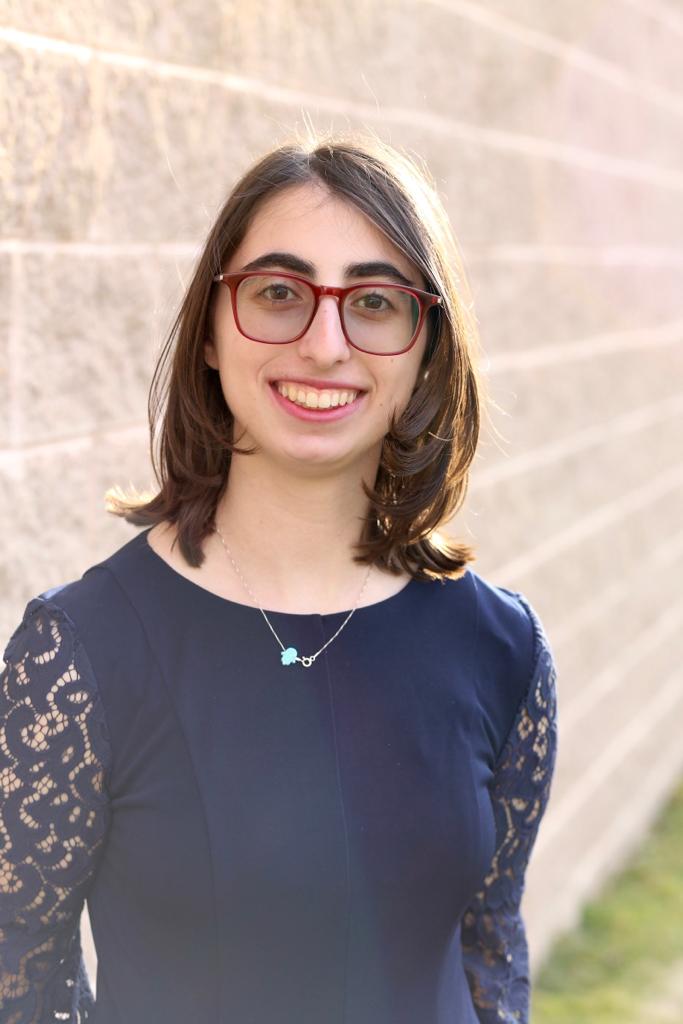
Pennsylvania, United States
Attending the Siyyum in Jerusalem 26 months ago inspired me to become part of this community of learners. So many aspects of Jewish life have been illuminated by what we have learned in Seder Moed. My day is not complete without daf Yomi. I am so grateful to Rabbanit Michelle and the Hadran Community.

Newton, United States
See video
Raanana, Israel

Oceanside NY, United States
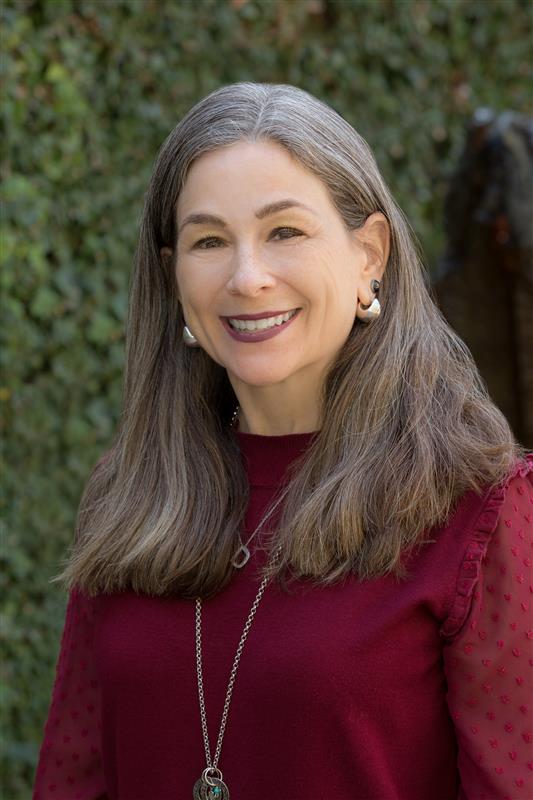
Los Angeles, United States
It happened without intent (so am I yotzei?!) – I watched the women’s siyum live and was so moved by it that the next morning, I tuned in to Rabbanit Michelle’s shiur, and here I am, still learning every day, over 2 years later. Some days it all goes over my head, but others I grasp onto an idea or a story, and I ‘get it’ and that’s the best feeling in the world. So proud to be a Hadran learner.
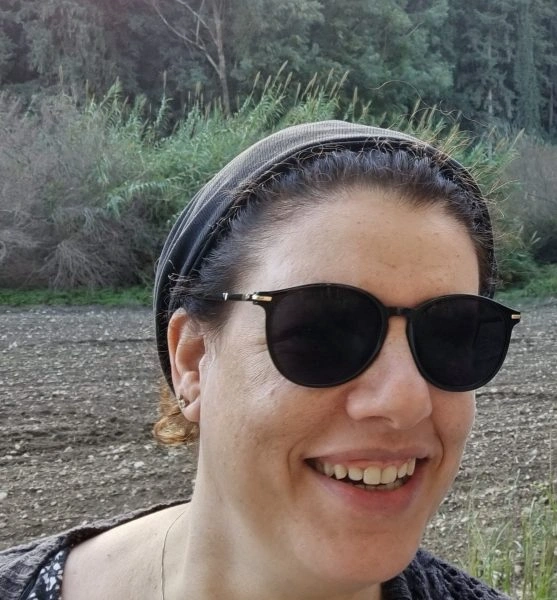
Zichron Yaakov, Israel
In July, 2012 I wrote for Tablet about the first all women’s siyum at Matan in Jerusalem, with 100 women. At the time, I thought, I would like to start with the next cycle – listening to a podcast at different times of day makes it possible. It is incredible that after 10 years, so many women are so engaged!
Pittsburgh, United States
I started learning daf in January, 2020, being inspired by watching the Siyyum Hashas in Binyanei Haumah. I wasn’t sure I would be able to keep up with the task. When I went to school, Gemara was not an option. Fast forward to March, 2022, and each day starts with the daf. The challenge is now learning the intricacies of delving into the actual learning. Hadran community, thank you!
Riverdale, NY, United States
My Daf journey began in August 2012 after participating in the Siyum Hashas where I was blessed as an “enabler” of others. Galvanized into my own learning I recited the Hadran on Shas in January 2020 with Rabbanit Michelle. That Siyum was a highlight in my life. Now, on round two, Daf has become my spiritual anchor to which I attribute manifold blessings.

Englewood NJ, United States

Philadelphia, United States
As Jewish educator and as a woman, I’m mindful that Talmud has been kept from women for many centuries. Now that we are privileged to learn, and learning is so accessible, it’s my intent to complete Daf Yomi. I am so excited to keep learning with my Hadran community.
Denver, United States
I started learning Gemara at the Yeshivah of Flatbush. And I resumed ‘ברוך ה decades later with Rabbanit Michele at Hadran. I started from Brachot and have had an exciting, rewarding experience throughout seder Moed!

Maale Adumim, Israel
Hadran entered my life after the last Siyum Hashaas, January 2020. I was inspired and challenged simultaneously, having never thought of learning Gemara. With my family’s encouragement, I googled “daf yomi for women”. A perfecr fit!
I especially enjoy when Rabbanit Michelle connects the daf to contemporary issues to share at the shabbat table e.g: looking at the Kohen during duchaning. Toda rabba

Jerusalem, Israel
Blacksburg, United States
I started last year after completing the Pesach Sugiyot class. Masechet Yoma might seem like a difficult set of topics, but for me made Yom Kippur and the Beit HaMikdash come alive. Liturgy I’d always had trouble connecting with took on new meaning as I gained a sense of real people moving through specific spaces in particular ways. It was the perfect introduction; I am so grateful for Hadran!
Minnesota, United States
In early 2020, I began the process of a stem cell transplant. The required extreme isolation forced me to leave work and normal life but gave me time to delve into Jewish text study. I did not feel isolated. I began Daf Yomi at the start of this cycle, with family members joining me online from my hospital room. I’ve used my newly granted time to to engage, grow and connect through this learning.
Worcester, United States
I started learning when my brother sent me the news clip of the celebration of the last Daf Yomi cycle. I was so floored to see so many women celebrating that I wanted to be a part of it. It has been an enriching experience studying a text in a language I don’t speak, using background knowledge that I don’t have. It is stretching my learning in unexpected ways, bringing me joy and satisfaction.
Warwick, Rhode Island, United States
Years ago, I attended the local Siyum HaShas with my high school class. It was inspiring! Through that cycle and the next one, I studied masekhtot on my own and then did “daf yomi practice.” The amazing Hadran Siyum HaShas event firmed my resolve to “really do” Daf Yomi this time. It has become a family goal. We’ve supported each other through challenges, and now we’re at the Siyum of Seder Moed!
Jerusalem, Israel
I started learning daf yomi at the beginning of this cycle. As the pandemic evolved, it’s been so helpful to me to have this discipline every morning to listen to the daf podcast after I’ve read the daf; learning about the relationships between the rabbis and the ways they were constructing our Jewish religion after the destruction of the Temple. I’m grateful to be on this journey!
Teaneck NJ, United States
Inspired by Hadran’s first Siyum ha Shas L’Nashim two years ago, I began daf yomi right after for the next cycle. As to this extraordinary journey together with Hadran..as TS Eliot wrote “We must not cease from exploration and the end of all our exploring will be to arrive where we began and to know the place for the first time.

Jerusalem, Israel
Bava Metzia 108
וְאִי לָא – לָא מִיסְתַּגֵּי לְהוּ.
and if not, they will be unable to walk, but will have to cross over to the other side of the river. Therefore, no advantage exists to cutting down the trees that block part of the river.
רַבָּה בַּר רַב נַחְמָן הֲוָה קָא אָזֵיל בְּאַרְבָּא, חֲזָא הָהוּא אִבָּא דְּקָאֵי אַגּוּדָּא דְנַהְרָא. אֲמַר לְהוּ: דְּמַאן? אֲמַרוּ לֵיהּ: דְּרַבָּה בַּר רַב הוּנָא. אָמַר: ״וְיַד הַשָּׂרִים וְהַסְּגָנִים הָיְתָה בַּמַּעַל הַזֶּה רִאשׁוֹנָה״. אֲמַר לְהוּ: קוּצוּ. קַצּוּ.
The Gemara cites a related incident: Rabba bar Rav Naḥman was going on a boat and saw a certain forest that was located right on the riverbank, as its trees had not been cut down to make room for the pullers. He said to those who were with him: To whom does this forest belong? They said to him: It belongs to Rabba bar Rav Huna. Rabba bar Rav Naḥman said: This is reminiscent of the verse: “And the hand of the princes and the rulers has been first in this faithlessness” (Ezra 9:2), because a renowned scholar is acting improperly. Rabba bar Rav Naḥman said to them: Cut down, cut down to clear a path.
אֲתָא רַבָּה בַּר רַב הוּנָא אַשְׁכְּחֵיהּ דְּקַיִיץ, אֲמַר: מַאן קַצְיֵיהּ – תִּקּוֹץ עַנְפֵיהּ. אָמְרִי כּוּלְּהוּ שְׁנֵי דְּרַבָּה בַּר רַב הוּנָא, לָא אִקַּיַּים לֵיהּ זַרְעָא לְרַבָּה בַּר רַב נַחְמָן.
Rabba bar Rav Huna arrived and found that his forest had been cut down. Since he was within his rights not to cut down his trees, as explained above, he grew angry and pronounced a curse: He who cut down this forest should have his branches cut down. The Sages said: Although he was unaware of the identity of the perpetrator, the Sage’s curse was nevertheless fulfilled, and consequently all the remaining years that Rabba bar Rav Huna was alive, the seed of Rabba bar Rav Naḥman did not last, as his children, his branches, died in his lifetime.
אָמַר רַב יְהוּדָה: הַכֹּל לְאִיגְלֵי גַפָּא, וַאֲפִילּוּ מִיַּתְמֵי – אֲבָל רַבָּנַן לָא. מַאי טַעְמָא? רַבָּנַן לָא צְרִיכִי נְטִירוּתָא. לְכַרְיָא דְפַתְיָא – וַאֲפִילּוּ מֵרַבָּנַן.
Rav Yehuda says: All participate in the payment for the construction of the city wall, and this sum is collected even from orphans, but not from the Torah scholars. What is the reason for this? The Torah scholars do not require protection, as the merit of their Torah study protects them from harm. By contrast, money is collected for the digging of a river or a well for drinking water, even from the Torah scholars.
וְלָא אֲמַרַן אֶלָּא דְּלָא נָפְקִי בְּכָלוֹזָא. אֲבָל לְכָלוֹזָא – לָא, דְּרַבָּנַן לָאו בְּנֵי מִיפַּק בְּכָלוֹזָא נִינְהוּ.
The Gemara adds: And we said this halakha only if the town inhabitants do not go out in a crowd to perform the work themselves but pay workers to act on their behalf. But if they go out in a crowd, Torah scholars do not have to join them, as Torah scholars are not among those who go out in a crowd to perform work in public view.
אָמַר רַב יְהוּדָה: לְכַרְיָא דְנַהְרָא – תַּתָּאֵי מְסַיְּיעִי עִילָּאֵי, עִילָּאֵי לָא מְסַיְּיעִי תַּתָּאֵי. וְחִילּוּפָא בְּמַיָּא דְמִיטְרָא.
Rav Yehuda says: With regard to the digging of a river, i.e., the periodic deepening of a riverbed to prevent it from blocking up, the lower ones, i.e., those who live by the bottom of the river, must assist the upper ones in digging it and fixing it, as those located at the bottom of the river stand to gain from any work performed down to their houses. But the upper ones do not need to assist the lower ones, as the reverse is not the case. And the opposite is true with regard to the digging of a ditch to remove rainwater. In that case, those who live higher up are interested in the operation and therefore must help the lower ones, but the latter need not aid the higher ones in doing so in the upper area.
תַּנְיָא נָמֵי הָכִי: חָמֵשׁ גַּנּוֹת הַמִּסְתַּפְּקוֹת מַיִם מִמַּעְיָן אֶחָד, וְנִתְקַלְקֵל הַמַּעְיָין – כּוּלָּם מְתַקְּנוֹת עִם הָעֶלְיוֹנָה. נִמְצֵאת הַתַּחְתּוֹנָה מְתַקֶּנֶת עִם כּוּלָּן וּמְתַקֶּנֶת לְעַצְמָהּ. וְכֵן חָמֵשׁ חֲצֵרוֹת שֶׁהָיוּ מְקַלְּחוֹת מַיִם לְבִיב אֶחָד, וְנִתְקַלְקֵל הַבִּיב – כּוּלָּן מְתַקְּנוֹת עִם הַתַּחְתּוֹנָה, נִמְצֵאת הָעֶלְיוֹנָה מְתַקֶּנֶת עִם כּוּלָּן וּמְתַקֶּנֶת לְעַצְמָהּ.
The Gemara comments: This is also taught in a baraita: If there were five gardens that draw their water requirements from one spring and the spring became damaged, all must help fix it with the owner of the upper garden, near whose garden the damage occurred. As a result of this ruling, the owner of the lower garden fixes it with all of them in the above case, and fixes it for himself if the damage occurred in the lower area. And similarly, if there were five courtyards that would run off water into a single sewer and the sewer became damaged, all must help fix it with the owner of the lower courtyard, near whose courtyard the damage occurred. The result is that the owner of the upper courtyard fixes the sewer with all of them and fixes it for himself if the damage affected his courtyard alone. This is in accordance with Rav Yehuda’s ruling.
אָמַר שְׁמוּאֵל: הַאי מַאן דְּאַחְזֵיק בְּרַקְתָּא דְנַהְרָא – חֲצִיפָא הָוֵי, סַלּוֹקֵי לָא מְסַלְּקִינַן לֵיהּ. וְהָאִידָּנָא דְּקָא כָּתְבִי פָּרְסָאֵי: קְנֵי לָךְ עַד מְלֵי צַוְּארֵי סוּסְיָא מַיָּא – סַלּוֹקֵי נָמֵי מְסַלְּקִינַן לֵיהּ.
Shmuel says: One who takes possession of an open space left along a riverbank for the purpose of loading and unloading in order to plow and plant there during the time that it is temporarily unused is impudent. As for removing him, we do not remove him, as this piece of land is considered ownerless. And nowadays, when the Persians write to one who acquires land alongside a river: Acquire for yourself the field up to the portion of the river itself where the water reaches a horse’s neck, we even go as far as to remove him from the plot of land, as it belongs to the owner of the field.
אָמַר רַב יְהוּדָה אָמַר רַב: הַאי מַאן דְּאַחְזֵיק בֵּינֵי אַחֵי וּבֵינֵי שׁוּתָּפֵי, חֲצִיפָא הָוֵי. סַלּוֹקֵי לָא מְסַלְּקִינַן לֵיהּ. וְרַב נַחְמָן אָמַר: נָמֵי מְסַלְּקִינַן. וְאִי מִשּׁוּם דִּינָא דְּבַר מִצְרָא – לָא מְסַלְּקִינַן לֵיהּ.
Rav Yehuda says that Rav says: One who takes possession of land that is located between the land of brothers or between the land of partners and causes them trouble is impudent. As for removing him, we do not remove him, as they have no real claim against him. And Rav Naḥman said: We even go as far as to remove him, as one should not do anything that harms another. And if the complaint against him is due to the halakha of one whose field borders the field of his neighbor, as they owned fields bordering on this one, we do not remove him.
נְהַרְדָּעֵי אָמְרִי: אֲפִילּוּ מִשּׁוּם דִּינָא דְּבַר מִצְרָא – מְסַלְּקִינַן לֵיהּ, מִשּׁוּם שֶׁנֶּאֱמַר: ״וְעָשִׂיתָ הַיָּשָׁר וְהַטּוֹב בְּעֵינֵי ה׳״.
The Sages of Neharde’a say: Even if his claim was due to the halakha of one whose field borders the field of his neighbor, we still remove him, as it is stated: “And you shall do that which is right and good in the eyes of the Lord” (Deuteronomy 6:18). One should not perform an action that is not right and good, even if he is legally entitled to do so.
אֲתָא אִימְּלִיךְ בֵּיהּ, אֲמַר לֵיהּ: אֵיזִיל אֶיזְבּוֹן? וַאֲמַר לֵיהּ: זִיל זְבוֹן. צְרִיךְ לְמִיקְנֵא מִינֵּיהּ, אוֹ לָא? רָבִינָא אָמַר: לָא צְרִיךְ לְמִיקְנֵא מִינֵּיהּ, נְהַרְדָּעֵי אָמְרִי: צְרִיךְ לְמִיקְנֵא מִינֵּיהּ. וְהִלְכְתָא: צְרִיךְ לְמִיקְנֵא מִינֵּיהּ.
With the above halakhot in mind, the Gemara asks: If the stranger came to consult with one of the owners of the fields, and said to him: Shall I go and acquire the field, and the latter said to him, go and acquire it, as I will raise no objection, is it necessary to perform an act of acquisition with him to solidify the agreement? Or perhaps his mere promise is sufficient and it is not necessary? Ravina said: It is not necessary to perform an act of acquisition with him, while the Sages of Neharde’a say: It is necessary to perform an act of acquisition with him. The Gemara concludes: And the halakha is that it is necessary to perform an act of acquisition with him.
הַשְׁתָּא דְּאָמְרַתְּ צְרִיךְ לְמִיקְנֵא מִינֵּיהּ, אִי לָא קְנוֹ מִינֵּיהּ – אִיַּיקּוּר וְזוּל בִּרְשׁוּתֵיהּ.
The Gemara adds: Now that you have said that it is necessary to perform an act of acquisition with the neighbor for the right to purchase the field, if he did not perform an act of acquisition with him and purchased the field, and the field increased or decreased in value, the price fluctuation occurs in the domain of the owner of the bordering field. The buyer’s purchase is considered a purchase on behalf of the neighbor, who then reimburses the buyer.
זְבַן בִּמְאָה וְשָׁוֵי מָאתַן, (חָזֵינָא) [חָזֵינַן]: אִי לְכוּלֵּי עָלְמָא קָא מוֹזֵילא וּמְזַבֵּין – יָהֵיב לֵיהּ מְאָה וְשָׁקֵיל לֵיהּ. וְאִי לָא – יָהֵיב לֵיהּ מָאתַן וְשָׁקֵיל לֵיהּ.
Accordingly, if this buyer bought it for one hundred dinars and the field was worth two hundred dinars, in order to determine how much money the neighbor must give him, we determine why the owner sold the field to the buyer at this price: If he sells to everyone at that cheap price, the neighbor gives the buyer one hundred dinars and takes it, as the neighbor could have bought it for this sum himself. But if the owner does not sell to everyone at this price and this buyer was given a discount, the neighbor gives the buyer two hundred dinars, the market value of the field, and takes it.
זְבַן בְּמָאתַן וְשָׁוְיָא מְאָה, סְבוּר מִינָּה, מָצֵי אָמַר לֵיהּ: לְתַקּוֹנֵי שַׁדַּרְתָּיךָ וְלָא לְעַוּוֹתֵי. אֲמַר לֵיהּ מָר קַשִּׁישָׁא בְּרֵיהּ דְּרַב חִסְדָּא לְרַב אָשֵׁי: הָכִי אָמְרִי נְהַרְדָּעֵי מִשּׁוּם דְּרַב נַחְמָן: אֵין אוֹנָאָה לְקַרְקָעוֹת.
In the converse case, if he bought it for two hundred dinars and the field was worth one hundred dinars, the Sages understood that the neighbor can say to the buyer: I sent you to act for my benefit, but not to act to my detriment. Since the field will not remain in your possession, you are effectively my agent, and I am not prepared to pay more than its market value due to your mistake. Mar the Elder, son of Rav Ḥisda, said to Rav Ashi: This is what the Sages of Neharde’a say in the name of Rav Naḥman: There is no exploitation with regard to real estate, as land has no fixed value, and therefore it cannot be said that the buyer overpaid, and he is given whatever sum he spent.
זַבֵּין לֵיהּ גְּרִיוָא דְּאַרְעָא בְּמִיצְעָא נִכְסֵיהּ, חָזֵינַן אִי עִידִּית הִיא, אִי זִיבּוּרִית הִיא – זְבִינֵיהּ זְבִינֵי.
The Gemara discusses a related case: If one sold to another a beit se’a of land in the middle of his property so that the buyer is surrounded on all sides by the seller’s fields, we see what type of land it is: Whether the land is superior-quality land or whether it is inferior-quality land, his sale is a valid sale, as it is a distinctive piece of land. In that case, the seller’s neighbors cannot object, as their fields do not actually border on this plot.
וְאִי לָא, אִיעָרוֹמֵי קָא מַעֲרֵים.
But if this field is not of any distinct quality, he is certainly trying to employ an artifice. His plan is to then purchase another plot of land from this owner, one that does border on the field of a neighbor. By first buying the plot in the middle, he is trying to establish himself as a neighbor so that the other neighbors will not have the first right of purchase relative to him. Therefore, the neighbors may prevent him from buying the second plot of land.
מַתָּנָה לֵית בָּהּ מִשּׁוּם דִּינָא דְּבַר מִצְרָא. אָמַר אַמֵּימָר: אִי כְּתַב לֵיהּ אַחְרָיוּת – אִית בָּהּ מִשּׁוּם דִּינָא דְּבַר מִצְרָא.
The Gemara continues to discuss the halakha of one whose field borders that of his neighbor. With regard to a gift, it is not subject to the halakha of one whose field borders the field of his neighbor, as one can give a gift to whomever he chooses. Ameimar said: If he wrote a property guarantee to the recipient of the gift that if the field is seized for payment of a debt of the giver the giver of the gift will compensate the recipient for his loss, it is subject to the halakha of one whose field borders of the field of his neighbor. In that case the supposed gift has the appearance of a sale, so the neighbor can force the recipient to sell the plot to him.
מָכַר כׇּל נְכָסָיו לְאֶחָד – לֵית בַּהּ מִשּׁוּם דִּינָא דְּבַר מִצְרָא. לִבְעָלִים הָרִאשׁוֹנִים – לֵית בַּהּ מִשּׁוּם דִּינָא דְּבַר מִצְרָא. זְבַן מִגּוֹי וְזַבֵּין לְגוֹי – לֵית בַּהּ מִשּׁוּם דִּינָא דְּבַר מִצְרָא.
If a seller sold all his property to a single person, this sale is not subject to the halakha of one whose field borders the field of his neighbor, as the seller is not required to leave out one particular field if the buyer is acquiring all his property. Similarly, if the seller sold it back to the previous owners, this sale is not subject to the halakha of one whose field borders the field of his neighbor. If a buyer bought a field from a gentile or a seller sold a field to a gentile, this purchase or sale is not subject to the halakha of one whose field borders the field of his neighbor.
זְבַן מִגּוֹי – דַּאֲמַר לֵיהּ: אֲרִי אַבְרַחִי לָךְ מִמִּצְרָךְ. זַבֵּין לְגוֹי – גּוֹי וַדַּאי לָאו בַּר ״וְעָשִׂיתָ הַיָּשָׁר וְהַטּוֹב״ הוּא. שַׁמּוֹתֵי וַדַּאי מְשַׁמְּתִינַן לֵיהּ, עַד דִּמְקַבֵּל עֲלֵיהּ כֹּל אוּנְסֵי דְּאָתֵי לֵיהּ מֵחֲמָתֵיהּ.
The Gemara clarifies this ruling: If a buyer bought the field from a gentile it does not apply, as he can say to the neighbor: It is better for you that I bought the field, as I have chased away a lion for you from the border; since the neighbor certainly prefers having a Jewish neighbor to having a gentile neighbor. If a seller sold a field to a gentile, the gentile is certainly not bound by the command of: “And you shall do that which is right and good in the eyes of the Lord” (Deuteronomy 6:18). The gentile is therefore under no obligation to refrain from purchasing this land. Nevertheless, we certainly excommunicate the one who sold it to the gentile until he accepts upon himself responsibility for all damage resulting from accidents that might befall the neighbor on the gentile’s account.
מַשְׁכַּנְתָּא לֵית בַּהּ מִשּׁוּם דִּינָא דְּבַר מִצְרָא. דְּאָמַר רַב אָשֵׁי: אֲמַרוּ לִי סָבֵי דְּמָתָא מַחְסֵיָא: מַאי ״מַשְׁכַּנְתָּא״ – דִּשְׁכוּנָה גַּבֵּיהּ. מַאי נָפְקָא מִינַּהּ – לְדִינָא דְּבַר מִצְרָא.
The Gemara continues: If he sold a field previously given as a mortgage to the one to whom it was mortgaged, this sale is not subject to the halakha of one whose field borders the field of his neighbor, as Rav Ashi said: The elders of the town of Mata Meḥasya said to me: What is the meaning of the word mortgage [mashkanta]? It means that it resides [shekhuna] with the one to whom it was mortgaged. The Gemara asks: What difference does it make what the word means? The Gemara answers: It is relevant with regard to the halakha of one whose field borders the field of his neighbor in that the person to whom the field is mortgaged has more rights than bordering neighbors, as he lays claim to a measure of ownership over the land.
לִמְכּוֹר בְּרָחוֹק וְלִגְאוֹל בְּקָרוֹב, בְּרַע וְלִגְאוֹל בְּיָפֶה – לֵית בַּהּ מִשּׁוּם דִּינָא דְּבַר מִצְרָא.
If one sought to sell a distant field and to redeem, i.e., purchase for himself, a close one, or if he sold a bad one to redeem a good one, this sale is not subject to the halakha of one whose field borders the field of his neighbor. Rather, he may sell his field whenever he has the opportunity.
לִכְרָגָא וְלִמְזוֹנֵי וְלִקְבוּרָה – לֵית בַּהּ מִשּׁוּם דִּינָא דְּבַר מִצְרָא. דְּאָמְרִי נְהַרְדְּעָאֵי: לִכְרָגָא, לִמְזוֹנֵי וְלִקְבוּרָה מְזַבְּנִינַן בְּלָא אַכְרַזְתָּא. לְאִשָּׁה וּלְיַתְמֵי וּלְשׁוּתָּפֵי – לֵית בַּהּ מִשּׁוּם דִּינָא דְּבַר מִצְרָא.
Likewise, if he sells his field to pay for necessities, such as for taxes, for his wife and daughters’ sustenance, or for the burial of one of his family members, this sale is not subject to the halakha of one whose field borders the field of his neighbor. This is because the Sages of Neharde’a said: For taxes, for sustenance, and for burial we sell a field without a proclamation, as such matters are pressing and urgent and should not be delayed out of consideration for the rights of a bordering neighbor. Similarly, if he sold the field to a woman, who does not usually chase after vendors, or to orphans, or to his partners, this sale is not subject to the halakha of one whose field borders the field of his neighbor.
שְׁכֵינֵי הָעִיר וּשְׁכֵינֵי שָׂדֶה – שְׁכֵינֵי הָעִיר קוֹדְמִין.
If various individuals have equal rights to the field, such as both are bordering neighbors, but some of them are neighbors whose fields are adjacent to his on the side of the city, i.e., their fields are between the city and the field being sold; and others are neighbors whose fields are adjacent to his on the side of the field, i.e., their fields are between the field being sold and the area further from the city, the neighbors whose fields are adjacent to his on the side of the city receive precedence.
שָׁכֵן וְתַלְמִיד חָכָם – תַּלְמִיד חָכָם קוֹדֵם. קָרוֹב וְתַלְמִיד חָכָם – תַּלְמִיד חָכָם קוֹדֵם. אִיבַּעְיָא לְהוּ: שָׁכֵן וְקָרוֹב מַאי? תָּא שְׁמַע: ״טוֹב שָׁכֵן קָרוֹב מֵאָח רָחוֹק״.
If one is a regular neighbor and the other is a Torah scholar, the Torah scholar receives precedence. If one is a relative and the other is a Torah scholar, here too, the Torah scholar receives precedence. A dilemma was raised before the Sages: With regard to a neighbor and a relative, what is the halakha? Which of them takes precedence? The Gemara suggests: Come and hear an answer from the following verse: “Better a neighbor who is near than a brother who is far” (Proverbs 27:10).
הָנֵי זוּזֵי טָבֵי וְהָנֵי זוּזֵי תְּקוּלֵי – לֵית בֵּיהּ מִשּׁוּם דִּינָא דְּבַר מִצְרָא. הָנֵי צַיְירִי וְהָנֵי שְׁרוּ – לֵית בֵּיהּ מִשּׁוּם דִּינָא דְּבַר מִצְרָא.
If two people sought to acquire a field, and these coins that the first produces for payment are good dinars, and those coins that the second uses are weighed dinars, which are preferable to the good dinars, this sale is not subject to the halakha of one whose field borders the field of his neighbor, as the owner can say he prefers the superior quality coins. If these coins were wrapped up and those were loose, this sale is not subject to the halakha of one whose field borders on the field his neighbor, as he may sell his field to the one whose money is ready to be counted.
אָמַר: אֵיזִיל וְאֶטְרַח וְאַיְיתֵי זוּזֵי – לָא נָטְרִינַן לֵיהּ. אָמַר: אֵיזִיל אַיְיתֵי זוּזֵי, חָזֵינַן: אִי גַּבְרָא דַּאֲמִיד הוּא דְּאָזֵיל וּמַיְיתֵי זוּזֵי – נָטְרִינַן לֵיהּ, וְאִי לָא – לָא נָטְרִינַן לֵיהּ.
If the neighbor said: I will go and expend effort and bring money, we do not wait for him, despite his status as a bordering neighbor, if someone else is available who is prepared to pay immediately. If he said: I will go bring money, we see what his financial status is: If he is a person who is assessed as one who can go and bring money without delay, we wait for him, but if not, we do not wait for him.
אַרְעָא דְּחַד וּבָתֵּי דְּחַד – מָרֵי אַרְעָא מְעַכֵּב אַמָּרֵי בָּתֵּי, מָרֵי בָּתֵּי לָא מְעַכֵּב אַמָּרֵי דְּאַרְעָא. אַרְעָא דְּחַד וְדִיקְלֵי דְּחַד – מָרֵי דְּאַרְעָא מָצֵי מְעַכֵּב אַמָּרֵי דִּקְלֵי, מָרֵי דִּיקְלֵי לָא מָצֵי מְעַכֵּב אַמָּרֵי דְּאַרְעָא.
If the land belonged to one person and the houses on the land belonged to another one, the owner of the land prevents the owner of the houses from selling his houses to someone else, as he has the first right of purchase. By contrast, the owner of the houses does not prevent the owner of the land from selling his land, as one can change his place of residence with relative ease, so he is not considered tied to the land. Similarly, if the land belonged to one and its palm trees to another one, the owner of the land can prevent the owner of the palm trees from selling the trees to another, but the owner of the palm trees cannot prevent the owner of the land from selling his land to another.
אַרְעָא לְבָתֵּי וְאַרְעָא לְזַרְעָא – יִשּׁוּב עֲדִיף, וְלֵית בַּהּ מִשּׁוּם דִּינָא דְּבַר מִצְרָא.
If two people wanted to purchase the land, but one desired the land for building houses and the other wished to purchase the land for planting, the settling of the land through construction of houses is preferable, and this sale is not subject to the halakha of one whose field borders the field of his neighbor. Therefore, he may sell to the one who wants to build a house there, even if he is not a bordering neighbor and the other potential buyer is.
אַפְסֵיק מְשׁוּנִּיתָא אוֹ רִיכְבָּא דְּדִיקְלָא, (חָזֵינָא) [חָזֵינַן]: אִם יָכוֹל לְהַכְנִיס בָּהּ אֲפִילּוּ תֶּלֶם אֶחָד – אִית בַּהּ מִשּׁוּם דִּינָא דְּבַר מִצְרָא, וְאִי לָא – לֵית בַּהּ מִשּׁוּם דִּינָא דְּבַר מִצְרָא.
If a jagged edge of rock or a row of palm trees served as a barrier between two bordering fields, we see whether any open space exists. If the owner of the adjacent field can insert even a single furrow there that comes into contact with the other field, this sale is subject to the halakha of one whose field borders the field of his neighbor. But if sufficient space for a furrow does not exist, this sale is not subject to the halakha of one whose field borders the field of his neighbor.
הָנֵי אַרְבָּעָה בְּנֵי מִצְרָנֵי, דְּקָדֵים חַד מִינַּיְיהוּ וְזָבֵין – זְבִינֵיהּ זְבִינֵי. וְאִי כּוּלְּהוּ אָתוּ בַּהֲדֵי הֲדָדֵי – פָּלְגוּ לַהּ בְּקַרְנְזִיל.
In a case of those four bordering neighbors who surround a field that is for sale from all four sides, if one of them preceded the others and purchased it, his purchase is a valid purchase and the others cannot object. And if they all came simultaneously to purchase it, then they divide the plot of land, with two bisecting diagonal lines so that each receives a portion near his field.

