Search

Bava Metzia 14

Want to dedicate learning? Get started here:

podcast placeholder

0:00
0:00


Summary

Today’s daf is sponsored by Amy Goldstein in loving memory of her father, Melvyn Sydney Goldstein, on his 4th yahrzeit. “He was gone too soon, and his presence and good counsel are missed by many of his friends and family.” 

How does the braita previously quoted raise a difficulty with Shmuel on two counts? Another statement of Shmuel is brought explaining the rabbi’s position – that even if a document doesn’t say that the property is liened to the loan, the property is still liened to the loan, as we assume the scribe forgot to add it. Rava bar Itai raises a contradiction between that statement of Shmuel’s and another statement of Shmuel’s in a different context. The Gemara then distinguishes between the cases – one was a loan and the other was a sale.  A story is brought to support this distinction. Abaye mentions a few laws about liened property. If a creditor collects from liened property, the debtor can get involved to bring a claim against the creditor even though the creditor seized it from the one who purchased it from the debtor, as the debtor is still considered an involved party. Can one back out of a deal if rumors are circulating that the land doesn’t belong to the “owner”? At what stage, and does it depend if the land was sold with a guarantee? If one sold a field that he/she stole, when the owner takes back the land and the buyer returns to the seller to retrieve the money from the sale, Rav and Shmuel debate whether or not the seller needs to reimburse the buyer for improvements to the field. Shmuel does not allow the buyer to collect the money for improvements as it looks like an interest payment. Rava raises a difficulty with Shmuel but it is resolved. A further difficulty is raised against Shmuel but it is resolved as well.

Today’s daily daf tools:

Bava Metzia 14

חֲדָא הוּא, דְּחַד טַעַם הוּא, דְּמִשּׁוּם דְּקָאָמַר רַבִּי אֶלְעָזָר מַחְלוֹקֶת בְּשֶׁאֵין חַיָּיב מוֹדֶה – הוּא מְתָרֵץ הָכִי.

The Gemara answers: It is actually one element, as both elements have the same one reason; because Rabbi Elazar says that the dispute in the mishna is in a case when the liable party does not admit his debt, he explains Rabbi Meir’s opinion in this manner, i.e., that a promissory note that does not include a property guarantee cannot be used to collect the debt even from unsold property.

תְּיוּבְתָּא דִשְׁמוּאֵל בְּתַרְתֵּי: חֲדָא כְּרַבִּי אֶלְעָזָר, דְּהָא מוֹקֵי מַתְנִיתִין בְּשֶׁאֵין חַיָּיב מוֹדֶה.

The Gemara elaborates on the statement that the baraita serves as a conclusive refutation of two elements of the opinion of Shmuel: One element is like the element of the opinion of Rabbi Elazar that was refuted, as Shmuel also establishes the dispute in the mishna as referring to a case when the liable party does not admit to the debt, and the baraita states that in such a case there is no dispute.

וַחֲדָא דְּאָמַר שְׁמוּאֵל: מָצָא שְׁטַר הַקְנָאָה בַּשּׁוּק – יַחְזִיר לַבְּעָלִים, וְלָא חָיְישִׁינַן לְפֵרָעוֹן.

And the other one is that which Shmuel says: If one found a deed of transfer in the marketplace, in which it is stipulated that the debtor transfers the rights to his property from the date that the document was signed, he must return it to its owner, and we do not suspect that there was repayment and that there is collusion between the creditor and the debtor.

תְּיוּבְתָּא דְּקָתָנֵי הָכָא: אַף עַל פִּי שֶׁשְּׁנֵיהֶם מוֹדִים לֹא יַחְזִיר לֹא לָזֶה וְלֹא לָזֶה, אַלְמָא חָיְישִׁינַן לְפֵרָעוֹן, וְכׇל שֶׁכֵּן הָכָא דְּלָא מוֹדֵה לֹוֶה – דְּחָיְישִׁינַן לְפֵרָעוֹן.

There is a conclusive refutation of that statement as well, as the baraita here teaches: Even if they both agree, he should return it neither to this person nor to that person. Apparently, we suspect that there was repayment. And all the more so here, in the case of a deed of transfer, when the liable party does not admit that he owes money, the deed should certainly not be returned, as we suspect that there was repayment.

אָמַר שְׁמוּאֵל: מַאי טַעְמַיְיהוּ דְּרַבָּנַן? סָבְרִי אַחְרָיוּת טָעוּת סוֹפֵר הוּא.

§ Shmuel said: What is the reason for the opinion of the Rabbis, who say that one can collect a debt from liened property even if the promissory note does not include a property guarantee? They hold that omission of the property guarantee from the promissory note is a scribal error, as one would certainly not lend money without a property guarantee.

אֲמַר לֵיהּ רָבָא בַּר אִיתַּי לְרַב אִידִי בַּר אָבִין: וּמִי אָמַר שְׁמוּאֵל הָכִי? וְהָאָמַר שְׁמוּאֵל: שֶׁבַח, שֶׁפֶר וְשִׁעְבּוּד – צָרִיךְ לִימָּלֵךְ!

Rava bar Ittai said to Rav Idi bar Avin: Did Shmuel actually say this; i.e., that the omission of this clause is considered a scribal error? But doesn’t Shmuel say that enhancement, superior-quality land, and a lien require consultation? When a scribe writes a deed of sale for a field he must ask the seller whether to write explicitly that if there is a lien on the field, and the field is then is repossessed from the buyer, in which case the seller must compensate the buyer for any enhancement of the value of the field that occurred while it was in his possession, that this compensation will be made from superior-quality land, and that he liens all of his land as security for this sale. This indicates that Shmuel holds that a property guarantee is not written in every promissory note.

לֵימָא מַאן דְּאָמַר הָא לָא אָמַר הָא?

The Gemara asks: Shall we say that the one who says this statement quoting Shmuel does not say that statement quoting Shmuel? Perhaps it is a dispute between the amora’im who transmitted the statements of Shmuel.

לָא קַשְׁיָא: כָּאן בִּשְׁטַר הַלְוָאָה, דְּלָא יָהֵיב אִינָשׁ זוּזֵי בִּכְדִי. כָּאן בְּמִקָּח וּמִמְכָּר, דְּעָבֵיד אִינָשׁ דְּזָבֵין אַרְעָא לְיוֹמֵיהּ.

The Gemara answers: This is not difficult. Here, where Shmuel said that the omission of a property guarantee is a scribal error, it was with regard to a promissory note, as a person does not give away his money for nothing. When one lends his money, he requires a property guarantee. There, by contrast, where Shmuel said that a scribe must consult with the seller with regard to writing a property guarantee, it is with regard to a case of buying and selling land, as a person is apt to purchase land for a day. It is conceivable that the buyer is willing to risk that there is a prior lien on the land, thinking that even if he owns the property only for one day he can earn a profit.

כִּי הָהִיא דַּאֲבוּהּ בַּר אִיהִי זְבַין עִלִּיתָא מֵאֲחָתֵיהּ, אֲתָא בַּעַל חוֹב טַרְפַהּ מִינֵּיהּ. אֲתָא לְקַמֵּיהּ דְּמָר שְׁמוּאֵל, אֲמַר לֵיהּ: כְּתַבָה לָךְ אַחְרָיוּת? אֲמַר לֵיהּ: לָא. אֲמַר לֵיהּ: אִם כֵּן, זִיל לִשְׁלָמָא. אֲמַר לֵיהּ: וְהָא מָר הוּא דְּאָמַר אַחְרָיוּת טָעוּת סוֹפֵר הוּא! אֲמַר לֵיהּ: הָנֵי מִילֵּי בִּשְׁטָרֵי הַלְוָאָה, אֲבָל בִּשְׁטָרֵי מִקָּח וּמִמְכָּר – לָא, דַּעֲבִיד אִינָשׁ דְּזָבֵין אַרְעָא לְיוֹמֵיהּ.

As evidence of this distinction, the Gemara gives an example: It is like that incident in which Avuh bar Ihi purchased a loft from his sister. Her creditor came and repossessed the loft from him. He came before Mar Shmuel to file a claim against his sister. Shmuel said to him: Did she write you a guarantee in the deed of sale? He said to Shmuel: No. Shmuel said to him: If so, go to peace (see Berakhot 64a), as there is nothing that can be done. He said to Shmuel: But wasn’t it you, Master, who said that omission of the guarantee of the sale from the document is a scribal error? Shmuel said to him: This statement applies only to promissory notes, but with regard to deeds of buying and selling it does not apply, as a person is apt to purchase land for a day.

אָמַר אַבָּיֵי: רְאוּבֵן שֶׁמָּכַר שָׂדֶה לְשִׁמְעוֹן בְּאַחְרָיוּת, וּבָא בַּעַל חוֹב דִּרְאוּבֵן וְקָא טָרֵיף לֵיהּ מִינֵּיהּ, דִּינָא הוּא דְּאָזֵיל רְאוּבֵן וּמִשְׁתַּעֵי דִּינָא בַּהֲדֵיהּ, וְלָא מָצֵי אָמַר לֵיהּ: לָאו בַּעַל דְּבָרִים דִּידִי אַתְּ, דְּאָמַר לֵיהּ: דְּמַפְּקַתְּ מִינֵּיהּ, עֲלַי דִּידִי הָדַר.

§ Abaye said: Consider the case of Reuven, who sold a field to Shimon with a property guarantee, and Reuven’s creditor came and repossessed the field from Shimon, as he had a prior lien on the property. It is the halakha that Reuven can go and litigate with the creditor, and the creditor cannot say to him: I am not legally answerable to you since I am taking the field from Shimon. This is because Reuven can say to his creditor: That which you take from him comes back to me, as I sold the field to Shimon with a guarantee, so you cannot claim that I am not a legal party in this matter.

אִיכָּא דְּאָמְרִי: אֲפִילּוּ שֶׁלֹּא בְּאַחְרָיוּת נָמֵי, דְּאָמַר לֵיהּ: לָא נִיחָא לִי דְּלֶיהְוֵי לְשִׁמְעוֹן תַּרְעוֹמֶת עֲלַי.

There are those who say that Abaye said: Even if Reuven sold the field to Shimon without a property guarantee, Reuven can dispute the legal claim in court, as he can say to the creditor: It is not amenable to me that Shimon would have a grievance against me for selling him property that was subsequently repossessed.

וְאָמַר אַבָּיֵי: רְאוּבֵן שֶׁמָּכַר שָׂדֶה לְשִׁמְעוֹן שֶׁלֹּא בְּאַחְרָיוּת, וְיָצְאוּ עָלֶיהָ עֲסִיקִין, עַד שֶׁלֹּא הֶחְזִיק בָּהּ

And Abaye said: Consider the case of Reuven, who sold a field to Shimon without a property guarantee, and disputants emerged disputing Reuven’s prior ownership of the field. As long as Shimon has not yet taken actual possession of the land,

יָכוֹל לַחֲזוֹר בּוֹ, מִשֶּׁהֶחְזִיק בָּהּ – אֵינוֹ יָכוֹל לַחֲזוֹר בּוֹ. דְּאָמַר לֵיהּ: חַיְיתָא דְקִטְרֵי סְבַרְתְּ וְקַבֵּלְתְּ. מֵאֵימָתַי הָוְיָא חֲזָקָה? מִכִּי דָיֵישׁ אַמִּצְרֵי.

he can withdraw from the transaction and is not required to pay for the land. Once he has taken possession of the land, he cannot withdraw, as Reuven, the seller, can say to him: The purchase of the land was like purchasing a tied sack whose content is unknown and might not be worth anything. Since you were aware of that and accepted it, as you purchased it without a guarantee, you cannot withdraw your purchase. From when is it that he has taken possession? It is from when he walks along the borders of the field to inspect them.

וְאִיכָּא דְּאָמְרִי, אֲפִילּוּ בְּאַחְרָיוּת נָמֵי, דְּאָמַר לֵיהּ: אַחְוִי טִרְפָךְ וַאֲשַׁלֵּם לָךְ.

And there are those who say: Even if he bought the field with a property guarantee, the buyer cannot withdraw from the sale, as the seller can say to him: Show me your document of authorization to repossess, which a court provides to a buyer when the land he purchased is seized from him by a third party who demonstrated that it did not belong to the seller, and then I will pay you. I do not wish to cancel the sale and reimburse you unless it is clear that the field is being taken from you legally.

אִיתְּמַר: הַמּוֹכֵר שָׂדֶה לַחֲבֵירוֹ וְנִמְצֵאת שֶׁאֵינָהּ שֶׁלּוֹ. רַב אָמַר: יֵשׁ לוֹ מָעוֹת וְיֵשׁ לוֹ שֶׁבַח. וּשְׁמוּאֵל אָמַר: מָעוֹת יֵשׁ לוֹ, שֶׁבַח אֵין לוֹ.

§ It was stated that with regard to a case of one who sells a field to another and it is found subsequently that it did not belong to the seller, and the rightful owner repossesses the field from the buyer and the buyer then demands reimbursement from the seller, Rav says that the buyer has the right to be repaid the money that he paid for the field, and he also has the right to compensation for the enhancement of the value of the field while it was in his possession. And Shmuel says that he has the right to the money, but he does not have the right to compensation for the enhancement.

בְּעוֹ מִינֵּיהּ מֵרַב הוּנָא: פֵּירֵשׁ לוֹ אֶת הַשֶּׁבַח מַהוּ? טַעְמָא דִשְׁמוּאֵל מִשּׁוּם דְּלָא פָּירֵשׁ שְׁבָחָא, וְהָכָא הָא פָּירֵשׁ לֵהּ, אוֹ דִלְמָא טַעְמֵיהּ דִשְׁמוּאֵל: כֵּיוָן דְּלֵית לֵיהּ קַרְקַע, מִחֲזֵי כְּרִיבִּית. אֲמַר לְהוּ: אִין וְלָאו, וְרַפְיָא בִּידֵיהּ.

The students raised a dilemma before Rav Huna: What is the halakha if the seller specified that the buyer would receive payment for any enhancement in the value of the field in the event that the field is taken by the rightful owners? Is the reason for the opinion of Shmuel because the seller did not specify that the buyer would receive the enhancement when he sold him the field, but here, in this case, he did specify it? Or perhaps Shmuel’s reason is that since the buyer is reimbursed but the seller does not have the right to the land, i.e., he is not given back the land, the transaction appears to have been a loan, and therefore payment for enhancement of the field appears to be interest. Rav Huna said to them: Yes and no, and the matter was unclear to him.

אִיתְּמַר, אָמַר רַב נַחְמָן אָמַר שְׁמוּאֵל: מָעוֹת יֵשׁ לוֹ, שֶׁבַח אֵין לוֹ, אַף עַל פִּי שֶׁפֵּירַשׁ לוֹ אֶת הַשֶּׁבַח. מַאי טַעְמָא? כֵּיוָן דְּקַרְקַע אֵין לוֹ, שְׂכַר מְעוֹתָיו עוֹמֵד וְנוֹטֵל.

It was stated that Rav Naḥman says that Shmuel says that he has the right to the money, but he does not have the right to the value of the enhancement, even if the seller specified in the deed of sale that he would compensate the buyer for the value of the enhancement in the event that the field was repossessed. What is the reason? Since the seller does not have the right to the land, the buyer appears to be standing and taking payment for the right to use his money, which is interest.

אֵיתִיבֵיהּ רָבָא לְרַב נַחְמָן: אֵין מוֹצִיאִין לַאֲכִילַת פֵּירוֹת, וְלִשְׁבַח קַרְקָעוֹת, וְלִמְזוֹן הָאִשָּׁה וְהַבָּנוֹת מִנְּכָסִים מְשׁוּעְבָּדִים, מִפְּנֵי תִּיקּוּן הָעוֹלָם.

Rava raised an objection to the statement of Rav Naḥman: It is taught in a mishna (Gittin 48b) that one cannot appropriate liened property that has been sold as payment for consuming produce or for enhancement of land, cases that will be explained later, or for the sustenance of a man’s wife and his daughters after his death, to which he committed in his marriage contract. This is despite the fact that each of these financial liabilities or commitments predated the sale of the land. These ordinances were instituted by the Sages for the betterment of the world, as these liabilities are not of a fixed amount, and the purchaser of the liened property cannot assess the risk he is assuming should some other person come to collect compensation from that property.

מִמְּשַׁעְבְּדִי הוּא דְּלָא מַפְּקִינַן, הָא מִבְּנֵי (חוֹרִין) – [חָרֵי] מַפְּקִינַן, וְקָתָנֵי מִיהָא לִשְׁבַח קַרְקָעוֹת, מַאי לָאו בְּלוֹקֵחַ מִגַּזְלָן!

The mishna indicates that we do not appropriate liened property for these purposes, but we do appropriate unsold property. And in any event, it is taught in the mishna that one of these purposes is for the enhancement of land. What, is it not referring to a case where one purchases a field from a robber, in which case the field did not belong to the seller? And it says that the seller must pay the buyer the value of the field’s enhancement, provided he has unsold property.

לָא בְּבַעַל חוֹב.

The Gemara responds: No, it is referring to a case of a creditor, where one sold a field and his creditor subsequently repossessed it from the buyer due to the seller’s prior debt to him. In that case, the sale of the land was valid, and it does not appear to have been a loan. Therefore, the seller’s payment of the enhancement does not appear to be interest.

אִי בְּבַעַל חוֹב, אֵימָא רֵישָׁא: אֵין מוֹצִיאִין לַאֲכִילַת פֵּירוֹת, וְאִי בְּבַעַל חוֹב, בַּעַל חוֹב מִי אִית לֵיהּ פֵּירֵי? וְהָאָמַר שְׁמוּאֵל: בַּעַל חוֹב גּוֹבֶה אֶת הַשֶּׁבַח. שֶׁבַח – אִין, אֲבָל פֵּירוֹת – לָא!

The Gemara asks: If this mishna is referring to the case of a creditor, say the first clause of the mishna: One cannot appropriate liened property for consuming produce. This is apparently referring to a case where the field was full of unharvested produce and was appropriated from the buyer along with the produce. The buyer then claims payment for the value of the produce as well. And if the reference is to the case of a creditor, does a creditor have the right to appropriate produce from the buyer? But doesn’t Shmuel say that a creditor collects the value of the enhancement of the field? This indicates that he does collect the value of enhancement, but he does not collect the produce.

אֶלָּא פְּשִׁיטָא בְּגוֹזֵל וְנִגְזָל. וּמִדְּרֵישָׁא בְּגוֹזֵל וְנִגְזָל, סֵיפָא נָמֵי בְּגוֹזֵל וְנִגְזָל.

Rather, it is obvious that the mishna is referring to the case of a robber, who stole the field and sold it, and a robbery victim, who recovers his field, including the produce, from the buyer. And from the fact that the first clause is referring to a robber and a robbery victim, the latter clause, i.e., the case of the enhancement of land, is also referring to a robber and a robbery victim. Rava’s objection to Shmuel’s opinion remains.

מִידֵּי אִרְיָא?! הָא כִּדְאִיתָא וְהָא כִּדְאִיתָא.

The Gemara rejects the premise: Are the cases comparable? This case, with regard to consuming produce, is as it is, and that case, with regard to the enhancement of land, is as it is. The former case is referring to a case of robbery and the latter case is referring to the case of a creditor.

וְהָא לָא תָּנֵי הָכִי: לְשֶׁבַח קַרְקָעוֹת כֵּיצַד? הֲרֵי שֶׁגָּזַל שָׂדֶה מֵחֲבֵירוֹ וַהֲרֵי הִיא יוֹצְאָה מִתַּחַת יָדוֹ, כְּשֶׁהוּא גּוֹבֶה – גּוֹבֶה אֶת הַקֶּרֶן מִנְּכָסִים מְשׁוּעְבָּדִים, וְשֶׁבַח – גּוֹבֶה מִנְּכָסִים בְּנֵי חוֹרִין.

The Gemara asks: But it is not taught that way in a baraita that elaborates on the mishna, stating: What is the case in which one appropriates property for enhancement of land? It is a case where one robbed another of a field and it is appropriated by the court from his possession. When he collects payment, he collects the principal, i.e., the value of the field itself, from liened property, and he collects the enhancement from unsold property.

הֵיכִי דָמֵי? אִילֵּימָא כִּדְקָתָנֵי, גַּזְלָן מִמַּאן גָּבֵי? אֶלָּא לָאו: כְּגוֹן שֶׁגָּזַל שָׂדֶה מֵחֲבֵירוֹ וּמְכָרָהּ לְאַחֵר וְהִשְׁבִּיחָהּ!

The Gemara asks: What are the circumstances of the case? If we say that the case is as it is taught in the baraita, which indicates that it is the robber who collects, from whom does the robber collect? Who owes him money? Rather, is it not referring to a case where one robbed another of a field and sold it to another person, i.e., to a third party, and that third party invested in the field and enhanced it? Accordingly, when the court appropriates the land from the purchaser, he collects the value of the enhancement from the unsold property of the robber who sold it to him. This interpretation poses a difficulty to Shmuel’s opinion.

אָמַר לָךְ: לָאו תָּרוֹצֵי קָא מְתָרְצַתְּ? תָּרֵיץ נָמֵי בְּבַעַל חוֹב.

The Gemara answers: Shmuel could have said to you: Did you not explain the baraita by adding information, i.e., that the robber sold the field to a third party? If so, you could also explain that rather than referring to a robber, it is referring to a creditor. This interpretation would accord with the opinion of Shmuel.

תָּא שְׁמַע: לַאֲכִילַת פֵּירוֹת כֵּיצַד? הֲרֵי שֶׁגָּזַל שָׂדֶה מֵחֲבֵירוֹ וַהֲרֵי הִיא יוֹצְאָה מִתַּחַת יָדוֹ, כְּשֶׁהוּא גּוֹבֶה – גּוֹבֶה אֶת הַקֶּרֶן מִנְּכָסִים מְשׁוּעְבָּדִים, וּפֵירוֹת גּוֹבֶה מִנְּכָסִים בְּנֵי חוֹרִין.

The Gemara suggests: Come and hear another baraita that elaborates on the mishna and poses a difficulty to the opinion of Shmuel: What is the case in which one appropriates property for consuming produce? It is the case of one who robbed another of a field, and it is appropriated from his possession. When he collects payment, he collects the principal from liened property and he collects the produce from unsold property.

הֵיכִי דָמֵי? אִילֵּימָא כִּדְקָתָנֵי, גַּזְלָן מִמַּאן גָּבֵי? אֶלָּא לָאו: כְּגוֹן שֶׁגָּזַל שָׂדֶה מֵחֲבֵירוֹ וּמְכָרָהּ לְאַחֵר וְהִשְׁבִּיחָהּ!

The Gemara asks: What are the circumstances? If we say that the case is as it is taught in the baraita, which indicates that it is the robber who collects, from whom does the robber collect? Rather, is it not referring to a case where one robbed another of a field and sold it to yet another person, and that third person enhanced it?

אָמַר רָבָא: הָכָא בְּמַאי עָסְקִינַן – כְּגוֹן שֶׁגָּזַל שָׂדֶה מֵחֲבֵירוֹ, מְלֵאָה פֵּירוֹת, וְאָכַל אֶת הַפֵּירוֹת, וְחָפַר בָּהּ בּוֹרוֹת, שִׁיחִין וּמְעָרוֹת. בָּא נִגְזָל לִגְבּוֹת קֶרֶן – גּוֹבֶה מִנְּכָסִים מְשׁוּעְבָּדִים, בָּא נִגְזָל לִגְבּוֹת פֵּירוֹת – גּוֹבֶה מִנְּכָסִים בְּנֵי חוֹרִין.

Rava said: With what are we dealing here? It is a case where one stole a field full of produce from another, and he consumed the produce and dug pits, ditches, and caves in the field, damaging it. When the robbery victim comes to collect the principal, the value of the field before it was damaged, he collects it from the robber’s liened property. When the robbery victim comes to collect the value of the produce from the robber, he collects it from unsold property.

רַבָּה בַּר רַב הוּנָא אָמַר: כְּגוֹן

Rabba bar Rav Huna said: It is a case where

Today’s daily daf tools:

Delve Deeper

Broaden your understanding of the topics on this daf with classes and podcasts from top women Talmud scholars.

For the Beyond the Daf shiurim offered in Hebrew, see here.

New to Talmud?

Check out our resources designed to help you navigate a page of Talmud – and study at the pace, level and style that fits you. 

The Hadran Women’s Tapestry

Meet the diverse women learning Gemara at Hadran and hear their stories. 

I began daf yomi in January 2020 with Brachot. I had made aliya 6 months before, and one of my post-aliya goals was to complete a full cycle. As a life-long Tanach teacher, I wanted to swim from one side of the Yam shel Torah to the other. Daf yomi was also my sanity through COVID. It was the way to marking the progression of time, and feel that I could grow and accomplish while time stopped.

Leah Herzog
Leah Herzog

Givat Zev, Israel

I started learning daf in January, 2020, being inspired by watching the Siyyum Hashas in Binyanei Haumah. I wasn’t sure I would be able to keep up with the task. When I went to school, Gemara was not an option. Fast forward to March, 2022, and each day starts with the daf. The challenge is now learning the intricacies of delving into the actual learning. Hadran community, thank you!

Rochel Cheifetz
Rochel Cheifetz

Riverdale, NY, United States

I attended the Siyum so that I could tell my granddaughter that I had been there. Then I decided to listen on Spotify and after the siyum of Brachot, Covid and zoom began. It gave structure to my day. I learn with people from all over the world who are now my friends – yet most of us have never met. I can’t imagine life without it. Thank you Rabbanit Michelle.

Emma Rinberg
Emma Rinberg

Raanana, Israel

In early 2020, I began the process of a stem cell transplant. The required extreme isolation forced me to leave work and normal life but gave me time to delve into Jewish text study. I did not feel isolated. I began Daf Yomi at the start of this cycle, with family members joining me online from my hospital room. I’ve used my newly granted time to to engage, grow and connect through this learning.

Reena Slovin
Reena Slovin

Worcester, United States

It has been a pleasure keeping pace with this wonderful and scholarly group of women.

Janice Block
Janice Block

Beit Shemesh, Israel

My curiosity was peaked after seeing posts about the end of the last cycle. I am always looking for opportunities to increase my Jewish literacy & I am someone that is drawn to habit and consistency. Dinnertime includes a “Guess what I learned on the daf” segment for my husband and 18 year old twins. I also love the feelings of connection with my colleagues who are also learning.

Diana Bloom
Diana Bloom

Tampa, United States

I read Ilana Kurshan’s “If All the Seas Were Ink” which inspired me. Then the Women’s Siyum in Jerusalem in 2020 convinced me, I knew I had to join! I have loved it- it’s been a constant in my life daily, many of the sugiyot connect to our lives. My family and friends all are so supportive. It’s incredible being part of this community and love how diverse it is! I am so excited to learn more!

Shira Jacobowitz
Shira Jacobowitz

Jerusalem, Israel

Robin Zeiger
Robin Zeiger

Tel Aviv, Israel

Geri Goldstein got me started learning daf yomi when I was in Israel 2 years ago. It’s been a challenge and I’ve learned a lot though I’m sure I miss a lot. I quilt as I listen and I want to share what I’ve been working on.

Rebecca Stulberg
Rebecca Stulberg

Ottawa, Canada

I started my journey on the day I realized that the Siyum was happening in Yerushalayim and I was missing out. What? I told myself. How could I have not known about this? How can I have missed out on this opportunity? I decided that moment, I would start Daf Yomi and Nach Yomi the very next day. I am so grateful to Hadran. I am changed forever because I learn Gemara with women. Thank you.

Linda Brownstein
Linda Brownstein

Mitspe, Israel

I began learning the daf in January 2022. I initially “flew under the radar,” sharing my journey with my husband and a few close friends. I was apprehensive – who, me? Gemara? Now, 2 years in, I feel changed. The rigor of a daily commitment frames my days. The intellectual engagement enhances my knowledge. And the virtual community of learners has become a new family, weaving a glorious tapestry.

Gitta Jaroslawicz-Neufeld

Far Rockaway, United States

I started learning at the start of this cycle, and quickly fell in love. It has become such an important part of my day, enriching every part of my life.

Naomi Niederhoffer
Naomi Niederhoffer

Toronto, Canada

I started with Ze Kollel in Berlin, directed by Jeremy Borowitz for Hillel Deutschland. We read Masechet Megillah chapter 4 and each participant wrote his commentary on a Sugia that particularly impressed him. I wrote six poems about different Sugiot! Fascinated by the discussions on Talmud I continued to learn with Rabanit Michelle Farber and am currently taking part in the Tikun Olam course.
Yael Merlini
Yael Merlini

Berlin, Germany

Margo
I started my Talmud journey in 7th grade at Akiba Jewish Day School in Chicago. I started my Daf Yomi journey after hearing Erica Brown speak at the Hadran Siyum about marking the passage of time through Daf Yomi.

Carolyn
I started my Talmud journey post-college in NY with a few classes. I started my Daf Yomi journey after the Hadran Siyum, which inspired both my son and myself.

Carolyn Hochstadter and Margo Kossoff Shizgal

Merion Station,  USA

Beit Shemesh, Israel

Inspired by Hadran’s first Siyum ha Shas L’Nashim two years ago, I began daf yomi right after for the next cycle. As to this extraordinary journey together with Hadran..as TS Eliot wrote “We must not cease from exploration and the end of all our exploring will be to arrive where we began and to know the place for the first time.

Susan Handelman
Susan Handelman

Jerusalem, Israel

Studying has changed my life view on הלכה and יהדות and time. It has taught me bonudaries of the human nature and honesty of our sages in their discourse to try and build a nation of caring people .

Goldie Gilad
Goldie Gilad

Kfar Saba, Israel

A Gemara shiur previous to the Hadran Siyum, was the impetus to attend it.It was highly inspirational and I was smitten. The message for me was התלמוד בידינו. I had decided along with my Chahsmonaim group to to do the daf and take it one daf at time- without any expectations at all. There has been a wealth of information, insights and halachik ideas. It is truly exercise of the mind, heart & Soul

Phyllis Hecht.jpeg
Phyllis Hecht

Hashmonaim, Israel

I began Daf Yomi with the last cycle. I was inspired by the Hadran Siyum in Yerushalayim to continue with this cycle. I have learned Daf Yomi with Rabanit Michelle in over 25 countries on 6 continents ( missing Australia)

Barbara-Goldschlag
Barbara Goldschlag

Silver Spring, MD, United States

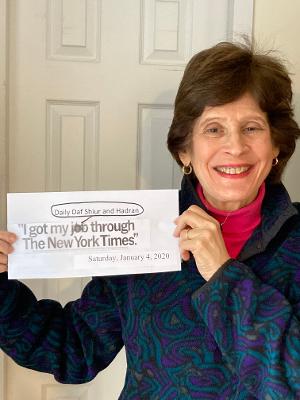
“I got my job through the NY Times” was an ad campaign when I was growing up. I can headline “I got my daily Daf shiur and Hadran through the NY Times”. I read the January 4, 2020 feature on Reb. Michelle Farber and Hadran and I have been participating ever since. Thanks NY Times & Hadran!
Deborah Aschheim
Deborah Aschheim

New York, United States

I started last year after completing the Pesach Sugiyot class. Masechet Yoma might seem like a difficult set of topics, but for me made Yom Kippur and the Beit HaMikdash come alive. Liturgy I’d always had trouble connecting with took on new meaning as I gained a sense of real people moving through specific spaces in particular ways. It was the perfect introduction; I am so grateful for Hadran!

Debbie Engelen-Eigles

Minnesota, United States

Bava Metzia 14

חֲדָא הוּא, דְּחַד טַעַם הוּא, דְּמִשּׁוּם דְּקָאָמַר רַבִּי אֶלְעָזָר מַחְלוֹקֶת בְּשֶׁאֵין חַיָּיב מוֹדֶה – הוּא מְתָרֵץ הָכִי.

The Gemara answers: It is actually one element, as both elements have the same one reason; because Rabbi Elazar says that the dispute in the mishna is in a case when the liable party does not admit his debt, he explains Rabbi Meir’s opinion in this manner, i.e., that a promissory note that does not include a property guarantee cannot be used to collect the debt even from unsold property.

תְּיוּבְתָּא דִשְׁמוּאֵל בְּתַרְתֵּי: חֲדָא כְּרַבִּי אֶלְעָזָר, דְּהָא מוֹקֵי מַתְנִיתִין בְּשֶׁאֵין חַיָּיב מוֹדֶה.

The Gemara elaborates on the statement that the baraita serves as a conclusive refutation of two elements of the opinion of Shmuel: One element is like the element of the opinion of Rabbi Elazar that was refuted, as Shmuel also establishes the dispute in the mishna as referring to a case when the liable party does not admit to the debt, and the baraita states that in such a case there is no dispute.

וַחֲדָא דְּאָמַר שְׁמוּאֵל: מָצָא שְׁטַר הַקְנָאָה בַּשּׁוּק – יַחְזִיר לַבְּעָלִים, וְלָא חָיְישִׁינַן לְפֵרָעוֹן.

And the other one is that which Shmuel says: If one found a deed of transfer in the marketplace, in which it is stipulated that the debtor transfers the rights to his property from the date that the document was signed, he must return it to its owner, and we do not suspect that there was repayment and that there is collusion between the creditor and the debtor.

תְּיוּבְתָּא דְּקָתָנֵי הָכָא: אַף עַל פִּי שֶׁשְּׁנֵיהֶם מוֹדִים לֹא יַחְזִיר לֹא לָזֶה וְלֹא לָזֶה, אַלְמָא חָיְישִׁינַן לְפֵרָעוֹן, וְכׇל שֶׁכֵּן הָכָא דְּלָא מוֹדֵה לֹוֶה – דְּחָיְישִׁינַן לְפֵרָעוֹן.

There is a conclusive refutation of that statement as well, as the baraita here teaches: Even if they both agree, he should return it neither to this person nor to that person. Apparently, we suspect that there was repayment. And all the more so here, in the case of a deed of transfer, when the liable party does not admit that he owes money, the deed should certainly not be returned, as we suspect that there was repayment.

אָמַר שְׁמוּאֵל: מַאי טַעְמַיְיהוּ דְּרַבָּנַן? סָבְרִי אַחְרָיוּת טָעוּת סוֹפֵר הוּא.

§ Shmuel said: What is the reason for the opinion of the Rabbis, who say that one can collect a debt from liened property even if the promissory note does not include a property guarantee? They hold that omission of the property guarantee from the promissory note is a scribal error, as one would certainly not lend money without a property guarantee.

אֲמַר לֵיהּ רָבָא בַּר אִיתַּי לְרַב אִידִי בַּר אָבִין: וּמִי אָמַר שְׁמוּאֵל הָכִי? וְהָאָמַר שְׁמוּאֵל: שֶׁבַח, שֶׁפֶר וְשִׁעְבּוּד – צָרִיךְ לִימָּלֵךְ!

Rava bar Ittai said to Rav Idi bar Avin: Did Shmuel actually say this; i.e., that the omission of this clause is considered a scribal error? But doesn’t Shmuel say that enhancement, superior-quality land, and a lien require consultation? When a scribe writes a deed of sale for a field he must ask the seller whether to write explicitly that if there is a lien on the field, and the field is then is repossessed from the buyer, in which case the seller must compensate the buyer for any enhancement of the value of the field that occurred while it was in his possession, that this compensation will be made from superior-quality land, and that he liens all of his land as security for this sale. This indicates that Shmuel holds that a property guarantee is not written in every promissory note.

לֵימָא מַאן דְּאָמַר הָא לָא אָמַר הָא?

The Gemara asks: Shall we say that the one who says this statement quoting Shmuel does not say that statement quoting Shmuel? Perhaps it is a dispute between the amora’im who transmitted the statements of Shmuel.

לָא קַשְׁיָא: כָּאן בִּשְׁטַר הַלְוָאָה, דְּלָא יָהֵיב אִינָשׁ זוּזֵי בִּכְדִי. כָּאן בְּמִקָּח וּמִמְכָּר, דְּעָבֵיד אִינָשׁ דְּזָבֵין אַרְעָא לְיוֹמֵיהּ.

The Gemara answers: This is not difficult. Here, where Shmuel said that the omission of a property guarantee is a scribal error, it was with regard to a promissory note, as a person does not give away his money for nothing. When one lends his money, he requires a property guarantee. There, by contrast, where Shmuel said that a scribe must consult with the seller with regard to writing a property guarantee, it is with regard to a case of buying and selling land, as a person is apt to purchase land for a day. It is conceivable that the buyer is willing to risk that there is a prior lien on the land, thinking that even if he owns the property only for one day he can earn a profit.

כִּי הָהִיא דַּאֲבוּהּ בַּר אִיהִי זְבַין עִלִּיתָא מֵאֲחָתֵיהּ, אֲתָא בַּעַל חוֹב טַרְפַהּ מִינֵּיהּ. אֲתָא לְקַמֵּיהּ דְּמָר שְׁמוּאֵל, אֲמַר לֵיהּ: כְּתַבָה לָךְ אַחְרָיוּת? אֲמַר לֵיהּ: לָא. אֲמַר לֵיהּ: אִם כֵּן, זִיל לִשְׁלָמָא. אֲמַר לֵיהּ: וְהָא מָר הוּא דְּאָמַר אַחְרָיוּת טָעוּת סוֹפֵר הוּא! אֲמַר לֵיהּ: הָנֵי מִילֵּי בִּשְׁטָרֵי הַלְוָאָה, אֲבָל בִּשְׁטָרֵי מִקָּח וּמִמְכָּר – לָא, דַּעֲבִיד אִינָשׁ דְּזָבֵין אַרְעָא לְיוֹמֵיהּ.

As evidence of this distinction, the Gemara gives an example: It is like that incident in which Avuh bar Ihi purchased a loft from his sister. Her creditor came and repossessed the loft from him. He came before Mar Shmuel to file a claim against his sister. Shmuel said to him: Did she write you a guarantee in the deed of sale? He said to Shmuel: No. Shmuel said to him: If so, go to peace (see Berakhot 64a), as there is nothing that can be done. He said to Shmuel: But wasn’t it you, Master, who said that omission of the guarantee of the sale from the document is a scribal error? Shmuel said to him: This statement applies only to promissory notes, but with regard to deeds of buying and selling it does not apply, as a person is apt to purchase land for a day.

אָמַר אַבָּיֵי: רְאוּבֵן שֶׁמָּכַר שָׂדֶה לְשִׁמְעוֹן בְּאַחְרָיוּת, וּבָא בַּעַל חוֹב דִּרְאוּבֵן וְקָא טָרֵיף לֵיהּ מִינֵּיהּ, דִּינָא הוּא דְּאָזֵיל רְאוּבֵן וּמִשְׁתַּעֵי דִּינָא בַּהֲדֵיהּ, וְלָא מָצֵי אָמַר לֵיהּ: לָאו בַּעַל דְּבָרִים דִּידִי אַתְּ, דְּאָמַר לֵיהּ: דְּמַפְּקַתְּ מִינֵּיהּ, עֲלַי דִּידִי הָדַר.

§ Abaye said: Consider the case of Reuven, who sold a field to Shimon with a property guarantee, and Reuven’s creditor came and repossessed the field from Shimon, as he had a prior lien on the property. It is the halakha that Reuven can go and litigate with the creditor, and the creditor cannot say to him: I am not legally answerable to you since I am taking the field from Shimon. This is because Reuven can say to his creditor: That which you take from him comes back to me, as I sold the field to Shimon with a guarantee, so you cannot claim that I am not a legal party in this matter.

אִיכָּא דְּאָמְרִי: אֲפִילּוּ שֶׁלֹּא בְּאַחְרָיוּת נָמֵי, דְּאָמַר לֵיהּ: לָא נִיחָא לִי דְּלֶיהְוֵי לְשִׁמְעוֹן תַּרְעוֹמֶת עֲלַי.

There are those who say that Abaye said: Even if Reuven sold the field to Shimon without a property guarantee, Reuven can dispute the legal claim in court, as he can say to the creditor: It is not amenable to me that Shimon would have a grievance against me for selling him property that was subsequently repossessed.

וְאָמַר אַבָּיֵי: רְאוּבֵן שֶׁמָּכַר שָׂדֶה לְשִׁמְעוֹן שֶׁלֹּא בְּאַחְרָיוּת, וְיָצְאוּ עָלֶיהָ עֲסִיקִין, עַד שֶׁלֹּא הֶחְזִיק בָּהּ

And Abaye said: Consider the case of Reuven, who sold a field to Shimon without a property guarantee, and disputants emerged disputing Reuven’s prior ownership of the field. As long as Shimon has not yet taken actual possession of the land,

יָכוֹל לַחֲזוֹר בּוֹ, מִשֶּׁהֶחְזִיק בָּהּ – אֵינוֹ יָכוֹל לַחֲזוֹר בּוֹ. דְּאָמַר לֵיהּ: חַיְיתָא דְקִטְרֵי סְבַרְתְּ וְקַבֵּלְתְּ. מֵאֵימָתַי הָוְיָא חֲזָקָה? מִכִּי דָיֵישׁ אַמִּצְרֵי.

he can withdraw from the transaction and is not required to pay for the land. Once he has taken possession of the land, he cannot withdraw, as Reuven, the seller, can say to him: The purchase of the land was like purchasing a tied sack whose content is unknown and might not be worth anything. Since you were aware of that and accepted it, as you purchased it without a guarantee, you cannot withdraw your purchase. From when is it that he has taken possession? It is from when he walks along the borders of the field to inspect them.

וְאִיכָּא דְּאָמְרִי, אֲפִילּוּ בְּאַחְרָיוּת נָמֵי, דְּאָמַר לֵיהּ: אַחְוִי טִרְפָךְ וַאֲשַׁלֵּם לָךְ.

And there are those who say: Even if he bought the field with a property guarantee, the buyer cannot withdraw from the sale, as the seller can say to him: Show me your document of authorization to repossess, which a court provides to a buyer when the land he purchased is seized from him by a third party who demonstrated that it did not belong to the seller, and then I will pay you. I do not wish to cancel the sale and reimburse you unless it is clear that the field is being taken from you legally.

אִיתְּמַר: הַמּוֹכֵר שָׂדֶה לַחֲבֵירוֹ וְנִמְצֵאת שֶׁאֵינָהּ שֶׁלּוֹ. רַב אָמַר: יֵשׁ לוֹ מָעוֹת וְיֵשׁ לוֹ שֶׁבַח. וּשְׁמוּאֵל אָמַר: מָעוֹת יֵשׁ לוֹ, שֶׁבַח אֵין לוֹ.

§ It was stated that with regard to a case of one who sells a field to another and it is found subsequently that it did not belong to the seller, and the rightful owner repossesses the field from the buyer and the buyer then demands reimbursement from the seller, Rav says that the buyer has the right to be repaid the money that he paid for the field, and he also has the right to compensation for the enhancement of the value of the field while it was in his possession. And Shmuel says that he has the right to the money, but he does not have the right to compensation for the enhancement.

בְּעוֹ מִינֵּיהּ מֵרַב הוּנָא: פֵּירֵשׁ לוֹ אֶת הַשֶּׁבַח מַהוּ? טַעְמָא דִשְׁמוּאֵל מִשּׁוּם דְּלָא פָּירֵשׁ שְׁבָחָא, וְהָכָא הָא פָּירֵשׁ לֵהּ, אוֹ דִלְמָא טַעְמֵיהּ דִשְׁמוּאֵל: כֵּיוָן דְּלֵית לֵיהּ קַרְקַע, מִחֲזֵי כְּרִיבִּית. אֲמַר לְהוּ: אִין וְלָאו, וְרַפְיָא בִּידֵיהּ.

The students raised a dilemma before Rav Huna: What is the halakha if the seller specified that the buyer would receive payment for any enhancement in the value of the field in the event that the field is taken by the rightful owners? Is the reason for the opinion of Shmuel because the seller did not specify that the buyer would receive the enhancement when he sold him the field, but here, in this case, he did specify it? Or perhaps Shmuel’s reason is that since the buyer is reimbursed but the seller does not have the right to the land, i.e., he is not given back the land, the transaction appears to have been a loan, and therefore payment for enhancement of the field appears to be interest. Rav Huna said to them: Yes and no, and the matter was unclear to him.

אִיתְּמַר, אָמַר רַב נַחְמָן אָמַר שְׁמוּאֵל: מָעוֹת יֵשׁ לוֹ, שֶׁבַח אֵין לוֹ, אַף עַל פִּי שֶׁפֵּירַשׁ לוֹ אֶת הַשֶּׁבַח. מַאי טַעְמָא? כֵּיוָן דְּקַרְקַע אֵין לוֹ, שְׂכַר מְעוֹתָיו עוֹמֵד וְנוֹטֵל.

It was stated that Rav Naḥman says that Shmuel says that he has the right to the money, but he does not have the right to the value of the enhancement, even if the seller specified in the deed of sale that he would compensate the buyer for the value of the enhancement in the event that the field was repossessed. What is the reason? Since the seller does not have the right to the land, the buyer appears to be standing and taking payment for the right to use his money, which is interest.

אֵיתִיבֵיהּ רָבָא לְרַב נַחְמָן: אֵין מוֹצִיאִין לַאֲכִילַת פֵּירוֹת, וְלִשְׁבַח קַרְקָעוֹת, וְלִמְזוֹן הָאִשָּׁה וְהַבָּנוֹת מִנְּכָסִים מְשׁוּעְבָּדִים, מִפְּנֵי תִּיקּוּן הָעוֹלָם.

Rava raised an objection to the statement of Rav Naḥman: It is taught in a mishna (Gittin 48b) that one cannot appropriate liened property that has been sold as payment for consuming produce or for enhancement of land, cases that will be explained later, or for the sustenance of a man’s wife and his daughters after his death, to which he committed in his marriage contract. This is despite the fact that each of these financial liabilities or commitments predated the sale of the land. These ordinances were instituted by the Sages for the betterment of the world, as these liabilities are not of a fixed amount, and the purchaser of the liened property cannot assess the risk he is assuming should some other person come to collect compensation from that property.

מִמְּשַׁעְבְּדִי הוּא דְּלָא מַפְּקִינַן, הָא מִבְּנֵי (חוֹרִין) – [חָרֵי] מַפְּקִינַן, וְקָתָנֵי מִיהָא לִשְׁבַח קַרְקָעוֹת, מַאי לָאו בְּלוֹקֵחַ מִגַּזְלָן!

The mishna indicates that we do not appropriate liened property for these purposes, but we do appropriate unsold property. And in any event, it is taught in the mishna that one of these purposes is for the enhancement of land. What, is it not referring to a case where one purchases a field from a robber, in which case the field did not belong to the seller? And it says that the seller must pay the buyer the value of the field’s enhancement, provided he has unsold property.

לָא בְּבַעַל חוֹב.

The Gemara responds: No, it is referring to a case of a creditor, where one sold a field and his creditor subsequently repossessed it from the buyer due to the seller’s prior debt to him. In that case, the sale of the land was valid, and it does not appear to have been a loan. Therefore, the seller’s payment of the enhancement does not appear to be interest.

אִי בְּבַעַל חוֹב, אֵימָא רֵישָׁא: אֵין מוֹצִיאִין לַאֲכִילַת פֵּירוֹת, וְאִי בְּבַעַל חוֹב, בַּעַל חוֹב מִי אִית לֵיהּ פֵּירֵי? וְהָאָמַר שְׁמוּאֵל: בַּעַל חוֹב גּוֹבֶה אֶת הַשֶּׁבַח. שֶׁבַח – אִין, אֲבָל פֵּירוֹת – לָא!

The Gemara asks: If this mishna is referring to the case of a creditor, say the first clause of the mishna: One cannot appropriate liened property for consuming produce. This is apparently referring to a case where the field was full of unharvested produce and was appropriated from the buyer along with the produce. The buyer then claims payment for the value of the produce as well. And if the reference is to the case of a creditor, does a creditor have the right to appropriate produce from the buyer? But doesn’t Shmuel say that a creditor collects the value of the enhancement of the field? This indicates that he does collect the value of enhancement, but he does not collect the produce.

אֶלָּא פְּשִׁיטָא בְּגוֹזֵל וְנִגְזָל. וּמִדְּרֵישָׁא בְּגוֹזֵל וְנִגְזָל, סֵיפָא נָמֵי בְּגוֹזֵל וְנִגְזָל.

Rather, it is obvious that the mishna is referring to the case of a robber, who stole the field and sold it, and a robbery victim, who recovers his field, including the produce, from the buyer. And from the fact that the first clause is referring to a robber and a robbery victim, the latter clause, i.e., the case of the enhancement of land, is also referring to a robber and a robbery victim. Rava’s objection to Shmuel’s opinion remains.

מִידֵּי אִרְיָא?! הָא כִּדְאִיתָא וְהָא כִּדְאִיתָא.

The Gemara rejects the premise: Are the cases comparable? This case, with regard to consuming produce, is as it is, and that case, with regard to the enhancement of land, is as it is. The former case is referring to a case of robbery and the latter case is referring to the case of a creditor.

וְהָא לָא תָּנֵי הָכִי: לְשֶׁבַח קַרְקָעוֹת כֵּיצַד? הֲרֵי שֶׁגָּזַל שָׂדֶה מֵחֲבֵירוֹ וַהֲרֵי הִיא יוֹצְאָה מִתַּחַת יָדוֹ, כְּשֶׁהוּא גּוֹבֶה – גּוֹבֶה אֶת הַקֶּרֶן מִנְּכָסִים מְשׁוּעְבָּדִים, וְשֶׁבַח – גּוֹבֶה מִנְּכָסִים בְּנֵי חוֹרִין.

The Gemara asks: But it is not taught that way in a baraita that elaborates on the mishna, stating: What is the case in which one appropriates property for enhancement of land? It is a case where one robbed another of a field and it is appropriated by the court from his possession. When he collects payment, he collects the principal, i.e., the value of the field itself, from liened property, and he collects the enhancement from unsold property.

הֵיכִי דָמֵי? אִילֵּימָא כִּדְקָתָנֵי, גַּזְלָן מִמַּאן גָּבֵי? אֶלָּא לָאו: כְּגוֹן שֶׁגָּזַל שָׂדֶה מֵחֲבֵירוֹ וּמְכָרָהּ לְאַחֵר וְהִשְׁבִּיחָהּ!

The Gemara asks: What are the circumstances of the case? If we say that the case is as it is taught in the baraita, which indicates that it is the robber who collects, from whom does the robber collect? Who owes him money? Rather, is it not referring to a case where one robbed another of a field and sold it to another person, i.e., to a third party, and that third party invested in the field and enhanced it? Accordingly, when the court appropriates the land from the purchaser, he collects the value of the enhancement from the unsold property of the robber who sold it to him. This interpretation poses a difficulty to Shmuel’s opinion.

אָמַר לָךְ: לָאו תָּרוֹצֵי קָא מְתָרְצַתְּ? תָּרֵיץ נָמֵי בְּבַעַל חוֹב.

The Gemara answers: Shmuel could have said to you: Did you not explain the baraita by adding information, i.e., that the robber sold the field to a third party? If so, you could also explain that rather than referring to a robber, it is referring to a creditor. This interpretation would accord with the opinion of Shmuel.

תָּא שְׁמַע: לַאֲכִילַת פֵּירוֹת כֵּיצַד? הֲרֵי שֶׁגָּזַל שָׂדֶה מֵחֲבֵירוֹ וַהֲרֵי הִיא יוֹצְאָה מִתַּחַת יָדוֹ, כְּשֶׁהוּא גּוֹבֶה – גּוֹבֶה אֶת הַקֶּרֶן מִנְּכָסִים מְשׁוּעְבָּדִים, וּפֵירוֹת גּוֹבֶה מִנְּכָסִים בְּנֵי חוֹרִין.

The Gemara suggests: Come and hear another baraita that elaborates on the mishna and poses a difficulty to the opinion of Shmuel: What is the case in which one appropriates property for consuming produce? It is the case of one who robbed another of a field, and it is appropriated from his possession. When he collects payment, he collects the principal from liened property and he collects the produce from unsold property.

הֵיכִי דָמֵי? אִילֵּימָא כִּדְקָתָנֵי, גַּזְלָן מִמַּאן גָּבֵי? אֶלָּא לָאו: כְּגוֹן שֶׁגָּזַל שָׂדֶה מֵחֲבֵירוֹ וּמְכָרָהּ לְאַחֵר וְהִשְׁבִּיחָהּ!

The Gemara asks: What are the circumstances? If we say that the case is as it is taught in the baraita, which indicates that it is the robber who collects, from whom does the robber collect? Rather, is it not referring to a case where one robbed another of a field and sold it to yet another person, and that third person enhanced it?

אָמַר רָבָא: הָכָא בְּמַאי עָסְקִינַן – כְּגוֹן שֶׁגָּזַל שָׂדֶה מֵחֲבֵירוֹ, מְלֵאָה פֵּירוֹת, וְאָכַל אֶת הַפֵּירוֹת, וְחָפַר בָּהּ בּוֹרוֹת, שִׁיחִין וּמְעָרוֹת. בָּא נִגְזָל לִגְבּוֹת קֶרֶן – גּוֹבֶה מִנְּכָסִים מְשׁוּעְבָּדִים, בָּא נִגְזָל לִגְבּוֹת פֵּירוֹת – גּוֹבֶה מִנְּכָסִים בְּנֵי חוֹרִין.

Rava said: With what are we dealing here? It is a case where one stole a field full of produce from another, and he consumed the produce and dug pits, ditches, and caves in the field, damaging it. When the robbery victim comes to collect the principal, the value of the field before it was damaged, he collects it from the robber’s liened property. When the robbery victim comes to collect the value of the produce from the robber, he collects it from unsold property.

רַבָּה בַּר רַב הוּנָא אָמַר: כְּגוֹן

Rabba bar Rav Huna said: It is a case where

Want to follow content and continue where you left off?
Create an account today to track your progress, mark what you’ve learned, and follow the shiurim that speak to you.

Clear all items from this list?

This will remove ALL the items in this section. You will lose any progress or history connected to them. This is irreversible.

Cancel
Yes, clear all

Are you sure you want to delete this item?

You will lose any progress or history connected to this item.

Cancel
Yes, delete