Search

Bava Metzia 68

Want to dedicate learning? Get started here:

podcast placeholder

0:00
0:00


Summary

Today’s daf is dedicated in commemoration of Yom HaShoah, in memory of all those who perished in the Holocaust.

Rava mentions three common business practices that he forbade due to usury concerns. What considerations should one bear in mind when entering into a profit-sharing investment arrangement with another individual to steer clear of usury? Besides both parties assuming responsibility for their respective roles, the investing party must compensate the other for their labor to prevent receiving undue benefit, akin to taking interest. How should this compensation be determined? There are various opinions on this matter.

Today’s daily daf tools:

Bava Metzia 68

קָא פָרֵיק לַהּ בְּאַרְבְּעָה זוּזֵי, הָכָא נָמֵי לָא שְׁנָא.

that he redeems it at four dinars a year, despite the fact that the produce is worth more? Here too, it is no different. Since he established the deduction of a fixed sum that he cannot be sure he will receive, the practice is permitted, even if he in fact profits from the arrangement.

וּמַאן דְּאָסַר – אָמַר לָךְ: שְׂדֵה אֲחוּזָּה הֶקְדֵּשׁ הִיא, וְרַחֲמָנָא אוֹקְמֵיהּ אַפִּדְיוֹן. הָכָא – הַלְוָאָה הִיא וּמִיחֲזֵי כְּרִבִּית.

And the one who prohibits this arrangement could have said to you that the halakha with regard to an ancestral field is discussing consecrated property and the Merciful One established redemption for it, on the basis of which the Sages determined the full redemption. Here, by contrast, it is a loan, and therefore it has the appearance of interest.

אָמַר רַב אָשֵׁי: אֲמַרוּ לִי סָבֵי דְּמָתָא מַחְסֵיָא: סְתַם מַשְׁכַּנְתָּא – שַׁתָּא. לְמַאי נָפְקָא מִינַּהּ? דְּאִי אָכֵיל לַהּ שַׁתָּא – מָצֵי מְסַלֵּק לֵיהּ, וְאִי לָא – לָא מָצֵי מְסַלֵּק לֵיהּ.

Rav Ashi said: The elders of the town of Mata Meḥasya told me: An unspecified mortgage [mashkanta] is for a year. The Gemara poses a question: What is the practical difference resulting from this ruling? The Gemara explains: It means that if the lender consumed its produce for a year, the borrower can then remove him; but if not, the borrower cannot yet remove him, as an unspecified mortgage does not last less than this period of time.

וְאָמַר רַב אָשֵׁי: אֲמַרוּ לִי סָבֵי דְּמָתָא מַחְסֵיָא, מַאי ״מַשְׁכַּנְתָּא״ – דִּשְׁכוּנָה גַּבֵּיהּ. לְמַאי נָפְקָא מִינַּהּ? לְדִינָא דְּבַר מִצְרָא.

And Rav Ashi said: The elders of Mata Meḥasya told me: What is the meaning of the word mashkanta? It is referring to the fact that it resides [shekhuna] with him. The Gemara again asks: What is the practical difference resulting from his statement? The Gemara answers: It is relevant for the halakha of one whose field borders the field of his neighbor. Since the mortgaged field resides with him, it is considered his property to a certain extent, and therefore he is granted the right to purchase a neighboring field before an outside party does so.

אָמַר רָבָא: לֵית הִלְכְתָא לָא כְּטַרְשֵׁי פַּפּוּנָאֵי, וְלָא כִּשְׁטָרֵי מָחוֹזְנָאֵי, וְלָא כַּחֲכִירֵי נַרְשָׁאֵי.

Rava said: The halakha is not in accordance with those who approve of the tacit interest agreement of Rav Pappa, nor in accordance with those who approve of the documents of Meḥoza, nor in accordance with those who approve of the tenancies of Neresh.

כְּטַרְשֵׁי פַּפּוּנָאֵי – כְּטַרְשֵׁי דְּרַב פָּפָּא.

The Gemara clarifies these statements: The halakha is not in accordance with those who approve of the tacit interest agreement of Rav Pappa; this is referring to the tacit interest agreement of Rav Pappa (65a). Rav Pappa would sell liquor and accept delayed payment at a higher price, and believed this to be permitted since he did not gain anything from the arrangement.

שְׁטָרֵי מָחוֹזְנָאֵי – דְּזָקְפִי לֵיהּ לְרַוְוחָא אַקַּרְנָא, וְכָתְבִי לֵיהּ בִּשְׁטָרָא. מִי יֵימַר דְּהָוֵה רַוְוחָא?

What are the documents of Meḥoza? In Meḥoza they would lend money to someone for him to use in a joint business venture, and add the profits to the principal, as though the transaction were already completed, and they would write the full sum owed, including the lender’s share of the profits, in the document. The reason it is prohibited to do this is that who says there will be any profit? It is possible that the borrower will suffer a loss or earn less than expected, and he will eventually be paying interest if he pays the full amount recorded in the document.

אֲמַר לֵיהּ מָר בַּר אַמֵּימָר לְרַב אָשֵׁי: אַבָּא עָבֵיד הָכִי, וְכִי אָתוּ לְקַמֵּיהּ מְהֵימַן לְהוּ. אֲמַר לֵיהּ: תִּינַח הֵיכָא דְּאִיתֵיהּ לְדִידֵיהּ, אִי שָׁכֵיב וְנָפֵל שְׁטָרָא קַמֵּי יַתְמֵי, מַאי? הָוֵי ״כִּשְׁגָגָה שֶׁיֹּצָא מִלִּפְנֵי הַשַּׁלִּיט״ וְנָח נַפְשֵׁיהּ דְּאַמֵּימָר.

Mar, son of Ameimar, said to Rav Ashi: Father would do so, i.e., he would add the profits to the sum of the loan contract, and when they came before him and told him they had not earned enough profit he would believe them and reduce the debt to the amount they had actually earned. Rav Ashi said to him: This works out well while the lender is still here, but if he dies and the document comes before the orphans, what would happen in that case? Unaware that profits have been added to the document, the orphans would demand the entire sum, which would constitute interest. The Gemara comments: This innocent observation of Rav Ashi’s was “like an error that proceeds from a ruler” (Ecclesiastes 10:5), and Ameimar died shortly afterward.

חֲכִירֵי נַרְשָׁאֵי, דְּכָתְבִי הָכִי: מִשְׁכֵּן לֵיהּ פְּלָנְיָא אַרְעֵיהּ לִפְלָנְיָא, וַהֲדַר חַכְרַהּ מִינֵּיהּ. אֵימַת קְנָאָהּ דְּאַקְנְיַיהּ נִהֲלֵיהּ?

The Gemara addresses the final ruling. What are the tenancies of Neresh? In the town of Neresh they would write a document in this manner: So-and-so has mortgaged his land to so-and-so, and the borrower then went and leased it back from him for a fee that was added to the payment of the loan. This transaction is problematic. When did the lender acquire it, such that he can subsequently transfer it back to the borrower? As he is not the actual owner of the field, the money for the lease is actually payment for the delay in repaying the loan, and therefore this arrangement is considered interest.

וְהָאִידָּנָא דְּקָא כָתְבִי הָכִי: ״קְנֵינָא מִינֵּיהּ וּשְׁהֵינָא כַּמָּה עִידָּנֵי, וַהֲדַר חַכְרַהּ״, כְּדֵי שֶׁלֹּא תִּנְעוֹל דֶּלֶת בִּפְנֵי לוֹוִין – שַׁפִּיר דָּמֵי. וְלָאו מִלְּתָא הִיא.

The Gemara comments: And nowadays, when we write a document in this manner: We acquired the property from him and we waited a while and then the borrower went and leased it back for such and such a price, a formula that states that the lender has acquired the field and may now lease it to others, which is utilized so as not to lock the door in the face of potential borrowers, it is permitted, as it does not have the appearance of a loan with interest. The Gemara concludes: But this is not correct, as even if the field is in his possession, since he has not acquired it properly, it is considered interest.

מַתְנִי׳ אֵין מוֹשִׁיבִין חֶנְוָנִי לְמַחֲצִית שָׂכָר, וְלֹא יִתֵּן מָעוֹת לִיקַּח בָּהֶן פֵּירוֹת לְמַחֲצִית שָׂכָר, אֶלָּא אִם כֵּן נוֹתֵן לוֹ שְׂכָרוֹ כְּפוֹעֵל.

MISHNA: One may not establish a deal with a storekeeper for half the profits. It is prohibited for one to provide a storekeeper with produce for him to sell in his store, with half the profits going to the lender. In such an arrangement, the storekeeper himself is responsible for half of any loss from the venture, effectively rendering half of the produce as a loan to the storekeeper. The lender remains responsible for the other half of any loss, and the storekeeper provides a service by selling his produce for him. This service, if provided free of charge, is viewed as interest paid for the loan, and is prohibited. And similarly, one may not give a storekeeper money with which to acquire produce for the storekeeper to sell for half the profits. These activities are both prohibited unless the owner gives the storekeeper his wages as a salaried laborer hired to sell the produce, after which they can divide the remaining profits.

אֵין מוֹשִׁיבִין תַּרְנְגוֹלִין לְמֶחֱצָה, וְאֵין שָׁמִין עֲגָלִין וּסְיָיחִין לְמֶחֱצָה, אֶלָּא אִם כֵּן נוֹתֵן לוֹ שְׂכַר עֲמָלוֹ וּמְזוֹנוֹ.

One may not give eggs to another to place chickens on them in exchange for half the profits, and one may not appraise calves or foals for another to raise them for half the profits. These activities are both prohibited unless the owner gives the other wages for his toil and the cost of the food he gives to the animals in his temporary care. All this applies when the lender establishes a fixed minimum profit he insists on receiving regardless of what happens to the animals.

אֲבָל מְקַבְּלִין עֲגָלִין וּסְיָיחִין לְמֶחֱצָה, וּמְגַדְּלִין אוֹתָן עַד שֶׁיְּהוּ מְשׁוּלָּשִׁין. וַחֲמוֹר עַד שֶׁתְּהֵא טוֹעֶנֶת.

But one may accept calves or foals to raise as a joint venture for half of the earnings, with one side providing the animals and taking full responsibility for losses, and the other providing the work and the sustenance, and the one raising them may raise them until they reach one-third of their maturation, at which point they are sold and the profits shared. And with regard to a donkey, it can be raised in this manner until it is large enough to bear a load.

גְּמָ׳ תָּנָא: כְּפוֹעֵל בָּטֵל. מַאי כְּפוֹעֵל בָּטֵל?

GEMARA: The Sages taught: When the mishna states that the owner must pay the manager of the venture as a salaried laborer, it means he must pay him as an idle laborer. The Gemara poses a question: What does it mean to pay someone as an idle laborer?

אָמַר אַבָּיֵי: כְּפוֹעֵל בָּטֵל שֶׁל אוֹתָהּ מְלָאכָה דִּבְטַל מִינַּהּ.

Abaye says: It means that he is paid as a laborer who is idle from that typical labor of his from which he is kept idle. In other words, he must receive the amount of money that an individual would be willing to accept to refrain from his current occupation and engage in an easier task.

וּצְרִיכָא, דְּאִי תְּנָא חֶנְוָנִי: חֶנְוָנִי הוּא דְּסַגִּי לֵיהּ כְּפוֹעֵל בָּטֵל, מִשּׁוּם דְּלָא נְפִישׁ טִרְחֵיהּ. אֲבָל מָעוֹת לִיקַּח בָּהֶן פֵּירוֹת, דִּנְפִישׁ טִרְחֵיהּ – אֵימָא לָא סַגִּי לֵיהּ כְּפוֹעֵל בָּטֵל.

The Gemara comments: And it is necessary for the tanna to teach us both halakhot, that of a storekeeper who was given produce to sell as well as one who was given money to buy the produce. As had he taught only the halakha of a storekeeper who receives produce to sell, I would say that it is specifically a storekeeper for whom it is enough to receive his wages as an idle laborer, because his toil is not great, as the produce is already prepared and he merely has to sell it. But in the case of one who was given money with which to acquire produce, whose toil is great, as he must find the produce in the market and bring it back to his store, I might say that it is not sufficient for him to be paid as an idle laborer.

וְאִי תְּנָא מָעוֹת לִיקַּח בָּהֶן פֵּירוֹת – הֲוָה אָמֵינָא: הָתָם הוּא דְּבָעֵי כְּפוֹעֵל בָּטֵל, מִשּׁוּם דִּנְפִישׁ טִרְחֵיהּ. אֲבָל חֶנְוָנִי, דְּלָא נְפִישׁ טִרְחֵיהּ – אֵימָא סַגִּי לֵיהּ בְּמַשֶּׁהוּ בְּעָלְמָא, דַּאֲפִילּוּ לֹא טִבֵּל עִמּוֹ אֶלָּא בְּצִיר, וְלֹא אָכַל עִמּוֹ אֶלָּא גְּרוֹגֶרֶת אַחַת – זֶהוּ שְׂכָרוֹ, צְרִיכָא.

And conversely, had the tanna taught only the halakha of one who receives money with which to acquire produce, I would say it is in the case there that he requires payment as an idle laborer, because his toil is great, but with regard to a storekeeper, whose toil is not great, I would say that any amount is enough for him; that, for example, even if the one providing the produce only immersed his bread in brine with the storekeeper, or only ate one dried fig with him, this is sufficient to count as his wages, i.e., providing the bit of brine or a fig is sufficient to account for the storekeeper’s labor. It was therefore necessary for this halakha to be stated with regard to both cases.

(כַּמָּה עִיזֵּי וְתַרְנְגוֹלִין מַעֲלִין סִימָן)

§ Parenthetically, the Gemara lists the terms: How many goats, and chickens, we add; this constitutes a mnemonic device for the following discussions.

תָּנוּ רַבָּנַן: כַּמָּה הוּא שְׂכָרוֹ? בֵּין מְרוּבֶּה וּבֵין מוּעָט, דִּבְרֵי רַבִּי מֵאִיר. רַבִּי יְהוּדָה אוֹמֵר: אֲפִילּוּ לֹא טִבֵּל עִמּוֹ אֶלָּא בְּצִיר, וְלֹא אָכַל עִמּוֹ אֶלָּא גְּרוֹגֶרֶת אַחַת – זֶהוּ שְׂכָרוֹ. רַבִּי שִׁמְעוֹן בֶּן יוֹחַאי אוֹמֵר: נוֹתֵן לוֹ שְׂכָרוֹ מְשַׁלֵּם.

The mishna teaches that one may not enter into a joint venture with a storekeeper unless he gives him his wages. The Sages taught in a baraita: How much is his wage? What is the minimum amount he must be paid to avoid the prohibition of interest? It is permitted whether it is a lot or a little, in accordance with the agreement between them; this is the statement of Rabbi Meir. Rabbi Yehuda says: Even if he only immersed his bread in brine with him, or only ate one dried fig with him, this is sufficient for his wage. Rabbi Shimon ben Yoḥai says: He must give him his full wage, i.e., as a laborer.

תָּנוּ רַבָּנַן: אֵין שָׁמִין לֹא אֶת הָעִזִּים וְלֹא אֶת הָרְחֵלִים, וְלֹא כׇּל דָּבָר שֶׁאֵינוֹ עוֹשֶׂה וְאוֹכֵל לְמֶחֱצָה.

The Sages taught: One may not appraise animals, i.e., one may not give his animals to someone else to raise after appraising their worth, in exchange for half the profits, neither goats, nor sheep, nor anything else that does not produce revenue while it eats. In other words, one may not enter into an agreement that any increase in value over and above the original appraisal of the animals will be shared between the owner and the one raising the animals. Since the animals do not produce revenue for the one raising them, his caring for the animal on behalf of the owner is tantamount to paying interest, as in the mishna.

רַבִּי יוֹסֵי בְּרַבִּי יְהוּדָה אוֹמֵר: שָׁמִין אֶת הָעִזִּים מִפְּנֵי שֶׁחוֹלְבוֹת, וְאֶת הָרְחֵלִים מִפְּנֵי שֶׁגּוֹזְזוֹת וְשׁוֹטְפוֹת וּמוֹרְטוֹת, וְאֶת הַתַּרְנְגוֹלֶת מִפְּנֵי שֶׁהִיא עוֹשָׂה וְאוֹכֶלֶת.

Rabbi Yosei, son of Rabbi Yehuda, says: One may appraise goats for another to raise in this manner, because they produce milk, and one may appraise sheep for another to raise in this manner, because they are shorn for their wool, and they also have their wool removed when they are washed in water, and they are plucked of their wool by means of thorns, and the one who raises them can collect this wool. Consequently, the milk and wool generate revenue for the one raising them, and this can serve as a wage to avoid the prohibition of interest. And the same applies to a chicken, because it produces eggs while it eats.

וְתַנָּא קַמָּא: גִּיזָּה וְחָלָב לָא סָפֵק שְׂכַר עֲמָלוֹ וּמְזוֹנוֹ? בְּגִיזָּה וְחָלָב – כּוּלֵּי עָלְמָא לָא פְּלִיגִי, כִּי פְלִיגִי בְּנַסְיוֹבֵי וְתוּתְרֵי.

The Gemara asks a question: And as for the first tanna, how does he respond to this claim? Does he claim that shearing and milk do not provide the payment of the wage for his toil and for the animal’s food? The Gemara answers: If the arrangement allows him to keep the sheared wool and milk, everyone agrees that this is sufficient to avoid the prohibition of interest. When they disagree, it is with regard to a case when he receives only the whey [benasyovi], i.e., the water left from the milk, and the pluckings [vetoteri] from the goats.

תַּנָּא קַמָּא סָבַר לַהּ כְּרַבִּי שִׁמְעוֹן בֶּן יוֹחַי, דְּאָמַר: נוֹתֵן לוֹ שְׂכָרוֹ מִשָּׁלֵם. רַבִּי יוֹסֵי בְּרַבִּי יְהוּדָה סָבַר לַהּ כַּאֲבוּהּ, דְּאָמַר: אֲפִילּוּ לֹא טִבֵּל עִמּוֹ אֶלָּא בְּצִיר, וְלֹא אָכַל עִמּוֹ אֶלָּא גְּרוֹגֶרֶת אַחַת – זֶהוּ שְׂכָרוֹ.

The Gemara clarifies the dispute: The first tanna holds in accordance with the opinion of Rabbi Shimon ben Yoḥai, who says that he gives him his full wage. Since the value of the whey and pluckings is less than a full wage, his receiving them does not suffice to replace his wage. Rabbi Yosei, son of Rabbi Yehuda, holds in accordance with the opinion of his father, who says that even if he only immersed his bread in brine with him, or only ate one dried fig with him, this is his wage, as there is no demand that his wages be commensurate with his toil.

תָּנוּ רַבָּנַן: מַשְׂכֶּרֶת אִשָּׁה לַחֲבֶרְתָּהּ תַּרְנְגוֹלֶת בִּשְׁנֵי אֶפְרוֹחִין. אִשָּׁה שֶׁאָמְרָה לַחֲבֶרְתָּהּ: ״תַּרְנְגוֹלֶת שֶׁלִּי וּבֵיצִים שֶׁלִּיכִי, וַאֲנִי וְאַתְּ נַחְלוֹק בָּאֶפְרוֹחִין״ – רַבִּי יְהוּדָה מַתִּיר, רַבִּי שִׁמְעוֹן אוֹסֵר.

The Sages taught: A woman may rent out to another woman a chicken to sit on the eggs belonging to the renter in exchange for two of the chicks hatched from the eggs. But with regard to a woman who said to another: The chicken is mine and the eggs are yours, and you and I shall share the chicks, i.e., my chicken will sit on your eggs until they hatch, Rabbi Yehuda permits this practice, and Rabbi Shimon prohibits it. He holds that since the owner of the chicken is responsible for half of the loss to the eggs, therefore part of this venture is a loan. As she is not being paid for her efforts, it is considered interest.

וְרַבִּי יְהוּדָה לָא בָּעֵי שְׂכַר עֲמָלוֹ וּמְזוֹנוֹ? אִיכָּא בֵּיצִים מוּזָרוֹת.

The Gemara asks: And as for Rabbi Yehuda, does he not require one to pay at least a minimal amount of the wage for the toil of the one caring for the chicken and the chicken’s food? The Gemara answers: There are unfertilized eggs, from which no chicks will hatch. Such eggs are retained by the owner of the chicken, and therefore she does receive some benefit.

תָּנוּ רַבָּנַן: מָקוֹם שֶׁנָּהֲגוּ לְהַעֲלוֹת שְׂכַר כַּתָּף לְמָעוֹת לִבְהֵמָה – מַעֲלִין, וְאֵין מְשַׁנִּין מִמִּנְהַג הַמְּדִינָה. רַבָּן שִׁמְעוֹן בֶּן גַּמְלִיאֵל אוֹמֵר: שָׁמִין עֵגֶל עִם אִמּוֹ, וּסְיָח עִם אִמּוֹ, וַאֲפִילּוּ בִּמְקוֹם שֶׁנָּהֲגוּ לְהַעֲלוֹת שְׂכַר כַּתָּף לְמָעוֹת.

The Sages taught: In a place where people are accustomed to add the wages of a porter for carrying a young animal on his shoulders to the money paid, the owner of the animal must add it to the overall sum, and one may not deviate from the regional custom. Rabban Shimon ben Gamliel says: One may appraise a calf that grows up with its mother for another to raise, and a foal that grows up with its mother for another to raise, as part of a single venture and split the profits, but one does not add to the wages for his toil, and this applies even in a place where they have the custom to add the wages of a porter to the money paid.

וְרַבָּן שִׁמְעוֹן בֶּן גַּמְלִיאֵל לָא בָּעֵי שְׂכַר עֲמָלוֹ וּמְזוֹנוֹ? אִיכָּא גְּלָלִים. וְאִידַּךְ: גְּלָלִים – אַפְקוֹרֵי מַפְקֵיר לְהוּ.

The Gemara asks: But as for Rabban Shimon ben Gamliel, does he not require that one pay at least a minimal amount for the wage for the toil of the one caring for the animals and the animals’ food? The Gemara answers: There is the animals’ dung, which is of some benefit to the one who raises the animals. The Gemara asks: And how does the other Sage respond to this claim? The Gemara replies: He maintains that he declares the dung ownerless, as he does not consider this important enough to retain. Consequently, this does not qualify as compensation paid to the one raising the young animal.

אָמַר רַב נַחְמָן: הֲלָכָה כְּרַבִּי יְהוּדָה, וַהֲלָכָה כְּרַבִּי יוֹסֵי בְּרַבִּי יְהוּדָה, וַהֲלָכָה כְּרַבָּן שִׁמְעוֹן בֶּן גַּמְלִיאֵל.

Rav Naḥman said: With regard to these joint ventures involving animals, the halakha is in accordance with the opinion of Rabbi Yehuda; and the halakha is in accordance with the opinion of Rabbi Yosei, son of Rabbi Yehuda; and the halakha is in accordance with the opinion of Rabban Shimon ben Gamliel.

בְּנֵי רַב עִילִישׁ נְפַק עֲלַיְיהוּ הָהוּא שְׁטָרָא דַּהֲוָה כְּתִיב בֵּיהּ ״פַּלְגָא בַּאֲגַר, פַּלְגָא בְּהֶפְסֵד״. אָמַר רָבָא: רַב עִילִישׁ גַּבְרָא רַבָּה הוּא, וְאִיסּוּרָא לְאִינָשֵׁי לָא הָוֵי סָפֵי. מָה נַפְשָׁךְ? אִי פַּלְגָא בַּאֲגַר – תְּרֵי תִּילְתֵי בְּהֶפְסֵד,

The Gemara relates: A business document emerged concerning the sons of Rav Ilish, as it was a venture entered into by their late father, in which it was written that Rav Ilish and his partner will share one-half of the profit and one-half of the loss. Rava said: Rav Ilish was a great man, and therefore he would not feed people with something forbidden. In other words, he certainly would not have involved himself in a joint venture through which someone would have earned money by means of interest, and an arrangement of this kind appears to constitute interest. Consequently, no matter what, there must have been some mistake with regard to this document. If the actual condition stated that one party would receive one-half of the profit, the other party must have agreed to accept upon himself two-thirds of the loss,

Today’s daily daf tools:

Delve Deeper

Broaden your understanding of the topics on this daf with classes and podcasts from top women Talmud scholars.

For the Beyond the Daf shiurim offered in Hebrew, see here.

New to Talmud?

Check out our resources designed to help you navigate a page of Talmud – and study at the pace, level and style that fits you. 

The Hadran Women’s Tapestry

Meet the diverse women learning Gemara at Hadran and hear their stories. 

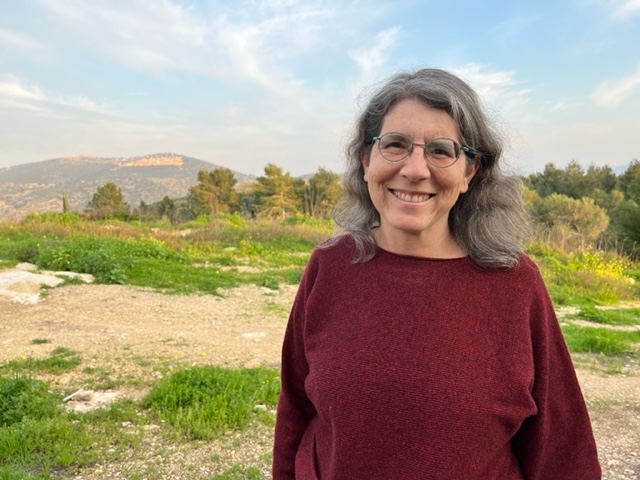
I started learning when my brother sent me the news clip of the celebration of the last Daf Yomi cycle. I was so floored to see so many women celebrating that I wanted to be a part of it. It has been an enriching experience studying a text in a language I don’t speak, using background knowledge that I don’t have. It is stretching my learning in unexpected ways, bringing me joy and satisfaction.

Jodi Gladstone
Jodi Gladstone

Warwick, Rhode Island, United States

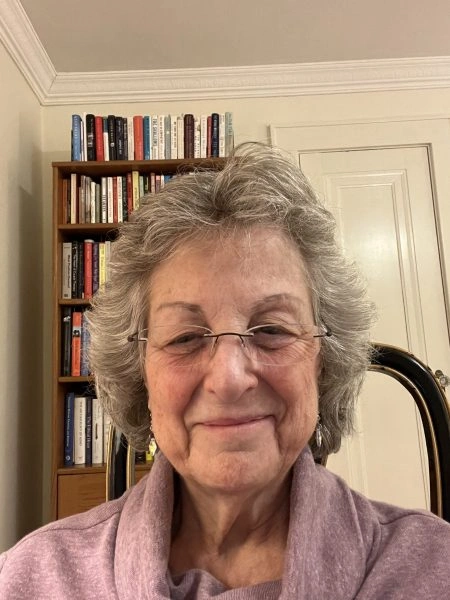
Hearing and reading about the siyumim at the completion of the 13 th cycle Daf Yomi asked our shul rabbi about starting the Daf – he directed me to another shiur in town he thought would allow a woman to join, and so I did! Love seeing the sources for the Divrei Torah I’ve been hearing for the past decades of living an observant life and raising 5 children .

Jill Felder
Jill Felder

Pittsburgh, Pennsylvania, United States

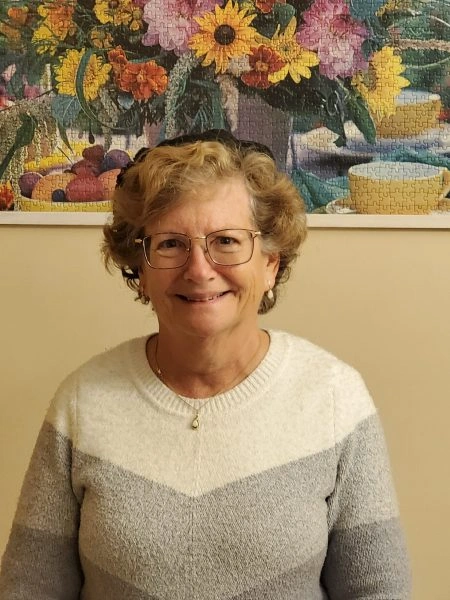
I learned daf more off than on 40 years ago. At the beginning of the current cycle, I decided to commit to learning daf regularly. Having Rabanit Michelle available as a learning partner has been amazing. Sometimes I learn with Hadran, sometimes with my husband, and sometimes on my own. It’s been fun to be part of an extended learning community.

Miriam Pollack
Miriam Pollack

Honolulu, Hawaii, United States

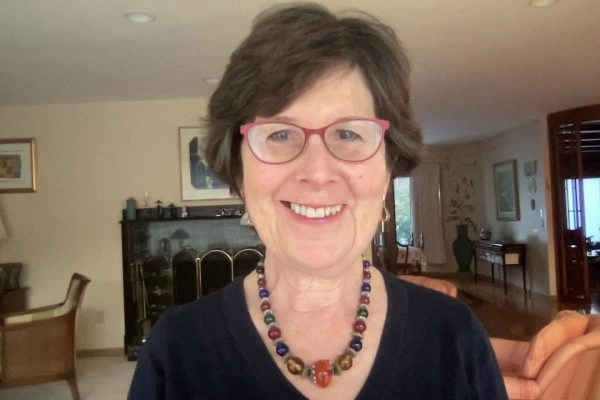
I started learning Daf Yomi because my sister, Ruth Leah Kahan, attended Michelle’s class in person and suggested I listen remotely. She always sat near Michelle and spoke up during class so that I could hear her voice. Our mom had just died unexpectedly and it made me feel connected to hear Ruth Leah’s voice, and now to know we are both listening to the same thing daily, continents apart.
Jessica Shklar
Jessica Shklar

Philadelphia, United States

Shortly after the death of my father, David Malik z”l, I made the commitment to Daf Yomi. While riding to Ben Gurion airport in January, Siyum HaShas was playing on the radio; that was the nudge I needed to get started. The “everyday-ness” of the Daf has been a meaningful spiritual practice, especial after COVID began & I was temporarily unable to say Kaddish at daily in-person minyanim.

Lisa S. Malik
Lisa S. Malik

Wynnewood, United States

A beautiful world of Talmudic sages now fill my daily life with discussion and debate.
bringing alive our traditions and texts that has brought new meaning to my life.
I am a מגילת אסתר reader for women . the words in the Mishna of מסכת megillah 17a
הקורא את המגילה למפרע לא יצא were powerful to me.
I hope to have the zchut to complete the cycle for my 70th birthday.

Sheila Hauser
Sheila Hauser

Jerusalem, Israel

When I began the previous cycle, I promised myself that if I stuck with it, I would reward myself with a trip to Israel. Little did I know that the trip would involve attending the first ever women’s siyum and being inspired by so many learners. I am now over 2 years into my second cycle and being part of this large, diverse, fascinating learning family has enhanced my learning exponentially.

Shira Krebs
Shira Krebs

Minnesota, United States

I began learning with Rabbanit Michelle’s wonderful Talmud Skills class on Pesachim, which really enriched my Pesach seder, and I have been learning Daf Yomi off and on over the past year. Because I’m relatively new at this, there is a “chiddush” for me every time I learn, and the knowledge and insights of the group members add so much to my experience. I feel very lucky to be a part of this.

Julie-Landau-Photo
Julie Landau

Karmiel, Israel

When the new cycle began, I thought, If not now, when? I’d just turned 72. I feel like a tourist on a tour bus passing astonishing scenery each day. Rabbanit Michelle is my beloved tour guide. When the cycle ends, I’ll be 80. I pray that I’ll have strength and mind to continue the journey to glimpse a little more. My grandchildren think having a daf-learning savta is cool!

Wendy Dickstein
Wendy Dickstein

Jerusalem, Israel

I started learning daf yomi at the beginning of this cycle. As the pandemic evolved, it’s been so helpful to me to have this discipline every morning to listen to the daf podcast after I’ve read the daf; learning about the relationships between the rabbis and the ways they were constructing our Jewish religion after the destruction of the Temple. I’m grateful to be on this journey!

Mona Fishbane
Mona Fishbane

Teaneck NJ, United States

I started learning daf in January, 2020, being inspired by watching the Siyyum Hashas in Binyanei Haumah. I wasn’t sure I would be able to keep up with the task. When I went to school, Gemara was not an option. Fast forward to March, 2022, and each day starts with the daf. The challenge is now learning the intricacies of delving into the actual learning. Hadran community, thank you!

Rochel Cheifetz
Rochel Cheifetz

Riverdale, NY, United States

I LOVE learning the Daf. I started with Shabbat. I join the morning Zoom with Reb Michelle and it totally grounds my day. When Corona hit us in Israel, I decided that I would use the Daf to keep myself sane, especially during the days when we could not venture out more than 300 m from our home. Now my husband and I have so much new material to talk about! It really is the best part of my day!

Batsheva Pava
Batsheva Pava

Hashmonaim, Israel

I began my journey two years ago at the beginning of this cycle of the daf yomi. It has been an incredible, challenging experience and has given me a new perspective of Torah Sh’baal Peh and the role it plays in our lives

linda kalish-marcus
linda kalish-marcus

Efrat, Israel

In early 2020, I began the process of a stem cell transplant. The required extreme isolation forced me to leave work and normal life but gave me time to delve into Jewish text study. I did not feel isolated. I began Daf Yomi at the start of this cycle, with family members joining me online from my hospital room. I’ve used my newly granted time to to engage, grow and connect through this learning.

Reena Slovin
Reena Slovin

Worcester, United States

I was exposed to Talmud in high school, but I was truly inspired after my daughter and I decided to attend the Women’s Siyum Shas in 2020. We knew that this was a historic moment. We were blown away, overcome with emotion at the euphoria of the revolution. Right then, I knew I would continue. My commitment deepened with the every-morning Virtual Beit Midrash on Zoom with R. Michelle.

Adina Hagege
Adina Hagege

Zichron Yaakov, Israel

I started learning on January 5, 2020. When I complete the 7+ year cycle I will be 70 years old. I had been intimidated by those who said that I needed to study Talmud in a traditional way with a chevruta, but I decided the learning was more important to me than the method. Thankful for Daf Yomi for Women helping me catch up when I fall behind, and also being able to celebrate with each Siyum!

Pamela Elisheva
Pamela Elisheva

Bakersfield, United States

I learned Talmud as a student in Yeshivat Ramaz and felt at the time that Talmud wasn’t for me. After reading Ilana Kurshan’s book I was intrigued and after watching the great siyum in Yerushalayim it ignited the spark to begin this journey. It has been a transformative life experience for me as a wife, mother, Savta and member of Klal Yisrael.
Elana Storch
Elana Storch

Phoenix, Arizona, United States

I have joined the community of daf yomi learners at the start of this cycle. I have studied in different ways – by reading the page, translating the page, attending a local shiur and listening to Rabbanit Farber’s podcasts, depending on circumstances and where I was at the time. The reactions have been positive throughout – with no exception!

Silke Goldberg
Silke Goldberg

Guildford, United Kingdom

When I was working and taking care of my children, learning was never on the list. Now that I have more time I have two different Gemora classes and the nach yomi as well as the mishna yomi daily.

Shoshana Shinnar
Shoshana Shinnar

Jerusalem, Israel

The start of my journey is not so exceptional. I was between jobs and wanted to be sure to get out every day (this was before corona). Well, I was hooked after about a month and from then on only looked for work-from-home jobs so I could continue learning the Daf. Daf has been a constant in my life, though hurricanes, death, illness/injury, weddings. My new friends are Rav, Shmuel, Ruth, Joanna.
Judi Felber
Judi Felber

Raanana, Israel

Bava Metzia 68

קָא פָרֵיק לַהּ בְּאַרְבְּעָה זוּזֵי, הָכָא נָמֵי לָא שְׁנָא.

that he redeems it at four dinars a year, despite the fact that the produce is worth more? Here too, it is no different. Since he established the deduction of a fixed sum that he cannot be sure he will receive, the practice is permitted, even if he in fact profits from the arrangement.

וּמַאן דְּאָסַר – אָמַר לָךְ: שְׂדֵה אֲחוּזָּה הֶקְדֵּשׁ הִיא, וְרַחֲמָנָא אוֹקְמֵיהּ אַפִּדְיוֹן. הָכָא – הַלְוָאָה הִיא וּמִיחֲזֵי כְּרִבִּית.

And the one who prohibits this arrangement could have said to you that the halakha with regard to an ancestral field is discussing consecrated property and the Merciful One established redemption for it, on the basis of which the Sages determined the full redemption. Here, by contrast, it is a loan, and therefore it has the appearance of interest.

אָמַר רַב אָשֵׁי: אֲמַרוּ לִי סָבֵי דְּמָתָא מַחְסֵיָא: סְתַם מַשְׁכַּנְתָּא – שַׁתָּא. לְמַאי נָפְקָא מִינַּהּ? דְּאִי אָכֵיל לַהּ שַׁתָּא – מָצֵי מְסַלֵּק לֵיהּ, וְאִי לָא – לָא מָצֵי מְסַלֵּק לֵיהּ.

Rav Ashi said: The elders of the town of Mata Meḥasya told me: An unspecified mortgage [mashkanta] is for a year. The Gemara poses a question: What is the practical difference resulting from this ruling? The Gemara explains: It means that if the lender consumed its produce for a year, the borrower can then remove him; but if not, the borrower cannot yet remove him, as an unspecified mortgage does not last less than this period of time.

וְאָמַר רַב אָשֵׁי: אֲמַרוּ לִי סָבֵי דְּמָתָא מַחְסֵיָא, מַאי ״מַשְׁכַּנְתָּא״ – דִּשְׁכוּנָה גַּבֵּיהּ. לְמַאי נָפְקָא מִינַּהּ? לְדִינָא דְּבַר מִצְרָא.

And Rav Ashi said: The elders of Mata Meḥasya told me: What is the meaning of the word mashkanta? It is referring to the fact that it resides [shekhuna] with him. The Gemara again asks: What is the practical difference resulting from his statement? The Gemara answers: It is relevant for the halakha of one whose field borders the field of his neighbor. Since the mortgaged field resides with him, it is considered his property to a certain extent, and therefore he is granted the right to purchase a neighboring field before an outside party does so.

אָמַר רָבָא: לֵית הִלְכְתָא לָא כְּטַרְשֵׁי פַּפּוּנָאֵי, וְלָא כִּשְׁטָרֵי מָחוֹזְנָאֵי, וְלָא כַּחֲכִירֵי נַרְשָׁאֵי.

Rava said: The halakha is not in accordance with those who approve of the tacit interest agreement of Rav Pappa, nor in accordance with those who approve of the documents of Meḥoza, nor in accordance with those who approve of the tenancies of Neresh.

כְּטַרְשֵׁי פַּפּוּנָאֵי – כְּטַרְשֵׁי דְּרַב פָּפָּא.

The Gemara clarifies these statements: The halakha is not in accordance with those who approve of the tacit interest agreement of Rav Pappa; this is referring to the tacit interest agreement of Rav Pappa (65a). Rav Pappa would sell liquor and accept delayed payment at a higher price, and believed this to be permitted since he did not gain anything from the arrangement.

שְׁטָרֵי מָחוֹזְנָאֵי – דְּזָקְפִי לֵיהּ לְרַוְוחָא אַקַּרְנָא, וְכָתְבִי לֵיהּ בִּשְׁטָרָא. מִי יֵימַר דְּהָוֵה רַוְוחָא?

What are the documents of Meḥoza? In Meḥoza they would lend money to someone for him to use in a joint business venture, and add the profits to the principal, as though the transaction were already completed, and they would write the full sum owed, including the lender’s share of the profits, in the document. The reason it is prohibited to do this is that who says there will be any profit? It is possible that the borrower will suffer a loss or earn less than expected, and he will eventually be paying interest if he pays the full amount recorded in the document.

אֲמַר לֵיהּ מָר בַּר אַמֵּימָר לְרַב אָשֵׁי: אַבָּא עָבֵיד הָכִי, וְכִי אָתוּ לְקַמֵּיהּ מְהֵימַן לְהוּ. אֲמַר לֵיהּ: תִּינַח הֵיכָא דְּאִיתֵיהּ לְדִידֵיהּ, אִי שָׁכֵיב וְנָפֵל שְׁטָרָא קַמֵּי יַתְמֵי, מַאי? הָוֵי ״כִּשְׁגָגָה שֶׁיֹּצָא מִלִּפְנֵי הַשַּׁלִּיט״ וְנָח נַפְשֵׁיהּ דְּאַמֵּימָר.

Mar, son of Ameimar, said to Rav Ashi: Father would do so, i.e., he would add the profits to the sum of the loan contract, and when they came before him and told him they had not earned enough profit he would believe them and reduce the debt to the amount they had actually earned. Rav Ashi said to him: This works out well while the lender is still here, but if he dies and the document comes before the orphans, what would happen in that case? Unaware that profits have been added to the document, the orphans would demand the entire sum, which would constitute interest. The Gemara comments: This innocent observation of Rav Ashi’s was “like an error that proceeds from a ruler” (Ecclesiastes 10:5), and Ameimar died shortly afterward.

חֲכִירֵי נַרְשָׁאֵי, דְּכָתְבִי הָכִי: מִשְׁכֵּן לֵיהּ פְּלָנְיָא אַרְעֵיהּ לִפְלָנְיָא, וַהֲדַר חַכְרַהּ מִינֵּיהּ. אֵימַת קְנָאָהּ דְּאַקְנְיַיהּ נִהֲלֵיהּ?

The Gemara addresses the final ruling. What are the tenancies of Neresh? In the town of Neresh they would write a document in this manner: So-and-so has mortgaged his land to so-and-so, and the borrower then went and leased it back from him for a fee that was added to the payment of the loan. This transaction is problematic. When did the lender acquire it, such that he can subsequently transfer it back to the borrower? As he is not the actual owner of the field, the money for the lease is actually payment for the delay in repaying the loan, and therefore this arrangement is considered interest.

וְהָאִידָּנָא דְּקָא כָתְבִי הָכִי: ״קְנֵינָא מִינֵּיהּ וּשְׁהֵינָא כַּמָּה עִידָּנֵי, וַהֲדַר חַכְרַהּ״, כְּדֵי שֶׁלֹּא תִּנְעוֹל דֶּלֶת בִּפְנֵי לוֹוִין – שַׁפִּיר דָּמֵי. וְלָאו מִלְּתָא הִיא.

The Gemara comments: And nowadays, when we write a document in this manner: We acquired the property from him and we waited a while and then the borrower went and leased it back for such and such a price, a formula that states that the lender has acquired the field and may now lease it to others, which is utilized so as not to lock the door in the face of potential borrowers, it is permitted, as it does not have the appearance of a loan with interest. The Gemara concludes: But this is not correct, as even if the field is in his possession, since he has not acquired it properly, it is considered interest.

מַתְנִי׳ אֵין מוֹשִׁיבִין חֶנְוָנִי לְמַחֲצִית שָׂכָר, וְלֹא יִתֵּן מָעוֹת לִיקַּח בָּהֶן פֵּירוֹת לְמַחֲצִית שָׂכָר, אֶלָּא אִם כֵּן נוֹתֵן לוֹ שְׂכָרוֹ כְּפוֹעֵל.

MISHNA: One may not establish a deal with a storekeeper for half the profits. It is prohibited for one to provide a storekeeper with produce for him to sell in his store, with half the profits going to the lender. In such an arrangement, the storekeeper himself is responsible for half of any loss from the venture, effectively rendering half of the produce as a loan to the storekeeper. The lender remains responsible for the other half of any loss, and the storekeeper provides a service by selling his produce for him. This service, if provided free of charge, is viewed as interest paid for the loan, and is prohibited. And similarly, one may not give a storekeeper money with which to acquire produce for the storekeeper to sell for half the profits. These activities are both prohibited unless the owner gives the storekeeper his wages as a salaried laborer hired to sell the produce, after which they can divide the remaining profits.

אֵין מוֹשִׁיבִין תַּרְנְגוֹלִין לְמֶחֱצָה, וְאֵין שָׁמִין עֲגָלִין וּסְיָיחִין לְמֶחֱצָה, אֶלָּא אִם כֵּן נוֹתֵן לוֹ שְׂכַר עֲמָלוֹ וּמְזוֹנוֹ.

One may not give eggs to another to place chickens on them in exchange for half the profits, and one may not appraise calves or foals for another to raise them for half the profits. These activities are both prohibited unless the owner gives the other wages for his toil and the cost of the food he gives to the animals in his temporary care. All this applies when the lender establishes a fixed minimum profit he insists on receiving regardless of what happens to the animals.

אֲבָל מְקַבְּלִין עֲגָלִין וּסְיָיחִין לְמֶחֱצָה, וּמְגַדְּלִין אוֹתָן עַד שֶׁיְּהוּ מְשׁוּלָּשִׁין. וַחֲמוֹר עַד שֶׁתְּהֵא טוֹעֶנֶת.

But one may accept calves or foals to raise as a joint venture for half of the earnings, with one side providing the animals and taking full responsibility for losses, and the other providing the work and the sustenance, and the one raising them may raise them until they reach one-third of their maturation, at which point they are sold and the profits shared. And with regard to a donkey, it can be raised in this manner until it is large enough to bear a load.

גְּמָ׳ תָּנָא: כְּפוֹעֵל בָּטֵל. מַאי כְּפוֹעֵל בָּטֵל?

GEMARA: The Sages taught: When the mishna states that the owner must pay the manager of the venture as a salaried laborer, it means he must pay him as an idle laborer. The Gemara poses a question: What does it mean to pay someone as an idle laborer?

אָמַר אַבָּיֵי: כְּפוֹעֵל בָּטֵל שֶׁל אוֹתָהּ מְלָאכָה דִּבְטַל מִינַּהּ.

Abaye says: It means that he is paid as a laborer who is idle from that typical labor of his from which he is kept idle. In other words, he must receive the amount of money that an individual would be willing to accept to refrain from his current occupation and engage in an easier task.

וּצְרִיכָא, דְּאִי תְּנָא חֶנְוָנִי: חֶנְוָנִי הוּא דְּסַגִּי לֵיהּ כְּפוֹעֵל בָּטֵל, מִשּׁוּם דְּלָא נְפִישׁ טִרְחֵיהּ. אֲבָל מָעוֹת לִיקַּח בָּהֶן פֵּירוֹת, דִּנְפִישׁ טִרְחֵיהּ – אֵימָא לָא סַגִּי לֵיהּ כְּפוֹעֵל בָּטֵל.

The Gemara comments: And it is necessary for the tanna to teach us both halakhot, that of a storekeeper who was given produce to sell as well as one who was given money to buy the produce. As had he taught only the halakha of a storekeeper who receives produce to sell, I would say that it is specifically a storekeeper for whom it is enough to receive his wages as an idle laborer, because his toil is not great, as the produce is already prepared and he merely has to sell it. But in the case of one who was given money with which to acquire produce, whose toil is great, as he must find the produce in the market and bring it back to his store, I might say that it is not sufficient for him to be paid as an idle laborer.

וְאִי תְּנָא מָעוֹת לִיקַּח בָּהֶן פֵּירוֹת – הֲוָה אָמֵינָא: הָתָם הוּא דְּבָעֵי כְּפוֹעֵל בָּטֵל, מִשּׁוּם דִּנְפִישׁ טִרְחֵיהּ. אֲבָל חֶנְוָנִי, דְּלָא נְפִישׁ טִרְחֵיהּ – אֵימָא סַגִּי לֵיהּ בְּמַשֶּׁהוּ בְּעָלְמָא, דַּאֲפִילּוּ לֹא טִבֵּל עִמּוֹ אֶלָּא בְּצִיר, וְלֹא אָכַל עִמּוֹ אֶלָּא גְּרוֹגֶרֶת אַחַת – זֶהוּ שְׂכָרוֹ, צְרִיכָא.

And conversely, had the tanna taught only the halakha of one who receives money with which to acquire produce, I would say it is in the case there that he requires payment as an idle laborer, because his toil is great, but with regard to a storekeeper, whose toil is not great, I would say that any amount is enough for him; that, for example, even if the one providing the produce only immersed his bread in brine with the storekeeper, or only ate one dried fig with him, this is sufficient to count as his wages, i.e., providing the bit of brine or a fig is sufficient to account for the storekeeper’s labor. It was therefore necessary for this halakha to be stated with regard to both cases.

(כַּמָּה עִיזֵּי וְתַרְנְגוֹלִין מַעֲלִין סִימָן)

§ Parenthetically, the Gemara lists the terms: How many goats, and chickens, we add; this constitutes a mnemonic device for the following discussions.

תָּנוּ רַבָּנַן: כַּמָּה הוּא שְׂכָרוֹ? בֵּין מְרוּבֶּה וּבֵין מוּעָט, דִּבְרֵי רַבִּי מֵאִיר. רַבִּי יְהוּדָה אוֹמֵר: אֲפִילּוּ לֹא טִבֵּל עִמּוֹ אֶלָּא בְּצִיר, וְלֹא אָכַל עִמּוֹ אֶלָּא גְּרוֹגֶרֶת אַחַת – זֶהוּ שְׂכָרוֹ. רַבִּי שִׁמְעוֹן בֶּן יוֹחַאי אוֹמֵר: נוֹתֵן לוֹ שְׂכָרוֹ מְשַׁלֵּם.

The mishna teaches that one may not enter into a joint venture with a storekeeper unless he gives him his wages. The Sages taught in a baraita: How much is his wage? What is the minimum amount he must be paid to avoid the prohibition of interest? It is permitted whether it is a lot or a little, in accordance with the agreement between them; this is the statement of Rabbi Meir. Rabbi Yehuda says: Even if he only immersed his bread in brine with him, or only ate one dried fig with him, this is sufficient for his wage. Rabbi Shimon ben Yoḥai says: He must give him his full wage, i.e., as a laborer.

תָּנוּ רַבָּנַן: אֵין שָׁמִין לֹא אֶת הָעִזִּים וְלֹא אֶת הָרְחֵלִים, וְלֹא כׇּל דָּבָר שֶׁאֵינוֹ עוֹשֶׂה וְאוֹכֵל לְמֶחֱצָה.

The Sages taught: One may not appraise animals, i.e., one may not give his animals to someone else to raise after appraising their worth, in exchange for half the profits, neither goats, nor sheep, nor anything else that does not produce revenue while it eats. In other words, one may not enter into an agreement that any increase in value over and above the original appraisal of the animals will be shared between the owner and the one raising the animals. Since the animals do not produce revenue for the one raising them, his caring for the animal on behalf of the owner is tantamount to paying interest, as in the mishna.

רַבִּי יוֹסֵי בְּרַבִּי יְהוּדָה אוֹמֵר: שָׁמִין אֶת הָעִזִּים מִפְּנֵי שֶׁחוֹלְבוֹת, וְאֶת הָרְחֵלִים מִפְּנֵי שֶׁגּוֹזְזוֹת וְשׁוֹטְפוֹת וּמוֹרְטוֹת, וְאֶת הַתַּרְנְגוֹלֶת מִפְּנֵי שֶׁהִיא עוֹשָׂה וְאוֹכֶלֶת.

Rabbi Yosei, son of Rabbi Yehuda, says: One may appraise goats for another to raise in this manner, because they produce milk, and one may appraise sheep for another to raise in this manner, because they are shorn for their wool, and they also have their wool removed when they are washed in water, and they are plucked of their wool by means of thorns, and the one who raises them can collect this wool. Consequently, the milk and wool generate revenue for the one raising them, and this can serve as a wage to avoid the prohibition of interest. And the same applies to a chicken, because it produces eggs while it eats.

וְתַנָּא קַמָּא: גִּיזָּה וְחָלָב לָא סָפֵק שְׂכַר עֲמָלוֹ וּמְזוֹנוֹ? בְּגִיזָּה וְחָלָב – כּוּלֵּי עָלְמָא לָא פְּלִיגִי, כִּי פְלִיגִי בְּנַסְיוֹבֵי וְתוּתְרֵי.

The Gemara asks a question: And as for the first tanna, how does he respond to this claim? Does he claim that shearing and milk do not provide the payment of the wage for his toil and for the animal’s food? The Gemara answers: If the arrangement allows him to keep the sheared wool and milk, everyone agrees that this is sufficient to avoid the prohibition of interest. When they disagree, it is with regard to a case when he receives only the whey [benasyovi], i.e., the water left from the milk, and the pluckings [vetoteri] from the goats.

תַּנָּא קַמָּא סָבַר לַהּ כְּרַבִּי שִׁמְעוֹן בֶּן יוֹחַי, דְּאָמַר: נוֹתֵן לוֹ שְׂכָרוֹ מִשָּׁלֵם. רַבִּי יוֹסֵי בְּרַבִּי יְהוּדָה סָבַר לַהּ כַּאֲבוּהּ, דְּאָמַר: אֲפִילּוּ לֹא טִבֵּל עִמּוֹ אֶלָּא בְּצִיר, וְלֹא אָכַל עִמּוֹ אֶלָּא גְּרוֹגֶרֶת אַחַת – זֶהוּ שְׂכָרוֹ.

The Gemara clarifies the dispute: The first tanna holds in accordance with the opinion of Rabbi Shimon ben Yoḥai, who says that he gives him his full wage. Since the value of the whey and pluckings is less than a full wage, his receiving them does not suffice to replace his wage. Rabbi Yosei, son of Rabbi Yehuda, holds in accordance with the opinion of his father, who says that even if he only immersed his bread in brine with him, or only ate one dried fig with him, this is his wage, as there is no demand that his wages be commensurate with his toil.

תָּנוּ רַבָּנַן: מַשְׂכֶּרֶת אִשָּׁה לַחֲבֶרְתָּהּ תַּרְנְגוֹלֶת בִּשְׁנֵי אֶפְרוֹחִין. אִשָּׁה שֶׁאָמְרָה לַחֲבֶרְתָּהּ: ״תַּרְנְגוֹלֶת שֶׁלִּי וּבֵיצִים שֶׁלִּיכִי, וַאֲנִי וְאַתְּ נַחְלוֹק בָּאֶפְרוֹחִין״ – רַבִּי יְהוּדָה מַתִּיר, רַבִּי שִׁמְעוֹן אוֹסֵר.

The Sages taught: A woman may rent out to another woman a chicken to sit on the eggs belonging to the renter in exchange for two of the chicks hatched from the eggs. But with regard to a woman who said to another: The chicken is mine and the eggs are yours, and you and I shall share the chicks, i.e., my chicken will sit on your eggs until they hatch, Rabbi Yehuda permits this practice, and Rabbi Shimon prohibits it. He holds that since the owner of the chicken is responsible for half of the loss to the eggs, therefore part of this venture is a loan. As she is not being paid for her efforts, it is considered interest.

וְרַבִּי יְהוּדָה לָא בָּעֵי שְׂכַר עֲמָלוֹ וּמְזוֹנוֹ? אִיכָּא בֵּיצִים מוּזָרוֹת.

The Gemara asks: And as for Rabbi Yehuda, does he not require one to pay at least a minimal amount of the wage for the toil of the one caring for the chicken and the chicken’s food? The Gemara answers: There are unfertilized eggs, from which no chicks will hatch. Such eggs are retained by the owner of the chicken, and therefore she does receive some benefit.

תָּנוּ רַבָּנַן: מָקוֹם שֶׁנָּהֲגוּ לְהַעֲלוֹת שְׂכַר כַּתָּף לְמָעוֹת לִבְהֵמָה – מַעֲלִין, וְאֵין מְשַׁנִּין מִמִּנְהַג הַמְּדִינָה. רַבָּן שִׁמְעוֹן בֶּן גַּמְלִיאֵל אוֹמֵר: שָׁמִין עֵגֶל עִם אִמּוֹ, וּסְיָח עִם אִמּוֹ, וַאֲפִילּוּ בִּמְקוֹם שֶׁנָּהֲגוּ לְהַעֲלוֹת שְׂכַר כַּתָּף לְמָעוֹת.

The Sages taught: In a place where people are accustomed to add the wages of a porter for carrying a young animal on his shoulders to the money paid, the owner of the animal must add it to the overall sum, and one may not deviate from the regional custom. Rabban Shimon ben Gamliel says: One may appraise a calf that grows up with its mother for another to raise, and a foal that grows up with its mother for another to raise, as part of a single venture and split the profits, but one does not add to the wages for his toil, and this applies even in a place where they have the custom to add the wages of a porter to the money paid.

וְרַבָּן שִׁמְעוֹן בֶּן גַּמְלִיאֵל לָא בָּעֵי שְׂכַר עֲמָלוֹ וּמְזוֹנוֹ? אִיכָּא גְּלָלִים. וְאִידַּךְ: גְּלָלִים – אַפְקוֹרֵי מַפְקֵיר לְהוּ.

The Gemara asks: But as for Rabban Shimon ben Gamliel, does he not require that one pay at least a minimal amount for the wage for the toil of the one caring for the animals and the animals’ food? The Gemara answers: There is the animals’ dung, which is of some benefit to the one who raises the animals. The Gemara asks: And how does the other Sage respond to this claim? The Gemara replies: He maintains that he declares the dung ownerless, as he does not consider this important enough to retain. Consequently, this does not qualify as compensation paid to the one raising the young animal.

אָמַר רַב נַחְמָן: הֲלָכָה כְּרַבִּי יְהוּדָה, וַהֲלָכָה כְּרַבִּי יוֹסֵי בְּרַבִּי יְהוּדָה, וַהֲלָכָה כְּרַבָּן שִׁמְעוֹן בֶּן גַּמְלִיאֵל.

Rav Naḥman said: With regard to these joint ventures involving animals, the halakha is in accordance with the opinion of Rabbi Yehuda; and the halakha is in accordance with the opinion of Rabbi Yosei, son of Rabbi Yehuda; and the halakha is in accordance with the opinion of Rabban Shimon ben Gamliel.

בְּנֵי רַב עִילִישׁ נְפַק עֲלַיְיהוּ הָהוּא שְׁטָרָא דַּהֲוָה כְּתִיב בֵּיהּ ״פַּלְגָא בַּאֲגַר, פַּלְגָא בְּהֶפְסֵד״. אָמַר רָבָא: רַב עִילִישׁ גַּבְרָא רַבָּה הוּא, וְאִיסּוּרָא לְאִינָשֵׁי לָא הָוֵי סָפֵי. מָה נַפְשָׁךְ? אִי פַּלְגָא בַּאֲגַר – תְּרֵי תִּילְתֵי בְּהֶפְסֵד,

The Gemara relates: A business document emerged concerning the sons of Rav Ilish, as it was a venture entered into by their late father, in which it was written that Rav Ilish and his partner will share one-half of the profit and one-half of the loss. Rava said: Rav Ilish was a great man, and therefore he would not feed people with something forbidden. In other words, he certainly would not have involved himself in a joint venture through which someone would have earned money by means of interest, and an arrangement of this kind appears to constitute interest. Consequently, no matter what, there must have been some mistake with regard to this document. If the actual condition stated that one party would receive one-half of the profit, the other party must have agreed to accept upon himself two-thirds of the loss,

Want to follow content and continue where you left off?

Create an account today to track your progress, mark what you’ve learned, and follow the shiurim that speak to you.

Clear all items from this list?

This will remove ALL the items in this section. You will lose any progress or history connected to them. This is irreversible.

Cancel
Yes, clear all

Are you sure you want to delete this item?

You will lose any progress or history connected to this item.

Cancel
Yes, delete