










The Mishna brings cases where an individual rents an item, such as an animal, for a specific purpose and then uses it for a different purpose. The renter is held responsible if the animal dies because of this change. The first line of the Mishna states that the renter is responsible in all cases where a change was made. However, in the second line, the Mishna’s ruling depends on the circumstances—specifically, how the animal died and the nature of the change made by the renter. The Gemara explores four possible answers to reconcile these two lines. The first three answers establish that the first line in the Mishna refers to a case where the animal died directly because of the change, regardless of whether the change was from mountain to valley or the reverse. The fourth answer differentiates the two lines of the Mishna as representing the opinions of different authorities. According to this view, the first line reflects Rabbi Meir’s opinion, while the second line represents the rabbis’ stance. Rabbi Meir holds a stringent view that anyone who goes against the owner’s wishes is considered a thief, thus making them automatically liable for any resulting damage or death. The Gemara then seeks to find tannaitic sources to substantiate that this is indeed Rabbi Meir’s position. The first two sources examined are rejected, but the third source is accepted, affirming that Rabbi Meir considers any deviation from the owner’s instructions to be considered theft. A case referred to as ‘hivrika,’ has two different interpretations. The Mishna describes a scenario where a donkey rented by an individual is seized by the king’s men (angaria). In such a case, the renter is left without the animal, and the owner is not required to provide a replacement. Rav and Shmuel disagree about the specifics of this case. A Tosefta is brought to challenge Shmuel’s interpretation, and two explanations are offered to resolve this difficulty.
Bava Metzia
Masechet Bava Metzia is sponsored by Rabbi Art Gould in memory of his beloved bride of 50 years, Carol Joy Robinson, Karina Gola bat Huddah v’Yehuda Tzvi.
רבות בנות עשו חיל ואת עלית על־כלנה
This month’s learning is sponsored by Marci Glazer in loving memory of her teacher and chevruta, Rachel Brodie, Rachel Aviva bat Devora Chana, on her 4th yahrzeit. “She brought her love of Torah to thousands of people in her all-too-short life. A lover of Midrash, she still invited me on this Daf Yomi journey.”
Want to dedicate learning? Get started here:

Today’s daily daf tools:
Bava Metzia
Masechet Bava Metzia is sponsored by Rabbi Art Gould in memory of his beloved bride of 50 years, Carol Joy Robinson, Karina Gola bat Huddah v’Yehuda Tzvi.
רבות בנות עשו חיל ואת עלית על־כלנה
This month’s learning is sponsored by Marci Glazer in loving memory of her teacher and chevruta, Rachel Brodie, Rachel Aviva bat Devora Chana, on her 4th yahrzeit. “She brought her love of Torah to thousands of people in her all-too-short life. A lover of Midrash, she still invited me on this Daf Yomi journey.”
Bava Metzia 78
מִפְּנֵי רָעָתָהּ.
due to its poor quality. In other words, he was eager to sell not due to financial pressure, but because he wanted to get rid of this low-value field. His persistent demands for every last dinar are due to his fear that the buyer will change his mind and cancel the transaction.
פְּשִׁיטָא: בָּעֵי לְזַבּוֹנֵי בִּמְאָה וְלָא אַשְׁכַּח, וְזַבֵּין בְּמָאתַיִם, וְקָא עָיֵיל וְנָפֵיק אַזּוּזֵי – לָא קָנֵי. אֶלָּא אִי בָּעֵי לְזַבּוֹנֵי בִּמְאָה וְלָא אַשְׁכַּח, וְאִי טָרַח הֲוָה מַשְׁכַּח, וְלָא טְרַח וְזַבֵּין בְּמָאתַיִם, וְקָא עָיֵיל וְנָפֵיק אַזּוּזֵי – מַאי: כְּמוֹכֵר שָׂדֵהוּ מִפְּנֵי רָעָתָהּ דָּמֵי, אוֹ לָא? תֵּיקוּ.
The Gemara discusses a similar case. It is obvious that if one wants to sell his property for one hundred dinars but does not find a buyer, and in actuality he sells property for two hundred, and goes in and goes out for money, the buyer has not acquired the field, as it is clear that the seller performed the transaction due to financial straits. But if he wants to sell his property for one hundred and does not find a willing buyer, and the case was that if he troubled himself he would find one, and instead he did not trouble himself and sells property for two hundred, and then he goes in and goes out for money, what is the halakha? Is he considered like one who sells a field due to its poor quality or not? No answer was found, and therefore the Gemara states that this dilemma shall stand unresolved.
שָׂכַר אֶת הַחַמָּר וְאֶת הַקַּדָּר וְכוּ׳ שׂוֹכֵר עֲלֵיהֶן אוֹ מַטְעָן. עַד כַּמָּה שׂוֹכֵר עֲלֵיהֶן? אָמַר רַב נַחְמָן: עַד כְּדֵי שְׂכָרָן.
§ The mishna teaches that if one hired a donkey driver or a potter and they reneged, and the goods would be lost, he may hire other workers at a higher price at the former’s expense, or deceive them to make them agree to return to work. The Gemara asks: Up to what amount may he hire at their expense? Rav Naḥman said: Up to their wages, i.e., if the first workers did part of the work and the employer had not yet paid them, he may add the amount he owes the original workers to the new workers’ wage.
אֵיתִיבֵיהּ רָבָא לְרַב נַחְמָן: עַד אַרְבָּעִים וַחֲמִשִּׁים זוּז! אָמַר לֵיהּ: כִּי תַּנְיָא הָהִיא – שֶׁבָּאתָה חֲבִילָה לְיָדוֹ.
Rava raised an objection to Rav Naḥman: But it was taught in a baraita that he can hire at their expense for up to forty or fifty dinars. Rav Naḥman said to him: When that baraita is taught it is with regard to a case where the bundle has come into his possession, i.e., the original worker left his tool kit with the employer. In this situation, the employer has more financial leverage, as he can sell the contents of the bundle to cover even higher costs.
מַתְנִי׳ הַשּׂוֹכֵר אֶת הַחֲמוֹר לְהוֹלִיכוֹ בָּהָר וְהוֹלִיכוֹ בַּבִּקְעָה, בַּבִּקְעָה וְהוֹלִיכוֹ בָּהָר, אֲפִילּוּ זוֹ עֶשֶׂר מִילִין וְזוֹ עֶשֶׂר מִילִין, וּמֵתָה – חַיָּיב. הַשּׂוֹכֵר אֶת הַחֲמוֹר לְהוֹלִיכָהּ בָּהָר וְהוֹלִיכָה בַּבִּקְעָה, אִם הֶחְלִיקָה – פָּטוּר, וְאִם הוּחֲמָה – חַיָּיב. לְהוֹלִיכָהּ בַּבִּקְעָה וְהוֹלִיכָה בָּהָר, אִם הֶחְלִיקָה – חַיָּיב, וְאִם הוּחַמָּה – פָּטוּר, אִם מֵחֲמַת הַמַּעֲלָה – חַיָּיב.
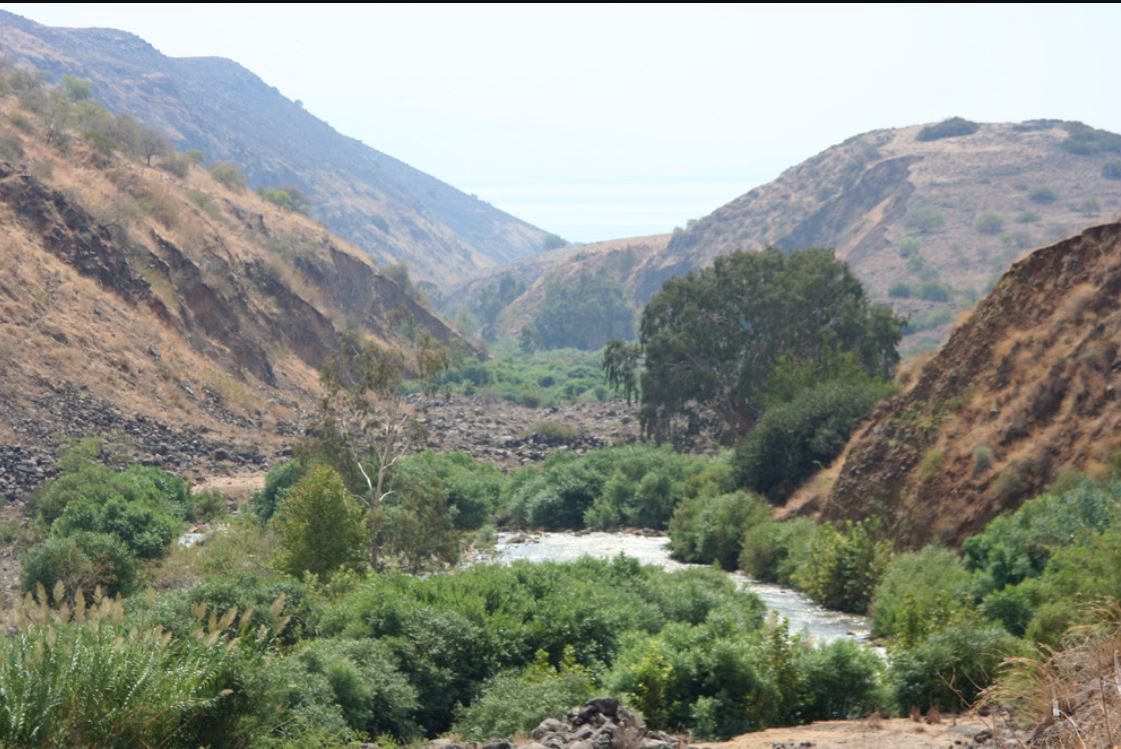
MISHNA: With regard to one who rents a donkey to lead it on a mountain but he led it in a valley, or one who rents a donkey to lead it in a valley but he led it on a mountain, even if this path is ten mil and that one is also ten mil, and the animal dies, he is liable. With regard to one who rents a donkey to lead it on a mountain but he led it in a valley, if it slipped and injured itself he is exempt, but if it died of heatstroke he is liable, as it was the walk in the hotter valley that caused its death. With regard to one who rents a donkey to lead it in a valley but he led it on a mountain, if it slipped he is liable, because this was caused by the mountainous terrain, but if it died of heatstroke he is exempt. If it suffered from heatstroke due to the ascent, he is liable.
הַשּׂוֹכֵר אֶת הַחֲמוֹר וְהִבְרִיקָה אוֹ שֶׁנַּעֲשֵׂית אַנְגַּרְיָא – אוֹמֵר לוֹ: הֲרֵי שֶׁלְּךָ לְפָנֶיךָ. מֵתָה אוֹ נִשְׁבְּרָה – חַיָּיב לְהַעֲמִיד [לוֹ] חֲמוֹר.
With regard to one who rents a donkey and it became ill or was seized for public service [angarya], the owner can say to the renter: That which is yours is before you, and he is not required to reimburse the renter or to supply him with another donkey. If the animal died or its leg broke, the owner is obligated to provide the renter with another donkey.
גְּמָ׳ מַאי שְׁנָא רֵישָׁא דְּלָא קָא מְפַלֵּיג, וּמַאי שְׁנָא סֵיפָא דְּקָא מְפַלֵּיג?
GEMARA: The Gemara asks: What is different about the first clause, where the tanna does not distinguish between the various ways in which the animal might have died, as he rules that the renter is always liable, and what is different about the latter clause, where he does distinguish between whether the animal was injured through slipping or heatstroke?
אָמְרִי דְּבֵי רַבִּי יַנַּאי: רֵישָׁא שֶׁמֵּתָה מֵחֲמַת אֲוִיר, דְּאָמְרִינַן אַוֵּירָא דְהַר קַטְלַהּ, וְאָמְרִינַן אַוֵּירָא דְבִקְעָה קַטְלַהּ. רַבִּי יוֹסֵי בַּר חֲנִינָא אָמַר: כְּגוֹן שֶׁמֵּתָה מֵחֲמַת אוּבְצָנָא. רַבָּה אָמַר: כְּגוֹן שֶׁהִכִּישָׁהּ נָחָשׁ.
The Gemara answers: A Sage from the school of Rabbi Yannai said: The first clause is referring to a case where it died on account of the air, as we say that the air of the mountains killed it and we can equally say that the air of the valley killed it. A change in weather such that the animal is exposed to weather conditions he is unaccustomed to can be lethal. Rabbi Yosei bar Ḥanina said: The mishna is referring to a case where it died on account of exhaustion [uvtzena], as it can be assumed that this was caused by the weather. Rabba said: The mishna is speaking of a case where a snake bit it, as this is just as likely to happen in one place as it is in the other.
רַבִּי חִיָּיא בַּר אַבָּא אָמַר רַבִּי יוֹחָנָן: הָא מַנִּי רַבִּי מֵאִיר הִיא, דְּאָמַר: כׇּל הַמַּעֲבִיר עַל דַּעַת שֶׁל בַּעַל הַבַּיִת,
Conversely, Rabbi Ḥiyya bar Abba said that Rabbi Yoḥanan said: In accordance with whose opinion is this statement of the first clause of the mishna? It is in accordance with the opinion of Rabbi Meir, who says: Anyone who diverges from the intention of the employer by acting against their agreement
נִקְרָא גַּזְלָן.
is called a robber. Since he contravened their agreement and did not receive approval of the other party, it is considered as though he stole the animal from its owner. A robber is liable for any damage that occurs, even due to circumstances beyond his control.
הֵי רַבִּי מֵאִיר? אִילֵימָא רַבִּי מֵאִיר דְּצַבָּע, דִּתְנַן: הַנּוֹתֵן צֶמֶר לַצַבָּע לִצְבּוֹעַ לוֹ אָדוֹם וּצְבָעוֹ שָׁחוֹר, שָׁחוֹר וּצְבָעוֹ אָדוֹם, רַבִּי מֵאִיר אוֹמֵר: נוֹתֵן לוֹ דְּמֵי צַמְרוֹ.
The Gemara asks: Which of Rabbi Meir’s statements indicates that this is his opinion? If we say that it is Rabbi Meir’s statement with regard to a dyer, this claim can be refuted. As we learned in a mishna (Bava Kamma 100b): With regard to one who gives wool to a dyer to dye it red for him, and instead he dyed it black, or to dye it black and he dyed it red, Rabbi Meir says: The dyer gives the owner of the wool the value of his wool.
רַבִּי יְהוּדָה אוֹמֵר: אִם הַשֶּׁבַח יָתֵר עַל הַיְּצִיאָה – נוֹתֵן לוֹ אֶת הַיְּצִיאָה, וְאִם הַיְּצִיאָה יְתֵירָה עַל הַשֶּׁבַח – נוֹתֵן לוֹ אֶת הַשֶּׁבַח.
Rabbi Yehuda says: If the value of the enhancement resulting from the dying exceeds the dyer’s expenses, then the owner of the wool gives the dyer the expenses. And if the expenses exceed the enhancement, he gives him the value of the enhancement. This apparently indicates that because the dyer diverged from the agreement, Rabbi Meir considers him a robber, which is why the dyer must refund the entire value of the wool.
מִמַּאי: דִּלְמָא שָׁאנֵי הָתָם דְּקַנְיֵאּ בְּשִׁינּוּי מַעֲשֶׂה?
The Gemara challenges this proof. From where do you know that this mishna is the source of Rabbi Meir’s opinion with regard to reneging on an agreement made with an employer? Perhaps it is different there, as the dyer acquired the wool by means of the physical change in a substance, and it is for that reason, not due to his divergence from the agreement, that he is comparable to a robber.
אֶלָּא הָא רַבִּי מֵאִיר דְּמִגְבַּת פּוּרִים, דְּתַנְיָא: מִגְבַּת פּוּרִים – לְפוּרִים. מִגְבַּת הָעִיר – לְאוֹתָהּ הָעִיר, וְאֵין מְדַקְדְּקִין בַּדָּבָר. אֲבָל לוֹקְחִין אֶת הָעֲגָלִים וְשׁוֹחֲטִין וְאוֹכְלִים אוֹתָן, וְהַמּוֹתָר יִפּוֹל לְכִיס שֶׁל צְדָקָה.
Rather, the source of the opinion of Rabbi Meir is the case of Purim collection. As it is taught in a baraita: The Purim collection, i.e., money collected for the Purim feast for paupers, may be used only for Purim; the city collection, i.e., money collected for poor people of a certain city, is given only for that city. And one does not scrutinize the matter by limiting the allocation for the poor to the exact costs of the meal and no more, but they acquire the calves and slaughter and eat them, and the remainder of the money, over and above the costs of the Purim feast, goes to the charity fund and is used for other charitable needs.
רַבִּי אֱלִיעֶזֶר אוֹמֵר: מִגְבַּת פּוּרִים לְפוּרִים, וְאֵין הֶעָנִי רַשַּׁאי לִיקַּח מֵהֶן רְצוּעָה לְסַנְדָּלוֹ, אֶלָּא אִם כֵּן הִתְנָה בְּמַעֲמַד אַנְשֵׁי הָעִיר, דִּבְרֵי רַבִּי יַעֲקֹב שֶׁאָמַר מִשּׁוּם רַבִּי מֵאִיר. וְרַבָּן שִׁמְעוֹן בֶּן גַּמְלִיאֵל מֵיקֵל.
Rabbi Eliezer says that this is not the case. Rather, the Purim collection is only for the Purim feast, and it is not permitted for a poor person to purchase even a strap for his sandal from it unless he stipulated in the presence of the people of the city that he may do as he wishes with the money he receives. This is the statement of Rabbi Ya’akov, who said it in the name of Rabbi Meir. But Rabban Shimon ben Gamliel is lenient. This shows that according to Rabbi Meir the recipient may not diverge at all from the intention of the one who gave the charity.
דִּלְמָא הָתָם נָמֵי, דְּאַדַּעְתָּא דְפוּרִים הוּא דְּיָהֵיב לֵיהּ, אַדַּעְתָּא דְּמִידֵּי אַחֲרִינָא לָא יָהֵיב לֵיהּ.
The Gemara refutes this proof: Perhaps there too, this is considered an explicit condition, as it was with the intent that the poor person use it for Purim that he gave him money, but he did not give it to him with the intent that it be used for anything else. Consequently, that is why Rabbi Meir rules stringently in a case of this kind, where the recipient diverged from the intention of the giver.
אֶלָּא הָא רַבִּי מֵאִיר, דְּתַנְיָא, רַבִּי שִׁמְעוֹן בֶּן אֶלְעָזָר אוֹמֵר מִשּׁוּם רַבִּי מֵאִיר: הַנּוֹתֵן דִּינָר לְעָנִי לִיקַּח לוֹ חָלוּק – לֹא יִקַּח בּוֹ טַלִּית, טַלִּית – לֹא יִקַּח בּוֹ חָלוּק, מִפְּנֵי שֶׁמַּעֲבִיר עַל דַּעְתּוֹ שֶׁל בַּעַל הַבַּיִת.
Rather, the proof that Rabbi Meir maintains that one who diverges from an agreement is considered a robber is from this statement of Rabbi Meir, as it is taught in a baraita that Rabbi Shimon ben Elazar says in the name of Rabbi Meir: In the case of one who gives a dinar to a poor person to purchase a robe for himself, he may not purchase a cloak with it; if he gives him money to purchase a cloak, he may not purchase a robe with it, because in so doing he diverges from the intent of the homeowner, i.e., the giver.
וְדִלְמָא שָׁאנֵי הָתָם דְּאָתוּ לְמִחְשְׁדֵיהּ, דְּאָמְרִי אִינָשֵׁי, אֲמַר פְּלָנְיָא: זָבֵנְינָא לֵיהּ לְבוּשָׁא לִפְלוֹנִי עַנְיָא, וְלָא זְבַן לֵיהּ. אִי נָמֵי, זָבֵנְינָא לֵיהּ גְּלִימָא וְלָא זְבַן לֵיהּ.
The Gemara rejects this proof as well: Perhaps it is different there, as they will come to suspect the giver of going back on his word, for people will say that so-and-so said: I am purchasing clothing for such and such a poor person, but he did not actually purchase it. Alternatively, people will claim that he said: I am purchasing him a cloak, but he did not actually purchase it for him, as they do not see the poor person wearing the item they heard the giver promise to purchase for him. In other words, in this case the poor person might not diverge from the intent of the giver in order not to discredit the giver in the eyes of the public.
אִם כֵּן, לִיתְנֵי: ״מִפְּנֵי הַחֲשָׁד״, מַאי: ״מִפְּנֵי שֶׁמַּעֲבִיר עַל דַּעְתּוֹ שֶׁל בַּעַל הַבַּיִת״ – שְׁמַע מִינַּהּ מִשּׁוּם דשַׁנִּי הוּא, וְכׇל הַמַּעֲבִיר עַל דַּעַת שֶׁל בַּעַל הַבַּיִת נִקְרָא גַּזְלָן.
The Gemara responds: If so, if this is the reason, let the mishna teach: Because of suspicion. What is the meaning of the phrase: Because he diverges from the intent of the homeowner? Conclude from it that he is called a robber because he changed and departed from the terms of the agreement, and this shows that anyone who diverges from the intention of the employer is called a robber. Evidently, this ruling is in accordance with the opinion of Rabbi Meir.
הַשּׂוֹכֵר אֶת הַחֲמוֹר וְהִבְרִיקָה, מַאי ״וְהִבְרִיקָה״? הָכָא תַּרְגִּימוּ ״נְהוֹרִיתָא״. רָבָא אָמַר: אַבְזְקָת.
§ The mishna teaches with regard to one who rents a donkey and it became ill [vehivrika], that the one who rented it to him bears no responsibility. The Gemara asks: What is the meaning of the term vehivrika? Here, in Babylonia, they interpreted it as light in the eye, a white spot that forms on the pupil of the donkey’s eye that impairs its vision. Rava said that it is referring to worm rot [avzeket], a disease of worms in the donkey’s foot.
הָהוּא דַּאֲמַר לְהוּ: אַבְזְקָת בְּמֵילָתָא דְּמַלְכָּא, אֲמַרוּ לֵיהּ: בְּמַאי? בְּטַלֵּי כְסַף, אוֹ בְּטַלֵּי דְהַב? אִיכָּא דְּאָמְרִי: בְּטַלֵּי כְסַף אֲמַר, וְקַטְלוּהּ. אִיכָּא דְּאָמְרִי: בְּטַלֵּי דְהַב אֲמַר, וְשַׁבְקוּהּ.
With regard to the term worm rot, the Gemara relates: There was a certain individual who said to others: I saw worm rot on the king’s clothing. They said to him: On what did you see it? On silver, i.e., linen, items or on gold, i.e., woolen, items? There are those who say that he said he had seen it on silver items, and they killed him. Since worms are not found on linen garments, they realized that he must have been lying. There are those who say that he said he had seen it on gold items, and therefore they let him be.
אוֹ שֶׁנַּעֲשֵׂית אַנְגַּרְיָא, אוֹמֵר לוֹ: הֲרֵי שֶׁלְּךָ לְפָנֶיךָ. אָמַר רַב: לֹא שָׁנוּ אֶלָּא בְּאַנְגַּרְיָא חוֹזֶרֶת. אֲבָל אַנְגַּרְיָא שֶׁאֵינָהּ חוֹזֶרֶת, חַיָּיב לְהַעֲמִיד לוֹ חֲמוֹר.
§ The mishna teaches: Or if the donkey was seized for public service, the owner can say to the renter: That which is yours is before you. Rav says: They taught this halakha only with regard to temporary public service, i.e., the government confiscates the animal for a certain period of time, after which they return it. But in a case of permanent public service, where they confiscated the animal permanently, the owner is obligated to provide the renter with another donkey.
וּשְׁמוּאֵל אָמַר: בֵּין אַנְגַּרְיָא חוֹזֶרֶת בֵּין אַנְגַּרְיָא שֶׁאֵינָהּ חוֹזֶרֶת, אִם בְּדֶרֶךְ הֲלִיכָה נִיטְּלָה – אוֹמֵר לוֹ: הֲרֵי שֶׁלְּךָ לְפָנֶיךָ. וְאִם לָאו בְּדֶרֶךְ הֲלִיכָתָהּ נִיטְּלָה – חַיָּיב לְהַעֲמִיד לוֹ חֲמוֹר.
And Shmuel said: Whether the donkey was seized to perform a permanent public service or a temporary public service, if it was seized and then taken in the direction in which it was walking, i.e., the government officials led the animal in the direction it was already going, the owner can say to the renter: That which is yours is before you. The common practice was that when an animal was confiscated by government officials, the one who had been leading it would follow them until the officials found another animal. At this point, the officials would take the animal they just found and release the one they had previously seized. Therefore, the owner can insist that the renter follow the officials, who in any event are going in the direction he wishes to go, in order to retrieve the animal he had rented. But if it was seized and then taken not in the direction in which it was walking, but in a different direction, the owner is obligated to provide the renter with another donkey.
מֵיתִיבִי: הַשּׂוֹכֵר אֶת הַחֲמוֹר וְהִבְרִיקָה אוֹ שֶׁנִּשְׁתַּטְּתָה, אוֹמֵר לוֹ: הֲרֵי שֶׁלְּךָ לְפָנֶיךָ. מֵתָה אוֹ שֶׁנַּעֲשֵׂית אַנְגַּרְיָא – חַיָּיב לְהַעֲמִיד לוֹ חֲמוֹר.
The Gemara raises an objection from a baraita: With regard to one who rents a donkey and it became ill or went mad, the owner can say to the renter: That which is yours is before you. If it died or was seized for public service, the owner is obligated to provide the renter with another donkey.
בִּשְׁלָמָא לְרַב לָא קַשְׁיָא: כָּאן בְּאַנְגַּרְיָא חוֹזֶרֶת, כָּאן בְּאַנְגַּרְיָא שֶׁאֵינָהּ חוֹזֶרֶת. אֶלָּא לִשְׁמוּאֵל קַשְׁיָא!
Granted, according to the opinion of Rav this is not difficult, as he can explain that here, in the mishna, it is referring to permanent public service, and therefore the owner does not have to provide the renter with another donkey, whereas there, in the baraita, it is referring to temporary public service. Consequently, the owner must give the renter another donkey. But according to the opinion of Shmuel it is difficult.
וְכִי תֵּימָא לִשְׁמוּאֵל נָמֵי לָא קַשְׁיָא: כָּאן שֶׁבְּדֶרֶךְ הֲלִיכָתָהּ נִיטְּלָה, כָּאן שֶׁלֹּא בְּדֶרֶךְ הֲלִיכָתָהּ נִיטְּלָה.
And if you would say that according to the opinion of Shmuel too, it is not difficult, as he could resolve the apparent contradiction in a similar manner by explaining that here, in the mishna, it is referring to a case where it was seized and then taken in the direction in which it was walking, and there, in the baraita, it is referring to a case where it was seized and then taken not in the direction in which it was walking but in a different direction, this resolution is not possible.
הָא מִדְּקָתָנֵי סֵיפָא: רַבִּי שִׁמְעוֹן בֶּן אֶלְעָזָר אוֹמֵר: אִם בְּדֶרֶךְ הֲלִיכָתָהּ נִיטְּלָה, אוֹמֵר לוֹ: הֲרֵי שֶׁלְּךָ לְפָנֶיךָ, וְאִם לָאו – חַיָּיב לְהַעֲמִיד לוֹ חֲמוֹר. מִכְּלָל דִּלְתַנָּא קַמָּא לָא שָׁאנֵי לֵיהּ!
This resolution cannot be accepted, because from the fact that the baraita teaches in the latter clause that Rabbi Shimon ben Elazar says: If it was seized and then taken in the direction in which it was walking the owner can say to the renter: That which is yours is before you, but if not the owner is obligated to provide the renter with another donkey, by inference one can learn that according to the opinion of the first tanna there is no difference whether or not the animal was seized and then taken in the direction in which it was walking. If so, the baraita is difficult to reconcile with Shmuel’s opinion.
אָמַר לְךָ שְׁמוּאֵל: לָאו מִי אִיכָּא רַבִּי שִׁמְעוֹן בֶּן אֶלְעָזָר דְּקָאֵי כְּווֹתִי? אֲנָא דַּאֲמַרִי כְּרַבִּי שִׁמְעוֹן בֶּן אֶלְעָזָר. אִיבָּעֵית אֵימָא כּוּלָּהּ רַבִּי שִׁמְעוֹן בֶּן אֶלְעָזָר הִיא, וְחַסּוֹרֵי מִיחַסְּרָא וְהָכִי קָתָנֵי: הַשּׂוֹכֵר אֶת הַחֲמוֹר וְהִבְרִיקָה אוֹ נִשְׁתַּטֵּית, אוֹמֵר לוֹ: הֲרֵי שֶׁלְּךָ לְפָנֶיךָ. מֵתָה אוֹ שֶׁנַּעֲשֵׂית אַנְגַּרְיָא – חַיָּיב לְהַעֲמִיד לוֹ חֲמוֹר. בַּמֶּה דְּבָרִים אֲמוּרִים – שֶׁלֹּא בְּדֶרֶךְ הֲלִיכָתָהּ נִיטְּלָה, אֲבָל נִיטְּלָה בְּדֶרֶךְ הֲלִיכָתָהּ – אוֹמֵר לוֹ: הֲרֵי שֶׁלְּךָ לְפָנֶיךָ.
The Gemara answers that Shmuel could say to you: Isn’t there the ruling of Rabbi Shimon ben Elazar, who holds in accordance with my opinion? I spoke in accordance with the ruling of Rabbi Shimon ben Elazar. If you wish, say instead that the entire baraita is in accordance with the opinion of Rabbi Shimon ben Elazar, and it is incomplete, and this is what it is teaching: With regard to one who rents a donkey and it became ill or went mad, the owner can say to the renter: That which is yours is before you. If it died or was seized for public service, the owner is obligated to provide the renter with another donkey. In what case is this statement said? When it is seized and then taken not in the direction in which it was walking but in a different direction, but if it was seized and then taken in the direction in which it was walking, the owner can say to the renter: That which is yours is before you.

Today’s daily daf tools:
Delve Deeper
Broaden your understanding of the topics on this daf with classes and podcasts from top women Talmud scholars.


New to Talmud?
Check out our resources designed to help you navigate a page of Talmud – and study at the pace, level and style that fits you.
The Hadran Women’s Tapestry
Meet the diverse women learning Gemara at Hadran and hear their stories.
I started to listen to Michelle’s podcasts four years ago. The minute I started I was hooked. I’m so excited to learn the entire Talmud, and think I will continue always. I chose the quote “while a woman is engaged in conversation she also holds the spindle”. (Megillah 14b). It reminds me of all of the amazing women I learn with every day who multi-task, think ahead and accomplish so much.

Zichron Yakov, Israel
I started learning Daf in Jan 2020 with Brachot b/c I had never seen the Jewish people united around something so positive, and I wanted to be a part of it. Also, I wanted to broaden my background in Torah Shebal Peh- Maayanot gave me a great gemara education, but I knew that I could hold a conversation in most parts of tanach but almost no TSB. I’m so thankful for Daf and have gained immensely.

NJ, United States
I was exposed to Talmud in high school, but I was truly inspired after my daughter and I decided to attend the Women’s Siyum Shas in 2020. We knew that this was a historic moment. We were blown away, overcome with emotion at the euphoria of the revolution. Right then, I knew I would continue. My commitment deepened with the every-morning Virtual Beit Midrash on Zoom with R. Michelle.

Zichron Yaakov, Israel
I started learning Jan 2020 when I heard the new cycle was starting. I had tried during the last cycle and didn’t make it past a few weeks. Learning online from old men didn’t speak to my soul and I knew Talmud had to be a soul journey for me. Enter Hadran! Talmud from Rabbanit Michelle Farber from a woman’s perspective, a mother’s perspective and a modern perspective. Motivated to continue!

Brentwood, California, United States
I started my journey on the day I realized that the Siyum was happening in Yerushalayim and I was missing out. What? I told myself. How could I have not known about this? How can I have missed out on this opportunity? I decided that moment, I would start Daf Yomi and Nach Yomi the very next day. I am so grateful to Hadran. I am changed forever because I learn Gemara with women. Thank you.

Mitspe, Israel
When the new cycle began, I thought, If not now, when? I’d just turned 72. I feel like a tourist on a tour bus passing astonishing scenery each day. Rabbanit Michelle is my beloved tour guide. When the cycle ends, I’ll be 80. I pray that I’ll have strength and mind to continue the journey to glimpse a little more. My grandchildren think having a daf-learning savta is cool!

Jerusalem, Israel
I started my Daf Yomi journey at the beginning of the COVID19 pandemic.

Los Angeles, United States
In January 2020, my chevruta suggested that we “up our game. Let’s do Daf Yomi” – and she sent me the Hadran link. I lost my job (and went freelance), there was a pandemic, and I am still opening the podcast with my breakfast coffee, or after Shabbat with popcorn. My Aramaic is improving. I will need a new bookcase, though.
Atlanta, Georgia, United States
A Gemara shiur previous to the Hadran Siyum, was the impetus to attend it.It was highly inspirational and I was smitten. The message for me was התלמוד בידינו. I had decided along with my Chahsmonaim group to to do the daf and take it one daf at time- without any expectations at all. There has been a wealth of information, insights and halachik ideas. It is truly exercise of the mind, heart & Soul

Hashmonaim, Israel
I attended the Siyum so that I could tell my granddaughter that I had been there. Then I decided to listen on Spotify and after the siyum of Brachot, Covid and zoom began. It gave structure to my day. I learn with people from all over the world who are now my friends – yet most of us have never met. I can’t imagine life without it. Thank you Rabbanit Michelle.
Raanana, Israel
I started learning at the beginning of this Daf Yomi cycle because I heard a lot about the previous cycle coming to an end and thought it would be a good thing to start doing. My husband had already bought several of the Koren Talmud Bavli books and they were just sitting on the shelf, not being used, so here was an opportunity to start using them and find out exactly what was in them. Loving it!

Borehamwood, United Kingdom
I began daf yomi in January 2020 with Brachot. I had made aliya 6 months before, and one of my post-aliya goals was to complete a full cycle. As a life-long Tanach teacher, I wanted to swim from one side of the Yam shel Torah to the other. Daf yomi was also my sanity through COVID. It was the way to marking the progression of time, and feel that I could grow and accomplish while time stopped.

Givat Zev, Israel

Jerusalem, Israel
I started learning on January 5, 2020. When I complete the 7+ year cycle I will be 70 years old. I had been intimidated by those who said that I needed to study Talmud in a traditional way with a chevruta, but I decided the learning was more important to me than the method. Thankful for Daf Yomi for Women helping me catch up when I fall behind, and also being able to celebrate with each Siyum!

Bakersfield, United States
Shortly after the death of my father, David Malik z”l, I made the commitment to Daf Yomi. While riding to Ben Gurion airport in January, Siyum HaShas was playing on the radio; that was the nudge I needed to get started. The “everyday-ness” of the Daf has been a meaningful spiritual practice, especial after COVID began & I was temporarily unable to say Kaddish at daily in-person minyanim.

Wynnewood, United States
After reading the book, “ If All The Seas Were Ink “ by Ileana Kurshan I started studying Talmud. I searched and studied with several teachers until I found Michelle Farber. I have been studying with her for two years. I look forward every day to learn from her.

Virginia, United States
In early January of 2020, I learned about Siyyum HaShas and Daf Yomi via Tablet Magazine’s brief daily podcast about the Daf. I found it compelling and fascinating. Soon I discovered Hadran; since then I have learned the Daf daily with Rabbanit Michelle Cohen Farber. The Daf has permeated my every hour, and has transformed and magnified my place within the Jewish Universe.

San Francisco, CA , United States
When I started studying Hebrew at Brown University’s Hillel, I had no idea that almost 38 years later, I’m doing Daf Yomi. My Shabbat haburah is led by Rabbanit Leah Sarna. The women are a hoot. I’m tracking the completion of each tractate by reading Ilana Kurshan’s memoir, If All the Seas Were Ink.

Pennsylvania, United States
Attending the Siyyum in Jerusalem 26 months ago inspired me to become part of this community of learners. So many aspects of Jewish life have been illuminated by what we have learned in Seder Moed. My day is not complete without daf Yomi. I am so grateful to Rabbanit Michelle and the Hadran Community.

Newton, United States
I LOVE learning the Daf. I started with Shabbat. I join the morning Zoom with Reb Michelle and it totally grounds my day. When Corona hit us in Israel, I decided that I would use the Daf to keep myself sane, especially during the days when we could not venture out more than 300 m from our home. Now my husband and I have so much new material to talk about! It really is the best part of my day!

Hashmonaim, Israel
Bava Metzia 78
מִפְּנֵי רָעָתָהּ.
due to its poor quality. In other words, he was eager to sell not due to financial pressure, but because he wanted to get rid of this low-value field. His persistent demands for every last dinar are due to his fear that the buyer will change his mind and cancel the transaction.
פְּשִׁיטָא: בָּעֵי לְזַבּוֹנֵי בִּמְאָה וְלָא אַשְׁכַּח, וְזַבֵּין בְּמָאתַיִם, וְקָא עָיֵיל וְנָפֵיק אַזּוּזֵי – לָא קָנֵי. אֶלָּא אִי בָּעֵי לְזַבּוֹנֵי בִּמְאָה וְלָא אַשְׁכַּח, וְאִי טָרַח הֲוָה מַשְׁכַּח, וְלָא טְרַח וְזַבֵּין בְּמָאתַיִם, וְקָא עָיֵיל וְנָפֵיק אַזּוּזֵי – מַאי: כְּמוֹכֵר שָׂדֵהוּ מִפְּנֵי רָעָתָהּ דָּמֵי, אוֹ לָא? תֵּיקוּ.
The Gemara discusses a similar case. It is obvious that if one wants to sell his property for one hundred dinars but does not find a buyer, and in actuality he sells property for two hundred, and goes in and goes out for money, the buyer has not acquired the field, as it is clear that the seller performed the transaction due to financial straits. But if he wants to sell his property for one hundred and does not find a willing buyer, and the case was that if he troubled himself he would find one, and instead he did not trouble himself and sells property for two hundred, and then he goes in and goes out for money, what is the halakha? Is he considered like one who sells a field due to its poor quality or not? No answer was found, and therefore the Gemara states that this dilemma shall stand unresolved.
שָׂכַר אֶת הַחַמָּר וְאֶת הַקַּדָּר וְכוּ׳ שׂוֹכֵר עֲלֵיהֶן אוֹ מַטְעָן. עַד כַּמָּה שׂוֹכֵר עֲלֵיהֶן? אָמַר רַב נַחְמָן: עַד כְּדֵי שְׂכָרָן.
§ The mishna teaches that if one hired a donkey driver or a potter and they reneged, and the goods would be lost, he may hire other workers at a higher price at the former’s expense, or deceive them to make them agree to return to work. The Gemara asks: Up to what amount may he hire at their expense? Rav Naḥman said: Up to their wages, i.e., if the first workers did part of the work and the employer had not yet paid them, he may add the amount he owes the original workers to the new workers’ wage.
אֵיתִיבֵיהּ רָבָא לְרַב נַחְמָן: עַד אַרְבָּעִים וַחֲמִשִּׁים זוּז! אָמַר לֵיהּ: כִּי תַּנְיָא הָהִיא – שֶׁבָּאתָה חֲבִילָה לְיָדוֹ.
Rava raised an objection to Rav Naḥman: But it was taught in a baraita that he can hire at their expense for up to forty or fifty dinars. Rav Naḥman said to him: When that baraita is taught it is with regard to a case where the bundle has come into his possession, i.e., the original worker left his tool kit with the employer. In this situation, the employer has more financial leverage, as he can sell the contents of the bundle to cover even higher costs.
מַתְנִי׳ הַשּׂוֹכֵר אֶת הַחֲמוֹר לְהוֹלִיכוֹ בָּהָר וְהוֹלִיכוֹ בַּבִּקְעָה, בַּבִּקְעָה וְהוֹלִיכוֹ בָּהָר, אֲפִילּוּ זוֹ עֶשֶׂר מִילִין וְזוֹ עֶשֶׂר מִילִין, וּמֵתָה – חַיָּיב. הַשּׂוֹכֵר אֶת הַחֲמוֹר לְהוֹלִיכָהּ בָּהָר וְהוֹלִיכָה בַּבִּקְעָה, אִם הֶחְלִיקָה – פָּטוּר, וְאִם הוּחֲמָה – חַיָּיב. לְהוֹלִיכָהּ בַּבִּקְעָה וְהוֹלִיכָה בָּהָר, אִם הֶחְלִיקָה – חַיָּיב, וְאִם הוּחַמָּה – פָּטוּר, אִם מֵחֲמַת הַמַּעֲלָה – חַיָּיב.
MISHNA: With regard to one who rents a donkey to lead it on a mountain but he led it in a valley, or one who rents a donkey to lead it in a valley but he led it on a mountain, even if this path is ten mil and that one is also ten mil, and the animal dies, he is liable. With regard to one who rents a donkey to lead it on a mountain but he led it in a valley, if it slipped and injured itself he is exempt, but if it died of heatstroke he is liable, as it was the walk in the hotter valley that caused its death. With regard to one who rents a donkey to lead it in a valley but he led it on a mountain, if it slipped he is liable, because this was caused by the mountainous terrain, but if it died of heatstroke he is exempt. If it suffered from heatstroke due to the ascent, he is liable.
הַשּׂוֹכֵר אֶת הַחֲמוֹר וְהִבְרִיקָה אוֹ שֶׁנַּעֲשֵׂית אַנְגַּרְיָא – אוֹמֵר לוֹ: הֲרֵי שֶׁלְּךָ לְפָנֶיךָ. מֵתָה אוֹ נִשְׁבְּרָה – חַיָּיב לְהַעֲמִיד [לוֹ] חֲמוֹר.
With regard to one who rents a donkey and it became ill or was seized for public service [angarya], the owner can say to the renter: That which is yours is before you, and he is not required to reimburse the renter or to supply him with another donkey. If the animal died or its leg broke, the owner is obligated to provide the renter with another donkey.
גְּמָ׳ מַאי שְׁנָא רֵישָׁא דְּלָא קָא מְפַלֵּיג, וּמַאי שְׁנָא סֵיפָא דְּקָא מְפַלֵּיג?
GEMARA: The Gemara asks: What is different about the first clause, where the tanna does not distinguish between the various ways in which the animal might have died, as he rules that the renter is always liable, and what is different about the latter clause, where he does distinguish between whether the animal was injured through slipping or heatstroke?
אָמְרִי דְּבֵי רַבִּי יַנַּאי: רֵישָׁא שֶׁמֵּתָה מֵחֲמַת אֲוִיר, דְּאָמְרִינַן אַוֵּירָא דְהַר קַטְלַהּ, וְאָמְרִינַן אַוֵּירָא דְבִקְעָה קַטְלַהּ. רַבִּי יוֹסֵי בַּר חֲנִינָא אָמַר: כְּגוֹן שֶׁמֵּתָה מֵחֲמַת אוּבְצָנָא. רַבָּה אָמַר: כְּגוֹן שֶׁהִכִּישָׁהּ נָחָשׁ.
The Gemara answers: A Sage from the school of Rabbi Yannai said: The first clause is referring to a case where it died on account of the air, as we say that the air of the mountains killed it and we can equally say that the air of the valley killed it. A change in weather such that the animal is exposed to weather conditions he is unaccustomed to can be lethal. Rabbi Yosei bar Ḥanina said: The mishna is referring to a case where it died on account of exhaustion [uvtzena], as it can be assumed that this was caused by the weather. Rabba said: The mishna is speaking of a case where a snake bit it, as this is just as likely to happen in one place as it is in the other.
רַבִּי חִיָּיא בַּר אַבָּא אָמַר רַבִּי יוֹחָנָן: הָא מַנִּי רַבִּי מֵאִיר הִיא, דְּאָמַר: כׇּל הַמַּעֲבִיר עַל דַּעַת שֶׁל בַּעַל הַבַּיִת,
Conversely, Rabbi Ḥiyya bar Abba said that Rabbi Yoḥanan said: In accordance with whose opinion is this statement of the first clause of the mishna? It is in accordance with the opinion of Rabbi Meir, who says: Anyone who diverges from the intention of the employer by acting against their agreement
נִקְרָא גַּזְלָן.
is called a robber. Since he contravened their agreement and did not receive approval of the other party, it is considered as though he stole the animal from its owner. A robber is liable for any damage that occurs, even due to circumstances beyond his control.
הֵי רַבִּי מֵאִיר? אִילֵימָא רַבִּי מֵאִיר דְּצַבָּע, דִּתְנַן: הַנּוֹתֵן צֶמֶר לַצַבָּע לִצְבּוֹעַ לוֹ אָדוֹם וּצְבָעוֹ שָׁחוֹר, שָׁחוֹר וּצְבָעוֹ אָדוֹם, רַבִּי מֵאִיר אוֹמֵר: נוֹתֵן לוֹ דְּמֵי צַמְרוֹ.
The Gemara asks: Which of Rabbi Meir’s statements indicates that this is his opinion? If we say that it is Rabbi Meir’s statement with regard to a dyer, this claim can be refuted. As we learned in a mishna (Bava Kamma 100b): With regard to one who gives wool to a dyer to dye it red for him, and instead he dyed it black, or to dye it black and he dyed it red, Rabbi Meir says: The dyer gives the owner of the wool the value of his wool.
רַבִּי יְהוּדָה אוֹמֵר: אִם הַשֶּׁבַח יָתֵר עַל הַיְּצִיאָה – נוֹתֵן לוֹ אֶת הַיְּצִיאָה, וְאִם הַיְּצִיאָה יְתֵירָה עַל הַשֶּׁבַח – נוֹתֵן לוֹ אֶת הַשֶּׁבַח.
Rabbi Yehuda says: If the value of the enhancement resulting from the dying exceeds the dyer’s expenses, then the owner of the wool gives the dyer the expenses. And if the expenses exceed the enhancement, he gives him the value of the enhancement. This apparently indicates that because the dyer diverged from the agreement, Rabbi Meir considers him a robber, which is why the dyer must refund the entire value of the wool.
מִמַּאי: דִּלְמָא שָׁאנֵי הָתָם דְּקַנְיֵאּ בְּשִׁינּוּי מַעֲשֶׂה?
The Gemara challenges this proof. From where do you know that this mishna is the source of Rabbi Meir’s opinion with regard to reneging on an agreement made with an employer? Perhaps it is different there, as the dyer acquired the wool by means of the physical change in a substance, and it is for that reason, not due to his divergence from the agreement, that he is comparable to a robber.
אֶלָּא הָא רַבִּי מֵאִיר דְּמִגְבַּת פּוּרִים, דְּתַנְיָא: מִגְבַּת פּוּרִים – לְפוּרִים. מִגְבַּת הָעִיר – לְאוֹתָהּ הָעִיר, וְאֵין מְדַקְדְּקִין בַּדָּבָר. אֲבָל לוֹקְחִין אֶת הָעֲגָלִים וְשׁוֹחֲטִין וְאוֹכְלִים אוֹתָן, וְהַמּוֹתָר יִפּוֹל לְכִיס שֶׁל צְדָקָה.
Rather, the source of the opinion of Rabbi Meir is the case of Purim collection. As it is taught in a baraita: The Purim collection, i.e., money collected for the Purim feast for paupers, may be used only for Purim; the city collection, i.e., money collected for poor people of a certain city, is given only for that city. And one does not scrutinize the matter by limiting the allocation for the poor to the exact costs of the meal and no more, but they acquire the calves and slaughter and eat them, and the remainder of the money, over and above the costs of the Purim feast, goes to the charity fund and is used for other charitable needs.
רַבִּי אֱלִיעֶזֶר אוֹמֵר: מִגְבַּת פּוּרִים לְפוּרִים, וְאֵין הֶעָנִי רַשַּׁאי לִיקַּח מֵהֶן רְצוּעָה לְסַנְדָּלוֹ, אֶלָּא אִם כֵּן הִתְנָה בְּמַעֲמַד אַנְשֵׁי הָעִיר, דִּבְרֵי רַבִּי יַעֲקֹב שֶׁאָמַר מִשּׁוּם רַבִּי מֵאִיר. וְרַבָּן שִׁמְעוֹן בֶּן גַּמְלִיאֵל מֵיקֵל.
Rabbi Eliezer says that this is not the case. Rather, the Purim collection is only for the Purim feast, and it is not permitted for a poor person to purchase even a strap for his sandal from it unless he stipulated in the presence of the people of the city that he may do as he wishes with the money he receives. This is the statement of Rabbi Ya’akov, who said it in the name of Rabbi Meir. But Rabban Shimon ben Gamliel is lenient. This shows that according to Rabbi Meir the recipient may not diverge at all from the intention of the one who gave the charity.
דִּלְמָא הָתָם נָמֵי, דְּאַדַּעְתָּא דְפוּרִים הוּא דְּיָהֵיב לֵיהּ, אַדַּעְתָּא דְּמִידֵּי אַחֲרִינָא לָא יָהֵיב לֵיהּ.
The Gemara refutes this proof: Perhaps there too, this is considered an explicit condition, as it was with the intent that the poor person use it for Purim that he gave him money, but he did not give it to him with the intent that it be used for anything else. Consequently, that is why Rabbi Meir rules stringently in a case of this kind, where the recipient diverged from the intention of the giver.
אֶלָּא הָא רַבִּי מֵאִיר, דְּתַנְיָא, רַבִּי שִׁמְעוֹן בֶּן אֶלְעָזָר אוֹמֵר מִשּׁוּם רַבִּי מֵאִיר: הַנּוֹתֵן דִּינָר לְעָנִי לִיקַּח לוֹ חָלוּק – לֹא יִקַּח בּוֹ טַלִּית, טַלִּית – לֹא יִקַּח בּוֹ חָלוּק, מִפְּנֵי שֶׁמַּעֲבִיר עַל דַּעְתּוֹ שֶׁל בַּעַל הַבַּיִת.
Rather, the proof that Rabbi Meir maintains that one who diverges from an agreement is considered a robber is from this statement of Rabbi Meir, as it is taught in a baraita that Rabbi Shimon ben Elazar says in the name of Rabbi Meir: In the case of one who gives a dinar to a poor person to purchase a robe for himself, he may not purchase a cloak with it; if he gives him money to purchase a cloak, he may not purchase a robe with it, because in so doing he diverges from the intent of the homeowner, i.e., the giver.
וְדִלְמָא שָׁאנֵי הָתָם דְּאָתוּ לְמִחְשְׁדֵיהּ, דְּאָמְרִי אִינָשֵׁי, אֲמַר פְּלָנְיָא: זָבֵנְינָא לֵיהּ לְבוּשָׁא לִפְלוֹנִי עַנְיָא, וְלָא זְבַן לֵיהּ. אִי נָמֵי, זָבֵנְינָא לֵיהּ גְּלִימָא וְלָא זְבַן לֵיהּ.
The Gemara rejects this proof as well: Perhaps it is different there, as they will come to suspect the giver of going back on his word, for people will say that so-and-so said: I am purchasing clothing for such and such a poor person, but he did not actually purchase it. Alternatively, people will claim that he said: I am purchasing him a cloak, but he did not actually purchase it for him, as they do not see the poor person wearing the item they heard the giver promise to purchase for him. In other words, in this case the poor person might not diverge from the intent of the giver in order not to discredit the giver in the eyes of the public.
אִם כֵּן, לִיתְנֵי: ״מִפְּנֵי הַחֲשָׁד״, מַאי: ״מִפְּנֵי שֶׁמַּעֲבִיר עַל דַּעְתּוֹ שֶׁל בַּעַל הַבַּיִת״ – שְׁמַע מִינַּהּ מִשּׁוּם דשַׁנִּי הוּא, וְכׇל הַמַּעֲבִיר עַל דַּעַת שֶׁל בַּעַל הַבַּיִת נִקְרָא גַּזְלָן.
The Gemara responds: If so, if this is the reason, let the mishna teach: Because of suspicion. What is the meaning of the phrase: Because he diverges from the intent of the homeowner? Conclude from it that he is called a robber because he changed and departed from the terms of the agreement, and this shows that anyone who diverges from the intention of the employer is called a robber. Evidently, this ruling is in accordance with the opinion of Rabbi Meir.
הַשּׂוֹכֵר אֶת הַחֲמוֹר וְהִבְרִיקָה, מַאי ״וְהִבְרִיקָה״? הָכָא תַּרְגִּימוּ ״נְהוֹרִיתָא״. רָבָא אָמַר: אַבְזְקָת.
§ The mishna teaches with regard to one who rents a donkey and it became ill [vehivrika], that the one who rented it to him bears no responsibility. The Gemara asks: What is the meaning of the term vehivrika? Here, in Babylonia, they interpreted it as light in the eye, a white spot that forms on the pupil of the donkey’s eye that impairs its vision. Rava said that it is referring to worm rot [avzeket], a disease of worms in the donkey’s foot.
הָהוּא דַּאֲמַר לְהוּ: אַבְזְקָת בְּמֵילָתָא דְּמַלְכָּא, אֲמַרוּ לֵיהּ: בְּמַאי? בְּטַלֵּי כְסַף, אוֹ בְּטַלֵּי דְהַב? אִיכָּא דְּאָמְרִי: בְּטַלֵּי כְסַף אֲמַר, וְקַטְלוּהּ. אִיכָּא דְּאָמְרִי: בְּטַלֵּי דְהַב אֲמַר, וְשַׁבְקוּהּ.
With regard to the term worm rot, the Gemara relates: There was a certain individual who said to others: I saw worm rot on the king’s clothing. They said to him: On what did you see it? On silver, i.e., linen, items or on gold, i.e., woolen, items? There are those who say that he said he had seen it on silver items, and they killed him. Since worms are not found on linen garments, they realized that he must have been lying. There are those who say that he said he had seen it on gold items, and therefore they let him be.
אוֹ שֶׁנַּעֲשֵׂית אַנְגַּרְיָא, אוֹמֵר לוֹ: הֲרֵי שֶׁלְּךָ לְפָנֶיךָ. אָמַר רַב: לֹא שָׁנוּ אֶלָּא בְּאַנְגַּרְיָא חוֹזֶרֶת. אֲבָל אַנְגַּרְיָא שֶׁאֵינָהּ חוֹזֶרֶת, חַיָּיב לְהַעֲמִיד לוֹ חֲמוֹר.
§ The mishna teaches: Or if the donkey was seized for public service, the owner can say to the renter: That which is yours is before you. Rav says: They taught this halakha only with regard to temporary public service, i.e., the government confiscates the animal for a certain period of time, after which they return it. But in a case of permanent public service, where they confiscated the animal permanently, the owner is obligated to provide the renter with another donkey.
וּשְׁמוּאֵל אָמַר: בֵּין אַנְגַּרְיָא חוֹזֶרֶת בֵּין אַנְגַּרְיָא שֶׁאֵינָהּ חוֹזֶרֶת, אִם בְּדֶרֶךְ הֲלִיכָה נִיטְּלָה – אוֹמֵר לוֹ: הֲרֵי שֶׁלְּךָ לְפָנֶיךָ. וְאִם לָאו בְּדֶרֶךְ הֲלִיכָתָהּ נִיטְּלָה – חַיָּיב לְהַעֲמִיד לוֹ חֲמוֹר.
And Shmuel said: Whether the donkey was seized to perform a permanent public service or a temporary public service, if it was seized and then taken in the direction in which it was walking, i.e., the government officials led the animal in the direction it was already going, the owner can say to the renter: That which is yours is before you. The common practice was that when an animal was confiscated by government officials, the one who had been leading it would follow them until the officials found another animal. At this point, the officials would take the animal they just found and release the one they had previously seized. Therefore, the owner can insist that the renter follow the officials, who in any event are going in the direction he wishes to go, in order to retrieve the animal he had rented. But if it was seized and then taken not in the direction in which it was walking, but in a different direction, the owner is obligated to provide the renter with another donkey.
מֵיתִיבִי: הַשּׂוֹכֵר אֶת הַחֲמוֹר וְהִבְרִיקָה אוֹ שֶׁנִּשְׁתַּטְּתָה, אוֹמֵר לוֹ: הֲרֵי שֶׁלְּךָ לְפָנֶיךָ. מֵתָה אוֹ שֶׁנַּעֲשֵׂית אַנְגַּרְיָא – חַיָּיב לְהַעֲמִיד לוֹ חֲמוֹר.
The Gemara raises an objection from a baraita: With regard to one who rents a donkey and it became ill or went mad, the owner can say to the renter: That which is yours is before you. If it died or was seized for public service, the owner is obligated to provide the renter with another donkey.
בִּשְׁלָמָא לְרַב לָא קַשְׁיָא: כָּאן בְּאַנְגַּרְיָא חוֹזֶרֶת, כָּאן בְּאַנְגַּרְיָא שֶׁאֵינָהּ חוֹזֶרֶת. אֶלָּא לִשְׁמוּאֵל קַשְׁיָא!
Granted, according to the opinion of Rav this is not difficult, as he can explain that here, in the mishna, it is referring to permanent public service, and therefore the owner does not have to provide the renter with another donkey, whereas there, in the baraita, it is referring to temporary public service. Consequently, the owner must give the renter another donkey. But according to the opinion of Shmuel it is difficult.
וְכִי תֵּימָא לִשְׁמוּאֵל נָמֵי לָא קַשְׁיָא: כָּאן שֶׁבְּדֶרֶךְ הֲלִיכָתָהּ נִיטְּלָה, כָּאן שֶׁלֹּא בְּדֶרֶךְ הֲלִיכָתָהּ נִיטְּלָה.
And if you would say that according to the opinion of Shmuel too, it is not difficult, as he could resolve the apparent contradiction in a similar manner by explaining that here, in the mishna, it is referring to a case where it was seized and then taken in the direction in which it was walking, and there, in the baraita, it is referring to a case where it was seized and then taken not in the direction in which it was walking but in a different direction, this resolution is not possible.
הָא מִדְּקָתָנֵי סֵיפָא: רַבִּי שִׁמְעוֹן בֶּן אֶלְעָזָר אוֹמֵר: אִם בְּדֶרֶךְ הֲלִיכָתָהּ נִיטְּלָה, אוֹמֵר לוֹ: הֲרֵי שֶׁלְּךָ לְפָנֶיךָ, וְאִם לָאו – חַיָּיב לְהַעֲמִיד לוֹ חֲמוֹר. מִכְּלָל דִּלְתַנָּא קַמָּא לָא שָׁאנֵי לֵיהּ!
This resolution cannot be accepted, because from the fact that the baraita teaches in the latter clause that Rabbi Shimon ben Elazar says: If it was seized and then taken in the direction in which it was walking the owner can say to the renter: That which is yours is before you, but if not the owner is obligated to provide the renter with another donkey, by inference one can learn that according to the opinion of the first tanna there is no difference whether or not the animal was seized and then taken in the direction in which it was walking. If so, the baraita is difficult to reconcile with Shmuel’s opinion.
אָמַר לְךָ שְׁמוּאֵל: לָאו מִי אִיכָּא רַבִּי שִׁמְעוֹן בֶּן אֶלְעָזָר דְּקָאֵי כְּווֹתִי? אֲנָא דַּאֲמַרִי כְּרַבִּי שִׁמְעוֹן בֶּן אֶלְעָזָר. אִיבָּעֵית אֵימָא כּוּלָּהּ רַבִּי שִׁמְעוֹן בֶּן אֶלְעָזָר הִיא, וְחַסּוֹרֵי מִיחַסְּרָא וְהָכִי קָתָנֵי: הַשּׂוֹכֵר אֶת הַחֲמוֹר וְהִבְרִיקָה אוֹ נִשְׁתַּטֵּית, אוֹמֵר לוֹ: הֲרֵי שֶׁלְּךָ לְפָנֶיךָ. מֵתָה אוֹ שֶׁנַּעֲשֵׂית אַנְגַּרְיָא – חַיָּיב לְהַעֲמִיד לוֹ חֲמוֹר. בַּמֶּה דְּבָרִים אֲמוּרִים – שֶׁלֹּא בְּדֶרֶךְ הֲלִיכָתָהּ נִיטְּלָה, אֲבָל נִיטְּלָה בְּדֶרֶךְ הֲלִיכָתָהּ – אוֹמֵר לוֹ: הֲרֵי שֶׁלְּךָ לְפָנֶיךָ.
The Gemara answers that Shmuel could say to you: Isn’t there the ruling of Rabbi Shimon ben Elazar, who holds in accordance with my opinion? I spoke in accordance with the ruling of Rabbi Shimon ben Elazar. If you wish, say instead that the entire baraita is in accordance with the opinion of Rabbi Shimon ben Elazar, and it is incomplete, and this is what it is teaching: With regard to one who rents a donkey and it became ill or went mad, the owner can say to the renter: That which is yours is before you. If it died or was seized for public service, the owner is obligated to provide the renter with another donkey. In what case is this statement said? When it is seized and then taken not in the direction in which it was walking but in a different direction, but if it was seized and then taken in the direction in which it was walking, the owner can say to the renter: That which is yours is before you.

