Search

Beitzah 20

Want to dedicate learning? Get started here:

English
עברית
podcast placeholder

0:00
0:00


podcast placeholder

0:00
0:00


Summary

This month’s learning is dedicated for a refuah shleima for Noam Eliezer ben Yael Chaya v’Aytan Yehoshua.

Today’s daf is sponsored by Danielle Barta in memory of  Michelle Daman Wasserman – Gittel Frieda bat Sarah whose yahrzeit is tomorrow. “Michelle was taken from us too early, 15 years ago, leaving behind two little girls who have grown into beautiful young women who would, no doubt, make her very proud. Michelle, you will always be my inspiration to be my best both in my avodat Hashem and my bein adam l’chevero. I miss you and think about you every day.”

Rabbi Elazar Bar Shimon did not allow the use of a thanksgiving sacrifice to also be used to fulfill his duty to bring peace offerings for the holiday (the obligatory ones), even if it was so explicitly stipulated when one designated the animal. Why not? The Gemara illustrates this by bringing an example of one on his death bed who told someone I will give you 400 zuzim and you can marry my daughter. In this case, the condition is not effective. However, if he said it in the reverse order, it would be. Why? A student brought a braita before Rabbi Yitzchak Bar Abba bringing a drasha to derive the obligation for semicha on an obligatory burnt offering. Rabbi Yitzchak questions him as it seems his braita was stated only according to Beit Shamai as per their opinion in our Mishna that semicha can’t be performed on Yom Tov for obligatory peace offerings as semicha is not required for them. Likewise, semicha would also not be obligatory in obligatory burnt offerings, thus obviating the need for a drasha. The Gemara ultimately explains that the need for a drasha could be explained according to Beit Hillel as well. Rabbi Yitzchak’s question was based on the fact that the reason in the Mishnah for Beit Shamai to not permit semicha on Yom Tov was because it was not obligatory. Howver it appears in a braita that the reason is because he didn’t hold the semicha has to be performed immediately before the slaughtering of the animal and therefore, better to do it the day before. The Gemara answers that there are two different traditions regarding the reason for the dispute between Beit Shamai and Beit Hillel in the Mishnah. There are stories told of Hillel the elder and Shamai’s students who clashed in the Temple regarding their debate. The Tosefta is brought in which Beit Hillel and Shamai each bring various arguments to support their opinions. The tana and Abba Shaul have a different tradition regarding their arguments and this is because they disagreed as to whether vow and gift offerings can be brought on Yom Tov according to Beit Hillel. Rav Huna thinks that whoever says they cannot be brought, holds it is forbidden by Torah law and not just a rabbinic decree. What if one transgressed and slaughtered the animal for a vow or gift offering, would one be able to sprinkle the blood on the altar on Yom Tov? Rabba and Rabba Bar Rav Huna disagree as to why it would be permitted.

Today’s daily daf tools:

Beitzah 20

וַאֲגַלַּח מִמְּעוֹת מַעֲשֵׂר שֵׁנִי, מַהוּ? אֲמַר לֵיהּ: נָדוּר, וְאֵינוֹ יוֹצֵא. נָזִיר, וְאֵינוֹ מְגַלֵּחַ.

and I will shave my head, meaning I will purchase the nazirite offerings that are brought when a nazirite shaves himself, with second-tithe money, which I am obligated in any case to bring to Jerusalem, what is the halakha? Rabbi Yoḥanan said to him: With regard to the thanks-offering, he has vowed and must bring the offering, but he does not fulfill his obligation of the Festival peace-offering with it, as the latter offering must be brought from unconsecrated animals. Similarly, one who took the vow of naziriteship is a nazirite, but he may not shave his head and bring nazirite offerings purchased with second-tithe money.

הָהוּא גַּבְרָא דַּאֲמַר לְהוּ: הַבוּ לֵיהּ אַרְבַּע מְאָה זוּזֵי לִפְלוֹנִי, וְלִנְסֵיב בְּרַתִּי. אָמַר רַב פָּפָּא: אַרְבַּע מְאָה — שָׁקֵיל, וּבְרַתֵּיה — אִי בָּעֵי נָסֵיב, אִי בָּעֵי — לָא נָסֵיב.

In relation to the previous case, in which one makes a conditional statement and only part of his statement is accepted, the Gemara relates a somewhat similar incident: A certain man said to those tending to him, in the form of a will: Give four hundred zuz to so-and-so, and let him marry my daughter. Rav Pappa said: The four hundred zuz he takes, but as for the benefactor’s daughter, if he wishes, he may marry her, and if he wishes, he need not marry her.

טַעְמָא דְּאָמַר הַבוּ לֵיהּ וְלִנְסֵיב, אֲבָל אִי אָמַר לִנְסֵיב וְהַבוּ לֵיהּ, אִי נָסֵיב — שָׁקֵיל, וְאִי לָא נָסֵיב — לָא שָׁקֵיל.

The Gemara comments: The reason is solely that he said it in this manner: Give him the money and let him marry my daughter, mentioning the gift before the condition. However, if he specified the condition first, by saying: Let him marry my daughter and give him the money, in that case, if he marries her, he takes the money, but if he does not marry her, he may not take it.

יָתֵיב מָרִימָר וְקָאָמַר לְהָא שְׁמַעְתָּא מִשְּׁמֵיהּ דְּנַפְשֵׁיהּ. אֲמַר לֵיהּ רָבִינָא לְמָרִימָר: אַתּוּן הָכִי מַתְנִיתוּ לַהּ, אֲנַן כְּדִבְעָא מִינֵּיהּ רֵישׁ לָקִישׁ מֵרַבִּי יוֹחָנָן מַתְנִינַן לַהּ.

The Gemara relates: Mareimar sat and stated this halakha with regard to one who attaches a condition to his vow to bring a thanks-offering in his own name, without attributing it to the Sage who stated it. Ravina said to Mareimar: You teach this halakha in this manner, without attribution, whereas we teach it in the form of a question that Reish Lakish asked of Rabbi Yoḥanan.

תָּנֵי תַּנָּא קַמֵּיהּ דְּרַבִּי יִצְחָק בַּר אַבָּא: ״וַיַּקְרֵב אֶת הָעוֹלָה וַיַּעֲשֶׂהָ כַּמִּשְׁפָּט״, כְּמִשְׁפַּט עוֹלַת נְדָבָה. לִמֵּד עַל עוֹלַת חוֹבָה שֶׁטְּעוּנָה סְמִיכָה.

§ A tanna taught the following baraita before Rabbi Yitzḥak bar Abba: The verse concerning the burnt-offering that Aaron was commanded to sacrifice for the inauguration of the Tabernacle: “And he brought the burnt-offering and sacrificed it according to regulation” (Leviticus 9:16), indicates that the halakha of an obligatory burnt-offering is similar to the regulation governing a gift burnt-offering. This teaches with regard to an obligatory burnt-offering that it too requires the person bringing the offering to place his hands on the head of the animal to be sacrificed.

אֲמַר לֵיהּ: דַּאֲמַר לָךְ מַנִּי — בֵּית שַׁמַּאי הִיא, דְּלָא גָּמְרִי שַׁלְמֵי חוֹבָה מִשַּׁלְמֵי נְדָבָה. דְּאִי בֵּית הִלֵּל, כֵּיוָן דְּגָמְרִי שַׁלְמֵי חוֹבָה מִשַּׁלְמֵי נְדָבָה, עוֹלַת חוֹבָה נָמֵי לָא תִּבְעֵי קְרָא, דְּגָמְרִי מֵעוֹלַת נְדָבָה.

Rabbi Yitzḥak said to the tanna: He who told you that this halakha requires an explicit biblical source, in accordance with whose opinion did he say this? It is that of Beit Shammai, who do not learn the halakha of obligatory peace-offerings from that of gift peace-offerings by way of an analogy [binyan av], as they distinguish between the two with regard to the requirement of placing hands on the peace-offerings brought on a Festival. As, if it were the opinion of Beit Hillel, since they learn the halakha of obligatory peace-offerings from that of gift peace-offerings, there being no distinction between the two categories, then an obligatory burnt-offering should also not require a special verse to teach this halakha, as they can learn it from the halakha governing a gift burnt-offering by means of an analogy.

וּמִמַּאי דְּבֵית הִלֵּל שַׁלְמֵי חוֹבָה מִשַּׁלְמֵי נְדָבָה גָּמְרִי? דִּלְמָא מֵעוֹלַת חוֹבָה גָּמְרִי, וְעוֹלַת חוֹבָה גּוּפָא בָּעֲיָא קְרָא.

The Gemara asks: And from where may it be shown that Beit Hillel learn the halakhot of obligatory peace-offerings from those of gift peace-offerings? Perhaps they do not learn the halakhot of obligatory peace-offerings from those of gift peace-offerings. Rather, they learn the halakha governing obligatory peace-offerings from the halakha governing an obligatory burnt-offering: Just as an obligatory burnt-offering requires the one bringing the offering to place his hands on the animal to be sacrificed, so too do obligatory peace-offerings. And an obligatory burnt-offering itself requires an explicit verse from which to derive this halakha, and perhaps the verse cited above is the source: “And he brought the burnt-offering and sacrificed it according to regulation.”

מַאי שְׁנָא מִשַּׁלְמֵי נְדָבָה דְּלָא גָּמְרִי — שֶׁכֵּן מְצוּיִין. מֵעוֹלַת חוֹבָה נָמֵי לָא גָּמְרִי — שֶׁכֵּן כָּלִיל!

The Gemara challenges this argument: What is different about obligatory peace-offerings such that Beit Hillel do not learn the halakha governing them from the halakha applying to gift peace-offerings? It is that gift peace-offerings are more common, and perhaps a different halakha applies to them. If so, they should also not learn the halakha governing obligatory peace-offerings from the halakha applying to an obligatory burnt-offering, as the latter is entirely burnt, unlike peace-offerings.

(אֶלָּא) אָתְיָא מִבֵּינַיָּיא.

The Gemara answers: Rather, the halakha governing obligatory peace-offerings is derived from between the two of them. The Torah explicitly states that one must place hands on the heads of both obligatory burnt-offerings and gift peace-offerings. It is possible to extend the same obligation to obligatory peace-offerings by combining the two sources, as follows: If one says that an obligatory burnt-offering is different from an obligatory peace-offering because it is entirely burnt, gift peace-offerings prove that this is not the critical factor; and if one counters that gift peace-offerings are different from obligatory peace-offerings because they are common, an obligatory burnt-offering proves that this is not crucial. Therefore, there is no proof from here with regard to Beit Hillel’s position, as they too might learn the halakha governing an obligatory burnt-offering from the verse: “And he brought the burnt-offering and sacrificed it according to regulation.”

וְסָבְרִי בֵּית שַׁמַּאי שַׁלְמֵי חוֹבָה לָא בָּעוּ סְמִיכָה? וְהָתַנְיָא, אָמַר רַבִּי יוֹסֵי: לֹא נֶחְלְקוּ בֵּית שַׁמַּאי וּבֵית הִלֵּל עַל הַסְּמִיכָה עַצְמָהּ שֶׁצָּרִיךְ. עַל מָה נֶחְלְקוּ, עַל תֵּכֶף לִסְמִיכָה שְׁחִיטָה. שֶׁבֵּית שַׁמַּאי אוֹמְרִים: אֵינוֹ צָרִיךְ. וּבֵית הִלֵּל אוֹמְרִים: צָרִיךְ!

The Gemara raises a question with regard to the halakha itself: And do Beit Shammai hold that obligatory peace-offerings do not require placing of hands on the head of the animal? But isn’t it taught in a baraita: Rabbi Yosei said: Beit Shammai and Beit Hillel did not disagree with regard to the placing of hands itself that it is required in the case of obligatory peace-offerings. With regard to what, then, did they disagree? They disagreed with regard to the halakha that states that immediately following placing hands on the head of an offering is its slaughter. As Beit Shammai say: It is not necessary to be particular in this regard, and the ceremony of placing hands on the animal’s head may be performed even on the eve of the Festival, long before the animal is slaughtered. And Beit Hillel say: It is necessary, and therefore one who brings an offering on a Festival must place his hands on the animal’s head on the Festival itself.

הוּא דְּאָמַר כִּי הַאי תַּנָּא, דְּתַנְיָא: אָמַר רַבִּי יוֹסֵי בְּרַבִּי יְהוּדָה: לֹא נֶחְלְקוּ בֵּית שַׁמַּאי וּבֵית הִלֵּל עַל תֵּכֶף לִסְמִיכָה שְׁחִיטָה שֶׁצָּרִיךְ, עַל מָה נֶחְלְקוּ — עַל הַסְּמִיכָה עַצְמָהּ, שֶׁבֵּית שַׁמַּאי אוֹמְרִים: אֵינוֹ צָרִיךְ, וּבֵית הִלֵּל אוֹמְרִים: צָרִיךְ.

The Gemara answers: The tanna of the mishna said what he said in accordance with the opinion of this tanna, as it is taught in a different baraita: Rabbi Yosei, son of Rabbi Yehuda, said: Beit Shammai and Beit Hillel did not disagree with regard to the halakha that immediately following placing hands on the head of an offering is its slaughter, that it is necessary. With regard to what, then, did they disagree? They disagreed with regard to the placing of hands itself on the head of obligatory peace-offerings. Beit Shammai say: It is not necessary, and Beit Hillel say: It is necessary.

תָּנוּ רַבָּנַן: מַעֲשֶׂה בְּהִלֵּל הַזָּקֵן שֶׁהֵבִיא עוֹלָתוֹ לָעֲזָרָה לִסְמוֹךְ עָלֶיהָ בְּיוֹם טוֹב. חָבְרוּ עָלָיו תַּלְמִידֵי שַׁמַּאי הַזָּקֵן, אָמְרוּ לוֹ: מָה טִיבָהּ שֶׁל בְּהֵמָה זוֹ? אָמַר לָהֶם: נְקֵבָה הִיא, וּלְזִבְחֵי שְׁלָמִים הֲבֵאתִיהָ. כִּשְׁכֵּשׁ לָהֶם בִּזְנָבָהּ, וְהָלְכוּ לָהֶם.

§ The Gemara returns to the basic dispute between Beit Shammai and Beit Hillel. The Sages taught in a baraita: There was an incident involving Hillel the Elder, who brought his burnt-offering to the Temple courtyard in order to place his hands on the animal’s head on a Festival. The students of Shammai the Elder gathered around him and said to him: What is the nature of this animal that you are bringing? Hillel, being humble and meek, did not want to quarrel with them in the Temple and therefore concealed the truth from them for the sake of peace. He said to them: It is a female, and I have brought it as a peace-offering, as burnt-offerings are always male. He swung its tail for them so that they would not be able to properly discern whether the animal was male or female, and they departed.

וְאוֹתוֹ הַיּוֹם גָּבְרָה יָדָם שֶׁל בֵּית שַׁמַּאי עַל בֵּית הִלֵּל, וּבִקְּשׁוּ לִקְבּוֹעַ הֲלָכָה כְּמוֹתָן. וְהָיָה שָׁם זָקֵן אֶחָד מִתַּלְמִידֵי שַׁמַּאי הַזָּקֵן, וּבָבָא בֶּן בּוּטָא שְׁמוֹ, שֶׁהָיָה יוֹדֵעַ שֶׁהֲלָכָה כְּבֵית הִלֵּל, וְשָׁלַח

On that day, when the incident became known, suggesting that even Hillel had accepted Shammai’s view, Beit Shammai gained the upper hand over Beit Hillel, and they sought to establish the halakha in this regard in accordance with their opinion. But a certain Elder of the disciples of Shammai the Elder was there, and Bava ben Buta was his name, who knew that the halakha is in accordance with the opinion of Beit Hillel in this matter. And he sent for

וְהֵבִיא כׇּל צֹאן קֵדָר שֶׁבִּירוּשָׁלַיִם וְהֶעֱמִידָן בָּעֲזָרָה, וְאָמַר: כׇּל מִי שֶׁרוֹצֶה לִסְמוֹךְ — יָבֹא וְיִסְמוֹךְ, וְאוֹתוֹ הַיּוֹם גָּבְרָה יָדָן שֶׁל בֵּית הִלֵּל וְקָבְעוּ הֲלָכָה כְּמוֹתָן, וְלֹא הָיָה שָׁם אָדָם שֶׁעִרְעֵר בַּדָּבָר כְּלוּם.

and brought all the high-quality sheep of Kedar that were in Jerusalem, and he stood them in the Temple courtyard and said: Anyone who wishes to place his hands on the head of an animal should come and place his hands there. And on that day Beit Hillel gained the upper hand over Beit Shammai, and they established the halakha in this case in accordance with their opinion, and there was no one there who disputed the matter in any way.

שׁוּב מַעֲשֶׂה בְּתַלְמִיד אֶחָד מִתַּלְמִידֵי בֵּית הִלֵּל שֶׁהֵבִיא עוֹלָתוֹ לָעֲזָרָה לִסְמוֹךְ עָלֶיהָ, מְצָאוֹ תַּלְמִיד אֶחָד מִתַּלְמִידֵי בֵּית שַׁמַּאי, אָמַר לוֹ: מָה זוֹ סְמִיכָה? אָמַר לוֹ: מָה זוֹ שְׁתִיקָה? שִׁתְּקוֹ בִּנְזִיפָה, וְהָלַךְ לוֹ.

And some time later there was another incident involving a certain disciple from among the disciples of Beit Hillel who brought his burnt-offering to the Temple courtyard in order to place his hands on the animal’s head on a Festival. A certain disciple from among the disciples of Beit Shammai found him and said to him: What is this placing of hands? Why do you place your hands on the animal’s head and thereby violate the statement of Beit Shammai? He said to him: What is this silence? Why do you not stay silent, as the halakha was not established in accordance with their opinion? He silenced him with a rebuke, and he, Beit Shammai’s disciple, departed quietly.

אָמַר אַבָּיֵי: הִלְכָּךְ, הַאי צוּרְבָּא מֵרַבָּנַן דְּאָמַר לֵיהּ חַבְרֵיהּ מִלְּתָא, לָא לַהְדַּר לֵיהּ מִלְּתָא טְפֵי מִמַּאי דַּאֲמַר לֵיהּ חַבְרֵיהּ, דְּאִיהוּ אָמַר לֵיהּ: ״מָה זוֹ סְמִיכָה״, וְקָא מַהְדַּר לֵיהּ: ״מָה זוֹ שְׁתִיקָה״.

Abaye said: Therefore, it is clear from here that a Torah scholar whose colleague says something reprimanding or insulting to him should not answer back with something more than his colleague had said to him, to avoid adding fuel to the fire, as in the above story the one said to the other: What is this placing of hands? and the latter responded to the former using the same language: What is this silence?

תַּנְיָא, אָמְרוּ לָהֶם בֵּית הִלֵּל לְבֵית שַׁמַּאי: וּמָה בִּמְקוֹם שֶׁאָסוּר לַהֶדְיוֹט — מוּתָּר לַגָּבוֹהַּ, מְקוֹם שֶׁמּוּתָּר לַהֶדְיוֹט — אֵינוֹ דִּין שֶׁמּוּתָּר לַגָּבוֹהַּ? אָמְרוּ לָהֶם בֵּית שַׁמַּאי: נְדָרִים וּנְדָבוֹת יוֹכִיחוּ, שֶׁמּוּתָּר לַהֶדְיוֹט וְאָסוּר לַגָּבוֹהַּ!

§ With regard to the dispute concerning the sacrifice of burnt-offerings of appearance on a Festival, it is taught in a baraita: Beit Hillel said to Beit Shammai: Just as in a place where it is prohibited to slaughter for the sake of a common person [hedyot], e.g., on Shabbat, it is permitted to slaughter offerings in the Temple for the Most High, such as the daily and additional offerings, then so too, with regard to a place where it is permitted to slaughter for the sake of a common person, e.g., on a Festival, is it not right that it should be permitted for the sake of the Most High? This argument should include burnt-offerings of appearance as well. Beit Shammai said to them: This is no proof. Vow-offerings and gift-offerings prove that this reasoning is not valid, as it is permitted to slaughter an animal on a Festival for a common person to eat, but it is prohibited to slaughter vow-offerings and gift-offerings on a Festival for the sake of the Most High.

אָמְרוּ לָהֶם בֵּית הִלֵּל: מָה לִנְדָרִים וּנְדָבוֹת — שֶׁאֵין קָבוּעַ לָהֶם זְמַן, תֹּאמַר בְּעוֹלַת רְאִיָּיה — שֶׁקָּבוּעַ לָהּ זְמַן. אָמְרוּ לָהֶם בֵּית שַׁמַּאי: אַף זוֹ אֵין קָבוּעַ לָהּ זְמַן, דִּתְנַן: מִי שֶׁלֹּא חָג בְּיוֹם טוֹב רִאשׁוֹן שֶׁל חַג — חוֹגֵג וְהוֹלֵךְ כָּל הָרֶגֶל כּוּלּוֹ, וְיוֹם טוֹב הָאַחֲרוֹן שֶׁל חַג.

Beit Hillel said to them: If vow-offerings and gift-offerings may not be slaughtered on a Festival, that is because they do not have a fixed time and there is no obligation to sacrifice them on a Festival in particular, but can you say the same with regard to a burnt-offering of appearance, which has a fixed time, the Festival itself? Beit Shammai said to them: It too has no fixed time, as we learned in a mishna: One who did not bring his Festival offering on the first Festival day of Sukkot may bring it throughout the entire Festival, including the last Festival day of Sukkot, on the Eighth Day of Assembly, as that day is regarded as part of Sukkot for this purpose. This shows that a burnt-offering of appearance need not be brought at a fixed time on the Festival either.

אָמְרוּ לָהֶם בֵּית הִלֵּל: אַף זוֹ קָבוּעַ לָהּ זְמַן. דִּתְנַן: עָבַר הָרֶגֶל וְלֹא חָג — אֵינוֹ חַיָּיב בְּאַחְרָיוּתוֹ.

Beit Hillel said to them: Although a burnt-offering of appearance need not be sacrificed on a particular day of the Festival, nevertheless it too has a fixed time, albeit a lengthier one. As we learned in a mishna: If the entire Festival passed and he did not bring his Festival-offering, he is not accountable for it. That is to say, he is not required to bring another offering, as the mitzva has already passed. This indicates that the offering is limited specifically to the Festival days, unlike vow-offerings and gift-offerings, which may be brought at any time.

אָמְרוּ לָהֶם בֵּית שַׁמַּאי, וַהֲלֹא כְּבָר נֶאֱמַר: ״לָכֶם״ — וְלֹא לְגָבוֹהַּ. אָמְרוּ לָהֶם בֵּית הִלֵּל, וַהֲלֹא כְּבָר נֶאֱמַר: ״לַה׳״ — כֹּל דְּלַה׳. אִם כֵּן, מָה תַּלְמוּד לוֹמַר ״לָכֶם״, לָכֶם — וְלֹא לְגוֹיִם, לָכֶם — וְלֹא לִכְלָבִים.

Beit Shammai said to Beit Hillel in support of their own position: But wasn’t it already stated in the verse: “Only that which every soul must eat, that alone may be done for you” (Exodus 12:16), which indicates that for you may food be prepared, but not for the Most High? Beit Hillel said to them: But wasn’t it already stated in the verse: “You shall observe it as a Festival to the Lord” (Leviticus 23:41), which teaches: Anything sacrificed to the Lord may be sacrificed? If so, what is the meaning when the verse states “for you”? It means for you, but not for gentiles; for you, but not for dogs.

אַבָּא שָׁאוּל אוֹמְרָהּ בְּלָשׁוֹן אַחֶרֶת: וּמָה בִּמְקוֹם שֶׁכִּירָתְךָ סְתוּמָה — כִּירַת רַבְּךָ פְּתוּחָה, בִּמְקוֹם שֶׁכִּירָתְךָ פְּתוּחָה — אֵינוֹ דִּין שֶׁכִּירַת רַבְּךָ פְּתוּחָה? וְכֵן בְּדִין, שֶׁלֹּא יְהֵא שׁוּלְחָנְךָ מָלֵא וְשׁוּלְחַן רַבְּךָ רֵיקָן.

Abba Shaul stated the same disagreement in a different formulation, that Beit Hillel said to Beit Shammai as follows: Just as in a place where your stove is closed, i.e., on Shabbat, when a person may not cook for himself, your Master’s stove is open, as it is permitted to light a fire on the altar and sacrifice offerings upon it, so too, in a place where your stove is open, i.e., on a Festival, when one may cook food that he will eat, is it not right that your Master’s stove should be open? And it likewise stands to reason that your table should not be full while your Master’s table, the altar, remains empty.

בְּמַאי קָא מִפַּלְגִי? מָר סָבַר: נְדָרִים וּנְדָבוֹת קְרֵבִין בְּיוֹם טוֹב, וּמַר סָבַר: אֵין קְרֵבִין בְּיוֹם טוֹב.

The Gemara asks: With regard to what do the tanna of the first baraita and Abba Shaul disagree in their different versions of Beit Hillel’s statement? The Gemara explains: One Sage, Abba Shaul, holds that according to Beit Hillel, even vow-offerings and gift-offerings may be sacrificed on a Festival, and therefore Beit Shammai could not cite as proof the fact that they may not be sacrificed, as they claim in the first baraita. And one Sage, the tanna of the first baraita, holds that according to Beit Hillel, vow-offerings and gift-offerings may not be sacrificed on a Festival, and therefore Beit Shammai could adduce this halakha in support of their opinion.

אָמַר רַב הוּנָא: לְדִבְרֵי הָאוֹמֵר נְדָרִים וּנְדָבוֹת אֵין קְרֵבִין בְּיוֹם טוֹב, לָא תֵּימָא: מִדְּאוֹרָיְיתָא מִחְזֵא חֲזוּ, וְרַבָּנַן הוּא דְּגָזְרִי בְּהוּ גְּזֵירָה שֶׁמָּא יְשַׁהֶה,

Rav Huna said: According to the statement of the one who says that vow-offerings and gift-offerings may not be sacrificed on a Festival, you should not say that by Torah law they are in fact fit to be sacrificed, and that it was the Sages who issued a decree about them that they should not be sacrificed on a Festival as a preventive measure, lest one delay sacrificing them until the Festival, when it is more convenient for him to bring them to the Temple, and thereby transgress the prohibition against delaying the fulfillment of one’s pledge.

אֶלָּא אֲפִילּוּ מִדְּאוֹרָיְיתָא נָמֵי לָא חָזוּ. דְּהָא שְׁתֵּי הַלֶּחֶם, דְּחוֹבַת הַיּוֹם נִינְהוּ, וְלֵיכָּא לְמִגְזַר שֶׁמָּא יְשַׁהֶה, וְאֵינוֹ דּוֹחֶה לֹא אֶת הַשַּׁבָּת וְלֹא אֶת יוֹם טוֹב.

This is not the reason; rather, according to this opinion, they are not fit to be sacrificed on a Festival even by Torah law. As the two loaves brought on the festival of Shavuot are an obligation of that day, and there is no reason to issue a decree about them lest one come to delay their offering, since they may be brought only on that Festival, and yet their baking and preparation override neither Shabbat nor the Festival. According to this view, anything that need not be performed on the Festival itself may not be done on the Festival.

אִיבַּעְיָא לְהוּ: לְדִבְרֵי הָאוֹמֵר נְדָרִים וּנְדָבוֹת אֵין קְרֵבִין בְּיוֹם טוֹב, עָבַר וְשָׁחַט מַאי? רָבָא אָמַר: זוֹרֵק אֶת הַדָּם עַל מְנָת לְהַתִּיר בָּשָׂר בַּאֲכִילָה. רַבָּה בַּר רַב הוּנָא אָמַר: זוֹרֵק אֶת הַדָּם עַל מְנָת לְהַקְטִיר אֵימוּרִין לָעֶרֶב.

§ A dilemma was raised before the Sages: According to the statement of the one who says that vow-offerings and gift-offerings may not be sacrificed on a Festival, if one transgressed and slaughtered those vow-offerings and gift-offerings on a Festival, what is the halakha? Rava said: He sprinkles the blood of these offerings on the altar in order to allow the meat to be eaten on the Festival. Rabba bar Rav Huna, however, said: He sprinkles the blood in order to burn the sacrificial parts of the animal, including the fats and other portions that are brought upon the altar, in the evening.

מַאי בֵּינַיְיהוּ? אִיכָּא בֵּינַיְיהוּ נִטְמָא בָּשָׂר אוֹ שֶׁאָבַד. לְרָבָא — לָא זָרֵיק, לְרַבָּה בַּר רַב הוּנָא — זָרֵיק.

The Gemara asks: What is the practical difference between the opinion of Rava and that of Rabba bar Rav Huna, since both agree that the blood is sprinkled? The Gemara answers: There is a practical difference between them in a case where the meat became ritually impure or was lost. According to Rava, who holds that the blood is sprinkled in order to permit the meat to be eaten, by rabbinic decree one may not sprinkle the blood, as this sprinkling is not required for the Festival. On the other hand, according to Rabba bar Rav Huna, who holds that the blood is sprinkled in order to burn the sacrificial parts upon the altar in the evening, he does sprinkle the blood, even though it does not enable him to eat the meat.

מֵיתִיבִי: כִּבְשֵׂי עֲצֶרֶת שֶׁשְּׁחָטָן שֶׁלֹּא לִשְׁמָן, אוֹ שֶׁשְּׁחָטָן בֵּין לִפְנֵי זְמַנָּן בֵּין לְאַחַר זְמַנָּן — הַדָּם יִזָּרֵק וְהַבָּשָׂר יֵאָכֵל. וְאִם הָיְתָה שַׁבָּת — לֹא יִזְרוֹק. וְאִם זָרַק —

The Gemara raises an objection to the opinion of Rabba bar Rav Huna from the following baraita: With regard to the lambs of Shavuot, i.e., the two lambs sacrificed as peace-offerings that accompany the two loaves of bread brought on that Festival, if one slaughtered them not for their own purpose, i.e., at the time of slaughter his intent was to slaughter them as a different offering, or if he slaughtered them not at their proper time, whether before their time or after their time, the offerings themselves are valid, although the community has not fulfilled its obligation. What is to be done with them? The blood should be sprinkled and the meat should be eaten. And if the day he slaughtered the lambs was Shabbat, on which cooking or roasting the meat is prohibited, then since the sprinkling of the blood serves no purpose, neither with regard to their mitzva nor for any other matter, he may not sprinkle the blood. And if nevertheless he sprinkled the blood,

Today’s daily daf tools:

Delve Deeper

Broaden your understanding of the topics on this daf with classes and podcasts from top women Talmud scholars.

For the Beyond the Daf shiurim offered in Hebrew, see here.

New to Talmud?

Check out our resources designed to help you navigate a page of Talmud – and study at the pace, level and style that fits you. 

The Hadran Women’s Tapestry

Meet the diverse women learning Gemara at Hadran and hear their stories. 

As Jewish educator and as a woman, I’m mindful that Talmud has been kept from women for many centuries. Now that we are privileged to learn, and learning is so accessible, it’s my intent to complete Daf Yomi. I am so excited to keep learning with my Hadran community.

Sue Parker Gerson
Sue Parker Gerson

Denver, United States

I started learning the daf during Covid. I’d always wanted to learn Talmud but that wasn’t an option for girls in the small town I grew up in and I struggled to help my younger kids with Hebrew homework let alone read a Hebrew text. I decided to start small by listening to the daf podcast on the way to work each morning. Then I joined the Long Island WhatsApp group. Now I go to the siyyums.

IMG_4212
Shoshana Bazini

Long Island, United States

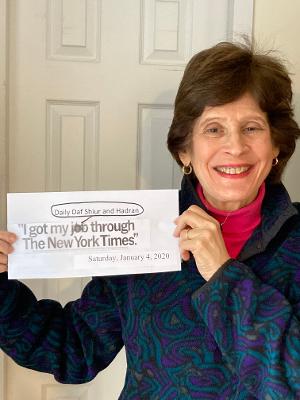
In January 2020, my chevruta suggested that we “up our game. Let’s do Daf Yomi” – and she sent me the Hadran link. I lost my job (and went freelance), there was a pandemic, and I am still opening the podcast with my breakfast coffee, or after Shabbat with popcorn. My Aramaic is improving. I will need a new bookcase, though.

Rhondda May
Rhondda May

Atlanta, Georgia, United States

My Daf journey began in August 2012 after participating in the Siyum Hashas where I was blessed as an “enabler” of others.  Galvanized into my own learning I recited the Hadran on Shas in January 2020 with Rabbanit Michelle. That Siyum was a highlight in my life.  Now, on round two, Daf has become my spiritual anchor to which I attribute manifold blessings.

Rina Goldberg
Rina Goldberg

Englewood NJ, United States

Having never learned Talmud before, I started Daf Yomi in hopes of connecting to the Rabbinic tradition, sharing a daily idea on Instagram (@dafyomiadventures). With Hadran and Sefaria, I slowly gained confidence in my skills and understanding. Now, part of the Pardes Jewish Educators Program, I can’t wait to bring this love of learning with me as I continue to pass it on to my future students.

Hannah-G-pic
Hannah Greenberg

Pennsylvania, United States

I started last year after completing the Pesach Sugiyot class. Masechet Yoma might seem like a difficult set of topics, but for me made Yom Kippur and the Beit HaMikdash come alive. Liturgy I’d always had trouble connecting with took on new meaning as I gained a sense of real people moving through specific spaces in particular ways. It was the perfect introduction; I am so grateful for Hadran!

Debbie Engelen-Eigles

Minnesota, United States

I started learning Talmud with R’ Haramati in Yeshivah of Flatbush. But after a respite of 60 years, Rabbanit Michelle lit my fire – after attending the last three world siyumim in Miami Beach, Meadowlands and Boca Raton, and now that I’m retired, I decided – “I can do this!” It has been an incredible journey so far, and I look forward to learning Daf everyday – Mazal Tov to everyone!

Roslyn Jaffe
Roslyn Jaffe

Florida, United States

I started the daf at the beginning of this cycle in January 2020. My husband, my children, grandchildren and siblings have been very supportive. As someone who learned and taught Tanach and mefarshim for many years, it has been an amazing adventure to complete the six sedarim of Mishnah, and now to study Talmud on a daily basis along with Rabbanit Michelle and the wonderful women of Hadran.

Rookie Billet
Rookie Billet

Jerusalem, Israel

Since I started in January of 2020, Daf Yomi has changed my life. It connects me to Jews all over the world, especially learned women. It makes cooking, gardening, and folding laundry into acts of Torah study. Daf Yomi enables me to participate in a conversation with and about our heritage that has been going on for more than 2000 years.

Shira Eliaser
Shira Eliaser

Skokie, IL, United States

I’ve been learning since January 2020, and in June I started drawing a phrase from each daf. Sometimes it’s easy (e.g. plants), sometimes it’s very hard (e.g. korbanot), and sometimes it’s loads of fun (e.g. bird racing) to find something to draw. I upload my pictures from each masechet to #DafYomiArt. I am enjoying every step of the journey.

Gila Loike
Gila Loike

Ashdod, Israel

3 years ago, I joined Rabbanit Michelle to organize the unprecedented Siyum HaShas event in Jerusalem for thousands of women. The whole experience was so inspiring that I decided then to start learning the daf and see how I would go…. and I’m still at it. I often listen to the Daf on my bike in mornings, surrounded by both the external & the internal beauty of Eretz Yisrael & Am Yisrael!

Lisa Kolodny
Lisa Kolodny

Raanana, Israel

I tried Daf Yomi in the middle of the last cycle after realizing I could listen to Michelle’s shiurim online. It lasted all of 2 days! Then the new cycle started just days before my father’s first yahrzeit and my youngest daughter’s bat mitzvah. It seemed the right time for a new beginning. My family, friends, colleagues are immensely supportive!

Catriella-Freedman-jpeg
Catriella Freedman

Zichron Yaakov, Israel

I graduated college in December 2019 and received a set of shas as a present from my husband. With my long time dream of learning daf yomi, I had no idea that a new cycle was beginning just one month later, in January 2020. I have been learning the daf ever since with Michelle Farber… Through grad school, my first job, my first baby, and all the other incredible journeys over the past few years!
Sigal Spitzer Flamholz

Bronx, United States

I started with Ze Kollel in Berlin, directed by Jeremy Borowitz for Hillel Deutschland. We read Masechet Megillah chapter 4 and each participant wrote his commentary on a Sugia that particularly impressed him. I wrote six poems about different Sugiot! Fascinated by the discussions on Talmud I continued to learn with Rabanit Michelle Farber and am currently taking part in the Tikun Olam course.
Yael Merlini
Yael Merlini

Berlin, Germany

Robin Zeiger
Robin Zeiger

Tel Aviv, Israel

I started learning at the beginning of the cycle after a friend persuaded me that it would be right up my alley. I was lucky enough to learn at Rabbanit Michelle’s house before it started on zoom and it was quickly part of my daily routine. I find it so important to see for myself where halachot were derived, where stories were told and to get more insight into how the Rabbis interacted.

Deborah Dickson
Deborah Dickson

Ra’anana, Israel

I started learning Daf Yomi because my sister, Ruth Leah Kahan, attended Michelle’s class in person and suggested I listen remotely. She always sat near Michelle and spoke up during class so that I could hear her voice. Our mom had just died unexpectedly and it made me feel connected to hear Ruth Leah’s voice, and now to know we are both listening to the same thing daily, continents apart.
Jessica Shklar
Jessica Shklar

Philadelphia, United States

I began my journey two years ago at the beginning of this cycle of the daf yomi. It has been an incredible, challenging experience and has given me a new perspective of Torah Sh’baal Peh and the role it plays in our lives

linda kalish-marcus
linda kalish-marcus

Efrat, Israel

I began my journey with Rabbanit Michelle more than five years ago. My friend came up with a great idea for about 15 of us to learn the daf and one of us would summarize weekly what we learned.
It was fun but after 2-3 months people began to leave. I have continued. Since the cycle began Again I have joined the Teaneck women.. I find it most rewarding in so many ways. Thank you

Dena Heller
Dena Heller

New Jersey, United States

I started learning Jan 2020 when I heard the new cycle was starting. I had tried during the last cycle and didn’t make it past a few weeks. Learning online from old men didn’t speak to my soul and I knew Talmud had to be a soul journey for me. Enter Hadran! Talmud from Rabbanit Michelle Farber from a woman’s perspective, a mother’s perspective and a modern perspective. Motivated to continue!

Keren Carter
Keren Carter

Brentwood, California, United States

Beitzah 20

וַאֲגַלַּח מִמְּעוֹת מַעֲשֵׂר שֵׁנִי, מַהוּ? אֲמַר לֵיהּ: נָדוּר, וְאֵינוֹ יוֹצֵא. נָזִיר, וְאֵינוֹ מְגַלֵּחַ.

and I will shave my head, meaning I will purchase the nazirite offerings that are brought when a nazirite shaves himself, with second-tithe money, which I am obligated in any case to bring to Jerusalem, what is the halakha? Rabbi Yoḥanan said to him: With regard to the thanks-offering, he has vowed and must bring the offering, but he does not fulfill his obligation of the Festival peace-offering with it, as the latter offering must be brought from unconsecrated animals. Similarly, one who took the vow of naziriteship is a nazirite, but he may not shave his head and bring nazirite offerings purchased with second-tithe money.

הָהוּא גַּבְרָא דַּאֲמַר לְהוּ: הַבוּ לֵיהּ אַרְבַּע מְאָה זוּזֵי לִפְלוֹנִי, וְלִנְסֵיב בְּרַתִּי. אָמַר רַב פָּפָּא: אַרְבַּע מְאָה — שָׁקֵיל, וּבְרַתֵּיה — אִי בָּעֵי נָסֵיב, אִי בָּעֵי — לָא נָסֵיב.

In relation to the previous case, in which one makes a conditional statement and only part of his statement is accepted, the Gemara relates a somewhat similar incident: A certain man said to those tending to him, in the form of a will: Give four hundred zuz to so-and-so, and let him marry my daughter. Rav Pappa said: The four hundred zuz he takes, but as for the benefactor’s daughter, if he wishes, he may marry her, and if he wishes, he need not marry her.

טַעְמָא דְּאָמַר הַבוּ לֵיהּ וְלִנְסֵיב, אֲבָל אִי אָמַר לִנְסֵיב וְהַבוּ לֵיהּ, אִי נָסֵיב — שָׁקֵיל, וְאִי לָא נָסֵיב — לָא שָׁקֵיל.

The Gemara comments: The reason is solely that he said it in this manner: Give him the money and let him marry my daughter, mentioning the gift before the condition. However, if he specified the condition first, by saying: Let him marry my daughter and give him the money, in that case, if he marries her, he takes the money, but if he does not marry her, he may not take it.

יָתֵיב מָרִימָר וְקָאָמַר לְהָא שְׁמַעְתָּא מִשְּׁמֵיהּ דְּנַפְשֵׁיהּ. אֲמַר לֵיהּ רָבִינָא לְמָרִימָר: אַתּוּן הָכִי מַתְנִיתוּ לַהּ, אֲנַן כְּדִבְעָא מִינֵּיהּ רֵישׁ לָקִישׁ מֵרַבִּי יוֹחָנָן מַתְנִינַן לַהּ.

The Gemara relates: Mareimar sat and stated this halakha with regard to one who attaches a condition to his vow to bring a thanks-offering in his own name, without attributing it to the Sage who stated it. Ravina said to Mareimar: You teach this halakha in this manner, without attribution, whereas we teach it in the form of a question that Reish Lakish asked of Rabbi Yoḥanan.

תָּנֵי תַּנָּא קַמֵּיהּ דְּרַבִּי יִצְחָק בַּר אַבָּא: ״וַיַּקְרֵב אֶת הָעוֹלָה וַיַּעֲשֶׂהָ כַּמִּשְׁפָּט״, כְּמִשְׁפַּט עוֹלַת נְדָבָה. לִמֵּד עַל עוֹלַת חוֹבָה שֶׁטְּעוּנָה סְמִיכָה.

§ A tanna taught the following baraita before Rabbi Yitzḥak bar Abba: The verse concerning the burnt-offering that Aaron was commanded to sacrifice for the inauguration of the Tabernacle: “And he brought the burnt-offering and sacrificed it according to regulation” (Leviticus 9:16), indicates that the halakha of an obligatory burnt-offering is similar to the regulation governing a gift burnt-offering. This teaches with regard to an obligatory burnt-offering that it too requires the person bringing the offering to place his hands on the head of the animal to be sacrificed.

אֲמַר לֵיהּ: דַּאֲמַר לָךְ מַנִּי — בֵּית שַׁמַּאי הִיא, דְּלָא גָּמְרִי שַׁלְמֵי חוֹבָה מִשַּׁלְמֵי נְדָבָה. דְּאִי בֵּית הִלֵּל, כֵּיוָן דְּגָמְרִי שַׁלְמֵי חוֹבָה מִשַּׁלְמֵי נְדָבָה, עוֹלַת חוֹבָה נָמֵי לָא תִּבְעֵי קְרָא, דְּגָמְרִי מֵעוֹלַת נְדָבָה.

Rabbi Yitzḥak said to the tanna: He who told you that this halakha requires an explicit biblical source, in accordance with whose opinion did he say this? It is that of Beit Shammai, who do not learn the halakha of obligatory peace-offerings from that of gift peace-offerings by way of an analogy [binyan av], as they distinguish between the two with regard to the requirement of placing hands on the peace-offerings brought on a Festival. As, if it were the opinion of Beit Hillel, since they learn the halakha of obligatory peace-offerings from that of gift peace-offerings, there being no distinction between the two categories, then an obligatory burnt-offering should also not require a special verse to teach this halakha, as they can learn it from the halakha governing a gift burnt-offering by means of an analogy.

וּמִמַּאי דְּבֵית הִלֵּל שַׁלְמֵי חוֹבָה מִשַּׁלְמֵי נְדָבָה גָּמְרִי? דִּלְמָא מֵעוֹלַת חוֹבָה גָּמְרִי, וְעוֹלַת חוֹבָה גּוּפָא בָּעֲיָא קְרָא.

The Gemara asks: And from where may it be shown that Beit Hillel learn the halakhot of obligatory peace-offerings from those of gift peace-offerings? Perhaps they do not learn the halakhot of obligatory peace-offerings from those of gift peace-offerings. Rather, they learn the halakha governing obligatory peace-offerings from the halakha governing an obligatory burnt-offering: Just as an obligatory burnt-offering requires the one bringing the offering to place his hands on the animal to be sacrificed, so too do obligatory peace-offerings. And an obligatory burnt-offering itself requires an explicit verse from which to derive this halakha, and perhaps the verse cited above is the source: “And he brought the burnt-offering and sacrificed it according to regulation.”

מַאי שְׁנָא מִשַּׁלְמֵי נְדָבָה דְּלָא גָּמְרִי — שֶׁכֵּן מְצוּיִין. מֵעוֹלַת חוֹבָה נָמֵי לָא גָּמְרִי — שֶׁכֵּן כָּלִיל!

The Gemara challenges this argument: What is different about obligatory peace-offerings such that Beit Hillel do not learn the halakha governing them from the halakha applying to gift peace-offerings? It is that gift peace-offerings are more common, and perhaps a different halakha applies to them. If so, they should also not learn the halakha governing obligatory peace-offerings from the halakha applying to an obligatory burnt-offering, as the latter is entirely burnt, unlike peace-offerings.

(אֶלָּא) אָתְיָא מִבֵּינַיָּיא.

The Gemara answers: Rather, the halakha governing obligatory peace-offerings is derived from between the two of them. The Torah explicitly states that one must place hands on the heads of both obligatory burnt-offerings and gift peace-offerings. It is possible to extend the same obligation to obligatory peace-offerings by combining the two sources, as follows: If one says that an obligatory burnt-offering is different from an obligatory peace-offering because it is entirely burnt, gift peace-offerings prove that this is not the critical factor; and if one counters that gift peace-offerings are different from obligatory peace-offerings because they are common, an obligatory burnt-offering proves that this is not crucial. Therefore, there is no proof from here with regard to Beit Hillel’s position, as they too might learn the halakha governing an obligatory burnt-offering from the verse: “And he brought the burnt-offering and sacrificed it according to regulation.”

וְסָבְרִי בֵּית שַׁמַּאי שַׁלְמֵי חוֹבָה לָא בָּעוּ סְמִיכָה? וְהָתַנְיָא, אָמַר רַבִּי יוֹסֵי: לֹא נֶחְלְקוּ בֵּית שַׁמַּאי וּבֵית הִלֵּל עַל הַסְּמִיכָה עַצְמָהּ שֶׁצָּרִיךְ. עַל מָה נֶחְלְקוּ, עַל תֵּכֶף לִסְמִיכָה שְׁחִיטָה. שֶׁבֵּית שַׁמַּאי אוֹמְרִים: אֵינוֹ צָרִיךְ. וּבֵית הִלֵּל אוֹמְרִים: צָרִיךְ!

The Gemara raises a question with regard to the halakha itself: And do Beit Shammai hold that obligatory peace-offerings do not require placing of hands on the head of the animal? But isn’t it taught in a baraita: Rabbi Yosei said: Beit Shammai and Beit Hillel did not disagree with regard to the placing of hands itself that it is required in the case of obligatory peace-offerings. With regard to what, then, did they disagree? They disagreed with regard to the halakha that states that immediately following placing hands on the head of an offering is its slaughter. As Beit Shammai say: It is not necessary to be particular in this regard, and the ceremony of placing hands on the animal’s head may be performed even on the eve of the Festival, long before the animal is slaughtered. And Beit Hillel say: It is necessary, and therefore one who brings an offering on a Festival must place his hands on the animal’s head on the Festival itself.

הוּא דְּאָמַר כִּי הַאי תַּנָּא, דְּתַנְיָא: אָמַר רַבִּי יוֹסֵי בְּרַבִּי יְהוּדָה: לֹא נֶחְלְקוּ בֵּית שַׁמַּאי וּבֵית הִלֵּל עַל תֵּכֶף לִסְמִיכָה שְׁחִיטָה שֶׁצָּרִיךְ, עַל מָה נֶחְלְקוּ — עַל הַסְּמִיכָה עַצְמָהּ, שֶׁבֵּית שַׁמַּאי אוֹמְרִים: אֵינוֹ צָרִיךְ, וּבֵית הִלֵּל אוֹמְרִים: צָרִיךְ.

The Gemara answers: The tanna of the mishna said what he said in accordance with the opinion of this tanna, as it is taught in a different baraita: Rabbi Yosei, son of Rabbi Yehuda, said: Beit Shammai and Beit Hillel did not disagree with regard to the halakha that immediately following placing hands on the head of an offering is its slaughter, that it is necessary. With regard to what, then, did they disagree? They disagreed with regard to the placing of hands itself on the head of obligatory peace-offerings. Beit Shammai say: It is not necessary, and Beit Hillel say: It is necessary.

תָּנוּ רַבָּנַן: מַעֲשֶׂה בְּהִלֵּל הַזָּקֵן שֶׁהֵבִיא עוֹלָתוֹ לָעֲזָרָה לִסְמוֹךְ עָלֶיהָ בְּיוֹם טוֹב. חָבְרוּ עָלָיו תַּלְמִידֵי שַׁמַּאי הַזָּקֵן, אָמְרוּ לוֹ: מָה טִיבָהּ שֶׁל בְּהֵמָה זוֹ? אָמַר לָהֶם: נְקֵבָה הִיא, וּלְזִבְחֵי שְׁלָמִים הֲבֵאתִיהָ. כִּשְׁכֵּשׁ לָהֶם בִּזְנָבָהּ, וְהָלְכוּ לָהֶם.

§ The Gemara returns to the basic dispute between Beit Shammai and Beit Hillel. The Sages taught in a baraita: There was an incident involving Hillel the Elder, who brought his burnt-offering to the Temple courtyard in order to place his hands on the animal’s head on a Festival. The students of Shammai the Elder gathered around him and said to him: What is the nature of this animal that you are bringing? Hillel, being humble and meek, did not want to quarrel with them in the Temple and therefore concealed the truth from them for the sake of peace. He said to them: It is a female, and I have brought it as a peace-offering, as burnt-offerings are always male. He swung its tail for them so that they would not be able to properly discern whether the animal was male or female, and they departed.

וְאוֹתוֹ הַיּוֹם גָּבְרָה יָדָם שֶׁל בֵּית שַׁמַּאי עַל בֵּית הִלֵּל, וּבִקְּשׁוּ לִקְבּוֹעַ הֲלָכָה כְּמוֹתָן. וְהָיָה שָׁם זָקֵן אֶחָד מִתַּלְמִידֵי שַׁמַּאי הַזָּקֵן, וּבָבָא בֶּן בּוּטָא שְׁמוֹ, שֶׁהָיָה יוֹדֵעַ שֶׁהֲלָכָה כְּבֵית הִלֵּל, וְשָׁלַח

On that day, when the incident became known, suggesting that even Hillel had accepted Shammai’s view, Beit Shammai gained the upper hand over Beit Hillel, and they sought to establish the halakha in this regard in accordance with their opinion. But a certain Elder of the disciples of Shammai the Elder was there, and Bava ben Buta was his name, who knew that the halakha is in accordance with the opinion of Beit Hillel in this matter. And he sent for

וְהֵבִיא כׇּל צֹאן קֵדָר שֶׁבִּירוּשָׁלַיִם וְהֶעֱמִידָן בָּעֲזָרָה, וְאָמַר: כׇּל מִי שֶׁרוֹצֶה לִסְמוֹךְ — יָבֹא וְיִסְמוֹךְ, וְאוֹתוֹ הַיּוֹם גָּבְרָה יָדָן שֶׁל בֵּית הִלֵּל וְקָבְעוּ הֲלָכָה כְּמוֹתָן, וְלֹא הָיָה שָׁם אָדָם שֶׁעִרְעֵר בַּדָּבָר כְּלוּם.

and brought all the high-quality sheep of Kedar that were in Jerusalem, and he stood them in the Temple courtyard and said: Anyone who wishes to place his hands on the head of an animal should come and place his hands there. And on that day Beit Hillel gained the upper hand over Beit Shammai, and they established the halakha in this case in accordance with their opinion, and there was no one there who disputed the matter in any way.

שׁוּב מַעֲשֶׂה בְּתַלְמִיד אֶחָד מִתַּלְמִידֵי בֵּית הִלֵּל שֶׁהֵבִיא עוֹלָתוֹ לָעֲזָרָה לִסְמוֹךְ עָלֶיהָ, מְצָאוֹ תַּלְמִיד אֶחָד מִתַּלְמִידֵי בֵּית שַׁמַּאי, אָמַר לוֹ: מָה זוֹ סְמִיכָה? אָמַר לוֹ: מָה זוֹ שְׁתִיקָה? שִׁתְּקוֹ בִּנְזִיפָה, וְהָלַךְ לוֹ.

And some time later there was another incident involving a certain disciple from among the disciples of Beit Hillel who brought his burnt-offering to the Temple courtyard in order to place his hands on the animal’s head on a Festival. A certain disciple from among the disciples of Beit Shammai found him and said to him: What is this placing of hands? Why do you place your hands on the animal’s head and thereby violate the statement of Beit Shammai? He said to him: What is this silence? Why do you not stay silent, as the halakha was not established in accordance with their opinion? He silenced him with a rebuke, and he, Beit Shammai’s disciple, departed quietly.

אָמַר אַבָּיֵי: הִלְכָּךְ, הַאי צוּרְבָּא מֵרַבָּנַן דְּאָמַר לֵיהּ חַבְרֵיהּ מִלְּתָא, לָא לַהְדַּר לֵיהּ מִלְּתָא טְפֵי מִמַּאי דַּאֲמַר לֵיהּ חַבְרֵיהּ, דְּאִיהוּ אָמַר לֵיהּ: ״מָה זוֹ סְמִיכָה״, וְקָא מַהְדַּר לֵיהּ: ״מָה זוֹ שְׁתִיקָה״.

Abaye said: Therefore, it is clear from here that a Torah scholar whose colleague says something reprimanding or insulting to him should not answer back with something more than his colleague had said to him, to avoid adding fuel to the fire, as in the above story the one said to the other: What is this placing of hands? and the latter responded to the former using the same language: What is this silence?

תַּנְיָא, אָמְרוּ לָהֶם בֵּית הִלֵּל לְבֵית שַׁמַּאי: וּמָה בִּמְקוֹם שֶׁאָסוּר לַהֶדְיוֹט — מוּתָּר לַגָּבוֹהַּ, מְקוֹם שֶׁמּוּתָּר לַהֶדְיוֹט — אֵינוֹ דִּין שֶׁמּוּתָּר לַגָּבוֹהַּ? אָמְרוּ לָהֶם בֵּית שַׁמַּאי: נְדָרִים וּנְדָבוֹת יוֹכִיחוּ, שֶׁמּוּתָּר לַהֶדְיוֹט וְאָסוּר לַגָּבוֹהַּ!

§ With regard to the dispute concerning the sacrifice of burnt-offerings of appearance on a Festival, it is taught in a baraita: Beit Hillel said to Beit Shammai: Just as in a place where it is prohibited to slaughter for the sake of a common person [hedyot], e.g., on Shabbat, it is permitted to slaughter offerings in the Temple for the Most High, such as the daily and additional offerings, then so too, with regard to a place where it is permitted to slaughter for the sake of a common person, e.g., on a Festival, is it not right that it should be permitted for the sake of the Most High? This argument should include burnt-offerings of appearance as well. Beit Shammai said to them: This is no proof. Vow-offerings and gift-offerings prove that this reasoning is not valid, as it is permitted to slaughter an animal on a Festival for a common person to eat, but it is prohibited to slaughter vow-offerings and gift-offerings on a Festival for the sake of the Most High.

אָמְרוּ לָהֶם בֵּית הִלֵּל: מָה לִנְדָרִים וּנְדָבוֹת — שֶׁאֵין קָבוּעַ לָהֶם זְמַן, תֹּאמַר בְּעוֹלַת רְאִיָּיה — שֶׁקָּבוּעַ לָהּ זְמַן. אָמְרוּ לָהֶם בֵּית שַׁמַּאי: אַף זוֹ אֵין קָבוּעַ לָהּ זְמַן, דִּתְנַן: מִי שֶׁלֹּא חָג בְּיוֹם טוֹב רִאשׁוֹן שֶׁל חַג — חוֹגֵג וְהוֹלֵךְ כָּל הָרֶגֶל כּוּלּוֹ, וְיוֹם טוֹב הָאַחֲרוֹן שֶׁל חַג.

Beit Hillel said to them: If vow-offerings and gift-offerings may not be slaughtered on a Festival, that is because they do not have a fixed time and there is no obligation to sacrifice them on a Festival in particular, but can you say the same with regard to a burnt-offering of appearance, which has a fixed time, the Festival itself? Beit Shammai said to them: It too has no fixed time, as we learned in a mishna: One who did not bring his Festival offering on the first Festival day of Sukkot may bring it throughout the entire Festival, including the last Festival day of Sukkot, on the Eighth Day of Assembly, as that day is regarded as part of Sukkot for this purpose. This shows that a burnt-offering of appearance need not be brought at a fixed time on the Festival either.

אָמְרוּ לָהֶם בֵּית הִלֵּל: אַף זוֹ קָבוּעַ לָהּ זְמַן. דִּתְנַן: עָבַר הָרֶגֶל וְלֹא חָג — אֵינוֹ חַיָּיב בְּאַחְרָיוּתוֹ.

Beit Hillel said to them: Although a burnt-offering of appearance need not be sacrificed on a particular day of the Festival, nevertheless it too has a fixed time, albeit a lengthier one. As we learned in a mishna: If the entire Festival passed and he did not bring his Festival-offering, he is not accountable for it. That is to say, he is not required to bring another offering, as the mitzva has already passed. This indicates that the offering is limited specifically to the Festival days, unlike vow-offerings and gift-offerings, which may be brought at any time.

אָמְרוּ לָהֶם בֵּית שַׁמַּאי, וַהֲלֹא כְּבָר נֶאֱמַר: ״לָכֶם״ — וְלֹא לְגָבוֹהַּ. אָמְרוּ לָהֶם בֵּית הִלֵּל, וַהֲלֹא כְּבָר נֶאֱמַר: ״לַה׳״ — כֹּל דְּלַה׳. אִם כֵּן, מָה תַּלְמוּד לוֹמַר ״לָכֶם״, לָכֶם — וְלֹא לְגוֹיִם, לָכֶם — וְלֹא לִכְלָבִים.

Beit Shammai said to Beit Hillel in support of their own position: But wasn’t it already stated in the verse: “Only that which every soul must eat, that alone may be done for you” (Exodus 12:16), which indicates that for you may food be prepared, but not for the Most High? Beit Hillel said to them: But wasn’t it already stated in the verse: “You shall observe it as a Festival to the Lord” (Leviticus 23:41), which teaches: Anything sacrificed to the Lord may be sacrificed? If so, what is the meaning when the verse states “for you”? It means for you, but not for gentiles; for you, but not for dogs.

אַבָּא שָׁאוּל אוֹמְרָהּ בְּלָשׁוֹן אַחֶרֶת: וּמָה בִּמְקוֹם שֶׁכִּירָתְךָ סְתוּמָה — כִּירַת רַבְּךָ פְּתוּחָה, בִּמְקוֹם שֶׁכִּירָתְךָ פְּתוּחָה — אֵינוֹ דִּין שֶׁכִּירַת רַבְּךָ פְּתוּחָה? וְכֵן בְּדִין, שֶׁלֹּא יְהֵא שׁוּלְחָנְךָ מָלֵא וְשׁוּלְחַן רַבְּךָ רֵיקָן.

Abba Shaul stated the same disagreement in a different formulation, that Beit Hillel said to Beit Shammai as follows: Just as in a place where your stove is closed, i.e., on Shabbat, when a person may not cook for himself, your Master’s stove is open, as it is permitted to light a fire on the altar and sacrifice offerings upon it, so too, in a place where your stove is open, i.e., on a Festival, when one may cook food that he will eat, is it not right that your Master’s stove should be open? And it likewise stands to reason that your table should not be full while your Master’s table, the altar, remains empty.

בְּמַאי קָא מִפַּלְגִי? מָר סָבַר: נְדָרִים וּנְדָבוֹת קְרֵבִין בְּיוֹם טוֹב, וּמַר סָבַר: אֵין קְרֵבִין בְּיוֹם טוֹב.

The Gemara asks: With regard to what do the tanna of the first baraita and Abba Shaul disagree in their different versions of Beit Hillel’s statement? The Gemara explains: One Sage, Abba Shaul, holds that according to Beit Hillel, even vow-offerings and gift-offerings may be sacrificed on a Festival, and therefore Beit Shammai could not cite as proof the fact that they may not be sacrificed, as they claim in the first baraita. And one Sage, the tanna of the first baraita, holds that according to Beit Hillel, vow-offerings and gift-offerings may not be sacrificed on a Festival, and therefore Beit Shammai could adduce this halakha in support of their opinion.

אָמַר רַב הוּנָא: לְדִבְרֵי הָאוֹמֵר נְדָרִים וּנְדָבוֹת אֵין קְרֵבִין בְּיוֹם טוֹב, לָא תֵּימָא: מִדְּאוֹרָיְיתָא מִחְזֵא חֲזוּ, וְרַבָּנַן הוּא דְּגָזְרִי בְּהוּ גְּזֵירָה שֶׁמָּא יְשַׁהֶה,

Rav Huna said: According to the statement of the one who says that vow-offerings and gift-offerings may not be sacrificed on a Festival, you should not say that by Torah law they are in fact fit to be sacrificed, and that it was the Sages who issued a decree about them that they should not be sacrificed on a Festival as a preventive measure, lest one delay sacrificing them until the Festival, when it is more convenient for him to bring them to the Temple, and thereby transgress the prohibition against delaying the fulfillment of one’s pledge.

אֶלָּא אֲפִילּוּ מִדְּאוֹרָיְיתָא נָמֵי לָא חָזוּ. דְּהָא שְׁתֵּי הַלֶּחֶם, דְּחוֹבַת הַיּוֹם נִינְהוּ, וְלֵיכָּא לְמִגְזַר שֶׁמָּא יְשַׁהֶה, וְאֵינוֹ דּוֹחֶה לֹא אֶת הַשַּׁבָּת וְלֹא אֶת יוֹם טוֹב.

This is not the reason; rather, according to this opinion, they are not fit to be sacrificed on a Festival even by Torah law. As the two loaves brought on the festival of Shavuot are an obligation of that day, and there is no reason to issue a decree about them lest one come to delay their offering, since they may be brought only on that Festival, and yet their baking and preparation override neither Shabbat nor the Festival. According to this view, anything that need not be performed on the Festival itself may not be done on the Festival.

אִיבַּעְיָא לְהוּ: לְדִבְרֵי הָאוֹמֵר נְדָרִים וּנְדָבוֹת אֵין קְרֵבִין בְּיוֹם טוֹב, עָבַר וְשָׁחַט מַאי? רָבָא אָמַר: זוֹרֵק אֶת הַדָּם עַל מְנָת לְהַתִּיר בָּשָׂר בַּאֲכִילָה. רַבָּה בַּר רַב הוּנָא אָמַר: זוֹרֵק אֶת הַדָּם עַל מְנָת לְהַקְטִיר אֵימוּרִין לָעֶרֶב.

§ A dilemma was raised before the Sages: According to the statement of the one who says that vow-offerings and gift-offerings may not be sacrificed on a Festival, if one transgressed and slaughtered those vow-offerings and gift-offerings on a Festival, what is the halakha? Rava said: He sprinkles the blood of these offerings on the altar in order to allow the meat to be eaten on the Festival. Rabba bar Rav Huna, however, said: He sprinkles the blood in order to burn the sacrificial parts of the animal, including the fats and other portions that are brought upon the altar, in the evening.

מַאי בֵּינַיְיהוּ? אִיכָּא בֵּינַיְיהוּ נִטְמָא בָּשָׂר אוֹ שֶׁאָבַד. לְרָבָא — לָא זָרֵיק, לְרַבָּה בַּר רַב הוּנָא — זָרֵיק.

The Gemara asks: What is the practical difference between the opinion of Rava and that of Rabba bar Rav Huna, since both agree that the blood is sprinkled? The Gemara answers: There is a practical difference between them in a case where the meat became ritually impure or was lost. According to Rava, who holds that the blood is sprinkled in order to permit the meat to be eaten, by rabbinic decree one may not sprinkle the blood, as this sprinkling is not required for the Festival. On the other hand, according to Rabba bar Rav Huna, who holds that the blood is sprinkled in order to burn the sacrificial parts upon the altar in the evening, he does sprinkle the blood, even though it does not enable him to eat the meat.

מֵיתִיבִי: כִּבְשֵׂי עֲצֶרֶת שֶׁשְּׁחָטָן שֶׁלֹּא לִשְׁמָן, אוֹ שֶׁשְּׁחָטָן בֵּין לִפְנֵי זְמַנָּן בֵּין לְאַחַר זְמַנָּן — הַדָּם יִזָּרֵק וְהַבָּשָׂר יֵאָכֵל. וְאִם הָיְתָה שַׁבָּת — לֹא יִזְרוֹק. וְאִם זָרַק —

The Gemara raises an objection to the opinion of Rabba bar Rav Huna from the following baraita: With regard to the lambs of Shavuot, i.e., the two lambs sacrificed as peace-offerings that accompany the two loaves of bread brought on that Festival, if one slaughtered them not for their own purpose, i.e., at the time of slaughter his intent was to slaughter them as a different offering, or if he slaughtered them not at their proper time, whether before their time or after their time, the offerings themselves are valid, although the community has not fulfilled its obligation. What is to be done with them? The blood should be sprinkled and the meat should be eaten. And if the day he slaughtered the lambs was Shabbat, on which cooking or roasting the meat is prohibited, then since the sprinkling of the blood serves no purpose, neither with regard to their mitzva nor for any other matter, he may not sprinkle the blood. And if nevertheless he sprinkled the blood,

Want to follow content and continue where you left off?

Create an account today to track your progress, mark what you’ve learned, and follow the shiurim that speak to you.

Clear all items from this list?

This will remove ALL the items in this section. You will lose any progress or history connected to them. This is irreversible.

Cancel
Yes, clear all

Are you sure you want to delete this item?

You will lose any progress or history connected to this item.

Cancel
Yes, delete