










According to Rav, a deaf person who can write can write a note instructing others to give a get to his wife. The Gemara points out that his law is debated among tanaim. The Gemara here is grappling with issues of people with disabilities and is aware of the fact that although people may be categorized into a particular group, there are shades within each group and there are those with higher intellectual capabilities.
This month’s learning is sponsored by Marci Glazer in loving memory of her teacher and chevruta, Rachel Brodie, Rachel Aviva bat Devora Chana, on her 4th yahrzeit. “She brought her love of Torah to thousands of people in her all-too-short life. A lover of Midrash, she still invited me on this Daf Yomi journey.”
Want to dedicate learning? Get started here:
English
עברית

0:00
0:00
0:00
0:00
Today’s daily daf tools:
This month’s learning is sponsored by Marci Glazer in loving memory of her teacher and chevruta, Rachel Brodie, Rachel Aviva bat Devora Chana, on her 4th yahrzeit. “She brought her love of Torah to thousands of people in her all-too-short life. A lover of Midrash, she still invited me on this Daf Yomi journey.”
Gittin 71
אֶלָּא בְּפֵירֵי.
Rather, it means that the court asks him questions with regard to produce that is not found during that season.
אָמַר רַב כָּהֲנָא אָמַר רַב: חֵרֵשׁ שֶׁיָּכוֹל לְדַבֵּר מִתּוֹךְ הַכְּתָב, כּוֹתְבִין וְנוֹתְנִין גֵּט לְאִשְׁתּוֹ. אָמַר רַב יוֹסֵף: מַאי קָא מַשְׁמַע לַן? תְּנֵינָא: נִשְׁתַּתֵּק, וְאָמְרוּ לוֹ: ״נִכְתּוֹב גֵּט לְאִשְׁתְּךָ?״ וְהִרְכִּין בְּרֹאשׁוֹ, בּוֹדְקִין אוֹתוֹ שְׁלֹשָׁה פְּעָמִים, אִם אָמַר עַל לָאו – ״לָאו״, וְעַל הֵן – ״הֵן״, הֲרֵי אֵלּוּ יִכְתְּבוּ וְיִתְּנוּ.
Rav Kahana says that Rav says: With regard to a deaf-mute who can express himself through writing, the judges of the court may write and give a bill of divorce to his wife based on his written instructions. Rav Yosef said: What is he teaching us? We already learned in the mishna: In a case where the husband became mute, and the members of the court said to him: Shall we write a bill of divorce for your wife, and he nodded his head indicating his agreement, they examine him with various questions three times. If he responded to questions that have a negative answer: No, and responded to questions that have a positive answer: Yes, indicating his competence, they shall write the bill of divorce and give it to his wife based on the nod of his head.
אֲמַר לֵיהּ רַבִּי זֵירָא: אִלֵּם קָאָמְרַתְּ? שָׁאנֵי אִלֵּם – דְּתַנְיָא: מְדַבֵּר וְאֵינוֹ שׁוֹמֵעַ – זֶהוּ חֵרֵשׁ, שׁוֹמֵעַ וְאֵינוֹ מְדַבֵּר – זֶהוּ אִלֵּם, וְזֶה וָזֶה הֲרֵי הֵן כְּפִקְחִין לְכׇל דִּבְרֵיהֶם.
Rabbi Zeira said to him: A mute, you say? Is your challenge based on the mishna which discusses one who is mute? A mute is different because it is clear that his mind is intact. As it is taught in a baraita (Tosefta, Terumot 1:2): With regard to one who speaks but cannot hear, this individual is categorized as a deaf person. With regard to one who hears but cannot speak, this individual is categorized as a mute person, and both this one and that one are considered to be like halakhically competent people with regard to all their matters. Rav Kahana stated his ruling with regard to one who can neither hear nor speak. This goes beyond the halakha of the mishna, as Rav Kahana says that the written statement of a deaf-mute is an indication of his mental competence.
וּמִמַּאי דִּמְדַבֵּר וְאֵינוֹ שׁוֹמֵעַ זֶהוּ חֵרֵשׁ, שׁוֹמֵעַ וְאֵינוֹ מְדַבֵּר זֶהוּ אִלֵּם? דִּכְתִיב: ״וַאֲנִי כְחֵרֵשׁ לֹא אֶשְׁמָע וּכְאִלֵּם לֹא יִפְתַּח פִּיו״. וְאִי בָּעֵית אֵימָא, כִּדְאָמְרִי אִינָשֵׁי: אִישְׁתְּקִיל מִילּוּלֵיהּ.
The Gemara asks: And from where do we learn that one who speaks but cannot hear, this individual is categorized as a deaf person, and that with regard to one who hears but cannot speak, this individual is categorized as a mute person? As it is written: “And I am like a deaf man, I do not hear, and like the mute man who will not open his mouth” (Psalms 38:14). And if you wish, say as people say: The word for a mute [ilem] is a contraction of the expression his speech has been taken [ishtakil millulei].
אָמַר רַבִּי זֵירָא: אִי קַשְׁיָא לִי – הָא קַשְׁיָא לִי, דְּתַנְיָא: ״אִם לֹא יַגִּיד״ – פְּרָט לְאִלֵּם, שֶׁאֵינוֹ יָכוֹל לְהַגִּיד. אַמַּאי? הָא יָכוֹל לְהַגִּיד מִתּוֹךְ הַכְּתָב!
Rabbi Zeira said: If Rav Kahana’s statement is difficult for me, this is difficult for me, as it is taught in a baraita with regard to the punishment of one who was called to testify and failed to do so: “If he does not utter his testimony then he shall bear his iniquity” (Leviticus 5:1). The Sages derive from this that the verse serves to exclude a mute who is unable to utter his testimony, and he is exempt from bringing the offering of one who refuses to testify. And it is possible to raise the following question: Why is he exempt from bringing the offering; but he is able to utter his testimony through writing? Apparently, written testimony is not valid testimony.
אֲמַר לֵיהּ אַבָּיֵי: עֵדוּת קָאָמְרַתְּ? שָׁאנֵי עֵדוּת, דְּרַחֲמָנָא אָמַר: ״מִפִּיהֶם״ – וְלֹא מִפִּי כְתָבָם.
Abaye said to him: You say testimony? Testimony is different, as the Merciful One states: “From their mouths” (Deuteronomy 17:6), which emphasizes that testimony must come from the witnesses’ mouths and not from their writing.
מֵיתִיבִי: כְּשֵׁם שֶׁבּוֹדְקִין אוֹתוֹ לְגִיטִּין, כָּךְ בּוֹדְקִין אוֹתוֹ לְמַשָּׂאוֹת, וּלְמַתָּנוֹת, וּלְעֵדִיּוֹת, וְלִירוּשּׁוֹת. קָתָנֵי מִיהַת – ״עֵדִיּוֹת״!
The Gemara raises an objection to this based on that which is taught in a baraita (Tosefta 7:1): Just as the judges of the court investigate him, one who lost his ability to speak, with regard to bills of divorce, so too, the judges investigate him with regard to business transactions, testimonies, and inheritances. In any event it teaches: Testimonies, which proves that even one unable to speak can give testimony.
אָמַר רַב יוֹסֵף בַּר מִנְיוֹמֵי אָמַר רַב שֵׁשֶׁת: בְּעֵדוּת אִשָּׁה, דַּאֲקִילּוּ בַּהּ רַבָּנַן.
Rav Yosef bar Minyumi said that Rav Sheshet said: This is not referring to testimony in general. Rather, it is referring to testimony with regard to a woman whose husband died, as the Sages were lenient with her and allowed testimony that would normally not be accepted, in order to permit her to remarry.
וְהָא קָתָנֵי: ״יְרוּשּׁוֹת״! אָמַר רַבִּי אֲבָהוּ: יְרוּשַּׁת בְּנוֹ הַבְּכוֹר.
The Gemara challenges: But isn’t it also taught: Inheritances. This seems to be referring to monetary matters, where proper testimony is required. Rabbi Abbahu said: The baraita is referring to the inheritance of his own firstborn son, meaning that he is not testifying about other people’s property but testifying which one of his sons is the firstborn. Since this testimony is merely considered to be a division of the property that belongs to him, the testimony of one who is unable to speak is valid.
קָתָנֵי מִיהַת – ״לְמַשָּׂאוֹת וּלְמַתָּנוֹת״, מַאי, לָאו לְעָלְמָא? לָא, לְדִידֵיהּ.
The Gemara continues to challenge: In any event it teaches in the baraita: With regard to business transactions, what, does it not mean that a mute may testify with regard to business transactions for everyone else? The Gemara answers: No, he may testify for himself only. The baraita is saying that when a mute conducts business the court must first check if he is mentally capable.
מֵיתִיבִי: חֵרֵשׁ, לֹא הָלְכוּ בּוֹ אַחַר רְמִיזוֹתָיו וְאַחַר קְפִיצוֹתָיו וְאַחַר כְּתַב יָדוֹ, אֶלָּא בְּמִטַּלְטְלִין; אֲבָל לֹא לְגִיטִּין.
The Gemara raises an objection from a baraita: With regard to a deaf-mute, the judges of the court follow his signals, and follow the movement of his lips, and follow his handwriting only for matters of buying and selling movable property but not for bills of divorce. This appears to contradict Rav Kahana’s statement that it is permitted for a deaf-mute husband to give written instructions to divorce his wife.
תַּנָּאֵי הִיא – דְּתַנְיָא, אָמַר רַבָּן שִׁמְעוֹן בֶּן גַּמְלִיאֵל: בַּמֶּה דְּבָרִים אֲמוּרִים – בְּחֵרֵשׁ מֵעִיקָּרוֹ, אֲבָל פִּיקֵּחַ וְנִתְחָרֵשׁ – הוּא כּוֹתֵב וְהֵן חוֹתְמִין.
The Gemara answers: It is a dispute between tanna’im, as it is taught in a baraita (Tosefta, Terumot 1:1) that Rabban Shimon ben Gamliel said: In what case is this statement that the court may not rely on the written testimony of a deaf-mute with regard to a bill of divorce said? Only in the case of a deaf-mute who was deaf from the outset, i.e., from birth. But if he had been halakhically competent, i.e., he could previously hear, but became a deaf-mute later, then he may write instructions to give his wife a bill of divorce and they, the witnesses, should sign, in accordance with the opinion of Rav Kahana.
וְחֵרֵשׁ מֵעִיקָּרוֹ – לֹא?! כְּשֵׁם שֶׁכּוֹנְסָהּ בִּרְמִיזָה, כָּךְ מוֹצִיאָהּ בִּרְמִיזָה!
The Gemara asks: And one who is a deaf-mute from the outset cannot give written instructions with regard to a bill of divorce? Isn’t it true that just as he marries her with intimation, i.e., without speaking, so too, he divorces her with intimation.
אִי בְּאִשְׁתּוֹ, הָכִי נָמֵי; הָכָא בְּמַאי עָסְקִינַן – בִּיבִמְתּוֹ.
The Gemara answers: If the baraita is referring to his wife, indeed this would be the case and he could divorce her through intimations, because such a marriage is not a fully valid marriage by Torah law. But with what are we dealing here? With his yevama, his sister-in-law whose husband, his brother, died childless to whom he performed levirate marriage, and whom he subsequently wishes to divorce. This marriage is a fully valid marriage.
יְבִמְתּוֹ מִמַּאן? אִילֵימָא דִּנְפַלָה לֵיהּ מֵאָחִיו חֵרֵשׁ – כְּשֵׁם שֶׁכְּנִיסָתָהּ בִּרְמִיזָה, כָּךְ יְצִיאָתָהּ בִּרְמִיזָה! אֶלָּא דִּנְפַלָה לֵיהּ מֵאָחִיו פִּיקֵּחַ.
The Gemara asks: His yevama from whom? If we say that she fell to him from his brother who was also a deaf-mute, then just as her marriage to the brother was through intimation, so too, her divorce from the yavam can be through intimation. Rather, it must be that she fell to him from his halakhically competent brother. Consequently, the bond of the levirate marriage is by Torah law, whereas the deaf-mute man’s intimations that he desires to divorce her are valid only by rabbinic law.
וְאִיבָּעֵית אֵימָא: לְעוֹלָם דִּנְפַלָה לֵיהּ מֵאָחִיו חֵרֵשׁ, וּגְזֵירָה אָחִיו חֵרֵשׁ אַטּוּ אָחִיו פִּיקֵּחַ.
And if you wish, say instead: Actually, explain that she fell to him from his deaf-mute brother, and the Sages instituted a rabbinic decree with regard to a woman bound in a levirate marriage from his deaf-mute brother due to the death of his halakhically competent brother.
אִי הָכִי, אִשְׁתּוֹ נָמֵי! יְבִמְתּוֹ בִּיבִמְתּוֹ מִיחַלְּפָא, אִשְׁתּוֹ בִּיבִמְתּוֹ לָא מִיחַלְּפָא.
The Gemara challenges: If so, and the Sages made such a decree with regard to a case where a deaf-mute brother died due to the case where a brother who is halakhically competent died, then with regard to his own wife as well, they should have made a decree that a deaf-mute husband cannot divorce her with a bill of divorce if he married her as a deaf-mute. The Gemara answers: His yevama who was married to his halakhically competent brother might be confused with his yevama who was married to his deaf-mute brother. But people would not confuse his own wife with his yevama. Therefore, there was no need to institute such a decree.
וּמִי גָּזְרִינַן חֵרֵשׁ אַטּוּ פִּיקֵּחַ?!
The Gemara asks: And do we, the Sages, decree with regard to his deaf-mute brother due to confusion between him and his halakhically competent brother?
וְהָתְנַן: שְׁנֵי אַחִין חֵרְשִׁין – נְשׂוּאִין שְׁתֵּי אֲחָיוֹת פִּיקְּחוֹת, אוֹ שְׁתֵּי אֲחָיוֹת חֵרְשׁוֹת, אוֹ שְׁתֵּי אֲחָיוֹת אַחַת פִּיקַּחַת וְאַחַת חֵרֶשֶׁת; וְכֵן שְׁתֵּי אֲחָיוֹת חֵרְשׁוֹת – נְשׂוּאוֹת לִשְׁנֵי אַחִין פִּיקְּחִין, אוֹ לִשְׁנֵי אַחִין חֵרְשִׁין, אוֹ לִשְׁנֵי אַחִין אֶחָד פִּיקֵּחַ וְאֶחָד חֵרֵשׁ – הֲרֵי אֵלּוּ פְּטוּרוֹת מִן הַחֲלִיצָה וּמִן הַיִּבּוּם.
But didn’t we learn in a mishna (Yevamot 112b): In a case where there were two deaf-mute brothers, whose marriage is valid by rabbinic law, married to two halakhically competent sisters, or to two deaf-mute sisters, or to two sisters, one of whom was halakhically competent and one of whom was a deaf-mute; and similarly, if there were two deaf-mute sisters, whose marriage is valid by rabbinic law, married to two halakhically competent brothers, or to two deaf-mute brothers, or to two brothers, one of whom was halakhically competent and one of whom was a deaf-mute; and in each case one brother dies without children, then all these women are exempt from ḥalitza and from levirate marriage. Each sister is exempt, as she is the sister of the wife of the yavam.
וְאִם הָיוּ נׇכְרִיּוֹת, יִכָּנְסוּ; וְאִם רָצוּ לְהוֹצִיאָן – יוֹצִיאוּ.
And if they were unrelated women the men may marry them in levirate marriage, and if they wanted to divorce them later via a bill of divorce they may divorce them. Since this is stated as a general halakha it indicates that the deaf-mute brother can also give a bill of divorce to his yevama who was previously married to his deaf-mute brother, and the Sages did not institute a decree in order not to create confusion with the similar case of a deceased halakhically competent brother.
אֶלָּא מְחַוַּורְתָּא כִּדְשַׁנִּין מֵעִיקָּרָא.
Rather, it is clear as we initially answered, that it is referring to a yevama, previously married to a halakhically competent brother, who fell before a yavam who was a deaf-mute from birth. The alternative answer given on the previous amud is rejected.
אָמַר רַבִּי יוֹחָנָן: חֲלוּקִין עָלָיו חֲבֵירָיו עַל רַבָּן שִׁמְעוֹן בֶּן גַּמְלִיאֵל.
Rabbi Yoḥanan says: The colleagues of Rabban Shimon ben Gamliel disagree with him, and hold that written instructions from a deaf-mute have no halakhic validity.
אָמַר אַבָּיֵי, אַף אֲנַן נָמֵי תְּנֵינָא: נִישַּׁטֵּת, לֹא יוֹצִיא. נִתְחָרֵשׁ הוּא אוֹ נִשְׁתַּטָּה – לֹא יוֹצִיא עוֹלָמִית. מַאי ״עוֹלָמִית״? לָאו – אַף עַל גַּב דְּיָכוֹל לְדַבֵּר מִתּוֹךְ הַכְּתָב?
Abaye said that we, too, learn in the mishna (Yevamot 112b) that non-verbal instructions are insufficient to initiate a divorce even for one who was born with the ability to hear and subsequently became a deaf-mute: If a woman became an imbecile after her wedding the Sages instituted that the husband must not divorce her. If the husband became a deaf-mute or an imbecile he can never divorce her, as he does not have the legal competence to grant a bill of divorce. Abaye explains: What is the reason that the mishna emphasizes that he can never divorce her? Isn’t this teaching that even though he can communicate through writing, he is unable to divorce her?
אָמַר רַב פָּפָּא: אִי לָאו דְּאַשְׁמְעִינַן רַבִּי יוֹחָנָן, הֲוָה אָמֵינָא רַבָּן שִׁמְעוֹן בֶּן גַּמְלִיאֵל לְפָרוֹשֵׁי טַעְמָא דְּתַנָּא קַמָּא הוּא דַּאֲתָא; וּמַאי ״עוֹלָמִית״? אַף עַל גַּב דַּחֲזֵינָא לֵיהּ דְּחָרִיף.
Rav Pappa said: If not for the fact that Rabbi Yoḥanan teaches us that there is a dispute between Rabban Shimon ben Gamliel and the Rabbis, then I would say that Rabban Shimon ben Gamliel comes only to explain the reason of the first tanna, not to disagree with him. If that were so, all agree that one who was born with the ability to hear and subsequently became a deaf-mute can issue written instructions to write and give a bill of divorce for his wife. And according to this explanation, what is the meaning of the word never? It is not referring to issuing written instructions. It means that even though I see that he is sharp by means of examining his gestures, these indications are not sufficient to warrant the giving of a bill of divorce. Despite this, if he were to issue written instructions to divorce his wife, they would be followed.
אִי נָמֵי, לְכִדְרַבִּי יִצְחָק – דְּאָמַר רַבִּי יִצְחָק: דְּבַר תּוֹרָה, שׁוֹטָה מִתְגָּרֶשֶׁת – מִידֵּי דְּהָוֵה אַפִּיקַּחַת בְּעַל כׇּרְחָהּ.
Alternatively, the mishna emphasized that the only situation where the husband can never divorce his wife is where her husband became a deaf-mute or an imbecile, but not if the husband remained healthy and the wife became a deaf-mute or imbecile, in accordance with the opinion of Rabbi Yitzḥak, as Rabbi Yitzḥak says: By Torah law a woman who is an imbecile may be divorced even though she is unable to give her consent, just as it is permitted to divorce a halakhically competent woman against her will.
וּמָה טַעַם אָמְרוּ אֵינָהּ מִתְגָּרֶשֶׁת – שֶׁלֹּא יִנְהֲגוּ בָּהּ מִנְהַג הֶפְקֵר.
And what is the reason that the Rabbis said she may not be divorced? So that she will not be treated as ownerless property. If she has no husband to protect her, and she is unable to protect herself, she may be treated as ownerless property by anyone who wishes to engage in sexual intercourse with her. By contrast, if the husband is a deaf-mute or an imbecile then he cannot divorce her by Torah law. This is why the mishna stresses only that the husband may never divorce his wife in the case where he becomes halakhically incompetent, but not when it is the wife who becomes a deaf-mute or an imbecile, in order to demonstrate the difference between the two cases in terms of Torah law.
מַתְנִי׳ אָמְרוּ לוֹ: ״נִכְתּוֹב גֵּט לְאִשְׁתֶּךָ?״ וְאָמַר לָהֶן: ״כְּתוֹבוּ״; אָמְרוּ לַסּוֹפֵר וְכָתַב, וְלָעֵדִים וְחָתְמוּ; אַף עַל פִּי שֶׁכְּתָבוּהוּ וַחֲתָמוּהוּ וּנְתָנוּהוּ לוֹ, וְחָזַר וּנְתָנוֹ לָהּ – הֲרֵי הַגֵּט בָּטֵל, עַד שֶׁיֹּאמַר לַסּוֹפֵר ״כְּתוֹב״ וְלָעֵדִים ״חֲתוֹמוּ״.
MISHNA: If people said to the husband: Shall we write a bill of divorce for your wife? And he said to them: Write the document, and those people told the scribe to write it, and he wrote it and instructed the witnesses to sign it, and they signed it; even if they wrote it, and signed it, and gave it to him, and he then gave it to his wife, the bill of divorce is void unless he himself says to the scribe: Write the document, and he himself says to the witnesses: Sign the document.
גְּמָ׳ טַעְמָא דְּלֹא אָמַר ״תְּנוּ״, הָא אָמַר ״תְּנוּ״ – נוֹתְנִין, מַנִּי? רַבִּי מֵאִיר הִיא, דְּאָמַר: מִילֵּי מִימַּסְרָן לְשָׁלִיחַ.
GEMARA: The Gemara infers from the mishna: The reason that the bill of divorce is void is because he told the people only to write the document, but he did not say: Give a bill of divorce to my wife. But if he said to them: Give a bill of divorce to my wife, and they told the scribe to write the document and the witnesses to sign it, those people give the document to his wife and it is valid. In accordance with whose opinion is this statement? It is in accordance with the opinion of Rabbi Meir, who says: Verbal directives can be delegated to an agent. Everyone agrees that an agent can be appointed to perform an action on behalf of another, but Rabbi Meir holds that an agent can be appointed to give instructions to others on behalf of another.
אֵימָא סֵיפָא: ״עַד שֶׁיֹּאמַר לַסּוֹפֵר כְּתוֹב וְלָעֵדִים חֲתוֹמוּ״ – אֲתָאן לְרַבִּי יוֹסֵי, דְּאָמַר: מִילֵּי לָא מִימַּסְרָן לְשָׁלִיחַ.
The Gemara comments: Say the latter clause of the mishna: The bill of divorce is void unless he himself says to the scribe: Write the document, and he himself says to the witnesses: Sign the document. In the latter clause of the mishna, we arrive at the opinion of Rabbi Yosei, who said: Verbal directives cannot be delegated to an agent.
רֵישָׁא רַבִּי מֵאִיר וְסֵיפָא רַבִּי יוֹסֵי?! אִין, רֵישָׁא רַבִּי מֵאִיר וְסֵיפָא רַבִּי יוֹסֵי.
The Gemara asks: Is that to say that the first clause of the mishna is in accordance with the opinion of Rabbi Meir and the latter clause is in accordance with the opinion of Rabbi Yosei? The Gemara answers: Yes, the first clause is in accordance with the opinion of Rabbi Meir and the latter clause is in accordance with the opinion of Rabbi Yosei. Although unusual, it is possible for a single mishna to represent two contrary opinions.
אַבָּיֵי אָמַר: כּוּלָּהּ רַבִּי מֵאִיר הִיא, וְהָכָא בְּמַאי עָסְקִינַן – דְּלָא אֲמַר ״תְּנוּ״. אִי הָכִי, ״עַד שֶׁיֹּאמַר תְּנוּ״ מִיבְּעֵי לֵיהּ!
Abaye said: Actually, the mishna in its entirety is in accordance with the opinion of Rabbi Meir. And with what are we dealing here? With a situation whereby the husband did not say: Give the bill of divorce to my wife, but said only to write it. In that case he must instruct the scribe and the witnesses directly. If he issued instructions to give the bill of divorce, it would also have been effective. The Gemara asks: If so, the mishna should have said: The bill of divorce is void unless he says: Give the bill of divorce to my wife.
אֶלָּא הָכָא בְּמַאי עָסְקִינַן – דְּלָא אֲמַר לְבֵי תְלָתָא. אִי הָכִי, ״עַד שֶׁיֹּאמַר לִשְׁלֹשָׁה״ מִיבְּעֵי לֵיהּ!
Rather, with what are we dealing here? With a situation whereby the husband did not say his instructions to three people, who constitute a court with the authority to appoint others to write a bill of divorce. Rather, he instructed two people, who do not constitute a court, and therefore do not have the authority to appoint others to write a bill of divorce, even if the husband told them to give the bill of divorce to his wife. Witnesses may only write and give the document themselves. The Gemara challenges: If so, the mishna should have said: Unless he says his instructions to three people.
אֶלָּא כּוּלַּהּ רַבִּי יוֹסֵי הִיא, וְהָכָא בְּמַאי עָסְקִינַן – דְּלָא אֲמַר ״אִמְרוּ״.
Rather, the mishna in its entirety is in accordance with the opinion of Rabbi Yosei, and with what are we dealing here? With a situation whereby the husband did not explicitly say to his agents: Say my instructions to the scribe to write the document.
אִי הָכִי, ״עַד שֶׁיֹּאמַר אִמְרוּ״ מִיבְּעֵי לֵיהּ!
The Gemara challenges: If so, the expression: Until he says to the scribe, is imprecise. Rather, the mishna should have said: Until the husband instructs the agents to tell.
וְעוֹד, מִי מוֹדֶה רַבִּי יוֹסֵי בְּאוֹמֵר: ״אִמְרוּ״?! וְהָתְנַן: ״כָּתַב סוֹפֵר וְעֵד – כָּשֵׁר״; וְאָמַר רַבִּי יִרְמְיָה: ״חָתַם סוֹפֵר״ שָׁנִינוּ. וְאָמַר רַב חִסְדָּא: מַתְנִיתִין מַנִּי –
And does Rabbi Yosei concede in the case of one who says: Tell another to write it? But didn’t we learn in a mishna (87b): If a bill of divorce has the writing of a scribe, and the scribe identifies his handwriting, and one witness verifies his signature, it is valid as though two witnesses testified to ratify their signatures. And Rabbi Yirmeya said: We learned in the mishna that this is the halakha with regard to the scribe’s signature and not the scribe’s writing. And Rav Ḥisda said: Whose opinion is expressed in the mishna?
Follow 
Today’s daily daf tools:
Delve Deeper
Broaden your understanding of the topics on this daf with classes and podcasts from top women Talmud scholars.

New to Talmud?
Check out our resources designed to help you navigate a page of Talmud – and study at the pace, level and style that fits you.
The Hadran Women’s Tapestry
Meet the diverse women learning Gemara at Hadran and hear their stories.
I learned Talmud as a student in Yeshivat Ramaz and felt at the time that Talmud wasn’t for me. After reading Ilana Kurshan’s book I was intrigued and after watching the great siyum in Yerushalayim it ignited the spark to begin this journey. It has been a transformative life experience for me as a wife, mother, Savta and member of Klal Yisrael.

Elana Storch
Phoenix, Arizona, United States
I began daf yomi in January 2020 with Brachot. I had made aliya 6 months before, and one of my post-aliya goals was to complete a full cycle. As a life-long Tanach teacher, I wanted to swim from one side of the Yam shel Torah to the other. Daf yomi was also my sanity through COVID. It was the way to marking the progression of time, and feel that I could grow and accomplish while time stopped.

Leah Herzog
Givat Zev, Israel
I heard about the syium in January 2020 & I was excited to start learning then the pandemic started. Learning Daf became something to focus on but also something stressful. As the world changed around me & my family I had to adjust my expectations for myself & the world. Daf Yomi & the Hadran podcast has been something I look forward to every day. It gives me a moment of centering & Judaism daily.

Talia Haykin
Denver, United States
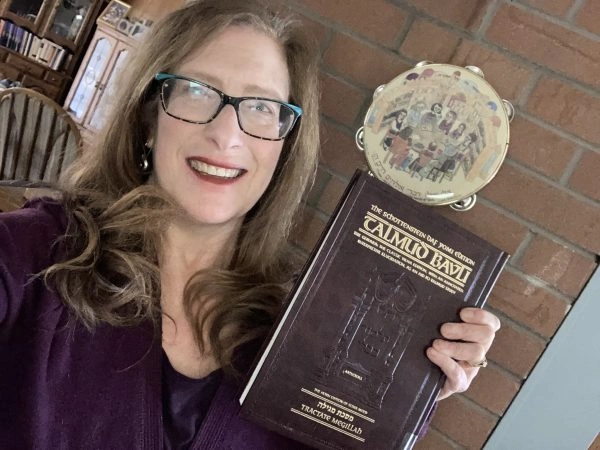
As Jewish educator and as a woman, I’m mindful that Talmud has been kept from women for many centuries. Now that we are privileged to learn, and learning is so accessible, it’s my intent to complete Daf Yomi. I am so excited to keep learning with my Hadran community.
Sue Parker Gerson
Denver, United States
I started learning Daf Yomi to fill what I saw as a large gap in my Jewish education. I also hope to inspire my three daughters to ensure that they do not allow the same Talmud-sized gap to form in their own educations. I am so proud to be a part of the Hadran community, and I have loved learning so many of the stories and halachot that we have seen so far. I look forward to continuing!

Dora Chana Haar
Oceanside NY, United States
In January 2020 on a Shabbaton to Baltimore I heard about the new cycle of Daf Yomi after the siyum celebration in NYC stadium. I started to read “ a daily dose of Talmud “ and really enjoyed it . It led me to google “ do Orthodox women study Talmud? “ and found HADRAN! Since then I listen to the podcast every morning, participate in classes and siyum. I love to learn, this is amazing! Thank you

Sandrine Simons
Atlanta, United States
See video

Susan Fisher
Raanana, Israel
I began learning the daf in January 2022. I initially “flew under the radar,” sharing my journey with my husband and a few close friends. I was apprehensive – who, me? Gemara? Now, 2 years in, I feel changed. The rigor of a daily commitment frames my days. The intellectual engagement enhances my knowledge. And the virtual community of learners has become a new family, weaving a glorious tapestry.

Gitta Jaroslawicz-Neufeld
Far Rockaway, United States
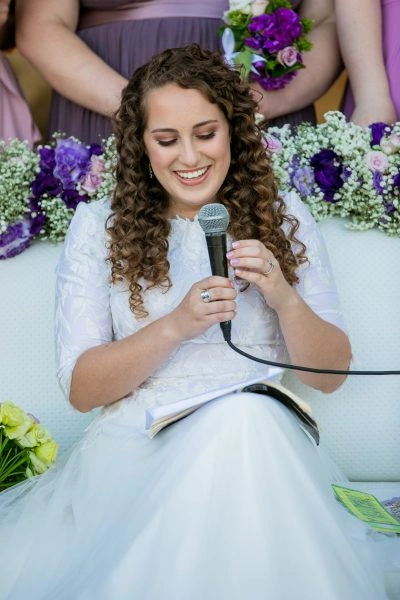
In my Shana bet at Migdal Oz I attended the Hadran siyum hash”as. Witnessing so many women so passionate about their Torah learning and connection to God, I knew I had to begin with the coming cycle. My wedding (June 24) was two weeks before the siyum of mesechet yoma so I went a little ahead and was able to make a speech and siyum at my kiseh kallah on my wedding day!
Sharona Guggenheim Plumb
Givat Shmuel, Israel
3 years ago, I joined Rabbanit Michelle to organize the unprecedented Siyum HaShas event in Jerusalem for thousands of women. The whole experience was so inspiring that I decided then to start learning the daf and see how I would go…. and I’m still at it. I often listen to the Daf on my bike in mornings, surrounded by both the external & the internal beauty of Eretz Yisrael & Am Yisrael!

Lisa Kolodny
Raanana, Israel
I heard the new Daf Yomi cycle was starting and I was curious, so I searched online for a women’s class and was pleasently surprised to find Rabanit Michelle’s great class reviews in many online articles. It has been a splendid journey. It is a way to fill my days with Torah, learning so many amazing things I have never heard before during my Tanach learning at High School. Thanks so much .

Martha Tarazi
Panama, Panama
My curiosity was peaked after seeing posts about the end of the last cycle. I am always looking for opportunities to increase my Jewish literacy & I am someone that is drawn to habit and consistency. Dinnertime includes a “Guess what I learned on the daf” segment for my husband and 18 year old twins. I also love the feelings of connection with my colleagues who are also learning.

Diana Bloom
Tampa, United States
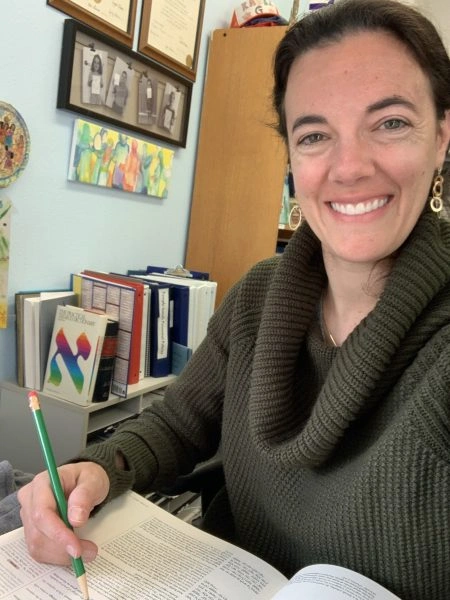
I am a Reform rabbi and took Talmud courses in rabbinical school, but I knew there was so much more to learn. It felt inauthentic to serve as a rabbi without having read the entire Talmud, so when the opportunity arose to start Daf Yomi in 2020, I dove in! Thanks to Hadran, Daf Yomi has enriched my understanding of rabbinic Judaism and deepened my love of Jewish text & tradition. Todah rabbah!
Rabbi Nicki Greninger
California, United States
I decided to give daf yomi a try when I heard about the siyum hashas in 2020. Once the pandemic hit, the daily commitment gave my days some much-needed structure. There have been times when I’ve felt like quitting- especially when encountering very technical details in the text. But then I tell myself, “Look how much you’ve done. You can’t stop now!” So I keep going & my Koren bookshelf grows…

Miriam Eckstein-Koas
Huntington, United States
I started learning at the beginning of this Daf Yomi cycle because I heard a lot about the previous cycle coming to an end and thought it would be a good thing to start doing. My husband had already bought several of the Koren Talmud Bavli books and they were just sitting on the shelf, not being used, so here was an opportunity to start using them and find out exactly what was in them. Loving it!

Caroline Levison
Borehamwood, United Kingdom
I started learning Daf Yomi to fill what I saw as a large gap in my Jewish education. I also hope to inspire my three daughters to ensure that they do not allow the same Talmud-sized gap to form in their own educations. I am so proud to be a part of the Hadran community, and I have loved learning so many of the stories and halachot that we have seen so far. I look forward to continuing!
Dora Chana Haar
Oceanside NY, United States
I learned Mishnayot more than twenty years ago and started with Gemara much later in life. Although I never managed to learn Daf Yomi consistently, I am learning since some years Gemara in depth and with much joy. Since last year I am studying at the International Halakha Scholars Program at the WIHL. I often listen to Rabbanit Farbers Gemara shiurim to understand better a specific sugyiah. I am grateful for the help and inspiration!

Shoshana Ruerup
Berlin, Germany
I never thought I’d be able to do Daf Yomi till I saw the video of Hadran’s Siyum HaShas. Now, 2 years later, I’m about to participate in Siyum Seder Mo’ed with my Hadran community. It has been an incredible privilege to learn with Rabbanit Michelle and to get to know so many caring, talented and knowledgeable women. I look forward with great anticipation and excitement to learning Seder Nashim.
Caroline Ben-Ari
Karmiel, Israel
I learned Talmud as a student in Yeshivat Ramaz and felt at the time that Talmud wasn’t for me. After reading Ilana Kurshan’s book I was intrigued and after watching the great siyum in Yerushalayim it ignited the spark to begin this journey. It has been a transformative life experience for me as a wife, mother, Savta and member of Klal Yisrael.
Elana Storch
Phoenix, Arizona, United States
I went to day school in Toronto but really began to learn when I attended Brovenders back in the early 1980’s. Last year after talking to my sister who was learning Daf Yomi, inspired, I looked on the computer and the Hadran site came up. I have been listening to each days shiur in the morning as I work. I emphasis listening since I am not sitting with a Gamara. I listen while I work in my studio.
Rachel Rotenberg
Tekoa, Israel
Gittin 71
אֶלָּא בְּפֵירֵי.
Rather, it means that the court asks him questions with regard to produce that is not found during that season.
אָמַר רַב כָּהֲנָא אָמַר רַב: חֵרֵשׁ שֶׁיָּכוֹל לְדַבֵּר מִתּוֹךְ הַכְּתָב, כּוֹתְבִין וְנוֹתְנִין גֵּט לְאִשְׁתּוֹ. אָמַר רַב יוֹסֵף: מַאי קָא מַשְׁמַע לַן? תְּנֵינָא: נִשְׁתַּתֵּק, וְאָמְרוּ לוֹ: ״נִכְתּוֹב גֵּט לְאִשְׁתְּךָ?״ וְהִרְכִּין בְּרֹאשׁוֹ, בּוֹדְקִין אוֹתוֹ שְׁלֹשָׁה פְּעָמִים, אִם אָמַר עַל לָאו – ״לָאו״, וְעַל הֵן – ״הֵן״, הֲרֵי אֵלּוּ יִכְתְּבוּ וְיִתְּנוּ.
Rav Kahana says that Rav says: With regard to a deaf-mute who can express himself through writing, the judges of the court may write and give a bill of divorce to his wife based on his written instructions. Rav Yosef said: What is he teaching us? We already learned in the mishna: In a case where the husband became mute, and the members of the court said to him: Shall we write a bill of divorce for your wife, and he nodded his head indicating his agreement, they examine him with various questions three times. If he responded to questions that have a negative answer: No, and responded to questions that have a positive answer: Yes, indicating his competence, they shall write the bill of divorce and give it to his wife based on the nod of his head.
אֲמַר לֵיהּ רַבִּי זֵירָא: אִלֵּם קָאָמְרַתְּ? שָׁאנֵי אִלֵּם – דְּתַנְיָא: מְדַבֵּר וְאֵינוֹ שׁוֹמֵעַ – זֶהוּ חֵרֵשׁ, שׁוֹמֵעַ וְאֵינוֹ מְדַבֵּר – זֶהוּ אִלֵּם, וְזֶה וָזֶה הֲרֵי הֵן כְּפִקְחִין לְכׇל דִּבְרֵיהֶם.
Rabbi Zeira said to him: A mute, you say? Is your challenge based on the mishna which discusses one who is mute? A mute is different because it is clear that his mind is intact. As it is taught in a baraita (Tosefta, Terumot 1:2): With regard to one who speaks but cannot hear, this individual is categorized as a deaf person. With regard to one who hears but cannot speak, this individual is categorized as a mute person, and both this one and that one are considered to be like halakhically competent people with regard to all their matters. Rav Kahana stated his ruling with regard to one who can neither hear nor speak. This goes beyond the halakha of the mishna, as Rav Kahana says that the written statement of a deaf-mute is an indication of his mental competence.
וּמִמַּאי דִּמְדַבֵּר וְאֵינוֹ שׁוֹמֵעַ זֶהוּ חֵרֵשׁ, שׁוֹמֵעַ וְאֵינוֹ מְדַבֵּר זֶהוּ אִלֵּם? דִּכְתִיב: ״וַאֲנִי כְחֵרֵשׁ לֹא אֶשְׁמָע וּכְאִלֵּם לֹא יִפְתַּח פִּיו״. וְאִי בָּעֵית אֵימָא, כִּדְאָמְרִי אִינָשֵׁי: אִישְׁתְּקִיל מִילּוּלֵיהּ.
The Gemara asks: And from where do we learn that one who speaks but cannot hear, this individual is categorized as a deaf person, and that with regard to one who hears but cannot speak, this individual is categorized as a mute person? As it is written: “And I am like a deaf man, I do not hear, and like the mute man who will not open his mouth” (Psalms 38:14). And if you wish, say as people say: The word for a mute [ilem] is a contraction of the expression his speech has been taken [ishtakil millulei].
אָמַר רַבִּי זֵירָא: אִי קַשְׁיָא לִי – הָא קַשְׁיָא לִי, דְּתַנְיָא: ״אִם לֹא יַגִּיד״ – פְּרָט לְאִלֵּם, שֶׁאֵינוֹ יָכוֹל לְהַגִּיד. אַמַּאי? הָא יָכוֹל לְהַגִּיד מִתּוֹךְ הַכְּתָב!
Rabbi Zeira said: If Rav Kahana’s statement is difficult for me, this is difficult for me, as it is taught in a baraita with regard to the punishment of one who was called to testify and failed to do so: “If he does not utter his testimony then he shall bear his iniquity” (Leviticus 5:1). The Sages derive from this that the verse serves to exclude a mute who is unable to utter his testimony, and he is exempt from bringing the offering of one who refuses to testify. And it is possible to raise the following question: Why is he exempt from bringing the offering; but he is able to utter his testimony through writing? Apparently, written testimony is not valid testimony.
אֲמַר לֵיהּ אַבָּיֵי: עֵדוּת קָאָמְרַתְּ? שָׁאנֵי עֵדוּת, דְּרַחֲמָנָא אָמַר: ״מִפִּיהֶם״ – וְלֹא מִפִּי כְתָבָם.
Abaye said to him: You say testimony? Testimony is different, as the Merciful One states: “From their mouths” (Deuteronomy 17:6), which emphasizes that testimony must come from the witnesses’ mouths and not from their writing.
מֵיתִיבִי: כְּשֵׁם שֶׁבּוֹדְקִין אוֹתוֹ לְגִיטִּין, כָּךְ בּוֹדְקִין אוֹתוֹ לְמַשָּׂאוֹת, וּלְמַתָּנוֹת, וּלְעֵדִיּוֹת, וְלִירוּשּׁוֹת. קָתָנֵי מִיהַת – ״עֵדִיּוֹת״!
The Gemara raises an objection to this based on that which is taught in a baraita (Tosefta 7:1): Just as the judges of the court investigate him, one who lost his ability to speak, with regard to bills of divorce, so too, the judges investigate him with regard to business transactions, testimonies, and inheritances. In any event it teaches: Testimonies, which proves that even one unable to speak can give testimony.
אָמַר רַב יוֹסֵף בַּר מִנְיוֹמֵי אָמַר רַב שֵׁשֶׁת: בְּעֵדוּת אִשָּׁה, דַּאֲקִילּוּ בַּהּ רַבָּנַן.
Rav Yosef bar Minyumi said that Rav Sheshet said: This is not referring to testimony in general. Rather, it is referring to testimony with regard to a woman whose husband died, as the Sages were lenient with her and allowed testimony that would normally not be accepted, in order to permit her to remarry.
וְהָא קָתָנֵי: ״יְרוּשּׁוֹת״! אָמַר רַבִּי אֲבָהוּ: יְרוּשַּׁת בְּנוֹ הַבְּכוֹר.
The Gemara challenges: But isn’t it also taught: Inheritances. This seems to be referring to monetary matters, where proper testimony is required. Rabbi Abbahu said: The baraita is referring to the inheritance of his own firstborn son, meaning that he is not testifying about other people’s property but testifying which one of his sons is the firstborn. Since this testimony is merely considered to be a division of the property that belongs to him, the testimony of one who is unable to speak is valid.
קָתָנֵי מִיהַת – ״לְמַשָּׂאוֹת וּלְמַתָּנוֹת״, מַאי, לָאו לְעָלְמָא? לָא, לְדִידֵיהּ.
The Gemara continues to challenge: In any event it teaches in the baraita: With regard to business transactions, what, does it not mean that a mute may testify with regard to business transactions for everyone else? The Gemara answers: No, he may testify for himself only. The baraita is saying that when a mute conducts business the court must first check if he is mentally capable.
מֵיתִיבִי: חֵרֵשׁ, לֹא הָלְכוּ בּוֹ אַחַר רְמִיזוֹתָיו וְאַחַר קְפִיצוֹתָיו וְאַחַר כְּתַב יָדוֹ, אֶלָּא בְּמִטַּלְטְלִין; אֲבָל לֹא לְגִיטִּין.
The Gemara raises an objection from a baraita: With regard to a deaf-mute, the judges of the court follow his signals, and follow the movement of his lips, and follow his handwriting only for matters of buying and selling movable property but not for bills of divorce. This appears to contradict Rav Kahana’s statement that it is permitted for a deaf-mute husband to give written instructions to divorce his wife.
תַּנָּאֵי הִיא – דְּתַנְיָא, אָמַר רַבָּן שִׁמְעוֹן בֶּן גַּמְלִיאֵל: בַּמֶּה דְּבָרִים אֲמוּרִים – בְּחֵרֵשׁ מֵעִיקָּרוֹ, אֲבָל פִּיקֵּחַ וְנִתְחָרֵשׁ – הוּא כּוֹתֵב וְהֵן חוֹתְמִין.
The Gemara answers: It is a dispute between tanna’im, as it is taught in a baraita (Tosefta, Terumot 1:1) that Rabban Shimon ben Gamliel said: In what case is this statement that the court may not rely on the written testimony of a deaf-mute with regard to a bill of divorce said? Only in the case of a deaf-mute who was deaf from the outset, i.e., from birth. But if he had been halakhically competent, i.e., he could previously hear, but became a deaf-mute later, then he may write instructions to give his wife a bill of divorce and they, the witnesses, should sign, in accordance with the opinion of Rav Kahana.
וְחֵרֵשׁ מֵעִיקָּרוֹ – לֹא?! כְּשֵׁם שֶׁכּוֹנְסָהּ בִּרְמִיזָה, כָּךְ מוֹצִיאָהּ בִּרְמִיזָה!
The Gemara asks: And one who is a deaf-mute from the outset cannot give written instructions with regard to a bill of divorce? Isn’t it true that just as he marries her with intimation, i.e., without speaking, so too, he divorces her with intimation.
אִי בְּאִשְׁתּוֹ, הָכִי נָמֵי; הָכָא בְּמַאי עָסְקִינַן – בִּיבִמְתּוֹ.
The Gemara answers: If the baraita is referring to his wife, indeed this would be the case and he could divorce her through intimations, because such a marriage is not a fully valid marriage by Torah law. But with what are we dealing here? With his yevama, his sister-in-law whose husband, his brother, died childless to whom he performed levirate marriage, and whom he subsequently wishes to divorce. This marriage is a fully valid marriage.
יְבִמְתּוֹ מִמַּאן? אִילֵימָא דִּנְפַלָה לֵיהּ מֵאָחִיו חֵרֵשׁ – כְּשֵׁם שֶׁכְּנִיסָתָהּ בִּרְמִיזָה, כָּךְ יְצִיאָתָהּ בִּרְמִיזָה! אֶלָּא דִּנְפַלָה לֵיהּ מֵאָחִיו פִּיקֵּחַ.
The Gemara asks: His yevama from whom? If we say that she fell to him from his brother who was also a deaf-mute, then just as her marriage to the brother was through intimation, so too, her divorce from the yavam can be through intimation. Rather, it must be that she fell to him from his halakhically competent brother. Consequently, the bond of the levirate marriage is by Torah law, whereas the deaf-mute man’s intimations that he desires to divorce her are valid only by rabbinic law.
וְאִיבָּעֵית אֵימָא: לְעוֹלָם דִּנְפַלָה לֵיהּ מֵאָחִיו חֵרֵשׁ, וּגְזֵירָה אָחִיו חֵרֵשׁ אַטּוּ אָחִיו פִּיקֵּחַ.
And if you wish, say instead: Actually, explain that she fell to him from his deaf-mute brother, and the Sages instituted a rabbinic decree with regard to a woman bound in a levirate marriage from his deaf-mute brother due to the death of his halakhically competent brother.
אִי הָכִי, אִשְׁתּוֹ נָמֵי! יְבִמְתּוֹ בִּיבִמְתּוֹ מִיחַלְּפָא, אִשְׁתּוֹ בִּיבִמְתּוֹ לָא מִיחַלְּפָא.
The Gemara challenges: If so, and the Sages made such a decree with regard to a case where a deaf-mute brother died due to the case where a brother who is halakhically competent died, then with regard to his own wife as well, they should have made a decree that a deaf-mute husband cannot divorce her with a bill of divorce if he married her as a deaf-mute. The Gemara answers: His yevama who was married to his halakhically competent brother might be confused with his yevama who was married to his deaf-mute brother. But people would not confuse his own wife with his yevama. Therefore, there was no need to institute such a decree.
וּמִי גָּזְרִינַן חֵרֵשׁ אַטּוּ פִּיקֵּחַ?!
The Gemara asks: And do we, the Sages, decree with regard to his deaf-mute brother due to confusion between him and his halakhically competent brother?
וְהָתְנַן: שְׁנֵי אַחִין חֵרְשִׁין – נְשׂוּאִין שְׁתֵּי אֲחָיוֹת פִּיקְּחוֹת, אוֹ שְׁתֵּי אֲחָיוֹת חֵרְשׁוֹת, אוֹ שְׁתֵּי אֲחָיוֹת אַחַת פִּיקַּחַת וְאַחַת חֵרֶשֶׁת; וְכֵן שְׁתֵּי אֲחָיוֹת חֵרְשׁוֹת – נְשׂוּאוֹת לִשְׁנֵי אַחִין פִּיקְּחִין, אוֹ לִשְׁנֵי אַחִין חֵרְשִׁין, אוֹ לִשְׁנֵי אַחִין אֶחָד פִּיקֵּחַ וְאֶחָד חֵרֵשׁ – הֲרֵי אֵלּוּ פְּטוּרוֹת מִן הַחֲלִיצָה וּמִן הַיִּבּוּם.
But didn’t we learn in a mishna (Yevamot 112b): In a case where there were two deaf-mute brothers, whose marriage is valid by rabbinic law, married to two halakhically competent sisters, or to two deaf-mute sisters, or to two sisters, one of whom was halakhically competent and one of whom was a deaf-mute; and similarly, if there were two deaf-mute sisters, whose marriage is valid by rabbinic law, married to two halakhically competent brothers, or to two deaf-mute brothers, or to two brothers, one of whom was halakhically competent and one of whom was a deaf-mute; and in each case one brother dies without children, then all these women are exempt from ḥalitza and from levirate marriage. Each sister is exempt, as she is the sister of the wife of the yavam.
וְאִם הָיוּ נׇכְרִיּוֹת, יִכָּנְסוּ; וְאִם רָצוּ לְהוֹצִיאָן – יוֹצִיאוּ.
And if they were unrelated women the men may marry them in levirate marriage, and if they wanted to divorce them later via a bill of divorce they may divorce them. Since this is stated as a general halakha it indicates that the deaf-mute brother can also give a bill of divorce to his yevama who was previously married to his deaf-mute brother, and the Sages did not institute a decree in order not to create confusion with the similar case of a deceased halakhically competent brother.
אֶלָּא מְחַוַּורְתָּא כִּדְשַׁנִּין מֵעִיקָּרָא.
Rather, it is clear as we initially answered, that it is referring to a yevama, previously married to a halakhically competent brother, who fell before a yavam who was a deaf-mute from birth. The alternative answer given on the previous amud is rejected.
אָמַר רַבִּי יוֹחָנָן: חֲלוּקִין עָלָיו חֲבֵירָיו עַל רַבָּן שִׁמְעוֹן בֶּן גַּמְלִיאֵל.
Rabbi Yoḥanan says: The colleagues of Rabban Shimon ben Gamliel disagree with him, and hold that written instructions from a deaf-mute have no halakhic validity.
אָמַר אַבָּיֵי, אַף אֲנַן נָמֵי תְּנֵינָא: נִישַּׁטֵּת, לֹא יוֹצִיא. נִתְחָרֵשׁ הוּא אוֹ נִשְׁתַּטָּה – לֹא יוֹצִיא עוֹלָמִית. מַאי ״עוֹלָמִית״? לָאו – אַף עַל גַּב דְּיָכוֹל לְדַבֵּר מִתּוֹךְ הַכְּתָב?
Abaye said that we, too, learn in the mishna (Yevamot 112b) that non-verbal instructions are insufficient to initiate a divorce even for one who was born with the ability to hear and subsequently became a deaf-mute: If a woman became an imbecile after her wedding the Sages instituted that the husband must not divorce her. If the husband became a deaf-mute or an imbecile he can never divorce her, as he does not have the legal competence to grant a bill of divorce. Abaye explains: What is the reason that the mishna emphasizes that he can never divorce her? Isn’t this teaching that even though he can communicate through writing, he is unable to divorce her?
אָמַר רַב פָּפָּא: אִי לָאו דְּאַשְׁמְעִינַן רַבִּי יוֹחָנָן, הֲוָה אָמֵינָא רַבָּן שִׁמְעוֹן בֶּן גַּמְלִיאֵל לְפָרוֹשֵׁי טַעְמָא דְּתַנָּא קַמָּא הוּא דַּאֲתָא; וּמַאי ״עוֹלָמִית״? אַף עַל גַּב דַּחֲזֵינָא לֵיהּ דְּחָרִיף.
Rav Pappa said: If not for the fact that Rabbi Yoḥanan teaches us that there is a dispute between Rabban Shimon ben Gamliel and the Rabbis, then I would say that Rabban Shimon ben Gamliel comes only to explain the reason of the first tanna, not to disagree with him. If that were so, all agree that one who was born with the ability to hear and subsequently became a deaf-mute can issue written instructions to write and give a bill of divorce for his wife. And according to this explanation, what is the meaning of the word never? It is not referring to issuing written instructions. It means that even though I see that he is sharp by means of examining his gestures, these indications are not sufficient to warrant the giving of a bill of divorce. Despite this, if he were to issue written instructions to divorce his wife, they would be followed.
אִי נָמֵי, לְכִדְרַבִּי יִצְחָק – דְּאָמַר רַבִּי יִצְחָק: דְּבַר תּוֹרָה, שׁוֹטָה מִתְגָּרֶשֶׁת – מִידֵּי דְּהָוֵה אַפִּיקַּחַת בְּעַל כׇּרְחָהּ.
Alternatively, the mishna emphasized that the only situation where the husband can never divorce his wife is where her husband became a deaf-mute or an imbecile, but not if the husband remained healthy and the wife became a deaf-mute or imbecile, in accordance with the opinion of Rabbi Yitzḥak, as Rabbi Yitzḥak says: By Torah law a woman who is an imbecile may be divorced even though she is unable to give her consent, just as it is permitted to divorce a halakhically competent woman against her will.
וּמָה טַעַם אָמְרוּ אֵינָהּ מִתְגָּרֶשֶׁת – שֶׁלֹּא יִנְהֲגוּ בָּהּ מִנְהַג הֶפְקֵר.
And what is the reason that the Rabbis said she may not be divorced? So that she will not be treated as ownerless property. If she has no husband to protect her, and she is unable to protect herself, she may be treated as ownerless property by anyone who wishes to engage in sexual intercourse with her. By contrast, if the husband is a deaf-mute or an imbecile then he cannot divorce her by Torah law. This is why the mishna stresses only that the husband may never divorce his wife in the case where he becomes halakhically incompetent, but not when it is the wife who becomes a deaf-mute or an imbecile, in order to demonstrate the difference between the two cases in terms of Torah law.
מַתְנִי׳ אָמְרוּ לוֹ: ״נִכְתּוֹב גֵּט לְאִשְׁתֶּךָ?״ וְאָמַר לָהֶן: ״כְּתוֹבוּ״; אָמְרוּ לַסּוֹפֵר וְכָתַב, וְלָעֵדִים וְחָתְמוּ; אַף עַל פִּי שֶׁכְּתָבוּהוּ וַחֲתָמוּהוּ וּנְתָנוּהוּ לוֹ, וְחָזַר וּנְתָנוֹ לָהּ – הֲרֵי הַגֵּט בָּטֵל, עַד שֶׁיֹּאמַר לַסּוֹפֵר ״כְּתוֹב״ וְלָעֵדִים ״חֲתוֹמוּ״.
MISHNA: If people said to the husband: Shall we write a bill of divorce for your wife? And he said to them: Write the document, and those people told the scribe to write it, and he wrote it and instructed the witnesses to sign it, and they signed it; even if they wrote it, and signed it, and gave it to him, and he then gave it to his wife, the bill of divorce is void unless he himself says to the scribe: Write the document, and he himself says to the witnesses: Sign the document.
גְּמָ׳ טַעְמָא דְּלֹא אָמַר ״תְּנוּ״, הָא אָמַר ״תְּנוּ״ – נוֹתְנִין, מַנִּי? רַבִּי מֵאִיר הִיא, דְּאָמַר: מִילֵּי מִימַּסְרָן לְשָׁלִיחַ.
GEMARA: The Gemara infers from the mishna: The reason that the bill of divorce is void is because he told the people only to write the document, but he did not say: Give a bill of divorce to my wife. But if he said to them: Give a bill of divorce to my wife, and they told the scribe to write the document and the witnesses to sign it, those people give the document to his wife and it is valid. In accordance with whose opinion is this statement? It is in accordance with the opinion of Rabbi Meir, who says: Verbal directives can be delegated to an agent. Everyone agrees that an agent can be appointed to perform an action on behalf of another, but Rabbi Meir holds that an agent can be appointed to give instructions to others on behalf of another.
אֵימָא סֵיפָא: ״עַד שֶׁיֹּאמַר לַסּוֹפֵר כְּתוֹב וְלָעֵדִים חֲתוֹמוּ״ – אֲתָאן לְרַבִּי יוֹסֵי, דְּאָמַר: מִילֵּי לָא מִימַּסְרָן לְשָׁלִיחַ.
The Gemara comments: Say the latter clause of the mishna: The bill of divorce is void unless he himself says to the scribe: Write the document, and he himself says to the witnesses: Sign the document. In the latter clause of the mishna, we arrive at the opinion of Rabbi Yosei, who said: Verbal directives cannot be delegated to an agent.
רֵישָׁא רַבִּי מֵאִיר וְסֵיפָא רַבִּי יוֹסֵי?! אִין, רֵישָׁא רַבִּי מֵאִיר וְסֵיפָא רַבִּי יוֹסֵי.
The Gemara asks: Is that to say that the first clause of the mishna is in accordance with the opinion of Rabbi Meir and the latter clause is in accordance with the opinion of Rabbi Yosei? The Gemara answers: Yes, the first clause is in accordance with the opinion of Rabbi Meir and the latter clause is in accordance with the opinion of Rabbi Yosei. Although unusual, it is possible for a single mishna to represent two contrary opinions.
אַבָּיֵי אָמַר: כּוּלָּהּ רַבִּי מֵאִיר הִיא, וְהָכָא בְּמַאי עָסְקִינַן – דְּלָא אֲמַר ״תְּנוּ״. אִי הָכִי, ״עַד שֶׁיֹּאמַר תְּנוּ״ מִיבְּעֵי לֵיהּ!
Abaye said: Actually, the mishna in its entirety is in accordance with the opinion of Rabbi Meir. And with what are we dealing here? With a situation whereby the husband did not say: Give the bill of divorce to my wife, but said only to write it. In that case he must instruct the scribe and the witnesses directly. If he issued instructions to give the bill of divorce, it would also have been effective. The Gemara asks: If so, the mishna should have said: The bill of divorce is void unless he says: Give the bill of divorce to my wife.
אֶלָּא הָכָא בְּמַאי עָסְקִינַן – דְּלָא אֲמַר לְבֵי תְלָתָא. אִי הָכִי, ״עַד שֶׁיֹּאמַר לִשְׁלֹשָׁה״ מִיבְּעֵי לֵיהּ!
Rather, with what are we dealing here? With a situation whereby the husband did not say his instructions to three people, who constitute a court with the authority to appoint others to write a bill of divorce. Rather, he instructed two people, who do not constitute a court, and therefore do not have the authority to appoint others to write a bill of divorce, even if the husband told them to give the bill of divorce to his wife. Witnesses may only write and give the document themselves. The Gemara challenges: If so, the mishna should have said: Unless he says his instructions to three people.
אֶלָּא כּוּלַּהּ רַבִּי יוֹסֵי הִיא, וְהָכָא בְּמַאי עָסְקִינַן – דְּלָא אֲמַר ״אִמְרוּ״.
Rather, the mishna in its entirety is in accordance with the opinion of Rabbi Yosei, and with what are we dealing here? With a situation whereby the husband did not explicitly say to his agents: Say my instructions to the scribe to write the document.
אִי הָכִי, ״עַד שֶׁיֹּאמַר אִמְרוּ״ מִיבְּעֵי לֵיהּ!
The Gemara challenges: If so, the expression: Until he says to the scribe, is imprecise. Rather, the mishna should have said: Until the husband instructs the agents to tell.
וְעוֹד, מִי מוֹדֶה רַבִּי יוֹסֵי בְּאוֹמֵר: ״אִמְרוּ״?! וְהָתְנַן: ״כָּתַב סוֹפֵר וְעֵד – כָּשֵׁר״; וְאָמַר רַבִּי יִרְמְיָה: ״חָתַם סוֹפֵר״ שָׁנִינוּ. וְאָמַר רַב חִסְדָּא: מַתְנִיתִין מַנִּי –
And does Rabbi Yosei concede in the case of one who says: Tell another to write it? But didn’t we learn in a mishna (87b): If a bill of divorce has the writing of a scribe, and the scribe identifies his handwriting, and one witness verifies his signature, it is valid as though two witnesses testified to ratify their signatures. And Rabbi Yirmeya said: We learned in the mishna that this is the halakha with regard to the scribe’s signature and not the scribe’s writing. And Rav Ḥisda said: Whose opinion is expressed in the mishna?
Follow

